

Wnt/β-catenin signalling: function, biological mechanisms, and therapeutic opportunities
Open accessThe DOI matches its Crossref record; 345 of the 345 references it cites were found in a registry or an index.
Abstract
The Wnt/β-catenin pathway comprises a family of proteins that play critical roles in embryonic development and adult tissue homeostasis. The deregulation of Wnt/β-catenin signalling often leads to various serious diseases, including cancer and non-cancer diseases. Although many articles have reviewed Wnt/β-catenin from various aspects, a systematic review encompassing the origin, composition, function, and clinical trials of the Wnt/β-catenin signalling pathway in tumour and diseases is lacking. In this article, we comprehensively review the Wnt/β-catenin pathway from the above five aspects in combination with the latest research. Finally, we propose challenges and opportunities for the development of small-molecular compounds targeting the Wnt signalling pathway in disease treatment.
Overview
The claims and statistics of this paper haven’t been checked yet.
Free: it reads the open-access text and checks the first 5 claims that cite a source we can check. Create a free account to check every claim.
Integrity signals
Registry
Cites
Statistics
Figures
Verification
Claims the paper makes
The claims and statistics of this paper haven’t been checked yet.
Free: it reads the open-access text and checks the first 5 claims that cite a source we can check. Create a free account to check every claim.
Claims other papers make about this one
Each is checked against this paper’s own text: does it say what the citing paper says it does?
The source backs part of the claim, not all of it — or backs it for a different population, condition or comparison.
In the citing paper
“The inactivation of GSK3β disrupts the integrity and function of the destruction complex, thereby preventing β-catenin phosphorylation. As a result, unphosphorylated, stable β-catenin accumulates in the cytoplasm, translocates to the nucleus, and activates the transcription of its target genes, including c-Myc and Cyclin D1 [35, 46, 47, 52–55].”
From PPP1R18-mediated activation of Wnt/β-catenin and EMT is dependent on ERK signaling in clear cell renal cell carcinoma (2026) · cites this paper as [53]
Experimental — accuracy not yet measuredThe cited source says what the claim attributes to it.
In the citing paper
“Wnt signaling is a critical pathway involved in multiple developmental processes and can also contribute to malignant transformation.”
From Multiple myeloma: signaling pathways and targeted therapy (2024) · cites this paper as [64]
The check wasn’t confident either way, so it gives no verdict — never disputed.
In the citing paper
“For example, resistance training reduces muscle atrophy by inhibiting complement component 1q (C1q)-induced Wnt signaling as well as the PI3K-Akt-tuberous sclerosis complex (TSC) cascade, which regulates the activity of the target of rapamycin complex 1 (mTORC1) via the Ras homolog enriched in the brain (Rheb)”
From Exercise-Induced Muscle–Fat Crosstalk: Molecular Mediators and Their Pharmacological Modulation for the Maintenance of Metabolic Flexibility in Aging (2025) · cites this paper as [93]
Experimental — accuracy not yet measuredThe check wasn’t confident either way, so it gives no verdict — never disputed.
In the citing paper
“Resistance training in mice attenuates muscle fibrosis and atrophy by suppressing C1q-induced Wnt/β-catenin signaling, specifically through the glycogen synthase kinase-3 beta (GSK)-3β/β-catenin axis”
From Exercise-Induced Muscle–Fat Crosstalk: Molecular Mediators and Their Pharmacological Modulation for the Maintenance of Metabolic Flexibility in Aging (2025) · cites this paper as [93]
Experimental — accuracy not yet measured
Self-check
Percentages, sums and reported differences re-computed from the paper’s own numbers.
The self-check needs the paper’s full text.
Citations
Cites
4 retracted
Items 201–345 of 345
Angiocrine Wnt signaling controls liver growth and metabolic maturation in mice
Leibing, T., Géraud, C., Augustin, I., Boutros, M., Augustin, H. G., Okun, J. G., Langhans, C., Zierow, J., Wohlfeil, S. A., Olsavszky, V., et al. (2018) · Hepatology · doi:10.1002/hep.29613 · Cited by 116 · cited 1×
“The Wnt/β-catenin pathway is an important regulator that controls liver growth, metabolic liver zonation, and liver regeneration in liver injury.(174,175) Acute liver injury induced by carbon tetrachloride leads to activation of the Wnt/β-catenin signalling pathway, which manifests as an increase in the level of the W…”
BackgroundThe CREB-Binding Protein Inhibitor ICG-001 Suppresses Pancreatic Cancer Growth
Arensman, M. D., Telesca, D., Lay, A. R., Kershaw, K. M., Wu, N., Donahue, T. R., & Dawson, D. W. (2014) · Molecular Cancer Therapeutics · doi:10.1158/1535-7163.mct-13-1005 · Cited by 115 · cited 1×
“ICG-001, a preclinical agent, binding CBP and disrupting its interaction with β-catenin, is efficacious killing tumour cells in both vitro experiments and mouse xenograft models of colon cancer and pancreatic ductal adenocarcinoma (PDAC).(292,293) PRI-724, an active enantiomer of ICG-001, has already entered Phase I c…”
BackgroundKimura, K., Ikoma, A., Shibakawa, M., Shimoda, S., Harada, K., Saio, M., Imamura, J., Osawa, Y., Kimura, M., Nishikawa, K., et al. (2017) · EBioMedicine · doi:10.1016/j.ebiom.2017.08.016 · Cited by 112
Zhao, L., Jin, Y., Donahue, K., Tsui, M., Fish, M., Logan, C. Y., Wang, B., & Nusse, R. (2019) · Hepatology · doi:10.1002/hep.30563 · Cited by 111 · cited 1×
“Lineage tracing of peri-injury AXIN2 hepatocytes has shown that, during recovery, AXIN2+ liver cells regenerate and repair damaged substances.(176) This finding demonstrated that the Wnt/β-catenin pathway restores tissue integrity after acute liver injury.”
BackgroundEvidence for Active Regulation of Pro-Osteogenic Signaling in Advanced Aortic Valve Disease
Miller, J. D., Weiss, R. M., Serrano, K. M., Castaneda, L. E., Brooks, R. M., Zimmerman, K., & Heistad, D. D. (2010) · Arteriosclerosis, Thrombosis, and Vascular Biology · doi:10.1161/atvbaha.110.211029 · Cited by 108 · cited 1×
“In AVS patients, DVL2, GSK3β, β-catenin, and SFRP2 are upregulated in the stenotic aorta.(117,118) Further investigations are encouraged to explore changes in downstream Wnt/β-catenin gene expression to eventually develop potentially propitious pharmacological drugs for AVS.”
BackgroundChong, J. M., Üren, A., Rubin, J. S., & Speicher, D. W. (2002) · Journal of Biological Chemistry · doi:10.1074/jbc.m108533200 · Cited by 108 · cited 1×
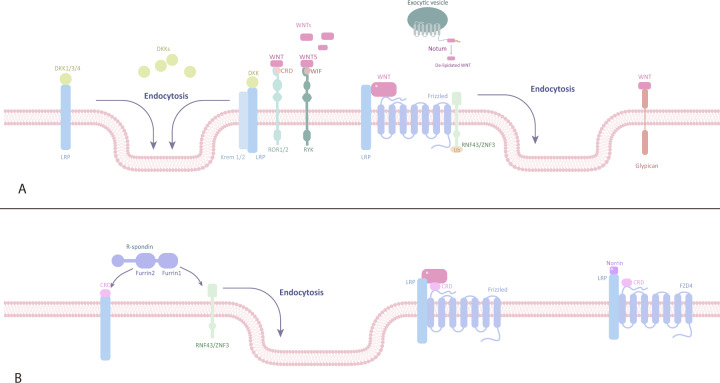
“sFRPs have a Netrin-related motif in the C-terminal region, WIF has a WIF domain in the C-terminal region, and both bind to Wnt proteins, thereby inhibiting Wnt signalling.(24,25) Glypicans are located on the plasma membrane and bind to Wnt proteins to regulate their extracellular distribution and signal activity.”
BackgroundADNP promotes neural differentiation by modulating Wnt/β-catenin signaling
Sun, X., Peng, X., Cao, Y., Zhou, Y., & Sun, Y. (2020) · Nature Communications · doi:10.1038/s41467-020-16799-0 · Cited by 108
Type I Keratinocyte Transglutaminase: Expression in Human Skin and Psoriasis
Schroeder, W. T., Thacher, S. M., Stewart-Galetka, S. L., Annarella, M., Chema, D., Siciliano, M. J., Davies, P. J., Tang, H.-Y., Sowa, B. A., & Duvic, M. A. (1992) · Journal of Investigative Dermatology · doi:10.1111/1523-1747.ep12611394 · Cited by 108
A role for APP in Wnt signalling links synapse loss with β-amyloid production
Elliott, C., Rojo, A. I., Ribe, E., Broadstock, M., Xia, W., Morin, P., Semenov, M., Baillie, G., Cuadrado, A., Al-Shawi, R., et al. (2018) · Translational Psychiatry · doi:10.1038/s41398-018-0231-6 · Cited by 107 · cited 1×
“Activation of noncanonical Wnt signalling enhances Aβ production, while activation of canonical Wnt signalling suppresses Aβ production.(166) Third, GSK3β is activated in the AD brain, and the hyperphosphorylation of tau protein in AD patients is mediated by GSK-3β.”
BackgroundEpigenetic silencing of AXIN2 in colorectal carcinoma with microsatellite instability
Koinuma, K., Yamashita, Y., Liu, W., Hatanaka, H., Kurashina, K., Wada, T., Takada, S., Kaneda, R., Choi, Y. L., Fujiwara, S.-I., et al. (2005) · Oncogene · doi:10.1038/sj.onc.1209009 · Cited by 106
Muñoz-Castañeda, J. R., Rodelo‐Haad, C., de Mier, M. V. P.-R., Martín‐Malo, A., Santamaría, R., & Rodríguez, M. (2020) · Toxins · doi:10.3390/toxins12030185 · Cited by 105 · cited 1×
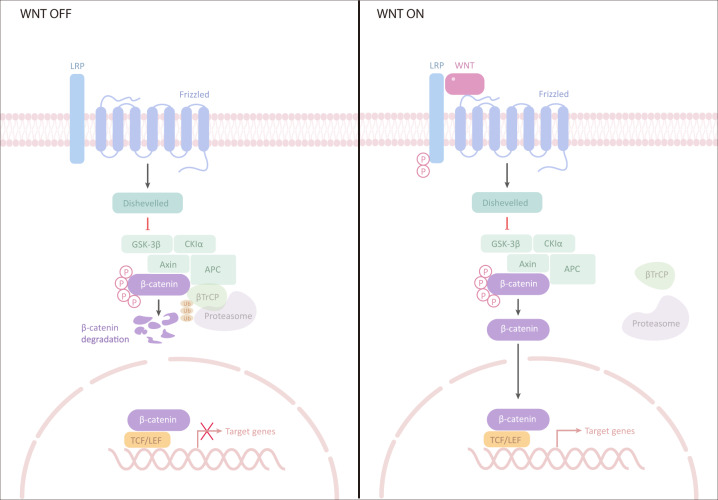
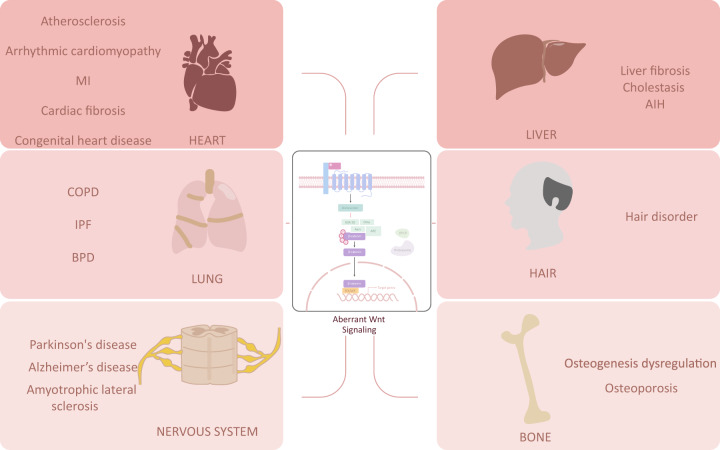
“The cytoplasmic-nuclear shuttling of β-catenin is considered an important feature of Wnt/β-catenin pathway activation.(8,9) Here, we review the diseases caused by abnormal Wnt/ β-catenin signalling and the underlying mechanism, and we discuss the function of the components and regulators of the Wnt/β-catenin signallin…”
BackgroundAnsboro, S., Roelofs, A. J., & De Bari, C. (2017) · Current Opinion in Rheumatology · doi:10.1097/bor.0000000000000370 · Cited by 105
Liu, T., Wu, X., Chen, T., Luo, Z., & Hu, X. (2018) · Clinical Cancer Research · doi:10.1158/1078-0432.ccr-17-1169 · Cited by 105 · cited 1×
“tumour suppressor CDH1 and inhibits the Wnt/β-catenin pathway via the interaction between CDH1 and β-catenin.(63) LncRNAs also have a strong regulatory effect on Wnt/ β-catenin, and most lncRNAs, such as FAST, JPX, LALR1, Linc00210, CCAL, NEAT1, and Lnc-β-Catm, directly or indirectly enhance the stability of β-catenin…”
BackgroundLoh, N. Y., Neville, M. J., Marinou, K., Hardcastle, S. A., Fielding, B. A., Duncan, E. L., McCarthy, M. I., Tobias, J. H., Gregson, C. L., Karpe, F., et al. (2015) · Cell Metabolism · doi:10.1016/j.cmet.2015.01.009 · Cited by 104 · cited 1×
“Wnt/β-catenin pathway in other cardiovascular diseases: LRP5 regulates body fat distribution through the canonical Wnt signalling pathway and affects the occurrence of cardiometabolic disorders, which is consistent with the increased prevalence of cardiovascular disease in subjects with abdominal obesity.(115) Aortic…”
BackgroundMoore, K. N., Gunderson, C. C., Sabbatini, P., McMeekin, D. S., Mantia-Smaldone, G., Burger, R. A., Morgan, M. A., Kapoun, A. M., Brachmann, R. K., Stagg, R., et al. (2019) · Gynecologic Oncology · doi:10.1016/j.ygyno.2019.04.001 · Cited by 104
Li, H., Liu, C.-C., Zheng, H., & Huang, T. Y. (2018) · Translational Neurodegeneration · doi:10.1186/s40035-018-0139-3 · Cited by 103 · cited 1×
“Wnt/β-catenin pathway in AD: AD is mainly characterized by neuronal loss, the deposition of amyloid-beta plaques, and the formation of hyperphosphorylated tau protein in neurons, particularly the cytotoxic effect of amyloid beta-peptide (Abeta).(164) The Wnt/β-catenin pathway intervenes in the pathological process of…”
BackgroundTankyrase Inhibition Causes Reversible Intestinal Toxicity in Mice with a Therapeutic Index < 1
Zhong, Y., Katavolos, P., Nguyen, T., Lau, T., Boggs, J., Sambrone, A., Kan, D., Merchant, M., Harstad, E., Diaz, D., et al. (2016) · Toxicologic Pathology · doi:10.1177/0192623315621192 · Cited by 103 · cited 1×
“Although Wnt/β-catenin signalling is an attractive target evaluated by clinical trials, there is a risk of offtarget effects, such as the following: side effects such as diarrhoea, fatigue, nausea dysgeusia, and vomiting(315) kidney injury; chronic kidney disease-associated complications(316) and toxicities such as bo…”
BackgroundWo, D., Peng, J., Ren, D., Qiu, L., Chen, J., Zhu, Y., Yan, Y., Yan, H., Wu, J., Ma, E., et al. (2016) · Circulation · doi:10.1161/circulationaha.116.024441 · Cited by 103
Wnt/β-Catenin Signaling in Oral Carcinogenesis
Reyes, M., Flores, T., Betancur, D. L. D., Peña‐Oyarzún, D., & Torres, V. A. (2020) · International Journal of Molecular Sciences · doi:10.3390/ijms21134682 · Cited by 103 · cited 1×
“The cytoplasmic-nuclear shuttling of β-catenin is considered an important feature of Wnt/β-catenin pathway activation.(8,9) Here, we review the diseases caused by abnormal Wnt/ β-catenin signalling and the underlying mechanism, and we discuss the function of the components and regulators of the Wnt/β-catenin signallin…”
BackgroundSclerostin and DKK1 in postmenopausal osteoporosis treated with denosumab
Gatti, D., Viapiana, O., Fracassi, E., Idolazzi, L., Dartizio, C., Povino, M. R., Adami, S., & Rossini, M. (2012) · Journal of Bone and Mineral Research · doi:10.1002/jbmr.1681 · Cited by 102 · cited 3×
“Agents targeting the β-catenin-destruction complex chronic kidney disease (CKD)-mineral and bone disorder (CKD-MBD) begins early in the course of kidney disease and is clinically detectable in stage 2 CKD.267 DKK1 antibody are involved in the pathogenesis of CKD-MBD, neutralization of DKK1 in CKD-2 mice after renal in…”
BackgroundSmall-molecule binding of the axin RGS domain promotes β-catenin and Ras degradation
Cha, P.-H., Cho, Y.-H., Lee, S.-K., Lee, J., Jeong, W.-J., Moon, B.-S., Yun, J.-H., Yang, J. S., Choi, S., Yoon, J., et al. (2016) · Nature Chemical Biology · doi:10.1038/nchembio.2103 · Cited by 101
Oxygen-sensing PHDs regulate bone homeostasis through the modulation of osteoprotegerin
Wu, C., Rankin, E. B., Castellini, L., Fernandez-Alcudia, J., LaGory, E. L., Andersen, R., Rhodes, S. D., Wilson, T. L. S., Mohammad, K. S., Castillo, A. B., et al. (2015) · Genes & Development · doi:10.1101/gad.255000.114 · Cited by 101 · cited 2×
“In a hypoxic environment, the activity of PHD2 in osteocytes is reduced and HIF signalling is enhanced, improving the activity of the canonical Wnt signalling pathway through the HIF-SIRT1-SOST-β-catenin signalling axis, thereby promoting bone formation mediated by the activated Wnt/β-catenin signalling pathway and in…”
BackgroundAPC Inhibits Ligand-Independent Wnt Signaling by the Clathrin Endocytic Pathway
Saito-Diaz, K., Benchabane, H., Tiwari, A., Tian, A., Li, B., Thompson, J. J., Hyde, A. S., Sawyer, L. M., Jodoin, J. N., Santos, E., et al. (2018) · Developmental Cell · doi:10.1016/j.devcel.2018.02.013 · Cited by 97 · cited 1×
“Concurrently, they proposed that APC inhibited the formation of constitutive, ligand-independent, clathrindependent signalosomes and the unnecessary activation of the Wnt pathway.(22) Wnt ligands induce the phosphorylation of LRP6 receptors, mainly mediated by GSK-3β and CK-1α, and dual phosphorylation promotes the bi…”
BackgroundGatti, D., Viapiana, O., Idolazzi, L., Fracassi, E., Rossini, M., & Adami, S. (2011) · The Journal of Clinical Endocrinology & Metabolism · doi:10.1210/jc.2010-2552 · Cited by 97 · cited 2×
“Meanwhile, Teriparatide (TPD) stimulate bone formation also via increasing SOST and DKK1 in postmenopausal osteoporosis treatment.(262) In addition, in solid organ transplant recipients (SOTr), low DKK-1 and increased secreted frizzled related protein-3 levels causing dysregulation of Wnt signalling were closely assoc…”
BackgroundChen, Y., Huang, J., Chen, R., Yang, L., Wang, J., Liu, B., Du, L., Yi, Y., Jia, J. Y., Xu, Y., et al. (2020) · Theranostics · doi:10.7150/thno.39566 · Cited by 97
Lü, L., Gao, Y., Zhang, Z., Cao, Q., Zhang, X., Zou, J., & Cao, Y. (2015) · Developmental Cell · doi:10.1016/j.devcel.2015.04.006 · Cited by 95 · cited 1×
“Notably, the destruction of the β-catenin/TCF complex by Kdm2a/b inhibits Wnt signalling even without demethylation.(74)”
BackgroundSelf-citationMicroRNA-200c impairs uterine receptivity formation by targeting FUT4 and α1,3-fucosylation
Zheng, Q., Zhang, D., Yang, Y., Cui, X., Sun, J., Liang, C., Qin, H., Yang, X., Liu, S., & Yan, Q. (2017) · Cell Death and Differentiation · doi:10.1038/cdd.2017.136 · Cited by 95 · cited 1×
“In infertility and abortion, miR200c negatively regulates FUT4 to inhibit α1-catenin on CD44, inactivating the downstream Wnt/β-catenin signalling pathway, and reducing the proliferation and adhesion of endometrial cells.(62) MiR-708-5p upregulates the expression of the Table 2.”
BackgroundLiu, A., Zhu, J., Wu, G., Cao, L., Tan, Z., Zhang, S., Jiang, L., Wu, J., Li, M., Song, L., et al. (2017) · Molecular Cancer · doi:10.1186/s12943-017-0669-9 · Cited by 94 · cited 1×
“, DKK3 and GSK3β) of the Wnt/β-catenin signalling pathway.(46) miR-29 directly inhibits four factors in the Wnt/β-catenin pathway (GSK3β, CTNNBIP1, HBP1, and GLIS2).”
BackgroundBao, X., Zhang, H., Wu, W., Cheng, S., Dai, X., Zhu, X., Fu, Q., Tong, Z., Liu, L., Zheng, Y., et al. (2020) · Journal for ImmunoTherapy of Cancer · doi:10.1136/jitc-2020-001437 · Cited by 94 · cited 6×
“Therefore, the alteration of Wnt and its related gene copy number in cfDNA can be used to diagnose CRC.”
BackgroundInfluentialOsteocalcin Regulates Arterial Calcification Via Altered Wnt Signaling and Glucose Metabolism
Rashdan, N. A., Sim, A. M., Cui, L., Phadwal, K., Roberts, F. L., Carter, R., Ozdemir, D. D., Hohenstein, P., Hung, J., Kaczynski, J., et al. (2020) · Journal of Bone and Mineral Research · doi:10.1002/jbmr.3888 · Cited by 92
Therapeutic targets in the Wnt signaling pathway: Feasibility of targeting TNIK in colorectal cancer
Masuda, M., Sawa, M., & Yamada, T. (2015) · Pharmacology & Therapeutics · doi:10.1016/j.pharmthera.2015.10.009 · Cited by 89
Distinct Colorectal Cancer–Associated APC Mutations Dictate Response to Tankyrase Inhibition
Schatoff, E. M., Goswami, S., Zafra, M. P., Foronda, M., Shusterman, M., Leach, B. I., Katti, A., Diaz, B. J., & Dow, L. E. (2019) · Cancer Discovery · doi:10.1158/2159-8290.cd-19-0289 · Cited by 89
Kim, H.-Y., Yoon, J.-Y., Yun, J.-H., Cho, K.-W., Lee, S.-H., Rhee, Y.-M., Jung, H.-S., Lim, H., Lee, H., Choi, J., et al. (2015) · Cell Death and Differentiation · doi:10.1038/cdd.2014.238 · Cited by 89 · cited 3×
“The Wnt signalling pathway has become a promising target for the development of new bone synthesis drugs.123,124 Novel regulators of bone formation related to the Wnt/β-catenin signalling pathway: Regulation of bone formation and differentiation by Wnt players: Doxycycline induces Wnt7b expression in an osteoblast cel…”
BackgroundGuo, Y., Mishra, A., Howland, E., Zhao, C., Shukla, D., Weng, T., & Liu, L. (2015) · Blood · doi:10.1182/blood-2015-02-622233 · Cited by 89
Li, J., Yu, K., Oehlert, J. W., Jelliffe‐Pawlowski, L. L., Gould, J. B., Stevenson, D. K., Snyder, M. P., Shaw, G. M., & O'Brodovich, H. M. (2015) · American Journal of Respiratory and Critical Care Medicine · doi:10.1164/rccm.201501-0168oc · Cited by 89
Dermal Adipose Tissue Secretes HGF to Promote Human Hair Growth and Pigmentation
Nicu, C., O’Sullivan, J. D. B., Ramos, R., Timperi, L., Lai, T., Farjo, N. P., Farjo, B., Pople, J., Bhogal, R. K., Hardman, J. A., et al. (2021) · Journal of Investigative Dermatology · doi:10.1016/j.jid.2020.12.019 · Cited by 89 · cited 2×
“For example, hepatocyte growth factor (HGF) secreted by dermal white adipose tissue activates the Wnt/β-catenin signalling pathway and enhances the pigmentation of hair follicles by upregulating the expression of AXIN2, LEF-1, Wnt10b, and Wnt6.”
BackgroundChen, Y., Guan, Y., Liu, H., Wu, X., Yu, L., Wang, S., Zhao, C., Du, H., & Wang, X. (2012) · Biochemical and Biophysical Research Communications · doi:10.1016/j.bbrc.2012.03.006 · Cited by 87 · cited 1×
“Three key signalling molecules in the Wnt/β-catenin signalling pathway—Wnt3a, β-catenin, and Cyclin D1—are upregulated at the mRNA and protein levels in the adult spinal cord of SOD1 (G93A) ALS transgenic mice and are related to gliosis of the adult spinal cord in ALS transgenic mice.(171) The levels of Wnt3, Wnt4, FZ…”
BackgroundSyndecan-1 promotes Wnt/β-catenin signaling in multiple myeloma by presenting Wnts and R-spondins
Ren, Z., van Andel, H., de Lau, W., Hartholt, R. B., Maurice, M. M., Clevers, H., Kersten, M. J., Spaargaren, M., & Pals, S. T. (2018) · Blood · doi:10.1182/blood-2017-07-797050 · Cited by 87
Li, W., Wang, H., Ma, Z., Zhang, J., Ouyang, W., Yan, Q., & Liu, J. (2019) · Frontiers in Oncology · doi:10.3389/fonc.2019.01019 · Cited by 87 · cited 1×
“The infiltration level of CD4+ and CD8+ T cells decreases in HCC tissues because of AXIN1/CTNNB1 mutations, resulting in immune escape.(216,217) Several new potentially functionally relevant AXIN1 mutations have also been found in advanced prostate cancer.”
BackgroundSelf-citationSingh, S., Mishra, A., Mohanbhai, S. J., Tiwari, V., Chaturvedi, R. K., Khurana, S., & Shukla, S. (2018) · Free Radical Biology and Medicine · doi:10.1016/j.freeradbiomed.2018.08.033 · Cited by 82 · cited 1×
“Activated Wnt/β-catenin signalling enhanced net DAergic neurogenesis in parkinsonian rats by regulating pro-neural genes (Nurr-1, Pitx-3, Ngn-2, and NeuroD1) and mitochondrial biogenesis.(161) The development of mesodiencephalic dopaminergic (mdDA) neurons and mdDA progenitors, including the nigrostriatal subset that…”
BackgroundZeng, H., Lu, B., Zamponi, R., Yang, Z., Wetzel, K., Loureiro, J., Mohammadi, S., Beibel, M., Bergling, S., Reece-Hoyes, J., et al. (2018) · Proceedings of the National Academy of Sciences · doi:10.1073/pnas.1808575115 · Cited by 82
Notch2 controls non-autonomous Wnt-signalling in chronic lymphocytic leukaemia
Mangolini, M., Götte, F., Moore, A., Ammon, T., Oelsner, M., Lutzny‐Geier, G., Klein‐Hitpaß, L., Williamson, J. C., Lehner, P. J., Dürig, J., et al. (2018) · Nature Communications · doi:10.1038/s41467-018-06069-5 · Cited by 80
Clinical advantages and disadvantages of anabolic bone therapies targeting the WNT pathway
Appelman‐Dijkstra, N. M., & Papapoulos, S. E. (2018) · Nature Reviews Endocrinology · doi:10.1038/s41574-018-0087-0 · Cited by 77 · cited 1×
“The current treatment for osteoporosis is mainly the inhibition of bone resorption.(142) The regulation of some molecules in bone diseases can provide new ideas for the treatment of osteoporosis and other bone-related diseases.”
BackgroundYamada, K., Hori, Y., Inoue, S., Yamamoto, Y., Iso, K., Kamiyama, H., Yamaguchi, A., Kimura, T., Uesugi, M., Ito, J., et al. (2021) · Cancer Research · doi:10.1158/0008-5472.can-20-0782 · Cited by 77 · cited 1×
“(NCT03833700, NCT03833700).(295) In all inhibitors of WNT signalling, niclosamide is FDAapproved drug and was used to treat taeniasis, showing inhibiting effect on tumours proliferation, stemness and metastasis by causing FZD1 receptor internalization and decreasing the protein level of DVL2, as well as targeting LRP6.”
BackgroundWu, W., Xiao, Z., Chen, Y., Deng, Y., Zeng, D., Liu, Y., Huang, F., Wang, J., Liu, Y., Bellanti, J. A., et al. (2020) · Molecular Therapy · doi:10.1016/j.ymthe.2020.04.003 · Cited by 76 · cited 1×
“They also confirmed that transplanted GMSCs could be distributed in the bone marrow and might represent an effective method for the treatment of osteoporosis and other bone-related diseases.(145) Highly sulfated glycosaminoglycans (sGAGs) regulate bone homeostasis by interfering with the formation of the sclerostin/ L…”
MethodDotan, E., Cardin, D. B., Lenz, H.-J., Messersmith, W., O'Neil, B., Cohen, S. J., Denlinger, C. S., Shahda, S., Astsaturov, I., Kapoun, A. M., et al. (2020) · Clinical Cancer Research · doi:10.1158/1078-0432.ccr-20-0489 · Cited by 75
Chen, Z., Venkatesan, A. M., Dehnhardt, C. M., dos Santos, O., Santos, E. D., Ayral‐Kaloustian, S., Chen, L., Geng, Y., Arndt, K. T., Lucas, J., et al. (2009) · Bioorganic & Medicinal Chemistry Letters · doi:10.1016/j.bmcl.2009.07.070 · Cited by 74
Hyperoxia Injury in the Developing Lung Is Mediated by Mesenchymal Expression of Wnt5A
Sucre, J. M. S., Vickers, K. C., Benjamin, J. T., Plosa, E. J., Jetter, C. S., Cutrone, A. M., Ransom, M. A., Anderson, Z. G., Sheng, Q., Fensterheim, B. A., et al. (2020) · American Journal of Respiratory and Critical Care Medicine · doi:10.1164/rccm.201908-1513oc · Cited by 74 · cited 1×
“Hyperoxia injury during lung development upregulates the expression of Wnt2b, Wnt5a, Wnt9a, and Wnt16, leading to excessive activation of Wnt/β-catenin in fibroblasts and AT2 cells, characterized by the accumulation of β-catenin and an increase in AXIN2 expression.(98) Although active Wnt signalling is necessary for a…”
BackgroundPicke, A., Salbach‐Hirsch, J., Hintze, V., Rother, S., Rauner, M., Kascholke, C., Möller, S., Bernhardt, R., Rammelt, S., Pisabarro, M. T., et al. (2016) · Biomaterials · doi:10.1016/j.biomaterials.2016.04.013 · Cited by 73 · cited 2×
“AnnKristin Picke et al.(147) found that sulfated hyaluronic acid (sHA3) also had a strong affinity for SOST and verified that the TriLA scaffold coated with collagen/sHA3 improved the regeneration of bone defects in type 2 diabetic rats.”
BackgroundCanonical WNT pathway is activated in the airway epithelium in chronic obstructive pulmonary disease
Carlier, F. M., Dupasquier, S., Ambroise, J., Detry, B. R., Lecocq, M., Biétry–Claudet, C., Boukala, Y., Gala, J., Bouzin, C., Verleden, S. E., et al. (2020) · EBioMedicine · doi:10.1016/j.ebiom.2020.103034 · Cited by 72 · cited 1×
“Recently, a Wnt-targeted RNA sequencing study of the COPD airway epithelium showed that the canonical Wnt signalling pathway is activated in COPD, which inhibits airway epithelial differentiation and barrier function and induces the upregulation of EMT-related genes.(92) In contrast to COPD, the Wnt/β-catenin pathway…”
BackgroundMosca, L., Musto, P., Todoerti, K., Barbieri, M., Agnelli, L., Fabris, S., Tuana, G., Lionetti, M., Bonaparte, E., Sirchia, S. M., et al. (2013) · American Journal of Hematology · doi:10.1002/ajh.23339 · Cited by 69 · cited 1×
“Genome-wide analysis can also be used to detect the methylation status and aberrant activation of Wnt/ β-catenin signalling in primary plasma cell leukaemia.(252) Promoter hypermethylation of Wnt inhibitors is related to activation of the Wnt pathway.”
BackgroundStoddart, A., Wang, J., Hu, C., Fernald, A. A., Davis, E. M., Cheng, J. X., & Beau, M. M. L. (2017) · Blood · doi:10.1182/blood-2016-08-736454 · Cited by 69
Twa1/Gid8 is a β-catenin nuclear retention factor in Wnt signaling and colorectal tumorigenesis
Lu, Y., Xie, S., Zhang, W., Zhang, C., Gao, C., Sun, Q., Cai, Y., Xu, Z., Xiao, M., Xu, Y., et al. (2017) · Cell Research · doi:10.1038/cr.2017.107 · Cited by 69 · cited 2×
“Lu et al.(71) found that Twa1 activates the Wnt/β-catenin signalling pathway by facilitating β-catenin nuclear retention in a zebrafish model.”
BackgroundGuezguez, B., Almakadi, M., Benoit, Y. D., Shapovalova, Z., Rahmig, S., Fiebig‐Comyn, A., Casado, F. L., Tanasijevic, B., Bresolin, S., Masetti, R., et al. (2016) · Cancer Cell · doi:10.1016/j.ccell.2015.11.012 · Cited by 68
Desmosomes in the Heart: A Review of Clinical and Mechanistic Analyses
Patel, D. M., & Green, K. J. (2014) · Cell Communication & Adhesion · doi:10.3109/15419061.2014.906533 · Cited by 68
Suzuki, A., Ogata, K., Yoshioka, H., Shim, J., Wassif, C. A., Porter, F. D., & Iwata, J. (2020) · Bone Research · doi:10.1038/s41413-019-0078-3 · Cited by 67 · cited 1×
“β-Catenin binds to the Col1a1 promoter region, and this combination is related to the activity of Wnt/β-catenin signalling, indicating that the canonical Wnt signalling pathway is involved in the bone phenotype of DHCR7 and INSIG1/2 defects.(134) R-spondin2 (RSPO2), an activator of the canonical Wnt signalling pathway…”
BackgroundA phospho-switch controls RNF43-mediated degradation of Wnt receptors to suppress tumorigenesis
Tsukiyama, T., Zou, J., Kim, J., Ogamino, S., Shino, Y., Masuda, T., Merenda, A., Matsumoto, M., Fujioka, Y., Hirose, T., et al. (2020) · Nature Communications · doi:10.1038/s41467-020-18257-3 · Cited by 67 · cited 1×
“Simultaneously, RNF43 and KRAS mutations show a synergistic effect in CRC progression.(223) Wnt signalling activated by RNF43 mutation promotes tumour growth and a high recurrence rate in CRC patients.”
BackgroundTargeted methylation sequencing reveals dysregulated Wnt signaling in Parkinson disease
Zhang, L., Deng, J., Pan, Q., Zhan, Y., Fan, J., Zhang, K., & Zhang, Z. (2016) · Journal of genetics and genomics/Journal of Genetics and Genomics · doi:10.1016/j.jgg.2016.05.002 · Cited by 66 · cited 6×
“The protein expression of 4 Wnt and neurogenesis-related genes (FOXC1, NEURG2, SPRY1, and CTNNB1) in midbrain dopamine (DA) neurons is significantly reduced in rat models of PD.160 In another study, AXIN-2 shRNA lentivirus particles were stereotaxically injected into the substantia nigra pars compacta (SNpc) of parkin…”
BackgroundInfluentialCatalano, A., Loddo, S., Bellone, F., Pecora, C., Lasco, A., & Morabito, N. (2018) · Bone · doi:10.1016/j.bone.2018.07.010 · Cited by 66
WNT receptor signalling in lung physiology and pathology
Skronska-Wasek, W., Gosens, R., Königshoff, M., & Baarsma, H. A. (2018) · Pharmacology & Therapeutics · doi:10.1016/j.pharmthera.2018.02.009 · Cited by 65 · cited 1×
“COPD is a chronic disease characterized by chronic airway inflammation, airway remodelling, airflow obstruction, and loss of the alveolar parenchyma.(88) Wnt/β-catenin signalling activity is reduced in the lung epithelial cells of COPD patients, and the mechanisms responsible for its downregulation include cigarette s…”
BackgroundLi, B., Flaveny, C. A., Giambelli, C., Fei, D. L., Han, L., Hang, B. I., Bai, F., Pei, X.-H., Nose, V., Burlingame, O., et al. (2014) · PLoS ONE · doi:10.1371/journal.pone.0101969 · Cited by 65
Ankyrin-B dysfunction predisposes to arrhythmogenic cardiomyopathy and is amenable to therapy
Roberts, J. D., Murphy, N. P., Hamilton, R. M., Lubbers, E. R., James, C. A., Kline, C. F., Gollob, M. H., Krahn, A. D., Sturm, A. C., Musa, H., et al. (2019) · Journal of Clinical Investigation · doi:10.1172/jci125538 · Cited by 61 · cited 2×
“GSK-3β inhibitors improve the cardiac function of AnkB-deficient ACM mouse models, and the use of these inhibitors may become a new prevention and treatment strategy for ACM.(111)”
BackgroundHuang, Y., Xiao, D., Huang, S., Zhuang, J., Zheng, X., Chang, Y., & Yin, D. (2020) · Biomedicine & Pharmacotherapy · doi:10.1016/j.biopha.2020.110365 · Cited by 61
Neural progenitor cell-derived nanovesicles promote hair follicle growth via miR-100
Cao, L., Tian, T., Huang, Y., Tao, S., Zhu, X., Yang, M., Gu, J., Feng, G., Ma, Y., Xia, R., et al. (2021) · Journal of Nanobiotechnology · doi:10.1186/s12951-020-00757-5 · Cited by 59
Lafyatis, R., Mantero, J. C., Gordon, J., Kishore, N., Carns, M., Dittrich, H., Spiera, R., Simms, R. W., & Varga, J. (2017) · Journal of Investigative Dermatology · doi:10.1016/j.jid.2017.06.032 · Cited by 59
Hedgehog inhibits β-catenin activity in synovial joint development and osteoarthritis
Rockel, J. S., Yu, C., Whetstone, H., Craft, A. M., Reilly, K., Ma, H., Tsushima, H., Puviindran, V., Al-Jazrawe, M., Keller, G. M., et al. (2016) · Journal of Clinical Investigation · doi:10.1172/jci80205 · Cited by 58
Yang, L., Liu, G., Li, X., Xia, Z., Wang, Y., Lin, W., Zhang, W., Zhang, W., & Li, X. (2020) · Cell Death and Disease · doi:10.1038/s41419-020-03027-2 · Cited by 57 · cited 1×
“5-induced lung injury, knockout of RAB6 activates the Wnt/β-catenin signalling pathway by inhibiting the secretion of DKK1, thus promoting the self-renewal of type II alveolar epithelial cells (AEC2) during lung repair.(86) Folliculin (FLCN) deletion in pulmonary mesenchymal cells is the leading cause of cystic lesion…”
BackgroundCirculating tumor DNA alterations in patients with metastatic castration‐resistant prostate cancer
Sonpavde, G., Agarwal, N., Pond, G. R., Nagy, R. J., Nussenzveig, R. H., Hahn, A. W., Sartor, O. A., Gourdin, T. S., Nandagopal, L., Ledet, E. M., et al. (2019) · Cancer · doi:10.1002/cncr.31959 · Cited by 57
Xu, R., Khan, S. K., Zhou, T., Gao, B., Zhou, Y., Zhou, X., & Yang, Y. (2018) · Bone Research · doi:10.1038/s41413-018-0034-7 · Cited by 57
Soleas, J. P., D'Arcangelo, E., Huang, L., Karoubi, G., Nostro, M. C., McGuigan, A. P., & Waddell, T. K. (2020) · Biomaterials · doi:10.1016/j.biomaterials.2020.120128 · Cited by 57
Targeting Wnt pathway in mantle cell lymphoma-initiating cells
Mathur, R., Sehgal, L., Braun, F. K., Berkova, Z., Romaguerra, J., Wang, M., Rodriguez, M. A., Fayad, L., Neelapu, S. S., & Samaniego, F. (2015) · Journal of Hematology & Oncology · doi:10.1186/s13045-015-0161-1 · Cited by 56 · cited 1×
“Moreover, in mantle cell lymphoma (MCL) which is resistant to genotoxic agents vincristine, iCRTs eliminated MCL-initiating cells very well.(291) However, there are lacking enough vivo evidences to evaluate the antitumor potential of iCRTs.”
BackgroundMultipoint targeting of TGF-β/Wnt transactivation circuit with microRNA 384-5p for cardiac fibrosis
Seo, H., Lee, S., Lee, C. Y., Lee, J., Shin, S., Song, B., Kim, I., Choi, J., Lim, S., Kim, S. W., et al. (2018) · Cell Death and Differentiation · doi:10.1038/s41418-018-0187-3 · Cited by 56 · cited 1×
“MiR-384-5p suppresses the expression of FZD1, FZD2, Tgrbr1, and LRP6 and decreases the phosphorylation of GSK3β and β-catenin, preventing myocardial fibrosis induced by Wnt activation.(58) MiR-4496 directly targets β-catenin to downregulate its expression.”
BackgroundChaotic activation of developmental signalling pathways drives idiopathic pulmonary fibrosis
Froidure, A., Marchal-Duval, E., Homps-Legrand, M., Ghanem, M., Justet, A., Crestani, B., & Mailleux, A. (2020) · European Respiratory Review · doi:10.1183/16000617.0140-2019 · Cited by 55 · cited 1×
“Abnormal activation of the Wnt/β-catenin pathway occurs in IPF fibroblasts, which stimulates the proliferation of mesenchymal cells and promotes the process of fibrosis.(95) In addition, serum Kl6/mucin-1 (Muc1) overexpression in IPF mediates the activation of β-catenin and leads to the formation of the Muc1-cytoplasm…”
BackgroundMutations in the AXIN1 Gene in Advanced Prostate Cancer
Yardy, G., Bicknell, D., Wilding, J. L., Bartlett, S., Liu, Y., WINNEY, B. J., Turner, G. D. H., BREWSTER, S. F., & Bodmer, W. F. (2008) · European Urology · doi:10.1016/j.eururo.2008.05.029 · Cited by 55 · cited 2×
“Several new potentially functionally relevant AXIN1 mutations have also been found in advanced prostate cancer.(195) GSK-3β inhibits Wnt signalling by promoting β-catenin phosphorylation and then inducing the degradation of β-catenin mediated by E3 ligase.”
BackgroundKang, D. W., Choi, C., Cho, Y., Tian, H., Paolo, G. D., Choi, K., & Min, D. S. (2015) · The Journal of Experimental Medicine · doi:10.1084/jem.20141254 · Cited by 55 · cited 1×
“MiR-4496 directly targets β-catenin to downregulate its expression.(59) MiR-181a-5p inhibits the 3′-UTR activity of β-catenin and TCF4, thus reducing the expression of cyclin D1 and AXIN 1, target genes of the Wnt/β-catenin pathway, and plays a tumour suppressor role in CRC.”
BackgroundYe, C., Qi, L., Li, X., Wang, J., Yu, J., Zhou, B., Guo, C., Chen, J., & Zheng, S. S. (2020) · Cell Communication and Signaling · doi:10.1186/s12964-020-0513-5 · Cited by 54
Chiu, C., Weng, Y.-H., Huang, Y., Chen, R., Liu, Y., Yeh, T., Lu, C., Lin, Y., Chen, Y.-J., Hsu, C., et al. (2020) · Cell Death and Disease · doi:10.1038/s41419-020-03228-9 · Cited by 54
Eto, T., Miyake, K., Nosho, K., Ohmuraya, M., Imamura, Y., Arima, K., Kanno, S., Fu, L., Kiyozumi, Y., Izumi, D., et al. (2018) · The Journal of Pathology · doi:10.1002/path.5098 · Cited by 53
Anastasilakis, A. D., Polyzos, S. A., Gkiomisi, A., Bisbinas, I., Gerou, S., & Makras, P. (2013) · The Journal of Clinical Endocrinology & Metabolism · doi:10.1210/jc.2013-1402 · Cited by 52
Characterization of Tiki, a New Family of Wnt-specific Metalloproteases
Zhang, X., MacDonald, B. T., Gao, H., Shamashkin, M., Coyle, A. J., Martinez, R. V., & He, X. (2016) · Journal of Biological Chemistry · doi:10.1074/jbc.m115.677807 · Cited by 51 · cited 1×
“Both Tiki and Notum act as enzymes to inactivate Wnt proteins.(27,28) Ub LRP RNF43/ZNF3”
BackgroundSelf-citationLi, S., Lavrijsen, M., Bakker, A., Magierowski, M., Magierowska, K., Liu, P., Wang, W., Peppelenbosch, M. P., & Smits, R. (2020) · Oncogene · doi:10.1038/s41388-020-1232-5 · Cited by 50 · cited 3×
“Studies have found that GSK3B deletion leaves HSCs in a precancerous state, and progression to acute myeloid leukaemia (AML) is facilitated after GSK3A deletion.196 Although the mutation frequency of E3 ubiquitin ligase is lower than that of other WNT inhibitors, mutations of RNF43 (which mediates ubiquitin degradatio…”
BackgroundWall, J. A., Meza-Perez, S., Scalise, C. B., Katre, A., Londoño, A. I., Turbitt, W. J., Randall, T., Norian, L. A., & Arend, R. C. (2021) · Gynecologic Oncology · doi:10.1016/j.ygyno.2020.10.031 · Cited by 50 · cited 1×
“In the parental ID8 murine ovarian cancer model harbouring a knock-out of p53 (ID8p53) and MISIIR-Tag spontaneous ovarian cancer models, CGX-1321(Wnt inhibitor) increased infiltrating CD8 T cells in the TME and decreased tumour burden.(304) Wnt/β-catenin signalling: function, biological.”
BackgroundStructural and functional insights into sclerostin-glycosaminoglycan interactions in bone
Salbach‐Hirsch, J., Samsonov, S. A., Hintze, V., Hofbauer, C., Picke, A., Rauner, M., Gehrcke, J.-P., Moeller, S. J., Schnabelrauch, M., Scharnweber, D., et al. (2015) · Biomaterials · doi:10.1016/j.biomaterials.2015.07.021 · Cited by 50
Synergistic Effects of Combined Wnt/KRAS Inhibition in Colorectal Cancer Cells
Mologni, L., Brussolo, S., Ceccon, M., & Gambacorti-Passerini, C. (2012) · PLoS ONE · doi:10.1371/journal.pone.0051449 · Cited by 49 · cited 1×
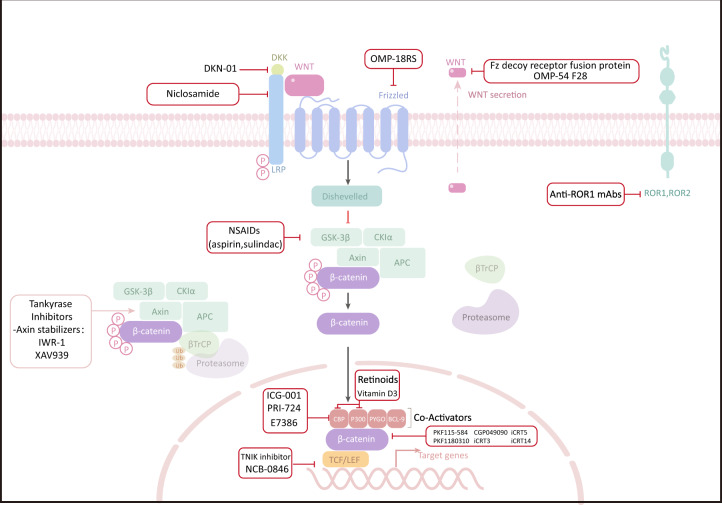
“4) Figure 4 described a resumptive overview of Wnt/β-catenin signalling pathway targeted interventions in cancer therapy as follows: CPG049090, PKF115-584 and PKF222-815 are natural compounds that have been identified to disrupt the interaction of β-catenin/TCF complex, suppressing the proliferation of colon cancer ce…”
BackgroundChao, M., & Gibbs, P. (2009) · Journal of Clinical Oncology · doi:10.1200/jco.2009.25.6156 · Cited by 49
TMEM59 potentiates Wnt signaling by promoting signalosome formation
Gerlach, J. P., Jordens, I., Tauriello, D. V. F., Kuper, I., Bugter, J. M., Noordstra, I., van der Kooij, J., Low, T. Y., Pimentel‐Muiños, F. X., Xanthakis, D., et al. (2018) · Proceedings of the National Academy of Sciences · doi:10.1073/pnas.1721321115 · Cited by 49
Increased nuclear β-catenin in suprabasal involved psoriatic epidermis
Hampton, P. J., Ross, O. K., & Reynolds, N. J. (2007) · British Journal of Dermatology · doi:10.1111/j.1365-2133.2007.08195.x · Cited by 49
Inducible expression of Wnt7b promotes bone formation in aged mice and enhances fracture healing
Song, D., He, G., Song, F., Wang, Z., Liu, X., Liao, L., Ni, J., Silva, M. J., & Long, F. (2020) · Bone Research · doi:10.1038/s41413-019-0081-8 · Cited by 49 · cited 1×
“Novel regulators of bone formation related to the Wnt/β-catenin signalling pathway: Regulation of bone formation and differentiation by Wnt players: Doxycycline induces Wnt7b expression in an osteoblast cell line, and the high expression of Wnt7b in aged bone promotes the formation of trabecular and endosteal bone and…”
BackgroundRole of R-spondin 2 in arterial lymphangiogenesis and atherosclerosis
Singla, B., Lin, H., Chen, A. K., Ahn, W., Ghoshal, P., Cherian‐Shaw, M., White, J. D., Stansfield, B. K., & Csányi, G. (2020) · Cardiovascular Research · doi:10.1093/cvr/cvaa244 · Cited by 49 · cited 2×
“Mechanistically, RSPO2 inhibits PI3K-AKTeNOS signalling via LGR4.(107)”
APC Mutation Marks an Aggressive Subtype of BRAF Mutant Colorectal Cancers
Fennell, L. J., Kane, A., Liu, C., McKeone, D., Fernando, W., Su, C., Bond, C., Jamieson, S., Dumenil, T., Patch, A.-M., et al. (2020) · Cancers · doi:10.3390/cancers12051171 · Cited by 47
β-Catenin inhibition shapes tumor immunity and synergizes with immunotherapy in colorectal cancer
Wang, C., Yan, J., Yin, P., Gui, L., Ji, L., Ma, B., & Gao, W.-Q. (2020) · OncoImmunology · doi:10.1080/2162402x.2020.1809947 · Cited by 46 · cited 1×
“Besides, β-catenin responsive transcription (CRT) is another crucial therapeutic target in combating various cancers and CRT-inhibitory drugs (iCRT3, iCRT5, iCRT14) are specifically cytotoxic to human colon cancer cells and enhance the infiltration of T and NK cells in syngeneic mouse models of CRC by blocking β-caten…”
Backgroundβ-catenin mediates fluoride-induced aberrant osteoblasts activity and osteogenesis
Chu, Y., Gao, Y., Yang, Y., Liu, Y., Guo, N., Wang, L., Huang, W., Wu, L., Sun, D., & Gu, W. (2020) · Environmental Pollution · doi:10.1016/j.envpol.2020.114734 · Cited by 46 · cited 2×
“Accordingly, drugmediated regulation of Wnt/β-catenin signalling activity to induce liver regeneration would benefit this group of patients based on the key role of Wnt/β-catenin signalling in the pathobiology of non-tumour diseases such as steatohepatitis,(78,310) cholestasis,(311) and liver fibrosis.(158,159) Tumour…”
BackgroundSamaei, N. M., Yazdani, Y., Alizadeh-Navaei, R., Azadeh, H., & Farazmandfar, T. (2014) · Journal of Biomedical Science · doi:10.1186/s12929-014-0073-3 · Cited by 45 · cited 1×
“They found that the promoter methylation level of these genes was higher in cancer tissues than in adjacent tissues, and a correlation was found with different clinicopathological characteristics, such as age, sex, and other factors.(248) Pietsch et al.”
BackgroundMUC1 intracellular bioactivation mediates lung fibrosis
Milara, J., Ballester, B., Montero, P., Escrivá, J., Artigues, E., Almiñana, M. A., Pastor-Clerigues, A., Morcillo, E. J., & Cortijo, J. (2019) · Thorax · doi:10.1136/thoraxjnl-2018-212735 · Cited by 45 · cited 1×
“In addition, serum Kl6/mucin-1 (Muc1) overexpression in IPF mediates the activation of β-catenin and leads to the formation of the Muc1-cytoplasmic tail (cT)/β-catenin nuclear complex, which promotes the formation and proliferation of myofibroblasts.(96) In addition, repeated lung injury inhibits the expression of che…”
BackgroundGermline Profiling and Molecular Characterization of Early Onset Metastatic Colorectal Cancer
Xu, T., Zhang, Y., Zhang, J., Qi, C., Liu, D., Wang, Z., Li, Y., Ji, C., Li, J., Lin, X., et al. (2020) · Frontiers in Oncology · doi:10.3389/fonc.2020.568911 · Cited by 45
Self-citationSteinhausen, E. S., Lefering, R. L., Tjardes, T., Neugebauer, E. A. M., Bouillon, B., & Rixen, D. (2014) · The Journal of Trauma: Injury, Infection, and Critical Care · doi:10.1097/ta.0000000000000167 · Cited by 45
Ross, R. D., Shah, R. C., Leurgans, S. E., Bottiglieri, T., Wilson, R. S., & Sumner, D. R. (2018) · The Journals of Gerontology Series A · doi:10.1093/gerona/glx252 · Cited by 44 · cited 6×
“First, LRP6 is dysregulated in the AD brain.165 LRP6 is downregulated in the AD brain, and deficiency in LRP6-mediated Wnt/β-catenin signalling contributes to synaptic dysfunction and amyloid pathology in AD.165 Second, DKK1 upregulation suppresses Wnt/β-catenin signalling in the AD brain.”
BackgroundInfluentialWang, L., Hu, X. B., Zhang, W., Wu, L. D., Liu, Y. S., Hu, B., Bi, C. L., Chen, Y. F., Liu, X. X., Cheng, G., et al. (2013) · PLoS ONE · doi:10.1371/journal.pone.0054731 · Cited by 42
Oxidized phospholipids are ligands for LRP6
Wang, L., Chai, Y., Li, C., Liu, H., Su, W., Liu, X., Yu, B., Lei, W., Yu, B., Crane, J. L., et al. (2018) · Bone Research · doi:10.1038/s41413-018-0023-x · Cited by 42 · cited 1×
“Bioactive oxidized phospholipids (oxPLs) bind to LRP6 in bone marrow mesenchymal stem cells (BMSCs) and induce their endocytosis, contributing to the inhibition of Wnt signalling and diminishing osteoblast differentiation ability.(127) CXXC5 inhibits Wnt/β-catenin signalling: function, biological.”
BackgroundJi, L., Lu, B., Wang, Z., Yang, Z., Reece-Hoyes, J. S., Russ, C., Xu, W., & Cong, F. (2018) · Molecular Cell · doi:10.1016/j.molcel.2018.07.040 · Cited by 41 · cited 3×
“Concurrently, they proposed that APC inhibited the formation of constitutive, ligand-independent, clathrindependent signalosomes and the unnecessary activation of the Wnt pathway.22 Wnt ligands induce the phosphorylation of LRP6 receptors, mainly mediated by GSK-3β and CK-1α, and dual phosphorylation promotes the bind…”
BackgroundInfluentialGonzález‐Fernández, C., González, P., Andrés‐Benito, P., Ferrer, I., & Rodríguez, F. J. (2019) · Molecular Neurobiology · doi:10.1007/s12035-019-1547-9 · Cited by 39
Zhao, X., Xie, L., Wang, Z., Wang, J., Xu, H. Y., Han, X., Bai, D., & Deng, P. (2020) · Bone Research · doi:10.1038/s41413-020-0085-4 · Cited by 39 · cited 3×
“The absence of Wnt signalling inhibits the nuclear transport of β-catenin mediated by ZBP1, resulting in a decrease in Runx2 and Sp7 (osteogenic factors) expression in mouse bone marrowderived MSCs.132,133 DHCR7 and INSIG1/2 are related to the effect of cholesterol metabolism on bone formation.”
BackgroundLiu, X., & Xu, Z. (2016) · Progress in Biophysics and Molecular Biology · doi:10.1016/j.pbiomolbio.2016.02.002 · Cited by 39
Pradhan‐Sundd, T., Kosar, K., Saggi, H., Zhang, R., Vats, R., Cornuet, P., Green, S., Singh, S., Zeng, G., Sundd, P., et al. (2020) · Hepatology · doi:10.1002/hep.30927 · Cited by 39
Liu, J., Yan, J., Yan, S., Wang, Y., Zhang, R., Hou, P., He, W., & Ji, M. (2019) · Nano Letters · doi:10.1021/acs.nanolett.9b03414 · Cited by 39 · cited 2×
“A new specific Wnt inhibitor, a size-tuned nanocluster (CAcluster) improved the tumour response to the PD1/PD-L1 immune checkpoint blockade in melanoma and colon cancer.(300) In the parental ID8 murine ovarian cancer model harbouring a knock-out of p53 (ID8p53) and MISIIR-Tag spontaneous ovarian cancer models, CGX-132…”
BackgroundSelf-citationMatsushita, K., Itoh, S., Ikeda, S., Yamamoto, Y., Yamauchi, Y., & Hayashi, M. (2014) · Journal of Cellular Biochemistry · doi:10.1002/jcb.24777 · Cited by 38 · cited 1×
“Downregulation of STAT3 and SOC3 expression promotes the stability of β-catenin and signal transduction.(151,152) PHD2 deletion in osteocytes in osteoporosis models increases bone formation and decreases bone resorption.”
BackgroundCoulson, J., Bagley, L., Barnouin, Y., Bradburn, S., Butler-Browne, G., Gapeyeva, H., Hogrel, J.-Y., Maden-Wilkinson, T., Maier, A. B., Meskers, C., et al. (2017) · Osteoporosis International · doi:10.1007/s00198-017-4104-2 · Cited by 37 · cited 1×
“A multi-centre osteoporosis study conducted in five European countries found that DKK1 positively associated with whole-body bone mineral density (WBMD) in subjects, regardless of age and sex.(269) several clinical studies on osteoporosis showed that both zoledronic acid and denosumab reduced bone resorption through u…”
BackgroundmiR-129-5p Inhibits Bone Formation Through TCF4
Yin, C., Tian, Y. E., Yu, Y., Yang, C., Su, P., Zhao, Y., Wang, X., Zhang, K., Pei, J., Li, D., et al. (2020) · Frontiers in Cell and Developmental Biology · doi:10.3389/fcell.2020.600641 · Cited by 37 · cited 1×
“MiR-129-5p binds to TCF4, inhibiting osteoblast differentiation.(129) In human osteoblasts, miR-483-3p directly binds to DKK2, increases the expression of β-catenin and cyclin D1, and affects the bone formation process by impacting osteoblast proliferation, preosteoblast differentiation into mature osteoblasts, and ne…”
BackgroundGuo, R., Wu, Z., Wang, J., Li, Q., Shen, S., Wang, W., Zhou, L., Wang, W., Cao, Z., & Guo, Y. (2019) · Advanced Science · doi:10.1002/advs.201801885 · Cited by 37 · cited 1×
“In hepatoma cells, miR-125b-5p directly targets the downstream gene STAT3 to enhance β-catenin phosphorylation.(61) In infertility and abortion, miR200c negatively regulates FUT4 to inhibit α1-catenin on CD44, inactivating the downstream Wnt/β-catenin signalling pathway, and reducing the proliferation and adhesion of…”
BackgroundHu, Z., Xin, H., Luo, C., Jia, L., Zhou, Z., Zou, J., & Zhou, S. (2020) · Cancer Immunology Immunotherapy · doi:10.1007/s00262-020-02685-7 · Cited by 37 · cited 1×
“The infiltration level of CD4+ and CD8+ T cells decreases in HCC tissues because of AXIN1/CTNNB1 mutations, resulting in immune escape.(216,217) Several new potentially functionally relevant AXIN1 mutations have also been found in advanced prostate cancer.”
BackgroundSelf-citationDaoussis, D., Tsamandas, A. C., Antonopoulos, I., Filippopoulou, A., Papachristou, D. J., Papachristou, N. I., Andonopoulos, A. P., & Liossis, S. C. (2016) · Arthritis Research & Therapy · doi:10.1186/s13075-016-1017-y · Cited by 36
Conditional Inactivation of Noggin in the Postnatal Skeleton Causes Osteopenia
Canalis, E., Brunet, L. J., Parker, K., & Zanotti, S. (2012) · Endocrinology · doi:10.1210/en.2011-1604 · Cited by 35 · cited 1×
“Activation of noncanonical Wnt signalling activates BMP signalling pathways, reducing the formation of cortical bone.(140,155)”
BackgroundZhou, B., Peng, K., Wang, G., Chen, W., Liu, P., Chen, F., & Kang, Y. (2020) · International Journal of Molecular Medicine · doi:10.3892/ijmm.2020.4694 · Cited by 34 · cited 1×
“In human osteoblasts, miR-483-3p directly binds to DKK2, increases the expression of β-catenin and cyclin D1, and affects the bone formation process by impacting osteoblast proliferation, preosteoblast differentiation into mature osteoblasts, and new bone matrix formation.(130) In BMSCs and preosteoblast MC3T3-E1 cell…”
BackgroundLysolipids in Vascular Development, Biology, and Disease
Engelbrecht, E., MacRae, C. A., & Hla, T. (2020) · Arteriosclerosis Thrombosis and Vascular Biology · doi:10.1161/atvbaha.120.305565 · Cited by 34 · cited 1×
“In AVS patients, DVL2, GSK3β, β-catenin, and SFRP2 are upregulated in the stenotic aorta.(117,118) Further investigations are encouraged to explore changes in downstream Wnt/β-catenin gene expression to eventually develop potentially propitious pharmacological drugs for AVS.”
BackgroundHsu, T.-H., Jiang, S.-Y., Chan, W.-L., Eckert, R. L., Scharadin, T. M., & Chang, T.-C. (2014) · Cell Death and Differentiation · doi:10.1038/cdd.2014.175 · Cited by 32
Ueland, T., Åkerblom, A., Lakic, T. G., Michelsen, A. E., Becker, R. C., Bertilsson, M., Himmelmänn, A., James, S. K., Siegbahn, A., Storey, R. F., et al. (2019) · Arteriosclerosis Thrombosis and Vascular Biology · doi:10.1161/atvbaha.118.311042 · Cited by 32 · cited 1×
“All the above findings suggest that DKK1 can be used as a biomarker for further clinical decision making for ACS patients.(256) The bone density of patients with AD was lower than that of the control group.”
BackgroundFoo, J.-P., Polyzos, S. A., Anastasilakis, A. D., Chou, S., & Mantzoros, C. S. (2014) · The Journal of Clinical Endocrinology & Metabolism · doi:10.1210/jc.2014-2491 · Cited by 31
AGE/RAGE promotes thecalcification of human aortic smooth muscle cells via the Wnt/β-catenin axis.
Liu, Y., Wang, W., Zhang, X.-L., He, H., Sun, X., Zeng, H., Xu, X., Huang, L., Zhu, Z., Zhang, L., et al. (2016) · PubMed Central · Cited by 31
Self-citationPacella, I., Cammarata, I., Focaccetti, C., Miacci, S., Gulino, A., Tripodo, C., Ravà, M., Barnaba, V., & Piconese, S. (2018) · Cancer Immunology Research · doi:10.1158/2326-6066.cir-17-0713 · Cited by 31 · cited 1×
“Transmission of Wnt3aβ-catenin signal exhausted tumour infiltrating T cells, thus weakening their anti-tumour effects, and inhibiting the production of effector memory T cells.(303) some Wnt inhibitors strengthen the Immune checkpoint blockade (ICB) therapy by combination therapy.”
BackgroundLgr4 Deletion Delays the Hair Cycle and Inhibits the Activation of Hair Follicle Stem Cells
Ren, X., Xia, W., Xu, P., Shen, H., Dai, X., Liu, M., Shi, Y., Ye, X., & Dang, Y. (2020) · Journal of Investigative Dermatology · doi:10.1016/j.jid.2019.12.034 · Cited by 30 · cited 1×
“Deletion of the LGR4 gene in skin epithelial cells inhibits the activation of canonical Wnt signalling in hair follicles, manifesting as a significant reduction in the expression of β-catenin, c-Myc, AXIN2, and LEF-1, inhibiting the activation of HFSCs and delaying the growth phase.(184) Hairless (HR) is a transcripti…”
BackgroundLoss of RNF43 Function Contributes to Gastric Carcinogenesis by Impairing DNA Damage Response
Neumeyer, V., Brutau-Abia, A., Allgäuer, M., Pfarr, N., Weichert, W., Falkeis-Veits, C., Kremmer, E., Vieth, M., Gerhard, M., & Mejías-Luque, R. (2020) · Cellular and Molecular Gastroenterology and Hepatology · doi:10.1016/j.jcmgh.2020.11.005 · Cited by 30 · cited 1×
“RNF43 mutations are highly enriched in GC with microsatellite instability (MSI), promoting the development of GC cell resistance to DDR radiation and chemotherapy.(221) Accordingly, BRAF, ARID1A, RNF43, and KM2B with higher mutation frequencies can be used to predict the prognosis and distinguish MSI from MSS tumours,…”
BackgroundGong, B., Jiao, L., Du, X., Li, Y., Bi, M., Jiao, Q., & Jiang, H. (2020) · Journal of Cellular Physiology · doi:10.1002/jcp.29699 · Cited by 29 · cited 1×
“Wnt/β-catenin signalling is relevant to DAergic neuron differentiation induced by ghrelin.(163)”
BackgroundSelf-citationChu, L., Luo, Y., Chen, H., Miao, Q., Wang, L. L., Moats, R. A., Wang, T., Kennedy, J. C., Henske, E. P., & Shi, W. (2020) · Thorax · doi:10.1136/thoraxjnl-2019-214112 · Cited by 29
Susceptibility to Childhood Pneumonia: A Genome-Wide Analysis
Hayden, L. P., Cho, M. H., McDonald, M., Crapo, J. D., Beaty, T. H., Silverman, E. K., & Hersh, C. P. (2017) · American Journal of Respiratory Cell and Molecular Biology · doi:10.1165/rcmb.2016-0101oc · Cited by 28
Nouri, P., Götz, S., Rauser, B., Irmler, M., Peng, C., Trümbach, D., Kempny, C., Lechermeier, C. G., Bryniok, A., Dlugos, A. M., et al. (2020) · Frontiers in Cell and Developmental Biology · doi:10.3389/fcell.2020.587778 · Cited by 26 · cited 1×
“The development of mesodiencephalic dopaminergic (mdDA) neurons and mdDA progenitors, including the nigrostriatal subset that preferentially degenerates in PD, depends on Wnt/β-catenin signalling.(162) Ghrelin, an endogenous ligand for growth hormone secretagogue receptor 1a, plays a fundamental role in regulating ene…”
BackgroundDaly, C., Shaw, P. H., Ordonez, L., Williams, G. T., Quist, J., Grigoriadis, A. E., van Es, J. H., Clevers, H. C., Clarke, A. R., & Reed, K. R. (2016) · Oncogene · doi:10.1038/onc.2016.342 · Cited by 26 · cited 1×
“Previous studies have shown that APC2 can only compensate for the role of APC as a component of DCs in promoting β-catenin degradation.(21) Saito-Diaz et al.”
BackgroundYu, P., Wang, Y., Yu, Y., Wang, A., Huang, L., Zhang, Y., Liu, W., Wu, H., Yao, M., Du, Y., et al. (2021) · The Oncologist · doi:10.1002/onco.13695 · Cited by 26
3,4,5-Tri-O-Caffeoylquinic Acid Promoted Hair Pigmentation Through β-Catenin and Its Target Genes
Bejaoui, M., Villareal, M. O., & Isoda, H. (2020) · Frontiers in Cell and Developmental Biology · doi:10.3389/fcell.2020.00175 · Cited by 26
Hsu, T.-H., Jiang, S.-Y., Chang, W.-L., Eckert, R. L., Scharadin, T. M., & Chang, T.-C. (2015) · Cell Death and Differentiation · doi:10.1038/cdd.2015.90 · Cited by 26
Wasnik, S., Lakhan, R., Baylink, D. J., Rundle, C. H., Xu, Y., Zhang, J., Qin, X., Lau, K. ‐. W., Berumen, E. C., & Tang, X. (2019) · Science Advances · doi:10.1126/sciadv.aaw2108 · Cited by 25
The Wnt Signaling Pathway and the Development of Bronchopulmonary Dysplasia
Lingappan, K., & Savani, R. C. (2020) · American Journal of Respiratory and Critical Care Medicine · doi:10.1164/rccm.202002-0277ed · Cited by 25
Khan, N. P., Pandith, A. A., Hussain, M. U., Yousuf, A., Khan, M. S., Wani, K. A., & Mudassar, S. (2011) · Molecular and Cellular Biochemistry · doi:10.1007/s11010-011-0848-8 · Cited by 24
Tan, K., Xie, X., Shi, W., Miao, L., Dong, X., Yang, W., Shao, C., Zhao, H., Wang, Y., Wang, G., et al. (2019) · Liver International · doi:10.1111/liv.14246 · Cited by 23 · cited 3×
“Targeting the Wnt/β-catenin pathway may become a new therapy for AIH.(181)”
MethodInfluentialRNF43 mutation analysis in serrated polyposis, sporadic serrated polyps and Lynch syndrome polyps
van Herwaarden, Y. J., Koggel, L. M., Simmer, F., Vink‐Börger, E. M., Dura, P., Meijer, G. A., Nagengast, F. M., Hoogerbrugge, N., Bisseling, T. M., & Nagtegaal, I. D. (2020) · Histopathology · doi:10.1111/his.14286 · Cited by 22
Yu, N., Hu, T., Yang, H., Zhang, L., Song, Q., Xiang, F., Yang, X., & Li, Y. (2020) · Frontiers in Cell and Developmental Biology · doi:10.3389/fcell.2020.00824 · Cited by 21
Self-citationThe effect of ICRT‐3 on Wnt signaling pathway in head and neck cancer
Söğütlü, F., Kayabaşı, Ç., Yelken, B. Ö., Aşık, A., Gasımlı, R., Doğan, F., Süslüer, S. Y., Avcı, C. B., & Gündüz, C. (2018) · Journal of Cellular Biochemistry · doi:10.1002/jcb.27393 · Cited by 20
Weber, E. L., Lai, Y., Lei, M., Jiang, T., & Chuong, C. (2020) · Frontiers in Cell and Developmental Biology · doi:10.3389/fcell.2020.583434 · Cited by 20
Increased expression of Dkk1 by HR is associated with alteration of hair cycle in hairpoor mice
Kim, B.-K., Lee, H., Kim, I. J., Choi, K., Park, J., & Yoon, S. K. (2014) · Journal of Dermatological Science · doi:10.1016/j.jdermsci.2013.12.007 · Cited by 15 · cited 1×
“In a study of Hairpoor (HRHp) heterozygous mice (an animal model of MUHH), HR overexpression in epithelial cells and keratinocytes was found to block the Wnt/β-catenin signalling pathway by upregulating DKK1 expression during the growth phase, promoting the degenerative progression of hair follicles.(185) Wnt3a and β-…”
BackgroundUeland, T., Rollag, H., Hartmann, A., Jardine, A. G., Humar, A., Michelsen, A. E., Bignamini, A. A., Åsberg, A., & Aukrust, P. (2013) · American Journal of Transplantation · doi:10.1111/ajt.12506 · Cited by 13 · cited 1×
“In addition, in solid organ transplant recipients (SOTr), low DKK-1 and increased secreted frizzled related protein-3 levels causing dysregulation of Wnt signalling were closely associated with cytomegalovirus (CMV) infection.(272) Inhibitors targeting β-catenin/TCF transcription complex PRI-724 is a first-in-class sm…”
BackgroundPrognostic Utility of Molecular Factors by Age at Diagnosis of Colorectal Cancer
McCleary, N. J., Sato, K., Nishihara, R., Inamura, K., Morikawa, T., Zhang, X., Wu, K., Yamauchi, M., Kim, S. A., Sukawa, Y., et al. (2016) · Clinical Cancer Research · doi:10.1158/1078-0432.ccr-15-0946 · Cited by 13 · cited 1×
“In elderly patients with CRC, the expression of nuclear CTNNB1 may be associated with higher mortality.(210) Wnt/β-catenin signals are dysregulated in almost all stages of tumorigenesis, from malignant transformation to metastasis, spread, and drug resistance.”
BackgroundSelf-citationCai, J., Fang, L., Huang, Y., Li, R., Xu, X., Hu, Z., Zhang, L., Yang, Y., Zhu, X., Zhang, H., et al. (2018) · Nature Communications · doi:10.1038/ncomms16196 · Cited by 11
Narrowband UVB treatment induces expression of WNT7B, WNT10B and TCF7L2 in psoriasis skin
Assarsson, M., Söderman, J., Duvetorp, A., Mrowietz, U., Skarstedt, M., & Seifert, O. (2019) · Archives of Dermatological Research · doi:10.1007/s00403-019-01931-y · Cited by 9
Advanced symptoms are associated with myocardial damage in patients with severe aortic stenosis
Spampinato, R. A., Tasca, M., Borger, M. A., Schloma, V., Dmitrieva, Y., Mende, M., Noack, T., Strotdrees, E., & Mohr, F. W. (2016) · Journal of Cardiology · doi:10.1016/j.jjcc.2016.10.006 · Cited by 8 · cited 1×
“Aortic valve stenosis (AVS) is characterized by leaflet calcification and stiffening, eventually inducing left ventricular obstruction and ischaemic injury.(116) In AVS patients, DVL2, GSK3β, β-catenin, and SFRP2 are upregulated in the stenotic aorta.”
BackgroundWu, C., Rankin, E. B., Castellini, L., Alcudia, J. F., LaGory, E. L., Andersen, R., Rhodes, S. D., Wilson, T. L. S., Mohammad, K. S., Castillo, A. B., et al. (2015) · Europe PMC (PubMed Central) · Cited by 3
The use of parathyroid hormone in the treatment of osteoporosis.
Tałałaj, M., & Marcinowska-Suchowierska, E. (2006) · PubMed · Cited by 1
Research works printed but not linked: 8
- Amemiya T Tsuboi M Uchida S Electron microscopic and electron histochemical studies on embryonal rhabdomyosarcoma of the orbit. Zeitschrift fur Krebsforschung und klinische Onkol. Cancer Res. Clin. Oncol. 1975 83 305 314 169642
- Cruciat CM Niehrs C Secreted and transmembrane wnt inhibitors and activators[J] Cold Spring Harb. Perspect. Biol. 2013 5 a015081 23085770 PMC3578365 · DOI · Paper page
- Malinauskas T Modular mechanism of Wnt signaling inhibition by Wnt inhibitory factor 1[J] Nat. Struct. Mol. Biol. 2011 18 886 893 21743455 PMC3430870 · DOI · Paper page
- Jiang X Dishevelled promotes Wnt receptor degradation through recruitment of ZNRF3/RNF43 E3 ubiquitin ligases[J] Mol. Cell 2015 58 522 533 25891077 · DOI · Paper page
- Kwon C Notch post-translationally regulates β-catenin protein in stem and progenitor cells[J] Nat. cell Biol. 2011 13 1244 1251 21841793 PMC3187850 · DOI · Paper page
- Jimeno A A First-in-Human Phase I Study of the Anticancer Stem Cell Agent Ipafricept (OMP-54F28), a Decoy Receptor for Wnt Ligands, in Patients with Advanced Solid Tumors Clin. Cancer Res.: Off. J. Am. Assoc. Cancer Res. 2017 23 7490 7497 28954784 · DOI · Paper page
- Arensman M The CREB-binding protein inhibitor ICG-001 suppresses pancreatic cancer growth Mol. cancer therapeutics 2014 13 2303 2314 PMC4188417 25082960 · DOI · Paper page
- Emami K A small molecule inhibitor of beta-catenin/CREB-binding protein transcription [corrected] Proc. Natl Acad. Sci. USA 2004 101 12682 12687 15314234 PMC515116 · DOI · Paper page
Cited by
NF-κB in biology and targeted therapy: new insights and translational implications
Guo, Q., Jin, Y., Chen, X., Ye, X., Shen, X., Lin, M., Zeng, C., Zhou, T., & Zhang, J. (2024) · Signal Transduction and Targeted Therapy · doi:10.1038/s41392-024-01757-9 · Cited by 2,047
“151,152 In contrast, it has been revealed that Dvl interacts with p65 in the nucleus and inhibits NF-κ B-mediated transcriptional activation, and promotes apoptosis, independently of Wnt or β -catenin.”
BackgroundLu, P., Ruan, D., Huang, M., Tian, M., Zhu, K., Gan, Z., & Xiao, Z. (2024) · Signal Transduction and Targeted Therapy · doi:10.1038/s41392-024-01852-x · Cited by 667
Cellular mechanotransduction in health and diseases: from molecular mechanism to therapeutic targets
Di, X., Gao, X., Peng, L., Ai, J., Jin, X., Qi, S., Li, H., Wang, K., & Luo, D. (2023) · Signal Transduction and Targeted Therapy · doi:10.1038/s41392-023-01501-9 · Cited by 622
Fleishman, J. S., & Kumar, S. (2024) · Signal Transduction and Targeted Therapy · doi:10.1038/s41392-024-01811-6 · Cited by 544
Cell-cell communication: New insights and clinical implications
Su, J., Song, Y., Zhu, Z., Huang, X., Fan, J., Qiao, J., & Mao, F. (2024) · Signal Transduction and Targeted Therapy · doi:10.1038/s41392-024-01888-z · Cited by 433
Metadata
- Authors
- Liu, J., Xiao, Q., Xiao, J., Niu, C., Li, Y., Zhang, X., Zhou, Z., Shu, G., & Yin, G.
- Affiliations
- Central South University (CN)
- Corresponding author
- Yin, Gang
- Venue
- Signal Transduction and Targeted Therapy
- Published
- 2022-01-03
- Volume
- 7
- Issue
- 1
- Pages
- 3-3
- ISSN
- 2059-3635 (ISSN-L)
- PMC
- PMC8724284
- OpenAlex
- W4205498896
- Cited by
- 2,519
- References
- 345
- Citations by year
- 2026: 571 · 2025: 859 · 2024: 704 · 2023: 317 · 2022: 65
- FWCI
- 50.68
- Type
- journal article
- Language
- en
- Open access
- gold
- doi.org
- Licence
- cc-by
- creativecommons.org/licenses/by/4.0 (tdm)
- creativecommons.org/licenses/by/4.0 (vor)
- Locations
- Signal Transduction and Targeted Therapy (publishedVersion, cc-by)
- PubMed Central (publishedVersion, cc-by)
- PubMed (publishedVersion)
- DOAJ (DOAJ: Directory of Open Access Journals) (submittedVersion, cc-by-sa)
- Topics
- Life Sciences › Biochemistry, Genetics and Molecular Biology › Molecular Biology › Wnt/β-catenin signaling in development and cancer
- Life Sciences › Biochemistry, Genetics and Molecular Biology › Molecular Biology › Signaling Pathways in Disease
- Life Sciences › Biochemistry, Genetics and Molecular Biology › Molecular Biology › Hedgehog Signaling Pathway Studies
- Keywords
- Wnt/β-catenin signaling, Wnt proteins, β-catenin, embryonic development, tissue homeostasis, cancer, non-cancer diseases, small molecule inhibitors, therapeutic target, clinical trials
- MeSH terms
- Animals, Humans, Neoplasm Proteins, Neoplasms, Wnt Proteins, beta Catenin, Wnt Signaling Pathway
About these checks
Registry, retraction, Cites and statistics results are computed, not judged, with one exception: a printed reference that no index lists is read once by a model before it counts as a citation error. Claims are extracted by a model and kept only when their quote appears verbatim in the text; each cited source is then checked, with a model’s help, for whether it says what the claim relies on. Those verdicts can be wrong — read the claim’s quote and the cited source before relying on one.
Statistics and arithmetic are recomputed, not judged.
Confidence bands are shown only for fields calibrated on our annotated test set. None is calibrated yet, so no band is shown.
What counts as a claim ›How we measure confidence ›How we check this ›
Are you an author, or do you see a problem with this page? Request a review
Data sources
Bibliographic data: Semantic Scholar, OpenAlex, Crossref.
Contains information from the Semantic Scholar Academic Graph Datasets, made available under the ODC Attribution License (ODC-BY 1.0).
Semantic Scholar’s data is described in: Kinney, R., et al. (2023). The Semantic Scholar Open Data Platform. arXiv:2301.10140.
