

Wnt/β-catenin signalling: function, biological mechanisms, and therapeutic opportunities
Open accessThe DOI matches its Crossref record; 345 of the 345 references it cites were found in a registry or an index.
Abstract
The Wnt/β-catenin pathway comprises a family of proteins that play critical roles in embryonic development and adult tissue homeostasis. The deregulation of Wnt/β-catenin signalling often leads to various serious diseases, including cancer and non-cancer diseases. Although many articles have reviewed Wnt/β-catenin from various aspects, a systematic review encompassing the origin, composition, function, and clinical trials of the Wnt/β-catenin signalling pathway in tumour and diseases is lacking. In this article, we comprehensively review the Wnt/β-catenin pathway from the above five aspects in combination with the latest research. Finally, we propose challenges and opportunities for the development of small-molecular compounds targeting the Wnt signalling pathway in disease treatment.
Overview
The claims and statistics of this paper haven’t been checked yet.
Free: it reads the open-access text and checks the first 5 claims that cite a source we can check. Create a free account to check every claim.
Integrity signals
Registry
Cites
Statistics
Figures
Verification
Claims the paper makes
The claims and statistics of this paper haven’t been checked yet.
Free: it reads the open-access text and checks the first 5 claims that cite a source we can check. Create a free account to check every claim.
Claims other papers make about this one
Each is checked against this paper’s own text: does it say what the citing paper says it does?
The source backs part of the claim, not all of it — or backs it for a different population, condition or comparison.
In the citing paper
“The inactivation of GSK3β disrupts the integrity and function of the destruction complex, thereby preventing β-catenin phosphorylation. As a result, unphosphorylated, stable β-catenin accumulates in the cytoplasm, translocates to the nucleus, and activates the transcription of its target genes, including c-Myc and Cyclin D1 [35, 46, 47, 52–55].”
From PPP1R18-mediated activation of Wnt/β-catenin and EMT is dependent on ERK signaling in clear cell renal cell carcinoma (2026) · cites this paper as [53]
Experimental — accuracy not yet measuredThe cited source says what the claim attributes to it.
In the citing paper
“Wnt signaling is a critical pathway involved in multiple developmental processes and can also contribute to malignant transformation.”
From Multiple myeloma: signaling pathways and targeted therapy (2024) · cites this paper as [64]
The check wasn’t confident either way, so it gives no verdict — never disputed.
In the citing paper
“For example, resistance training reduces muscle atrophy by inhibiting complement component 1q (C1q)-induced Wnt signaling as well as the PI3K-Akt-tuberous sclerosis complex (TSC) cascade, which regulates the activity of the target of rapamycin complex 1 (mTORC1) via the Ras homolog enriched in the brain (Rheb)”
From Exercise-Induced Muscle–Fat Crosstalk: Molecular Mediators and Their Pharmacological Modulation for the Maintenance of Metabolic Flexibility in Aging (2025) · cites this paper as [93]
Experimental — accuracy not yet measuredThe check wasn’t confident either way, so it gives no verdict — never disputed.
In the citing paper
“Resistance training in mice attenuates muscle fibrosis and atrophy by suppressing C1q-induced Wnt/β-catenin signaling, specifically through the glycogen synthase kinase-3 beta (GSK)-3β/β-catenin axis”
From Exercise-Induced Muscle–Fat Crosstalk: Molecular Mediators and Their Pharmacological Modulation for the Maintenance of Metabolic Flexibility in Aging (2025) · cites this paper as [93]
Experimental — accuracy not yet measured
Self-check
Percentages, sums and reported differences re-computed from the paper’s own numbers.
The self-check needs the paper’s full text.
Citations
Cites
4 retracted
Epigenetic regulation of Wnt-signaling pathway in acute lymphoblastic leukemia
Román-Gómez, J., Cordeu, L., Agirre, X., Jiménez-Velasco, A., San José-Eneriz, E., Garate, L., Calasanz, M. J., Heiniger, A., Torres, A., & Prosper, F. (2007) · Blood · doi:10.1182/blood-2006-09-047043 · Cited by 168 · cited 1×
“The results indicate the role of abnormal Wnt signalling in ALL and establish a group of patients with a significantly worse prognosis (methylated group).(253)”
BackgroundRetractedSatō, Y., Asoh, T., & Oizumi, K. (1998) · Bone · doi:10.1016/s8756-3282(98)00134-3 · Cited by 140 · cited 2×
“Fourteen bone-related biomarkers in elderly people with memory problems were not clinically diagnosed with asymptomatic AD, and the expression of TRAIL and DKK1 was elevated in the brain.(257,258) Wnt signalling has a neuroprotective effect, and DKK1, as an antagonist of the canonical Wnt signalling pathway, is negati…”
BackgroundResultRetractedFu, X., Zhu, X., Qin, F., Zhang, Y., Lin, J., Ding, Y., Yang, Z., Shang, Y., Wang, L., Zhang, Q., et al. (2018) · Molecular Cancer · doi:10.1186/s12943-018-0783-3 · Cited by 109 · cited 1×
“The lncRNAs Linc00210 and lncRNA-CCAL inhibit the activity of CTNNBIP1 and activator protein-2α (AP-2α), respectively, and block the binding of CTNNBIP1 and AP-2α to β-catenin, enhancing the interaction between β-catenin and the TCF/LEF complex.(67,68) LncRNA-NEAT1 interacts with DDX5 and promotes the formation of a c…”
BackgroundRetractedLiu, B., Wu, S., Han, L., & Zhang, C. (2015) · International Journal of Molecular Medicine · doi:10.3892/ijmm.2015.2382 · Cited by 25 · cited 3×
“The absence of Wnt signalling inhibits the nuclear transport of β-catenin mediated by ZBP1, resulting in a decrease in Runx2 and Sp7 (osteogenic factors) expression in mouse bone marrowderived MSCs.132,133 DHCR7 and INSIG1/2 are related to the effect of cholesterol metabolism on bone formation.”
BackgroundRetractedIdentification of stem cells in small intestine and colon by marker gene Lgr5
Barker, N., van Es, J. H., Kuipers, J., Kujala, P., van den Born, M., Cozijnsen, M., Haegebarth, A., Korving, J., Begthel, H., Peters, P. J., et al. (2007) · Nature · doi:10.1038/nature06196 · Cited by 5,687
Wnt/β-Catenin Signaling: Components, Mechanisms, and Diseases
MacDonald, B. T., Tamai, K., & He, X. (2009) · Developmental Cell · doi:10.1016/j.devcel.2009.06.016 · Cited by 5,583
Wnt/β-Catenin Signaling in Development and Disease
Clevers, H. (2006) · Cell · doi:10.1016/j.cell.2006.10.018 · Cited by 5,568
Wnt/β-Catenin Signaling, Disease, and Emerging Therapeutic Modalities
Nusse, R., & Clevers, H. (2017) · Cell · doi:10.1016/j.cell.2017.05.016 · Cited by 4,342
Activation of β-Catenin-Tcf Signaling in Colon Cancer by Mutations in β-Catenin or APC
Morin, P. J., Sparks, A. B., Korinek, V., Barker, N., Clevers, H., Vogelstein, B., & Kinzler, K. W. (1997) · Science · doi:10.1126/science.275.5307.1787 · Cited by 3,942
Melanoma-intrinsic β-catenin signalling prevents anti-tumour immunity
Spranger, S., Bao, R., & Gajewski, T. F. (2015) · Nature · doi:10.1038/nature14404 · Cited by 2,830 · cited 1×
“Using a mouse melanoma model, the researchers confirmed that the intrinsically active β-catenin signal of the tumour led to T cell rejection and resistance to anti-PD-L1/anti-CTLA-4 monoclonal antibody treatment.(301) Simultaneously, the analysis of primary melanoma lesions with BRAF mutations showed that T cell infil…”
Background
Research works printed but not linked: 8
- Amemiya T Tsuboi M Uchida S Electron microscopic and electron histochemical studies on embryonal rhabdomyosarcoma of the orbit. Zeitschrift fur Krebsforschung und klinische Onkol. Cancer Res. Clin. Oncol. 1975 83 305 314 169642
- Cruciat CM Niehrs C Secreted and transmembrane wnt inhibitors and activators[J] Cold Spring Harb. Perspect. Biol. 2013 5 a015081 23085770 PMC3578365 · DOI · Paper page
- Malinauskas T Modular mechanism of Wnt signaling inhibition by Wnt inhibitory factor 1[J] Nat. Struct. Mol. Biol. 2011 18 886 893 21743455 PMC3430870 · DOI · Paper page
- Jiang X Dishevelled promotes Wnt receptor degradation through recruitment of ZNRF3/RNF43 E3 ubiquitin ligases[J] Mol. Cell 2015 58 522 533 25891077 · DOI · Paper page
- Kwon C Notch post-translationally regulates β-catenin protein in stem and progenitor cells[J] Nat. cell Biol. 2011 13 1244 1251 21841793 PMC3187850 · DOI · Paper page
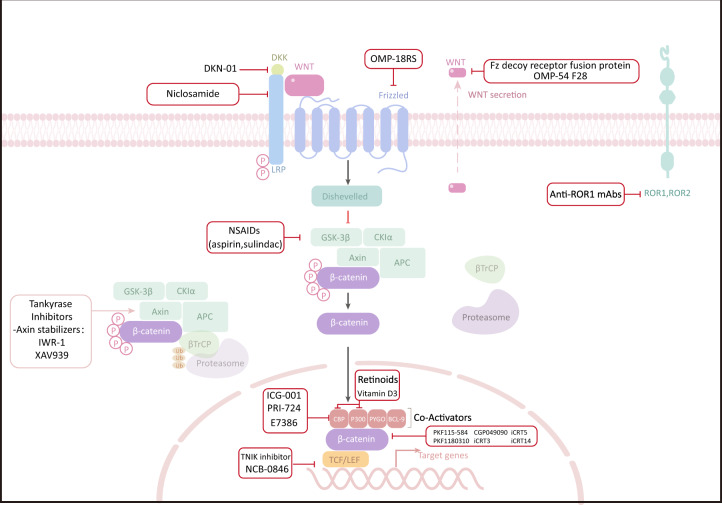
- Jimeno A A First-in-Human Phase I Study of the Anticancer Stem Cell Agent Ipafricept (OMP-54F28), a Decoy Receptor for Wnt Ligands, in Patients with Advanced Solid Tumors Clin. Cancer Res.: Off. J. Am. Assoc. Cancer Res. 2017 23 7490 7497 28954784 · DOI · Paper page
- Arensman M The CREB-binding protein inhibitor ICG-001 suppresses pancreatic cancer growth Mol. cancer therapeutics 2014 13 2303 2314 PMC4188417 25082960 · DOI · Paper page
- Emami K A small molecule inhibitor of beta-catenin/CREB-binding protein transcription [corrected] Proc. Natl Acad. Sci. USA 2004 101 12682 12687 15314234 PMC515116 · DOI · Paper page
Cited by
NF-κB in biology and targeted therapy: new insights and translational implications
Guo, Q., Jin, Y., Chen, X., Ye, X., Shen, X., Lin, M., Zeng, C., Zhou, T., & Zhang, J. (2024) · Signal Transduction and Targeted Therapy · doi:10.1038/s41392-024-01757-9 · Cited by 2,047
“151,152 In contrast, it has been revealed that Dvl interacts with p65 in the nucleus and inhibits NF-κ B-mediated transcriptional activation, and promotes apoptosis, independently of Wnt or β -catenin.”
BackgroundLu, P., Ruan, D., Huang, M., Tian, M., Zhu, K., Gan, Z., & Xiao, Z. (2024) · Signal Transduction and Targeted Therapy · doi:10.1038/s41392-024-01852-x · Cited by 667
Cellular mechanotransduction in health and diseases: from molecular mechanism to therapeutic targets
Di, X., Gao, X., Peng, L., Ai, J., Jin, X., Qi, S., Li, H., Wang, K., & Luo, D. (2023) · Signal Transduction and Targeted Therapy · doi:10.1038/s41392-023-01501-9 · Cited by 622
Fleishman, J. S., & Kumar, S. (2024) · Signal Transduction and Targeted Therapy · doi:10.1038/s41392-024-01811-6 · Cited by 544
Cell-cell communication: New insights and clinical implications
Su, J., Song, Y., Zhu, Z., Huang, X., Fan, J., Qiao, J., & Mao, F. (2024) · Signal Transduction and Targeted Therapy · doi:10.1038/s41392-024-01888-z · Cited by 433
Wnt/β-catenin signaling pathway in carcinogenesis and cancer therapy
Song, P., Gao, Z., Bao, Y., Chen, L., Huang, Y., Liu, Y., Dong, Q., & Wei, X. (2024) · Journal of Hematology & Oncology · doi:10.1186/s13045-024-01563-4 · Cited by 382
“…chloroquine is an FDA-approved drug commonly utilized for treating tapeworm infection and stands out due to its mechanism involving internalization of the FZD1 receptor, reduction in DVL2 protein levels, and targeting of LRP6 to impede tumor proliferation, stemness, and metastasis [356, 357].”
BackgroundPathogenesis of allergic diseases and implications for therapeutic interventions
Wang, J., Zhou, Y., Zhang, H., Hu, L., Liu, J., Wang, L., Wang, T., Zhang, H., Cong, L., & Wang, Q. (2023) · Signal Transduction and Targeted Therapy · doi:10.1038/s41392-023-01344-4 · Cited by 376
Self-citationHepatocellular carcinoma: signaling pathways and therapeutic advances
Zheng, J., Wang, S., Xia, L., Sun, Z., Chan, K. M., Bernards, R., Qin, W., Chen, J., Xia, Q., & Jin, H. (2025) · Signal Transduction and Targeted Therapy · doi:10.1038/s41392-024-02075-w · Cited by 341
Chen, S., Lin, T., Basu, R., Ritchey, J., Wang, S., Luo, Y., Li, X., Pei, D., Kara, L. B., & Cheng, X. (2024) · Nature Communications · doi:10.1038/s41467-024-45766-2 · Cited by 324
“Therefore, disrupting the interaction between β -catenin and Wnt effectors, such as T-cell factor/lymphoid enhancer factor (TCF/LEF) represents a promising strategy to curb β -catenin hyperactivity and inhibit cell proliferation 31 .”
BackgroundLiver diseases: epidemiology, causes, trends and predictions
Gan, C., Yuan, Y., Shen, H., Gao, J., Kong, X., Che, Z., Guo, Y., Wang, H., Dong, E., & Xiao, J. (2025) · Signal Transduction and Targeted Therapy · doi:10.1038/s41392-024-02072-z · Cited by 310
“290 Dysregulation of Wnt/ β -catenin signaling is currently considered as a crucial factor in oncogenesis.”
Self-citationHelicobacter pylori and gastric cancer: mechanisms and new perspectives
Duan, Y., Xu, Y., Dou, Y., & Xu, D. (2025) · Journal of Hematology & Oncology · doi:10.1186/s13045-024-01654-2 · Cited by 300
Gao, Y., Li, J., Cheng, W., Diao, T., Liu, H., Bo, Y., Liu, C., Zhou, W., Chen, M., Zhang, Y., et al. (2024) · Cancer Cell · doi:10.1016/j.ccell.2024.08.020 · Cited by 285
Advances in the role of STAT3 in macrophage polarization
Xia, T., Zhang, M., Lei, W., Yang, R., Fu, S., Fan, Z., Yang, Y., & Zhang, T. (2023) · Frontiers in Immunology · doi:10.3389/fimmu.2023.1160719 · Cited by 284
Wnt signaling pathways in biology and disease: mechanisms and therapeutic advances
Xue, C., Chu, Q., Shi, Q., Zeng, Y., Lu, J., & Li, L. (2025) · Signal Transduction and Targeted Therapy · doi:10.1038/s41392-025-02142-w · Cited by 281
Silwal, P., Nguyen-Thai, A. M., Mohammad, H. A., Wang, Y., Robbins, P. D., Lee, J. Y., & Vo, N. V. (2023) · Biomolecules · doi:10.3390/biom13040686 · Cited by 210
“Wnt/β-catenin signaling regulates cell proliferation, metabolism, growth, and development [112].”
Ramakrishna, K., Nalla, L. V., Naresh, D., Venkateswarlu, K., Viswanadh, M. K., Nalluri, B. N., Chakravarthy, G., Duguluri, S., Singh, P., Rai, S. N., et al. (2023) · Diseases · doi:10.3390/diseases11030089 · Cited by 192
“The nuclear segment mainly includes β-catenin, TCF/LEF family members, and β-catenin downstream target genes, such as matrix metalloproteinases (MMPs) and c-Myc activation [6,10].”
BackgroundIntegrin signaling in cancer: bidirectional mechanisms and therapeutic opportunities
Li, S., Sampson, C., Liu, C., Piao, H., & Liu, H. (2023) · Cell Communication and Signaling · doi:10.1186/s12964-023-01264-4 · Cited by 191
Functions of the aryl hydrocarbon receptor (AHR) beyond the canonical AHR/ARNT signaling pathway
Sondermann, N. C., Faßbender, S., Hartung, F., Hätälä, A. M., Rolfes, K. M., Vogel, C. F. A., & Haarmann-Stemmann, T. (2023) · Biochemical Pharmacology · doi:10.1016/j.bcp.2022.115371 · Cited by 181
Progress of Wnt Signaling Pathway in Osteoporosis
Gao, Y., Chen, N., Fu, Z., & Zhang, Q. (2023) · Biomolecules · doi:10.3390/biom13030483 · Cited by 178
Understanding and overcoming multidrug resistance in cancer
Ge, M., Chen, X.-Y., Huang, P., Fleishman, J. S., Yang, D., Wu, Z., Ke, Z., & Chen, Z. (2025) · Nature Reviews Clinical Oncology · doi:10.1038/s41571-025-01059-1 · Cited by 167
“Accordingly, aberrant activation of this pathway is linked to the development of drug resistance by promoting EMT, preventing apoptosis and maintaining CSCs 80 .”
InfluentialLi, W., Liu, X., Liu, Z., Xing, Q., Liu, R., Wu, Q., Hu, Y., & Zhang, J. (2024) · Frontiers in Pharmacology · doi:10.3389/fphar.2024.1416403 · Cited by 160
An organotypic atlas of human vascular cells
Barnett, S. N., Cujba, A.-M., Yang, L., Maceiras, A. R., Li, S., Kedlian, V. R., Pett, J. P., Polański, K., Miranda, A. M. A., Xu, C., et al. (2024) · Nature Medicine · doi:10.1038/s41591-024-03376-x · Cited by 157
“This latter population also expressed ROR1 , encoding a non-canonical Wnt receptor 25 , consistent with the crucial role of Wnt signaling in development and homeostasis of the brain vasculature.”
The immune system in cardiovascular diseases: from basic mechanisms to therapeutic implications
Wang, X., Chen, L., Wei, J., Zheng, H., Zhou, N., Xu, X., Deng, X., Liu, T., & Zou, Y. (2025) · Signal Transduction and Targeted Therapy · doi:10.1038/s41392-025-02220-z · Cited by 148
Yu, B., & Ma, W. (2024) · Cytokine & Growth Factor Reviews · doi:10.1016/j.cytogfr.2024.08.006 · Cited by 121
Targeting Fibrosis: From Molecular Mechanisms to Advanced Therapies
Di, X., Li, Y., Wei, J., Li, T., & Liao, B. (2024) · Advanced Science · doi:10.1002/advs.202410416 · Cited by 124
Self-citationGumede, D. B., Abrahamse, H., & Houreld, N. N. (2024) · Cell Communication and Signaling · doi:10.1186/s12964-024-01623-9 · Cited by 120
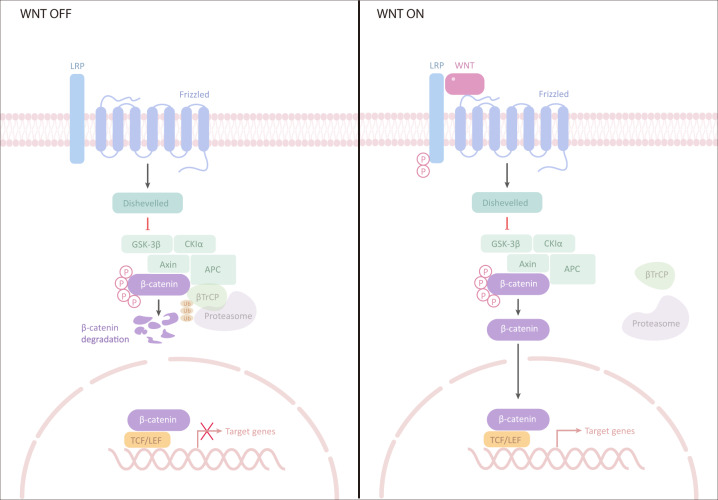
“Stabilized β-catenin is translocated to the nucleus for transcription of target genes (Table 2) [53, 74]. β-catenin, which is a transcriptional co-activator, binds to the T cell factor/lymphoid enhancer factor (TCF/LEF) transcription factors for the expression of target genes in specific cell types…”
Backgroundde Molon, R. S., Vernal, R., Oliveira, G. E., Steffens, J. P., Ervolino, E., Theodoro, L. H., van den Beucken, J. J. J. P., & Tetradis, S. (2026) · Bone Research · doi:10.1038/s41413-025-00478-1 · Cited by 120
Cai, N., Cheng, K., Ma, Y., Liu, S., Tao, R., Li, Y., Li, D., Guo, B., Jia, W., Liang, H., et al. (2023) · Gut · doi:10.1136/gutjnl-2023-331342 · Cited by 116
Self-citationCurcumin-loaded alginate hydrogels for cancer therapy and wound healing applications: A review
Sood, A., Dev, A., Das, S. S., Kim, H. J., Kumar, A., Thakur, V. K., & Han, S. S. (2023) · International Journal of Biological Macromolecules · doi:10.1016/j.ijbiomac.2023.123283 · Cited by 113
Ahmed, M. B., Islam, S. U., Alghamdi, A. A. A., Kamran, M., Ahsan, H., & Lee, Y. S. (2022) · International Journal of Molecular Sciences · doi:10.3390/ijms232415765 · Cited by 111
“Aberrant Wnt/-catenin signaling has been linked to many different types of cancers [42,43], including those of the breast, lung, colon, blood, ovary, skin, and brain.”
BackgroundLenvatinib in hepatocellular carcinoma: Resistance mechanisms and strategies for improved efficacy
Qin, Y., Han, S., Yu, Y., Ding, Q., Ran, M., Yang, M., Liu, Y., Li, Y., Lu, L., Liu, Y., et al. (2024) · Liver International · doi:10.1111/liv.15953 · Cited by 112
“51,52 In contrast, noncanonical WNT signals include WNT/Ca 2 + and WNT/ PCP pathways.”
Self-citationPark, S., Rahaman, K. A., Kim, Y.-C., Jeon, H., & Han, H. (2024) · Bioactive Materials · doi:10.1016/j.bioactmat.2024.06.022 · Cited by 112
“6b) [95].”
BackgroundOsteoporosis treatment: current drugs and future developments
Chen, Y., Jia, L.-H., Han, T.-H., Zhao, Z., Yang, J. M., Xiao, J., Yang, H., & Yang, K. Q. (2024) · Frontiers in Pharmacology · doi:10.3389/fphar.2024.1456796 · Cited by 107
“Among all pathways regulating MSC proliferation and differentiation, the Wnt/ β -catenin pathway is the most important and well-established pathway controlling osteoblast formation and plays an essential role in maintaining bone homeostasis (Paci fi ci, 2016; Liu et al., 2022).”
BackgroundSelf-citationBlood–Brain Barrier Breakdown in Neuroinflammation: Current In Vitro Models
Brandl, S., & Reindl, M. (2023) · International Journal of Molecular Sciences · doi:10.3390/ijms241612699 · Cited by 104
Chen, J., Wu, S., Shi, Z.-M., & Hu, B. (2023) · Chinese Medicine · doi:10.1186/s13020-023-00719-7 · Cited by 102
“β-catenin binds to its transcription factors and causes transcription of target genes, such as c-Myc, cyclin D1, and MMPs [111].”
BackgroundSun, L., Xing, J., Zhou, X., Song, X., & Gao, S. (2024) · Biomedicine & Pharmacotherapy · doi:10.1016/j.biopha.2024.116685 · Cited by 102
Wang, X., Stefanello, S. T., Shahin, V., & Qian, Y. (2025) · Advanced Materials · doi:10.1002/adma.202417564 · Cited by 103
Chen, A., Zhang, V. X., Zhang, Q., Sze, K. M., Tian, L., Huang, H., Wang, X., Lee, E., Lu, J., Lyu, X., et al. (2024) · Gut · doi:10.1136/gutjnl-2024-331903 · Cited by 99
“19 Therefore, we examined the activation of WNT, AKT and ERK pathways.”
Tumor dormancy and relapse: understanding the molecular mechanisms of cancer recurrence
Tufail, M., Jiang, C., & Li, N. (2025) · Military Medical Research · doi:10.1186/s40779-025-00595-2 · Cited by 97
Nie, F., Sun, X., Sun, J., Zhang, J., & Wang, Y. (2025) · Cell Death Discovery · doi:10.1038/s41420-025-02593-8 · Cited by 99
“Stabilized β -catenin translocates to the nucleus, associating with TCF/LEF to activate target genes involved in proliferation, survival, and EMT [74].”
Zhang, T., He, M., Zhang, J., Tong, Y., Chen, T., Wang, C., Pan, W., & Xiao, Z. (2023) · Frontiers in Physiology · doi:10.3389/fphys.2023.1113684 · Cited by 99
“Wingless-type MMTV integration site family (WNT) signaling is an evolutionarily conserved system for cell-cell communication (Liu et al., 2022; Rim et al., 2022).”
BackgroundEpigenetic regulation in lung cancer
Ramazi, S., Dadzadi, M., Sahafnejad, Z., & Allahverdi, A. (2023) · MedComm · doi:10.1002/mco2.401 · Cited by 97
“226 Conversely, the noncanonical pathways, operate independently of the β -catenin-T-cell factor/lymphoid enhancer-binding factor (TCF/LEF).”
BackgroundInfluentialSignaling pathways in liver cancer: pathogenesis and targeted therapy
Xue, Y., Ruan, Y., Wang, Y., Xiao, P., & Xu, J. (2024) · Molecular Biomedicine · doi:10.1186/s43556-024-00184-0 · Cited by 97
Zhang, J., Lü, T., Lu, S., Ma, S., Han, D., Zhang, K., Xu, C., Liu, S., Gan, L., Wu, X., et al. (2023) · Computational and Structural Biotechnology Journal · doi:10.1016/j.csbj.2022.12.049 · Cited by 94
Multiple myeloma: signaling pathways and targeted therapy
Lu, Q., Yang, D., Li, H., Niu, T., & Tong, A. (2024) · Molecular biomedicine · doi:10.1186/s43556-024-00188-w · Cited by 90
Hu, Y., Tian, H., Chen, W., Liu, Y., Cao, Y., Pei, H., Ming, C., Shan, C., Chen, X., Dai, Z., et al. (2023) · Advanced Science · doi:10.1002/advs.202303375 · Cited by 91
Wnt signaling in cancer: from biomarkers to targeted therapies and clinical translation
Tufail, M., Jiang, C., & Li, N. (2025) · Molecular Cancer · doi:10.1186/s12943-025-02306-w · Cited by 91
“…cluster, regulating the Wnt/β-catenin signaling pathway CRC, Breast Cancer [389] miR-3127-5p FZD4 miR-3127-5p downregulation promotes EMT by regulating FZD4 and activating Wnt/β-catenin signaling in NSCLC Non-small-cell lung cancer [390] thereby activating the canonical Wnt pathway [298].”
Drug resistance in breast cancer: Mechanisms and strategies for management
Wu, G., Xiao, M., Hao, W.-C., Yang, Z., Liu, X., Xu, D., Peng, Z.-X., & Zhang, L. (2025) · Drug Resistance Updates · doi:10.1016/j.drup.2025.101288 · Cited by 90
Yu, L. D., Gao, T., Li, W., Yang, J. Z., Liu, Y., Zhao, Y., He, P., Li, X., Guo, W., Fan, Z., et al. (2022) · Bioactive Materials · doi:10.1016/j.bioactmat.2022.06.017 · Cited by 88
Akinsipe, T., Mohamedelhassan, R., Akinpelu, A., Pondugula, S. R., Mistriotis, P., Avila, L. A., & Suryawanshi, A. S. (2024) · Frontiers in Immunology · doi:10.3389/fimmu.2024.1302587 · Cited by 88
Cancer chemoprevention: signaling pathways and strategic approaches
Ren, J., Yan, G., Yang, L., Kong, L., Guan, Y., Sun, H., Liu, C., Liu, L., Han, Y., & Wang, X. (2025) · Signal Transduction and Targeted Therapy · doi:10.1038/s41392-025-02167-1 · Cited by 84
Hong, Y., Wang, D., Lin, Y., Yang, Q., Wang, Y., Xie, Y., Shu, W., Gao, S., & Hua, C. (2024) · Ecotoxicology and Environmental Safety · doi:10.1016/j.ecoenv.2024.117352 · Cited by 81
Fang, S., Xu, M., Cao, L., Liu, X., Bezulj, M., Tan, L., Yuan, Z., Li, Y., Xia, T., Guo, L., et al. (2025) · Nature Communications · doi:10.1038/s41467-025-58079-9 · Cited by 81
“Previous studies have elucidated the ability of Cd44 to activate the canonical Wnt/ β - catenin signaling pathway, impacting the expression of Tcf4 and downstream genes 51 , thereby exerting temporal and spatial control over heart maturation 52 .”
Self-citationUti, D. E., Atangwho, I. J., Alum, E. U., Ntaobeten, E., Obeten, U. N., Bawa, I., Agada, S. A., Ukam, C. I.-O., & Egbung, G. E. (2025) · Discover Nano · doi:10.1186/s11671-025-04248-0 · Cited by 82
Selection of Nucleotide-Encoded Mass Libraries of Macrocyclic Peptides for Inaccessible Drug Targets
Colas, K., Bindl, D., & Suga, H. (2024) · Chemical Reviews · doi:10.1021/acs.chemrev.4c00422 · Cited by 81
Oxidative Stress in Breast Cancer: A Biochemical Map of Reactive Oxygen Species Production
Bel’skaya, L. V., & Dyachenko, E. I. (2024) · Current Issues in Molecular Biology · doi:10.3390/cimb46050282 · Cited by 82
“High levels of SLC38A3 have been shown to increase total β -catenin levels in breast cancer [94] by stabilizing it [95].”
BackgroundSenthilathiban, D. P., Biswas, I., Kuduvalli, S. S., & Anitha, T. S. (2022) · Cellular Signalling · doi:10.1016/j.cellsig.2022.110350 · Cited by 78
Inflammatory bowel disease, colitis, and cancer: unmasking the chronic inflammation link
Khaze, V., Noorolyai, S., Youshanlui, M. A., Hossein, S., Nasiri, H., Mansoori, B., Holmskov, U., & Baradaran, B. (2024) · International Journal of Colorectal Disease · doi:10.1007/s00384-024-04748-y · Cited by 76
Epithelial–mesenchymal plasticity in kidney fibrosis
Hadpech, S., & Thongboonkerd, V. (2023) · genesis · doi:10.1002/dvg.23529 · Cited by 77
“Wnt/ β -catenin pathway is a complex signaling network known to regulate cellular homeostasis in adult tissues, including the kidney (Liu et al., 2022; Schunk, Floege, Fliser, & Speer, 2021).”
BackgroundChoi, J. Y., Boo, M. Y., & Boo, Y. C. (2024) · Molecules · doi:10.3390/molecules29102288 · Cited by 75
Acute Lung Injury and the NLRP3 Inflammasome
Gu, W., Zeng, Q., Wang, X., Jasem, H., & Ma, L. (2024) · Journal of Inflammation Research · doi:10.2147/jir.s464838 · Cited by 72
“28 Many biological processes such as cellular growth, maturation, programmed cell death, motility, penetration, and tissue system balance depend on the Wnt/β-catenin signaling pathway.”
BackgroundThe Antitumour Mechanisms of Carotenoids: A Comprehensive Review
Baeza-Morales, A., Medina-García, M., Martínez-Peinado, P., Pascual-García, S., Pujalte-Satorre, C., López-Jaén, A. B., Martínez‐Espinosa, R. M., & Sempere-Ortells, J. M. (2024) · Antioxidants · doi:10.3390/antiox13091060 · Cited by 72
“The dysregulation of the Wnt/ β -catenin pathway, a family of proteins crucial for embryonic development and adult tissue maintenance, is frequently associated with severe diseases, notably cancer [215].”
Zhang, J., Lu, S., Lü, T., Han, D., Zhang, K., Gan, L., Wu, X., Li, Y., Zhao, X., Li, Z., et al. (2023) · Frontiers in Pharmacology · doi:10.3389/fphar.2023.1121586 · Cited by 72
Self-citationThe role of apoptosis in the pathogenesis of osteoarthritis
Xiao, S.-Q., Miao, C., Wang, L., Cao, J., Fang, L., Zhou, X., He, X.-J., & Hu, Y. (2023) · International Orthopaedics · doi:10.1007/s00264-023-05847-1 · Cited by 72
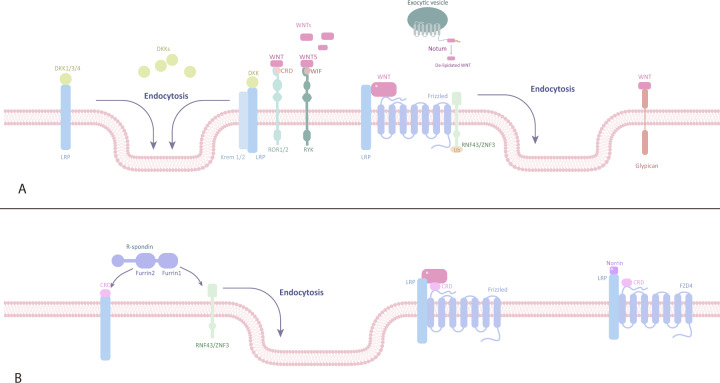
“The WNT signaling pathway, consisting of 19 secreted lipoglycoproteins, 10 class Frizzled GPCRs (FZD1–10), several single transmembrane‐spanning receptors (LDL receptor‐ related protein 5/6 [LRP5/6], receptor tyrosine kinase-like orphan receptor-1 and -2 [ROR1/2], Receptor Like Tyrosine Kinase [RYK], and Protein Tyros…”
BackgroundAssessment of Inner Blood–Retinal Barrier: Animal Models and Methods
Bora, K., Kushwah, N. S., Maurya, M., Pavlovich, M. C., Wang, Z., & Chen, J. (2023) · Cells · doi:10.3390/cells12202443 · Cited by 71
Estrogen and estrogen receptors mediate the mechanobiology of bone disease and repair
Shi, V. Y., & Morgan, E. F. (2024) · Bone · doi:10.1016/j.bone.2024.117220 · Cited by 72
Serrano-García, L., Jávega, B., Llombart‐Cussac, A., Gión, M., Pérez-García, J. M., Cortés, J., & Fernández-Murga, M. L. (2024) · Frontiers in Immunology · doi:10.3389/fimmu.2024.1513421 · Cited by 70
Herrera-Quiterio, G. A., & Encarnación‐Guevara, S. (2023) · Frontiers in Oncology · doi:10.3389/fonc.2023.1244740 · Cited by 68
Wnt/β-Catenin signaling pathway in hepatocellular carcinoma: pathogenic role and therapeutic target
Zhao, Z., Cui, T., Wei, F., Zhou, Z., Sun, Y., Gao, C., Xu, X., & Zhang, H. (2024) · Frontiers in Oncology · doi:10.3389/fonc.2024.1367364 · Cited by 69
Self-citationRole of immune dysregulation in peri-implantitis
Huang, M., Wang, C., Li, P., Lu, H., Li, A., & Xu, S. (2024) · Frontiers in Immunology · doi:10.3389/fimmu.2024.1466417 · Cited by 73
Molecular pathways and therapeutic targets linked to triple-negative breast cancer (TNBC)
Mustafa, M., Abbas, K., Alam, M., Ahmad, W., Moinuddin, M., Usmani, N., Siddiqui, S. A., & Habib, S. (2023) · Molecular and Cellular Biochemistry · doi:10.1007/s11010-023-04772-6 · Cited by 68
Research progress in Alzheimer's disease and bone-brain axis
Zhang, F., & Zhang, W. (2024) · Ageing Research Reviews · doi:10.1016/j.arr.2024.102341 · Cited by 67
Novel insights into regulators and functional modulators of adipogenesis
Kim, H., Jang, H., Muthamil, S., Shin, U. C., Lyu, J., Kim, S.-W., Go, Y., Park, S., Lee, H. G., & Park, J. H. (2024) · Biomedicine & Pharmacotherapy · doi:10.1016/j.biopha.2024.117073 · Cited by 68
Long noncoding RNA H19: functions and mechanisms in regulating programmed cell death in cancer
Xia, Y., Pei, T., Zhao, J., Wang, Z., Shen, Y., Yang, Y., & Liang, J. (2024) · Cell Death Discovery · doi:10.1038/s41420-024-01832-8 · Cited by 66
Endothelial-to-Mesenchymal Transition in Cardiovascular Pathophysiology
Singh, A. D., Bhatt, K. S., Nguyen, H. C., Frisbee, J. C., & Singh, K. K. (2024) · International Journal of Molecular Sciences · doi:10.3390/ijms25116180 · Cited by 66
“Additionally, Wnt/ β -catenin signaling facilitates EndMT through the nuclear translocation of β -catenin, thereby regulating genes pivotal in endothelial cell transformation and calcification [119].”
BackgroundMechanisms of muscle cells alterations and regeneration decline during aging
Chinvattanachot, G., Rivas, D., & Duque, G. (2024) · Ageing Research Reviews · doi:10.1016/j.arr.2024.102589 · Cited by 68
Ulcerative colitis: signaling pathways, therapeutic targets and interventional strategies
Jia, J., Liu, Y., Wang, D., Pan, Z., Zheng, Q., Lu, J., Liang, C., & Li, D. (2026) · Signal Transduction and Targeted Therapy · doi:10.1038/s41392-025-02345-1 · Cited by 71
Regulation of Metabolic Plasticity in Cancer Stem Cells and Implications in Cancer Therapy
Papadaki, S., & Magklara, A. (2022) · Cancers · doi:10.3390/cancers14235912 · Cited by 64
“of many cancers, where it has been linked with tumorigenesis, tumor metastasis, and immunoevasion [74].”
BackgroundExtracellular vesicles modulate key signalling pathways in refractory wound healing
Yang, B., Lin, Y., Huang, Y., Zhu, N., & Shen, Y. (2023) · Burns & Trauma · doi:10.1093/burnst/tkad039 · Cited by 64
“The Wnt/ β -catenin signalling pathway is a highly conserved pathway that regulates various aspects of development, stem cell maintenance and wound healing [104].”
BackgroundUnderstanding Susceptibility to Breast Cancer: From Risk Factors to Prevention Strategies
García‐Sancha, N., Corchado‐Cobos, R., & Pérez‐Losada, J. (2025) · International Journal of Molecular Sciences · doi:10.3390/ijms26072993 · Cited by 64
“In the nucleus, β -catenin functions as a co-transcriptional activator by interacting with CREB-binding protein (CBP) and T-cell factor/lymphoid enhancing factor (TCF/LEF) transcription factors, regulating the expression of oncogenes such as MYC and CCND1 , among others [234].”
Tumor-infiltrating bacteria disrupt cancer epithelial cell interactions and induce cell-cycle arrest
Niño, J. L. G., Ponath, F., Ajisafe, V. A., Becker, C. R., Kempchinsky, A. G., Zepeda‐Rivera, M. A., Gomez, J. A., Wu, H., Terrazas, J. G., Bouzek, H. K., et al. (2025) · Cancer Cell · doi:10.1016/j.ccell.2025.09.010 · Cited by 66
Li, N., Chen, S., Xu, X., Wang, H., Zheng, P., Xiao, F., Ke, H., Lei, Y., Zhou, Y., Yang, X., et al. (2024) · Journal of Advanced Research · doi:10.1016/j.jare.2024.10.012 · Cited by 66
“We observed that iCAFs displayed elevated expression levels of complement components ( C3 and C7 ), extracellular regulators of Wnt signaling ( SFRP2 and SFRP4 ) [31].”
Self-citationLi, Z., Yang, Z., Liu, W., Zhu, W., Yin, L., Han, Z., Xian, Y., Wen, J., Tang, H., Lin, X., et al. (2023) · Journal of Translational Medicine · doi:10.1186/s12967-023-04120-8 · Cited by 62
Liu, Y., Yuan, K., Lin, Y., Yang, Y., Kong, W., Shan, J., Niu, H., Kong, W., Li, F., Yue, X., et al. (2025) · Advanced Materials · doi:10.1002/adma.202414437 · Cited by 62
Beyond cisplatin: New frontiers in metallodrugs for hard-to-treat triple negative breast cancer
Nafees, M., Hanif, M., & Yang, P. (2023) · Coordination Chemistry Reviews · doi:10.1016/j.ccr.2023.215507 · Cited by 60
The involvement of signaling pathways in the pathogenesis of osteoarthritis: An update
Fazio, A., Martino, A. C. D., Brunello, M., Traina, F., Marvi, M. V., Mazzotti, A., Faldini, C., Manzoli, L., Evangelisti, C., & Ratti, S. (2024) · Journal of Orthopaedic Translation · doi:10.1016/j.jot.2024.06.002 · Cited by 61
“It follows that the dysregulation of this axis is strictly connected to different pathologies, including cancer and degenerative diseases [12].”
BackgroundHyperbaric Oxygen Therapy and Tissue Regeneration: A Literature Survey
Lindenmann, J., Kamolz, L., Graier, W. F., Smolle, J., & Smolle‐Jüttner, F. (2022) · Biomedicines · doi:10.3390/biomedicines10123145 · Cited by 59
“The Wnt signaling pathway plays a central role in bone metabolism, where Wnt regulates the osteogenic differentiation of stem cells and activates osteoblasts [60,61].”
BackgroundThe implications of alternative pre-mRNA splicing in cell signal transduction
Choi, S., Cho, N., & Kim, K. K. (2023) · Experimental & Molecular Medicine · doi:10.1038/s12276-023-00981-7 · Cited by 60
Essential Guidelines for Manufacturing and Application of Organoids
Ahn, S.-J., Lee, S., Kwon, D., Oh, S., Park, C., Jeon, S., Lee, J. H., Kim, T., & Oh, I. U. (2024) · International Journal of Stem Cells · doi:10.15283/ijsc24047 · Cited by 59
“3) Wnt ligands are involved in controlling cell fate determination, proliferation, migration, and polarity (16, 17).”
BackgroundTackling Undruggable Targets with Designer Peptidomimetics and Synthetic Biologics
Swenson, C., Mandava, G., Thomas, D. M., & Moellering, R. E. (2024) · Chemical Reviews · doi:10.1021/acs.chemrev.4c00423 · Cited by 63
Ortega, M. A., León-Oliva, D. D., Gimeno, M. J., Boaru, D. L., Fraile‐Μartinez, O., Montero, C. G., de Castro, A. V., Barrena-Blázquez, S., López-González, L., Amor, S., et al. (2024) · Biomolecules · doi:10.3390/biom14030275 · Cited by 59
“The Wnt pathway plays diverse functions in embryonic development and adult homeostasis [94].”
Quigley, R. M., Kearney, M., Kennedy, O. D., & Duncan, H. F. (2024) · Bioactive Materials · doi:10.1016/j.bioactmat.2024.06.012 · Cited by 59
Breaking Down Osteoarthritis: Exploring Inflammatory and Mechanical Signaling Pathways
Batarfi, W. A., Yunus, M. H. M., Hamid, A. A., Maarof, M., & Rani, R. A. (2025) · Life · doi:10.3390/life15081238 · Cited by 59
“The Wnt signaling pathway is crucial for the self-renewal of some mammalian tissues [80–82].”
Li, B., Mi, J., & Yuan, Q. (2024) · Cell Death Discovery · doi:10.1038/s41420-024-02126-9 · Cited by 57
“3). pathways [115].”
Signaling pathways activated and regulated by stem cell-derived exosome therapy
Li, D., Li, D., Wang, Z., Li, J., Shahzad, K. A., Wang, Y., & Tan, F. (2024) · Cell & Bioscience · doi:10.1186/s13578-024-01277-7 · Cited by 57
Zhu, J., Chang, R., Wei, B., Fu, Y. S., Chen, X., Liu, H., & Zhou, W. (2022) · Research · doi:10.34133/2022/9816272 · Cited by 56
WNT signaling at the intersection between neurogenesis and brain tumorigenesis
Alkailani, M. I., Aittaleb, M., & Tissir, F. (2022) · Frontiers in Molecular Neuroscience · doi:10.3389/fnmol.2022.1017568 · Cited by 56
“On the other hand, WNT dysregulation can lead to multiple pathologies, including tumorigenesis (Liu et al., 2022).”
BackgroundInfluentialYAP and β-catenin cooperate to drive H. pylori -induced gastric tumorigenesis
Li, N., Xu, X., Zhan, Y., Xiao, F., Ouyang, Y., Zheng, P., Zhou, Y., He, C., Xie, C., Hu, Y., et al. (2023) · Gut Microbes · doi:10.1080/19490976.2023.2192501 · Cited by 56
Dang, G., Wei, Y., Wan, Q., Gu, J., Wang, K., Wan, M., Wang, C., Song, J., Mu, Z., Tay, F. R., et al. (2024) · BMEMat · doi:10.1002/bmm2.12069 · Cited by 56
Bioactivity, Molecular Mechanism, and Targeted Delivery of Flavonoids for Bone Loss
Sharma, A. R., Lee, Y., Bat-Ulzii, A., Chatterjee, S., Bhattacharya, M., Chakraborty, C., & Lee, S. (2023) · Nutrients · doi:10.3390/nu15040919 · Cited by 56
Metadata
- Authors
- Liu, J., Xiao, Q., Xiao, J., Niu, C., Li, Y., Zhang, X., Zhou, Z., Shu, G., & Yin, G.
- Affiliations
- Central South University (CN)
- Corresponding author
- Yin, Gang
- Venue
- Signal Transduction and Targeted Therapy
- Published
- 2022-01-03
- Volume
- 7
- Issue
- 1
- Pages
- 3-3
- ISSN
- 2059-3635 (ISSN-L)
- PMC
- PMC8724284
- OpenAlex
- W4205498896
- Cited by
- 2,519
- References
- 345
- Citations by year
- 2026: 571 · 2025: 859 · 2024: 704 · 2023: 317 · 2022: 65
- FWCI
- 50.68
- Type
- journal article
- Language
- en
- Open access
- gold
- doi.org
- Licence
- cc-by
- creativecommons.org/licenses/by/4.0 (tdm)
- creativecommons.org/licenses/by/4.0 (vor)
- Locations
- Signal Transduction and Targeted Therapy (publishedVersion, cc-by)
- PubMed Central (publishedVersion, cc-by)
- PubMed (publishedVersion)
- DOAJ (DOAJ: Directory of Open Access Journals) (submittedVersion, cc-by-sa)
- Topics
- Life Sciences › Biochemistry, Genetics and Molecular Biology › Molecular Biology › Wnt/β-catenin signaling in development and cancer
- Life Sciences › Biochemistry, Genetics and Molecular Biology › Molecular Biology › Signaling Pathways in Disease
- Life Sciences › Biochemistry, Genetics and Molecular Biology › Molecular Biology › Hedgehog Signaling Pathway Studies
- Keywords
- Wnt/β-catenin signaling, Wnt proteins, β-catenin, embryonic development, tissue homeostasis, cancer, non-cancer diseases, small molecule inhibitors, therapeutic target, clinical trials
- MeSH terms
- Animals, Humans, Neoplasm Proteins, Neoplasms, Wnt Proteins, beta Catenin, Wnt Signaling Pathway
About these checks
Registry, retraction, Cites and statistics results are computed, not judged, with one exception: a printed reference that no index lists is read once by a model before it counts as a citation error. Claims are extracted by a model and kept only when their quote appears verbatim in the text; each cited source is then checked, with a model’s help, for whether it says what the claim relies on. Those verdicts can be wrong — read the claim’s quote and the cited source before relying on one.
Statistics and arithmetic are recomputed, not judged.
Confidence bands are shown only for fields calibrated on our annotated test set. None is calibrated yet, so no band is shown.
What counts as a claim ›How we measure confidence ›How we check this ›
Are you an author, or do you see a problem with this page? Request a review
Data sources
Bibliographic data: Semantic Scholar, OpenAlex, Crossref.
Contains information from the Semantic Scholar Academic Graph Datasets, made available under the ODC Attribution License (ODC-BY 1.0).
Semantic Scholar’s data is described in: Kinney, R., et al. (2023). The Semantic Scholar Open Data Platform. arXiv:2301.10140.
