

Wnt/β-catenin signalling: function, biological mechanisms, and therapeutic opportunities
Open accessThe DOI matches its Crossref record; 345 of the 345 references it cites were found in a registry or an index.
Abstract
The Wnt/β-catenin pathway comprises a family of proteins that play critical roles in embryonic development and adult tissue homeostasis. The deregulation of Wnt/β-catenin signalling often leads to various serious diseases, including cancer and non-cancer diseases. Although many articles have reviewed Wnt/β-catenin from various aspects, a systematic review encompassing the origin, composition, function, and clinical trials of the Wnt/β-catenin signalling pathway in tumour and diseases is lacking. In this article, we comprehensively review the Wnt/β-catenin pathway from the above five aspects in combination with the latest research. Finally, we propose challenges and opportunities for the development of small-molecular compounds targeting the Wnt signalling pathway in disease treatment.
Overview
The claims and statistics of this paper haven’t been checked yet.
Free: it reads the open-access text and checks the first 5 claims that cite a source we can check. Create a free account to check every claim.
Integrity signals
Registry
Cites
Statistics
Figures
Verification
Claims the paper makes
The claims and statistics of this paper haven’t been checked yet.
Free: it reads the open-access text and checks the first 5 claims that cite a source we can check. Create a free account to check every claim.
Claims other papers make about this one
Each is checked against this paper’s own text: does it say what the citing paper says it does?
The source backs part of the claim, not all of it — or backs it for a different population, condition or comparison.
In the citing paper
“The inactivation of GSK3β disrupts the integrity and function of the destruction complex, thereby preventing β-catenin phosphorylation. As a result, unphosphorylated, stable β-catenin accumulates in the cytoplasm, translocates to the nucleus, and activates the transcription of its target genes, including c-Myc and Cyclin D1 [35, 46, 47, 52–55].”
From PPP1R18-mediated activation of Wnt/β-catenin and EMT is dependent on ERK signaling in clear cell renal cell carcinoma (2026) · cites this paper as [53]
Experimental — accuracy not yet measuredThe cited source says what the claim attributes to it.
In the citing paper
“Wnt signaling is a critical pathway involved in multiple developmental processes and can also contribute to malignant transformation.”
From Multiple myeloma: signaling pathways and targeted therapy (2024) · cites this paper as [64]
The check wasn’t confident either way, so it gives no verdict — never disputed.
In the citing paper
“For example, resistance training reduces muscle atrophy by inhibiting complement component 1q (C1q)-induced Wnt signaling as well as the PI3K-Akt-tuberous sclerosis complex (TSC) cascade, which regulates the activity of the target of rapamycin complex 1 (mTORC1) via the Ras homolog enriched in the brain (Rheb)”
From Exercise-Induced Muscle–Fat Crosstalk: Molecular Mediators and Their Pharmacological Modulation for the Maintenance of Metabolic Flexibility in Aging (2025) · cites this paper as [93]
Experimental — accuracy not yet measuredThe check wasn’t confident either way, so it gives no verdict — never disputed.
In the citing paper
“Resistance training in mice attenuates muscle fibrosis and atrophy by suppressing C1q-induced Wnt/β-catenin signaling, specifically through the glycogen synthase kinase-3 beta (GSK)-3β/β-catenin axis”
From Exercise-Induced Muscle–Fat Crosstalk: Molecular Mediators and Their Pharmacological Modulation for the Maintenance of Metabolic Flexibility in Aging (2025) · cites this paper as [93]
Experimental — accuracy not yet measured
Self-check
Percentages, sums and reported differences re-computed from the paper’s own numbers.
The self-check needs the paper’s full text.
Citations
Cites
4 retracted
Epigenetic regulation of Wnt-signaling pathway in acute lymphoblastic leukemia
Román-Gómez, J., Cordeu, L., Agirre, X., Jiménez-Velasco, A., San José-Eneriz, E., Garate, L., Calasanz, M. J., Heiniger, A., Torres, A., & Prosper, F. (2007) · Blood · doi:10.1182/blood-2006-09-047043 · Cited by 168 · cited 1×
“The results indicate the role of abnormal Wnt signalling in ALL and establish a group of patients with a significantly worse prognosis (methylated group).(253)”
BackgroundRetractedSatō, Y., Asoh, T., & Oizumi, K. (1998) · Bone · doi:10.1016/s8756-3282(98)00134-3 · Cited by 140 · cited 2×
“Fourteen bone-related biomarkers in elderly people with memory problems were not clinically diagnosed with asymptomatic AD, and the expression of TRAIL and DKK1 was elevated in the brain.(257,258) Wnt signalling has a neuroprotective effect, and DKK1, as an antagonist of the canonical Wnt signalling pathway, is negati…”
BackgroundResultRetractedFu, X., Zhu, X., Qin, F., Zhang, Y., Lin, J., Ding, Y., Yang, Z., Shang, Y., Wang, L., Zhang, Q., et al. (2018) · Molecular Cancer · doi:10.1186/s12943-018-0783-3 · Cited by 109 · cited 1×
“The lncRNAs Linc00210 and lncRNA-CCAL inhibit the activity of CTNNBIP1 and activator protein-2α (AP-2α), respectively, and block the binding of CTNNBIP1 and AP-2α to β-catenin, enhancing the interaction between β-catenin and the TCF/LEF complex.(67,68) LncRNA-NEAT1 interacts with DDX5 and promotes the formation of a c…”
BackgroundRetractedLiu, B., Wu, S., Han, L., & Zhang, C. (2015) · International Journal of Molecular Medicine · doi:10.3892/ijmm.2015.2382 · Cited by 25 · cited 3×
“The absence of Wnt signalling inhibits the nuclear transport of β-catenin mediated by ZBP1, resulting in a decrease in Runx2 and Sp7 (osteogenic factors) expression in mouse bone marrowderived MSCs.132,133 DHCR7 and INSIG1/2 are related to the effect of cholesterol metabolism on bone formation.”
BackgroundRetractedIdentification of stem cells in small intestine and colon by marker gene Lgr5
Barker, N., van Es, J. H., Kuipers, J., Kujala, P., van den Born, M., Cozijnsen, M., Haegebarth, A., Korving, J., Begthel, H., Peters, P. J., et al. (2007) · Nature · doi:10.1038/nature06196 · Cited by 5,687
Wnt/β-Catenin Signaling: Components, Mechanisms, and Diseases
MacDonald, B. T., Tamai, K., & He, X. (2009) · Developmental Cell · doi:10.1016/j.devcel.2009.06.016 · Cited by 5,583
Wnt/β-Catenin Signaling in Development and Disease
Clevers, H. (2006) · Cell · doi:10.1016/j.cell.2006.10.018 · Cited by 5,568
Wnt/β-Catenin Signaling, Disease, and Emerging Therapeutic Modalities
Nusse, R., & Clevers, H. (2017) · Cell · doi:10.1016/j.cell.2017.05.016 · Cited by 4,342
Activation of β-Catenin-Tcf Signaling in Colon Cancer by Mutations in β-Catenin or APC
Morin, P. J., Sparks, A. B., Korinek, V., Barker, N., Clevers, H., Vogelstein, B., & Kinzler, K. W. (1997) · Science · doi:10.1126/science.275.5307.1787 · Cited by 3,942
Melanoma-intrinsic β-catenin signalling prevents anti-tumour immunity
Spranger, S., Bao, R., & Gajewski, T. F. (2015) · Nature · doi:10.1038/nature14404 · Cited by 2,830 · cited 1×
“Using a mouse melanoma model, the researchers confirmed that the intrinsically active β-catenin signal of the tumour led to T cell rejection and resistance to anti-PD-L1/anti-CTLA-4 monoclonal antibody treatment.(301) Simultaneously, the analysis of primary melanoma lesions with BRAF mutations showed that T cell infil…”
BackgroundBonewald, L. F. (2011) · Journal of Bone and Mineral Research · doi:10.1002/jbmr.320 · Cited by 2,287
Wnt proteins are lipid-modified and can act as stem cell growth factors
Willert, K., Brown, J. D., Danenberg, E., Duncan, A. W., Weissman, I. L., Reya, T., Yates, J. R., & Nusse, R. (2003) · Nature · doi:10.1038/nature01611 · Cited by 2,257 · cited 1×
“Lipid modification is necessary for Wnt activity, and the opposite is true for glycosylation.(11) WLS encodes a multipass transmembrane protein that localizes to the Golgi, is recycled between the Golgi and plasma membrane(12) and transports lipid-modified Wnts from the endoplasmic reticulum to the cell surface.”
BackgroundWNT signaling in bone homeostasis and disease: From human mutations to treatments
Baron, R., & Kneissel, M. (2013) · Nature Medicine · doi:10.1038/nm.3074 · Cited by 2,093
Richeldi, L., Collard, H. R., & Jones, M. G. (2017) · The Lancet · doi:10.1016/s0140-6736(17)30866-8 · Cited by 2,020
Nusse, R., & Varmus, H. E. (1982) · Cell · doi:10.1016/0092-8674(82)90409-3 · Cited by 1,863 · cited 1×
“Because the two genes and functional proteins are similar, researchers combined the terms as the Wnt gene.(1) The Wnt signalling pathways include noncanonical and canonical pathways.”
BackgroundWnt activity defines colon cancer stem cells and is regulated by the microenvironment
Vermeulen, L., De Sousa E Melo, F., van der Heijden, M., Cameron, K., de Jong, J. H., Borovski, T., Tuynman, J. B., Todaro, M., Merz, C., Rodermond, H., et al. (2010) · Nature Cell Biology · doi:10.1038/ncb2048 · Cited by 1,804
Depletion of epithelial stem-cell compartments in the small intestine of mice lacking Tcf-4
Korinek, V., Barker, N., Moerer, P., van Donselaar, E., Huls, G., Peters, P. J., & Clevers, H. (1998) · Nature Genetics · doi:10.1038/1270 · Cited by 1,581
Tie, J., Wang, Y., Tomasetti, C., Li, L., Springer, S., Kinde, I., Silliman, N., Tacey, M., Wong, H.-L., Christie, M., et al. (2016) · Science Translational Medicine · doi:10.1126/scitranslmed.aaf6219 · Cited by 1,492 · cited 6×
“Therefore, the alteration of Wnt and its related gene copy number in cfDNA can be used to diagnose CRC.”
MethodInfluentialThe complex world of WNT receptor signalling
Niehrs, C. (2012) · Nature Reviews Molecular Cell Biology · doi:10.1038/nrm3470 · Cited by 1,492 · cited 1×
“The noncanonical Wnt pathways are independent of β-catenin-Tcell factor/lymphoid enhancer-binding factor (TCF/LEF), such as the Wnt/Ca pathway and noncanonical Wnt planar cell polarity.(2) The canonical Wnt pathway, also known as the Wnt/ β-catenin pathway, involves the nuclear translocation of β-catenin and activatio…”
BackgroundTumour-intrinsic resistance to immune checkpoint blockade
Kalbasi, A., & Ribas, A. (2020) · Nature Reviews Immunology · doi:10.1038/s41577-019-0218-4 · Cited by 1,486 · cited 2×
“Moreover, phase II clinical trials have demonstrated that decitabine increases cisplatin/carboplatin sensitivity in platinum-resistant ovarian cancer by affecting Wnt/β-catenin pathway.(307) Therefore, the rational use of Wnt signalling pathway inhibitors is of great help to solve the clinical problems of tumour metas…”
BackgroundMicroRNA control of signal transduction
Inui, M., Martello, G., & Piccolo, S. (2010) · Nature Reviews Molecular Cell Biology · doi:10.1038/nrm2868 · Cited by 1,272 · cited 1×
“By pairing the 3′untranslated regions (3′-UTRs) of target mRNAs, microRNAs participate in the regulation of Wnt/β-catenin signalling, and different miRNAs have different effects on the Wnt/β-catenin signalling pathway.(41,42) Some miRNAs enhance the Wnt/β-catenin pathway by inhibiting the negative regulatory factors o…”
BackgroundTranscriptome classification of HCC is related to gene alterations and to new therapeutic targets
Boyault, S., Rickman, D. S., de Reyniès, A., Balabaud, C., Rebouissou, S., Jeannot, E., Hérault, A., Saric, J., Belghiti, J., Franco, D., et al. (2007) · Hepatology · doi:10.1002/hep.21467 · Cited by 1,258 · cited 1×
“In hepatocellular carcinoma, CTNNB1-activating mutations [28% (34/ 123) to 40% (18/45)] are the most significant genetic changes in the Wnt/β-catenin pathway.(228,229) In medulloblastomas, CTNNB1 is a common mutation (15/125, 12%).”
BackgroundKato, M., Patel, M. S., Levasseur, R., Lobov, I., Chang, B. H.-J., Glass, D. A., Hartmann, C., Li, L., Hwang, T.-H., Brayton, C. F., et al. (2002) · The Journal of Cell Biology · doi:10.1083/jcb.200201089 · Cited by 1,086 · cited 5×
“DKK1 improved NFκB pathway signal transduction, enhanced the inflammatory response at the injury site,255 and promoted ischaemic injury by downregulating LRP5/6.108 The increase in DKK1 in patients was related to the DKK1-mediated inflammation loop.”
BackgroundInfluentialAlveolar progenitor and stem cells in lung development, renewal and cancer
Desai, T. J., Brownfield, D. G., & Krasnow, M. A. (2014) · Nature · doi:10.1038/nature12930 · Cited by 1,060 · cited 1×
“AT1 cells mediate gas exchange, and AT2 cells secrete surfactants to maintain alveolar morphology.(76) During airway differentiation, inhibition of the Wnt/β-catenin pathway contributes to the rapid directional differentiation of pluripotent stem cells into proximal airway epithelial cells, while activation of the Wnt…”
BackgroundKremen proteins are Dickkopf receptors that regulate Wnt/β-catenin signalling
Mao, B., Wu, W., Davidson, G., Marhold, J., Li, M., Mechler, B. M., Delius, H., Hoppe, D., Stannek, P., Walter, C., et al. (2002) · Nature · doi:10.1038/nature756 · Cited by 1,038
Can we safely target the WNT pathway?
Kahn, M. (2014) · Nature Reviews Drug Discovery · doi:10.1038/nrd4233 · Cited by 1,034 · cited 1×
“In addition, the appropriate timing of drug administration is critical, particularly in patient stratification and drug delivery.(305,319,320) A more integrated experimental evaluation of mutations from different patient-derived tumours can be used to identify driver mutations from passenger mutations to guide treatme…”
BackgroundZNRF3 promotes Wnt receptor turnover in an R-spondin-sensitive manner
Hao, H.-X., Xie, Y., Zhang, Y., Charlat, O., Oster, E., Avello, M., Lei, H., Mickanin, C., Liu, D., Ruffner, H., et al. (2012) · Nature · doi:10.1038/nature11019 · Cited by 972
Satoh, S., Daigo, Y., Furukawa, Y., Kato, T., Miwa, N., Nishiwaki, T., Kawasoe, T., Ishiguro, H., Fujita, M., Tokino, T., et al. (2000) · Nature Genetics · doi:10.1038/73448 · Cited by 960 · cited 1×
“In addition, adenovirus-mediated gene transfer of wild-type AXIN1 induces HCC cell and CRC cell apoptosis, which is blocked by APC, CTNNB1, or AXIN1 mutations.(215) The infiltration level of CD4+ and CD8+ T cells decreases in HCC tissues because of AXIN1/CTNNB1 mutations, resulting in immune escape.”
BackgroundWnt Induces LRP6 Signalosomes and Promotes Dishevelled-Dependent LRP6 Phosphorylation
Bilić, J., Huang, Y.-L., Davidson, G., Zimmermann, T., Cruciat, C.-M., Bienz, M., & Niehrs, C. (2007) · Science · doi:10.1126/science.1137065 · Cited by 934
A small molecule inhibitor of β-catenin/cyclic AMP response element-binding protein transcription
Emami, K. H., Nguyen, C., Ma, H., Kim, D. H., Jeong, K. W., Eguchi, M., Moon, R. T., Teo, J.-L., Oh, S. W., Kim, H. Y., et al. (2004) · Proceedings of the National Academy of Sciences · doi:10.1073/pnas.0404875101 · Cited by 874
A dual-kinase mechanism for Wnt co-receptor phosphorylation and activation
Zeng, X., Tamai, K., Doble, B., Li, S., Huang, H., Habas, R., Okamura, H., Woodgett, J., & He, X. (2005) · Nature · doi:10.1038/nature04185 · Cited by 849 · cited 1×
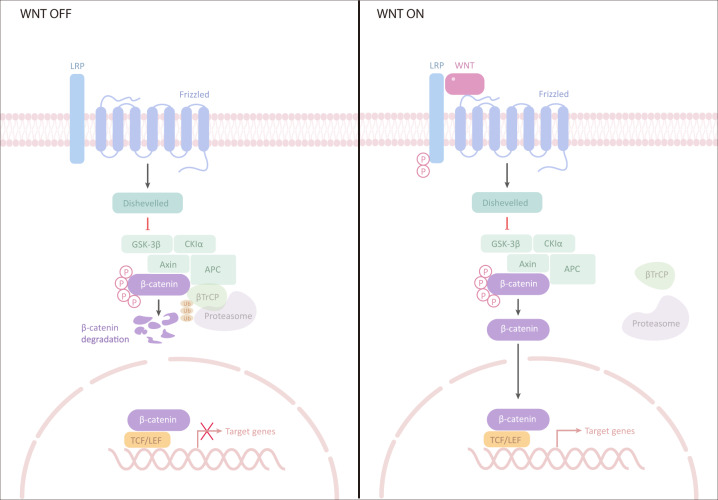
“Phosphorylated β-catenin is released from DCs and bound by Trcp-1 (also known as β-Trap) for ubiquitination and subsequent degradation.(23)”
BackgroundActivation of canonical Wnt signalling is required for TGF-β-mediated fibrosis
Akhmetshina, A., Palumbo, K., Dees, C., Bergmann, C., Venalis, P., Zerr, P., Horn, A., Kireva, T., Beyer, C., Zwerina, J., et al. (2012) · Nature Communications · doi:10.1038/ncomms1734 · Cited by 843
Dissecting the genomic complexity underlying medulloblastoma
Jones, D. T. W., Jäger, N., Kool, M., Zichner, T., Hutter, B., Sultan, M., Cho, Y.-J., Pugh, T. J., Hovestadt, V., Stütz, A. M., et al. (2012) · Nature · doi:10.1038/nature11284 · Cited by 839
A distinct role for Lgr5+ stem cells in primary and metastatic colon cancer
de Sousa e Melo, F., Kurtova, A. V., Harnoss, J. M., Kljavin, N., Hoeck, J. D., Hung, J., Anderson, J. E., Storm, E. E., Modrusan, Z., Koeppen, H., et al. (2017) · Nature · doi:10.1038/nature21713 · Cited by 788
Hu, J. L., Wang, W., Lan, X. L., Zeng, Z. C., Liang, Y. S., Yan, Y. R., Song, F. Y., Wang, F. F., Zhu, X. H., Liao, W. J., et al. (2019) · Molecular Cancer · doi:10.1186/s12943-019-1019-x · Cited by 773 · cited 1×
“Highly expressed miR-92a-3p reduces the ubiquitin-mediated degradation of β-catenin by directly inhibiting FBXW7 and MOAP1 and promoting the progression of colorectal cancer (CRC).(55) MiR-182-5p directly inhibits the expression of FOXO3a, preventing its binding to β-catenin, enhancing the interaction between β-cateni…”
BackgroundIdentification of a Gene Located at Chromosome 5q21 that Is Mutated in Colorectal Cancers
Kinzler, K. W., Nilbert, M. C., Vogelstein, B., Bryan, T. M., Levy, D. B., Smith, K. J., Preisinger, A. C., Hamilton, S. R., Hedge, P., Markham, A., et al. (1991) · Science · doi:10.1126/science.1848370 · Cited by 756
Single-cell Wnt signaling niches maintain stemness of alveolar type 2 cells
Nabhan, A. N., Brownfield, D. G., Harbury, P. B., Krasnow, M. A., & Desai, T. J. (2018) · Science · doi:10.1126/science.aam6603 · Cited by 755 · cited 1×
“Notably, Wnt5a, a common nonclassical Wnt pathway activator, after secretion by fibroblasts, activates the classic Wnt signalling pathway in AT2 cells and inhibits the transdifferentiation of AXIN2 AT2 cells with stem cell activity into AT1 cells, thus maintaining the dryness of AT2 cells.(82,83) When the Wnt/β-cateni…”
BackgroundDishevelled: The hub of Wnt signaling
Gao, C., & Chen, Y.-G. (2010) · Cellular Signalling · doi:10.1016/j.cellsig.2009.11.021 · Cited by 755
Regeneration of the lung alveolus by an evolutionarily conserved epithelial progenitor
Zacharias, W. J., Frank, D. B., Zepp, J. A., Morley, M. P., Alkhaleel, F. A., Kong, J., Zhou, S., Cantu, E., & Morrisey, E. E. (2018) · Nature · doi:10.1038/nature25786 · Cited by 737 · cited 1×
“Notably, Wnt5a, a common nonclassical Wnt pathway activator, after secretion by fibroblasts, activates the classic Wnt signalling pathway in AT2 cells and inhibits the transdifferentiation of AXIN2 AT2 cells with stem cell activity into AT1 cells, thus maintaining the dryness of AT2 cells.(82,83) When the Wnt/β-cateni…”
BackgroundIntegrated genomic characterization of adrenocortical carcinoma
Assié, G., Letouzé, E., Fassnacht, M., Jouinot, A., Luscap, W., Barreau, O., Omeiri, H., Rodriguez, S., Perlemoine, K., René-Corail, F., et al. (2014) · Nature Genetics · doi:10.1038/ng.2953 · Cited by 732
Visualization and targeting of LGR5+ human colon cancer stem cells
Shimokawa, M., Ohta, Y., Nishikori, S., Matano, M., Takano, A., Fujii, M., Date, S., Sugimoto, S., Kanai, T., & Sato, T. (2017) · Nature · doi:10.1038/nature22081 · Cited by 728
Wnt/beta-catenin pathway: modulating anticancer immune response
Pai, S. G., Carneiro, B. A., Mota, J. M., Costa, R., Leite, C. A., Barroso-Sousa, R., Kaplan, J. B., Chae, Y. K., & Giles, F. J. (2017) · Journal of Hematology & Oncology · doi:10.1186/s13045-017-0471-6 · Cited by 703
Mutations in AXIN2 Cause Familial Tooth Agenesis and Predispose to Colorectal Cancer
Lammi, L., Arte, S., Somer, M., Järvinen, H., Lahermo, P., Thesleff, I., Pirinen, S., & Nieminen, P. (2004) · The American Journal of Human Genetics · doi:10.1086/386293 · Cited by 691 · cited 6×
“Therefore, the alteration of Wnt and its related gene copy number in cfDNA can be used to diagnose CRC.”
BackgroundInfluentialImpact of oncogenic pathways on evasion of antitumour immune responses
Spranger, S., & Gajewski, T. F. (2018) · Nature Reviews Cancer · doi:10.1038/nrc.2017.117 · Cited by 665 · cited 1×
“Simultaneously, the analysis of primary melanoma lesions with BRAF mutations showed that T cell infiltration was negatively correlated with β-catenin in tumour cells.(302) Transmission of Wnt3aβ-catenin signal exhausted tumour infiltrating T cells, thus weakening their anti-tumour effects, and inhibiting the productio…”
BackgroundThe R-spondin/Lgr5/Rnf43 module: regulator of Wnt signal strength
de Lau, W., Peng, W. C., Gros, P., & Clevers, H. (2014) · Genes & Development · doi:10.1101/gad.235473.113 · Cited by 656
Small-molecule antagonists of the oncogenic Tcf/β-catenin protein complex
Lepourcelet, M., Chen, Y.-N. P., France, D. S., Wang, H., Crews, P., Petersen, F., Bruseo, C., Wood, A. W., & Shivdasani, R. A. (2004) · Cancer Cell · doi:10.1016/s1535-6108(03)00334-9 · Cited by 653
Secreted and transmembrane wnt inhibitors and activators
Cruciat, C.-M., & Niehrs, C. (2013) · Cold Spring Harbor Perspectives in Biology · doi:10.1101/cshperspect.a015081 · Cited by 646
Wu, J., Jiao, Y., Dal Molin, M., Maitra, A., de Wilde, R. F., Wood, L. D., Eshleman, J. R., Goggins, M. G., Wolfgang, C. L., Canto, M. I., et al. (2011) · Proceedings of the National Academy of Sciences · doi:10.1073/pnas.1118046108 · Cited by 640
Identification and consequences of miRNA–target interactions — beyond repression of gene expression
Hausser, J., & Zavolan, M. (2014) · Nature Reviews Genetics · doi:10.1038/nrg3765 · Cited by 628
Wnt–β-catenin signalling in liver development, health and disease
Perugorria, M. J., Olaizola, P., Labiano, I., Esparza-Baquer, A., Marzioni, M., Marin, J. J. G., Bujanda, L., & Banales, J. M. (2019) · Nature Reviews Gastroenterology & Hepatology · doi:10.1038/s41575-018-0075-9 · Cited by 605
Unexpected complexity of the Wnt gene family in a sea anemone
Kusserow, A., Pang, K., Sturm, C., Hrouda, M., Lentfer, J., Schmidt, H. A., Technau, U., von Haeseler, A., Hobmayer, B., Martindale, M. Q., et al. (2005) · Nature · doi:10.1038/nature03158 · Cited by 599 · cited 1×
“Wnts are secreted proteins, and 19 Wnt proteins have been identified in the human body.(10) Among them, Wnt3a and Wnt1 act as ligands to activate the Wnt/β-catenin signalling pathway after translation and modification.”
BackgroundInternational Union of Pharmacology. XLVI. G Protein-Coupled Receptor List
Foord, S. M., Bonner, T. I., Neubig, R. R., Rosser, E. M., Pin, J.-P., Davenport, A. P., Spedding, M., & Harmar, A. J. (2005) · Pharmacological Reviews · doi:10.1124/pr.57.2.5 · Cited by 592
Colorectal cancer and genetic alterations in the Wnt pathway
Segditsas, S., & Tomlinson, I. (2006) · Oncogene · doi:10.1038/sj.onc.1210059 · Cited by 591
The Hippo Pathway Regulates Wnt/β-Catenin Signaling
Varelas, X., Miller, B. W., Sopko, R., Song, S., Gregorieff, A., Fellouse, F. A., Sakuma, R., Pawson, T., Hunziker, W., McNeill, H., et al. (2010) · Developmental Cell · doi:10.1016/j.devcel.2010.03.007 · Cited by 569
Zepp, J. A., Zacharias, W. J., Frank, D. B., Cavanaugh, C. A., Zhou, S., Morley, M. P., & Morrisey, E. E. (2017) · Cell · doi:10.1016/j.cell.2017.07.034 · Cited by 567 · cited 1×
“MANCs and stable β-catenin promote the self-renewal of AT2 cells, facilitating alveolar regeneration.(77,84,85) In PM2.”
BackgroundDifferentiation of Human Pluripotent Stem Cells into Functional Lung Alveolar Epithelial Cells
Jacob, A., Morley, M., Hawkins, F., McCauley, K. B., Jean, J. C., Heins, H., Na, C.-L., Weaver, T. E., Vedaie, M., Hurley, K., et al. (2017) · Cell Stem Cell · doi:10.1016/j.stem.2017.08.014 · Cited by 565 · cited 1×
“MANCs and stable β-catenin promote the self-renewal of AT2 cells, facilitating alveolar regeneration.(77,84,85) In PM2.”
BackgroundDKK1, a negative regulator of Wnt signaling, is a target of the β-catenin/TCF pathway
Niida, A., Hiroko, T., Kasai, M., Furukawa, Y., Nakamura, Y., Suzuki, Y., Sugano, S., & Akiyama, T. (2004) · Oncogene · doi:10.1038/sj.onc.1207892 · Cited by 554
Liu, W., Dong, X., Mai, M., Seelan, R. S., Taniguchi, K., Krishnadath, K. K., Halling, K. C., Cunningham, J. M., Qian, C., Christensen, E., et al. (2000) · Nature Genetics · doi:10.1038/79859 · Cited by 510
Loss of p53 triggers WNT-dependent systemic inflammation to drive breast cancer metastasis
Wellenstein, M. D., Coffelt, S. B., Duits, D. E. M., van Miltenburg, M. H., Slagter, M., de Rink, I., Henneman, L., Kas, S. M., Prekovic, S., Hau, C.-S., et al. (2019) · Nature · doi:10.1038/s41586-019-1450-6 · Cited by 500
Han, P., Li, J.-W., Zhang, B.-M., Lv, J.-C., Li, Y.-M., Gu, X.-Y., Yu, Z.-W., Jia, Y.-H., Bai, X.-F., Li, L., et al. (2017) · Molecular Cancer · doi:10.1186/s12943-017-0583-1 · Cited by 496 · cited 6×
“Therefore, the alteration of Wnt and its related gene copy number in cfDNA can be used to diagnose CRC.”
BackgroundInfluentialSelf-citationZeng, X., Huang, H., Tamai, K., Zhang, X., Harada, Y., Yokota, C., Almeida, K., Wang, J., Doble, B., Woodgett, J., et al. (2008) · Development · doi:10.1242/dev.013540 · Cited by 492
Self-citationβ-Catenin Signaling and Roles in Liver Homeostasis, Injury, and Tumorigenesis
Monga, S. P. (2015) · Gastroenterology · doi:10.1053/j.gastro.2015.02.056 · Cited by 487 · cited 1×
“Wnt/β-catenin signalling pathway in non-tumour liver diseases: The cholestasis Wnt/β-catenin pathway decreases bile acid (BA) synthesis, preventing the development of cholestatic liver injury and fibrosis after bile duct ligation (BDL).(179,180) Autoimmune hepatitis (AIH) is a chronic inflammatory liver disease that r…”
BackgroundMutational spectrum of β-catenin, AXIN1, and AXIN2 in hepatocellular carcinomas and hepatoblastomas
Taniguchi, K., Roberts, L. R., Aderca, I. N., Dong, X., Qian, C., Murphy, L. M., Nagorney, D. M., Burgart, L. J., Roche, P. C., Smith, D. I., et al. (2002) · Oncogene · doi:10.1038/sj.onc.1205591 · Cited by 486
Small-molecule inhibition of Wnt signaling through activation of casein kinase 1α
Thorne, C. A., Hanson, A. J., Schneider, J., Tahinci, E., Orton, D., Cselenyi, C. S., Jernigan, K. K., Meyers, K. C., Hang, B. I., Waterson, A. G., et al. (2010) · Nature Chemical Biology · doi:10.1038/nchembio.453 · Cited by 485
A Parsimonious Model for Gene Regulation by miRNAs
Djuranovic, S., Nahvi, A., & Green, R. (2011) · Science · doi:10.1126/science.1191138 · Cited by 469 · cited 1×
“By pairing the 3′untranslated regions (3′-UTRs) of target mRNAs, microRNAs participate in the regulation of Wnt/β-catenin signalling, and different miRNAs have different effects on the Wnt/β-catenin signalling pathway.(41,42) Some miRNAs enhance the Wnt/β-catenin pathway by inhibiting the negative regulatory factors o…”
BackgroundWnt signaling directs a metabolic program of glycolysis and angiogenesis in colon cancer
Pate, K. T., Stringari, C., Sprowl‐Tanio, S., Wang, K., TeSlaa, T., Hoverter, N. P., McQuade, M. M., Garner, C., Digman, M. A., Teitell, M. A., et al. (2014) · The EMBO Journal · doi:10.15252/embj.201488598 · Cited by 459 · cited 1×
“Recently, researchers have reported that the Wnt/β-catenin pathway collaborates with AHCTF1 (also known as ELYS) to act as a superenhancer-mediated gene to drive colon cancer.(240,241) In a study of 955 patients with stage I, II, III, or IV colon and rectal cancer from 1980 through 2004, CTNNB1 was associated with imp…”
BackgroundNotum deacylates Wnt proteins to suppress signalling activity
Kakugawa, S., Langton, P. F., Zebisch, M., Howell, S. A., Chang, T.-H., Liu, Y., Feizi, T., Bineva, G., O’Reilly, N., Snijders, A. P., et al. (2015) · Nature · doi:10.1038/nature14259 · Cited by 446 · cited 1×
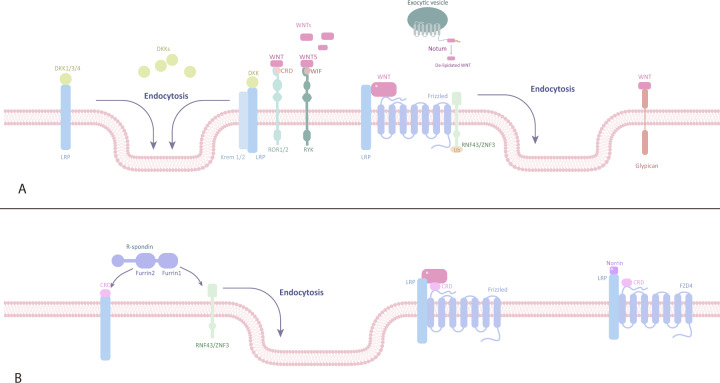
“Both Tiki and Notum act as enzymes to inactivate Wnt proteins.(27,28) Ub LRP RNF43/ZNF3”
BackgroundEllison, D. W., Onilude, O. E., Lindsey, J. C., Lusher, M. E., Weston, C. L., Taylor, R. E., Pearson, A. D., & Clifford, S. C. (2005) · Journal of Clinical Oncology · doi:10.1200/jco.2005.01.5479 · Cited by 435 · cited 3×
“Studies have shown that activation of the canonical Wnt signalling pathway is mainly evaluated by detecting the β-catenin immunophenotype, and methylation subgroups are consistent with IHC.231,249,250 The four DNA methylation subgroups of medulloblastoma in the study included Wnt, SHH, Group 3, and Group 4.”
BackgroundMcCauley, K. B., Hawkins, F., Serra, M., Thomas, D. C., Jacob, A., & Kotton, D. N. (2017) · Cell Stem Cell · doi:10.1016/j.stem.2017.03.001 · Cited by 432
R-Spondin2 Is a Secreted Activator of Wnt/β-Catenin Signaling and Is Required for Xenopus Myogenesis
Kazanskaya, O., Glinka, A., del Barco Barrantes, I., Stannek, P., Niehrs, C., & Wu, W. (2004) · Developmental Cell · doi:10.1016/j.devcel.2004.07.019 · Cited by 431
WNT–β-catenin signalling — a versatile player in kidney injury and repair
Schunk, S. J., Floege, J., Fliser, D., & Speer, T. (2021) · Nature Reviews Nephrology · doi:10.1038/s41581-020-00343-w · Cited by 427
Lu, Y., Zhao, X., Liu, Q., Li, C., Graves-Deal, R., Cao, Z., Singh, B., Franklin, J. L., Wang, J., Hu, H., et al. (2017) · Nature Medicine · doi:10.1038/nm.4424 · Cited by 425 · cited 2×
“The lncRNAs MIR100HG and MIR22HG are the host genes of miR-100/125b and miR-22-3p/ 5p, respectively, activating the Wnt pathway by upregulating the expression of these miRNAs.(43,51) The lncRNA CRNDE enhances Wnt/β-catenin pathway signalling by inhibiting miR-181a-5p expression.”
BackgroundBiology of the Adenomatous Polyposis Coli Tumor Suppressor
Goss, K. H., & Groden, J. (2000) · Journal of Clinical Oncology · doi:10.1200/jco.2000.18.9.1967 · Cited by 400
Epigenetic Resensitization to Platinum in Ovarian Cancer
Matei, D., Fang, F., Shen, C., Schilder, J., Arnold, A., Zeng, Y., Berry, W. A., Huang, T., & Nephew, K. P. (2012) · Cancer Research · doi:10.1158/0008-5472.can-11-3909 · Cited by 390
Yang, X.-Z., Cheng, T.-T., He, Q.-J., Lei, Z.-Y., Chi, J., Tang, Z., Liao, Q.-X., Zhang, H., Zeng, L.-S., & Cui, S.-Z. (2018) · Molecular Cancer · doi:10.1186/s12943-018-0874-1 · Cited by 386 · cited 1×
“In gastric cancer, the novel lncRNA LINC01133 targeting miR-106a-3p plays an indirect role in inhibiting the Wnt signalling pathway.(52)”
BackgroundOsteocyte-Driven Bone Remodeling
Bellido, T. (2014) · Calcified Tissue International · doi:10.1007/s00223-013-9774-y · Cited by 384
Zhang, M., Weng, W., Zhang, Q., Wu, Y., Ni, S., Tan, C., Xu, M., Sun, H., Liu, C., Wei, P., et al. (2018) · Journal of Hematology & Oncology · doi:10.1186/s13045-018-0656-7 · Cited by 362 · cited 1×
“LncRNA-NEAT1 interacts with DDX5 and promotes the formation of a complex between DDX5 and β-catenin, enhancing gene transcription.(69) Lnc-β-Catm is a highly transcribed lncRNA in hepatocellular carcinoma that combines with β-catenin and EZH2 to promote β-catenin methylation and further enhance β-catenin stability.”
BackgroundAnatomically and Functionally Distinct Lung Mesenchymal Populations Marked by Lgr5 and Lgr6
Lee, J.-H., Tammela, T., Hofree, M., Choi, J., Marjanovic, N. D., Han, S., Canner, D., Wu, K., Paschini, M., Bhang, D. H., et al. (2017) · Cell · doi:10.1016/j.cell.2017.07.028 · Cited by 361 · cited 1×
“LGT5 mesenchymal cells located in alveoli can secrete Wnt3a to activate canonical Wnt signalling and promote alveolar differentiation of epithelial progenitor cells.(81) Notably, Wnt5a, a common nonclassical Wnt pathway activator, after secretion by fibroblasts, activates the classic Wnt signalling pathway in AT2 cell…”
BackgroundGSK3 and tau: Two convergence points in Alzheimer’s disease
Hernandez, F., Lucas, J. J., & Avila, J. (2012) · Journal of Alzheimer's Disease · doi:10.3233/jad-2012-129025 · Cited by 359
The Role of Wnt Signaling in Physiological and Pathological Angiogenesis
Dejana, E. (2010) · Circulation Research · doi:10.1161/circresaha.110.223750 · Cited by 347 · cited 1×
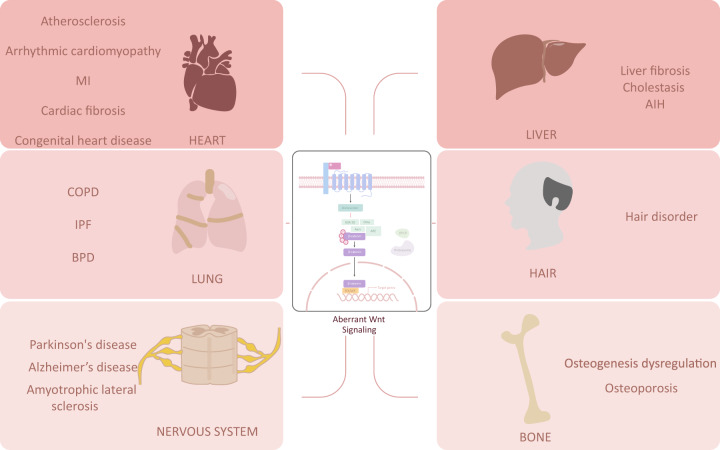
“The occurrence and development of many cardiovascular diseases are related to abnormal regulation of the Wnt/β-catenin signalling pathway.(30,102)”
BackgroundWNT Signaling in Cardiac and Vascular Disease
Foulquier, S., Daskalopoulos, E. P., Lluri, G., Hermans, K. C. M., Deb, A., & Blankesteijn, W. M. (2018) · Pharmacological Reviews · doi:10.1124/pr.117.013896 · Cited by 347 · cited 2×
“Rnf43/Znrf3 can ubiquitinate FZD, inducing FZD endocytosis and resulting in the downregulation of Wnt signalling.(29,30) Norrin interacts with both the CRD domain of FZD4 and ectodomain ECD of LRP5/6 by simulating the finger-like loop of Wnt (the structure of Wnt interacts with the CRD domain of FZD), thereby activati…”
BackgroundEpigenetic changes in colorectal cancer
Kondo, Y., & Issa, J.-P. J. (2004) · Cancer and Metastasis Reviews · doi:10.1023/a:1025806911782 · Cited by 338
Gonsalves, F. C., Klein, K., Carson, B. B., Katz, S., Ekas, L. A., Evans, S., Nagourney, R., Cardozo, T., Brown, A. M. C., & DasGupta, R. (2011) · Proceedings of the National Academy of Sciences · doi:10.1073/pnas.1017496108 · Cited by 337
De Ferrari, G. V., Chacón, M. A., Barría, M. I., Garrido, J. L., Godoy, J. A., Olivares, G., Reyes, A. E., Alvarez, A., Bronfman, M., & Inestrosa, N. C. (2003) · Molecular Psychiatry · doi:10.1038/sj.mp.4001208 · Cited by 332
MicroRNA-374a activates Wnt/β-catenin signaling to promote breast cancer metastasis
Cai, J., Guan, H., Fang, L., Yang, Y., Zhu, X., Yuan, J., Wu, J., & Li, M. (2013) · Journal of Clinical Investigation · doi:10.1172/jci65871 · Cited by 331 · cited 2×
“MiR-374a promotes breast cancer metastasis by specifically inhibiting the expression of WIF1, PTEN, and WNT5A, which are negative regulators of Wnt.(50) MiR-22-3p and miR-22-5p act together on negative regulatory factors (SFRP2 and PCDH15) of Wnt signalling, resulting in Wnt signalling pathway activation.”
BackgroundPan, J., Fang, S., Tian, H., Zhou, C., Zhao, X., Tian, H., He, J., Shen, W., Meng, X., Jin, X., et al. (2020) · Molecular Cancer · doi:10.1186/s12943-020-1133-9 · Cited by 330 · cited 1×
“In metastatic tissues of lung cancer, lncRNAJPX inhibits the expression of GSK-3β and promotes the transfer of β-catenin from the cytoplasm to the nucleus.(65) In addition, lncRNA-LALR1 in hepatocytes reduces the expression of AXIN1 by recruiting CTCF from the promoter of AXIN1.”
BackgroundMicroRNA-494 promotes cancer progression and targets adenomatous polyposis coli in colorectal cancer
Zhang, Y., Guo, L., Li, Y., Feng, G.-H., Teng, F., Li, W., & Zhou, Q. (2018) · Molecular Cancer · doi:10.1186/s12943-017-0753-1 · Cited by 326
Self-citationWnt signaling in the nervous system and in Alzheimer's disease
Inestrosa, N. C., & Varela-Nallar, L. (2014) · Journal of Molecular Cell Biology · doi:10.1093/jmcb/mjt051 · Cited by 324 · cited 1×
“Wnt signalling has a neuroprotective effect, and DKK1, as an antagonist of the canonical Wnt signalling pathway, is negatively correlated with changes in cognitive function.(259) Therefore, TRAIL and DKK1 most likely predict cognitive decline and may become potential biomarkers for the diagnosis of AD.”
BackgroundUpdate on Bone Anabolics in Osteoporosis Treatment: Rationale, Current Status, and Perspectives
Baron, R., & Hesse, E. (2012) · The Journal of Clinical Endocrinology & Metabolism · doi:10.1210/jc.2011-2332 · Cited by 320
Hepatic stem cells in liver regeneration
Thorgeirsson, S. S. (1996) · The FASEB Journal · doi:10.1096/fasebj.10.11.8836038 · Cited by 305 · cited 1×
“Wnt/β-catenin signalling pathway in the liver physiological process: A distinctive physical feature of the liver is that differentiated hepatocytes proliferate to regenerate the liver during acute liver injury.(173) The Wnt/β-catenin pathway is an important regulator that controls liver growth, metabolic liver zonatio…”
BackgroundMa, Y., Yang, Y., Wang, F., Moyer, M.-P., Wei, Q., Zhang, P., Yang, Z., Liu, W., Zhang, H., Chen, N., et al. (2016) · Gut · doi:10.1136/gutjnl-2014-308392 · Cited by 304 · cited 1×
“The lncRNAs Linc00210 and lncRNA-CCAL inhibit the activity of CTNNBIP1 and activator protein-2α (AP-2α), respectively, and block the binding of CTNNBIP1 and AP-2α to β-catenin, enhancing the interaction between β-catenin and the TCF/LEF complex.(67,68) LncRNA-NEAT1 interacts with DDX5 and promotes the formation of a c…”
BackgroundDistinct Processing of lncRNAs Contributes to Non-conserved Functions in Stem Cells
Guo, C.-J., Ma, X.-K., Xing, Y.-H., Zheng, C.-C., Xu, Y.-F., Shan, L., Zhang, J., Wang, S., Wang, Y., Carmichael, G. G., et al. (2020) · Cell · doi:10.1016/j.cell.2020.03.006 · Cited by 304 · cited 1×
“In human embryonic stem cells (hESCs), the conserved lncRNA-FAST binds to the WD40 domain of the E3 ubiquitin ligase β-TrCP, inhibiting the ubiquitination of β-catenin by β-TrCP, resulting in the accumulation of β-catenin in the nucleus.(64) In metastatic tissues of lung cancer, lncRNAJPX inhibits the expression of GS…”
BackgroundZhang, Y., Wei, W., Cheng, N., Wang, K., Li, B., Jiang, X., & Sun, S. (2012) · Hepatology · doi:10.1002/hep.25849 · Cited by 300
Hypoxia-driven pathways in bone development, regeneration and disease
Maes, C., Carmeliet, G., & Schipani, E. (2012) · Nature Reviews Rheumatology · doi:10.1038/nrrheum.2012.36 · Cited by 300 · cited 2×
“In a hypoxic environment, the activity of PHD2 in osteocytes is reduced and HIF signalling is enhanced, improving the activity of the canonical Wnt signalling pathway through the HIF-SIRT1-SOST-β-catenin signalling axis, thereby promoting bone formation mediated by the activated Wnt/β-catenin signalling pathway and in…”
BackgroundSteinhart, Z., Pavlovic, Z., Chandrashekhar, M., Hart, T., Wang, X., Zhang, X., Robitaille, M., Brown, K. R., Jaksani, S., Overmeer, R., et al. (2017) · Nature Medicine · doi:10.1038/nm.4219 · Cited by 297
Self-citationWnt signaling and cellular metabolism in osteoblasts
Karner, C. M., & Long, F. (2017) · Cellular and Molecular Life Sciences · doi:10.1007/s00018-016-2425-5 · Cited by 295 · cited 1×
“The Wnt signalling pathway has become a promising target for the development of new bone synthesis drugs.(123,124)”
BackgroundLoss of Dickkopf-1 Restores Neurogenesis in Old Age and Counteracts Cognitive Decline
Seib, D. R. M., Corsini, N. S., Ellwanger, K., Plaas, C., Mateos, A., Pitzer, C., Niehrs, C., Celikel, T., & Martin-Villalba, A. (2013) · Cell Stem Cell · doi:10.1016/j.stem.2012.11.010 · Cited by 293 · cited 1×
“Fourteen bone-related biomarkers in elderly people with memory problems were not clinically diagnosed with asymptomatic AD, and the expression of TRAIL and DKK1 was elevated in the brain.(257,258) Wnt signalling has a neuroprotective effect, and DKK1, as an antagonist of the canonical Wnt signalling pathway, is negati…”
BackgroundChanges in Wnt/β–Catenin Pathway During Regulated Growth in Rat Liver Regeneration
Monga, S. P. S., Pediaditakis, P., Mule, K., Stolz, D. B., & Michalopoulos, G. K. (2001) · Hepatology · doi:10.1053/jhep.2001.23786 · Cited by 292
Restoring Wnt/β-catenin signaling is a promising therapeutic strategy for Alzheimer’s disease
Jia, L., Piña-Crespo, J., & Li, Y. (2019) · Molecular Brain · doi:10.1186/s13041-019-0525-5 · Cited by 288
Self-citationA two-step model for colon adenoma initiation and progression caused by APC loss
Phelps, R. A., Chidester, S., Dehghanizadeh, S., Phelps, J., Sandoval, I. T., Rai, K., Broadbent, T., Sarkar, S., Burt, R. W., & Jones, D. A. (2009) · Cell · doi:10.1016/j.cell.2009.02.037 · Cited by 286 · cited 1×
“Wnt/β-catenin signalling is essential to maintain the undifferentiated state of the stem cell population in the intestinal epithelium Abnormal activation of the Wnt/β-catenin pathway by mutations in adenomatous polyposis coli, AXIN2, or β-catenin (CTNNB1) is responsible for the initiation of almost all colon cancers.(…”
BackgroundCao, Z., Lis, R., Ginsberg, M., Chavez, D., Shido, K., Rabbany, S. Y., Fong, G.-H., Sakmar, T. P., Rafii, S., & Ding, B.-S. (2016) · Nature Medicine · doi:10.1038/nm.4035 · Cited by 285 · cited 1×
“enhancing fibrosis.(97) Hyperoxia injury during lung development upregulates the expression of Wnt2b, Wnt5a, Wnt9a, and Wnt16, leading to excessive activation of Wnt/β-catenin in fibroblasts and AT2 cells, characterized by the accumulation of β-catenin and an increase in AXIN2 expression.”
BackgroundNotch post-translationally regulates β-catenin protein in stem and progenitor cells
Kwon, C., Cheng, P., King, I. N., Andersen, P., Shenje, L., Nigam, V., & Srivastava, D. (2011) · Nature Cell Biology · doi:10.1038/ncb2313 · Cited by 284
Kamiya, N., Ye, L., Kobayashi, T., Mochida, Y., Yamauchi, M., Kronenberg, H. M., Feng, J. Q., & Mishina, Y. (2008) · Development · doi:10.1242/dev.025825 · Cited by 275
Clifford, S. C., Lusher, M. E., Lindsey, J. C., Langdon, J. A., Gilbertson, R. J., Straughton, D., & Ellison, D. W. (2006) · Cell Cycle · doi:10.4161/cc.5.22.3446 · Cited by 270
Activating Wnt/β-catenin signaling pathway for disease therapy: Challenges and opportunities
Huang, P., Yan, R., Zhang, X., Wang, L., Ke, X., & Qu, Y. (2019) · Pharmacology & Therapeutics · doi:10.1016/j.pharmthera.2018.11.008 · Cited by 268
Self-citationLocal lung hypoxia determines epithelial fate decisions during alveolar regeneration
Xi, Y., Kim, T., Brumwell, A. N., Driver, I. H., Wei, Y., Tan, V., Jackson, J. R., Xu, J., Lee, D.-K., Gotts, J. E., et al. (2017) · Nature Cell Biology · doi:10.1038/ncb3580 · Cited by 266 · cited 1×
“MANCs and stable β-catenin promote the self-renewal of AT2 cells, facilitating alveolar regeneration.(77,84,85) In PM2.”
BackgroundBiochemical interactions in the wnt pathway
Seidensticker, M. J., & Behrens, J. (2000) · Biochimica et Biophysica Acta (BBA) - Molecular Cell Research · doi:10.1016/s0167-4889(99)00158-5 · Cited by 261 · cited 1×
“In addition, activated DVL recruits AXIN and GSK-3β to the plasma membrane and inhibits their functions.(18,20) The DEP domain not only binds to FZD but can also change its conformation and thereby dimerize, triggering the WNT/FZD signalosome.”
BackgroundDeletions of AXIN1, a component of the WNT/wingless pathway, in sporadic medulloblastomas.
Dahmen, R. P., Koch, A., Denkhaus, D., Tonn, J.-C., Sörensen, N., Berthold, F., Behrens, J., Birchmeier, W., Wiestler, O. D., & Pietsch, T. (2001) · PubMed · Cited by 261
Beta-catenin signaling, liver regeneration and hepatocellular cancer: sorting the good from the bad
Nejak-Bowen, K. N., & Monga, S. P. S. (2011) · Seminars in Cancer Biology · doi:10.1016/j.semcancer.2010.12.010 · Cited by 260
R-Spondin Proteins: A Novel Link to β-catenin Activation
Kim, K.-A., Zhao, J., Andarmani, S., Kakitani, M., Oshima, T., Binnerts, M. E., Abo, A., Tomizuka, K., & Funk, W. D. (2006) · Cell Cycle · doi:10.4161/cc.5.1.2305 · Cited by 252
A molecular mechanism for Wnt ligand-specific signaling
Eubelen, M., Bostaille, N., Cabochette, P., Gauquier, A., Tebabi, P., Dumitru, A. C., Koehler, M., Gut, P., Alsteens, D., Stainier, D. Y. R., et al. (2018) · Science · doi:10.1126/science.aat1178 · Cited by 248 · cited 2×
“Researchers have also identified novel regulators of the Wnt/ β-catenin pathway, such as Twa1,(71) TMEM59,(308) GPR124, and Reck.(309) How they affect and are affected by DC function and SCFE3 ligase, as well as how they influence whole-cell proteins, including β-catenin, remain unknown.”
BackgroundBeta-catenin signaling in murine liver zonation and regeneration: A Wnt-Wnt situation!
Yang, J., Mowry, L. E., Nejak-Bowen, K. N., Okabe, H., Diegel, C. R., Lang, R. A., Williams, B. O., & Monga, S. P. (2014) · Hepatology · doi:10.1002/hep.27082 · Cited by 244
IGFBP-4 is an inhibitor of canonical Wnt signalling required for cardiogenesis
Zhu, W., Shiojima, I., Ito, Y., Li, Z., Ikeda, H., Yoshida, M., Naito, A. T., Nishi, J.-I., Ueno, H., Umezawa, A., et al. (2008) · Nature · doi:10.1038/nature07027 · Cited by 241
WNT Signaling in Cancer Immunosurveillance
Galluzzi, L., Spranger, S., Fuchs, E., & López-Soto, A. (2019) · Trends in Cell Biology · doi:10.1016/j.tcb.2018.08.005 · Cited by 239 · cited 2×
“In addition, dendritic cells and macrophages are regulated by Wnt ligands and Wnt signalling components, modulating innate immune and adaptive responses in various types of inflammatory diseases and tumours.(232,306) The crucial role of Wnt/β-catenin signalling is not restricted to one type of tumour or cell.”
BackgroundMultiple Genes of the Renin-Angiotensin System Are Novel Targets of Wnt/β-Catenin Signaling
Zhou, L., Li, Y., Hao, S., Zhou, D., Tan, R. J., Nie, J., Hou, F. F., Kahn, M., & Liu, Y. (2015) · Journal of the American Society of Nephrology · doi:10.1681/asn.2014010085 · Cited by 237
Self-citationCardiac myocyte miR-29 promotes pathological remodeling of the heart by activating Wnt signaling
Sassi, Y., Avramopoulos, P., Ramanujam, D., Grüter, L., Werfel, S., Giosele, S., Brunner, A.-D., Esfandyari, D., Papadopoulou, A. S., De Strooper, B., et al. (2017) · Nature Communications · doi:10.1038/s41467-017-01737-4 · Cited by 234 · cited 1×
“miR-29 directly inhibits four factors in the Wnt/β-catenin pathway (GSK3β, CTNNBIP1, HBP1, and GLIS2).(47) In CD133 liver cancer stem cells (CSCs), miR-1246 inhibits AXIN2 and GSK3β, two important components of the β-catenin DC.”
Backgroundβ-Catenin induces transcriptional expression of PD-L1 to promote glioblastoma immune evasion
Du, L., Lee, J.-H., Jiang, H., Wang, C., Wang, S., Zheng, Z., Shao, F., Xu, D., Xia, Y., Li, J., et al. (2020) · Journal of Experimental Medicine · doi:10.1084/jem.20191115 · Cited by 231 · cited 1×
“This signalling may disrupt cancer immune surveillance, promoting immune evasion and resistance to immunotherapies, including immune checkpoint blockers.(232,233) In addition to the inactivating mutation of Wnt/ β-catenin pathway components, abnormal secretion of Wnt ligands in many tumours can also lead to overactiva…”
Backgroundlnc-β-Catm elicits EZH2-dependent β-catenin stabilization and sustains liver CSC self-renewal
Zhu, P., Wang, Y., Huang, G., Ye, B., Liu, B., Wu, J., Du, Y., He, L., & Fan, Z. (2016) · Nature Structural & Molecular Biology · doi:10.1038/nsmb.3235 · Cited by 231
Lu, W., Lin, C., Roberts, M. J., Waud, W. R., Piazza, G. A., & Li, Y. (2011) · PLoS ONE · doi:10.1371/journal.pone.0029290 · Cited by 230
Self-citationWickström, M., Dyberg, C., Milosevic, J., Einvik, C., Calero, R., Sveinbjörnsson, B., Sandén, E., Darabi, A., Siesjö, P., Kool, M., et al. (2015) · Nature Communications · doi:10.1038/ncomms9904 · Cited by 229
Liu, Y., Patel, L., Mills, G. B., Lu, K. H., Sood, A. K., Ding, L., Kucherlapati, R., Mardis, E. R., Levine, D. A., Shmulevich, I., et al. (2014) · JNCI: Journal of the National Cancer Institute · doi:10.1093/jnci/dju245 · Cited by 228 · cited 1×
“0%; 47/54) may be the driver of low-grade and low-stage endometrioid endometrial carcinoma in young women.(212) In elderly patients with CRC, the expression of nuclear CTNNB1 may be associated with higher mortality.”
BackgroundEarly chronic kidney disease–mineral bone disorder stimulates vascular calcification
Fang, Y., Ginsberg, C., Sugatani, T., Monier-Faugere, M.-C., Malluche, H., & Hruska, K. A. (2014) · Kidney International · doi:10.1038/ki.2013.271 · Cited by 226 · cited 2×
“Agents targeting the β-catenin-destruction complex chronic kidney disease (CKD)-mineral and bone disorder (CKD-MBD) begins early in the course of kidney disease and is clinically detectable in stage 2 CKD.267 DKK1 antibody are involved in the pathogenesis of CKD-MBD, neutralization of DKK1 in CKD-2 mice after renal in…”
BackgroundmiR-182-5p promotes hepatocellular carcinoma progression by repressing FOXO3a
Cao, M.-Q., You, A.-B., Zhu, X.-D., Zhang, W., Zhang, Y.-Y., Zhang, S.-Z., Zhang, K.-W., Cai, H., Shi, W.-K., Li, X.-L., et al. (2018) · Journal of Hematology & Oncology · doi:10.1186/s13045-018-0555-y · Cited by 226 · cited 1×
“MiR-182-5p directly inhibits the expression of FOXO3a, preventing its binding to β-catenin, enhancing the interaction between β-catenin and TCF4, and then promoting canonical Wnt signalling.(56) Other miRNAs play a negative role in the regulation of the Wnt/β-catenin pathway.”
BackgroundActivation of Hedgehog signaling by loss of GNAS causes heterotopic ossification
Regard, J. B., Malhotra, D., Gvozdenovic-Jeremic, J., Josey, M., Chen, M., Weinstein, L. S., Lu, J., Shore, E. M., Kaplan, F. S., & Yang, Y. (2013) · Nature Medicine · doi:10.1038/nm.3314 · Cited by 223
Liu, C.-C., Tsai, C.-W., Deak, F., Rogers, J., Penuliar, M., Sung, Y. M., Maher, J. N., Fu, Y., Li, X., Xu, H., et al. (2014) · Neuron · doi:10.1016/j.neuron.2014.08.048 · Cited by 222 · cited 7×
“First, LRP6 is dysregulated in the AD brain.165 LRP6 is downregulated in the AD brain, and deficiency in LRP6-mediated Wnt/β-catenin signalling contributes to synaptic dysfunction and amyloid pathology in AD.165 Second, DKK1 upregulation suppresses Wnt/β-catenin signalling in the AD brain.”
BackgroundInfluentialIn vivo transcriptional governance of hair follicle stem cells by canonical Wnt regulators
Lien, W.-H., Polak, L., Lin, M., Lay, K., Zheng, D., & Fuchs, E. (2014) · Nature Cell Biology · doi:10.1038/ncb2903 · Cited by 217
Tian, Y., Xu, J., Li, Y., Zhao, R., Du, S., Lv, C., Wu, W., Liu, R., Sheng, X., Song, Y., et al. (2019) · Gastroenterology · doi:10.1053/j.gastro.2019.02.023 · Cited by 212 · cited 1×
“Similarly, miR-31 directly inhibits the negative regulatory factors of Wnt, namely, DKK1, GSK3β, and AXIN1, to stimulate canonical Wnt signalling.(44,45) In oesophageal squamous cell carcinoma, miR455-3p participates in the activation of canonical Wnt signalling by simultaneously targeting and inhibiting multiple nega…”
BackgroundSelf-citationThe in vitro generation of lung and airway progenitor cells from human pluripotent stem cells
Huang, S. X. L., Green, M. D., de Carvalho, A. T., Mumau, M., Chen, Y.-W., D'Souza, S. L., & Snoeck, H.-W. (2015) · Nature Protocols · doi:10.1038/nprot.2015.023 · Cited by 211 · cited 1×
“It promotes the formation of the airway and alveoli.(75) Two types of epithelial cells are found in alveoli: alveolar type 1 and type 2 cells (AT1 and AT2).”
BackgroundJimeno, A., Gordon, M., Chugh, R., Messersmith, W., Mendelson, D., Dupont, J., Stagg, R., Kapoun, A. M., Xu, L., Uttamsingh, S., et al. (2017) · Clinical Cancer Research · doi:10.1158/1078-0432.ccr-17-2157 · Cited by 209
Osteocytic signalling pathways as therapeutic targets for bone fragility
Plotkin, L. I., & Bellido, T. (2016) · Nature Reviews Endocrinology · doi:10.1038/nrendo.2016.71 · Cited by 206
Dermal exosomes containing miR-218-5p promote hair regeneration by regulating β-catenin signaling
Hu, S., Li, Z., Lutz, H., Huang, K., Su, T., Cores, J., Dinh, P.-U. C., & Cheng, K. (2020) · Science Advances · doi:10.1126/sciadv.aba1685 · Cited by 205
Xiang, F.-L., Fang, M., & Yutzey, K. E. (2017) · Nature Communications · doi:10.1038/s41467-017-00840-w · Cited by 201
Ueland, T., Otterdal, K., Lekva, T., Halvorsen, B., Gabrielsen, A., Sandberg, W. J., Paulsson-Berne, G., Pedersen, T. M., Folkersen, L., Gullestad, L., et al. (2009) · Arteriosclerosis, Thrombosis, and Vascular Biology · doi:10.1161/atvbaha.109.189761 · Cited by 201
Wnt and Hedgehog Signaling Pathways in Bone Development
Day, T. F., & Yang, Y. (2008) · Journal of Bone and Joint Surgery · doi:10.2106/jbjs.g.01174 · Cited by 200
Refining the molecular organization of the cardiac intercalated disc
Vermij, S. H., Abriel, H., & van Veen, T. A. B. (2017) · Cardiovascular Research · doi:10.1093/cvr/cvw259 · Cited by 199 · cited 2×
“Wnt/β-catenin pathway in arrhythmic cardiomyopathy: The pathogenesis of arrhythmic cardiomyopathy mainly includes haemodynamic changes, myocardial mechanical remodelling, and myocardial electrical remodelling.(109,110) Ankyrin-B regulates arrhythmic cardiomyopathy through the Wnt/β-catenin signalling pathway.”
BackgroundKamiya, N., Kobayashi, T., Mochida, Y., Yu, P. B., Yamauchi, M., Kronenberg, H. M., & Mishina, Y. (2010) · Journal of Bone and Mineral Research · doi:10.1359/jbmr.090806 · Cited by 198
The Role of Ryk and Ror Receptor Tyrosine Kinases in Wnt Signal Transduction
Green, J., Nusse, R., & van Amerongen, R. (2014) · Cold Spring Harbor Perspectives in Biology · doi:10.1101/cshperspect.a009175 · Cited by 196 · cited 5×
“DKK1 improved NFκB pathway signal transduction, enhanced the inflammatory response at the injury site,255 and promoted ischaemic injury by downregulating LRP5/6.108 The increase in DKK1 in patients was related to the DKK1-mediated inflammation loop.”
BackgroundInfluentialActivation of the WNT/β-Catenin Pathway Attenuates Experimental Emphysema
Kneidinger, N., Yildirim, A. Ö., Callegari, J., Takenaka, S., Stein, M. M., Dumitrascu, R., Bohla, A., Bracke, K. R., Morty, R. E., Brusselle, G. G., et al. (2011) · American Journal of Respiratory and Critical Care Medicine · doi:10.1164/rccm.200910-1560oc · Cited by 196 · cited 4×
“Cigarette smoke can reduce the expression of Frizzled receptor 4 (FZD4) in alveolar epithelial cells and enhance the phosphorylation of β-catenin, inhibiting epithelial proliferation and alveolar repair mediated by the classic Wnt signalling pathway.5 (2) The expression of fibroblast- derived Wnt5a is increased in COP…”
BackgroundInfluentialJiang, X., Charlat, O., Zamponi, R., Yang, Y., & Cong, F. (2015) · Molecular Cell · doi:10.1016/j.molcel.2015.03.015 · Cited by 193
Regulation of Lrp6 phosphorylation
Niehrs, C., & Shen, J. (2010) · Cellular and Molecular Life Sciences · doi:10.1007/s00018-010-0329-3 · Cited by 193 · cited 1×
“key step in the initiation of signal transduction via Wnt/ β-catenin signalling.(15) DVL proteins located in the cytoplasm are pivotal in the transduction of WNT signalling from the receptor level to the intracellular compartment and contain three highly conserved domains: the DIX domain at the N-terminal side (the si…”
BackgroundOctamer 4/microRNA‐1246 signaling axis drives Wnt/β‐catenin activation in liver cancer stem cells
Chai, S., Ng, K., Tong, M., Lau, E. Y., Lee, T. K., Chan, K. W., Yuan, Y., Cheung, T., Cheung, S., Wang, X., et al. (2016) · Hepatology · doi:10.1002/hep.28821 · Cited by 188 · cited 2×
“In CD133 liver cancer stem cells (CSCs), miR-1246 inhibits AXIN2 and GSK3β, two important components of the β-catenin DC.(48) MiR-128-3p simultaneously inhibits the expression of AXIN1, SFRP2, and WIF1 to enhance the activity of the Wnt/β-catenin signalling pathway, thus promoting non-small cell lung cancer (NSCLC) me…”
BackgroundJeong, W.-J., Yoon, J., Park, J.-C., Lee, S.-H., Lee, S.-H., Kaduwal, S., Kim, H., Yoon, J.-B., & Choi, K.-Y. (2012) · Science Signaling · doi:10.1126/scisignal.2002242 · Cited by 188
Canonical Wnt signaling inhibits osteoclastogenesis independent of osteoprotegerin
Albers, J., Keller, J., Baranowsky, A., Beil, F. T., Catala-Lehnen, P., Schulze, J., Amling, M., & Schinke, T. (2013) · Journal of Cell Biology · doi:10.1083/jcb.201207142 · Cited by 186 · cited 1×
“Therefore, NELL-1 may become a potential target for bone formation/anti-bone resorption combined treatment for osteoporosis.(148,149) Negative bone mass regulators: Treatment of osteoblasts using JAK inhibitors downregulates the expression of STAT3 and SOC3 and promotes Wnt/β-catenin signal transduction, improving the…”
Background‘WNT-er is coming’: WNT signalling in chronic lung diseases
Baarsma, H. A., & Königshoff, M. (2017) · Thorax · doi:10.1136/thoraxjnl-2016-209753 · Cited by 185
Xu, D., Yang, F., Yuan, J.-H., Zhang, L., Bi, H.-S., Zhou, C.-C., Liu, F., Wang, F., & Sun, S.-H. (2013) · Hepatology · doi:10.1002/hep.26361 · Cited by 185 · cited 3×
“The decreased expression of AXIN1 suppresses β-catenin phosphorylation, enhancing the transcription of c-Myc and Cyclin D1.(66) The lncRNAs Linc00210 and lncRNA-CCAL inhibit the activity of CTNNBIP1 and activator protein-2α (AP-2α), respectively, and block the binding of CTNNBIP1 and AP-2α to β-catenin, enhancing the…”
BackgroundInfluentialWnt Signalosome Assembly by DEP Domain Swapping of Dishevelled
Gammons, M. V., Renko, M., Johnson, C. M., Rutherford, T. J., & Bienz, M. (2016) · Molecular Cell · doi:10.1016/j.molcel.2016.08.026 · Cited by 184 · cited 3×
“The fully conserved KTxxxW domain is an intracellular domain at the C-terminal side of FZD proteins and interacts with the protein95/discs-large/zona occludens-1 (PDZ) domains of DvL proteins.(14) LRP5/6 are coreceptors of Wnts and are located on the plasma membrane.”
BackgroundInfluentialLv, C., Li, F., Li, X., Tian, Y., Zhang, Y., Sheng, X., Song, Y., Meng, Q., Yuan, S., Luan, L., et al. (2017) · Nature Communications · doi:10.1038/s41467-017-01059-5 · Cited by 183 · cited 1×
“Similarly, miR-31 directly inhibits the negative regulatory factors of Wnt, namely, DKK1, GSK3β, and AXIN1, to stimulate canonical Wnt signalling.(44,45) In oesophageal squamous cell carcinoma, miR455-3p participates in the activation of canonical Wnt signalling by simultaneously targeting and inhibiting multiple nega…”
BackgroundNotum Is Required for Neural and Head Induction via Wnt Deacylation, Oxidation, and Inactivation
Zhang, X., Cheong, S.-M., Amado, N. G., Reis, A. H., MacDonald, B. T., Zebisch, M., Jones, E. Y., Abreu, J. G., & He, X. (2015) · Developmental Cell · doi:10.1016/j.devcel.2015.02.014 · Cited by 183
Self-citationOsteocyte-specific WNT1 regulates osteoblast function during bone homeostasis
Joeng, K. S., Lee, Y.-C., Lim, J., Chen, Y., Jiang, M.-M., Munivez, E., Ambrose, C., & Lee, B. H. (2017) · Journal of Clinical Investigation · doi:10.1172/jci92617 · Cited by 180 · cited 1×
“Wnt1 in late osteoblasts and osteocytes regulates the function of osteoblasts and promotes bone homeostasis.(126) Bioactive oxidized phospholipids (oxPLs) bind to LRP6 in bone marrow mesenchymal stem cells (BMSCs) and induce their endocytosis, contributing to the inhibition of Wnt signalling and diminishing osteoblast…”
BackgroundDöring, Y., Noels, H., van der Vorst, E. P. C., Neideck, C., Egea, V., Drechsler, M., Mandl, M., Pawig, L., Jansen, Y., Schröder, K., et al. (2017) · Circulation · doi:10.1161/circulationaha.117.027646 · Cited by 180
Schwalbe, E. C., Williamson, D., Lindsey, J. C., Hamilton, D., Ryan, S. L., Megahed, H., Garami, M., Hauser, P., Dembowska-Baginska, B., Perek, D., et al. (2013) · Acta Neuropathologica · doi:10.1007/s00401-012-1077-2 · Cited by 178 · cited 2×
“Studies have shown that activation of the canonical Wnt signalling pathway is mainly evaluated by detecting the β-catenin immunophenotype, and methylation subgroups are consistent with IHC.231,249,250 The four DNA methylation subgroups of medulloblastoma in the study included Wnt, SHH, Group 3, and Group 4.”
BackgroundNoncanonical WNT-5A signaling impairs endogenous lung repair in COPD
Baarsma, H. A., Skronska-Wasek, W., Mutze, K., Ciolek, F., Wagner, D. E., John-Schuster, G., Heinzelmann, K., Günther, A., Bracke, K. R., Dagouassat, M., et al. (2017) · Journal of Experimental Medicine · doi:10.1084/jem.20160675 · Cited by 178 · cited 1×
“However, after Wnt5a glycosylation, it negatively regulates Wnt/β-catenin signal transduction by reducing the stability of β-catenin, weakening wound healing and AT2 transdifferentiation.(89) Notably, active Wnt/β-catenin signalling by the activator LiCl promotes the proliferation and survival of alveolar epithelial c…”
BackgroundMorikawa, T. (2011) · JAMA · doi:10.1001/jama.2011.513 · Cited by 176
Safely targeting cancer stem cells via selective catenin coactivator antagonism
Lenz, H., & Kahn, M. (2014) · Cancer Science · doi:10.1111/cas.12471 · Cited by 175 · cited 1×
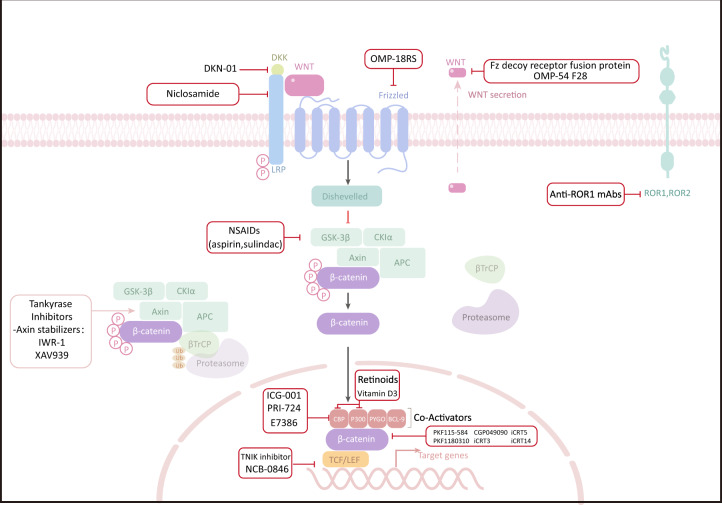
“PRI-724, an active enantiomer of ICG-001, has already entered Phase I clinical trials for treating colon cancer and advanced-stage pancreatic adenocarcinoma.(294) Moreover, E7386 is the first-in-class orally active β-catenin-CBP antagonist that inhibits Wnt/β-catenin pathway in patient-derived tumour xenograft (PDX) m…”
BackgroundBilir, B., Kucuk, O., & Moreno, C. S. (2013) · Journal of Translational Medicine · doi:10.1186/1479-5876-11-280 · Cited by 175
Blyszczuk, P., Müller-Edenborn, B., Valenta, T., Osto, E., Stellato, M., Behnke, S., Glatz, K., Basler, K., Lüscher, T. F., Distler, O., et al. (2016) · European Heart Journal · doi:10.1093/eurheartj/ehw116 · Cited by 174
Genetic Changes of Wnt Pathway Genes Are Common Events in Metaplastic Carcinomas of the Breast
Hayes, M. J., Thomas, D., Emmons, A., Giordano, T. J., & Kleer, C. G. (2008) · Clinical Cancer Research · doi:10.1158/1078-0432.ccr-07-4379 · Cited by 173 · cited 1×
“β-Catenin mutation is the most common alteration in cancers.(198) The APC gene was first identified as a mutated gene in familial adenomatous polyposis coli (FAP).”
BackgroundCKD-Induced Wingless/Integration1 Inhibitors and Phosphorus Cause the CKD–Mineral and Bone Disorder
Fang, Y., Ginsberg, C., Seifert, M., Agapova, O., Sugatani, T., Register, T. C., Freedman, B. I., Monier-Faugere, M.-C., Malluche, H., & Hruska, K. A. (2014) · Journal of the American Society of Nephrology · doi:10.1681/asn.2013080818 · Cited by 173 · cited 1×
“DKK1 antibody are involved in the pathogenesis of CKD-MBD, neutralization of DKK1 in CKD-2 mice after renal injury stimulated bone formation rates, corrected the osteodystrophy, and prevented CKD-stimulated vascular calcification.(268) A multi-centre osteoporosis study conducted in five European countries found that D…”
BackgroundPreclinical validation and imaging of Wnt-induced repair in human 3D lung tissue cultures
Uhl, F. E., Vierkotten, S., Wagner, D. E., Burgstaller, G., Costa, R., Koch, I., Lindner, M., Meiners, S., Eickelberg, O., & Königshoff, M. (2015) · European Respiratory Journal · doi:10.1183/09031936.00183214 · Cited by 171 · cited 4×
“Cigarette smoke can reduce the expression of Frizzled receptor 4 (FZD4) in alveolar epithelial cells and enhance the phosphorylation of β-catenin, inhibiting epithelial proliferation and alveolar repair mediated by the classic Wnt signalling pathway.5 (2) The expression of fibroblast- derived Wnt5a is increased in COP…”
BackgroundInfluentialPendás-Franco, N., García, J. M., Peña, C., Valle, N., Pálmer, H. G., Heinäniemi, M., Carlberg, C., Jiménez, B., Bonilla, F., Muñoz, A., et al. (2008) · Oncogene · doi:10.1038/onc.2008.88 · Cited by 171
Uluçkan, Ö., Jimenez, M., Karbach, S., Jeschke, A., Graña, O., Keller, J., Busse, B., Croxford, A. L., Finzel, S., Koenders, M., et al. (2016) · Science Translational Medicine · doi:10.1126/scitranslmed.aad8996 · Cited by 170
Bretthauer, M. (2011) · Journal of Internal Medicine · doi:10.1111/j.1365-2796.2011.02399.x · Cited by 170
TNIK inhibition abrogates colorectal cancer stemness
Masuda, M., Uno, Y., Ohbayashi, N., Ohata, H., Mimata, A., Kukimoto-Niino, M., Moriyama, H., Kashimoto, S., Inoue, T., Goto, N., et al. (2016) · Nature Communications · doi:10.1038/ncomms12586 · Cited by 168
Is β-Catenin a Druggable Target for Cancer Therapy?
Cui, C., Zhou, X., Zhang, W., Qu, Y., & Ke, X. (2018) · Trends in Biochemical Sciences · doi:10.1016/j.tibs.2018.06.003 · Cited by 168 · cited 1×
“In addition, the appropriate timing of drug administration is critical, particularly in patient stratification and drug delivery.(305,319,320) A more integrated experimental evaluation of mutations from different patient-derived tumours can be used to identify driver mutations from passenger mutations to guide treatme…”
BackgroundYazıcı, Y., McAlindon, T. E., Gibofsky, A., Lane, N. E., Clauw, D. J., Jones, M. H., Bergfeld, J. A., Swearingen, C. J., DiFrancesco, A., Şimşek, İ., et al. (2020) · Arthritis & Rheumatology · doi:10.1002/art.41315 · Cited by 166
Novel Synthetic Antagonists of Canonical Wnt Signaling Inhibit Colorectal Cancer Cell Growth
Waaler, J., Machon, O., von Kries, J. P., Wilson, S. R., Lundenes, E., Wedlich, D., Gradl, D., Paulsen, J. E., Machonova, O., Dembinski, J. L., et al. (2011) · Cancer Research · doi:10.1158/0008-5472.can-10-1282 · Cited by 165
Modular mechanism of Wnt signaling inhibition by Wnt inhibitory factor 1
Malinauskas, T., Aricescu, A. R., Lu, W., Siebold, C., & Jones, E. Y. (2011) · Nature Structural & Molecular Biology · doi:10.1038/nsmb.2081 · Cited by 165 · cited 2×
“Norrin interacts with both the CRD domain of FZD4 and ectodomain ECD of LRP5/6 by simulating the finger-like loop of Wnt (the structure of Wnt interacts with the CRD domain of FZD), thereby activating the Wnt/β-catenin signalling pathway.(25) DKK-1/3/4 prevent canonical Wnt signalling by binding to LRP5/6 or further f…”
BackgroundYaguchi, T., Goto, Y., Kido, K., Mochimaru, H., Sakurai, T., Tsukamoto, N., Kudo-Saito, C., Fujita, T., Sumimoto, H., & Kawakami, Y. (2012) · The Journal of Immunology · doi:10.4049/jimmunol.1102282 · Cited by 163
Mori, H., Prestwich, T. C., Reid, M. A., Longo, K. A., Gerin, I., Cawthorn, W. P., Susulic, V. S., Krishnan, V., Greenfield, A., & MacDougald, O. A. (2012) · Journal of Clinical Investigation · doi:10.1172/jci63604 · Cited by 162
Alligier, M., Meugnier, E., Debard, C., Lambert-Porcheron, S., Chanseaume, E., Sothier, M., Loizon, E., Hssain, A. A., Brozek, J., Scoazec, J.-Y., et al. (2012) · The Journal of Clinical Endocrinology & Metabolism · doi:10.1210/jc.2011-2314 · Cited by 158 · cited 1×
“Therefore, the detection of related genes may become a potential target for the pathological diagnosis of adipose tissue in humans, including those with obesity.(266) Wnt/β-catenin signalling: function, biological.”
BackgroundHan, M., Wang, S., Fritah, S., Wang, X., Zhou, W., Yang, N., Ni, S., Huang, B., Chen, A., Li, G., et al. (2020) · Brain · doi:10.1093/brain/awz406 · Cited by 158
Pietsch, T., Schmidt, R., Remke, M., Korshunov, A., Hovestadt, V., Jones, D., Felsberg, J., Kaulich, K., Goschzik, T., Kool, M., et al. (2014) · Acta Neuropathologica · doi:10.1007/s00401-014-1276-0 · Cited by 157 · cited 1×
“Therefore, methylation analysis and CTNNB1 mutation analysis may be helpful for the reliable identification of Wnt-driven medulloblastoma.(251) Genome-wide analysis can also be used to detect the methylation status and aberrant activation of Wnt/ β-catenin signalling in primary plasma cell leukaemia.”
Alexander, M. S., Kawahara, G., Motohashi, N., Casar, J. C., Eisenberg, I., Myers, J. A., Gasperini, M. J., Estrella, E. A., Kho, A. T., Mitsuhashi, S., et al. (2013) · Cell Death and Differentiation · doi:10.1038/cdd.2013.62 · Cited by 155 · cited 1×
“MiR-199a-5p acts on Wnt pathway signalling factors (FZD4, JAG1, Wnt2), upregulating the expression of AXIN2, MYCA, and CCND1 and inhibiting the Wnt/β-catenin pathway.(57) MiR-384-5p suppresses the expression of FZD1, FZD2, Tgrbr1, and LRP6 and decreases the phosphorylation of GSK3β and β-catenin, preventing myocardial…”
BackgroundWLS Retrograde Transport to the Endoplasmic Reticulum during Wnt Secretion
Yu, J., Chia, J., Canning, C. A., Jones, C. M., Bard, F., & Virshup, D. M. (2014) · Developmental Cell · doi:10.1016/j.devcel.2014.03.016 · Cited by 154
Cortical-Bone Fragility — Insights from sFRP4 Deficiency in Pyle’s Disease
Simsek Kiper, P. O., Saito, H., Gori, F., Unger, S., Hesse, E., Yamana, K., Kiviranta, R., Solban, N., Liu, J., Brommage, R., et al. (2016) · New England Journal of Medicine · doi:10.1056/nejmoa1509342 · Cited by 151 · cited 2×
“Cortical bone determines bone strength; thus, cortical bone fragility is also a susceptibility factor for fractures.(140,141) Inflammation plays an important role in tissue regeneration and bone loss.”
BackgroundSelf-citationWnt Inhibitor Screen Reveals Iron Dependence of β-Catenin Signaling in Cancers
Song, S., Christova, T., Perusini, S., Alizadeh, S., Bao, R.-Y., Miller, B. W., Hurren, R., Jitkova, Y., Gronda, M., Isaac, M., et al. (2011) · Cancer Research · doi:10.1158/0008-5472.can-11-2745 · Cited by 150
Glorieux, F. H., Devogelaer, J.-P., Durigova, M., Goemaere, S., Hemsley, S., Jakob, F., Junker, U., Ruckle, J., Seefried, L., & Winkle, P. J. (2017) · Journal of Bone and Mineral Research · doi:10.1002/jbmr.3143 · Cited by 149
NELL-1 in the treatment of osteoporotic bone loss
James, A. W., Shen, J., Zhang, X., Asatrian, G., Goyal, R., Kwak, J. H., Jiang, L., Bengs, B. C., Culiat, C. T., Turner, A. S., et al. (2015) · Nature Communications · doi:10.1038/ncomms8362 · Cited by 145
Self-citationMaupin, K. A., Droscha, C. J., & Williams, B. O. (2013) · Bone Research · doi:10.4248/br201301004 · Cited by 143 · cited 1×
“The Wnt signalling pathway has become a promising target for the development of new bone synthesis drugs.(123,124)”
BackgroundHurley, K., Ding, J., Villacorta-Martin, C., Herriges, M. J., Jacob, A., Vedaie, M., Alysandratos, K. D., Sun, Y. L., Lin, C., Werder, R. B., et al. (2020) · Cell Stem Cell · doi:10.1016/j.stem.2019.12.009 · Cited by 141
Structure and function of Norrin in assembly and activation of a Frizzled 4–Lrp5/6 complex
Ke, J., Harikumar, K. G., Erice, C., Chen, C., Gu, X., Wang, L., Parker, N., Cheng, Z., Xu, W., Williams, B. O., et al. (2013) · Genes & Development · doi:10.1101/gad.228544.113 · Cited by 140 · cited 3×
“The Wnt signalling pathway has become a promising target for the development of new bone synthesis drugs.123,124 Novel regulators of bone formation related to the Wnt/β-catenin signalling pathway: Regulation of bone formation and differentiation by Wnt players: Doxycycline induces Wnt7b expression in an osteoblast cel…”
BackgroundNotch1 counteracts WNT/β-catenin signaling through chromatin modification in colorectal cancer
Kim, H.-A., Koo, B.-K., Cho, J.-H., Kim, Y.-Y., Seong, J., Chang, H. J., Oh, Y. M., Stange, D. E., Park, J.-G., Hwang, D., et al. (2012) · Journal of Clinical Investigation · doi:10.1172/jci61216 · Cited by 139
Ye, T., Xiong, Y., Yan, Y., Xia, Y., Song, X., Liu, L., Li, D., Wang, N., Zhang, L., Zhu, Y., et al. (2014) · PLoS ONE · doi:10.1371/journal.pone.0085887 · Cited by 139
TGF-β Signaling via TAK1 Pathway: Role in Kidney Fibrosis
Choi, M. E., Ding, Y., & Kim, S. I. (2012) · Seminars in Nephrology · doi:10.1016/j.semnephrol.2012.04.003 · Cited by 137
FOXKs Promote Wnt/β-Catenin Signaling by Translocating DVL into the Nucleus
Wang, W., Li, X., Lee, M., Jun, S., Aziz, K. E., Feng, L., Tran, M. K., Li, N., McCrea, P. D., Park, J.-I., et al. (2015) · Developmental Cell · doi:10.1016/j.devcel.2015.01.031 · Cited by 137
Dendritic Cells, the T-cell-inflamed Tumor Microenvironment, and Immunotherapy Treatment Response
Garris, C. S., & Luke, J. J. (2020) · Clinical Cancer Research · doi:10.1158/1078-0432.ccr-19-1321 · Cited by 137 · cited 1×
“In addition, dendritic cells and macrophages are regulated by Wnt ligands and Wnt signalling components, modulating innate immune and adaptive responses in various types of inflammatory diseases and tumours.(232,306) The crucial role of Wnt/β-catenin signalling is not restricted to one type of tumour or cell.”
BackgroundOvercoming Wnt–β-catenin dependent anticancer therapy resistance in leukaemia stem cells
Perry, J. M., Tao, F., Roy, A., Lin, T., He, X. C., Chen, S., Lu, X., Nemechek, J., Ruan, L., Yu, X., et al. (2020) · Nature Cell Biology · doi:10.1038/s41556-020-0507-y · Cited by 136
Drug Screening Identifies Niclosamide as an Inhibitor of Breast Cancer Stem-Like Cells
Wang, Y.-C., Chao, T., Chang, C., Yo, Y.-T., Yu, M.-H., & Lai, H.-C. (2013) · PLoS ONE · doi:10.1371/journal.pone.0074538 · Cited by 136
Yazici, Y., McAlindon, T. E., Fleischmann, R., Gibofsky, A., Lane, N. E., Kivitz, A. J., Skrepnik, N., Armas, E., Swearingen, C. J., DiFrancesco, A., et al. (2017) · Osteoarthritis and Cartilage · doi:10.1016/j.joca.2017.07.006 · Cited by 134
Romero‐Carvajal, A., Acedo, J. N., Jiang, L., Kozlovskaja-Gumbrienė, A., Alexander, R. L., Li, H., & Piotrowski, T. (2015) · Developmental Cell · doi:10.1016/j.devcel.2015.05.025 · Cited by 132
Adam, S., Simon, N., Steffen, U., Andes, F. T., Scholtysek, C., Müller, D. I. H., Weidner, D., Andreev, D., Kleyer, A., Culemann, S., et al. (2020) · Science Translational Medicine · doi:10.1126/scitranslmed.aay4447 · Cited by 130 · cited 2×
“Downregulation of STAT3 and SOC3 expression promotes the stability of β-catenin and signal transduction.(151,152) PHD2 deletion in osteocytes in osteoporosis models increases bone formation and decreases bone resorption.”
BackgroundSkrońska-Wąsek, W., Mutze, K., Baarsma, H. A., Bracke, K. R., Alsafadi, H. N., Lehmann, M., Costa, R., Stornaiuolo, M., Novellino, E., Brusselle, G., et al. (2017) · American Journal of Respiratory and Critical Care Medicine · doi:10.1164/rccm.201605-0904oc · Cited by 130 · cited 1×
“Cigarette smoke can reduce the expression of Frizzled receptor 4 (FZD4) in alveolar epithelial cells and enhance the phosphorylation of β-catenin, inhibiting epithelial proliferation and alveolar repair mediated by the classic Wnt signalling pathway.(5) (2) The expression of fibroblastderived Wnt5a is increased in COP…”
BackgroundScholz, B. A., Sumida, N., de Lima, C. D. M., Chachoua, I., Martino, M., Tzelepis, I., Nikoshkov, A., Zhao, H., Mehmood, R., Sifakis, E. G., et al. (2019) · Nature Genetics · doi:10.1038/s41588-019-0535-3 · Cited by 128
Osteocytic oxygen sensing controls bone mass through epigenetic regulation of sclerostin
Stegen, S., Stockmans, I., Moermans, K., Thienpont, B., Maxwell, P. H., Carmeliet, P., & Carmeliet, G. (2018) · Nature Communications · doi:10.1038/s41467-018-04679-7 · Cited by 126 · cited 3×
“In a hypoxic environment, the activity of PHD2 in osteocytes is reduced and HIF signalling is enhanced, improving the activity of the canonical Wnt signalling pathway through the HIF-SIRT1-SOST-β-catenin signalling axis, thereby promoting bone formation mediated by the activated Wnt/β-catenin signalling pathway and in…”
BackgroundChang, T.-H., Hsieh, F.-L., Zebisch, M., Harlos, K., Elegheert, J., & Jones, E. Y. (2015) · eLife · doi:10.7554/elife.06554 · Cited by 125 · cited 3×
“The Wnt signalling pathway has become a promising target for the development of new bone synthesis drugs.123,124 Novel regulators of bone formation related to the Wnt/β-catenin signalling pathway: Regulation of bone formation and differentiation by Wnt players: Doxycycline induces Wnt7b expression in an osteoblast cel…”
BackgroundLi, N., Wei, L., Liu, X., Bai, H., Ye, Y., Li, D., Li, N., Baxa, U., Wang, Q., Lv, L., et al. (2019) · Hepatology · doi:10.1002/hep.30646 · Cited by 124 · cited 1×
“This effect is mainly caused by the interaction between GPC3 and FZD through the heparan sulfate (HS) chain.(26) Both Tiki and Notum act as enzymes to inactivate Wnt proteins.”
BackgroundR-spondin-2 is a Wnt agonist that regulates osteoblast activity and bone mass
Knight, M. N., Karuppaiah, K., Lowe, M., Mohanty, S., Zondervan, R. L., Bell, S., Ahn, J., & Hankenson, K. D. (2018) · Bone Research · doi:10.1038/s41413-018-0026-7 · Cited by 124 · cited 1×
“Therefore, the canonical Wnt signalling pathway is considered the main mechanism of RSPO2 regulation, and it has been proposed that it may be a more precise bone mass regulator.(136) Gαs signalling simultaneously inhibits Hedgehog (Hh) signalling and enhances Wnt/β-catenin signalling.”
BackgroundImpaired Wnt Signaling in the Prefrontal Cortex of Alzheimer’s Disease
Folke, J., Pakkenberg, B., & Brudek, T. (2019) · Molecular Neurobiology · doi:10.1007/s12035-018-1103-z · Cited by 123 · cited 1×
“In addition, the Wnt/β-catenin pathway in the prefrontal cortex of AD patients is impaired.(167,168) Activation of Wnt signalling rescues neurodegeneration and behavioural impairments induced by beta-amyloid fibrils.”
BackgroundCancer Antigens (CEA and CA 19-9) as Markers of Advanced Stage of Colorectal Carcinoma
Vukobrat-Bijedić, Z., Husić-Selimović, A., Sofić, A., Bijedić, N., Bjelogrlic, I., Gogov, B., & Mehmedović, A. (2013) · Medical Archives · doi:10.5455/medarh.2013.67.397-401 · Cited by 123
Abitbol, S., Dahmani, R., Coulouarn, C., Ragazzon, B., Mlecnik, B., Senni, N., Savall, M., Bossard, P., Sohier, P., Drouet, V., et al. (2018) · Journal of Hepatology · doi:10.1016/j.jhep.2017.12.018 · Cited by 118 · cited 1×
“AXIN mutations are present in ~10% of hepatocellular carcinomas (HCCs).(194) In addition, adenovirus-mediated gene transfer of wild-type AXIN1 induces HCC cell and CRC cell apoptosis, which is blocked by APC, CTNNB1, or AXIN1 mutations.”
Background
Research works printed but not linked: 8
- Amemiya T Tsuboi M Uchida S Electron microscopic and electron histochemical studies on embryonal rhabdomyosarcoma of the orbit. Zeitschrift fur Krebsforschung und klinische Onkol. Cancer Res. Clin. Oncol. 1975 83 305 314 169642
- Cruciat CM Niehrs C Secreted and transmembrane wnt inhibitors and activators[J] Cold Spring Harb. Perspect. Biol. 2013 5 a015081 23085770 PMC3578365 · DOI · Paper page
- Malinauskas T Modular mechanism of Wnt signaling inhibition by Wnt inhibitory factor 1[J] Nat. Struct. Mol. Biol. 2011 18 886 893 21743455 PMC3430870 · DOI · Paper page
- Jiang X Dishevelled promotes Wnt receptor degradation through recruitment of ZNRF3/RNF43 E3 ubiquitin ligases[J] Mol. Cell 2015 58 522 533 25891077 · DOI · Paper page
- Kwon C Notch post-translationally regulates β-catenin protein in stem and progenitor cells[J] Nat. cell Biol. 2011 13 1244 1251 21841793 PMC3187850 · DOI · Paper page
- Jimeno A A First-in-Human Phase I Study of the Anticancer Stem Cell Agent Ipafricept (OMP-54F28), a Decoy Receptor for Wnt Ligands, in Patients with Advanced Solid Tumors Clin. Cancer Res.: Off. J. Am. Assoc. Cancer Res. 2017 23 7490 7497 28954784 · DOI · Paper page
- Arensman M The CREB-binding protein inhibitor ICG-001 suppresses pancreatic cancer growth Mol. cancer therapeutics 2014 13 2303 2314 PMC4188417 25082960 · DOI · Paper page
- Emami K A small molecule inhibitor of beta-catenin/CREB-binding protein transcription [corrected] Proc. Natl Acad. Sci. USA 2004 101 12682 12687 15314234 PMC515116 · DOI · Paper page
Cited by
NF-κB in biology and targeted therapy: new insights and translational implications
Guo, Q., Jin, Y., Chen, X., Ye, X., Shen, X., Lin, M., Zeng, C., Zhou, T., & Zhang, J. (2024) · Signal Transduction and Targeted Therapy · doi:10.1038/s41392-024-01757-9 · Cited by 2,047
“151,152 In contrast, it has been revealed that Dvl interacts with p65 in the nucleus and inhibits NF-κ B-mediated transcriptional activation, and promotes apoptosis, independently of Wnt or β -catenin.”
BackgroundLu, P., Ruan, D., Huang, M., Tian, M., Zhu, K., Gan, Z., & Xiao, Z. (2024) · Signal Transduction and Targeted Therapy · doi:10.1038/s41392-024-01852-x · Cited by 667
Cellular mechanotransduction in health and diseases: from molecular mechanism to therapeutic targets
Di, X., Gao, X., Peng, L., Ai, J., Jin, X., Qi, S., Li, H., Wang, K., & Luo, D. (2023) · Signal Transduction and Targeted Therapy · doi:10.1038/s41392-023-01501-9 · Cited by 622
Fleishman, J. S., & Kumar, S. (2024) · Signal Transduction and Targeted Therapy · doi:10.1038/s41392-024-01811-6 · Cited by 544
Cell-cell communication: New insights and clinical implications
Su, J., Song, Y., Zhu, Z., Huang, X., Fan, J., Qiao, J., & Mao, F. (2024) · Signal Transduction and Targeted Therapy · doi:10.1038/s41392-024-01888-z · Cited by 433
Metadata
- Authors
- Liu, J., Xiao, Q., Xiao, J., Niu, C., Li, Y., Zhang, X., Zhou, Z., Shu, G., & Yin, G.
- Affiliations
- Central South University (CN)
- Corresponding author
- Yin, Gang
- Venue
- Signal Transduction and Targeted Therapy
- Published
- 2022-01-03
- Volume
- 7
- Issue
- 1
- Pages
- 3-3
- ISSN
- 2059-3635 (ISSN-L)
- PMC
- PMC8724284
- OpenAlex
- W4205498896
- Cited by
- 2,519
- References
- 345
- Citations by year
- 2026: 571 · 2025: 859 · 2024: 704 · 2023: 317 · 2022: 65
- FWCI
- 50.68
- Type
- journal article
- Language
- en
- Open access
- gold
- doi.org
- Licence
- cc-by
- creativecommons.org/licenses/by/4.0 (tdm)
- creativecommons.org/licenses/by/4.0 (vor)
- Locations
- Signal Transduction and Targeted Therapy (publishedVersion, cc-by)
- PubMed Central (publishedVersion, cc-by)
- PubMed (publishedVersion)
- DOAJ (DOAJ: Directory of Open Access Journals) (submittedVersion, cc-by-sa)
- Topics
- Life Sciences › Biochemistry, Genetics and Molecular Biology › Molecular Biology › Wnt/β-catenin signaling in development and cancer
- Life Sciences › Biochemistry, Genetics and Molecular Biology › Molecular Biology › Signaling Pathways in Disease
- Life Sciences › Biochemistry, Genetics and Molecular Biology › Molecular Biology › Hedgehog Signaling Pathway Studies
- Keywords
- Wnt/β-catenin signaling, Wnt proteins, β-catenin, embryonic development, tissue homeostasis, cancer, non-cancer diseases, small molecule inhibitors, therapeutic target, clinical trials
- MeSH terms
- Animals, Humans, Neoplasm Proteins, Neoplasms, Wnt Proteins, beta Catenin, Wnt Signaling Pathway
About these checks
Registry, retraction, Cites and statistics results are computed, not judged, with one exception: a printed reference that no index lists is read once by a model before it counts as a citation error. Claims are extracted by a model and kept only when their quote appears verbatim in the text; each cited source is then checked, with a model’s help, for whether it says what the claim relies on. Those verdicts can be wrong — read the claim’s quote and the cited source before relying on one.
Statistics and arithmetic are recomputed, not judged.
Confidence bands are shown only for fields calibrated on our annotated test set. None is calibrated yet, so no band is shown.
What counts as a claim ›How we measure confidence ›How we check this ›
Are you an author, or do you see a problem with this page? Request a review
Data sources
Bibliographic data: Semantic Scholar, OpenAlex, Crossref.
Contains information from the Semantic Scholar Academic Graph Datasets, made available under the ODC Attribution License (ODC-BY 1.0).
Semantic Scholar’s data is described in: Kinney, R., et al. (2023). The Semantic Scholar Open Data Platform. arXiv:2301.10140.
