

Hypoxic microenvironment in cancer: molecular mechanisms and therapeutic interventions
Open accessThe DOI matches its Crossref record; 464 of the 465 references it cites were found in a registry or an index.
Abstract
Having a hypoxic microenvironment is a common and salient feature of most solid tumors. Hypoxia has a profound effect on the biological behavior and malignant phenotype of cancer cells, mediates the effects of cancer chemotherapy, radiotherapy, and immunotherapy through complex mechanisms, and is closely associated with poor prognosis in various cancer patients. Accumulating studies have demonstrated that through normalization of the tumor vasculature, nanoparticle carriers and biocarriers can effectively increase the oxygen concentration in the tumor microenvironment, improve drug delivery and the efficacy of radiotherapy. They also increase infiltration of innate and adaptive anti-tumor immune cells to enhance the efficacy of immunotherapy. Furthermore, drugs targeting key genes associated with hypoxia, including hypoxia tracers, hypoxia-activated prodrugs, and drugs targeting hypoxia-inducible factors and downstream targets, can be used for visualization and quantitative analysis of tumor hypoxia and antitumor activity. However, the relationship between hypoxia and cancer is an area of research that requires further exploration. Here, we investigated the potential factors in the development of hypoxia in cancer, changes in signaling pathways that occur in cancer cells to adapt to hypoxic environments, the mechanisms of hypoxia-induced cancer immune tolerance, chemotherapeutic tolerance, and enhanced radiation tolerance, as well as the insights and applications of hypoxia in cancer therapy.
Overview
The claims and statistics of this paper haven’t been checked yet.
Free: it reads the open-access text and checks the first 5 claims that cite a source we can check. Create a free account to check every claim.
Integrity signals
Registry
Cites
Statistics
Figures
Verification
Claims the paper makes
The claims and statistics of this paper haven’t been checked yet.
Free: it reads the open-access text and checks the first 5 claims that cite a source we can check. Create a free account to check every claim.
Claims other papers make about this one
Each is checked against this paper’s own text: does it say what the citing paper says it does?
The source backs part of the claim, not all of it — or backs it for a different population, condition or comparison.
In the citing paper
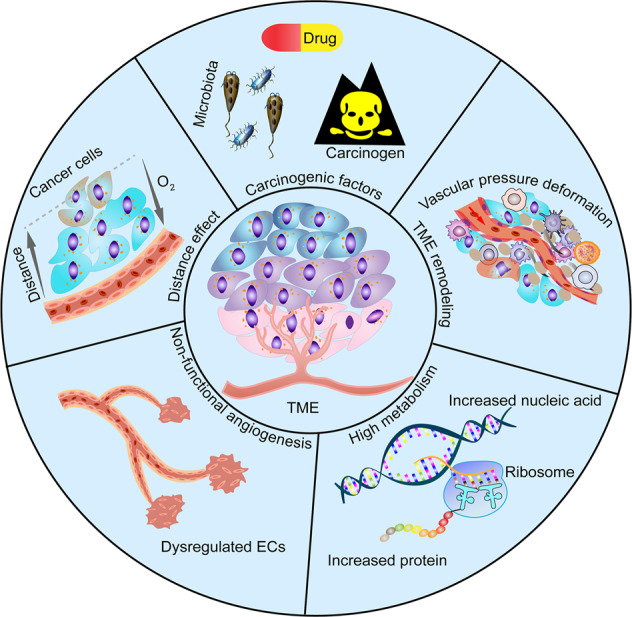
“Solid tumors and their metastases typically manifest regions of hypoxia due to the rapid proliferation of tumor cells that frequently outstrips their oxygen supply, coupled with irregular and dysfunctional tumor vasculature [2].”
From The HIF Axes in Cancer - Angiogenesis, Metabolism and Immune-Modulation (2025) · cites this paper as [2]
Experimental — accuracy not yet measuredThe source backs part of the claim, not all of it — or backs it for a different population, condition or comparison.
In the citing paper
“Furthermore, hypoxia promotes self-renewal by activation of Wnt and Notch signaling pathways and embryonic stem cell transcription factors, and it modulates differentiation of tumor cells and tumor-associated stromal cells [86,87,88].”
From Mechanisms and Strategies to Overcome Drug Resistance in Colorectal Cancer (2025) · cites this paper as [86]
Experimental — accuracy not yet measuredThe source backs part of the claim, not all of it — or backs it for a different population, condition or comparison.
In the citing paper
“Hypoxia-inducible factors form the core regulatory axis governing cellular responses to hypoxic and oxidative stress, integrating redox signals with metabolic, vascular, and immune responses through genome-wide transcriptional reprogramming [[216], [217], [218], [219]].”
From HIF inhibition: Current strategies and clinical challenges (2026) · cites this paper as [218]
Experimental — accuracy not yet measuredThe cited source says what the claim attributes to it.
In the citing paper
“HIF-associated changes are major contributory factors to the unique tumor microenvironment (TME) that favors tumor growth and drives resistance to therapy [2].”
From The HIF Axes in Cancer - Angiogenesis, Metabolism and Immune-Modulation (2025) · cites this paper as [2]
The cited source says what the claim attributes to it.
In the citing paper
“For example, TAMs accumulate in hypoxic areas and the TME through HIF-1α activation, promoting TAM adaptation to hypoxia [2, 72].”
From The HIF Axes in Cancer - Angiogenesis, Metabolism and Immune-Modulation (2025) · cites this paper as [2]
Self-check
Percentages, sums and reported differences re-computed from the paper’s own numbers.
The self-check needs the paper’s full text.
Citations
Cites
1 retracted
Xu, Y., Lu, J., Tang, Y., Xie, W., Zhang, H., Wang, B., Zhang, S., Hou, W., Zou, C., Jiang, P., et al. (2021) · Cancer Letters · doi:10.1016/j.canlet.2021.12.032 · Cited by 34
RetractedTakahashi, K., & Yamanaka, S. (2006) · Cell · doi:10.1016/j.cell.2006.07.024 · Cited by 26,673
Siegel, R. L., Miller, K. D., Fuchs, H. E., & Jemal, A. (2022) · CA: A Cancer Journal for Clinicians · doi:10.3322/caac.21708 · Cited by 17,196
Understanding the Warburg Effect: The Metabolic Requirements of Cell Proliferation
Vander Heiden, M. G., Cantley, L. C., & Thompson, C. B. (2009) · Science · doi:10.1126/science.1160809 · Cited by 16,197
Warburg, O. (1956) · Science · doi:10.1126/science.123.3191.309 · Cited by 13,425 · cited 1×
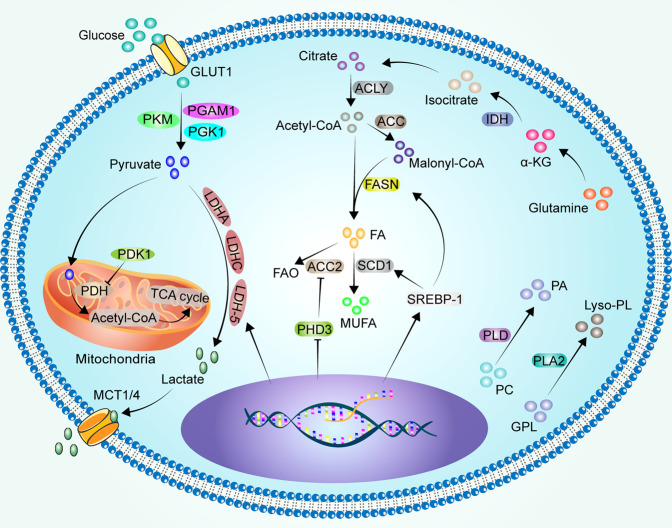
“HYPOXIA AND CANCER CELL METABOLISM Hypoxia and glycolysis The majority of cancer cells increase glucose uptake and rely on glycolysis through a phenomenon known as the “Warburg effect”.(30,148,149) The “Warburg effect,” activated by MYC and HIF-1 in response to growth factors and hypoxia, is aerobic glycolysis Fig.”
BackgroundTumor angiogenesis: therapeutic implications
Sherwood, L. M., Parris, E. E., & Folkman, J. (1971) · New England Journal of Medicine · doi:10.1056/nejm197111182852108 · Cited by 10,187
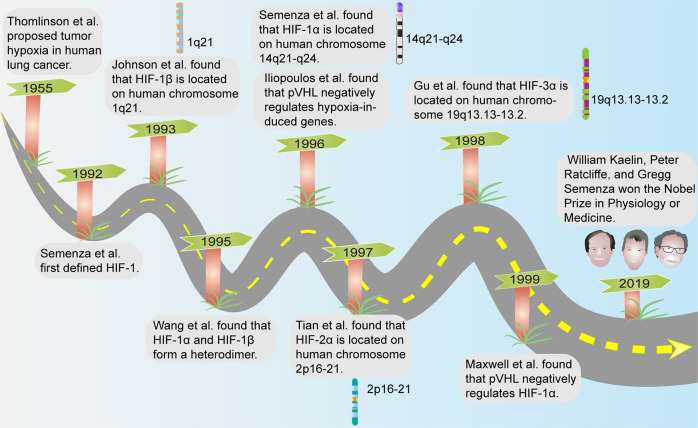
Wang, G. L., Jiang, B. H., Rue, E. A., & Semenza, G. L. (1995) · Proceedings of the National Academy of Sciences · doi:10.1073/pnas.92.12.5510 · Cited by 6,212
Jaakkola, P., Mole, D. R., Tian, Y.-M., Wilson, M. I., Gielbert, J., Gaskell, S. J., Kriegsheim, A. V., Hebestreit, H. F., Mukherji, M., Schofield, C. J., et al. (2001) · Science · doi:10.1126/science.1059796 · Cited by 5,535
Normalization of Tumor Vasculature: An Emerging Concept in Antiangiogenic Therapy
Jain, R. K. (2005) · Science · doi:10.1126/science.1104819 · Cited by 5,527
The tumour suppressor protein VHL targets hypoxia-inducible factors for oxygen-dependent proteolysis
Maxwell, P. H., Wiesener, M. S., Chang, G.-W., Clifford, S. C., Vaux, E. C., Cockman, M. E., Wykoff, C. C., Pugh, C. W., Maher, E. R., & Ratcliffe, P. J. (1999) · Nature · doi:10.1038/20459 · Cited by 5,180
Cited by
Ferroptosis in cancer: from molecular mechanisms to therapeutic strategies
Zhou, Q., Meng, Y., Li, D., Yao, L., Le, J., Liu, Y., Sun, Y., Zeng, F., Chen, X., & Deng, G. (2024) · Signal Transduction and Targeted Therapy · doi:10.1038/s41392-024-01769-5 · Cited by 890
“228 – 230 HIFs seem to play a dual role in modulating ferroptosis and subsequently affecting therapeutic ef fi cacy in cancers (Fig.”
BackgroundFree radicals and their impact on health and antioxidant defenses: a review
Chandimali, N., Bak, S. G., Park, E. H., Lim, H.-J., Won, Y.-S., Kim, E.-K., Park, S.-I., & Lee, S. J. (2025) · Cell Death Discovery · doi:10.1038/s41420-024-02278-8 · Cited by 669
“ROS generated in the hypoxic tumor microenvironment further enhance the aggressive behavior of cancer cells by promoting angiogenesis, invasion, and metastasis [109].”
Cancer stem cells: advances in knowledge and implications for cancer therapy
Chu, X., Tian, W., Ning, J., Xiao, G., Zhou, Y., Wang, Z., Zhai, Z., Tanzhu, G., Yang, J., & Zhou, R. (2024) · Signal Transduction and Targeted Therapy · doi:10.1038/s41392-024-01851-y · Cited by 553
Theranostic Fluorescent Probes
Sharma, A., Verwilst, P., Li, M., Ma, D., Singh, N., Yoo, J., Kim, Y., Yang, Y., Zhu, J.-H., Huang, H., et al. (2024) · Chemical Reviews · doi:10.1021/acs.chemrev.3c00778 · Cited by 499
Emerging Therapeutic Strategies to Overcome Drug Resistance in Cancer Cells
Garg, P., Malhotra, J., Kulkarni, P., Horne, D., Salgia, R., & Singhal, S. S. (2024) · Cancers · doi:10.3390/cancers16132478 · Cited by 339
Metabolic reprogramming and therapeutic resistance in primary and metastatic breast cancer
Liu, S., Zhang, X., Wang, W., Li, X., Sun, X., Zhao, Y., Wang, Q., Li, Y., Hu, F., & Ren, H. (2024) · Molecular Cancer · doi:10.1186/s12943-024-02165-x · Cited by 246
Oxidative stress in cancer: from tumor and microenvironment remodeling to therapeutic frontiers
Liang, X., Weng, J., You, Z., Wang, Y., Wen, J., Xia, Z., Huang, S., Luo, P., & Cheng, Q. (2025) · Molecular Cancer · doi:10.1186/s12943-025-02375-x · Cited by 220
Extracellular Matrix Regulation in Physiology and in Brain Disease
Soles, A., Selimovic, A., Sbrocco, K., Ghannoum, F., Hamel, K., Moncada, E. L., Gilliat, S., & Cvetanovic, M. (2023) · International Journal of Molecular Sciences · doi:10.3390/ijms24087049 · Cited by 159
“Studies that examine the role of hypoxia and HIF-1 in promoting metastasis in cancer are examples of how HIF-1 activation can regulate the expression of ECM components including MMPs to alter ECM physiology [79].”
BackgroundHu, Q., Zhu, Y., Mei, J., Liu, Y. L., & Zhou, G. (2025) · Journal of Hematology & Oncology · doi:10.1186/s13045-025-01717-y · Cited by 181
“It also affects the efficacy of immuno-therapy, targeted therapy, radiotherapy, and other anti-cancer treatments [112].”
Meng, Q., Sun, H., Zhang, Y., Yang, X., Hao, S., Liu, B., Zhou, H., Xu, Z., & Wang, Y. (2024) · Journal of Experimental & Clinical Cancer Research · doi:10.1186/s13046-024-02943-x · Cited by 166
“These metabolic alterations meet the demand for energy and nutrients essential for rapid genome replication [33].”
BackgroundUnderstanding and overcoming multidrug resistance in cancer
Ge, M., Chen, X.-Y., Huang, P., Fleishman, J. S., Yang, D., Wu, Z., Ke, Z., & Chen, Z. (2025) · Nature Reviews Clinical Oncology · doi:10.1038/s41571-025-01059-1 · Cited by 167
“Hypoxia is a hallmark of the TME and can induce HIF-1 expression, which promotes tumour angiogenesis, metabolic reprogramming and drug resistance 218 .”
Self-citationThe Role of Oxidative Stress in Tumorigenesis and Progression
Li, K., Deng, Z., Lei, C., Ding, X., Li, J., & Wang, C. (2024) · Cells · doi:10.3390/cells13050441 · Cited by 153
“( ferroptosis [86,215].”
BackgroundNeuro-immune cross-talk in cancer
Amit, M., Eichwald, T., Roger, A., Anderson, J. L., Chang, A., Vermeer, P. D., Dixon, K. O., Scheff, N. N., & Talbot, S. (2025) · Nature reviews. Cancer · doi:10.1038/s41568-025-00831-w · Cited by 148
“Under low-oxygen conditions, T cell motility — and consequently the priming and expansion of tumour-specific T cells — may decline 110 , potentially weakening antitumour immune responses.”
Nano drug delivery systems for advanced immune checkpoint blockade therapy
Guo, C., Lin, L., Wang, Y., Jing, J., Gong, Q., & Luo, K. (2025) · Theranostics · doi:10.7150/thno.112475 · Cited by 139
“Hypoxia and aberrant vasculature not only seriously hinder the penetration of drugs and diminish their efficacy but also strengthen immune suppression of the TME [313].”
The immune microenvironment of colorectal cancer
Kennel, K. B., & Greten, F. R. (2025) · Nature reviews. Cancer · doi:10.1038/s41568-025-00872-1 · Cited by 143
“4).”
Frontiers in pancreatic cancer on biomarkers, microenvironment, and immunotherapy
Yu, B., Shao, S., & Ma, W. (2024) · Cancer Letters · doi:10.1016/j.canlet.2024.217350 · Cited by 132
Copper in cancer: From pathogenesis to therapy
Guan, D., Zhao, L., Shi, X., Ma, X., & Chen, Z. (2023) · Biomedicine & Pharmacotherapy · doi:10.1016/j.biopha.2023.114791 · Cited by 128
Self-citationLinke, J. A., Munn, L. L., & Jain, R. K. (2024) · Nature reviews. Cancer · doi:10.1038/s41568-024-00745-z · Cited by 133
“Although it is known that the core is largely necrotic, it is experimentally challenging to deconvolute the contribution of solid stresses from other aberrations (such as nutrient deprivation 104 and hypoxia 105,106 ) to cell death within this region.”
Convergent inducers and effectors of T cell paralysis in the tumour microenvironment
Hanahan, D., Michielin, O. A., & Pittet, M. J. (2024) · Nature reviews. Cancer · doi:10.1038/s41568-024-00761-z · Cited by 120
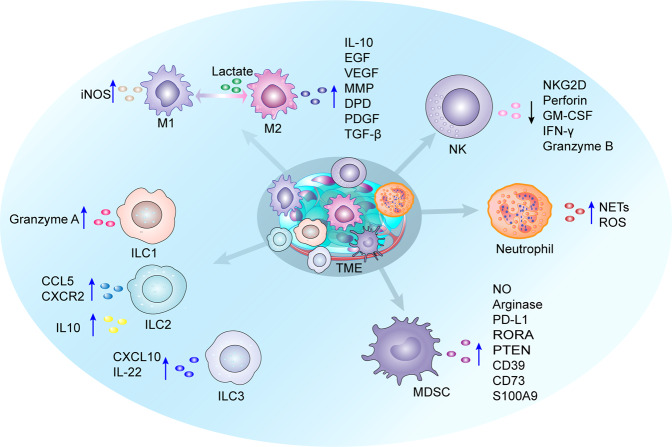
“CCL, CC-chemokine ligand; COX2, cyclooxygenase 2; CSF1, colony-stimulating factor 1; CXCL, CXC-chemokine ligand; GABA, γ-aminobutyric acid; G-CSF, granulocyte colony-stimulating factor; GM-CSF, granulocyte–macrophage colony-stimulating factor; HIF1α, hypoxia-inducible factor 1α; IL, interleukin; iNOS, inducible nitric…”
Wang, Y., Deng, T., Liu, X., Fang, X., Mo, Y., Xie, N., Nie, G., Zhang, B., & Fan, X. (2024) · International Journal of Nanomedicine · doi:10.2147/ijn.s459710 · Cited by 119
“109 Therefore, there is an urgent need to develop more efficient delivery systems or drugs that can target hypoxic solid tumors.”
BackgroundInterplay of oxidative stress and antioxidant mechanisms in cancer development and progression
Jomová, K., Alomar, S. Y., Valko, R., Fresser, L., Nepovimová, E., Kuča, K., & Valko, M. (2025) · Archives of Toxicology · doi:10.1007/s00204-025-04146-5 · Cited by 131
“As the hypoxic microenvironment is a prevalent and notable characteristic of most solid tumors, hypoxia significantly influences the biological behavior and malignant characteristics of cancer cells (Chen et al. 2023).”
Wang, W., Yao, S., Luo, J., Ding, C., Huang, Q., Yang, Y., Shi, Z., Lin, J., Pan, Y., Zeng, X., et al. (2025) · Nature Communications · doi:10.1038/s41467-025-55905-y · Cited by 101
Unraveling the triad of hypoxia, cancer cell stemness, and drug resistance
Shang, T., Jia, Z., Li, J., Cao, H., Xu, H., Cong, L., Ma, D., Wang, X., & Liu, J. (2025) · Journal of Hematology & Oncology · doi:10.1186/s13045-025-01684-4 · Cited by 100
“Furthermore, studies demonstrate that hypoxia further impacts CSC pluripotency, driving tumor progression, metastasis, and resistance to therapies [7].”
InfluentialNolan-Stevaux, O., & Smith, R. (2024) · Frontiers in Immunology · doi:10.3389/fimmu.2024.1490911 · Cited by 101
tRNA-derived small RNAs in human cancers: roles, mechanisms, and clinical application
Zhou, M., He, X., Zhang, J., Mei, C., Zhong, B., & Ou, C. (2024) · Molecular Cancer · doi:10.1186/s12943-024-01992-2 · Cited by 90
“…glycolysis, is a well-known manifestation of metabolic dysregulation in cancer and is defined as increased glycolysis and lactate production in cancer cells under aerobic conditions, thereby meeting the nutritional and energy requirements for rapid proliferation and metastasis in tumors [150, 151].”
BackgroundDesign and Simulation of Metasurface-Enhanced Graphene Biosensors for Cancer Biomarker Detection
Patel, S. K., Wekalao, J., Albargi, H. B., Jalalah, M., Almawgani, A. H. M., & Armghan, A. (2024) · Plasmonics · doi:10.1007/s11468-024-02224-5 · Cited by 83
Mechanisms and Strategies to Overcome Drug Resistance in Colorectal Cancer
Haynes, J., & Manogaran, P. (2025) · International Journal of Molecular Sciences · doi:10.3390/ijms26051988 · Cited by 82
“Furthermore, hypoxia promotes self-renewal by activation of Wnt and Notch signaling pathways and embryonic stem cell transcription factors, and it modulates differentiation of tumor cells and tumor-associated stromal cells [86–88].”
Mandal, K., Barik, G. K., & Santra, M. K. (2025) · Molecular Cancer · doi:10.1186/s12943-025-02400-z · Cited by 78
Exploiting metabolic cell death for cancer therapy
Mao, C., Jiang, D., Koong, A. C., & Gan, B. (2025) · Nature reviews. Cancer · doi:10.1038/s41568-025-00879-8 · Cited by 82
“One study showed that tumour hypoxia, which is well known to promote therapeutic resistance 177 , drives cancer resistance to cuproptosis, at least in part via HIF1α-dependent upregulation of copper-sequestering metallothioneins 58 .”
Huang, W., Zhang, L., Sun, J., Sun, Y., Gong, L., Ge, S., Zheng, Y., Gao, W., & Wei, X. (2024) · Journal of the American Chemical Society · doi:10.1021/jacs.3c13501 · Cited by 73
Abad-Montero, D., Gandioso, A., Izquierdo‐García, E., Chumillas, S., Rovira, A., Bosch, M., Jordà‐Redondo, M., Castaño, D., Bonelli, J., Novikov, V. V., et al. (2025) · Journal of the American Chemical Society · doi:10.1021/jacs.4c15036 · Cited by 77
The tumor microenvironment is an ecosystem sustained by metabolic interactions
Kay, E. J., & Zanivan, S. R. (2025) · Cell Reports · doi:10.1016/j.celrep.2025.115432 · Cited by 77
Deng, X. G., Liu, T., Zhu, Y., Chen, J., Song, Z., Shi, Z., & Chen, H. (2023) · Bioactive Materials · doi:10.1016/j.bioactmat.2023.11.017 · Cited by 99
Survival strategies: How tumor hypoxia microenvironment orchestrates angiogenesis
Yang, M., Mu, Y., Yu, X., Gao, D., Zhang, W., Li, Y., Liu, J., Sun, C., & Zhuang, J. (2024) · Biomedicine & Pharmacotherapy · doi:10.1016/j.biopha.2024.116783 · Cited by 73
Shao, S., Miao, H., & Ma, W. (2023) · Frontiers in Immunology · doi:10.3389/fimmu.2023.1295684 · Cited by 70
Zhu, K., Wang, L., Xiao, Y., Zhang, X., You, G., Chen, Y., Wang, Q., Zhao, L., Zhou, H., & Chen, G. (2024) · Journal of Nanobiotechnology · doi:10.1186/s12951-024-02606-1 · Cited by 71
Vascular network-inspired diffusible scaffolds for engineering functional midbrain organoids
Cai, H., Tian, C., Chen, L., Yang, Y., Sun, A. X., McCracken, K. W., Tchieu, J. H., Gu, M., Mackie, K., & Guo, F. (2025) · Cell stem cell · doi:10.1016/j.stem.2025.02.010 · Cited by 74
Hypoxia: syndicating triple negative breast cancer against various therapeutic regimens
Srivastava, N., Usmani, S. S., Subbarayan, R., Saini, R., & Pandey, P. K. (2023) · Frontiers in Oncology · doi:10.3389/fonc.2023.1199105 · Cited by 73
Nanotechnology based gas delivery system: a “green” strategy for cancer diagnosis and treatment
Chen, M., Xu, T., Song, L., Sun, T., Xu, Z., Zhao, Y., Du, P., Xiong, L. H., Yang, Z., Jing, J., et al. (2024) · Theranostics · doi:10.7150/thno.98884 · Cited by 71
“The hypoxic TME poses a significant challenge for therapies that rely on O 2 consumption, such as PDT, which requires the conversion of oxygen into cytotoxic ROS (Figure 1B) [24].”
BackgroundSelf-citationHypoxia-inducible factor in cancer: from pathway regulation to therapeutic opportunity
Ortmann, B. M. (2024) · BMJ Oncology · doi:10.1136/bmjonc-2023-000154 · Cited by 67
Keoh, L. Q., Chiu, C.-F., & Ramasamy, T. S. (2025) · Stem Cell Reviews and Reports · doi:10.1007/s12015-025-10956-y · Cited by 66
“Hypoxia is a common feature of solid tumours, which progressively aggravates as the tumour enlarges due to aberrant growth and inadequate oxygen supply, particularly in the tumour core [36].”
Hypoxia-driven protease legumain promotes immunosuppression in glioblastoma
Pang, L., Guo, S., Khan, F., Dunterman, M., Ali, H. A., Liu, Y., Huang, Y.-Y., & Chen, P. (2023) · Cell Reports Medicine · doi:10.1016/j.xcrm.2023.101238 · Cited by 81
“36,52 55 Therefore, targeting the macrophage-specific HIF1 a -LGMN axis may expand the clinical benefit of this therapeutic strategy with a broader patient population.”
BackgroundThe molecular blueprint of targeted radionuclide therapy
Primac, I., Tabury, K., Tasdogan, A., Baatout, S., & Herrmann, K. (2025) · Nature Reviews Clinical Oncology · doi:10.1038/s41571-025-01069-z · Cited by 70
“A hypoxic TME fosters tumour aggressiveness 271 .”
The HIF Axes in Cancer - Angiogenesis, Metabolism and Immune-Modulation
Acuña-Pilarte, K., & Koh, M. Y. (2025) · Trends in Biochemical Sciences · doi:10.1016/j.tibs.2025.06.005 · Cited by 64
Sabit, H., Arneth, B. M., Pawlik, T. M., Abdel-Ghany, S. E., Ghazy, A., Abdelazeem, R. M., Alqosaibi, A. I., Al-Dhuayan, I. S., Almulhim, J., Alrabiah, N. A., et al. (2025) · Pharmaceuticals · doi:10.3390/ph18010075 · Cited by 70
“Under low oxygen conditions, hypoxia-inducible factors (HIFs) are stabilized, leading to the activation of genes that promote angiogenesis, glycolysis, and resistance to cell death (apoptosis) [59].”
Chu, T., Zhu, G., Tang, Z., Qu, W., Yang, R., Pan, H., Wáng, Y., Tian, R., Chen, L., Guan, Z., et al. (2025) · Nature Communications · doi:10.1038/s41467-025-62132-y · Cited by 70
“While prior studies proposed hypoxia as a factor to induce SPP1 secretion of TAMs 53 , this cannot explainwhyTAMsformeddifferentsubtypeswithheterogeneousSPP1 expression, as hypoxia is a common feature of TME in solid tumors 54 .”
Cancer and Cardiovascular Disease
Alhuneafat, L., Guha, A., Blaes, A. H., & Konety, S. (2025) · JACC CardioOncology · doi:10.1016/j.jaccao.2025.07.001 · Cited by 67
Luo, Z., Cheng, X., Feng, B., Fan, D., Liu, X., Xie, R., Luo, T., Wegner, S. V., Ma, D., Chen, F., et al. (2024) · Advanced Science · doi:10.1002/advs.202400049 · Cited by 67
Racacho, K. J., Shiau, Y., Villa, R., Mahri, S., Tang, M., Lin, T., & Li, Y. (2025) · Frontiers in Immunology · doi:10.3389/fimmu.2025.1621812 · Cited by 72
Zhou, H., Wang, L., Lin, Z., Jiang, C., Chen, X., Wang, K., Liu, L., Shao, L., Pan, J., Li, J., et al. (2023) · Journal for ImmunoTherapy of Cancer · doi:10.1136/jitc-2023-007840 · Cited by 61
Advances in Doxorubicin Chemotherapy: Emerging Polymeric Nanocarriers for Drug Loading and Delivery
Bhadran, A., Polara, H., Babanyinah, G. K., Baburaj, S., & Stefan, M. C. (2025) · Cancers · doi:10.3390/cancers17142303 · Cited by 63
“Hypoxia-inducible factors (HIFs) regulate the expression of pro-survival genes, while cancer-associated fibroblasts (CAFs) secrete protective cytokines that shield tumor cells from DOX-induced apoptosis [74].”
Targeting tumor microenvironment with RGD-functionalized nanoparticles for precision cancer therapy
Lorenzoni, S., Rodríguez‐Nogales, C., & Blanco‐Prieto, M. J. (2025) · Cancer Letters · doi:10.1016/j.canlet.2025.217536 · Cited by 57
Debnath, S. K., Debnath, M., Ghosh, A., Srivastava, R., & Omri, A. (2024) · Pharmaceuticals · doi:10.3390/ph17101389 · Cited by 55
Nanomaterials-driven in situ vaccination: a novel frontier in tumor immunotherapy
Liu, N., Wang, X., Wang, Z., Yonemori, K., Fang, Y., Gao, J., Kong, X., & Wang, J. (2025) · Journal of Hematology & Oncology · doi:10.1186/s13045-025-01692-4 · Cited by 56
“Moreover, certain nanomaterials actively modulate the TME by alleviating hypoxia, promoting immune cell infiltration, and inducing ICD, thus enhancing the overall efficacy of ISV [9, 80, 81].”
Phase and Defect Engineering of MoSe2 Nanosheets for Enhanced NIR-II Photothermal Immunotherapy
Huang, Z., Song, J., Huang, S., Wang, S., Shen, C., Song, S., Lian, J., Ding, Y., Gong, Y., Zhang, Y., et al. (2024) · Nano Letters · doi:10.1021/acs.nanolett.4c01879 · Cited by 54
Targeting cellular mitophagy as a strategy for human cancers
Dong, Y., & Zhang, X. (2024) · Frontiers in Cell and Developmental Biology · doi:10.3389/fcell.2024.1431968 · Cited by 56
“Hypoxic microenvironment is a common feature of solid tumors, and hypoxia exerts great effect on the malignant behavior of tumor cells (Chen et al., 2023).”
BackgroundTumor-Associated Extracellular Matrix Obstacles for CAR-T Cell Therapy: Approaches to Overcoming
Klabukov, I., Kabakov, A. E., Yakimova, A. O., Baranovskii, D., Сосин, Д. В., Atiakshin, D., Ignatyuk, M. A., Yatsenko, E., Rybachuk, V. A., Evstratova, E. S., et al. (2025) · Current Oncology · doi:10.3390/curroncol32020079 · Cited by 55
Fang, T., Cao, X., Wang, L., Chen, M., Deng, Y., & Chen, G. (2023) · Bioactive Materials · doi:10.1016/j.bioactmat.2023.10.023 · Cited by 57
“To overcome hypoxia in TME, producing oxygen in situ in tumor tissues could be more effective than delivering oxygen gas into the tumors [24 – 26].”
BackgroundLi, Y., You, J., Zou, Z., Sun, G., Shi, Y., Sun, Y., Xu, S., & Zhang, X. (2025) · International Journal of Biological Sciences · doi:10.7150/ijbs.114222 · Cited by 54
“Furthermore, it is also considered a primary factor causing unfavorable prognoses and suboptimal treatment responses in patients ( 17 ).”
Cancer Stem‐Like Cells‐Oriented Surface Self‐Assembly to Conquer Radioresistance
Wang, Q., Cao, H., Hou, X., Wang, D., Wang, Z., Shang, Y., Zhang, S., Liu, J., Ren, C., & Liu, J. (2023) · Advanced Materials · doi:10.1002/adma.202302916 · Cited by 52
Role of Oxidative Stress in Metabolic Reprogramming of Brain Cancer
Agrawal, K., Asthana, S., & Kumar, D. (2023) · Cancers · doi:10.3390/cancers15204920 · Cited by 53
“Most of the cancer cells shows high metabolic activity and are hypoxic in nature [19].”
BackgroundBiometallic ions and derivatives: a new direction for cancer immunotherapy
Zhao, L., Gui, Y., Cai, J., & Deng, X. (2025) · Molecular Cancer · doi:10.1186/s12943-025-02225-w · Cited by 52
“In addition, magnesium ions indirectly inhibit tumor growth and metastasis by modifying the immune status of the tumor microenvironment through the regulation of the extracellular matrix and angiogenesis [56].”
Zhao, R., Pan, Z., Qiu, J., Li, B., Qi, Y., Gao, Z., Qiu, W., Tang, W., Guo, X., Deng, L., et al. (2025) · 癌症:英文版 · doi:10.1002/cac2.70016 · Cited by 54
Reprogrammed immuno-metabolic environment of cancer: the driving force of ferroptosis resistance
Bhowmick, S., Banerjee, S., Shridhar, V., & Mondal, S. (2025) · Molecular Cancer · doi:10.1186/s12943-025-02337-3 · Cited by 51
“The TME acidosis also unifies with low oxygen levels (hypoxia), which upregulates and activates the hypoxia-inducible factor (HIF), a family of transcription factors, leading to activation of pro-can-cerous metabolism and immune escape related genes [8, 10].”
Kunachowicz, D., Tomecka, P., Sędzik, M., Kalinin, J., Kuźnicki, J., & Rembiałkowska, N. (2025) · Cells · doi:10.3390/cells14141057 · Cited by 54
“As a result, new mutations are acquired, deepening the genomic instability of hypoxic cells [40,73,74].”
InfluentialXia, Y., Gu, M., Wang, J., Zhang, X., Shen, T., Shi, X., & Yuan, W. (2023) · Journal of Colloid and Interface Science · doi:10.1016/j.jcis.2023.09.042 · Cited by 49
The Warburg Effect: Is it Always an Enemy?
Papaneophytou, C. P. (2024) · Frontiers in Bioscience-Landmark · doi:10.31083/j.fbl2912402 · Cited by 55
“This indicates that tumor hypoxia, although significant, may not be the primary driver of the switch to the Warburg effect in cancer cells [37,40].”
Stem Cells in Cancer: From Mechanisms to Therapeutic Strategies
Haddadin, L., & Sun, X. S. (2025) · Cells · doi:10.3390/cells14070538 · Cited by 52
“Hypoxia within the tumor microenvironment further enhances CSC immune evasion [102,157,176].”
InfluentialDing, Q., Liu, H., Yan, L., Chen, L., Chen, Y., Kim, J. S., & Mei, L. (2025) · Angewandte Chemie International Edition · doi:10.1002/anie.202505911 · Cited by 52
Deng, X., Liu, X., & Zhao, L. (2025) · Materials Today Bio · doi:10.1016/j.mtbio.2025.102385 · Cited by 66
“In response, tumor cells secrete hypoxia-inducible factors (HIFs), which promote angiogenesis and metabolic reprogramming [38,39].”
González-Ávila, G., Sommer, B., Flores‐Soto, E., & Aquino‐Gálvez, A. (2023) · International Journal of Molecular Sciences · doi:10.3390/ijms242316887 · Cited by 53
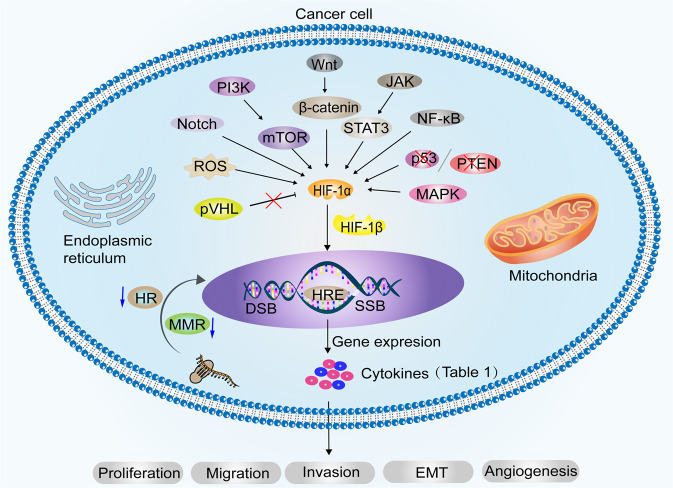
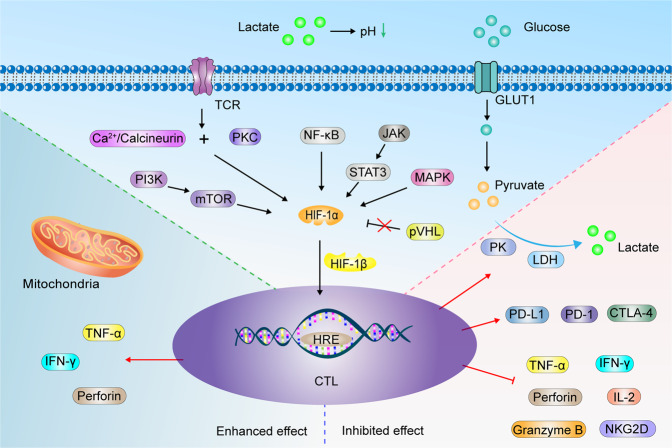
“Hypoxia regulates HIFs’ expression and activity through different pathways such as the TLR4/NF-κ B, IL6/JAK/STAT3, PI3K/AKT/mTOR, MAPK, Notch, sonic Hedgehog (sHH), and Wnt/ β catenin signaling pathways [56,110].”
BackgroundCitrullination modulation stabilizes HIF-1α to promote tumour progression
Chen, R., Lin, Z., Shen, S., Zhu, C., Yan, K., Suo, C., Liu, R., Wei, H., Gao, L., Fan, K., et al. (2024) · Nature Communications · doi:10.1038/s41467-024-51882-w · Cited by 49
Baharom, F., Hermans, D., Delamarre, L., & Seder, R. A. (2024) · Nature reviews. Immunology · doi:10.1038/s41577-024-01091-9 · Cited by 51
“Monocytes show functional plasticity dependent on their environment: in the presence of stress signals such as hypoxia, monocytes can produce immunosuppressive mediators such as arginase that induce T cell dysfunction 77–79 .”
Ou, Z., ZHU, L. B., Chen, X., Liu, T., Cheng, G., Liu, R., Zhang, S., Tan, W., Lin, D., & Wu, C. H. (2024) · Cancer Research · doi:10.1158/0008-5472.can-24-1185 · Cited by 51
Microbiota in cancer: molecular mechanisms and therapeutic interventions
Chen, Z., Guan, D., Wang, Z., Li, X., Dong, S., Huang, J., & Zhou, W. (2023) · MedComm · doi:10.1002/mco2.417 · Cited by 50
“213,214”
Self-citationNano-Assisted Radiotherapy Strategies: New Opportunities for Treatment of Non-Small Cell Lung Cancer
Zhao, L., Li, M., Shen, C., Luo, Y., Hou, X., Qi, Y., Huang, Z., Li, W., Gao, L., Wu, M. C., et al. (2024) · Research · doi:10.34133/research.0429 · Cited by 49
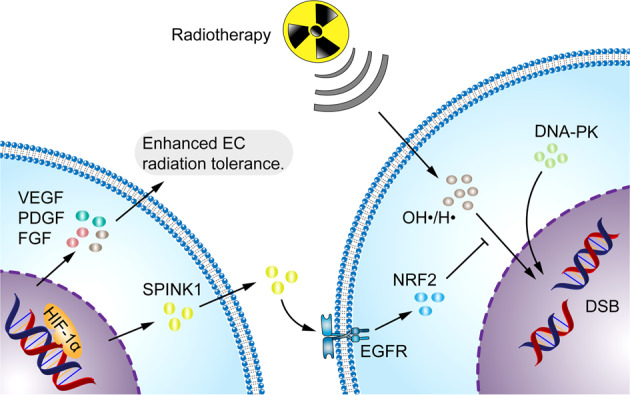
“When radiation mediates tumor endothelial vessel injury, it recruits immune cells and activates the hypoxia-inducible factor-1 α (HIF-1 α )-induced pathway, leading to vascular remodeling [93,94].”
BackgroundSenapati, P. K., Mahapatra, K. K., Singh, A., & Bhutia, S. K. (2025) · Biochimica et Biophysica Acta (BBA) - Reviews on Cancer · doi:10.1016/j.bbcan.2025.189342 · Cited by 53
Wu, Y., Lu, W., Cui, Q.-R., Zhou, J., & Lu, G. (2025) · Cytokine & Growth Factor Reviews · doi:10.1016/j.cytogfr.2025.06.002 · Cited by 55
Nanoparticles for Cancer Immunotherapy: Innovations and Challenges
Fallatah, M., Alradwan, I. A., Fayez, N. A., Aodah, A. H., Alkhrayef, M. N., Majrashi, M. A., & Jamous, Y. F. (2025) · Pharmaceuticals · doi:10.3390/ph18081086 · Cited by 57
“Most solid tumor cells exist in a hypoxic microenvironment, which is considered a key contributor to chemotherapy resistance [16].”
Engineered Microorganisms for Advancing Tumor Therapy
Jia, J., Wang, X., Lin, X., & Zhao, Y. (2024) · Advanced Materials · doi:10.1002/adma.202313389 · Cited by 46
The role of hypoxic microenvironment in autoimmune diseases
Gong, X., Yang, S.-Y., Wang, Z.-Y., & Tang, M. (2024) · Frontiers in Immunology · doi:10.3389/fimmu.2024.1435306 · Cited by 48
Redox regulation of cancer stem cells: Biology and therapeutic implications
Du, M., Zhang, J., Wicha, M. S., & Luo, M. (2024) · MedComm – Oncology · doi:10.1002/mog2.70005 · Cited by 57
Xia, F., Lu, Y., Gong, Z., Tu, Q., Liang, S., Wang, C., Yao, H., Zhong, L., Fu, Y., Guo, P., et al. (2025) · Exploration · doi:10.1002/exp.70009 · Cited by 61
Spatial architecture of development and disease
Lázár, E., & Lundeberg, J. (2025) · Nature Reviews Genetics · doi:10.1038/s41576-025-00892-5 · Cited by 58
Liang, Y., Zhang, R., Biswas, S., Bu, Q., Xu, Z., Qiao, L., Zhou, Y., Tang, J., Zhou, J., Zhou, H., et al. (2023) · Cell Proliferation · doi:10.1111/cpr.13576 · Cited by 44
Mitophagy’s impacts on cancer and neurodegenerative diseases: implications for future therapies
Huang, J. B., Pham, V. T., Fu, S., Huang, G., Liu, Y., & Zheng, L. (2025) · Journal of Hematology & Oncology · doi:10.1186/s13045-025-01727-w · Cited by 45
“…TGF-β, IL-10, and PD-L1 and induces the recruitment of cancer-associated fibroblasts (CAF) to facilitate the infiltration of myeloid-derived suppressor cells (MDSCs), Tregs, and type 2 tumor-associated macrophages (TAMs) via hypoxia-induced metabolic alterations in the tumor and TME [254, 255].”
Zhao, R., Hou, Y., Li, B., Pan, Z., Qiu, J., Wang, Q., Qi, Y., Han, Z. W., Zhao, H., Liu, H., et al. (2025) · Nature Communications · doi:10.1038/s41467-025-63081-2 · Cited by 50
“Hypoxia has profound effects on the proliferation, migration, and epithelial ‒ mesenchymal transition (EMT) of cancer cells, thereby stronglyin fl uencingtheirbiologicalbehaviourandmalignancy 37 .”
Self-citationDai, W., Zhou, X., Zhao, J., Lei, L., Huang, Y., Jia, F., Tang, Z., Ji, J., & Jin, Q. (2025) · Biomaterials · doi:10.1016/j.biomaterials.2024.122743 · Cited by 43
Chintamaneni, P. K., Pindiprolu, S. K. S. S., Swain, S. S., Karri, V. V. S. R., Nesamony, J., Selvam, C., & Bhaskaran, M. (2024) · Cancer Letters · doi:10.1016/j.canlet.2024.216782 · Cited by 46
Jan, A., Sofi, S., Jan, N., & Mir, M. A. (2025) · Future Oncology · doi:10.1080/14796694.2025.2461443 · Cited by 43
Xiang, S., Zhan, H., Zhan, J., Li, X., Lin, X., & Sun, W. (2025) · International Journal of Pharmaceutics X · doi:10.1016/j.ijpx.2025.100400 · Cited by 57
Unveiling cancer dormancy: Intrinsic mechanisms and extrinsic forces
Liu, R., Zhao, Y., Su, S., Kwabil, A., Njoku, P. C., Yu, H., & Li, X. (2024) · Cancer Letters · doi:10.1016/j.canlet.2024.216899 · Cited by 41
Tumor–stromal metabolic crosstalk in pancreatic cancer
Thakur, R. K., Mullen, N. J., Mehla, K., & Singh, P. K. (2025) · Trends in Cell Biology · doi:10.1016/j.tcb.2025.04.007 · Cited by 41
Yang, S., Liu, H., Liu, C., Wang, L., & Wang, P. (2024) · International Journal of Gynecology & Obstetrics · doi:10.1002/ijgo.15609 · Cited by 39
“18,19 Previous studies have found that anti-VEGF agents such as bevacizumab can induce a hypoxia state under functional magnetic resonance imaging.”
Transition Metal Complex‐Loaded Nanosystems: Advances in Stimuli‐Responsive Cancer Therapies
Das, B. (2024) · Small · doi:10.1002/smll.202410338 · Cited by 40
Tumor‐Targeted Catalytic Immunotherapy
Yang, E., Wang, W., Liu, Y., Yi, H., Lei, A., & Sun, Z. (2024) · Advanced Materials · doi:10.1002/adma.202413210 · Cited by 46
Dual Approaches in Oncology: The Promise of siRNA and Chemotherapy Combinations in Cancer Therapies
Sousa, C., & Videira, M. (2025) · Onco · doi:10.3390/onco5010002 · Cited by 44
“The overexpression of HIF-1 α is associated with poor prognosis in many cancers, including breast, prostate, and pancreatic cancers [129–131]. siRNA targeting HIF-1 α has emerged as a promising strategy to inhibit tumor adaption to hypoxia [129,131].”
Palma, M. (2025) · Vaccines · doi:10.3390/vaccines13040344 · Cited by 41
Joy, J. G., Sharma, G., & Kim, J. (2024) · Chemical Engineering Journal · doi:10.1016/j.cej.2024.153978 · Cited by 40
Hypoxia-driven angiogenesis and metabolic reprogramming in vascular tumors
Liu, L., Yu, J., Liu, Y., Xie, L., Hu, F., & Liu, H. (2025) · Frontiers in Cell and Developmental Biology · doi:10.3389/fcell.2025.1572909 · Cited by 56
Metadata
- Authors
- Chen, Z., Han, F., Du, Y., Shi, H., & Zhou, W.
- Affiliations
- First Hospital of Lanzhou University (CN)
- Lanzhou University Second Hospital (CN)
- Corresponding author
- Zhou, Wence
- Venue
- Signal Transduction and Targeted Therapy
- Published
- 2023-02-17
- Volume
- 8
- Issue
- 1
- Pages
- 70-70
- ISSN
- 2059-3635 (ISSN-L)
- PMC
- PMC9935926
- OpenAlex
- W4321167021
- Cited by
- 1,612
- References
- 465
- Citations by year
- 2026: 574 · 2025: 662 · 2024: 326 · 2023: 48
- FWCI
- 50.88
- Type
- journal article
- Language
- en
- Open access
- gold
- doi.org
- Licence
- cc-by
- creativecommons.org/licenses/by/4.0 (tdm)
- creativecommons.org/licenses/by/4.0 (vor)
- Locations
- Signal Transduction and Targeted Therapy (publishedVersion, cc-by)
- PubMed Central (publishedVersion, cc-by)
- PubMed (publishedVersion)
- DOAJ (DOAJ: Directory of Open Access Journals) (submittedVersion, cc-by-sa)
- Funders
- Lanzhou University (ldyyyn2020-93)
- National Natural Science Foundation of China (82260555)
- Natural Science Foundation of Gansu Province (82260555, 22JR11RA033)
- Topics
- Life Sciences › Biochemistry, Genetics and Molecular Biology › Cancer Research › Cancer, Hypoxia, and Metabolism
- Life Sciences › Biochemistry, Genetics and Molecular Biology › Molecular Biology › Angiogenesis and VEGF in Cancer
- Health Sciences › Medicine › Oncology › Cancer Cells and Metastasis
- Keywords
- tumor hypoxia, tumor microenvironment, hypoxia-inducible factor, hypoxia signaling pathway, tumor vasculature normalization, nanoparticle drug delivery, hypoxia-activated prodrug, cancer immunotherapy, radiotherapy resistance, chemoresistance, tumor immune tolerance
- MeSH terms
- Hypoxia, Humans, Immunotherapy, Neoplasms, Radiation Tolerance, Cell Hypoxia, Tumor Microenvironment
About these checks
Registry, retraction, Cites and statistics results are computed, not judged, with one exception: a printed reference that no index lists is read once by a model before it counts as a citation error. Claims are extracted by a model and kept only when their quote appears verbatim in the text; each cited source is then checked, with a model’s help, for whether it says what the claim relies on. Those verdicts can be wrong — read the claim’s quote and the cited source before relying on one.
Statistics and arithmetic are recomputed, not judged.
Confidence bands are shown only for fields calibrated on our annotated test set. None is calibrated yet, so no band is shown.
What counts as a claim ›How we measure confidence ›How we check this ›
Are you an author, or do you see a problem with this page? Request a review
Data sources
Bibliographic data: Semantic Scholar, OpenAlex, Crossref.
Contains information from the Semantic Scholar Academic Graph Datasets, made available under the ODC Attribution License (ODC-BY 1.0).
Semantic Scholar’s data is described in: Kinney, R., et al. (2023). The Semantic Scholar Open Data Platform. arXiv:2301.10140.
