

Hypoxic microenvironment in cancer: molecular mechanisms and therapeutic interventions
Open accessThe DOI matches its Crossref record; 465 of the 465 references it cites were found in a registry or an index.
Abstract
Having a hypoxic microenvironment is a common and salient feature of most solid tumors. Hypoxia has a profound effect on the biological behavior and malignant phenotype of cancer cells, mediates the effects of cancer chemotherapy, radiotherapy, and immunotherapy through complex mechanisms, and is closely associated with poor prognosis in various cancer patients. Accumulating studies have demonstrated that through normalization of the tumor vasculature, nanoparticle carriers and biocarriers can effectively increase the oxygen concentration in the tumor microenvironment, improve drug delivery and the efficacy of radiotherapy. They also increase infiltration of innate and adaptive anti-tumor immune cells to enhance the efficacy of immunotherapy. Furthermore, drugs targeting key genes associated with hypoxia, including hypoxia tracers, hypoxia-activated prodrugs, and drugs targeting hypoxia-inducible factors and downstream targets, can be used for visualization and quantitative analysis of tumor hypoxia and antitumor activity. However, the relationship between hypoxia and cancer is an area of research that requires further exploration. Here, we investigated the potential factors in the development of hypoxia in cancer, changes in signaling pathways that occur in cancer cells to adapt to hypoxic environments, the mechanisms of hypoxia-induced cancer immune tolerance, chemotherapeutic tolerance, and enhanced radiation tolerance, as well as the insights and applications of hypoxia in cancer therapy.
Overview
The claims and statistics of this paper haven’t been checked yet.
Free: it reads the open-access text and checks the first 5 claims that cite a source we can check. Create a free account to check every claim.
Integrity signals
Registry
Cites
Statistics
Figures
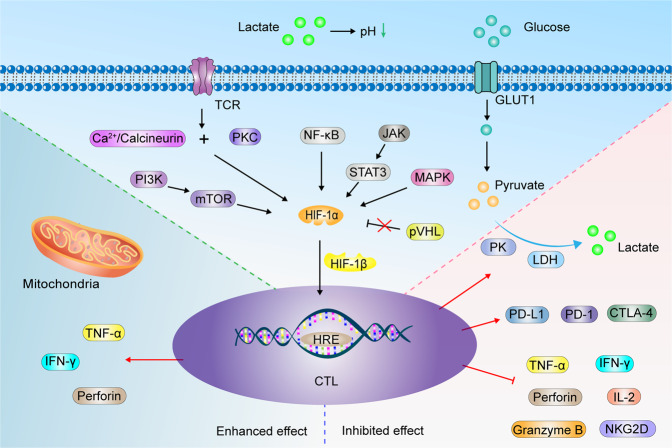
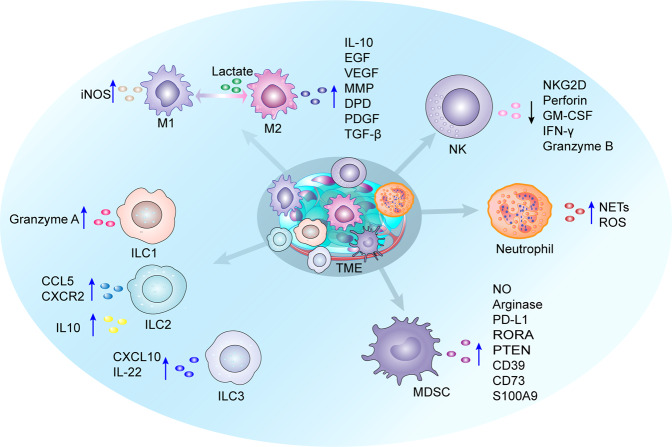
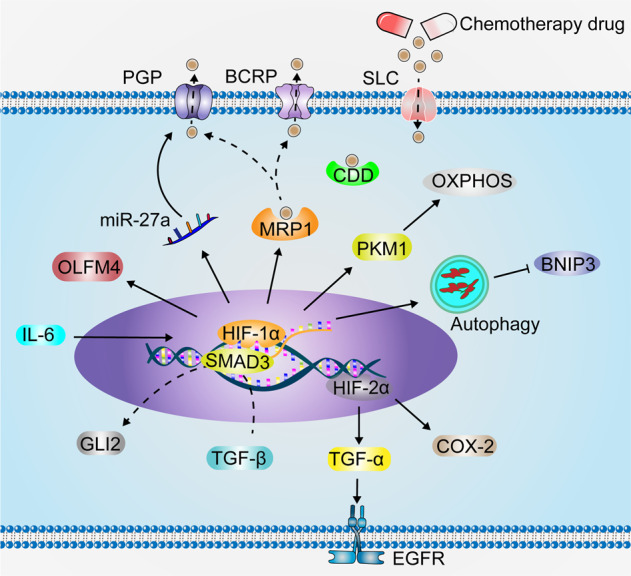
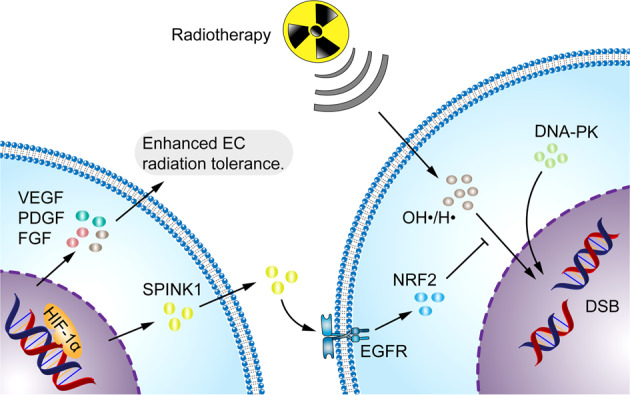
Verification
Claims the paper makes
The claims and statistics of this paper haven’t been checked yet.
Free: it reads the open-access text and checks the first 5 claims that cite a source we can check. Create a free account to check every claim.
Claims other papers make about this one
Each is checked against this paper’s own text: does it say what the citing paper says it does?
The source backs part of the claim, not all of it — or backs it for a different population, condition or comparison.
In the citing paper
“Solid tumors and their metastases typically manifest regions of hypoxia due to the rapid proliferation of tumor cells that frequently outstrips their oxygen supply, coupled with irregular and dysfunctional tumor vasculature [2].”
From The HIF Axes in Cancer - Angiogenesis, Metabolism and Immune-Modulation (2025) · cites this paper as [2]
Experimental — accuracy not yet measuredThe source backs part of the claim, not all of it — or backs it for a different population, condition or comparison.
In the citing paper
“Furthermore, hypoxia promotes self-renewal by activation of Wnt and Notch signaling pathways and embryonic stem cell transcription factors, and it modulates differentiation of tumor cells and tumor-associated stromal cells [86,87,88].”
From Mechanisms and Strategies to Overcome Drug Resistance in Colorectal Cancer (2025) · cites this paper as [86]
Experimental — accuracy not yet measuredThe source backs part of the claim, not all of it — or backs it for a different population, condition or comparison.
In the citing paper
“Hypoxia-inducible factors form the core regulatory axis governing cellular responses to hypoxic and oxidative stress, integrating redox signals with metabolic, vascular, and immune responses through genome-wide transcriptional reprogramming [[216], [217], [218], [219]].”
From HIF inhibition: Current strategies and clinical challenges (2026) · cites this paper as [218]
Experimental — accuracy not yet measuredThe cited source says what the claim attributes to it.
In the citing paper
“HIF-associated changes are major contributory factors to the unique tumor microenvironment (TME) that favors tumor growth and drives resistance to therapy [2].”
From The HIF Axes in Cancer - Angiogenesis, Metabolism and Immune-Modulation (2025) · cites this paper as [2]
The cited source says what the claim attributes to it.
In the citing paper
“For example, TAMs accumulate in hypoxic areas and the TME through HIF-1α activation, promoting TAM adaptation to hypoxia [2, 72].”
From The HIF Axes in Cancer - Angiogenesis, Metabolism and Immune-Modulation (2025) · cites this paper as [2]
Self-check
Percentages, sums and reported differences re-computed from the paper’s own numbers.
The self-check needs the paper’s full text.
Citations
Cites
1 retracted
Xu, Y., Lu, J., Tang, Y., Xie, W., Zhang, H., Wang, B., Zhang, S., Hou, W., Zou, C., Jiang, P., et al. (2021) · Cancer Letters · doi:10.1016/j.canlet.2021.12.032 · Cited by 34
RetractedTakahashi, K., & Yamanaka, S. (2006) · Cell · doi:10.1016/j.cell.2006.07.024 · Cited by 26,673
Siegel, R. L., Miller, K. D., Fuchs, H. E., & Jemal, A. (2022) · CA: A Cancer Journal for Clinicians · doi:10.3322/caac.21708 · Cited by 17,196
Understanding the Warburg Effect: The Metabolic Requirements of Cell Proliferation
Vander Heiden, M. G., Cantley, L. C., & Thompson, C. B. (2009) · Science · doi:10.1126/science.1160809 · Cited by 16,197
Warburg, O. (1956) · Science · doi:10.1126/science.123.3191.309 · Cited by 13,425 · cited 1×
“HYPOXIA AND CANCER CELL METABOLISM Hypoxia and glycolysis The majority of cancer cells increase glucose uptake and rely on glycolysis through a phenomenon known as the “Warburg effect”.(30,148,149) The “Warburg effect,” activated by MYC and HIF-1 in response to growth factors and hypoxia, is aerobic glycolysis Fig.”
BackgroundTumor angiogenesis: therapeutic implications
Sherwood, L. M., Parris, E. E., & Folkman, J. (1971) · New England Journal of Medicine · doi:10.1056/nejm197111182852108 · Cited by 10,187
Wang, G. L., Jiang, B. H., Rue, E. A., & Semenza, G. L. (1995) · Proceedings of the National Academy of Sciences · doi:10.1073/pnas.92.12.5510 · Cited by 6,212
Jaakkola, P., Mole, D. R., Tian, Y.-M., Wilson, M. I., Gielbert, J., Gaskell, S. J., Kriegsheim, A. V., Hebestreit, H. F., Mukherji, M., Schofield, C. J., et al. (2001) · Science · doi:10.1126/science.1059796 · Cited by 5,535
Normalization of Tumor Vasculature: An Emerging Concept in Antiangiogenic Therapy
Jain, R. K. (2005) · Science · doi:10.1126/science.1104819 · Cited by 5,527
The tumour suppressor protein VHL targets hypoxia-inducible factors for oxygen-dependent proteolysis
Maxwell, P. H., Wiesener, M. S., Chang, G.-W., Clifford, S. C., Vaux, E. C., Cockman, M. E., Wykoff, C. C., Pugh, C. W., Maher, E. R., & Ratcliffe, P. J. (1999) · Nature · doi:10.1038/20459 · Cited by 5,180
Cited by
Items 301–400 of 1,001
Zachou, M.-E., Spyratou, E., Lаgopati, N., Platoni, K., & EFSTATHOPOULOS, E. P. (2025) · Cancers · doi:10.3390/cancers17142295 · Cited by 17
Tsai, C., Hsu, Y., Chu, T.-Y., Hsu, P.-C., & Kuo, C. (2025) · Cancers · doi:10.3390/cancers17152590 · Cited by 19
“Hypoxia induces the expression of hypoxia-inducible factors (HIFs), which promote angiogenesis, metabolic reprogramming, and resistance to therapy [78].”
Špiljak, B., Poposki, B., & Lešić, S. (2025) · Oncology Research Featuring Preclinical and Clinical Cancer Therapeutics · doi:10.32604/or.2025.068395 · Cited by 18
“Metabolic inhibitors targeting glycolysis (e.g., 2-deoxy-D-glucose (2-DG)) or lactate dehydrogenase A (LDHA) are also being explored to neutralize the immunosuppressive and pro-tumorigenic effects of lactate accumulation [29,98,100,101].”
OIP5-AS1 expression profiles in different stages of oral squamous cell carcinoma
Ameya, K. P., P., A. S. U. P., & Sekar, D. (2025) · Archives of Oral Biology · doi:10.1016/j.archoralbio.2025.106403 · Cited by 16
Dendritic Cell-Derived Exosomes: Next Generation of Cancer Immunotherapy
Dhar, R., Sonar, S., Das, A., Akmal, N. A. S. B. T., Jasni, A. H., Balasubramaniam, V. R. M. T., Narayanan, K., & Subramaniyan, V. (2025) · Biomedicines · doi:10.3390/biomedicines13102497 · Cited by 16
The hallmarks of oncogenic signaling: From pathways to resistance in cancer therapy
Tufail, M., Gong, K., Ijaz, B., Patel, H. H., Lui, W., Wang, X., & Li, J. (2026) · Drug Resistance Updates · doi:10.1016/j.drup.2026.101355 · Cited by 20
Mănescu, D. C., Plastoi, C. D., Petre, R. L., Mărgărit, I. R., Mănescu, A. M., & Pîrvan, A. (2026) · International Journal of Molecular Sciences · doi:10.3390/ijms27041817 · Cited by 16
“Supraphysiological androgen exposure amplifies protein synthesis and suppresses catabolic genes via AR–mTORC1 crosstalk, while exogenous growth hormone (GH) and insulin potentiate this effect through the IGF-1 receptor [94–96].”
From immune exclusion to exhaustion: tumor microenvironment drives therapy response
Maletin, N. (2026) · Frontiers in Immunology · doi:10.3389/fimmu.2026.1785587 · Cited by 17
“Tumor-associated endothelial cells downregulate leukocyte adhesion molecules such as E-selectin, ICAM-1 and VCAM-1, resulting in impaired docking and transmigration of circulating T cells into the tumor parenchyma (39).”
InfluentialLee, S., Lee, E., Lim, J. U., Ku, B., Seong, Y.-J., Ryu, J.-O., Cho, H. J., Kim, K., Hwang, Y., Moon, S. W., et al. (2024) · Analytical Chemistry · doi:10.1021/acs.analchem.4c00890 · Cited by 16
Tian, L., Li, X., Guo, L., Huang, L., Wu, X., & Gao, W. (2024) · Coordination Chemistry Reviews · doi:10.1016/j.ccr.2024.216027 · Cited by 16
Wang, X., Shen, M., Sun, Y., Tang, Q., Du, L., Yang, S., Zou, H., Zhao, X., Chen, X., Li, H., et al. (2024) · Nano Today · doi:10.1016/j.nantod.2024.102394 · Cited by 17
Rajaram, J., & Kuthati, Y. (2024) · Cancers · doi:10.3390/cancers16213581 · Cited by 17
“Taking away the aryl hydrocarbon nuclear translocator (ARNT)/HIF-1 β gene from CD8+ T cells also lowers the production of molecules such as perforins and granzymes that kill cells [70].”
BackgroundBranco, H., Xavier, C. P. R., Riganti, C., & Vasconcelos, M. H. (2024) · Biochimica et Biophysica Acta (BBA) - Reviews on Cancer · doi:10.1016/j.bbcan.2024.189244 · Cited by 18
“Hypoxia, or low partial pressure of oxygen, is considered a remarkable feature of solid tumors and their neighboring microenvironment [25].”
Qin, J., Hu, S., Chen, Y., Xu, M., Xiao, Q., Lou, J., Ding, M., Sun, H., Xu, T., Pan, Y., et al. (2025) · Molecular Carcinogenesis · doi:10.1002/mc.23882 · Cited by 17
An on‐Demand Oxygen Nano‐vehicle Sensitizing Protein and Nucleic Acid Drug Augment Immunotherapy
Zhang, S., Wang, X., Chen, X., Shu, D., Lin, Q., Zou, H., Dong, J., Wang, B., Tang, Q., Li, H., et al. (2025) · Advanced Materials · doi:10.1002/adma.202409378 · Cited by 19
Liu, J., Chen, Z., Deng, L., Yao, C., Zhou, Z., Zhou, C., Bin, Y., Liu, M., Wang, L., Wang, L., et al. (2025) · Bioactive Materials · doi:10.1016/j.bioactmat.2025.01.022 · Cited by 22
“Of note, the hypoxic microenvironment dramatically impairs the effectiveness of tumor treatments, including chemotherapy, targeted therapy, radiotherapy, and immunotherapy, resulting in therapy resistance and tumor recurrence [4].”
InfluentialSelf-citationBellazzo, A., Montico, B., Guerrieri, R., Colizzi, F., Steffan, A., Polesel, J., & Fratta, E. (2025) · Cell Communication and Signaling · doi:10.1186/s12964-025-02173-4 · Cited by 17
“PHDs hydroxylate two conserved proline residues in the ODD motif of HIF-α subunits, in order to promote the binding of HIF-α with the von Hippel-Lindau protein (VHL) that leads to its subsequent pro-teasome-dependent degradation [2].”
Tumor hypoxia: Classification, detection, and its critical role in cancer progression
Zhao, Y., Zhong, B., Cao, J., Wang, Q., Liang, J., Lu, K., & Lu, S. (2025) · Biomolecules and Biomedicine · doi:10.17305/bb.2025.12318 · Cited by 18
“Additionally, someclinicaltrialslacksufficientdatatofullyassessdrugsafety and efficacy [32].”
Li, J., Li, X., Wang, S., Zhang, Y., Zhao, S., Zhang, D., Meng, X., Zhang, Y., & Lin, J. (2025) · Interdisciplinary medicine · doi:10.1002/inmd.20240069 · Cited by 15
Zhang, X., Xu, D.-Z., Zhao, W., Han, X.-Y., Lu, Z., & Liu, R. (2025) · Angewandte Chemie International Edition · doi:10.1002/anie.202505041 · Cited by 19
Sun, X., Xu, L., Xu, H., Xie, L., Wang, R., Yang, Z., Zhan, W., Shen, S., & Liang, G. (2023) · Advanced Healthcare Materials · doi:10.1002/adhm.202303472 · Cited by 15
Kalupahana, N. S., & Moustaïd‐Moussa, N. (2024) · Acta Physiologica · doi:10.1111/apha.14164 · Cited by 15
“122 The hypoxic condition of tumors can be further worsened by Ang II-induced vasoconstriction and hypoperfusion.”
BackgroundElsebaie, H. A., Nafie, M. S., Tawfik, H. O., Belal, A., Ghoneim, M. M., Obaidullah, A. J., Shaaban, S., Ayed, A. A., El-Naggar, M. H., Mehany, A. B. M., et al. (2024) · RSC Medicinal Chemistry · doi:10.1039/d4md00280f · Cited by 15
Melanoma-derived extracellular vesicles transfer proangiogenic factors
Surman, M., Przybyło, M., & Wilczak, M. (2025) · Oncology Research Featuring Preclinical and Clinical Cancer Therapeutics · doi:10.32604/or.2024.055449 · Cited by 15
Fruit exosomes: a sustainable green cancer therapeutic
Das, A., Sonar, S., Kalele, K., & Subramaniyan, V. (2025) · Sustainable Food Technology · doi:10.1039/d4fb00281d · Cited by 15
Wang, Y., Song, J., Zheng, S., & Wang, S. (2024) · Translational Oncology · doi:10.1016/j.tranon.2024.102193 · Cited by 15
Lee, Y.-H., & Huang, C.-Y. (2025) · International Journal of Nanomedicine · doi:10.2147/ijn.s505458 · Cited by 15
“15 19 On the other hand, hypoxia is highly unfavorable for ROS generation, which greatly restricts PDT; in contrast, PDT may further aggravate the hypoxic conditions in tumors and result in a poor treatment outcomes.”
Anti‐Tumor Strategies Targeting Nutritional Deprivation: Challenges and Opportunities
Shi, J., Han, W., Wang, J., & Kong, X. (2025) · Advanced Materials · doi:10.1002/adma.202415550 · Cited by 17
PhotoChem Interplays: Lighting the Way for Drug Delivery and Diagnosis
Banstola, A., Lin, Z., Li, Y., & Wu, M. X. (2025) · Advanced Drug Delivery Reviews · doi:10.1016/j.addr.2025.115549 · Cited by 15
Chen, Z., He, Q., Qian, R., Cai, J., Wang, Z., Zhou, X., Zhang, X., Wang, Q., Si, H., Li, J., et al. (2025) · Advanced Functional Materials · doi:10.1002/adfm.202502807 · Cited by 21
Self-citationStimuli-responsive peptide-based nanodrug delivery systems for tumor therapy
Zhou, L., Zhang, T., Zhang, L., Deng, Q.-Y., Xia, Z.-Y., Chen, S., Cheng, D., Qiao, Z., & Wang, H. (2025) · Chemical Communications · doi:10.1039/d5cc00950b · Cited by 15
Powering immunity: mitochondrial dynamics in natural killer cells
Verhezen, T., Wouters, A., Smits, E., & Waele, J. D. (2025) · Trends in Molecular Medicine · doi:10.1016/j.molmed.2025.04.004 · Cited by 16
Guo, H., Huang, G., Long, H., Wu, W., Lin, K., Qiao, B., Zhang, N., Huang, T., Tan, Y., Zhang, Q., et al. (2025) · Biomaterials · doi:10.1016/j.biomaterials.2025.123433 · Cited by 15
Insights Into Heart-Tumor Interactions in Heart Failure
Caller, T., Moore, K. J., Lehmann, L., Wu, S. M., & Leor, J. (2025) · Circulation Research · doi:10.1161/circresaha.124.325490 · Cited by 15
Zhang, X., Chen, X., Fu, Y., Zhou, H. P., & Lin, Y. D. (2025) · BMC Medical Imaging · doi:10.1186/s12880-025-01698-x · Cited by 15
“Particularly, inadequate local oxygen supply to the tumor can lead to the formation of a hypoxic environment that increases the tolerance of tumor cells to therapeutic drugs [16].”
Use of Radiomics in Characterizing Tumor Hypoxia
Huang, M., Law, H., & Tam, S. Y. (2025) · International Journal of Molecular Sciences · doi:10.3390/ijms26146679 · Cited by 14
“These cells may evade therapy through altered drug transporter expression or the activation of anti-apoptotic pathways, complicating treatment responses [28,29].”
Wu, Y., Chen, Z., Chen, X., Hu, Y., & Ma, Y. (2025) · Redox Report · doi:10.1080/13510002.2025.2564593 · Cited by 14
“This results in a marked increase in NO, which can exert cytotoxic effects and improve che-mosensitivity [36,83].”
Self-citationMechanisms of Tumor Radiosensitization: A Perspective of Nano‐Radiotherapy
Zhou, J., Zhang, Y., Dong, F., Matsuyama, K., Tanaka, Y., & Wu, L. (2025) · Wiley Interdisciplinary Reviews Nanomedicine and Nanobiotechnology · doi:10.1002/wnan.70035 · Cited by 16
Ramalingam, P. S., Afzal, M., Babu, M. A., Rekha, M. M., Sahoo, S., Pandey, S. N., Ali, H., Hussain, M. S., Gupta, G., Mekala, J. R., et al. (2025) · Frontiers in Immunology · doi:10.3389/fimmu.2025.1683799 · Cited by 16
Cancer stem cells in hepatocellular carcinoma: therapy resistance and emerging treatments
Yadav, D. K., Yadav, R. K., Singh, A., Huang, Y., Bao, D., Yang, Z., Huang, H., Jiang, Y., Wang, P., Lin, S., et al. (2025) · Frontiers in Immunology · doi:10.3389/fimmu.2025.1704868 · Cited by 15
“Hypoxia is a critical non-cellular component of the Liver-CSC niche, driving stemness, therapy resistance, and immune evasion through the central role of HIFs (342 – 344).”
Emerging trends in polysaccharide-based smart PEGylated hydrogels for biomedical applications
Damiri, F., Simińska-Stanny, J., Rasoulian, F., Pinal, C., Kaczmarek, B., Patel, C. D., Patel, H. M., Papadimitirou, S. A., Jaradat, E., Paiva‐Santos, A. C., et al. (2025) · Carbohydrate Polymers · doi:10.1016/j.carbpol.2025.124707 · Cited by 16
Wu, Y., Zhang, K., Jiang, N., Chen, Z., Sun, X., Zha, H., Lin, M., Li, J., Pan, X., Chen, J., et al. (2026) · Frontiers in Immunology · doi:10.3389/fimmu.2025.1726210 · Cited by 15
Self-citationTang, Z., Shu, J., Luo, A.-L., Wu, X., Feng, T., & Chao, H. (2026) · ACS Nano · doi:10.1021/acsnano.5c21399 · Cited by 16
Hu, Y., Ge, J., Xin, M., Guo, R., Wu, C., & Ma, W. (2026) · Cancer Letters · doi:10.1016/j.canlet.2026.218706 · Cited by 14
Gan, Y., Xie, W., Wang, M., Wang, P., Li, Q., Cheng, J., Yan, M., Xia, J., Wu, Z., & Zhang, G. (2024) · Materials Today Bio · doi:10.1016/j.mtbio.2023.100941 · Cited by 22
“Additionally, hypoxia caused by abnormal blood vessels and metabolic changes in tumors results in the accumulation of nucleophilic substances that can attack and deactivate CDDP [13,14].”
BackgroundA Contrast‐Enhanced Tri‐Modal MRI Technique for High‐Performance Hypoxia Imaging of Breast Cancer
Mao, Q., Gu, M., Hong, C., Wang, H., Ruan, X., Liu, Z., Yuan, B., Xu, M., Dong, C., Mou, L., et al. (2024) · Small · doi:10.1002/smll.202308850 · Cited by 14
Hypoxia-Activated Theragnostic Prodrugs (HATPs): Current State and Future Perspectives
Bhuniya, S., & Vrettos, E. I. (2024) · Pharmaceutics · doi:10.3390/pharmaceutics16040557 · Cited by 14
“Hypoxia constitutes a major contributing component of 90% of solid tumors and is triggered by the inadequate oxygen supply at a tissue level (typically 1% O 2 ), mainly due to problematic blood supply [1,2].”
BackgroundMetabolic landscape of the healthy pancreas and pancreatic tumor microenvironment
Bonilla, M. E., Radyk, M. D., Perricone, M. D., Elhossiny, A. M., Harold, A. C., Medina-Cabrera, P. I., Kadiyala, P., Shi, J., Frankel, T. L., Carpenter, E. S., et al. (2024) · JCI Insight · doi:10.1172/jci.insight.180114 · Cited by 14
“This significant decrease in oxidative phosphorylation dependency may be attributed to hypoxic regions in the tumor, a hallmark feature of PDA (85, 86).”
BackgroundCheng, X., Cao, Y., Liu, X., Li, Y., Li, Q., Gao, D., & Yu, Q. (2024) · Clinical and Translational Medicine · doi:10.1002/ctm2.70036 · Cited by 14
“121 Banerjee et al., utilising DESI-MSI made an intriguing observation: the glucose/citrate ratio significantly decreases at the boundary between malignant prostate tissue and adjacent prostate tissue.”
BackgroundHybrid prodrug nanoassembly for hypoxia-triggered immunogenic chemotherapy and immune modulation
Zhang, B., Qin, C., Wang, X., Shen, C., Li, S., Liu, T., Li, W., Chen, Z., Wang, Y., Liu, L., et al. (2025) · Journal of Controlled Release · doi:10.1016/j.jconrel.2025.01.008 · Cited by 14
Self-citationSoftness or Stiffness What Contributes to Cancer and Cancer Metastasis?
Mierke, C. T. (2025) · Cells · doi:10.3390/cells14080584 · Cited by 15
Amonkar, R., Uy, A., Ramirez, P., Patel, H., Jeong, J. J., Shoyele, N. O., Vaghela, V., & Lakshmikuttyamma, A. (2025) · Cancers · doi:10.3390/cancers17152487 · Cited by 15
“Tumor hypoxia plays a critical role in modulating the efficacy of various anticancer therapies, including radiotherapy, chemotherapy, and immunotherapy [13,14].”
Liu, W., Sun, C., Dai, Y., Wang, H., Ashrafizadeh, M., Conde, J., Yang, L., & He, W. (2025) · Materials Today Bio · doi:10.1016/j.mtbio.2025.102183 · Cited by 14
“Therefore, hypoxia has been considered in process of PDT and nanoparticles are suggested to improve hypoxia and increase potential of PDT [17,18].”
Zhang, H., Sun, Y., Liu, R., Hamdy, H., Shi, Z., Jiang, D., & Sun, J. (2025) · Drug Resistance Updates · doi:10.1016/j.drup.2025.101315 · Cited by 14
Peng, S., Wu, W., Feng, X., Zhong, Z., Wang, G., Gan, L., Jia, F., Mu, Q., Yuan, Y., Fu, J., et al. (2025) · ACS Nano · doi:10.1021/acsnano.5c01744 · Cited by 14
Zhai, S., You, Z., Li, J., Zheng, B., Zhao, X., Jiang, W., Su, D. S., Wang, H., Han, C., & Lu, K. (2025) · ACS Nano · doi:10.1021/acsnano.5c06188 · Cited by 13
Recent Advances in the Development of Metal-Glycoconjugates for Medicinal Applications
Brescia, F., Titilas, I., Cacciapuoti, S., & Ronconi, L. (2025) · Molecules · doi:10.3390/molecules30173537 · Cited by 14
“In addition, the limited vascularization often found in solid tumors creates hypoxic microenvironments, which further promote glycolysis as the primary route for adenosine-5’-triphosphate (ATP) generation in cancer [25].”
Ye, L., Xiang, X., Wang, Z., Zhang, S., Xue, Q., Wei, X., Liu, Y., Wang, H., Ai, J., Yang, B., et al. (2025) · Experimental & Molecular Medicine · doi:10.1038/s12276-025-01557-3 · Cited by 13
“Hypoxia, a hallmark of the tumor environment 19 , is known to induce chemokines expression in CAFs through hypoxia-inducible factor signaling 20 .”
Zhang, S.-M., Gui, B., Liu, Q., Chen, H., Pu, H., Chen, Y., Zhou, Q., Chen, W.-H., Zhang, X., & Deng, Q. (2025) · ACS Nano · doi:10.1021/acsnano.5c16697 · Cited by 13
Hybrid exosomes: a rising horizon for precision cancer therapy
Sonar, S., Das, A., Nyahatkar, S., Dhar, R., Kalele, K., Balasubramaniam, V. R. M. T., Wong, L. S., Narayanan, K., & Subramaniyan, V. (2026) · RSC Advances · doi:10.1039/d5ra04927j · Cited by 13
“74,75 In response to this hostile, nutrient-depleted environment, cancer cells exhibit remarkable adaptability.”
Rational modification of PROTACs for tumor-selective protein degradation
Fu, Z., Pan, M., Yang, C., Hou, H., & Li, J. (2026) · Advanced Drug Delivery Reviews · doi:10.1016/j.addr.2026.115775 · Cited by 17
Chu, X., Ma, J., Li, S., Wang, M., Tian, Y., & Lv, C. (2026) · Molecular Cancer · doi:10.1186/s12943-026-02570-4 · Cited by 15
“Despite extensive investigation into HIF signaling in TAMs and T cells, their roles in TAN biology remain relatively underexplored [225].”
Cellular architecture and neighborhood-informed virtual spatial tumor profiling from histopathology
Li, Y. J., Li, Z., Quinton, R. J., Ji, Y., Zhang, X., Xiang, J., Wang, X., Yang, S., Eweje, F. R., Chen, Y. M., et al. (2026) · Cell · doi:10.1016/j.cell.2026.05.031 · Cited by 15
Najafi, A., Keykhaee, M., Kazemi, M. H., Karimi, M. Y., Khorramdelazad, H., Aghamohamadi, N., Bolouri, M. R., Nazari, H. G., Mirsharif, E. S., Karimi, M., et al. (2023) · Biomedicine & Pharmacotherapy · doi:10.1016/j.biopha.2023.115557 · Cited by 14
Zhang, Y., Liang, L., Li, H., Cao, Y., Du, M., Li, X., Wang, M., Wang, J., Yao, Y., Zhang, S., et al. (2024) · Aggregate · doi:10.1002/agt2.545 · Cited by 13
A Nanorobotics-Based Approach of Breast Cancer in the Nanotechnology Era
Neagu, A.-N., Jayaweera, T. M., Weraduwage, K., & Darie, C. C. (2024) · International Journal of Molecular Sciences · doi:10.3390/ijms25094981 · Cited by 15
“Consequently, it is well known that hypoxia mediates the pathobiological behavior of cancer cells, increasing their rapid proliferation, aggressiveness and invasiveness, and also reducing the sensitivity of tumors to chemotherapy, radiotherapy, photodynamic therapy (PDT) and immunotherapy [152,153].”
BackgroundInfluentialMetal nanozymes modulation of reactive oxygen species as promising strategies for cancer therapy
Bu, J.-W., Wang, Z., Liu, H., & Liu, S. (2024) · International Journal of Pharmaceutics · doi:10.1016/j.ijpharm.2024.124453 · Cited by 13
Carlomagno, S., Setti, C., Ortolani, F., & Sivori, S. (2024) · Immunology Letters · doi:10.1016/j.imlet.2024.106898 · Cited by 13
Targeting oncogene-induced cellular plasticity for tumor therapy
Li, B., Zheng, L., Yang, J., & Qu, L. (2024) · Advanced Biotechnology · doi:10.1007/s44307-024-00030-y · Cited by 13
Chenab, K. K., Malektaj, H., Nadinlooie, A. A. R., Mohammadi, S., & Zamani-Meymian, M.-R. (2024) · Microchimica Acta · doi:10.1007/s00604-024-06583-y · Cited by 13
Li, D., Zhang, Z., & Wang, L. (2024) · Biomedicine & Pharmacotherapy · doi:10.1016/j.biopha.2024.117406 · Cited by 13
Wang, J., Wang, H., Zhou, W., Luo, X., Wang, H., Meng, Q., Chen, J., Chen, X., Liu, Y., Chan, D. W., et al. (2024) · Journal of Clinical Investigation · doi:10.1172/jci182217 · Cited by 15
“Next, we examined whether HIF1A, a well-known transcription factor (30), regulated MOGAT3 transcriptional expression.”
Self-citationWoo, K., Kim, Y. S., Abueva, C. D. G., & Woo, S. H. (2024) · Clinical and Experimental Otorhinolaryngology · doi:10.21053/ceo.2024.00286 · Cited by 14
“Factors such as hypoxia, nutrient availability, and the presence of other immune cells can significantly alter macrophage behavior [53].”
Kim, T. W., & Lee, H. G. (2024) · International Journal of Molecular Sciences · doi:10.3390/ijms26010173 · Cited by 14
“Radiation treatment decreases oxygen levels in the TME, leading to a hypoxic condition that mediates radioresistance by modulating EMT [46].”
Liu, Y., Chen, X., Zhang, W., Yu, B., Cen, Y., Liu, Q., Tang, Y., & Li, S. (2025) · Acta Biomaterialia · doi:10.1016/j.actbio.2025.03.049 · Cited by 14
Application of bifidobacterium in tumor therapy
Kong, Y., Bai, H., Deng, F., Zhao, Y., Li, Q., & Chang, L. (2025) · Frontiers in Oncology · doi:10.3389/fonc.2025.1551924 · Cited by 13
Li, X., Geng, S., Chen, Q., Su, B., Song, H., Zhou, J., Jia, R., Fan, H., Li, C., Wang, Y., et al. (2025) · ACS Nano · doi:10.1021/acsnano.5c03545 · Cited by 14
Exploring the role of ferroptosis in esophageal cancer: mechanisms and therapeutic implications
Zhao, D., Li, W., Han, Z., Wang, Z., Li, D., & Li, W. (2025) · Cell Death Discovery · doi:10.1038/s41420-025-02696-2 · Cited by 13
“Hypoxic responses are primarily controlled by hypoxia-inducible factors (HIF), which are generally highly expressed within cancer cells, rendering cancer cells adapt to hypoxic environments [189 – 191].”
Canha-Borges, A., Nunes, B., Quintas, S. T., Paredes, J., Meziani, L., Mondini, M., Oliveira, M. J., Deutsch, É., & Castro, F. (2025) · Cancer Treatment Reviews · doi:10.1016/j.ctrv.2025.103026 · Cited by 15
Gas-based therapeutics and delivery platforms in cancer immunotherapy
Nguyen, V.-A. T., Huang, C., & Chen, Y. (2025) · Advanced Drug Delivery Reviews · doi:10.1016/j.addr.2025.115746 · Cited by 15
Kharouf, N., Flanagan, T. W., AlAmodi, A. A., Hmada, Y. A., Hassan, S.-Y., Shalaby, H., Santourlidis, S., Hassan, S.-L., Haïkel, Y., Megahed, M., et al. (2024) · Cells · doi:10.3390/cells13030240 · Cited by 13
Mageau, E., Derbowka, R., Dickinson, N., Lefort, N., Kovala, A. T., Boreham, D. R., Tai, T. C., Thome, C., & Tharmalingam, S. (2025) · Current Issues in Molecular Biology · doi:10.3390/cimb47080589 · Cited by 12
“Hypoxia is a well-characterized driver of therapy resistance in tumors, in part by activating hypoxia-inducible factors (HIFs) and altering cellular metabolism [104].”
Fu, B., Hu, J., Yu, A., & Wang, Y. (2023) · Advanced Functional Materials · doi:10.1002/adfm.202307823 · Cited by 13
Amin, K. W. K., Deák, Á., Csanády, M., Szemerédi, N., Szabó, D., Turcsányi, Á., Ungor, D., Spengler, G., Rovó, L., & Janovák, L. (2024) · Pharmaceutics · doi:10.3390/pharmaceutics16070931 · Cited by 12
“Due to the hypoxic microenvironment in cancer cells, the pH e can be as low as 5.7–6.5 [10,11].”
BackgroundInfluentialCharbit, H., & Lavon, I. (2024) · International Journal of Molecular Sciences · doi:10.3390/ijms25147984 · Cited by 12
“Angiogenesis, primarily mediated by the hypoxia-inducible factor (HIF)-1 pathway and VEGF expression, is a significant outcome of hypoxia in glioblastoma [5].”
BackgroundZhu, Y.-N., Li, J., Li, S., Yang, Z., Qiao, Z., Gu, X., He, Z., Wu, D., Ma, X., Yao, S., et al. (2024) · Cell Communication and Signaling · doi:10.1186/s12964-024-01790-9 · Cited by 12
“The hypoxic microenvironment serves as a prevalent and prominent hallmark of the vast majority of solid tumors [57].”
BackgroundLiu, Y., Lin, T., Chong, K., Chen, G.-Y., Kuo, C.-Y., Lin, Y.-Y., Chang, C.-W., Hsiao, T., Wang, C.-L., Shih, Y.-C., et al. (2025) · Cell Communication and Signaling · doi:10.1186/s12964-024-02010-0 · Cited by 12
El‐Saghier, A. M. M., Hashem, H., Maher, S. A., Enaili, S. S., Alkhammash, A., Braese, S., & Aziz, H. A. (2025) · International Journal of Molecular Sciences · doi:10.3390/ijms26020863 · Cited by 12
Radioresistance in rectal cancer: can nanoparticles turn the tide?
Coelho, D. L., Estêvão, D., Oliveira, M. J., & Sarmento, B. F. C. C. (2025) · Molecular Cancer · doi:10.1186/s12943-025-02232-x · Cited by 14
Chimeric Antigen Receptor Cell Therapy: Empowering Treatment Strategies for Solid Tumors
Jaing, T., Hsiao, Y.-W., & Wang, Y.-L. (2025) · Current Issues in Molecular Biology · doi:10.3390/cimb47020090 · Cited by 12
“The hypoxic microenvironment in tumor cells accumulates adenosine triphosphate, inhibiting NK cell maturation and promoting tumor metastasis, with CD73 expression upregulated during breast cancer and sarcoma growth [98].”
Engineered Nanocatalyst‐Enabled Cheolesterol Depletion for Enhanced Tumor Piezocatalytic Therapy
Li, M., Zhou, Y., Chen, X., Chen, W., Yang, Y., Qian, C., Yang, L. F., Zhang, Y. Y., Zhang, Z., Wu, W. Z., et al. (2025) · Advanced Science · doi:10.1002/advs.202500967 · Cited by 15
Yuan, H., Wang, X., Sun, X. S., Gu, D., Guo, J., Huang, W., Ma, J., Fu, C., Yin, D., Zeng, G.-H., et al. (2025) · Acta Pharmaceutica Sinica B · doi:10.1016/j.apsb.2025.04.007 · Cited by 12
Adrenomedullin in Tumorigenesis and Cancer Progression
Li, H., Yang, W., Wang, S., Zhao, Z., Wang, W., Shi, M., & Li, Y. (2025) · International Journal of Molecular Sciences · doi:10.3390/ijms26125552 · Cited by 12
“The TME is frequently characterized by hypoxia, a condition that arises due to the uncontrolled and rapid proliferation of malignant tumors, which surpasses the capacity of the vascular supply [60].”
Zhang, T., Zhao, L., Cui, T., Zhou, Y., Li, P., Luo, C., Wei, J., & Hu, H. (2025) · Journal of Translational Medicine · doi:10.1186/s12967-025-06641-w · Cited by 14
“These spatial changes reflect the complexity of the tumor microenvironment, the heterogeneity of tumor cells, and their adaptive capabilities to environmental shifts, all of which are closely associated with tumor biology, therapeutic response, and prognosis [72].”
Multi-scenario photoacoustic endoscopy for in vivo functional imaging
Liang, X. Q., Zhao, Y., Li, L., Sun, H., Qin, W., Li, T., Guo, H., Qi, W., & Xi, L. (2025) · Photoacoustics · doi:10.1016/j.pacs.2025.100750 · Cited by 12
“PAE is capable of effectively detecting abnormal blood oxygen level and angiogenesis-related vascular variations, which are critical biomarkers for early diagnosis of diseases [21 – 23].”
Precision nanomaterials in colorectal cancer: advancing photodynamic and photothermal therapy
Chen, Y., & Tang, D. (2025) · RSC Advances · doi:10.1039/d5ra03996g · Cited by 12
Mohammadzadeh, V., Arabi, L., Hosseinikhah, S. M., Mashreghi, M., Kalalinia, F., Mostajeran, N., Zirak, M. R., Hadizadeh, F., Nejabat, M., Kamali, H., et al. (2025) · Drug Delivery · doi:10.1080/10717544.2025.2536802 · Cited by 13
Nanozyme-enabled cancer theranostics: bridging enzyme mimicry and material intelligence
Wang, Y., Sun, X., Wang, S., Zhang, Z., Sun, J., Luo, C., He, Z., & Zhang, S. (2025) · Materials Horizons · doi:10.1039/d5mh01000d · Cited by 14
Abdel-Maksoud, Y. T., Abdelhaseb, A. H., Abdo, A. A.-E., Kamel, A. M., Elsebay, M. T., & Attia, M. S. (2025) · World Journal of Clinical Oncology · doi:10.5306/wjco.v16.i9.108731 · Cited by 12
Jia, W., Wang, J., Yang, W., Ding, Z., Liang, L., Xu, C., Feng, Y., Lv, Q., Deming, Z., Zhao, W., et al. (2025) · Journal for ImmunoTherapy of Cancer · doi:10.1136/jitc-2025-012314 · Cited by 15
Metadata
- Authors
- Chen, Z., Han, F., Du, Y., Shi, H., & Zhou, W.
- Affiliations
- First Hospital of Lanzhou University (CN)
- Lanzhou University Second Hospital (CN)
- Corresponding author
- Zhou, Wence
- Venue
- Signal Transduction and Targeted Therapy
- Published
- 2023-02-17
- Volume
- 8
- Issue
- 1
- Pages
- 70-70
- ISSN
- 2059-3635 (ISSN-L)
- PMC
- PMC9935926
- OpenAlex
- W4321167021
- Semantic Scholar
- 5715ed7d62c9dfb8bae6084060b69cd0406e157f
- Cited by
- 1,612
- References
- 465
- Citations by year
- 2026: 574 · 2025: 662 · 2024: 326 · 2023: 48
- FWCI
- 50.88
- Type
- journal article
- Language
- en
- Open access
- gold
- doi.org
- Licence
- cc-by
- creativecommons.org/licenses/by/4.0 (tdm)
- creativecommons.org/licenses/by/4.0 (vor)
- Locations
- Signal Transduction and Targeted Therapy (publishedVersion, cc-by)
- PubMed Central (publishedVersion, cc-by)
- PubMed (publishedVersion)
- DOAJ (DOAJ: Directory of Open Access Journals) (submittedVersion, cc-by-sa)
- Funders
- Lanzhou University (ldyyyn2020-93)
- National Natural Science Foundation of China (82260555)
- Natural Science Foundation of Gansu Province (82260555, 22JR11RA033)
- Topics
- Life Sciences › Biochemistry, Genetics and Molecular Biology › Cancer Research › Cancer, Hypoxia, and Metabolism
- Life Sciences › Biochemistry, Genetics and Molecular Biology › Molecular Biology › Angiogenesis and VEGF in Cancer
- Health Sciences › Medicine › Oncology › Cancer Cells and Metastasis
- Keywords
- tumor hypoxia, tumor microenvironment, hypoxia-inducible factor, hypoxia signaling pathway, tumor vasculature normalization, nanoparticle drug delivery, hypoxia-activated prodrug, cancer immunotherapy, radiotherapy resistance, chemoresistance, tumor immune tolerance
- MeSH terms
- Hypoxia, Humans, Immunotherapy, Neoplasms, Radiation Tolerance, Cell Hypoxia, Tumor Microenvironment
About these checks
Registry, retraction, Cites and statistics results are computed, not judged, with one exception: a printed reference that no index lists is read once by a model before it counts as a citation error. Claims are extracted by a model and kept only when their quote appears verbatim in the text; each cited source is then checked, with a model’s help, for whether it says what the claim relies on. Those verdicts can be wrong — read the claim’s quote and the cited source before relying on one.
Statistics and arithmetic are recomputed, not judged.
Confidence bands are shown only for fields calibrated on our annotated test set. None is calibrated yet, so no band is shown.
What counts as a claim ›How we measure confidence ›How we check this ›
Are you an author, or do you see a problem with this page? Request a review
Data sources
Bibliographic data: Semantic Scholar, OpenAlex, Crossref.
Contains information from the Semantic Scholar Academic Graph Datasets, made available under the ODC Attribution License (ODC-BY 1.0).
Semantic Scholar’s data is described in: Kinney, R., et al. (2023). The Semantic Scholar Open Data Platform. arXiv:2301.10140.
