

Hypoxic microenvironment in cancer: molecular mechanisms and therapeutic interventions
Open accessThe DOI matches its Crossref record; 465 of the 465 references it cites were found in a registry or an index.
Abstract
Having a hypoxic microenvironment is a common and salient feature of most solid tumors. Hypoxia has a profound effect on the biological behavior and malignant phenotype of cancer cells, mediates the effects of cancer chemotherapy, radiotherapy, and immunotherapy through complex mechanisms, and is closely associated with poor prognosis in various cancer patients. Accumulating studies have demonstrated that through normalization of the tumor vasculature, nanoparticle carriers and biocarriers can effectively increase the oxygen concentration in the tumor microenvironment, improve drug delivery and the efficacy of radiotherapy. They also increase infiltration of innate and adaptive anti-tumor immune cells to enhance the efficacy of immunotherapy. Furthermore, drugs targeting key genes associated with hypoxia, including hypoxia tracers, hypoxia-activated prodrugs, and drugs targeting hypoxia-inducible factors and downstream targets, can be used for visualization and quantitative analysis of tumor hypoxia and antitumor activity. However, the relationship between hypoxia and cancer is an area of research that requires further exploration. Here, we investigated the potential factors in the development of hypoxia in cancer, changes in signaling pathways that occur in cancer cells to adapt to hypoxic environments, the mechanisms of hypoxia-induced cancer immune tolerance, chemotherapeutic tolerance, and enhanced radiation tolerance, as well as the insights and applications of hypoxia in cancer therapy.
Overview
The claims and statistics of this paper haven’t been checked yet.
Free: it reads the open-access text and checks the first 5 claims that cite a source we can check. Create a free account to check every claim.
Integrity signals
Registry
Cites
Statistics
Figures
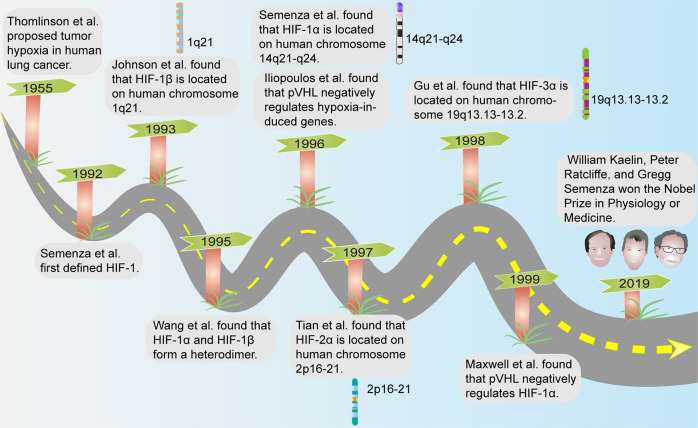
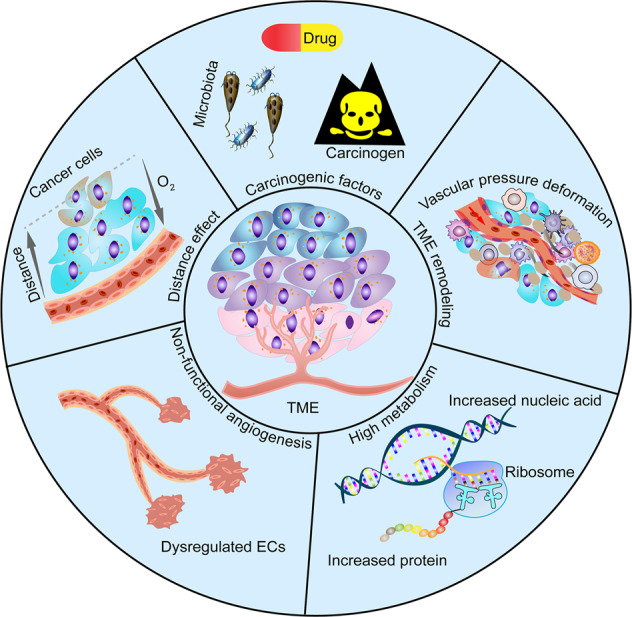
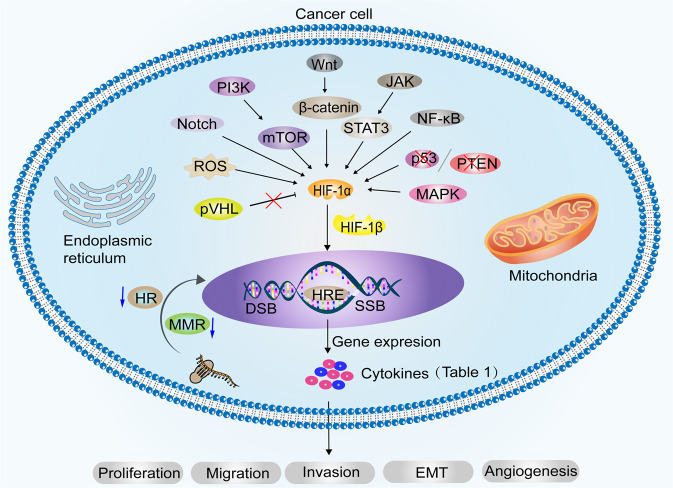
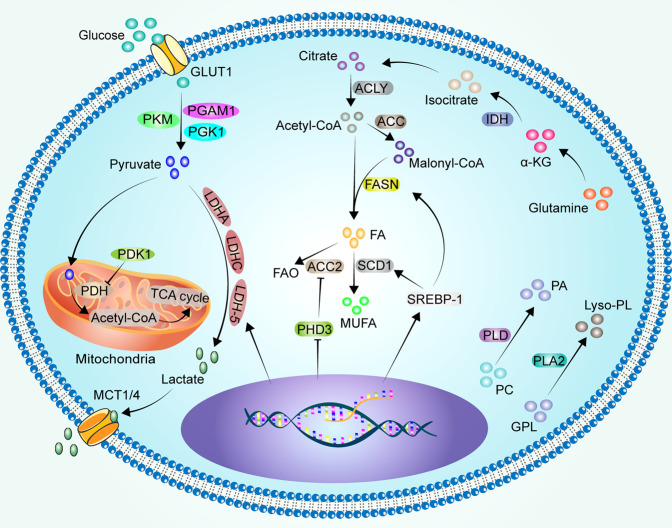
Verification
Claims the paper makes
The claims and statistics of this paper haven’t been checked yet.
Free: it reads the open-access text and checks the first 5 claims that cite a source we can check. Create a free account to check every claim.
Claims other papers make about this one
Each is checked against this paper’s own text: does it say what the citing paper says it does?
The source backs part of the claim, not all of it — or backs it for a different population, condition or comparison.
In the citing paper
“Solid tumors and their metastases typically manifest regions of hypoxia due to the rapid proliferation of tumor cells that frequently outstrips their oxygen supply, coupled with irregular and dysfunctional tumor vasculature [2].”
From The HIF Axes in Cancer - Angiogenesis, Metabolism and Immune-Modulation (2025) · cites this paper as [2]
Experimental — accuracy not yet measuredThe source backs part of the claim, not all of it — or backs it for a different population, condition or comparison.
In the citing paper
“Furthermore, hypoxia promotes self-renewal by activation of Wnt and Notch signaling pathways and embryonic stem cell transcription factors, and it modulates differentiation of tumor cells and tumor-associated stromal cells [86,87,88].”
From Mechanisms and Strategies to Overcome Drug Resistance in Colorectal Cancer (2025) · cites this paper as [86]
Experimental — accuracy not yet measuredThe source backs part of the claim, not all of it — or backs it for a different population, condition or comparison.
In the citing paper
“Hypoxia-inducible factors form the core regulatory axis governing cellular responses to hypoxic and oxidative stress, integrating redox signals with metabolic, vascular, and immune responses through genome-wide transcriptional reprogramming [[216], [217], [218], [219]].”
From HIF inhibition: Current strategies and clinical challenges (2026) · cites this paper as [218]
Experimental — accuracy not yet measuredThe cited source says what the claim attributes to it.
In the citing paper
“HIF-associated changes are major contributory factors to the unique tumor microenvironment (TME) that favors tumor growth and drives resistance to therapy [2].”
From The HIF Axes in Cancer - Angiogenesis, Metabolism and Immune-Modulation (2025) · cites this paper as [2]
The cited source says what the claim attributes to it.
In the citing paper
“For example, TAMs accumulate in hypoxic areas and the TME through HIF-1α activation, promoting TAM adaptation to hypoxia [2, 72].”
From The HIF Axes in Cancer - Angiogenesis, Metabolism and Immune-Modulation (2025) · cites this paper as [2]
Self-check
Percentages, sums and reported differences re-computed from the paper’s own numbers.
The self-check needs the paper’s full text.
Citations
Cites
1 retracted
Xu, Y., Lu, J., Tang, Y., Xie, W., Zhang, H., Wang, B., Zhang, S., Hou, W., Zou, C., Jiang, P., et al. (2021) · Cancer Letters · doi:10.1016/j.canlet.2021.12.032 · Cited by 34
RetractedTakahashi, K., & Yamanaka, S. (2006) · Cell · doi:10.1016/j.cell.2006.07.024 · Cited by 26,673
Siegel, R. L., Miller, K. D., Fuchs, H. E., & Jemal, A. (2022) · CA: A Cancer Journal for Clinicians · doi:10.3322/caac.21708 · Cited by 17,196
Understanding the Warburg Effect: The Metabolic Requirements of Cell Proliferation
Vander Heiden, M. G., Cantley, L. C., & Thompson, C. B. (2009) · Science · doi:10.1126/science.1160809 · Cited by 16,197
Warburg, O. (1956) · Science · doi:10.1126/science.123.3191.309 · Cited by 13,425 · cited 1×
“HYPOXIA AND CANCER CELL METABOLISM Hypoxia and glycolysis The majority of cancer cells increase glucose uptake and rely on glycolysis through a phenomenon known as the “Warburg effect”.(30,148,149) The “Warburg effect,” activated by MYC and HIF-1 in response to growth factors and hypoxia, is aerobic glycolysis Fig.”
BackgroundTumor angiogenesis: therapeutic implications
Sherwood, L. M., Parris, E. E., & Folkman, J. (1971) · New England Journal of Medicine · doi:10.1056/nejm197111182852108 · Cited by 10,187
Wang, G. L., Jiang, B. H., Rue, E. A., & Semenza, G. L. (1995) · Proceedings of the National Academy of Sciences · doi:10.1073/pnas.92.12.5510 · Cited by 6,212
Jaakkola, P., Mole, D. R., Tian, Y.-M., Wilson, M. I., Gielbert, J., Gaskell, S. J., Kriegsheim, A. V., Hebestreit, H. F., Mukherji, M., Schofield, C. J., et al. (2001) · Science · doi:10.1126/science.1059796 · Cited by 5,535
Normalization of Tumor Vasculature: An Emerging Concept in Antiangiogenic Therapy
Jain, R. K. (2005) · Science · doi:10.1126/science.1104819 · Cited by 5,527
The tumour suppressor protein VHL targets hypoxia-inducible factors for oxygen-dependent proteolysis
Maxwell, P. H., Wiesener, M. S., Chang, G.-W., Clifford, S. C., Vaux, E. C., Cockman, M. E., Wykoff, C. C., Pugh, C. W., Maher, E. R., & Ratcliffe, P. J. (1999) · Nature · doi:10.1038/20459 · Cited by 5,180
Cited by
Items 601–700 of 1,001
Cai, Q., He, Y., Zhou, Y., Zheng, J., & Deng, J. (2024) · Advanced Healthcare Materials · doi:10.1002/adhm.202303543 · Cited by 9
Wei, Y., Wu, Y., Luo, Y., & Ma, F. (2024) · Critical Reviews in Oncology/Hematology · doi:10.1016/j.critrevonc.2024.104309 · Cited by 7
Tabata, S., Endo, H., Makinoshima, H., Soga, T., & Inoue, M. (2024) · Biochemical and Biophysical Research Communications · doi:10.1016/j.bbrc.2024.149977 · Cited by 8
Wang, S., Zhang, S., Li, X., Li, X., Zhao, S., Guo, J., Wang, S., Wang, R., Zhang, M., & Qiu, W. (2024) · Frontiers in Immunology · doi:10.3389/fimmu.2024.1415148 · Cited by 7
“…contributes to the metabolic reprogramming of tumor cells (like the renowned Warburg effect) and supports the formation of an immunosuppressive microenvironment (by inhibiting CTLs and recruiting Tregs), is one of the primary mechanisms by which tumor cells can survive in hypoxic environments (63).”
BackgroundYoshihara, T., Tamura, T., Shiozaki, S., Chou, L.-C., Kakuchi, R., & Rokudai, S. (2024) · Scientific Reports · doi:10.1038/s41598-024-69369-5 · Cited by 7
Meng, M., Wu, J., Guo, X., Li, T., Yue, P., Tu, Z., Wu, R., Xing, Y., Li, F., Cao, Q., et al. (2024) · Nano Letters · doi:10.1021/acs.nanolett.4c03766 · Cited by 11
Progress of research on γδ T cells in colorectal cancer (Review)
Pan, L., Zhou, Y., Kuang, Y., Wang, C., Wang, W., Hu, X., & Chen, X. (2024) · Oncology Reports · doi:10.3892/or.2024.8819 · Cited by 7
Reda, D., Elfiky, A. A., El-Nagdy, M. S., & Khalil, M. M. (2024) · Journal of Biomolecular Structure and Dynamics · doi:10.1080/07391102.2024.2425839 · Cited by 8
“It therefore plays important role in molecular pathways related to radiotherapy, chemotherapy, and immunotherapy treatment resistance (Chen et al., 2023).”
InfluentialAcute Three‐Dimensional Hypoxia Regulates Angiogenesis
Ntekoumes, D., Song, J., Liu, H., Amelung, C. D., Guan, Y., & Gerecht, S. (2024) · Advanced Healthcare Materials · doi:10.1002/adhm.202403860 · Cited by 8
C/EBPβ Regulates HIF-1α-Driven Invasion of Non-Small-Cell Lung Cancer Cells
Seo, S. H., Lee, J. H., Choi, E. K., Rho, S. B., & Yoon, K. (2024) · Biomolecules · doi:10.3390/biom15010036 · Cited by 7
“Hypoxia is recognized as a critical driver among numerous factors that contribute to metastasis [9,10].”
Jarosz–Biej, M., Justyna, C., Joanna, C., Smolarczyk, R., Drzyzga, A., Sprus-Lipka, D., Pilny, E., Matuszczak, S., & Tomasz, C. (2025) · Cancer Immunology Immunotherapy · doi:10.1007/s00262-025-03943-2 · Cited by 7
Lin, G., Chen, J., Liu, X., Lin, Y., Zhu, X., Yuan, G., Yang, B., Guo, S., Pan, Y., & Zhou, J. (2025) · Chinese Chemical Letters · doi:10.1016/j.cclet.2025.111018 · Cited by 7
Hou, X., Wang, C., Zhao, Y., Wang, Q., Wang, D., Zhao, J., Liu, Y., Huang, F., & Liu, J. (2025) · Biomaterials · doi:10.1016/j.biomaterials.2025.123361 · Cited by 7
Mitochondrial metabolism in laryngeal cancer: therapeutic mechanisms and prospects
Hou, Y., Yang, X.-X., & Meng, H. (2025) · Biochimica et Biophysica Acta (BBA) - Reviews on Cancer · doi:10.1016/j.bbcan.2025.189335 · Cited by 7
Jiang, X., Mao, P., Wang, M., Shen, D., Zhang, L., Zhao, Y., Liang, X., Huang, Z., Wang, Y., Lin, Y., et al. (2025) · Chemical Engineering Journal · doi:10.1016/j.cej.2025.163555 · Cited by 10
FOLR1-Targeted Oxygen-Delivering Nanosomes Enhance Chemo-Induced Apoptosis in Hypoxic Cancer
Lee, G., Kim, J., Yang, J., Jang, Y., Jang, J., Tanaka, M., Niepa, T. H. R., Lee, H.-Y., & Choi, J. H. (2025) · International Journal of Nanomedicine · doi:10.2147/ijn.s513688 · Cited by 7
“4,30 Hypoxic conditions also contribute to chemotherapeutic resistance.”
Wan, L., Ma, T., Li, B., Shi, X., Chen, S., Sun, X., Ge, H., Lu, C., Yu, W., Zhou, N., et al. (2025) · International Immunopharmacology · doi:10.1016/j.intimp.2025.115161 · Cited by 7
Li, M., Sun, Y., Hu, C., Luo, H., Li, M., & Yang, Y. (2025) · Materials Today Bio · doi:10.1016/j.mtbio.2025.102331 · Cited by 10
“Due to the high proliferation rate and active metabolism of cancer cells, their oxygen consumption often exceeds the supply capacity of local blood vessels, leading to persistent hypoxic regions within the tumor [78,79].”
Mitochondrial–Stem Cell Connection: Providing Additional Explanations for Understanding Cancer
Martinez, P., Baghli, I., Gourjon, G., & Seyfried, T. N. (2024) · Metabolites · doi:10.3390/metabo14040229 · Cited by 7
“HIF is also expressed when ROS production increases [200].”
BackgroundHypoxia-induced Factor-1α and its Role in Endometrial Cancer
Smolarz, B., ŁUKASIEWICZ, H., Samulak, D., Kołaciński, R., Langner, S., Makowska, M., & Romanowicz, H. (2024) · Anticancer Research · doi:10.21873/anticanres.17195 · Cited by 8
“These conditions are a consequence of relatively rapid proliferation of cancer cells and insufficient and dysfunctional tumor vascularization (37).”
Ding, L., Sun, D., Wang, Z., Gao, T., Wei, J., Li, X., Chen, L., Liu, B., Li, J., & Liu, C. (2024) · Langmuir · doi:10.1021/acs.langmuir.4c00714 · Cited by 7
Li, X., Guan, R., & Zhang, S. (2025) · Biology · doi:10.3390/biology14040351 · Cited by 9
“…in tumors may trigger the polarization of cancer-associated fibroblasts and tumor-associated endothelial cells and promote tumor progression [85,86]. iron accumulation (the two form a vicious circle), the Fenton reaction continues to intensify, and cells begin to use stronger but more di ffi…”
VHL restoration in clear cell renal cell carcinoma improves NK cell infiltration and function
Tong, L., Tay, A. H. M., Cui, W., Liu, Y., Su, Y., Lyu, J., Hoedemakers, L., Yang, Y., Ehnman, M., Seliger, B., et al. (2025) · Cancer Immunology, Immunotherapy · doi:10.1007/s00262-025-04132-x · Cited by 6
Luo, C., Lu, Y., Fang, Q., Lu, J., Zhan, P., Xi, W., Wang, J., Chen, X., Yao, Q., Wang, F., et al. (2024) · Cell Death Discovery · doi:10.1038/s41420-024-02212-y · Cited by 6
The role of ceRNAs in breast cancer microenvironmental regulation and therapeutic implications
Yılmaz, A., & Yuka, S. A. (2024) · Journal of Molecular Medicine · doi:10.1007/s00109-024-02503-y · Cited by 6
Zhang, R., Gao, Y., Li, C., Tao, R., Mao, G., Song, T., Nie, W., Liu, S., Tao, K., & Li, W. (2024) · Frontiers in Immunology · doi:10.3389/fimmu.2024.1425687 · Cited by 6
Immunocompetent tumor-on-a-chip: A translational tool for drug screening and cancer therapy
Liang, A., Tao, T., Chen, J., Yang, Y., Zhou, X., Zhu, X. M., & Yu, G. (2025) · Critical Reviews in Oncology/Hematology · doi:10.1016/j.critrevonc.2025.104716 · Cited by 6
Pfeiffenberger, M., Damerau, A., Plank, J., Ahmed, A., Thiele, M., Saam, J., Hoff, P., Gaber, T., & Buttgereit, F. (2025) · Advanced Healthcare Materials · doi:10.1002/adhm.202502492 · Cited by 6
Huo, T., Shan, X., Wang, Z., Song, J., Shao, L., Bai, Y., Yu, X., Yang, Q., Li, G., & Huang, R. (2025) · Chemical Engineering Journal · doi:10.1016/j.cej.2025.167348 · Cited by 7
Yang, X., Pan, Y., Zhao, P., Chen, N., Ma, Y., Bao, Y., Qi, L., & Du, X. (2025) · Science Progress · doi:10.1177/00368504251370990 · Cited by 7
“…factor and transforming growth factor β — induces oxidative stress and disrupts iron homeostasis, thereby impairing erythropoiesis and increasing RDW. 32,33 In parallel, tumor-associated in fl ammation contributes to vascular dysfunction and capillary leakage, further exacerbating hypoalbuminemia.”
Islam, M. S., Kasana, S., Priya, S., Kurmi, B. D., Gupta, G. D., & Patel, P. (2025) · Archiv der Pharmazie · doi:10.1002/ardp.70083 · Cited by 6
Wu, R., Shi, W., Xu, S., Zhang, T., Sun, S., Xie, X., Luo, Y., Li, X., Chen, Q., & Liang, X. (2025) · Cell Biomaterials · doi:10.1016/j.celbio.2025.100178 · Cited by 6
Cui, G., Lu, Z. E., Shi, J., He, X., Wang, Y., Chen, H., Jia, Z., Chen, J., Han, J., He, H., et al. (2025) · Advanced Healthcare Materials · doi:10.1002/adhm.202502530 · Cited by 6
Mitochondrial Ca 2+ in Cancer Growth and Metabolism
Weissenrieder, J., & Foskett, J. K. (2025) · Journal of Cellular Physiology · doi:10.1002/jcp.70093 · Cited by 6
“Highly networked mitochondria may support ATP generation when cells are in more hypoxic environments, while fragmented mitochondria are associated with both stress responses and nutrient ‐ replete conditions (Giacomello et al. 2020; Chen et al. 2023a).”
Lin, M., Kang, X., Liu, F., Nie, J., Zhang, J., Zhuang, J., Yu, B., & Xu, F. (2025) · Advanced Functional Materials · doi:10.1002/adfm.202513208 · Cited by 6
S100A4/FSP1: A Prognostic Marker and a Promising Target for Antitumor Therapy
Bogachek, M. V., Kazakova, A., Sergeevichev, D., Vladimirov, S., Richter, V. A., & Nushtaeva, A. A. (2025) · International Journal of Molecular Sciences · doi:10.3390/ijms26199370 · Cited by 8
“Hypoxia is a tumor hallmark, leading to increased metastasis and chemoresistance of tumor cells that use glycolysis as the principal mode of energy supply—a phenomenon referred to as the «Warburg effect» [165–167].”
Afterglow-enhanced fractionated photodynamic therapy for antitumor and antibacterial applications
Xu, X., Xie, Z., & Zheng, M. J. (2025) · Chemical Engineering Journal · doi:10.1016/j.cej.2025.168854 · Cited by 6
Wang, Y., Wu, D., Gai, J., Cai, Y., Hua, K., Zhu, Z., & Xin, W. (2025) · BMC Medicine · doi:10.1186/s12916-025-04378-3 · Cited by 6
“Given VAMP8’s role in stabilizing and activating HIF-1α under hypoxic conditions, VAMP8 inhibitors might impair the tumor’s ability to adapt to hypoxic stress, reducing angiogenesis and metabolic adaptation critical for tumor growth and survival [43–45].”
Soil and Seed: Tumor Microenvironment Nurtures Immunotherapy Resistance and Renewal
Li, Y., Feng, Q., Xia, Y., Liao, L., & Xie, S. (2025) · International Journal of Molecular Sciences · doi:10.3390/ijms262110547 · Cited by 6
“Moreover, hypoxia, another important feature of the metabolic microenvironment, regulates tumor-associated angiogenesis through the HIF-1 α signaling pathway, thereby inhibiting CAR T-cell invasion into tumor tissues [102,103].”
Fang, T., Peng, C., Ding, R., Fan, Y., Jia, J., Chen, J., Zhang, X., Wang, D., & Li, J. (2025) · Biomaterials · doi:10.1016/j.biomaterials.2025.123837 · Cited by 7
Enhancing Radiotherapy for Hypoxic Tumors: Integrative Strategies Using Bacteria and Nanoparticles
Bemidinezhad, A., Al-Baghdadi, A., Alsarray, A., Abolhassani, Y., Kenjayev, Y., & Gheybi, F. (2025) · IET Nanobiotechnology · doi:10.1049/nbt2/2687439 · Cited by 6
“This enhances the oxygenation of the TME, countering hypoxia and improving radiosensitization [48, 49].”
Guo, Z., Yao, Z., Chen, X., Wu, D., Ouyang, Y., Shen, Y., Wang, Y., Zhang, H., Lu, Y., & Lv, W. (2025) · Clinical and Experimental Medicine · doi:10.1007/s10238-025-01906-6 · Cited by 6
“Furthermore, metabolic disturbances within the TIME, such as hypoxia and nutrient deprivation, further compromise immune cell activity, promoting tumor progression [86, 87].”
Molecular Mechanisms Driving Metastatic Progression Within the Aged Tumor Microenvironment
Kumar, S., Chand, J., Sharma, P., Singh, S., Khanal, P., Chellammal, H. S. J., Suhail, A., & Mittal, S. (2025) · International Journal of Molecular Sciences · doi:10.3390/ijms262311508 · Cited by 6
“Immunologically, aging leads to profound changes in the bladder’s immune landscape, characterized by decreased effector T cell function and increased infiltration of immunosuppressive cell populations, including MDSCs and Tregs [77].”
Damodaran, S., Weeramange, C. E., Kenny, L., Vasani, S. S., Hughes, B. G. M., Breik, O., & Punyadeera, C. (2025) · Cancer and Metastasis Reviews · doi:10.1007/s10555-025-10305-y · Cited by 6
Yoon, H., Kim, J., Gu, D., Lee, J., Kim, S. Y., Kim, H. J., Jeong, J., Shin, D., Jung, Y., Chung, M. K., et al. (2025) · Oral Oncology · doi:10.1016/j.oraloncology.2025.107814 · Cited by 7
A Holistic Review of Oncological Drug Targets and Trajectories of Resistance in Cancer Therapy
Kaur, H., Rana, D., Bag, S., & Singh, P. (2026) · Oncology Research Featuring Preclinical and Clinical Cancer Therapeutics · doi:10.32604/or.2025.071209 · Cited by 6
“Hypoxia within the TME activates HIF-1α, increasing adenosine to suppress cytotoxic T cells [158].”
Ray, U., Singh, A., Samanta, D., & Dhar, R. (2026) · npj Systems Biology and Applications · doi:10.1038/s41540-025-00640-9 · Cited by 6
Wang, Z., Wang, Z., Jiang, J., Yang, L., Li, C., Deng, X., Li, Y., Yuan, J., Jiang, P., & Wang, J. (2026) · Molecular Cancer · doi:10.1186/s12943-026-02600-1 · Cited by 10
Briefing on Nitric Oxide a Signal Molecule in Cancer Metastasis and Therapeutic Target
Kumari, S. (2026) · Cell Biochemistry and Function · doi:10.1002/cbf.70191 · Cited by 7
Yi, J., Huang, J., Liu, L., Tang, Y., Pang, E.-N., Chen, H., Zeng, J., Liu, L., Lan, M., & Chen, L. (2026) · Coordination Chemistry Reviews · doi:10.1016/j.ccr.2026.217789 · Cited by 6
Multidimensional profiling of heterogeneity in supratentorial ependymomas
Jeong, D., Danielli, S. G., Maaß, K. K., Ghasemi, D. R., Tetzlaff, S. K., Reyhan, E., Jiang, L., Katiyar, S., Sundheimer, J. K., Cascio, C. L., et al. (2026) · Nature · doi:10.1038/s41586-026-10214-2 · Cited by 7
Li, Z., Peng, Y., Wang, Q., Zhou, H., & Fu, X. (2026) · ACS Nano Medicine · doi:10.1021/acsnanomed.5c00190 · Cited by 7
Seo, Y., Sung, J., & Lee, J.-Y. (2026) · Materials Today Bio · doi:10.1016/j.mtbio.2026.103052 · Cited by 8
“In parallel, ROS are increased in tumors, modulating stromal and immune components and contributing to immune evasion and therapy resistance [329,330].”
Shrestha, C., Brito, S., Deshar, B., Cho, J., Lee, G., Jung, D., Park, J., Min, K. S., Chae, Y. K., & Kim, J. (2026) · Cancer Cell International · doi:10.1186/s12935-026-04280-9 · Cited by 6
“Persistent inflammation, metabolic reprogramming, and hypoxia further reshape the TME in ways that promote tumor aggressiveness and reduce therapeutic efficiency [8–10].”
Nanomedicine for colorectal cancer therapy by remodeling the immune microenvironment
Wu, Y., Su, Y., Wei, Y., Shui, M., Li, W., Yang, L., & Luo, K. (2026) · Journal of Controlled Release · doi:10.1016/j.jconrel.2026.114915 · Cited by 6
Kim, B., & Park, B. (2024) · Biomolecules & Therapeutics · doi:10.4062/biomolther.2024.137 · Cited by 6
Maiti, D., Yu, H., An, J., Yamashita, S., Naito, M., Miyata, K., & Kim, H. J. (2024) · ChemBioChem · doi:10.1002/cbic.202400838 · Cited by 6
Cubosomes as Delivery System to Repositioning Nitrofurantoin in Breast Cancer Management
Louis, D., Rizkalla, C. M. Z., & Rashad, A. (2024) · Drug Design Development and Therapy · doi:10.2147/dddt.s499068 · Cited by 6
“21 The selective cytotoxic effect of nitrofurantoin within hypoxic solid tumour cells 22 is a result of its reduction to a biologically active form in a hypoxic medium.”
Boronophenylalanine‐Functionalized Platinum Nanozymes Sensitizing Neutron Capture Therapy
Li, X., Chen, G., Hong, B., Guo, C.-Q., Zhu, H., Zhu, Q., Liu, Y., Li, Z., Li, L., Gao, C., et al. (2024) · Advanced Functional Materials · doi:10.1002/adfm.202418800 · Cited by 6
Harnessing nanoparticles for reshaping tumor immune microenvironment of hepatocellular carcinoma
Li, J., Zhang, G., Li, G., Zhang, J., Yang, Z., Yang, L., Jiang, S., & Wang, J. (2025) · Discover Oncology · doi:10.1007/s12672-025-01897-6 · Cited by 7
Tiwari, S. K., Chandrasekharan, A., Lupitha, S. S., Mathew, K. A., Jancy, S. V., Halikar, A. M., Sanjeev, V. S., Sivakumar, K. C., Prasad, T., Anurup, K. G., et al. (2025) · Free Radical Biology and Medicine · doi:10.1016/j.freeradbiomed.2025.02.007 · Cited by 6
A micro-metabolic rewiring assay for assessing hypoxia-associated cancer metabolic heterogeneity
Oh, J. M., Guo, T., Begum, H. M., Marty, S.-E., Liang, S., Kilic, C., Zhou, H., Dou, Y., & Shen, K. (2025) · Bioactive Materials · doi:10.1016/j.bioactmat.2025.02.030 · Cited by 7
“It is widely recognized that hypoxia can reduce the efficacy of chemo-, radio-, and immunotherapies [13].”
Abuelsamen, A., Alhawarri, M. B., Al-Thiabat, M. G., Makhadmeh, G. N., AlZoubi, T., Alrimawi, B. H., & Khaleel, M. A. (2025) · Cell Biochemistry and Biophysics · doi:10.1007/s12013-025-01732-3 · Cited by 6
“Hypoxia, a hallmark of the tumor microenvironment, plays a pivotal role in driving aggressive cancer phenotypes such as increased invasiveness, therapy resistance, and metabolic reprogramming [1, 2].”
Hamza, M., Wang, S., Liu, Y., Li, K., Zhu, M., & Chen, L. (2025) · Microbiological Research · doi:10.1016/j.micres.2025.128156 · Cited by 6
Sun, J., Zhou, S., Sun, Y., & Zeng, Y. (2025) · Frontiers in Medicine · doi:10.3389/fmed.2025.1541104 · Cited by 6
“These cytokines can encourage the glycolysis of tumor cells (56).”
Mechanical cues shaping cancer cell-microbiota interaction dynamics in tumor progression
Zhou, Y., Zhou, X., Zhu, X., Xu, F., & Li, F. (2025) · Cell Reports Physical Science · doi:10.1016/j.xcrp.2025.102612 · Cited by 7
Xu, J., Wu, L., Chen, T., Liu, Y., Zhang, Y., Zhou, P., & Zhang, Y. (2025) · Clinical and Translational Medicine · doi:10.1002/ctm2.70376 · Cited by 6
Edward, A. K., Hosseini, K., Perry, K., & Seferos, D. S. (2025) · Polymer Chemistry · doi:10.1039/d5py00439j · Cited by 6
Wang, T., Wu, Q., Zhu, C., Zhang, Z., Gu, Y., Chang, Z., Xiao, L., Jia, R., Yin, B., Sun, L., et al. (2025) · ACS Nano · doi:10.1021/acsnano.5c08379 · Cited by 6
Zou, J., Chen, S., Liu, W., Wang, Y., Zheng, D., Sun, W., Xu, S., Wei, W., & Wang, S. (2025) · Nanoscale Horizons · doi:10.1039/d5nh00344j · Cited by 8
The hypoxia-induced chromatin reader ZMYND8 drives HIF-dependent metabolic rewiring in breast cancer
Nandi, S., Mondal, A., Sarkar, I., Hazari, M. W. A. D., Banerjee, I., Ghosh, S., Roy, H., Banerjee, A., Bandyopadhyay, A., Aich, S., et al. (2025) · Journal of Biological Chemistry · doi:10.1016/j.jbc.2025.110680 · Cited by 6
Cancer Reversion Therapy: Prospects, Progress and Future Directions
Oisakede, E. O., Olawade, D. B., Bello, O. J., Analikwu, C. C., Egbon, E., Fapohunda, O., & Boussios, S. (2025) · Current Issues in Molecular Biology · doi:10.3390/cimb47121049 · Cited by 6
“Third, experimental models have shown that manipulating the tumor microenvironment can suppress malignant behavior, indicating that cancer is not solely determined by intrinsic cellular properties but is significantly influenced by external cues [5,16,17].”
Naranjo, I. D., Bhowmik, A., Basukala, D., Gullo, R. L., Mazaheri, Y., Kapetas, P., Eskreis‐Winkler, S., Pinker, K., & Thakur, S. B. (2024) · Journal of Magnetic Resonance Imaging · doi:10.1002/jmri.29424 · Cited by 7
“4,30 Accurate assessment of tumor hypoxia can guide treatment decisions, predict therapy response, and contribute to the development of targeted therapeutic interventions.”
Bitto, V., Hönscheid, P., Besso, M. J., Sperling, C., Kurth, I., Baumann, M., & Brors, B. (2024) · npj Systems Biology and Applications · doi:10.1038/s41540-024-00385-x · Cited by 6
“12, 13 show that even in the case of a reduced set of 2642 and 775 m/z values, the ConvAE approaches achieved higher SSIM scores than without prior DR.”
Shi, W., Dong, J., Zhong, B., Hu, X., & Zhao, C. (2024) · Molecular Biotechnology · doi:10.1007/s12033-024-01203-9 · Cited by 6
“Hypoxia, characterized by insufficient oxygen supply, plays a pivotal role in shaping the tumor microenvironment and influencing gene expression patterns [3–5].”
Li, M., Dong, Y., Wang, Z., Zhao, Y., Dai, Y., & Zhang, B. (2024) · Journal of Materials Chemistry B · doi:10.1039/d4tb01338g · Cited by 6
Injectable and NIR-responsive CDN–POM hydrogels for combined non-inflammatory photo-immunotherapy
Jiang, H., Liu, D., Wang, J., Li, J., Pang, X., Shan, H., & Zhang, K. (2024) · Journal of Materials Chemistry B · doi:10.1039/d4tb01343c · Cited by 7
“In addition to pro-inammatory cytokines and proteins, the accumulation of highly reactive oxygen species (ROS) also plays a crucial role in stimulating tumor recurrence and damaging peripheral normal cells[14–16].”
BackgroundZhou, X., & Lin, S. (2024) · Histochemistry and Cell Biology · doi:10.1007/s00418-024-02317-6 · Cited by 6
“The pathophysiology of HS shares similarities with cancer, including unregulated cell growth, a hypoxic environment within cells, and an imbalance between epithelial and mesenchymal tissues (Chen et al. 2023).”
Exploring the molecular and immune landscape of cellular senescence in lung adenocarcinoma
Ru, K., Cui, L., Wu, C., Tan, X., An, W. T., Wu, Q., Yu, T., Yu, H., Xiao, X., Bai, J., et al. (2024) · Frontiers in Immunology · doi:10.3389/fimmu.2024.1347770 · Cited by 7
“To counteract DNA damage, the HAS-group employed a series of intricate DNA repair and maintenance mechanisms associated with cell proliferation and differentiation, ensuring the preservation of proper chromosomal structure and stability (8, 94).”
MethodResultLi, X., Xu, J., Li, X., Shi, J., Wei, C., & Liang, Q. (2024) · Frontiers in Immunology · doi:10.3389/fimmu.2024.1471388 · Cited by 6
“The high-risk group exhibited enrichment in the activation of I-kappaB kinase/NF-kappaB signaling, glycosyl compound catabolic process, and Various types of N-glycan biosynthesis, which are characteristic of tumor biology under hypoxic conditions (26).”
BackgroundThe signature of extracellular vesicles in hypoxic breast cancer and their therapeutic engineering
Zhu, B., Xiang, K., Li, T., Li, X., & Shi, F. (2024) · Cell Communication and Signaling · doi:10.1186/s12964-024-01870-w · Cited by 6
“Under the influence of hypoxic EVs, these components can be modulated by HIF gene expression and metabolic mode alterations [2, 16].”
BackgroundPan, Y., Chen, H., Lv, C., He, W., Xu, Y., & Xuan, Q. (2024) · Discover Oncology · doi:10.1007/s12672-024-01578-w · Cited by 7
“The high ATP6V1C1 expression group had more enrichment of TNFα/NF-κB signaling pathway, TGF-β signaling pathway, mTORC1 signaling pathway, Wnt/β-catenin signaling pathway, and hypoxia signaling pathway, which were highly related to tumor initiation, progression, and treatment [36–41].”
Inhibitory effects of circR-127aa on gastric cancer progression and tumor growth
Qiao, L., Pan, W., Yang, J., Cheng, Y., Han, Y., Zhu, Q., Liu, R., Zhang, H., & Ba, Y. (2024) · Cellular Signalling · doi:10.1016/j.cellsig.2024.111520 · Cited by 6
Hypoxia, Stem Cells and Cancer Stem Cells
Manian, M., Taherian, M., Nickho, H., Nejad, A. E., & Shaverdi, S. (2024) · Stem cell biology and regenerative medicine · doi:10.1007/978-3-031-74842-4_3 · Cited by 8
Parvaneh, S., Miklós, V., Páhi, Z. G., Szűcs, D., Monostori, T., Póliska, S., Venglovecz, V., Pankotai, T., Kemény, L. V., & Veréb, Z. (2025) · International Journal of Molecular Sciences · doi:10.3390/ijms26010390 · Cited by 6
Nishizawa, H., Funasaki, S., Ma, W., Kubota, Y., Watanabe, K., Arima, Y., Kuroda, S., Ito, T., Furuya, M., Motoshima, T., et al. (2025) · Genes to Cells · doi:10.1111/gtc.13195 · Cited by 6
Sesamin regulates breast cancer through reprogramming of lipid metabolism
Patil, P. H., Chaudhary, A., Bhandare, V. V., Patil, V. S., Beerwala, F. A., Karoshi, V., Sonawane, K. D., Mali, A. V., & Kaul-Ghanekar, R. (2025) · Journal of Biomolecular Structure and Dynamics · doi:10.1080/07391102.2024.2333991 · Cited by 6
“Tumor microenvironment is hypoxic and deficient in nutrients, thereby driving the cancer cells to develop adaptive response for their survival (Chen et al., 2023).”
Talebian, S., Shahnavaz, B., Shakiba, M., & Rassouli, F. B. (2024) · Heliyon · doi:10.1016/j.heliyon.2024.e31414 · Cited by 5
“Reduced oxygen availability can be harmful to normal cells, however, cancer cells adapt to hypoxia through the activity of hypoxia-inducible transcription factor (HIF-1) [11].”
Comprehensive review of perioperative factors influencing ferroptosis
Fan, C.-H., Zeng, X., Feng, R.-M., Yi, H.-W., & Xia, R. (2024) · Biomedicine & Pharmacotherapy · doi:10.1016/j.biopha.2024.117375 · Cited by 6
Arutiunov, N. A., Edvall, C., Aksenov, A. V., Аксенов, Д. А., Kurenkov, I. A., Aksenova, I. V., Zatsepilina, A. M., Aksenov, N. A., Mallik, S., & Kornienko, A. (2024) · The Journal of Organic Chemistry · doi:10.1021/acs.joc.4c01028 · Cited by 5
Liu, Y., Ye, Q., Li, J.-P., Bai, L., Zhang, W., Wang, S., & Zou, X. (2024) · Scientific Reports · doi:10.1038/s41598-024-73062-y · Cited by 6
“Hypoxia is present in almost all solid tumors and is considered an important tumor hallmark 17 .”
BackgroundGene expression alterations in hypoxic A549 lung cancer cell line
Abualnadi, R., Tarboush, N. A., Shhab, M. A. A., & Zihlif, M. A. (2024) · Biomedical Reports · doi:10.3892/br.2024.1871 · Cited by 5
Chen, Q., Zhang, Y., Wang, C., Ding, H., & Chi, L. (2024) · Frontiers in Pharmacology · doi:10.3389/fphar.2024.1450751 · Cited by 5
“Furthermore, the hypoxia can impact immune cell function, suppress immune responses, and thus facilitate tumor immune escape (Chen et al., 2023).”
Patel, J. I. A., Kurdekar, N. M., Padakannaya, A., Javaregowda, P. K., Khandagale, A. S., Joshi, C. G., Math, R. K., Majalakere, K., & Poyya, J. (2025) · Scientific Reports · doi:10.1038/s41598-024-83730-8 · Cited by 5
A series of benzensulfonamide derivatives as new potent carbonic anhydrase IX and XII inhibitors
Nencetti, S., Cuffaro, D., Ciccone, L., Nocentini, A., Stefano, M. D., Poli, G., Macchia, M., Tuccinardi, T., Nuti, E., Supuran, C. T., et al. (2025) · Future Medicinal Chemistry · doi:10.1080/17568919.2025.2453420 · Cited by 5
Younis, O. M., Dhaydel, A. S., Alghwyeen, W., Hantash, N. R. A., Allan, L. M., Qasem, I. M., & Saeed, A. (2025) · PLoS ONE · doi:10.1371/journal.pone.0320343 · Cited by 5
“In response to hypoxia, key transcription factors such as HIF-1a and HIF-2a are upregulated and go on to increase the expression of genes involved in the metastatic cascade [50,51].”
Self-oxygenating GMZ@HA nanocarriers enhance doxorubicin cytotoxicity in hypoxic breast cancer
Khoshsokhan, F., & Meshkini, A. (2025) · Journal of Drug Delivery Science and Technology · doi:10.1016/j.jddst.2025.107117 · Cited by 5
Liu, Y., Zhu, F., Li, X., Guan, X., Hou, Y., Feng, Y., Dong, X., & Li, Y. (2025) · GigaScience · doi:10.1093/gigascience/giaf065 · Cited by 5
Källén, A., Taebnia, N., Widhe, M., Lauschke, V. M., & Hedhammar, M. (2025) · Biotechnology and Bioengineering · doi:10.1002/bit.70002 · Cited by 5
“Spheroids have therefore been claimed to represent tissues with natural hypoxic cores, such as tumor models (Chen et al. 2023; Langhans 2018; Petrova et al. 2018; Pinto et al. 2020).”
Pang, Y., Guo, J., Ma, Q., Qi, J., Liu, L., Bu, Y., & Wang, J. (2025) · Biomaterials Research · doi:10.34133/bmr.0228 · Cited by 5
“Hypoxia influences tumor growth, metastasis, and treatment resistance by regulating pathways associated with cell metabolism, oxidative stress, angiogenesis, and immune evasion [ 42 ].”
Metadata
- Authors
- Chen, Z., Han, F., Du, Y., Shi, H., & Zhou, W.
- Affiliations
- First Hospital of Lanzhou University (CN)
- Lanzhou University Second Hospital (CN)
- Corresponding author
- Zhou, Wence
- Venue
- Signal Transduction and Targeted Therapy
- Published
- 2023-02-17
- Volume
- 8
- Issue
- 1
- Pages
- 70-70
- ISSN
- 2059-3635 (ISSN-L)
- PMC
- PMC9935926
- OpenAlex
- W4321167021
- Semantic Scholar
- 5715ed7d62c9dfb8bae6084060b69cd0406e157f
- Cited by
- 1,612
- References
- 465
- Citations by year
- 2026: 574 · 2025: 662 · 2024: 326 · 2023: 48
- FWCI
- 50.88
- Type
- journal article
- Language
- en
- Open access
- gold
- doi.org
- Licence
- cc-by
- creativecommons.org/licenses/by/4.0 (tdm)
- creativecommons.org/licenses/by/4.0 (vor)
- Locations
- Signal Transduction and Targeted Therapy (publishedVersion, cc-by)
- PubMed Central (publishedVersion, cc-by)
- PubMed (publishedVersion)
- DOAJ (DOAJ: Directory of Open Access Journals) (submittedVersion, cc-by-sa)
- Funders
- Lanzhou University (ldyyyn2020-93)
- National Natural Science Foundation of China (82260555)
- Natural Science Foundation of Gansu Province (82260555, 22JR11RA033)
- Topics
- Life Sciences › Biochemistry, Genetics and Molecular Biology › Cancer Research › Cancer, Hypoxia, and Metabolism
- Life Sciences › Biochemistry, Genetics and Molecular Biology › Molecular Biology › Angiogenesis and VEGF in Cancer
- Health Sciences › Medicine › Oncology › Cancer Cells and Metastasis
- Keywords
- tumor hypoxia, tumor microenvironment, hypoxia-inducible factor, hypoxia signaling pathway, tumor vasculature normalization, nanoparticle drug delivery, hypoxia-activated prodrug, cancer immunotherapy, radiotherapy resistance, chemoresistance, tumor immune tolerance
- MeSH terms
- Hypoxia, Humans, Immunotherapy, Neoplasms, Radiation Tolerance, Cell Hypoxia, Tumor Microenvironment
About these checks
Registry, retraction, Cites and statistics results are computed, not judged, with one exception: a printed reference that no index lists is read once by a model before it counts as a citation error. Claims are extracted by a model and kept only when their quote appears verbatim in the text; each cited source is then checked, with a model’s help, for whether it says what the claim relies on. Those verdicts can be wrong — read the claim’s quote and the cited source before relying on one.
Statistics and arithmetic are recomputed, not judged.
Confidence bands are shown only for fields calibrated on our annotated test set. None is calibrated yet, so no band is shown.
What counts as a claim ›How we measure confidence ›How we check this ›
Are you an author, or do you see a problem with this page? Request a review
Data sources
Bibliographic data: Semantic Scholar, OpenAlex, Crossref.
Contains information from the Semantic Scholar Academic Graph Datasets, made available under the ODC Attribution License (ODC-BY 1.0).
Semantic Scholar’s data is described in: Kinney, R., et al. (2023). The Semantic Scholar Open Data Platform. arXiv:2301.10140.
