

Hypoxic microenvironment in cancer: molecular mechanisms and therapeutic interventions
Open accessThe DOI matches its Crossref record; 464 of the 465 references it cites were found in a registry or an index.
Abstract
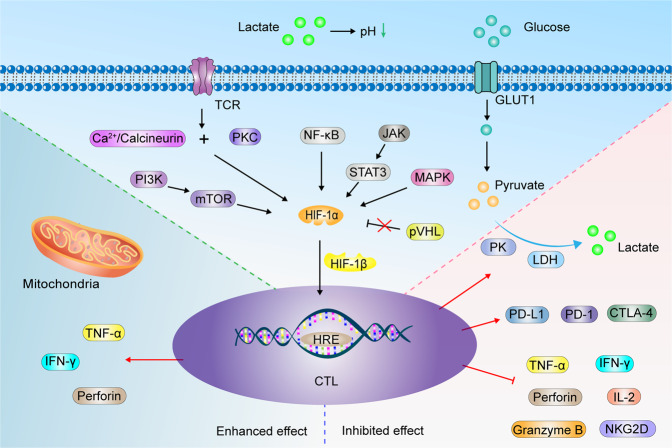
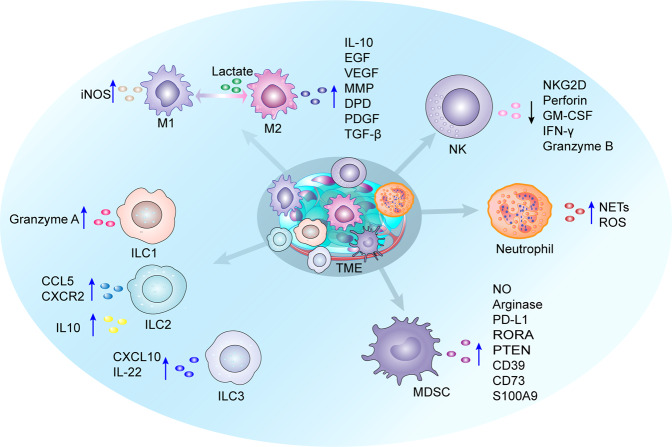
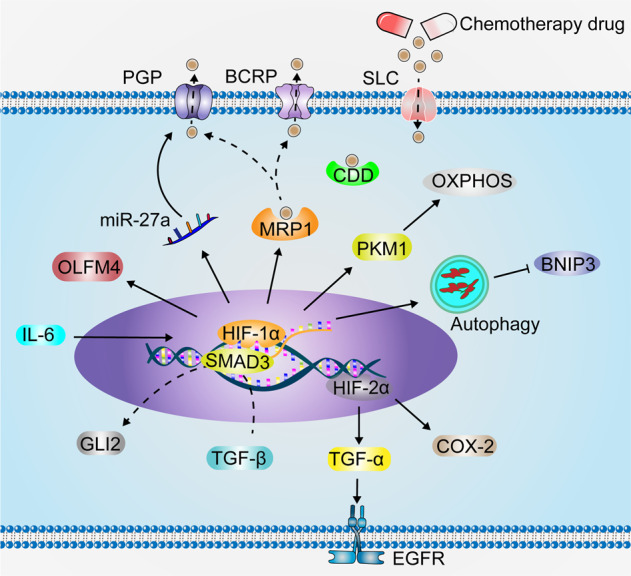
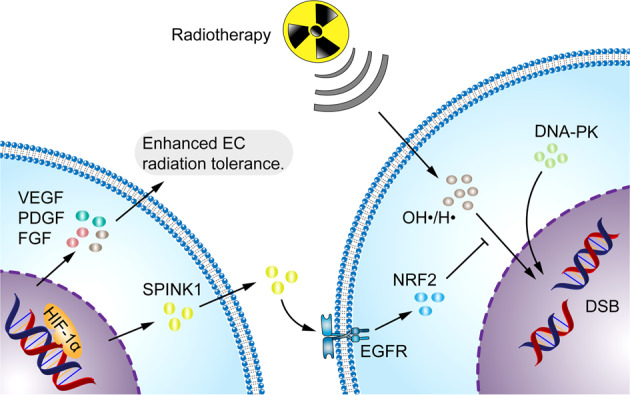
Having a hypoxic microenvironment is a common and salient feature of most solid tumors. Hypoxia has a profound effect on the biological behavior and malignant phenotype of cancer cells, mediates the effects of cancer chemotherapy, radiotherapy, and immunotherapy through complex mechanisms, and is closely associated with poor prognosis in various cancer patients. Accumulating studies have demonstrated that through normalization of the tumor vasculature, nanoparticle carriers and biocarriers can effectively increase the oxygen concentration in the tumor microenvironment, improve drug delivery and the efficacy of radiotherapy. They also increase infiltration of innate and adaptive anti-tumor immune cells to enhance the efficacy of immunotherapy. Furthermore, drugs targeting key genes associated with hypoxia, including hypoxia tracers, hypoxia-activated prodrugs, and drugs targeting hypoxia-inducible factors and downstream targets, can be used for visualization and quantitative analysis of tumor hypoxia and antitumor activity. However, the relationship between hypoxia and cancer is an area of research that requires further exploration. Here, we investigated the potential factors in the development of hypoxia in cancer, changes in signaling pathways that occur in cancer cells to adapt to hypoxic environments, the mechanisms of hypoxia-induced cancer immune tolerance, chemotherapeutic tolerance, and enhanced radiation tolerance, as well as the insights and applications of hypoxia in cancer therapy.
Overview
The claims and statistics of this paper haven’t been checked yet.
Free: it reads the open-access text and checks the first 5 claims that cite a source we can check. Create a free account to check every claim.
Integrity signals
Registry
Cites
Statistics
Figures
Verification
Claims the paper makes
The claims and statistics of this paper haven’t been checked yet.
Free: it reads the open-access text and checks the first 5 claims that cite a source we can check. Create a free account to check every claim.
Claims other papers make about this one
Each is checked against this paper’s own text: does it say what the citing paper says it does?
The source backs part of the claim, not all of it — or backs it for a different population, condition or comparison.
In the citing paper
“Solid tumors and their metastases typically manifest regions of hypoxia due to the rapid proliferation of tumor cells that frequently outstrips their oxygen supply, coupled with irregular and dysfunctional tumor vasculature [2].”
From The HIF Axes in Cancer - Angiogenesis, Metabolism and Immune-Modulation (2025) · cites this paper as [2]
Experimental — accuracy not yet measuredThe source backs part of the claim, not all of it — or backs it for a different population, condition or comparison.
In the citing paper
“Furthermore, hypoxia promotes self-renewal by activation of Wnt and Notch signaling pathways and embryonic stem cell transcription factors, and it modulates differentiation of tumor cells and tumor-associated stromal cells [86,87,88].”
From Mechanisms and Strategies to Overcome Drug Resistance in Colorectal Cancer (2025) · cites this paper as [86]
Experimental — accuracy not yet measuredThe source backs part of the claim, not all of it — or backs it for a different population, condition or comparison.
In the citing paper
“Hypoxia-inducible factors form the core regulatory axis governing cellular responses to hypoxic and oxidative stress, integrating redox signals with metabolic, vascular, and immune responses through genome-wide transcriptional reprogramming [[216], [217], [218], [219]].”
From HIF inhibition: Current strategies and clinical challenges (2026) · cites this paper as [218]
Experimental — accuracy not yet measuredThe cited source says what the claim attributes to it.
In the citing paper
“HIF-associated changes are major contributory factors to the unique tumor microenvironment (TME) that favors tumor growth and drives resistance to therapy [2].”
From The HIF Axes in Cancer - Angiogenesis, Metabolism and Immune-Modulation (2025) · cites this paper as [2]
The cited source says what the claim attributes to it.
In the citing paper
“For example, TAMs accumulate in hypoxic areas and the TME through HIF-1α activation, promoting TAM adaptation to hypoxia [2, 72].”
From The HIF Axes in Cancer - Angiogenesis, Metabolism and Immune-Modulation (2025) · cites this paper as [2]
Self-check
Percentages, sums and reported differences re-computed from the paper’s own numbers.
The self-check needs the paper’s full text.
Citations
Cites
1 retracted
Xu, Y., Lu, J., Tang, Y., Xie, W., Zhang, H., Wang, B., Zhang, S., Hou, W., Zou, C., Jiang, P., et al. (2021) · Cancer Letters · doi:10.1016/j.canlet.2021.12.032 · Cited by 34
RetractedTakahashi, K., & Yamanaka, S. (2006) · Cell · doi:10.1016/j.cell.2006.07.024 · Cited by 26,673
Siegel, R. L., Miller, K. D., Fuchs, H. E., & Jemal, A. (2022) · CA: A Cancer Journal for Clinicians · doi:10.3322/caac.21708 · Cited by 17,196
Understanding the Warburg Effect: The Metabolic Requirements of Cell Proliferation
Vander Heiden, M. G., Cantley, L. C., & Thompson, C. B. (2009) · Science · doi:10.1126/science.1160809 · Cited by 16,197
Warburg, O. (1956) · Science · doi:10.1126/science.123.3191.309 · Cited by 13,425 · cited 1×
“HYPOXIA AND CANCER CELL METABOLISM Hypoxia and glycolysis The majority of cancer cells increase glucose uptake and rely on glycolysis through a phenomenon known as the “Warburg effect”.(30,148,149) The “Warburg effect,” activated by MYC and HIF-1 in response to growth factors and hypoxia, is aerobic glycolysis Fig.”
BackgroundTumor angiogenesis: therapeutic implications
Sherwood, L. M., Parris, E. E., & Folkman, J. (1971) · New England Journal of Medicine · doi:10.1056/nejm197111182852108 · Cited by 10,187
Wang, G. L., Jiang, B. H., Rue, E. A., & Semenza, G. L. (1995) · Proceedings of the National Academy of Sciences · doi:10.1073/pnas.92.12.5510 · Cited by 6,212
Jaakkola, P., Mole, D. R., Tian, Y.-M., Wilson, M. I., Gielbert, J., Gaskell, S. J., Kriegsheim, A. V., Hebestreit, H. F., Mukherji, M., Schofield, C. J., et al. (2001) · Science · doi:10.1126/science.1059796 · Cited by 5,535
Normalization of Tumor Vasculature: An Emerging Concept in Antiangiogenic Therapy
Jain, R. K. (2005) · Science · doi:10.1126/science.1104819 · Cited by 5,527
The tumour suppressor protein VHL targets hypoxia-inducible factors for oxygen-dependent proteolysis
Maxwell, P. H., Wiesener, M. S., Chang, G.-W., Clifford, S. C., Vaux, E. C., Cockman, M. E., Wykoff, C. C., Pugh, C. W., Maher, E. R., & Ratcliffe, P. J. (1999) · Nature · doi:10.1038/20459 · Cited by 5,180
Cited by
Items 901–1,000 of 1,001
Tang, R., Juan, Z., Xing, F., Yi, Z., & Fu, Y. (2026) · Cellular Signalling · doi:10.1016/j.cellsig.2026.112452 · Cited by 3
Yang, L., Zhang, C., Zhang, Z., Yao, S., Shen, J., Zhang, Z., Xiao, Z., Wang, S., & Wu, Z. (2026) · Journal of Translational Medicine · doi:10.1186/s12967-026-07887-8 · Cited by 4
“…by products such as lactate, and dysregulated lipid metabolism—which not only exacerbate the metabolic stress experienced by adoptive immune cells but also induce functional exhaustion, senescence, or reduced survival, thereby severely limiting sustained and effective antitumor immunity [60, 61].”
Lan, F., Song, J., Chen, X., & (9093), Y. Z. (2026) · Molecular Immunology · doi:10.1016/j.molimm.2026.02.011 · Cited by 4
Seo, H. Y., Jung, H., Lee, S., Jung, H.-G., Cho, H., Son, Y.-M., Bak, Y., Hwang, S.-Y., Kim, J.-H., Park, I. H., et al. (2026) · Molecular Therapy — Nucleic Acids · doi:10.1016/j.omtn.2026.102886 · Cited by 3
Fluorinated polymeric nanoplatform relieves tumor hypoxia and enhances chemo-sonodynamic therapy
Lin, S., Yang, Z., Yu, B., Guanyu, J. I. N., Lv, L., Wang, L., Liu, L., Zhang, S., Xiang, S., Xiang, X., et al. (2026) · Acta Biomaterialia · doi:10.1016/j.actbio.2026.03.008 · Cited by 3
High viscosity microenvironment induces chemoresistance of cancer cells through upregulating P-gp
Zhou, G., Wu, C., & Zhang, W. (2026) · International Journal of Pharmaceutics · doi:10.1016/j.ijpharm.2026.126753 · Cited by 3
Polajžer, S., Lukanović, D., Škof, E., Kobal, B., & Černe, K. (2026) · Frontiers in Immunology · doi:10.3389/fimmu.2026.1757708 · Cited by 3
Functional segregation of HIF-1α and AhR controls NK cell responsiveness under hypoxia
Giorgetta, S., Cortopassi, F., Chanis, T., Ni, J., Correia, M. P., Sticht, C., Ast, V., Platten, M., Cerwenka, A., & Stojanovic, A. (2026) · iScience · doi:10.1016/j.isci.2026.115492 · Cited by 4
“13,66,110 The depletion of tryptophan and accumulation of kynurenine were reported as detrimental for T cells, favoring the differentiation of regulatory phenotypes.”
Wang, Q., Liu, Z., & Jin, K. (2026) · International Journal of Nanomedicine · doi:10.2147/ijn.s581940 · Cited by 4
“86 All these TME barriers contribute to the development of multidrug resistance (MDR), ie., restricted therapeutic penetration and facilitated efflux of internalised drugs, highlighting the importance of TME-responsive delivery systems that can break down the ECM or react to low pH and hypoxia to…”
The metabolic profiles of cancer stem cells
Tylichová, Z., Vojtěšek, B., & Coates, P. J. (2026) · Stem Cell Research & Therapy · doi:10.1186/s13287-026-05014-4 · Cited by 4
“Hypoxia stabilizes transcription factors HIF-1α and HIF-2α and rewires metabolism to favor CSC maintenance and therapy resistance by promoting self-renewal, EMT, DNA repair and stemness-associated pathways such as Notch, Hedgehog, and Wnt/β-catenin [271].”
Zhang, B., Guo, S., Tang, L., Chen, Y., Glandorf, L., Jessen, E., Chang, X., Jin, T., Reiss, M., Lyu, S., et al. (2026) · Nature Communications · doi:10.1038/s41467-026-71746-9 · Cited by 3
“The observed increase in median VAF is indicative of enhanced angiogenesis and vessel proliferation, likely driven by the tumor ’ s metabolic demands and the resulting hypoxic microenvironment 46,47 .”
Self-citationChang, P., Tian, K., Yang, X., Chen, D., Wang, C., Li, K., Chen, D., Feng, Y., Zeng, Y., Zhan, Y., et al. (2026) · Journal of Nanobiotechnology · doi:10.1186/s12951-026-04436-9 · Cited by 3
“The upregulation of key factors like hypoxia-inducible factor-1α (HIF-1α) further reinforces this immunosuppressive state, leading to the rapid exhaustion of T cells even after they have been activated by ipilimumab [16].”
Hypoxia‐Inducible Factors as Guardians of Cancer Stem Cell Fate: Implications for Novel Therapies
Abuhassan, Q., Al‐Ameer, H. J., Ahmed, H. M., Rizaev, J. A., Togaev, A., Salih, R. M., & Adil, M. (2026) · IUBMB Life · doi:10.1002/iub.70092 · Cited by 3
“In addition, glycolysis predominates over mitochondrial oxidative phosphorylation to meet energy demands in hypoxic TME [16].”
An inhalable microbe-oncolytic virus consortium for lung cancer treatment
Ling, H., Yang, S., Shi, X., Cheng, Z., Wang, W., Niu, M., Liu, F., Sun, J., & Sun, M. (2026) · Cell Reports Medicine · doi:10.1016/j.xcrm.2026.102771 · Cited by 4
“24 25–28 Specifically, the nitrogen-sensing apparatus of this strain directed active chemotactic accumulation toward metabolite-rich regions.”
Progranulin and Inflammation‐Induced Cancer: An Important Player in the Tumor Microenvironment?
Insinga, G., Tomassetti, C., Satasiya, V., Gimigliano, F., Giordano, A., Giurisato, E., & Morrione, A. (2026) · Journal of Cellular Physiology · doi:10.1002/jcp.70188 · Cited by 3
Morgera, V., Feola, A., Romano, A., Napoli, M. V., Gabrielli, A., Avvedimento, V. E., Porcellini, A., & Pezone, A. (2026) · Experimental Hematology and Oncology · doi:10.1186/s40164-026-00779-z · Cited by 3
“Hypoxia, a common feature of solid tumors, stabilizes hypoxia-inducible factor 1α (HIF-1α) and promotes metabolic reprogramming; depending on context, hypoxia can modulate S-phase progression, redox balance, and replication stress burden, thereby altering the efficacy of DDRi [123, 124].”
Chinopoulos, C. (2026) · Redox Biology · doi:10.1016/j.redox.2026.104224 · Cited by 3
“…fails to match oxygen consumption, a supply-demand imbalance compounded by structurally and functionally abnormal tumor vasculature, leading to pronounced spatial and temporal heterogeneity, including chronic diffusion limitation and intermittent perfusion limitation [15], [16], [17], [18].”
T-cell mechanobiology: How molecular forces shape immune function
Zubia-Aranburu, J., Zhang, L. L., & Dong, M. (2026) · The Journal of Cell Biology · doi:10.1083/jcb.202601058 · Cited by 3
Hidalgo-Filho, C. M., Santo, V., Gariazzo, E., Aldea, M. D., Pecci, F., Danlos, F., Junior, G. D. C., & Ricciuti, B. (2026) · Journal of Clinical Oncology · doi:10.1200/jco-25-03026 · Cited by 5
Microbial reprogramming of the gut-liver nexus in MASLD: Lessons from Akkermansia muciniphila
Liu, Y., Targher, G., Byrne, C. D., Jiang, C., Tan, Z., Tilg, H., Yu, J., He, Z., Yin, Y., Zheng, M., et al. (2026) · Cell Press Blue · doi:10.1016/j.cpblue.2026.100031 · Cited by 3
Moskal, P. (2026) · Bio-Algorithms and Med-Systems · doi:10.5604/01.3001.0055.7461 · Cited by 3
“Calculations were performed using formulas 21,22,23,24,25,26, as well as 1,2,3,4,5,12 and 17.”
Single Molecule Eu2+/3+ Complex Platform for Optical and Magnetic Resonance Imaging In Vivo
Rodgers, C. B., Deal, M. P., Garman, L. C., Guzei, I. A., Allen, M. J., & Boros, E. (2026) · Journal of the American Chemical Society · doi:10.1021/jacs.6c08257 · Cited by 3
Hwang, J.-E., Park, J., Kim, H., Li, S., & Im, H. (2026) · Journal of Hematology & Oncology · doi:10.1186/s13045-026-01811-9 · Cited by 4
Enzyme-based nanomedicine for tumor microenvironment modulation in cancer therapy
Ta, Y. N., Wang, S.-N., & Chen, Y. (2026) · Journal of Controlled Release · doi:10.1016/j.jconrel.2026.115101 · Cited by 3
An, K., Li, Y. F., Cao, C., Wang, M., Jia, X., Jin, G., Cheng, B., Jia, Y., Wang, L., Guo, H., et al. (2026) · Neoplasia · doi:10.1016/j.neo.2026.101328 · Cited by 3
“As hallmark of solid tumors, hypoxia provides a valuable trigger for such selectivity[13].”
Swain, K., Maity, A., & Pattnaik, S. (2026) · International Journal of Pharmaceutics · doi:10.1016/j.ijpharm.2026.127139 · Cited by 4
Radiotherapy and immunotherapy in cancer treatment: mechanisms of clinical synergy
Lu, L., & Deng, L. (2026) · Journal of Clinical Investigation · doi:10.1172/jci207550 · Cited by 3
“CFRT regimens result in severe radiation-induced lymphopenia due to eradication of newly primed CD8 + T cells as they egress from lymphoid organs, fundamentally compromising systemic antitumor immunity (4, 79, 163, 185).”
Son, T. H., Kim, S., Shin, H.-L., Kim, D., Kim, H. G., Choi, Y., & Choi, S. (2024) · Molecules · doi:10.3390/molecules29102218 · Cited by 3
“Hypoxia, defined as a decrease in oxygen levels, is a common and significant feature observed in most solid tumors [27].”
BackgroundRay, S. K., & Mukherjee, S. (2024) · Current Molecular Medicine · doi:10.2174/0115665240303179240427071748 · Cited by 3
Jia, X., Shen, D., Deng, J., Wang, K., Wang, X., Guo, Y., Sun, L., Jin, H., Xia, Q., Feng, H., et al. (2024) · Analytica Chimica Acta · doi:10.1016/j.aca.2024.342916 · Cited by 3
Ostapowicz, J., Ostrowska, K., Golusiński, W., Kulcenty, K. I., & Suchorska, W. M. (2024) · Advances in Medical Sciences · doi:10.1016/j.advms.2024.07.007 · Cited by 3
Marsh, J. W., Hacker, L., Huang, S., Boulet, M. H. C., White, J. R. G., Martin, L. A. W., Yeomans, M. A., Han, H., Díez‐Pérez, I., Musgrave, R. A., et al. (2024) · Dalton Transactions · doi:10.1039/d4dt02173h · Cited by 3
ISMRM Clinical Focus Meeting 2023: “Imaging the Fire in the Brain”
Agarwal, N., Fan, A. P., Huang, X., Dehkharghani, S., & van der Kolk, A. G. (2024) · Journal of Magnetic Resonance Imaging · doi:10.1002/jmri.29587 · Cited by 3
“62 Additionally, the TME triggers the process of tumor angiogenesis.”
Wang, Y., Ouyang, Y. Q., Cao, X., & Cai, Q. (2024) · Discover Oncology · doi:10.1007/s12672-024-01328-y · Cited by 3
“Hypoxia can confer radioresistance through cellular and tumor micro-environment adaptations [29].”
BackgroundTumor Hypoxia and Radioresistance
Morović, S. (2024) · Radiološki vjesnik · doi:10.55378/rv.48.2.6 · Cited by 3
“Many clinical trials lack adequate data to fully assess the safety and effectiveness of the drugs being tested [24].”
Pisanu, L., Mucaj, K., Conio, V., Bertuccio, F. R., Giana, I., Arlando, L., Russo, M., Montini, S., Bortolotto, C., Corsico, A. G., et al. (2024) · Frontiers in Oncology · doi:10.3389/fonc.2024.1480777 · Cited by 3
Artificial blood—hope and the challenges to combat tumor hypoxia for anti-cancer therapy
Sharma, R., Kashyap, M., Zayed, H., Krishnia, L., & Kashyap, M. K. (2024) · Medical & Biological Engineering & Computing · doi:10.1007/s11517-024-03233-6 · Cited by 3
Zhu, S., Chen, C., Wang, M., Liu, Y., Li, B., Qi, X., Song, M., Liu, X., Feng, J., & Liu, J. (2024) · Scientific Reports · doi:10.1038/s41598-024-83022-1 · Cited by 3
Correlation analysis of DLG5 and PD-L1 expression in triple-negative breast cancer
Che, J., Chen, B., Wang, X., Liu, B., Xu, C., Wang, H., Sun, J., Feng, Q., Zhao, X., & Song, Z. (2025) · BMC Cancer · doi:10.1186/s12885-025-13428-1 · Cited by 3
Hu, Y. (2025) · CytoJournal · doi:10.25259/cytojournal_117_2024 · Cited by 3
“[10,11] Other studies have revealed that hypoxia is predominantly involved in biological processes, such as cell proliferation and metabolism, glycolysis, and immune response, as well as tumorigenesis and metastasis.”
Akkuş, E., Yekedüz, E., & Ürün, Y. (2025) · Clinical Genitourinary Cancer · doi:10.1016/j.clgc.2025.102314 · Cited by 3
Otero, J. G., Belmonte-Beitia, J., & Jiménez-Sánchez, J. (2025) · Computers in Biology and Medicine · doi:10.1016/j.compbiomed.2025.109782 · Cited by 5
Exploring biochemical considerations for diffusive alpha radiation therapy (DaRT) models
Dukakis, P., Bosque, J. J., & Bertolet, A. (2025) · Physica Medica · doi:10.1016/j.ejmp.2025.104947 · Cited by 3
Ge, J., Qi, H., Zhao, L., Cao, X., Chen, C., Zhang, R., Afshari, M. J., Gao, Y. L., Sun, C., Chen, L., et al. (2025) · Advanced Healthcare Materials · doi:10.1002/adhm.202404914 · Cited by 3
Islam, S., & Mukherjee, C. (2025) · Biochimica et Biophysica Acta (BBA) - Gene Regulatory Mechanisms · doi:10.1016/j.bbagrm.2025.195087 · Cited by 4
Radzevičiūtė-Valčiukė, E., Mickevičiūtė, E., Želvys, A., Lekešytė, B., Malakauskaitė, P., Gečaitė, J., Malyško-Ptašinskė, V., German, N., Žalnėravičius, R., Kašėta, V., et al. (2025) · Bioelectrochemistry · doi:10.1016/j.bioelechem.2025.108999 · Cited by 3
Zhong, P., Zhao, Y., Cui, H., Cheng, G., Xia, L., Tian, Z., Liu, W., Wu, J., Yu, J., Peng, X., et al. (2025) · Chemical Engineering Journal · doi:10.1016/j.cej.2025.163368 · Cited by 3
The role of tumor microenvironment in lenvatinib resistance of hepatocellular carcinoma
Jiang, Y., Huang, Y., Hu, X., Chen, R., Chen, R., & Xu, X. (2025) · Clinics and Research in Hepatology and Gastroenterology · doi:10.1016/j.clinre.2025.102642 · Cited by 3
Impact of the Microbiome on Onset and Prognosis of Oropharyngeal Squamous Cell Carcinoma
Zaidi, S. E., Hans, S., Colombier, M., Contrera, K. J., Farfour, É., Rigal, T., & Baudouin, R. (2025) · Head & Neck · doi:10.1002/hed.70002 · Cited by 3
Osteoclasts in osteoradionecrosis: Pathogenic mechanisms and emerging therapies
Li, F., Liu, X., Vandevelde, A.-L., Gao, Y., Dessel, J. V., Sun, Y. Z., & Willaert, R. (2025) · Bone · doi:10.1016/j.bone.2025.117605 · Cited by 4
Mušković, M., Lončarić, M., Ratkaj, I., & Malatesti, N. (2025) · Antioxidants · doi:10.3390/antiox14080992 · Cited by 3
“The HIF-1 α protein is its subunit; in hypoxia, this becomes stable and is expressed throughout the body, and there are several clinical trials in different phases with drugs that target the HIF-1 α pathway for cancer therapy [3].”
InfluentialOh, H., Kim, J., Lee, S., Shim, J., Yun, W., & Jin, S. (2025) · Advanced Healthcare Materials · doi:10.1002/adhm.202502418 · Cited by 3
Lu, Y., Xu, Z., Zhang, H., Yang, Z., Jin, S., Ma, M.-Y., Guo, W., Wang, Z., Wang, D., Ji, C., et al. (2025) · ACS Applied Materials & Interfaces · doi:10.1021/acsami.5c17647 · Cited by 4
Gopireddy, R. R., Bhattacharya, D., Sen, S., Schwartz, M. A., Friedman, S. L., Yu, R. C., Takeuchi, T., & Schwimmer, L. J. (2026) · Molecular Pharmacology · doi:10.1016/j.molpha.2026.100102 · Cited by 4
Liu, Y., Qi, L., Ye, B., Wang, A., Lu, J., Qu, L., Luo, P., Wang, L., & Jiang, A. (2024) · Cancer Biology & Therapy · doi:10.1080/15384047.2024.2345977 · Cited by 3
“…hypoxia pro-foundly influences the TIME, precipitating immune dysfunction and attenuating the efficacy of immunotherapies, particularly in ccRCC. 57 For instance, Liu et al. have shown that HIF1A significantly contributes to T-cell exhaustion in gliomas by upregulating immune checkpoint…”
Yang, D., Zhao, F., Zhou, Y., Zhang, Y., Shen, J., Yu, B., Zhao, K., & Ding, Y. (2024) · International Immunopharmacology · doi:10.1016/j.intimp.2024.112076 · Cited by 3
Tang, Z., Xu, Y. C., Wang, S., Huang, J., Liu, J., Ding, M., Sun, Y., Li, N., Li, H., Yan, L., et al. (2024) · Colloids and Surfaces B Biointerfaces · doi:10.1016/j.colsurfb.2024.114145 · Cited by 3
Zeng, S., Zhu, Y., Su, C., Jiang, Z., You, Y., Zhu, D., & Fan, Q. (2024) · Biomedical Chromatography · doi:10.1002/bmc.5981 · Cited by 3
Mokoala, K. M. G., & Sathekge, M. M. (2024) · Seminars in Nuclear Medicine · doi:10.1053/j.semnuclmed.2024.10.001 · Cited by 3
Dzhalilova, D. S., Maiak, M. A., Kosyreva, A. M., Silina, M. V., Tsvetkov, I. S., & Makarova, O. V. (2024) · Bulletin of Experimental Biology and Medicine · doi:10.1007/s10517-024-06301-x · Cited by 3
“Thus, hypoxia can be considered as a factor of poor pro gnosis that promotes tumor progression by increasing metastatic potential and aggressiveness of the tumor and formation of tumor resistance to therapy [5].”
Zhao, X., Zhang, Y., Zhu, C., Yang, Z., & Chu, X. (2024) · SLAS TECHNOLOGY · doi:10.1016/j.slast.2024.100229 · Cited by 3
Zhao, F. (2024) · American Journal of Cancer Research · doi:10.62347/aiwp6518 · Cited by 3
Hosny, N., Shen, K., Zhao, Y., Qu, J., Sun, Y. Y., Butler, G., Amend, S. R., Hammarlund, E. U., Gatenby, R. A., Brown, J. S., et al. (2025) · iScience · doi:10.1016/j.isci.2025.112325 · Cited by 3
Functional Role of NOXA in Hypoxia-Mediated PD-L1 Inhibitor Response in Hepatocellular Carcinoma
Huang, M., Lan, T., Chen, X., Chen, R., Ding, X., Tai, W., Wong, S. C. C., & Chan, L. (2025) · International Journal of Molecular Sciences · doi:10.3390/ijms26104766 · Cited by 4
“Many studies have reported that hypoxia increases the expression of the immune checkpoint PD-L1 on the surface of tumor cells, enabling them to enhance immune evasion [14].”
Hu, Y., Zhu, Y., Tang, G., Shan, M., Tan, P., Yi, Y., Zhang, X., Liu, M., Li, X., Wu, L., et al. (2025) · Advanced Science · doi:10.1002/advs.202410745 · Cited by 4
Unveiling the diverse roles of azo groups in the performance of small molecule probes: A review
Ghosh, A., Guria, S., & Adhikary, A. (2025) · Coordination chemistry research. · doi:10.1016/j.cocr.2025.100009 · Cited by 3
Self-organization of tumor heterogeneity and plasticityPreprint
Gonzalez, C. P., Brückner, D. B., Di‐Luoffo, M., Richon, S., Goswami, R., Baghdadi, M. B., Piastra-Facon, F., Felsenthal, N., Bouras, R., Fumagalli, A., et al. (2025) · bioRxiv (Cold Spring Harbor Laboratory) · doi:10.1101/2025.10.09.681487 · Cited by 3
“These observations are particularly striking, as tumor radial patterning has traditionally been attributed to the limited diffusion of microenvironmental growth factors, nutrients and oxygen from edge to center ( 24 , 25 ) .”
dos Santos, M. P. S., Bernardo, R. M. C., Vidal, J. V., Moreira, A., Torres, D. F. M., Herdeiro, C., Santos, H. A., & Gonçalves, G. (2024) · Computers in Biology and Medicine · doi:10.1016/j.compbiomed.2024.108961 · Cited by 4
Bochkarev, L. N., Parshina, Y. P., Komarova, A. D., Baber, P. O., Kovylina, T. A., Konev, A. N., Mozherov, A. M., Shcheslavskiy, V. I., & Shirmanova, M. V. (2024) · Journal of Organometallic Chemistry · doi:10.1016/j.jorganchem.2024.123349 · Cited by 2
Wang, Y. Y., Zhang, J. Y., Zhu, X. L., Liu, Y., & Wu, X. (2024) · Molecular Biology · doi:10.1134/s0026893324060104 · Cited by 2
Mahmoudian-Hamedani, S., Shahreza, M. L., & Nikpour, P. (2024) · Biochemistry and Biophysics Reports · doi:10.1016/j.bbrep.2024.101897 · Cited by 2
“Furthermore, the hypoxic signaling pathways interact with other cellular pathways to modify the malignant behavior of cancer cells including the proliferation, migration, invasion, and angiogenesis and significantly influences the treatment outcomes of cancer [53,54].”
“Friends or foes”: a new perspective of tumour metabolic transcriptional modification
Shi, T., Geng, Q., Wang, Z., Wen, C., Xu, J., Jiao, Y., Diao, W., Gu, J., Deng, T., Xiao, C., et al. (2025) · Cell Death and Disease · doi:10.1038/s41419-025-07429-y · Cited by 2
Therapeutic Applications of Nanodroplets in Ultrasound: In Vitro and in Vivo Perspectives
Wang, L., Liu, Z., Lai, Y., Tao, W., Zhou, X., & Yuan, L. (2025) · ACS Applied Nano Materials · doi:10.1021/acsanm.4c07130 · Cited by 2
Khakshour, E., Shahram, M. A., Chaman, R., Shoorei, H., Samami, E., Welsh, J. S., Dhawan, G., Javadinia, S. A., & Azimian, H. (2025) · Journal of Radiation Research and Applied Sciences · doi:10.1016/j.jrras.2025.101450 · Cited by 6
Arefnezhd, R., Chahardehi, A. M., Asadi, A., Shadravan, M. M., Shariati, A., Rezaee, A., Radmanesh, M., Nazarian, M., Helfi, M., Meigoli, M. S. S., et al. (2025) · Brain Tumor Pathology · doi:10.1007/s10014-025-00501-7 · Cited by 2
Ding, X., Liu, C., Li, X., Wang, Z., Wu, Y., Song, Y., Yu, W., & Wu, S. (2025) · Scientific Reports · doi:10.1038/s41598-025-99889-7 · Cited by 2
“…actionable therapeutic vulnerabilities that can be exploited through checkpoint inhibitor co-administration to synergize with cytotoxic therapies 26,27 propagated inflammation elevates pro-inflammatory mediators including IL-6 and TNF-α, which exhibit dualistic roles: while fostering…”
Harnessing R-loop dynamics: Challenging cancer therapy resistance
Giaquinto, M., Framarini, A., Parlante, A., & Schoeftner, S. (2025) · DNA repair · doi:10.1016/j.dnarep.2025.103859 · Cited by 4
Zhang, X., Xu, D.-Z., Zhao, W., Han, X.-Y., Lu, Z., & Liu, R. (2025) · Angewandte Chemie · doi:10.1002/ange.202505041 · Cited by 2
Metabolic Targeting in Cancer Therapy: Strategies, Challenges, and Personalized Approaches
Pal, S., Adhikary, S., Anjum, S., Chatterjee, S., & Ansari, K. M. (2025) · Springer eBooks · doi:10.1007/978-981-96-7336-0_12 · Cited by 2
Wu, Y., Zhang, X., Li, H., Liu, X., & Li, J. (2025) · Molecular Diversity · doi:10.1007/s11030-025-11264-w · Cited by 2
Luigi‐Sierra, M. G., Lyngby, J. G.-H., Ingerslev, A.-S., Jacobsen, J. M., Nielsen, L. N., & Cirera, S. (2025) · Scientific Reports · doi:10.1038/s41598-025-06657-8 · Cited by 2
“For instance, neoplastic cells alter their microenvironment to support cancer cell proliferation, leading to changes in pH, hypoxia, and nutrient availability, these alterations affect cell metabolism, nucleic acids (DNA and RNA), and gene expression 26,27 .”
Alves, E., Gurupadayya, B., & Prabhakaran, P. (2025) · Clinical Cancer Drugs · doi:10.2174/012212697x375313250623163944 · Cited by 2
Potential functions of TRPM2 and TRPM7 channels in the tumor microenvironment
Izaguirre-Hernández, I. Y., & Sumoza‐Toledo, A. (2025) · Journal of Leukocyte Biology · doi:10.1093/jleuko/qiaf098 · Cited by 2
Zhang, Z., Yu, G., Hou, Q., Amirrad, F., Webster, S., Nauli, S. M., Yu, J., Yaghmai, V., Eresen, A., & Zhang, Z. (2025) · Cancers · doi:10.3390/cancers17152477 · Cited by 2
“Hy-poxic regions resist chemotherapy and radiation due to poor vascularization and altered metabolism, promoting resistance through mechanisms including upregulation of hypoxia-inducible factors [6].”
Oxygen-Generating Metal Peroxide Particles for Cancer Therapy, Diagnosis, and Theranostics
Memić, A., & Abdullah, T. (2025) · Future Pharmacology · doi:10.3390/futurepharmacol5030041 · Cited by 2
Fang, Z., Liao, S., Wang, Z., Li, J., Wang, L., Zhang, Y., Guo, Y., & Yao, F. (2025) · Translational Cancer Research · doi:10.21037/tcr-2025-1115 · Cited by 2
“Oxygen homeostasis is critical for the survival and development of tissue cells and even whole organisms (5,6).”
Gong, J., Wang, Q., Wang, R., Chen, J., Gao, J., Du, J., & Li, J. (2025) · Nanoscale Advances · doi:10.1039/d5na00270b · Cited by 2
Regulation of PD-L1 Expression by SAHA-Mediated Histone Deacetylase Inhibition in Lung Cancer Cells
Natarajan, U., & Rathinavelu, A. (2025) · Cancers · doi:10.3390/cancers17172919 · Cited by 2
Hou, L., Zhang, J., Ran, Q., Li, Z., & Chen, M. (2025) · International Journal of Laboratory Hematology · doi:10.1111/ijlh.70009 · Cited by 2
Terrassoux, L., Hazard, C., Laratte, A., Balsamelli, J., Arcicasa, M., Fong, E. L. S., Baland, L., Soncin, F., Cappello, G., Maurage, C., et al. (2025) · Small · doi:10.1002/smll.202505343 · Cited by 3
McCaslin, L., Lagies, S., Mohl, D. A., Plattner, D. A., Jäger, M., Nöthling, C., Huber, M. C., Juhasz‐Böss, I., Kammerer, B., & Backhaus, C. (2025) · International Journal of Molecular Sciences · doi:10.3390/ijms26199573 · Cited by 2
“As rapidly proliferating cancer cells outstrip their oxygen supply, hypoxia becomes more pronounced, exacerbated by defective tumor vasculature [23,24].”
Xiao, L., Zhang, Z., Li, T., Jiang, Y., Liu, Y., Wang, J., & Tang, W. (2025) · Human Mutation · doi:10.1155/humu/8856239 · Cited by 2
Talib, E. A., Mahdi, K. A., Hammood, E. F., & Talib, G. A. (2025) · International Journal of Medical Science and Dental Health · doi:10.55640/ijmsdh-11-10-08 · Cited by 2
Mechanisms of Resistance to Chemotherapy in Hypopharyngeal Carcinoma
Lu, Z. P., Qiang, Z., Lei, W., & Cai, Z. (2025) · Biomedicines · doi:10.3390/biomedicines13102485 · Cited by 2
Zhou, M., Zhu, J., Zhang, D., Dou, J., Chen, W., Zhang, Y., Gao, X., Zhang, J., Liang, P., & Yu, J. (2025) · Advanced Healthcare Materials · doi:10.1002/adhm.202503568 · Cited by 2
Tostes, K., Dias, T. C., Rebolho, G. K., Cardoso, I. F. R., Batagelo, G. P., da Silva, F. A. F., Siqueira, A. P., dos Santos, A. L. P., Leal, L. F., & Arantes, L. M. R. B. (2025) · Translational Lung Cancer Research · doi:10.21037/tlcr-2025-179 · Cited by 2
Kim, J. H., Lim, M. C., Kim, E. T., Kim, U., Halder, S., Park, S., Harter, P., Bristow, R. E., Zang, R., Dennis, S., et al. (2025) · International Journal of Gynecological Cancer · doi:10.1016/j.ijgc.2025.102756 · Cited by 4
Zhang, C., Han, B., Li, Y., Wang, Y., Liu, M., Jiang, Z., Wu, W., Liu, X., Liu, Y., & Liu, M. (2025) · Frontiers in Pharmacology · doi:10.3389/fphar.2025.1648271 · Cited by 3
Li, N., Liu, L., Wang, X., & Hao, S. (2025) · Pharmacology · doi:10.1159/000549133 · Cited by 2
“Hypoxia also enhances VEGF-mediated angiogenesis via PI3K/Akt signaling, which is further amplified by PTEN loss or oxygen species (ROS) accumulation [76–78].”
Henrykowska, G., Bartusik-Aebisher, D., Dynarowicz, K., Ramesh, T. S., Smolak, B., & Aebisher, D. (2026) · Pharmaceuticals · doi:10.3390/ph19071041 · Cited by 1
“These adaptations allow tumor cells to survive under stress conditions and reduce their dependence on EGFR signaling [55].”
Metadata
- Authors
- Chen, Z., Han, F., Du, Y., Shi, H., & Zhou, W.
- Affiliations
- First Hospital of Lanzhou University (CN)
- Lanzhou University Second Hospital (CN)
- Corresponding author
- Zhou, Wence
- Venue
- Signal Transduction and Targeted Therapy
- Published
- 2023-02-17
- Volume
- 8
- Issue
- 1
- Pages
- 70-70
- ISSN
- 2059-3635 (ISSN-L)
- PMC
- PMC9935926
- OpenAlex
- W4321167021
- Cited by
- 1,612
- References
- 465
- Citations by year
- 2026: 574 · 2025: 662 · 2024: 326 · 2023: 48
- FWCI
- 50.88
- Type
- journal article
- Language
- en
- Open access
- gold
- doi.org
- Licence
- cc-by
- creativecommons.org/licenses/by/4.0 (tdm)
- creativecommons.org/licenses/by/4.0 (vor)
- Locations
- Signal Transduction and Targeted Therapy (publishedVersion, cc-by)
- PubMed Central (publishedVersion, cc-by)
- PubMed (publishedVersion)
- DOAJ (DOAJ: Directory of Open Access Journals) (submittedVersion, cc-by-sa)
- Funders
- Lanzhou University (ldyyyn2020-93)
- National Natural Science Foundation of China (82260555)
- Natural Science Foundation of Gansu Province (82260555, 22JR11RA033)
- Topics
- Life Sciences › Biochemistry, Genetics and Molecular Biology › Cancer Research › Cancer, Hypoxia, and Metabolism
- Life Sciences › Biochemistry, Genetics and Molecular Biology › Molecular Biology › Angiogenesis and VEGF in Cancer
- Health Sciences › Medicine › Oncology › Cancer Cells and Metastasis
- Keywords
- tumor hypoxia, tumor microenvironment, hypoxia-inducible factor, hypoxia signaling pathway, tumor vasculature normalization, nanoparticle drug delivery, hypoxia-activated prodrug, cancer immunotherapy, radiotherapy resistance, chemoresistance, tumor immune tolerance
- MeSH terms
- Hypoxia, Humans, Immunotherapy, Neoplasms, Radiation Tolerance, Cell Hypoxia, Tumor Microenvironment
About these checks
Registry, retraction, Cites and statistics results are computed, not judged, with one exception: a printed reference that no index lists is read once by a model before it counts as a citation error. Claims are extracted by a model and kept only when their quote appears verbatim in the text; each cited source is then checked, with a model’s help, for whether it says what the claim relies on. Those verdicts can be wrong — read the claim’s quote and the cited source before relying on one.
Statistics and arithmetic are recomputed, not judged.
Confidence bands are shown only for fields calibrated on our annotated test set. None is calibrated yet, so no band is shown.
What counts as a claim ›How we measure confidence ›How we check this ›
Are you an author, or do you see a problem with this page? Request a review
Data sources
Bibliographic data: Semantic Scholar, OpenAlex, Crossref.
Contains information from the Semantic Scholar Academic Graph Datasets, made available under the ODC Attribution License (ODC-BY 1.0).
Semantic Scholar’s data is described in: Kinney, R., et al. (2023). The Semantic Scholar Open Data Platform. arXiv:2301.10140.
