

Hypoxic microenvironment in cancer: molecular mechanisms and therapeutic interventions
Open accessThe DOI matches its Crossref record; 464 of the 465 references it cites were found in a registry or an index.
Abstract
Having a hypoxic microenvironment is a common and salient feature of most solid tumors. Hypoxia has a profound effect on the biological behavior and malignant phenotype of cancer cells, mediates the effects of cancer chemotherapy, radiotherapy, and immunotherapy through complex mechanisms, and is closely associated with poor prognosis in various cancer patients. Accumulating studies have demonstrated that through normalization of the tumor vasculature, nanoparticle carriers and biocarriers can effectively increase the oxygen concentration in the tumor microenvironment, improve drug delivery and the efficacy of radiotherapy. They also increase infiltration of innate and adaptive anti-tumor immune cells to enhance the efficacy of immunotherapy. Furthermore, drugs targeting key genes associated with hypoxia, including hypoxia tracers, hypoxia-activated prodrugs, and drugs targeting hypoxia-inducible factors and downstream targets, can be used for visualization and quantitative analysis of tumor hypoxia and antitumor activity. However, the relationship between hypoxia and cancer is an area of research that requires further exploration. Here, we investigated the potential factors in the development of hypoxia in cancer, changes in signaling pathways that occur in cancer cells to adapt to hypoxic environments, the mechanisms of hypoxia-induced cancer immune tolerance, chemotherapeutic tolerance, and enhanced radiation tolerance, as well as the insights and applications of hypoxia in cancer therapy.
Overview
The claims and statistics of this paper haven’t been checked yet.
Free: it reads the open-access text and checks the first 5 claims that cite a source we can check. Create a free account to check every claim.
Integrity signals
Registry
Cites
Statistics
Figures
Verification
Claims the paper makes
The claims and statistics of this paper haven’t been checked yet.
Free: it reads the open-access text and checks the first 5 claims that cite a source we can check. Create a free account to check every claim.
Claims other papers make about this one
Each is checked against this paper’s own text: does it say what the citing paper says it does?
The source backs part of the claim, not all of it — or backs it for a different population, condition or comparison.
In the citing paper
“Solid tumors and their metastases typically manifest regions of hypoxia due to the rapid proliferation of tumor cells that frequently outstrips their oxygen supply, coupled with irregular and dysfunctional tumor vasculature [2].”
From The HIF Axes in Cancer - Angiogenesis, Metabolism and Immune-Modulation (2025) · cites this paper as [2]
Experimental — accuracy not yet measuredThe source backs part of the claim, not all of it — or backs it for a different population, condition or comparison.
In the citing paper
“Furthermore, hypoxia promotes self-renewal by activation of Wnt and Notch signaling pathways and embryonic stem cell transcription factors, and it modulates differentiation of tumor cells and tumor-associated stromal cells [86,87,88].”
From Mechanisms and Strategies to Overcome Drug Resistance in Colorectal Cancer (2025) · cites this paper as [86]
Experimental — accuracy not yet measuredThe source backs part of the claim, not all of it — or backs it for a different population, condition or comparison.
In the citing paper
“Hypoxia-inducible factors form the core regulatory axis governing cellular responses to hypoxic and oxidative stress, integrating redox signals with metabolic, vascular, and immune responses through genome-wide transcriptional reprogramming [[216], [217], [218], [219]].”
From HIF inhibition: Current strategies and clinical challenges (2026) · cites this paper as [218]
Experimental — accuracy not yet measuredThe cited source says what the claim attributes to it.
In the citing paper
“HIF-associated changes are major contributory factors to the unique tumor microenvironment (TME) that favors tumor growth and drives resistance to therapy [2].”
From The HIF Axes in Cancer - Angiogenesis, Metabolism and Immune-Modulation (2025) · cites this paper as [2]
The cited source says what the claim attributes to it.
In the citing paper
“For example, TAMs accumulate in hypoxic areas and the TME through HIF-1α activation, promoting TAM adaptation to hypoxia [2, 72].”
From The HIF Axes in Cancer - Angiogenesis, Metabolism and Immune-Modulation (2025) · cites this paper as [2]
Self-check
Percentages, sums and reported differences re-computed from the paper’s own numbers.
The self-check needs the paper’s full text.
Citations
Cites
1 retracted
Xu, Y., Lu, J., Tang, Y., Xie, W., Zhang, H., Wang, B., Zhang, S., Hou, W., Zou, C., Jiang, P., et al. (2021) · Cancer Letters · doi:10.1016/j.canlet.2021.12.032 · Cited by 34
RetractedTakahashi, K., & Yamanaka, S. (2006) · Cell · doi:10.1016/j.cell.2006.07.024 · Cited by 26,673
Siegel, R. L., Miller, K. D., Fuchs, H. E., & Jemal, A. (2022) · CA: A Cancer Journal for Clinicians · doi:10.3322/caac.21708 · Cited by 17,196
Understanding the Warburg Effect: The Metabolic Requirements of Cell Proliferation
Vander Heiden, M. G., Cantley, L. C., & Thompson, C. B. (2009) · Science · doi:10.1126/science.1160809 · Cited by 16,197
Warburg, O. (1956) · Science · doi:10.1126/science.123.3191.309 · Cited by 13,425 · cited 1×
“HYPOXIA AND CANCER CELL METABOLISM Hypoxia and glycolysis The majority of cancer cells increase glucose uptake and rely on glycolysis through a phenomenon known as the “Warburg effect”.(30,148,149) The “Warburg effect,” activated by MYC and HIF-1 in response to growth factors and hypoxia, is aerobic glycolysis Fig.”
BackgroundTumor angiogenesis: therapeutic implications
Sherwood, L. M., Parris, E. E., & Folkman, J. (1971) · New England Journal of Medicine · doi:10.1056/nejm197111182852108 · Cited by 10,187
Wang, G. L., Jiang, B. H., Rue, E. A., & Semenza, G. L. (1995) · Proceedings of the National Academy of Sciences · doi:10.1073/pnas.92.12.5510 · Cited by 6,212
Jaakkola, P., Mole, D. R., Tian, Y.-M., Wilson, M. I., Gielbert, J., Gaskell, S. J., Kriegsheim, A. V., Hebestreit, H. F., Mukherji, M., Schofield, C. J., et al. (2001) · Science · doi:10.1126/science.1059796 · Cited by 5,535
Normalization of Tumor Vasculature: An Emerging Concept in Antiangiogenic Therapy
Jain, R. K. (2005) · Science · doi:10.1126/science.1104819 · Cited by 5,527
The tumour suppressor protein VHL targets hypoxia-inducible factors for oxygen-dependent proteolysis
Maxwell, P. H., Wiesener, M. S., Chang, G.-W., Clifford, S. C., Vaux, E. C., Cockman, M. E., Wykoff, C. C., Pugh, C. W., Maher, E. R., & Ratcliffe, P. J. (1999) · Nature · doi:10.1038/20459 · Cited by 5,180
Targeting Hypoxia-Inducible Factors for the Treatment of Anemia in Chronic Kidney Disease Patients
Locatelli, F., Fishbane, S., Block, G. A., & Macdougall, I. C. (2017) · American Journal of Nephrology · doi:10.1159/000455166 · Cited by 4,813
Metabolic regulation of gene expression by histone lactylation
Zhang, D., Tang, Z., Huang, H., Zhou, G., Cui, C., Weng, Y., Liu, W., Kim, S., Lee, S., Perez-Neut, M., et al. (2019) · Nature · doi:10.1038/s41586-019-1678-1 · Cited by 4,371
The Role of Tumoral FOXP3 on Cell Proliferation, Migration, and Invasion in Gastric Cancer
Zhang, L., Xu, J., Zhang, X., Zhang, Y., Wang, L., Huang, X., & Xu, Z. (2017) · Cellular Physiology and Biochemistry · doi:10.1159/000479442 · Cited by 4,088
Tumour-associated macrophages as treatment targets in oncology
Mantovani, A., Marchesi, F., Malesci, A., Laghi, L., & Allavena, P. (2017) · Nature Reviews Clinical Oncology · doi:10.1038/nrclinonc.2016.217 · Cited by 4,033
Kim, J.-W., Tchernyshyov, I., Semenza, G. L., & Dang, C. V. (2006) · Cell Metabolism · doi:10.1016/j.cmet.2006.02.002 · Cited by 3,905
Hypoxia-inducible factors in physiology and medicine
Semenza, G. L. (2012) · Cell · doi:10.1016/j.cell.2012.01.021 · Cited by 3,645 · cited 1×
“The main mediators of transcriptional hypoxic responses are HIF-1α and HIF-2α, which induce gene transcription, leading to hypoxic responses, and are involved in the regulation of carcinogenesis as well as stromal responses.(210) HIF-1α has important functional roles in both innate and adaptive immune cells, including…”
Background(1989) · PubMed · Cited by 3,343
Targeting hypoxia in cancer therapy
Wilson, W. R., & Hay, M. P. (2011) · Nature Reviews Cancer · doi:10.1038/nrc3064 · Cited by 3,172 · cited 1×
“Hypoxia in the TME provides a special environment for the effects of some drugs, called hypoxia-activated prodrugs (HAPs).(395) For instance, evofosfamide (TH-302) and tarloxotinib-effector inhibited cancer growth by suppressing signaling and cell proliferation in patient-derived cancer cells in vitro and in mouse xen…”
BackgroundThe prognostic landscape of genes and infiltrating immune cells across human cancers
Gentles, A. J., Newman, A. M., Liu, C. L., Bratman, S. V., Feng, W., Kim, D., Nair, V. S., Xu, Y., Khuong, A., Hoang, C. D., et al. (2015) · Nature Medicine · doi:10.1038/nm.3909 · Cited by 3,118
Functional Polarization of Tumour-Associated Macrophages by Tumour-Derived Lactic Acid
Colegio, O. R., Chu, N.-Q., Szabo, A. L., Chu, T., Rhebergen, A. M., Jairam, V., Cyrus, N., Brokowski, C. E., Eisenbarth, S. C., Phillips, G. M., et al. (2014) · Nature · doi:10.1038/nature13490 · Cited by 3,046
Identification of the von Hippel-Lindau Disease Tumor Suppressor Gene
Latif, F., Tory, K., Gnarra, J., Yao, M., Duh, F.-M., Orcutt, M. L., Stackhouse, T., Kuzmin, I., Modi, W., Geil, L., et al. (1993) · Science · doi:10.1126/science.8493574 · Cited by 2,973
CTLA-4 Control over Foxp3 + Regulatory T Cell Function
Wing, K., Onishi, Y., Prieto-Martin, P., Yamaguchi, T., Miyara, M., Fehervari, Z., Nomura, T., & Sakaguchi, S. (2008) · Science · doi:10.1126/science.1160062 · Cited by 2,956
Semenza, G. L., & Wang, G. L. (1992) · Molecular and Cellular Biology · doi:10.1128/mcb.12.12.5447 · Cited by 2,617
Deaglio, S., Dwyer, K. M., Gao, W., Friedman, D., Usheva, A., Erat, A., Chen, J.-F., Enjyoji, K., Linden, J., Oukka, M., et al. (2007) · The Journal of Experimental Medicine · doi:10.1084/jem.20062512 · Cited by 2,470
Sato, E., Olson, S. H., Ahn, J., Bundy, B., Nishikawa, H., Qian, F., Jungbluth, A. A., Frosina, D., Gnjatic, S., Ambrosone, C., et al. (2005) · Proceedings of the National Academy of Sciences · doi:10.1073/pnas.0509182102 · Cited by 2,372
Hypoxia-mediated selection of cells with diminished apoptotic potential in solid tumours
Graeber, T. G., Osmanian, C., Jacks, T., Housman, D. E., Koch, C. J., Lowe, S. W., & Giaccia, A. J. (1996) · Nature · doi:10.1038/379088a0 · Cited by 2,300 · cited 1×
“Hypoxia-exposed cancer cells are selective for the loss of p53 functions or increased expressions of the p53 negative regulator (MDM2), leading to increased resistance to apoptosis and increased metastasis.(124,125) Other experiments did not find correlation between hypoxia and p53.”
BackgroundHIF-1 mediates adaptation to hypoxia by actively downregulating mitochondrial oxygen consumption
Papandreou, I., Cairns, R. A., Fontana, L., Lim, A. L., & Denko, N. C. (2006) · Cell Metabolism · doi:10.1016/j.cmet.2006.01.012 · Cited by 2,267
Normalizing tumor vasculature with anti-angiogenic therapy: A new paradigm for combination therapy
Jain, R. K. (2001) · Nature Medicine · doi:10.1038/nm0901-987 · Cited by 2,184
Noman, M. Z., Desantis, G., Janji, B., Hasmim, M., Karray, S., Dessen, P., Bronte, V., & Chouaib, S. (2014) · Journal of Experimental Medicine · doi:10.1084/jem.20131916 · Cited by 2,166
Gray, L. H., Conger, A. D., Ebert, M., Hornsey, S., & Scott, O. C. A. (1953) · The British Journal of Radiology · doi:10.1259/0007-1285-26-312-638 · Cited by 2,158 · cited 1×
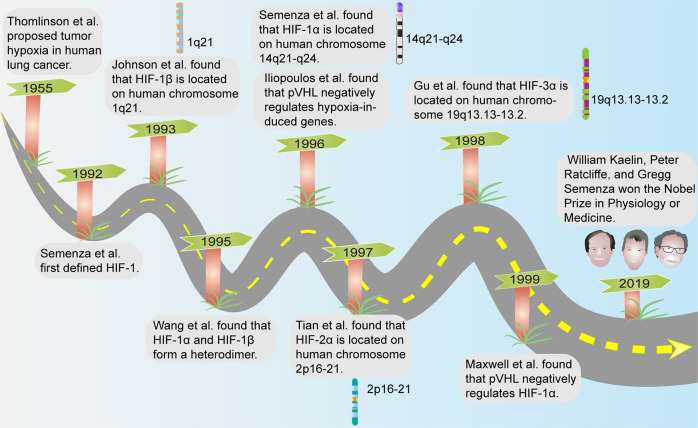
“found that well-oxygenated tumor cells responded trice as well to radiotherapy than hypoxic cells.(4) Tumor hypoxia was first proposed in 1955 by Thomlinson et al.”
BackgroundInnate Lymphoid Cells: 10 Years On
Vivier, E., Artis, D., Colonna, M., Diefenbach, A., Di Santo, J. P., Eberl, G., Koyasu, S., Locksley, R. M., McKenzie, A. N. J., Mebius, R. E., et al. (2018) · Cell · doi:10.1016/j.cell.2018.07.017 · Cited by 2,124
Oxygen sensing by HIF hydroxylases
Schofield, C. J., & Ratcliffe, P. J. (2004) · Nature Reviews Molecular Cell Biology · doi:10.1038/nrm1366 · Cited by 2,068 · cited 1×
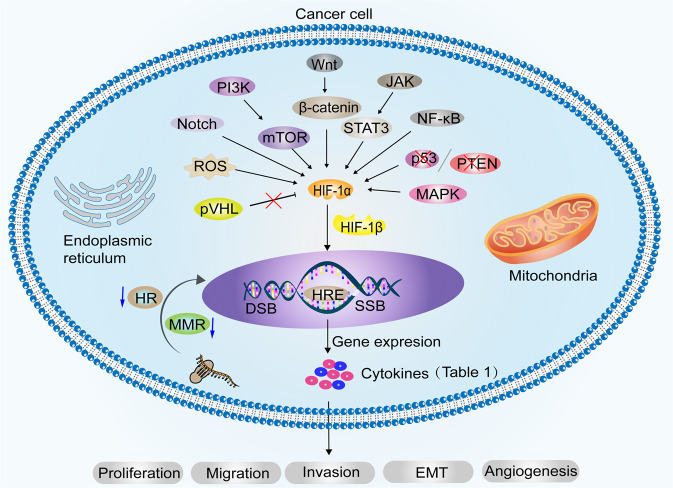
“The accumulated HIF-1α binds to HIF-1β and enters the nucleus to bind the hypoxia response element (HRE) in the promoter region of the target gene to reduce cellular oxygen consumption.(92,93) HIF-3α exerts the opposite effects in cancer cells by impairing angiogenesis, proliferation, and metabolism.”
BackgroundHIF-1α is essential for myeloid cell-mediated inflammation
Cramer, T., Yamanishi, Y., Clausen, B. E., Förster, I., Pawlinski, R., Mackman, N., Haase, V. H., Jaenisch, R., Corr, M., Nizet, V., et al. (2003) · Cell · doi:10.1016/s0092-8674(03)00154-5 · Cited by 2,046
Activation of a metabolic gene regulatory network downstream of mTOR complex 1
Düvel, K., Yecies, J. L., Menon, S., Raman, P., Lipovsky, A. I., Souza, A. L., Triantafellow, E., Ma, Q., Gorski, R., Cleaver, S., et al. (2010) · Molecular Cell · doi:10.1016/j.molcel.2010.06.022 · Cited by 2,020
Glutamine supports pancreatic cancer growth through a KRAS-regulated metabolic pathway
Son, J., Lyssiotis, C. A., Ying, H., Wang, X., Hua, S., Ligorio, M., Perera, R. M., Ferrone, C. R., Mullarky, E., Shyh-Chang, N., et al. (2013) · Nature · doi:10.1038/nature12040 · Cited by 1,990
Inhibitory effect of tumor cell-derived lactic acid on human T cells
Fischer, K., Hoffmann, P., Voelkl, S., Meidenbauer, N., Ammer, J., Edinger, M., Gottfried, E., Schwarz, S., Rothe, G., Hoves, S., et al. (2007) · Blood · doi:10.1182/blood-2006-07-035972 · Cited by 1,946 · cited 1×
“5,(208) which inhibits CTL activation, proliferation, and cytokine production, and also triggers T cell apoptosis.(241) Hypoxia induces cancer cells to express chemokines such as CC chemokine ligand 28 (CCL28) to recruit regulatory T cells (Tregs).”
BackgroundHöckel, M., Schlenger, K., Aral, B., Mitze, M., Schäffer, U., & Vaupel, P. W. (1996) · PubMed · Cited by 1,926
Transcriptional regulation of genes encoding glycolytic enzymes by hypoxia-inducible factor 1.
Semenza, G. L., Roth, P. H., Fang, H. M., & Wang, G. L. (1994) · Journal of Biological Chemistry · doi:10.1016/s0021-9258(17)31580-6 · Cited by 1,897
Macrophages and metabolism in the tumor microenvironment
Vitale, I., Manic, G., Coussens, L. M., Kroemer, G., & Galluzzi, L. (2019) · Cell Metabolism · doi:10.1016/j.cmet.2019.06.001 · Cited by 1,837 · cited 2×
“TAMs constitute a plastic and heterogeneous cell population and can account for up to 50% of certain solid tumors.(282) TAMs promote cancer progression by creating an immunosuppressive microenvironment,(283) and enhancing the progression and metastasis of various cancers.”
BackgroundGeller, L. T., Barzily-Rokni, M., Danino, T., Jonas, O. H., Shental, N., Nejman, D., Gavert, N., Zwang, Y., Cooper, Z. A., Shee, K., et al. (2017) · Science · doi:10.1126/science.aah5043 · Cited by 1,817 · cited 1×
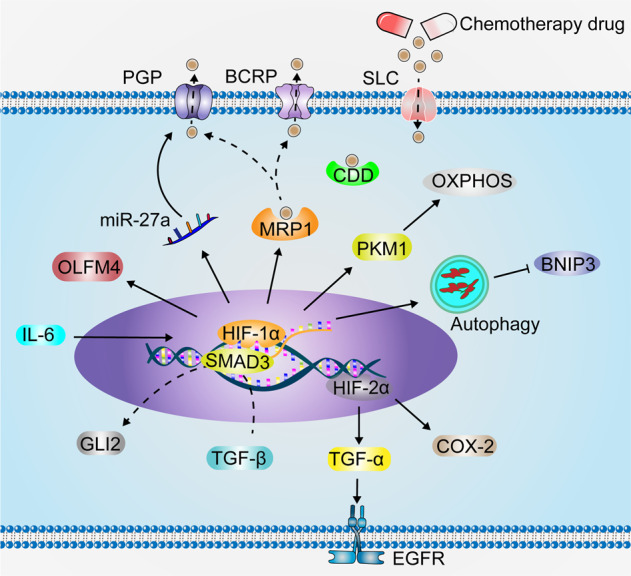
“Elevated CDD levels promote the metabolism of gemcitabine to its inactive form.(360) Moreover, solute carrier (SLC) transport proteins are primarily involved in the uptake of small molecules into cells, and their absence affects the uptake of chemotherapeutic agents into cancer cells, leading to drug resistance.”
BackgroundShi, L. Z., Wang, R., Huang, G., Vogel, P., Neale, G., Green, D. R., & Chi, H. (2011) · Journal of Experimental Medicine · doi:10.1084/jem.20110278 · Cited by 1,803
Principles and mechanisms of vessel normalization for cancer and other angiogenic diseases
Carmeliet, P., & Jain, R. K. (2011) · Nature Reviews Drug Discovery · doi:10.1038/nrd3455 · Cited by 1,675
Control of TH17/Treg Balance by Hypoxia-Inducible Factor 1
Dang, E. V., Barbi, J., Yang, H.-Y., Jinasena, D., Yu, H., Zheng, Y., Bordman, Z., Fu, J., Kim, Y., Yen, H.-R., et al. (2011) · Cell · doi:10.1016/j.cell.2011.07.033 · Cited by 1,595
Oxygen in Stem Cell Biology: A Critical Component of the Stem Cell Niche
Mohyeldin, A., Garzón-Muvdi, T., & Quiñones-Hinojosa, A. (2010) · Cell Stem Cell · doi:10.1016/j.stem.2010.07.007 · Cited by 1,535
Hypoxia and the extracellular matrix: drivers of tumour metastasis
Gilkes, D. M., Semenza, G. L., & Wirtz, D. (2014) · Nature Reviews Cancer · doi:10.1038/nrc3726 · Cited by 1,520
Macrophages and Therapeutic Resistance in Cancer
Ruffell, B., & Coussens, L. M. (2015) · Cancer Cell · doi:10.1016/j.ccell.2015.02.015 · Cited by 1,474
(2000) · PubMed · Cited by 1,445
Tumour hypoxia promotes tolerance and angiogenesis via CCL28 and Treg cells
Facciabene, A., Peng, X., Hagemann, I. S., Balint, K., Barchetti, A., Wang, L.-P., Gimotty, P. A., Gilks, C. B., Lal, P., Zhang, L., et al. (2011) · Nature · doi:10.1038/nature10169 · Cited by 1,376
Hypoxia-inducible factors regulate tumorigenic capacity of glioma stem cells
Li, Z., Bao, S., Wu, Q., Wang, H., Eyler, C., Sathornsumetee, S., Shi, Q., Cao, Y., Lathia, J., McLendon, R. E., et al. (2009) · Cancer Cell · doi:10.1016/j.ccr.2009.03.018 · Cited by 1,354 · cited 1×
“Hypoxia is known to promote and maintain CSC phenotypes.(61) CSCs are thought to have the potential to form tumor that will develop into cancer, especially when they metastasize with the cancer and will give rise to novel sources of cancer.”
BackgroundTian, H., McKnight, S. L., & Russell, D. W. (1997) · Genes & Development · doi:10.1101/gad.11.1.72 · Cited by 1,351
Lactate Metabolism in Human Lung Tumors
Faubert, B., Li, K. Y., Cai, L., Hensley, C. T., Kim, J., Zacharias, L. G., Yang, C., Do, Q. N., Doucette, S., Burguete, D., et al. (2017) · Cell · doi:10.1016/j.cell.2017.09.019 · Cited by 1,343 · cited 2×
“Pyruvate is converted from glycolysis to lactate, while lactate is used as a respiratory fuel to support the energy and synthetic functions of the TCA cycle, which is significant for the proliferation of cancer cells.(164)”
BackgroundCellular Adaptation to Hypoxia through Hypoxia Inducible Factors and beyond
Lee, P., Chandel, N. S., & Simon, M. C. (2020) · Nature Reviews Molecular Cell Biology · doi:10.1038/s41580-020-0227-y · Cited by 1,272
Laughner, E., Taghavi, P., Chiles, K., Mahon, P. C., & Semenza, G. L. (2001) · Molecular and Cellular Biology · doi:10.1128/mcb.21.12.3995-4004.2001 · Cited by 1,256
Immune Regulatory Function of B Cells
Mauri, C., & Bosma, A. (2012) · Annual Review of Immunology · doi:10.1146/annurev-immunol-020711-074934 · Cited by 1,249 · cited 1×
“Regulatory B cells (Bregs) are a functional B cell subpopulation with the key function of secreting IL-10, thereby preventing the production of cytokines.(274) HIF-1α is a tumor suppressor in some cancers.”
BackgroundRegulation of tumor angiogenesis by p53-induced degradation of hypoxia-inducible factor 1alpha.
Ravi, R. K., Mookerjee, B., Bhujwalla, Z. M., Sutter, T. R., Artemov, D., Zeng, Q., Dillehay, L. E., Madan, A., Semenza, G. L., & Bedi, A. (2000) · PubMed Central · Cited by 1,241
André, P., Denis, C., Soulas, C., Bourbon-Caillet, C., Lopez, J., Arnoux, T., Bléry, M., Bonnafous, C., Gauthier, L., Morel, A., et al. (2018) · Cell · doi:10.1016/j.cell.2018.10.014 · Cited by 1,221
Chromosomal stability and the DNA double-stranded break connection
van Gent, D. C., Hoeijmakers, J. H. J., & Kanaar, R. (2001) · Nature Reviews Genetics · doi:10.1038/35056049 · Cited by 1,219
Dennis, E. A., Cao, J., Hsu, Y.-H., Magrioti, V., & Kokotos, G. (2011) · Chemical Reviews · doi:10.1021/cr200085w · Cited by 1,203
(1996) · PubMed · Cited by 1,188
Altered recognition of antigen is a mechanism of CD8+ T cell tolerance in cancer
Nagaraj, S., Gupta, K., Pisarev, V., Kinarsky, L., Sherman, S., Kang, L., Herber, D. L., Schneck, J., & Gabrilovich, D. I. (2007) · Nature Medicine · doi:10.1038/nm1609 · Cited by 1,174
Corzo, C. A., Condamine, T., Lu, L., Cotter, M. J., Youn, J.-I., Cheng, P., Cho, H.-I., Celis, E., Quiceno, D. G., Padhya, T., et al. (2010) · Journal of Experimental Medicine · doi:10.1084/jem.20100587 · Cited by 1,173
Hypoxia, DNA repair and genetic instability
Bristow, R. G., & Hill, R. P. (2008) · Nature Reviews Cancer · doi:10.1038/nrc2344 · Cited by 1,140
Glucose-Independent Glutamine Metabolism via TCA Cycling for Proliferation and Survival in B Cells
Le, A., Lane, A. N., Hamaker, M., Bose, S., Gouw, A., Barbi, J., Tsukamoto, T., Rojas, C. J., Slusher, B. S., Zhang, H., et al. (2012) · Cell Metabolism · doi:10.1016/j.cmet.2011.12.009 · Cited by 1,095
A2A adenosine receptor protects tumors from antitumor T cells
Ohta, A., Gorelik, E., Prasad, S. J., Ronchese, F., Lukashev, D., Wong, M. K. K., Huang, X., Caldwell, S., Liu, K., Smith, P., et al. (2006) · Proceedings of the National Academy of Sciences · doi:10.1073/pnas.0605251103 · Cited by 1,065 · cited 1×
“Hyperoxia treatment suppressed the expressions of adenosine, an immunosuppressive factor,(235) and reactive nitrogen production,(236) and increased IFN-γ levels and perforin granules.(237) Sustained hypoxic stimulation induces mitochondrial stress, resulting in the loss of mitochondrial functions, elevated ROS levels…”
BackgroundShen, P., Roch, T., Lampropoulou, V., O’Connor, R. A., Stervbo, U., Hilgenberg, E., Ries, S., Dang, V. D., Jaimes, Y., Daridon, C., et al. (2014) · Nature · doi:10.1038/nature12979 · Cited by 1,048 · cited 1×
“B cell-derived IL-35 is associated with attenuated macrophage as well as inflammatory T cell viabilities and inhibited functions of B cells as antigen presenting cells (APCs).(267) IL-10 and IL-35 promoted cancer cell metastasis,(268) and inhibited anticancer immune responses in mice.”
BackgroundRadiation activates HIF-1 to regulate vascular radiosensitivity in tumors
Moeller, B. J., Cao, Y., Li, C. Y., & Dewhirst, M. W. (2004) · Cancer Cell · doi:10.1016/s1535-6108(04)00115-1 · Cited by 996 · cited 1×
“Radiation upregulates HIF-1 expression and enhances its activity in cancer cells.(381) Elevated HIF-1α levels confer radioresistance via various pro-cancer mechanisms.”
BackgroundOxygen Sensing, Homeostasis, and Disease
Semenza, G. L. (2011) · New England Journal of Medicine · doi:10.1056/nejmra1011165 · Cited by 993 · cited 1×
“Oxygen in the TME can anchor broken ends of DNA and form stable organic peroxide groups that inhibit further DNA repair.(434) However, local hypoxia in the TME markedly reduces the therapeutic efficacy of radiation therapy.”
BackgroundRegulation of tumor angiogenesis by p53-induced degradation of hypoxia-inducible factor 1α
Ravi, R., Mookerjee, B., Bhujwalla, Z. M., Sutter, C. H., Artemov, D., Zeng, Q., Dillehay, L. E., Madan, A., Semenza, G. L., & Bedi, A. (2000) · Genes & Development · doi:10.1101/gad.14.1.34 · Cited by 967
Gorski, D. H., Beckett, M. A., Jaskowiak, N. T., Calvin, D. P., Mauceri, H. J., Salloum, R. M., Seetharam, S., Koons, A., Hari, D. M., Kufe, D. W., et al. (1999) · PubMed · Cited by 947
Scharping, N. E., Rivadeneira, D. B., Menk, A. V., Vignali, P. D. A., Ford, B. R., Rittenhouse, N. L., Peralta, R., Wang, Y., Wang, Y., DePeaux, K., et al. (2021) · Nature Immunology · doi:10.1038/s41590-020-00834-9 · Cited by 897
Negative regulation of hypoxia-inducible genes by the von Hippel-Lindau protein.
Iliopoulos, O., Levy, A. P., Jiang, C., Kaelin, W. G., & Goldberg, M. A. (1996) · Proceedings of the National Academy of Sciences · doi:10.1073/pnas.93.20.10595 · Cited by 892
Hypoxia-induced neutrophil survival is mediated by HIF-1α–dependent NF-κB activity
Walmsley, S. R., Print, C., Farahi, N., Peyssonnaux, C., Johnson, R. S., Cramer, T., Sobolewski, A., Condliffe, A. M., Cowburn, A. S., Johnson, N., et al. (2005) · The Journal of Experimental Medicine · doi:10.1084/jem.20040624 · Cited by 891
Zhang, H., Gao, P., Fukuda, R., Kumar, G., Krishnamachary, B., Zeller, K. I., Dang, C. V., & Semenza, G. L. (2007) · Cancer Cell · doi:10.1016/j.ccr.2007.04.001 · Cited by 885 · cited 1×
“HIF-1α binds and activates the MAX interactor-1 (MXI1), a repressor of the c-MYC transcriptional activity, and reduces the expressions of c-MYC, a factor that encodes mitochondrial DNA replication and promotes mitochondrial biogenesis,(127,128) which inhibits cancer cell mitochondrial biogenesis and cellular oxygen co…”
BackgroundDeregulation of Glucose Transporter 1 and Glycolytic Gene Expression by c-Myc
Osthus, R. C., Shim, H., Kim, S., Li, Q., Reddy, R., Mukherjee, M., Xu, Y., Wonsey, D., Lee, L. A., & Dang, C. V. (2000) · Journal of Biological Chemistry · doi:10.1074/jbc.c000023200 · Cited by 879 · cited 2×
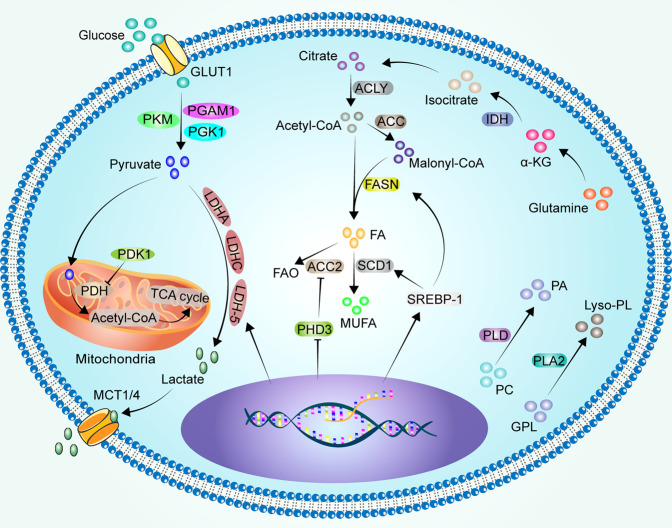
“HIF-1α is the main transcription factor that promotes Warburg-like metabolism.131,133,150 HIF1α stimulates various enzymes such as glycolysis regulator phosphoglycerate mutase 1 (PGAM1), pyruvate kinase M (PKM), recombinant phosphoglycerate kinase 1 (PGK1), lactate dehydrogenase A (LDHA), lactate dehydrogenase C (LDHC…”
BackgroundDe Ruysscher, D., Niedermann, G., Burnet, N. G., Siva, S., Lee, A. W. M., & Hegi-Johnson, F. (2019) · Nature Reviews Disease Primers · doi:10.1038/s41572-019-0064-5 · Cited by 868
Fuel feeds function: energy metabolism and the T-cell response
Fox, C. J., Hammerman, P. S., & Thompson, C. B. (2005) · Nature Reviews Immunology · doi:10.1038/nri1710 · Cited by 853
How the ageing microenvironment influences tumour progression
Fane, M., & Weeraratna, A. T. (2020) · Nature Reviews Cancer · doi:10.1038/s41568-019-0222-9 · Cited by 849 · cited 1×
“The World Health Organization (WHO) estimates that by 2050, the proportion of the world population aged over 60 years will have increased from 12 to 22%, totaling over 2 billion individuals.(1) In the United States, cancer is the second leading cause of death after heart disease.”
BackgroundSteele, C. W., Karim, S. A., Leach, J. D. G., Bailey, P., Upstill-Goddard, R., Rishi, L., Foth, M., Bryson, S., McDaid, K., Wilson, Z., et al. (2016) · Cancer Cell · doi:10.1016/j.ccell.2016.04.014 · Cited by 845 · cited 1×
“Elimination of neutrophil infiltration leads to cancer regression and prolonged survival outcomes.(318) Sequencing of pancreatic single-cell transcriptome revealed that BHLHE40 is a key regulator of neutrophil polarization toward the TAN-1 phenotype, which has pro-cancer and immunosuppressive functions.”
BackgroundLoss of PTEN facilitates HIF-1-mediated gene expression
Zundel, W., Schindler, C., Haas-Kogan, D., Koong, A., Kaper, F., Chen, E., Gottschalk, A. R., Ryan, H. E., Johnson, R. S., Jefferson, A. B., et al. (2000) · Genes & Development · doi:10.1101/gad.14.4.391 · Cited by 840
Radiation oncology in the era of precision medicine
Baumann, M., Krause, M., Overgaard, J., Debus, J., Bentzen, S. M., Daartz, J., Richter, C., Zips, D., & Bortfeld, T. (2016) · Nature Reviews Cancer · doi:10.1038/nrc.2016.18 · Cited by 812 · cited 1×
“It is based on the principle of targeting cancer tissues with X-rays or gamma rays, which directly or indirectly damage biomolecules to ionize the surrounding water and generate ROS, inducing DNA damage and apoptosis.(432,433) Oxygen in the TME can anchor broken ends of DNA and form stable organic peroxide groups that…”
BackgroundIntratumoral pO2 predicts survival in advanced cancer of the uterine cervix
Höckel, M., Knoop, C., Schlenger, K., Vorndran, B., Bauβnann, E., Mitze, M., Knapstein, P. G., & Vaupel, P. (1993) · Radiotherapy and Oncology · doi:10.1016/0167-8140(93)90025-4 · Cited by 809
HIF and c-Myc: Sibling Rivals for Control of Cancer Cell Metabolism and Proliferation
Gordan, J. D., Thompson, C. B., & Simon, M. C. (2007) · Cancer Cell · doi:10.1016/j.ccr.2007.07.006 · Cited by 803
Opportunities and challenges of radiotherapy for treating cancer
Schaue, D., & McBride, W. H. (2015) · Nature Reviews Clinical Oncology · doi:10.1038/nrclinonc.2015.120 · Cited by 784 · cited 1×
“Hypoxia and radiotherapy Radiotherapy is a non-invasive oncologic treatment approach for drug-resistant cancers.(431) It is based on the principle of targeting cancer tissues with X-rays or gamma rays, which directly or indirectly damage biomolecules to ionize the surrounding water and generate ROS, inducing DNA damag…”
BackgroundGu, Y.-Z., Moran, S. M., Hogenesch, J. B., Wartman, L. D., & Bradfield, C. A. (1998) · Europe PMC (PubMed Central) · Cited by 781
HIF-2α Promotes Hypoxic Cell Proliferation by Enhancing c-Myc Transcriptional Activity
Gordan, J. D., Bertout, J. A., Hu, C.-J., Diehl, J. A., & Simon, M. C. (2007) · Cancer Cell · doi:10.1016/j.ccr.2007.02.006 · Cited by 781
Cellular abnormalities of blood vessels as targets in cancer
Baluk, P., Hashizume, H., & McDonald, D. M. (2005) · Current Opinion in Genetics & Development · doi:10.1016/j.gde.2004.12.005 · Cited by 781
Wang, G., & Semenza, G. (1993) · Blood · doi:10.1182/blood.v82.12.3610.3610 · Cited by 766
Hypoxia Enhances the Generation of Induced Pluripotent Stem Cells
Yoshida, Y., Takahashi, K., Okita, K., Ichisaka, T., & Yamanaka, S. (2009) · Cell Stem Cell · doi:10.1016/j.stem.2009.08.001 · Cited by 765 · cited 1×
“In addition, hypoxic conditions (<5%) could improve the efficiency of induced pluripotent stem cell (iPSC) generation from mouse and human somatic cells.(56) The hypoxic signaling microenvironment maintains stem cell selfrenewal by facilitating the reprogramming process.”
BackgroundROS signaling under metabolic stress: cross-talk between AMPK and AKT pathway
Zhao, Y., Hu, X., Liu, Y., Dong, S., Wen, Z., He, W., Zhang, S., Huang, Q., & Shi, M. (2017) · Molecular Cancer · doi:10.1186/s12943-017-0648-1 · Cited by 735
Targeting renal cell carcinoma with a HIF-2 antagonist
Chen, W., Hill, H., Christie, A., Kim, M. S., Holloman, E., Pavia-Jimenez, A., Homayoun, F., Ma, Y., Patel, N., Yell, P., et al. (2016) · Nature · doi:10.1038/nature19796 · Cited by 709
Emerging roles of lipid metabolism in cancer metastasis
Luo, X., Cheng, C., Tan, Z., Li, N., Tang, M., Yang, L., & Cao, Y. (2017) · Molecular Cancer · doi:10.1186/s12943-017-0646-3 · Cited by 677 · cited 3×
“Hypoxia and lipid metabolism Lipid metabolism confers aggressiveness to malignant tumors by promoting membrane formation, energy storage, and production of signaling molecules, as well as by providing an important source of ATP production through fatty acid oxidation (FAO).(165) Lipids are composed of triglycerides an…”
BackgroundInfluentialJones, M., Ibels, L., Schenkel, B., & Zagari, M. (2004) · Kidney International · doi:10.1111/j.1523-1755.2004.00450.x · Cited by 665
Hypoxia-inducible factors enhance the effector responses of CD8(+) T cells to persistent antigen
Doedens, A. L., Phan, A. T., Stradner, M. H., Fujimoto, J. K., Nguyen, J. V., Yang, E., Johnson, R. S., & Goldrath, A. W. (2013) · Nature Immunology · doi:10.1038/ni.2714 · Cited by 660
Doedens, A. L., Stockmann, C., Rubinstein, M. P., Liao, D., Zhang, N., DeNardo, D. G., Coussens, L. M., Karin, M., Goldrath, A. W., & Johnson, R. S. (2010) · Cancer Research · doi:10.1158/0008-5472.can-10-1439 · Cited by 652
Pancreatic tumors show high levels of hypoxia
Koong, A. C., Mehta, V. K., Le, Q. T., Fisher, G. A., Terris, D. J., Brown, J. M., Bastidas, A. J., & Vierra, M. (2000) · International Journal of Radiation Oncology*Biology*Physics · doi:10.1016/s0360-3016(00)00803-8 · Cited by 650
DNA double-strand break repair: From mechanistic understanding to cancer treatment
HELLEDAY, T., LO, J., VANGENT, D., & ENGELWARD, B. (2007) · DNA Repair · doi:10.1016/j.dnarep.2007.02.006 · Cited by 640
HIF-1 as a target for drug development
Giaccia, A., Siim, B. G., & Johnson, R. S. (2003) · Nature Reviews Drug Discovery · doi:10.1038/nrd1199 · Cited by 631 · cited 1×
“HIF-1α is an oxygen-unstable protein that becomes stable in response to hypoxia, iron chelators, and divalent cations.(81,82) In cell culture under hypoxic conditions, HIF-1α mRNA levels did not change, but HIF-1α protein levels increased.”
BackgroundMelillo, G., Musso, T., Sica, A., Taylor, L. S., Cox, G. W., & Varesio, L. (1995) · The Journal of experimental medicine · doi:10.1084/jem.182.6.1683 · Cited by 626
Takeda, N., O'Dea, E. L., Doedens, A., Kim, J.-W., Weidemann, A., Stockmann, C., Asagiri, M., Simon, M. C., Hoffmann, A., & Johnson, R. S. (2010) · Genes & Development · doi:10.1101/gad.1881410 · Cited by 623
Myc Stimulates Nuclearly Encoded Mitochondrial Genes and Mitochondrial Biogenesis
Li, F., Wang, Y., Zeller, K. I., Potter, J. J., Wonsey, D. R., O'Donnell, K. A., Kim, J.-W., Yustein, J. T., Lee, L. A., & Dang, C. V. (2005) · Molecular and Cellular Biology · doi:10.1128/mcb.25.14.6225-6234.2005 · Cited by 614
Moulder, J. E., & Rockwell, S. (1984) · International Journal of Radiation Oncology*Biology*Physics · doi:10.1016/0360-3016(84)90301-8 · Cited by 606
Immunological mechanisms of the antitumor effects of supplemental oxygenation
Hatfield, S. M., Kjaergaard, J., Lukashev, D., Schreiber, T. H., Belikoff, B., Abbott, R., Sethumadhavan, S., Philbrook, P., Ko, K., Cannici, R., et al. (2015) · Science Translational Medicine · doi:10.1126/scitranslmed.aaa1260 · Cited by 600 · cited 1×
“Hyperoxia upregulates MHC-I expression in cancer cells, enhances T cell-mediated cytotoxicity,(398) promotes the anti-cancer activities of NK cells,(235) reduces the immunosuppressive effects of Tregs in the TME, and inhibits the production of MDSC-derived exosomes to reduce cancer cell stemness.(235,281) Pro-oxidants…”
BackgroundFinlay, D. K., Rosenzweig, E., Sinclair, L. V., Feijoo-Carnero, C., Hukelmann, J. L., Rolf, J., Panteleyev, A. A., Okkenhaug, K., & Cantrell, D. A. (2012) · Journal of Experimental Medicine · doi:10.1084/jem.20112607 · Cited by 596 · cited 1×
“In addition, deletion of the aryl hydrocarbon nuclear translocator (ARNT)/HIF-1β gene in CD8 T cells impairs the expression of cytolytic effector molecules, including perforins and granzymes.(216)”
BackgroundHypoxia-inducible factors: cancer progression and clinical translation
Wicks, E. E., & Semenza, G. L. (2022) · Journal of Clinical Investigation · doi:10.1172/jci159839 · Cited by 580
Rodig, S. J., Gusenleitner, D., Jackson, D. G., Gjini, E., Giobbie-Hurder, A., Jin, C., Chang, H., Lovitch, S. B., Horak, C., Weber, J. S., et al. (2018) · Science Translational Medicine · doi:10.1126/scitranslmed.aar3342 · Cited by 579 · cited 2×
“NK cells can kill various cancer targets, including cancer cells with low expressions MHC-I.(301) Some cancer cells secrete chemokines to recruit NK cells.”
BackgroundTumour hypoxia, chemotherapeutic resistance and hypoxia-related therapies
Shannon, A. M., Bouchier-Hayes, D. J., Condron, C. M., & Toomey, D. (2003) · Cancer Treatment Reviews · doi:10.1016/s0305-7372(03)00003-3 · Cited by 559 · cited 1×
“In addition, an altered pH gradient in the TME can attenuate drug action in cells (for example, alkylating agents and antimetabolites) to enhance drug resistance.(374) The mechanisms of hypoxia-enhanced tumor chemotherapy resistance is showed in Fig.”
BackgroundPDK1-Dependent Metabolic Reprogramming Dictates Metastatic Potential in Breast Cancer
Dupuy, F., Tabariès, S., Andrzejewski, S., Dong, Z., Blagih, J., Annis, M. G., Omeroglu, A., Gao, D., Leung, S., Amir, E., et al. (2015) · Cell Metabolism · doi:10.1016/j.cmet.2015.08.007 · Cited by 558
Teicher, B. A., Lazo, J. S., & Sartorelli, A. C. (1981) · PubMed · Cited by 555
Adaptive plasticity of IL-10+ and IL-35+ Treg cells cooperatively promotes tumor T cell exhaustion
Sawant, D. V., Yano, H., Chikina, M., Zhang, Q., Liao, M., Liu, C., Callahan, D. J., Sun, Z., Sun, T., Tabib, T., et al. (2019) · Nature Immunology · doi:10.1038/s41590-019-0346-9 · Cited by 543
ATP citrate lyase is an important component of cell growth and transformation
Bauer, D. E., Hatzivassiliou, G., Zhao, F., Andreadis, C., & Thompson, C. B. (2005) · Oncogene · doi:10.1038/sj.onc.1208773 · Cited by 537 · cited 1×
“ACLY is responsible for catalyzing the conversion of citrate and CoA to acetyl-CoA and oxaloacetate.(169) Studies have suggested that miR-27 and miR-195 are also upregulated in hypoxia-induced cardiomyocytes, suppressing the expression of ACLY and ACC.”
MethodFirth, J. D., Ebert, B. L., Pugh, C. W., & Ratcliffe, P. J. (1994) · Proceedings of the National Academy of Sciences · doi:10.1073/pnas.91.14.6496 · Cited by 525
HIF-Dependent Antitumorigenic Effect of Antioxidants In Vivo
Gao, P., Zhang, H., Dinavahi, R., Li, F., Xiang, Y., Raman, V., Bhujwalla, Z. M., Felsher, D. W., Cheng, L., Pevsner, J., et al. (2007) · Cancer Cell · doi:10.1016/j.ccr.2007.08.004 · Cited by 523 · cited 1×
“Second, inhibition of hypoxia-induced HIF and its downstream target genes is an effective strategy.(400) For instance, 32–134D, a low-molecular-weight compound that inhibits HIF-1/2-mediated gene expression in HCC cells, combined with anti-PD-1 increased HCC eradication rates in mice (from 25 to 67%).”
BackgroundAn HIF-1α/VEGF-A Axis in Cytotoxic T Cells Regulates Tumor Progression
Palazon, A., Tyrakis, P. A., Macias, D., Veliça, P., Rundqvist, H., Fitzpatrick, S., Vojnovic, N., Phan, A. T., Loman, N., Hedenfalk, I., et al. (2017) · Cancer Cell · doi:10.1016/j.ccell.2017.10.003 · Cited by 521 · cited 5×
“Upregulated HIF in the TME increases PD-L1 expression, decreases autophagic MHC-I expression, and inhibits NK cell recognition.(103,221) HIF-2α promotes IL-10 release by activating the STAT3 signaling pathway in HCC cells, thereby inhibiting the killing activities of NK cells, which in turn promotes HCC recurrence and…”
BackgroundInfluentialMacIver, N. J., Jacobs, S. R., Wieman, H. L., Wofford, J. A., Coloff, J. L., & Rathmell, J. C. (2008) · Journal of Leukocyte Biology · doi:10.1189/jlb.0108024 · Cited by 505 · cited 1×
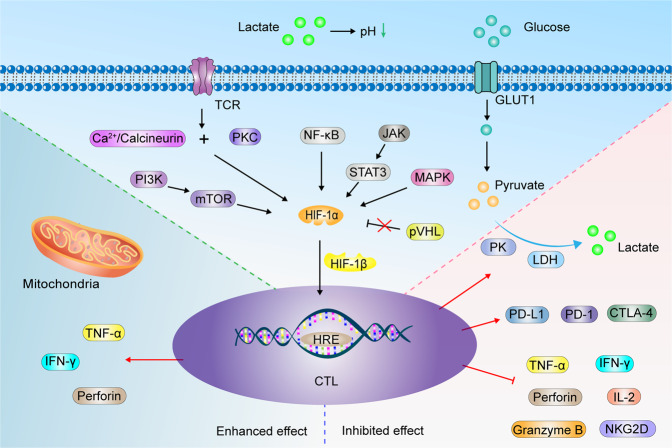
“Hypoxia and T cells A distinctive feature of T cells is the markedly increased glucose uptake through glucose transporter 1 (GLUT1) as they respond to immune challenges and differentiate into cytotoxic T lymphocytes (CTLs).(217,218) Activated lymphocytes generate energy largely through upregulation of aerobic glycolys…”
BackgroundHammers, H. J., Plimack, E. R., Infante, J. R., Rini, B. I., McDermott, D. F., Lewis, L. D., Voss, M. H., Sharma, P., Pal, S. K., Razak, A. R. A., et al. (2017) · Journal of Clinical Oncology · doi:10.1200/jco.2016.72.1985 · Cited by 505
Hypoxia signaling in human health and diseases: implications and prospects for therapeutics
Luo, Z., Tian, M., Yang, G., Tan, Q., Chen, Y., Li, G., Zhang, Q., Li, Y., Wan, P., & Wu, J. (2022) · Signal Transduction and Targeted Therapy · doi:10.1038/s41392-022-01080-1 · Cited by 499
HIF-α effects on c-Myc distinguish two subtypes of sporadic VHL-deficient clear cell renal carcinoma
Gordan, J. D., Lal, P., Dondeti, V. R., Letrero, R., Parekh, K. N., Oquendo, C. E., Greenberg, R. A., Flaherty, K. T., Rathmell, W. K., Keith, B., et al. (2008) · Cancer Cell · doi:10.1016/j.ccr.2008.10.016 · Cited by 493
Zaugg, K., Yao, Y., Reilly, P. T., Kannan, K., Kiarash, R., Mason, J., Huang, P., Sawyer, S. K., Fuerth, B., Faubert, B., et al. (2011) · Genes & Development · doi:10.1101/gad.1987211 · Cited by 490
Richard, D. E., Berra, E., & Pouysségur, J. (2000) · Journal of Biological Chemistry · doi:10.1016/s0021-9258(19)61441-9 · Cited by 488
Bruton Tyrosine Kinase–Dependent Immune Cell Cross-talk Drives Pancreas Cancer
Gunderson, A. J., Kaneda, M. M., Tsujikawa, T., Nguyen, A. V., Affara, N. I., Ruffell, B., Gorjestani, S., Liudahl, S. M., Truitt, M., Olson, P., et al. (2016) · Cancer Discovery · doi:10.1158/2159-8290.cd-15-0827 · Cited by 486
Acetate functions as an epigenetic metabolite to promote lipid synthesis under hypoxia
Gao, X., Lin, S.-H., Ren, F., Li, J.-T., Chen, J.-J., Yao, C.-B., Yang, H.-B., Jiang, S.-X., Yan, G.-Q., Wang, D., et al. (2016) · Nature Communications · doi:10.1038/ncomms11960 · Cited by 480 · cited 1×
“Activation of FASN under hypoxic stress promotes de novo lipid synthesis and cell survival.(167,168) ACLY is the main enzyme responsible for the production of acetyl-CoA in the cytosol in most tissues, and its product, acetyl-CoA, is used to provide a variety of biosynthetic pathways, including lipid synthesis and cho…”
BackgroundPancreatic Stellate Cells: Partners in Crime with Pancreatic Cancer Cells
Vonlaufen, A., Joshi, S., Qu, C., Phillips, P. A., Xu, Z., Parker, N. R., Toi, C. S., Pirola, R. C., Wilson, J. S., Goldstein, D., et al. (2008) · Cancer Research · doi:10.1158/0008-5472.can-07-2477 · Cited by 477
Hypoxic gene expression and metastasis
Le, Q.-T., Denko, N. C., & Giaccia, A. J. (2004) · Cancer and Metastasis Reviews · doi:10.1023/b:canc.0000031768.89246.d7 · Cited by 468
HIF drives lipid deposition and cancer in ccRCC via repression of fatty acid metabolism
Du, W., Zhang, L., Brett-Morris, A., Aguila, B., Kerner, J., Hoppel, C. L., Puchowicz, M., Serra, D., Herrero, L., Rini, B. I., et al. (2017) · Nature Communications · doi:10.1038/s41467-017-01965-8 · Cited by 468 · cited 1×
“Compared with normal tissues, CPT1A expression and activity were reduced in clear cell renal cell carcinoma patient samples.(193) Similar results were observed in gastric cancer tissue.”
ResultMyc pathways provoking cell suicide and cancer
Nilsson, J. A., & Cleveland, J. L. (2003) · Oncogene · doi:10.1038/sj.onc.1207261 · Cited by 462 · cited 1×
“Unfortunately, MYC overexpression occurs in 70% of human cancers.(130) HIF-2α promotes the expressions of the MYC and E2F target genes, which are involved in lipoprotein metabolism and ribosome biosynthesis.”
BackgroundBlouin, C. C., Pagé, E. L., Soucy, G. M., & Richard, D. E. (2004) · Blood · doi:10.1182/blood-2003-07-2427 · Cited by 458
Melder, R. J., Koenig, G. C., Witwer, B. P., Safabakhsh, N., Munn, L. L., & Jain, R. K. (1996) · Nature Medicine · doi:10.1038/nm0996-992 · Cited by 451
On-target efficacy of a HIF-2α antagonist in preclinical kidney cancer models
Cho, H., Du, X., Rizzi, J. P., Liberzon, E., Chakraborty, A. A., Gao, W., Carvo, I., Signoretti, S., Bruick, R. K., Josey, J. A., et al. (2016) · Nature · doi:10.1038/nature19795 · Cited by 451
Chiu, D. K.-C., Tse, A. P.-W., Xu, I. M.-J., Di Cui, J., Lai, R. K.-H., Li, L. L., Koh, H.-Y., Tsang, F. H.-C., Wei, L. L., Wong, C.-M., et al. (2017) · Nature Communications · doi:10.1038/s41467-017-00530-7 · Cited by 448 · cited 1×
“found that hypoxiainduced HIF-1α promotes the expression of ENTPD2/CD39L1, an indicator of poor HCC prognosis, which is thought to convert extracellular ATP to 5’-AMP, preventing the differentiation of MDSCs, but maintaining their survival.(329) In addition, under hypoxic conditions, MDSCs express multiple immunosuppr…”
BackgroundJarnicki, A. G., Lysaght, J., Todryk, S., & Mills, K. H. G. (2006) · The Journal of Immunology · doi:10.4049/jimmunol.177.2.896 · Cited by 445
The ever-expanding role of HIF in tumour and stromal biology
LaGory, E. L., & Giaccia, A. J. (2016) · Nature Cell Biology · doi:10.1038/ncb3330 · Cited by 430
23 Genetic instability induced by the tumor microenvironment
Glazer, P. M., Reynolds, T. Y., & Rockwell, S. (1997) · International Journal of Radiation Oncology*Biology*Physics · doi:10.1016/s0360-3016(97)80581-0 · Cited by 427
Heterogeneity of the Tumor Vasculature
Nagy, J., Chang, S.-H., Shih, S.-C., Dvorak, A., & Dvorak, H. (2010) · Seminars in Thrombosis and Hemostasis · doi:10.1055/s-0030-1253454 · Cited by 422
Jantsch, J., Chakravortty, D., Turza, N., Prechtel, A. T., Buchholz, B., Gerlach, R. G., Volke, M., Gläsner, J., Warnecke, C., Wiesener, M. S., et al. (2008) · The Journal of Immunology · doi:10.4049/jimmunol.180.7.4697 · Cited by 414
Akakura, N., Kobayashi, M., Horiuchi, I., Suzuki, A., Wang, J., Chen, J., Niizeki, H., Ki, K., Hosokawa, M., & Asaka, M. (2001) · PubMed · Cited by 406
X-ray-activated nanosystems for theranostic applications
Chen, X., Song, J., Chen, X., & Yang, H. (2019) · Chemical Society Reviews · doi:10.1039/c8cs00921j · Cited by 401 · cited 1×
“It is based on the principle of targeting cancer tissues with X-rays or gamma rays, which directly or indirectly damage biomolecules to ionize the surrounding water and generate ROS, inducing DNA damage and apoptosis.(432,433) Oxygen in the TME can anchor broken ends of DNA and form stable organic peroxide groups that…”
BackgroundJayaprakash, P., Ai, M., Liu, A., Budhani, P., Bartkowiak, T., Sheng, J., Ager, C., Nicholas, C., Jaiswal, A. R., Sun, Y., et al. (2018) · Journal of Clinical Investigation · doi:10.1172/jci96268 · Cited by 399 · cited 1×
“The oxygenating agent (TH-302) eliminates hypoxia in cancers and promotes T-cell infiltration.(425) The pro-oxidant adaptor (p66SHC) reduces ATP production in B cells by limiting glycolysis and compromising mitochondrial integrity, while activating AMPK to promote B cell mitochondrial autophagy and limiting plasma cel…”
BackgroundCourtney, K. D., Infante, J. R., Lam, E. T., Figlin, R. A., Rini, B. I., Brugarolas, J., Zojwalla, N. J., Lowe, A. M., Wang, K., Wallace, E. M., et al. (2018) · Journal of Clinical Oncology · doi:10.1200/jco.2017.74.2627 · Cited by 393
Furuta, E., Pai, S. K., Zhan, R., Bandyopadhyay, S., Watabe, M., Mo, Y.-Y., Hirota, S., Hosobe, S., Tsukada, T., Miura, K., et al. (2008) · Cancer Research · doi:10.1158/0008-5472.can-07-2489 · Cited by 392 · cited 1×
“HIF1 significantly upregulates sterol regulatory element-binding protein (SREBP)-1, a major transcriptional regulator of the FASN gene, which in turn promotes FASN expression.(166) Activation of FASN under hypoxic stress promotes de novo lipid synthesis and cell survival.”
BackgroundPhospholipase D: Enzymology, Functionality, and Chemical Modulation
Selvy, P. E., Lavieri, R. R., Lindsley, C. W., & Brown, H. A. (2011) · Chemical Reviews · doi:10.1021/cr200296t · Cited by 389
Cham, C. M., Driessens, G., O'Keefe, J. P., & Gajewski, T. F. (2008) · European Journal of Immunology · doi:10.1002/eji.200838289 · Cited by 388 · cited 1×
“Relatively high levels of exogenous glucose are required to maintain the CTL transcriptional program.(219,220) HIF-1α enhances the glycolytic activity of but not HIF-2α.”
BackgroundHypoxic cervical cancers with low apoptotic index are highly aggressive.
Höckel, M., Schlenger, K., Höckel, S., & Vaupel, P. W. (1999) · PubMed · Cited by 388
Hypoxia induces DNA overreplication and enhances metastatic potential of murine tumor cells
Young, S. D., Marshall, R. S., & Hill, R. P. (1988) · Proceedings of the National Academy of Sciences · doi:10.1073/pnas.85.24.9533 · Cited by 381 · cited 1×
“reported that exposure of cancer cells to a hypoxic environment in vitro or in vivo enhanced spontaneous metastasis.(111,112) Similar results were obtained in mouse models of fibrosarcoma and cervical cancer.”
Resultfor the ‘Tumour and Angiogenesis Research Group’, Koukourakis, M. I., Giatromanolaki, A., Sivridis, E., Bougioukas, G., Didilis, V, Gatter, K. C., & Harris, A. L. (2003) · British Journal of Cancer · doi:10.1038/sj.bjc.6601205 · Cited by 377
Pleiotropic effects of HIF-1 blockade on tumor radiosensitivity
Moeller, B. J., Dreher, M. R., Rabbani, Z. N., Schroeder, T., Cao, Y., Li, C. Y., & Dewhirst, M. W. (2005) · Cancer Cell · doi:10.1016/j.ccr.2005.06.016 · Cited by 374 · cited 1×
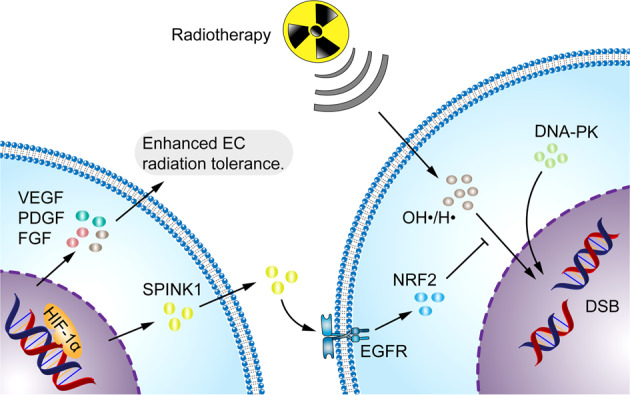
“HIF-1α promotes ATP metabolism, and p53 activation and stimulates EC survival, thereby mediating the ultimate cancer radiation responses.(382,383) The serine peptidase inhibitor Kazal type 1 (SPINK1) is secreted in a HIF-dependent paracrine manner to reduce radiation-induced DNA damage and enhance radiation resistance…”
BackgroundInterleukin-22 protects intestinal stem cells against genotoxic stress
Gronke, K., Hernández, P. P., Zimmermann, J., Klose, C. S. N., Kofoed-Branzk, M., Guendel, F., Witkowski, M., Tizian, C., Amann, L., Schumacher, F., et al. (2019) · Nature · doi:10.1038/s41586-019-0899-7 · Cited by 373 · cited 1×
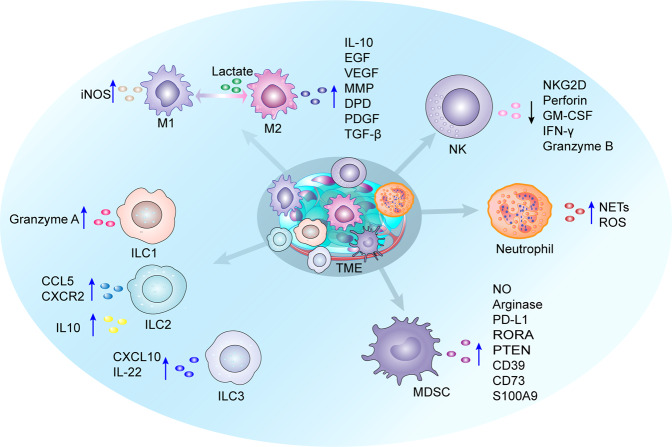
“Stem cells that lose IL-22 signaling and are exposed to carcinogens escape DDR-controlled apoptosis, develop more mutations, and are more likely to cause colon cancer.(353) The interaction between immune cells and TME is showed in Fig.”
BackgroundSemenza, G. L. (2017) · The EMBO Journal · doi:10.15252/embj.201695204 · Cited by 366
Hypoxic stress: obstacles and opportunities for innovative immunotherapy of cancer
Chouaib, S., Noman, M. Z., Kosmatopoulos, K., & Curran, M. A. (2017) · Oncogene · doi:10.1038/onc.2016.225 · Cited by 365
Koritzinsky, M., Magagnin, M. G., van den Beucken, T., Seigneuric, R., Savelkouls, K., Dostie, J., Pyronnet, S., Kaufman, R. J., Weppler, S. A., Voncken, J. W., et al. (2006) · The EMBO Journal · doi:10.1038/sj.emboj.7600998 · Cited by 363 · cited 1×
“Persistent hypoxia enhances DNA misreplication and DNA strand breaks, resulting in mutant cell phenotypes.(70) Non-homologous end joining (NHEJ) and homologous recombination (HR) regulate the repair of human DNA DSB.”
BackgroundGlucose Availability Regulates IFN-γ Production and p70S6 Kinase Activation in CD8+ Effector T Cells
Cham, C. M., & Gajewski, T. F. (2005) · The Journal of Immunology · doi:10.4049/jimmunol.174.8.4670 · Cited by 359
ILC2s amplify PD-1 blockade by activating tissue-specific cancer immunity
Moral, J. A., Leung, J., Rojas, L. A., Ruan, J., Zhao, J., Sethna, Z., Ramnarain, A., Gasmi, B., Gururajan, M., Redmond, D., et al. (2020) · Nature · doi:10.1038/s41586-020-2015-4 · Cited by 348 · cited 2×
“Their roles in cancer immunity and immunotherapy have not been established.(341,342) Specific changes in cancer cytokines alter ILC composition in cancers by inducing plasticity and altering ILC functions.”
BackgroundStructural integration in hypoxia-inducible factors
Wu, D., Potluri, N., Lu, J., Kim, Y., & Rastinejad, F. (2015) · Nature · doi:10.1038/nature14883 · Cited by 346 · cited 1×
“The accumulated HIF-1α binds to HIF-1β and enters the nucleus to bind the hypoxia response element (HRE) in the promoter region of the target gene to reduce cellular oxygen consumption.(92,93) HIF-3α exerts the opposite effects in cancer cells by impairing angiogenesis, proliferation, and metabolism.”
BackgroundSun, R. C., & Denko, N. C. (2014) · Cell Metabolism · doi:10.1016/j.cmet.2013.11.022 · Cited by 344 · cited 1×
“HIF-1 activation leads to a significant decrease in the activity of the mitochondrial enzyme complex α-ketoglutarate dehydrogenase (αKGDH), which inhibits the oxidation of α-ketoglutarate (α-KG) as a product of the metabolic conversion of glutamine to succinate, its reductive carboxylation to isocitrate by isocitrate…”
BackgroundStructural and functional analysis of hypoxia-inducible factor 1
Semenza, G. L., Agani, F., Booth, G., Forsythe, J., Iyer, N., Jiang, B.-H., Leung, S., Roe, R., Wiener, C., & Yu, A. (1997) · Kidney International · doi:10.1038/ki.1997.77 · Cited by 343
Intermittent hypoxia induces hyperlipidemia in lean mice
Li, J., Thorne, L. N., Punjabi, N. M., Sun, C.-K., Schwartz, A. R., Smith, P. L., Marino, R. L., Rodriguez, A., Hubbard, W. C., O’Donnell, C. P., et al. (2005) · Circulation Research · doi:10.1161/01.res.0000183879.60089.a9 · Cited by 335 · cited 2×
“Intermittently hypoxic mouse hepatocytes upregulate SCD1 mRNA and protein by increasing SREBP-1 and serum monounsaturated FAs.178 HIF-1/2α promotes the progression of clear cell renal cell carcinoma by inducing SCD1 expression.179,180 Glutamine is the most abundant amino acid in blood and has been identified as necess…”
BackgroundThe hypoxia-inducible factor-1α is a negative factor for tumor therapy
Unruh, A., Ressel, A., Mohamed, H. G., Johnson, R. S., Nadrowitz, R., Richter, E., Katschinski, D. M., & Wenger, R. H. (2003) · Oncogene · doi:10.1038/sj.onc.1206385 · Cited by 334
Microenvironment-induced cancer metastasis
Rofstad, E. K. (2000) · International Journal of Radiation Biology · doi:10.1080/095530000138259 · Cited by 329
Chan, N., Koritzinsky, M., Zhao, H., Bindra, R., Glazer, P. M., Powell, S., Belmaaza, A., Wouters, B., & Bristow, R. G. (2008) · Cancer Research · doi:10.1158/0008-5472.can-07-5472 · Cited by 328 · cited 1×
“In hypoxic conditions, HR repairs the lesions less frequently, whereas NHEJ activities are unaffected.(75,76) The mismatch repair (MMR) pathway can also be deregulated under hypoxic conditions.”
BackgroundGameiro, P. A., Yang, J., Metelo, A. M., Pérez-Carro, R., Baker, R., Wang, Z., Arreola, A., Rathmell, W. K., Olumi, A., López-Larrubia, P., et al. (2013) · Cell Metabolism · doi:10.1016/j.cmet.2013.02.002 · Cited by 325
Ni, J., Wang, X., Stojanovic, A., Zhang, Q., Wincher, M., Bühler, L., Arnold, A., Correia, M. P., Winkler, M., Koch, P.-S., et al. (2020) · Immunity · doi:10.1016/j.immuni.2020.05.001 · Cited by 324 · cited 2×
“The deletion of HIF-1α in NK cells significantly inhibits cancer growth and improves patient survival outcomes by activating the NF-κB pathway and stimulating the expression of effector molecules, such as IL-18.(428) Single inhibition of HIF-1α in immune cells restores immune cytotoxicity; however, it also induces PD-…”
BackgroundAngiogenesis inhibition: A review
Auerbach, W., & Auerbach, R. (1994) · Pharmacology & Therapeutics · doi:10.1016/0163-7258(94)90027-2 · Cited by 321
Transcriptional Response to Hypoxia in Human Tumors
Lal, A., Peters, H., St. Croix, B., Haroon, Z. A., Dewhirst, M. W., Strausberg, R. L., Kaanders, J. H. A. M., van der Kogel, A. J., & Riggins, G. J. (2001) · JNCI Journal of the National Cancer Institute · doi:10.1093/jnci/93.17.1337 · Cited by 320 · cited 1×
“Mechanistically, HIF regulates cancer cell growth by regulating genes encoding enzymes that hydrolyze sugars, angiogenic signaling genes, and apoptosis/stress response genes.(109)”
BackgroundInterleukin-35 Limits Anti-Tumor Immunity
Turnis, M. E., Sawant, D. V., Szymczak-Workman, A. L., Andrews, L. P., Delgoffe, G. M., Yano, H., Beres, A. J., Vogel, P., Workman, C. J., & Vignali, D. A. A. (2016) · Immunity · doi:10.1016/j.immuni.2016.01.013 · Cited by 311
Germinal centre hypoxia and regulation of antibody qualities by a hypoxia response system
Cho, S. H., Raybuck, A. L., Stengel, K., Wei, M., Beck, T. C., Volanakis, E., Thomas, J. W., Hiebert, S., Haase, V. H., & Boothby, M. R. (2016) · Nature · doi:10.1038/nature19334 · Cited by 309 · cited 1×
“In contrast, sustained hypoxia or HIF induction induced by VHL deficiency inhibits mTOR complex 1 (mTORC1) activity in B lymphoblastoid cells, which impairs B cell clonal expansion, activation-induced cytosine deaminase (AID) expression, and the ability to produce IgG2c and high-affinity antibodies.(256) HIF-1α is clo…”
BackgroundWang, L., Liu, Y., Dai, Y., Tang, X., Yin, T., Wang, C., Wang, T., Dong, L., Shi, M., Qin, J., et al. (2023) · Gut · doi:10.1136/gutjnl-2021-326070 · Cited by 306 · cited 1×
“However, the associated mechanism should be investigated.(319) Neutrophils have an extensive mitochondrial network that uses the glycolytic product (glycerol-3-phosphate) to maintain polarized mitochondria and produce ROS to regulate HIF-1α stability.”
BackgroundTriglycerides Promote Lipid Homeostasis during Hypoxic Stress by Balancing Fatty Acid Saturation
Ackerman, D., Tumanov, S., Qiu, B., Michalopoulou, E., Spata, M., Azzam, A., Xie, H., Simon, M. C., & Kamphorst, J. J. (2018) · Cell Reports · doi:10.1016/j.celrep.2018.08.015 · Cited by 305
Gsk3 is a metabolic checkpoint regulator in B cells
Jellusova, J., Cato, M. H., Apgar, J. R., Ramezani-Rad, P., Leung, C. R., Chen, C., Richardson, A. D., Conner, E. M., Benschop, R. J., Woodgett, J. R., et al. (2017) · Nature Immunology · doi:10.1038/ni.3664 · Cited by 303 · cited 1×
“Although hypoxia impairs B cell proliferation, it simultaneously alters B cell metabolism and promotes antigen-mediated differentiation.(255) HIF transcription factors suppress the activities of prolyl hydroxydioxygenase, which stabilizes HIF by hydroxylating HIF-1α and HIF-2α in conjunction with pVHL to disrupt HIF.”
BackgroundTap, W. D., Papai, Z., Van Tine, B. A., Attia, S., Ganjoo, K. N., Jones, R. L., Schuetze, S., Reed, D., Chawla, S. P., Riedel, R. F., et al. (2017) · The Lancet Oncology · doi:10.1016/s1470-2045(17)30381-9 · Cited by 302
Molecular and nanoengineering approaches towards activatable cancer immunotherapy
Zhang, C., & Pu, K. (2020) · Chemical Society Reviews · doi:10.1039/c9cs00773c · Cited by 302 · cited 10×
“Mesoporous silica nanoparticles (MSNs) in combination with pro-oxidants and mitochondrial respiration inhibitors can alleviate the hypoxic environment and inhibit MDSCs infiltration.445 TK-M@Man-HMPB/ HCQ alleviated hypoxic microenvironment-induced TAM polarization, promoted CTL infiltration, and significantly inhibit…”
BackgroundInfluentialSynergy between PI3K Signaling and MYC in Burkitt Lymphomagenesis
Sander, S., Calado, D. P., Srinivasan, L., Köchert, K., Zhang, B., Rosolowski, M., Rodig, S. J., Holzmann, K., Stilgenbauer, S., Siebert, R., et al. (2012) · Cancer Cell · doi:10.1016/j.ccr.2012.06.012 · Cited by 300 · cited 1×
“Hypoxia activates HIF-1α and induces autocrine transforming growth factor-beta (TGF-β) signaling, promoting myofibroblast activation, CXCL13 induction, B lymphocyte recruitment,(263) and factor MYC secretion, which favors B cell proliferation and survival,(264) and drives cancer recurrence.(265) HIF-1α-dependent glyco…”
BackgroundLi, J., Wang, L., Chen, X., Li, L., Li, Y., Ping, Y., Huang, L., Yue, D., Zhang, Z., Wang, F., et al. (2017) · OncoImmunology · doi:10.1080/2162402x.2017.1320011 · Cited by 299
(2002) · PubMed · Cited by 296
Shi, Q., Abbruzzese, J. L., Huang, S., Fidler, I. J., Xiong, Q., & Xie, K. (1999) · PubMed · Cited by 293
Hoefflin, R., Harlander, S., Schäfer, S., Metzger, P., Kuo, F., Schönenberger, D., Adlesic, M., Peighambari, A., Seidel, P., Chen, C.-Y., et al. (2020) · Nature Communications · doi:10.1038/s41467-020-17873-3 · Cited by 292 · cited 4×
“HIF-1α is the main transcription factor that promotes Warburg-like metabolism.131,133,150 HIF1α stimulates various enzymes such as glycolysis regulator phosphoglycerate mutase 1 (PGAM1), pyruvate kinase M (PKM), recombinant phosphoglycerate kinase 1 (PGK1), lactate dehydrogenase A (LDHA), lactate dehydrogenase C (LDHC…”
BackgroundInfluentialGuo, X., Qiu, W., Liu, Q., Qian, M., Wang, S., Zhang, Z., Gao, X., Chen, Z., Xue, H., & Li, G. (2018) · Oncogene · doi:10.1038/s41388-018-0261-9 · Cited by 287
Self-citationLuis, G., Godfroid, A., Nishiumi, S., Cimino, J., Blacher, S., Maquoi, E., Wery, C., Collignon, A., Longuespée, R., Montero-Ruiz, L., et al. (2021) · Redox Biology · doi:10.1016/j.redox.2021.102006 · Cited by 286
Hammond, E. M., Dorie, M. J., & Giaccia, A. J. (2003) · Journal of Biological Chemistry · doi:10.1074/jbc.m212360200 · Cited by 284 · cited 2×
“Moreover, the reoxygenation process generates large amounts of ROS, which results in DNA damage, contributing to cancer cell death.(65,399) However, the damage this brings to the surrounding normal cells is a matter of concern.”
BackgroundPhosphorylation of histone H2AX as a measure of radiosensitivity
Olive, P. L., & Banáth, J. P. (2004) · International Journal of Radiation Oncology*Biology*Physics · doi:10.1016/j.ijrobp.2003.09.028 · Cited by 279
Tang, Y.-A., Chen, Y.-F., Bao, Y., Mahara, S., Yatim, S. M. J. M., Oguz, G., Lee, P. L., Feng, M., Cai, Y., Tan, E. Y., et al. (2018) · Proceedings of the National Academy of Sciences · doi:10.1073/pnas.1801348115 · Cited by 277 · cited 1×
“HIF-1α and cancer-associated fibroblast-secreted TGF-β signaling synergistically promote GLI family zinc finger 2 (GLI2) expressions through SMAD3, inducing CRC cell stemness and chemoresistance.(368) Upregulated HIF-2α promotes sorafenib resistance in hypoxic HCC cells by activating the TGF-α/EGFR and COX-2 pathways.”
BackgroundAnalysis of the Effects of Oxygen Supply and Demand on Hypoxic Fraction in Tumors
Secomb, T. W., Hsu, R., Ong, E. T., Gross, J. F., & Dewhirst, M. W. (1995) · Acta Oncologica · doi:10.3109/02841869509093981 · Cited by 276 · cited 1×
“Intravenous oxygen delivery to the cancer through blood is not feasible for reasons such as the potential risk of systemic ROS exposure and the low solubility of oxygen in blood.(393) Increasing oxygen delivery by increasing blood flow to the tumor through pharmacological vasodilatation methods has been proposed, but…”
BackgroundHypoxia, gene expression, and metastasis
Chan, D. A., & Giaccia, A. J. (2007) · Cancer and Metastasis Reviews · doi:10.1007/s10555-007-9063-1 · Cited by 276
Meng, X., Grötsch, B., Luo, Y., Knaup, K. X., Wiesener, M. S., Chen, X.-X., Jantsch, J., Fillatreau, S., Schett, G., & Bozec, A. (2018) · Nature Communications · doi:10.1038/s41467-017-02683-x · Cited by 274
Mukherjee, B., McEllin, B., Camacho, C. V., Tomimatsu, N., Sirasanagandala, S., Nannepaga, S., Hatanpaa, K. J., Mickey, B., Madden, C., Maher, E., et al. (2009) · Cancer Research · doi:10.1158/0008-5472.can-08-4853 · Cited by 270
Rini, B. I., Pal, S. K., Escudier, B. J., Atkins, M. B., Hutson, T. E., Porta, C., Verzoni, E., Needle, M. N., & McDermott, D. F. (2020) · The Lancet Oncology · doi:10.1016/s1470-2045(19)30735-1 · Cited by 261
Characterization of hypoxia-associated molecular features to aid hypoxia-targeted therapy
Ye, Y., Hu, Q., Chen, H., Liang, K., Yuan, Y., Xiang, Y., Ruan, H., Zhang, Z., Song, A., Zhang, H., et al. (2019) · Nature Metabolism · doi:10.1038/s42255-019-0045-8 · Cited by 250 · cited 1×
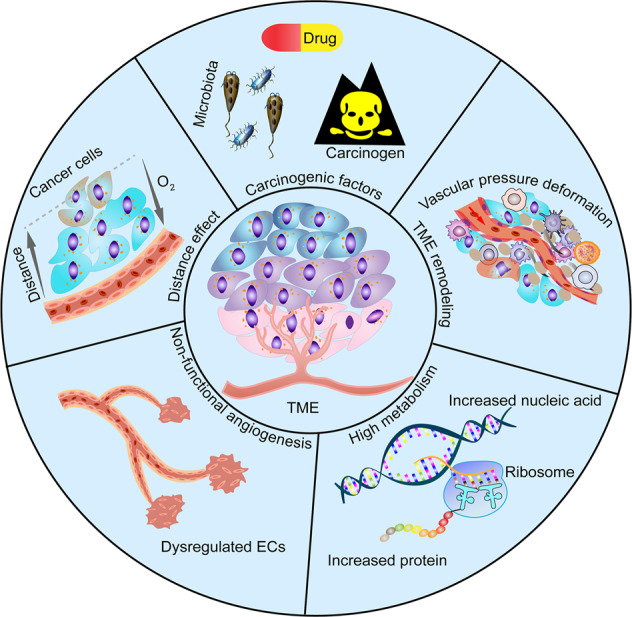
“Hypoxia is present in 90% of solid tumors, which is considered a hallmark of cancer.(16,17) It is difficult to determine the hypoxic state in tumors due to variations in oxygen content between tissues, as well as differences in tumor size and measurement methods, and tissue oxygenation is highly variable, also within…”
BackgroundInhibition of hypoxia-inducible factor is sufficient for growth suppression of VHL−/− tumors
Zimmer, M., Doucette, D., Siddiqui, N., & Iliopoulos, O. (2004) · Molecular Cancer Research · doi:10.1158/1541-7786.89.2.2 · Cited by 244
ONECUT2 is a driver of neuroendocrine prostate cancer
Guo, H., Ci, X., Ahmed, M., Hua, J. T., Soares, F., Lin, D., Puca, L., Vosoughi, A., Xue, H., Li, E., et al. (2019) · Nature Communications · doi:10.1038/s41467-018-08133-6 · Cited by 243 · cited 1×
“For instance, evofosfamide (TH-302) and tarloxotinib-effector inhibited cancer growth by suppressing signaling and cell proliferation in patient-derived cancer cells in vitro and in mouse xenograft models.(410,411) However, there is controversy in the clinical treatment of advanced soft tissue sarcoma.”
BackgroundThe relationship between expression of PD-L1 and HIF-1α in glioma cells under hypoxia
Ding, X.-C., Wang, L.-L., Zhang, X.-D., Xu, J.-L., Li, P.-F., Liang, H., Zhang, X.-B., Xie, L., Zhou, Z.-H., Yang, J., et al. (2021) · Journal of Hematology & Oncology · doi:10.1186/s13045-021-01102-5 · Cited by 243 · cited 1×
“Hypoxia-induced HIF-1α can promote programmed death ligand-1 (PD-L1) expression in cancer cells and suppress immune effects.(209) Moreover, hypoxia plays a central role in cancer progression and resistance to therapy by promoting various changes in the biology of stromal cells in the TME, including immune cells.”
BackgroundTannock, I. F. (1970) · PubMed · Cited by 242
Chiu, D. K., Xu, I. M., Lai, R. K., Tse, A. P., Wei, L. L., Koh, H., Li, L. L., Lee, D., Lo, R. C., Wong, C., et al. (2016) · Hepatology · doi:10.1002/hep.28655 · Cited by 241 · cited 2×
“This is because cancer cells in hypoxic areas express various cytokines, such as chemokine (C-C motif) ligand 26, G-CSF, and IL-6, to recruit MDSCs.(297,325,326) Functionally, MDSCs enhance the evasion of cancer cells from immune surveillance and promote cancer drug resistance.”
BackgroundSquatrito, M., Brennan, C. W., Helmy, K., Huse, J. T., Petrini, J. H., & Holland, E. C. (2010) · Cancer Cell · doi:10.1016/j.ccr.2010.10.034 · Cited by 238
Silencing of the Hypoxia-Inducible Cell Death Protein BNIP3 in Pancreatic Cancer
Okami, J., Simeone, D. M., & Logsdon, C. D. (2004) · Cancer Research · doi:10.1158/0008-5472.can-04-0089 · Cited by 238 · cited 1×
“Downregulation of BNIP3 may contribute to the resistance of pancreatic cancer to hypoxiainduced cell death.(372) However, in non-small lung cancer samples, high expression of BNIP3 was significantly associated with HIF-1α and poorer overall survival was associated.”
BackgroundNa(+) controls hypoxic signalling by the mitochondrial respiratory chain
Hernansanz-Agustín, P., Choya-Foces, C., Carregal-Romero, S., Ramos, E., Oliva, T., Villa-Piña, T., Moreno, L., Izquierdo-Álvarez, A., Cabrera-García, J. D., Cortés, A., et al. (2020) · Nature · doi:10.1038/s41586-020-2551-y · Cited by 238
Dong, F., Qin, X., Wang, B., Li, Q., Hu, J., Cheng, X., Guo, D., Cheng, F., Fang, C., Tan, Y., et al. (2021) · Cancer Research · doi:10.1158/0008-5472.can-21-1456 · Cited by 236
Intratumoral hypoxia, radiation resistance, and HIF-1
Semenza, G. L. (2004) · Cancer Cell · doi:10.1016/s1535-6108(04)00118-7 · Cited by 235 · cited 1×
“Radiation-induced EC death leads to secondary tumor cell killing.(385) The vascular system also affects radiation therapy.”
BackgroundInterleukin-17 governs hypoxic adaptation of injured epithelium
Konieczny, P., Xing, Y., Sidhu, I., Subudhi, I., Mansfield, K. P., Hsieh, B., Biancur, D. E., Larsen, S. B., Cammer, M., Li, D., et al. (2022) · Science · doi:10.1126/science.abg9302 · Cited by 235 · cited 1×
“In addition, HIF-1α attenuates Treg development and differentiation by binding to Foxp3 and targeting it for proteasomal degradation.(223,243,244) Tregs express immunosuppressive factors,(245) immunosuppressive adenosine,(246) and cytokines such as IL-10,(247) IL-17,(248) and IL-35(247) to inhibit effector T cell toxi…”
BackgroundMcNamee, E. N., Korns Johnson, D., Homann, D., & Clambey, E. T. (2013) · Immunologic Research · doi:10.1007/s12026-012-8349-8 · Cited by 234 · cited 1×
“HIF-1α has important functional roles in both innate and adaptive immune cells, including macrophages,(211) neutrophils,(212) dendritic cells (DCs),(213) and lymphocytes.(214) HIF-2α has been associated with macrophage NO homeostasis.”
BackgroundThe mechanism of non-homologous end-joining: a synopsis of synapsis
Weterings, E., & van Gent, D. C. (2004) · DNA Repair · doi:10.1016/j.dnarep.2004.06.003 · Cited by 230
Hif1a Deletion Reveals Pro-Neoplastic Function of B Cells in Pancreatic Neoplasia
Lee, K. E., Spata, M., Bayne, L. J., Buza, E. L., Durham, A. C., Allman, D., Vonderheide, R. H., & Simon, M. C. (2016) · Cancer Discovery · doi:10.1158/2159-8290.cd-15-0822 · Cited by 227 · cited 1×
“For instance, pancreaticspecific HIF-1α deficiency significantly accelerated Kras (G12D)driven pancreatic adenoma formation with a significant increase in intrapancreatic B lymphocytes.(276) Depletion of B cells increases exocrine tissue regeneration owing to a significant decrease in overall immune infiltrations and…”
BackgroundChaturvedi, P., Gilkes, D. M., Takano, N., & Semenza, G. L. (2014) · Proceedings of the National Academy of Sciences · doi:10.1073/pnas.1406655111 · Cited by 226 · cited 10×
“Mesoporous silica nanoparticles (MSNs) in combination with pro-oxidants and mitochondrial respiration inhibitors can alleviate the hypoxic environment and inhibit MDSCs infiltration.445 TK-M@Man-HMPB/ HCQ alleviated hypoxic microenvironment-induced TAM polarization, promoted CTL infiltration, and significantly inhibit…”
BackgroundInfluential
Cited by
Ferroptosis in cancer: from molecular mechanisms to therapeutic strategies
Zhou, Q., Meng, Y., Li, D., Yao, L., Le, J., Liu, Y., Sun, Y., Zeng, F., Chen, X., & Deng, G. (2024) · Signal Transduction and Targeted Therapy · doi:10.1038/s41392-024-01769-5 · Cited by 890
“228 – 230 HIFs seem to play a dual role in modulating ferroptosis and subsequently affecting therapeutic ef fi cacy in cancers (Fig.”
BackgroundFree radicals and their impact on health and antioxidant defenses: a review
Chandimali, N., Bak, S. G., Park, E. H., Lim, H.-J., Won, Y.-S., Kim, E.-K., Park, S.-I., & Lee, S. J. (2025) · Cell Death Discovery · doi:10.1038/s41420-024-02278-8 · Cited by 669
“ROS generated in the hypoxic tumor microenvironment further enhance the aggressive behavior of cancer cells by promoting angiogenesis, invasion, and metastasis [109].”
Cancer stem cells: advances in knowledge and implications for cancer therapy
Chu, X., Tian, W., Ning, J., Xiao, G., Zhou, Y., Wang, Z., Zhai, Z., Tanzhu, G., Yang, J., & Zhou, R. (2024) · Signal Transduction and Targeted Therapy · doi:10.1038/s41392-024-01851-y · Cited by 553
Theranostic Fluorescent Probes
Sharma, A., Verwilst, P., Li, M., Ma, D., Singh, N., Yoo, J., Kim, Y., Yang, Y., Zhu, J.-H., Huang, H., et al. (2024) · Chemical Reviews · doi:10.1021/acs.chemrev.3c00778 · Cited by 499
Emerging Therapeutic Strategies to Overcome Drug Resistance in Cancer Cells
Garg, P., Malhotra, J., Kulkarni, P., Horne, D., Salgia, R., & Singhal, S. S. (2024) · Cancers · doi:10.3390/cancers16132478 · Cited by 339
Metadata
- Authors
- Chen, Z., Han, F., Du, Y., Shi, H., & Zhou, W.
- Affiliations
- First Hospital of Lanzhou University (CN)
- Lanzhou University Second Hospital (CN)
- Corresponding author
- Zhou, Wence
- Venue
- Signal Transduction and Targeted Therapy
- Published
- 2023-02-17
- Volume
- 8
- Issue
- 1
- Pages
- 70-70
- ISSN
- 2059-3635 (ISSN-L)
- PMC
- PMC9935926
- OpenAlex
- W4321167021
- Cited by
- 1,612
- References
- 465
- Citations by year
- 2026: 574 · 2025: 662 · 2024: 326 · 2023: 48
- FWCI
- 50.88
- Type
- journal article
- Language
- en
- Open access
- gold
- doi.org
- Licence
- cc-by
- creativecommons.org/licenses/by/4.0 (tdm)
- creativecommons.org/licenses/by/4.0 (vor)
- Locations
- Signal Transduction and Targeted Therapy (publishedVersion, cc-by)
- PubMed Central (publishedVersion, cc-by)
- PubMed (publishedVersion)
- DOAJ (DOAJ: Directory of Open Access Journals) (submittedVersion, cc-by-sa)
- Funders
- Lanzhou University (ldyyyn2020-93)
- National Natural Science Foundation of China (82260555)
- Natural Science Foundation of Gansu Province (82260555, 22JR11RA033)
- Topics
- Life Sciences › Biochemistry, Genetics and Molecular Biology › Cancer Research › Cancer, Hypoxia, and Metabolism
- Life Sciences › Biochemistry, Genetics and Molecular Biology › Molecular Biology › Angiogenesis and VEGF in Cancer
- Health Sciences › Medicine › Oncology › Cancer Cells and Metastasis
- Keywords
- tumor hypoxia, tumor microenvironment, hypoxia-inducible factor, hypoxia signaling pathway, tumor vasculature normalization, nanoparticle drug delivery, hypoxia-activated prodrug, cancer immunotherapy, radiotherapy resistance, chemoresistance, tumor immune tolerance
- MeSH terms
- Hypoxia, Humans, Immunotherapy, Neoplasms, Radiation Tolerance, Cell Hypoxia, Tumor Microenvironment
About these checks
Registry, retraction, Cites and statistics results are computed, not judged, with one exception: a printed reference that no index lists is read once by a model before it counts as a citation error. Claims are extracted by a model and kept only when their quote appears verbatim in the text; each cited source is then checked, with a model’s help, for whether it says what the claim relies on. Those verdicts can be wrong — read the claim’s quote and the cited source before relying on one.
Statistics and arithmetic are recomputed, not judged.
Confidence bands are shown only for fields calibrated on our annotated test set. None is calibrated yet, so no band is shown.
What counts as a claim ›How we measure confidence ›How we check this ›
Are you an author, or do you see a problem with this page? Request a review
Data sources
Bibliographic data: Semantic Scholar, OpenAlex, Crossref.
Contains information from the Semantic Scholar Academic Graph Datasets, made available under the ODC Attribution License (ODC-BY 1.0).
Semantic Scholar’s data is described in: Kinney, R., et al. (2023). The Semantic Scholar Open Data Platform. arXiv:2301.10140.
