

Hypoxic microenvironment in cancer: molecular mechanisms and therapeutic interventions
Open accessThe DOI matches its Crossref record; 465 of the 465 references it cites were found in a registry or an index.
Abstract
Having a hypoxic microenvironment is a common and salient feature of most solid tumors. Hypoxia has a profound effect on the biological behavior and malignant phenotype of cancer cells, mediates the effects of cancer chemotherapy, radiotherapy, and immunotherapy through complex mechanisms, and is closely associated with poor prognosis in various cancer patients. Accumulating studies have demonstrated that through normalization of the tumor vasculature, nanoparticle carriers and biocarriers can effectively increase the oxygen concentration in the tumor microenvironment, improve drug delivery and the efficacy of radiotherapy. They also increase infiltration of innate and adaptive anti-tumor immune cells to enhance the efficacy of immunotherapy. Furthermore, drugs targeting key genes associated with hypoxia, including hypoxia tracers, hypoxia-activated prodrugs, and drugs targeting hypoxia-inducible factors and downstream targets, can be used for visualization and quantitative analysis of tumor hypoxia and antitumor activity. However, the relationship between hypoxia and cancer is an area of research that requires further exploration. Here, we investigated the potential factors in the development of hypoxia in cancer, changes in signaling pathways that occur in cancer cells to adapt to hypoxic environments, the mechanisms of hypoxia-induced cancer immune tolerance, chemotherapeutic tolerance, and enhanced radiation tolerance, as well as the insights and applications of hypoxia in cancer therapy.
Overview
The claims and statistics of this paper haven’t been checked yet.
Free: it reads the open-access text and checks the first 5 claims that cite a source we can check. Create a free account to check every claim.
Integrity signals
Registry
Cites
Statistics
Figures
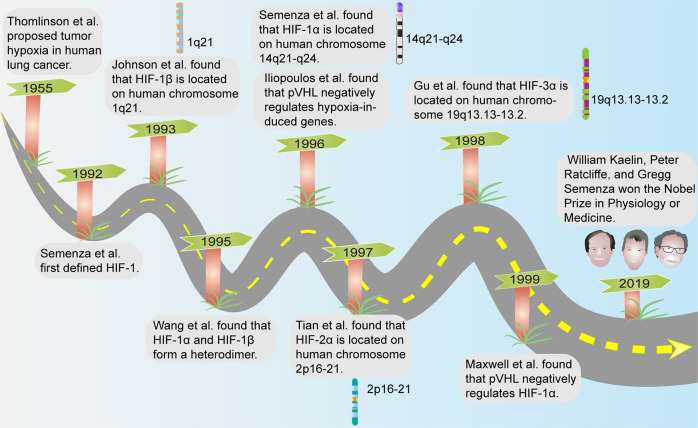
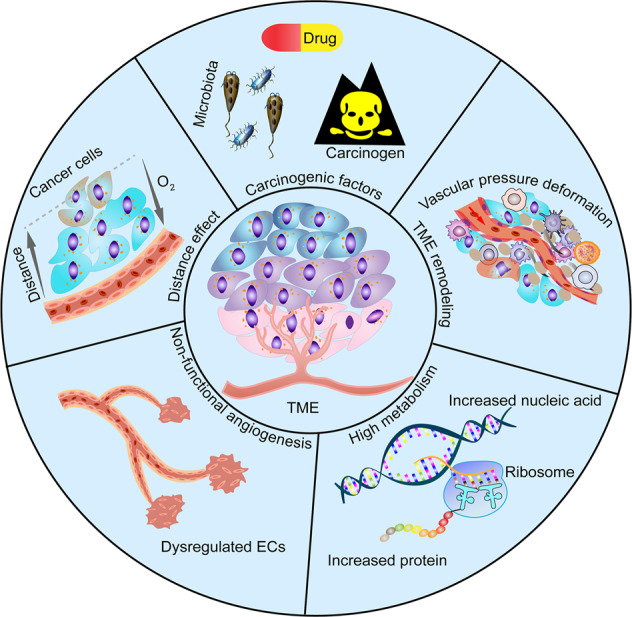
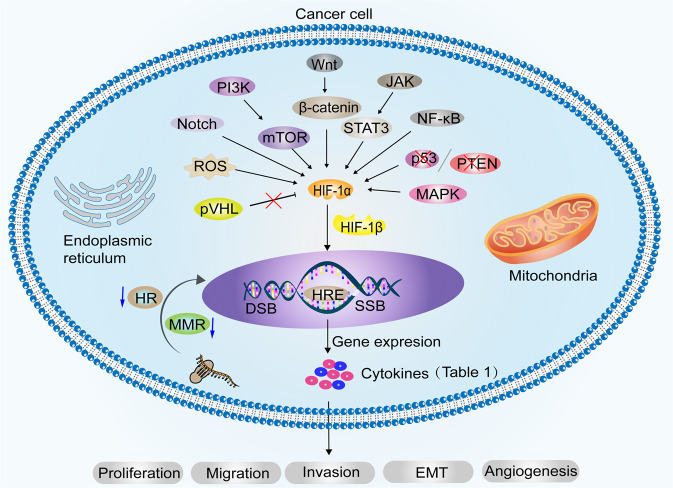
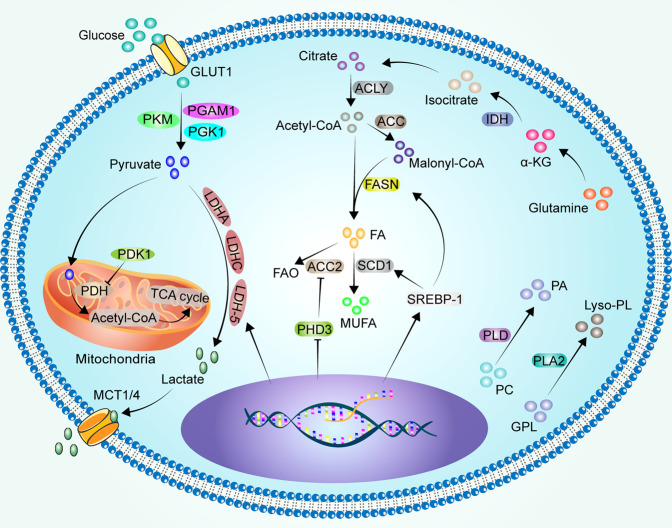
Verification
Claims the paper makes
The claims and statistics of this paper haven’t been checked yet.
Free: it reads the open-access text and checks the first 5 claims that cite a source we can check. Create a free account to check every claim.
Claims other papers make about this one
Each is checked against this paper’s own text: does it say what the citing paper says it does?
The source backs part of the claim, not all of it — or backs it for a different population, condition or comparison.
In the citing paper
“Solid tumors and their metastases typically manifest regions of hypoxia due to the rapid proliferation of tumor cells that frequently outstrips their oxygen supply, coupled with irregular and dysfunctional tumor vasculature [2].”
From The HIF Axes in Cancer - Angiogenesis, Metabolism and Immune-Modulation (2025) · cites this paper as [2]
Experimental — accuracy not yet measuredThe source backs part of the claim, not all of it — or backs it for a different population, condition or comparison.
In the citing paper
“Furthermore, hypoxia promotes self-renewal by activation of Wnt and Notch signaling pathways and embryonic stem cell transcription factors, and it modulates differentiation of tumor cells and tumor-associated stromal cells [86,87,88].”
From Mechanisms and Strategies to Overcome Drug Resistance in Colorectal Cancer (2025) · cites this paper as [86]
Experimental — accuracy not yet measuredThe source backs part of the claim, not all of it — or backs it for a different population, condition or comparison.
In the citing paper
“Hypoxia-inducible factors form the core regulatory axis governing cellular responses to hypoxic and oxidative stress, integrating redox signals with metabolic, vascular, and immune responses through genome-wide transcriptional reprogramming [[216], [217], [218], [219]].”
From HIF inhibition: Current strategies and clinical challenges (2026) · cites this paper as [218]
Experimental — accuracy not yet measuredThe cited source says what the claim attributes to it.
In the citing paper
“HIF-associated changes are major contributory factors to the unique tumor microenvironment (TME) that favors tumor growth and drives resistance to therapy [2].”
From The HIF Axes in Cancer - Angiogenesis, Metabolism and Immune-Modulation (2025) · cites this paper as [2]
The cited source says what the claim attributes to it.
In the citing paper
“For example, TAMs accumulate in hypoxic areas and the TME through HIF-1α activation, promoting TAM adaptation to hypoxia [2, 72].”
From The HIF Axes in Cancer - Angiogenesis, Metabolism and Immune-Modulation (2025) · cites this paper as [2]
Self-check
Percentages, sums and reported differences re-computed from the paper’s own numbers.
The self-check needs the paper’s full text.
Citations
Cites
1 retracted
Xu, Y., Lu, J., Tang, Y., Xie, W., Zhang, H., Wang, B., Zhang, S., Hou, W., Zou, C., Jiang, P., et al. (2021) · Cancer Letters · doi:10.1016/j.canlet.2021.12.032 · Cited by 34
RetractedTakahashi, K., & Yamanaka, S. (2006) · Cell · doi:10.1016/j.cell.2006.07.024 · Cited by 26,673
Siegel, R. L., Miller, K. D., Fuchs, H. E., & Jemal, A. (2022) · CA: A Cancer Journal for Clinicians · doi:10.3322/caac.21708 · Cited by 17,196
Understanding the Warburg Effect: The Metabolic Requirements of Cell Proliferation
Vander Heiden, M. G., Cantley, L. C., & Thompson, C. B. (2009) · Science · doi:10.1126/science.1160809 · Cited by 16,197
Warburg, O. (1956) · Science · doi:10.1126/science.123.3191.309 · Cited by 13,425 · cited 1×
“HYPOXIA AND CANCER CELL METABOLISM Hypoxia and glycolysis The majority of cancer cells increase glucose uptake and rely on glycolysis through a phenomenon known as the “Warburg effect”.(30,148,149) The “Warburg effect,” activated by MYC and HIF-1 in response to growth factors and hypoxia, is aerobic glycolysis Fig.”
BackgroundTumor angiogenesis: therapeutic implications
Sherwood, L. M., Parris, E. E., & Folkman, J. (1971) · New England Journal of Medicine · doi:10.1056/nejm197111182852108 · Cited by 10,187
Wang, G. L., Jiang, B. H., Rue, E. A., & Semenza, G. L. (1995) · Proceedings of the National Academy of Sciences · doi:10.1073/pnas.92.12.5510 · Cited by 6,212
Jaakkola, P., Mole, D. R., Tian, Y.-M., Wilson, M. I., Gielbert, J., Gaskell, S. J., Kriegsheim, A. V., Hebestreit, H. F., Mukherji, M., Schofield, C. J., et al. (2001) · Science · doi:10.1126/science.1059796 · Cited by 5,535
Normalization of Tumor Vasculature: An Emerging Concept in Antiangiogenic Therapy
Jain, R. K. (2005) · Science · doi:10.1126/science.1104819 · Cited by 5,527
The tumour suppressor protein VHL targets hypoxia-inducible factors for oxygen-dependent proteolysis
Maxwell, P. H., Wiesener, M. S., Chang, G.-W., Clifford, S. C., Vaux, E. C., Cockman, M. E., Wykoff, C. C., Pugh, C. W., Maher, E. R., & Ratcliffe, P. J. (1999) · Nature · doi:10.1038/20459 · Cited by 5,180
Cited by
Items 201–300 of 1,001
Moinfar, A. A., & Theis, F. J. (2024) · bioRxiv (Cold Spring Harbor Laboratory) · doi:10.1101/2024.11.06.622266 · Cited by 24
Interactions between radiotherapy resistance mechanisms and the tumor microenvironment
Li, D., Wang, J., Li, X., Wang, Z., Yu, Q., Koh, S., Wu, R., Ye, L., Guo, Y., Okoli, U. A., et al. (2025) · Critical Reviews in Oncology/Hematology · doi:10.1016/j.critrevonc.2025.104705 · Cited by 24
Small interfering RNA: From designing to therapeutic in cancer
Singh, J., Saeedan, A. S., Kaithwas, G., & Ansari, M. N. (2025) · Journal of Genetic Engineering and Biotechnology · doi:10.1016/j.jgeb.2025.100484 · Cited by 28
Liu, Q., Song, M., Wang, Y., Zhang, P., & Zhang, H. (2025) · Biochimica et Biophysica Acta (BBA) - Reviews on Cancer · doi:10.1016/j.bbcan.2025.189341 · Cited by 24
Lei, L., Dai, W., Zhao, J., Jiang, A., Peng, H., Jin, Q., Li, X., & Tang, Z. (2025) · Advanced Science · doi:10.1002/advs.202504860 · Cited by 26
Application of Hypoxia-Activated Prodrugs in Tumor Therapy: Design Strategies and Perspectives
Liu, S., Zhang, M., Sun, X., Wang, P. G., Zhang, G., & Li, W. (2025) · Journal of Medicinal Chemistry · doi:10.1021/acs.jmedchem.5c02094 · Cited by 23
Immune checkpoint blockade in cancer: current insights and future horizons
Saman, H. T., Makni‐Maalej, K., El-Ella, D. M. A., Al-Tamimi, M. Y., AbuHaweeleh, M. N., Abuhayeh, N., Ismail, M. A., Prabhu, K. S., Fernandes, Q., Jabi, T., et al. (2026) · Discover Oncology · doi:10.1007/s12672-025-04361-7 · Cited by 24
Ye, M., Lu, F., Gu, D., Xue, B., Xu, L., Hu, C., Chen, J., Yu, P., Zheng, H., Gao, Y., et al. (2024) · The FASEB Journal · doi:10.1096/fj.202302489rrr · Cited by 23
Roles of Cellular Neighborhoods in Hepatocellular Carcinoma Pathogenesis
Ma, L., Li, C., & Wang, X. W. (2025) · Annual Review of Pathology Mechanisms of Disease · doi:10.1146/annurev-pathmechdis-111523-023520 · Cited by 24
Sun, S., Yu, W., Zhang, G., Li, X., Song, L., Lv, Y., & Chen, Y. (2025) · Frontiers in Pharmacology · doi:10.3389/fphar.2025.1548672 · Cited by 26
Zhang, X., Bai, J., Sun, S., Li, Y., Li, X., Meng, G., Cheng, W., Yin, Y., Wang, Z., & Wang, B. (2025) · Biomaterials · doi:10.1016/j.biomaterials.2025.123203 · Cited by 22
Qin, W., Chen, B., Li, X., Zhao, W., Wang, L., Zhang, N., Wang, X., Luo, D., Liang, Y., Li, Y., et al. (2025) · Cell Death and Disease · doi:10.1038/s41419-025-07580-6 · Cited by 22
“This is primarily due to the fact that angiogenesis frequently lags behind tumor proliferation and abnormal neovascularization [5, 6].”
Liu, N., Wu, T., Han, G., & Chen, M. (2025) · Cell Death Discovery · doi:10.1038/s41420-025-02484-y · Cited by 23
“Hypoxia, a de fi ning feature of the tumor microenvironment, is a major contributor to radiotherapy resistance [125, 126].”
Progress and potential of nanobubbles for ultrasound-mediated drug delivery
Chen, L. E., Nittayacharn, P., & Exner, A. A. (2025) · Expert Opinion on Drug Delivery · doi:10.1080/17425247.2025.2505044 · Cited by 25
“A rapidly growing tumor has high metabolic needs and abnormal vasculature, creating a hypoxic microenvironment and adaptive gene expression changes that increase resistance to chemotherapy and radiotherapy [209].”
Kaleem, M., Azmi, L., Shahzad, N., Taha, M., Kumar, S., Mujtaba, M. A., Hazazi, A. Y., & Kayali, A. (2025) · Naunyn-Schmiedeberg s Archives of Pharmacology · doi:10.1007/s00210-025-04217-5 · Cited by 22
“In addition, hypoxia can change tumor metabolism, which can make drugs less effective and encourage more aggressive behavior in the tumor (Emami Nejad et al. 2021; Chen et al. 2023).”
Microbiota and gastric cancer: from molecular mechanisms to therapeutic strategies
Chen, Z., Jin, D., Hu, J., Guan, D., Bai, Q., & Gou, Y. (2025) · Frontiers in Cellular and Infection Microbiology · doi:10.3389/fcimb.2025.1563061 · Cited by 23
Self-citationEmpowering hypoxia to convert cold tumors into hot tumors for breast cancer immunotherapy
Liu, L., Wu, D., Qian, Z., Ying, J., You, Y., Wang, Y., Zhang, F., Ning, X., Mei, J., Iqbal, J., et al. (2025) · Cell Death Discovery · doi:10.1038/s41420-025-02682-8 · Cited by 23
“Elevating oxygen levels in the TME has been shown to enhance the in fi ltration of both innate and adaptive anti-tumor immune cells, thereby boosting immunotherapy ef fi cacy [5].”
AARS1 and AARS2: From Protein Synthesis to Lactylation-Driven Oncogenesis
Gao, L., Guo, J., & Jia, R. (2025) · Biomolecules · doi:10.3390/biom15091323 · Cited by 23
“…many solid tumors feature a hypoxic state and high levels of lactate due to the Warburg effect, where cancer cells prefer glycolysis over OXPHOS [55,56], it is speculated that the overexpression of AARS2 in the context of hypoxia may inhibit OXPHOS and contribute to glycolysis in cancer cells,…”
Ferroptosis and cancer: when iron turns against tumors
Toyokuni, S., Kong, Y., Maeda, Y. K., Lyu, Q., Ohara, Y., Sato, K., Motooka, Y., Nakamura, K., & Tanaka, H. (2025) · Cellular and Molecular Life Sciences · doi:10.1007/s00018-025-05982-5 · Cited by 23
Tumor-tropic Trojan horses: Using mesenchymal stem cells as cellular nanotheranostics
Rosu, A., Ghaemi, B., Bulte, J. W. M., & Shakeri‐Zadeh, A. (2023) · Theranostics · doi:10.7150/thno.90187 · Cited by 23
Ma, D., Wei, P., Liu, H., Hao, J., Chen, Z., Chu, Y., Li, Z., Shi, W., Yuan, Z., Cheng, Q., et al. (2024) · Journal of Translational Medicine · doi:10.1186/s12967-024-05854-9 · Cited by 22
“Hypoxia is a prominent feature of many solid tumors and a common cause of tumor progression and poor treatment outcomes [26].”
Self-citationHan, Z., Huang, H., Li, B., Zhao, R., Wang, Q., Liu, H., Xue, H., Zhou, W., & Li, G. (2025) · Materials Today Bio · doi:10.1016/j.mtbio.2025.101656 · Cited by 24
“In response to hypoxia, cancer cells often develop resistance to chemotherapy by posttranscriptionally upregulating hypoxia-inducible factor-1 α (HIF-1 α ), which in turn affects the expression of P-glycoprotein (P-gp) [22,23].”
Self-citationLin, H., Jin, X., Cao, Y., Ruan, R., Liu, C., Huang, S., Xu, J., Ding, J., Yang, H., & Zhang, J. C. (2025) · Advanced Functional Materials · doi:10.1002/adfm.202421470 · Cited by 23
Du, S., Wen, Q., Han, T., Ren, J., Wang, M., Dai, Y., Ge, X., Li, L., Liu, J., & Gao, S. (2025) · Advanced Science · doi:10.1002/advs.202503582 · Cited by 21
Cancer 3D Models: Essential Tools for Understanding and Overcoming Drug Resistance
Stojanov, S. J., Grozdanić, M., Ljujić, M., Dragičević, S., Dragoj, M., & Dinić, J. (2025) · Oncology Research Featuring Preclinical and Clinical Cancer Therapeutics · doi:10.32604/or.2025.067126 · Cited by 22
Vigueras, G., Marchán, V., & Ruiz, J. (2025) · Chemical Communications · doi:10.1039/d5cc05162b · Cited by 22
Zhang, H., Shi, C., Han, F., Cai, L., Ma, H., Long, S., Sun, W. C., Du, J., Fan, J., Chen, X., et al. (2023) · Biomaterials · doi:10.1016/j.biomaterials.2023.122365 · Cited by 21
Self-citationNanoparticles as carriers of photosensitizers to improve photodynamic therapy in cancer
Truong, D. H., Tran, T. T. P., & Tran, T. H. (2024) · Pharmaceutical Development and Technology · doi:10.1080/10837450.2024.2322570 · Cited by 21
“Furthermore, solid tumors suffer from several conditions of tumor microenvironment, especially hypoxia, that usually result in treatment resistance (Tsuruo et al. 2003; Brown 2007; Muz et al. 2015; Chen et al. 2023).”
BackgroundZhang, X., Zhang, X., Liu, S., Zhang, W., Dai, L. X., Lan, X., Wang, D., Tu, W., He, Y., & Gao, D. (2024) · Journal of Nanobiotechnology · doi:10.1186/s12951-024-02476-7 · Cited by 21
“As the depth of the tumor increases, the oxygen content gradually decreases [35].”
BackgroundJuhász, K. Z., Hajdú, T., Kovács, P., Vágó, J., Matta, C., & Takács, R. (2024) · Cells · doi:10.3390/cells13060512 · Cited by 21
“Oxygen levels in tumor niches determine disease progression as cellular responses to hypoxia mainly promote neoplastic evolution [116].”
BackgroundSENP3-FIS1 axis promotes mitophagy and cell survival under hypoxia
Zhao, A., Maple, L., Jiang, J., Myers, K. N., Jones, C. G., Gagg, H., McGarrity-Cottrell, C. L., Rominiyi, O., Collis, S. J., Wells, G., et al. (2024) · Cell Death and Disease · doi:10.1038/s41419-024-07271-8 · Cited by 21
“His-tagged Sumo-FEN1 DNA construct, a gift from S.M. Hamdan [69], contains a double His6-tag, followed by the sequence encoding residues 3-98 of S. cerevisiae SMT3 (Sumo), and then the sequence encoding residues 2-379 of human FEN1.”
Dalpati, N., Rai, S. K., Sharma, P., & Sarangi, P. P. (2024) · Matrix Biology · doi:10.1016/j.matbio.2024.12.003 · Cited by 21
Copper-based nanoplatforms and their role in cancer therapy
García-Peiro, J. I., Bonet‐Aleta, J., & Hueso, J. L. (2025) · Coordination Chemistry Reviews · doi:10.1016/j.ccr.2025.216542 · Cited by 23
Deng, Q., Hua, A., Li, S., Zhang, Z., Chen, X. '., Wang, Q., Wang, X., Chu, Z., Yang, X., & Li, Z. (2025) · Exploration · doi:10.1002/exp.20240080 · Cited by 22
Targeting the CXCR4/CXCL12 Axis to Overcome Drug Resistance in Triple-Negative Breast Cancer
Singh, D. D., Yadav, D. K., & Shin, D. (2025) · Cells · doi:10.3390/cells14181482 · Cited by 20
“Hypoxia is a common feature of the tumour microenvironment in TNBC and contributes to therapy resistance, tumour aggressiveness, and metastasis [88].”
Unlocking the mystery of the PD-1/PD-L1 axis: beyond the checkpoint hype
Desimpel, P.-H., Petit, P.-F., den Eynde, B. J. V., & Zhu, J. (2025) · Frontiers in Immunology · doi:10.3389/fimmu.2025.1708873 · Cited by 23
Abikenari, M. A., Sjöholm, M., Liu, J., Nageeb, G., Ha, J. H., Wu, J. Y., Ren, A. L., Sayadi, J. J., Lim, J., Cho, K. B., et al. (2025) · Frontiers in Physics · doi:10.3389/fphy.2025.1723329 · Cited by 21
“As an alternative strategy to opening the BBB from within, convection enhanced delivery (CED) bypasses it by surgically placing one or more catheters directly into the tumor or resection cavity and infusing therapy under positive pressure [105, 106].”
Gao, Y., Li, J., Zhang, H., Zhang, Y., Qian, S., Zhu, X., Hong, L., Xie, L., Fu, Q., Bao, X., et al. (2026) · Nature Cancer · doi:10.1038/s43018-026-01124-3 · Cited by 20
Barathan, M., Ng, S. L., Lokanathan, Y., Ng, M. H., & Law, J. X. (2024) · Pharmaceutics · doi:10.3390/pharmaceutics16050654 · Cited by 21
“Therefore, the role of the hypoxia pathway (and thus, HIF) is highly complex in cancer and warrants further studies, especially in an advanced and more physiologically-relevant cellular cancer model such as the PDOs [25].”
BackgroundFlexocatalysis Enhances Tumor Photodynamic Therapy
Li, A., Xu, L., Jia, Y., Yuan, M., Zhang, J., Liu, H. F., Liu, S., Zhu, Y., Wei, X., Tu, W., et al. (2024) · Small · doi:10.1002/smll.202310964 · Cited by 22
Shi, H.-Q., Li, X., Zhou, C., Dong, S., Cheng, Y., Hou, S., Fan, D.-A., Zhang, H., & Zhou, W. (2024) · iScience · doi:10.1016/j.isci.2024.110782 · Cited by 20
“11 Therefore, in this study, we aimed to investigate whether miRNAs control KRT19 function in PC and further explore the molecular regulatory mechanisms in the hypoxic microenvironment.”
Self-citationYang, F., Wang, G., Huang, K., Xu, Y., Feng, X., Wang, W., & Wei, W. (2024) · Science China Chemistry · doi:10.1007/s11426-024-2231-1 · Cited by 20
Yang, G., Li, H., Yin, J., Lei, Y., Yang, J., Tang, J., Wu, Y. P., Zhou, M., Luo, T., Zhang, Y., et al. (2024) · Ultrasonics Sonochemistry · doi:10.1016/j.ultsonch.2024.107115 · Cited by 20
“These unfavorable factors result in poor microcirculation and consequent hypoxia [10].”
Yu, Q., Zhang, Q., Zhou, Y., Yan, S., Li, J., Yang, C., Xu, J., Cao, L., Zhang, C., & Sun, Y. (2025) · Advanced Functional Materials · doi:10.1002/adfm.202419386 · Cited by 21
Huang, H., Xie, Z., Li, T., Zeng, L., Zeng, Q., Yang, Z., Shen, J., Yang, H., Liu, Y., & Wu, C. (2025) · Journal of Nanobiotechnology · doi:10.1186/s12951-025-03304-2 · Cited by 22
“And the underlying rationale was that NO gas, an important signaling molecule, inhibited the activation of HIF-1α and thus resisted the expression of PD-L1 [38] mostly probably through the direct and indirect mechanisms (STAT3/VEGF pathway) [14].”
InfluentialIndacenodithienothiophene-based A-D-A-type phototheranostics for immuno-phototherapy
Ye, Y., Zhao, S., Pang, E.-N., Tang, Y., Zhu, P., Gao, W., Diao, Q., Yu, J., Zeng, J., Lan, M., et al. (2025) · Journal of Nanobiotechnology · doi:10.1186/s12951-025-03381-3 · Cited by 20
“Additionally, immunosuppressive cells within the TME, such as M2 macrophages and regulatory T cells (Tregs), can exacerbate this issue, suppressing anti-tumor immune responses [9, 10].”
Garemilla, S. S. S., Gampa, S. C., & Garimella, S. V. (2025) · Medical Oncology · doi:10.1007/s12032-025-02754-w · Cited by 23
“This hypoxic stress triggers a complex cascade of cellular responses mediated primarily by the hypoxia-inducible factor (HIF) family of transcription factors, particularly HIF-1α and HIF-2α [41].”
Emerging tumor hypoxia-relieving nanotherapeutics for boosting photodynamic therapy
Yang, F., Chen, F., Li, S., Wang, S., Peng, L., Deng, S., Zhang, F., Jeschke, U., Wang, Y., & Luo, C. (2025) · Chemical Engineering Journal · doi:10.1016/j.cej.2025.163962 · Cited by 22
Yaacoub, S., VanNoy, E. L., Maslova, S., Haffey, A., Khorsandi, K., Sheybani, N., & Haydar, D. (2025) · Frontiers in Immunology · doi:10.3389/fimmu.2025.1596499 · Cited by 21
A nuclear targeted type-I photosensitizer for anti-tumor therapy
Li, Z., Liu, W., Ma, W., Zhang, C., Fan, J., & Peng, X. (2025) · Chemical Science · doi:10.1039/d5sc02476e · Cited by 20
Zhang, Y., Li, W., Niu, J., Fan, Z., Li, X., & Zhang, H. (2025) · Frontiers in Immunology · doi:10.3389/fimmu.2025.1586959 · Cited by 19
“Neutrophil function in TME is also affected by HIF-1 a , which helps neutrophils adapt to hypoxic stress and promotes anaerobic glycolysis (119).”
Galardi, A., Fogazzi, V., Tottone, C., Giussani, M., Pupa, S. M., Cosentino, G., & Iorio, M. V. (2025) · Journal of Experimental & Clinical Cancer Research · doi:10.1186/s13046-025-03471-y · Cited by 19
“Hypoxia, defined as low oxygen levels [20], is a critical factor in several solid tumors, and in particular in BC, it has a major impact on the TME and promotes tumor growth, metastasis and resistance to therapy [21].”
CAR-Macrophage Cell Therapy: A New Era of Hope for Pancreatic Cancer
Wei, D., Wang, L., Liu, Y., Zuo, X., Shen, X., & Bresalier, R. S. (2025) · Clinical Cancer Research · doi:10.1158/1078-0432.ccr-25-1201 · Cited by 19
Persistent lineage plasticity driving lung cancer development and progression
Meng, F., Li, J., Xia, Z., Wang, Q., Sun, Q., Wang, S., Xu, L., & Yin, R. H. (2025) · Clinical and Translational Medicine · doi:10.1002/ctm2.70458 · Cited by 22
“…of VEGF and VE-cadherin in VM, with pathways such as EphA2/PI3K and MMP-2/MMP-9 coor-dinating ECM remodelling and channel formation, allowing cancer cells to acquire endothelial-like traits and form vascular-like structures, further supporting metastasis and resistance 169–171 (Figure 3B).”
Hypoxia and Tissue Regeneration: Adaptive Mechanisms and Therapeutic Opportunities
Vásquez, I. C., Domínguez, C. M. C., Sánchez, M. J. F., & Garavito-Aguilar, Z. V. (2025) · International Journal of Molecular Sciences · doi:10.3390/ijms26199272 · Cited by 26
“Another example is observed in cancer, where tumor cells in hypoxic microenvironments activate mechanisms that enhance survival and malignancy [11,12].”
Stimuli‐Responsive Supramolecular Biomaterials for Cancer Theranostics
Hu, W., Ye, B., Yu, G., Huang, F., & Mao, Z. (2026) · Advanced Science · doi:10.1002/advs.202515860 · Cited by 31
Tumor microenvironment dynamics in gastric cancer pathogenesis and therapeutic resistance
Lu, Z., Zhang, Q., Han, J., Ji, J., & Xing, X. (2026) · Molecular Cancer · doi:10.1186/s12943-026-02572-2 · Cited by 21
Ameer, S. F., Sharif, E., & Ibrahim, W. N. (2026) · Expert Reviews in Molecular Medicine · doi:10.1017/erm.2026.10044 · Cited by 21
Macropinocytosis at the crossroad between nutrient scavenging and metabolism in cancer
Rainero, E. (2024) · Current Opinion in Cell Biology · doi:10.1016/j.ceb.2024.102359 · Cited by 20
Xiong, J., Chi, W., Ye, M., Li, Z., Wang, X., Mao, Z., & Liu, Z. (2024) · ACS Materials Letters · doi:10.1021/acsmaterialslett.4c00750 · Cited by 19
Bonet‐Aleta, J., Maehara, T., Craig, B. A., & Bernardes, G. J. L. (2024) · Angewandte Chemie International Edition · doi:10.1002/anie.202412925 · Cited by 19
Mechanisms of breast cancer metastasis: the role of extracellular matrix
Chen, R., Zhang, R., Ke, F., Guo, X., Zeng, F., & Liu, Q. (2024) · Molecular and Cellular Biochemistry · doi:10.1007/s11010-024-05175-x · Cited by 21
Fuentes-Lemus, E., Usgame, K., Fierro, A., & López‐Alarcón, C. (2025) · Redox Biochemistry and Chemistry · doi:10.1016/j.rbc.2025.100049 · Cited by 24
Chen, N., Li, Z., Liu, H., Jiang, A., Zhang, L., Yan, S., He, W., Yang, J., & Liu, T. (2025) · Bioactive Materials · doi:10.1016/j.bioactmat.2025.03.003 · Cited by 24
“Over the past decade, numerous studies have indicated that the compromised immune microenvironment in NSCLC is linked to its pronounced hypoxic features [33,34].”
Single-atom catalysts: Enzyme-mimicking coordinations, platform designs, and biomedical applications
Le, X. T., & Youn, Y. S. (2025) · Coordination Chemistry Reviews · doi:10.1016/j.ccr.2025.216642 · Cited by 19
Zhu, Y., Li, Y., Li, X., Yu, Y., Zhang, L., Zhang, H., Chen, C., Chen, D., Wang, M., Xing, N., et al. (2024) · Advanced Healthcare Materials · doi:10.1002/adhm.202402973 · Cited by 20
Yang, Q., Wu, Q., Liu, H., Wu, J., Ma, F., & Tian, X. (2025) · Frontiers in Pharmacology · doi:10.3389/fphar.2024.1518983 · Cited by 18
Implantable Biophotonic Device for Wirelessly Cancer Real‐Time Monitoring and Modulable Treatment
Nie, R., Jia, Q., Li, Y., Yan, C., Liu, X., Tao, Y., Zhang, J., Li, P., & Huang, W. (2025) · Advanced Science · doi:10.1002/advs.202503778 · Cited by 18
Approaches to Imaging Immune Activation Using PET
Parihar, A. S., Pant, N., Heidari, P., Fong, L. H., & Iravani, A. (2025) · Journal of Nuclear Medicine · doi:10.2967/jnumed.124.268289 · Cited by 18
“In addition to these constituents of the TME, other factors contribute to tumor growth and affect response to treatments, such as regional oxygenation, hypoxia-inducible factors, and alterations in the metabolic pathways of nutrients such as glucose and lipids ( 45 ).”
Mei, J., Pan, W., Li, B., Zhong, M., Shi, X., Cheng, Y., Wu, B., Xiu, Q., Xue, Y., Situ, B., et al. (2025) · ACS Nano · doi:10.1021/acsnano.5c13350 · Cited by 22
Júnior, A. D. D. C., Carrilho, L. A. O., Filho, P. N., Cantini, L., Vidal, L., Mendes, M. C. S., Carvalheira, J. B. C., & Saini, K. S. (2025) · Onco · doi:10.3390/onco5040047 · Cited by 24
“The pro-inflammatory state also induces HIF-1 α , which amplifies VEGF transcription and promotes endothelial proliferation even under normoxic conditions [67,68].”
Small-molecule redox modulators with anticancer activity: A comprehensive mechanistic update
Pal, C. (2023) · Free Radical Biology and Medicine · doi:10.1016/j.freeradbiomed.2023.10.406 · Cited by 18
Non-Coding RNAs of Mitochondrial Origin: Roles in Cell Division and Implications in Cancer
Piergentili, R., & Sechi, S. (2024) · International Journal of Molecular Sciences · doi:10.3390/ijms25137498 · Cited by 18
“Studies show that hypoxic stress is a frequent event during tumorigenesis and adaptation of tumor cells to low oxygen concentration promotes, among the others, the selection of drug-resistant and invasive phenotypes [52,53].”
BackgroundAnichina, K., Lumov, N., Bakov, V. V., Yancheva, D. Y., & Georgiev, N. I. (2024) · Molecules · doi:10.3390/molecules29153475 · Cited by 19
“Cell survival strategies under severe hypoxia include suppressing apoptosis, initiating angiogenesis (the formation of new but often abnormal blood vessels) and erythropoiesis (the formation of red blood cells), and shifting cell metabolism from oxidative phosphorylation to glycolysis [3].”
BackgroundRedefining the tumor microenvironment with emerging therapeutic strategies
Xu, S., Li, X., & Ma, W. (2024) · Oncology Research Featuring Preclinical and Clinical Cancer Therapeutics · doi:10.32604/or.2024.055161 · Cited by 29
“Hypoxia-induced reprogramming within the TME stabilizes hypoxia-inducible factors (HIFs), which promote angiogenesis, metabolic adaptation, and immune evasion [27].”
BackgroundLi, W., Wang, H., Liu, Y., Li, B., Wang, F., Ye, P., Xu, Y., Lai, Y., & Tan, Y. (2024) · ACS Applied Materials & Interfaces · doi:10.1021/acsami.4c10336 · Cited by 19
Self-assembled phthalocyanine-based nano-photosensitizers in photodynamic therapy for hypoxic tumors
He, L., & Ma, D. (2024) · Materials Chemistry Frontiers · doi:10.1039/d4qm00602j · Cited by 19
The Hippo Pathway in Breast Cancer: The Extracellular Matrix and Hypoxia
Yang, H., Yang, J., Zheng, X., Chen, T., Zhang, R., Chen, R., Cao, T., Zeng, F., & Liu, Q. (2024) · International Journal of Molecular Sciences · doi:10.3390/ijms252312868 · Cited by 18
Masuda, T., Koto, M., Ikawa, H., Takei, H., Aoki, K., Nakaji, T., Kasamatsu, K., & Inaniwa, T. (2025) · Physics in Medicine and Biology · doi:10.1088/1361-6560/adc5d6 · Cited by 20
Zhang, J., Tang, K., Liu, Z., Zhang, Z., Duan, S., Wang, H., Yang, H. Y., Yang, D., & Fan, W. (2024) · Nanoscale Horizons · doi:10.1039/d3nh00388d · Cited by 18
Liang, Y., Su, T., Zhu, S., Sun, R., Qin, J., Yue, Z., Wang, X., Liang, Z., Tan, X., Bian, Y., et al. (2025) · Phytomedicine · doi:10.1016/j.phymed.2025.156562 · Cited by 17
Caspase-independent cell death in lung cancer: from mechanisms to clinical applications
Gupta, G., Samuel, V. P., Rekha, M. M., Rani, B., Sasikumar, Y., Nayak, P. P., Sudan, P., Goyal, K., Oliver, B. G. G., Chakraborty, A., et al. (2025) · Naunyn-Schmiedeberg s Archives of Pharmacology · doi:10.1007/s00210-025-04149-0 · Cited by 17
“Consequently, CICD may increase lung cancer cells’ susceptibility to pathways linked to hypoxia (Chen et al. 2023b).”
Zhao, X., Xiong, J. P., Li, D., & Zhang, Y. (2025) · Frontiers in Medicine · doi:10.3389/fmed.2025.1655693 · Cited by 24
Zhang, C., Pan, T., Zhang, Y., Wu, Y., Zuo, A., Liu, S., Ba, Y., Liu, B., Yang, S., Chen, Y., et al. (2025) · Journal of Clinical Investigation · doi:10.1172/jci194243 · Cited by 17
“HIF1A , a key transcription factor in the hypoxic response (51), exhibited regulatory and expression specificity in HCAFs (31, 52, 53), which was further validated by our findings (Figure 4, J and K).”
A guide to reactive oxygen species in tumour hypoxia: measurement and therapeutic implications
Hacker, L., Sarsam, E., Conway, S. J., & Hammond, E. M. (2025) · Molecular Oncology · doi:10.1002/1878-0261.70151 · Cited by 19
“Tissue oxygenation is often heterogeneous, and in solid tumours, this leads to the formation of hypoxic regions driven by rapid cellular proliferation and aberrant angiogenesis [1 – 3].”
CAR-T cell therapy in hepatocellular carcinoma: from mechanistic insights to clinical translation
Elahi, R., Idrissi, Y. A., & Saeed, A. (2025) · Cancer Treatment Reviews · doi:10.1016/j.ctrv.2025.103046 · Cited by 18
Stimuli-Responsive Main-Chain Degradable Polymers: Synthesis, Applications, and Future Perspectives
Bag, S., Ghosh, D., Banerjee, S., & De, P. (2025) · ACS Applied Polymer Materials · doi:10.1021/acsapm.5c03009 · Cited by 17
Photothermal effect-reinforced cancer treatment: Materials and strategies
Hu, P., Gong, Q., Wu, Z.-Y., Liu, Y., & Wu, F. (2026) · Coordination Chemistry Reviews · doi:10.1016/j.ccr.2025.217503 · Cited by 17
Poljak, I., Chiappini, C., & Adriani, G. (2026) · Lab on a Chip · doi:10.1039/d5lc01060h · Cited by 17
ANGPTL4 regulates ovarian cancer progression by activating the ERK1/2 pathway
Xu, J., Wu, F., Zhu, Y., Wu, T., Cao, T., Gao, W., Liu, M., Qian, W., Feng, G., Xi, X., et al. (2024) · Cancer Cell International · doi:10.1186/s12935-024-03246-z · Cited by 17
“Under hypoxic conditions, increased expression of genes involved in tumor progression leads to radiotherapy and drug resistance and immune tolerance [46–49].”
BackgroundEnhanced tumor response to adoptive T cell therapy with PHD2/3-deficient CD8 T cells
Dvořáková, T., Finisguerra, V., Formenti, M., Loriot, A. E., Boudhan, L., Zhu, J., & den Eynde, B. J. V. (2024) · Nature Communications · doi:10.1038/s41467-024-51782-z · Cited by 20
“Even though hypoxia is considered as predominantly immuno-suppressive, hypoxia-inducible factor (HIF) has emerged as an important positive regulator of T-cell metabolism and function in recent years 8 – 12 .”
Perineural Invasion in Head and Neck Cutaneous Squamous Cell Carcinoma
Pei, M., Wiefels, M. D., Harris, D., Torres, J. M. V., Gomez-Fernandez, C. R., Tang, J., Hernandez-Aya, L. F., Samuels, S. E., Sargi, Z., Weed, D. T., et al. (2024) · Cancers · doi:10.3390/cancers16213695 · Cited by 18
“Cancer cells react to this hypoxic stress by altering their signaling pathways and releasing a myriad of cytokines and growth factors into the surrounding environment to activate downstream pathways promoting tumor proliferation and migration [29].”
BackgroundMansur, A. A. P., & Mansur, H. S. (2025) · Journal of Nanotheranostics · doi:10.3390/jnt6010004 · Cited by 18
Roles of Post-Translational Modifications of Transcription Factors Involved in Breast Cancer Hypoxia
Seymour, L., Nuru, N., Johnson, K. R., Villalpando-Gutierrez, J. M., Njoku, V. T., Darie, C. C., & Neagu, A.-N. (2025) · Molecules · doi:10.3390/molecules30030645 · Cited by 18
“Hypoxia is a characteristic feature of cancer, and hypoxic factors are prevalent in most solid tumors [22,23].”
Biomedical engineering targeting cancer stem cells to reinforce cancer therapy
Sun, S., Yang, N., Pei, Z., Gong, F., & Cheng, L. (2025) · Coordination Chemistry Reviews · doi:10.1016/j.ccr.2025.216494 · Cited by 18
Dwyer, K. D., Snyder, C. A., & Coulombe, K. L. K. (2025) · Bioengineering · doi:10.3390/bioengineering12020154 · Cited by 21
Wang, Q., Li, D., Ma, H., Li, Z., Wu, J., Qiao, J., Liu, J., Zhao, J., Ma, R., Tian, L., et al. (2025) · Cell Death and Disease · doi:10.1038/s41419-025-07464-9 · Cited by 20
Nanotherapeutic strategies exploiting biological traits of cancer stem cells
Wang, H., Zhang, W., Sun, Y., Xu, X., Chen, X., Zhao, K., Yang, Z., & Liu, H. (2025) · Bioactive Materials · doi:10.1016/j.bioactmat.2025.03.016 · Cited by 20
“Additionally, CSCs can regulate stemness through the secretion of EVs, while hypoxia further supports the CSC niche [282].”
Lu, S., Li, A., Huang, H., Ni, C., Cao, X., Shi, X., & Guo, R. (2025) · ACS Applied Materials & Interfaces · doi:10.1021/acsami.5c05324 · Cited by 17
Wang, C., Ren, K., Yang, M., Li, X., Li, N., Peng, L., Huang, Y., Zhang, G., & Wei, X. (2025) · International Journal of Nanomedicine · doi:10.2147/ijn.s518610 · Cited by 17
“177 Based on this characteristic, Liu et al developed a kind of micelle based on angelica polysaccharide for the delivery of curcumin in the treatment of liver cancer.”
Metadata
- Authors
- Chen, Z., Han, F., Du, Y., Shi, H., & Zhou, W.
- Affiliations
- First Hospital of Lanzhou University (CN)
- Lanzhou University Second Hospital (CN)
- Corresponding author
- Zhou, Wence
- Venue
- Signal Transduction and Targeted Therapy
- Published
- 2023-02-17
- Volume
- 8
- Issue
- 1
- Pages
- 70-70
- ISSN
- 2059-3635 (ISSN-L)
- PMC
- PMC9935926
- OpenAlex
- W4321167021
- Semantic Scholar
- 5715ed7d62c9dfb8bae6084060b69cd0406e157f
- Cited by
- 1,612
- References
- 465
- Citations by year
- 2026: 574 · 2025: 662 · 2024: 326 · 2023: 48
- FWCI
- 50.88
- Type
- journal article
- Language
- en
- Open access
- gold
- doi.org
- Licence
- cc-by
- creativecommons.org/licenses/by/4.0 (tdm)
- creativecommons.org/licenses/by/4.0 (vor)
- Locations
- Signal Transduction and Targeted Therapy (publishedVersion, cc-by)
- PubMed Central (publishedVersion, cc-by)
- PubMed (publishedVersion)
- DOAJ (DOAJ: Directory of Open Access Journals) (submittedVersion, cc-by-sa)
- Funders
- Lanzhou University (ldyyyn2020-93)
- National Natural Science Foundation of China (82260555)
- Natural Science Foundation of Gansu Province (82260555, 22JR11RA033)
- Topics
- Life Sciences › Biochemistry, Genetics and Molecular Biology › Cancer Research › Cancer, Hypoxia, and Metabolism
- Life Sciences › Biochemistry, Genetics and Molecular Biology › Molecular Biology › Angiogenesis and VEGF in Cancer
- Health Sciences › Medicine › Oncology › Cancer Cells and Metastasis
- Keywords
- tumor hypoxia, tumor microenvironment, hypoxia-inducible factor, hypoxia signaling pathway, tumor vasculature normalization, nanoparticle drug delivery, hypoxia-activated prodrug, cancer immunotherapy, radiotherapy resistance, chemoresistance, tumor immune tolerance
- MeSH terms
- Hypoxia, Humans, Immunotherapy, Neoplasms, Radiation Tolerance, Cell Hypoxia, Tumor Microenvironment
About these checks
Registry, retraction, Cites and statistics results are computed, not judged, with one exception: a printed reference that no index lists is read once by a model before it counts as a citation error. Claims are extracted by a model and kept only when their quote appears verbatim in the text; each cited source is then checked, with a model’s help, for whether it says what the claim relies on. Those verdicts can be wrong — read the claim’s quote and the cited source before relying on one.
Statistics and arithmetic are recomputed, not judged.
Confidence bands are shown only for fields calibrated on our annotated test set. None is calibrated yet, so no band is shown.
What counts as a claim ›How we measure confidence ›How we check this ›
Are you an author, or do you see a problem with this page? Request a review
Data sources
Bibliographic data: Semantic Scholar, OpenAlex, Crossref.
Contains information from the Semantic Scholar Academic Graph Datasets, made available under the ODC Attribution License (ODC-BY 1.0).
Semantic Scholar’s data is described in: Kinney, R., et al. (2023). The Semantic Scholar Open Data Platform. arXiv:2301.10140.
