

Hypoxic microenvironment in cancer: molecular mechanisms and therapeutic interventions
Open accessThe DOI matches its Crossref record; 465 of the 465 references it cites were found in a registry or an index.
Abstract
Having a hypoxic microenvironment is a common and salient feature of most solid tumors. Hypoxia has a profound effect on the biological behavior and malignant phenotype of cancer cells, mediates the effects of cancer chemotherapy, radiotherapy, and immunotherapy through complex mechanisms, and is closely associated with poor prognosis in various cancer patients. Accumulating studies have demonstrated that through normalization of the tumor vasculature, nanoparticle carriers and biocarriers can effectively increase the oxygen concentration in the tumor microenvironment, improve drug delivery and the efficacy of radiotherapy. They also increase infiltration of innate and adaptive anti-tumor immune cells to enhance the efficacy of immunotherapy. Furthermore, drugs targeting key genes associated with hypoxia, including hypoxia tracers, hypoxia-activated prodrugs, and drugs targeting hypoxia-inducible factors and downstream targets, can be used for visualization and quantitative analysis of tumor hypoxia and antitumor activity. However, the relationship between hypoxia and cancer is an area of research that requires further exploration. Here, we investigated the potential factors in the development of hypoxia in cancer, changes in signaling pathways that occur in cancer cells to adapt to hypoxic environments, the mechanisms of hypoxia-induced cancer immune tolerance, chemotherapeutic tolerance, and enhanced radiation tolerance, as well as the insights and applications of hypoxia in cancer therapy.
Overview
The claims and statistics of this paper haven’t been checked yet.
Free: it reads the open-access text and checks the first 5 claims that cite a source we can check. Create a free account to check every claim.
Integrity signals
Registry
Cites
Statistics
Figures
Verification
Claims the paper makes
The claims and statistics of this paper haven’t been checked yet.
Free: it reads the open-access text and checks the first 5 claims that cite a source we can check. Create a free account to check every claim.
Claims other papers make about this one
Each is checked against this paper’s own text: does it say what the citing paper says it does?
The source backs part of the claim, not all of it — or backs it for a different population, condition or comparison.
In the citing paper
“Solid tumors and their metastases typically manifest regions of hypoxia due to the rapid proliferation of tumor cells that frequently outstrips their oxygen supply, coupled with irregular and dysfunctional tumor vasculature [2].”
From The HIF Axes in Cancer - Angiogenesis, Metabolism and Immune-Modulation (2025) · cites this paper as [2]
Experimental — accuracy not yet measuredThe source backs part of the claim, not all of it — or backs it for a different population, condition or comparison.
In the citing paper
“Furthermore, hypoxia promotes self-renewal by activation of Wnt and Notch signaling pathways and embryonic stem cell transcription factors, and it modulates differentiation of tumor cells and tumor-associated stromal cells [86,87,88].”
From Mechanisms and Strategies to Overcome Drug Resistance in Colorectal Cancer (2025) · cites this paper as [86]
Experimental — accuracy not yet measuredThe source backs part of the claim, not all of it — or backs it for a different population, condition or comparison.
In the citing paper
“Hypoxia-inducible factors form the core regulatory axis governing cellular responses to hypoxic and oxidative stress, integrating redox signals with metabolic, vascular, and immune responses through genome-wide transcriptional reprogramming [[216], [217], [218], [219]].”
From HIF inhibition: Current strategies and clinical challenges (2026) · cites this paper as [218]
Experimental — accuracy not yet measuredThe cited source says what the claim attributes to it.
In the citing paper
“HIF-associated changes are major contributory factors to the unique tumor microenvironment (TME) that favors tumor growth and drives resistance to therapy [2].”
From The HIF Axes in Cancer - Angiogenesis, Metabolism and Immune-Modulation (2025) · cites this paper as [2]
The cited source says what the claim attributes to it.
In the citing paper
“For example, TAMs accumulate in hypoxic areas and the TME through HIF-1α activation, promoting TAM adaptation to hypoxia [2, 72].”
From The HIF Axes in Cancer - Angiogenesis, Metabolism and Immune-Modulation (2025) · cites this paper as [2]
Self-check
Percentages, sums and reported differences re-computed from the paper’s own numbers.
The self-check needs the paper’s full text.
Citations
Cites
1 retracted
Xu, Y., Lu, J., Tang, Y., Xie, W., Zhang, H., Wang, B., Zhang, S., Hou, W., Zou, C., Jiang, P., et al. (2021) · Cancer Letters · doi:10.1016/j.canlet.2021.12.032 · Cited by 34
RetractedTakahashi, K., & Yamanaka, S. (2006) · Cell · doi:10.1016/j.cell.2006.07.024 · Cited by 26,673
Siegel, R. L., Miller, K. D., Fuchs, H. E., & Jemal, A. (2022) · CA: A Cancer Journal for Clinicians · doi:10.3322/caac.21708 · Cited by 17,196
Understanding the Warburg Effect: The Metabolic Requirements of Cell Proliferation
Vander Heiden, M. G., Cantley, L. C., & Thompson, C. B. (2009) · Science · doi:10.1126/science.1160809 · Cited by 16,197
Warburg, O. (1956) · Science · doi:10.1126/science.123.3191.309 · Cited by 13,425 · cited 1×
“HYPOXIA AND CANCER CELL METABOLISM Hypoxia and glycolysis The majority of cancer cells increase glucose uptake and rely on glycolysis through a phenomenon known as the “Warburg effect”.(30,148,149) The “Warburg effect,” activated by MYC and HIF-1 in response to growth factors and hypoxia, is aerobic glycolysis Fig.”
BackgroundTumor angiogenesis: therapeutic implications
Sherwood, L. M., Parris, E. E., & Folkman, J. (1971) · New England Journal of Medicine · doi:10.1056/nejm197111182852108 · Cited by 10,187
Wang, G. L., Jiang, B. H., Rue, E. A., & Semenza, G. L. (1995) · Proceedings of the National Academy of Sciences · doi:10.1073/pnas.92.12.5510 · Cited by 6,212
Jaakkola, P., Mole, D. R., Tian, Y.-M., Wilson, M. I., Gielbert, J., Gaskell, S. J., Kriegsheim, A. V., Hebestreit, H. F., Mukherji, M., Schofield, C. J., et al. (2001) · Science · doi:10.1126/science.1059796 · Cited by 5,535
Normalization of Tumor Vasculature: An Emerging Concept in Antiangiogenic Therapy
Jain, R. K. (2005) · Science · doi:10.1126/science.1104819 · Cited by 5,527
The tumour suppressor protein VHL targets hypoxia-inducible factors for oxygen-dependent proteolysis
Maxwell, P. H., Wiesener, M. S., Chang, G.-W., Clifford, S. C., Vaux, E. C., Cockman, M. E., Wykoff, C. C., Pugh, C. W., Maher, E. R., & Ratcliffe, P. J. (1999) · Nature · doi:10.1038/20459 · Cited by 5,180
Cited by
Items 501–600 of 1,001
Hao, Q., Zhou, T. Y., Yan, H., Ren, Z., Mao, W., Huang, L., Chen, Y.-Y., Wang, Y., Xiao, M., He, Y., et al. (2026) · Molecular Cancer · doi:10.1186/s12943-025-02548-8 · Cited by 10
“Given the association of T cell phenotypic switch with the acidic and hypoxic conditions of the TME [86, 87], we performed metabolic analysis and revealed that Grm2 exhibited higher activity in glycolysis, oxidative phosphorylation, and fatty acid degradation pathways compared to Grm1 (Fig.”
Cogels, M., Caluwé, A. D., Buisseret, L., & Penninckx, S. (2026) · OncoImmunology · doi:10.1080/2162402x.2025.2608436 · Cited by 9
In situ self-assembled cell reservoir hydrogel for maneuvering multistage radioimmunotherapy
Chen, Y., Chen, Q., Ma, Y., Zhang, C., Xu, J., Li, K., Sun, Y., Su, X., Wei, M., Bao, R., et al. (2026) · Nature Communications · doi:10.1038/s41467-026-68490-5 · Cited by 10
“Of note, the effectiveness of RT is often restricted by tumor hypoxia 5 , whichcompetitivelyreducesthe DNA radicals (DNA·)to produceDNA-OO· 6,7 , thus resulting in less damage fi xation and decreased DSBs.”
Lee, K.-H., Sears, T. J., Zanetti, M., & Carter, H. K. (2026) · Nature Communications · doi:10.1038/s41467-026-68651-6 · Cited by 12
Oxygenation: Nanotechnological Strategies for Conquering Tumor Hypoxia in Photodynamic Therapy
Liang, J., Lai, X., Mei, Y., Liu, X., Wen, S., Zhou, Y., & Liu, F. (2026) · International Journal of Nanomedicine · doi:10.2147/ijn.s569340 · Cited by 9
“33,58 The primary functions of O 2 consumption include tumor cell respiration and proliferation.”
Tan, S., Zhang, W., Ding, Y., Liu, J., Zhu, M., Luo, X., Cai, J., & Zeng, H. (2026) · Frontiers in Immunology · doi:10.3389/fimmu.2026.1772701 · Cited by 11
Pathophysiological roles of monocytes and macrophages in cancer
Ji, L., Li, J., Hsu, T.-W., & Li, M. O. (2026) · Nature reviews. Immunology · doi:10.1038/s41577-026-01296-0 · Cited by 9
“Hypoxic adaptation via the HIF signalling pathway promotes glycolysis in cancer cells, which supports their survival and modifies the functions of surrounding stromal and immune cells 40 .”
Ramalingam, P. S., Ilma, B., Hussain, M. S., Jakhmola, V., Fatima, R., Rana, A. J., Agrawal, M., Ashique, S., Ramaiah, M. J., & Arumugam, S. (2026) · Frontiers in Pharmacology · doi:10.3389/fphar.2026.1820481 · Cited by 12
“It has been proven that hypoxia is the chief controller of pathological EMT and is therefore a governing factor and a mechanistic link between hypoxic conditions and cancer development (Chen et al., 2023).”
Achieving cell-type-specific bioorthogonal chemistry using enzyme-activated caged tetrazines
Knittel, C. H., Chadwick, S. R., Vance, J. A., Kuehling, C., & Devaraj, N. K. (2026) · Nature Chemical Biology · doi:10.1038/s41589-026-02240-y · Cited by 9
“Oxygen levels can fall below 5% in several biologically relevant hypoxic environments, including the tumor microenvironment 30 , bone marrow 31 and many stem cell compartments 32 .”
Zhao, H., Tian, H., Nuerbieke, T., Ma, K., Li, W., Niu, X., Li, J., Ashby, C. R., Chen, Z., Zhou, T., et al. (2026) · Cancer Letters · doi:10.1016/j.canlet.2026.218690 · Cited by 10
Self-citationJia, T., Miao, R., Zhang, J., Zhu, H., Zhang, C., Zeng, L., Zhao, Y., Cheng, W., & Shao, J. (2023) · Bioorganic & Medicinal Chemistry · doi:10.1016/j.bmc.2023.117384 · Cited by 9
Shen, R., Jiang, Q., Li, P., Wang, D., Yu, C., Meng, T., Hu, F., & Yuan, H. (2023) · International Journal of Pharmaceutics · doi:10.1016/j.ijpharm.2023.123512 · Cited by 9
Histone H3Y99sulf regulates hepatocellular carcinoma responding to hypoxia
Yin, S., Yu, W., Zhou, R., Zeng, X., Jiang, L., Wang, Y., Guo, D., Tong, F., He, L., Zhao, J., et al. (2024) · Journal of Biological Chemistry · doi:10.1016/j.jbc.2024.105721 · Cited by 12
Chen, Y., Di, M., Tang, Y., Zhao, J., Wang, Q., Guo, Z., Li, Y., Ouyang, D., Yang, J., Chen, H., et al. (2024) · Oncogene · doi:10.1038/s41388-024-03061-w · Cited by 10
“All cell lines have been tested by Short Tandem Repeat (STR) genotyping analysis method to exclude cell line cross-contamination.”
Jin, Q., Zhou, X., Niu, X., Ping, C., Dong, X., Duan, D., Wang, R., Chen, Y., Pan, F., Yang, F., et al. (2024) · Colloids and Surfaces B Biointerfaces · doi:10.1016/j.colsurfb.2024.113992 · Cited by 9
Wu, P., Chen, J., Li, H., Lu, H., Li, Y., & Zhang, J. (2024) · Oncology Reports · doi:10.3892/or.2024.8851 · Cited by 10
Small Fish, Big Answers: Zebrafish and the Molecular Drivers of Metastasis
Martínez-López, M. F., & López‐Gil, J. F. (2025) · International Journal of Molecular Sciences · doi:10.3390/ijms26030871 · Cited by 11
Wang, Z., Cheng, F., Lu, S., Wang, Y., Suo, R., Jia, K., Sun, T., Mei, J., Huang, T., Bai, X., et al. (2025) · Small · doi:10.1002/smll.202411193 · Cited by 10
Evodiamine-Based Nitroreductase Responsive Theranostic Agents for Treatment of Colon Cancer
Li, K., Sun, Y., Ma, Z., Chen, Y., Li, X., Dong, G., Liu, D., Sheng, C., & Wu, S. (2025) · Journal of Medicinal Chemistry · doi:10.1021/acs.jmedchem.4c02822 · Cited by 9
Exosome-based cancer vaccine: a cell-free approach
Sonar, S., Das, A., Kalele, K., & Subramaniyan, V. (2025) · Molecular Biology Reports · doi:10.1007/s11033-025-10519-x · Cited by 9
Chen, C., Lu, T.-H., & Wu, S. (2025) · Sensors and Actuators B Chemical · doi:10.1016/j.snb.2025.138064 · Cited by 9
Khalil, M., & Tsao, M. (2025) · Cancers · doi:10.3390/cancers17132199 · Cited by 10
“Hypoxia is commonly observed in solid tumours because of the irregular tumour vasculature and has important implications in tumour progression [135].”
Cobb, L. P., Dai, Y., Molina-Ayala, M., Lermi, N. O., Hernandez, S. D., Davis, J., Lee, S., Lawson, B. C., Hajek, R. A., Celestino, J., et al. (2026) · Nature Communications · doi:10.1038/s41467-026-74571-2 · Cited by 11
“These fi ndings are consistent with prior studies demonstrating crosstalk between hypoxia and in fl ammatory pathways, with NF κ B directly implicated in hypoxia signaling 20,21 .”
Targeting the Hippo pathway to prevent radioresistance brain metastases from the lung (Review)
Taylor, J., Dubois, F., Bergot, E., & Levallet, G. (2024) · International Journal of Oncology · doi:10.3892/ijo.2024.5656 · Cited by 8
Li, Y., Cui, Y., Wang, Z., Wang, L., Yu, Y., & Xiong, Y. (2024) · Frontiers in Immunology · doi:10.3389/fimmu.2024.1419133 · Cited by 8
“Hypoxia, one of the common cellular stresses, is a distinctive feature observed in solid tumors, and plays multiple roles in tumor biology through the modulation of tumor cell proliferation and migration, immune evasion, angiogenesis, microenvironment, invasion, and metastasis (4).”
BackgroundMastrogiovanni, M., Donnadieu, E., Pathak, R., & Bartolo, V. D. (2024) · Biology · doi:10.3390/biology13110860 · Cited by 10
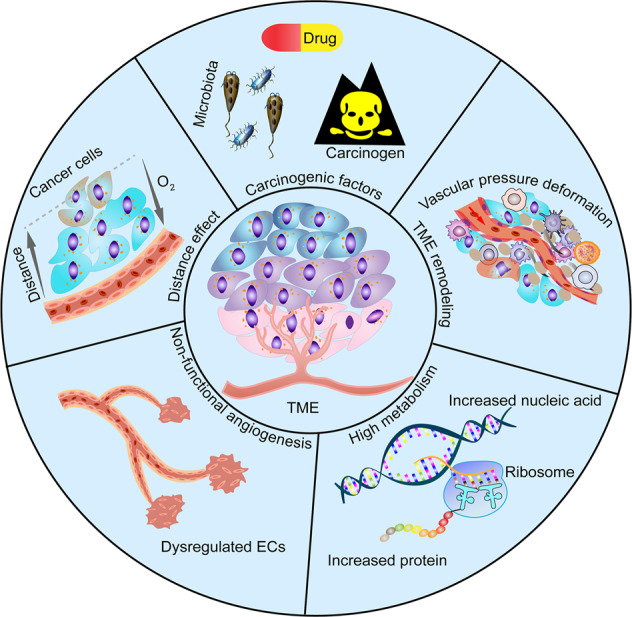
“…tumors, driven by several factors, including carcinogenic factors (such as microbiota dysbiosis), high metabolism, excessive cell proliferation within a confined space, vasculature deformation due to pressure, and dysregulated proliferation and alignment of vascular endothelial cells [114].”
Asadi, M., Zafari, V., Mohammadi, S. S., Shanehbandi, D., Mert, U., Soleimani, Z., Caner, A., & Zarredar, H. (2024) · Bioimpacts · doi:10.34172/bi.30713 · Cited by 11
Xie, Y., Zhu, M. J., Bao, H., Chen, K., Wang, S., Dai, J., Chen, H., Li, H., Song, Q., Wang, X., et al. (2025) · International Journal of Nanomedicine · doi:10.2147/ijn.s502076 · Cited by 8
Tian, Y., Wang, L., Chen, R., Miao, Y., Liu, Y., Huang, W., Fang, L., Liu, S., Luo, J.-W., Sun, X., et al. (2025) · Angewandte Chemie · doi:10.1002/ange.202500645 · Cited by 8
Effect of hypoxia on the mucus system and intragastric microecology in the gastrointestinal tract
Chen, L., Zhou, S., Yang, J. X., & Liu, X. Q. (2025) · Microbial Pathogenesis · doi:10.1016/j.micpath.2025.107615 · Cited by 8
Wang, J., Li, H., Su, Q., Liu, J., Li, K., Wang, Z., & Wang, L. (2025) · Bioactive Materials · doi:10.1016/j.bioactmat.2025.05.023 · Cited by 13
Li, A., Yuan, M., Wei, X., Fu, Y., Zhang, J., Liu, H. F., Li, Y., Liang, Y., He, Y., & Jiang, X. (2025) · Cell Biomaterials · doi:10.1016/j.celbio.2025.100120 · Cited by 8
Mohamed, H. R. H., Hakeem, G. M., Latif, Y. A., Elnawasani, S. H., Nagy, M., Mohamed, B. A., Essam, R., & Safwat, G. (2025) · Scientific Reports · doi:10.1038/s41598-025-05088-9 · Cited by 8
“They also offer potential for combination therapies, such as co-delivery of chemotherapeutic agents or synergistic use with other nanoparticles, enhancing overall treatment outcomes 17,19 .”
Elhamamsy, A. R., Metge, B. J., Swain, C. A., Elbahoty, M. H., Hinshaw, D. C., Kammerud, S. C., Chen, D., Samant, R. S., & Shevde, L. A. (2025) · Nature Communications · doi:10.1038/s41467-025-63315-3 · Cited by 8
“Hypoxia, characterized by reduced oxygen availability, plays a pivotal role in tumor biology, in fl uencing processes such as EMT, invasion, stemness, resistance to radiation therapy, and ultimately, metastasis 10,47 .”
Rodrigo-Martínez, P., Barros, M., Terencio, M. C., Garrido, E., Arroyo, P., Saez, J. A. D. S., Parra, M., & Gaviña, P. (2025) · Drug Delivery and Translational Research · doi:10.1007/s13346-025-01950-5 · Cited by 10
A New Era in Oncology: Clinical Insights Into the Application of Oncolytic Viruses
Alam, S. M. S., Tasnim, M., Amin, T., & Islam, S. M. B. U. (2025) · Cancer Control · doi:10.1177/10732748251382295 · Cited by 8
“100 To conquer these impediments new approaches are being worked upon.”
Mutnuru, S. A., Yadav, P., Kakani, P., Dhamdhere, S. G., Kumari, P., Agarwal, S., Samaiya, A., & Shukla, S. (2025) · PLoS Biology · doi:10.1371/journal.pbio.3003444 · Cited by 9
“Author Response: We thank the reviewer for pointing out this discrepancy.”
Wang, H., Liu, S., Xiao, F., Fan, W., Ye, Y., Xu, X., Chen, Z., Gong, X., Zhou, Y., Wu, X., et al. (2025) · Journal of Gastroenterology · doi:10.1007/s00535-025-02315-y · Cited by 8
“Several studies have shown upregulation of CPT1 under hypoxic conditions enhances FA oxidation, potentially limiting LD accumulation during oncogenic transformation [50, 51].”
Self-citationResponsive fluorescent probes for the imaging of cancer
Wang, S., Yang, X., Zhang, Z., Zhang, H., Wang, G., Liu, Z., Wen, Y., & Huang, S. (2025) · Bioorganic Chemistry · doi:10.1016/j.bioorg.2025.109246 · Cited by 8
Exogenous/endogenous stimuli-responsive antitumor prodrugs advance precision chemotherapy
Wang, L., Li, J., Zeng, X., Lu, Q., Wang, Y., Anwar, Z., Li, X., Fan, H., & Sun, H. (2025) · Bioorganic & Medicinal Chemistry · doi:10.1016/j.bmc.2025.118485 · Cited by 9
Qing, B., Li, X., He, X., Wang, J., Yang, Y., Jiang, M., Yan, B., Zhang, L., Xiong, A., Ran, Q., et al. (2025) · Advanced Science · doi:10.1002/advs.202510847 · Cited by 8
Li, Z., Qin, N., Ni, W., Shen, Z., Wang, Y., Shen, J., & Li, Y. (2025) · Journal of Controlled Release · doi:10.1016/j.jconrel.2025.114485 · Cited by 8
Song, L., Cai, J., Zhu, G., Zhang, P., Chen, S., Quan, B., Du, J.-X., Cai, Y., Song, L., Zhou, J., et al. (2025) · Cancer Letters · doi:10.1016/j.canlet.2025.218188 · Cited by 8
Han, Y., He, M., Zhang, L., Liu, C., Qiao, Y., Li, Y., Fan, J., Sun, W. C., & Peng, X. (2025) · Biomaterials · doi:10.1016/j.biomaterials.2025.123914 · Cited by 8
A review of targeted drug delivery with antibody-drug complexes
Sanjanwala, D., Meng, Y., Guo, Z., & Bordeau, B. M. (2025) · Journal of Pharmacology and Experimental Therapeutics · doi:10.1016/j.jpet.2025.103732 · Cited by 9
“The release mechanism relies on a reduction-triggered process under hypoxic conditions, but the variability of hypoxia in different tumor regions 73,74 could result in uneven drug release or release in off-target tissues such as the bone marrow, which is physiologically hypoxic under normal…”
Recent advances in redox-responsive polysaccharide-based nanostructures for cancer therapy
Li, J., Wang, J., Huang, Y., Liu, Y., Xiao, H., & Seidi, F. (2026) · Carbohydrate Polymers · doi:10.1016/j.carbpol.2026.124969 · Cited by 8
Guerrero‐López, P., Alamán‐Díez, P., Hernández-Hatibi, S., Balsas, P., & Garcia-Aznar, J. M. (2026) · Advanced Drug Delivery Reviews · doi:10.1016/j.addr.2026.115836 · Cited by 9
Wang, F., Wang, Z., Yu, K., Wang, Y., Su, Q., Han, C., Hu, W., Su, Q., Li, P., & Wang, H. (2026) · Tetrahedron · doi:10.1016/j.tet.2026.135244 · Cited by 8
Biomimetic Cell Membrane‐Coated MOFs System for Targeted Cancer Therapy
Wu, Q., Chon, J. S. D., Feng, Y., Liang, K., Li, S., Zhang, C. Y., & Ge, J. (2026) · Advanced Science · doi:10.1002/advs.202521580 · Cited by 11
Oxidative Stress and DNA Epigenetic Modifications in Cancer: Mechanisms and Targeted Therapeutics
Yang, X., Chen, Q., Yu, Y., Zang, Y., Zheng, R., Zhang, Z., Lu, S., & Zhou, L. (2026) · MedComm – Oncology · doi:10.1002/mog2.70065 · Cited by 12
Li, S., & Chu, T. (2024) · Bioorganic & Medicinal Chemistry Letters · doi:10.1016/j.bmcl.2024.129773 · Cited by 8
Nanogalvanic Cells Release Highly Reactive Electrons in Tumors to Effectively Eliminate Tumors
Huang, W., Zhu, Y.-Q., Gao, F., You, W., Chen, G., Nie, X., Xia, L., Wang, L., Hong, C., Zhang, Z., et al. (2024) · Advanced Materials · doi:10.1002/adma.202404199 · Cited by 10
A nitroreductase-sensitive near-IR fluorescent biosensor for detecting tumor hypoxia in vivo
Nisar, S., & Sui, B. (2024) · Sensors & Diagnostics · doi:10.1039/d4sd00146j · Cited by 8
Wang, T., Chen, S., Sun, J., & Li, K. (2024) · International Journal of Pharmaceutics · doi:10.1016/j.ijpharm.2024.124581 · Cited by 8
Lu, X., Gou, Z., Chen, H., Li, L., Chen, F., Bao, C., & Bu, H. (2024) · Journal for ImmunoTherapy of Cancer · doi:10.1136/jitc-2024-009587 · Cited by 8
Zhang, H., Han, B., Tian, S., Gong, Y., & Liu, L. (2024) · International Journal of Oncology · doi:10.3892/ijo.2024.5693 · Cited by 9
Ajadee, A., Mahmud, S., Hossain, M. B., Ahmmed, R., Ali, M. A., Reza, M. S., Sarker, S. K., & Mollah, M. N. H. (2024) · PLoS ONE · doi:10.1371/journal.pone.0310843 · Cited by 9
Zhang, C., Wang, Y., Yao, Y., Pang, Y., Xiao, X., & Hao, L. (2024) · Annals of Medicine · doi:10.1080/07853890.2024.2439539 · Cited by 8
Decoding the complex web: cellular and molecular interactions in the lung tumour microenvironment
Issa, B. S., Adhab, A. H., Mahdi, M. S., Kyada, A., Ganesan, S., Bhanot, D., Naidu, K. S., Kaur, S., Mansoor, A. S., Radi, U. K., et al. (2024) · Journal of drug targeting · doi:10.1080/1061186x.2024.2445772 · Cited by 9
“…of oxygen and nutrients to certain tumour regions but also impedes the distribution of therapeutic agents, potentially reducing treatment efficacy [281]. furthermore, the aberrant tumour vasculature contributes to the creation of a hostile tMe. the inconsistent blood flow and poor perfusion lead…”
Khanyile, R., Chipiti, T., Hull, R., & Dlamini, Z. (2025) · Cancers · doi:10.3390/cancers17050808 · Cited by 9
“These advancements are enabling clinicians to stratify patients more effectively and optimize therapeutic decisions [51].”
Wang, X., Fang, H., Hu, W., Yuan, F., Zhou, Z., Hu, M., Jiang, D., Zhang, Y., & Lan, X. (2025) · Journal of Nanobiotechnology · doi:10.1186/s12951-025-03257-6 · Cited by 8
“Studies by Chen et al. revealed that hypoxia-induced HIF-1α expression in the TME facilitated immune evasion by recruiting Tregs and MDSCs, leading to the suppression of anti-tumor immunity and supporting tumor progression [41].”
Nanotherapeutic Formulations for the Delivery of Cancer Antiangiogenics
Ultimo, A., Jain, A., Gómez-González, E., Alex, T. S., Moreno-Borrallo, A., Jana, S., Ghosh, S., & Ruiz‐Hernández, E. (2025) · Molecular Pharmaceutics · doi:10.1021/acs.molpharmaceut.4c00822 · Cited by 8
The role of immunotherapy in targeting tumor microenvironment in genitourinary cancers
Kalemoglu, E., Jani, Y. C., Canaslan, K., & Bilen, M. A. (2025) · Frontiers in Immunology · doi:10.3389/fimmu.2025.1506278 · Cited by 9
Lui, I., Schaefer, K., Kirkemo, L. L., Zhou, J., Perera, R. M., Leung, K., & Wells, J. A. (2025) · Journal of Proteome Research · doi:10.1021/acs.jproteome.4c01037 · Cited by 9
Chang, X., Liu, X., Wang, X., Ma, L., Liang, J., & Li, Y. (2025) · Frontiers in Microbiology · doi:10.3389/fmicb.2025.1545334 · Cited by 9
Hypoxia-inducible PRMT2 addiction in glioblastomas
Dong, F., Sun, X., Su, J., Li, Q., He, Y., Li, W., Wang, B., Wang, B., Xu, G., & Wu, X. (2024) · Cellular Signalling · doi:10.1016/j.cellsig.2024.111094 · Cited by 8
Edelmann, M., Fan, S., Oliveira, T. D., Goldhardt, T., Sartorius, D., Midelashvili, T., Conrads, K., Paul, N. B., Beißbarth, T., Fleischer, J. R., et al. (2024) · Cancer Research Communications · doi:10.1158/2767-9764.crc-24-0077 · Cited by 9
A machine learning-based investigation of integrin expression patterns in cancer and metastasis
Shadman, H., Gomrok, S., Litle, C., Cheng, Q., Yu, J., Huang, X., Ziebarth, J. D., & Wang, Y. (2025) · Scientific Reports · doi:10.1038/s41598-025-89497-w · Cited by 8
HIPK2 in Colon Cancer: A Potential Biomarker for Tumor Progression and Response to Therapies
Verdina, A., Garufi, A., D’Orazi, V., & D’Orazi, G. (2024) · International Journal of Molecular Sciences · doi:10.3390/ijms25147678 · Cited by 8
Interplay between epigenetics and metabolism controls cancer stem cell plasticity
Choi, J.-E., & Baek, I. (2024) · Frontiers in Epigenetics and Epigenomics · doi:10.3389/freae.2024.1424163 · Cited by 7
“Furthermore, HIF-1 α can directly upregulate several glycolytic genes to meet high metabolic demands of CSCs, including GLUT1/2, hexokinases, aldolases, phosphoglycerate kinase 1, pyruvate kinase M, and enolases (Taylor and Scholz, 2022; Semenza, 2003).”
InfluentialApplying metabolic control strategies to engineered T cell cancer therapies
Fox, A., & Blazeck, J. (2024) · Metabolic Engineering · doi:10.1016/j.ymben.2024.10.009 · Cited by 7
Nawafleh, H. H., Zeinelabdin, N. A., Greene, M. K., Krishnan, A., Ho, L., Genead, M. A., Kunimoto, D. Y., Scott, C. J., Tolentino, M. J., & Chouaïb, S. (2024) · Pharmaceuticals · doi:10.3390/ph17111443 · Cited by 7
Sun, M., Zhu, H., Yang, Y. P., Yao, Y., Li, H., Feng, F., Wáng, Q., Liu, R., & Sun, C. (2025) · International Journal of Oncology · doi:10.3892/ijo.2025.5742 · Cited by 9
A Tandem Cytometry Platform for Single-Cell Analysis of Protein and Metabolites
Du, M., Pan, X., Peng, Y., Yang, J., Pan, S., Cheng, R., Yang, S., Yang, Z., Pan, J., Liu, P., et al. (2025) · Analytical Chemistry · doi:10.1021/acs.analchem.5c00606 · Cited by 7
Oh, T., Kim, M.-W., Kang, G.-S., Ye, S., Choi, C., Park, W., Hay, M. P., Hirata, H., & Ahn, G. (2025) · Cancer Research and Treatment · doi:10.4143/crt.2025.200 · Cited by 8
“Present in all human and animal solid tumors, hypoxia has been recognized as a major contributing factor to failure of all anticancer therapies, including chemotherapy, radiotherapy, surgery, and most importantly the latest immunotherapy [5].”
Deng, J., Tang, Q., Wei, Q., Ruan, F., Li, X., & Long, L. (2025) · Quantitative Imaging in Medicine and Surgery · doi:10.21037/qims-24-2313 · Cited by 7
“Although hypoxia induces the expression of pro-angiogenic factors such as erythropoietin and vascular endothelial growth factor (VEGF), the resulting angiogenesis is often compromised by disorganized endothelial cell alignment, leading to the formation of non-functional or abnormal vessels (26).”
Tang, J., Chen, Y., Lai, H., Zeng, Q., Li, Y., Feng, J., Lin, N., Jin, R., Liu, J., Luo, T., et al. (2025) · Chemical Engineering Journal · doi:10.1016/j.cej.2025.163582 · Cited by 7
Huang, Y., Lei, Y., & Li, Y. (2025) · The Journal of Gene Medicine · doi:10.1002/jgm.70027 · Cited by 7
Epigenetic reprogramming holds promise in enhancing anti-tumor efficacy of CAR T cell therapy
Zheng, Y., Zhu, Q., Li, X., Ge, T., Wang, S., Jia, R., Yang, L., Wang, Y., & Zhuang, A. (2025) · Biotechnology Advances · doi:10.1016/j.biotechadv.2025.108649 · Cited by 8
From Hypoxia to Bone: Reprogramming the Prostate Cancer Metastatic Cascade
Santos, M. D. O., Koushyar, S., Dart, D. A., & Onganer, P. U. (2025) · International Journal of Molecular Sciences · doi:10.3390/ijms26157452 · Cited by 8
“Hypoxia enhances the expression and activity of bone-homing molecules that facilitate the preferential localisation of PCa cells to the bone microenvironment [43].”
InfluentialShukla, P., Choudhury, K. K., Kajol, Behera, S., Panigrahy, J., & Pathak, R. (2025) · ChemMedChem · doi:10.1002/cmdc.202500232 · Cited by 7
Acid-Responsive Thiocarbonylated Coumarin Photosensitizer for Hypoxia-Tolerant Photodynamic Therapy
Kim, G., Nguyen, V. K. T., Han, J., Cao, L., Lee, S. G., Tran, D. L., Pham, T. C., & Lee, S. (2025) · ACS Applied Bio Materials · doi:10.1021/acsabm.5c00884 · Cited by 8
Chen, G., Wang, S., Wang, F., Yang, C., Zhang, R., Liu, P., Ning, J., Wang, S., Ma, F., Xu, L., et al. (2025) · Materials Today Bio · doi:10.1016/j.mtbio.2025.102492 · Cited by 8
“Concurrently, hypoxia and metabolic stress within the TME activate HIF-1 α /NF-κ B signaling, which enhances cancer stem cell properties and increases metastatic cell resistance to therapy as well as self-renewal potential [17].”
Chen, H., Li, M.-L., Xie, F., Liu, S., Yang, A., Yin, J.-Y., Wang, X.-X., Long, Y.-X., Wu, S., Cai, L., et al. (2025) · Molecular Cancer · doi:10.1186/s12943-025-02500-w · Cited by 7
“The hypoxic microenvironment of most solid tumors is a defining characteristic, stemming from the uncontrolled proliferation of tumor cells and the malformed tumor vascular system, which collectively contribute to the establishment of this hypoxic state within the tumor microenvironment [4].”
AND-Logic-Based Dual-Lock Hemicyanine Fluorescence Probe for Accurate Hypoxia Assessment in Tumors
Liu, Y., Wang, Y., Sun, W., Li, Y., Zhou, X., Chen, J., Jiang, S., Liu, H., Huang, P., & Lin, J. (2025) · Chemical & Biomedical Imaging · doi:10.1021/cbmi.5c00145 · Cited by 8
Nanosensitizer for enhanced radiotherapy via tumor microenvironment reshaping and ROS amplification
Qian, J., Lü, Y., Wang, D., Zhong, S., Liu, X., Lai, X. M., Wei, Z., Ju, G., Yang, J., Wang, Z., et al. (2025) · Theranostics · doi:10.7150/thno.112311 · Cited by 7
Dang, B.-T. N., Pham, K., Nguyen, A.-H., Park, J., Kwon, T. K., Kang, J., Jeong, J., & Yook, S. (2025) · Biomaterials Research · doi:10.34133/bmr.0289 · Cited by 9
Angeli, S., Neophytou, C., Charalambous, A., Voutouri, C., Themistokleous, P., Stylianopoulos, T., & Mpekris, F. (2025) · Journal of Controlled Release · doi:10.1016/j.jconrel.2025.114546 · Cited by 9
De-hua, L., Jiang, S., Wu, T., Cao, Z., Zhu, Z., Wu, N., Zhang, X., Long, M., Wang, J., & Wang, Z. (2025) · Metabolism · doi:10.1016/j.metabol.2025.156486 · Cited by 7
Ko, J. Y., Kweon, T. H., Jung, H., Kang, J., Kim, Y., Kim, Y. J., Shin, D. H., Yang, S. W., Lee, M. M., Hong, J. Y., et al. (2026) · Cell Death and Disease · doi:10.1038/s41419-025-08209-4 · Cited by 9
“Chemotherapy, as well as hypoxic and nutrient-deprived tumor microenvir-onments, exacerbates DNA breakage [2, 3].”
Targeting mitochondrial complexes for cancer therapy
Osman, A. M., & Arabi, A. A. (2026) · Biochemical Pharmacology · doi:10.1016/j.bcp.2026.117695 · Cited by 8
Tian, Y., Liu, Y.-R., Jin, H., Lin, Q.-X., Zhao, W.-Y., Song, W.-W., Gong, Y.-N., Deng, Y.-T., Wang, S.-S., YUAN Kai, W. F., et al. (2026) · Biology Direct · doi:10.1186/s13062-026-00730-6 · Cited by 9
“Hypoxic conditions promote cancer cell proliferation, migration, invasion, and epithelial-mesenchymal transition (EMT), while also contributing to resistance against immunotherapy, chemotherapy, and radiotherapy [10].”
Gao, T. A., Shih, R. M., Clubb, J. D., Hung, S.-H., Singh, T., James‐Allan, L. B., DiBernardo, G., Shafer, A. M., Bouren, A., Ceja, M. A., et al. (2026) · Science Translational Medicine · doi:10.1126/scitranslmed.adw9286 · Cited by 8
The hypoxic tumor microenvironment: Functional and metabolic reprogramming of key immune populations
Ojaroodi, A. F., Shokravi, S., Eskandarzadeh, S., Ghahremanzadeh, A., Alizadeh, F., Amirikar, F., Mobayen, G., Mahrooghi, D., Lahouty, M., Shamsasenjan, K., et al. (2026) · Pathology - Research and Practice · doi:10.1016/j.prp.2026.156443 · Cited by 8
Liang, C., Guo, J., Qiao, W., & Lee, S. J. (2026) · Bioactive Materials · doi:10.1016/j.bioactmat.2026.02.020 · Cited by 10
Mitochondrial respiration supports cancer growth independent of OXPHOS
Chinopoulos, C. (2026) · Biochimica et Biophysica Acta (BBA) - Reviews on Cancer · doi:10.1016/j.bbcan.2026.189593 · Cited by 8
Cong, J., Zheng, S., Zhang, H., Li, Y., & Liu, Z. (2026) · Cancer Letters · doi:10.1016/j.canlet.2026.218548 · Cited by 8
Hasannia, M., Abounoori, M., Mahmoudian, F., Shirzad, M., Rahdar, A., Duguna, S., & Pandey, S. (2026) · Frontiers in Oncology · doi:10.3389/fonc.2026.1812990 · Cited by 7
“Hypoxia is a key feature of the tumor microenvironment, characterized by a signi fi cant de fi ciency of oxygen resulting from the rapid proliferation of cancer cells outpacing the formation of new blood vessels (83).”
Deciphering the Tumor–Immune–Microbe Interactions in HPV-Negative Head and Neck Cancer
Hu, M., Coleman, S. S., Fadlullah, M. Z. H., Spakowicz, D. J., Chung, C. H., & Tan, A. C. (2023) · Genes · doi:10.3390/genes14081599 · Cited by 7
Chamani, F. K., Etebari, A., Hajivalili, M., Mosaffa, N., & Jalali, S. A. (2024) · Molecular Biology Reports · doi:10.1007/s11033-023-08947-8 · Cited by 8
Metadata
- Authors
- Chen, Z., Han, F., Du, Y., Shi, H., & Zhou, W.
- Affiliations
- First Hospital of Lanzhou University (CN)
- Lanzhou University Second Hospital (CN)
- Corresponding author
- Zhou, Wence
- Venue
- Signal Transduction and Targeted Therapy
- Published
- 2023-02-17
- Volume
- 8
- Issue
- 1
- Pages
- 70-70
- ISSN
- 2059-3635 (ISSN-L)
- PMC
- PMC9935926
- OpenAlex
- W4321167021
- Semantic Scholar
- 5715ed7d62c9dfb8bae6084060b69cd0406e157f
- Cited by
- 1,612
- References
- 465
- Citations by year
- 2026: 574 · 2025: 662 · 2024: 326 · 2023: 48
- FWCI
- 50.88
- Type
- journal article
- Language
- en
- Open access
- gold
- doi.org
- Licence
- cc-by
- creativecommons.org/licenses/by/4.0 (tdm)
- creativecommons.org/licenses/by/4.0 (vor)
- Locations
- Signal Transduction and Targeted Therapy (publishedVersion, cc-by)
- PubMed Central (publishedVersion, cc-by)
- PubMed (publishedVersion)
- DOAJ (DOAJ: Directory of Open Access Journals) (submittedVersion, cc-by-sa)
- Funders
- Lanzhou University (ldyyyn2020-93)
- National Natural Science Foundation of China (82260555)
- Natural Science Foundation of Gansu Province (82260555, 22JR11RA033)
- Topics
- Life Sciences › Biochemistry, Genetics and Molecular Biology › Cancer Research › Cancer, Hypoxia, and Metabolism
- Life Sciences › Biochemistry, Genetics and Molecular Biology › Molecular Biology › Angiogenesis and VEGF in Cancer
- Health Sciences › Medicine › Oncology › Cancer Cells and Metastasis
- Keywords
- tumor hypoxia, tumor microenvironment, hypoxia-inducible factor, hypoxia signaling pathway, tumor vasculature normalization, nanoparticle drug delivery, hypoxia-activated prodrug, cancer immunotherapy, radiotherapy resistance, chemoresistance, tumor immune tolerance
- MeSH terms
- Hypoxia, Humans, Immunotherapy, Neoplasms, Radiation Tolerance, Cell Hypoxia, Tumor Microenvironment
About these checks
Registry, retraction, Cites and statistics results are computed, not judged, with one exception: a printed reference that no index lists is read once by a model before it counts as a citation error. Claims are extracted by a model and kept only when their quote appears verbatim in the text; each cited source is then checked, with a model’s help, for whether it says what the claim relies on. Those verdicts can be wrong — read the claim’s quote and the cited source before relying on one.
Statistics and arithmetic are recomputed, not judged.
Confidence bands are shown only for fields calibrated on our annotated test set. None is calibrated yet, so no band is shown.
What counts as a claim ›How we measure confidence ›How we check this ›
Are you an author, or do you see a problem with this page? Request a review
Data sources
Bibliographic data: Semantic Scholar, OpenAlex, Crossref.
Contains information from the Semantic Scholar Academic Graph Datasets, made available under the ODC Attribution License (ODC-BY 1.0).
Semantic Scholar’s data is described in: Kinney, R., et al. (2023). The Semantic Scholar Open Data Platform. arXiv:2301.10140.
