

Engineering nanomedicines through boosting immunogenic cell death for improved cancer immunotherapy
Open accessThe DOI matches its Crossref record; 96 of the 96 references it cites were found in a registry or an index.
Abstract
Current cancer immunotherapy has limited response rates in a large variety of solid tumors partly due to the low immunogenicity of the tumor cells and the immunosuppressive tumor microenvironment (ITM). A number of clinical cancer treatment modalities, including radiotherapy, chemotherapy, photothermal and photodynamic therapy, have been shown to elicit immunogenicity by inducing immunogenic cell death (ICD). However, ICD-based immunotherapy is restricted by the ITM limiting its efficacy in eliciting a long-term antitumor immune response, and by severe systemic toxicity. To address these challenges, nanomedicine-based drug delivery strategies have been exploited for improving cancer immunotherapy by boosting ICD of the tumor cells. Nanosized drug delivery systems are promising for increasing drug accumulation at the tumor site and codelivering ICD inducers and immune inhibitors to simultaneously elicit the immune response and relieve the ITM. This review highlights the recent advances in nanomedicine-based immunotherapy utilizing ICD-based approaches. A perspective on the clinical translation of nanomedicine-based cancer immunotherapy is also provided.
Overview
The claims and statistics of this paper haven’t been checked yet.
Free: it reads the open-access text and checks the first 5 claims that cite a source we can check. Create a free account to check every claim.
Integrity signals
Registry
Cites
Statistics
Figures
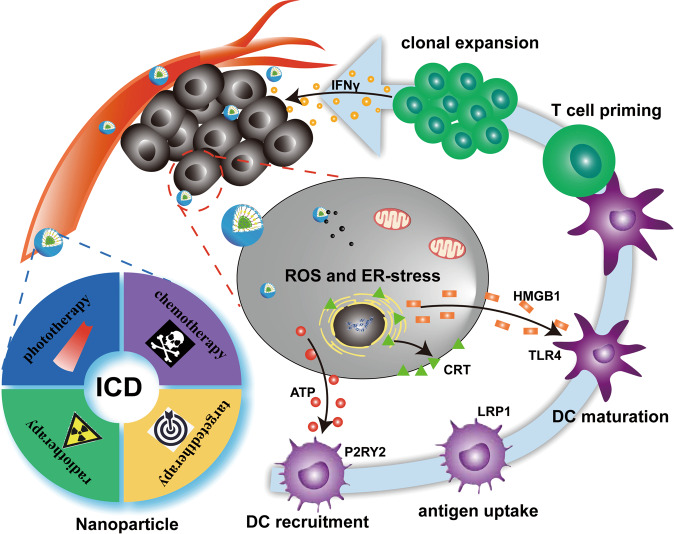
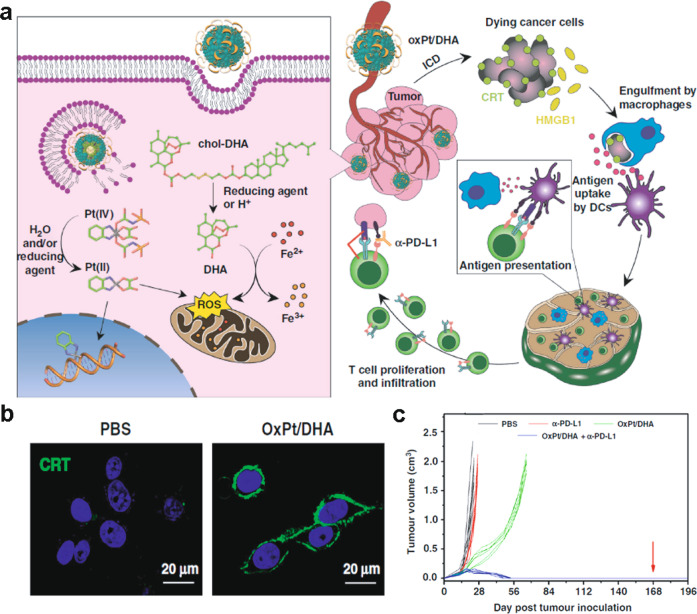
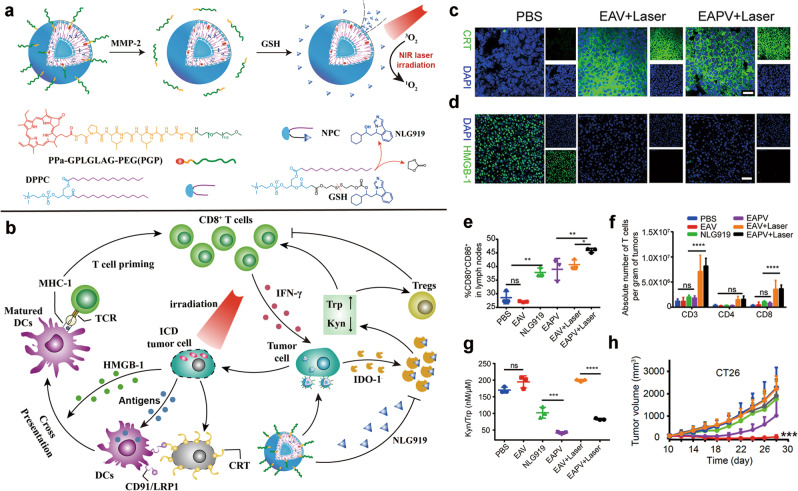
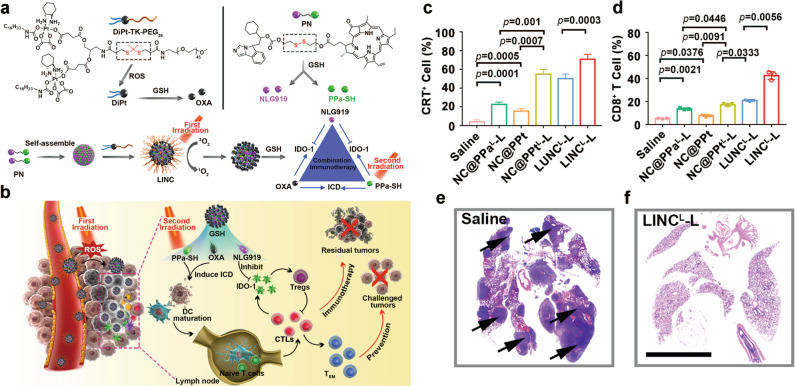
Verification
Claims the paper makes
The claims and statistics of this paper haven’t been checked yet.
Free: it reads the open-access text and checks the first 5 claims that cite a source we can check. Create a free account to check every claim.
Self-check
Percentages, sums and reported differences re-computed from the paper’s own numbers.
The self-check needs the paper’s full text.
Citations
Cites
PD-1 and PD-L1 Immune Checkpoint Blockade to Treat Breast Cancer
Hartkopf, A. D., Taran, F.-A., Wallwiener, M., Walter, C. B., Krämer, B., Grischke, E.-M., & Brucker, S. Y. (2016) · Breast Care · doi:10.1159/000453569 · Cited by 30,845
The blockade of immune checkpoints in cancer immunotherapy
Pardoll, D. M. (2012) · Nature Reviews Cancer · doi:10.1038/nrc3239 · Cited by 13,838
Nanocarriers as an emerging platform for cancer therapy
Peer, D., Karp, J. M., Hong, S., Farokhzad, O. C., Margalit, R., & Langer, R. (2007) · Nature Nanotechnology · doi:10.1038/nnano.2007.387 · Cited by 8,710
Oncology meets immunology: the cancer-immunity cycle.
Chen, D. S., & Mellman, I. (2013) · Immunity · doi:10.1016/j.immuni.2013.07.012 · Cited by 6,929
Cancer immunotherapy using checkpoint blockade
Ribas, A., & Wolchok, J. D. (2018) · Science · doi:10.1126/science.aar4060 · Cited by 6,791
Understanding the tumor immune microenvironment (TIME) for effective therapy
Binnewies, M., Roberts, E. W., Kersten, K., Chan, V., Fearon, D. F., Merad, M., Coussens, L. M., Gabrilovich, D. I., Ostrand-Rosenberg, S., Hedrick, C. C., et al. (2018) · Nature Medicine · doi:10.1038/s41591-018-0014-x · Cited by 6,145
Photodynamic therapy of cancer: An update
Agostinis, P., Berg, K., Cengel, K. A., Foster, T. H., Girotti, A. W., Gollnick, S. O., Hahn, S. M., Hamblin, M. R., Juzeniene, A., Kessel, D., et al. (2011) · CA: A Cancer Journal for Clinicians · doi:10.3322/caac.20114 · Cited by 5,145
Tolerance, Danger, and the Extended Family
Matzinger, P. (1994) · Annual Review of Immunology · doi:10.1146/annurev.iy.12.040194.005015 · Cited by 4,820
Minotti, G., Menna, P., Salvatorelli, E., Cairo, G., & Gianni, L. (2004) · Pharmacological Reviews · doi:10.1124/pr.56.2.6 · Cited by 3,778
Approaches to treat immune hot, altered and cold tumours with combination immunotherapies
Galon, J., & Bruni, D. (2019) · Nature Reviews Drug Discovery · doi:10.1038/s41573-018-0007-y · Cited by 3,409
Research works printed but not linked: 2
- Obeid M Tesniere A Ghiringhelli F Fimia GM Apetoh L Perfettini JL Calreticulin exposure dictates the immunogenicity of cancer cell death Nat Med. 2007 13 54 61 17187072 · DOI · Paper page
- Gao J Wang WQ Yu HJ Acid-activatable polymeric drug delivery systems for cancer therapy Acta Pharm Sin 2019 50 1156 66
Cited by
Items 101–200 of 203
Multistage Self-Assembled Nanomaterials for Cancer Immunotherapy
Guo, L., Yang, J., Wang, H., & Yi, Y. (2023) · Molecules · doi:10.3390/molecules28237750 · Cited by 12
Immunogenic Cell Death (ICD) of Murine H22 Cells Induced by Lentinan
Wang, W., Yang, X., Li, C., Li, Y., Wang, H., & Han, X. (2021) · Nutrition and Cancer · doi:10.1080/01635581.2021.1897632 · Cited by 12
Self-citationZheng, H., Wang, K., Ji, D., Liu, X., Wang, C., Jiang, Y., Jia, Z., Xiong, B., Ling, Y., & Miao, J. (2024) · European Journal of Medicinal Chemistry · doi:10.1016/j.ejmech.2024.116909 · Cited by 11
Zhang, X., Shi, C., Liu, Q., Zhong, Y., Zhu, L., & Zhao, Y. (2025) · Journal of Materials Chemistry B · doi:10.1039/d4tb02125h · Cited by 13
Tian, S., Liu, Y., Tan, Y., Cui, X., Liu, R., Liu, C., Zhao, Y., Xu, K., & Zhou, J. (2025) · European Journal of Pharmaceutics and Biopharmaceutics · doi:10.1016/j.ejpb.2025.114675 · Cited by 12
Chen, Y., Ma, W., Yu, Y., Niu, Q., Li, Y., & Yin, S. (2025) · Advanced Healthcare Materials · doi:10.1002/adhm.202502963 · Cited by 22
Zhang, M., Wang, W., Ma, H., Yu, B., Cong, H., & Shen, Y. (2021) · Science China Materials · doi:10.1007/s40843-021-1846-8 · Cited by 10
Self-citationAPOL6 predicts immunotherapy efficacy of bladder cancer by ferroptosis
Fan, Z., Liu, Y., Wang, X., Xu, Y., Huang, R., Shi, W., Qu, Y., Ruan, J., Zhou, C., Zhao, X., et al. (2024) · BMC Cancer · doi:10.1186/s12885-024-12820-7 · Cited by 10
“In contrast to traditional chemotherapy and radiation therapy, cancer immunotherapy has made significant strides in research and offers a novel approach to treating malignant tumors [4].”
BackgroundShi, K., Liu, X., Liu, Y., Liu, C., Wang, Y., & Liu, Y. (2022) · Advanced Healthcare Materials · doi:10.1002/adhm.202202017 · Cited by 10
Zhu, L., Wu, Y., Zhao, H., Guo, Z., Bo, B., & Li, Z. (2024) · Scientific Reports · doi:10.1038/s41598-024-52353-4 · Cited by 8
Zhang, H., Zhao, H., Huang, Y., Sun, G., & Zhang, Y. (2022) · Applied Materials Today · doi:10.1016/j.apmt.2022.101364 · Cited by 8
A Combination Therapy of Cyclophosphamide and Immunomodulating Agents in Cancer
Bakar, S. N., & Kue, C. S. (2024) · Current Cancer Drug Targets · doi:10.2174/0115680096314791240830111909 · Cited by 10
Zhang, C., Tan, Y., Huang, J., Tang, X., Xiang, H., Shen, B., Tang, C., & Li, R. (2023) · Materials & Design · doi:10.1016/j.matdes.2023.112202 · Cited by 7
Chen, X. '., Yong, Z., Xiong, Y., Yang, H., Xu, C., Wang, X., Deng, Q., Li, J., Yang, X., & Li, Z. (2024) · Asian Journal of Pharmaceutical Sciences · doi:10.1016/j.ajps.2024.100950 · Cited by 12
Exosomes-incorporated biomaterials boost cancer immunotherapy
Li, Y., Yang, J.-Z., Shen, S., & Ding, J. (2025) · Nano Today · doi:10.1016/j.nantod.2025.102805 · Cited by 6
Saeed, Y., Zhong, R., & Sun, Z. (2024) · International Immunopharmacology · doi:10.1016/j.intimp.2024.111948 · Cited by 6
Yang, A., Chen, L., Tang, S., Guo, X., Su, H., Jiang, B., & Shen, X. (2025) · Advanced Healthcare Materials · doi:10.1002/adhm.202405194 · Cited by 5
Zhang, X., Cui, H., Zhang, X., Zhang, Z., Liu, Z., Mao, R., Fan, Y., Sun, R., & Chen, M. (2025) · Critical Reviews in Oncology/Hematology · doi:10.1016/j.critrevonc.2025.104908 · Cited by 9
Choi, E.-S., Bagley, A. F., Haque, S., Winters, C., & Sun, C. (2024) · Materials Today Advances · doi:10.1016/j.mtadv.2024.100539 · Cited by 7
Malik, J. A., Talkhan, H., Fatima, F., & Hani, U. (2026) · Frontiers in Oncology · doi:10.3389/fonc.2026.1763769 · Cited by 4
“…understanding and advanced delivery strategies, drug repurposing offers a rapid and cost-ef fi cient approach to enhance cancer immunotherapy, particularly by overcoming resistance to immune checkpoint inhibitors through modulation of immune activity and the tumor microenvironment (103, 104).”
Li, X., Cao, H., Fan, D., Wu, X., & Su, X. (2024) · ACS Applied Polymer Materials · doi:10.1021/acsapm.4c01861 · Cited by 4
DNA nanostructures: From molecular folding assembly to target subcellular delivery
Yu, D., Zhong, L., Liu, B., Mao, B., Yang, D., & Chen, X.-Y. (2025) · Colloids and Surfaces B Biointerfaces · doi:10.1016/j.colsurfb.2025.115030 · Cited by 3
Recent progress in metal-based drugs for colorectal cancer therapy
Liu, X., Zhang, Q., Yang, X., Liang, J., He, Y., Chao, H., & Pan, Y. (2026) · Coordination Chemistry Reviews · doi:10.1016/j.ccr.2026.217971 · Cited by 3
Nanotechnology-enhanced CAR-T therapy strategies in cancer, aging, and autoimmune diseases
Li, H., Li, J., Liu, X. D., Wei, X., Zeng, X., Wang, Q. Y., Han, Y., Huang, H., & Qian, P. (2026) · Journal of Hematology & Oncology · doi:10.1186/s13045-026-01805-7 · Cited by 4
“In addition, nano-medicine can enhance antitumor immunity by boosting immunogenic cell death (ICD), which promotes antigen release and dendritic cell activation, thereby enhancing downstream T-cell responses [152].”
Nanomedicine – Immune System Interactions: Limitations and Opportunities for the Treatment of Cancer
Elsafy, S., Metselaar, J. M., & Lammers, T. (2023) · Handbook of experimental pharmacology · doi:10.1007/164_2023_685 · Cited by 4
Fu, L., Yong, J. M., Yeh, R., Bartlett, F., Whitelock, J. M., & Lord, M. S. (2025) · Advanced Healthcare Materials · doi:10.1002/adhm.202405129 · Cited by 4
Self-citationTributación y minería en Chile: Antecedentes para un debate informado
I., F. J. L., & Merino, Á. (2004) · Estudios Públicos · Cited by 7
Yang, W., Sun, Q., Song, Z., Li, Y., Liu, K., Chen, C., Shen, W. H., Yang, Y., & Yin, D. (2025) · Advanced Functional Materials · doi:10.1002/adfm.202517584 · Cited by 2
Lian, Y., Zhou, C., Qi, J., Cheng, J., Shi, J., & Du, G. (2025) · Chemical Engineering Journal · doi:10.1016/j.cej.2025.171413 · Cited by 4
Qin, H., Lu, Q., Hu, B., Zhou, X., Lan, C., Lu, H., Gao, D., Qin, C., Peng, K., Wei, Y., et al. (2026) · npj Precision Oncology · doi:10.1038/s41698-026-01372-7 · Cited by 4
“Despite recent advances in immune checkpoint inhibitors (ICIs), only a minority of patients derive durable bene fi t, and resistance remains a critical challenge 29 – 33 .”
Two decades and beyond: What we know and still need to learn about the TWEAK/Fn14 pathway
Verma, P., Tuli, H. S., Paudel, K. R., & Gupta, M. (2026) · Cellular Signalling · doi:10.1016/j.cellsig.2026.112617 · Cited by 2
Molecularly engineered BODIPY photosensitizers for combined cancer phototherapy and immunotherapy
Wang, H., Zhang, Y., & Zhou, M. (2026) · Frontiers in Pharmacology · doi:10.3389/fphar.2026.1849977 · Cited by 4
“Immunotherapy has emerged as a prominent strategy in oncology in recent years (Gao et al., 2020; Hu et al., 2020; Guo J. et al., 2024), and its combination with phototherapy enables synergistic enhancement, significantly augmenting antitumor efficacy (Wu G. et al., 2024; Lu et al., 2024; Kah and…”
Nano-based vaccination and their administration routes in cancer immunotherapy
Ahmed, T. (2024) · Elsevier eBooks · doi:10.1016/b978-0-443-18770-4.00006-8 · Cited by 2
Inorganic nanoparticle-based nanomedicines for cancer immunotherapy
Gowsalya, K., Karthikeyan, L., & Vivek, R. (2024) · Elsevier eBooks · doi:10.1016/b978-0-443-18770-4.00001-9 · Cited by 2
Wang, J., Zhou, M., Chen, F., Liu, X., Gao, J., Wang, W., Wang, H., & Yu, H. (2021) · Journal of Biomedical Nanotechnology · doi:10.1166/jbn.2021.3134 · Cited by 2
Self-citationQi, H., Geng, Y., Li, Y., Wu, Y., & Cai, X. (2025) · Journal of drug targeting · doi:10.1080/1061186x.2025.2519602 · Cited by 2
“…icD is often impaired by the immunosuppressive tumour microenvironment, making it difficult to elicit an ideal anti-tumour immune response [30,31]. immunosuppressive tumour microenvironment is a dynamic microenvironment that changes along with the alteration of tumour growth status. it is…”
Wu, C., Liu, H., Shi, Y., Tang, J., Sun, R., Han, X., & Fan, Y. (2025) · Critical Reviews in Oncology/Hematology · doi:10.1016/j.critrevonc.2025.105086 · Cited by 3
Li, Z., Song, L., Shi, Z., Feng, Y., Zhu, R., Chen, W., & Xie, J. (2026) · Materials Today Nano · doi:10.1016/j.mtnano.2026.100762 · Cited by 1
Shi, H., Huang, X., Yu, J., Shan, W., Zhang, J., Xu, Q., & Shang, H. (2026) · Discover Oncology · doi:10.1007/s12672-026-04588-y · Cited by 1
“By inducing immunogenic cell death (pyroptotic/necrotic death), releasing tumor antigens, and promoting dendritic cell maturation with CD8 ⁺ T-cell infiltration, nanomaterials reverse immuno-suppressive microenvironments and amplify systemic immunity [79, 80].”
Ge, Y., Xiang, B., Chen, J., Guan, Z., Gong, J., Su, Y., & Wang, K. (2026) · Materials Today Advances · doi:10.1016/j.mtadv.2026.100729 · Cited by 1
Inorganic biomaterials as immunomodulators: dual strategies for activation and suppression
Si, X., Lu, Y., & Zha, Z. (2026) · Science China Materials · doi:10.1007/s40843-025-4001-x · Cited by 1
“…or ultrasound (US) into localized hyperthermia or ROS to trigger photothermal or photodynamic ICD [71–73], or by leveraging their intrinsic catalytic and redox-modulating activities to elevate intracellular ROS and oxidative stress, thereby inducing ICD in the absence of external stimuli [74–80].”
Chen, Y., & Wang, D. (2026) · Current Medicinal Chemistry · doi:10.2174/0109298673490855260406093651 · Cited by 1
Kamath, A. J., Syam, S., Rajesh, G., Renjini, S., Balachandran, V., Raj, D. B. S. A., Nath, L. R., Sharifi‐Rad, J., Setzer, W. N., & Călina, D. C. (2026) · Cellular Signalling · doi:10.1016/j.cellsig.2026.112549 · Cited by 1
Recent advances in pillar[ n ]arene-based (photo)electrochemical sensors
Wu, L., Yu, W., Han, C., Li, J., Cheng, Y., Zhou, Y., Zou, J., Wang, H., Duan, H., Chen, T., et al. (2026) · Chemical Communications · doi:10.1039/d6cc01823h · Cited by 1
YIF1B Mutational Dysregulation Drives Cutaneous Melanoma Progression by Remodeling the TME
Wang, X., Ding, Y., Cai, W., Liu, C., & Shi, H. (2026) · Human Mutation · doi:10.1155/humu/8907583 · Cited by 1
Ferroptosis in breast cancer: From adipocyte–immune–iron regulation to therapeutic application
Sun, J., Qu, Y., Ru, Y., & Zhou, Y. (2026) · Clinical and Translational Medicine · doi:10.1002/ctm2.70707 · Cited by 2
“92”
Wang, S., Liu, Z., Jiang, C., Wei, Y., Liu, G., & Pan, Y. (2026) · Biochimica et Biophysica Acta (BBA) - Molecular Basis of Disease · doi:10.1016/j.bbadis.2026.168316 · Cited by 2
Yang, B., Li, X., Zhang, M., Guo, S., Wang, X., Chen, P., Yu, D., Qi, C., & Cai, K. (2026) · Journal of Functional Biomaterials · doi:10.3390/jfb17060308 · Cited by 2
“However, immunogenic cell death (ICD)-based therapy is largely limited by low tumor immunogenicity and the immunosuppressive tumor microenvironment (ITM) [15].”
Advances in porphyrin-based photosensitizers for photodynamic therapy of A549 lung cancer
Rong, G., Li, F., Li, T., Pan, H., Luo, X., & Zheng, X. (2026) · Frontiers in Pharmacology · doi:10.3389/fphar.2026.1878210 · Cited by 2
“Given that immunotherapy has become a major focus in cancer treatment in recent years (Gao et al., 2020; Hu et al., 2020; Mao et al., 2023; Fan et al., 2025; Geng et al., 2025), this ROS-modulating approach, by linking PDT to immune activation, holds considerable translational potential.”
Guermazi, D., Liu, M., Reimann, D., & Saliba, É. (2026) · Journal of the American Academy of Dermatology · doi:10.1016/j.jaad.2026.04.929 · Cited by 1
Wang, Y., Li, F., Wang, S., Meng, J., Zhang, X., & Wei, W. (2024) · Particuology · doi:10.1016/j.partic.2024.03.005 · Cited by 2
NIR Light‐Activated Conversion Nanomaterials for Photothermal/Immunotherapy
Zhang, Y., & Hou, Z. (2025) · Wiley eBooks · doi:10.1002/9783527845347.ch12 · Cited by 1
Lunca, S., Morarasu, S., & Dimofte, G. M. (2026) · International Journal of Molecular Sciences · doi:10.3390/ijms27146522 · Cited by 2
“Although definitive abscopal responses remain uncommon in breast cancer models, increasing evidence for ICD induction, cGAS–STING activation, and immune-cell infiltration suggests that immune modulation represents an important component of nanoparticle-mediated radiosensitiza-https tion [92].”
Clinical Applications of Novel Delivery Routes of Immunotherapy Drugs and Vaccines
Seyedpour, S., & Rezaei, N. (2023) · Springer eBooks · doi:10.1007/978-3-030-80962-1_209-1
Song, Q., Zhou, Y. F., Li, M., Shi, C., & Pei, D. (2024) · Research Square · doi:10.21203/rs.3.rs-5276654/v1
Significance of ARID1A in neuroblastoma onset mechanism
Jin, D., Zhang, D., & Tang, Q. (2025) · Frontiers in Oncology · doi:10.3389/fonc.2025.1624561
“To address these challenges, nanoparticle-based drug delivery systems (46, 47) and nanomedicines (48) have emerged as promising approaches.”
Clinical Applications of Novel Delivery Routes of Immunotherapy Drugs and Vaccines
Seyedpour, S., & Rezaei, N. (2025) · Springer eBooks · doi:10.1007/978-3-032-00767-4_209
Kim, S. W., Negi, M., Heo, Y., Jaiswal, A., Choi, E. H., Kaushik, N., Jang, H., & Kaushik, N. K. (2026) · Materials Advances · doi:10.1039/d5ma00784d
Kim, E. Y., Lim, D. C., Wang, Y., Kim, E. Q., Wu, C., Paul, A., Chen, C., & Wangpaichitr, M. (2026) · iScience · doi:10.1016/j.isci.2026.115037
Premji, T. P., Lin, Y.-J., Dash, B. S., Das, S., & Chen, J. (2026) · International Journal of Nanomedicine · doi:10.2147/ijn.s584361 · Cited by 1
“22 Chemodynamic therapy (CDT), unlike the other ROS-based treatments, does not require any external stimulation, like photodynamic therapy (laser) and sonodynamic therapy (ultrasound).”
Mohanty, A., Nayak, S., Mohapatra, A., Jeong, Y., Lee, C.-M., & Park, I. (2026) · Materials Today Bio · doi:10.1016/j.mtbio.2026.103069 · Cited by 2
“Various stressors, including chemotherapeutic agents, radiation, microbial infections, and phototherapy, can induce ICD through oxidative, thermal, or metabolic stress mechanisms [104].”
Absence of PD-L1 Protein Expression in Classic Dermatofibrosarcoma Protuberans
Gambichler, T., Devrim, Y., Weyer-Fahlbusch, S. S., & Susok, L. (2026) · Dermato · doi:10.3390/dermato6020011
“…aiming to increase immunogenicity (e.g., inducing immunogenic cell death, modulating stromal barriers, or combining local therapies with systemic checkpoint blockade) are increasingly discussed; nanomedicine-based approaches designed to boost immunogenic cell death represent one such avenue [28].”
Tamada, S., Obara, W., & Nishizuka, S. (2026) · Cancer Treatment and Research Communications · doi:10.1016/j.ctarc.2026.101378
Jaaffer, M. D., & Chaloop, A. M. (2026) · Biopolymers and Cell · doi:10.7124/bc.000b2e
Zhang, S., Chen, J., Lai, Y., & Wang, C. (2026) · Journal of the National Cancer Center · doi:10.1016/j.jncc.2026.03.009
“129 , 130 Therefore, the synergy between migrasome-targeted nanomedicines and immunotherapy represents a potent avenue for enhancing the clinical performance of cancer treatments.”
An In Vitro Laboratory Exploration Revealed the Antitumor Effects of Melittin on Osteosarcoma Cells
Li, Y., Xie, X., Zhu, H., Chen, D., & Fan, T. (2026) · Current Medicinal Chemistry · doi:10.2174/0109298673446767260313082429
Gong, W., Jiang, Y., Ji, D., Xu, K., Ma, Y., Cai, J., Yuan, K., Chang, Y., Liu, D., Wang, P., et al. (2026) · Bioconjugate Chemistry · doi:10.1021/acs.bioconjchem.6c00147
Advances in natural killer cell immunotherapy for hematologic malignancies
Hu, H., Xiong, Y., Xia, M., & Sheng, L. (2026) · Cancer Biology & Therapy · doi:10.1080/15384047.2026.2658896
“139 Given the profound complexity of the TME, multidisciplinary integration strategies, such as nanomedicine engineering 140 and next-generation cancer vaccines, 141 are opening new therapeutic avenues for hematologic malignancies.”
Hansen, N. J., Woodman, K., Peterson, C. B., Buoy, S. N., Tang, X., Mao, S., Moreno, A. C., Lai, S. Y., Fuller, C. D., Barbon, C. E. A., et al. (2026) · PLoS ONE · doi:10.1371/journal.pone.0347891
Gu, J., Du, Y., Fan, H., Li, H., Guo, J. Z., & Si, L. (2026) · Expert Opinion on Biological Therapy · doi:10.1080/14712598.2026.2650107 · Cited by 1
“Meanwhile, greater understanding of immunogenic cell death (ICD) has led to investigation into nanomedicine-based drug delivery strategies that can induce ICD in traditionally immunologically ‘cold’ tumors while minimizing systemic toxicities [150–152].”
Pham, K., Thi, T.-H. L., Giri, A., Park, J., Kang, J.-S., Kwon, T. K., Jeong, J., & Yook, S. (2026) · Bioactive Materials · doi:10.1016/j.bioactmat.2026.04.025 · Cited by 3
Immunotherapy in limited-stage small cell lung cancer: riding the ADRIATIC wave toward precision
Eccher, S., Bonato, A., Sposito, M., Scaglione, I. M., Insolda, J., Milella, M., Pilotto, S., & Belluomini, L. (2026) · Expert Review of Clinical Pharmacology · doi:10.1080/17512433.2026.2669256
“In parallel, strategies aimed at enhancing immunogenic cell death and reversing immune tolerance within the TME may represent a promising avenue to broaden sensitivity to immunotherapy [22].”
Wang, Q., & Zhu, J. (2026) · Frontiers in Oncology · doi:10.3389/fonc.2026.1820654
“These nanosystems exhibit favorable drug-loading performance and controlled release characteristics tailored to the physicochemical properties of RCD modulators and immune checkpoint inhibitors (141 – 143).”
Smart nanomaterial-driven innovations in combined cancer immunotherapy
Wang, W., Yan, Z., Yan, K., Lai, Y., Xu, W., Zhou, M., & Yu, H. (2026) · Journal of Cancer Metastasis and Treatment · doi:10.20517/2394-4722.2026.21 · Cited by 1
Self-citationLi, S., Zhang, L., & Peng, Y. (2026) · Cellular Signalling · doi:10.1016/j.cellsig.2026.112600
Encapsulated Primary Human Ovarian Cancer Cells on Chips for Chemotherapy Drug Evaluation
Yang, Q., Liu, R., Kong, B., Zhang, Y., 赵苗青, & Cai, Y. (2026) · Research · doi:10.34133/research.1313
“The inherent heterogeneity of OC [ 9 ], along with variability in individual patient responses to treatment [ 3 ], presents substantial challenges in achieving truly personalized therapy based solely on clinical guidelines and experience [ 10 , 11 ].”
Pan, J., Yang, L., Wang, H., & Chen, Y. (2026) · Journal of Enzyme Inhibition and Medicinal Chemistry · doi:10.1080/14756366.2026.2662446 · Cited by 2
Wang, C., Wan, P., Liu, X., Yao, Y., & Sun, C. (2026) · Current Genomics · doi:10.1016/j.curgen.2026.04.003
Nanomedicine orchestrated metabolic reprogramming of immune cells in antitumor immunity
Lin, A., Chen, Y., Liu, J., Jiang, A., Zhu, W., Cheng, Q., Zhang, J., Yuan, Q., Mao, W., & Luo, P. (2026) · Cancer Letters · doi:10.1016/j.canlet.2026.218586 · Cited by 1
Clinical Characteristics and Management of Immune Checkpoint Inhibitor-Associated Sicca Syndrome
Balbach, M. L., & Johnson, D. B. (2026) · Cancers · doi:10.3390/cancers18111836
“Immunogenic cell death induced by ICIs may further amplify these processes through the release of damage-associated molecular patterns and tumor antigens, thereby promoting immune responses that may extend beyond the tumor microenvironment [23,24].”
Angolkar, M., Paramshetti, S., Spandana, K. M. A., Osmani, R. A. M., Fatease, A. M. A., Alamri, A. H., Hani, U., & Singh, E. (2026) · Elsevier eBooks · doi:10.1016/b978-0-443-43826-4.00014-2
Hu, J., Lu, Y., Tan, Z., Lang, J., Wu, S., Chen, D., Zhang, J., Wu, X., Zhu, Q., Huang, Y. N., et al. (2026) · Journal of Controlled Release · doi:10.1016/j.jconrel.2026.115116
Zhan, Y., Zhang, Y., Miao, J., Qu, X., Li, Y., Li, X., Dong, Y., Liu, B., & Song, Y. (2026) · Cellular Signalling · doi:10.1016/j.cellsig.2026.112691
Xu, X. X., Wu, H., Yan, Y., Cui, H., Yu, T., Yang, Y. F., Deng, Z., & Qian, J. (2026) · Frontiers in Oncology · doi:10.3389/fonc.2026.1882315
Ma, J., Qiang, Z., Xie, W., Jiao, L., Mi, L., Ma, K., Yang, Z., & Chen, G. Q. (2026) · Medical Oncology · doi:10.1007/s12032-026-03331-5
Liu, D., Gu, Y., & Guan, X. (2026) · Immunological Investigations · doi:10.1080/08820139.2026.2689677
“Engineered nanomedicines induce immunogenic cell death (ICD) to convert “cold” into “hot” tumors, reshaping immuno-suppressive microenvironments (Gao et al., 2020).”
Serrano-García, L., Martínez-Salvador, E., Belda-Marco, A., Herrero-Oliva, C., Cortés, J., Llombart‐Cussac, A., & Fernández-Murga, M. L. (2026) · Gut Microbes · doi:10.1080/19490976.2026.2697600
“In parallel, dysregulated microRNAs—particularly those inter-secting the p53 stress-response axis—represent a plausible mechanistic layer linking metabolic rewiring, immune escape, and therapeutic resistance in TNBC. 208-210”
Wang, Z., Chen, D., Gu, C., Cao, X., Liu, P., & Song, Y. (2026) · Letters in Drug Design & Discovery · doi:10.1016/j.lddd.2026.100461
Dong, X., Cui, F., Wang, L., WU, M., Liu, Y., Gao, L., Xie, J., Lin, X., Sun, J., Zhou, X., et al. (2026) · Frontiers in Immunology · doi:10.3389/fimmu.2026.1793737 · Cited by 2
“This coexistence of immune activation and immune restraint helps explain the variable response of TNBC to immunotherapy and supports the development of microenvironment-targeted therapeutic strategies (8, 9).”
Shao, Q., Peng, M., Lin, X., Zheng, Y., Feng, Y., Ke, W., Zou, H., & Ren, X. (2026) · Human Vaccines & Immunotherapeutics · doi:10.1080/21645515.2026.2705655
“19,20 The results of a clinical cohort study from the Czech Republic found that HPV vaccination has a beneficial long-term effect on reducing the risk of CIN2+ recurrence.”
Liang, F., Li, J., Yue, Y., Pan, J., Liu, C., Cheng, D., Zhang, N., Li, K., Chu, F., & Wu, H. (2026) · Polish Journal of Microbiology · doi:10.33073/pjm-2026-016
Zhao, X., Cao, Y., Zhang, W., & Deng, D. (2026) · Colloids and Surfaces B Biointerfaces · doi:10.1016/j.colsurfb.2026.116073
Aggregation-Induced Emission: Illuminating the Path from Photothermal Ablation to Systemic Immunity
Li, R., Wang, H., Chen, S., Xu, X., Dong, S., Gu, M., & Li, Z. (2026) · ACS Applied Bio Materials · doi:10.1021/acsabm.6c01288
Shen, Q., & Gao, Y. (2026) · Frontiers in Immunology · doi:10.3389/fimmu.2026.1905617
Sun, S., Li, X., Wu, Z., Shang, C., Dong, K., & Xu, C. (2026) · Carbohydrate Polymers · doi:10.1016/j.carbpol.2026.125777
Cao, T., Qiao, G., Ma, M., & Shi, J. (2026) · Discover Oncology · doi:10.1007/s12672-025-03548-2
“PCA was conducted, and the top 20 principal components were utilized for dimensionality reduction using the UMAP algorithm [25].”
Recent advances and challenges in carbon nitride-based nanoplatforms for gas therapy
Sun, H., Zhou, M.-Z., Qin, S., Xiang, Z.-T., Wu, X.-Y., Zheng, X.-T., & Liu, M.-X. (2026) · Chemical Communications · doi:10.1039/d6cc04437a
Yang, S., Chen, Z., Cai, S.-S., & Chen, M. (2026) · Organic Letters · doi:10.1021/acs.orglett.6c02889
Cancer vaccines as targeted therapies: translational advances and challenges
Shafaghat, Z., Sadri, M., Roozbehani, M., Kheiri, F., Dorfaki, M., & Faraji, F. (2026) · Immunotherapy · doi:10.1080/1750743x.2026.2728542
Lu, J., Xuan, M., Yu, L., Xie, Z., Chu, Q., Wei, S., Wang, T., Xue, C., & Li, L. (2026) · MedComm · doi:10.1002/mco2.70994
“Bacteria possess natural tumor tropism, immunostimulatory properties, and programmability, while nanomaterials offer high drug-loading capacity, tunable release profiles, and multifunctionality [ 385 ].”
Metadata
- Authors
- Gao, J., Wang, W.-Q., Pei, Q., Lord, M. S., & Yu, H.-J.
- Affiliations
- Chinese Academy of Sciences (CN)
- UNSW Sydney (AU)
- Venue
- Acta Pharmacologica Sinica
- Published
- 2020-04-21
- Volume
- 41
- Issue
- 7
- Pages
- 986-994
- ISSN
- 0253-9756 (ISSN-L)
- 1671-4083
- 1745-7254
- PMC
- PMC7470797
- OpenAlex
- W3016713923
- Cited by
- 203
- References
- 96
- Citations by year
- 2026: 65 · 2025: 25 · 2024: 25 · 2023: 28 · 2022: 29 · 2021: 22 · 2020: 8
- FWCI
- 1.82
- Type
- journal article
- Language
- en
- Update notices
- correction (2020-08-03)
- Open access
- hybrid
- doi.org
- Licence
- cc-by
- creativecommons.org/licenses/by/4.0 (tdm)
- creativecommons.org/licenses/by/4.0 (vor)
- Locations
- Acta Pharmacologica Sinica (publishedVersion, cc-by)
- PubMed Central (publishedVersion, cc-by)
- PubMed (publishedVersion)
- UNSWorks (UNSW Sydney) (submittedVersion, cc-by-nc-nd)
- Funders
- University of New South Wales
- National Natural Science Foundation of China (31900990, 51873228, 81521005, 31671024)
- Chinese Academy of Sciences (2014218)
- Youth Innovation Promotion Association of the Chinese Academy of Sciences (2014218)
- Youth Innovation Promotion Association
- Topics
- Physical Sciences › Engineering › Biomedical Engineering › Nanoplatforms for cancer theranostics
- Health Sciences › Medicine › Oncology › Cancer Immunotherapy and Biomarkers
- Life Sciences › Immunology and Microbiology › Immunology › Immunotherapy and Immune Responses
- Keywords
- immunogenic cell death, cancer immunotherapy, nanomedicine, tumor microenvironment, immunosuppression, immune checkpoint inhibitors, solid tumors, clinical translation
- MeSH terms
- Immunogenic Cell Death, Antineoplastic Agents, Humans, Immunotherapy, Neoplasms, Photochemotherapy, Drug Delivery Systems, Nanomedicine, Tumor Microenvironment
About these checks
Registry, retraction, Cites and statistics results are computed, not judged, with one exception: a printed reference that no index lists is read once by a model before it counts as a citation error. Claims are extracted by a model and kept only when their quote appears verbatim in the text; each cited source is then checked, with a model’s help, for whether it says what the claim relies on. Those verdicts can be wrong — read the claim’s quote and the cited source before relying on one.
Statistics and arithmetic are recomputed, not judged.
Confidence bands are shown only for fields calibrated on our annotated test set. None is calibrated yet, so no band is shown.
What counts as a claim ›How we measure confidence ›How we check this ›
Are you an author, or do you see a problem with this page? Request a review
Data sources
Bibliographic data: Semantic Scholar, OpenAlex, Crossref.
Contains information from the Semantic Scholar Academic Graph Datasets, made available under the ODC Attribution License (ODC-BY 1.0).
Semantic Scholar’s data is described in: Kinney, R., et al. (2023). The Semantic Scholar Open Data Platform. arXiv:2301.10140.
