

Transforming growth factor‐β in stem cells and tissue homeostasis
Open accessThe DOI matches its Crossref record; 597 of the 598 references it cites were found in a registry or an index.
Abstract
TGF-β 1-3 are unique multi-functional growth factors that are only expressed in mammals, and mainly secreted and stored as a latent complex in the extracellular matrix (ECM). The biological functions of TGF-β in adults can only be delivered after ligand activation, mostly in response to environmental perturbations. Although involved in multiple biological and pathological processes of the human body, the exact roles of TGF-β in maintaining stem cells and tissue homeostasis have not been well-documented until recent advances, which delineate their functions in a given context. Our recent findings, along with data reported by others, have clearly shown that temporal and spatial activation of TGF-β is involved in the recruitment of stem/progenitor cell participation in tissue regeneration/remodeling process, whereas sustained abnormalities in TGF-β ligand activation, regardless of genetic or environmental origin, will inevitably disrupt the normal physiology and lead to pathobiology of major diseases. Modulation of TGF-β signaling with different approaches has proven effective pre-clinically in the treatment of multiple pathologies such as sclerosis/fibrosis, tumor metastasis, osteoarthritis, and immune disorders. Thus, further elucidation of the mechanisms by which TGF-β is activated in different tissues/organs and how targeted cells respond in a context-dependent way can likely be translated with clinical benefits in the management of a broad range of diseases with the involvement of TGF-β.
Overview
The claims and statistics of this paper haven’t been checked yet.
Free: it reads the open-access text and checks the first 5 claims that cite a source we can check. Create a free account to check every claim.
Integrity signals
Registry
Cites
Statistics
Figures
Verification
Claims the paper makes
The claims and statistics of this paper haven’t been checked yet.
Free: it reads the open-access text and checks the first 5 claims that cite a source we can check. Create a free account to check every claim.
Claims other papers make about this one
Each is checked against this paper’s own text: does it say what the citing paper says it does?
The check wasn’t confident either way, so it gives no verdict — never disputed.
In the citing paper
“However, recent studies indicated that CAFs consist of several types of stromal cells that differ in their origin, functions, number, and phenotype [21, 22, 23, 24].”
From Tumor microenvironment signaling and therapeutics in cancer progression (2023) · cites this paper as [23]
Experimental — accuracy not yet measured
Self-check
Percentages, sums and reported differences re-computed from the paper’s own numbers.
The self-check needs the paper’s full text.
Citations
Cites
1 retracted
RETRACTED ARTICLE: Pluripotency of mesenchymal stem cells derived from adult marrow
Jiang, Y., Jahagirdar, B. N., Reinhardt, R. L., Schwartz, R. E., Keene, C. D., Ortiz-Gonzalez, X. R., Reyes, M., Lenvik, T., Lund, T., Blackstad, M., et al. (2002) · Nature · doi:10.1038/nature00870 · Cited by 5,518
RetractedTakahashi, K., & Yamanaka, S. (2006) · Cell · doi:10.1016/j.cell.2006.07.024 · Cited by 26,673
Embryonic Stem Cell Lines Derived from Human Blastocysts
Thomson, J. A., Itskovitz-Eldor, J., Shapiro, S. S., Waknitz, M. A., Swiergiel, J. J., Marshall, V. S., & Jones, J. M. (1998) · Science · doi:10.1126/science.282.5391.1145 · Cited by 15,926
Matrix elasticity directs stem cell lineage specification
Engler, A. J., Sen, S., Sweeney, H. L., & Discher, D. E. (2006) · Cell · doi:10.1016/j.cell.2006.06.044 · Cited by 13,915
Polazzi, E., Mengoni, I., Caprini, M., Peña-Altamira, E., Kurtys, E., & Monti, B. (2013) · Neurosignals · doi:10.1159/000337115 · Cited by 8,994
Massagué, J. (1998) · Annual Review of Biochemistry · doi:10.1146/annurev.biochem.67.1.753 · Cited by 7,556
Molecular Mechanisms of Stress-Responsive Changes in Collagen and Elastin Networks in Skin
Aziz, J., Shezali, H., Radzi, Z., Yahya, N. A., Abu Kassim, N. H., Czernuszka, J., & Rahman, M. T. (2016) · Skin Pharmacology and Physiology · doi:10.1159/000447017 · Cited by 7,323
Smad-dependent and Smad-independent pathways in TGF-β family signalling
Derynck, R., & Zhang, Y. E. (2003) · Nature · doi:10.1038/nature02006 · Cited by 5,373
Gage, F. H. (2000) · Science · doi:10.1126/science.287.5457.1433 · Cited by 4,786
Reynolds, B. A., & Weiss, S. (1992) · Science · doi:10.1126/science.1553558 · Cited by 4,482
Research works printed but not linked: 1
- Derynck R., Miyazono K. The TGF-[beta] Family (Cold Spring Harbor Laboratory Press, Cold Spring Harbor, NY, 2008.
Cited by
Targeting TGF-β signal transduction for fibrosis and cancer therapy
Peng, D., Fu, M., Wang, M., Wei, Y., & Wei, X. (2022) · Molecular Cancer · doi:10.1186/s12943-022-01569-x · Cited by 1,065
“As a multifunctional polypeptide cytokine, TGF-β plays a critical role in early embryonic development and adult homeostasis [3].”
BackgroundDai, Y., Somoza, R. A., Wang, L., Welter, J. F., Li, Y., Caplan, A. I., & Liu, C. C. (2019) · Angewandte Chemie International Edition · doi:10.1002/anie.201910772 · Cited by 660
Subchondral bone microenvironment in osteoarthritis and pain
Hu, Y., Chen, X., Wang, S., Jing, Y., & Su, J. (2021) · Bone Research · doi:10.1038/s41413-021-00147-z · Cited by 577
The roles of signaling pathways in bone repair and regeneration
Majidinia, M., Sadeghpour, A., & Yousefi, B. (2018) · Journal of Cellular Physiology · doi:10.1002/jcp.26042 · Cited by 513
TGF-β Signaling in Cellular Senescence and Aging-Related Pathology
Tominaga, K., & Suzuki, H. I. (2019) · International Journal of Molecular Sciences · doi:10.3390/ijms20205002 · Cited by 393
“TGF-β has been shown to exert pleiotropic effects on the regulation of various tissue-specific stem cells, such as MSCs, hematopoietic stem cells (HSCs), neural stem cells, and hair follicle stem cells [46].”
BackgroundAntar, S. A., Ashour, N. A., Marawan, M. E., & Al-Karmalawy, A. A. (2023) · International Journal of Molecular Sciences · doi:10.3390/ijms24044004 · Cited by 366
“TGF-β1 is a multifunctional regulator that affects a wide range of basic biological processes, such as cell division, proliferation, and apoptosis, as well as embryonic development and tissue homeostasis [8].”
BackgroundIntricacies of TGF-β signaling in Treg and Th17 cell biology
Wang, J., Zhao, X., & Wan, Y. Y. (2023) · Cellular & Molecular Immunology · doi:10.1038/s41423-023-01036-7 · Cited by 356
Tumor microenvironment signaling and therapeutics in cancer progression
Goenka, A., Khan, F., Verma, B., Sinha, P., Dmello, C. C., Jogalekar, M. P., Gangadaran, P., & Ahn, B. (2023) · Cancer Communications · doi:10.1002/cac2.12416 · Cited by 323
Resolution of inflammation in bone regeneration: From understandings to therapeutic applications
Newman, H., Shih, Y. V., & Varghese, S. (2021) · Biomaterials · doi:10.1016/j.biomaterials.2021.121114 · Cited by 313
Pathological mechanisms and therapeutic outlooks for arthrofibrosis
Usher, K. M., Zhu, S., Mavropalias, G., Carrino, J. A., Zhao, J., & Xu, J. (2019) · Bone Research · doi:10.1038/s41413-019-0047-x · Cited by 285
“However, the specific DNA sequences that are upregulated by TGF-β signalling is dependent on cell-specific DNA-binding cofactors.(94) TGF-β drives a shift from Th-1 cells to pro-inflammatory Th-17 cells(72) and upregulates the production of IL-11, a cytokine with a significant involvement in the development of fibrosi…”
BackgroundInfluentialTGF-β signaling in the tumor metabolic microenvironment and targeted therapies
Shi, X., Yang, J., Deng, S., Xu, H., Wu, D., Zeng, Q., Wang, S., Hu, T., Wu, F., & Zhou, H. (2022) · Journal of Hematology & Oncology · doi:10.1186/s13045-022-01349-6 · Cited by 262
“Abbreviations TGF-β: Transforming growth factor-β; TME: Tumor microenvironment; TMME: Tumor metabolic microenvironment; EMT: Epithelial–mesenchymal transition; TECs: Tumor endothelial cells; TCA : Tricarboxylic acid; GLUT: Glucose transporter; PDAC: Pancreatic ductal adenocarcinoma; NSCLC: Non-small cell lung cancer;…”
BackgroundInfluentialTransforming Growth Factor-β Signaling in Fibrotic Diseases and Cancer-Associated Fibroblasts
Shi, X., Young, C. D., Zhou, H., & Wang, X.-J. (2020) · Biomolecules · doi:10.3390/biom10121666 · Cited by 243
“TGF-β ligands consisting of TGF-β1, TGF-β2, and TGF-β3 are secreted by numerous cell types, including epithelial cells, fibroblasts, and immune cells [2,3], and stored in the tumor microenvironment (TME, the environment surrounding the tumor) in an inactive form [4]; activated TGF-β ligands exert their role through an…”
BackgroundTransforming growth factor–β1 in regulatory T cell biology
Moreau, J. M., Velegraki, M., Bolyard, C., Rosenblum, M. D., & Li, Z. (2022) · Science Immunology · doi:10.1126/sciimmunol.abi4613 · Cited by 243
“TGF-1 has important nonimmune functions in wound healing and barrier tissue homeostasis (100, 101).”
BackgroundAutophagy in bone homeostasis and the onset of osteoporosis
Yin, X., Zhou, C., Li, J., Liu, R., Shi, B., Yuan, Q., & Zou, S. (2019) · Bone Research · doi:10.1038/s41413-019-0058-7 · Cited by 235
Regulation of heterotopic ossification by monocytes in a mouse model of aberrant wound healing
Sorkin, M., Huber, A. K., Hwang, C., Carson, W. F., Menon, R., Li, J., Vasquez, K., Pagani, C., Patel, N., Li, S., et al. (2020) · Nature Communications · doi:10.1038/s41467-019-14172-4 · Cited by 181
Styrkarsdottir, U., Lund, S. H., Thorleifsson, G., Zink, F., Stefansson, O. A., Sigurdsson, J. K., Juliusson, K., Bjarnadottir, K., Sigurbjornsdottir, S., Jonsson, S., et al. (2018) · Nature Genetics · doi:10.1038/s41588-018-0247-0 · Cited by 167
Immunomodulatory Role of the Extracellular Matrix Within the Liver Disease Microenvironment
McQuitty, C. E., Williams, R., Chokshi, S., & Urbani, L. (2020) · Frontiers in Immunology · doi:10.3389/fimmu.2020.574276 · Cited by 146
Dental Pulp Stem Cell-Derived Secretome and Its Regenerative Potential
Bar, J. K., Lis-Nawara, A., & Grelewski, P. G. (2021) · International Journal of Molecular Sciences · doi:10.3390/ijms222112018 · Cited by 142
Hong, M.-H., Lee, J. H., Jung, H. S., Shin, H., & Shin, H. (2022) · Biomaterials Research · doi:10.1186/s40824-022-00288-0 · Cited by 165
GDF15, an update of the physiological and pathological roles it plays: a review
Assadi, A., Zahabi, A., & Hart, R. A. (2020) · Pflügers Archiv - European Journal of Physiology · doi:10.1007/s00424-020-02459-1 · Cited by 161
Biomaterial-induced pathway modulation for bone regeneration
Vermeulen, S., Birgani, Z. N. T., & Habibović, P. (2022) · Biomaterials · doi:10.1016/j.biomaterials.2022.121431 · Cited by 144
Dai, Y., Somoza, R. A., Wang, L., Welter, J. F., Li, Y., Caplan, A. I., & Liu, C.-C. (2019) · Angewandte Chemie · doi:10.1002/ange.201910772 · Cited by 146
TGF-β and BMPR2 Signaling in PAH: Two Black Sheep in One Family
Rol, N., Kurakula, K., Happé, C. M., Bogaard, H. J., & Goumans, M. (2018) · International Journal of Molecular Sciences · doi:10.3390/ijms19092585 · Cited by 141
Regulation of bone homeostasis: signaling pathways and therapeutic targets
Wu, Z., Li, W., Jiang, K., Lin, Z., Qian, C., Wu, M., Xia, Y., Li, N., Zhang, H., Xiao, H.-X., et al. (2024) · MedComm · doi:10.1002/mco2.657 · Cited by 151
“46 PTH stimulates osteoblast formation by activating the adenylyl cyclase/cAMP/PKA signaling pathway.”
BackgroundHow good is the evidence that cellular senescence causes skin ageing?
Low, E., Alimohammadiha, G., Smith, L. A., Costello, L. F., Przyborski, S. A., von Zglinicki, T., & Miwa, S. (2021) · Ageing Research Reviews · doi:10.1016/j.arr.2021.101456 · Cited by 106
Emergent collective organization of bone cells in complex curvature fields
Callens, S. J. P., Fan, D., van Hengel, I. A. J., Minneboo, M., Díaz‐Payno, P. J., Stevens, M. M., Fratila-Apachitei, L. E., & ZADPOOR, A. A. (2023) · Nature Communications · doi:10.1038/s41467-023-36436-w · Cited by 113
Contemporary perspectives on heterotopic ossification
Hwang, C. D., Pagani, C. A., Nunez, J. H., Cherief, M., Qin, Q., Gomez-Salazar, M. A., Kadaikal, B., Kang, H., Chowdary, A. R., Patel, N., et al. (2022) · JCI Insight · doi:10.1172/jci.insight.158996 · Cited by 119
“TGF-β 1, the most abundant and ubiquitously expressed isoform (53), has been extensively characterized owing to its role in proliferation and differentiation of cartilage and bone formation (54).”
Reactive oxygen species (ROS) in cancer: from mechanism to therapeutic implications
Akter, S., Madhuvilakku, R., Kar, A. K., Nila, I. S., Liu, P., Inuzuka, H., Wei, W., & Hong, Y. (2026) · Signal Transduction and Targeted Therapy · doi:10.1038/s41392-026-02583-x · Cited by 173
Jeon, S., Jeon, Y., Lim, J.-Y., Kim, Y., Cha, B., & Kim, W. (2025) · Signal Transduction and Targeted Therapy · doi:10.1038/s41392-024-02070-1 · Cited by 118
Tian, Z., Yu, T., Liu, J., Wang, T., & Higuchi, A. (2023) · Progress in molecular biology and translational science · doi:10.1016/bs.pmbts.2023.02.012 · Cited by 132
Accelerated Bone Healing via Electrical Stimulation
Sun, J., Xie, W., Wu, Y., Li, Z., & Li, Y. (2024) · Advanced Science · doi:10.1002/advs.202404190 · Cited by 132
Kim, S., Ji, S., & Koh, H. R. (2021) · Biomolecules · doi:10.3390/biom11081162 · Cited by 110
The Roles of RANK/RANKL/OPG in Cardiac, Skeletal, and Smooth Muscles in Health and Disease
Marcadet, L., Bouredji, Z., Argaw, A., & Frenette, J. (2022) · Frontiers in Cell and Developmental Biology · doi:10.3389/fcell.2022.903657 · Cited by 108
TGF-β signaling networks in the tumor microenvironment
Chan, M. K.-K., Chung, J. Y.-F., Tang, P. C.-T., Chan, A. S.-W., Ho, J. Y.-Y., Lin, T. P.-T., Chen, J., Leung, K.-T., To, K.-F., Lan, H.-Y., et al. (2022) · Cancer Letters · doi:10.1016/j.canlet.2022.215925 · Cited by 90
Green Alternatives as Antimicrobial Agents in Mitigating Periodontal Diseases: A Narrative Review
Mosaddad, S. A., Hussain, A., & Tebyanian, H. (2023) · Microorganisms · doi:10.3390/microorganisms11051269 · Cited by 115
“According to researchers, SP may increase regenerative and stem c ll a tivities by stimula ng the expression of tra sforming growth factor-1 [496,521].”
BackgroundInflammation, Fibrosis and Cancer: Mechanisms, Therapeutic Options and Challenges
Wu, B., Sodji, Q. H., & Oyelere, A. K. (2022) · Cancers · doi:10.3390/cancers14030552 · Cited by 99
“In normal tissue and organs, TGF-β promotes tissue regeneration and repair by recruiting stem/progenitor cells [238].”
BackgroundWang, L., Zhang, Z.-T., Wang, L., Wei, H., Zhang, T., Zhang, L., Lin, H., Zhang, H., & Wang, S. (2022) · Cell Death and Disease · doi:10.1038/s41419-022-04890-x · Cited by 95
Deciphering the Relevance of Bone ECM Signaling
Alcorta-Sevillano, N., Macías, I., Infante, A., & Rodríguez, C. I. (2020) · Cells · doi:10.3390/cells9122630 · Cited by 95
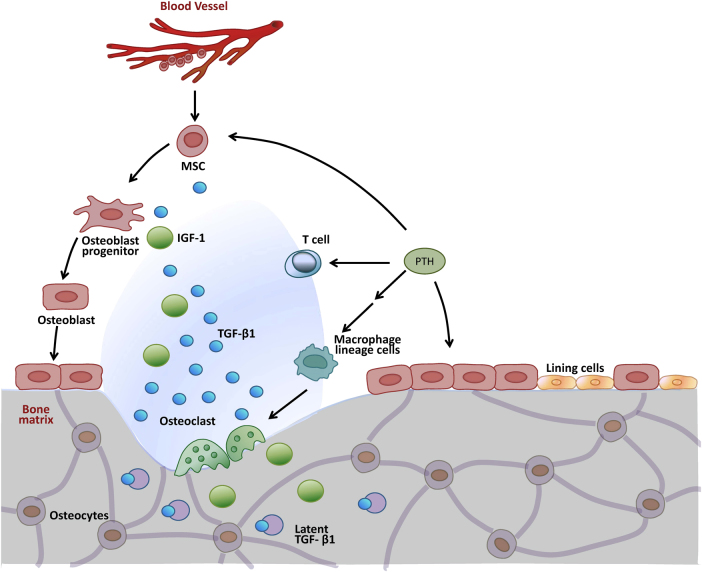
“A gradient of active TGF-β promotes the recruitment of MSCs to the recently resorbed bone surface by inducing chemotaxis and proliferation [60].”
BackgroundRijal, G., & Li, W. (2018) · Journal of Biological Engineering · doi:10.1186/s13036-018-0114-7 · Cited by 86
Immunotherapy and Immunotherapy Combinations in Metastatic Castration-Resistant Prostate Cancer
Bansal, D., Reimers, M. A., Knoche, E. M., & Pachynski, R. K. (2021) · Cancers · doi:10.3390/cancers13020334 · Cited by 85
Deng, R., Li, C., Wang, X., Chang, L., Ni, S., Zhang, W., Xue, P., Pan, D., Wan, M., Deng, L., et al. (2021) · Advanced Science · doi:10.1002/advs.202103343 · Cited by 88
Xie, Y., Pan, M., Gao, Y., Zhang, L., Ge, W., & Tang, P. (2019) · Cell & Bioscience · doi:10.1186/s13578-019-0369-9 · Cited by 80
“[37] demonstrated that both 50 μg/mL and 100 μg/mL aspirin significantly increased transforming growth factor β-1 (TGF-β1) production of human BMMSCs, then induces migration of MSCs to the bone remodeling sites [38].”
BackgroundInnate Immunity Effector Cells as Inflammatory Drivers of Cardiac Fibrosis
Baci, D., Bosi, A., Parisi, L., Buono, G., Mortara, L., Ambrosio, G., & Bruno, A. (2020) · International Journal of Molecular Sciences · doi:10.3390/ijms21197165 · Cited by 78
“Following induction of inflammatory response, TGF-β acts by increasing the production of ECM components [58,59], together with enhanced mesenchymal cell proliferation, migration, and accumulation [60,61].”
BackgroundMolecular pathogenesis of fracture nonunion
Ding, Z., Lin, Y.-K., Gan, Y., & Tang, T. (2018) · Journal of Orthopaedic Translation · doi:10.1016/j.jot.2018.05.002 · Cited by 73
“Members of the TGF-b superfamily include BMPs, TGF-b, growth differentiation factors (GDFs), activins, inhibins and Müllerian-inhibiting substance; other important growth factors include insulin-like growth factors (IGFs), PDGF and FGFs [49].”
BackgroundValizadeh, A., Shirzad, ., Pourmand, M. R., Farahmandfar, M., Sereshti, H., & Amani, A. (2020) · Drug Delivery and Translational Research · doi:10.1007/s13346-020-00794-5 · Cited by 69
High-Dose TGF-β1 Impairs Mesenchymal Stem Cell–Mediated Bone Regeneration via Bmp2 Inhibition
Xu, J., Liu, J., Gan, Y., Dai, K., Zhao, J., Huang, M., Huang, Y., Zhuang, Y., & Zhang, X. (2020) · Journal of Bone and Mineral Research · doi:10.1002/jbmr.3871 · Cited by 68
“TGF-β1 induces migration of BMMSCs to the bone remodeling sites.((12,14,48)) However, the effects of TGF-β1 on the differentiation of BMMSCs are very complicated.”
BackgroundOgasawara, N., Kano, F., Hashimoto, N., Mori, H., Liu, Y., Xia, L., Sakamaki, T., Hibi, H., Iwamoto, T., Tanaka, E. I., et al. (2020) · Osteoarthritis and Cartilage · doi:10.1016/j.joca.2020.03.010 · Cited by 68
Key Players of Hepatic Fibrosis
Dawood, R. M., El-Meguid, M. A., Salum, G. M., & Awady, M. K. E. (2020) · Journal of Interferon & Cytokine Research · doi:10.1089/jir.2020.0059 · Cited by 73
MSC-released TGF-ß regulate a-SMA expression of myofibroblast during wound healing
Putra, A. B., Alif, I., Hamra, N. F., Santosa, O., Kustiyah, A. R., Muhar, A. M., & Lukman, K. (2020) · Journal of Stem Cells and Regenerative Medicine · doi:10.46582/jsrm.1602011 · Cited by 81
Macrophage modulation of dental pulp stem cell activity during tertiary dentinogenesis
Neves, V. C. M., Yianni, V., & Sharpe, P. T. (2020) · Scientific Reports · doi:10.1038/s41598-020-77161-4 · Cited by 75
Semenova, E., Grudniak, M. P., Machaj, E. K., Bocian, K., Chroscinska-Krawczyk, M., Trochonowicz, M., Stepaniec, I. M., Murzyn, M., Zagorska, K. E., Boruczkowski, D., et al. (2021) · Stem Cell Reviews and Reports · doi:10.1007/s12015-021-10157-3 · Cited by 63
The role of ubiquitination in health and disease
Liao, Y., Zhang, W., Liu, Y., Zhu, C., & Zou, Z. (2024) · MedComm · doi:10.1002/mco2.736 · Cited by 97
“118 Loss of RNF43 and ZNRF3 induces rapid growth of adenomas, as RNF43 and ZNRF3 target Wnt receptors for degradation by selectively ubiquitinating Fz receptors, thereby attenuating Wnt signaling.”
BackgroundThe roles of signaling pathways in liver repair and regeneration
Valizadeh, A., Majidinia, M., Samadi‐Kafil, H., Yousefi, M., & Yousefi, B. (2019) · Journal of Cellular Physiology · doi:10.1002/jcp.28336 · Cited by 64
“TGF‐β as a molecular sensor responds to environmental perturbations by releasing an active TGF‐β ligand to increase or inhibit cell proliferation in a context‐dependent manner (X. Xu et al., 2018).”
BackgroundLee, J., Lee, S., Huh, S. J., Kang, B., & Shin, H. (2021) · Advanced Science · doi:10.1002/advs.202103525 · Cited by 69
Tumor in the Crossfire: Inhibiting TGF-β to Enhance Cancer Immunotherapy
Tschernia, N. P., & Gulley, J. L. (2022) · BioDrugs · doi:10.1007/s40259-022-00521-1 · Cited by 64
Survival strategies: How tumor hypoxia microenvironment orchestrates angiogenesis
Yang, M., Mu, Y., Yu, X., Gao, D., Zhang, W., Li, Y., Liu, J., Sun, C., & Zhuang, J. (2024) · Biomedicine & Pharmacotherapy · doi:10.1016/j.biopha.2024.116783 · Cited by 73
NK Cell Metabolism and TGFβ – Implications for Immunotherapy
Slattery, K., & Gardiner, C. M. (2019) · Frontiers in Immunology · doi:10.3389/fimmu.2019.02915 · Cited by 70
Chen, C., Zhou, T., Sun, X., Chen, H., Zhang, K., Zhao, C., Li, X., Tian, H., Yang, X., Zhou, Y., et al. (2020) · Bone Research · doi:10.1038/s41413-019-0082-7 · Cited by 60
Age-dependent impairment of adipose-derived stem cells isolated from horses
Alicka, M., Kornicka‐Garbowska, K., Kucharczyk, K., Kępska, M., Röcken, M., & Marycz, K. (2020) · Stem Cell Research & Therapy · doi:10.1186/s13287-019-1512-6 · Cited by 93
“Our recent findings, along with the data reported by others, showed that TGFβ1 deficiency is associated with disruption of normal stem cell physiology [67, 68].”
ResultRenal biomarkers in cats: A review of the current status in chronic kidney disease
Kongtasai, T., Paepe, D., Meyer, E., Mortier, F., Marynissen, S. J. J., Stammeleer, L., Defauw, P., & Daminet, S. (2022) · Journal of Veterinary Internal Medicine · doi:10.1111/jvim.16377 · Cited by 100
“tissue homeostasis, recruiting stem cells in tissue reparative processes.(227) Increased urinary TGF-β1 (uTGF-β1) expression is found in rodents and humans with kidney disease related to interstitial fibrosis.”
BackgroundLu, Y., Liu, S., Yang, P., Kou, Y., Li, C., Liu, H., & Li, M. (2022) · Stem Cell Research & Therapy · doi:10.1186/s13287-022-02800-8 · Cited by 63
“Specifically, TGF-β1 recruits BMSCs to sites of active bone remodeling through the canonical pSmad2/3 signaling pathway [25].”
BackgroundZhang, Y., Luo, J., Zhang, Q., & Deng, T. (2021) · International Journal of Biological Macromolecules · doi:10.1016/j.ijbiomac.2021.09.210 · Cited by 61
Ren, Y., Zhang, H., Wang, Y., Du, B., Yang, J., Liu, L., & Zhang, Q. (2021) · ACS Applied Bio Materials · doi:10.1021/acsabm.0c01591 · Cited by 60
Possible role of phytoestrogens in breast cancer via GPER-1/GPR30 signaling
Molina, L., Bustamante, F. A., Bhoola, K. D., Figueroa, C. D., & Ehrenfeld, P. (2018) · Clinical Science · doi:10.1042/cs20180885 · Cited by 66
Emerging Role and Therapeutic Potential of lncRNAs in Colorectal Cancer
Schwarzmueller, L., Bril, O., Vermeulen, L., & Léveillé, N. (2020) · Cancers · doi:10.3390/cancers12123843 · Cited by 64
Sassoli, C., Pierucci, F., Zecchi‐Orlandini, S., & Meacci, E. (2019) · International Journal of Molecular Sciences · doi:10.3390/ijms20225545 · Cited by 58
“However, at this point, it is worth mentioning that TGF- β may act not only as a pro-fibrotic agent, it might also positively influence stem cell recruitment and fate determination and ultimately regeneration and homeostasis of different adult tissue [254].”
BackgroundLam, W., Yao, Y., Tang, C., Wang, Y., Yuan, Q., & Peng, L. (2024) · Biomaterials · doi:10.1016/j.biomaterials.2024.122872 · Cited by 58
Exploring TGF-β Signaling in Cancer Progression: Prospects and Therapeutic Strategies
Sheikh, K., Amjad, M., Irfan, M., Anjum, S., Majeed, T., Riaz, M. U., Jassim, A. Y., Sharif, E., & Ibrahim, W. N. (2025) · OncoTargets and Therapy · doi:10.2147/ott.s493643 · Cited by 70
“16,17 Myofibroblasts are essential for tissue healing and fibrosis, contributing to wound contraction and extracellular matrix deposition.”
Mesenchymal Stromal Cells as a Driver of Inflammaging
Lyamina, S., Baranovskii, D., Kozhevnikova, E., Иванова, Т. Б., Валерьевич, К. С., Sadekov, T. S., Klabukov, I., Maev, I. V., & Govorun, V. M. (2023) · International Journal of Molecular Sciences · doi:10.3390/ijms24076372 · Cited by 62
“Both roles were clearly confirmed during assessment of MSCs derived from human endometrium [77].”
BackgroundWu, S., Wang, Y., Yuan, Z., Wang, S., Du, H., Liu, X., Wang, Q., & Zhu, X. (2018) · Molecular Medicine Reports · doi:10.3892/mmr.2018.9664 · Cited by 55
A dual role of TGF-β in human osteoclast differentiation mediated by Smad1 versus Smad3 signaling
Lee, B., Oh, Y., Jo, S., Kim, T., & Ji, J. D. (2018) · Immunology Letters · doi:10.1016/j.imlet.2018.12.003 · Cited by 54
Stem Cells from the Apical Papilla (SCAPs): Past, Present, Prospects, and Challenges
Liu, Q., Gao, Y., & He, J. (2023) · Biomedicines · doi:10.3390/biomedicines11072047 · Cited by 48
Epigenetic regulation of bone remodeling and bone metastasis
Sharma, G., Sultana, A., Abdullah, K. M., Pothuraju, R., Nasser, M. W., Batra, S. K., & Siddiqui, J. A. (2022) · Seminars in Cell and Developmental Biology · doi:10.1016/j.semcdb.2022.11.002 · Cited by 53
Management of primary and secondary osteoporosis in children
Sakka, S. D., & Cheung, M. (2020) · Therapeutic Advances in Musculoskeletal Disease · doi:10.1177/1759720x20969262 · Cited by 59
Konala, V. B. R., Bhonde, R. R., & Pal, R. (2020) · In Vitro Cellular & Developmental Biology - Animal · doi:10.1007/s11626-020-00501-1 · Cited by 52
“TGF-β3 is an important cytokine which has multiple functions and regulates MSC proliferation, differentiation, cell adhesion, and matrix production during development (Xue and Jackson 2015; Xu et al. 2018).”
BackgroundLi, J., Yao, Z., Liu, X. Z., Duan, R., Yi, X., Ayoub, A., Sanders, J. O., Mesfin, A., Xing, L., & Boyce, B. F. (2023) · Nature Communications · doi:10.1038/s41467-023-35801-z · Cited by 53
Merčnik, M. H., Schliefsteiner, C., Fluhr, H., & Wadsack, C. (2023) · Frontiers in Immunology · doi:10.3389/fimmu.2022.1095879 · Cited by 53
“TGF-b acts as a regulator of ECM production, reflecting its role in the tissue remodeling (110).”
BackgroundRyu, Y., Hwang, J. S., Noh, K. B., Park, S. H., Seo, J. H., & Shin, Y. J. (2023) · Investigative Ophthalmology & Visual Science · doi:10.1167/iovs.64.13.29 · Cited by 50
Fibrosis and bone marrow: understanding causation and pathobiology
Ghosh, K., Shome, D. K., Kulkarni, B. P., Ghosh, K. K., & Ghosh, K. K. (2023) · Journal of Translational Medicine · doi:10.1186/s12967-023-04393-z · Cited by 58
Eye on the horizon: The metabolic landscape of the RPE in aging and disease
Hansman, D., Du, J., Casson, R. J., & Peet, D. J. (2024) · Progress in Retinal and Eye Research · doi:10.1016/j.preteyeres.2024.101306 · Cited by 55
Kim, J., Kim, Y., & Song, S. (2022) · Advanced Healthcare Materials · doi:10.1002/adhm.202202401 · Cited by 46
Haga, K., Yamazaki, M., Maruyama, S., Kawaharada, M., Suzuki, A., Hoshikawa, E., Chan, N. N., Funayama, A., Mikami, T., Kobayashi, T., et al. (2021) · Translational Oncology · doi:10.1016/j.tranon.2021.101236 · Cited by 47
Evaluation of Neurosecretome from Mesenchymal Stem Cells Encapsulated in Silk Fibroin Hydrogels
Martín-Martín, Y., Fernández-García, L., Sánchez-Rebato, M. H., Marí‐Buyé, N., Rojo, F. J., Pérez‐Rigueiro, J., Ramos, M., Guinea, G. V., Panetsos, F., & González‐Nieto, D. (2019) · Scientific Reports · doi:10.1038/s41598-019-45238-4 · Cited by 45
Salvadora persica: Nature’s Gift for Periodontal Health
Mekhemar, M. K., Geib, M., Kumar, M., Radha, R., Hassan, Y., & Dörfer, C. E. (2021) · Antioxidants · doi:10.3390/antiox10050712 · Cited by 62
SETDB-1: A Potential Epigenetic Regulator in Breast Cancer Metastasis
Batham, J., Lim, P. S., & Rao, S. (2019) · Cancers · doi:10.3390/cancers11081143 · Cited by 39
“The TGF-β signaling network is a signal transduction pathway known for host immune regulation, promotion of EMT, and other functions [67].”
BackgroundHosnedlová, B., Vernerová, K., Kizek, R., Bozzi, R., Kadlec, J., Čurn, V., Kouba, F., Fernández, C., Machander, V., & Horna, H. (2020) · Animals · doi:10.3390/ani10050800 · Cited by 60
“TGF-β plays a key role in maintaining both bone and articular cartilage homeostasis [71].”
BackgroundExtracellular vesicles in idiopathic pulmonary fibrosis: pathogenesis and therapeutics
Fujita, Y. (2022) · Inflammation and Regeneration · doi:10.1186/s41232-022-00210-0 · Cited by 41
“Crosstalk between the TGF-β superfamily and WNT signaling pathways plays substantial roles in the regulation of stem cell quiescence and activation [59, 60].”
BackgroundTransforming growth factor-β signaling: from tumor microenvironment to anticancer therapy
Chan, M. K., Chan, E. L.-Y., Ji, Z. Z., Chan, A. S. W., Li, C., Leung, K. T., To, K., & Tang, P. M. (2023) · Exploration of Targeted Anti-tumor Therapy · doi:10.37349/etat.2023.00137 · Cited by 45
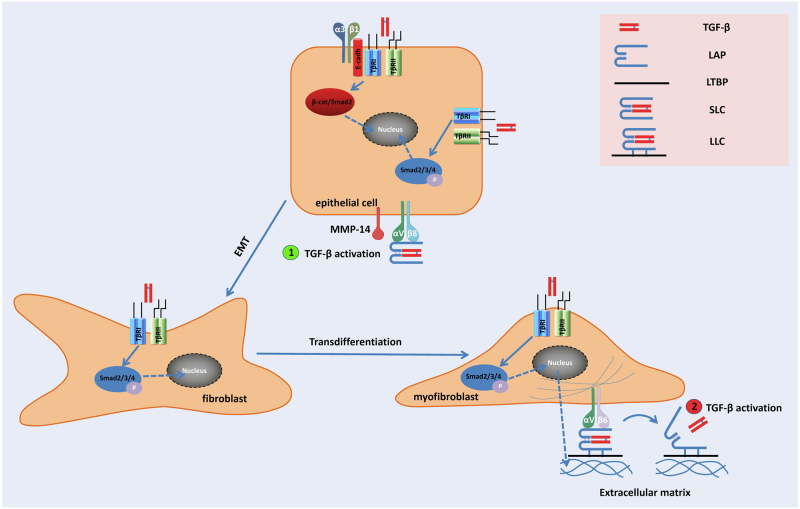
“Often, the LAP in the SLC covalently binds to a binding protein, forming the large latent complex (LLC) [17].”
BackgroundArthrofibrosis After Total Knee Arthroplasty: A Critical Analysis Review
Ramos, M. S., Pasqualini, I., Surace, P. A., Molloy, R. M., Deren, M. E., & Piuzzi, N. S. (2023) · JBJS Reviews · doi:10.2106/jbjs.rvw.23.00140 · Cited by 40
Teixeira, S. P. B., Domingues, R. M. A., Babo, P. S., Berdecka, D., Miranda, M. S., Gomes, M. E., Peppas, N. A., & Reis, R. L. (2020) · Advanced Functional Materials · doi:10.1002/adfm.202003934 · Cited by 38
Garlapati, V. S., Molitor, M., Michna, T., Harms, G. S., Finger, S., Jung, R., Lagrange, J., Efentakis, P., Wild, J., Knorr, M., et al. (2023) · Journal of Clinical Investigation · doi:10.1172/jci156436 · Cited by 41
“Activation of TGF-β1 is required for its biological functions (41) and particularly for activating myofibroblasts in adverse cardiac remodeling after MI (42).”
BackgroundBhatnagar, P., Law, J. X., & Ng, S. (2022) · Journal of Drug Delivery Science and Technology · doi:10.1016/j.jddst.2022.103270 · Cited by 45
Loh, H.-Y., Norman, B. P., Lai, K., Cheng, W.-H., Rahman, N. M. A. N. A., Alitheen, N. B., & Osman, M. A. (2023) · International Journal of Molecular Sciences · doi:10.3390/ijms24076423 · Cited by 45
Li, L., Xu, J., Ye, C., Zhou, Y., Yan, F., Chen, Z., & Xiao, Y. (2025) · Biomaterials · doi:10.1016/j.biomaterials.2025.123714 · Cited by 56
Zhou, Y., Sun, B., Li, W., Zhou, J., Gao, F., Wang, X., Cai, M., & Sun, Z. (2019) · Frontiers in Physiology · doi:10.3389/fphys.2019.00218 · Cited by 41
“For example, TGFβ/Smad signaling pathway effect embryonic stem cells (ESCs) differentiation in the very early lineage decisions, which provides the origin of mesodermal and endodermal cells, represents the first step of ESCs differentiation (Sakaki-Yumoto et al., 2013; Xu et al., 2018).”
BackgroundGao, Y., Zou, Y., Sokolowskei, D., Xing, X., Tower, R. J., Lai, Z., Shi, J., Zhu, L., Zheng, Q., James, A. W., et al. (2024) · Molecular Therapy · doi:10.1016/j.ymthe.2024.02.034 · Cited by 41
Geng, Z., Wang, X., Yu, Y., Ji, L., Wang, J., & Liu, C. (2020) · Chemical Engineering Journal · doi:10.1016/j.cej.2020.127674 · Cited by 36
Mesenchymal Stromal Cells for Aging Cartilage Regeneration: A Review
Wu, K.-C., Chang, Y.-H., Ding, D.-C., & Lin, S.-Z. (2024) · International Journal of Molecular Sciences · doi:10.3390/ijms252312911 · Cited by 33
“When combined with growth factors, like TGF-β or BMPs, the regenerative effects of MSCs are amplified, promoting cartilage repair and reducing joint degradation [181,182].”
Charreau, B. L. (2021) · Transplantation · doi:10.1097/tp.0000000000003741 · Cited by 32
“Endothelial-to-mesenchymal transition (EndMT) is a complex biological process whereby ECs lose their specific endothelial biomarkers, such as VE-cadherin, von Willebrand factor, CD31, endothelial nitric oxide synthase NOS3, and acquire a mesenchymal or myofibroblastic phenotype and consequently express mesenchymal cel…”
BackgroundMethodInfluentialCain, S. A., Woods Jon, S., Singh, M., Kimber, S. J., & Baldock, C. (2022) · Matrix Biology · doi:10.1016/j.matbio.2022.11.001 · Cited by 33
Metadata
- Authors
- Xu, X., Zheng, L., Yuan, Q., Zhen, G., Crane, J. L., Zhou, X., & Cao, X.
- Affiliations
- Sichuan University (CN)
- Johns Hopkins University (US)
- Corresponding author
- Zhou, Xuedong
- Cao, Xu
- Venue
- Bone Research
- Published
- 2018-01-31
- Volume
- 6
- Issue
- 1
- Pages
- 2-2
- ISSN
- 2095-4700 (ISSN-L)
- 2095-6231
- PMC
- PMC5802812
- OpenAlex
- W2797460017
- Semantic Scholar
- 3a16ba22a0389c5127236699c6a84872b6cc1886
- Cited by
- 414
- References
- 598
- Citations by year
- 2026: 43 · 2025: 46 · 2024: 56 · 2023: 58 · 2022: 81 · 2021: 57 · 2020: 34 · 2019: 27 · 2018: 11
- FWCI
- 11.47
- Type
- journal article
- Language
- en
- Open access
- gold
- doi.org
- Licence
- cc-by
- creativecommons.org/licenses/by/4.0 (tdm)
- creativecommons.org/licenses/by/4.0 (vor)
- Locations
- Bone Research (publishedVersion, cc-by)
- PubMed Central (publishedVersion, cc-by)
- PubMed (publishedVersion)
- DOAJ (DOAJ: Directory of Open Access Journals) (submittedVersion)
- Funders
- York University
- National Natural Science Foundation of China (81771099, 2016JY0006)
- Department of Science and Technology of Sichuan Province (81771099, 2016JY0006, 2017TD0016)
- Sichuan University
- National Institutes of Health
- West China Hospital, Sichuan University
- National Institute of Diabetes and Digestive and Kidney Diseases (Z01DK057501, R01DK057501)
- National Institute of Arthritis and Musculoskeletal and Skin Diseases (R01AR063943, R01AR071432, K08AR064833)
- Topics
- Life Sciences › Biochemistry, Genetics and Molecular Biology › Molecular Biology › TGF-β signaling in diseases
- Health Sciences › Medicine › Hepatology › Liver physiology and pathology
- Life Sciences › Biochemistry, Genetics and Molecular Biology › Cell Biology › Mesenchymal stem cell research
- Keywords
- TGF-beta, TGF-beta signaling, stem cells, tissue homeostasis, latent TGF-beta complex, extracellular matrix, ligand activation, tissue regeneration, fibrosis, metastasis, osteoarthritis, immune disorders
About these checks
Registry, retraction, Cites and statistics results are computed, not judged, with one exception: a printed reference that no index lists is read once by a model before it counts as a citation error. Claims are extracted by a model and kept only when their quote appears verbatim in the text; each cited source is then checked, with a model’s help, for whether it says what the claim relies on. Those verdicts can be wrong — read the claim’s quote and the cited source before relying on one.
Statistics and arithmetic are recomputed, not judged.
Confidence bands are shown only for fields calibrated on our annotated test set. None is calibrated yet, so no band is shown.
What counts as a claim ›How we measure confidence ›How we check this ›
Are you an author, or do you see a problem with this page? Request a review
Data sources
Bibliographic data: Semantic Scholar, OpenAlex, Crossref.
Contains information from the Semantic Scholar Academic Graph Datasets, made available under the ODC Attribution License (ODC-BY 1.0).
Semantic Scholar’s data is described in: Kinney, R., et al. (2023). The Semantic Scholar Open Data Platform. arXiv:2301.10140.
