

The aryl hydrocarbon receptor and the gut–brain axis
Open accessThe DOI matches its Crossref record; 164 of the 164 references it cites were found in a registry or an index.
Abstract
The aryl hydrocarbon receptor (AHR) is a ligand-activated transcription factor initially identified as the receptor for dioxin. Almost half a century after its discovery, AHR is now recognized as a receptor for multiple physiological ligands, with important roles in health and disease. In this review, we discuss the role of AHR in the gut–brain axis and its potential value as a therapeutic target for immune-mediated diseases.
Overview
The claims and statistics of this paper haven’t been checked yet.
Free: it reads the open-access text and checks the first 5 claims that cite a source we can check. Create a free account to check every claim.
Integrity signals
Registry
Cites
Statistics
Figures
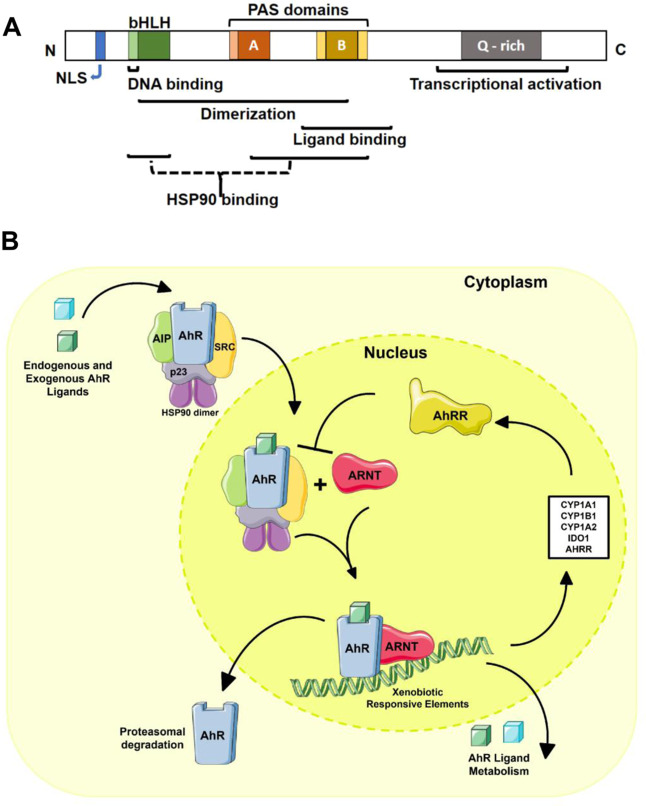
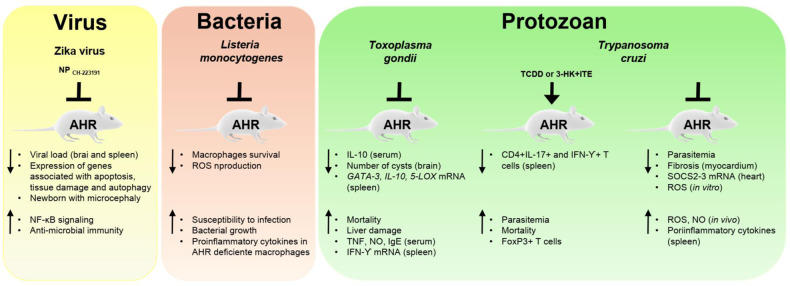
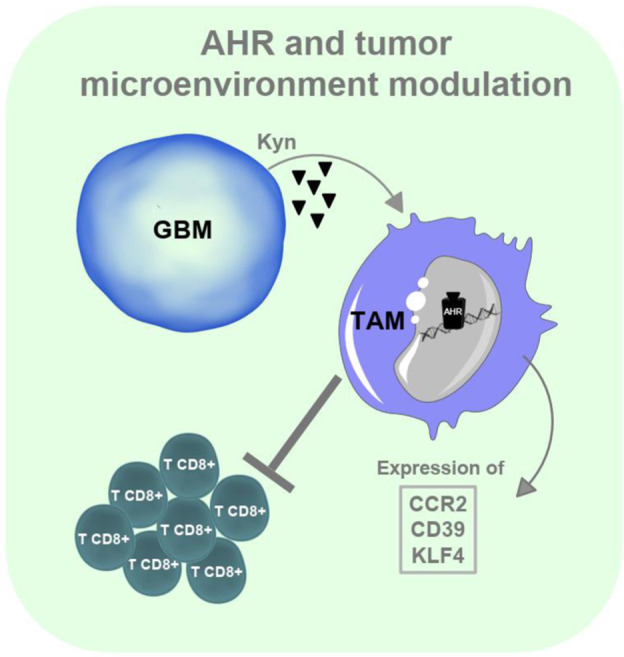
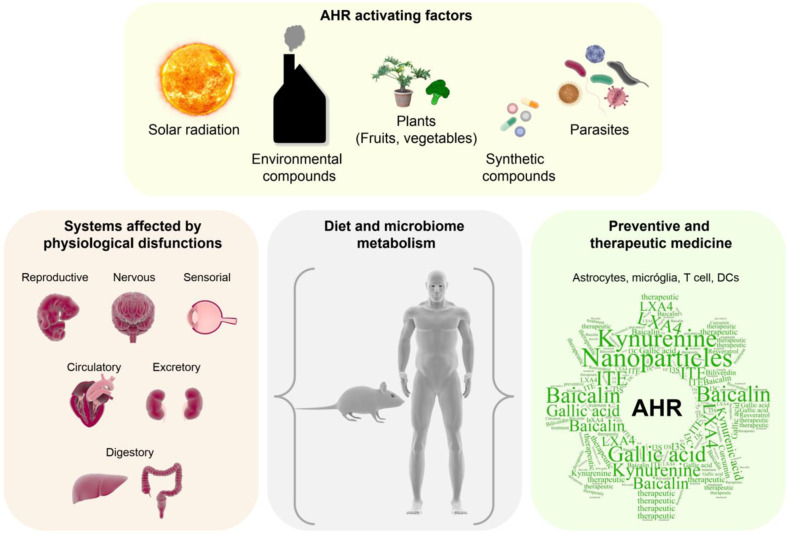
Verification
Claims the paper makes
The claims and statistics of this paper haven’t been checked yet.
Free: it reads the open-access text and checks the first 5 claims that cite a source we can check. Create a free account to check every claim.
Claims other papers make about this one
Each is checked against this paper’s own text: does it say what the citing paper says it does?
The source backs part of the claim, not all of it — or backs it for a different population, condition or comparison.
In the citing paper
“Higher Firmicutes abundance has been associated with reduced depressive and anxiety symptoms through enhanced butyrate production, which modulates the gut-brain axis and alleviates neuroinflammation [49,50].”
From The Impact of Weizmannia coagulans BC99 on Anxiety and Depression: An 8-Week Clinical Pilot Study Through the Gut Microbiota–Brain Axis (2025) · cites this paper as [50]
Experimental — accuracy not yet measured
Self-check
Percentages, sums and reported differences re-computed from the paper’s own numbers.
The self-check needs the paper’s full text.
Citations
Cites
Radiotherapy Plus Concomitant and Adjuvant Temozolomide for Glioblastoma
Stupp, R., Mason, W. P., van den Bent, M. J., Weller, M., Fisher, B., Taphoorn, M. J. B., Belanger, K., Brandes, A. A., Marosi, C., Bogdahn, U., et al. (2005) · New England Journal of Medicine · doi:10.1056/nejmoa043330 · Cited by 21,807
Dendritic cells and the control of immunity
Banchereau, J., & Steinman, R. M. (1998) · Nature · doi:10.1038/32588 · Cited by 14,336 · cited 1×
“DCs play central roles in the maintenance of tolerance and the generation of protective immune responses against pathogens in the gut as well as in other tissues.(78,79) AHR is highly expressed in DCs,(80) affecting their differentiation and function.”
BackgroundMicrobial tryptophan catabolites in health and disease
Roager, H. M., & Licht, T. R. (2018) · Nature Communications · doi:10.1038/s41467-018-05470-4 · Cited by 2,236 · cited 1×
“Additional AHR agonists are produced by the metabolism of commensal microorganisms.(9,18,19) Moreover, some medications are reported to activate AHR, including omeprazole,(20) sulindac,(21) laquinimod,(22) tapinarof,(23) and diclofenac.”
BackgroundCao-Lormeau, V.-M., Blake, A., Mons, S., Lastère, S., Roche, C., Vanhomwegen, J., Dub, T., Baudouin, L., Teissier, A., Larre, P., et al. (2016) · The Lancet · doi:10.1016/s0140-6736(16)00562-6 · Cited by 2,205
Innate Lymphoid Cells: 10 Years On
Vivier, E., Artis, D., Colonna, M., Diefenbach, A., Di Santo, J. P., Eberl, G., Koyasu, S., Locksley, R. M., McKenzie, A. N. J., Mebius, R. E., et al. (2018) · Cell · doi:10.1016/j.cell.2018.07.017 · Cited by 2,124
An endogenous tumour-promoting ligand of the human aryl hydrocarbon receptor
Opitz, C. A., Litzenburger, U. M., Sahm, F., Ott, M., Tritschler, I., Trump, S., Schumacher, T., Jestaedt, L., Schrenk, D., Weller, M., et al. (2011) · Nature · doi:10.1038/nature10491 · Cited by 1,898 · cited 1×
“reported that tryptophan 2,3-dioxygenase in glioblastoma leads to the production of kynurenine, which acts in an autocrine manner to enhance tumor invasiveness and replication.(150,151) In addition, Gramarzki et al.”
BackgroundControl of Treg and TH17 cell differentiation by the aryl hydrocarbon receptor
Quintana, F. J., Basso, A. S., Iglesias, A. H., Korn, T., Farez, M. F., Bettelli, E., Caccamo, M., Oukka, M., & Weiner, H. L. (2008) · Nature · doi:10.1038/nature06880 · Cited by 1,865
Self-citationAstrocyte scar formation aids central nervous system axon regeneration
Anderson, M. A., Burda, J. E., Ren, Y., Ao, Y., O’Shea, T. M., Kawaguchi, R., Coppola, G., Khakh, B. S., Deming, T. J., & Sofroniew, M. V. (2016) · Nature · doi:10.1038/nature17623 · Cited by 1,851
The aryl hydrocarbon receptor links TH17-cell-mediated autoimmunity to environmental toxins
Veldhoen, M., Hirota, K., Westendorf, A. M., Buer, J., Dumoutier, L., Renauld, J.-C., & Stockinger, B. (2008) · Nature · doi:10.1038/nature06881 · Cited by 1,634
An Interaction between Kynurenine and the Aryl Hydrocarbon Receptor Can Generate Regulatory T Cells
Mezrich, J. D., Fechner, J. H., Zhang, X., Johnson, B. P., Burlingham, W. J., & Bradfield, C. A. (2010) · The Journal of Immunology · doi:10.4049/jimmunol.0903670 · Cited by 1,601
Research works printed but not linked: 2
- Mascanfroni ID Metabolic control of type 1 regulatory T cell differentiation by AHR and HIF1-α Nat. Med 2015 21 638 646 26005855 PMC4476246 · DOI · Paper page
- Paracer, S. & Ahmadjian V. Symbiosis: an introduction to biological associations. 2nd ed. (Oxford University Press, New York, 2000). 291 p.
Cited by
Items 101–152 of 152
The Nerves to Conduct a Multiple Sclerosis Crime Investigation
Chopra, S., Myers, Z., Sekhon, H., & Dufour, A. (2021) · International Journal of Molecular Sciences · doi:10.3390/ijms22052498 · Cited by 3
“Gut microbiota can metabolize dietary tryptophan to produce aryl hydrocarbon receptor (AHR) agonists that can limit CNS inflammation by acting on AHR receptors expressed by microglial cells [44].”
BackgroundLin, Y., Geng, F., Shieh, J.-H., Torres, L. K., Sominskaia, M., Gao, M., Wingo, M. E., Chen, K., Rustam, S., Chavez, R., et al. (2025) · Nature Cardiovascular Research · doi:10.1038/s44161-025-00716-z · Cited by 2
“Based on these studies, a physiological gut–EC axis that regulates EC homeostasis and functions through intestinal absorbed dietary metabolites on EC AHR activation has been proposed 13,14,38 .”
Ravishankar, S., Ekambaram, B., Boopathy, N., Sakthivel, S. R., & Christan, M. (2025) · The Journal of Steroid Biochemistry and Molecular Biology · doi:10.1016/j.jsbmb.2025.106908 · Cited by 2
Krüger, K., van der Veen, H., Beigy, M., O’Donovan, S. D., van Riel, N. A. W., Remie, L. B., Aarts, E., Steegenga, W. T., Smeets, P. A. M., van Trijp, M. P. H., et al. (2026) · Frontiers in Nutrition · doi:10.3389/fnut.2026.1738622 · Cited by 4
Research Progress of Tryptophan and Its Metabolites in the Microbial-Gut-Brain Axis
唐, 婕. (2024) · Advances in Clinical Medicine · doi:10.12677/acm.2024.1461901 · Cited by 2
Tabęcka-Łonczyńska, A., Skóra, B., Szlachcikowska, D., Jastrząb, R., Marć, M. A., Mytych, J., Koszła, O., Sołek, P., & Szychowski, K. A. (2025) · Pharmacological Reports · doi:10.1007/s43440-025-00767-w · Cited by 2
“Moreover, AhR is known to mediate gut-brain signals and thus exert an impact on inflammatory and neurodegenerative processes [80].”
Molecular Evolution of Aryl Hydrocarbon Receptor Signaling Pathway GenesPreprint
Bhalla, D., & van Noort, V. (2022) · bioRxiv (Cold Spring Harbor Laboratory) · doi:10.1101/2022.07.13.499904 · Cited by 2
Nociceptor neurons control pollution-mediated neutrophilic asthmaPreprint
Wang, J.-C., Kulle, A., Crosson, T., Nikpoor, A. R., Gupta, S., Roger, A., Rafei, M., Thanabalasuriar, A., & Talbot, S. (2026) · eLife · doi:10.7554/elife.101988 · Cited by 5
“Additional work indicates that AhR regulates the gut-brain axis ( Barroso et al., 2021 ).”
Quinacridones as a Building Block for Sustainable Gliding Layers on Ice and Snow
Bützer, P., Bützer, M. R., Piffaretti, F., Schneider, P., Lustenberger, S., Walther, F., & Brühwiler, D. (2024) · Materials · doi:10.3390/ma17143543 · Cited by 2
“Supramolecular structures held together by hydrogen bonds are most likely responsible for the observed red shift.”
BackgroundNociceptor neurons control pollution-mediated neutrophilic asthma
Wang, J.-C., Kulle, A., Crosson, T., Nikpoor, A. R., Gupta, S., Roger, A., Rafei, M., Thanabalasuriar, A., & Talbot, S. (2026) · eLife · doi:10.7554/elife.101988.3 · Cited by 3
Madison, C. A., Debler, R. A., Gallegos, P. L., Hillbrick, L., Chapkin, R. S., Safe, S. H., & Eitan, S. (2024) · Behavioural Pharmacology · doi:10.1097/fbp.0000000000000806 · Cited by 1
“Additionally, AhR plays a key role in the microbiome-gut-brain axis (Lee et al. , 2017; Barroso et al. , 2021).”
Pérez‐Osorio, I. N., Espinosa, A., Álvarez-Gutiérrez, C., González-Flores, R., Besedovsky, H. O., Fragoso, G., Torres-Ramos, M., & Sciutto, E. (2024) · Frontiers in Bioscience-Landmark · doi:10.31083/j.fbl2912420 · Cited by 1
Host-microbial interactions in the esophagus
Ebigbo, N., & Souza, R. F. (2025) · American Journal of Physiology-Gastrointestinal and Liver Physiology · doi:10.1152/ajpgi.00079.2025 · Cited by 1
Zhang, J., Zhang, N., Mai, Q., & Zhou, C. (2025) · Reproductive Toxicology · doi:10.1016/j.reprotox.2025.108954 · Cited by 1
Dong, K., Guan, Z., Wang, D., Sun, J., Zhang, Y., You, C., & Xing, Y. (2026) · Biomaterials Research · doi:10.34133/bmr.0356 · Cited by 1
“The aryl hydrocarbon receptor (AhR) is a widely expressed ligand-activated transcription factor primarily localized in the cytoplasm [ 5 ].”
Li, S., Ma, C., Yang, Y., Xu, X., Wang, J., Li, L., Xu, Y., & Zhang, N. (2026) · Trends in Food Science & Technology · doi:10.1016/j.tifs.2026.105732 · Cited by 1
The effects of traditional Chinese botanical medicine on membranous nephropathy
Yin, T., Zhang, X., Liang, J., Yan, X., Li, Z., Li, W. Q., Li, J., Li, L., & Chen, M. (2026) · Frontiers in Pharmacology · doi:10.3389/fphar.2026.1797220 · Cited by 1
“Aryl hydrocarbon receptor (AHR), serving as a sensing molecule for environmental toxins and intrinsic metabolites (Panda et al., 2023), can aggravate inflammatory reactions in renal tissues via the NF-κ B pathway upon abnormal activation (Barroso et al., 2021; Wang et al., 2023d).”
Solute carrier transporters as metabolic gatekeepers in tumor-microenvironment crosstalk
Zhang, Z.-H., Ding, Z.-Y., Luo-yi, C., Fu, Y.-X., & Huang, M. (2026) · Acta Pharmacologica Sinica · doi:10.1038/s41401-026-01815-8 · Cited by 1
“Moreover, because the Kyn receptor AhR is localized in the cytosol [166], both the accumulation and downstream signaling of Kyn in T cells necessarily depend on transmembrane transport, positioning Kyn transporters as critical gatekeepers of Kyn-mediated immunoregulation in the TME.”
Suárez, U. P. D. N. I. N. D. N. Y. N. M. V., Torres-Ramos, M., & Morales-López, B. I. (2022) · eNeurobiología · doi:10.25009/eb.v13i32.2604 · Cited by 2
Ovarian toxicity of endocrine-disrupting chemicals: current state of the problem
Kolomytseva, L. N., Nebora, E. D., Dzhamalutinov, A. D., Sufiyarov, D. I., Muginova, D. R., Mullagulova, I. I., Tushigov, A. S., Bazarova, Z. D., Nosinkova, T. A., Khuseynova, L. A., et al. (2025) · Obstetrics Gynecology and Reproduction · doi:10.17749/2313-7347/ob.gyn.rep.2025.658 · Cited by 1
Nociceptor Neurons Control Pollution-Mediated Neutrophilic AsthmaPreprint
Wang, J.-C., Kulle, A., Crosson, T., Nikpoor, A. R., Gupta, S., Roger, A., Rafei, M., Thanabalasuriar, A., & Talbot, S. (2025) · eLife · doi:10.7554/elife.101988.2 · Cited by 1
Integrated Single-cell Analysis Uncovers Regulatory Logic of Cranial Ectoderm DevelopmentPreprint
Pajanoja, C., Rees, J. M., Taroc, E. Z. M., & Kerosuo, L. (2025) · bioRxiv (Cold Spring Harbor Laboratory) · doi:10.64898/2025.12.17.694990 · Cited by 2
Shaw, E. (2022) · Digital Commons - Michigan Tech (Michigan Technological University) · doi:10.37099/mtu.dc.etdr/1456 · Cited by 1
Nociceptor Neurons Control Pollution-Mediated Neutrophilic AsthmaPreprint
Wang, J.-C., Crosson, T., Nikpoor, A. R., Gupta, S., Rafei, M., & Talbot, S. (2024) · eLife · doi:10.7554/elife.101988.1
Skin Homeostasis Through AHR-Mediated Interactions Between Host and Microbiome
Smits, J. P. H., Casado, C. G., van den Bogaard, E. H. J., & Homey, B. (2025) · Springer eBooks · doi:10.1007/978-3-031-82689-4_10
Lawrence, D. A., O’Sullivan, B., Graf, J., Hogan, A. H., Herbst, K. W., & Salazar, J. C. (2025) · Journal of Toxicology and Environmental Health Part B · doi:10.1080/10937404.2025.2497826
“…hydrocarbon receptor (AHR) and transcription (Rothhammer and Quintana 2019), which involve immunity and the gut-brain axis, affecting autoimmunity, neoplastic diseases of the central nervous system (CNS), and neurological disorders (Barroso et al. 2021; J. J. Hou, Ma, and Qin 2023; Salminen 2023).”
Aydin, F. A. (2025) · Van Sağlık Bilimleri Dergisi · doi:10.52976/vansaglik.1726636
Montgomery, T. L., Eckstrom, K. M., Lile, K. H., Caldwell, S. K., Heney, E. R., Lahue, K. G., D’Alessandro, A., Wargo, M. J., & Krementsov, D. N. (2022) · Figshare · doi:10.6084/m9.figshare.21622034
Montgomery, T. L., Eckstrom, K. M., Lile, K. H., Caldwell, S. K., Heney, E. R., Lahue, K. G., D’Alessandro, A., Wargo, M. J., & Krementsov, D. N. (2022) · Figshare · doi:10.6084/m9.figshare.21622055
Montgomery, T. L., Eckstrom, K. M., Lile, K. H., Caldwell, S. K., Heney, E. R., Lahue, K. G., D’Alessandro, A., Wargo, M. J., & Krementsov, D. N. (2022) · Figshare · doi:10.6084/m9.figshare.21622037
Montgomery, T. L., Eckstrom, K. M., Lile, K. H., Caldwell, S. K., Heney, E. R., Lahue, K. G., D’Alessandro, A., Wargo, M. J., & Krementsov, D. N. (2022) · Figshare · doi:10.6084/m9.figshare.21622043
Montgomery, T. L., Eckstrom, K. M., Lile, K. H., Caldwell, S. K., Heney, E. R., Lahue, K. G., D’Alessandro, A., Wargo, M. J., & Krementsov, D. N. (2022) · Figshare · doi:10.6084/m9.figshare.21622031
Montgomery, T. L., Eckstrom, K. M., Lile, K. H., Caldwell, S. K., Heney, E. R., Lahue, K. G., D’Alessandro, A., Wargo, M. J., & Krementsov, D. N. (2022) · Figshare · doi:10.6084/m9.figshare.21622052
Montgomery, T. L., Eckstrom, K. M., Lile, K. H., Caldwell, S. K., Heney, E. R., Lahue, K. G., D’Alessandro, A., Wargo, M. J., & Krementsov, D. N. (2022) · Figshare · doi:10.6084/m9.figshare.21622046
Montgomery, T. L., Eckstrom, K. M., Lile, K. H., Caldwell, S. K., Heney, E. R., Lahue, K. G., D’Alessandro, A., Wargo, M. J., & Krementsov, D. N. (2022) · Figshare · doi:10.6084/m9.figshare.21622049
Montgomery, T. L., Eckstrom, K. M., Lile, K. H., Caldwell, S. K., Heney, E. R., Lahue, K. G., D’Alessandro, A., Wargo, M. J., & Krementsov, D. N. (2022) · Figshare · doi:10.6084/m9.figshare.21622040
Donovan, K. W., Stefan, E., Bajrami, B., Bennion, M., Huff, S., Mustafa, D. N., Su, M.-J., Dragan, S., Sciabola, S., Chou, Y.-Y., et al. (2026) · Cell chemical biology · doi:10.1016/j.chembiol.2025.12.005
Tsaktanis, T., Rudtke, L., Ammon, L., Mestermann, S., Rothhammer, V., Lewczuk, P., Maler, J. M., Kornhuber, J., & Oberstein, T. J. (2026) · Alzheimer s Research & Therapy · doi:10.1186/s13195-026-01978-w · Cited by 1
“Thus, AHR might link the effects of dietary and environmental factors to disease progression by influencing protein degradation [9, 31].”
Caruso, M. G., Dohm-Hansen, S., Williams, Z. A. P., English, J. A., Lavelle, A., Nicolas, S., O’Leary, O. F., & Nolan, Y. M. (2026) · Brain medicine : · doi:10.61373/bm026r.0009
Yu, T., & Fan, H. D. (2026) · Postgraduate Medical Journal · doi:10.1093/postmj/qgag017
CYP1A1 as a conserved metabolic circuit linking environmental sensing to immune regulation
Sailis, A. B. (2026) · Archives of Toxicology · doi:10.1007/s00204-026-04384-1
“AhR target genes encoding CYP enzymes, including CYP1A1, therefore participate in a negative feed-back loop in which ligand metabolism limits receptor activation (Barroso et al. 2021).”
Microbial metabolites: Bridging the gut-brain divide in ischemic stroke
Dang, W., Li, W., Dong, F., Huang, Y., He, S., & Zhu, Y. (2026) · Microbiological Research · doi:10.1016/j.micres.2026.128510
Garnier, S. (2022) · theses.fr (ABES) · doi:10.70675/33951e99z853bz44f5zb616z95a4b1132e9c
Marcos-Kovandzic, L. (2024) · theses.fr (ABES) · doi:10.70675/3bde4b45z23ecz4b69zb90dzabccd7cd7fca
Hong, X., Wen, Y.-X., Xiao, B., Jiang, Q., Chen, M., Chen, P., Qian, R., Wang, Q., Li, J.-J., Huang, F., et al. (2026) · Rapid Communications in Mass Spectrometry · doi:10.1002/rcm.70106
“Existing studies have confirmed that tryptophan metabolism can alleviate colonic inflammation by activating its downstream receptor AHR and regulating the TLR4/NF-κB signaling pathway [30].”
Esteban, D. J., Conrad, B., Cullinan, A., Luong, S., Albaum, J. A., & WILK, V. (2026) · MicrobiologyOpen · doi:10.1002/mbo3.70333
“…metabolites, including tryptophan‐derived ligands of the aryl hydrocarbon receptor (AHR), a ligand‐ activated nuclear receptor that regulates expression of genes tied to homeostasis, inflammation, and the response to xenobiotics (Stockinger et al. 2014; Neavin et al. 2018; Barroso et al. 2021).”
Cabildo-Delgado, I., Campos-Arce, J. C., & Elizondo, G. (2026) · Biochemical Pharmacology · doi:10.1016/j.bcp.2026.118210
Albert, V., Subramanian, A., & Agrawal, D. (2026) · Comprehensive physiology · doi:10.1002/cph4.70231
Jiang, Y., Qiang, Z., Zhu, L., Liang, S., Huang, Y., Xiao, L., Zhu, L., Du, Z., & Qiang, S. (2026) · Frontiers in Immunology · doi:10.3389/fimmu.2026.1881079
Yang, G., Zhang, Y., Chen, M., Liu, D., Xia, Y., Yu, R., Xin, L., Qin, L.-Q., & Wan, Z. (2026) · Brain Behavior and Immunity · doi:10.1016/j.bbi.2026.107042
Sönmez, G., Sarı, S., & Bodur, E. (2026) · Naunyn-Schmiedeberg s Archives of Pharmacology · doi:10.1007/s00210-026-06015-z
Metadata
- Authors
- Barroso, A., Mahler, J. V., Fonseca-Castro, P. H., & Quintana, F. J.
- Affiliations
- Brigham and Women's Hospital (US)
- Broad Institute (US)
- Corresponding author
- Quintana, Francisco J.
- Venue
- Cellular & Molecular Immunology
- Published
- 2021-01-06
- Volume
- 18
- Issue
- 2
- Pages
- 259-268
- ISSN
- 1672-7681 (ISSN-L)
- 2042-0226
- PMC
- PMC8027889
- OpenAlex
- W3119971140
- Semantic Scholar
- b1a287b5a60e5ea5b912c891dca83ccceacfef6a
- Cited by
- 152
- References
- 164
- Citations by year
- 2026: 23 · 2025: 33 · 2024: 28 · 2023: 22 · 2022: 35 · 2021: 11
- FWCI
- 2.28
- Type
- journal article
- Language
- en
- Open access
- hybrid
- doi.org
- Licence
- cc-by
- creativecommons.org/licenses/by/4.0 (tdm)
- creativecommons.org/licenses/by/4.0 (vor)
- Locations
- Cellular and Molecular Immunology (publishedVersion, cc-by)
- PubMed Central (publishedVersion, cc-by)
- PubMed (publishedVersion)
- Funders
- National Multiple Sclerosis Society (PA-1604-08459)
- International Progressive MS Alliance (PA-1604-08459)
- National Institutes of Health (ES02530, ES029136)
- National Institute of Allergy and Infectious Diseases (R01AI126880)
- National Institute of Neurological Disorders and Stroke (R01NS102807)
- Topics
- Physical Sciences › Environmental Science › Health, Toxicology and Mutagenesis › Toxic Organic Pollutants Impact
- Life Sciences › Biochemistry, Genetics and Molecular Biology › Molecular Biology › Gut microbiota and health
- Health Sciences › Medicine › Gastroenterology › Gastrointestinal motility and disorders
- Keywords
- aryl hydrocarbon receptor, gut-brain axis, dioxins, ligand-activated transcription factors, immune-mediated diseases, therapeutic target, endogenous ligands
- MeSH terms
- Brain-Gut Axis, Animals, Autoimmune Diseases, Gene Expression Regulation, Humans, Immune System, Receptors, Aryl Hydrocarbon
About these checks
Registry, retraction, Cites and statistics results are computed, not judged, with one exception: a printed reference that no index lists is read once by a model before it counts as a citation error. Claims are extracted by a model and kept only when their quote appears verbatim in the text; each cited source is then checked, with a model’s help, for whether it says what the claim relies on. Those verdicts can be wrong — read the claim’s quote and the cited source before relying on one.
Statistics and arithmetic are recomputed, not judged.
Confidence bands are shown only for fields calibrated on our annotated test set. None is calibrated yet, so no band is shown.
What counts as a claim ›How we measure confidence ›How we check this ›
Are you an author, or do you see a problem with this page? Request a review
Data sources
Bibliographic data: Semantic Scholar, OpenAlex, Crossref.
Contains information from the Semantic Scholar Academic Graph Datasets, made available under the ODC Attribution License (ODC-BY 1.0).
Semantic Scholar’s data is described in: Kinney, R., et al. (2023). The Semantic Scholar Open Data Platform. arXiv:2301.10140.
