

The aryl hydrocarbon receptor and the gut–brain axis
Open accessThe DOI matches its Crossref record; 164 of the 164 references it cites were found in a registry or an index.
Abstract
The aryl hydrocarbon receptor (AHR) is a ligand-activated transcription factor initially identified as the receptor for dioxin. Almost half a century after its discovery, AHR is now recognized as a receptor for multiple physiological ligands, with important roles in health and disease. In this review, we discuss the role of AHR in the gut–brain axis and its potential value as a therapeutic target for immune-mediated diseases.
Overview
The claims and statistics of this paper haven’t been checked yet.
Free: it reads the open-access text and checks the first 5 claims that cite a source we can check. Create a free account to check every claim.
Integrity signals
Registry
Cites
Statistics
Figures
Verification
Claims the paper makes
The claims and statistics of this paper haven’t been checked yet.
Free: it reads the open-access text and checks the first 5 claims that cite a source we can check. Create a free account to check every claim.
Claims other papers make about this one
Each is checked against this paper’s own text: does it say what the citing paper says it does?
The source backs part of the claim, not all of it — or backs it for a different population, condition or comparison.
In the citing paper
“Higher Firmicutes abundance has been associated with reduced depressive and anxiety symptoms through enhanced butyrate production, which modulates the gut-brain axis and alleviates neuroinflammation [49,50].”
From The Impact of Weizmannia coagulans BC99 on Anxiety and Depression: An 8-Week Clinical Pilot Study Through the Gut Microbiota–Brain Axis (2025) · cites this paper as [50]
Experimental — accuracy not yet measured
Self-check
Percentages, sums and reported differences re-computed from the paper’s own numbers.
The self-check needs the paper’s full text.
Citations
Cites
Radiotherapy Plus Concomitant and Adjuvant Temozolomide for Glioblastoma
Stupp, R., Mason, W. P., van den Bent, M. J., Weller, M., Fisher, B., Taphoorn, M. J. B., Belanger, K., Brandes, A. A., Marosi, C., Bogdahn, U., et al. (2005) · New England Journal of Medicine · doi:10.1056/nejmoa043330 · Cited by 21,807
Dendritic cells and the control of immunity
Banchereau, J., & Steinman, R. M. (1998) · Nature · doi:10.1038/32588 · Cited by 14,336 · cited 1×
“DCs play central roles in the maintenance of tolerance and the generation of protective immune responses against pathogens in the gut as well as in other tissues.(78,79) AHR is highly expressed in DCs,(80) affecting their differentiation and function.”
BackgroundMicrobial tryptophan catabolites in health and disease
Roager, H. M., & Licht, T. R. (2018) · Nature Communications · doi:10.1038/s41467-018-05470-4 · Cited by 2,236 · cited 1×
“Additional AHR agonists are produced by the metabolism of commensal microorganisms.(9,18,19) Moreover, some medications are reported to activate AHR, including omeprazole,(20) sulindac,(21) laquinimod,(22) tapinarof,(23) and diclofenac.”
BackgroundCao-Lormeau, V.-M., Blake, A., Mons, S., Lastère, S., Roche, C., Vanhomwegen, J., Dub, T., Baudouin, L., Teissier, A., Larre, P., et al. (2016) · The Lancet · doi:10.1016/s0140-6736(16)00562-6 · Cited by 2,205
Innate Lymphoid Cells: 10 Years On
Vivier, E., Artis, D., Colonna, M., Diefenbach, A., Di Santo, J. P., Eberl, G., Koyasu, S., Locksley, R. M., McKenzie, A. N. J., Mebius, R. E., et al. (2018) · Cell · doi:10.1016/j.cell.2018.07.017 · Cited by 2,124
An endogenous tumour-promoting ligand of the human aryl hydrocarbon receptor
Opitz, C. A., Litzenburger, U. M., Sahm, F., Ott, M., Tritschler, I., Trump, S., Schumacher, T., Jestaedt, L., Schrenk, D., Weller, M., et al. (2011) · Nature · doi:10.1038/nature10491 · Cited by 1,898 · cited 1×
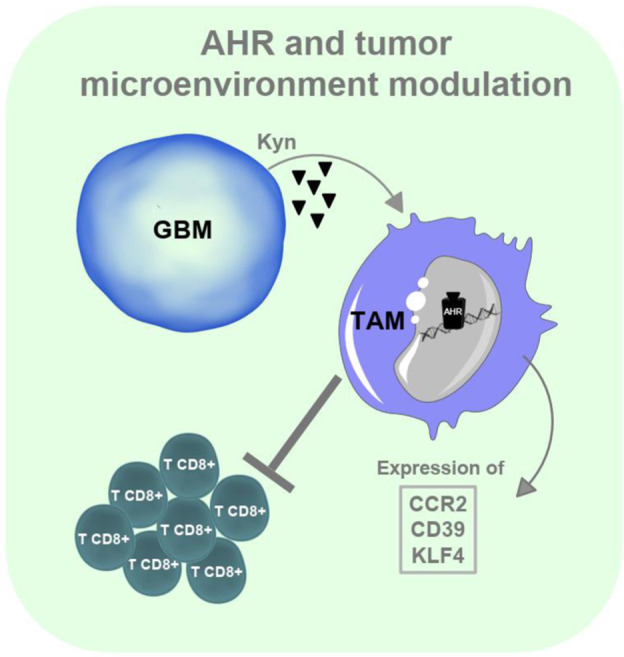
“reported that tryptophan 2,3-dioxygenase in glioblastoma leads to the production of kynurenine, which acts in an autocrine manner to enhance tumor invasiveness and replication.(150,151) In addition, Gramarzki et al.”
BackgroundControl of Treg and TH17 cell differentiation by the aryl hydrocarbon receptor
Quintana, F. J., Basso, A. S., Iglesias, A. H., Korn, T., Farez, M. F., Bettelli, E., Caccamo, M., Oukka, M., & Weiner, H. L. (2008) · Nature · doi:10.1038/nature06880 · Cited by 1,865
Self-citationAstrocyte scar formation aids central nervous system axon regeneration
Anderson, M. A., Burda, J. E., Ren, Y., Ao, Y., O’Shea, T. M., Kawaguchi, R., Coppola, G., Khakh, B. S., Deming, T. J., & Sofroniew, M. V. (2016) · Nature · doi:10.1038/nature17623 · Cited by 1,851
The aryl hydrocarbon receptor links TH17-cell-mediated autoimmunity to environmental toxins
Veldhoen, M., Hirota, K., Westendorf, A. M., Buer, J., Dumoutier, L., Renauld, J.-C., & Stockinger, B. (2008) · Nature · doi:10.1038/nature06881 · Cited by 1,634
An Interaction between Kynurenine and the Aryl Hydrocarbon Receptor Can Generate Regulatory T Cells
Mezrich, J. D., Fechner, J. H., Zhang, X., Johnson, B. P., Burlingham, W. J., & Bradfield, C. A. (2010) · The Journal of Immunology · doi:10.4049/jimmunol.0903670 · Cited by 1,601
Tryptophan metabolism as a common therapeutic target in cancer, neurodegeneration and beyond
Platten, M., Nollen, E. A. A., Röhrig, U. F., Fallarino, F., & Opitz, C. A. (2019) · Nature Reviews Drug Discovery · doi:10.1038/s41573-019-0016-5 · Cited by 1,586 · cited 2×
“reported that tryptophan 2,3-dioxygenase in glioblastoma leads to the production of kynurenine, which acts in an autocrine manner to enhance tumor invasiveness and replication.(150,151) In addition, Gramarzki et al.”
BackgroundRothhammer, V., Mascanfroni, I. D., Bunse, L., Takenaka, M. C., Kenison, J. E., Mayo, L., Chao, C.-C., Patel, B., Yan, R., Blain, M., et al. (2016) · Nature Medicine · doi:10.1038/nm.4106 · Cited by 1,559
Self-citationMicroglia Biology: One Century of Evolving Concepts
Prinz, M., Jung, S., & Priller, J. (2019) · Cell · doi:10.1016/j.cell.2019.08.053 · Cited by 1,525
Lamas, B., Richard, M. L., Leducq, V., Pham, H.-P., Michel, M.-L., Da Costa, G., Bridonneau, C., Jegou, S., Hoffmann, T. W., Natividad, J. M., et al. (2016) · Nature Medicine · doi:10.1038/nm.4102 · Cited by 1,482 · cited 2×
“Interestingly, CARD9 risk alleles associated with inflammatory bowel disease promote a decrease in the abundance of intestinal commensals that produce AHR agonists, leading to decreased AHR activation and intestinal inflammation.(77) These findings highlight how AHR’s role as a sensor of commensal products contributes…”
BackgroundAstrocytes mediate synapse elimination through MEGF10 and MERTK pathways
Chung, W.-S., Clarke, L. E., Wang, G. X., Stafford, B. K., Sher, A., Chakraborty, C., Joung, J., Foo, L. C., Thompson, A., Chen, C., et al. (2013) · Nature · doi:10.1038/nature12776 · Cited by 1,377
Poland, A., Glover, E., & Kende, A. S. (1976) · Journal of Biological Chemistry · doi:10.1016/s0021-9258(17)33205-2 · Cited by 1,370 · cited 2×
“Two years later, the same group demonstrated that TCDD binds to this unknown receptor in hepatic cells, inducing expression of the aryl hydrocarbon hydroxylase enzyme encoded by CYP1A1.(4) Those and other seminal studies by Nebert and Poland led to the identification and characterization of the aryl hydrocarbon recept…”
BackgroundAlterations of the human gut microbiome in multiple sclerosis
Jangi, S., Gandhi, R., Cox, L. M., Li, N., von Glehn, F., Yan, R., Patel, B., Mazzola, M. A., Liu, S., Glanz, B. L., et al. (2016) · Nature Communications · doi:10.1038/ncomms12015 · Cited by 1,307
Self-citationCommensal microbiota and myelin autoantigen cooperate to trigger autoimmune demyelination
Berer, K., Mues, M., Koutrolos, M., Rasbi, Z. A., Boziki, M., Johner, C., Wekerle, H., & Krishnamoorthy, G. (2011) · Nature · doi:10.1038/nature10554 · Cited by 1,251 · cited 1×
“In pioneering studies, Wekerle and coworkers demonstrated that the commensal gut flora controls autoreactive T cells that migrate to the CNS and cause inflammation and tissue pathology.(103) Follow-up studies defined alterations in the gut microbiota associated with MS(104) and identified specific components of the mi…”
BackgroundRothhammer, V., & Quintana, F. J. (2019) · Nature Reviews Immunology · doi:10.1038/s41577-019-0125-8 · Cited by 1,197
Self-citationInduction and molecular signature of pathogenic TH17 cells
Lee, Y., Awasthi, A., Yosef, N., Quintana, F. J., Xiao, S., Peters, A., Wu, C., Kleinewietfeld, M., Kunder, S., Hafler, D. A., et al. (2012) · Nature Immunology · doi:10.1038/ni.2416 · Cited by 1,174 · cited 3×
“These provocative findings should be further investigated, particularly within the context of alternative interpretations, such as the expansion of AHR-driven nonpathogenic Th17 cells, which may acquire full pathogenic activity following exposure to additional factors in the inflamed gut, such as IL-23.(71) Innate lym…”
BackgroundInfluentialSelf-citationImmune System Impairment and Hepatic Fibrosis in Mice Lacking the Dioxin-Binding Ah Receptor
Fernandez-Salguero, P., Pineau, T., Hilbert, D. M., McPhail, T., Lee, S. S. T., Kimura, S., Nebert, D. W., Rudikoff, S., Ward, J. M., & Gonzalez, F. J. (1995) · Science · doi:10.1126/science.7732381 · Cited by 1,075
Microglial control of astrocytes in response to microbial metabolites
Rothhammer, V., Borucki, D. M., Tjon, E. C., Takenaka, M. C., Chao, C.-C., Ardura-Fabregat, A., de Lima, K. A., Gutiérrez-Vázquez, C., Hewson, P., Staszewski, O., et al. (2018) · Nature · doi:10.1038/s41586-018-0119-x · Cited by 1,051 · cited 9×
“Microglial TGF-α and VEGF-B suppress and induce astrocyte responses, respectively, that promote CNS pathogenesis.(19) In fact, deletion of microglial AHR worsens EAE, increasing demyelination and monocyte recruitment to the CNS.”
BackgroundInfluentialSelf-citationCekanaviciute, E., Yoo, B. B., Runia, T. F., Debelius, J. W., Singh, S., Nelson, C. A., Kanner, R., Bencosme, Y., Lee, Y. K., Hauser, S. L., et al. (2017) · Proceedings of the National Academy of Sciences · doi:10.1073/pnas.1711235114 · Cited by 1,036
Astrocyte Crosstalk in CNS Inflammation
Linnerbauer, M., Wheeler, M. A., & Quintana, F. J. (2020) · Neuron · doi:10.1016/j.neuron.2020.08.012 · Cited by 989
Self-citationRegulation of the immune response by the aryl hydrocarbon receptor
Gutiérrez-Vázquez, C., & Quintana, F. J. (2018) · Immunity · doi:10.1016/j.immuni.2017.12.012 · Cited by 985 · cited 3×
“As mentioned above, AHR signaling can modulate peripheral Tcell differentiation.(9,81) Moreover, peripheral T cells recruited to the CNS control astrocyte(100,101,120) and microglial(102) responses.”
BackgroundSelf-citationBerer, K., Gerdes, L. A., Cekanaviciute, E., Jia, X., Xiao, L., Xia, Z., Liu, C., Klotz, L., Stauffer, U., Baranzini, S. E., et al. (2017) · Proceedings of the National Academy of Sciences · doi:10.1073/pnas.1711233114 · Cited by 933
Lactobacillus reuteri induces gut intraepithelial CD4 + CD8αα + T cells
Cervantes-Barragan, L., Chai, J. N., Tianero, M. D., Di Luccia, B., Ahern, P. P., Merriman, J., Cortez, V. S., Caparon, M. G., Donia, M. S., Gilfillan, S., et al. (2017) · Science · doi:10.1126/science.aah5825 · Cited by 896 · cited 1×
“Furthermore, Colonna and collaborators established that CD8ααTCRαβ IELs in the small intestine are supported by the activation of AHR signaling by tryptophan metabolites produced by Lactobacillus reuteri.(65) Interestingly, Kadowaki et al.”
BackgroundThe Aryl Hydrocarbon Receptor Regulates Gut Immunity through Modulation of Innate Lymphoid Cells
Qiu, J., Heller, J. J., Guo, X., Chen, Z.-M. E., Fish, K., Fu, Y.-X., & Zhou, L. (2012) · Immunity · doi:10.1016/j.immuni.2011.11.011 · Cited by 859 · cited 2×
“Innate lymphoid cells (ILCs) are tissue-resident innate immune cells that participate in the response to infection and contribute to tissue homeostasis and chronic inflammation.(72,73) ILCs are classified into five subsets: NK cells, lymphoid tissue inducer cells, group 1 ILCs (ILC1s), group 2 ILCs (ILC2s), and group…”
BackgroundSingle-cell profiling identifies myeloid cell subsets with distinct fates during neuroinflammation
Jordão, M. J. C., Sankowski, R., Brendecke, S. M., Sagar, Locatelli, G., Tai, Y.-H., Tay, T. L., Schramm, E., Armbruster, S., Hagemeyer, N., et al. (2019) · Science · doi:10.1126/science.aat7554 · Cited by 843 · cited 1×
“In EAE and MS, CD4 effector T cells primed in the periphery migrate to the CNS, where they are reactivated by cDCs and other cells to cause myelin destruction.(98,99) In addition, recruited T cells secrete cytokines that modulate the activity of CNS-resident immune cells, such as microglia and astrocytes.”
BackgroundExogenous Stimuli Maintain Intraepithelial Lymphocytes via Aryl Hydrocarbon Receptor Activation
Li, Y., Innocentin, S., Withers, D. R., Roberts, N. A., Gallagher, A. R., Grigorieva, E. F., Wilhelm, C., & Veldhoen, M. (2011) · Cell · doi:10.1016/j.cell.2011.09.025 · Cited by 820 · cited 1×
“AHR modulates IEL survival and response to nutritional and microbial stimuli.(95) For example, administration of the AHR agonist FICZ ameliorates DDS-induced colitis by reducing the apoptotic rate of CD8ααTCRαβ IELs, while decreasing and increasing their production of IFN-γ and IL-10, respectively.”
BackgroundTh17 cells transdifferentiate into regulatory T cells during resolution of inflammation
Gagliani, N., Vesely, M. C. A., Iseppon, A., Brockmann, L., Xu, H., Palm, N. W., de Zoete, M. R., Licona-Limón, P., Paiva, R. S., Ching, T., et al. (2015) · Nature · doi:10.1038/nature14452 · Cited by 802 · cited 1×
“Indeed, AHR signaling promotes the conversion of Th17 cells to type 1 regulatory T cells (Tr1 cells).(92) Moreover, AHR has been linked to the control of regulatory T cells through multiple mechanisms involving their differentiation and stability as well as effector mechanisms.”
BackgroundBrain regulatory T cells suppress astrogliosis and potentiate neurological recovery
Ito, M., Komai, K., Mise-Omata, S., Iizuka-Koga, M., Noguchi, Y., Kondo, T., Sakai, R., Matsuo, K., Nakayama, T., Yoshie, O., et al. (2019) · Nature · doi:10.1038/s41586-018-0824-5 · Cited by 784
Reyes, H., Reisz-Porszasz, S., & Hankinson, O. (1992) · Science · doi:10.1126/science.256.5060.1193 · Cited by 777
Lee, J. S., Cella, M., McDonald, K. G., Garlanda, C., Kennedy, G. D., Nukaya, M., Mantovani, A., Kopan, R., Bradfield, C. A., Newberry, R. D., et al. (2012) · Nature Immunology · doi:10.1038/ni.2187 · Cited by 777
Astrocyte glypicans 4 and 6 promote formation of excitatory synapses via GluA1 AMPA receptors
Allen, N. J., Bennett, M. L., Foo, L. C., Wang, G. X., Chakraborty, C., Smith, S. J., & Barres, B. A. (2012) · Nature · doi:10.1038/nature11059 · Cited by 764
Denison, M. S., Soshilov, A. A., He, G., DeGroot, D. E., & Zhao, B. (2011) · Toxicological Sciences · doi:10.1093/toxsci/kfr218 · Cited by 748
Apetoh, L., Quintana, F. J., Pot, C., Joller, N., Xiao, S., Kumar, D., Burns, E. J., Sherr, D. H., Weiner, H. L., & Kuchroo, V. K. (2010) · Nature Immunology · doi:10.1038/ni.1912 · Cited by 725
Self-citationThe light and dark sides of intestinal intraepithelial lymphocytes
Cheroutre, H., Lambolez, F., & Mucida, D. (2011) · Nature Reviews Immunology · doi:10.1038/nri3007 · Cited by 693 · cited 1×
“IELs are antigen-experienced T cells of both T-cell receptor γδ (TCRγδ) and TCRαβ lineages.(94) AHR modulates IEL survival and response to nutritional and microbial stimuli.”
BackgroundNguyen, N. T., Kimura, A., Nakahama, T., Chinen, I., Masuda, K., Nohara, K., Fujii-Kuriyama, Y., & Kishimoto, T. (2010) · Proceedings of the National Academy of Sciences · doi:10.1073/pnas.1014465107 · Cited by 685
Aryl hydrocarbon receptor control of a disease tolerance defence pathway
Bessede, A., Gargaro, M., Pallotta, M. T., Matino, D., Servillo, G., Brunacci, C., Bicciato, S., Mazza, E. M. C., Macchiarulo, A., Vacca, C., et al. (2014) · Nature · doi:10.1038/nature13323 · Cited by 674 · cited 1×
“These nongenomic mechanisms are important for the induction of endotoxin tolerance in DCs via c-SRC-driven phosphorylation and stabilization of indoleamine 2,3-dioxygenase 1 (IDO1).(52) Finally, AHR has been reported to act as an E3 ubiquitin protein ligase, inducing proteasomal degradation of protein targets such as…”
BackgroundVainchtein, I. D., Chin, G., Cho, F. S., Kelley, K. W., Miller, J. G., Chien, E. C., Liddelow, S. A., Nguyen, P. T., Nakao-Inoue, H., Dorman, L. C., et al. (2018) · Science · doi:10.1126/science.aal3589 · Cited by 657
França, G. V. A., Schuler-Faccini, L., Oliveira, W. K., Henriques, C. M. P., Carmo, E. H., Pedi, V. D., Nunes, M. L., Castro, M. C., Serruya, S., Silveira, M. F., et al. (2016) · The Lancet · doi:10.1016/s0140-6736(16)30902-3 · Cited by 601
Dioxin receptor is a ligand-dependent E3 ubiquitin ligase
Ohtake, F., Baba, A., Takada, I., Okada, M., Iwasaki, K., Miki, H., Takahashi, S., Kouzmenko, A., Nohara, K., Chiba, T., et al. (2007) · Nature · doi:10.1038/nature05683 · Cited by 584
Sall1 is a transcriptional regulator defining microglia identity and function
Buttgereit, A., Lelios, I., Yu, X., Vrohlings, M., Krakoski, N. R., Gautier, E. L., Nishinakamura, R., Becher, B., & Greter, M. (2016) · Nature Immunology · doi:10.1038/ni.3585 · Cited by 570
Feedback control of AHR signalling regulates intestinal immunity
Schiering, C., Wincent, E., Metidji, A., Iseppon, A., Li, Y., Potocnik, A. J., Omenetti, S., Henderson, C. J., Wolf, C. R., Nebert, D. W., et al. (2017) · Nature · doi:10.1038/nature21080 · Cited by 540
Required growth facilitators propel axon regeneration across complete spinal cord injury
Anderson, M. A., O’Shea, T. M., Burda, J. E., Ao, Y., Barlatey, S. L., Bernstein, A. M., Kim, J. H., James, N. D., Rogers, A., Kato, B., et al. (2018) · Nature · doi:10.1038/s41586-018-0467-6 · Cited by 527
Control of tumor-associated macrophages and T cells in glioblastoma via AHR and CD39
Takenaka, M. C., Gabriely, G., Rothhammer, V., Mascanfroni, I. D., Wheeler, M. A., Chao, C.-C., Gutiérrez-Vázquez, C., Kenison, J., Tjon, E. C., Barroso, A., et al. (2019) · Nature Neuroscience · doi:10.1038/s41593-019-0370-y · Cited by 517 · cited 2×
“recently showed that AHR activation induces an anti-inflammatory phenotype in glioblastoma TAMs.(153) Moreover, AHR drives expression of CD39 in TAMs, which promotes CD8 cell dysfunction(153) (Fig.”
BackgroundSelf-citationAryl hydrocarbon receptor and intestinal immunity
Lamas, B., Natividad, J. M., & Sokol, H. (2018) · Mucosal Immunology · doi:10.1038/s41385-018-0019-2 · Cited by 516
Astrocytic neuroligins control astrocyte morphogenesis and synaptogenesis
Stogsdill, J. A., Ramirez, J., Liu, D., Kim, Y. H., Baldwin, K. T., Enustun, E., Ejikeme, T., Ji, R.-R., & Eroglu, C. (2017) · Nature · doi:10.1038/nature24638 · Cited by 506
MAFG-driven astrocytes promote CNS inflammation
Wheeler, M. A., Clark, I. C., Tjon, E. C., Li, Z., Zandee, S. E. J., Couturier, C. P., Watson, B. R., Scalisi, G., Alkwai, S., Rothhammer, V., et al. (2020) · Nature · doi:10.1038/s41586-020-1999-0 · Cited by 501
Self-citationGandhi, R., Kumar, D., Burns, E. J., Nadeau, M., Dake, B., Laroni, A., Kozoriz, D., Weiner, H. L., & Quintana, F. J. (2010) · Nature Immunology · doi:10.1038/ni.1915 · Cited by 476 · cited 1×
“Moreover, AHR has been linked to the control of regulatory T cells through multiple mechanisms involving their differentiation and stability as well as effector mechanisms.(44,46,63,85,90,93) Overall, the effects of AHR on T cells are likely to have consequences for inflammation in other tissues in addition to the gut.”
BackgroundSelf-citationRegulation of astrocyte activation by glycolipids drives chronic CNS inflammation
Mayo, L., Trauger, S. A., Blain, M., Nadeau, M., Patel, B., Alvarez, J. I., Mascanfroni, I. D., Yeste, A., Kivisäkk, P., Kallas, K., et al. (2014) · Nature Medicine · doi:10.1038/nm.3681 · Cited by 472 · cited 2×
“Transcriptional analyses of astrocytes revealed AHR upregulation in the context of EAE and MS.(119,121) Indeed, specific inactivation of AHR in astrocytes via conditional knockout mice and cell-specific shRNA knockdown identified AHR as a negative regulator of the NF-κB transcriptional responses that promote microglia…”
BackgroundSelf-citationEpigenetic regulation of brain region-specific microglia clearance activity
Ayata, P., Badimon, A., Strasburger, H. J., Duff, M. K., Montgomery, S. E., Loh, Y.-H. E., Ebert, A., Pimenova, A. A., Ramirez, B. R., Chan, A. T., et al. (2018) · Nature Neuroscience · doi:10.1038/s41593-018-0192-3 · Cited by 460
Metabolic control of type 1 regulatory T cell differentiation by AHR and HIF1-α
Mascanfroni, I. D., Takenaka, M. C., Yeste, A., Patel, B., Wu, Y., Kenison, J. E., Siddiqui, S., Basso, A. S., Otterbein, L. E., Pardoll, D. M., et al. (2015) · Nature Medicine · doi:10.1038/nm.3868 · Cited by 439
Self-citationQuintana, F. J., Murugaiyan, G., Farez, M. F., Mitsdoerffer, M., Tukpah, A.-M., Burns, E. J., & Weiner, H. L. (2010) · Proceedings of the National Academy of Sciences · doi:10.1073/pnas.1009201107 · Cited by 428 · cited 4×
“Moreover, AHR controls the differentiation and stability of intestinal Tregs,(47,85) and oral administration of the AHR agonist ITE increases the myelin-reactive Treg/Teff ratio and suppresses EAE.(85) These findings suggest that AHR signaling contributes to the anti-inflammatory effects of the commensal flora not onl…”
BackgroundInfluentialSelf-citationNebert, D. W., & Gelboin, H. V. (1969) · Archives of Biochemistry and Biophysics · doi:10.1016/0003-9861(69)90253-7 · Cited by 420 · cited 2×
“INTRODUCTION In the 1970s, Poland et al.(1,2) identified a potential receptor for the anthropogenic compound 2,3,7,8-tetraclorodibenzo-p-dioxin (TCDD).”
BackgroundQiu, J., Guo, X., Chen, Z.-M. E., He, L., Sonnenberg, G. F., Artis, D., Fu, Y.-X., & Zhou, L. (2013) · Immunity · doi:10.1016/j.immuni.2013.08.002 · Cited by 416 · cited 2×
“Innate lymphoid cells (ILCs) are tissue-resident innate immune cells that participate in the response to infection and contribute to tissue homeostasis and chronic inflammation.(72,73) ILCs are classified into five subsets: NK cells, lymphoid tissue inducer cells, group 1 ILCs (ILC1s), group 2 ILCs (ILC2s), and group…”
BackgroundMetidji, A., Omenetti, S., Crotta, S., Li, Y., Nye, E., Ross, E., Li, V., Maradana, M. R., Schiering, C., & Stockinger, B. (2018) · Immunity · doi:10.1016/j.immuni.2018.07.010 · Cited by 402 · cited 3×
“In addition, these mice display defective differentiation of intestinal stem cells, resulting in the malignant transformation of IECs.(58) Conversely, AHR activation by dietary ligands limits intestinal stem cell proliferation by regulating the E3 ubiquitin ligases Rnf43 and Znrf3, suppressing Wnt/βCatenin signaling.”
BackgroundInfluentialTapinarof is a natural AhR agonist that resolves skin inflammation in mice and humans.
Smith, S. H., Jayawickreme, C., Rickard, D. J., Nicodeme, E., Bui, T., Simmons, C., Coquery, C. M., Neil, J., Pryor, W. M., Mayhew, D., et al. (2017) · Journal of Investigative Dermatology · doi:10.1016/j.jid.2017.05.004 · Cited by 387
Recirculating Intestinal IgA-Producing Cells Regulate Neuroinflammation via IL-10
Rojas, O. L., Pröbstel, A.-K., Porfilio, E. A., Wang, A. A., Charabati, M., Sun, T., Lee, D. S. W., Galicia, G., Ramaglia, V., Ward, L. A., et al. (2019) · Cell · doi:10.1016/j.cell.2018.11.035 · Cited by 382
Microglia Require CD4 T Cells to Complete the Fetal-to-Adult Transition
Pasciuto, E., Burton, O. T., Roca, C. P., Lagou, V., Rajan, W. D., Theys, T., Mancuso, R., Tito, R. Y., Kouser, L., Callaerts-Vegh, Z., et al. (2020) · Cell · doi:10.1016/j.cell.2020.06.026 · Cited by 368
Neuronal programming by microbiota regulates intestinal physiology
Obata, Y., Castaño, Á., Boeing, S., Bon-Frauches, A. C., Fung, C., Fallesen, T., de Agüero, M. G., Yilmaz, B., Lopes, R., Huseynova, A., et al. (2020) · Nature · doi:10.1038/s41586-020-1975-8 · Cited by 352
Identification of Functional Domains of the Aryl Hydrocarbon Receptor
Fukunaga, B. N., Probst, M. R., Reisz-Porszasz, S., & Hankinson, O. (1995) · Journal of Biological Chemistry · doi:10.1074/jbc.270.49.29270 · Cited by 338
Genetic Expression of Aryl Hydrocarbon Hydroxylase Activity
Poland, A. P., Glover, E., Robinson, J. R., & Nebert, D. W. (1974) · Journal of Biological Chemistry · doi:10.1016/s0021-9258(20)79769-3 · Cited by 329
Aryl Hydrocarbon Receptor Control of Adaptive Immunity
Quintana, F. J., & Sherr, D. H. (2013) · Pharmacological Reviews · doi:10.1124/pr.113.007823 · Cited by 329
Self-citationMelatonin Contributes to the Seasonality of Multiple Sclerosis Relapses
Farez, M. F., Mascanfroni, I. D., Méndez-Huergo, S. P., Yeste, A., Murugaiyan, G., Garo, L. P., Balbuena Aguirre, M. E., Patel, B., Ysrraelit, M. C., Zhu, C., et al. (2015) · Cell · doi:10.1016/j.cell.2015.08.025 · Cited by 318
Self-citationActivation of the Ah Receptor Signal Transduction Pathway by Bilirubin and Biliverdin
Phelan, D., Winter, G. M., Rogers, W. J., Lam, J. C., & Denison, M. S. (1998) · Archives of Biochemistry and Biophysics · doi:10.1006/abbi.1998.0814 · Cited by 318
Astrocyte-encoded positional cues maintain sensorimotor circuit integrity
Molofsky, A. V., Kelley, K. W., Tsai, H.-H., Redmond, S. A., Chang, S. M., Madireddy, L., Chan, J. R., Baranzini, S. E., Ullian, E. M., & Rowitch, D. H. (2014) · Nature · doi:10.1038/nature13161 · Cited by 314
Astrocytes Assemble Thalamocortical Synapses by Bridging NRX1α and NL1 via Hevin
Singh, S. K., Stogsdill, J. A., Pulimood, N. S., Dingsdale, H., Kim, Y. H., Pilaz, L.-J., Kim, I. H., Manhaes, A. C., Rodrigues, W. S., Pamukcu, A., et al. (2016) · Cell · doi:10.1016/j.cell.2015.11.034 · Cited by 312
Yeste, A., Nadeau, M., Burns, E. J., Weiner, H. L., & Quintana, F. J. (2012) · Proceedings of the National Academy of Sciences · doi:10.1073/pnas.1120611109 · Cited by 302 · cited 3×
“Modulation of inflammation in the central nervous system (CNS) The gut and brain axis is now recognized as a key factor in the pathology of multiple neurological disorders, including MS and its experimental model EAE.25 In EAE and MS, CD4+ effector T cells primed in the periphery migrate to the CNS, where they are rea…”
BackgroundSelf-citationAryl hydrocarbon receptor signaling mediates expression of indoleamine 2,3-dioxygenase
Vogel, C. F. A., Goth, S. R., Dong, B., Pessah, I. N., & Matsumura, F. (2008) · Biochemical and Biophysical Research Communications · doi:10.1016/j.bbrc.2008.07.156 · Cited by 296
Nuclear Localization and Export Signals of the Human Aryl Hydrocarbon Receptor
Ikuta, T., Eguchi, H., Tachibana, T., Yoneda, Y., & Kawajiri, K. (1998) · Journal of Biological Chemistry · doi:10.1074/jbc.273.5.2895 · Cited by 287
Progress in glioma diagnosis, classification and treatment
Wen, P. Y., & Reardon, D. A. (2016) · Nature Reviews Neurology · doi:10.1038/nrneurol.2015.242 · Cited by 283
Hahn, M. E., Karchner, S. I., Shapiro, M. A., & Perera, S. A. (1997) · Proceedings of the National Academy of Sciences · doi:10.1073/pnas.94.25.13743 · Cited by 278 · cited 1×
“Those and other seminal studies by Nebert and Poland led to the identification and characterization of the aryl hydrocarbon receptor (AHR), a ligand-activated transcription factor with important physiological roles in health and disease.(7) Indeed, although initial studies focused on ligands such as polycyclic aromati…”
BackgroundNebert, D. W. (2017) · Progress in Lipid Research · doi:10.1016/j.plipres.2017.06.001 · Cited by 275
Cross-talk between Aryl Hydrocarbon Receptor and the Inflammatory Response
Vogel, C. F. A., Khan, E. M., Leung, P. S. C., Gershwin, M. E., Chang, W. L. W., Wu, D., Haarmann-Stemmann, T., Hoffmann, A., & Denison, M. S. (2014) · Journal of Biological Chemistry · doi:10.1074/jbc.m113.505578 · Cited by 273
Smithburn, K. C. (1952) · The Journal of Immunology · doi:10.4049/jimmunol.69.2.223 · Cited by 261
Intestinal macrophages and dendritic cells: what's the difference?
Cerovic, V., Bain, C. C., Mowat, A. M., & Milling, S. W. F. (2014) · Trends in Immunology · doi:10.1016/j.it.2014.04.003 · Cited by 252
Yamada, T., Horimoto, H., Kameyama, T., Hayakawa, S., Yamato, H., Dazai, M., Takada, A., Kida, H., Bott, D., Zhou, A. C., et al. (2016) · Nature Immunology · doi:10.1038/ni.3422 · Cited by 251 · cited 1×
“AHR activation interferes with IFN-I-dependent mechanisms of anti-ZIKV immunity,(126) in agreement with previous reports.(143) AHR also interferes with mechanisms of intrinsic immunity mediated by the protein PML.”
Environmental Control of Astrocyte Pathogenic Activities in CNS Inflammation
Wheeler, M. A., Jaronen, M., Covacu, R., Zandee, S. E. J., Scalisi, G., Rothhammer, V., Tjon, E. C., Chao, C.-C., Kenison, J. E., Blain, M., et al. (2019) · Cell · doi:10.1016/j.cell.2018.12.012 · Cited by 251
Self-citationNew Trends in Aryl Hydrocarbon Receptor Biology
Mulero-Navarro, S., & Fernandez-Salguero, P. M. (2016) · Frontiers in Cell and Developmental Biology · doi:10.3389/fcell.2016.00045 · Cited by 250 · cited 1×
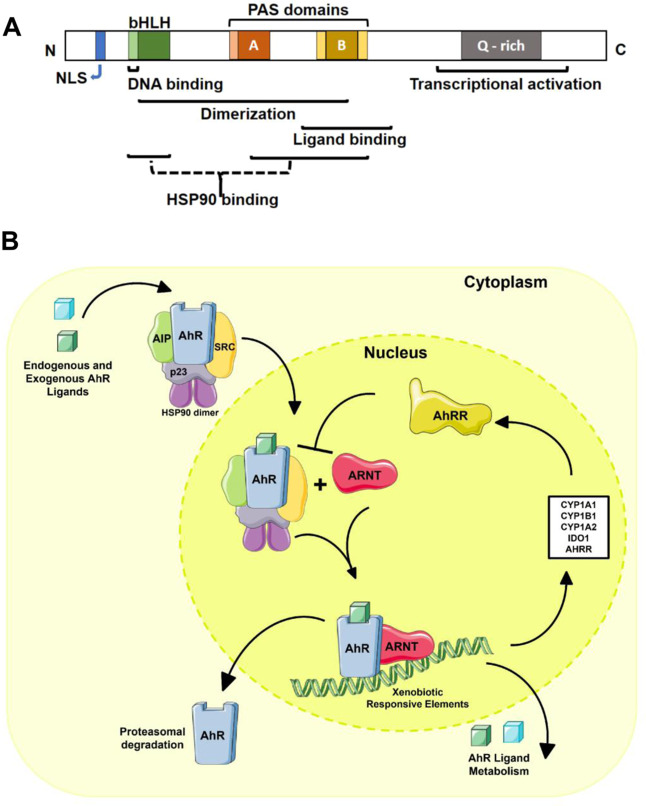
“The cytoplasmic AHR complex contains the following: (1) an HSP90 dimer that maintains AHR in a conformation that maximizes its affinity for ligands;(32) (2) p23 as a cochaperone; (3) AHR-interacting protein (AIP, also known as Ara9 or XAP2), which stabilizes AHR in the cytoplasm, preventing its ubiquitination and degr…”
BackgroundCiolino, H. P., Daschner, P. J., Wang, T. T. Y., & Yeh, G. C. (1998) · Biochemical Pharmacology · doi:10.1016/s0006-2952(98)00143-9 · Cited by 241
Mundt, S., Mrdjen, D., Utz, S. G., Greter, M., Schreiner, B., & Becher, B. (2019) · Science Immunology · doi:10.1126/sciimmunol.aau8380 · Cited by 235 · cited 1×
“In EAE and MS, CD4 effector T cells primed in the periphery migrate to the CNS, where they are reactivated by cDCs and other cells to cause myelin destruction.(98,99) In addition, recruited T cells secrete cytokines that modulate the activity of CNS-resident immune cells, such as microglia and astrocytes.”
BackgroundDenis, M., Cuthill, S., Wikström, A.-C., Poellinger, L., & Gustafsson, J.-Å. (1988) · Biochemical and Biophysical Research Communications · doi:10.1016/s0006-291x(88)80566-7 · Cited by 234
Current understanding of immunity to Trypanosoma cruzi infection and pathogenesis of Chagas disease
Machado, F. S., Dutra, W. O., Esper, L., Gollob, K. J., Teixeira, M. M., Factor, S. M., Weiss, L. M., Nagajyothi, F., Tanowitz, H. B., & Garg, N. J. (2012) · Seminars in Immunopathology · doi:10.1007/s00281-012-0351-7 · Cited by 219 · cited 1×
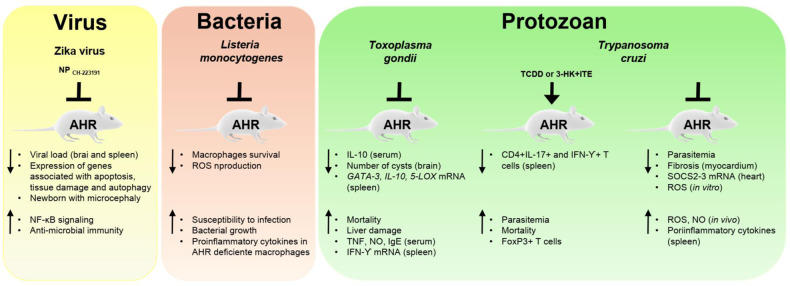
“Trypanosoma cruzi is the etiological agent of Chagas’s disease, a chronic illness endemic to Central and South America with longterm consequences for the heart, esophagus, colon and nervous system.(144) In the experimental model of Chagas disease, AHR activation expands the Treg compartment, increasing parasite replic…”
BackgroundMetabolic Control of Astrocyte Pathogenic Activity via cPLA2-MAVS
Chao, C.-C., Gutiérrez-Vázquez, C., Rothhammer, V., Mayo, L., Wheeler, M. A., Tjon, E. C., Zandee, S. E. J., Blain, M., de Lima, K. A., Takenaka, M. C., et al. (2019) · Cell · doi:10.1016/j.cell.2019.11.016 · Cited by 205
Self-citationTolerogenic nanoparticles inhibit T cell–mediated autoimmunity through SOCS2
Yeste, A., Takenaka, M. C., Mascanfroni, I. D., Nadeau, M., Kenison, J. E., Patel, B., Tukpah, A.-M., Babon, J. A. B., DeNicola, M., Kent, S. C., et al. (2016) · Science Signaling · doi:10.1126/scisignal.aad0612 · Cited by 199 · cited 4×
“DCs play central roles in the maintenance of tolerance and the generation of protective immune responses against pathogens in the gut as well as in other tissues.78,79 AHR is highly expressed in DCs,80 affecting their differentiation and function.9,81 AHR-driven cytokine, kynurenine,82–84 and retinoic acid85 productio…”
BackgroundResultInfluentialSelf-citationFunctional and phenotypic heterogeneity of group 3 innate lymphoid cells
Melo‐Gonzalez, F., & Hepworth, M. R. (2017) · Immunology · doi:10.1111/imm.12697 · Cited by 199 · cited 2×
“Each of these subsets is controlled by different transcription factors,(75) and AHR controls IL-22 expression in ILC3s.(76) Indeed, AHR-deficient mice exhibit expansion of segmented filamentous bacteria in the small intestine due to reduced IL22 production by ILC3s, which in turn promotes Th17 cell expansion in the gu…”
BackgroundDauchy, S., Miller, F., Couraud, P.-O., Weaver, R. J., Weksler, B., Romero, I.-A., Scherrmann, J.-M., De Waziers, I., & Declèves, X. (2009) · Biochemical Pharmacology · doi:10.1016/j.bcp.2008.11.001 · Cited by 196
Rothhammer, V., Kenison, J. E., Tjon, E., Takenaka, M. C., de Lima, K. A., Borucki, D. M., Chao, C.-C., Wilz, A., Blain, M., Healy, L., et al. (2017) · Proceedings of the National Academy of Sciences · doi:10.1073/pnas.1615413114 · Cited by 195
Self-citationAHR Activation Is Protective against Colitis Driven by T Cells in Humanized Mice
Goettel, J. A., Gandhi, R., Kenison, J. E., Yeste, A., Murugaiyan, G., Sambanthamoorthy, S., Griffith, A. E., Patel, B., Shouval, D. S., Weiner, H. L., et al. (2016) · Cell Reports · doi:10.1016/j.celrep.2016.09.082 · Cited by 189
Self-citationLanis, J. M., Alexeev, E. E., Curtis, V. F., Kitzenberg, D. A., Kao, D. J., Battista, K. D., Gerich, M. E., Glover, L. E., Kominsky, D. J., & Colgan, S. P. (2017) · Mucosal Immunology · doi:10.1038/mi.2016.133 · Cited by 187 · cited 2×
“Within the context of inflammation, IFN-γ induces the expression of IDO1, which produces the AHR agonist L-kynurenine, thereby triggering AHR-driven upregulation of IL-10 receptor 1 and consequently amplifying the anti-inflammatory effects of IL-10.”
BackgroundFunctions of the aryl hydrocarbon receptor in the skin
Esser, C., Bargen, I., Weighardt, H., Haarmann-Stemmann, T., & Krutmann, J. (2013) · Seminars in Immunopathology · doi:10.1007/s00281-013-0394-4 · Cited by 187
Matsumura, F. (2009) · Biochemical Pharmacology · doi:10.1016/j.bcp.2008.10.013 · Cited by 186 · cited 1×
“For example, once released from its complex with AHR, c-SRC can phosphorylate enzymes involved in the arachidonic acid and leukotriene signaling pathways.(51) These nongenomic mechanisms are important for the induction of endotoxin tolerance in DCs via c-SRC-driven phosphorylation and stabilization of indoleamine 2,3-…”
BackgroundPiper, C. J. M., Rosser, E. C., Oleinika, K., Nistala, K., Krausgruber, T., Rendeiro, A. F., Banos, A., Drozdov, I., Villa, M., Thomson, S., et al. (2019) · Cell Reports · doi:10.1016/j.celrep.2019.10.018 · Cited by 185 · cited 1×
“Interestingly, AHR controls B-cell anti-inflammatory activities.(109,110) Moreover, AHR controls the differentiation and stability of intestinal Tregs,(47,85) and oral administration of the AHR agonist ITE increases the myelin-reactive Treg/Teff ratio and suppresses EAE.”
BackgroundAryl hydrocarbon hydroxylase activity in human placenta from cigarette smoking and nonsmoking women.
Nebert, D. W., Winker, J., & Gelboin, H. V. (1969) · PubMed · Cited by 176
Aoki, R., Aoki-Yoshida, A., Suzuki, C., & Takayama, Y. (2018) · The Journal of Immunology · doi:10.4049/jimmunol.1701734 · Cited by 164 · cited 1×
“For example, AHR activation by the commensal metabolite indole-3-pyruvic acid reduces the ability of DCs in MLNs to promote the differentiation of IFN-γ-producing T cells, thus preventing chronic inflammation during colitis.(88) AHR signaling in DCs is also reported to affect nonimmune cells in unexpected ways, as dem…”
BackgroundIL-21 induces IL-22 production in CD4+ T cells
Yeste, A., Mascanfroni, I. D., Nadeau, M., Burns, E. J., Tukpah, A.-M., Santiago, A., Wu, C., Patel, B., Kumar, D., & Quintana, F. J. (2014) · Nature Communications · doi:10.1038/ncomms4753 · Cited by 159
Self-citationGramatzki, D., Pantazis, G., Schittenhelm, J., Tabatabai, G., Köhle, C., Wick, W., Schwarz, M., Weller, M., & Tritschler, I. (2009) · Oncogene · doi:10.1038/onc.2009.104 · Cited by 154
ahr null alleles: distinctive or different?
Lahvis, G. P., & Bradfield, C. A. (1998) · Biochemical Pharmacology · doi:10.1016/s0006-2952(98)00134-8 · Cited by 152
Kaye, J., Piryatinsky, V., Birnberg, T., Hingaly, T., Raymond, E., Kashi, R., Amit-Romach, E., Caballero, I. S., Towfic, F., Ator, M. A., et al. (2016) · Proceedings of the National Academy of Sciences · doi:10.1073/pnas.1607843113 · Cited by 140
Kim, M. D., Jan, L. Y., & Jan, Y. N. (2006) · Genes & Development · doi:10.1101/gad.1459706 · Cited by 130
Role of Sphingolipid Metabolism in Neurodegeneration
Alaamery, M., Albesher, N., Aljawini, N., Alsuwailm, M., Massadeh, S., Wheeler, M. A., Chao, C., & Quintana, F. J. (2021) · Journal of Neurochemistry · doi:10.1111/jnc.15044 · Cited by 129
Self-citationQuattrochi, L. C., & Tukey, R. H. (1993) · Molecular Pharmacology · doi:10.1016/s0026-895x(25)13403-2 · Cited by 126
Ikuta, T., Kobayashi, Y., & Kawajiri, K. (2004) · Biochemical and Biophysical Research Communications · doi:10.1016/j.bbrc.2004.03.076 · Cited by 125
Role of AHR and HIF-1α in Glioblastoma Metabolism
Gabriely, G., Wheeler, M. A., Takenaka, M. C., & Quintana, F. J. (2017) · Trends in Endocrinology & Metabolism · doi:10.1016/j.tem.2017.02.009 · Cited by 123
Self-citationMayo, L., Cunha, A. P. D., Madi, A., Beynon, V., Yang, Z., Alvarez, J. I., Prat, A., Sobel, R. A., Kobzik, L., Lassmann, H., et al. (2016) · Brain · doi:10.1093/brain/aww113 · Cited by 116
Self-citationAHR is a Zika virus host factor and a candidate target for antiviral therapy
Giovannoni, F., Bosch, I., Polonio, C. M., Torti, M. F., Wheeler, M. A., Li, Z., Romorini, L., Rodríguez-Varela, M. S., Rothhammer, V., Barroso, A., et al. (2020) · Nature Neuroscience · doi:10.1038/s41593-020-0664-0 · Cited by 115 · cited 4×
“Similar mechanisms appear to operate within the context of infection by dengue virus.(126) Trypanosoma cruzi is the etiological agent of Chagas’s disease, a chronic illness endemic to Central and South America with longterm consequences for the heart, esophagus, colon and nervous system.”
BackgroundResultInfluentialSelf-citationThe activation mechanism of the aryl hydrocarbon receptor (AhR) by molecular chaperone HSP90
Tsuji, N., Fukuda, K., Nagata, Y., Okada, H., Haga, A., Hatakeyama, S., Yoshida, S., Okamoto, T., Hosaka, M., Sekine, K., et al. (2014) · FEBS Open Bio · doi:10.1016/j.fob.2014.09.003 · Cited by 113
Fukumoto, S., Toshimitsu, T., Matsuoka, S., Maruyama, A., Oh‐oka, K., Takamura, T., Nakamura, Y., Ishimaru, K., Fujii‐Kuriyama, Y., Ikegami, S., et al. (2014) · Immunology & Cell Biology · doi:10.1038/icb.2014.2 · Cited by 113 · cited 1×
“For instance, regenerating islet-derived protein III (REGIII)β and REGIIIγ are upregulated following administration of the probiotic-derived AHR agonist 1,4-dihydroxy-2-naphthoic acid (DHNA), altering the microbiome and ameliorating dextran sodium sulfate-induced colitis in mice.(60) In support of a role for AHR in th…”
BackgroundQuintana, F. J. (2013) · Immunology · doi:10.1111/imm.12046 · Cited by 110
Self-citationWang, S., & Hankinson, O. (2002) · Journal of Biological Chemistry · doi:10.1074/jbc.m110122200 · Cited by 107 · cited 1×
“AHR has been shown to modulate the epigenetic status of the cell via the control of noncoding RNAs,(48) microRNAs,(49) and histone acetylation/methylation mechanisms that regulate chromatin conformation and accessibility.(50) AHR signaling also involves nongenomic pathways.”
BackgroundIyer, S. S., Gensollen, T., Gandhi, A., Oh, S. F., Neves, J. F., Collin, F., Lavin, R., Serra, C., Glickman, J., de Silva, P. S. A., et al. (2018) · Cell · doi:10.1016/j.cell.2018.04.037 · Cited by 107 · cited 1×
“In particular, it was recently reported that environmental oxazoles induce the production of AHR agonists by IDO1 expressed in IECs and other cell types,(70) which surprisingly leads to increased intestinal inflammation via the suppression of IL-10 secretion, modulation of CD1d-dependent antigen presentation and produ…”
BackgroundDefining the Role for XAP2 in Stabilization of the Dioxin Receptor
Lees, M. J., Peet, D. J., & Whitelaw, M. L. (2003) · Journal of Biological Chemistry · doi:10.1074/jbc.m302430200 · Cited by 102
Kadowaki, A., Miyake, S., Saga, R., Chiba, A., Mochizuki, H., & Yamamura, T. (2016) · Nature Communications · doi:10.1038/ncomms11639 · Cited by 102
Structure and Dimerization Properties of the Aryl Hydrocarbon Receptor PAS-A Domain
Wu, D., Potluri, N., Kim, Y., & Rastinejad, F. (2013) · Molecular and Cellular Biology · doi:10.1128/mcb.00698-13 · Cited by 100
In Vivo Induction of Tr1 Cells via Mucosal Dendritic Cells and AHR Signaling
Wu, H. Y., Quintana, F. J., da Cunha, A. P., Dake, B. T., Koeglsperger, T., Starossom, S. C., & Weiner, H. L. (2011) · PLoS ONE · doi:10.1371/journal.pone.0023618 · Cited by 100 · cited 1×
“Moreover, AHR has been linked to the control of regulatory T cells through multiple mechanisms involving their differentiation and stability as well as effector mechanisms.(44,46,63,85,90,93) Overall, the effects of AHR on T cells are likely to have consequences for inflammation in other tissues in addition to the gut.”
BackgroundSelf-citationBilirubin suppresses Th17 immunity in colitis by upregulating CD39
Longhi, M. S., Vuerich, M., Kalbasi, A., Kenison, J. E., Yeste, A., Csizmadia, E., Vaughn, B., Feldbrugge, L., Mitshuhashi, S., Wegiel, B., et al. (2017) · JCI Insight · doi:10.1172/jci.insight.92791 · Cited by 93
Self-citationRobbins, K., Bissonnette, R., Maeda-Chubachi, T., Ye, L., Peppers, J., Gallagher, K., & Kraus, J. E. (2019) · Journal of the American Academy of Dermatology · doi:10.1016/j.jaad.2018.10.037 · Cited by 93
Control of immune-mediated pathology via the aryl hydrocarbon receptor
Wheeler, M. A., Rothhammer, V., & Quintana, F. J. (2017) · Journal of Biological Chemistry · doi:10.1074/jbc.r116.767723 · Cited by 92 · cited 1×
“AHR-driven cytokine, kynurenine, and retinoic acid(85) production in DCs boosts the differentiation of regulatory T cells that suppress the development of experimental autoimmune encephalomyelitis (EAE), the model of multiple sclerosis (MS).(86) Different subsets of DCs sense the lumen microenvironment, and following…”
BackgroundSelf-citationThe Gut–CNS Axis in Multiple Sclerosis
Kadowaki, A., & Quintana, F. J. (2020) · Trends in Neurosciences · doi:10.1016/j.tins.2020.06.002 · Cited by 92 · cited 4×
“Modulation of inflammation in the central nervous system (CNS) The gut and brain axis is now recognized as a key factor in the pathology of multiple neurological disorders, including MS and its experimental model EAE.25 In EAE and MS, CD4+ effector T cells primed in the periphery migrate to the CNS, where they are rea…”
BackgroundInfluentialSelf-citationChng, S. H., Kundu, P., Dominguez-Brauer, C., Teo, W. L., Kawajiri, K., Fujii-Kuriyama, Y., Mak, T. W., & Pettersson, S. (2016) · Scientific Reports · doi:10.1038/srep23820 · Cited by 89 · cited 1×
“AHR signaling in DCs is also reported to affect nonimmune cells in unexpected ways, as demonstrated by reports of increased numbers of small intestinal epithelial stem cells and atypical differentiation of epithelial precursors following AHR deletion from CD11c DCs.(89) AHR signaling controls T-cell responses not only…”
BackgroundFilbrandt, C. R., Wu, Z., Zloković, B. V., Opanashuk, L. A., & Gasiewicz, T. A. (2003) · NeuroToxicology · doi:10.1016/j.neuro.2003.08.007 · Cited by 86 · cited 1×
“Endothelial cell AHR is suggested to contribute to detoxification processes(132,135,136) and studies in fish suggest that AHR hyperactivation in endothelial cells trigger apoptosis and vascular defects, resulting in hemorrhage, edema, and embryonic mortality.(132) Metabolites of the pesticide DDT induce AHR-dependent…”
BackgroundBunaciu, R. P., & Yen, A. (2011) · Cancer Research · doi:10.1158/0008-5472.can-10-2299 · Cited by 84
Monaco, A. P., & Ml, W. (1970) · PubMed · Cited by 76
Sakurai, S., Shimizu, T., & Ohto, U. (2017) · Journal of Biological Chemistry · doi:10.1074/jbc.m117.812974 · Cited by 72 · cited 1×
“AHR also induces expression of the AHR repressor (AHRR), which limits AHR activation.(41) In addition to its direct effects mediated via XREs, AHR controls transcriptional responses through interaction with other transcription factors and coactivators, including nuclear factor-kappaB (NFκB), estrogen receptor (ER), re…”
BackgroundKimura, A., Abe, H., Tsuruta, S., Chiba, S., Fujii-Kuriyama, Y., Sekiya, T., Morita, R., & Yoshimura, A. (2014) · International Immunology · doi:10.1093/intimm/dxt067 · Cited by 71 · cited 1×
“In a murine model of listeriosis, AHRdeficient mice displayed higher mortality than their WT counterparts, concomitant with higher levels of pro-inflammatory cytokines, decreased ROS production and macrophage survival.(140) Zika virus (ZIKV) infection has been associated with severe outcomes, including fetal brain abn…”
BackgroundAbron, J. D., Singh, N. P., Mishra, M. K., Price, R. L., Nagarkatti, M., Nagarkatti, P. S., & Singh, U. P. (2018) · American Journal of Physiology-Gastrointestinal and Liver Physiology · doi:10.1152/ajpgi.00413.2017 · Cited by 70
Wanner, R., Brommer, S., Czarnetzki, B. M., & Rosenbach, T. O. (1995) · Biochemical and Biophysical Research Communications · doi:10.1006/bbrc.1995.1556 · Cited by 69
Checkpoint Receptor TIGIT Expressed on Tim-1+ B Cells Regulates Tissue Inflammation
Xiao, S., Bod, L., Pochet, N., Kota, S. B., Hu, D., Madi, A., Kilpatrick, J., Shi, J., Ho, A., Zhang, H., et al. (2020) · Cell Reports · doi:10.1016/j.celrep.2020.107892 · Cited by 67 · cited 1×
“Interestingly, AHR controls B-cell anti-inflammatory activities.(109,110) Moreover, AHR controls the differentiation and stability of intestinal Tregs,(47,85) and oral administration of the AHR agonist ITE increases the myelin-reactive Treg/Teff ratio and suppresses EAE.”
BackgroundSelf-citationHost-microbiome interactions: the aryl hydrocarbon receptor and the central nervous system
Lee, H. U., McPherson, Z. E., Tan, B., Korecka, A., & Pettersson, S. (2017) · Journal of Molecular Medicine · doi:10.1007/s00109-016-1486-0 · Cited by 63
Seldin, M. F., Howard, T. A., & D’Eustachio, P. (1989) · Genomics · doi:10.1016/0888-7543(89)90082-7 · Cited by 63
The regulation mechanisms of AhR by molecular chaperone complex
Kudo, I., Hosaka, M., Haga, A., Tsuji, N., Nagata, Y., Okada, H., Fukuda, K., Kakizaki, Y., Okamoto, T., Grave, E., et al. (2018) · The Journal of Biochemistry · doi:10.1093/jb/mvx074 · Cited by 63
Role and therapeutic value of dendritic cells in central nervous system autoimmunity
Quintana, F. J., Yeste, A., & Mascanfroni, I. D. (2014) · Cell Death and Differentiation · doi:10.1038/cdd.2014.125 · Cited by 56 · cited 1×
“DCs play central roles in the maintenance of tolerance and the generation of protective immune responses against pathogens in the gut as well as in other tissues.(78,79) AHR is highly expressed in DCs,(80) affecting their differentiation and function.”
BackgroundSelf-citationAlzahrani, A. M., Maged, M., Ibrahim, H.-I. M., Alwassil, O. I., Maha, H., Manal, A., & Hanieh, H. (2019) · PLoS ONE · doi:10.1371/journal.pone.0215981 · Cited by 55
Environmental control of autoimmune inflammation in the central nervous system
Rothhammer, V., & Quintana, F. J. (2016) · Current Opinion in Immunology · doi:10.1016/j.coi.2016.09.002 · Cited by 52
Self-citationSanchez, Y., de Dios Rosado, J., Vega, L., Elizondo, G., Estrada-Muñiz, E., Saavedra, R., Juárez, I., & Rodríguez-Sosa, M. (2010) · Journal of Biomedicine and Biotechnology · doi:10.1155/2010/505694 · Cited by 50 · cited 1×
“Conversely, within the context of infection by Toxoplasma gondii, AHR deficiency results in higher mortality as a result of increased pro-inflammatory responses and decreased IL-10 production.(147) Taken together, these findings highlight the complex roles played by AHR in infection: AHR can limit immunopathology but…”
BackgroundFang, L., Pang, Z., Shu, W., Wu, W. H., Sun, M., Cong, Y., & Liu, Z. (2018) · Inflammatory Bowel Diseases · doi:10.1093/ibd/izy126 · Cited by 49 · cited 1×
“These data suggest a new role for AHR agonists as potential adjuvants for anti-TNF therapy in CD patients.(61) Although these and additional studies support a protective role for AHR in intestinal inflammation, some studies have challenged this notion.”
BackgroundStein Gold, L., Bhatia, N., Tallman, A. M., & Rubenstein, D. S. (2021) · Journal of the American Academy of Dermatology · doi:10.1016/j.jaad.2020.04.181 · Cited by 48
Neuronal regulation of innate lymphoid cells
Klose, C. S. N., & Artis, D. (2018) · Current Opinion in Immunology · doi:10.1016/j.coi.2018.11.002 · Cited by 47
Clinical pharmacology of 4-demethoxydaunorubicin (DMDR)
Lu, K., Savaraj, N., Kavanagh, J. J., Feun, L. G., Burgess, M. A., Bodey, G. P., & Loo, T. L. (1986) · Cancer Chemotherapy and Pharmacology · doi:10.1007/bf00306743 · Cited by 45
FitzGerald, C. T., Nebert, D. W., & Puga, A. (1998) · DNA and Cell Biology · doi:10.1089/dna.1998.17.811 · Cited by 41 · cited 1×
“These GC-rich regions contain binding sites for ubiquitously expressed zinc-finger transcription factors, including Sp1 and Sp3, which seem to be required for basal AHR expression.(29) AHR is a member of the basic-helix/loop/ helix per-Arnt-sim (bHLH/PAS) family of transcription factors.”
BackgroundAmbrosio, L. F., Insfrán, C., Volpini, X., Rodríguez, E. V. A., Serra, H. M., Quintana, F. J., Cervi, L., & Motrán, C. C. (2019) · Frontiers in Immunology · doi:10.3389/fimmu.2019.00631 · Cited by 41 · cited 3×
“cytokines, increased NO in serum, and downregulation of SOCS2.(145,146) Conversely, within the context of infection by Toxoplasma gondii, AHR deficiency results in higher mortality as a result of increased pro-inflammatory responses and decreased IL-10 production.”
BackgroundSelf-citationBarroso, A., Gualdrón‐López, M., Esper, L., Brant, F., Araújo, R. R. S., Carneiro, M. B. H., Ávila, T. V., Souza, D. G., Vieira, L. Q., Rachid, M. A., et al. (2016) · Infection and Immunity · doi:10.1128/iai.00575-16 · Cited by 40 · cited 2×
“cytokines, increased NO in serum, and downregulation of SOCS2.(145,146) Conversely, within the context of infection by Toxoplasma gondii, AHR deficiency results in higher mortality as a result of increased pro-inflammatory responses and decreased IL-10 production.”
BackgroundSelf-citationWu, Y., Niu, Y., Leng, J., Xu, J., Chen, H., Li, H., Wang, L., Hu, J., Xia, D., & Wu, Y. (2019) · Toxicology Letters · doi:10.1016/j.toxlet.2019.11.024 · Cited by 40
The Ah Locus. A Gene with Possible Importance in Cancer Predictability
Nebert, D. W. (1980) · Archives of toxicology. Supplement · doi:10.1007/978-3-642-67389-4_14 · Cited by 39
Wu, P., Chuang, P., Chang, G.-D., Chan, Y., Tsai, T.-C., Wang, B.-J., Lin, K., Hsu, W., Liao, Y., & Lee, H. (2019) · ACS Chemical Neuroscience · doi:10.1021/acschemneuro.9b00273 · Cited by 38 · cited 1×
“Finally, AHR has been proposed to participate in oligodendrocyte differentiation.(138) These findings indicate that AHR participates in the regulation of endothelial cells, neurons and oligodendrocytes in health and disease, though further studies are needed to identify the specific mechanisms involved.”
BackgroundCiolino, H. P. (2005) · Carcinogenesis · doi:10.1093/carcin/bgi359 · Cited by 37
THE Ah PHENOTYPE. SURVEY OF FORTY-EIGHT RAT STRAINS AND TWENTY INBRED MOUSE STRAINS
Nebert, D. W., Jensen, N. M., Shinozuka, H., Kunz, H. W., & Gill, T. J. (1982) · Genetics · doi:10.1093/genetics/100.1.79 · Cited by 37
Chen, W., Pu, A., Sheng, B., Zhang, Z., Li, L., Liu, Z., Wang, Q., Li, X., Ma, Y., Yu, M., et al. (2017) · Biomedicine & Pharmacotherapy · doi:10.1016/j.biopha.2016.12.061 · Cited by 32
Bass, S. E., Sienkiewicz, P., MacDonald, C. J., Cheng, R. Y. S., Sparatore, A., Soldato, P. D., Roberts, D. D., Moody, T. W., Wink, D. A., & Yeh, G. C. (2009) · Clinical Cancer Research · doi:10.1158/1078-0432.ccr-08-1870 · Cited by 32 · cited 1×
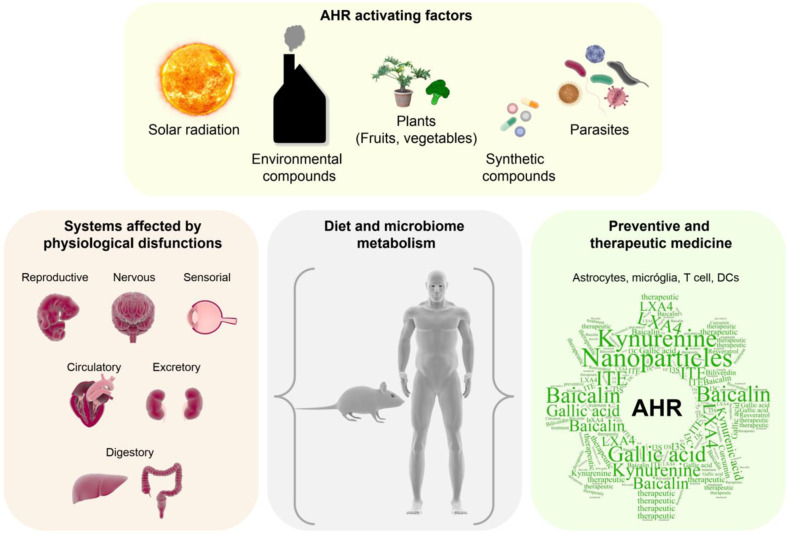
“Moreover, some medications are reported to activate AHR, including omeprazole,(20) sulindac,(21) laquinimod,(22) tapinarof,(23) and diclofenac.(24) The ability of AHR to interact with multiple molecules and its broad expression enables it to modulate diverse physiological processes in response to environmental, microb…”
BackgroundMolecular Cloning of the Human Ah Receptor Gene Promoter
Eguchi, H., Hayashi, S. I., Watanabe, J. A., Gotoh, O., & Kawajiri, K. (1994) · Biochemical and Biophysical Research Communications · doi:10.1006/bbrc.1994.2227 · Cited by 32 · cited 1×
“The Ahr promoter harbors several transcription initiation sites rich in GC-rich regions but without a TATA or a CCAAT box.(28) These GC-rich regions contain binding sites for ubiquitously expressed zinc-finger transcription factors, including Sp1 and Sp3, which seem to be required for basal AHR expression.”
BackgroundBeau, M. M. L., Carver, L. A., Espinosa, R., Schmidt, J. V., & Bradfield, C. A. (2008) · Cytogenetics and Cell Genetics · doi:10.1159/000133694 · Cited by 31
Role of AHR in the control of GBM-associated myeloid cells
Gabriely, G., & Quintana, F. J. (2019) · Seminars in Cancer Biology · doi:10.1016/j.semcancer.2019.05.014 · Cited by 27 · cited 1×
“These findings suggest a role for AHR in tumor immunoevasion and highlight the intrinsic tumor cell functions, emphasizing its potential as a therapeutic target.(151,154,155) Fig.”
BackgroundSelf-citationJacob, A., Potin, S., Chapy, H., Crété, D., Glacial, F., Ganeshamoorthy, K., Couraud, P., Scherrmann, J., & Declèves, X. (2015) · Brain Research · doi:10.1016/j.brainres.2015.03.049 · Cited by 24
Mejía‐García, A., González‐Barbosa, E., Martínez-Guzmán, C., Torres-Ramos, M., Rodríguez, M. S., Guzmán-León, S., & Elizondo, G. (2015) · Toxicology · doi:10.1016/j.tox.2015.08.008 · Cited by 23
Autophagy-related neurotoxicity is mediated via AHR and CAR in mouse neurons exposed to DDE
Wnuk, A., Rzemieniec, J., Przepiórska, K., Wesołowska, J., Wójtowicz, A. K., & Kajta, M. (2020) · The Science of The Total Environment · doi:10.1016/j.scitotenv.2020.140599 · Cited by 16 · cited 1×
“Metabolites of the pesticide DDT induce AHR-dependent neurotoxicity.(137) Finally, AHR has been proposed to participate in oligodendrocyte differentiation.”
BackgroundMobini, K., Banakar, E., Tamaddon, G., & Mohammadi‐Bardbori, A. (2020) · Europe PMC (PubMed Central) · doi:10.22074/cellj.2020.6549 · Cited by 13
Parathyroid adenoma with primary hyperparathyroidism and tuberous sclerosis. A case report.
Yin, W., Dm, Z., Ds, W., Dx, W., Wu, E. H., & Zhu, X. (1984) · PubMed · Cited by 10
Gutta percha-eucapercha: a pilot clinical study.
Morse, D. R., & Wilcko, J. M. (1981) · PubMed · Cited by 6
A gut feeling about multiple sclerosis
Quintana, F. J., & Prinz, M. (2017) · Proceedings of the National Academy of Sciences · doi:10.1073/pnas.1714260114 · Cited by 6
Self-citationDemonstration of Intranuclear T-Antigen by Antisera to Purified Adenovirus 7
Jordan, G. W., Riggs, J. L., & Lennette, E. H. (1969) · Experimental Biology and Medicine · doi:10.3181/00379727-132-34136 · Cited by 4
Hypoglycaemia in classical maple syrup urine disease is not due to hyperinsulinism
Soltész, G., Jenkins, P. A., & Aynsley-Green, A. (1983) · Journal of Inherited Metabolic Disease · doi:10.1007/bf02310877 · Cited by 3
Gm, T., Усенко, Л. В., & Zaitsev, V. S. (1970) · PubMed · Cited by 2
Research works printed but not linked: 2
- Mascanfroni ID Metabolic control of type 1 regulatory T cell differentiation by AHR and HIF1-α Nat. Med 2015 21 638 646 26005855 PMC4476246 · DOI · Paper page
- Paracer, S. & Ahmadjian V. Symbiosis: an introduction to biological associations. 2nd ed. (Oxford University Press, New York, 2000). 291 p.
Cited by
Microbiota-derived metabolites as drivers of gut–brain communication
Ahmed, H., Leyrolle, Q., Koistinen, V., Kärkkäinen, O., Layé, S., Delzenne, N., & Hanhineva, K. (2022) · Gut Microbes · doi:10.1080/19490976.2022.2102878 · Cited by 462
“Tryptophan-derived metabolites are a major group of AhR activators and the significance of AhR-signaling pathway has been recently associated with intestinal immune responses and neurological signaling.(165,166) Tryptophan is catabolized through several pathways, including the kynurenine pathway, that produces interme…”
BackgroundImmune Influencers in Action: Metabolites and Enzymes of the Tryptophan-Kynurenine Metabolic Pathway
Tanaka, M., Tóth, F., Polyák, H., Szabó, Á., Mándi, Y., & Vécsei, L. (2021) · Biomedicines · doi:10.3390/biomedicines9070734 · Cited by 248
“The commensal microflora and microbial AhR agonists are under extensive research in search of the gut microflora-produced biomolecules in influence on CNS and thus novel opportunities for AhR-targeted medications [19].”
BackgroundZhang, Z., Mu, X., Cao, Q., Shi, Y., Hu, X., & Zheng, H. (2022) · Nature Communications · doi:10.1038/s41467-022-29760-0 · Cited by 222
Lactobacillus reuteri tryptophan metabolism promotes host susceptibility to CNS autoimmunity
Montgomery, T. L., Eckstrom, K., Lile, K. H., Caldwell, S., Heney, E. R., Lahue, K. G., D’Alessandro, A., Wargo, M. J., & Krementsov, D. N. (2022) · Microbiome · doi:10.1186/s40168-022-01408-7 · Cited by 198
“These indole derivatives represent known ligands of the immunomodulatory transcription factor, the aryl hydrocarbon receptor (AhR) [64, 65].”
BackgroundHestad, K., Alexander, J., Rootwelt, H., & Aaseth, J. O. (2022) · Biomolecules · doi:10.3390/biom12070998 · Cited by 200
“Although a few endogenous compounds may antagonise AhR signalling [90,91], most endogenous AhR ligands will act as receptor agonists [87].”
Background
Metadata
- Authors
- Barroso, A., Mahler, J. V., Fonseca-Castro, P. H., & Quintana, F. J.
- Affiliations
- Brigham and Women's Hospital (US)
- Broad Institute (US)
- Corresponding author
- Quintana, Francisco J.
- Venue
- Cellular & Molecular Immunology
- Published
- 2021-01-06
- Volume
- 18
- Issue
- 2
- Pages
- 259-268
- ISSN
- 1672-7681 (ISSN-L)
- 2042-0226
- PMC
- PMC8027889
- OpenAlex
- W3119971140
- Cited by
- 152
- References
- 164
- Citations by year
- 2026: 23 · 2025: 33 · 2024: 28 · 2023: 22 · 2022: 35 · 2021: 11
- FWCI
- 2.28
- Type
- journal article
- Language
- en
- Open access
- hybrid
- doi.org
- Licence
- cc-by
- creativecommons.org/licenses/by/4.0 (tdm)
- creativecommons.org/licenses/by/4.0 (vor)
- Locations
- Cellular and Molecular Immunology (publishedVersion, cc-by)
- PubMed Central (publishedVersion, cc-by)
- PubMed (publishedVersion)
- Funders
- National Multiple Sclerosis Society (PA-1604-08459)
- International Progressive MS Alliance (PA-1604-08459)
- National Institutes of Health (ES02530, ES029136)
- National Institute of Allergy and Infectious Diseases (R01AI126880)
- National Institute of Neurological Disorders and Stroke (R01NS102807)
- Topics
- Physical Sciences › Environmental Science › Health, Toxicology and Mutagenesis › Toxic Organic Pollutants Impact
- Life Sciences › Biochemistry, Genetics and Molecular Biology › Molecular Biology › Gut microbiota and health
- Health Sciences › Medicine › Gastroenterology › Gastrointestinal motility and disorders
- Keywords
- aryl hydrocarbon receptor, gut-brain axis, dioxins, ligand-activated transcription factors, immune-mediated diseases, therapeutic target, endogenous ligands
- MeSH terms
- Brain-Gut Axis, Animals, Autoimmune Diseases, Gene Expression Regulation, Humans, Immune System, Receptors, Aryl Hydrocarbon
About these checks
Registry, retraction, Cites and statistics results are computed, not judged, with one exception: a printed reference that no index lists is read once by a model before it counts as a citation error. Claims are extracted by a model and kept only when their quote appears verbatim in the text; each cited source is then checked, with a model’s help, for whether it says what the claim relies on. Those verdicts can be wrong — read the claim’s quote and the cited source before relying on one.
Statistics and arithmetic are recomputed, not judged.
Confidence bands are shown only for fields calibrated on our annotated test set. None is calibrated yet, so no band is shown.
What counts as a claim ›How we measure confidence ›How we check this ›
Are you an author, or do you see a problem with this page? Request a review
Data sources
Bibliographic data: Semantic Scholar, OpenAlex, Crossref.
Contains information from the Semantic Scholar Academic Graph Datasets, made available under the ODC Attribution License (ODC-BY 1.0).
Semantic Scholar’s data is described in: Kinney, R., et al. (2023). The Semantic Scholar Open Data Platform. arXiv:2301.10140.
