

The aryl hydrocarbon receptor and the gut–brain axis
Open accessThe DOI matches its Crossref record; 164 of the 164 references it cites were found in a registry or an index.
Abstract
The aryl hydrocarbon receptor (AHR) is a ligand-activated transcription factor initially identified as the receptor for dioxin. Almost half a century after its discovery, AHR is now recognized as a receptor for multiple physiological ligands, with important roles in health and disease. In this review, we discuss the role of AHR in the gut–brain axis and its potential value as a therapeutic target for immune-mediated diseases.
Overview
The claims and statistics of this paper haven’t been checked yet.
Free: it reads the open-access text and checks the first 5 claims that cite a source we can check. Create a free account to check every claim.
Integrity signals
Registry
Cites
Statistics
Figures
Verification
Claims the paper makes
The claims and statistics of this paper haven’t been checked yet.
Free: it reads the open-access text and checks the first 5 claims that cite a source we can check. Create a free account to check every claim.
Claims other papers make about this one
Each is checked against this paper’s own text: does it say what the citing paper says it does?
The source backs part of the claim, not all of it — or backs it for a different population, condition or comparison.
In the citing paper
“Higher Firmicutes abundance has been associated with reduced depressive and anxiety symptoms through enhanced butyrate production, which modulates the gut-brain axis and alleviates neuroinflammation [49,50].”
From The Impact of Weizmannia coagulans BC99 on Anxiety and Depression: An 8-Week Clinical Pilot Study Through the Gut Microbiota–Brain Axis (2025) · cites this paper as [50]
Experimental — accuracy not yet measured
Self-check
Percentages, sums and reported differences re-computed from the paper’s own numbers.
The self-check needs the paper’s full text.
Citations
Cites
Radiotherapy Plus Concomitant and Adjuvant Temozolomide for Glioblastoma
Stupp, R., Mason, W. P., van den Bent, M. J., Weller, M., Fisher, B., Taphoorn, M. J. B., Belanger, K., Brandes, A. A., Marosi, C., Bogdahn, U., et al. (2005) · New England Journal of Medicine · doi:10.1056/nejmoa043330 · Cited by 21,807
Dendritic cells and the control of immunity
Banchereau, J., & Steinman, R. M. (1998) · Nature · doi:10.1038/32588 · Cited by 14,336 · cited 1×
“DCs play central roles in the maintenance of tolerance and the generation of protective immune responses against pathogens in the gut as well as in other tissues.(78,79) AHR is highly expressed in DCs,(80) affecting their differentiation and function.”
BackgroundMicrobial tryptophan catabolites in health and disease
Roager, H. M., & Licht, T. R. (2018) · Nature Communications · doi:10.1038/s41467-018-05470-4 · Cited by 2,236 · cited 1×
“Additional AHR agonists are produced by the metabolism of commensal microorganisms.(9,18,19) Moreover, some medications are reported to activate AHR, including omeprazole,(20) sulindac,(21) laquinimod,(22) tapinarof,(23) and diclofenac.”
BackgroundCao-Lormeau, V.-M., Blake, A., Mons, S., Lastère, S., Roche, C., Vanhomwegen, J., Dub, T., Baudouin, L., Teissier, A., Larre, P., et al. (2016) · The Lancet · doi:10.1016/s0140-6736(16)00562-6 · Cited by 2,205
Innate Lymphoid Cells: 10 Years On
Vivier, E., Artis, D., Colonna, M., Diefenbach, A., Di Santo, J. P., Eberl, G., Koyasu, S., Locksley, R. M., McKenzie, A. N. J., Mebius, R. E., et al. (2018) · Cell · doi:10.1016/j.cell.2018.07.017 · Cited by 2,124
An endogenous tumour-promoting ligand of the human aryl hydrocarbon receptor
Opitz, C. A., Litzenburger, U. M., Sahm, F., Ott, M., Tritschler, I., Trump, S., Schumacher, T., Jestaedt, L., Schrenk, D., Weller, M., et al. (2011) · Nature · doi:10.1038/nature10491 · Cited by 1,898 · cited 1×
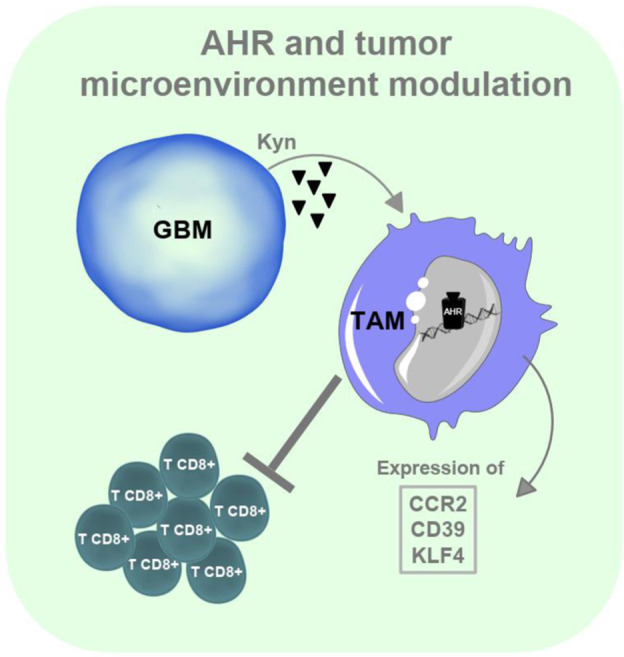
“reported that tryptophan 2,3-dioxygenase in glioblastoma leads to the production of kynurenine, which acts in an autocrine manner to enhance tumor invasiveness and replication.(150,151) In addition, Gramarzki et al.”
BackgroundControl of Treg and TH17 cell differentiation by the aryl hydrocarbon receptor
Quintana, F. J., Basso, A. S., Iglesias, A. H., Korn, T., Farez, M. F., Bettelli, E., Caccamo, M., Oukka, M., & Weiner, H. L. (2008) · Nature · doi:10.1038/nature06880 · Cited by 1,865
Self-citationAstrocyte scar formation aids central nervous system axon regeneration
Anderson, M. A., Burda, J. E., Ren, Y., Ao, Y., O’Shea, T. M., Kawaguchi, R., Coppola, G., Khakh, B. S., Deming, T. J., & Sofroniew, M. V. (2016) · Nature · doi:10.1038/nature17623 · Cited by 1,851
The aryl hydrocarbon receptor links TH17-cell-mediated autoimmunity to environmental toxins
Veldhoen, M., Hirota, K., Westendorf, A. M., Buer, J., Dumoutier, L., Renauld, J.-C., & Stockinger, B. (2008) · Nature · doi:10.1038/nature06881 · Cited by 1,634
An Interaction between Kynurenine and the Aryl Hydrocarbon Receptor Can Generate Regulatory T Cells
Mezrich, J. D., Fechner, J. H., Zhang, X., Johnson, B. P., Burlingham, W. J., & Bradfield, C. A. (2010) · The Journal of Immunology · doi:10.4049/jimmunol.0903670 · Cited by 1,601
Research works printed but not linked: 2
- Mascanfroni ID Metabolic control of type 1 regulatory T cell differentiation by AHR and HIF1-α Nat. Med 2015 21 638 646 26005855 PMC4476246 · DOI · Paper page
- Paracer, S. & Ahmadjian V. Symbiosis: an introduction to biological associations. 2nd ed. (Oxford University Press, New York, 2000). 291 p.
Cited by
Microbiota-derived metabolites as drivers of gut–brain communication
Ahmed, H., Leyrolle, Q., Koistinen, V., Kärkkäinen, O., Layé, S., Delzenne, N., & Hanhineva, K. (2022) · Gut Microbes · doi:10.1080/19490976.2022.2102878 · Cited by 462
“Tryptophan-derived metabolites are a major group of AhR activators and the significance of AhR-signaling pathway has been recently associated with intestinal immune responses and neurological signaling.(165,166) Tryptophan is catabolized through several pathways, including the kynurenine pathway, that produces interme…”
BackgroundImmune Influencers in Action: Metabolites and Enzymes of the Tryptophan-Kynurenine Metabolic Pathway
Tanaka, M., Tóth, F., Polyák, H., Szabó, Á., Mándi, Y., & Vécsei, L. (2021) · Biomedicines · doi:10.3390/biomedicines9070734 · Cited by 248
“The commensal microflora and microbial AhR agonists are under extensive research in search of the gut microflora-produced biomolecules in influence on CNS and thus novel opportunities for AhR-targeted medications [19].”
BackgroundZhang, Z., Mu, X., Cao, Q., Shi, Y., Hu, X., & Zheng, H. (2022) · Nature Communications · doi:10.1038/s41467-022-29760-0 · Cited by 222
Lactobacillus reuteri tryptophan metabolism promotes host susceptibility to CNS autoimmunity
Montgomery, T. L., Eckstrom, K., Lile, K. H., Caldwell, S., Heney, E. R., Lahue, K. G., D’Alessandro, A., Wargo, M. J., & Krementsov, D. N. (2022) · Microbiome · doi:10.1186/s40168-022-01408-7 · Cited by 198
“These indole derivatives represent known ligands of the immunomodulatory transcription factor, the aryl hydrocarbon receptor (AhR) [64, 65].”
BackgroundHestad, K., Alexander, J., Rootwelt, H., & Aaseth, J. O. (2022) · Biomolecules · doi:10.3390/biom12070998 · Cited by 200
“Although a few endogenous compounds may antagonise AhR signalling [90,91], most endogenous AhR ligands will act as receptor agonists [87].”
BackgroundManu, D. R., Slevin, M., Barcutean, L., Forro, T., Boghitoiu, T., & Balasa, R. (2023) · International Journal of Molecular Sciences · doi:10.3390/ijms242417146 · Cited by 181
“In turn, AHR inactivation in astrocytes increases expression of pro-inflammatory cytokines (IL-6, IL-12, IL-23, GM-CSF), CCL2, CCL20, and CXCL10, NO, and molecules associated with astrocyte reactivity, Vimentin and GFAP [95,96].”
Kim, C.-S. (2023) · Advances in Nutrition · doi:10.1016/j.advnut.2023.10.008 · Cited by 118
“AHR, a ligand-activated transcription factor, regulates immune and in fl ammatory responses, playing important roles in health and diseases, including neurological diseases [25].”
BackgroundKnox, E. G., Aburto, M. R., Tessier, C., Nagpal, J., Clarke, G., O’Driscoll, C. M., & Cryan, J. F. (2022) · iScience · doi:10.1016/j.isci.2022.105648 · Cited by 97
The aryl hydrocarbon receptor: a rehabilitated target for therapeutic immune modulation
Polonio, C. M., McHale, K. A., Sherr, D. H., Rubenstein, D., & Quintana, F. J. (2025) · Nature Reviews Drug Discovery · doi:10.1038/s41573-025-01172-x · Cited by 116
“It was later found that the AHR can also be activated by agonists generated through multiple metabolic pathways and by external sources such as the diet or commensal microorganisms 17–22 (Table 1).”
Self-citationBahman, F., Choudhry, K., Al‐Rashed, F., Al‐Mulla, F., Sindhu, S. T. A. K., & Ahmad, R. (2024) · Frontiers in Immunology · doi:10.3389/fimmu.2024.1421346 · Cited by 117
Franciosi, J. P., Mougey, E. B., Dellon, E. S., Gutiérrez‐Junquera, C., Fernández‐Fernández, S., Venkatesh, R. D., & Gupta, S. K. (2022) · Journal of Asthma and Allergy · doi:10.2147/jaa.s274524 · Cited by 85
“upregulates expression of antimicrobial peptides, shifts intraepithelial lymphocyte polarization to an anti-inflammatory, tissue-protective phenotype, and preserves intestinal barrier integrity.(92,93) Proton pump inhibitors have long been known to activate AHR at concentrations that are therapeutic.”
BackgroundA Descriptive Review of the Antioxidant Effects and Mechanisms of Action of Berberine and Silymarin
García‐Muñoz, A. M., Victoria‐Montesinos, D., Ballester, P., Cerdá, B., & Zafrilla, P. (2024) · Molecules · doi:10.3390/molecules29194576 · Cited by 102
“AhR is a transcription factor that induces the expression of CYP1A1, which in turn enhances Foxp3 expression, a key transcription factor for Treg cell function [87].”
BackgroundThe Role of AhR in the Hallmarks of Brain Aging: Friend and Foe
Ojo, E. S., & Tischkau, S. A. (2021) · Cells · doi:10.3390/cells10102729 · Cited by 87
“Dietary indoles, such indole-3-carbinol, and gut microbiota-derived indoles, such as indoxyl-3-sulfate, activate glial cells through AhR to mediate the response to CNS inflammation (Figure 3) [119,120].”
BackgroundKim, H., Lee, E., Park, M. K., Min, K., Diep, Y. N., Kim, J., Ahn, H., Lee, E., Kim, S., Kim, Y., et al. (2024) · Brain Behavior and Immunity · doi:10.1016/j.bbi.2024.08.051 · Cited by 74
O’Mahony, A. K., Álvarez‐Ordóñez, A., Filloux, A., Gahan, C. G. M., & Cotter, P. D. (2022) · Frontiers in Microbiology · doi:10.3389/fmicb.2022.1002185 · Cited by 72
Microbiota-Derived Tryptophan Metabolite Indole-3-Propionic Acid-Emerging Role in Neuroprotection
Owe-Larsson, M., Drobek, D., Iwaniak, P., Kloc, R., Urbańska, E. M., & Chwil, M. (2025) · Molecules · doi:10.3390/molecules30173628 · Cited by 79
“The gut–brain axis, which involves interactions of intestinal ligands with peripheral and central AhR receptors, is considered an important element of proper brain function [63,68].”
The aryl hydrocarbon receptor in immune regulation and autoimmune pathogenesis
Huang, W., Rui, K., Wang, X., Peng, N., Zhou, W., Shi, X., Lu, L., Hu, D., & Tian, J. (2023) · Journal of Autoimmunity · doi:10.1016/j.jaut.2023.103049 · Cited by 61
Communication between the gut microbiota and peripheral nervous system in health and chronic disease
Cook, T. M., & Mansuy‐Aubert, V. (2022) · Gut Microbes · doi:10.1080/19490976.2022.2068365 · Cited by 50
“Immune Ahr signaling regulates intestinal inflammation, however different studies contradict in whether Ahr is pro- or antiinflammatory.(78) Focusing on PNS Ahr signaling, Obata and colleagues beautifully demonstrated that gene expression of enteric neurons is regulated by local gut bacteria, and the transcriptional p…”
BackgroundWhat If Not All Metabolites from the Uremic Toxin Generating Pathways Are Toxic? A Hypothesis
Vanholder, R. C., Nigám, S. K., Burtey, S., & Glorieux, G. (2022) · Toxins · doi:10.3390/toxins14030221 · Cited by 57
Yadav, H., Jaldhi, Bhardwaj, R., Anamika, A., Bakshi, A., Gupta, S., & Maurya, S. K. (2023) · Life Sciences · doi:10.1016/j.lfs.2023.122022 · Cited by 53
Lima, C., Falcão, M. A. P., da Rosa, J. G. S., Disner, G. R., & Lopes‐Ferreira, M. (2022) · International Journal of Molecular Sciences · doi:10.3390/ijms232012402 · Cited by 54
Slykerman, R. F., Davies, N., Vlčková, K., O’Riordan, K. J., Bassett, S. A., Dekker, J., Schellekens, H., Hyland, N. P., Clarke, G. A., & Patterson, E. (2025) · Microbial Biotechnology · doi:10.1111/1751-7915.70079 · Cited by 50
Coretti, L., Buommino, E., & Lembo, F. (2024) · Frontiers in Cellular Neuroscience · doi:10.3389/fncel.2024.1433747 · Cited by 49
“The AHR has been frequently implicated as a target and mediator of metabolites derived from commensal microbes, in particular those resulting from tryptophan (trp) catabolism (Barroso et al., 2021).”
BackgroundElastin-Derived Peptides in the Central Nervous System: Friend or Foe
Szychowski, K. A., Skóra, B., & Wójtowicz, A. K. (2021) · Cellular and Molecular Neurobiology · doi:10.1007/s10571-021-01140-0 · Cited by 41
Astrocytes and Microglia in Stress-Induced Neuroinflammation: The African Perspective
Olude, M. A., Mouihate, A., Mustapha, O. A., Farina, C., Quintana, F. J., & Olopade, J. O. (2022) · Frontiers in Immunology · doi:10.3389/fimmu.2022.795089 · Cited by 37
Self-citationElson, D. J., & Kolluri, S. K. (2023) · Biology · doi:10.3390/biology12040526 · Cited by 44
Stress, inflammation, microbiome and depression
Medina-Rodriguez, E. M., Cruz, A. A., Abreu, J. C. D., & Beurel, E. (2023) · Pharmacology Biochemistry and Behavior · doi:10.1016/j.pbb.2023.173561 · Cited by 46
Therapeutic potential of Parabacteroides distasonis in gastrointestinal and hepatic disease
Duan, J., Li, Q., Cheng, Y., Zhu, W., Liu, H., & Li, F. (2024) · MedComm · doi:10.1002/mco2.70017 · Cited by 43
Yang, C., Sun, J., Li, L., Zheng, J. H., Wang, C., Zhao, Y., Yun, D., Jia, M., Wu, Z., Liang, H., et al. (2025) · Alzheimer s & Dementia · doi:10.1002/alz.70406 · Cited by 53
“65,66 Notably, most MTCs, including ILA, have been reported as ligands for AhR.”
Iwaniak, P., Owe-Larsson, M., & Urbańska, E. M. (2024) · International Journal of Molecular Sciences · doi:10.3390/ijms25052915 · Cited by 34
“The ability of AhR to exert epigenetic effects was also shown [131].”
BackgroundInfluentialTaj, T., Kaushik, M., Islam, A., Das, J., Kumar, B., Hussain, M. S., Ramzan, M., Ashique, S., Tariq, M., Sridhar, S. B., et al. (2025) · Biomedicine & Pharmacotherapy · doi:10.1016/j.biopha.2025.118861 · Cited by 41
Beyond the Brain: Exploring the multi-organ axes in Parkinson’s disease pathogenesis
Liu, T., Wu, H., & Wei, J. (2025) · Journal of Advanced Research · doi:10.1016/j.jare.2025.05.034 · Cited by 36
“PD patients show reduced AhR activation, correlating with decreased Lactobacillus-derived indole-3-aldehyde and increased neurotoxicity [200].”
The aryl hydrocarbon receptor regulates expression of mucosal trafficking receptor GPR15
Swaminathan, G., Nguyen, L. P., Namkoong, H., Pan, J., Haileselassie, Y., Patel, A., Ji, A. R., Mikhail, D., Dinh, T. T., Singh, H., et al. (2021) · Mucosal Immunology · doi:10.1038/s41385-021-00390-x · Cited by 32
Zhang, J., Gao, T., Chen, G., Liang, Y., Nie, X., Gu, W., Li, L., Tong, H., Huang, W., Lu, T., et al. (2024) · Phytomedicine · doi:10.1016/j.phymed.2024.156057 · Cited by 34
Hersi, F., Elgendy, S. M., Shamma, S. A. A., Altell, R. T., Sadiek, O., & Omar, H. A. (2022) · Life Sciences · doi:10.1016/j.lfs.2022.120573 · Cited by 31
Chang, Y., Ou, Q., Zhou, C., Nie, K., Zheng, P., Liu, J., Chen, L., Yan, H., Guo, D., & Zhang, S. (2024) · International Immunopharmacology · doi:10.1016/j.intimp.2024.112610 · Cited by 28
Mechanisms by which microbiome-derived metabolites exert their impacts on neurodegeneration
Kern, L., Mastandrea, I., Melekhova, A., & Elinav, E. (2024) · Cell chemical biology · doi:10.1016/j.chembiol.2024.08.014 · Cited by 29
The role of gut microbiota in cerebrovascular disease and related dementia
Cuartero, M. I., García‐Culebras, A., Nieto‐Vaquero, C., Fraga, E., Torres‐López, C., Pradillo, J. M., Lizasoaín, I., & Moro, M. Á. (2023) · British Journal of Pharmacology · doi:10.1111/bph.16167 · Cited by 31
“In addition, AhR activation may regulate gut motility through direct effects on neurons from the ENS (Agus et al., 2018; Barroso et al., 2021; Hubbard et al., 2015; Schiering et al., 2017).”
BackgroundRole of the gut-microbiota-metabolite-brain axis in the pathogenesis of preterm brain injury
Li, L., Yang, J., Liu, T., & Shi, Y. (2023) · Biomedicine & Pharmacotherapy · doi:10.1016/j.biopha.2023.115243 · Cited by 32
Harada, M., Kuda, T., Nakamura, S., Lee, G., Takahashi, H., & Kimura, B. (2021) · LWT · doi:10.1016/j.lwt.2021.112127 · Cited by 26
Where the Aryl Hydrocarbon Receptor Meets the microRNAs: Literature Review of the Last 10 Years
Disner, G. R., Lopes‐Ferreira, M., & Lima, C. (2021) · Frontiers in Molecular Biosciences · doi:10.3389/fmolb.2021.725044 · Cited by 28
“AhR is mainly expressed in barrier organs such as skin, intestine, lung, and associated leukocytes (Barroso et al., 2021; Stockinger et al., 2021) and mediates functions in various immune cells controlling the differentiation of monocytes to dendritic cells (Goudot et al.”
BackgroundMerchak, A. R., Cahill, H. J., Brown, L. C., Brown, R. M., Rivet-Noor, C. R., Beiter, R. M., Slogar, E. R., Olgun, D. G., & Gaultier, A. (2023) · PLoS Biology · doi:10.1371/journal.pbio.3002000 · Cited by 25
Urolithins: A Prospective Alternative against Brain Aging
An, L., Lu, Q., Wang, K., & Wang, Y. (2023) · Nutrients · doi:10.3390/nu15183884 · Cited by 31
“Uros have been evidenced to exert neuroprotection by direct action on estrogen receptors (ERs) [136,137] and AhRs [138] in the brain.”
Długosz, A., Wróblewski, M., Błaszak, B., & Szulc, J. (2025) · International Journal of Molecular Sciences · doi:10.3390/ijms26020808 · Cited by 36
“Alterations in AhR activity, influenced by microbiome-derived metabolites, can impact neuroinflammation and neuroplasticity, processes associated with mental health conditions like depression and anxiety [57].”
Zaki, K., Ouabane, M., Guendouzi, A., Sbai, A., Sekkate, C., Bouachrıne, M., & Lakhlifi, T. (2024) · Computers in Biology and Medicine · doi:10.1016/j.compbiomed.2024.109051 · Cited by 25
Zißler, J., Rothhammer, V., & Linnerbauer, M. (2024) · Cells · doi:10.3390/cells13060497 · Cited by 25
“…such as NAD + , the metabolites kynurenine, kynurenic acid, and xanthurenic acid are particularly relevant in the context of MS, as they serve as agonists of the aryl hydrocarbon receptor (AhR), a ligand-activated transcription factor with essential functions in immune regulation [131,132].”
BackgroundNeuroactive metabolites and bile acids are altered in extremely premature infants with brain injury
Pristner, M., Wasinger, D., Seki, D., Klebermaß-Schrehof, K., Berger, A., Berry, D., Wisgrill, L., & Warth, B. (2024) · Cell Reports Medicine · doi:10.1016/j.xcrm.2024.101480 · Cited by 24
Microbiome influences on neuro-immune interactions in neurodegenerative disease
Menees, K. B., Otero, B. A., & Tansey, M. G. (2022) · International review of neurobiology · doi:10.1016/bs.irn.2022.07.006 · Cited by 27
Muhie, S. Y., Gautam, A., Misganaw, B., Yang, R., Mellon, S. H., Hoke, A. V., Flory, J. D., Daigle, B. J., Swift, K., Hood, L., et al. (2023) · Brain Behavior and Immunity · doi:10.1016/j.bbi.2023.07.015 · Cited by 23
“Likewise, pathways inhibited in FCC cohort such as aryl hydrocarbon receptor signaling which is a ligand-activated transcription factor is important in the gut–brain axis (Barroso et al., 2021), and in neuronal proliferation, differentiation, and survival (Juricek and Coumoul, 2018), ILK signaling helps to promote sig…”
BackgroundLi, C., Gan, L., Tan, Y. Y., Yan, M., Liu, X., Chang, Q., & Pan, R. (2021) · Journal of Proteomics · doi:10.1016/j.jprot.2021.104190 · Cited by 23
Hoffman, K. R., Brownell, Z., Doyle, W. J., & Ochoa‐Repáraz, J. (2022) · Journal of Autoimmunity · doi:10.1016/j.jaut.2022.102957 · Cited by 23
Madison, C. A., Hillbrick, L., Kuempel, J., Albrecht, G. L., Landrock, K. K., Safe, S. H., Chapkin, R. S., & Eitan, S. (2022) · Behavioural Brain Research · doi:10.1016/j.bbr.2022.114256 · Cited by 22
Song, Q., Jin, Z., Zhang, H., Hong, K., Zhu, B., Yin, H., & Yu, B. (2025) · Chemico-Biological Interactions · doi:10.1016/j.cbi.2025.111495 · Cited by 24
Lin, H., Shao, X., Gu, H., Yu, X., He, L., Zhou, J., Zhong, Z., Guo, S., Li, D., Chen, F., et al. (2025) · npj Biofilms and Microbiomes · doi:10.1038/s41522-025-00712-y · Cited by 24
“IPA represents known ligands of the immuno-modulatorytranscriptionfactorAhR 46 .”
Madison, C. A., Kuempel, J., Albrecht, G. L., Hillbrick, L., Jayaraman, A., Safe, S. H., Chapkin, R. S., & Eitan, S. (2022) · Journal of Affective Disorders · doi:10.1016/j.jad.2022.04.106 · Cited by 19
Kumar, V. (2021) · International Reviews of Immunology · doi:10.1080/08830185.2021.1895145 · Cited by 20
“The details of AHR and downstream signaling are described somewhere else [92, 93].”
BackgroundHerbal Plants: The Role of AhR in Mediating Immunomodulation
Bungsu, I., Kifli, N., Ahmad, S. R., Ghani, H., & Cunningham, A. C. (2021) · Frontiers in Immunology · doi:10.3389/fimmu.2021.697663 · Cited by 28
“AhR is increasingly recognized as an important immune modulator implicated in many chronic inflammatory diseases (23).”
BackgroundZhao, Y., Sokol, H., Cao, Q., Zhang, H., Yan, Y., Xie, L., & Wang, H. (2024) · Journal of Hazardous Materials · doi:10.1016/j.jhazmat.2024.135855 · Cited by 28
Huang, Y., Hung, C., Hsu, P.-C., Lee, P., Tsai, Y., Hsin, Y., Lee, X., Chou, C., Chen, M., Tarng, D., et al. (2022) · Glia · doi:10.1002/glia.24326 · Cited by 16
“I3S is a tryptophan-derived metabolite produced by colon microbes and plays a crucial role in mediating gut immune responses (Barroso et al., 2021).”
BackgroundCardiac disorder-related adverse events for aryl hydrocarbon receptor agonists: a safety review
Tian, X., Zheng, S., Wang, J., Yu, M., Lin, Z., Qin, M., Wu, Y., Chen, S., & Zhong, S. (2022) · Expert Opinion on Drug Safety · doi:10.1080/14740338.2022.2078301 · Cited by 15
“As a well-known ligand-activated transcription factor, aryl hydrocarbon receptor (AHR) has become a potential target for treating various diseases [1,2].”
BackgroundHaque, N., & Tischkau, S. A. (2022) · International Journal of Molecular Sciences · doi:10.3390/ijms23147679 · Cited by 19
Nassar, A., Kodi, T., Satarker, S., Gurram, P. C., Fayaz, S. M., & Nampoothiri, M. (2023) · Gene · doi:10.1016/j.gene.2023.147898 · Cited by 15
Moutusy, S. I., & Ohsako, S. (2024) · International Journal of Molecular Sciences · doi:10.3390/ijms25063372 · Cited by 16
“Agonist [38] L-Kynurenine (Kyn) Kynurenic acid (KA) 6-Formyl indolo (3,2-b)”
BackgroundZhang, J., Zhou, Y., Mei, X., Yan, S., Mao, J. Y., Li, Y., Bian, Z., Li, L., Ji, D., Lu, T., et al. (2026) · Journal of Neuroinflammation · doi:10.1186/s12974-026-03763-w · Cited by 21
“Furthermore, Bifidobacterium , Bacteroides , and Clostridium strains produce IAA using transaminases and decarboxylases, which similarly activate AhR signaling to maintain epithelial integrity and modulate T cell differentiation [71, 73, 75, 78].”
Unveiling the hidden culprit: How the brain-gut axis fuels neuroinflammation in ischemic stroke
Ma, B. D. Y., Chan, T. Y. H., & Lo, B. (2024) · Surgical Neurology International · doi:10.25259/sni_703_2024 · Cited by 15
Maes, M. H. J., Vasupanrajit, A., Jirakran, K., Zhou, B., Tunvirachaisakul, C., & Almulla, A. F. (2025) · Journal of Affective Disorders · doi:10.1016/j.jad.2025.01.101 · Cited by 15
Yu, K., Vyavahare, S., Alhamad, D., Bensreti, H., Ruan, L., Tuladhar, A., Dai, C., Shaver, J. C., Tripathi, A., Ding, K., et al. (2025) · JCI Insight · doi:10.1172/jci.insight.192047 · Cited by 12
Microbiota, diet, and the gut–brain axis in multiple sclerosis and stroke
Díaz-Marugán, L., Kantsjö, J. B., Rutsch, A., & Ronchi, F. (2023) · European Journal of Immunology · doi:10.1002/eji.202250229 · Cited by 13
Tie, S., Pan, Y., Pang, C., Saman, A., Dong, Y., Fang, S., Zhu, J., Wu, Y., & Gu, S. (2025) · Nutrients · doi:10.3390/nu17193087 · Cited by 11
“Higher Firmicutes abundance has been associated with reduced depressive and anxiety symptoms through enhanced butyrate production, which modulates the gut-brain axis and alleviates neuroinflammation [49,50].”
Holme, J. A., Myhre, O., & Øvrevik, J. (2024) · Reproductive Toxicology · doi:10.1016/j.reprotox.2024.108718 · Cited by 12
Reprotoxic Effect of Tris(2,3-Dibromopropyl) Isocyanurate (TBC) on Spermatogenic Cells In Vitro
Tabęcka-Łonczyńska, A., Skóra, B., Kaleniuk, E., & Szychowski, K. A. (2023) · Molecules · doi:10.3390/molecules28052337 · Cited by 11
“AhR is the transcription factor involved in the metabolism of xenobiotics but is also responsible for many physiological processes, includ‐ ing crosstalk with multiple receptors, including the mentioned PPARγ as well as ERα and RRβ [35].”
BackgroundTryptophan metabolites at the service of neuroimmune sensing of microbes
Wang, Y., Li, J., Lian, Z., Hao, H., & Zheng, X. (2025) · Trends in Molecular Medicine · doi:10.1016/j.molmed.2025.10.009 · Cited by 13
Leclercq, S., & de Timary, P. (2024) · Current topics in behavioral neurosciences · doi:10.1007/7854_2024_478 · Cited by 9
Aryl hydrocarbon receptor attenuates cholestatic liver injury by regulating bile acid metabolism
Han, Q., Yan, X., Wang, L., Zhang, N., Zhang, W., Li, H., Chen, W., You, H., & Yang, A. (2023) · Biochemical and Biophysical Research Communications · doi:10.1016/j.bbrc.2023.10.030 · Cited by 9
Archer, D., Pérez-Muñoz, M. E., Tollenaar, S. L., Veniamin, S., Hotte, N., Cheng, C. C., Nieves, K., Oh, J., Morceli, L., Muncner, S., et al. (2025) · Cell Reports · doi:10.1016/j.celrep.2025.115321 · Cited by 9
Tryptophan Metabolism in Neurodevelopment and Its Implications For Neurodevelopmental Disorders
Giuliano, M. G., & Tognini, P. (2025) · Molecular Neurobiology · doi:10.1007/s12035-025-05437-9 · Cited by 14
Lowery, R. L., Latchney, S. E., Peer, R. P., Lamantia, C. E., Lordy, K. A., Opanashuk, L. A., McCall, M. N., & Majewska, A. K. (2022) · Brain Behavior and Immunity · doi:10.1016/j.bbi.2022.01.013 · Cited by 9
Maes, M., Vasupanrajit, A., Jirakran, K., Zhou, B., Tunvirachaisakul, C., & Almulla, A. F. (2023) · medRxiv · doi:10.1101/2023.12.14.23299942 · Cited by 11
Microbiome: A Key Regulator of Body-Brain Interactions
O’Riordan, K. J., Aburto, M. R., Nagpal, J. K., Clarke, G. A., & Cryan, J. F. (2025) · Advances in experimental medicine and biology · doi:10.1007/978-3-031-89525-8_6 · Cited by 10
Advances in Autophagy–Lysosomal Pathway and Neurodegeneration via Brain–Gut Axis
Yao, P., & Han, H. (2025) · Biomedicines · doi:10.3390/biomedicines13061390 · Cited by 13
“…I interferon signaling pathway, promoting the expression of anti-inflammatory cytokines such as interleukin-10 (IL-10), while suppressing pro-inflammatory factors including interleukin-6 (IL-6) and tumor necrosis factor-alpha (TNF-α ), thus exerting neuroprotective anti-inflammatory effects [55].”
Kimura, E. (2025) · Toxics · doi:10.3390/toxics13070596 · Cited by 8
“Interestingly, varieties of AHR ligands have been identified not only in environmental pollutants, such as dioxins, but also in dietary and microbial metabolites [106,107].”
Bipolar disorder and the gut microbiota: a bibliometric analysis
Lin, X., Huang, J., Wang, S., & Zhang, K. (2024) · Frontiers in Neuroscience · doi:10.3389/fnins.2024.1290826 · Cited by 10
“…et al., 2017; Wang and Miller, 2018; Wang et al., 2019), microglia (Cenit et al., 2017; Morais et al., 2021), the aryl hydrocarbon receptor (Reiter et al., 2018; Neamah et al., 2020; Tischkau, 2020; Barroso et al., 2021), and endocrine function (Perry et al., 2019; Anderson and Maes, 2020).”
BackgroundKimura, E., Kohda, M., Maekawa, F., Fujii‐Kuriyama, Y., & Tohyama, C. (2021) · Histochemistry and Cell Biology · doi:10.1007/s00418-021-01990-1 · Cited by 9
“To date, evidence has accumulated to indicate the presence of endogenous and exogenous substances that act as AhR ligands (Barroso et al. 2021).”
BackgroundMolecular Evolution of Aryl Hydrocarbon Receptor Signaling Pathway Genes
Bhalla, D., & van Noort, V. (2023) · Journal of Molecular Evolution · doi:10.1007/s00239-023-10124-1 · Cited by 10
“The importance of this complex molecule has motivated research to understand its function and involvement in the physiological response to environmental toxicants (Quin-tana 2013; Quintana and Sherr 2013; Bock 2018; Gutiér-rez-Vázquez and Quintana 2018; Avilla et al. 2020; Barroso et al. 2021).”
BackgroundThe role of aryl hydrocarbon receptor in the occurrence and development of periodontitis
Wu, L., Li, X., Li, J., Wang, Y., Yang, C., Zhao, C., & Gao, L. (2024) · Frontiers in Immunology · doi:10.3389/fimmu.2024.1494570 · Cited by 8
Mishima, R., Ejima, R., Arai, S., Horigome, A., Mitsuyama, E., Kaneko, H., Yamaguchi, K., Kamezaki, K., Togashi, Y., Nakamura, K., et al. (2025) · Gut Microbes Reports · doi:10.1080/29933935.2025.2490092 · Cited by 7
“1,22,30 ILA induces NGF-mediated neurite out-growth in a dose-dependent manner through AhR, 51 and promotes the clearance of Aβ peptides by activating the AhR signaling pathway in microglia and astrocytes.”
The ketogenic diet in Parkinson’s disease: a potential therapeutic strategy
Pokora, B., Pokora, K., Binienda, A., & Fichna, J. (2025) · Pharmacological Reports · doi:10.1007/s43440-025-00799-2 · Cited by 9
“It is the key regulator at the crossroads of cellular pathways involved in inflammation, immunity, gut barrier integrity, and neurotransmitter synthesis [162 , 163].”
Hong, E.-H., Hyeong, J. H., Ahn, J.-H., Han, Y. H., Kim, S. S., Kim, S., Yoo, H. H., Jeong, H., Cho, H., Park, J., et al. (2026) · International Immunopharmacology · doi:10.1016/j.intimp.2026.116194 · Cited by 6
Cheng, T. T., Gamage, S. M. K., Hewage, D., Lu, C., Aktar, S., Gopalan, V., & Lam, A. K.-Y. (2022) · Human Pathology · doi:10.1016/j.humpath.2022.02.001 · Cited by 6
Meng, S. (2026) · Brain Research Bulletin · doi:10.1016/j.brainresbull.2026.111775 · Cited by 9
Minato, I., Mena, P. R., Ricciardiello, L., Scaioli, E., Belluzzi, A., Rotondo, E., Derlindati, E., Montanini, B., Michelini, C., Tosi, N., et al. (2025) · Molecular Nutrition & Food Research · doi:10.1002/mnfr.70067 · Cited by 7
“AHR has been reported to be downregulated in inflamed mucosal samples from patients with IBD [71], suggesting its potential as a therapeutic target for immune-mediated diseases [72].”
Modulation of In Vitro Macrophage Responses via Primary and Secondary Bile Acids in Dogs
Manchester, A. C., Chow, L., Wheat, W. H., & DOW, S. W. (2023) · Animals · doi:10.3390/ani13233714 · Cited by 6
“The model we describe here provides an in vitro system to further explore the connections between gut microbes, BA concentrations and ratios, and gut immune regulation and dysregulation.”
BackgroundHu, Y., Zheng, Y., Wang, Y., Yu, S., Li, M., Zhou, J., Wu, G., Xing, W., Dong, L., Liu, Y., et al. (2022) · Life Sciences · doi:10.1016/j.lfs.2022.121284 · Cited by 6
Wojtylo, P., Łapińska, N., Bellagamba, L., Camaioni, E., Mendyk, A., & Giovagnoli, S. (2024) · Pharmaceutics · doi:10.3390/pharmaceutics16111456 · Cited by 4
“…digging into the role of the AhR in numerous metabolic and pathological processes, including cancer, cystic fibrosis, epithelial barrier function, autoimmune disorders such as psoriasis and more recently, its influence on the brain–gut axis in Alzheimer’s disease and Parkinson’s disease [5–8].”
Feng, Y., Zheng, L., Tang, W., Wang, P., Lai, Y., Qin, J., Zhou, C., Zhang, X., Yang, M., Jie, L., et al. (2026) · Communications Biology · doi:10.1038/s42003-026-09561-7 · Cited by 6
“OnceperipheralIAAentersthebrain,it binds to AHR and stimulates neuroin fl ammation 30 – 32 .”
Microbiome-Glia Crosstalk: Bridging the Communication Divide in the Central Nervous System
Tabatabaee, M. S. (2024) · Neuroglia · doi:10.3390/neuroglia5020007 · Cited by 4
The Role of the Gut Microbiome in Bipolar Disorder and its Common Medical Comorbidities
Jones, G. H., Pinjari, O. F., Vecera, C. M., Smith, K., Barrera, A., & Machado‐Vieira, R. (2023) · Frontiers in Neuroendocrinology · doi:10.1016/j.yfrne.2023.101078 · Cited by 5
Zhou, P., Kuang, Y., Zuo, L., Liang, S., Li, Z., Chen, L., Li, J., Zhang, J., He, C., Wang, X., et al. (2023) · Arabian Journal of Chemistry · doi:10.1016/j.arabjc.2023.105565 · Cited by 4
Spaceflight exposome/microgravity effects on the psychoimmunoneuroendocrine system
Capri, M., Montano, N., Piccirillo, S., Narici, M. V., Ferranti, F., & Maccarrone, M. (2025) · npj Microgravity · doi:10.1038/s41526-025-00487-8 · Cited by 5
“Gutmicrobiota,not onlymetabolizesTRP,producingindolesthatactivatearylhydrocarbon receptor(AhR)signaling,essentialforthecontrolofimmuneresponseand neuroin fl ammation 93 – 95 , but may also synthesizes TRP or convert it into serotonin.”
Taniguchi, C., Watanabe, T., Hirata, M., Hatae, A., Kubota, K., Katsurabayashi, S., & Iwasaki, K. (2023) · Evidence-based Complementary and Alternative Medicine · doi:10.1155/2023/2151004 · Cited by 3
Metadata
- Authors
- Barroso, A., Mahler, J. V., Fonseca-Castro, P. H., & Quintana, F. J.
- Affiliations
- Brigham and Women's Hospital (US)
- Broad Institute (US)
- Corresponding author
- Quintana, Francisco J.
- Venue
- Cellular & Molecular Immunology
- Published
- 2021-01-06
- Volume
- 18
- Issue
- 2
- Pages
- 259-268
- ISSN
- 1672-7681 (ISSN-L)
- 2042-0226
- PMC
- PMC8027889
- OpenAlex
- W3119971140
- Cited by
- 152
- References
- 164
- Citations by year
- 2026: 23 · 2025: 33 · 2024: 28 · 2023: 22 · 2022: 35 · 2021: 11
- FWCI
- 2.28
- Type
- journal article
- Language
- en
- Open access
- hybrid
- doi.org
- Licence
- cc-by
- creativecommons.org/licenses/by/4.0 (tdm)
- creativecommons.org/licenses/by/4.0 (vor)
- Locations
- Cellular and Molecular Immunology (publishedVersion, cc-by)
- PubMed Central (publishedVersion, cc-by)
- PubMed (publishedVersion)
- Funders
- National Multiple Sclerosis Society (PA-1604-08459)
- International Progressive MS Alliance (PA-1604-08459)
- National Institutes of Health (ES02530, ES029136)
- National Institute of Allergy and Infectious Diseases (R01AI126880)
- National Institute of Neurological Disorders and Stroke (R01NS102807)
- Topics
- Physical Sciences › Environmental Science › Health, Toxicology and Mutagenesis › Toxic Organic Pollutants Impact
- Life Sciences › Biochemistry, Genetics and Molecular Biology › Molecular Biology › Gut microbiota and health
- Health Sciences › Medicine › Gastroenterology › Gastrointestinal motility and disorders
- Keywords
- aryl hydrocarbon receptor, gut-brain axis, dioxins, ligand-activated transcription factors, immune-mediated diseases, therapeutic target, endogenous ligands
- MeSH terms
- Brain-Gut Axis, Animals, Autoimmune Diseases, Gene Expression Regulation, Humans, Immune System, Receptors, Aryl Hydrocarbon
About these checks
Registry, retraction, Cites and statistics results are computed, not judged, with one exception: a printed reference that no index lists is read once by a model before it counts as a citation error. Claims are extracted by a model and kept only when their quote appears verbatim in the text; each cited source is then checked, with a model’s help, for whether it says what the claim relies on. Those verdicts can be wrong — read the claim’s quote and the cited source before relying on one.
Statistics and arithmetic are recomputed, not judged.
Confidence bands are shown only for fields calibrated on our annotated test set. None is calibrated yet, so no band is shown.
What counts as a claim ›How we measure confidence ›How we check this ›
Are you an author, or do you see a problem with this page? Request a review
Data sources
Bibliographic data: Semantic Scholar, OpenAlex, Crossref.
Contains information from the Semantic Scholar Academic Graph Datasets, made available under the ODC Attribution License (ODC-BY 1.0).
Semantic Scholar’s data is described in: Kinney, R., et al. (2023). The Semantic Scholar Open Data Platform. arXiv:2301.10140.
