

Functional mapping and annotation of genetic associations with FUMA
Open accessPublished version of a preprint
The DOI matches its Crossref record; 67 of the 67 references it cites were found in a registry or an index.
Abstract
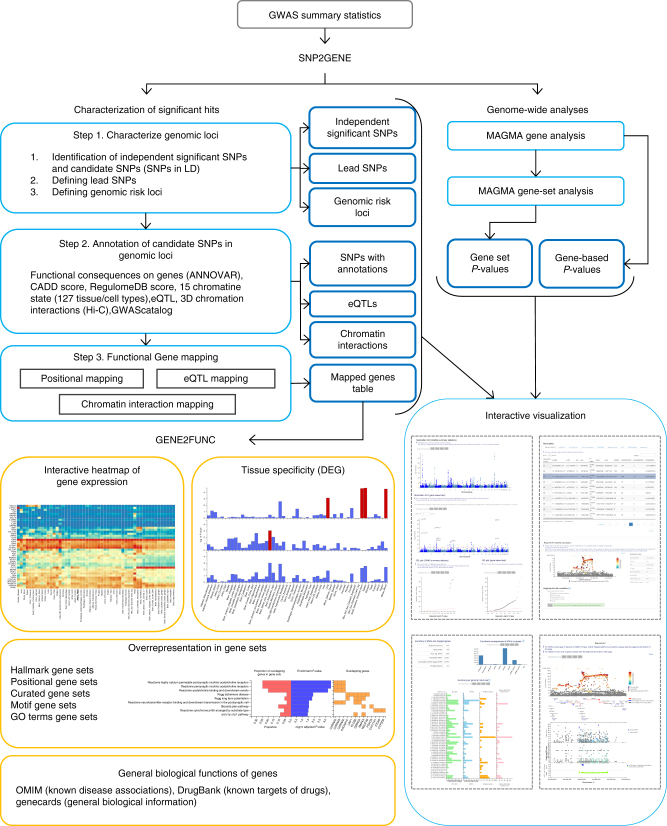
A main challenge in genome-wide association studies (GWAS) is to pinpoint possible causal variants. Results from GWAS typically do not directly translate into causal variants because the majority of hits are in non-coding or intergenic regions, and the presence of linkage disequilibrium leads to effects being statistically spread out across multiple variants. Post-GWAS annotation facilitates the selection of most likely causal variant(s). Multiple resources are available for post-GWAS annotation, yet these can be time consuming and do not provide integrated visual aids for data interpretation. We, therefore, develop FUMA: an integrative web-based platform using information from multiple biological resources to facilitate functional annotation of GWAS results, gene prioritization and interactive visualization. FUMA accommodates positional, expression quantitative trait loci (eQTL) and chromatin interaction mappings, and provides gene-based, pathway and tissue enrichment results. FUMA results directly aid in generating hypotheses that are testable in functional experiments aimed at proving causal relations.
Overview
The claims and statistics of this paper haven’t been checked yet.
Free: it reads the open-access text and checks the first 5 claims that cite a source we can check. Create a free account to check every claim.
Integrity signals
Registry
Cites
Statistics
Figures
Verification
Claims the paper makes
The claims and statistics of this paper haven’t been checked yet.
Free: it reads the open-access text and checks the first 5 claims that cite a source we can check. Create a free account to check every claim.
Claims other papers make about this one
Each is checked against this paper’s own text: does it say what the citing paper says it does?
The cited source says what the claim attributes to it.
In the citing paper
“Independently associated loci from the metaanalysis were defined using FUMA 24 (see URLs), an online platform for functional mapping of genetic variants.”
From Genome-wide association meta-analysis in 269,867 individuals identifies new genetic and functional links to intelligence (2018) · cites this paper as [24]
The check wasn’t confident either way, so it gives no verdict — never disputed.
In the citing paper
“The genetic architecture of fertility showed enrichment for gene expression in brain and ovarian tissues, which is consistent with known biology33,34.”
From Genetic trade-offs in fertility and longevity explain the maintenance of disease-associated alleles in humans (2026) · cites this paper as [33]
Experimental — accuracy not yet measuredIn the citing paper
“While traditional Hi-C guided gene mapping restricts its analysis to genome-wide significant (GWS) loci7, H-MAGMA can leverage signals from sub-threshold loci that explain a significant proportion of heritability8.”
From A computational tool (H-MAGMA) for improved prediction of brain-disorder risk genes by incorporating brain chromatin interaction profiles (2020) · cites this paper as [7]
In the citing paper
“Gene-based analysis using FUMA28, with input SNPs mapped by position to 18,232 protein-coding genes, identified an additional locus for walking (near HP1BP3) and moderate activity (near KCNA6) (Supplementary Data 4).”
From GWAS identifies 14 loci for device-measured physical activity and sleep duration (2018) · cites this paper as [28]
In the citing paper
“Although several databases have been developed to collect eQTL summary statistics from individual studies11–17, these efforts have relied on the heterogeneous set of files provided by the original authors.”
From A compendium of uniformly processed human gene expression and splicing quantitative trait loci (2021) · cites this paper as [13]
1 more claim about this paper
Create a free account to see every claim other papers make about this one.
Self-check
Percentages, sums and reported differences re-computed from the paper’s own numbers.
The self-check needs the paper’s full text.
Citations
Cites
PLINK: a tool set for whole-genome association and population-based linkage analyses.
Purcell, S., Neale, B., Todd-Brown, K., Thomas, L., Ferreira, M. A. R., Bender, D., Maller, J., Sklar, P., de Bakker, P. I. W., Daly, M. J., et al. (2007) · The American Journal of Human Genetics · doi:10.1086/519795 · Cited by 34,089 · cited 2×
“In FUMA, this task is automated by using pairwise LD ( r 2 ) of SNPs in the reference panel (1000 genomes project phase 3 27 ) pre-computed by PLINK, resulting in a list of independent signi fi cant SNPs, lead SNPs and genomic risk loci based on the GWAS input fi le.”
MethodA global reference for human genetic variation
The 1000 Genomes Project Consortium, authors, C., Auton, A., Abecasis, G. R., Steering committee, Altshuler, D. M., Durbin, R. M., Abecasis, G. R., Bentley, D. R., Chakravarti, A., et al. (2015) · Nature · doi:10.1038/nature15393 · Cited by 18,247 · cited 1×
“In FUMA, this task is automated by using pairwise LD ( r 2 ) of SNPs in the reference panel (1000 genomes project phase 3 27 ) pre-computed by PLINK, resulting in a list of independent signi fi cant SNPs, lead SNPs and genomic risk loci based on the GWAS input fi le.”
MethodAn integrated encyclopedia of DNA elements in the human genome
The ENCODE Project Consortium (2012) · Nature · doi:10.1038/nature11247 · Cited by 18,072
ANNOVAR: functional annotation of genetic variants from high-throughput sequencing data
Wang, K., Li, M., & Hakonarson, H. (2010) · Nucleic Acids Research · doi:10.1093/nar/gkq603 · Cited by 14,621 · cited 3×
“…the independent signi fi cant SNPs are then annotated for functional consequences on gene functions (based on Ensembl genes (build 85) using ANNOVAR 12 ), deleteriousness score (CADD score 13 ), potential regulatory functions (RegulomeDB score 14 and 15-core chromatin state predicted by ChromHMM…”
MethodSudlow, C., Gallacher, J., Allen, N., Beral, V., Burton, P., Danesh, J., Downey, P., Elliott, P., Green, J., Landray, M., et al. (2015) · PLOS Medicine · doi:10.1371/journal.pmed.1001779 · Cited by 12,728 · cited 5×
“9; see Supplementary Note 5 and Supplementary Fig.”
BackgroundMethodResultInfluentialAnalysis of protein-coding genetic variation in 60,706 humans
Exome Aggregation Consortium, Lek, M., Karczewski, K. J., Minikel, E. V., Samocha, K. E., Banks, E., Fennell, T., O’Donnell-Luria, A. H., Ware, J. S., Hill, A. J., et al. (2016) · Nature · doi:10.1038/nature19057 · Cited by 9,587 · cited 1×
“For mapped genes, two scores of intolerance to functional mutations are annotated; probability of being loss-of-function intolerant (pLI) 58 and non-coding residual variation intolerance score (ncRVIS) 59 .”
BackgroundThe Ensembl Variant Effect Predictor
McLaren, W., Gil, L., Hunt, S. E., Riat, H. S., Ritchie, G. R. S., Thormann, A., Flicek, P., & Cunningham, F. (2016) · Genome Biology · doi:10.1186/s13059-016-0974-4 · Cited by 8,099
Biological insights from 108 schizophrenia-associated genetic loci
Schizophrenia Working Group of the Psychiatric Genomics Consortium (2014) · Nature · doi:10.1038/nature13595 · Cited by 7,577 · cited 3×
“We also applied FUMA to the most recent Schizophrenia (SCZ; 36,989 cases and 113,075 controls) GWAS summary statistics 3 , and 128 lead SNPs from 269 independent signi fi cant SNPs across 109 genomic loci were identi fi ed (Supplementary Note 5, Supplementary Fig.”
BackgroundMethodResultMolecular signatures database (MSigDB) 3.0
Liberzon, A., Subramanian, A., Pinchback, R., Thorvaldsdóttir, H., Tamayo, P., & Mesirov, J. P. (2011) · Bioinformatics · doi:10.1093/bioinformatics/btr260 · Cited by 7,111 · cited 3×
“To test for overrepresentation of biological functions, the prioritized genes (or a list of genes of interest) are tested against gene sets obtained from MsigDB (i.e., hallmark gene sets, positional gene sets, curated gene sets, motif gene sets, computational gene sets, GO gene sets, oncogenic signatures, and immunolo…”
MethodIntegrative analysis of 111 reference human epigenomes
Roadmap Epigenomics Consortium, Kundaje, A., Meuleman, W., Ernst, J., Bilenky, M., Yen, A., Heravi-Moussavi, A., Kheradpour, P., Zhang, Z., Wang, J., et al. (2015) · Nature · doi:10.1038/nature14248 · Cited by 6,368
Cited by
Items 701–800 of 1,048
Aggregative trans-eQTL analysis detects trait-specific target gene sets in whole blood
Dutta, D., He, Y. M., Saha, A., Arvanitis, M., Battle, A. J., & Chatterjee, N. (2022) · Nature Communications · doi:10.1038/s41467-022-31845-9 · Cited by 39
Cross-ancestry genome-wide association meta-analyses of hippocampal and subfield volumes
Liu, N., Zhang, L. J., Tian, T., Cheng, J., Zhang, B., Qiu, S., Geng, Z., Cui, G., Zhang, Q., Liao, W., et al. (2023) · Nature Genetics · doi:10.1038/s41588-023-01425-8 · Cited by 43
Genome-wide association study of preserved ratio impaired spirometry (PRISm)
Higbee, D., Lirio, A., Hamilton, F., Granell, R., Wyss, A. B., London, S. J., Bartz, T. M., Gharib, S. A., Cho, M. H., Wan, E. S., et al. (2023) · European Respiratory Journal · doi:10.1183/13993003.00337-2023 · Cited by 40
“…and reported genes from the GWAS catalogue (gene-set enrichment analysis; see https://fuma.ctglab.nl/tutorial#gene2func for full list of gene sets) [20]. function signals found in this GWAS (r 2 >0.5) and are therefore novel for lung function: rs7652391 (nearest gene MECOM ), rs9431040 ( HLX ),…”
InfluentialMulti-organ metabolome biological age implicates cardiometabolic conditions and mortality risk
Zalesky, A., Tian, Y., Ferrucci, L., Walker, K. A., Bai, W., Rafii, M. S., Aisen, P. S. S., Anagnostakis, F., Ko, S., Saadatinia, M., et al. (2025) · Nature Communications · doi:10.1038/s41467-025-59964-z · Cited by 43
“For genomic loci annotation, FUMA initially identi fi ed lead SNPs (correlation r 2 ≤ 0.1, distance 250 kilobases) and assigned them to non-overlapping genomic loci.”
InfluentialWen, J. (2025) · Nature Aging · doi:10.1038/s43587-025-00928-9 · Cited by 47
Ho, A. M., Coombes, B. J., Nguyen, T. T. L., Liu, D., McElroy, S. L., Singh, B., Nassan, M. M., Colby, C. L., Larrabee, B. R., Weinshilboum, R. M., et al. (2020) · Clinical Pharmacology & Therapeutics · doi:10.1002/cpt.1982 · Cited by 41
Unraveling Risk Genes of COVID-19 by Multi-Omics Integrative Analyses
Baranova, A. V., Cao, H., & Zhang, F. (2021) · Frontiers in Medicine · doi:10.3389/fmed.2021.738687 · Cited by 42
Su, X., Li, W., Lv, L., Li, X., Yang, J., Luo, X., & Liu, J. (2021) · Frontiers in Genetics · doi:10.3389/fgene.2021.740134 · Cited by 41
“Details, principles, and procedures have been described in the original paper (Watanabe et al., 2017) and the FUMA website.”
InfluentialOkhuijsen‐Pfeifer, C., van der Horst, M. Z., Bousman, C., Lin, B. D., van Eijk, K. R., Ripke, S., Ayhan, Y., Babaoglu, M. O., Bak, M., Alink, W., et al. (2022) · Translational Psychiatry · doi:10.1038/s41398-022-01884-3 · Cited by 39
“Post-GWAS analysis was performed for identi fi cation and annotation of independent associations within our data, using Functional Mapping and Annotation of genetic associations (FUMA) [50] and Hi-C coupled Multi-marker Analysis of GenoMic Annotation (H-MAGMA v1.”
MethodInfluentialStikker, B., Stik, G., van Ouwerkerk, A. F., Trap, L., Spicuglia, S., Hendriks, R. W., & Stadhouders, R. (2022) · Genome biology · doi:10.1186/s13059-022-02669-z · Cited by 41
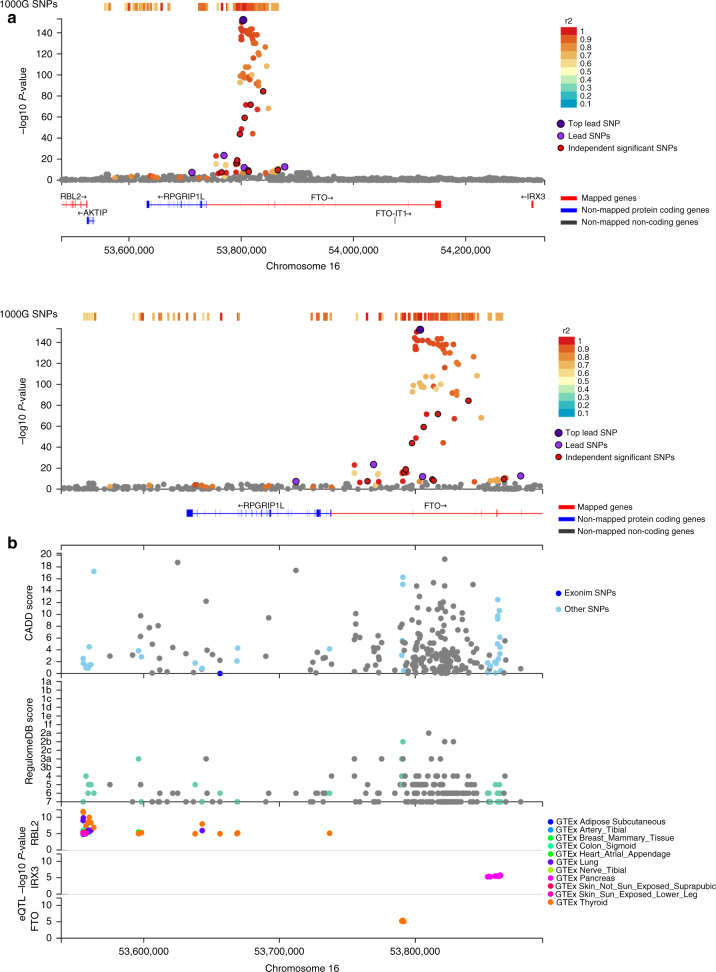
“Regional association plots generated using the Functional Mapping and Annotation (FUMA) platform[9] revealed a region of 743 kb in high linkage-disequilibrium (LD; r(2)>0.”
MethodInfluentialComparative transcriptome in large-scale human and cattle populations
Yao, Y., Liu, S., Xia, C., Gao, Y., Pan, Z., Canela‐Xandri, O., Khamseh, A., Rawlik, K., Wang, S., Li, B., et al. (2022) · Genome biology · doi:10.1186/s13059-022-02745-4 · Cited by 40
“By further examining GWAS-discovered genes of 4756 complex traits (at least 10 genes per trait) using FUMA [25], we confirmed that conserved genes were significantly enriched for more complex traits GWAS signals than diverged ones, which was consistent across tissues except for skin, adrenal, and…”
MethodBhatt, I. S., Wilson, N., Dias, R., & Torkamani, A. (2022) · Scientific Reports · doi:10.1038/s41598-022-26413-6 · Cited by 40
Genetic overlap between Parkinson’s disease and inflammatory bowel disease
Kang, X., Ploner, A., Wang, Y., Ludvigsson, J. F., Williams, D. M., Pedersen, N. L., & Wirdefeldt, K. (2022) · Brain Communications · doi:10.1093/braincomms/fcad002 · Cited by 39
“ic SNPs identified from cFDR were performed via the FUMA web-based platform under the default setting if not otherwise specified.(32) Using the FUMA-SNP2GENE function, we first annotated all pleiotropic SNPs via the built-in ANNOVAR tool and identified their corresponding genomic loci based on the LD pre-computed from…”
MethodYang, W., Li, L., Feng, X., Cheng, H., Ge, X., Bao, Y., Huang, L., Wang, F., Liu, C., Chen, X., et al. (2022) · Communications Biology · doi:10.1038/s42003-022-03351-7 · Cited by 38
Li, Q., Chen, J., Faux, P., Delgado, M., Bonfante, B., Fuentes‐Guajardo, M., Mendoza‐Revilla, J., Chacón-Duque, J. C., Hurtado, M., Villegas, V., et al. (2023) · Communications Biology · doi:10.1038/s42003-023-04838-7 · Cited by 41
Immunogenetics of autism spectrum disorder: A systematic literature review
Arenella, M., Matulevičiūtė, R., Tamouza, R., Leboyer, M., McAlonan, G. M., Bralten, J., & Murphy, D. (2023) · Brain Behavior and Immunity · doi:10.1016/j.bbi.2023.09.010 · Cited by 38
Genetic and Phenotypic Features of Schizophrenia in the UK Biobank
Legge, S. E., Pardiñas, A. F., Woolway, G., Rees, E., Cardno, A. G., Escott‐Price, V., Holmans, P., Kirov, G., Owen, M. J., O’Donovan, M. C., et al. (2024) · JAMA Psychiatry · doi:10.1001/jamapsychiatry.2024.0200 · Cited by 41
Zhu, X., Yang, Y., Lorincz‐Comi, N. J., Li, G., Bentley, A. R., de Vries, P. S., Brown, M., Morrison, A. C., Rotimi, C. N., Gauderman, W. J., et al. (2024) · Nature Communications · doi:10.1038/s41467-024-47806-3 · Cited by 40
“Analysis was done using the online platform FUMA GWAS.”
A Novel Metabolomic Aging Clock Predicting Health Outcomes and Its Genetic and Modifiable Factors
Jia, X., Fan, J., Wu, X., Cao, X., Ma, L., Abdelrahman, Z., Zhao, F., Zhu, H., Bizzarri, D., van den Akker, E. B., et al. (2024) · Advanced Science · doi:10.1002/advs.202406670 · Cited by 41
Shared genetic architecture and bidirectional clinical risks within the psycho-metabolic nexus
Guo, X., Feng, Y., Ji, X., Jia, N., Maimaiti, A., Lai, J., Wang, Z., Yang, S., & Hu, S. (2024) · EBioMedicine · doi:10.1016/j.ebiom.2024.105530 · Cited by 41
Chami, N., Wang, Z., Svenstrup, V., Díez‐Obrero, V., Hemerich, D., Huang, Y., Dashti, H., Manitta, E., Preuss, M. H., North, K. E., et al. (2025) · Nature Medicine · doi:10.1038/s41591-025-03931-0 · Cited by 40
Turning genome-wide association study findings into opportunities for drug repositioning
Lau, A., & So, H. (2020) · Computational and Structural Biotechnology Journal · doi:10.1016/j.csbj.2020.06.015 · Cited by 39
“org), the NIH Roadmap Epigenomics Project, GWAS3D [44] and its successor GWAS4D [45], HaploReg [46], Mutation Enrichment Gene set Analysis of Variants (MEGAV) [47], SNPinfo [48], FUMA [49] and CAUSALdb [43].”
BackgroundMendelian randomization highlights insomnia as a risk factor for pain diagnoses
Broberg, M. E., Karjalainen, J. M., FinnGen, & Ollila, H. M. (2021) · SLEEP · doi:10.1093/sleep/zsab025 · Cited by 40
“We selected significant lead SNPs ( p 5 × 10 −8 ) by removing highly correlated SNPs by linkage disequilibrium (LD) pruning (primary r 2 threshold of 0.6 and a secondary r 2 of 0.1) in the FinnGen R5 general Pain GWAS summary statistics using the FUMA platform [25].”
MethodInfluentialWendt, F. R., Pathak, G. A., Deak, J. D., Angelis, F. D., Koller, D., Cabrera‐Mendoza, B., Lebovitch, D. S., Levey, D. F., Stein, M. B., Kranzler, H. R., et al. (2022) · Molecular Psychiatry · doi:10.1038/s41380-022-01469-y · Cited by 41
“6a [24] using 2-kb window and r(2) > 0.”
Mathieu, S., Briend, M., Abner, E., Couture, C. Y., Li, Z., Bossé, Y., Thériault, S., Esko, T., Arsenault, B. J., & Mathieu, P. (2022) · iScience · doi:10.1016/j.isci.2022.104992 · Cited by 40
“Genesmapped to eQTLGen (Võsa et al., 2021) were identified by using lead and IndSigSNPs obtained from FUMA.”
MethodInfluentialMignogna, G., Carey, C. E., Wedow, R., Baya, N. A., Cordioli, M., Pirastu, N., Bellocco, R., Malerbi, K. F., Nivard, M. G., Neale, B. M., et al. (2023) · Nature Human Behaviour · doi:10.1038/s41562-023-01632-7 · Cited by 38
Schoonhoven, A. O.-V., de Bruijn, M. J. W., Stikker, B., Brouwer, R. W. W., Braunstahl, G., van IJcken, W. F. J., Graf, T., Huylebroeck, D., Hendriks, R. W., Stik, G., et al. (2023) · Science Immunology · doi:10.1126/sciimmunol.adg3917 · Cited by 38
“The GWAS summary statistics file was parsed to the Functional Mapping and Annotation (FUMA) platform (94), which uses PLINK to impute missing genotypes from the 1000 Genomes reference panel (95).”
MethodMallard, T. T., Linnér, R. K., Grotzinger, A. D., Sanchez-Roige, S., Seidlitz, J., Okbay, A., de Vlaming, R., Meddens, S. F. W., Bipolar Disorder Working Group of the Psychiatric Genomics Consortium, Palmer, A. A., et al. (2019) · bioRxiv (Cold Spring Harbor Laboratory) · doi:10.1101/603134 · Cited by 37
Combining genome-wide association studies highlight novel loci involved in human facial variation
Xiong, Z., Gao, X., Chen, Y., Feng, Z., Pan, S., Lu, H., Uitterlinden, A. G., Nijsten, T., Ikram, A., Rivadeneira, F., et al. (2022) · Nature Communications · doi:10.1038/s41467-022-35328-9 · Cited by 37
Genome‐wide meta‐analysis identifies susceptibility loci for autoimmune hepatitis type 1
Li, Y., Sun, Y., Liu, Y., Wang, B., Li, J., Wang, H., Zhang, H., Wang, X., Han, X., Lin, Q., et al. (2022) · Hepatology · doi:10.1002/hep.32417 · Cited by 37
“[25] FUMA (Functional Mapping and Annotation) was employed to annotate AIH- associated SNPs and prioritize candidate genes.[29] We used GTEx (release version 8) to identify expression quantitative trait loci (eQTL) among significant variants in different tissues.”
Multivariate genetic analysis of personality and cognitive traits reveals abundant pleiotropy
Hindley, G., Shadrin, A. A., van der Meer, D., Parker, N., Cheng, W., O’Connell, K. S., Bahrami, S., Lin, A., Karadag, N., Holen, B., et al. (2023) · Nature Human Behaviour · doi:10.1038/s41562-023-01630-9 · Cited by 41
Singh, S., Choudhury, A., Hazelhurst, S., Crowther, N. J., Boua, P. R., Sorgho, H., Agongo, G., Nonterah, E. A., Micklesfield, L. K., Norris, S. A., et al. (2023) · Nature Communications · doi:10.1038/s41467-023-44079-0 · Cited by 37
“In silico functional analysis FUMA 74 was used for in silico functional analysis and annotation was performed to select the most likely causal variants from the GWAS summary statistics.”
Yu, X., Chen, Y., Chen, J., Fan, Y., Lu, H., Wu, D., & Xu, Y. (2024) · BMC Medicine · doi:10.1186/s12916-024-03385-0 · Cited by 37
“Function analysis was performed by FUMA web tool [41].”
MethodProbabilistic inference of epigenetic age acceleration from cellular dynamics
Dabrowski, J., Yang, E. J., Crofts, S., Hillary, R. F., Simpson, D. J., McCartney, D. L., Marioni, R. E., Kirschner, K., Crespo, E. L., & Chandra, T. (2024) · Nature Aging · doi:10.1038/s43587-024-00700-5 · Cited by 40
“We used LDtrait 43 to search for phenotypes associated with SNPs in linkage disequilibrium with the four lead SNPs ( R 2 > 0.1) and within 1 Mb. LDtrait reports association data from the GWAS catalog 25 .”
MethodInfluentialStrategies for Pathway Analysis Using GWAS and WGS Data
White, M. J., Yaspan, B. L., Veatch, O. J., Goddard, P. C., Risse-Adams, O. S., & Contreras, M. G. (2018) · Current Protocols in Human Genetics · doi:10.1002/cphg.79 · Cited by 38
Carrión-Castillo, A., Pepe, A., Kong, X., Fisher, S. E., Mazoyer, B. M., Tzourio‐Mazoyer, N., Crivello, F., & Francks, C. (2019) · Cortex · doi:10.1016/j.cortex.2019.11.006 · Cited by 39
Telomere length and human hippocampal neurogenesis
Palmos, A., Duarte, R. R. R., Smeeth, D. M., Hedges, E. C., Nixon, D. F., Thuret, S., & Powell, T. R. (2020) · Neuropsychopharmacology · doi:10.1038/s41386-020-00863-w · Cited by 38
“Gene ontology (GO) enrichment To understand which biological mechanisms were being affected in our cell model in association with telomere shortening, we separately entered genes (PFDR 0.05) showing an increase in expression, and those showing a decrease in expression, into FUMA [60].”
BackgroundInfluentialA multilayered post-GWAS assessment on genetic susceptibility to pancreatic cancer
de Maturana, E. L., Rodríguez, J., Alonso, L., Lao, O., Molina-Montes, E., Martín-Antoniano, I., Gómez-Rubio, P., Lawlor, R., Carrato, A., Hidalgo, M., et al. (2021) · Genome Medicine · doi:10.1186/s13073-020-00816-4 · Cited by 40
Ning, K., Duffy, B. A., Franklin, M., Matloff, W. J., Zhao, L., Arzouni, N., Sun, F., & Toga, A. W. (2021) · Neurobiology of Aging · doi:10.1016/j.neurobiolaging.2021.03.014 · Cited by 40
Shared Genetic Liability Between Major Depressive Disorder and Atopic Diseases
Cao, H., Li, S., Baranova, A., & Zhang, F. (2021) · Frontiers in Immunology · doi:10.3389/fimmu.2021.665160 · Cited by 35
“Enrichment of the 27 genes in the GWAS catalog reported genes was analyzed using FUMA (28).”
MethodSimcoe, M. J., Shah, A., Fan, B., Choquet, H., Weisschuh, N., Waseem, N. H., Chen, J., Melles, R. B., Ritch, R. H., Mahroo, O. A., et al. (2022) · Ophthalmology · doi:10.1016/j.ophtha.2022.01.005 · Cited by 37
Pujol‐Gualdo, N., Läll, K., Lepamets, M., Metspalu, A., Nelis, M., Milani, L. A., Esko, T., Hudjashov, G., Rossi, H., Arffman, R. K., et al. (2022) · Nature Communications · doi:10.1038/s41467-022-31188-5 · Cited by 44
Han, Y., Byun, J., Zhu, C., Sun, R., Roh, J. Y., Cordell, H. J., Lee, H., Shaw, V. R., Kang, S. W., Razjouyan, J., et al. (2023) · Nature Communications · doi:10.1038/s41467-023-36678-8 · Cited by 40
Causal associations between major depressive disorder and COVID‐19
Baranova, A. V., Zhao, Y., Cao, H., & Zhang, F. (2023) · General Psychiatry · doi:10.1136/gpsych-2022-101006 · Cited by 37
“As shown in table 1, genetic correlation analyses indicated that MDD had positive genetic correlations with SARS- CoV-2 infection (r g =0.10 (0.04), p=0.007), hospitalised COVID-19 (r g =0.15 (0.03), p<0.001) and critical COVID-19 (r g =0.10 (0.03), p=0.003).”
BackgroundInfluentialMcGrath, I. M., Montgomery, G. W., & Mortlock, S. (2023) · Human Genetics · doi:10.1007/s00439-023-02582-w · Cited by 38
“6 was used to define independent loci (Watanabe et al. 2017).”
MethodInfluentialCommon Genetic Variation and Age of Onset of Anorexia Nervosa
Watson, H. J., Thornton, L. M., Yılmaz, Z., Baker, J. H., Coleman, J. R. I., Adan, R. A. H., Alfredsson, L. S., Andreassen, O. A., Ask, H., Berrettini, W. H., et al. (2021) · Biological Psychiatry Global Open Science · doi:10.1016/j.bpsgos.2021.09.001 · Cited by 40
“Gene mapping and tissue expression analyses were performed with FUMA (35).”
MethodShared genetics and causal associations between COVID‐19 and multiple sclerosis
Baranova, A. V., Cao, H., Teng, S., Su, K., & Zhang, F. (2022) · Journal of Medical Virology · doi:10.1002/jmv.28431 · Cited by 36
“Functional mapping and annotation (FUMA) software was used to map SNPs to genes and identify LD‐independent genomic regions.(30) All genes located within the 10 kb vicinity of each variant were mapped.”
MethodInfluentialFeng, Y., Xie, N., Inoue, F., Fan, S., Saskin, J., Zhang, C., Zhang, F., Hansen, M. E. B., Nyambo, T., Mpoloka, S. W., et al. (2024) · Nature Genetics · doi:10.1038/s41588-023-01626-1 · Cited by 37
“5.4) 73 .”
InfluentialGarcía‐Marín, L. M., Campos, A. I., Díaz‐Torres, S., Rabinowitz, J. A., Ceja, Z., Mitchell, B. L., Grasby, K. L., Thorp, J. G., Agartz, I., Alhusaini, S., et al. (2024) · Nature Genetics · doi:10.1038/s41588-024-01951-z · Cited by 40
“08) as implemented in FUMA 74 for GWAS in the UK Biobank cohort with and without adjusting for ICV.”
Ran, L., Fang, Y., Cheng, C., He, Y., Shao, Z., Kong, Y., Huang, H., Xu, S., Luo, X., Wang, W., et al. (2025) · Science Advances · doi:10.1126/sciadv.adr4606 · Cited by 37
“We used FUMA version 1.5.2 (https://fuma.ctglab.nl/) to identify genomic loci and determine functional consequences of candidate variants in these loci ( 69 ).”
InfluentialRobust inference and correlates from genetic associations with personality
Schwaba, T., Sullivan, M. L. C., Akingbuwa, W. A., Ilves, K., Tanksley, P. T., Williams, C. M., Dragostinov, Y., Mallard, T. T., Tubbs, J. D., Liao, W., et al. (2026) · Nature · doi:10.1038/s41586-026-10992-9 · Cited by 43
“We quantified the number of genome-wide significant lead SNPs at P 5 × 10 −8 that were linkage disequilibrium (LD)-independent of other lead SNPs nearby on the genome (within a 250 kb window) using FUMA 66 .”
From lipid locus to drug target through human genomics
van der Laan, S. W., Harshfield, E. L., Hemerich, D., Stacey, D., Wood, A., & Asselbergs, F. W. (2018) · Cardiovascular Research · doi:10.1093/cvr/cvy120 · Cited by 39
Ye, Y., Yang, H., Wang, Y., & Zhao, H. (2020) · Genetic Epidemiology · doi:10.1002/gepi.22357 · Cited by 36
Bonelli, R., Jackson, V. E., Prasad, A., Munro, J. E., Farashi, S., Heeren, T. F. C., Pontikos, N., Scheppke, L., Friedlander, M., Egan, C. A., et al. (2021) · Communications Biology · doi:10.1038/s42003-021-01788-w · Cited by 38
Lesseur, C., Ferreiro-Iglesias, A., McKay, J., Bossé, Y., Johansson, M., Gaborieau, V., Landi, M. T., Christiani, D. C., Caporaso, N. E., Bojesen, S. E., et al. (2021) · PLoS Genetics · doi:10.1371/journal.pgen.1009254 · Cited by 37
“nl/)[21] which maps individually significant SNPs to genes.”
BackgroundMethodFrancis, M., Li, C., Sun, Y., Zhou, J., Li, X., Brenna, J. T., & Ye, K. (2021) · PLoS Genetics · doi:10.1371/journal.pgen.1009431 · Cited by 37
“GTEx reveals that SNPs in this locus are significantly associated with increased expression of PLOS Genetics | https://doi.org/10.1371/journal.pgen.1009431 March 24, 2021 9 / 20 TYW1B.”
MethodInfluentialRare variant analysis in eczema identifies exonic variants in DUSP1, NOTCH4 and SLC9A4
Grosche, S., Marenholz, I., Esparza-Gordillo, J., Arnau‐Soler, A., Pairo‐Castineira, E., Rüschendorf, F., Ahluwalia, T. S., Almqvist, C., Arnold, A., Baurecht, H., et al. (2021) · Nature Communications · doi:10.1038/s41467-021-26783-x · Cited by 42
Common Genetic Variants Contribute to Risk of Transposition of the Great Arteries
Škorić‐Milosavljević, D., Tadros, R., Bosada, F. M., Tessadori, F., van Weerd, J. H., Woudstra, O. I., Tjong, F. V. Y., Lahrouchi, N., Bajolle, F., Cordell, H. J., et al. (2021) · Circulation Research · doi:10.1161/circresaha.120.317107 · Cited by 37
Qi, G., Dutta, D., Leroux, A., Ray, D., Muschelli, J., Crainiceanu, C. M., & Chatterjee, N. (2022) · Genetic Epidemiology · doi:10.1002/gepi.22441 · Cited by 38
Albiñana, C., Zhu, Z., Borbye‐Lorenzen, N., Boelt, S. G., Cohen, A. S., Skogstrand, K., Wray, N. R., Revez, J. A., Privé, F., Petersen, L. V., et al. (2023) · Nature Communications · doi:10.1038/s41467-023-36392-5 · Cited by 37
“Functional mapping and annotation of genome-wide association studies(FUMA) 100 was used toexamine gene-based and gene-set analyses.”
Non–cell-autonomous regulation of interneuron specification mediated by extracellular vesicles
Pipicelli, F., Baumann, N., Giaimo, R. D., Forero, A., Kyrousi, C., Bonrath, R., Maccarrone, G., Jabaudon, D., & Cappello, S. (2023) · Science Advances · doi:10.1126/sciadv.add8164 · Cited by 38
Rompala, G. R., Nagamatsu, S. T., Martínez‐Magaña, J. J., Núñez-Ríos, D. L., Wang, J., Girgenti, M. J., Krystal, J. H., Gelernter, J. E., Alvarez, V. E., Benedek, D. M., et al. (2023) · Nature Communications · doi:10.1038/s41467-023-40285-y · Cited by 37
“Additionally, GWAS enrichment speci fi c to OUD was conducted using data from a recently published GWAS in European and African Populations 27 For this, we used Fisher ’ s exact test and a similar background to the Metascape platform (30,182 genes) 70 .”
Madrid, L., (ADNI)*, A. D. N. I., EADI consortium, C. C., ADAPTED consortium, Moreno-Grau, S., Ahmad, S., González-Pérez, A., de Rojas, I., Xia, R., Martino Adami, P. V., et al. (2021) · Aging · doi:10.18632/aging.202950 · Cited by 36
Multi-Ancestry Meta-Analysis yields novel genetic discoveries and ancestry-specific associations
Turley, P., Martin, A. R., Goldman, G., Li, H., Kanai, M., Walters, R. K., Jala, J. B., Lin, K., Millwood, I. Y., Carey, C. E., et al. (2021) · doi:10.1101/2021.04.23.441003 · Cited by 35
Chronic overlapping pain conditions and nociplastic pain
Johnston, K. J. A., Signer, R., & Huckins, L. M. (2025) · Human Genetics and Genomics Advances · doi:10.1016/j.xhgg.2024.100381 · Cited by 35
“Common-factor GWAS output (nociplastic pain summary statistics) was then taken forward and analyzed within FUMA (Functional Mapping and Annotation of Genome-Wide Association Studies), 32 a web-based suite of tools for downstream GWAS analyses.”
Genetic, Clinical, and Sociodemographic Factors Associated With Stimulant Treatment Outcomes in ADHD
Brikell, I., Wimberley, T., Albiñana, C., Pedersen, E. M., Vilhjálmsson, B. J., Agerbo, E., Demontis, D., Børglum, A. D., Schork, A. J., LaBianca, S., et al. (2021) · American Journal of Psychiatry · doi:10.1176/appi.ajp.2020.20121686 · Cited by 41
Genetic map of regional sulcal morphology in the human brain from UK biobank data
Sun, B. B., Loomis, S. J., Pizzagalli, F., Shatokhina, N., Painter, J. N., Foley, C. N., Biogen Biobank Team, Sun, B. B., Tsai, E. A., Bronson, P. G., et al. (2022) · Nature Communications · doi:10.1038/s41467-022-33829-1 · Cited by 37
Williams, A. T., Chen, J., Coley, K., Batini, C., Izquierdo, A. G., Packer, R. J., Abner, E., Kanoni, S., Shepherd, D. J., Free, R. C., et al. (2023) · Nature Communications · doi:10.1038/s41467-023-42284-5 · Cited by 40
Larsson, S. C., Chen, J., Gill, D., Burgess, S., & Yuan, S. (2024) · Stroke · doi:10.1161/strokeaha.124.046249 · Cited by 36
“31 We used Functional Mapping and Annotation of Genome-Wide Association Studies 32 to identify independent risk loci, performing LD-based clumping using the 1000 Genomes Phase 3 data set as the reference by setting the thresholds (the GWAS significance level at P < 5×10 −8 , the physical distance threshold at window >…”
MethodInfluentialThe phenotypic and genetic association between endometriosis and immunological diseases
Shigesi, N., Harris, H. R., Fang, H., Ndungu, A., Lincoln, M. R., Cotsapas, C. J., Knight, J. C., Missmer, S. A., Morris, A. P., Becker, C. M., et al. (2025) · Human Reproduction · doi:10.1093/humrep/deaf062 · Cited by 37
“Pathways included were limited to canonical pathways to limit multiple testing burden (Watanabe et al. , 2017).”
Winkler, T. W., Günther, F., Höllerer, S., Zimmermann, M. E., Loos, R. J. F., Kutalik, Z., & Heid, I. M. (2018) · Nature Communications · doi:10.1038/s41467-018-05088-6 · Cited by 35
Low-frequency variation in TP53 has large effects on head circumference and intracranial volume
Haworth, S. J., Shapland, C. Y., Hayward, C., Prins, B. P., Felix, J. F., Medina‐Gómez, C., Rivadeneira, F., Wang, C. A., Ahluwalia, T. S., Vrijheid, M., et al. (2019) · Nature Communications · doi:10.1038/s41467-018-07863-x · Cited by 36
NRXN1 is associated with enlargement of the temporal horns of the lateral ventricles in psychosis
Alliey‐Rodriguez, N., Grey, T. A., Shafee, R., Asif, H., Lutz, O., Bolo, N. R., Padmanabhan, J. L., Tandon, N., Klinger, M., Reis, K. S., et al. (2019) · Translational Psychiatry · doi:10.1038/s41398-019-0564-9 · Cited by 38
Pisanu, C., Williams, M. J., Ciuculete, D. M., Olivo, G., Zompo, M. D., Squassina, A., & Schiöth, H. B. (2019) · Translational Psychiatry · doi:10.1038/s41398-019-0652-x · Cited by 35
Exploring the genetic relationship between hearing impairment and Alzheimer's disease
Mitchell, B. L., Thorp, J. G., Evans, D. M., Nyholt, D. R., Martin, N. G., & Lupton, M. K. (2020) · Alzheimer s & Dementia Diagnosis Assessment & Disease Monitoring · doi:10.1002/dad2.12108 · Cited by 38
Chang, X., Dorajoo, R., Sun, Y., Wang, L., Ong, C. N., Liu, J., Khor, C. C., Yuan, J., Koh, W., Friedlander, Y., et al. (2020) · Nutrition Journal · doi:10.1186/s12937-020-00626-9 · Cited by 38
Hong, S., Dobricic, V., Ohlei, O., Bos, I., Vos, S. J. B., Prokopenko, D., Tijms, B. M., Andreasson, U., Blennow, K., Vandenberghe, R., et al. (2021) · Alzheimer's & Dementia · doi:10.1002/alz.12330 · Cited by 37
Martins, J., Czamara, D., Sauer, S., Rex‐Haffner, M., Dittrich, K., Dörr, P., de Punder, K., Overfeld, J., Knop, A. J. J., Dammering, F., et al. (2021) · Neurobiology of Stress · doi:10.1016/j.ynstr.2021.100336 · Cited by 37
Srinivasan, C., Phan, B. N., Lawler, A. J., Ramamurthy, E., Kleyman, M., Brown, A. R., Kaplow, I. M., Wirthlin, M. E., & Pfenning, A. R. (2021) · Journal of Neuroscience · doi:10.1523/jneurosci.2534-20.2021 · Cited by 37
“…(Liu et al., 2019b), CigarettesPerDay (Liu et al., 2019b), SmokingInitiation (Liu et al., 2019b), SmokingCessation (Liu et al., 2019b), DrinksPerWeek (Liu et al., 2019b), Cannabis (Pasman et al., 2018), RiskyBehavior (Karlsson Linnér et al., 2019)} to the FUMA webserver (Watanabe et al., 2017).”
BackgroundPerforming post-genome-wide association study analysis: overview, challenges and recommendations
Adam, Y., Samtal, C., Brandenburg, J., Falola, O., & Adebiyi, E. F. (2021) · F1000Research · doi:10.12688/f1000research.53962.1 · Cited by 39
Genetic determinants of liking and intake of coffee and other bitter foods and beverages
Cornelis, M. C., & van Dam, R. M. (2021) · Scientific Reports · doi:10.1038/s41598-021-03153-7 · Cited by 39
The genetic architecture of language functional connectivity
Mekki, Y., Guillemot, V., Lemaître, H., Carrión-Castillo, A., Forkel, S. J., Frouin, V., & Philippe, C. (2021) · NeuroImage · doi:10.1016/j.neuroimage.2021.118795 · Cited by 37
Genetic landscape of the ACE2 coronavirus receptor
Yang, Z., Macdonald-Dunlop, E., Chen, J., Prins, B. P., Wheeler, E., Pietzner, M., Peters, J. E., Langenberg, C., Butterworth, A. S., Reiner, A. P., et al. (2022) · Apollo (University of Cambridge) · doi:10.17863/cam.84347 · Cited by 35
Genome-wide association analysis and replication in 810,625 individuals with varicose veins
Ahmed, W., Kleeman, S. O., Ng, M., Wang, W., Auton, A., Agee, M., Aslibekyan, S. W., Bell, R. K., Bryc, K., Clark, S., et al. (2022) · Nature Communications · doi:10.1038/s41467-022-30765-y · Cited by 38
Sánchez-Luquez, K., Carpena, M. X., Karam, S. D. M., & Tovo‐Rodrigues, L. (2022) · Mutation Research/Reviews in Mutation Research · doi:10.1016/j.mrrev.2022.108428 · Cited by 37
van der Meer, D., & Kaufmann, T. (2022) · Translational Psychiatry · doi:10.1038/s41398-022-02193-5 · Cited by 36
“Gene mapping has improved by integrating knowledge on associations with expression levels and chromatin interactions [56].”
BackgroundJia, P., Hu, R., Yan, F., Dai, Y., & Zhao, Z. (2022) · Genome biology · doi:10.1186/s13059-022-02785-w · Cited by 38
“Here, we compared scGWAS with FUMA [13].”
BackgroundMethodInfluentialWu, X., Palaniyappan, L. K., Yu, G., Zhang, K., Seidlitz, J., Liu, Z., Kong, X., Schumann, G., Feng, J., Sahakian, B. J., et al. (2022) · Molecular Psychiatry · doi:10.1038/s41380-022-01896-x · Cited by 36
“Gene mapping and Gene set enrichment analysis Genetic variants associated with MSN edges were respectively mapped to genes by a combination of positional and expression Quantitative Trait Loci (eQTL) mapping in FUMA.”
MethodInfluentialAdewuyi, E. O., O’Brien, E. K., Porter, T., & Laws, S. M. (2022) · International Journal of Molecular Sciences · doi:10.3390/ijms232416199 · Cited by 36
Genome-Wide Association Study Points to Novel Locus for Gilles de la Tourette Syndrome
Tsetsos, F., Topaloudi, A., Jain, P., Yang, Z., Yu, D., Kolovos, P., Tümer, Z., Rizzo, R., Hartmann, A., Depienne, C., et al. (2021) · Biological Psychiatry · doi:10.1016/j.biopsych.2023.01.023 · Cited by 35
Association of endometriosis with cardiovascular disease: Genetic aspects (Review)
Vazgiourakis, V., Zervou, M. I., Papageorgiou, L., Chaniotis, D. I., Spandidos, D. A., Vlachakis, D. P., Eliopoulos, E., & Goulielmos, G. N. (2023) · International Journal of Molecular Medicine · doi:10.3892/ijmm.2023.5232 · Cited by 38
Genetic insights into immune mechanisms of Alzheimer’s and Parkinson’s disease
Nott, A., & Holtman, I. R. (2023) · Frontiers in Immunology · doi:10.3389/fimmu.2023.1168539 · Cited by 36
“In the early GWASs, genes were assigned to loci based on genomic distance, however, GWASs now often incorporate cell-type gene expression datasets and other genomic datasets to link individual loci to genes using functional mapping tools such as FUMA (86), or global enrichment tools such as MAGMA (87).”
MethodSteen, N. E., Rahman, Z., Szabó, A., Hindley, G., Parker, N., Cheng, W., Lin, A., O’Connell, K. S., Sheikh, M. A., Shadrin, A. A., et al. (2023) · Schizophrenia Bulletin · doi:10.1093/schbul/sbad082 · Cited by 36
“47 SNPs were implicated with genes using FUMA.”
Wightman, D. P., Savage, J. E., Tissink, E., Romero, C., Jansen, I. E., & Posthuma, D. (2023) · Neurobiology of Aging · doi:10.1016/j.neurobiolaging.2023.03.004 · Cited by 37
Self-citationAng, M. Y., Takeuchi, F., & Kato, N. (2023) · Journal of Human Genetics · doi:10.1038/s10038-023-01189-3 · Cited by 37
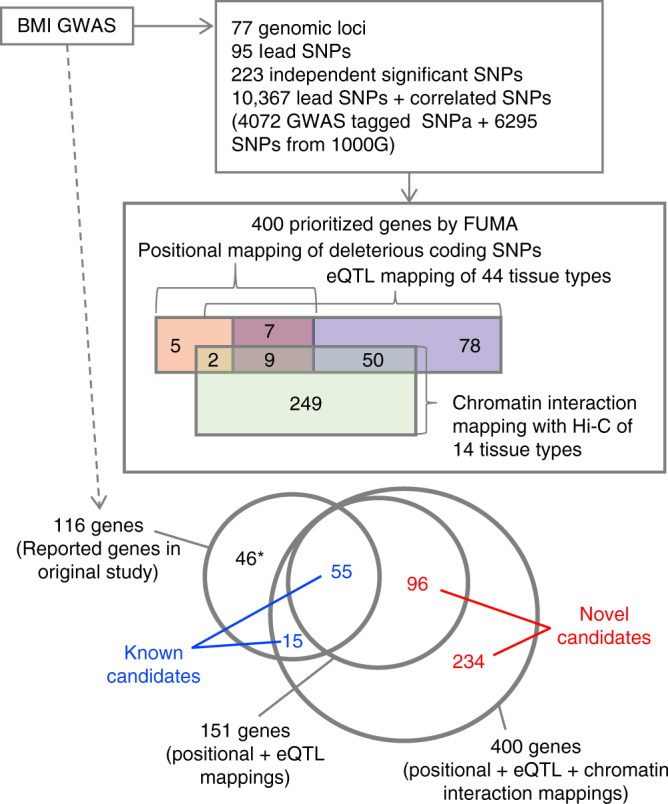
“We aimed to explore the interconnectedness of genes implicated in obesity, deducing their signi fi cance in important biological pathways associated with obesity by being closely integrated within a protein network.”
BackgroundPottier, C. P., Küçükali, F., Baker, M. C., Batzler, A. J., Jenkins, G. D., van Blitterswijk, M., Vicente, C. T., Coster, W. D., Wynants, S., de Walle, P. V., et al. (2025) · Nature Communications · doi:10.1038/s41467-025-59216-0 · Cited by 38
Helling, B. A., Sobreira, D. R., Hansen, G. T., Sakabe, N. J., Luo, K., Billstrand, C., Laxman, B., Nicolae, R. I., Nicolae, D. L., Bochkov, Y. A., et al. (2020) · Communications Biology · doi:10.1038/s42003-020-01411-4 · Cited by 36
Wang, H., Yi, Z., & Shi, T. (2021) · Science China Life Sciences · doi:10.1007/s11427-020-1934-x · Cited by 34
Czamara, D., Dieckmann, L., Röh, S., Kraemer, S., Rancourt, R. C., Sammallahti, S., Kajantie, E., Laivuori, H. M., Eriksson, J. G., Räikkönen, K., et al. (2021) · Clinical Epigenetics · doi:10.1186/s13148-021-01153-y · Cited by 35
“5 [74] setting the FDR adjusted p values for enrichment to 0.”
BackgroundMapping anorexia nervosa genes to clinical phenotypes
Johnson, J., Cote, A. C., Dobbyn, A. L., Sloofman, L. G., Xu, J., Cotter, L., Charney, A. W., Birgegård, A., Jordan, J., Kennedy, M. A., et al. (2022) · Psychological Medicine · doi:10.1017/s0033291721004554 · Cited by 35
Metadata
- Authors
- Watanabe, K., Taskesen, E., van Bochoven, A., & Posthuma, D.
- Affiliations
- Vrije Universiteit Amsterdam (NL)
- Venue
- Nature Communications
- Published
- 2017-11-28
- Volume
- 8
- Issue
- 1
- Pages
- 1826-1826
- ISSN
- 2041-1723 (ISSN-L)
- PMC
- PMC5705698
- OpenAlex
- W2770092353
- Semantic Scholar
- 5962b3ca064a021d7bd3203f3037c759e203b442
- Cited by
- 4,083
- References
- 66
- Citations by year
- 2026: 522 · 2025: 740 · 2024: 715 · 2023: 543 · 2022: 530 · 2021: 435 · 2020: 277 · 2019: 213 · 2018: 97 · 2017: 8
- FWCI
- 66.54
- Type
- journal article
- Language
- en
- Open access
- gold
- doi.org
- Licence
- cc-by
- creativecommons.org/licenses/by/4.0 (tdm)
- creativecommons.org/licenses/by/4.0 (vor)
- Locations
- Nature Communications (publishedVersion, cc-by)
- bioRxiv (Cold Spring Harbor Laboratory) (acceptedVersion, cc-by-nc-nd)
- Europe PMC (PubMed Central) (publishedVersion, cc-by)
- PubMed Central (publishedVersion, cc-by)
- PubMed (publishedVersion)
- Pure Amsterdam UMC (publishedVersion, other-oa)
- Amsterdam UMC (VU Amsterdam) - Institutional Repository (publishedVersion)
- VU Research Portal (publishedVersion, other-oa)
- RePEc: Research Papers in Economics (submittedVersion)
- DOAJ (DOAJ: Directory of Open Access Journals) (submittedVersion, cc-by-sa)
- DOAJ (DOAJ: Directory of Open Access Journals) (submittedVersion)
- Data Archiving and Networked Services (DANS) (submittedVersion, other-oa)
- Data Archiving and Networked Services (DANS) (submittedVersion)
- Funders
- Nederlandse Organisatie voor Wetenschappelijk Onderzoek (VICI 453-14-005, NWO VICI 453-14-005, 453-13-005, 453-14-005)
- Lundbeckfonden (R155-2014-1724)
- Topics
- Life Sciences › Biochemistry, Genetics and Molecular Biology › Molecular Biology › Bioinformatics and Genomic Networks
- Life Sciences › Biochemistry, Genetics and Molecular Biology › Genetics › Genetic Associations and Epidemiology
- Life Sciences › Biochemistry, Genetics and Molecular Biology › Genetics › Genetic Mapping and Diversity in Plants and Animals
- Keywords
- FUMA, causal variant identification, functional annotation, gene prioritization, expression quantitative trait loci, chromatin interactions, pathway enrichment, web-based annotation platform, linkage disequilibrium
- MeSH terms
- Chromatin, Chromosome Mapping, Crohn Disease, Humans, Linkage Disequilibrium, Genome, Human, Computational Biology, Genetic Predisposition to Disease, Internet, Databases, Genetic, Quantitative Trait Loci, Genome-Wide Association Study, Molecular Sequence Annotation
About these checks
Registry, retraction, Cites and statistics results are computed, not judged, with one exception: a printed reference that no index lists is read once by a model before it counts as a citation error. Claims are extracted by a model and kept only when their quote appears verbatim in the text; each cited source is then checked, with a model’s help, for whether it says what the claim relies on. Those verdicts can be wrong — read the claim’s quote and the cited source before relying on one.
Statistics and arithmetic are recomputed, not judged.
Confidence bands are shown only for fields calibrated on our annotated test set. None is calibrated yet, so no band is shown.
What counts as a claim ›How we measure confidence ›How we check this ›
Are you an author, or do you see a problem with this page? Request a review
Data sources
Bibliographic data: Semantic Scholar, OpenAlex, Crossref.
Contains information from the Semantic Scholar Academic Graph Datasets, made available under the ODC Attribution License (ODC-BY 1.0).
Semantic Scholar’s data is described in: Kinney, R., et al. (2023). The Semantic Scholar Open Data Platform. arXiv:2301.10140.
