

HIF drives lipid deposition and cancer in ccRCC via repression of fatty acid metabolism
Open accessThe DOI matches its Crossref record; 46 of the 46 references it cites were found in a registry or an index.
Abstract
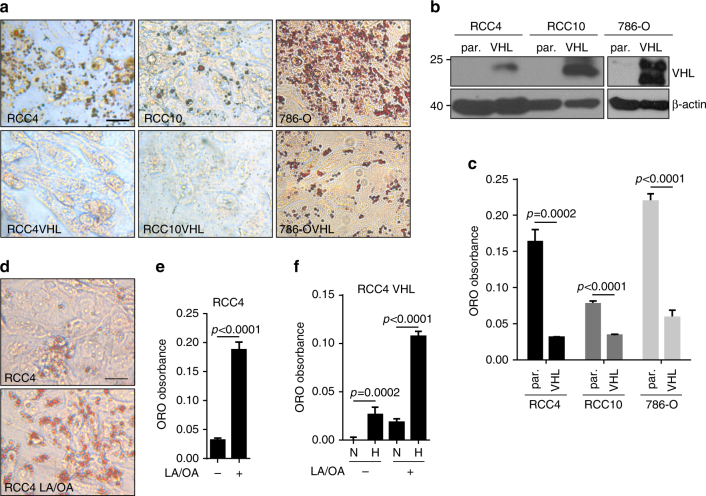
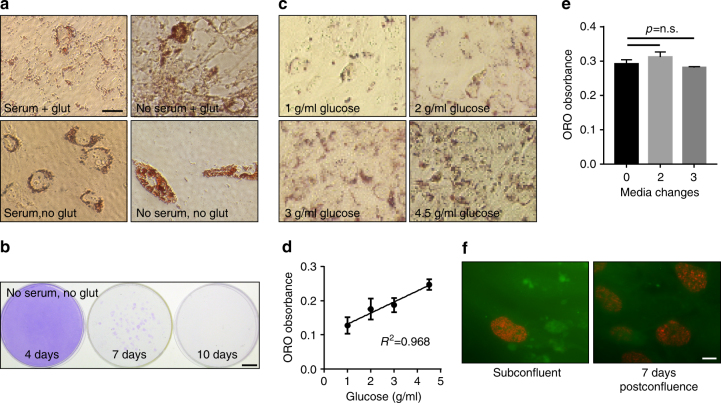
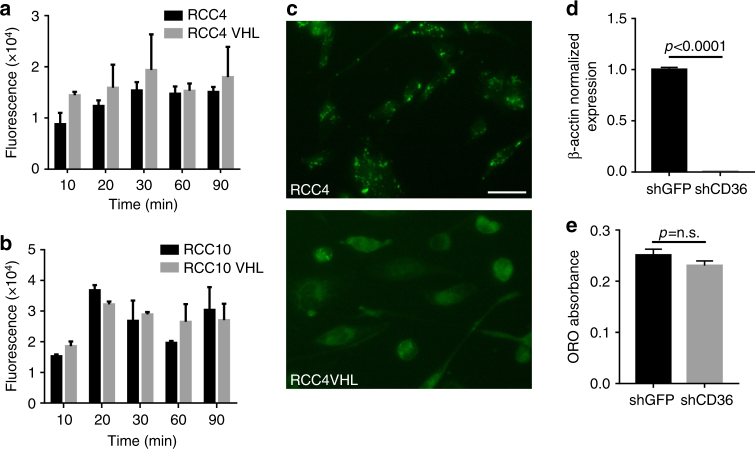
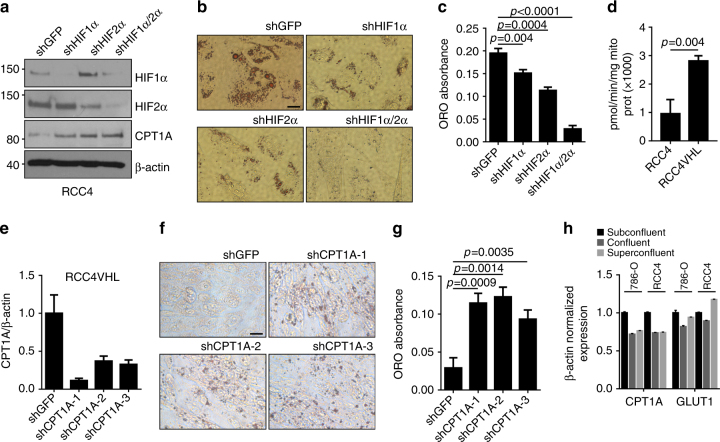
Clear cell renal cell carcinoma (ccRCC) is histologically defined by its lipid and glycogen-rich cytoplasmic deposits. Alterations in the VHL tumor suppressor stabilizing the hypoxia-inducible factors (HIFs) are the most prevalent molecular features of clear cell tumors. The significance of lipid deposition remains undefined. We describe the mechanism of lipid deposition in ccRCC by identifying the rate-limiting component of mitochondrial fatty acid transport, carnitine palmitoyltransferase 1A ( CPT1A ), as a direct HIF target gene. CPT1A is repressed by HIF1 and HIF2, reducing fatty acid transport into the mitochondria, and forcing fatty acids to lipid droplets for storage. Droplet formation occurs independent of lipid source, but only when CPT1A is repressed. Functionally, repression of CPT1A is critical for tumor formation, as elevated CPT1A expression limits tumor growth. In human tumors, CPT1A expression and activity are decreased versus normal kidney; and poor patient outcome associates with lower expression of CPT1A in tumors in TCGA. Together, our studies identify HIF control of fatty acid metabolism as essential for ccRCC tumorigenesis.
Overview
The claims and statistics of this paper haven’t been checked yet.
Free: it reads the open-access text and checks the first 5 claims that cite a source we can check. Create a free account to check every claim.
Integrity signals
Registry
Cites
Statistics
Figures
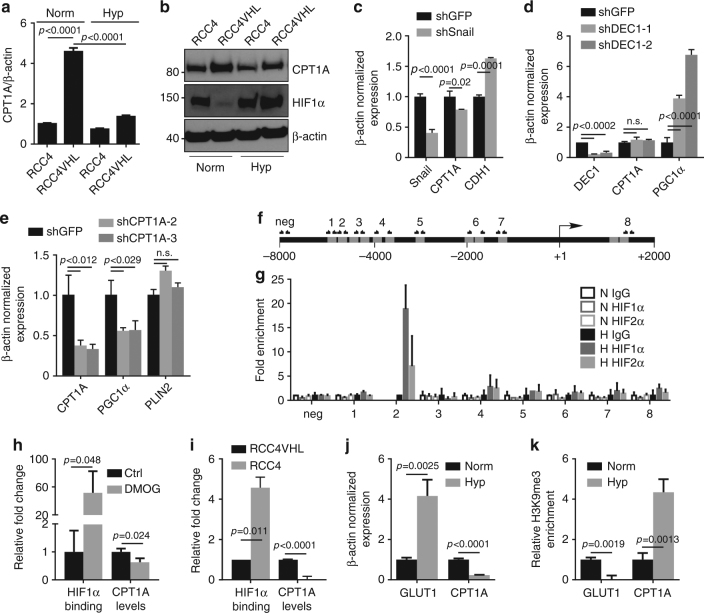
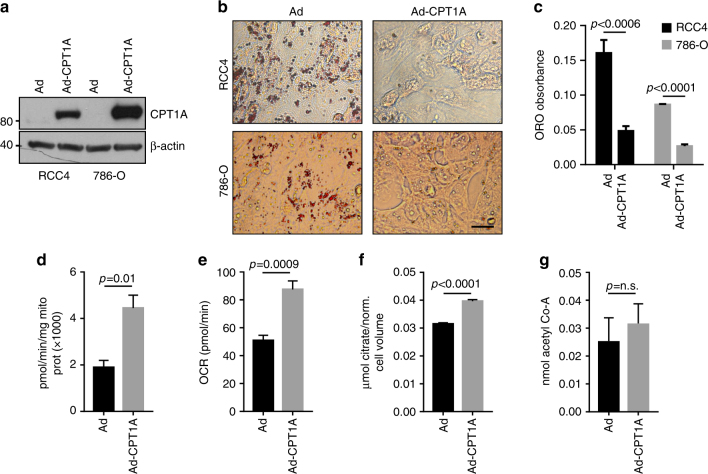
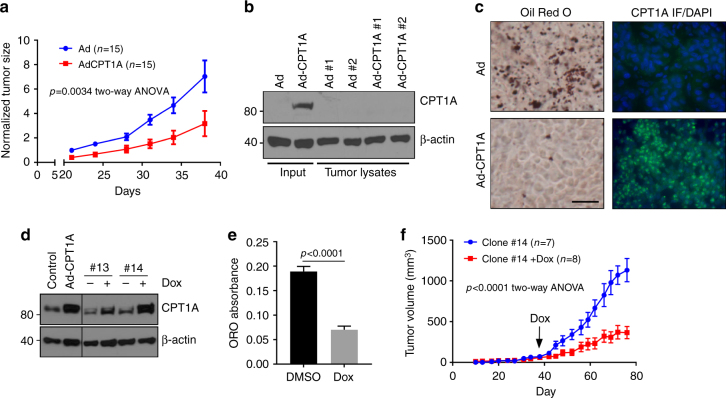
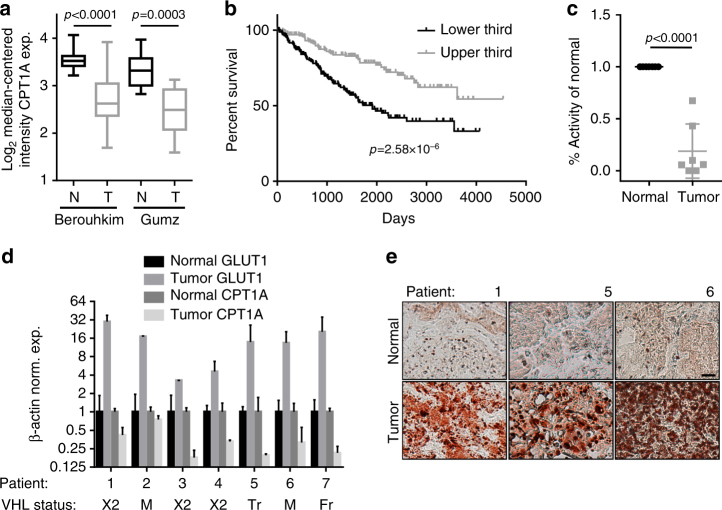
Verification
Claims the paper makes
The claims and statistics of this paper haven’t been checked yet.
Free: it reads the open-access text and checks the first 5 claims that cite a source we can check. Create a free account to check every claim.
Claims other papers make about this one
Each is checked against this paper’s own text: does it say what the citing paper says it does?
The cited source says what the claim attributes to it.
In the citing paper
“Indeed, both HIF-1α and HIF-2α suppress CPT1A, the rate limiting component for FA import into the mitochondria, thus channeling FAs away from β-oxidation to lipid storage, which is essential for ccRCC tumorigenesis [48].”
From The HIF Axes in Cancer - Angiogenesis, Metabolism and Immune-Modulation (2025) · cites this paper as [48]
In the citing paper
“Furthermore, HIF-2α represses the transcription of carnitine palmitoyltransferase 1A (CPT1A), which is responsible for mitochondrial β-oxidation by transporting fatty acids and results in lipid deposition78.”
From Glutamine reliance in cell metabolism (2020) · cites this paper as [78]
Self-check
Percentages, sums and reported differences re-computed from the paper’s own numbers.
The self-check needs the paper’s full text.
Citations
Cites
Hallmarks of Cancer: The Next Generation
Hanahan, D., & Weinberg, R. A. (2011) · Cell · doi:10.1016/j.cell.2011.02.013 · Cited by 66,590
Sulforhodamine B colorimetric assay for cytotoxicity screening
Vichai, V., & Kirtikara, K. (2006) · Nature Protocols · doi:10.1038/nprot.2006.179 · Cited by 3,671
Comprehensive molecular characterization of clear cell renal cell carcinoma
The Cancer Genome Atlas Research Network (2013) · Nature · doi:10.1038/nature12222 · Cited by 3,485
HIF-1 mediates adaptation to hypoxia by actively downregulating mitochondrial oxygen consumption
Papandreou, I., Cairns, R. A., Fontana, L., Lim, A. L., & Denko, N. C. (2006) · Cell Metabolism · doi:10.1016/j.cmet.2006.01.012 · Cited by 2,267
Cellular Fatty Acid Metabolism and Cancer
Currie, E., Schulze, A., Zechner, R., Walther, T. C., & Farese, R. V. (2013) · Cell Metabolism · doi:10.1016/j.cmet.2013.05.017 · Cited by 2,123
Reductive glutamine metabolism by IDH1 mediates lipogenesis under hypoxia
Metallo, C. M., Gameiro, P. A., Bell, E. L., Mattaini, K. R., Yang, J., Hiller, K., Jewell, C. M., Johnson, Z. R., Irvine, D. J., Guarente, L., et al. (2012) · Nature · doi:10.1038/nature10602 · Cited by 1,791
Kang, H. M., Ahn, S. H., Choi, P., Ko, Y.-A., Han, S. H., Chinga, F., Park, A. S. D., Tao, J., Sharma, K., Pullman, J., et al. (2015) · Nature Medicine · doi:10.1038/nm.3762 · Cited by 1,555
An Integrated Metabolic Atlas of Clear Cell Renal Cell Carcinoma
Hakimi, A. A., Reznik, E., Lee, C.-H., Creighton, C. J., Brannon, A. R., Luna, A., Aksoy, B. A., Liu, E. M., Shen, R., Lee, W., et al. (2016) · Cancer Cell · doi:10.1016/j.ccell.2015.12.004 · Cited by 798
The von Hippel–Lindau tumour suppressor protein: O2 sensing and cancer
Kaelin Jr, W. G. (2008) · Nature Reviews Cancer · doi:10.1038/nrc2502 · Cited by 726
Bensaad, K., Favaro, E., Lewis, C. A., Peck, B., Lord, S., Collins, J. M., Pinnick, K. E., Wigfield, S., Buffa, F. M., Li, J.-L., et al. (2014) · Cell Reports · doi:10.1016/j.celrep.2014.08.056 · Cited by 665
Cited by
Items 201–300 of 470
A novel HIF2A mutation causes dyslipidemia and promotes hepatic lipid accumulation
Gao, F., Yao, Q., Zhu, J., Chen, W., Feng, X., Feng, B., Wu, J., Pacák, K., Rosenblum, J. S., Yu, J., et al. (2023) · Pharmacological Research · doi:10.1016/j.phrs.2023.106851 · Cited by 23
Lee, S.-A., Cho, G.-J., Kim, D., & Kim, D. (2024) · Frontiers in Cell and Developmental Biology · doi:10.3389/fcell.2024.1335636 · Cited by 24
c‐MYB‐ and PGC1a‐dependent metabolic switch induced by MYBBP1A loss in renal cancer
Felipe‐Abrio, B., Verdugo‐Sivianes, E. M., & Carnero, A. (2019) · Molecular Oncology · doi:10.1002/1878-0261.12499 · Cited by 21
“On the other hand, HIF represses PGC1a and CPT1A (Du et al., 2017; LaGory et al., 2015; SoroArnaiz et al., 2016).”
BackgroundZhao, Y., Tao, Z., & Chen, X. (2020) · Frontiers in Oncology · doi:10.3389/fonc.2020.570281 · Cited by 20
“Fatty acid metabolism plays integral roles in the ccRCC tumorigenesis (33) and the prognosis of metastatic RCC in patients (34).”
BackgroundSun, S., Zhong, H.-J., Zhao, Y., Ma, X., Luo, J., Zhu, L., Zhang, Y., Wang, W., Luo, X., & Geng, J. (2022) · Natural Products and Bioprospecting · doi:10.1007/s13659-022-00335-2 · Cited by 20
“The translocation of fatty acid into the mitochondria is dependent on carnitine palmitoyl transferase 1A (CPT1A), which is located in the mitochondrial outer membrane [63].”
BackgroundTargeting Lipid Metabolism in Cancer Stem Cells for Anticancer Treatment
Singh, M. K., Han, S., Kim, S. S., & Kang, I. (2024) · International Journal of Molecular Sciences · doi:10.3390/ijms252011185 · Cited by 26
“In colorectal CSCs, increased LDs serve as unique markers and are induced by hypoxia via HIF-1 and HIF-2 mediated repression of CPT1A [75].”
BackgroundA Double-Negative Feedback Interaction between miR-21 and PPAR-α in Clear Renal Cell Carcinoma
Goujon, M., Woszczyk, J., Gaudelot, K., Swierczewski, T., Fellah, S., Gibier, J., SEUNINGEN, I. V., Larrue, R., Cauffiez, C., Gnemmi, V., et al. (2022) · Cancers · doi:10.3390/cancers14030795 · Cited by 25
“A lower expression of CPT1 is associated with poor patient outcomes [36].”
BackgroundJonker, P. B., & Muir, A. (2024) · Disease Models & Mechanisms · doi:10.1242/dmm.050814 · Cited by 23
“Importantly, redirecting fatty acids from catabolism towards storage in lipid droplets is critical for tumor growth (Du et al., 2017; Qiu et al., 2015; Zhang et al., 2017b).”
The role of astrocyte metabolic reprogramming in ischemic stroke (Review)
Chen, W., Mao, T., Ma, R., Xiong, Y., Han, R., & Wang, L. (2025) · International Journal of Molecular Medicine · doi:10.3892/ijmm.2025.5490 · Cited by 23
Various forms of HIF ‐1α protein characterize the clear cell renal cell carcinoma cell lines
Swiatek, M., Jancewicz, I., Kluebsoongnoen, J., Zub, R., Maassen, A., Kubala, S., Udomkit, A., SIEDLECKI, J. A., Sarnowski, T. J., & Sarnowska, E. A. (2020) · IUBMB Life · doi:10.1002/iub.2281 · Cited by 20
“It was described that HIF-1α together with EPAS1 (HIF-2α) regulate transcription of CPT1A, an enzyme controlling lipid acid uptake to mitochondria for β-oxidation.(15) Under normal oxygen concentrations (normoxia), HIF-1α is immediately subjected to proteasomal degradation mediated by VBC (pVHL-elongin B-C) complex.”
BackgroundRole of Metabolic Reprogramming of Long non-coding RNA in Clear Cell Renal Cell Carcinoma
Zhang, H., Yu, L., Chen, J., Liu, L., Yang, X., Cui, H., & Genquan, Y. (2022) · Journal of Cancer · doi:10.7150/jca.62683 · Cited by 21
Bouhamdani, N., Comeau, D., Cormier, K., & Turcotte, S. (2019) · American Journal of Physiology-Cell Physiology · doi:10.1152/ajpcell.00483.2018 · Cited by 25
“droplets compared with their VHL-functioning counterparts (9).”
Scarpa, J. R., DiNatale, R. G., Mano, R., Silagy, A. W., Kuo, F., Irie, T., McCormick, P. J., Fischer, G. W., Hakimi, A. A., & Mincer, J. S. (2021) · Cancer Research · doi:10.1158/0008-5472.can-20-1852 · Cited by 22
“Experimental evidence suggests that these mechanisms are not simply a byproduct of oncogenesis, but are critical to tumorigenesis and malignant transformation of renal cells (50).”
BackgroundYuan, C., Liu, J., Liu, L., Jia, H., Gao, Q., Wang, X., & Zhao, J. (2021) · Cell Biology International · doi:10.1002/cbin.11750 · Cited by 20
“decreases, and fatty acids are forced into lipid droplets for storage in ccRCC cells (Du et al., 2017).”
BackgroundAlbiñana, V., Recio-Poveda, L., González‐Peramato, P., Martínez‐Piñeiro, L., Botella, L. M., & Cuesta, Á. M. (2022) · International Journal of Molecular Sciences · doi:10.3390/ijms23031325 · Cited by 20
Lv, Q., Shi, J., Miao, D., Tan, D., Zhao, C., Xiong, Z., & Zhang, X. (2023) · Translational Oncology · doi:10.1016/j.tranon.2023.101835 · Cited by 20
“CcRCC cells are rich in lipids, and this imbalance of energy sub-stances is believed to meet their increased survival and metastatic needs [34,35].”
BackgroundBancet, A., Frem, R., Jeanneret, F., Mularoni, A., Bazelle, P., Roelants, C., Delcros, J., Guichou, J., Pillet, C., Coste, I., et al. (2024) · iScience · doi:10.1016/j.isci.2024.108903 · Cited by 24
Alteration of CYP4A11 expression in renal cell carcinoma: diagnostic and prognostic implications
Kim, S., Kim, J., Lee, H. J., Lim, J. S., Seong, I., & Kim, K. (2020) · Journal of Cancer · doi:10.7150/jca.36438 · Cited by 18
“inactivation or loss of VHL leads to aberrant accumulation of HIF proteins, which in turn results in angiogenesis, glycolysis, apoptosis, and lipid deposition in ccRCC [2, 16].”
BackgroundLipid Metabolism in Cancer Cells
Zheng, M., Wang, W., Liu, J., Zhang, X., & Zhang, R. (2021) · Advances in experimental medicine and biology · doi:10.1007/978-981-33-6785-2_4 · Cited by 22
Grigoraş, A., & Amălinei, C. (2025) · Cancers · doi:10.3390/cancers17071077 · Cited by 25
“HIF-1 α and HIF-2 α overexpression may also induce downregulation of CPT1A in renal tumor cells, promoting FAAs’ transport to mitochondria and their cytoplasmic storage [108].”
Mechanism of action for small-molecule inhibitors of triacylglycerol synthesis
Sui, X., Wang, K., Song, K., Xu, C., Song, J., Lee, C., Liao, M., Farese, R. V., & Walther, T. C. (2023) · Nature Communications · doi:10.1038/s41467-023-38934-3 · Cited by 19
“2 and 5.”
Fagundes, R. R., Bravo‐Ruiseco, G., Hu, S., Kierans, S. J., Weersma, R. K., Taylor, C. T., Dijkstra, G. D. H., Harmsen, H. J. M., & Faber, K. N. (2023) · Frontiers in Microbiology · doi:10.3389/fmicb.2023.1298304 · Cited by 20
Fei, M., Zhang, Y., Li, H., Xu, Q., Gao, Y., Yang, C., Li, W., Liang, C. Y., Wang, B., & Xiao, H. (2024) · International Journal of Biological Sciences · doi:10.7150/ijbs.103032 · Cited by 18
“Despite significant advances in understanding the genetic and expression profiles that drive ccRCC, the molecular mechanisms underlying the clear cell phenotype and its relevance remain to be investigated [5].”
InfluentialLin, Y., Li, B., Shi, X., Chen, Y., Pan, S., Lin, Z., Gu, Z., Hailer, F., Hu, L., & Zhan, X. (2025) · Nature Communications · doi:10.1038/s41467-025-64110-w · Cited by 17
“30, 31 and 32), suggesting a true difference between genotypes.”
Xu, Z., Wu, Y., Fu, G., Chen, X., Sun, J., Tian, J., Jiang, P., Wang, Y., & Jin, B. (2023) · International Journal of Molecular Sciences · doi:10.3390/ijms24087505 · Cited by 15
“Furthermore, 70–80% of RCC is clear cell renal cell carcinoma, which is characterized by robust lipid and glycogen accumulation [2].”
BackgroundForesto‐Neto, O., da Silva, A. R. P. A., Cipelli, M., Santana, F. P. R., & Câmara, N. O. S. (2023) · Kidney Research and Clinical Practice · doi:10.23876/j.krcp.23.012 · Cited by 18
“In addition, HIF downregulates the medium-chain acyl-CoA dehydrogenase and the long-chain acyl-CoA dehydrogenase enzymes [52] and inhibits carnitine palmitoyltransferase A 1 [53], decreasing the transport of fatty acid in the mitochondria membrane and fatty acid oxidation and further reducing cellular oxygen consumpti…”
BackgroundXie, W., Wang, W., Meng, S., Wu, X. F., Liu, X., Liu, Y., Kang, X., Su, Y., Lv, X., Guo, L., et al. (2023) · Molecular Carcinogenesis · doi:10.1002/mc.23620 · Cited by 18
Wang, S., Wang, K., Yue, D., Yang, X., Pan, X., Kong, F., Zhao, R., Bie, Q., Tian, D., Zhu, S., et al. (2024) · British Journal of Cancer · doi:10.1038/s41416-024-02747-y · Cited by 19
“Lipid droplet formation is a de fi ning histological feature in ccRCC but the underlying mechanisms and importance of this biological behavior have remained enigmatic [25].”
Chhabra, R., & Nanjundan, M. (2020) · PLoS ONE · doi:10.1371/journal.pone.0233887 · Cited by 16
Resolving the HIF paradox in pancreatic cancer
Fuentes, N. R., Phan, J. L., Huang, Y., Lin, D., & Taniguchi, C. M. (2020) · Cancer Letters · doi:10.1016/j.canlet.2020.05.033 · Cited by 17
“We note, however, that one tumor where HIF is oncogenic is clear cell renal carcinoma (ccRCC), where HIF2 expression enabled by VHL-loss drives changes in growth and fatty acid metabolism [44,45].”
BackgroundLiu, X., Zhang, M., Liu, X., Sun, H., Guo, Z., Tang, X., Wang, Z., Li, J., He, L., Zhang, W., et al. (2020) · Frontiers in Oncology · doi:10.3389/fonc.2020.01507 · Cited by 16
“CPT1A is repressed by HIF1 and HIF2 in RCC, reducing fatty acid transport into the mitochondria, and forcing fatty acids to lipid droplets for storage (39).”
BackgroundLittle, S. E., Pagnotti, G. M., McGrath, C., & Styner, M. (2020) · Current Osteoporosis Reports · doi:10.1007/s11914-020-00634-y · Cited by 17
Kanbay, M., Altıntaş, A., Yavuz, F., Çöpür, S., Sánchez‐Lozada, L. G., Lanaspa, M. A., & Johnson, R. J. (2023) · Current Nutrition Reports · doi:10.1007/s13668-023-00452-5 · Cited by 18
Qi, Y., Wang, L., Wang, K., Peng, Z., Ma, Y., Zheng, Z., Shang, D., Xu, W., & Zheng, J. (2019) · Biomedicine & Pharmacotherapy · doi:10.1016/j.biopha.2018.12.099 · Cited by 15
Mohammadipoor, N., Naiebi, R., Mazhari, S. A., Amooei, F., Owrang, M., Dastghaib, S., Shams, M., Maleki, M. H., & Dastghaib, S. (2024) · Molecular Biology Reports · doi:10.1007/s11033-024-09355-2 · Cited by 17
“In an article by Du et al., two critical subunits, HIF1α and HIF2α, were noted to inhibit CPT1A, a rate-limiting enzyme, which decreases fatty acid catabolism in ccRCC cell lines [40].”
Li, W., Wang, X., Zhang, X., Gong, P., Ding, D., Wang, N., & Wang, Z. (2021) · Lipids in Health and Disease · doi:10.1186/s12944-021-01572-z · Cited by 14
CPT1C-mediated fatty acid oxidation facilitates colorectal cancer cell proliferation and metastasis
Li, J., Zheng, W., Wu, J., Zhang, J., Lv, B., Li, W., Liu, J., Zhang, X., Huang, T., & Luo, Z. (2023) · Acta Biochimica et Biophysica Sinica · doi:10.3724/abbs.2023041 · Cited by 23
“Subsequently, after being Li et al. Acta Biochim Biophys Sin 2023 blocked, membranes were incubated with primary antibodies against β-actin (1:1000 dilution; Abcam), HIF1α (1:1,000 dilution; Proteintech, Wuhan, China) and CPT1C (1:1000 dilution; Proteintech) overnight at 4°C, followed by incubation with the correspond…”
InfluentialYang, J., Miao, D., Li, X., Zhao, C., Tan, D., Wu, S., Lu, F., Shi, J., Lv, Q., Ruan, H., et al. (2025) · Frontiers in Cell and Developmental Biology · doi:10.3389/fcell.2025.1664292 · Cited by 15
Wang, H., Lin, M., Chen, G., Xiao, Z., & Shuai, X. (2023) · Biomaterials Science · doi:10.1039/d3bm01139a · Cited by 14
High VHL Expression Reverses Warburg Phenotype and Enhances Immunogenicity in Kidney Tumor Cells
Zhu, S., Ding, W., Chen, Y., Wang, W., Xu, R., Liu, C., Liu, X., & Deng, H. (2021) · Genomics Proteomics & Bioinformatics · doi:10.1016/j.gpb.2019.12.002 · Cited by 14
“The Welford group identified a transcriptional repression target of HIF, carnitine palmitoyltransferase 1A (CPT1A) [36].”
Role of Aberrant Lipid Metabolism of Cancer Stem Cells in Cancer Progression
Zhou, J., Zhao, J., & Su, C. (2021) · Current Cancer Drug Targets · doi:10.2174/1568009619666210316112333 · Cited by 13
Inhibition of EZH2 exerts antitumorigenic effects in renal cell carcinoma via LATS1
Hong, S. H., Hwang, H. J., Son, D. H., Kim, E. S., Park, S. Y., & Yoon, Y. E. (2023) · FEBS Open Bio · doi:10.1002/2211-5463.13579 · Cited by 15
Transcription-Based Multidimensional Regulation of Fatty Acid Metabolism by HIF1α in Renal Tubules
Li, W., Duan, A., Xing, Y., Xu, L., & Yang, J. (2021) · Frontiers in Cell and Developmental Biology · doi:10.3389/fcell.2021.690079 · Cited by 18
Tan, P., Zhuang, W., Li, S., Zhang, J., Xu, H., Yang, L., Liao, Y., Chen, M., & Wei, Q. (2021) · Chemical Communications · doi:10.1039/d1cc90021h · Cited by 13
Morán-Álvarez, A., González‐Menéndez, P., Mayo, J. C., & Sainz, R. M. (2023) · International Journal of Molecular Sciences · doi:10.3390/ijms24032717 · Cited by 15
Wang, Y., Zhang, X., Chen, G., Xing, Q., Zhu, B., & Wang, X. (2023) · Genes and Immunity · doi:10.1038/s41435-023-00211-0 · Cited by 12
“Previous studies had indicated that HIF acting on CPT1A affected KIRC by controlling fatty acid metabolism [38].”
BackgroundZhai, B., Zhao, Y., Li, H., Li, S., Gu, J., Zhang, H., Zhang, Y., Li, H., Tian, Y., Li, G., et al. (2023) · BMC Genomics · doi:10.1186/s12864-023-09685-8 · Cited by 12
“Furthermore, CPT1A catalyzes the transfer reaction between long-chain fatty acids and carnitine, facilitating the transport of fatty acids into mitochondria for fatty acid oxidation and energy production [35, 36].”
BackgroundZhou, L., Yin, M., Guo, F., Yu, Z., Weng, G., & Long, H. (2024) · Scientific Reports · doi:10.1038/s41598-024-59746-5 · Cited by 14
“Lipid metabolism contributes to metabolic reprogramming and unbridled cell growth in ccRCC 46 .”
Cui, X., Cao, C., Li, X., Lin, B., Yan, A., & Yang, Y. C. (2024) · Translational Oncology · doi:10.1016/j.tranon.2024.102006 · Cited by 12
“Furthermore, hypoxia-inducible factors mechanistically inhibit CPT1A expression, thereby reducing fatty acid transport and increasing the formation of lipid droplets in the cytoplasm[27].”
BackgroundWang, X., Hu, J., Fang, Y., Fu, Y., Liu, B., Zhang, C., Feng, S., & Lü, X. (2022) · Cells · doi:10.3390/cells11030472 · Cited by 15
“ccRCC via attenuation of fatty acid metabolism, and VHL restoration promotes fatty acid metabolism in 786-O cells [44].”
BackgroundInfluentialHypoxic microenvironment in cancer: role in metabolic reprogramming
Sureka, N., Maheshwari, R., Agravat, A., Singhal, S., Zaman, S., Rishi, B., Siraj, F., Zaheer, S., & Misra, A. (2026) · Frontiers in Oncology · doi:10.3389/fonc.2026.1771365 · Cited by 11
“Speci fi cally, HIF suppressed carnitine palmitoyltransferase 1A (CPT1A) and medium-chain acyl-CoA dehydrogenase (MCAD), leading to impaired fatty acid b - oxidation and enhanced lipid droplet deposition (122).”
Otunla, A. A., Shanmugarajah, K., Davies, A. H., & Shalhoub, J. (2024) · Frontiers in Pharmacology · doi:10.3389/fphar.2024.1355674 · Cited by 15
Hu, Z., Zhu, Q., Wang, Y., Deng, X., Yang, H., Zhou, M., Zhang, J., Wang, H., Wang, H., Wang, L., et al. (2024) · Renal Failure · doi:10.1080/0886022x.2024.2347446 · Cited by 13
“Du et al. demonstrated that HIF appears to drive lipid deposition in clear cell renal cell carcinoma (ccRCC) via the repression of fatty acid metabolism [11].”
BackgroundAlteration of Lipid Metabolism in Hypoxic Cancer Cells
Gonzalez, G. A., Osuji, E., Fiur, N. C., Clark, M. G., Ma, S., Lukov, L. L., & Zhang, C. (2024) · Chemical & Biomedical Imaging · doi:10.1021/cbmi.4c00050 · Cited by 15
Jana, S., & Alayash, A. I. (2025) · Antioxidants and Redox Signaling · doi:10.1089/ars.2023.0428 · Cited by 13
“…imposed by limited O 2 availability, increased HIF1 activity also can suppress FA oxidation by targeting several other proteins, for example, carnitine palmitoyltransferase 1A (CPT1A), VLDL receptor, and insulin-induced gene 2 protein (Du et al., 2017; Shen et al., 2012; Hwang et al., 2017).”
Wang, X., Sun, Z., Gao, Y., Liu, Q. S., Yang, X., Liang, J., Ren, J. L., Ren, Z., Zhou, Q., & Jiang, G. (2023) · Ecotoxicology and Environmental Safety · doi:10.1016/j.ecoenv.2023.114979 · Cited by 12
Xu, Y., Wu, G., Ma, X., Li, J., Ruan, N., Zhang, Z., Cao, Y., Chen, Y., Zhang, Q., & Xia, Q. (2020) · PubMed Central · doi:10.1155/2020/9493256 · Cited by 16
“Previous studies examining the role of CPT1A in renal clear cells have observed that the HIF gene can directly target the CPT1A gene and subsequently suppress the development of the tumor by eliminating the deposited lipid [16].”
BackgroundResultHIF-2α drives an intrinsic vulnerability to ferroptosis in clear cell renal cell carcinomaPreprint
Zou, Y., Palte, M. J., Deik, A., Li, H., Eaton, J. K., Wang, W., Tseng, Y., Deasy, R., Alimova, M., Dančík, V., et al. (2018) · bioRxiv (Cold Spring Harbor Laboratory) · doi:10.1101/388041 · Cited by 11
Novel therapeutic strategies for targeting fatty acid oxidation in cancer
Wang, Y., Zhang, M., Liu, J., Li, C., Sun, N., Wu, X., Wang, C., Tan, X., Yang, Y., Qi, X., et al. (2025) · Biomarker Research · doi:10.1186/s40364-025-00855-2 · Cited by 12
“However, CPT1A is not expressed in clear cell renal cell carcinoma owing to its lipid-rich phenotype, where FAO is not a primary metabolic feature [159].”
Rustum, Y. M., Reis, R. J., & Rustum, T. M. (2023) · International Journal of Molecular Sciences · doi:10.3390/ijms24020902 · Cited by 12
Aberrant Lipid Metabolic Signatures in Acute Myeloid Leukemia
Singh, P., Murali, R., Shanmugam, S. G., Thomas, S., Scott, J. X., Warrier, S. R., Arfuso, F., Dharmarajan, A., & Gandhirajan, R. K. (2024) · Stem Cells · doi:10.1093/stmcls/sxad095 · Cited by 14
Sun, J., Liu, J., Chen, F., Wang, X., & Wu, G. (2024) · Annals of Medicine · doi:10.1080/07853890.2024.2445774 · Cited by 16
Simeth, J., Engelmann, S. U., Mayr, R., Kälble, S., Weber, F., Pichler, R., Dettmer, K., Oefner, P. J., Höring, M., Symeou, L., et al. (2025) · Translational Oncology · doi:10.1016/j.tranon.2025.102513 · Cited by 11
“…relevance of selected lipid metabolic genes such as fatty acid synthase [9,10], enoyl-CoA hydratase short-chain 1 ( ECHS1 ) [11], HDL-Receptor SR-BI [12], the lipid transporter CD36 [13], FA catabolic enzymes CPT1A, HADHA, HADHB and ACAT1 [10,14] or the fatty acid transport protein 4 [15].”
Cai, L., Ying, M., & Wu, H. (2021) · Frontiers in Oncology · doi:10.3389/fonc.2021.777273 · Cited by 14
Cancer stem cells: advances in the glucose, lipid and amino acid metabolism
Kong, W., Gao, Y., Zhao, S., & Yang, H. (2023) · Molecular and Cellular Biochemistry · doi:10.1007/s11010-023-04861-6 · Cited by 11
“…cell renal cell carcinoma (ccRCC), and inactivation of von Hippel-Lindau tumor suppressor (VHL) in ccRCC activates HIF-1 and HIF-2, which impedes fatty acids entry into mitochondria and promotes lipid entry into LDs by inhibiting the transcription of carnitine palmitoyltransferase 1 (CPT1A) [90].”
Guo, T., Zhang, X., Chen, S., Wang, X., & Wang, X. (2023) · Life Sciences · doi:10.1016/j.lfs.2023.122329 · Cited by 11
Safaei, S., Sajed, R., Zanjani, L. S., Rahimi, M., Fattahi, F., Kazemi‐Sefat, G. E., Razmi, M., Dorafshan, S., Eini, L., Madjd, Z., et al. (2022) · Cancer Biomarkers · doi:10.3233/cbm-210514 · Cited by 10
“Reprogramming of glucose and fatty acid metabolism is a key factor for carcinogenesis and progression of ccRCC [77–80].”
IMF deposition ceRNA network analysis and functional study of HIF1a in yak
Luo, M., Wang, H., Zhang, J., Kangzhu, Y., Shu, S., Fu, C., Zhong, J., & Peng, W. (2023) · Frontiers in Veterinary Science · doi:10.3389/fvets.2023.1272238 · Cited by 11
“Our prior work identified several key genes involved in IMF deposition in yaks, including LPL (11), ACADL (11), SCD (11), FASN (11), lncFAM200B (12), and miR-6529a (12).”
Luo, Q., Wang, Q., Shi, J., Lv, Q., Dong, Z., Li, W., Xia, Y., Liu, J., & Yang, H. (2025) · Cell Death and Disease · doi:10.1038/s41419-025-07782-y · Cited by 11
Huang, Y., Xiong, Z., Wang, J., Gao, Y., Cao, Q., Wang, D., Shi, J., Chen, Z., & Yang, X. W. (2024) · Journal of Translational Medicine · doi:10.1186/s12967-024-05015-y · Cited by 9
“The abnormal lipid droplets are closely regulated by HIF-2α and its associated pathway [13].”
BackgroundLi, N., Cui, W., Mu, D., Shi, X., Gao, L., Liu, S., Wang, H., Jiang, C., & Hu, Y. F. (2024) · International Journal of Medical Sciences · doi:10.7150/ijms.97599 · Cited by 9
The regulatory role of HIF-1 in tubular epithelial cells in response to kidney injury.
Qiu, Y., Huang, X., & He, W. (2020) · PubMed · doi:10.14670/hh-18-182 · Cited by 10
Sánchez‐Romero, C., Carreón-Burciaga, R. G., González‐González, R., Villarroel‐Dorrego, M., Molina‐Frechero, N., & Bologna‐Molina, R. E. (2021) · Journal of Oral Pathology and Medicine · doi:10.1111/jop.13175 · Cited by 9
Development of a mechanically matched silk scaffolded 3D clear cell renal cell carcinoma model
Abbott, A., Bond, K., Chiba, T., Sims‐Lucas, S., Oxburgh, L. H., & Coburn, J. M. (2021) · Materials Science and Engineering C · doi:10.1016/j.msec.2021.112141 · Cited by 9
Johnson, M., Nowlan, S., Şahin, G., Barnett, D. A., Joy, A. P., Touaibia, M., Čuperlović‐Culf, M., Avizonis, D. Z., & Turcotte, S. (2022) · Frontiers in Oncology · doi:10.3389/fonc.2022.841054 · Cited by 10
“The higher level of lipid droplets observed in VHL- compared to VHL+ cells support published paper byWelford group (35).”
BackgroundInfluentialWang, S., Wei, X., Ji, C., Wang, Y., Zhang, X., Cong, R., & Song, N. (2022) · Frontiers in Oncology · doi:10.3389/fonc.2022.781932 · Cited by 9
“Meanwhile, lipid deposition in cancer cells promotes a selective advantage to cancer cells, especially in ccRCC (7).”
BackgroundTargeting Metabolic Pathways in Kidney Cancer: Rationale and Therapeutic Opportunities
Hoerner, C. R., Miao, S. Y., Hsieh, J. J.-D., & Fan, A. C. (2020) · The Cancer Journal · doi:10.1097/ppo.0000000000000472 · Cited by 9
“Hypoxia-inducible factor activity downregulates expression of key enzymes in the β-oxidation pathway aswell as carnitine palmitoyltransferase 1, the rate-limiting carrier that imports fatty acids into mitochondria, and upregulates expression of perilipin-2, a protein involved in lipid droplet formation.(115,116)At the…”
BackgroundCancer Metabolism under Limiting Oxygen Conditions
Kim, L. C., Lesner, N. P., & Simon, M. C. (2023) · Cold Spring Harbor Perspectives in Medicine · doi:10.1101/cshperspect.a041542 · Cited by 13
Lipid metabolism reprogramming in renal cell carcinomas
Abduljabbar, M. K., Merza, M., Aziz, A., Menon, S. V., Kaur, M., Aminov, Z., Rab, S. O., Hjazi, A. M., Mustafa, Y. F., & Gabel, B. C. (2024) · Medical Oncology · doi:10.1007/s12032-024-02484-5 · Cited by 10
Shaikh, S., Zhao, X., Wagner, R. T., Pan, X., Hlady, R. A., Wang, L., Ho, T. H., & Robertson, K. D. (2025) · Epigenetics · doi:10.1080/15592294.2025.2456418 · Cited by 10
“While others have shown that VHL loss drives lipid droplet accumulation through HIF1α and HIF2α activation [46] our results show increased expression and m6A hypermethylation of genes contributing to lipid peroxidation such as HSDL2 , ECI1 , EHHADH , and genes like DECR1 and ACADVL that regulate…”
Su, Y., Liu, X., Wang, D., Li, G., Mi, X., Zhang, Y., Yue, S., Zhang, Z., Shen, T., & Tan, X. (2025) · Biochimica et Biophysica Acta (BBA) - Molecular Cell Research · doi:10.1016/j.bbamcr.2025.119989 · Cited by 12
Shin, S., Han, M.-J., Patel, I., Welsh, A. M., Sverdlov, M. S., Cho, W., Cologna, S. M., Roux, P. P., & Yoon, S.-O. (2025) · Molecular Cell · doi:10.1016/j.molcel.2025.08.021 · Cited by 13
The 5th Kidney Cancer Research Summit: Research Accelerating Cures for Renal Cell Carcinoma in 2023
Choueiri, T. K., Pal, S. K., Lewis, B., Poteat, S., Pels, K., & Hammers, H. J. (2023) · The Oncologist · doi:10.1093/oncolo/oyad322 · Cited by 8
“Hypoxia-mediated inactivation of lipid storage pathways appears to be a critical step in the development of ccRCC. 20 ccRCC tumor cells maintain high intracellular accumulation of cholesterol, 21 achieved via external import of high-density lipoprotein through the SCARB1 transporter, inhibition of…”
BackgroundKoizume, S., & Miyagi, Y. (2025) · Molecular Medicine Reports · doi:10.3892/mmr.2025.13448 · Cited by 13
“Consequently, these cancer cells exhibit hypoxia‑mimicking phenotypes (83,84).”
Zhang, W., Li, C., Wu, F., Li, N., Wang, Y., Hu, Y., Fang, T., Yuan, H., & He, H. (2021) · Frontiers in Molecular Biosciences · doi:10.3389/fmolb.2021.689037 · Cited by 8
“However, the cell phenotypes and corresponding molecular mechanism of KIRC have not been established (Du et al., 2017).”
BackgroundMolecular Classification of Genes Associated with Hypoxic Lipid Metabolism in Pancreatic Cancer
Li, Y., Liang, X., Che, G., Chen, Y., Luo, L., Liu, K., Xie, R., & Zeng, L. (2022) · Biomolecules · doi:10.3390/biom12101533 · Cited by 9
Temiz, M. Z., Çolakerol, A., Sönmez, S. Z., Gokce, A., Canıtez, İ. O., Özsoy, Ş., Kandıralı, E., Semerciöz, A., & Müslümanoğlu, A. Y. (2022) · Clinical Genitourinary Cancer · doi:10.1016/j.clgc.2022.11.011 · Cited by 8
Zheng, Z., Li, X., Nie, K., Wang, X., Liang, W., Yang, F., Zheng, K., & Zheng, Y. (2023) · Frontiers in Immunology · doi:10.3389/fimmu.2023.1038651 · Cited by 10
Wang, J., Lai, X., Sun, Z., Feng, S., Li, B., & Zhao, H. (2025) · BMC Urology · doi:10.1186/s12894-025-01732-8 · Cited by 7
“Here, Du et al. found that abnormal fatty acid metabolism in ccRCC leads to activation of lipid storage pathways as a necessary step in the development of malignancy [39].”
He, H., Xie, Y., Song, F., Feng, Z., & Rong, P. (2024) · European Journal of Radiology · doi:10.1016/j.ejrad.2024.111433 · Cited by 7
Zhang, X., Gao, R., Yang, L., Zhu, Y., Zhang, T., Shen, X., Gu, W., Yang, L., & Peng, S. (2024) · Clinical and Translational Discovery · doi:10.1002/ctd2.287 · Cited by 12
Identification of key genes of the ccRCC subtype with poor prognosis
Пузанов, Г. А. (2022) · Scientific Reports · doi:10.1038/s41598-022-18620-y · Cited by 7
Zheng, J., Li, Y., Ni, W., Hou, S., Lu, K.-Q., Yan, Y., Ren, L., Liu, B., & Wang, B. (2023) · Prostaglandins & Other Lipid Mediators · doi:10.1016/j.prostaglandins.2023.106732 · Cited by 7
Nie, J., He, C., Shu, Z., Liu, N., Zhong, Y., Long, X., Liu, J., Yang, F., Liu, Z., & Huang, P. (2023) · European Journal of Pharmacology · doi:10.1016/j.ejphar.2023.176249 · Cited by 11
Zhen, Q., Xu, Y., Xu, Y., Liu, X., Zhang, Y., Ye, D., Han, S., Liu, S., & Zhang, Y. (2025) · Advanced Science · doi:10.1002/advs.202512599 · Cited by 8
Jin, W., Xu, S., Zhang, H., Li, Y., Shi, M., Ma, N., Zhang, X., Zhu, L., & Xiong, Y. (2026) · Molecular Pharmaceutics · doi:10.1021/acs.molpharmaceut.5c01378 · Cited by 10
Fan, Y., Guo, W., Yang, L., & Xu, H. (2026) · Frontiers in Physiology · doi:10.3389/fphys.2026.1821632 · Cited by 8
Wu, Z., Ge, L., Song, Y., Deng, S., Duan, P., Du, T., Wu, Y., Zhang, Z., Hou, X., Ma, L., et al. (2023) · Discover Oncology · doi:10.1007/s12672-023-00696-1 · Cited by 7
Elfakharany, H. K., Ghoraba, H. M., Gaweesh, K. A., Eldeen, A. A. S., & Eid, A. (2024) · Pathology - Research and Practice · doi:10.1016/j.prp.2023.155070 · Cited by 6
Wang, N., Shang, L., Liang, Z., Feng, M., Wang, Y., Gao, C., & Luo, J. (2024) · Frontiers in Immunology · doi:10.3389/fimmu.2024.1429010 · Cited by 8
Metadata
- Authors
- Du, W., Zhang, L., Brett-Morris, A., Aguila, B., Kerner, J., Hoppel, C. L., Puchowicz, M., Serra, D., Herrero, L., Rini, B. I., Campbell, S., & Welford, S. M.
- Affiliations
- Case Comprehensive Cancer Center (US)
- Case Western Reserve University (US)
- Instituto de Salud Carlos III (ES)
- Cleveland Clinic (US)
- Corresponding author
- Welford, Scott M.
- ORCID
- Venue
- Nature Communications
- Published
- 2017-11-24
- Volume
- 8
- Issue
- 1
- Pages
- 1769-1769
- ISSN
- 2041-1723 (ISSN-L)
- PMC
- PMC5701259
- OpenAlex
- W2768435200
- Semantic Scholar
- aba62b7a26062454720589f3fa85359ad3992682
- Cited by
- 468
- References
- 46
- Citations by year
- 2026: 36 · 2025: 65 · 2024: 73 · 2023: 83 · 2022: 56 · 2021: 64 · 2020: 47 · 2019: 27 · 2018: 17
- FWCI
- 8.36
- Type
- journal article
- Language
- en
- Open access
- gold
- doi.org
- Licence
- cc-by
- creativecommons.org/licenses/by/4.0 (tdm)
- creativecommons.org/licenses/by/4.0 (vor)
- Locations
- Nature Communications (publishedVersion, cc-by)
- PubMed Central (publishedVersion, cc-by)
- PubMed (publishedVersion)
- Dipòsit Digital de la Universitat de Barcelona (Universitat de Barcelona) (publishedVersion, cc-by)
- RePEc: Research Papers in Economics (submittedVersion)
- DOAJ (DOAJ: Directory of Open Access Journals) (submittedVersion, cc-by-sa)
- RECERCAT (Consorci de Serveis Universitaris de Catalunya) (submittedVersion, cc-by)
- Funders
- Case Comprehensive Cancer Center, Case Western Reserve University (P30CA43703)
- National Institutes of Health (UL1TR000439)
- National Cancer Institute (R21CA178157, P30CA043703)
- National Center for Advancing Translational Sciences
- Topics
- Life Sciences › Biochemistry, Genetics and Molecular Biology › Cancer Research › Cancer, Lipids, and Metabolism
- Life Sciences › Biochemistry, Genetics and Molecular Biology › Cancer Research › Cancer, Hypoxia, and Metabolism
- Life Sciences › Biochemistry, Genetics and Molecular Biology › Cancer Research › Ferroptosis and cancer prognosis
- Keywords
- clear cell renal cell carcinoma, hypoxia-inducible factor, HIF-1, HIF-2, VHL tumor suppressor, CPT1A, fatty acid uptake, mitochondrial fatty acid metabolism, lipid droplets, lipid accumulation, tumor growth, carcinogenesis, prognostic factors
- MeSH terms
- Endothelial PAS Domain-Containing Protein 1, Animals, Carcinoma, Renal Cell, Carnitine O-Palmitoyltransferase, Fatty Acids, Female, Humans, Kidney Neoplasms, Mice, Inbred BALB C, Mice, Nude, Mitochondria, Cell Line, Tumor, Basic Helix-Loop-Helix Transcription Factors, Basic Helix-Loop-Helix Proteins, Hypoxia-Inducible Factor 1, alpha Subunit, Carcinogenesis
About these checks
Registry, retraction, Cites and statistics results are computed, not judged, with one exception: a printed reference that no index lists is read once by a model before it counts as a citation error. Claims are extracted by a model and kept only when their quote appears verbatim in the text; each cited source is then checked, with a model’s help, for whether it says what the claim relies on. Those verdicts can be wrong — read the claim’s quote and the cited source before relying on one.
Statistics and arithmetic are recomputed, not judged.
Confidence bands are shown only for fields calibrated on our annotated test set. None is calibrated yet, so no band is shown.
What counts as a claim ›How we measure confidence ›How we check this ›
Are you an author, or do you see a problem with this page? Request a review
Data sources
Bibliographic data: Semantic Scholar, OpenAlex, Crossref.
Contains information from the Semantic Scholar Academic Graph Datasets, made available under the ODC Attribution License (ODC-BY 1.0).
Semantic Scholar’s data is described in: Kinney, R., et al. (2023). The Semantic Scholar Open Data Platform. arXiv:2301.10140.
