

HIF drives lipid deposition and cancer in ccRCC via repression of fatty acid metabolism
Open accessThe DOI matches its Crossref record; 46 of the 46 references it cites were found in a registry or an index.
Abstract
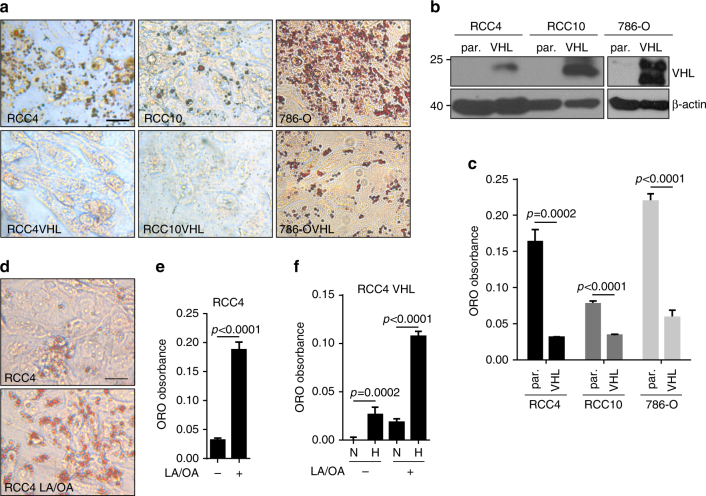
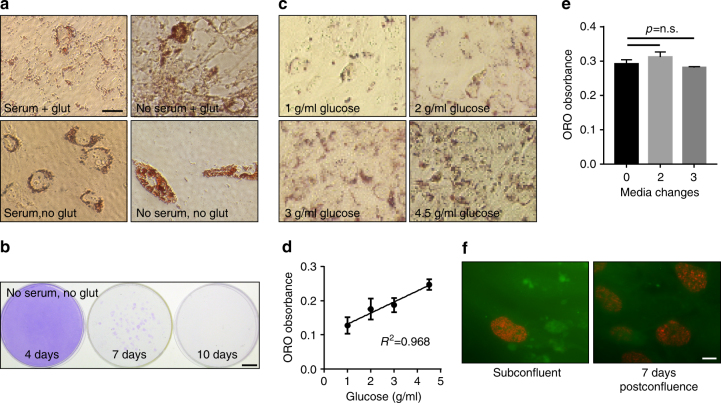
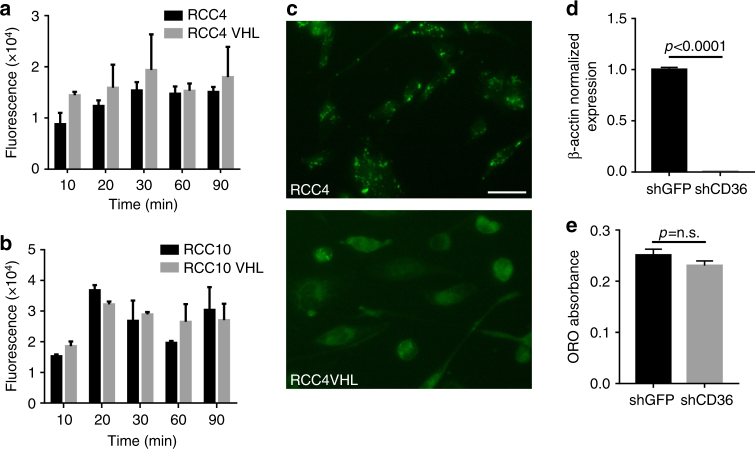
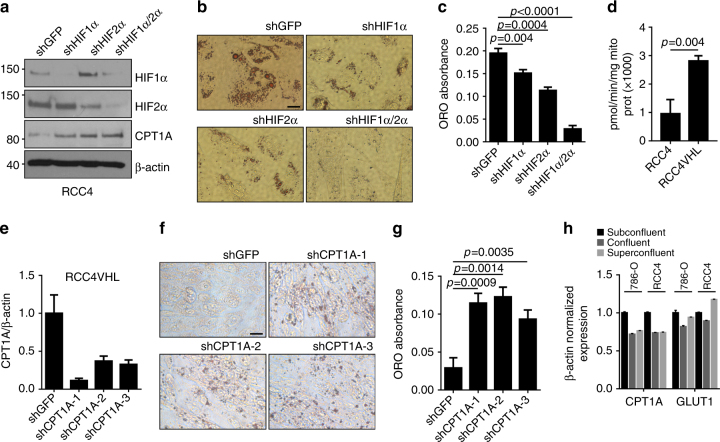
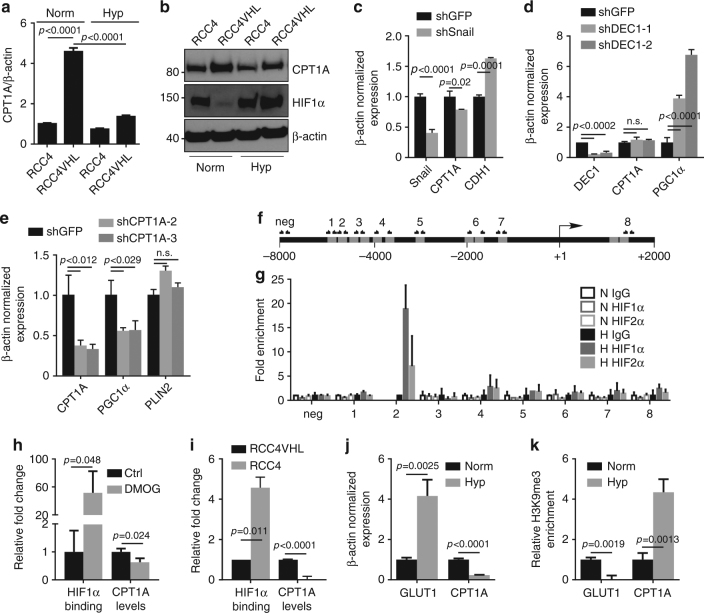
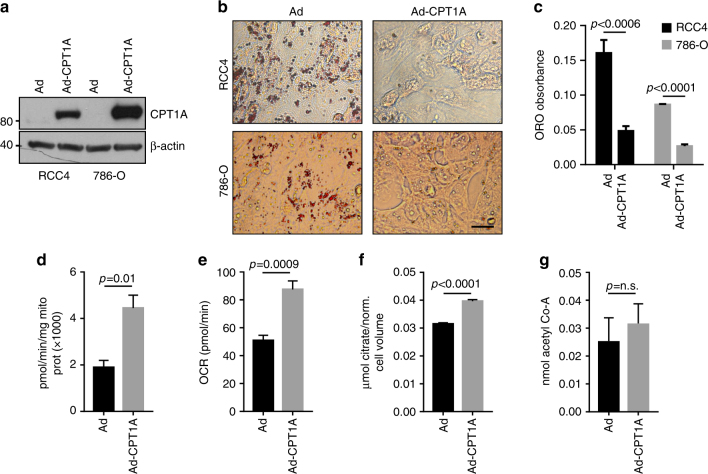
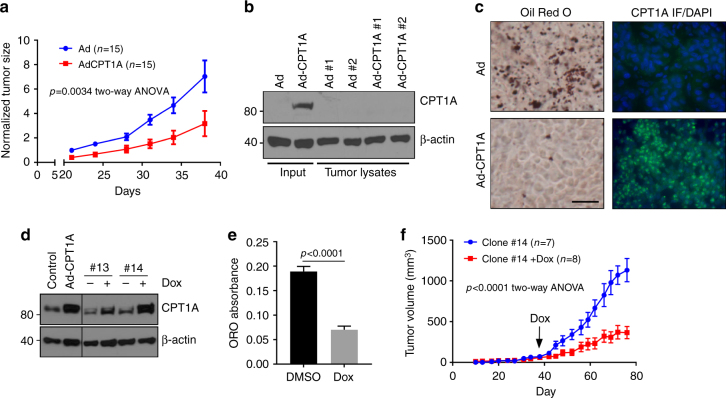
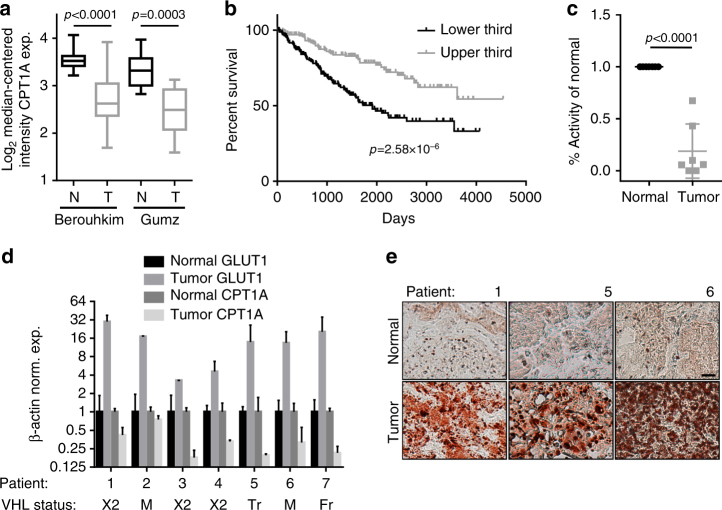
Clear cell renal cell carcinoma (ccRCC) is histologically defined by its lipid and glycogen-rich cytoplasmic deposits. Alterations in the VHL tumor suppressor stabilizing the hypoxia-inducible factors (HIFs) are the most prevalent molecular features of clear cell tumors. The significance of lipid deposition remains undefined. We describe the mechanism of lipid deposition in ccRCC by identifying the rate-limiting component of mitochondrial fatty acid transport, carnitine palmitoyltransferase 1A ( CPT1A ), as a direct HIF target gene. CPT1A is repressed by HIF1 and HIF2, reducing fatty acid transport into the mitochondria, and forcing fatty acids to lipid droplets for storage. Droplet formation occurs independent of lipid source, but only when CPT1A is repressed. Functionally, repression of CPT1A is critical for tumor formation, as elevated CPT1A expression limits tumor growth. In human tumors, CPT1A expression and activity are decreased versus normal kidney; and poor patient outcome associates with lower expression of CPT1A in tumors in TCGA. Together, our studies identify HIF control of fatty acid metabolism as essential for ccRCC tumorigenesis.
Overview
The claims and statistics of this paper haven’t been checked yet.
Free: it reads the open-access text and checks the first 5 claims that cite a source we can check. Create a free account to check every claim.
Integrity signals
Registry
Cites
Statistics
Figures
Verification
Claims the paper makes
The claims and statistics of this paper haven’t been checked yet.
Free: it reads the open-access text and checks the first 5 claims that cite a source we can check. Create a free account to check every claim.
Claims other papers make about this one
Each is checked against this paper’s own text: does it say what the citing paper says it does?
The cited source says what the claim attributes to it.
In the citing paper
“Indeed, both HIF-1α and HIF-2α suppress CPT1A, the rate limiting component for FA import into the mitochondria, thus channeling FAs away from β-oxidation to lipid storage, which is essential for ccRCC tumorigenesis [48].”
From The HIF Axes in Cancer - Angiogenesis, Metabolism and Immune-Modulation (2025) · cites this paper as [48]
In the citing paper
“Furthermore, HIF-2α represses the transcription of carnitine palmitoyltransferase 1A (CPT1A), which is responsible for mitochondrial β-oxidation by transporting fatty acids and results in lipid deposition78.”
From Glutamine reliance in cell metabolism (2020) · cites this paper as [78]
Self-check
Percentages, sums and reported differences re-computed from the paper’s own numbers.
The self-check needs the paper’s full text.
Citations
Cites
Hallmarks of Cancer: The Next Generation
Hanahan, D., & Weinberg, R. A. (2011) · Cell · doi:10.1016/j.cell.2011.02.013 · Cited by 66,590
Sulforhodamine B colorimetric assay for cytotoxicity screening
Vichai, V., & Kirtikara, K. (2006) · Nature Protocols · doi:10.1038/nprot.2006.179 · Cited by 3,671
Comprehensive molecular characterization of clear cell renal cell carcinoma
The Cancer Genome Atlas Research Network (2013) · Nature · doi:10.1038/nature12222 · Cited by 3,485
HIF-1 mediates adaptation to hypoxia by actively downregulating mitochondrial oxygen consumption
Papandreou, I., Cairns, R. A., Fontana, L., Lim, A. L., & Denko, N. C. (2006) · Cell Metabolism · doi:10.1016/j.cmet.2006.01.012 · Cited by 2,267
Cellular Fatty Acid Metabolism and Cancer
Currie, E., Schulze, A., Zechner, R., Walther, T. C., & Farese, R. V. (2013) · Cell Metabolism · doi:10.1016/j.cmet.2013.05.017 · Cited by 2,123
Reductive glutamine metabolism by IDH1 mediates lipogenesis under hypoxia
Metallo, C. M., Gameiro, P. A., Bell, E. L., Mattaini, K. R., Yang, J., Hiller, K., Jewell, C. M., Johnson, Z. R., Irvine, D. J., Guarente, L., et al. (2012) · Nature · doi:10.1038/nature10602 · Cited by 1,791
Kang, H. M., Ahn, S. H., Choi, P., Ko, Y.-A., Han, S. H., Chinga, F., Park, A. S. D., Tao, J., Sharma, K., Pullman, J., et al. (2015) · Nature Medicine · doi:10.1038/nm.3762 · Cited by 1,555
An Integrated Metabolic Atlas of Clear Cell Renal Cell Carcinoma
Hakimi, A. A., Reznik, E., Lee, C.-H., Creighton, C. J., Brannon, A. R., Luna, A., Aksoy, B. A., Liu, E. M., Shen, R., Lee, W., et al. (2016) · Cancer Cell · doi:10.1016/j.ccell.2015.12.004 · Cited by 798
The von Hippel–Lindau tumour suppressor protein: O2 sensing and cancer
Kaelin Jr, W. G. (2008) · Nature Reviews Cancer · doi:10.1038/nrc2502 · Cited by 726
Bensaad, K., Favaro, E., Lewis, C. A., Peck, B., Lord, S., Collins, J. M., Pinnick, K. E., Wigfield, S., Buffa, F. M., Li, J.-L., et al. (2014) · Cell Reports · doi:10.1016/j.celrep.2014.08.056 · Cited by 665
Cited by
Hypoxic microenvironment in cancer: molecular mechanisms and therapeutic interventions
Chen, Z., Han, F., Du, Y., Shi, H., & Zhou, W. (2023) · Signal Transduction and Targeted Therapy · doi:10.1038/s41392-023-01332-8 · Cited by 1,612
“Compared with normal tissues, CPT1A expression and activity were reduced in clear cell renal cell carcinoma patient samples.(193) Similar results were observed in gastric cancer tissue.”
ResultGlutamine reliance in cell metabolism
Yoo, H. C., Yu, Y. C., Sung, Y., & Han, J. M. (2020) · Experimental & Molecular Medicine · doi:10.1038/s12276-020-00504-8 · Cited by 1,021
Lipids and cancer: Emerging roles in pathogenesis, diagnosis and therapeutic intervention
Butler, L. M., Perone, Y., Dehairs, J., Lupien, L. E., de Laat, V., Talebi, A., Loda, M., Kinlaw, W. B., & Swinnen, J. V. (2020) · Advanced Drug Delivery Reviews · doi:10.1016/j.addr.2020.07.013 · Cited by 589
The effect of HIF on metabolism and immunity
Taylor, C. T., & Scholz, C. C. (2022) · Nature Reviews Nephrology · doi:10.1038/s41581-022-00587-8 · Cited by 517
Lipid metabolism in sickness and in health: Emerging regulators of lipotoxicity
Yoon, H., Shaw, J. L., Haigis, M. C., & Greka, A. (2021) · Molecular Cell · doi:10.1016/j.molcel.2021.08.027 · Cited by 510
Cancer Cell Metabolism in Hypoxia: Role of HIF-1 as Key Regulator and Therapeutic Target
Infantino, V., Santarsiero, A., Convertini, P., Todisco, S., & Iacobazzi, V. (2021) · International Journal of Molecular Sciences · doi:10.3390/ijms22115703 · Cited by 499
“Interestingly, carnitine palmitoyltransferase 1A, the rate-limiting component of mitochondrial fatty acid transport, is repressed by HIF-1 and HIF-2, resulting in reduction of transport into mitochondria and forcing fatty acids to lipid droplets formation [65].”
BackgroundLipid metabolic reprogramming in tumor microenvironment: from mechanisms to therapeutics
Jin, H.-R., Wang, J., Wang, Z.-J., Xi, M.-J., Xia, B.-H., Deng, K., & Yang, J.-L. (2023) · Journal of Hematology & Oncology · doi:10.1186/s13045-023-01498-2 · Cited by 481
“As a result, FAs are redirected to LD storage, leading to increased lipid accumulation [99].”
BackgroundLipid metabolism in cancer cells under metabolic stress
Munir, R., Lisec, J., Swinnen, J. V., & Zaidi, N. (2019) · British Journal of Cancer · doi:10.1038/s41416-019-0451-4 · Cited by 365
Pathophysiological implications of hypoxia in human diseases
Chen, P.-S., Chiu, W.-T., Hsu, P.-L., Lin, S.-C., Peng, I.-C., Wang, C.-Y., & Tsai, S.-J. (2020) · Journal of Biomedical Science · doi:10.1186/s12929-020-00658-7 · Cited by 318
“Furthermore, hypoxia-induced lipid droplet accumulation is accompanied by the inhibition of fatty acid β-oxidation though HIF-1 and HIF-2dependent downregulation of PGC-1α and carnitine palmitoyltransferase 1A (CPT1A) in both hepatoma and renal cell carcinoma cells [35, 90].”
BackgroundHypoxia-inducible factors and the regulation of lipid metabolism
Mylonis, I., Simos, G., & Paraskeva, E. (2019) · Cells · doi:10.3390/cells8030214 · Cited by 316
“CPT1A HIF-1 & HIF-2 Negative Reduced expression HIF-1α or HIF-2α depletion inhibit reduction of CPT1A expression under hypoxia [69,70]”
BackgroundInfluentialTriglycerides Promote Lipid Homeostasis during Hypoxic Stress by Balancing Fatty Acid Saturation
Ackerman, D., Tumanov, S., Qiu, B., Michalopoulou, E., Spata, M., Azzam, A., Xie, H., Simon, M. C., & Kamphorst, J. J. (2018) · Cell Reports · doi:10.1016/j.celrep.2018.08.015 · Cited by 305
“In a separate study, HIF-dependent repression of FA b-oxidation has also been demonstrated to contribute to LD accumulation (Du et al., 2017).”
BackgroundTGF-β signaling in the tumor metabolic microenvironment and targeted therapies
Shi, X., Yang, J., Deng, S., Xu, H., Wu, D., Zeng, Q., Wang, S., Hu, T., Wu, F., & Zhou, H. (2022) · Journal of Hematology & Oncology · doi:10.1186/s13045-022-01349-6 · Cited by 262
“Glycogenesis has been reported to be upregulated in cancers including clear cell renal cell carcinoma [62], ovarian clear cell carcinoma [63], and melanoma [64].”
BackgroundEmerging role of lipid metabolism alterations in Cancer stem cells
Yi, M., Li, J., Chen, S., Cai, J., Ban, Y., Peng, Q., Zhou, Y., Zeng, Z., Peng, S., Li, X., et al. (2018) · Journal of Experimental & Clinical Cancer Research · doi:10.1186/s13046-018-0784-5 · Cited by 248
“LDs formation is induced by hypoxia via HIF1- and HIF2-mediated repression of carnitine palmitoyltransferase 1A (CPT1A), a key enzyme in involved in mitochondrial FAO [98] (Fig.”
BackgroundSeo, J., Jeong, D.-W., Park, J.-W., Lee, K.-W., Fukuda, J., & Chun, Y.-S. (2020) · Communications Biology · doi:10.1038/s42003-020-01367-5 · Cited by 237
Tumor hypoxia: From basic knowledge to therapeutic implications
Liao, C., Liu, X., Zhang, C., & Zhang, Q. (2023) · Seminars in Cancer Biology · doi:10.1016/j.semcancer.2022.12.011 · Cited by 223
Oncometabolites in renal cancer
Yong, C., Stewart, G. D., & Frezza, C. (2020) · Nature Reviews Nephrology · doi:10.1038/s41581-019-0210-z · Cited by 217
Metabolic reprogramming in renal cancer: Events of a metabolic disease
Chakraborty, S., Balan, M., Sabarwal, A., Choueiri, T. K., & Pal, S. (2021) · Biochimica et Biophysica Acta (BBA) - Reviews on Cancer · doi:10.1016/j.bbcan.2021.188559 · Cited by 204
The von Hippel-Lindau Tumor Suppressor Gene: Implications and Therapeutic Opportunities
Elias, R., Zhang, Q., & Brugarolas, J. (2020) · The Cancer Journal · doi:10.1097/ppo.0000000000000480 · Cited by 205
Metabolic adaptation of cancer and immune cells mediated by hypoxia-inducible factors
Samanta, D., & Semenza, G. L. (2018) · Biochimica et Biophysica Acta (BBA) - Reviews on Cancer · doi:10.1016/j.bbcan.2018.07.002 · Cited by 190
The diversity and breadth of cancer cell fatty acid metabolism
Nagarajan, S. R., Butler, L. M., & Hoy, A. J. (2021) · Cancer & Metabolism · doi:10.1186/s40170-020-00237-2 · Cited by 185
Disorders of cancer metabolism: The therapeutic potential of cannabinoids
Sun, D., Li, X., Nie, S., Liu, J., & Wang, S. (2023) · Biomedicine & Pharmacotherapy · doi:10.1016/j.biopha.2022.113993 · Cited by 182
Fatty acid metabolism reprogramming in ccRCC: mechanisms and potential targets
Tan, S. K., Hougen, H. Y., Merchan, J. R., Gonzalgo, M. L., & Welford, S. M. (2023) · Nature Reviews Urology · doi:10.1038/s41585-022-00654-6 · Cited by 179
Self-citationdi Meo, N. A., Lasorsa, F., Rutigliano, M., Loizzo, D., Ferro, M., Stella, A., Bizzoca, C., Vincenti, L., Pandolfo, S. D., Autorino, R., et al. (2022) · International Journal of Molecular Sciences · doi:10.3390/ijms232214360 · Cited by 178
Hypoxia, endoplasmic reticulum stress and chemoresistance: dangerous liaisons
Akman, M., Belisario, D. C., Salaroglio, I. C., Kopecka, J., Donadelli, M., De Smaele, E., & Riganti, C. (2021) · Journal of Experimental & Clinical Cancer Research · doi:10.1186/s13046-020-01824-3 · Cited by 174
“Abbreviations ATF4: activating transcription factor-4 (ATF4); ATF6: activating transcription factor-6; BCRP/ABCG2: breast cancer resistance protein/ATP binding cassette transporter G2; CAFs: cancer associated fibroblasts; C/EBP-β LIP: CCAAT/ enhancer-binding protein-β LIP; CEMIP: cell migration-inducing and hyaluronan…”
BackgroundGenetic and metabolic hallmarks of clear cell renal cell carcinoma
Sanchez, D. J., & Simon, M. C. (2018) · Biochimica et Biophysica Acta (BBA) - Reviews on Cancer · doi:10.1016/j.bbcan.2018.06.003 · Cited by 162
“While it is clear that suppression of either HIF-1α or HIF-2α markedly reduces LD formation in ccRCC [96], [34], [80], the target genes and mechanisms responsible for the clear cell phenotype have not been completely defined.”
BackgroundThe Distinct Role of HIF-1α and HIF-2α in Hypoxia and Angiogenesis
Bakleh, M. Z., & Zen, A. A. H. (2025) · Cells · doi:10.3390/cells14090673 · Cited by 209
“In this cancer type, the activation of HIF signaling is associated with the accumulation of both glycogen and lipid droplets in renal clear cell carcinoma [121].”
The tumour microenvironment and metabolism in renal cell carcinoma targeted or immune therapy
Lai, Y., Tang, F., Huang, Y., He, C., Chen, C., Zhao, J., Wu, W., & He, Z. (2021) · Journal of Cellular Physiology · doi:10.1002/jcp.29969 · Cited by 139
Klasson, T. D., LaGory, E. L., Zhao, H., Huynh, S. K., Papandreou, I., Moon, E. J., & Giaccia, A. J. (2022) · Cancer & Metabolism · doi:10.1186/s40170-022-00290-z · Cited by 156
“In addition, hypoxia has been previously described to upregulate fatty acid uptake in cancer cells through the HIF-1α-induced expression of fatty acid transporters FABP3 and FABP7 which leads to significant intracellular accumulation of lipids in lipid droplets [10, 13, 15].”
BackgroundTang, M., Dong, X., Xiao, L., Tan, Z., Luo, X., Yang, L., Li, W., Shi, F., Li, Y., Zhao, L., et al. (2022) · Cell Death and Disease · doi:10.1038/s41419-022-04730-y · Cited by 153
Hypoxia Dictates Metabolic Rewiring of Tumors: Implications for Chemoresistance
Belisario, D. C., Kopecka, J., Pasino, M., Akman, M., De Smaele, E., Donadelli, M., & Riganti, C. (2020) · Cells · doi:10.3390/cells9122598 · Cited by 133
“HIF-1α decreases the expression of carnitine palmitoyltransferase 1A (CPT1A), the rate limiting-enzyme of FAO [127].”
Backgrounddi Meo, N. A., Lasorsa, F. M., Rutigliano, M., Milella, M., Ferro, M., Battaglia, M., Ditonno, P., & Lucarelli, G. T. (2023) · Expert Review of Molecular Diagnostics · doi:10.1080/14737159.2023.2195553 · Cited by 157
Epigenetic crosstalk between hypoxia and tumor driven by HIF regulation
Li, T., Mao, C., Wang, X., Shi, Y., & Tao, Y. (2020) · Journal of Experimental & Clinical Cancer Research · doi:10.1186/s13046-020-01733-5 · Cited by 120
“For a long period, the main direction of ccRCC treatment is understanding mechanisms that VHL loss drives tumorigenesis, especially downstream of VHL-HIF pathway, including glutamine metabolic genes, mTOR signaling and lipid metabolism, among others [210].”
BackgroundWei, G., Sun, H., Dong, K., Hu, L., Wang, Q., Zhuang, Q., Zhu, Y., Zhang, X., Shao, Y., Tang, H., et al. (2021) · Cell Metabolism · doi:10.1016/j.cmet.2021.08.012 · Cited by 137
Hypoxia, angiogenesis, and metabolism in the hereditary kidney cancers
Chappell, J. C., Payne, L. B., & Rathmell, W. K. (2019) · Journal of Clinical Investigation · doi:10.1172/jci120855 · Cited by 115
Wu, X., Geng, F., Cheng, X., Guo, Q., Zhong, Y., Cloughesy, T. F., Yong, W. H., Chakravarti, A., & Guo, D. (2020) · iScience · doi:10.1016/j.isci.2020.101569 · Cited by 131
Lipid metabolism reprogramming in renal cell carcinoma
Heravi, G., Yazdanpanah, O., Podgorski, I., Matherly, L. H., & Liu, W. (2021) · Cancer and Metastasis Reviews · doi:10.1007/s10555-021-09996-w · Cited by 125
Long non-coding RNA in cervical cancer: From biology to therapeutic opportunity
He, J., Huang, B., Zhang, K., Liu, M., & Xu, T. (2020) · Biomedicine & Pharmacotherapy · doi:10.1016/j.biopha.2020.110209 · Cited by 120
Mazumder, S., Higgins, P. J., & Samarakoon, R. (2023) · Cancers · doi:10.3390/cancers15041316 · Cited by 131
“Moreover, PLIN2 mediated lipid storage promotes tumor proliferation and survival via maintaining the ER integrity during elevated protein synthesis in ccRCC [146].”
BackgroundTan, S. K., Mahmud, I., Fontanesi, F., Puchowicz, M., Neumann, C. K. A., Griswold, A. J., Patel, R., Dispagna, M., Ahmed, H. H., Gonzalgo, M. L., et al. (2021) · Cancer Discovery · doi:10.1158/2159-8290.cd-20-1453 · Cited by 104
“Interestingly, we also noted in a prior work that induction of lipid droplets in vitro is density dependent (14).”
BackgroundSelf-citationPiret, S. E., Attallah, A. A., Gu, X., Guo, Y., Gujarati, N. A., Henein, J. M., Zollman, A., Hato, T., Ma’ayan, A., Revelo, M. P., et al. (2021) · Kidney International · doi:10.1016/j.kint.2021.08.031 · Cited by 106
Bădoiu, S. C., Greabu, M., Miricescu, D., Stănescu-Spînu, I.-I., Ilinca, R., Bălan, D. G., Balcangiu‐Stroescu, A.-E., Mihai, D. A., Văcăroiu, I. A., Ștefani, C., et al. (2023) · International Journal of Molecular Sciences · doi:10.3390/ijms24098391 · Cited by 107
“Moreover, HIF-1 and HIF-2 repress CPT1A, forcing FA to form droplets for storage [230].”
BackgroundA KLF6-driven transcriptional network links lipid homeostasis and tumour growth in renal carcinoma
Syafruddin, S. E., Rodrigues, P., Vojtasova, E., Patel, S. A., Zaini, M. N., Burge, J., Warren, A. Y., Stewart, G. D., Eisen, T. G., Bihary, D., et al. (2019) · Nature Communications · doi:10.1038/s41467-019-09116-x · Cited by 106
Hao, X., Ren, Y., Feng, M., Wang, Q., & Wang, Y. (2021) · Biomedicine & Pharmacotherapy · doi:10.1016/j.biopha.2021.111798 · Cited by 107
Lucarelli, G. T., Ferro, M., Loizzo, D., Bianchi, C., Terracciano, D., Cantiello, F., Bell, L. N., Battaglia, S., Porta, C., Gernone, A., et al. (2020) · Metabolites · doi:10.3390/metabo10120509 · Cited by 96
“In ccRCC, hypoxia inducible factors (HIFs) are responsible for inhibiting CPT1A expression, reducing FA transport into mitochondria, and rerouting FA to LDs for storage [55].”
BackgroundNanomaterial-enabled metabolic reprogramming strategies for boosting antitumor immunity
Ma, M., Zhang, Y., Pu, K., & Tang, W. (2025) · Chemical Society Reviews · doi:10.1039/d4cs00679h · Cited by 107
Wang, Z., Chen, L., Huang, Y., Luo, M., Wang, H., Jiang, Z., Zheng, J., Yang, Z., Chen, Z., Zhang, C., et al. (2021) · Redox Biology · doi:10.1016/j.redox.2021.102082 · Cited by 98
“Meanwhile, HIF-1α can drive lipid deposition and cancer progression via suppression of fatty acid oxidation [26,27].”
BackgroundAdvancing Cancer Treatment by Targeting Glutamine Metabolism—A Roadmap
Halama, A., & Suhre, K. (2022) · Cancers · doi:10.3390/cancers14030553 · Cited by 105
Mitochondria bridge HIF signaling and ferroptosis blockage in acute kidney injury
Li, W., Xiang, Z., Xing, Y., Shen, L., & Shi, S. (2022) · Cell Death and Disease · doi:10.1038/s41419-022-04770-4 · Cited by 93
“On the other hand, HIF-1 and HIF-2 downregulate the expression of carnitine palmitoyltransferase 1A, which acts to facilitate the transport of long-chain fatty acids into mitochondria [23], as well as two related enzymes, namely, acyl-CoA dehydrogenases MCAD and LCAD, which catalyze fatty acid β-oxidation in the mitoc…”
BackgroundMidha, A. D., Zhou, Y., Queliconi, B. B., Barrios, A. M., Haribowo, A. G., Chew, B. T. L., Fong, C. O. Y., Blecha, J. E., VanBrocklin, H. F., Seo, Y., et al. (2023) · Cell Metabolism · doi:10.1016/j.cmet.2023.02.007 · Cited by 108
Bouhamida, E., Morciano, G., Perrone, M., Kahsay, A. E., Della Sala, M., Wieckowski, M. R., Fiorica, F., Pinton, P., Giorgi, C., & Patergnani, S. (2022) · Biology · doi:10.3390/biology11020300 · Cited by 87
Li, Y., Kasim, V., Yan, X., Li, L., Meliala, I. T. S., Huang, C., Li, Z., Lei, K., Song, G., Zheng, X., et al. (2019) · Theranostics · doi:10.7150/thno.34931 · Cited by 97
“Hypoxia is an important driving force for tumor cell lipid accumulation [8, 9].”
BackgroundQi, X., Li, Q., Che, X., Wang, Q., & Wu, G. (2021) · Frontiers in Oncology · doi:10.3389/fonc.2021.727778 · Cited by 97
Wan, M., Pan, S., Shan, B., Diao, H., Jin, H., Wang, Z., Wang, W., Han, S., Liu, W., He, J., et al. (2025) · Molecular Cancer · doi:10.1186/s12943-025-02258-1 · Cited by 111
“In addition, LDs accumulate in cancer cells under hypoxic conditions, potentially serving as a metabolic energy source and intermediates to mitigate oxidative stress, thereby promoting growth and invasiveness upon reoxygenation [326, 327].”
The Heterogeneity of Lipid Metabolism in Cancer
Park, J. K., Coffey, N. J., Limoges, A., & Le, A. (2018) · Advances in experimental medicine and biology · doi:10.1007/978-3-319-77736-8_3 · Cited by 82
Dropping in on lipid droplets: insights into cellular stress and cancer
Shyu, P. T., Wong, X. F. A., Crasta, K., & Thibault, G. (2018) · Bioscience Reports · doi:10.1042/bsr20180764 · Cited by 92
Fatty acid oxidation is associated with proliferation and prognosis in breast and other cancers
Aiderus, A., Black, M. A., & Dunbier, A. K. (2018) · BMC Cancer · doi:10.1186/s12885-018-4626-9 · Cited by 86
Metabolic reprogramming of clear cell renal cell carcinoma
Zhu, H., Wang, X., Lu, S., & Ou, K. (2023) · Frontiers in Endocrinology · doi:10.3389/fendo.2023.1195500 · Cited by 94
“ccRCC is associated with changes in lipid and glucose metabolism, as evidenced by the presence of the translucent cytoplasm and significant lipid and glycogen accumulation observed in these cells (20).”
BackgroundVandeKopple, M. J., Wu, J., Auer, E. N., Giaccia, A. J., Denko, N. C., & Papandreou, I. (2019) · Molecular Cancer Research · doi:10.1158/1541-7786.mcr-18-1343 · Cited by 75
The role of HIF-1α in hypoxic metabolic reprogramming in osteoarthritis
Zhang, J., Gao, P., Chang, W.-R., Song, J., An, F.-Y., Wang, Y., Xiao, Z.-P., Jin, H., Zhang, X., & Yan, C. (2025) · Pharmacological Research · doi:10.1016/j.phrs.2025.107649 · Cited by 84
Macrophage HIF-2α suppresses NLRP3 inflammasome activation and alleviates insulin resistance
Li, X., Zhang, X., Xia, J., Zhang, L., Chen, B., Lian, G., Yun, C., Yang, J., Yan, Y., Wang, P., et al. (2021) · Cell Reports · doi:10.1016/j.celrep.2021.109607 · Cited by 75
Self-citationISCA2 inhibition decreases HIF and induces ferroptosis in clear cell renal carcinoma
Green, Y. S., Ferreira dos Santos, M. C., Fuja, D. G., Reichert, E. C., Campos, A. R., Cowman, S. J., Acuña Pilarte, K., Kohan, J., Tripp, S. R., Leibold, E. A., et al. (2022) · Oncogene · doi:10.1038/s41388-022-02460-1 · Cited by 69
DeBerge, M., Lantz, C., Dehn, S., Sullivan, D. P., van der Laan, A. M., Niessen, H. W. M., Flanagan, M. E., Brat, D. J., Feinstein, M. J., Kaushal, S., et al. (2021) · Journal of Experimental Medicine · doi:10.1084/jem.20200667 · Cited by 69
HIF-1α Metabolic Pathways in Human Cancer
Elzakra, N., & Kim, Y. (2021) · Advances in experimental medicine and biology · doi:10.1007/978-3-030-51652-9_17 · Cited by 77
Zhang, X., Zhang, X., Chen, J., Wu, P., Yang, Z., Zhou, L., Zhu, Z., Wu, Z., Zhang, K., Wang, Y., et al. (2023) · Environmental Research · doi:10.1016/j.envres.2023.116770 · Cited by 67
Vijayalakshmi, K., Shankar, V., Bain, R. M., Nolley, R., Sonn, G. A., Kao, C., Zhao, H., Tibshirani, R. J., Zare, R. N., & Brooks, J. D. (2019) · International Journal of Cancer · doi:10.1002/ijc.32843 · Cited by 66
“HIF-2α controls the fate of fatty acids either in phospholipid synthesis or in storage to form lipid droplets.(42) We observed elevated levels of PGs and PIs and suppressed aminophospholipids such as PSs and PEs.”
BackgroundSong, C.-C., Pantopoulos, K., Chen, G., Zhong, C.-C., Zhao, T., Zhang, D.-G., & Luo, Z. (2022) · Cellular and Molecular Life Sciences · doi:10.1007/s00018-022-04423-x · Cited by 69
“[33] demonstrated that HIF is involved in the regulation of lipid metabolism.”
BackgroundThe HIF Axes in Cancer - Angiogenesis, Metabolism and Immune-Modulation
Acuña-Pilarte, K., & Koh, M. Y. (2025) · Trends in Biochemical Sciences · doi:10.1016/j.tibs.2025.06.005 · Cited by 64
Zhou, L., Luo, Y., Liu, Y., Zeng, Y., Tong, J., Li, M., Hou, Y., Du, K., Qi, Y., Pan, W., et al. (2023) · Cancer Research · doi:10.1158/0008-5472.can-23-0969 · Cited by 73
Chae, S. Y., Kim, Y., & Park, C. W. (2023) · Antioxidants · doi:10.3390/antiox12122083 · Cited by 75
“While HIF-1 activation has benefits such as promoting glycolysis, it also suppresses carnitine palmitoyl transferase A1 [104], reducing the transport of FAs into the mitochondria and diminishing FAO [100].”
BackgroundHypoxia-Inducible Factor 2-Dependent Pathways Driving Von Hippel–Lindau-Deficient Renal Cancer
Meléndez‐Rodríguez, F., Roche, O., Sánchez‐Prieto, R., & Aragonés, J. (2018) · Frontiers in Oncology · doi:10.3389/fonc.2018.00214 · Cited by 72
“First, HIF2α drives lipid deposition in ccRCC by repressing fatty acid oxidation, specifically the rate-limiting component of mitochondrial fatty acid transport, carnitine palmitoyltransferase 1A (CPT1A) (88).”
BackgroundShen, D., Gao, Y., Huang, Q., Xuan, Y., Yao, Y., Gu, L., Huang, Y., Zhang, Y., Li, P., Yang, F., et al. (2021) · Cancer Letters · doi:10.1016/j.canlet.2021.05.012 · Cited by 65
Gao, Z., & Chen, X. (2022) · Frontiers in Pharmacology · doi:10.3389/fphar.2022.805281 · Cited by 80
Ke, Q., Yuan, Q., Qin, N., Shi, C., Luo, J., Fang, Y., Xu, L., Sun, Q., Zen, K., Jiang, L., et al. (2020) · Cell Death and Disease · doi:10.1038/s41419-019-2219-4 · Cited by 59
Liu, R., Feng, Y., Deng, Y., Zou, Z., Ye, J., Cai, Z., Zhu, X., Liang, Y., Lü, J., Zhang, H., et al. (2021) · Journal of Experimental & Clinical Cancer Research · doi:10.1186/s13046-021-01996-6 · Cited by 64
“Clear cell renal cell carcinoma (ccRCC) is histologically defined as malignant renal tubular epithelial cells with transparent and bright cytoplasm due to the massive accumulation of lipids and glycogen [2], suggesting that altered lipid and glucose metabolism plays a major role in its progression.”
BackgroundLipidomic landscape in cancer: Actionable insights for membrane‐based therapy and diagnoses
Agarwala, P. K., Aneja, R., & Kapoor, S. (2021) · Medicinal Research Reviews · doi:10.1002/med.21868 · Cited by 64
“Overexpression of perilipin 2 and suppression of the FA transporter CPT1A induce lipid storage in renal cell carcinoma and may represent suitable prognostic markers.(143,146) Induction of FA‐binding proteins (FABP3 and FABP7) promoting lipid uptake and LD formation has emerged as another promising candidate biomarker.”
BackgroundZeng, F., Yao, M., Wang, Y., Zheng, W., Liu, S.-S., Hou, Z.-Y., Cheng, X., Sun, S.-H., Li, T.-L., Zhao, H., et al. (2021) · Cancer Gene Therapy · doi:10.1038/s41417-021-00348-y · Cited by 50
Zhao, Z., Liu, Y., Liu, Q., Wu, F., Liu, X., Qu, H., Yuan, Y., Ge, J., Xu, Y., & Wang, H. (2019) · Journal of Cancer · doi:10.7150/jca.33024 · Cited by 61
“also reported that CPT1A expression was decreased in ccRCC, and its lower expression was associated with poor patient outcome [3].”
BackgroundEmerging designs of aggregation-induced emission luminogens for lipid droplets imaging
Zhang, F., Wu, X., Liu, B., Han, T., Yan, D., Wang, D., & Tang, B. Z. (2023) · Coordination Chemistry Reviews · doi:10.1016/j.ccr.2023.215337 · Cited by 54
Involvement of Tricarboxylic Acid Cycle Metabolites in Kidney Diseases
Jiménez‐Uribe, A. P., Cruz, E. Y. H., Ramírez-Magaña, K. J., & Pedraza‐Chaverrí, J. (2021) · Biomolecules · doi:10.3390/biom11091259 · Cited by 64
“In renal cell carcinoma (RCC), fatty acid metabolism also seems to be impaired due to altered expression enzymes involved in fatty acid metabolism [16] and intracellular lipid accumulation driven by hypoxia [17].”
BackgroundLi, S., Fu, L., Tian, T., Deng, L., Li, H., Xia, W., & Gong, Q. (2018) · Cell Communication and Signaling · doi:10.1186/s12964-018-0240-3 · Cited by 56
“Recently, it was reported that repress CPT1A enhance fatty acids to lipid droplets for storage [20, 21].”
BackgroundExtracellular vesicle isolation from human renal cancer tissue
Zieren, R. C., Dong, L., Pierorazio, P. M., Pienta, K. J., de Reijke, T. M., & Amend, S. R. (2020) · Medical Oncology · doi:10.1007/s12032-020-1346-1 · Cited by 54
Tan, P., Zhuang, W., Li, S., Zhang, J., Xu, H., Yang, L., Liao, Y., Chen, M., & Wei, Q. (2021) · Chemical Communications · doi:10.1039/d0cc07336a · Cited by 52
Gao, Y., Song, Z., Li, J. X., Tang, Y., Wang, C., Zhao, X., Hu, H., Chen, D., & Qiao, M. (2022) · Biomaterials · doi:10.1016/j.biomaterials.2022.121902 · Cited by 54
Governa, V., de Oliveira, K. G., Bång-Rudenstam, A., Offer, S., Cerezo-Magaña, M., Li, J., Beyer, S., Johansson, M. C., Månsson, A., Edvardsson, C., et al. (2024) · Science Translational Medicine · doi:10.1126/scitranslmed.adk1168 · Cited by 58
Wu, Z., Liu, P., Huang, B., Deng, S., Song, Z., Huang, X., Yang, J., & Cheng, S. (2023) · Scientific Reports · doi:10.1038/s41598-023-33277-x · Cited by 54
Mesquita, I., Ferreira, C., Moreira, D., Kluck, G. E. G., Barbosa, A. M., Torrado, E., Dinis‐Oliveira, R. J., Gonçalves, L. G., Joly-Beauparlant, C., Droit, A., et al. (2020) · Cell Reports · doi:10.1016/j.celrep.2020.02.098 · Cited by 55
Chen, C., Zhao, W., Lu, X., Ma, Y., Zhang, P., Wang, Z., Cui, Z., & Xia, Q. (2022) · Cancer Science · doi:10.1111/cas.15445 · Cited by 54
Tamura, K., Horikawa, M., Sato, S., Miyake, H., & Setou, M. (2019) · Oncotarget · doi:10.18632/oncotarget.26706 · Cited by 52
“Indeed, activation of lipid storage pathways in ccRCC has been previously shown [39].”
BackgroundWierzbicki, P., Kłącz, J., Kotulak‐Chrząszcz, A., Wrońska, A., Stanisławowski, M., Rybarczyk, A., Ludziejewska, A., Kmieć, Z., & Matuszewski, M. (2019) · International Journal of Oncology · doi:10.3892/ijo.2019.4830 · Cited by 60
“Studies on the expression patterns of HIF1A (24-28), HIF2A (25-28), VEGFA (5,24,27-29) and P53 (30,31) in ccRCC have revealed variations in terms of cancer progression and/or patient outcome.”
Reprogramming of Metabolism in Kidney Cancer
Wettersten, H. I. (2020) · Seminars in Nephrology · doi:10.1016/j.semnephrol.2019.12.002 · Cited by 54
Lipid droplets provide metabolic flexibility for cancer progression
Safi, R., Menéndez, P. R., & Pol, A. (2024) · FEBS Letters · doi:10.1002/1873-3468.14820 · Cited by 56
“A key cellular response mediated by HIF-1 is to increase the formation of LDs [108,127,128].”
BackgroundInfluentialKim, Y., Jung, J., Jeong, H., Lee, J. H., Oh, H. E., Lee, E. S., & Choi, J.-W. (2019) · Disease Markers · doi:10.1155/2019/5702026 · Cited by 55
“reported that HIF-1 and HIF-2 repressed CPT1A in RCC cells and thereby diverted fatty acids from the mitochondria into cytoplasmic lipid droplets for storage [29].”
BackgroundBeyond the Warburg Effect: N-Myc Contributes to Metabolic Reprogramming in Cancer Cells
Yoshida, G. J. (2020) · Frontiers in Oncology · doi:10.3389/fonc.2020.00791 · Cited by 52
“The generation of lipid droplets is promoted by hypoxia related to HIF1- and HIF2-mediated repression of CPT1A, an essential enzyme involved in mitochondrial FAO (70).”
BackgroundHIF-1 mediated metabolic reprogramming in cancer: Mechanisms and therapeutic implications
Taneja, N., Chauhan, A., Kulshreshtha, R., & Singh, S. K. (2024) · Life Sciences · doi:10.1016/j.lfs.2024.122890 · Cited by 61
Zhang, X., Wu, J., Wu, C., Chen, W., Lin, R., Zhou, Y., & Huang, X. (2018) · Biochemical and Biophysical Research Communications · doi:10.1016/j.bbrc.2018.11.036 · Cited by 49
HAO2 inhibits malignancy of clear cell renal cell carcinoma by promoting lipid catabolic process
Xiao, W., Wang, X., Wang, T., chen, B., & Xing, J. (2019) · Journal of Cellular Physiology · doi:10.1002/jcp.28861 · Cited by 46
“Repression of fatty acid metabolism drives lipid deposition and ccRCC tumor progress (Du et al., 2017).”
BackgroundRUNX1 Is a Driver of Renal Cell Carcinoma Correlating with Clinical Outcome
Rooney, N., Mason, S. M., McDonald, L., Däbritz, J. H. M., Campbell, K. J., Hedley, A., Howard, S., Athineos, D., Nixon, C., Clark, W. A., et al. (2020) · Cancer Research · doi:10.1158/0008-5472.can-19-3870 · Cited by 50
“CPT1A is reduced in ccRCC where suppression causes lipid droplet accumulation (a prominent feature of ccRCC) and tumor development (61).”
BackgroundNoh, K. H., Kang, H. M., Yoo, W., Min, Y. H., Kim, D., Kim, M., Wang, S., Lim, J. H., & Jung, C. (2020) · Metabolism · doi:10.1016/j.metabol.2020.154302 · Cited by 49
Redox regulation of cancer stem cells: Biology and therapeutic implications
Du, M., Zhang, J., Wicha, M. S., & Luo, M. (2024) · MedComm – Oncology · doi:10.1002/mog2.70005 · Cited by 57
Bacigalupa, Z. A., & Rathmell, W. K. (2020) · Cancer Letters · doi:10.1016/j.canlet.2020.05.034 · Cited by 52
Metadata
- Authors
- Du, W., Zhang, L., Brett-Morris, A., Aguila, B., Kerner, J., Hoppel, C. L., Puchowicz, M., Serra, D., Herrero, L., Rini, B. I., Campbell, S., & Welford, S. M.
- Affiliations
- Case Comprehensive Cancer Center (US)
- Case Western Reserve University (US)
- Instituto de Salud Carlos III (ES)
- Cleveland Clinic (US)
- Corresponding author
- Welford, Scott M.
- ORCID
- Venue
- Nature Communications
- Published
- 2017-11-24
- Volume
- 8
- Issue
- 1
- Pages
- 1769-1769
- ISSN
- 2041-1723 (ISSN-L)
- PMC
- PMC5701259
- OpenAlex
- W2768435200
- Semantic Scholar
- aba62b7a26062454720589f3fa85359ad3992682
- Cited by
- 468
- References
- 46
- Citations by year
- 2026: 36 · 2025: 65 · 2024: 73 · 2023: 83 · 2022: 56 · 2021: 64 · 2020: 47 · 2019: 27 · 2018: 17
- FWCI
- 8.36
- Type
- journal article
- Language
- en
- Open access
- gold
- doi.org
- Licence
- cc-by
- creativecommons.org/licenses/by/4.0 (tdm)
- creativecommons.org/licenses/by/4.0 (vor)
- Locations
- Nature Communications (publishedVersion, cc-by)
- PubMed Central (publishedVersion, cc-by)
- PubMed (publishedVersion)
- Dipòsit Digital de la Universitat de Barcelona (Universitat de Barcelona) (publishedVersion, cc-by)
- RePEc: Research Papers in Economics (submittedVersion)
- DOAJ (DOAJ: Directory of Open Access Journals) (submittedVersion, cc-by-sa)
- RECERCAT (Consorci de Serveis Universitaris de Catalunya) (submittedVersion, cc-by)
- Funders
- Case Comprehensive Cancer Center, Case Western Reserve University (P30CA43703)
- National Institutes of Health (UL1TR000439)
- National Cancer Institute (R21CA178157, P30CA043703)
- National Center for Advancing Translational Sciences
- Topics
- Life Sciences › Biochemistry, Genetics and Molecular Biology › Cancer Research › Cancer, Lipids, and Metabolism
- Life Sciences › Biochemistry, Genetics and Molecular Biology › Cancer Research › Cancer, Hypoxia, and Metabolism
- Life Sciences › Biochemistry, Genetics and Molecular Biology › Cancer Research › Ferroptosis and cancer prognosis
- Keywords
- clear cell renal cell carcinoma, hypoxia-inducible factor, HIF-1, HIF-2, VHL tumor suppressor, CPT1A, fatty acid uptake, mitochondrial fatty acid metabolism, lipid droplets, lipid accumulation, tumor growth, carcinogenesis, prognostic factors
- MeSH terms
- Endothelial PAS Domain-Containing Protein 1, Animals, Carcinoma, Renal Cell, Carnitine O-Palmitoyltransferase, Fatty Acids, Female, Humans, Kidney Neoplasms, Mice, Inbred BALB C, Mice, Nude, Mitochondria, Cell Line, Tumor, Basic Helix-Loop-Helix Transcription Factors, Basic Helix-Loop-Helix Proteins, Hypoxia-Inducible Factor 1, alpha Subunit, Carcinogenesis
About these checks
Registry, retraction, Cites and statistics results are computed, not judged, with one exception: a printed reference that no index lists is read once by a model before it counts as a citation error. Claims are extracted by a model and kept only when their quote appears verbatim in the text; each cited source is then checked, with a model’s help, for whether it says what the claim relies on. Those verdicts can be wrong — read the claim’s quote and the cited source before relying on one.
Statistics and arithmetic are recomputed, not judged.
Confidence bands are shown only for fields calibrated on our annotated test set. None is calibrated yet, so no band is shown.
What counts as a claim ›How we measure confidence ›How we check this ›
Are you an author, or do you see a problem with this page? Request a review
Data sources
Bibliographic data: Semantic Scholar, OpenAlex, Crossref.
Contains information from the Semantic Scholar Academic Graph Datasets, made available under the ODC Attribution License (ODC-BY 1.0).
Semantic Scholar’s data is described in: Kinney, R., et al. (2023). The Semantic Scholar Open Data Platform. arXiv:2301.10140.
