

HIF drives lipid deposition and cancer in ccRCC via repression of fatty acid metabolism
Open accessThe DOI matches its Crossref record; 46 of the 46 references it cites were found in a registry or an index.
Abstract
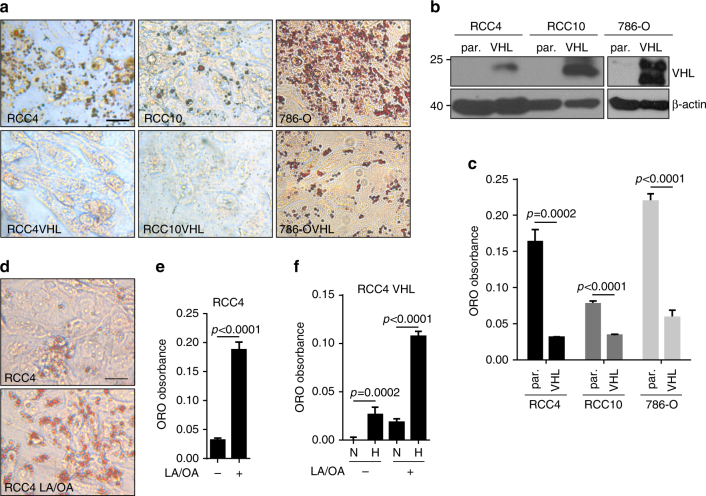
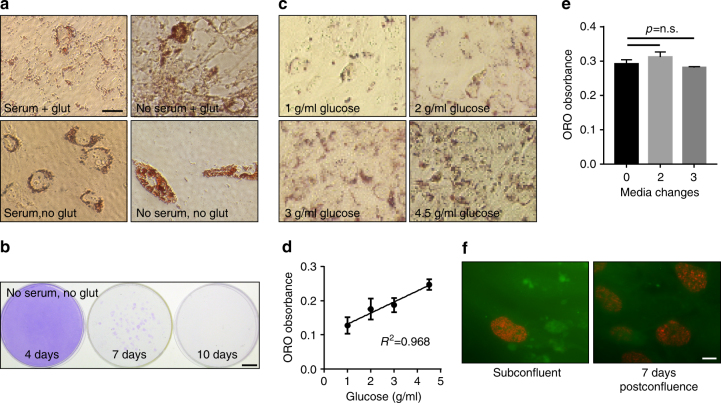
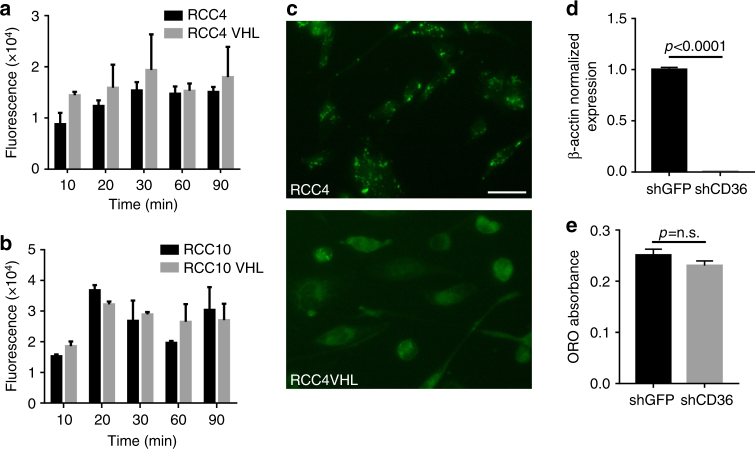
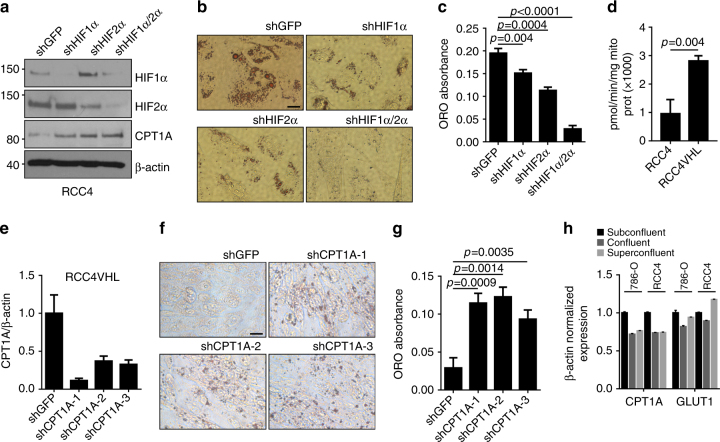
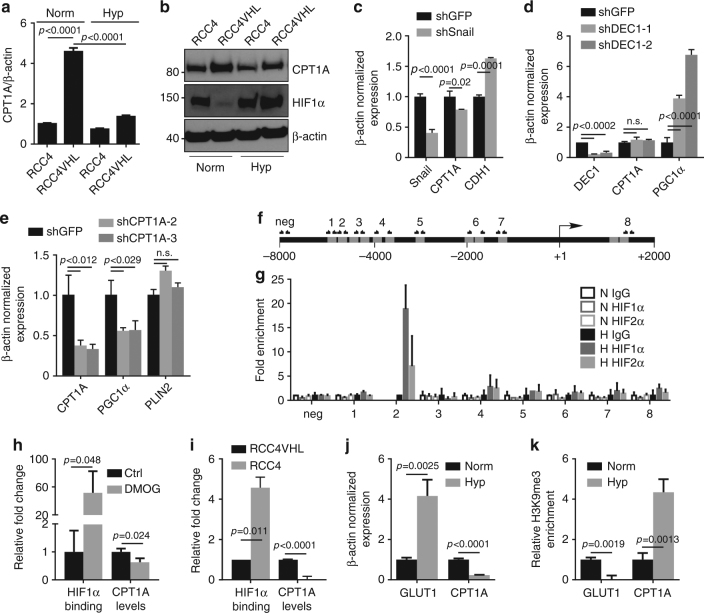
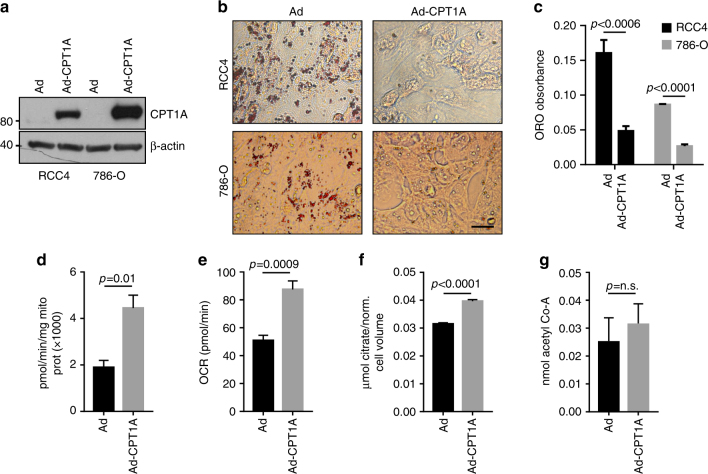
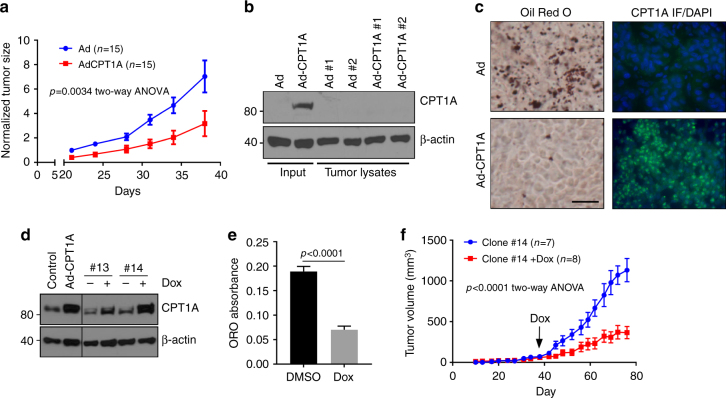
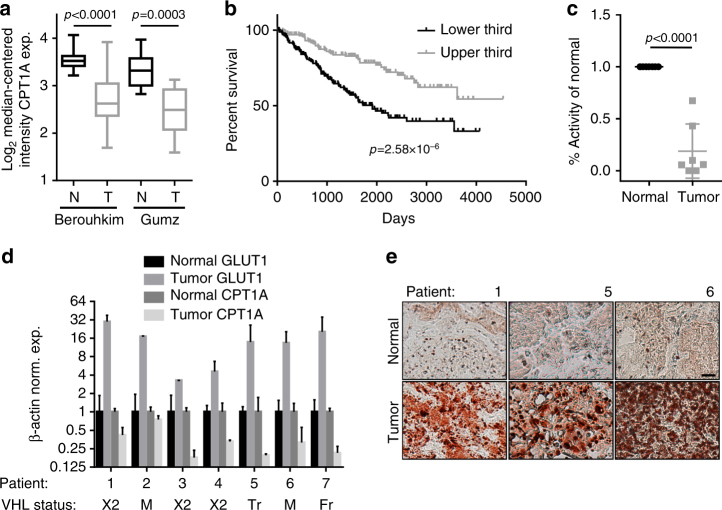
Clear cell renal cell carcinoma (ccRCC) is histologically defined by its lipid and glycogen-rich cytoplasmic deposits. Alterations in the VHL tumor suppressor stabilizing the hypoxia-inducible factors (HIFs) are the most prevalent molecular features of clear cell tumors. The significance of lipid deposition remains undefined. We describe the mechanism of lipid deposition in ccRCC by identifying the rate-limiting component of mitochondrial fatty acid transport, carnitine palmitoyltransferase 1A ( CPT1A ), as a direct HIF target gene. CPT1A is repressed by HIF1 and HIF2, reducing fatty acid transport into the mitochondria, and forcing fatty acids to lipid droplets for storage. Droplet formation occurs independent of lipid source, but only when CPT1A is repressed. Functionally, repression of CPT1A is critical for tumor formation, as elevated CPT1A expression limits tumor growth. In human tumors, CPT1A expression and activity are decreased versus normal kidney; and poor patient outcome associates with lower expression of CPT1A in tumors in TCGA. Together, our studies identify HIF control of fatty acid metabolism as essential for ccRCC tumorigenesis.
Overview
The claims and statistics of this paper haven’t been checked yet.
Free: it reads the open-access text and checks the first 5 claims that cite a source we can check. Create a free account to check every claim.
Integrity signals
Registry
Cites
Statistics
Figures
Verification
Claims the paper makes
The claims and statistics of this paper haven’t been checked yet.
Free: it reads the open-access text and checks the first 5 claims that cite a source we can check. Create a free account to check every claim.
Claims other papers make about this one
Each is checked against this paper’s own text: does it say what the citing paper says it does?
The cited source says what the claim attributes to it.
In the citing paper
“Indeed, both HIF-1α and HIF-2α suppress CPT1A, the rate limiting component for FA import into the mitochondria, thus channeling FAs away from β-oxidation to lipid storage, which is essential for ccRCC tumorigenesis [48].”
From The HIF Axes in Cancer - Angiogenesis, Metabolism and Immune-Modulation (2025) · cites this paper as [48]
In the citing paper
“Furthermore, HIF-2α represses the transcription of carnitine palmitoyltransferase 1A (CPT1A), which is responsible for mitochondrial β-oxidation by transporting fatty acids and results in lipid deposition78.”
From Glutamine reliance in cell metabolism (2020) · cites this paper as [78]
Self-check
Percentages, sums and reported differences re-computed from the paper’s own numbers.
The self-check needs the paper’s full text.
Citations
Cites
Hallmarks of Cancer: The Next Generation
Hanahan, D., & Weinberg, R. A. (2011) · Cell · doi:10.1016/j.cell.2011.02.013 · Cited by 66,590
Sulforhodamine B colorimetric assay for cytotoxicity screening
Vichai, V., & Kirtikara, K. (2006) · Nature Protocols · doi:10.1038/nprot.2006.179 · Cited by 3,671
Comprehensive molecular characterization of clear cell renal cell carcinoma
The Cancer Genome Atlas Research Network (2013) · Nature · doi:10.1038/nature12222 · Cited by 3,485
HIF-1 mediates adaptation to hypoxia by actively downregulating mitochondrial oxygen consumption
Papandreou, I., Cairns, R. A., Fontana, L., Lim, A. L., & Denko, N. C. (2006) · Cell Metabolism · doi:10.1016/j.cmet.2006.01.012 · Cited by 2,267
Cellular Fatty Acid Metabolism and Cancer
Currie, E., Schulze, A., Zechner, R., Walther, T. C., & Farese, R. V. (2013) · Cell Metabolism · doi:10.1016/j.cmet.2013.05.017 · Cited by 2,123
Reductive glutamine metabolism by IDH1 mediates lipogenesis under hypoxia
Metallo, C. M., Gameiro, P. A., Bell, E. L., Mattaini, K. R., Yang, J., Hiller, K., Jewell, C. M., Johnson, Z. R., Irvine, D. J., Guarente, L., et al. (2012) · Nature · doi:10.1038/nature10602 · Cited by 1,791
Kang, H. M., Ahn, S. H., Choi, P., Ko, Y.-A., Han, S. H., Chinga, F., Park, A. S. D., Tao, J., Sharma, K., Pullman, J., et al. (2015) · Nature Medicine · doi:10.1038/nm.3762 · Cited by 1,555
An Integrated Metabolic Atlas of Clear Cell Renal Cell Carcinoma
Hakimi, A. A., Reznik, E., Lee, C.-H., Creighton, C. J., Brannon, A. R., Luna, A., Aksoy, B. A., Liu, E. M., Shen, R., Lee, W., et al. (2016) · Cancer Cell · doi:10.1016/j.ccell.2015.12.004 · Cited by 798
The von Hippel–Lindau tumour suppressor protein: O2 sensing and cancer
Kaelin Jr, W. G. (2008) · Nature Reviews Cancer · doi:10.1038/nrc2502 · Cited by 726
Bensaad, K., Favaro, E., Lewis, C. A., Peck, B., Lord, S., Collins, J. M., Pinnick, K. E., Wigfield, S., Buffa, F. M., Li, J.-L., et al. (2014) · Cell Reports · doi:10.1016/j.celrep.2014.08.056 · Cited by 665
Cited by
Items 401–470 of 470
Cao, Y., Zhang, Q., Yang, H., Huang, Z., Chai, Z., Liu, J., Wang, J., Sun, Z., Zhao, T., Wang, G., et al. (2021) · Research Square · doi:10.21203/rs.3.rs-732169/v1 · Cited by 1
Intracytoplasmic lipid droplets in high grade glioma : metabolism and target for therapy
Murren, R. (2018) · University of Birmingham Institutional Research Archive (University of Birmingham)
PHD3 controls energy homeostasis and exercise capacityPreprint
Yoon, H., Spinelli, J. B., Zaganjor, E., Wong, S. J., German, N. J., Randall, E. C., Dean, A., Clermont, A. C., Paulo, J. A., Garcia, D., et al. (2019) · bioRxiv (Cold Spring Harbor Laboratory) · doi:10.1101/781765 · Cited by 1
Neumann, C. K. A., Massey, W. J., Orabi, D., Zhang, R., Silver, D. J., Lathia, J. D., & Brown, J. M. (2020) · bioRxiv (Cold Spring Harbor Laboratory) · doi:10.1101/2020.02.10.942458
“Although lipid metabolism and ccRCC has recently been studied [16], little has been done to address the relationship between lipid”
BackgroundThe role of the adipose tissue microenvironment in kidney cancer
Shen, K. (2020) · The University of Queensland · doi:10.14264/uql.2020.251
Cao, Y., Lingwei, W., Zhang, Q., Han, Y., Han, Y., Liu, J., Wang, J., Ma, L., Sun, Z., Zhao, T., et al. (2021) · Research Square · doi:10.21203/rs.3.rs-337079/v1
“[6-8] This results in continuous overexpression of downstream factors such as vascular endothelial growth factor (VEGF), which causes to high vascularization in normal tissues and promotes the production of erythropoietin (EPO), ultimately evolking the growth and proliferation of carcinoma and hindering the degradatio…”
BackgroundWang, P., & Zhao, G. (2021) · Research Square · doi:10.21203/rs.3.rs-1105354/v1
Yang, M., Wu, S., Cai, W., Ming, X., Zhou, Y., & Chen, X. (2022) · Research Square · doi:10.21203/rs.3.rs-1439230/v1
Saraswathidurai, V., Balasubramanian, S., Perumal, E., & Santhakumar, K. (2022) · SSRN Electronic Journal · doi:10.2139/ssrn.4185818
Scarpa, J. R., DiNatale, R. G., Mano, R., Silagy, A. W., Kuo, F., Irie, T., McCormick, P. J., Fischer, G. W., Hakimi, A. A., & Mincer, J. S. (2023) · doi:10.1158/0008-5472.c.6512577.v1
Wang, X., Deng, F., Wang, J., Chen, Q., & Lu, J. (2023) · Research Square · doi:10.21203/rs.3.rs-3159727/v1
Yang, M., Gong, C., Pang, D., Song, K., Huang, N., Ma, H., Gong, H., Chen, H., Xu, W., Yang, Y., et al. (2023) · Research Square · doi:10.21203/rs.3.rs-3282169/v1
HIF-1α/LAPTM5/STAT1 axis promotes the malignant progression of clear cell renal cell carcinomaPreprint
Li, Y.-L., Zhang, M.-M., Zhang, Z., Cheng, J., Xu, W.-Y., Yan, K.-Y., Liu, Y.-H., Zhang, H.-Q., & Zhang, C. (2023) · Research Square · doi:10.21203/rs.3.rs-3300556/v1
Wang, Y., Zhou, M., Zhu, Q., Zhang, C., Wang, L., Li, S., & Hu, Z. (2023) · PubMed Central · doi:10.12122/j.issn.1673-4254.2023.10.17 · Cited by 1
Wang, X., Deng, F., Liu, J.-X., Wang, J., Chen, Q., & Lu, J. (2024) · Biomolecules and Biomedicine · doi:10.17305/bb.2024.10304 · Cited by 2
“The accumulation of LD is one of the phenotypes of ccRCC [27].”
BackgroundSuppression of AQP7 is Crucial for Proliferation and Lipid Metabolism in ccRCCPreprint
Zhao, J., Wang, R., Jin, J., Bi, Y., Chen, X., & Wang, J. (2024) · Research Square · doi:10.21203/rs.3.rs-4058796/v1 · Cited by 1
Yang, M., Wu, S., Cai, W., Ming, X., Zhou, Y., & Chen, X. (2022) · Figshare · doi:10.6084/m9.figshare.20745285
Cancer Biology and Microenvironment
Wang, Y., Liu, T., Peng, S., Jin, L., & Chen, Y. (2025) · Springer eBooks · doi:10.1007/978-981-19-8930-8_1
Metabolic Supremacy Fuels Tumor Aggressiveness in Renal Cancer
Gholam, R., & Khalilzad, M. (2025) · annals of urologic oncology · doi:10.32948/auo.2025.03.01
Gan, T., Liu, X., Wang, H., & Wang, W. (2025) · Biology Bulletin · doi:10.1134/s106235902461053x
Zhang, L., Junco, M., Townsend, D. M., & Maldonado, E. N. (2025) · Advances in cancer research · doi:10.1016/bs.acr.2025.06.002 · Cited by 1
Self-citationSun, Y., Hao, Y., Peng, F., Ling, H., Sun, K., Qiu, J., Yang, T., Zhao, L., & Xia, Q. (2025) · Cancer Cell International · doi:10.1186/s12935-025-03904-w · Cited by 1
“Notably, VHL deficiency mutations - the cardinal genetic feature of ccRCC - stabilize HIF2α to transcriptionally regulate lipid metabolic molecules including SREBP1, SCD1 and CPT1A, thereby driving lipogenic oncogenesis [13, 26].”
Liu, Y., He, J., Lyu, D., Yang, X., Zhang, H., Tu, S., Yao, Y., Wei, M., Li, Y., Zhao, Z., et al. (2025) · Frontiers in Oncology · doi:10.3389/fonc.2025.1537805
“Besides, the expression and activity of Carnitine palmitoyl transferase 1A (CPT1A), which functions to transport lipids into mitochondria for further oxidative degradation (54), was down regulated in ccRCC (55).”
Mu, Z., Fu, H., Guo, S., Zhang, Z., Wang, Z., Wang, H., & Yin, J. (2025) · Medicine · doi:10.1097/md.0000000000044562
Jiang, Z., Wang, L., He, Z., Guo, L. Y., Wen, L., Fu, Y., Xiao, Q., Chen, G., & Liu, Y. (2025) · Frontiers in Pharmacology · doi:10.3389/fphar.2025.1736086
Lin, H., Fu, L., Li, P., Zhu, J., Xu, Q., Wang, Y., Mumin, M. A., Zhou, X., Chen, Y., Shu, G., et al. (2024) · Figshare · doi:10.6084/m9.figshare.26591399
Self-citationAdditional file 2 of Epigenetic signature predicts overall survival clear cell renal cell carcinoma
Wang, Y., Chen, L., Ju, L., Qian, K., Wang, X., Xiao, Y., & Wang, G. (2021) · Figshare · doi:10.6084/m9.figshare.14433140
Li, W., Wang, X., Zhang, X., Gong, P., Ding, D., Wang, N., & Wang, Z. (2021) · Figshare · doi:10.6084/m9.figshare.17006880
Chen, W., Xu, Z., You, W., Zhou, Y., Wang, L., Huang, Y., & Shan, T. (2023) · Figshare · doi:10.6084/m9.figshare.22615613
Lin, H., Fu, L., Li, P., Zhu, J., Xu, Q., Wang, Y., Mumin, M. A., Zhou, X., Chen, Y., Shu, G., et al. (2024) · Figshare · doi:10.6084/m9.figshare.26591408
Self-citationHuang, Y., Xiong, Z., Wang, J., Gao, Y., Cao, Q., Wang, D., Shi, J., Chen, Z., & Yang, X. (2024) · Figshare · doi:10.6084/m9.figshare.26686527
Li, W., Wang, X., Zhang, X., Gong, P., Ding, D., Wang, N., & Wang, Z. (2021) · Figshare · doi:10.6084/m9.figshare.17006883
Additional file 1 of Epigenetic signature predicts overall survival clear cell renal cell carcinoma
Wang, Y., Chen, L., Ju, L., Qian, K., Wang, X., Xiao, Y., & Wang, G. (2021) · Figshare · doi:10.6084/m9.figshare.14433137
Lin, H., Fu, L., Li, P., Zhu, J., Xu, Q., Wang, Y., Mumin, M. A., Zhou, X., Chen, Y., Shu, G., et al. (2024) · Figshare · doi:10.6084/m9.figshare.26591405
Self-citationZhai, B., Zhao, Y., Li, H., Li, S., Gu, J., Zhang, H., Zhang, Y., Li, H., Tian, Y., Li, G. X., et al. (2024) · Figshare · doi:10.6084/m9.figshare.24266060
Nguyen, T. T. M., Nguyen, T. H., Kim, H. S., Dao, T. T. P., Moon, Y., Seo, M., Kang, S., Mai, V.-H., An, Y. J., 정초록, et al. (2023) · Figshare · doi:10.6084/m9.figshare.22598942
Lin, H., Fu, L., Li, P., Zhu, J., Xu, Q., Wang, Y., Mumin, M. A., Zhou, X., Chen, Y., Shu, G., et al. (2024) · Figshare · doi:10.6084/m9.figshare.26591402
Self-citationChen, W., Xu, Z., You, W., Zhou, Y., Wang, L., Huang, Y., & Shan, T. (2023) · Figshare · doi:10.6084/m9.figshare.22615622
Huang, Y., Xiong, Z., Wang, J., Gao, Y., Cao, Q., Wang, D., Shi, J., Chen, Z., & Yang, X. (2024) · Figshare · doi:10.6084/m9.figshare.25310122
Xiao, H., Qu, Y., Li, H., Zhang, Y., Fei, M., Liang, C., Yang, H., & Zhang, X. (2024) · Figshare · doi:10.6084/m9.figshare.25052259
Xiao, H., Qu, Y., Li, H., Zhang, Y., Fei, M., Liang, C., Yang, H., & Zhang, X. (2024) · Figshare · doi:10.6084/m9.figshare.25052467
Additional file of Epigenetic signature predicts overall survival clear cell renal cell carcinoma
Wang, Y., Chen, L., Ju, L., Qian, K., Wang, X., Xiao, Y., & Wang, G. (2021) · Figshare · doi:10.6084/m9.figshare.14433146
Liu, R., Feng, Y., Deng, Y., Zou, Z., Ye, J., Cai, Z., Zhu, X., Liang, Y., Lu, J., Zhang, H., et al. (2021) · Figshare · doi:10.6084/m9.figshare.14746861
Huang, Y., Xiong, Z., Wang, J., Gao, Y., Cao, Q., Wang, D., Shi, J., Chen, Z., & Yang, X. (2024) · Figshare · doi:10.6084/m9.figshare.25310214
Chen, W., Xu, Z., You, W., Zhou, Y., Wang, L., Huang, Y., & Shan, T. (2023) · Figshare · doi:10.6084/m9.figshare.22615604
Li, W., Wang, X., Zhang, X., Gong, P., Ding, D., Wang, N., & Wang, Z. (2021) · Figshare · doi:10.6084/m9.figshare.17006877
Zhai, B., Zhao, Y., Li, H., Li, S., Gu, J., Zhang, H., Zhang, Y., Li, H., Tian, Y., Li, G. X., et al. (2023) · Figshare · doi:10.6084/m9.figshare.24266034
Huang, Y., Xiong, Z., Wang, J., Gao, Y., Cao, Q., Wang, D., Shi, J., Chen, Z., & Yang, X. (2024) · Figshare · doi:10.6084/m9.figshare.26686524
Geng, P., Ye, F., Dou, P., Hu, C., He, J., Zhao, J., Li, Q., Bao, M., Li, X., Liu, X., et al. (2024) · Figshare · doi:10.6084/m9.figshare.27132738
Huang, Y., Xiong, Z., Wang, J., Gao, Y., Cao, Q., Wang, D., Shi, J., Chen, Z., & Yang, X. (2024) · Figshare · doi:10.6084/m9.figshare.26686521
Chen, W., Xu, Z., You, W., Zhou, Y., Wang, L., Huang, Y., & Shan, T. (2023) · Figshare · doi:10.6084/m9.figshare.22615610
Additional file 3 of Epigenetic signature predicts overall survival clear cell renal cell carcinoma
Wang, Y., Chen, L., Ju, L., Qian, K., Wang, X., Xiao, Y., & Wang, G. (2021) · Figshare · doi:10.6084/m9.figshare.14433143
Chen, W., Xu, Z., You, W., Zhou, Y., Wang, L., Huang, Y., & Shan, T. (2023) · Figshare · doi:10.6084/m9.figshare.22615601
Weng, K. Q., Li, X., Chen, X. B., Lin, J. W., Liu, L. J., Yan, L. Y., & Xie, R. Y. (2026) · Frontiers in Cell and Developmental Biology · doi:10.3389/fcell.2026.1720910
Hyperoxia-induced fatty liver injury through the AKT-dependent and HIF-2α-independent pathways
Song, Y., Lee, S. R., & Lee, B. (2026) · American Journal of Physiology-Gastrointestinal and Liver Physiology · doi:10.1152/ajpgi.00334.2025
di, S., Liu, J., Gu, Z., Jin, C., Zhang, J., Li, K., Liu, Y. K., Chen, H., Yang, W., Chen, W., et al. (2026) · Research Square · doi:10.21203/rs.3.rs-9456354/v1
di, S., Ji, L., Gu, Z., Jin, C., Zhang, J., Li, K., Liu, Y., Chen, H. Y., Yang, W., Chen, W., et al. (2026) · International Immunopharmacology · doi:10.1016/j.intimp.2026.117006
Overview of clear cell renal cell carcinoma: from mechanisms to clinical
Yang, H., Zhang, X., Ji, Q., & Sheng, X. (2026) · Frontiers in Medicine · doi:10.3389/fmed.2026.1822724
“In addition, CPT1A is a direct target of HIF-α and CPT1A inhibits the growth of VHL-deficient ccRCC, its expression is repressed by both HIF-1 α and HIF-2 α (65).”
InfluentialGenetic Links Between Cancer and Coronary Atherosclerosis: A Mendelian Randomization Analysis
Fan, Y., Liu, M., Zhang, L. J., Liu, F., Dong, J., Zhang, M. Y., Zhang, L., Sun, Y., Yao, W., & Geng, W. (2026) · Human Mutation · doi:10.1155/humu/5997499
“Chronic renal hypoxia in renal cell carcinoma has been shown to lead to increased lipid peroxidation and overexpression of angiotensin receptors, while downregulating angiotensin-converting enzyme [8].”
Self-citationQuinlan, L., Yeung, D. T. O., Heatley, S. L., White, D. L., & Page, E. C. (2026) · Leukemia · doi:10.1038/s41375-026-03060-8
“Enhanced FA and cholesterol synthesis in hypoxic conditions lead to the accumulation of lipid droplets in clear-cell renal-cell carcinoma cells, yet CNS-derived B-ALL cells have fewer lipid droplets than those derived from the BM in vivo [43, 108, 109].”
Oh, W. J., Park, J. O., Dahanayake, T. K., Yeom, S. Y., Ryu, H., Seo, S. I., & Kim, T. J. (2026) · Frontiers in Immunology · doi:10.3389/fimmu.2026.1864165
Tang, J., Joyce, N., Laval, T., Tam, E., Sung, H. K., Ouimet, M. I., & Sweeney, G. (2026) · MedComm · doi:10.1002/mco2.70845
“Recent evidence suggests that defects in lipid handling can induce a state of “pseudo-hypoxia,” where metabolic intermediates or oxidative stress stabilize HIF-1 α even in the absence of severe environmental hypoxia [ 54–58 ].”
Renal cell carcinoma: molecular understanding and therapeutic development
Hou, T., Hua, X., Wei Min, N. I., Yan, P., Inuzuka, H., & Wei, W. (2026) · Cell Death and Differentiation · doi:10.1038/s41418-026-01857-9
Shen, Z., Zhao, Y., Jia, M., Shi, M., Yang, Y., Sun, Y., Li, Y., Liu, X., Shan, Z., & Zhao, L. (2026) · Journal of Lipid Research · doi:10.1016/j.jlr.2026.101139
“Studies have suggested that hypoxia can significantly affect lipid metabolism (42, 43), but there is no clear study on whether it leads to ferroptosis resistance by regulating lipid metabolism in glioma.”
Wu, L., Xue, H., Wu, Y., Shen, N., Yang, Z., Gao, L., Ma, W., & Wang, C. (2026) · Oncology Reviews · doi:10.3389/or.2026.1887460
“Previous studies have largely attributed this phenotype to loss of the VHL gene, which induces persistent HIF activation, thereby enhancing fatty acid synthesis and suppressing lipid β -oxidation, and ultimately driving lipid metabolic reprogramming in tumor cells (2, 5, 11, 17).”
InfluentialRustum, Y. M. (2026) · International Journal of Molecular Sciences · doi:10.3390/ijms27177858
“This repression reduces fatty acid transport into mitochondria, promotes lipid accumulation, and shifts cellular metabolism away from β -oxidation, which has been observed in ccRCC [46,47].”
Zhang, T., Niu, Y., Chen, M., Ge, Y., Yin, L., Pu, Y., Yang, S., Chen, Z., & Liang, G. (2026) · Environment International · doi:10.1016/j.envint.2026.110497
Impact of renal lipid droplet dynamics on tubular health
Heneberg, P., & Šimčíková, D. (2026) · Journal of Lipid Research · doi:10.1016/j.jlr.2026.101101
Singh, P., Pathak, T., Chauhan, M., Roy, P., & Sadhu, K. K. (2026) · Chemistry - A European Journal · doi:10.1002/chem.71725
Metadata
- Authors
- Du, W., Zhang, L., Brett-Morris, A., Aguila, B., Kerner, J., Hoppel, C. L., Puchowicz, M., Serra, D., Herrero, L., Rini, B. I., Campbell, S., & Welford, S. M.
- Affiliations
- Case Comprehensive Cancer Center (US)
- Case Western Reserve University (US)
- Instituto de Salud Carlos III (ES)
- Cleveland Clinic (US)
- Corresponding author
- Welford, Scott M.
- ORCID
- Venue
- Nature Communications
- Published
- 2017-11-24
- Volume
- 8
- Issue
- 1
- Pages
- 1769-1769
- ISSN
- 2041-1723 (ISSN-L)
- PMC
- PMC5701259
- OpenAlex
- W2768435200
- Semantic Scholar
- aba62b7a26062454720589f3fa85359ad3992682
- Cited by
- 468
- References
- 46
- Citations by year
- 2026: 36 · 2025: 65 · 2024: 73 · 2023: 83 · 2022: 56 · 2021: 64 · 2020: 47 · 2019: 27 · 2018: 17
- FWCI
- 8.36
- Type
- journal article
- Language
- en
- Open access
- gold
- doi.org
- Licence
- cc-by
- creativecommons.org/licenses/by/4.0 (tdm)
- creativecommons.org/licenses/by/4.0 (vor)
- Locations
- Nature Communications (publishedVersion, cc-by)
- PubMed Central (publishedVersion, cc-by)
- PubMed (publishedVersion)
- Dipòsit Digital de la Universitat de Barcelona (Universitat de Barcelona) (publishedVersion, cc-by)
- RePEc: Research Papers in Economics (submittedVersion)
- DOAJ (DOAJ: Directory of Open Access Journals) (submittedVersion, cc-by-sa)
- RECERCAT (Consorci de Serveis Universitaris de Catalunya) (submittedVersion, cc-by)
- Funders
- Case Comprehensive Cancer Center, Case Western Reserve University (P30CA43703)
- National Institutes of Health (UL1TR000439)
- National Cancer Institute (R21CA178157, P30CA043703)
- National Center for Advancing Translational Sciences
- Topics
- Life Sciences › Biochemistry, Genetics and Molecular Biology › Cancer Research › Cancer, Lipids, and Metabolism
- Life Sciences › Biochemistry, Genetics and Molecular Biology › Cancer Research › Cancer, Hypoxia, and Metabolism
- Life Sciences › Biochemistry, Genetics and Molecular Biology › Cancer Research › Ferroptosis and cancer prognosis
- Keywords
- clear cell renal cell carcinoma, hypoxia-inducible factor, HIF-1, HIF-2, VHL tumor suppressor, CPT1A, fatty acid uptake, mitochondrial fatty acid metabolism, lipid droplets, lipid accumulation, tumor growth, carcinogenesis, prognostic factors
- MeSH terms
- Endothelial PAS Domain-Containing Protein 1, Animals, Carcinoma, Renal Cell, Carnitine O-Palmitoyltransferase, Fatty Acids, Female, Humans, Kidney Neoplasms, Mice, Inbred BALB C, Mice, Nude, Mitochondria, Cell Line, Tumor, Basic Helix-Loop-Helix Transcription Factors, Basic Helix-Loop-Helix Proteins, Hypoxia-Inducible Factor 1, alpha Subunit, Carcinogenesis
About these checks
Registry, retraction, Cites and statistics results are computed, not judged, with one exception: a printed reference that no index lists is read once by a model before it counts as a citation error. Claims are extracted by a model and kept only when their quote appears verbatim in the text; each cited source is then checked, with a model’s help, for whether it says what the claim relies on. Those verdicts can be wrong — read the claim’s quote and the cited source before relying on one.
Statistics and arithmetic are recomputed, not judged.
Confidence bands are shown only for fields calibrated on our annotated test set. None is calibrated yet, so no band is shown.
What counts as a claim ›How we measure confidence ›How we check this ›
Are you an author, or do you see a problem with this page? Request a review
Data sources
Bibliographic data: Semantic Scholar, OpenAlex, Crossref.
Contains information from the Semantic Scholar Academic Graph Datasets, made available under the ODC Attribution License (ODC-BY 1.0).
Semantic Scholar’s data is described in: Kinney, R., et al. (2023). The Semantic Scholar Open Data Platform. arXiv:2301.10140.
