

The DOI matches its Crossref record; 83 of the 83 references it cites were found in a registry or an index.
Assembly of 913 microbial genomes from metagenomic sequencing of the cow rumen
Open accessAbstract
The cow rumen is adapted for the breakdown of plant material into energy and nutrients, a task largely performed by enzymes encoded by the rumen microbiome. Here we present 913 draft bacterial and archaeal genomes assembled from over 800 Gb of rumen metagenomic sequence data derived from 43 Scottish cattle, using both metagenomic binning and Hi-C-based proximity-guided assembly. Most of these genomes represent previously unsequenced strains and species. The draft genomes contain over 69,000 proteins predicted to be involved in carbohydrate metabolism, over 90% of which do not have a good match in public databases. Inclusion of the 913 genomes presented here improves metagenomic read classification by sevenfold against our own data, and by fivefold against other publicly available rumen datasets. Thus, our dataset substantially improves the coverage of rumen microbial genomes in the public databases and represents a valuable resource for biomass-degrading enzyme discovery and studies of the rumen microbiome.
Overview
The claims and statistics of this paper haven’t been checked yet.
Run the check — free, no account needed. It reads the open-access text and checks the sources it cites.
Integrity signals
Registry
Cites
Statistics
Figures
Verification
Claims the paper makes
The claims and statistics of this paper haven’t been checked yet.
Run the check — free, no account needed. It reads the open-access text and checks the sources it cites.
Claims other papers make about this one
Each is checked against this paper’s own text: does it say what the citing paper says it does?
In the citing paper
“Subsequently, Svartstrom et al. (2017) assembled 99 microbial genomes from the moose rumen, Stewart et al. (2018) assembled 913 microbial genomes from the rumen of cattle, and Parks et al. (2017) assembled over 8,000 novel microbial genomes from 1,500 public datasets, some of which originated from the rumen.”
From Addressing global ruminant agricultural challenges through understanding the rumen microbiome: past, present, and future (2018) · cites this paper as Stewart et al., 2018
In the citing paper
“Hi-C binning has been used effectively on human feces (Press et al., 2017) as well as in ruminants (Stewart et al., 2018).”
From Addressing global ruminant agricultural challenges through understanding the rumen microbiome: past, present, and future (2018) · cites this paper as Stewart et al., 2018
Self-check
Percentages, sums and reported differences re-computed from the paper’s own numbers.
The self-check needs the paper’s full text.
Citations
Cites
Trimmomatic: a flexible trimmer for Illumina sequence data
Bolger, A. M., Lohse, M., & Usadel, B. (2014) · Bioinformatics · doi:10.1093/bioinformatics/btu170 · Cited by 65,548
The Sequence Alignment/Map format and SAMtools
Li, H., Handsaker, B., Wysoker, A., Fennell, T., Ruan, J., Homer, N., Marth, G., Abecasis, G., Durbin, R., & 1000 Genome Project Data Processing Subgroup (2009) · Bioinformatics · doi:10.1093/bioinformatics/btp352 · Cited by 62,041
Fast and accurate short read alignment with Burrows-Wheeler transform
Li, H., & Durbin, R. (2009) · Bioinformatics · doi:10.1093/bioinformatics/btp324 · Cited by 58,607
BLAST+: architecture and applications
Camacho, C., Coulouris, G., Avagyan, V., Ma, N., Papadopoulos, J., Bealer, K., & Madden, T. L. (2009) · BMC Bioinformatics · doi:10.1186/1471-2105-10-421 · Cited by 22,074
Fast and sensitive protein alignment using DIAMOND
Buchfink, B., Xie, C., & Huson, D. H. (2015) · Nature Methods · doi:10.1038/nmeth.3176 · Cited by 14,201
Aligning sequence reads, clone sequences and assembly contigs with BWA-MEMPreprint
Li, H. (2013) · arXiv (Cornell University) · doi:10.48550/arxiv.1303.3997 · Cited by 10,846
Li, D., Liu, C.-M., Luo, R., Sadakane, K., & Lam, T. (2015) · Bioinformatics · doi:10.1093/bioinformatics/btv033 · Cited by 10,133
UniProt: the Universal Protein knowledgebase
Apweiler, R. (2003) · Nucleic Acids Research · doi:10.1093/nar/gkh131 · Cited by 7,593
The carbohydrate-active enzymes database (CAZy) in 2013
Lombard, V., Ramulu, H. G., Drula, É., Coutinho, P. M., & Henrissat, B. (2013) · Nucleic Acids Research · doi:10.1093/nar/gkt1178 · Cited by 6,452
O'Leary, N. A., Wright, M. W., Brister, J. R., Ciufo, S., Haddad, D., McVeigh, R., Rajput, B., Robbertse, B., Smith-White, B., Ako-Adjei, D., et al. (2016) · Nucleic Acids Research · doi:10.1093/nar/gkv1189 · Cited by 6,357
Cited by
Sorted by citations
Items 301–400 of 600
Jung, J. S., Soundharrajan, I., Kim, D., Baik, M., Ha, S., & Choi, K. C. (2022) · International Journal of Molecular Sciences · doi:10.3390/ijms232012391 · Cited by 10
“They have a low protein binding ability and are capable of digesting a wide range of carbohydrate substrates [39].”
BackgroundFunctional Diversity within Gut Microbiomes: Implications for Conserving Biodiversity
Dodd, C. S., & Grueber, C. E. (2021) · Conservation · doi:10.3390/conservation1040024 · Cited by 10
Rajput, V., Samson, R., Yadav, R., Dastager, S. G., Khairnar, K., & Dharne, M. S. (2022) · 3 Biotech · doi:10.1007/s13205-022-03190-7 · Cited by 8
Zhao, J., Zhao, X., Gao, J., Bai, B., Niu, J., Yang, Y., Zhao, G., Wang, Z., Xu, Z., Wang, J., et al. (2024) · Journal of Animal Science · doi:10.1093/jas/skae173 · Cited by 9
Shah, T., Guo, X., Song, Y., Fang, Y., & Ding, L. (2024) · Animals · doi:10.3390/ani14162380 · Cited by 9
Ye, X., Sahana, G., Lund, M. S., & Cai, Z. (2025) · World Journal of Microbiology and Biotechnology · doi:10.1007/s11274-025-04504-6 · Cited by 10
“Subsequent efforts have further enriched genomic resources, including 913 metagenome-assembled genomes (MAGs) (Stewart et al. 2018), 4941 MAGs (Stewart et al. 2019), over 10,000 MAGs from ruminants (Xie et al. 2021), and 1200 high-quality MAGs from African cattle (Wilkinson et al. 2020) (Fig.”
Souza, J. M., Ribeiro, P. H. C., & Millen, D. D. (2026) · Frontiers in Microbiology · doi:10.3389/fmicb.2026.1735296 · Cited by 12
“…Prevotella within the Bacteroidetes phylum are highly adapted to the utilization of non-fiber carbohydrates, producing amy-lases and glycosidases that facilitate the rapid fermentation of starches and soluble polysaccharides (Purushe et al., 2010; Stewart et al., 2018; Accetto and Avguštin, 2019).”
Dong, Q., Hua, D., Wang, X., Jiao, Y., Liu, L., Deng, Q., Wu, T., Zou, H., Zhao, C., Wang, C., et al. (2024) · The ISME Journal · doi:10.1093/ismejo/wrad022 · Cited by 10
“We compared these representative genomes with existing microbial genomes obtained from cattle, including RUG [45], RUG2.”
BackgroundResultDevant, M., Yu, S., Genís, S., Larsen, T., & Wenting, L. (2020) · Animals · doi:10.3390/ani10061077 · Cited by 9
“Glucoamylases were selected in this study considering rumen microbiota metagenome data available in recent years showing more abundancy of AA genes than GA genes [5,6].”
MethodResultAge-related compositional and functional changes in the adult and breastfed buffalo rumen microbiome
Xu, Y., Feng, T., Ding, Z., Li, L., Li, Z., Cui, K., Chen, W., Pan, H., Zhu, P., & Liu, Q. (2024) · Frontiers in Microbiology · doi:10.3389/fmicb.2024.1342804 · Cited by 8
Sun, F., Yang, H., Zhang, X., Tan, F., Wang, G., & Shi, Q. (2024) · Marine Environmental Research · doi:10.1016/j.marenvres.2024.106694 · Cited by 8
Can meta-omics revolutionize our understanding of rumen methane emissions?
Zhao, H., Bai, S., Tan, J. F., Liu, M., Zhao, Y., & Jiang, L. (2024) · Animal Nutriomics · doi:10.1017/anr.2024.18 · Cited by 9
Liang, J., Lv, L., Sun, L., Chen, L., Zhang, G., & Zhang, P. (2025) · Journal of environmental chemical engineering · doi:10.1016/j.jece.2025.115851 · Cited by 8
Potential role of key rumen microbes in regulating host health and growth performance in Hu sheep
Xie, X., Yang, H., Zhao, X., Li, T., Yang, Y., & Luo, H. (2025) · Animal Microbiome · doi:10.1186/s42523-025-00412-0 · Cited by 9
“…enzymes in the rumen and include a large class of enzymes involved in the metabolism of polysaccharides such as starch, cellulose, lignin, and chitin, responsible for catalyzing the hydrolysis of glycosidic bonds in complex carbohydrates [9, 73], and promoting the production of VFAs in the rumen.”
Avila-Jaime, B., Kawas, J. R., & García-Mazcorro, J. F. (2018) · Livestock Science · doi:10.1016/j.livsci.2018.04.017 · Cited by 8
Yang, R., Guo, Y., Zhang, S., Hao, Q., Duan, C., Wang, Y., Ji, S., Yan, H., Zhang, Y., & Liu, Y. (2023) · Fermentation · doi:10.3390/fermentation9030256 · Cited by 8
Walter, J. M., de Oliveira, L. S., Tschoeke, D. A., Meirelles, P. M., Neves, M. H. C. B., Batista, D., Carvalho, A. P., Costa, R. D. S., Dobretsov, S., Coutinho, R., et al. (2021) · Frontiers in Marine Science · doi:10.3389/fmars.2021.715335 · Cited by 8
Uehara, M., Inoue, T., Kominato, M., Hase, S., Sasaki, E., Toyoda, A., & Sakakibara, Y. (2022) · mSystems · doi:10.1128/msystems.00520-22 · Cited by 8
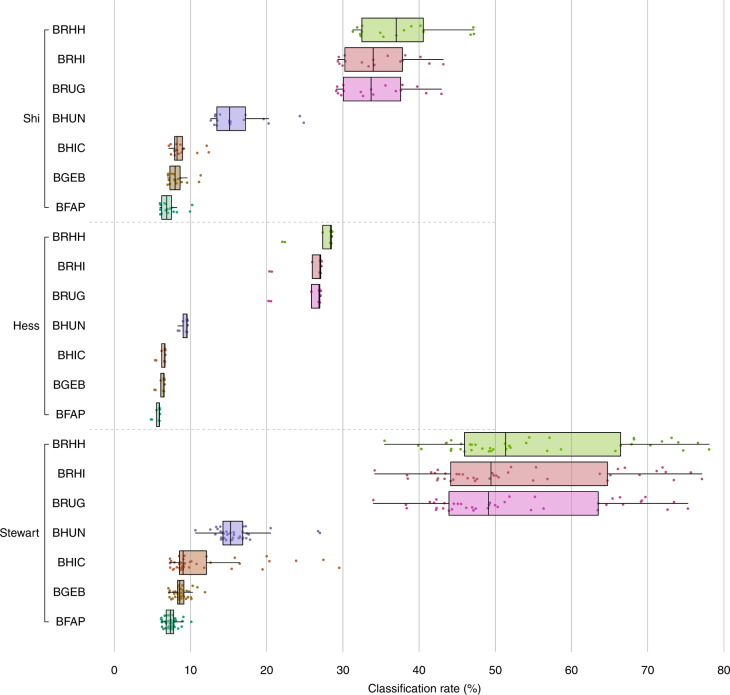
“these reconstructed genomes improved the metagenomic read classification 7-fold (15).”
BackgroundSonbol, H. S., & Jalal, R. S. (2024) · Rhizosphere · doi:10.1016/j.rhisph.2024.101001 · Cited by 7
The main representatives of the rumen microbiome (review)
Miroshnikova, M. S. (2020) · Животноводство и кормопроизводство · doi:10.33284/2658-3135-103-4-174 · Cited by 8
Strain-Level Dynamics Reveal Regulatory Roles in Atopic Eczema by Gut Bacterial Phages
Chu, Y., Meng, Q., Yu, J., Zhang, J., Chen, J., & Kang, Y. (2023) · Microbiology Spectrum · doi:10.1128/spectrum.04551-22 · Cited by 7
Arumugam, K., Bessarab, I. N., Haryono, M., Liu, X., Zuniga-Montanez, R. E., Roy, S., Qiu, G., Drautz‐Moses, D. I., Law, Y., Wuertz, S., et al. (2020) · bioRxiv (Cold Spring Harbor Laboratory) · doi:10.1101/2020.03.12.974238 · Cited by 7
Ng'etich, D. K., Bett, R. C., Gachuiri, C. K., & Kibegwa, F. M. (2022) · Research Square · doi:10.21203/rs.3.rs-1120235/v1 · Cited by 7
Multi-Omics Reveals Microbial Roles and Metabolic Functions at the Spatiotemporal Niche in Pit MudPreprint
Ren, D., Liu, S., Zhang, S., Qin, H., Han, X., & Mao, J. (2022) · Research Square · doi:10.21203/rs.3.rs-1251838/v1 · Cited by 7
Myeong, N. R., Choe, Y., Shin, S. C., Kim, J., Sul, W. J., & Kim, M. (2024) · Scientific Data · doi:10.1038/s41597-024-03875-z · Cited by 7
“Deeper sequencing enhances our understanding at the genome level by reconstructing metagenome-assembled genomes (MAGs), which is particularly useful in less complex environments 12,13 .”
BackgroundGenome-centric metagenomics reveals uncharacterised microbiomes in Angus cattle
Legrand, T. P. R. A., Alexandre, P. A., Wilson, A., Farr, R. J., Reverter, A., & Denman, S. E. (2025) · Scientific Data · doi:10.1038/s41597-025-04919-8 · Cited by 10
McCorison, C. B., Kim, T., Donato, J. J., & LaPara, T. M. (2025) · Environmental Microbiology · doi:10.1111/1462-2920.70036 · Cited by 8
“(Press et al. 2017; Stewart et al. 2018).”
Whitener, M. R., Mangelson, H., & Sweigart, A. L. (2024) · Evolution · doi:10.1093/evolut/qpae079 · Cited by 4
Rodents consuming the same toxic diet harbor a unique functional core microbiome
Stapleton, T. E., Lindsey, L. M., Sundar, H., & Dearing, M. D. (2024) · Animal Microbiome · doi:10.1186/s42523-024-00330-7 · Cited by 7
“However, poorly studied hosts living in natural environments, much of the genetic information recovered cannot be classified with currently available databases, as was the case in this study and many others [38, 49, 97, 107, 117].”
BackgroundLi, W., Lila Kari, A., Yu, Y., & Hug, L. A. (2023) · PLoS ONE · doi:10.1371/journal.pone.0283536 · Cited by 6
Laso‐Jadart, R., O’Malley, M., Sykulski, A. M., Ambroise, C., & Madoui, M. (2023) · BMC Ecology and Evolution · doi:10.1186/s12862-023-02160-8 · Cited by 13
Zhao, X., Zhang, Y., He, B., Han, Y., Shen, B., Zang, Y., & Wang, H. (2023) · Applied and Environmental Microbiology · doi:10.1128/aem.00474-23 · Cited by 6
“On the other hand, due to the significant differences in diet between humans and ruminants, as well as variations in microbial community structure (19, 20), specific ecological niches have emerged, promoting the evolution of strains in different directions.”
BackgroundManipulating the rumen microbiome to address challenges facing Australasian dairy farming
Stanton, C., Leahy, S. C., Kelly, B., Ross, R. P., & Attwood, G. T. (2019) · Animal Production Science · doi:10.1071/an18611 · Cited by 6
Characteristics of ruminal microbial community: Evolutionary and ecological perspectives
Patra, A. K. (2020) · Indian Journal of Animal Health · doi:10.36062/ijah.59.2spl.2020.114-127 · Cited by 6
Potentilla anserina L. developmental changes affect the rhizosphere prokaryotic community
Wang, Y., Liu, Y., Li, X., Han, X., Zhang, Z., Ma, X., & Li, J. (2021) · Scientific Reports · doi:10.1038/s41598-021-82610-9 · Cited by 6
Dong, X., Rattray, J. E., Campbell, D. C., Webb, J., Chakraborty, A., Adebayo, O., Matthews, S., Li, C., Fowler, M. G., MacDonald, A., et al. (2020) · bioRxiv (Cold Spring Harbor Laboratory) · doi:10.1101/2020.02.02.928283 · Cited by 7
A Comprehensive Analysis of the Global Human Gut Archaeome from a Thousand Genome CataloguePreprint
Chibani, C. M., Mahnert, A., Borrel, G., Almeida, A., Werner, A., Brugère, J., Gribaldo, S., Finn, R. D., Schmitz, R. A., & Moissl‐Eichinger, C. (2020) · SSRN Electronic Journal · doi:10.2139/ssrn.3742253 · Cited by 6
Comprehensive mouse gut metagenome catalog reveals major difference to the human counterpartPreprint
Kieser, S., Zdobnov, E. M., & Trajkovski, M. (2021) · bioRxiv (Cold Spring Harbor Laboratory) · doi:10.1101/2021.03.18.435958 · Cited by 6
Laso‐Jadart, R., O’Malley, M., Sykulski, A. M., Ambroise, C., & Madoui, M. (2021) · bioRxiv (Cold Spring Harbor Laboratory) · doi:10.1101/2021.04.29.441957 · Cited by 6
Prokaryotic cellulase gene clusters derived from 2,305 metagenomes
Song, B., Tria, F. D. K., & Skejo, J. (2025) · Scientific Data · doi:10.1038/s41597-025-04524-9 · Cited by 5
Exploration of mobile genetic elements in the ruminal microbiome of Nellore cattle
Faleiros, C. A., Nunes, A. T., Gonçalves, O. S., Alexandre, P. A., Poleti, M., Mattos, E. C., Perna, F., Rodrigues, P. H. M., & Fukumasu, H. (2024) · Scientific Reports · doi:10.1038/s41598-024-63951-7 · Cited by 5
“To prepare Hi-C libraries, the Phase Genomics ProxiMeta Hi-C kit v4.”
MethodResultInfluentialZhou, S., Liu, H., Bai, X., Li, D., Wang, T., Zhong, H., Gao, W., & Sun, J. (2025) · Frontiers in Microbiology · doi:10.3389/fmicb.2025.1652757 · Cited by 5
“…in humans (Almeida et al., 2021) and chickens (Huang et al., 2018), and thousands of MAGs have been generated from diverse hosts, including humans (Pasolli et al., 2019), ruminants (Stewart et al., 2018), chickens (Glendinning et al., 2020), pigs (Wang et al., 2019), and horses (Li et al., 2023).”
Moon, H., Saha, S., Mugler, A., & Han, B. (2022) · Lab on a Chip · doi:10.1039/d2lc00807f · Cited by 5
Zapata, C., Estrada, R., Oros, O., Sánchez, D. C. S., Maicelo, J. L., Arbizu, C. I., & Añasco, P. U. C. (2024) · Small Ruminant Research · doi:10.1016/j.smallrumres.2024.107273 · Cited by 6
Pathak, N., Guan, H., Fan, P. F., Sultana, H., Arriola, K. G., Oyebade, A., NinoDeGuzman, C., Malekkhahi, M., Jeong, K. C., & Vyas, D. (2024) · JDS Communications · doi:10.3168/jdsc.2024-0566 · Cited by 5
Mao, K., Lu, G., Zang, Y., Qiu, Q., Zhao, X., Ouyang, K., Qu, M., & Li, Y. (2024) · BMC Microbiology · doi:10.1186/s12866-024-03638-1 · Cited by 5
Wu, Z., Famous, M., Stoikidou, T., Bowden, F. E. S., Dominic, G., Huws, S., Godoy-Santos, F., & Oyama, L. B. (2025) · International Journal of Antimicrobial Agents · doi:10.1016/j.ijantimicag.2025.107494 · Cited by 6
Nie, X., Chen, X., Lu, X., Yang, S., Wang, X., Liu, F., Yang, J., Guo, Y., Shi, H., Xu, H.-L., et al. (2025) · Foods · doi:10.3390/foods14081378 · Cited by 5
“Overall, the findings indicate that this maize is associated with a high prevalence of toxic fungi, the accumulation of mycotox-ins, and potential hazards to human and animal health.”
Evolution of Holobionts: The Hologenome Concept
ROSENBERG, E. B. (2021) · The microbiomes of humans, animals, plants, and the environment · doi:10.1007/978-3-030-65317-0_9 · Cited by 6
Metagenomes Binning Using Proximity-Ligation Data
Marbouty, M., & Koszul, R. (2021) · Methods in molecular biology · doi:10.1007/978-1-0716-1390-0_8 · Cited by 5
Rumen microbial genomics: from cells to genes (and back to cells)
Popova, M., Fakih, I., Forano, É., Siegel, A., Muñoz‐Tamayo, R., & Morgavi, D. (2022) · CABI Reviews · doi:10.1079/cabireviews202217025 · Cited by 6
Foo, A., Cerdeira, L., Hughes, G. L., & Heinz, E. (2023) · Wellcome Open Research · doi:10.12688/wellcomeopenres.19155.1 · Cited by 5
Sanchez, M. R., Denning, E., Biondi, T. C., Hovde, B. T., Eacker, S. M., Getto, S., Kaur, H., Jebali, A., Echenique‐Subiabre, I., Green, M., et al. (2023) · Algal Research · doi:10.1016/j.algal.2023.103194 · Cited by 5
Zhang, Z., Zhang, L., Zhang, G., Zhao, Z., Wang, H., & Ju, F. (2023) · Microbiology Spectrum · doi:10.1128/spectrum.04282-22 · Cited by 5
“the recovery of metagenome-assembled genomes (MAGs) from various complex environments, including the global ocean (19), the cow rumen (22), the human gut (23, 24),”
BackgroundWang, H., Zhan, J., Jiang, H., Jia, H., Yue, P., Zhong, X., Huo, J., & Zhao, S. (2024) · Animals · doi:10.3390/ani14152256 · Cited by 5
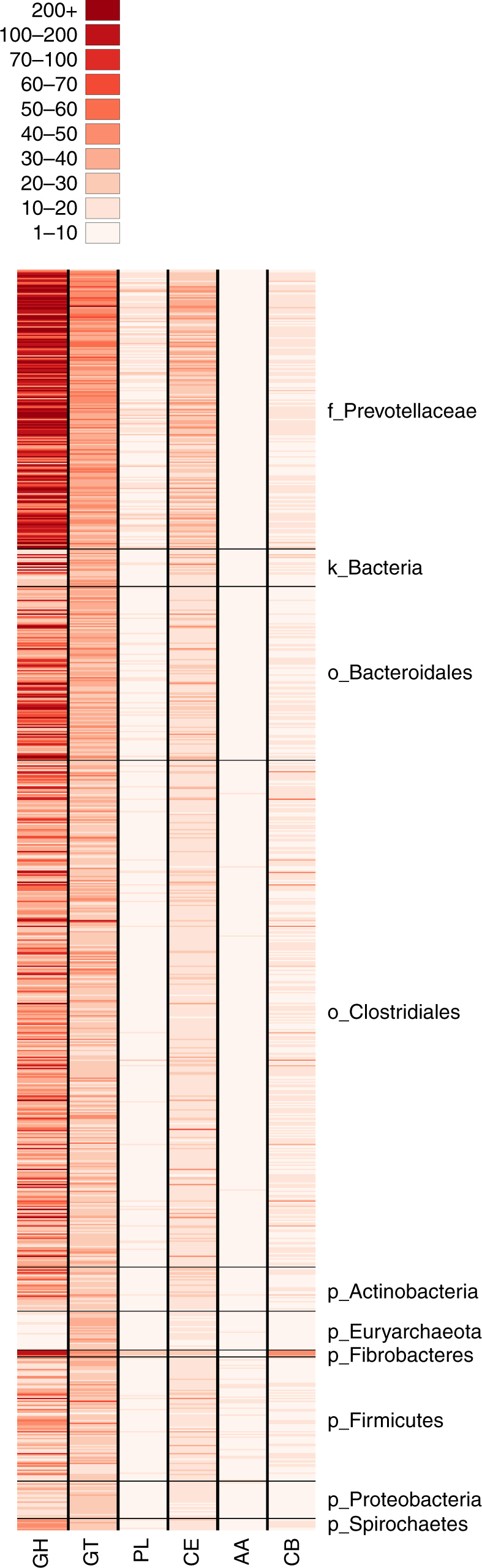
“Macrogenomic analysis revealed that the GH and GT families were enriched in rumen species, which is similar to previous findings [83,84].”
ResultLi, J., Zhong, H., Ramayo‐Caldas, Y., Terrapon, N., Lombard, V., Potocki-Véronèse, G., Estellé, J., Popova, M., Yang, Z., Zhang, H., et al. (2018) · bioRxiv (Cold Spring Harbor Laboratory) · doi:10.1101/272690 · Cited by 6
Alternative hydrogen uptake pathways suppress methane production in ruminantsPreprint
Greening, C., Geier, R. R., Wang, C., Woods, L. C., Morales, S. E., McDonald, M. J., Rushton-Green, R., Morgan, X. C., Koike, S., Leahy, S. C., et al. (2018) · bioRxiv (Cold Spring Harbor Laboratory) · doi:10.1101/486894 · Cited by 5
Belcour, A., Frioux, C., Aïte, M., Bretaudeau, A., & Siegel, A. (2019) · bioRxiv (Cold Spring Harbor Laboratory) · doi:10.1101/803056 · Cited by 5
Shotgun and Hi-C Sequencing Datasets for Binning Wheat Rhizosphere Microbiome
Regmi, R., Anderson, J. P., Burgess, L., Mangelson, H., Liachko, I., & Gupta, V. V. S. R. (2025) · Scientific Data · doi:10.1038/s41597-025-04651-3 · Cited by 5
Opening doors to physical sample tracking and attribution in Earth and environmental sciences
Damerow, J., Raia, N. H., Stanley, V., Choe, S., Borton, M., Byers, N., Cassidy, E. R., Cholia, S., Edmunds, R., Forbes, B., et al. (2025) · Scientific Data · doi:10.1038/s41597-025-05295-z · Cited by 6
“Similarly, the reuse of genomics datasets has contributed to research with diverse applications, for example in the industrial biotechnology 100 and biomedical 101 sectors, and has enabled researchers to better understand the biological effects of ecosystem disturbance 102 .”
Jiang, Y. Y., He, P., Kong, H., He, P., Wu, Y., Tang, G., Tang, P., Di, Y., Li, X., Liu, L., et al. (2025) · Microorganisms · doi:10.3390/microorganisms13040770 · Cited by 4
“These findings lay a solid foundation for the development of B. velezensis D7-8 as a biocontrol agent against potato common scab in practical agricultural applications.”
Vanzin, A., Giannuzzi, D., Zardinoni, G., Cecchinato, A., Correddu, F., Macciotta, N. P. P., Atzori, A. S., Carta, S., Ledda, A., Schiavon, S., et al. (2025) · Journal of Dairy Science · doi:10.3168/jds.2024-26172 · Cited by 4
Zhang, X., Li, Y., Xiong, Z., Zheng, N., Wang, J., & Zhao, S. (2025) · Microbiome · doi:10.1186/s40168-025-02275-8 · Cited by 4
“Metagenomic binning, an effective technique for recovering microbial genomes, was employed to analyze the rumen microbial genomes [32].”
Rojas, C. A., Gardy, J. L., Eisen, J. A., & Ganz, H. H. (2023) · Microbiology Resource Announcements · doi:10.1128/mra.00601-23 · Cited by 4
“Our data is limited to two individual cats, but we add to the growing catalog of studies using Hi-C with shotgun sequencing to retrieve quality genomes from mammals, including dogs (20), sheep (21), cows (16), and humans (22).”
BackgroundMethodInfluentialZhang, X., Wang, W., Wang, Y., Cao, Z., Yang, H., & Li, S. (2024) · Frontiers in Microbiology · doi:10.3389/fmicb.2024.1336278 · Cited by 6
“Regarding the carbohydrate-active enzymes in the rumen microbiome, the GH-encoding genes had the widest distribution in the genomes (Stewart et al., 2018), mainly comprising enzymes involved in polysaccharide metabolism, including cellulose and starch.”
BackgroundMFTP-Tool: A Wide & Deep Learning Framework for Multi-Functional Therapeutic Peptides Prediction
Lv, Y., Liu, T., Ma, Y., Lyu, H., & Liu, Z. (2024) · Current Bioinformatics · doi:10.2174/0115748936299646240625092734 · Cited by 4
Malik, P. K., Trivedi, S., Mohapatra, A., Kolte, A. P., Mech, A., Victor, T., Ahasic, E., & Bhatta, R. (2024) · Microorganisms · doi:10.3390/microorganisms12071475 · Cited by 4
“GH is a broad class consisting of a large number of families (111 identified in this study) and is involved in the degradation of cellulose, chitin, and starch [96,97].”
BackgroundMetagenomics: A paradigm shift in microbiology
Mardanov, A. V., Kadnikov, V. V., & Ravin, N. V. (2024) · Elsevier eBooks · doi:10.1016/b978-0-323-91631-8.00006-8 · Cited by 5
Rumen-Targeted Mining of Enzymes for Bioenergy Production
Cann, I., Cheng, Y., Alhawsawi, M. A. B., Moran, M., Li, Y., Gong, T., Zhu, W., & Mackie, R. I. (2024) · Annual Review of Animal Biosciences · doi:10.1146/annurev-animal-021022-030040 · Cited by 4
Dai, M., Zhao, F., Shi, X., Tian, C., Lin, Y., Bai, L., Li, T., Jin, X., Xiao, L., Kristiansen, K., et al. (2025) · mSystems · doi:10.1128/msystems.00367-25 · Cited by 4
Arumugam, K., Bessarab, I. N., Liu, X., Natarajan, G. K., Drautz‐Moses, D. I., Wuertz, S., Lauro, F. M., Law, Y., Huson, D. H., & Williams, R. B. H. (2018) · bioRxiv (Cold Spring Harbor Laboratory) · doi:10.1101/465328 · Cited by 4
Ye, T., Gao, P., Li, B., Xing, P., & Wu, Q. L. (2020) · Research Square · doi:10.21203/rs.3.rs-129104/v1 · Cited by 4
“More broadly, this technique was able to reconstruct strainand species-level microbial genomes (metagenome-assembled genomes, MAGs) from meta-communities [43].”
MethodNovel microbial syntrophies identified by longitudinal metagenomicsPreprint
Raguideau, S., Trego, A., Farrell, F. F., Collins, G., Quince, C., & Soyer, O. S. (2021) · bioRxiv · doi:10.1101/2021.07.05.451125 · Cited by 1
“Thus, several novel MAGs, including some CPRs, were shown to harbour genes 70 associated with key processes including organic degradation (2,8,9) and nitrogen, and sulfur, 71 cycling (10-13).”
BackgroundSun, X., Guo, C., Wang, Q., Zhang, Y., Wang, Z., Cao, Z., Wang, W., & Li, S. (2025) · Animal nutrition · doi:10.1016/j.aninu.2025.01.015 · Cited by 3
Furman, O., Sorek, G., Moraïs, S., Levin, L., Tovar-Herrera, O. E., Winkler, S., & Mizrahi, I. (2025) · The ISME Journal · doi:10.1093/ismejo/wraf252 · Cited by 3
“[39], respectively.”
InfluentialNaik, A. K., & Zabłocka-Godlewska, E. (2026) · Atmospheric Environment · doi:10.1016/j.atmosenv.2026.121934 · Cited by 3
Mukherjee, A., & Cotter, P. D. (2022) · Springer eBooks · doi:10.1007/978-981-19-4320-1_24 · Cited by 3
Nanetti, E., Scicchitano, D., Palladino, G., Interino, N., Corlatti, L., Pedrotti, L., Zanetti, F., Pagani, E., Esposito, E., Brambilla, A., et al. (2024) · iScience · doi:10.1016/j.isci.2024.110194 · Cited by 4
“…using MinHash sketches implemented in the mash tool (v. 2.3), with 8,217 genomes from three of the largest ruminant gut metagenomic datasets, 10,57,58 with the Genomic Encyclopedia of Bacteria and Archaea (GEBA) collection 56 and with 4,930 SGBs previously identified in a study describing the…”
InfluentialTeng, Z., Zhang, N., Zhang, L., Zhang, L., Liu, S., Fu, T., Wang, Q., & Gao, T. (2024) · Life · doi:10.3390/life14070802 · Cited by 3
“Prevotella are major rumen microbes that can produce succinate and acetate from starch and protein [44].”
BackgroundSequential co-assembly reduces computational resources and errors in metagenome-assembled genomes
Lynn, H. M., & Gordon, J. I. (2025) · Cell Reports Methods · doi:10.1016/j.crmeth.2025.101005 · Cited by 3
Huang, J., Sheng, Y., Jia, X., Qian, W., & Li, Z. (2025) · Microorganisms · doi:10.3390/microorganisms13051111 · Cited by 3
“GHs may hydrolyze glycosidic linkages in complex carbohydrates, degrade cellulose, hemicellulose, and starch effectively [70], and degrade lignocellulosic materials synergistically with CEs and PLs [71,72].”
Cheng, Z., Xia, W., McKelvey, S., He, Q., Chen, Y., & Yuan, H. (2025) · Environmental Science & Technology · doi:10.1021/acs.est.5c05925 · Cited by 3
Frédérique Pitel, A., Calenge, F., Aigueperse, N., Estellé, J., Coustham, V., Calandreau, L., Morisson, M., Chavatte‐Palmer, P., & Ginane, C. (2019) · INRAE Productions Animales · doi:10.20870/productions-animales.2019.32.2.2467 · Cited by 3
Kadnikov, V. V., Mardanov, A. V., Beletsky, A. V., Karnachuk, O. V., & Ravin, N. V. (2020) · Microbiology · doi:10.1134/s0026261720030078 · Cited by 3
“…of further Riflebacteria members from subsurface ecosystems were described: Candidatus Riflebacteria isolate UBA8953 (Parks et al., 2018) and Candidatus Ozemobacter sibiricus BY5 (Kadnikov et al., 2018), as well as Rumen uncultured genome RUG334 from a bovine rumen community (Stewart et al., 2018).”
BackgroundRUMEN METHANE PRODUCTION AND ITS REDUCTION USING NUTRITIONAL FACTORS (review)
Bogolyubova, N. V. (2023) · Sel skokhozyaistvennaya Biologiya · doi:10.15389/agrobiology.2022.6.1025eng · Cited by 3
Srikanth, K., Park, J., Lim, D., Cha, J., Cho, S., Cho, I., & Park, W. (2020) · Genes · doi:10.3390/genes11030332 · Cited by 3
“Approximately 100 µ L of blood was cross-linked for Hi-C using previously described protocols [24].”
Metagenomics of the Viral Community in Three Cattle Slurry Samples
Sazinas, P., Michniewski, S., Rihtman, B., Redgwell, T. A., Grigonyte, A., Brett, A., Guck, B., Smith, R. H., Hooton, S. P. T., Hobman, J. L., et al. (2019) · Microbiology Resource Announcements · doi:10.1128/mra.01442-18 · Cited by 3
“Although the bacterial fraction of the cow rumen has been characterized in some detail (1, 2) and to a lesser extent the viral fraction (3), relatively little is known about the bacterial or viral composition of slurry, the main constituent of which will be cow feces but will also include other farm wastes.”
BackgroundWatson, M. (2018) · University of Edinburgh · doi:10.7488/ds/2470 · Cited by 5
Hoque, M. N., Istiaq, A., Clement, R. A., Sultana, M., Crandall, K. A., Siddiki, A. Z., & Hossain, M. A. (2019) · bioRxiv (Cold Spring Harbor Laboratory) · doi:10.1101/591982 · Cited by 3
A Genomic Blueprint of the Chicken Gut MicrobiomePreprint
Gilroy, R., Ravi, A., Getino, M., Pursley, I., Horton, D., Alikhan, N.-F., Baker, D., Gharbi, K., Hall, N., Watson, M., et al. (2020) · Research Square · doi:10.21203/rs.3.rs-56027/v1 · Cited by 3
“The fact that novel metagenomic species are still being recovered from human gut datasets that include tens of thousands of metagenomes [12]—twinned with the promise of novel long-read and proximity-capture approaches to metagenome analyses [96]—make it clear that our attempts here to analyse all currently available c…”
BackgroundZainudin, M. H. M., Gan, H. M., & Tokura, M. (2024) · Gene Reports · doi:10.1016/j.genrep.2024.101900 · Cited by 2
Abdullah, H. M., Mohammed, O. B., Sheikh, A., Almathen, F. S., KHALID, A. M., Bakhiet, A. O., & Abdelrahman, M. M. (2024) · Saudi Journal of Biological Sciences · doi:10.1016/j.sjbs.2024.103982 · Cited by 2
“…microbiome interactions with the cow (cattle) nutrition, production and even the neonatal core of the microbiome have been studied and explored by some researchers (AlZahal et al., 2014; Li et al., 2019; Malmuthuge et al., 2019; Matthews et al., 2019; Mizrahi et al., 2021; Stewart et al., 2018).”
BackgroundRemoval of sequencing adapter contamination improves microbial genome databases
Moeller, A. H., Dillard, B. A., Goldman, S. L., Real, M. V. F., & Sprockett, D. D. (2024) · BMC Genomics · doi:10.1186/s12864-024-10956-1 · Cited by 2
“Databases of thousands of microbial-genome assemblies from iso-lates and metagenomes (i.e., metagenome-assembled genomes—MAGs) are now available from humans [4], mice [5], cows [6], pigs [7], chicken [8], fish [3], and hon-eybees [9] as well as marine environments [3].”
BackgroundExploring the rumen microbial function in Angus bulls with divergent residual feed intake
Sidney, T. S., Treon, E., Taiwo, G. A., Felton, E. E. D., Fan, P. F., & Ogunade, I. M. (2024) · Frontiers in Animal Science · doi:10.3389/fanim.2024.1485447 · Cited by 2
Lima, J., McNeilly, T. N., Auffret, M. D., Steele, P. J., Frew, D., Martínez-Álvaro, M., Dewhurst, R. J., Watson, M., & Roehe, R. (2025) · Scientific Reports · doi:10.1038/s41598-025-30604-2 · Cited by 2
“For taxonomic classification, the sequence reads of the samples were aligned to a database including genomes from the Hungate 1000 Collection 33 and metagenome-assembled genomes (MAGs) from beef rumen samples 34 using Kraken 35 .”
Gut Microbiome and Metabolome Signatures Associated with Heat Tolerance in Dairy Cows
Li, M., Chen, P., Liu, C., Wang, S., Zhang, H., Li, J., Karrow, N. A., Mao, Y., & Yang, Z. (2025) · Microorganisms · doi:10.3390/microorganisms13122829 · Cited by 2
“…for complex polysaccharide utilization and immunomodulatory LPS biosynthesis [38,39]; given that these lineages derive from metagenome-assembled genomes without cultured representatives [40], their enrichment may indicate a carbohydrate-driven, potentially pro-inflammatory shift under heat stress.”
Yang, G., He, W., Ma, B., La, Y., Ma, X., Wu, X., Chu, M., Zhao, M., Liu, X., Zhao, Y., et al. (2025) · BMC Microbiology · doi:10.1186/s12866-025-04581-5 · Cited by 2
“Additionally, GTs and PLs regulate extracellular polysaccharide synthesis [46, 47].”
Kong, M., Pan, Z., Wang, X., Huang, J., Tulafu, H., Xu, Y., Sulaiman, Y., & Wu, W. (2026) · Frontiers in Microbiology · doi:10.3389/fmicb.2025.1712307 · Cited by 2
Li, S., Zhang, J., Han, L., Yu, Y., Mousa, A. A., Zhu, W.-Y., Leng, J., Xie, F., & Mao, S. (2026) · Journal of Animal Science and Biotechnology · doi:10.1186/s40104-025-01335-1 · Cited by 2
“Over the past decades, microbial communities of gastrointestinal fermenters, particularly domesticated ruminants such as dairy cattle, water buffalo, sheep, and goats [5–8], have been extensively studied.”
Metadata
- Authors
- Stewart, R. D., Auffret, M. D., Warr, A., Wiser, A. H., Press, M. O., Langford, K. W., Liachko, I., Snelling, T. J., Dewhurst, R. J., Walker, A. W., Roehe, R., & Watson, M.
- Affiliations
- Roslin Institute (GB)
- Scotland's Rural College (GB)
- University of Aberdeen (GB)
- Corresponding author
- Watson, Mick
- ORCID
- Venue
- Nature Communications
- Published
- 2018-02-28
- Volume
- 9
- Issue
- 1
- Pages
- 870-870
- ISSN
- 2041-1723 (ISSN-L)
- PMC
- PMC5830445
- OpenAlex
- W2786358949
- Cited by
- 559
- References
- 83
- Citations by year
- 2026: 39 · 2025: 48 · 2024: 77 · 2023: 69 · 2022: 64 · 2021: 73 · 2020: 89 · 2019: 73 · 2018: 27
- FWCI
- 24.09
- Type
- journal article
- Language
- en
- Open access
- gold
- doi.org
- Locations
- Nature Communications (publishedVersion, cc-by)
- Europe PMC (PubMed Central) (publishedVersion, cc-by)
- PubMed Central (publishedVersion, cc-by)
- PubMed (publishedVersion)
- Edinburgh Research Explorer (University of Edinburgh) (publishedVersion, cc-by)
- RePEc: Research Papers in Economics (submittedVersion)
- Aberdeen University Research Archive (Aberdeen University) (submittedVersion)
- DOAJ (DOAJ: Directory of Open Access Journals) (submittedVersion)
- DOAJ (DOAJ: Directory of Open Access Journals) (submittedVersion, cc-by-sa)
- Funders
- Rural and Environment Science and Analytical Services Division
- Scottish Government
- Scotland’s Rural College
- Directorate for Biological Sciences
- Biotechnology and Biological Sciences Research Council (BBS/E/D/30002276, BB/M01844X/1, BB/J004235/1, BB/R015023/1, BB/P013732/1, BB/J004235, BB/N016742/1, BB/ J004243/1, BB/N01720X/1, P013759, BBP013759/1, BBS/E/D/20310000)
- National Institute of Allergy and Infectious Diseases (R43AI122654, R44AI122654)
- Topics
- Life Sciences › Biochemistry, Genetics and Molecular Biology › Molecular Biology › Genomics and Phylogenetic Studies
- Life Sciences › Agricultural and Biological Sciences › Animal Science and Zoology › Ruminant Nutrition and Digestive Physiology
- Physical Sciences › Energy › Renewable Energy, Sustainability and the Environment › Anaerobic Digestion and Biogas Production
- Keywords
- rumen microbiome, draft genome sequence, metagenome binning, Hi-C, cattle, rumen bacteria, rumen archaea, carbohydrate metabolism, biomass-degrading enzymes, metagenome-assembled genomes, read classification
- MeSH terms
- Animals, Bacteria, Bacterial Proteins, Cattle, Phylogeny, Rumen, Genome, Bacterial, Metagenome, Metagenomics
About these checks
Registry, retraction, Cites and statistics results are computed, not judged, with one exception: a printed reference that no index lists is read once by a model before it counts as a citation error. Claims are extracted by a model and kept only when their quote appears verbatim in the text; each cited source is then checked, with a model’s help, for whether it says what the claim relies on. Those verdicts can be wrong — read the claim’s quote and the cited source before relying on one.
Statistics and arithmetic are recomputed, not judged.
Confidence bands are shown only for fields calibrated on our annotated test set. None is calibrated yet, so no band is shown.
What counts as a claim ›How we measure confidence ›How we check this ›
Are you an author, or do you see a problem with this page? Request a review
