

Dissolved organic carbon leaching from plastics stimulates microbial activity in the ocean
Open accessThe DOI matches its Crossref record; 29 of the 29 references it cites were found in a registry or an index.
Abstract
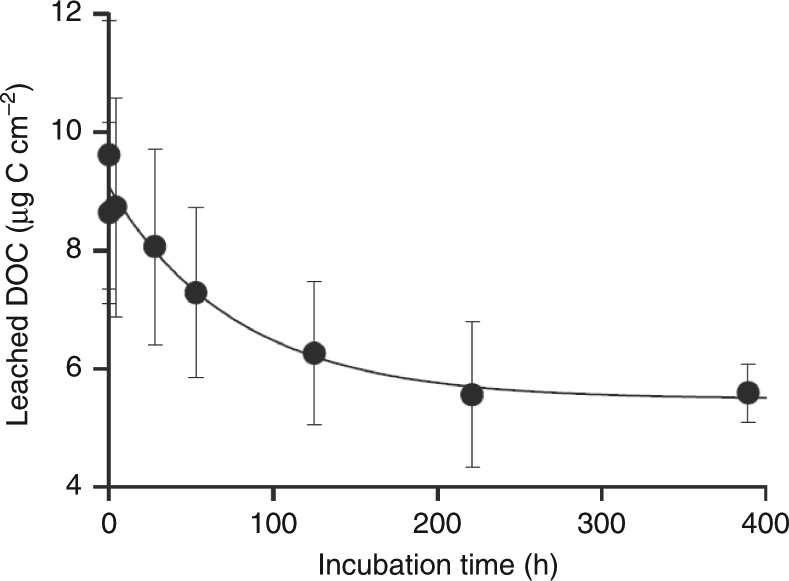
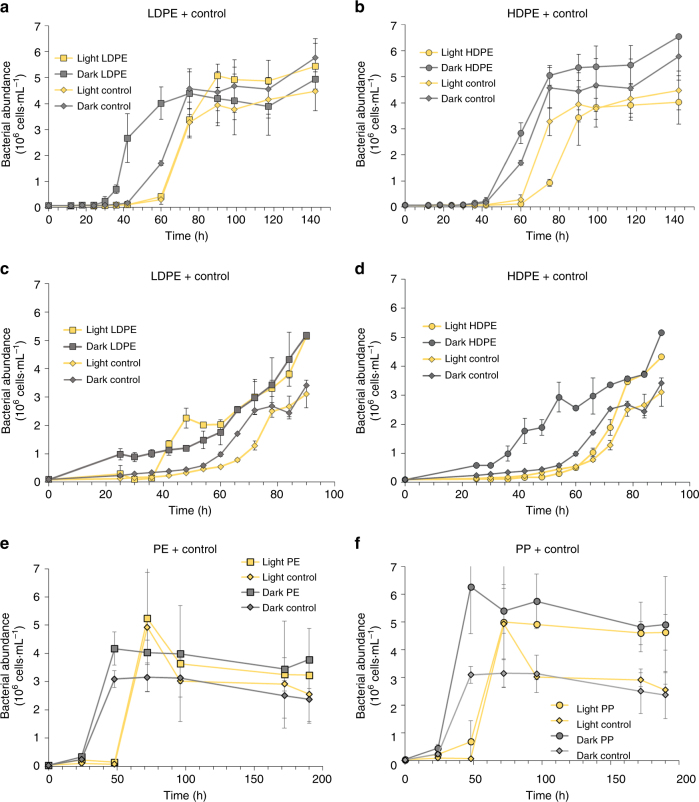
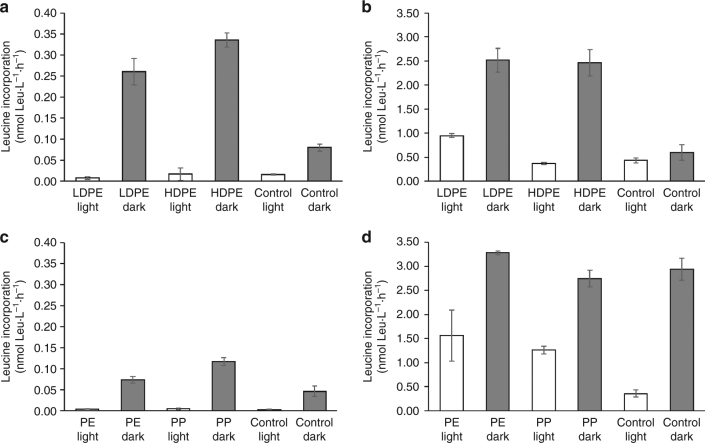
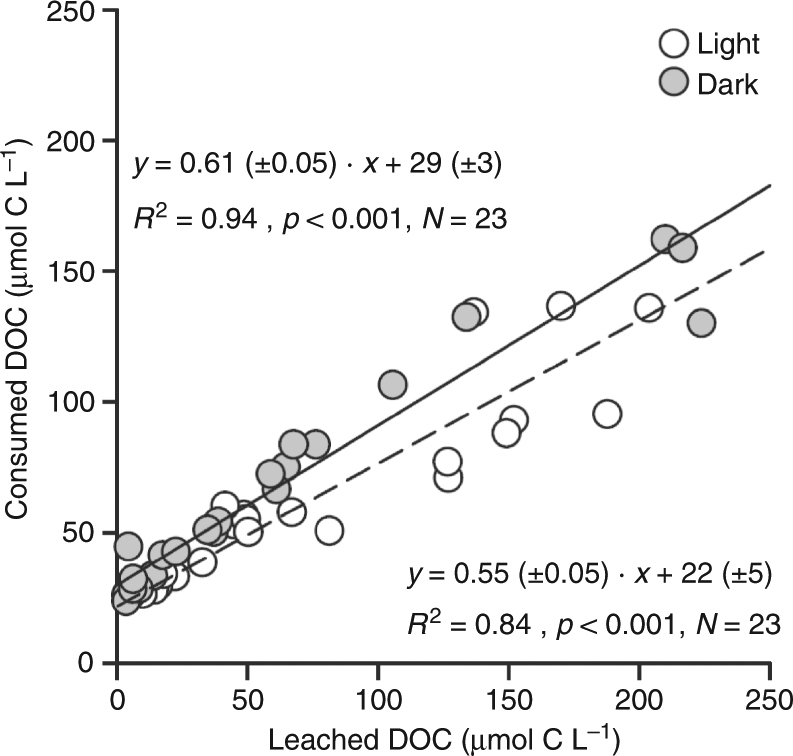
Approximately 5.25 trillion plastic pieces are floating at the sea surface. The impact of plastic pollution on the lowest trophic levels of the food web, however, remains unknown. Here we show that plastics release dissolved organic carbon (DOC) into the ambient seawater stimulating the activity of heterotrophic microbes. Our estimates indicate that globally up to 23,600 metric tons of DOC are leaching from marine plastics annually. About 60% of it is available to microbial utilization in less than 5 days. If exposed to solar radiation, however, this DOC becomes less labile. Thus, plastic pollution of marine surface waters likely alters the composition and activity of the base of the marine food webs. It is predicted that plastic waste entering the ocean will increase by a factor of ten within the next decade, resulting in an increase in plastic-derived DOC that might have unaccounted consequences for marine microbes and for the ocean system.
Overview
The claims and statistics of this paper haven’t been checked yet.
Free: it reads the open-access text and checks the first 5 claims that cite a source we can check. Create a free account to check every claim.
Integrity signals
Registry
Cites
Statistics
Figures
Verification
Claims the paper makes
The claims and statistics of this paper haven’t been checked yet.
Free: it reads the open-access text and checks the first 5 claims that cite a source we can check. Create a free account to check every claim.
Claims other papers make about this one
Each is checked against this paper’s own text: does it say what the citing paper says it does?
The source backs part of the claim, not all of it — or backs it for a different population, condition or comparison.
In the citing paper
“Moreover, UV-induced photodegradation results in the leaching of a plethora of lower molecular weight degradation products [3, 10, 23, 25, 66], which, at least to some degree, stimulate microbial activity [23, 25].”
From Polyethylene degradation and assimilation by the marine yeast Rhodotorula mucilaginosa (2023) · cites this paper as [23]
Experimental — accuracy not yet measuredThe source backs part of the claim, not all of it — or backs it for a different population, condition or comparison.
In the citing paper
“ii) limitations in bioavailable carbon i.e. Bacillus sp cells were able to degrade mainly photooxidation products released from the PE after UV treatment such as nanoplastics, oligomers, monomers and short-chain compounds that have functional groups making them easier to attack by microbial cells/enzymes”
From Mineralization of 13C-labeled polyethylene by marine Bacillus velezensis MT9 (2026) · cites this paper as Romera-Castillo et al., 2018
Experimental — accuracy not yet measuredThe source backs part of the claim, not all of it — or backs it for a different population, condition or comparison.
In the citing paper
“Photooxidation can be complete leading to the terminal oxidation end product CO 2 and in conjunction with fragmentation, it can then also lead to the formation of smaller molecules, ranging from hydrocarbon gases to shorterchain carbonyl compounds (e.g.straight chain or with aromaticity, depending on the parent polymer) 14,29,108 as well as nanoplastics.13,67,109”
From The fate of plastic in the ocean environment – a minireview (2021) · cites this paper as [29]
Experimental — accuracy not yet measuredThe source backs part of the claim, not all of it — or backs it for a different population, condition or comparison.
In the citing paper
“Assuming that the residence time of PMD at the ocean surface could be in the order of years, and/or that PMD might oscillate in the water column and periodically resurfaces, the preliminary results of Ward et al. (2019) and Zhu et al. (2020) show that photooxidation may indeed account for a substantial transformation of PMD into smaller chain scission products and nanoplastics.[29][30][31]”
From The fate of plastic in the ocean environment – a minireview (2021) · cites this paper as [29]
Experimental — accuracy not yet measuredThe source backs part of the claim, not all of it — or backs it for a different population, condition or comparison.
In the citing paper
“Incubation experiments with natural surface water microbial communities from the Mediterranean Sea 29 and an estuary of the subtropical NW Atlantic 31 showed that microbes were able to utilise at least some of the water-soluble fraction of daughter products generated during photooxidation of PE, PP, and PS.”
From The fate of plastic in the ocean environment – a minireview (2021) · cites this paper as [29]
Experimental — accuracy not yet measured
4 more claims about this paper
Create a free account to see every claim other papers make about this one.
Self-check
Percentages, sums and reported differences re-computed from the paper’s own numbers.
The self-check needs the paper’s full text.
Citations
Cites
Plastic waste inputs from land into the ocean
Jambeck, J. R., Geyer, R., Wilcox, C., Siegler, T. R., Perryman, M., Andrady, A., Narayan, R., & Law, K. L. (2015) · Science · doi:10.1126/science.1260352 · Cited by 13,163
Microplastics in the marine environment
Andrady, A. L. (2011) · Marine Pollution Bulletin · doi:10.1016/j.marpolbul.2011.05.030 · Cited by 8,105
Eriksen, M., Lebreton, L. C. M., Carson, H. S., Thiel, M., Moore, C. J., Borerro, J. C., Galgani, F., Ryan, P. G., & Reisser, J. (2014) · PLoS ONE · doi:10.1371/journal.pone.0111913 · Cited by 4,710
Accumulation of microplastic on shorelines woldwide: Sources and sinks
Browne, M. A., Crump, P., Niven, S. J., Teuten, E., Tonkin, A., Galloway, T., & Thompson, R. (2011) · Environmental Science & Technology · doi:10.1021/es201811s · Cited by 4,548
Plastic debris in the open ocean
Cózar, A., Echevarría, F., González-Gordillo, J. I., Irigoien, X., Úbeda, B., Hernández-León, S., Palma, Á. T., Navarro, S., García-de-Lomas, J., Ruiz, A., et al. (2014) · Proceedings of the National Academy of Sciences · doi:10.1073/pnas.1314705111 · Cited by 3,133
Auta, H. S., Emenike, C. U., & Fauziah, S. H. (2017) · Environment International · doi:10.1016/j.envint.2017.02.013 · Cited by 2,649
Pathways for degradation of plastic polymers floating in the marine environment
Gewert, B., Plassmann, M. M., & MacLeod, M. (2015) · Environmental Science: Processes & Impacts · doi:10.1039/c5em00207a · Cited by 2,168 · cited 1×
“The quantity of plastic waste entering the oceans is predicted to increase by up to one order of magnitude by the year 2025 (20) resulting in plastic-derived DOC of up to 236,000MT per year in the global ocean, with potential major consequences for marine microbes and the carbon cycling in the oceanic system.”
Belle, G. V., Fisher, L. D., Heagerty, P. J., & Lumley, T. (1958) · Wiley eBooks · doi:10.1002/0471602396.ch1 · Cited by 1,861
A global inventory of small floating plastic debris
van Sebille, E., Wilcox, C., Lebreton, L., Maximenko, N., Hardesty, B. D., van Franeker, J. A., Eriksen, M., Siegel, D., Galgani, F., & Law, K. L. (2015) · Environmental Research Letters · doi:10.1088/1748-9326/10/12/124006 · Cited by 1,713
Contributing to marine pollution by washing your face: Microplastics in facial cleansers
Fendall, L. S., & Sewell, M. A. (2009) · Marine Pollution Bulletin · doi:10.1016/j.marpolbul.2009.04.025 · Cited by 1,525
Research works printed but not linked: 2
- Hansell, D. A. & Carlson. C. A. Biogeochemistry of Dissolved Organic Matter 2nd edn, Ch. 2 (Academic Press, Oxford, 2015).
- Kirk JTO Optics of UV-B radiation in natural waters Arch. Hydrobiol. Beih. 1994 43 1 16
Cited by
Items 101–200 of 753
Anthropogenic marine debris over beaches: Spectral characterization for remote sensing applications
Acuña-Ruz, T., Uribe, D., Taylor, R. D., Amézquita, L., Guzmán, M. C., Merrill, J., Martínez, P., Voisin, L., & Mattar, C. (2018) · Remote Sensing of Environment · doi:10.1016/j.rse.2018.08.008 · Cited by 130
Gardon, T., Huvet, A., Paul-Pont, I., Cassone, A.-L., Koua, M. S., Soyez, C., Jézéquel, R., Receveur, J., & Moullac, G. L. (2020) · Water Research · doi:10.1016/j.watres.2020.115890 · Cited by 120
“Other studies determined a longer period (from 200 h until more than 20 days) to reach equilibration for organic pollutants being absorbed by PE and PP (Karapanagioti and Klontza, 2008; Romera-Castillo et al., 2018).”
BackgroundLiu, P., Huang, L., Wu, J., Wu, X., Shi, Y., Yang, Z., Huang, K., Guo, X., & Gao, S. (2022) · Water Research · doi:10.1016/j.watres.2022.118209 · Cited by 115
Shi, J., Wang, J., Lv, J., Wang, Z., Peng, Y., & Wang, X. (2022) · Journal of Environmental Management · doi:10.1016/j.jenvman.2022.115473 · Cited by 110
Plastic pollution impacts on marine carbon biogeochemistry
Galgani, L., & Loiselle, S. (2020) · Environmental Pollution · doi:10.1016/j.envpol.2020.115598 · Cited by 123
Lee, Y.-K., Hong, S., & Hur, J. (2021) · Water Research · doi:10.1016/j.watres.2021.117833 · Cited by 118
Paluselli, A., & Kim, S. (2020) · Marine Pollution Bulletin · doi:10.1016/j.marpolbul.2019.110831 · Cited by 119
Analytical methods and environmental processes of nanoplastics
Li, P., Li, Q., Hao, Z., Yu, S., & Liu, J. (2020) · Journal of Environmental Sciences · doi:10.1016/j.jes.2020.03.057 · Cited by 116
Microplastics disrupt accurate soil organic carbon measurement based on chemical oxidation method
Kim, S. W., Jeong, S., & An, Y. (2021) · Chemosphere · doi:10.1016/j.chemosphere.2021.130178 · Cited by 115
Microplastics in the Aquatic Environment: Occurrence, Persistence, Analysis, and Human Exposure
Ricciardi, M., Pironti, C., Motta, O., Miele, Y., Proto, A., & Montano, L. (2021) · Water · doi:10.3390/w13070973 · Cited by 129
“Together with microplastics and nanoplastics, also organic and inorganic additives, unreacted monomers, and other compounds used in the formulation of plastic materials are released into the environment [31].”
BackgroundPlastic photodegradation under simulated marine conditions
Delre, A., Goudriaan, M., Morales, V. H., Vaksmaa, A., Ndhlovu, R. T., Baas, M., Keijzer, E., de Groot, T., Zeghal, E., Egger, M., et al. (2023) · Marine Pollution Bulletin · doi:10.1016/j.marpolbul.2022.114544 · Cited by 106
The Plastic Cycle – An Unknown Branch of the Carbon Cycle
Zhu, X. (2021) · Frontiers in Marine Science · doi:10.3389/fmars.2020.609243 · Cited by 119
“Furthermore, inorganic carbon continuously leaches from plastic (Romera-Castillo et al., 2018) and plastic may release greenhouse gases as a result of UV exposure (Royer et al.”
BackgroundShen, M., Liu, S., Hu, T., Zheng, K., Wang, Y., & Long, H. (2023) · Journal of Environmental Management · doi:10.1016/j.jenvman.2023.117529 · Cited by 110
Laboratory simulated aging methods, mechanisms and characteristic changes of microplastics: A review
Wang, L., Zhang, J., Huang, W., & He, Y. (2023) · Chemosphere · doi:10.1016/j.chemosphere.2023.137744 · Cited by 114
Microplastic pollution promotes soil respiration: A global‐scale meta‐analysis
Zhao, S., Rillig, M. C., Bing, H., Cui, Q., Qiu, T., Cui, Y., Peñuelas, J., Liu, B., Bian, S., Monikh, F. A., et al. (2024) · Global Change Biology · doi:10.1111/gcb.17415 · Cited by 114
“Therefore, the carbon-based substrates released by abiotic and biotic degradation of plastics are available for heterotrophic growth (Qiu et al., 2024; Romera-Castillo et al., 2018; Sheridan et al., 2022).”
Potential Effects of Microplastic on Arbuscular Mycorrhizal Fungi
Leifheit, E. F., Lehmann, A., & Rillig, M. C. (2021) · Frontiers in Plant Science · doi:10.3389/fpls.2021.626709 · Cited by 116
Yang, X., An, C., Qi, F., Boufadel, M. C., & Ji, W. (2022) · Water Research · doi:10.1016/j.watres.2022.119077 · Cited by 109
Occurrence, removal and potential threats associated with microplastics in drinking water sources
Li, Y., Li, W., Jarvis, P., Zhou, W., Zhang, J., Chen, J., Tan, Q., & Tian, Y. (2020) · Journal of Environmental Chemical Engineering · doi:10.1016/j.jece.2020.104527 · Cited by 99
Multidecadal records of microplastic accumulation in the coastal sediments of the East China Sea
Lin, J., Xu, X., Yue, B.-Y., Xu, X.-P., Liu, J., Zhu, Q., & Wang, J. (2020) · Chemosphere · doi:10.1016/j.chemosphere.2020.128658 · Cited by 103
Wang, H., Yang, Q., Li, D., Wu, J., Yang, S., Deng, Y., Luo, C., Jia, W., Zhong, Y., & Peng, P. (2023) · Environmental Science & Technology · doi:10.1021/acs.est.2c06546 · Cited by 99
Microplastics release precursors of chlorinated and brominated disinfection byproducts in water
Ateia, M., Kanan, A., & Karanfil, T. (2020) · Chemosphere · doi:10.1016/j.chemosphere.2020.126452 · Cited by 98
Extracellular polymeric substances in green alga facilitate microplastic deposition
Gopalakrishnan, K. K., & Kashian, D. R. (2021) · Chemosphere · doi:10.1016/j.chemosphere.2021.131814 · Cited by 104
Galgani, L., Engel, A., Rossi, C., Donati, A., & Loiselle, S. (2018) · Scientific Reports · doi:10.1038/s41598-018-32805-4 · Cited by 102
Plastisphere in freshwaters: An emerging concern
de Barros, J. S., & Seena, S. (2021) · Environmental Pollution · doi:10.1016/j.envpol.2021.118123 · Cited by 108
Ren, X., Ye, H., Zhao, H., Zhang, Z., Tsui, T., & Wang, Q. (2023) · Water Research · doi:10.1016/j.watres.2023.119786 · Cited by 97
Microplastics can affect soil properties and chemical speciation of metals in yellow-brown soil
Wen, X., Yin, L., Zhou, Z., Kang, Z., Sun, Q., Zhang, Y., Long, Y., Nie, X., Wu, Z., & Jiang, C. (2022) · Ecotoxicology and Environmental Safety · doi:10.1016/j.ecoenv.2022.113958 · Cited by 97
Tian, H., Wang, L., Zhu, X., Zhang, M., Li, L., Liu, Z., & Abolfathi, S. (2024) · The Science of The Total Environment · doi:10.1016/j.scitotenv.2024.170978 · Cited by 93
Effects of microplastics on soil carbon pool and terrestrial plant performance
Chen, Y., Li, Y., Liang, X., Lu, S., Ren, J., Zhang, Y., Han, Z., Gao, B., & Sun, K. (2024) · Carbon Research · doi:10.1007/s44246-024-00124-1 · Cited by 111
“Romera-Castillo et al. (2018) estimated that global plastic leachates amounted to 23,600 metric tons in the marine environment annually, approximately 60% of which are accessible to microbial utilization in less than 5 days.”
Sinking of microbial-associated microplastics in natural waters
Nguyen, T. H., Tang, F. H. M., & Maggi, F. (2020) · PLOS ONE · doi:10.1371/journal.pone.0228209 · Cited by 91
“(DDT), polychlorinated biphenyl (PCBs), and phenanthrene [8–10], but can also leach other embedded organic compounds known to be metabolized by attached microorganisms [11].”
BackgroundMoyal, J., Dave, P. H., Wu, M., Karimpour, S., Brar, S. K., Zhong, H., & Kwong, R. W. M. (2023) · Reviews of Environmental Contamination and Toxicology · doi:10.1007/s44169-023-00035-z · Cited by 153
Galgani, L., Goßmann, I., Scholz‐Böttcher, B. M., Jiang, X., Liu, Z., Scheidemann, L., Schlundt, C., & Engel, A. (2022) · Environmental Science & Technology · doi:10.1021/acs.est.2c04712 · Cited by 104
Goudriaan, M., Morales, V. H., van der Meer, M. T. J., Mets, A., Ndhlovu, R. T., van Heerwaarden, J., Simon, S., Heuer, V. B., Hinrichs, K.-U., & Niemann, H. (2023) · Marine Pollution Bulletin · doi:10.1016/j.marpolbul.2022.114369 · Cited by 88
Li, X., Jiang, X., Song, Y., & Chang, S. X. (2021) · Journal of Hazardous Materials · doi:10.1016/j.jhazmat.2020.124260 · Cited by 89
Khalid, A. R., Shah, T. M., Asad, M., Ali, A., Samee, E., Adnan, F., Bhatti, M. F., Marhan, S., Kammann, C. I., & Haider, G. (2023) · Environmental Pollution · doi:10.1016/j.envpol.2023.121810 · Cited by 93
Wallbank, J. A., Lear, G., Kingsbury, J. M., Weaver, L., Doake, F., Smith, D. A., Audrézet, F., Maday, S. D. M., Gambarini, V. M. D. O., Donaldson, L. A., et al. (2022) · Frontiers in Marine Science · doi:10.3389/fmars.2022.841142 · Cited by 96
Wang, W., Zhang, Z., Gao, J., & Wu, H. (2024) · The Science of The Total Environment · doi:10.1016/j.scitotenv.2024.169977 · Cited by 87
Exploring the role of microbial biofilm for industrial effluents treatment
Chattopadhyay, I., Banu, J. R., Usman, T. M. M., & Varjani, S. (2022) · Bioengineered · doi:10.1080/21655979.2022.2044250 · Cited by 98
“Organic carbon which is derived from plastic of seawater induces the growth of heterotrophic microbes [118] (Table 2).”
BackgroundLi, X., He, F., Wang, Z., & Xing, B. (2022) · Eco-Environment & Health · doi:10.1016/j.eehl.2022.10.001 · Cited by 98
Song, F., Li, T., Hur, J., Shi, Q., Wu, F., He, W., Shi, D.-L., He, C., Zhou, L., Ruan, M., et al. (2023) · Water Research · doi:10.1016/j.watres.2023.120114 · Cited by 88
Shan, E., Zhang, X., Li, J., Sun, C., Teng, J., Yang, X., Chen, L., Liu, Y., Sun, X., Zhao, J., et al. (2022) · The Science of The Total Environment · doi:10.1016/j.scitotenv.2022.154769 · Cited by 82
Jansen, M. A. K., Andrady, A. L., Bornman, J. F., Aucamp, P. J., Bais, A. F., Banaszak, A. T., Barnes, P. W., Bernhard, G. H., Bruckman, L. S., Busquets, R., et al. (2024) · Photochemical & Photobiological Sciences · doi:10.1007/s43630-024-00552-3 · Cited by 83
“Most of the dissolved organic carbon released during pho-todegradation is rapidly assimilated by bacteria [89, 133].”
Microplastics increase the marine production of particulate forms of organic matter
Galgani, L., Tsapakis, M., Pitta, P., Tsiola, A., Tzempelikou, E., Kalantzi, I., Esposito, C., Loiselle, A., Tsotskou, A., Živanović, S., et al. (2019) · Environmental Research Letters · doi:10.1088/1748-9326/ab59ca · Cited by 90
“It should be noted that, while the standard polystyrene particles used were inert over the period of the present study, the common mix of plastics debris found at sea can leach carbon, which may additionally stimulate marine heterotrophic activity (Romera-Castillo et al 2018).”
BackgroundMicroplastics as carbon-nutrient sources and shaper for microbial communities in stagnant water
Chen, X., Wang, Y., Chen, S., Sun, Y., Tan, Q., Ding, Z., Lu, Y., & Yu, Y. (2021) · Journal of Hazardous Materials · doi:10.1016/j.jhazmat.2021.126662 · Cited by 83
A review of microplastic surface interactions in water and potential capturing methods
Rahman, A. M. N. A. A., Rusli, A., Abdullah, M. K., Shuib, R. K., Hamid, Z. A. A., Ishak, K. M. K., Makhtar, M. M. Z., Mariatti, M., & Shafiq, M. D. (2023) · Water Science and Engineering · doi:10.1016/j.wse.2023.11.008 · Cited by 96
Xiong, X., Bond, T., Siddique, M. S., & Yu, W. (2021) · Journal of Membrane Science · doi:10.1016/j.memsci.2021.119477 · Cited by 85
Adamopoulou, A., Zeri, C., Garaventa, F., Gambardella, C., Ioakeimidis, C., & Pitta, E. (2021) · Frontiers in Marine Science · doi:10.3389/fmars.2021.699000 · Cited by 89
Nanoplastics: Detection and impacts in aquatic environments – A review
Kokilathasan, N., & Dittrich, M. (2022) · The Science of The Total Environment · doi:10.1016/j.scitotenv.2022.157852 · Cited by 85
Aquatic plastisphere: Interactions between plastics and biofilms
Yu, Y. H., Miao, L., Adyel, T. M., Waldschläger, K., Wu, J. F., & Hou, J. (2023) · Environmental Pollution · doi:10.1016/j.envpol.2023.121196 · Cited by 87
Current status and perspectives of algae-based bioplastics: A reviewed potential for sustainability
Cheah, W. Y., Er, A. C., Aiyub, K., Yasin, N. H. M., Ngan, S. L., Chew, K. W., Khoo, K. S., Ling, T. C., Juan, J. C., Ma, Z., et al. (2023) · Algal Research · doi:10.1016/j.algal.2023.103078 · Cited by 91
A general strategy for recycling polyester wastes into carboxylic acids and hydrocarbons
Zeng, W., Zhao, Y., Zhang, F., Li, R., Tang, M., Chang, X., Wang, Y., Wu, F., Han, B., & Liu, Z. (2024) · Nature Communications · doi:10.1038/s41467-023-44604-1 · Cited by 95
“Plastics have brought great convenience, but massive plastic wastes have caused severe harm to the ecological environment and human beings owing to the dif fi culty in degradation 2 – 4 .”
BackgroundWu, J., Gao, J., Pei, Y., Luo, K.-Y., Yang, W.-H., Wu, J., Yue, X.-H., Wen, J., & Luo, Y. (2024) · Chemical Engineering Journal · doi:10.1016/j.cej.2024.151328 · Cited by 90
Xu, Y., Huang, D., Liu, P., Ouyang, Z., Jia, H., & Guo, X. (2022) · The Science of The Total Environment · doi:10.1016/j.scitotenv.2022.154177 · Cited by 81
Zheng, H., Huang, S., Huang, J.-H., Zeng, H., Xu, M., Cai, A., Zhou, S., Ma, X., & Deng, J. (2024) · Journal of Hazardous Materials · doi:10.1016/j.jhazmat.2024.136440 · Cited by 80
Plastic formulation is an emerging control of its photochemical fate in the ocean
Walsh, A. N., Reddy, C. M., Niles, S. F., McKenna, A. M., Hansel, C. M., & Ward, C. P. (2021) · Environmental Science & Technology · doi:10.1021/acs.est.1c02272 · Cited by 76
Romera-Castillo, C., Birnstiel, S., Álvarez-Salgado, X. A., & Sebastián, M. (2022) · Frontiers in Marine Science · doi:10.3389/fmars.2022.861557 · Cited by 74
Self-citationAbiotic plastic leaching contributes to ocean acidification
Romera-Castillo, C., Lucas, A., Mallenco-Fornies, R., Briones-Rizo, M., Calvo, E., & Pelejero, C. (2023) · Science of The Total Environment · doi:10.1016/j.scitotenv.2022.158683 · Cited by 75
Self-citationJin, Z., Zhang, W., Wang, X., Liu, A., Li, Z., Bai, Y., & Wu, F. (2024) · Water Research · doi:10.1016/j.watres.2024.121399 · Cited by 76
Luo, H., Xiang, Y., Li, Y., Zhao, Y., & Pan, X. (2020) · The Science of The Total Environment · doi:10.1016/j.scitotenv.2020.139083 · Cited by 80
Kurniawan, T. A., Haider, A., Mohyuddin, A., Fatima, R., Salman, M., Shaheen, A., Ahmad, H. M., Al-Hazmi, H. E., Othman, M. H. D., Aziz, F., et al. (2023) · Journal of Environmental Management · doi:10.1016/j.jenvman.2023.118971 · Cited by 79
Polyethylene degradation and assimilation by the marine yeast Rhodotorula mucilaginosa
Vaksmaa, A., Polerecky, L., Dombrowski, N., Kienhuis, M. V. M., Posthuma, I., Gerritse, J., Boekhout, T., & Niemann, H. (2023) · ISME Communications · doi:10.1038/s43705-023-00267-z · Cited by 73
“This might be an abiotic process, such as fragmentation to micro and nanoscale particles [21] or photode-gradation, which destabilizes the polymer structure [22] and causes leaching of dissolved organic carbon [3, 23 – 25].”
Wang, K., Wang, K., Liang, S., Guo, C., Wang, W., & Wang, J. (2023) · Environmental Technology & Innovation · doi:10.1016/j.eti.2023.103405 · Cited by 78
Guo, Z., Li, P., Yang, X., Wang, Z., Wu, Y., Li, G., Liu, G., Ritsema, C. J., Geissen, V., & Xue, S. (2023) · Environmental Science & Technology · doi:10.1021/acs.est.3c04023 · Cited by 73
Gao, Y., Gao, W. H., Liu, Y., Zou, D., Li, Y., Lin, Y., & Zhao, J. (2024) · The Science of The Total Environment · doi:10.1016/j.scitotenv.2024.177427 · Cited by 90
Mangesh, V. L., Tamizhdurai, P., Subramanian, S., & Padmanabhan, S. (2020) · Energy & Fuels · doi:10.1021/acs.energyfuels.0c01051 · Cited by 73
Zhichao, Z., Xu, C., Wang, K., Guan, Y., Ma, Y., Li, Z., & Guan, J. (2024) · The Science of The Total Environment · doi:10.1016/j.scitotenv.2024.173163 · Cited by 83
Eronen‐Rasimus, E., Näkki, P., & Kaartokallio, H. (2022) · Environmental Science & Technology · doi:10.1021/acs.est.2c06280 · Cited by 78
Wu, X., Liu, Y., Jin, Y., Wang, Y., Yuan, M., He, K., Zhang, X., Chen, Q., Xue, Z., Wang, R., et al. (2024) · Journal of Hazardous Materials · doi:10.1016/j.jhazmat.2024.136651 · Cited by 77
Rosenberg, D. R., Haber, M., Goldford, J. E., Lalzar, M., Aharonovich, D., Al‐Ashhab, A., Lehahn, Y., Krom, M. D., Segrè, D., Steindler, L., et al. (2021) · Environmental Microbiology · doi:10.1111/1462-2920.15611 · Cited by 80
Plant species-specific impact of polyethylene microspheres on seedling growth and the metabolome
Bouaicha, O., Tiziani, R., Maver, M., Lucini, L., Miras‐Moreno, B., Zhang, L., Trevisan, M., Cesco, S., Borruso, L., & Mimmo, T. (2022) · The Science of The Total Environment · doi:10.1016/j.scitotenv.2022.156678 · Cited by 74
Ma, Y., Xie, Z.-Y., Hamid, N., Tang, Q.-P., Deng, J.-Y., Luo, L., & Pei, D. (2023) · Aquatic Toxicology · doi:10.1016/j.aquatox.2023.106597 · Cited by 74
Liu, X., Wang, S., Li, M., Xie, Y., & Hu, X. (2023) · Environmental Science & Technology · doi:10.1021/acs.est.3c02976 · Cited by 74
Lu, B., Jiang, C., Chen, Z., Li, A., Wang, W., Zhang, S., & Luo, G. (2022) · Science of The Total Environment · doi:10.1016/j.scitotenv.2022.155108 · Cited by 68
Tracking microplastics biodegradation through CO2 emission: Role of photoaging and mineral addition
Chen, Y., Gao, B., Yang, Y. H., Pan, Z., Liu, J., Sun, K., & Xing, B. (2022) · Journal of Hazardous Materials · doi:10.1016/j.jhazmat.2022.129615 · Cited by 72
Romera‐Castillo, C., Mallenco‐Fornies, R., Saá-Yánez, L. M., & Álvarez-Salgado, X. A. (2022) · Marine Environmental Research · doi:10.1016/j.marenvres.2022.105607 · Cited by 73
Self-citationExtent and reproduction of coastal species on plastic debris in the North Pacific Subtropical Gyre
Haram, L. E., Carlton, J. T., Centurioni, L., Choong, H., Cornwell, B. H., Crowley, M. E., Egger, M., Hafner, J., Hormann, V., Lebreton, L., et al. (2023) · Nature Ecology & Evolution · doi:10.1038/s41559-023-01997-y · Cited by 84
Role of microbiome and biofilm in environmental plastic degradation
Chattopadhyay, I. (2021) · Biocatalysis and Agricultural Biotechnology · doi:10.1016/j.bcab.2021.102263 · Cited by 75
Transport and characterization of microplastics in inland waterways
Christensen, N. D., Wisinger, C. E., Maynard, L. A., Chauhan, N., Schubert, J. T., Czuba, J. A., & Barone, J. R. (2020) · Journal of Water Process Engineering · doi:10.1016/j.jwpe.2020.101640 · Cited by 76
Zhao, S., Zhang, C., Zhang, Q., & Huang, Q. (2023) · Journal of Environmental Management · doi:10.1016/j.jenvman.2023.119332 · Cited by 68
Wang, Q., Chen, M., Min, Y., & Shi, P. (2023) · Journal of Hazardous Materials · doi:10.1016/j.jhazmat.2023.132934 · Cited by 65
Lee, Y.-K., Yoo, H.-Y., Ko, K., He, W., Karanfil, T., & Hur, J. (2022) · Water Research · doi:10.1016/j.watres.2022.118806 · Cited by 63
Ecological and human health risks of atmospheric microplastics (MPs): a review
Yao, X., Luo, X., Fan, J., Zhang, T., Li, H., & Wei, Y. (2022) · Environmental Science Atmospheres · doi:10.1039/d2ea00041e · Cited by 85
“111 This could lead to the release of more CO 2 from the water environment, as well as to alter the CH 4 cycle.”
Nguyen, L. H., Nguyen, B.-S., Le, D.-T., Alomar, T. S., AlMasoud, N., Ghotekar, S. K., Oza, R., Raizada, P., Singh, P., & Nguyen, V. (2022) · Environmental Research · doi:10.1016/j.envres.2022.114342 · Cited by 66
Hints at the Applicability of Microalgae and Cyanobacteria for the Biodegradation of Plastics
Barone, G. D., Ferizović, D., Biundo, A., & Lindblad, P. C. (2020) · Sustainability · doi:10.3390/su122410449 · Cited by 72
Stubbins, A., Zhu, L., Zhao, S., Spencer, R. G. M., & Podgorski, D. C. (2023) · Environmental Science & Technology · doi:10.1021/acs.est.1c03592 · Cited by 64
Photon-induced redox chemistry on pyrite promotes photoaging of polystyrene microplastics
Bai, X., Ma, W., Zhang, Q., Zhang, L., Zhong, S., & Shu, X. (2022) · The Science of The Total Environment · doi:10.1016/j.scitotenv.2022.154441 · Cited by 62
Yao, Y., Li-li, W., Shufen, P., Li, G., Hongmei, L., Xiu, W., Gong, L., JianNing, Z., Guilong, Z., & Dianlin, Y. (2022) · Ecosystem Health and Sustainability · doi:10.1080/20964129.2022.2133638 · Cited by 71
“Also MPs have positive effect on soil DOC, possibly due to the ability of MP surfaces to leach (Romera-Castillo et al. 2018).”
BackgroundGhanadi, M., Kah, M., Kookana, R. S., & Padhye, L. P. (2022) · Water Research · doi:10.1016/j.watres.2022.119528 · Cited by 64
Zhang, J., Hou, X., Zhang, K., Deng, Y., Xiao, Q., Gao, Y., Zhou, X., & Yan, B. (2023) · Water Research · doi:10.1016/j.watres.2023.121047 · Cited by 61
Total Organic Carbon as a Quantitative Index of Micro- and Nano-Plastic Pollution
Peng, L., Lai, Y., Li, Q., Dong, L., Tan, Z., Yu, S., Chen, Y., Sharma, V. K., Liu, J., & Jiang, G. (2022) · Analytical Chemistry · doi:10.1021/acs.analchem.1c03114 · Cited by 58
Kaing, V., Guo, Z., Sok, T., Kodikara, D., Breider, F., & Yoshimura, C. (2023) · The Science of The Total Environment · doi:10.1016/j.scitotenv.2023.168539 · Cited by 67
Liu, X., Fang, L., Gardea-Torresdey, J. L., Zhou, X., & Yan, B. (2024) · The Science of The Total Environment · doi:10.1016/j.scitotenv.2024.174811 · Cited by 65
Pinto, M., Zhao, Z., Klun, K., Libowitzky, E., & Herndl, G. J. (2022) · mSystems · doi:10.1128/msystems.01415-21 · Cited by 67
“This released DOC could subsequently be taken up by the marine microbial community (58).”
BackgroundSelf-citationWang, H., Ju, C., Zhou, M., Chen, J., Kan, X., Dong, Y., & Hou, H. (2022) · Environmental Pollution · doi:10.1016/j.envpol.2022.119529 · Cited by 63
Hossain, M., & Engelhardt, I. (2025) · Energy Ecology and Environment · doi:10.1007/s40974-025-00383-7 · Cited by 90
Dissolved organic carbon leaching from microplastics and bioavailability in coastal ecosystems
Egea, L. G., Brun, F. G., & Jiménez-Ramos, R. (2024) · Science of The Total Environment · doi:10.1016/j.scitotenv.2023.168673 · Cited by 57
Structure and activity of marine bacterial communities responding to plastic leachates
Birnstiel, S., Sebastián, M., & Romera‐Castillo, C. (2022) · The Science of The Total Environment · doi:10.1016/j.scitotenv.2022.155264 · Cited by 64
Self-citationWang, L., Gao, J. Q., Wu, W., Luo, J., Bank, M. S., Koelmans, A. A., Boland, J. J., & Hou, D. (2024) · Environmental Science & Technology · doi:10.1021/acs.est.4c05504 · Cited by 60
Microplastics influence on Hg methylation in diverse paddy soils
Yang, X., Li, Z., Ma, C., Yang, Z., Wei, J., Wang, T., Wen, X., Chen, W., Shi, X., Zhang, Y., et al. (2021) · Journal of Hazardous Materials · doi:10.1016/j.jhazmat.2021.126895 · Cited by 59
Microplastics and anthropogenic fibre concentrations in lakes reflect surrounding land use
Tanentzap, A. J., Cottingham, S., Fonvielle, J., Riley, I., Walker, L. M., Woodman, S. G., Kontou, D., Pichler, C. M., Reisner, E., & Lebreton, L. (2021) · PLoS Biology · doi:10.1371/journal.pbio.3001389 · Cited by 67
“Given their proximity to sources of waste, microparticle inputs to lakes are also likely to be younger and less degraded than those in the oceans, resulting in greater potential food web assimilation [22,23].”
BackgroundJiang, C., Chen, Z., Lü, B., Li, Z., Zhang, S., Liu, Y., & Luo, G. (2022) · Chemical Engineering Journal · doi:10.1016/j.cej.2022.138163 · Cited by 56
Metadata
- Authors
- Romera-Castillo, C., Pinto, M., Langer, T. M., Álvarez-Salgado, X. A., & Herndl, G. J.
- Affiliations
- University of Vienna (AT)
- Corresponding author
- Herndl, Gerhard J.
- Venue
- Nature Communications
- Published
- 2018-04-12
- Volume
- 9
- Issue
- 1
- Pages
- 1430-1430
- ISSN
- 2041-1723 (ISSN-L)
- PMC
- PMC5897397
- OpenAlex
- W2797295663
- Semantic Scholar
- 660d5977f4d18ae008d461caf32858ac665fe17b
- Cited by
- 753
- References
- 29
- Citations by year
- 2026: 114 · 2025: 126 · 2024: 125 · 2023: 108 · 2022: 110 · 2021: 69 · 2020: 60 · 2019: 29 · 2018: 10
- FWCI
- 15.74
- Type
- journal article
- Language
- en
- Open access
- gold
- doi.org
- Licence
- cc-by
- creativecommons.org/licenses/by/4.0 (tdm)
- creativecommons.org/licenses/by/4.0 (vor)
- Locations
- Nature Communications (publishedVersion, cc-by)
- Flanders Marine Institute (Flanders Marine Institute) (publishedVersion, other-oa)
- Europe PMC (PubMed Central) (publishedVersion, other-oa)
- PubMed Central (publishedVersion, cc-by)
- PubMed (publishedVersion)
- Flanders Marine Institute (Flanders Marine Institute) (submittedVersion, other-oa)
- Phaidra (Universität Wien) (submittedVersion, cc-by-nc-nd)
- RePEc: Research Papers in Economics (submittedVersion)
- DIGITAL.CSIC (Spanish National Research Council (CSIC)) (submittedVersion, cc-by)
- DIGITAL.CSIC (Spanish National Research Council (CSIC)) (submittedVersion)
- DOAJ (DOAJ: Directory of Open Access Journals) (submittedVersion, cc-by-sa)
- DOAJ (DOAJ: Directory of Open Access Journals) (submittedVersion)
- Funders
- Austrian Science Fund (P28781, Z194)
- Topics
- Physical Sciences › Environmental Science › Pollution › Microplastics and Plastic Pollution
- Physical Sciences › Earth and Planetary Sciences › Oceanography › Marine Plankton and Biogeochemistry
- Physical Sciences › Environmental Science › Ecology › Microbial Community Ecology and Physiology
- Keywords
- plastic pollution, dissolved organic carbon, marine plastics, microbial carbon utilization, DOC leaching, marine plastic debris
- MeSH terms
- Bacteria, Carbon, Environmental Pollution, Light, Oceans and Seas, Plastics, Seawater, Solar Energy, Solubility, Food Chain, Heterotrophic Processes
About these checks
Registry, retraction, Cites and statistics results are computed, not judged, with one exception: a printed reference that no index lists is read once by a model before it counts as a citation error. Claims are extracted by a model and kept only when their quote appears verbatim in the text; each cited source is then checked, with a model’s help, for whether it says what the claim relies on. Those verdicts can be wrong — read the claim’s quote and the cited source before relying on one.
Statistics and arithmetic are recomputed, not judged.
Confidence bands are shown only for fields calibrated on our annotated test set. None is calibrated yet, so no band is shown.
What counts as a claim ›How we measure confidence ›How we check this ›
Are you an author, or do you see a problem with this page? Request a review
Data sources
Bibliographic data: Semantic Scholar, OpenAlex, Crossref.
Contains information from the Semantic Scholar Academic Graph Datasets, made available under the ODC Attribution License (ODC-BY 1.0).
Semantic Scholar’s data is described in: Kinney, R., et al. (2023). The Semantic Scholar Open Data Platform. arXiv:2301.10140.
