

Single cell RNA sequencing of human liver reveals distinct intrahepatic macrophage populations
Open accessThe DOI matches its Crossref record; 89 of the 89 references it cites were found in a registry or an index.
Abstract
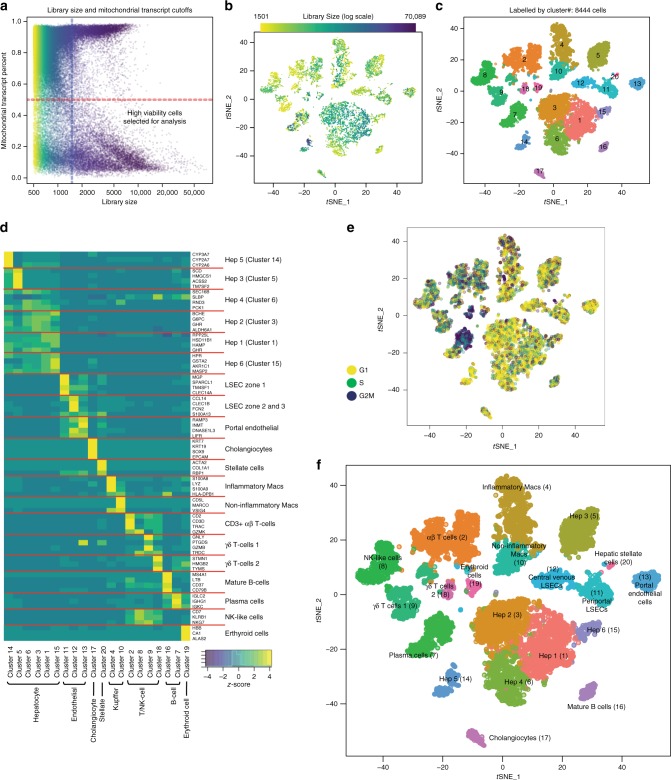
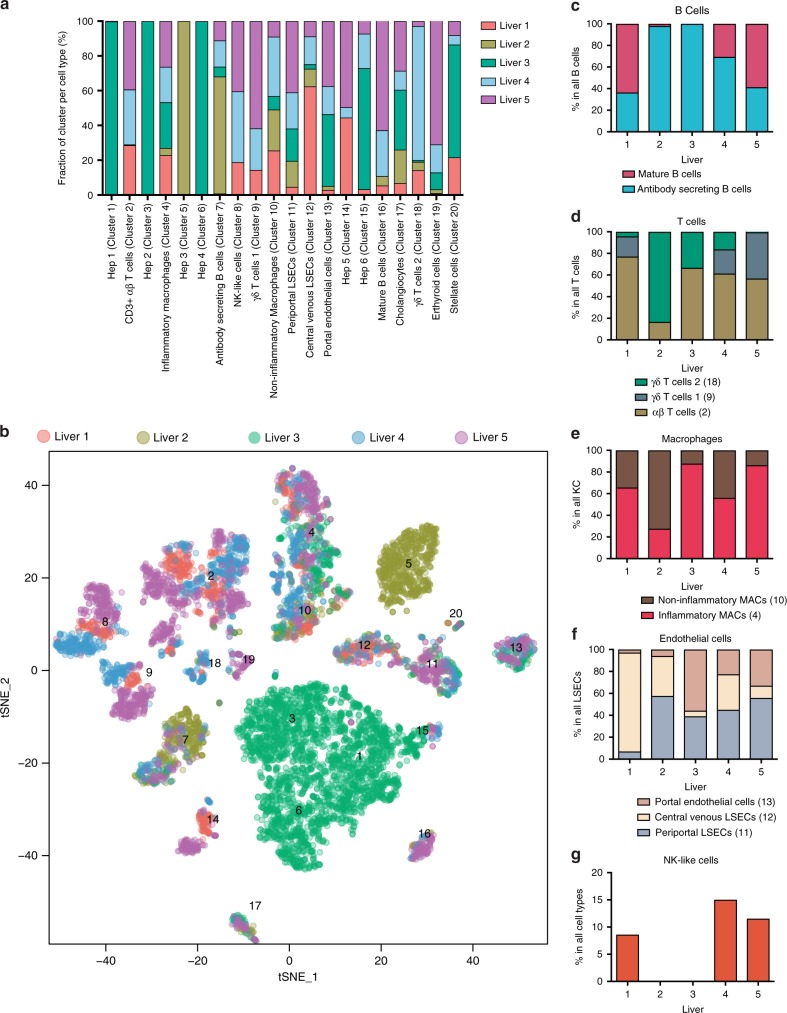
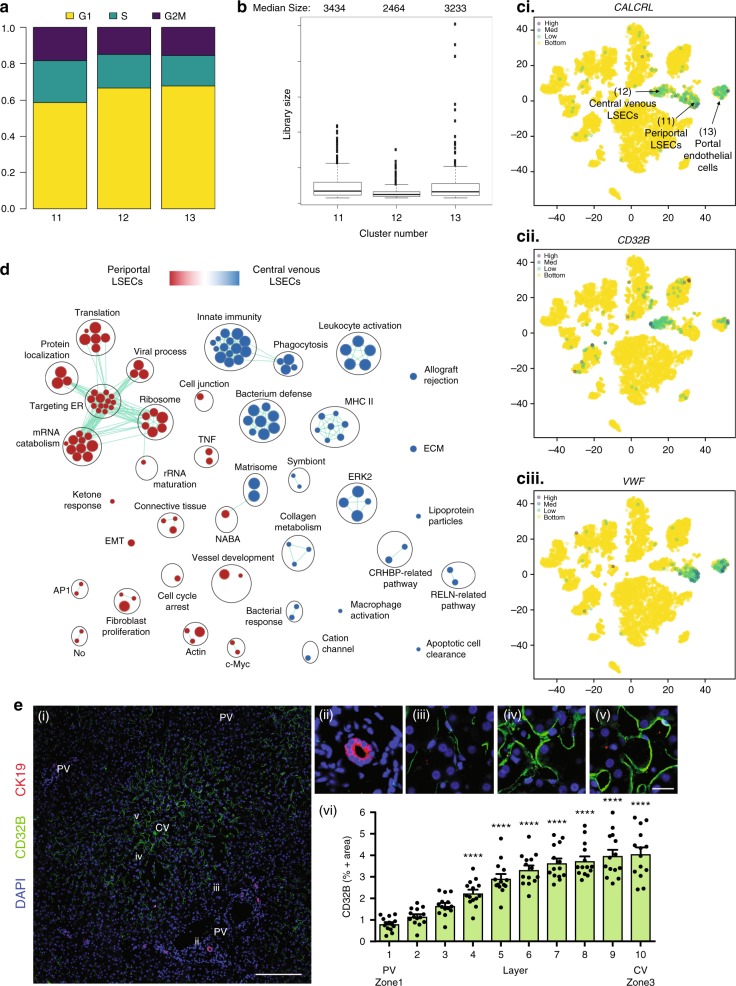
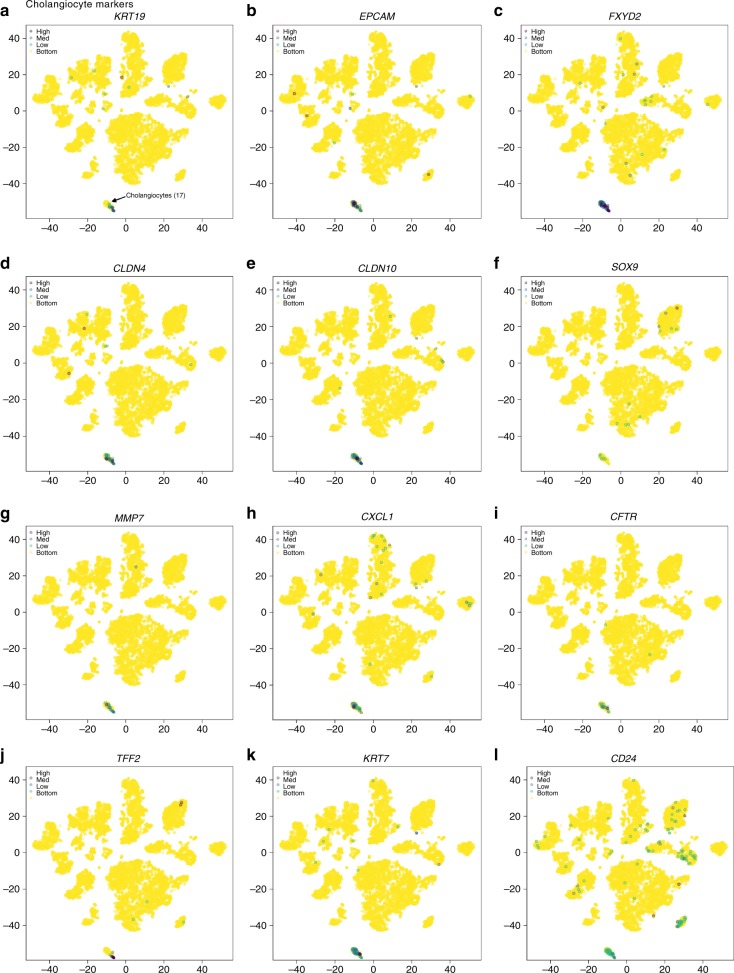
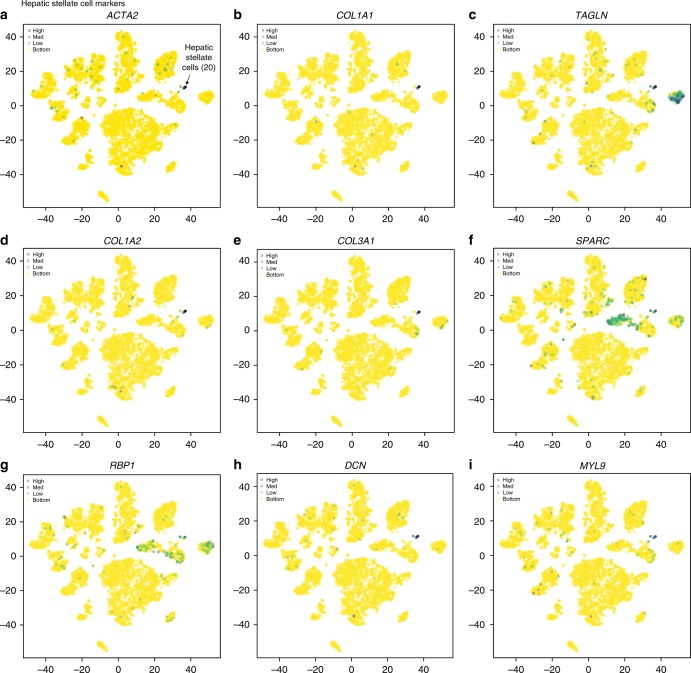
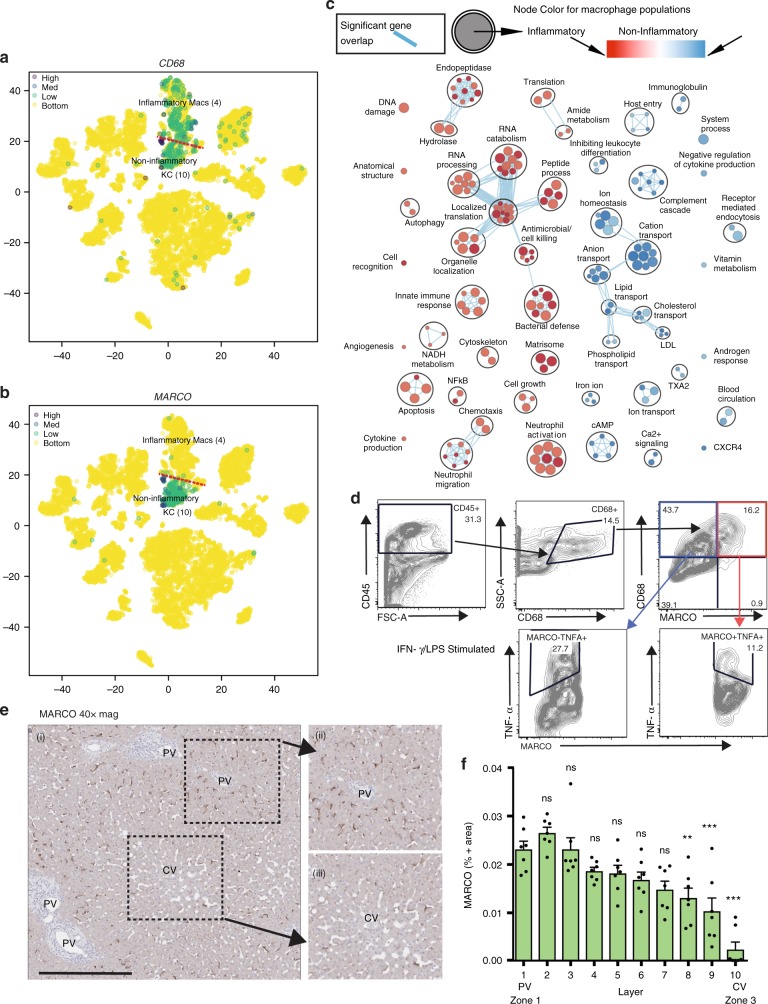
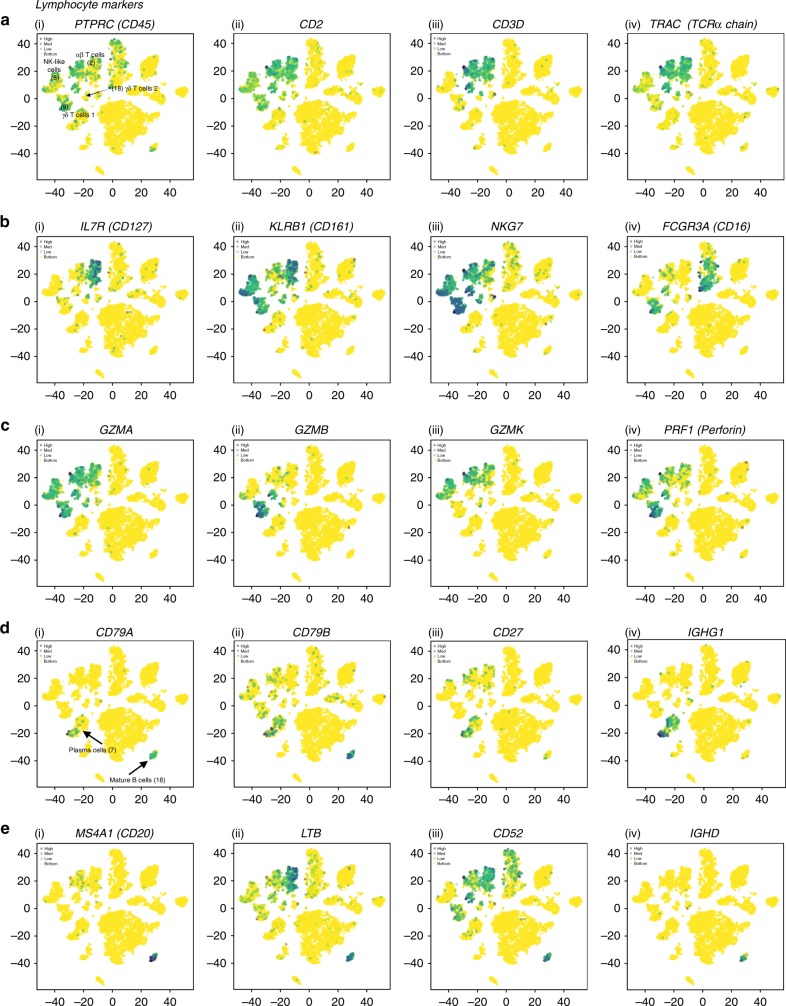
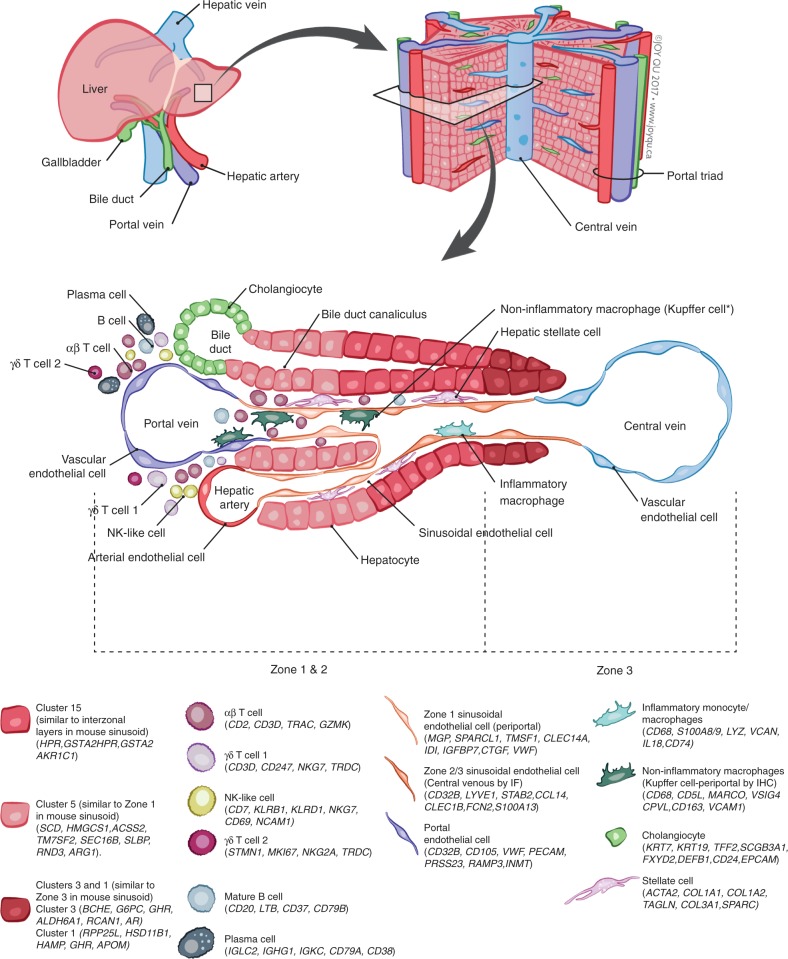
The liver is the largest solid organ in the body and is critical for metabolic and immune functions. However, little is known about the cells that make up the human liver and its immune microenvironment. Here we report a map of the cellular landscape of the human liver using single-cell RNA sequencing. We provide the transcriptional profiles of 8444 parenchymal and non-parenchymal cells obtained from the fractionation of fresh hepatic tissue from five human livers. Using gene expression patterns, flow cytometry, and immunohistochemical examinations, we identify 20 discrete cell populations of hepatocytes, endothelial cells, cholangiocytes, hepatic stellate cells, B cells, conventional and non-conventional T cells, NK-like cells, and distinct intrahepatic monocyte/macrophage populations. Together, our study presents a comprehensive view of the human liver at single-cell resolution that outlines the characteristics of resident cells in the liver, and in particular provides a map of the human hepatic immune microenvironment.
Overview
The claims and statistics of this paper haven’t been checked yet.
Free: it reads the open-access text and checks the first 5 claims that cite a source we can check. Create a free account to check every claim.
Integrity signals
Registry
Cites
Statistics
Figures
Verification
Claims the paper makes
The claims and statistics of this paper haven’t been checked yet.
Free: it reads the open-access text and checks the first 5 claims that cite a source we can check. Create a free account to check every claim.
Claims other papers make about this one
Each is checked against this paper’s own text: does it say what the citing paper says it does?
The source backs part of the claim, not all of it — or backs it for a different population, condition or comparison.
In the citing paper
“In the adult liver, endothelial cells appear to be zonated. scRNA-seq revealed that periportal LSECs express high levels of CD36 and Adam23, which progressively diminish in the midzonal and pericentral zones. On the other hand, pericentral LSECs and central venous ECs abundantly express Wnt2, Wnt9, Lhx6, and Kit, which decrease toward midzonal and periportal zone ECs. Flt4, Lyve1, Cd32b, and Stab”
From Inflammation and immunity in liver homeostasis and disease: a nexus of hepatocytes, nonparenchymal cells and immune cells (2025) · doi:10.1038/s41423-025-01313-7 · cites this paper as [291]
Experimental — accuracy not yet measuredThe source backs part of the claim, not all of it — or backs it for a different population, condition or comparison.
In the citing paper
“Macrophages consist of a heterogeneous population even in a healthy liver, where they harbor a wide spectrum of expression profiles (19–22). They comprise resident Kupffer cells, which derive from erythromyeloid progenitors (23), and infiltrating monocyte-derived macrophages, which originate preferentially from the bone marrow but also from the peritoneal cavity or the spleen (21, 24).”
From Immunoregulation of Liver Fibrosis: New Opportunities for Antifibrotic Therapy (2024) · doi:10.1146/annurev-pharmtox-020524-012013 · cites this paper as [22]
Experimental — accuracy not yet measuredThe source backs part of the claim, not all of it — or backs it for a different population, condition or comparison.
In the citing paper
“MacParland et al. found that quiescent and activated HSCs were transcriptomically distinct, with activated HSCs downregulating vitamin A storage-related genes, such as LRAT (lecithin retinol acyltransferase) and RBP1 (retinol binding protein 1), and upregulating pro-fibrogenic genes, such as collagen type I α1, TIMP, CTGF, TGFB1 and tenascin C. They also identified a subgroup that may represent”
From Understanding the cellular interactome of non-alcoholic fatty liver disease (2022) · cites this paper as [132]
Experimental — accuracy not yet measuredThe source backs part of the claim, not all of it — or backs it for a different population, condition or comparison.
In the citing paper
“ScRNAseq has uncovered functional zonation of murine HSC, allowing high-resolution identification of the critical pathogenic collagen-producing cells following centrilobular liver injury16.”
From Fibrosis: from mechanisms to medicines (2020) · cites this paper as [16]
Experimental — accuracy not yet measuredThe source backs part of the claim, not all of it — or backs it for a different population, condition or comparison.
In the citing paper
“Pseudotemporal trajectory and RNA velocity, another computational approach that predicts the future state of individual cells on a timescale, demonstrated that central vein-associated HSCs are the dominant source of pathogenic collagen-producing cells following centrilobular liver injury16.”
From Fibrosis: from mechanisms to medicines (2020) · cites this paper as [16]
Experimental — accuracy not yet measured
7 more claims about this paper
Create a free account to see every claim other papers make about this one.
Self-check
Percentages, sums and reported differences re-computed from the paper’s own numbers.
The self-check needs the paper’s full text.
Citations
Cites
GSVA: gene set variation analysis for microarray and RNA-Seq data
Hänzelmann, S., Castelo, R., & Guinney, J. (2013) · BMC Bioinformatics · doi:10.1186/1471-2105-14-7 · Cited by 15,440
Highly parallel genome-wide expression profiling of individual cells using nanoliter droplets.
Macosko, E. Z., Basu, A., Satija, R., Nemesh, J., Shekhar, K., Goldman, M., Tirosh, I., Bialas, A. R., Kamitaki, N., Martersteck, E. M., et al. (2015) · Cell · doi:10.1016/j.cell.2015.05.002 · Cited by 7,110
Mapping identifiers for the integration of genomic datasets with the R/Bioconductor package biomaRt
Durinck, S., Spellman, P. T., Birney, E., & Huber, W. (2009) · Nature Protocols · doi:10.1038/nprot.2009.97 · Cited by 4,197
Simultaneous epitope and transcriptome measurement in single cells
Stoeckius, M., Hafemeister, C., Stephenson, W., Houck-Loomis, B., Chattopadhyay, P. K., Swerdlow, H., Satija, R., & Smibert, P. (2017) · Nature Methods · doi:10.1038/nmeth.4380 · Cited by 3,098
A Lineage of Myeloid Cells Independent of Myb and Hematopoietic Stem Cells
Schulz, C., Perdiguero, E. G., Chorro, L., Szabo-Rogers, H., Cagnard, N., Kierdorf, K., Prinz, M., Wu, B., Jacobsen, S. E. W., Pollard, J. W., et al. (2012) · Science · doi:10.1126/science.1219179 · Cited by 2,578
Single-cell RNA-seq reveals new types of human blood dendritic cells, monocytes, and progenitors
Villani, A.-C., Satija, R., Reynolds, G., Sarkizova, S., Shekhar, K., Fletcher, J., Griesbeck, M., Butler, A., Zheng, S., Lazo, S., et al. (2017) · Science · doi:10.1126/science.aah4573 · Cited by 2,413
Enrichment Map: A Network-Based Method for Gene-Set Enrichment Visualization and Interpretation
Merico, D., Isserlin, R., Stueker, O., Emili, A., & Bader, G. D. (2010) · PLoS ONE · doi:10.1371/journal.pone.0013984 · Cited by 2,235
Self-citationTissue-Resident Macrophage Enhancer Landscapes Are Shaped by the Local Microenvironment
Lavin, Y., Winter, D., Blecher-Gonen, R., David, E., Keren-Shaul, H., Merad, M., Jung, S., & Amit, I. (2014) · Cell · doi:10.1016/j.cell.2014.11.018 · Cited by 2,167
Tissue-Resident Macrophage Ontogeny and Homeostasis
Ginhoux, F., & Guilliams, M. (2016) · Immunity · doi:10.1016/j.immuni.2016.02.024 · Cited by 1,884
Single-cell RNA sequencing to explore immune cell heterogeneity
Papalexi, E., & Satija, R. (2018) · Nature Reviews Immunology · doi:10.1038/nri.2017.76 · Cited by 1,806
Cited by
Items 601–700 of 1,002
Ahamed, F., Eppler, N., Jones, E., & Zhang, Y. (2024) · Livers · doi:10.3390/livers4030033 · Cited by 22
“However, while human studies are more clinically relevant, they also face challenges due to the variability in macrophage populations and druggable targets among patients.”
Wu, H., Wang, J., Liu, S., Wang, Y., Tang, X., Xie, J., Wang, N., Shan, H., Chen, S., Zhang, X., et al. (2025) · Cell Proliferation · doi:10.1111/cpr.70001 · Cited by 20
“scRNA-seq of P- hep-orgs ( n = 7994) at Day 8 was compared with primary human liver cells ( n = 8443) [37].”
Gu, Y. F., Zhang, Z., Huang, H., Zhu, W., Liu, H., Zhang, R., Weng, N. P., & Sun, X. S. (2025) · Frontiers in Immunology · doi:10.3389/fimmu.2025.1528103 · Cited by 21
Lin, Z., Liu, X., Wang, H., Li, S., Miao, Z., Yang, J., Zhang, Y., Lei, K., Wu, Y., Kang, Y., et al. (2025) · Nature Communications · doi:10.1038/s41467-025-61448-z · Cited by 23
Unveiling COVID-19-associated organ-specific cell types and cell-specific pathway cascade
Dey, A., Sen, S., & Maulik, U. (2020) · Briefings in Bioinformatics · doi:10.1093/bib/bbaa214 · Cited by 20
“Publicly available ScRNASeq datasets of different tissues and organs (bladder [5], ileum [6], kidney [7], liver [8] and lung [9]) from diverse human bodies are curated from GEO (href= "https://www.”
BackgroundCabanes‐Creus, M., Navarro, R. G., Liao, S. H. Y., Scott, S., Carlessi, R., Roca-Pinilla, R., Knight, M., Baltazar, G., Zhu, E., Jones, M., et al. (2023) · Molecular Therapy — Methods & Clinical Development · doi:10.1016/j.omtm.2022.12.014 · Cited by 21
“By studying the differential expression of genes on each identified cluster, we observed enriched expression of genes involved in lipid and cholesterol synthesis, such as HMGCS1 and ACSS2, in cluster 4 (Figures 1D and S1), suggesting that this cluster may represent a subset of zone 1 hepatocytes.(26) Cluster 0 present…”
BackgroundSingle-Cell RNA Transcriptome Profiling of Liver Cells of Short-Term Alcoholic Liver Injury in Mice
Cao, L., Wu, D., Qin, L., Tan, D., Fan, Q., Jia, X., Yang, M., Zhou, T., Feng, C., Lu, Y., et al. (2023) · International Journal of Molecular Sciences · doi:10.3390/ijms24054344 · Cited by 21
“Traditional immunofluorescence, flow cytometry, isolation of endothelial cells for RNA-seq and other methods are still limited by antigens and immune reagents [27].”
BackgroundOverview of Innate Immune Cell Landscape in Liver Aging
Lin, Y., Li, Q., Liang, G., Xiao, N., Yang, J., Yang, X. M., Zhang, H., Zhang, C., & Liu, A. (2023) · International Journal of Molecular Sciences · doi:10.3390/ijms25010181 · Cited by 22
“In addition, in the human liver, Kupffer cells are composed of CD68 + MARCO + cells, CD68 + MARCO − macrophages, and CD14 + monocytes [75,76].”
BackgroundLu, C., Wei, Y., Abbas, M., Hasi, A., Wang, E., Meng, Z., & Zhang, R. (2024) · International Journal of Molecular Sciences · doi:10.3390/ijms25031479 · Cited by 22
Hu, H., & Quon, G. (2024) · Nature Communications · doi:10.1038/s41467-024-53971-2 · Cited by 23
Bayesian correlation is a robust gene similarity measure for single-cell RNA-seq data
Sánchez‐Taltavull, D., Perkins, T. J., Dommann, N., Mélin, N., Keogh, A., Candinas, D., Stroka, D., & Beldi, G. (2020) · NAR Genomics and Bioinformatics · doi:10.1093/nargab/lqaa002 · Cited by 23
Zhou, P., Zheng, G., Li, Y., Wu, D., & Chen, Y. (2020) · Frontiers in Genetics · doi:10.3389/fgene.2020.01026 · Cited by 29
Immunological Determinants of Liver Transplant Outcomes Uncovered by the Rat Model
Wang, X., MacParland, S. A., & Perciani, C. T. (2021) · Transplantation · doi:10.1097/tp.0000000000003598 · Cited by 20
Self-citationHuang, L., Liao, J., Chen, Y., Zou, C., Zhang, H., Yang, X., Zhang, Q., Li, T., Mo, L., Zeng, Y., et al. (2021) · Journal of Cellular Physiology · doi:10.1002/jcp.30398 · Cited by 20
“This technique was recently used to establish transcriptome profiles of single cells and dissect the heterogeneity of cell types, such as human pancreas (Muraro et al., 2016) testis (Guo et al., 2018) liver (MacParland et al., 2018), and brain (Johnson et al., 2015).”
MethodTiwari‐Heckler, S., Yee, E. U., Yalcin, Y., Park, J., Nguyen, D.-H. T., Gao, W., Csizmadia, E., Afdhal, N. H., Mukamal, K. J., Robson, S. C., et al. (2021) · Cell Reports · doi:10.1016/j.celrep.2021.109897 · Cited by 20
Decoding Single-cell Landscape and Intercellular Crosstalk in the Transplanted Liver
Huang, H., Chen, R., Lin, Y., Jiang, J., Feng, S., Zhang, X., Zhang, C., Ji, Q., Chen, H., Xie, H., et al. (2023) · Transplantation · doi:10.1097/tp.0000000000004365 · Cited by 20
“A recent study has identified 20 cell populations from the transcriptional profiling of the human liver, such as 6 hepatocyte populations, 3 liver endothelial cell populations, and 2 macrophage populations.(5) However, this classification does not entirely account for the transplanted liver.”
BackgroundBeyond M1/M2: The role of reactive oxygen species in liver fibrosis and immune modulation
Lu, H., Huang, J., Wang, Y.-C., Casals, E., Casals, G., & Zeng, M. (2025) · Redox Biology · doi:10.1016/j.redox.2025.103933 · Cited by 19
“…RNA sequencing, fate-mapping, and spatial transcriptomics have uncovered a rich diversity of macrophage subsets that defy the classic classification, including hybrid phenotypes co-expressing both pro-inflammatory (e.g., IL-1 β , TNF-α ) and anti-inflammatory (e.g., CD206, Arg1) markers [47,88].”
InfluentialSingle-cell atlas of human pediatric liver reveals age-related hepatic gene signatures
Edgar, R. D., Nakib, D., Camat, D., Chung, S., Lumanto, P., Atif, J., Perciani, C. T., Ma, X., Thoeni, C. E., Selvakumaran, N., et al. (2025) · Hepatology Communications · doi:10.1097/hc9.0000000000000813 · Cited by 21
Self-citationWen, W., Liu, Z., Tan, W., Tan, Y., Li, W., Wan, J., Hu, H., Jiang, Z., Tang, X., Yang, J., et al. (2026) · npj Digital Medicine · doi:10.1038/s41746-026-02352-8 · Cited by 22
“This differentiation sequence complements existing research on myeloid cell plasticity within the context of liver disease 37 .”
The Role of Myeloid Cells in Hepatotoxicity Related to Cancer Immunotherapy
Gudd, C. L. C., & Possamai, L. A. (2022) · Cancers · doi:10.3390/cancers14081913 · Cited by 20
Moon, S., Park, K., Chung, P. H., Sahu, D. P., & Yoon, T. (2023) · Journal of Alloys and Compounds · doi:10.1016/j.jallcom.2023.171211 · Cited by 19
Atlas of primary cell-type-specific sequence models of gene expression and variant effects
Sokolova, K., Theesfeld, C. L., Wong, A. K., Zhang, Z., Dolinski, K. J., & Troyanskaya, O. G. (2023) · Cell Reports Methods · doi:10.1016/j.crmeth.2023.100580 · Cited by 23
Chen, M., Wu, G., Lu, Y., Sun, S., Zhao, Y., Pan, X., Chen, W., Xu, J., Qiu, H., He, W., et al. (2024) · Molecular Therapy · doi:10.1016/j.ymthe.2024.04.002 · Cited by 19
Ji, L., Chen, C., Zhu, J., Hong, X., Liu, X., Wei, C., Zhu, X., & Li, W. (2024) · Frontiers in Immunology · doi:10.3389/fimmu.2024.1376860 · Cited by 20
“MacParland et al. have performed single-cell RNA sequencing of human liver samples, providing a map of the human hepatic immune microenvironment (16).”
BackgroundDissecting the human immune system with single cell RNA sequencing technology
Xu, G., Liu, Y., Li, H., Liu, L., Zhang, S., & Zhang, Z. (2019) · Journal of Leukocyte Biology · doi:10.1002/jlb.5mr1019-179r · Cited by 19
Self-citationSingle-cell profiling reveals sex diversity in human renal proximal tubules
Huang, L., Liao, J., He, J., Pan, S., Zhang, H., Yang, X., Cheng, J., Chen, Y., & Mo, Z. (2020) · Gene · doi:10.1016/j.gene.2020.144790 · Cited by 20
Insights Into Human Intrahepatic NK Cell Function From Single Cell RNA Sequencing Datasets
Jameson, G., & Robinson, M. W. (2021) · Frontiers in Immunology · doi:10.3389/fimmu.2021.649311 · Cited by 23
The effect of liver disease on hepatic microenvironment and implications for immune therapy
Brown, Z. J., Ruff, S. M., & Pawlik, T. M. (2023) · Frontiers in Pharmacology · doi:10.3389/fphar.2023.1225821 · Cited by 20
Polyak, S. J., Crispe, I. N., & Baumert, T. F. (2021) · Pathogens · doi:10.3390/pathogens10010044 · Cited by 20
“Two Kupffer cell subsets were resolved in single-cell RNA sequencing analyses of unmanipulated mouse liver [48], and two broadly equivalent subsets were resolved in human liver, both by single cell RNA sequencing [49,50] and by flow cytometry [51].”
BackgroundRautou, P., Chotkoe, S., Biquard, L., Wettstein, G., van der Graaff, D., Liu, Y., Man, J. D., Casteleyn, C. R., Thys, S., Vos, W. H. D., et al. (2025) · JHEP Reports · doi:10.1016/j.jhepr.2025.101366 · Cited by 23
“39,40 We can thus speculate that lobular LSECs are particularly sensitive to stimuli derived from the portal vein in a context of metabolic syndrome, like excessive dietary macro-nutrients or gut microbiota-derived products, leading to early capillarisation in that area.”
A comprehensive molecular atlas of the mesenchymal cell types in the mouse liver
Pietilä, R. S., Genové, G., Mocci, G., Miao, Y., Liu, J., Leptidis, S., Gaudio, F. D., Uhrbom, M., Vázquez-Liébanas, E., Gustafsson, S., et al. (2025) · EMBO Reports · doi:10.1038/s44319-025-00580-9 · Cited by 18
“…been unraveled, primarily due to the advent of single-cell RNA-sequencing (scRNA-seq) and spatial transcriptomic techniques (Dobie et al, 2019b; Halpern et al, 2018; Halpern et al, 2017; Hildebrandt et al, 2021; MacParland et al, 2018; The Tabula Muris Consortium, 2018; Watson et al, 2025).”
Self-citationZhu, D., Rostami, M. R., Zuo, W.-L., Leopold, P. L., & Crystal, R. G. (2020) · Human Gene Therapy · doi:10.1089/hum.2019.366 · Cited by 23
Potential biomarkers in the fibrosis progression of nonalcoholic steatohepatitis (NASH)
Wang, Z., Zhao, Z., Xia, Y., Cai, Z., Wang, C., Shen, Y., Liu, R., Qin, H., Jia, J., & Yuan, G. (2022) · Journal of Endocrinological Investigation · doi:10.1007/s40618-022-01773-y · Cited by 19
Sanchez-Quant, E., Richter, M., Martinez‐Jimenez, C. P., & Colomé‐Tatché, M. (2022) · Genome biology · doi:10.1016/s0168-8278(22)01138-2 · Cited by 18
Plasticity of monocytes and macrophages in cirrhosis of the liver
Geng, A., Flint, E., & Bernsmeier, C. (2022) · Frontiers in Network Physiology · doi:10.3389/fnetp.2022.937739 · Cited by 19
“ScRNA-Seq revealed MDMs as CD68MARCO in comparison to CD68CD163MARCOTIMD4 KCs (MacParland et al., 2018; Aizarani et al., 2019; Ramachandran et al., 2019).”
MethodResultPeng, J., Li, F., Wang, J., Wang, C., Jiang, Y., Liu, B., He, J., Yuan, K., Pan, C., Lin, M., et al. (2022) · Cell Discovery · doi:10.1038/s41421-022-00474-3 · Cited by 19
Single-cell RNA-seq revealing the immune features of donor liver during liver transplantation
Shan, Y., Qi, D., Zhang, L., Wu, L., Li, W., Liu, H., Li, T., Fu, Z., Bao, H., & Song, S. (2023) · Frontiers in Immunology · doi:10.3389/fimmu.2023.1096733 · Cited by 19
“A study has used MARCO as a marker gene to identify the anti-inflammatory and pro-inflammatory phenotypes of macrophages(34).”
BackgroundMethodGuo, Q., Wu, J., Wang, Q., Huang, Y., Chen, L., Gong, J., Du, M., Cheng, G., Lu, T., Zhao, M., et al. (2023) · Journal of Pharmaceutical Analysis · doi:10.1016/j.jpha.2023.03.004 · Cited by 19
Chung, D. H., Zheng, M., Bale, A. E., & Vilarinho, S. (2023) · Journal of Hepatology · doi:10.1016/j.jhep.2023.03.030 · Cited by 18
Emerging applications of single-cell profiling in precision medicine of atherosclerosis
Lin, H., Zhang, M., Hu, M., Zhang, Y., Jiang, W., Tang, W., Ouyang, Y., Jiang, L., Mi, Y., Chen, Z., et al. (2024) · Journal of Translational Medicine · doi:10.1186/s12967-023-04629-y · Cited by 18
“Epigenetic and liposome analyses, combined with scRNA-seq, have shown that hepatocyte adenosine kinase (ADK) not only reduces liver Ppara expression and fatty acid oxidation but also promotes the pro-inflammatory activation of macrophages through ADK-driven liver cytokines [62, 63].”
BackgroundFrom Cell to Gene: Deciphering the Mechanism of Heart Failure With Single‐Cell Sequencing
Zhang, D., Wen, Q., Zhang, R., Kou, K., Lin, M., Zhang, S., Yang, J., Shi, H., Yang, Y., Tan, X., et al. (2024) · Advanced Science · doi:10.1002/advs.202308900 · Cited by 20
Fan, X., Liu, J., Yang, Y., Gu, C., Han, Y., Wu, B., Jiang, Y., Chen, G., & Heng, P. (2024) · Communications Biology · doi:10.1038/s42003-024-07154-w · Cited by 23
“Forinstance,thegeneKRT19, knownforitsexpressioninepithelialcellsandutilizedasamarkerfor immaturehepatoblasts 33 , also showed a signi fi cant expression in de fi nitive endoderm cells, consistent with the attention matrix results.”
Self-citationRequena, D., Medico, J. A., Soto-Ugaldi, L. F., Shirani, M., Saltsman, J. A., Torbenson, M. S., Coffino, P., & Simon, S. M. (2024) · Nature Communications · doi:10.1038/s41467-024-55238-2 · Cited by 15
ILRUN , a Human Plasma Lipid GWAS Locus, Regulates Lipoprotein Metabolism in Mice
Bi, X., Kuwano, T., Lee, P. C., Millar, J. S., Li, L., Shen, Y., Soccio, R. E., Hand, N. J., & Rader, D. J. (2020) · Circulation Research · doi:10.1161/circresaha.120.317175 · Cited by 18
Jamil, M. A., Singer, H., Al-Rifai, R., Nüsgen, N., Rath, M., Strauß, S., Andreou, I., Oldenburg, J., & El‐Maarri, O. (2020) · International Journal of Molecular Sciences · doi:10.3390/ijms21207776 · Cited by 19
Nucleic Acid-Induced Signaling in Chronic Viral Liver Disease
Suarez, A. A. R., Testoni, B., Baumert, T. F., & Lupberger, J. (2021) · Frontiers in Immunology · doi:10.3389/fimmu.2020.624034 · Cited by 19
“Although our view of the liver has been traditionally hepatocytecentric, recent developments in single-cell omics have opened new insights into the diversity of stromal components and cellular states present in the liver microenvironment (96, 97).”
BackgroundUse of human tissue stem cell-derived organoid cultures to model enterohepatic circulation
Blutt, S. E., Crawford, S. E., Bomidi, C., Zeng, X., Broughman, J. R., Robertson, M. J., Coarfa, C., Tessier, M. E. M., Savidge, T., Hollinger, F. B., et al. (2021) · American Journal of Physiology-Gastrointestinal and Liver Physiology · doi:10.1152/ajpgi.00177.2021 · Cited by 18
Jacquelot, N., Seillet, C., Souza-Fonseca-Guimarães, F., Sacher, A. G., Belz, G. T., & Ohashi, P. S. (2021) · International Journal of Molecular Sciences · doi:10.3390/ijms22169044 · Cited by 19
Kim, C., Lee, H., Jeong, J., Jung, K., & Han, B. (2022) · Nucleic Acids Research · doi:10.1093/nar/gkac216 · Cited by 23
“(2), and the lung dataset of Tabula Muris consortium (22) provide examples where the standard clustering approach fails to distinguish certain cell types.”
BackgroundZhang, X., Hu, C., Huang, C., Wei, Y., Li, X., Hu, M., Li, H., Wu, J., Czajkowsky, D. M., Guo, Y., et al. (2022) · Frontiers in Cell and Developmental Biology · doi:10.3389/fcell.2022.853188 · Cited by 22
Self-citationThe liver-resident immune cell repertoire - A boon or a bane during machine perfusion?
Fodor, M., Salcher, S., Gottschling, H., Mair, A., Blumer, M. J. F., Sopper, S., Ebner, S., Pircher, A., Oberhuber, R., Wolf, D. G. F., et al. (2022) · Frontiers in Immunology · doi:10.3389/fimmu.2022.982018 · Cited by 18
Recent Advances in Practical Methods for Liver Cell Biology: A Short Overview
Torres, S., Abdullah, Z., Brol, M. J., Hellerbrand, C., Fernández, M., Fiorotto, R., Klein, S., Königshofer, P., Liedtke, C., Lotersztajn, S., et al. (2020) · International Journal of Molecular Sciences · doi:10.3390/ijms21062027 · Cited by 20
“Initial reports using single-cell RNA sequencing confirmed the heterogeneity and functional diversification of macrophages in healthy and diseased human livers [23,72].”
BackgroundGDF2 and BMP10 coordinate liver cellular crosstalk to maintain liver health
Zhao, D., Huang, Z., Li, X., Wang, H., Hou, Q., Wang, Y., Yan, F., Yang, W., Liu, D., Yi, S., et al. (2024) · eLife · doi:10.7554/elife.95811 · Cited by 17
“However, the expression of Gdf2 and Bmp10 was not detected by single-cell RNA-seq of either healthy or cirrhotic human livers ( Ramachandran et al., 2019 ; Aizarani et al., 2019 ; MacParland et al., 2018 ; Lu et al., 2022 ) due to the low abundance of Gdf2 and Bmp10 mRNA in HSCs.”
BackgroundZhu, B., Gao, S., Chen, S., Wang, Y., Yeung, J., Bai, Y., Huang, A. Y., Yeo, Y. Y., Liao, G., Mao, S., et al. (2025) · Nature Immunology · doi:10.1038/s41590-025-02163-1 · Cited by 19
“44.”
Ung, N. M., Goldbeck, C. S., Man, C., Hoeflich, J., Sun, R., Barbetta, A., Matasci, N., Katz, J. E., Lee, J. S. H., Chopra, S., et al. (2022) · Frontiers in Immunology · doi:10.3389/fimmu.2022.831103 · Cited by 18
IRF4 drives clonal evolution and lineage choice in a zebrafish model of T-cell lymphoma
Amanda, S., Tan, T. K., Ong, J. Z. L., Theardy, M. S., Wong, R. W. J., Huang, X. Z., Ali, M. Z., Li, Y., Gong, Z., Inagaki, H., et al. (2022) · Nature Communications · doi:10.1038/s41467-022-30053-9 · Cited by 17
Approaches to benchmark and characterize in vitro human model systems
Childs, C. J., Eiken, M. K., & Spence, J. R. (2022) · Development · doi:10.1242/dev.200641 · Cited by 17
Yin, X., Dong, L., Wang, X., Qin, Z., Ma, Y., Ke, X., Li, Y., Wang, Q., Mi, Y., Lyu, Q., et al. (2023) · Animal Models and Experimental Medicine · doi:10.1002/ame2.12327 · Cited by 18
Liver in infections: a single-cell and spatial transcriptomics perspective
Zou, J., Li, J., Zhong, X. Y., Tang, D., Fan, X., & Chen, R. (2023) · Journal of Biomedical Science · doi:10.1186/s12929-023-00945-z · Cited by 18
“This defence system relies on a complex network of immune and nonimmune cells, including KCs, DCs, T and B lymphocytes, neutrophils, NK cells, hepatocytes, cholangiocytes, and LSECs, which recruit proinflammatory immune cells that produce acute-phase proteins, complement factors, inflammatory cytokines, and cell adhes…”
BackgroundInfluentialJOINTLY: interpretable joint clustering of single-cell transcriptomes
Møller, A. F., & Madsen, J. G. S. (2023) · Nature Communications · doi:10.1038/s41467-023-44279-8 · Cited by 18
“…eight state-of-the-art integration methods 1 – 3, 7, 12 – 14 to a sxRNA-seq Next, we expanded the benchmark by including an additional 4 integration tasks containing between 8444 and 46,993 cells distributed over fi ve to 18 batches 4,18 – 21 with labels transferred from similar datasets 4,20 – 24 .”
Huang, Y., Liu, X., Wang, H., Chen, J.-Y., Zhang, X., Li, Y., Lu, Y., Dong, Z., Liu, K., Wang, Z., et al. (2024) · Fish & Shellfish Immunology · doi:10.1016/j.fsi.2024.109428 · Cited by 17
Zdyrski, C., Gabriel, V., Gessler, T. B., Ralston, A., Sifuentes‐Romero, I., Kundu, D., Honold, S. T., Wickham, H., Topping, N. E., Sahoo, D. K., et al. (2024) · Communications Biology · doi:10.1038/s42003-024-05818-1 · Cited by 17
“2l), a mucin expressed in mammalian cholangiocytes 60 , transforming protein RhoA ( Rhoa ), which is involved in anoxic overwintering in the painted turtle 51 , and 1,4-alpha-glucan branching enzyme 1 ( Gbe1 ), a glycogen branching enzyme.”
BackgroundZhang, J., Chen, W., Song, K., Song, K., Kolls, J. K., & Wu, T. (2024) · The FASEB Journal · doi:10.1096/fj.202400813rr · Cited by 17
Gao, C., Wang, S., Xie, X., Ramadori, P., Li, X., Liu, X., Ding, X., Liang, J., Xu, B., Feng, Y., et al. (2024) · Cellular and Molecular Gastroenterology and Hepatology · doi:10.1016/j.jcmgh.2024.101411 · Cited by 18
“14,15 Expression of MARCO in M f -C1-APOE cells suggested that this subset was most likely derived from liver resident Kupffer cells 26 (Figure 2 E ).”
Single-cell view and a novel protective macrophage subset in perivascular adipose tissue in T2DM
Li, J., Tian, Z., Zhang, T., Jin, J., Zhang, X., Xie, P., Lin, H., Gu, J., Wu, Y., Wang, X., et al. (2024) · Cellular & Molecular Biology Letters · doi:10.1186/s11658-024-00668-5 · Cited by 17
Wang, J., Chen, X.-Y., Zhang, Y., Shen, Y., Zhu, M.-L., Zhang, J., & Zhang, J. (2025) · Frontiers in Physiology · doi:10.3389/fphys.2025.1562848 · Cited by 20
Gopalan, V., Singh, A., Mehrabadi, F. R., Wang, L., Ruppin, E., Arda, H. E., & Hannenhalli, S. S. (2021) · Cancer Research · doi:10.1158/0008-5472.can-21-0427 · Cited by 18
Cavalli, M., Diamanti, K., Dang, Y., Xing, P., Pan, G., Chen, X., & Wadelius, C. (2021) · OMICS A Journal of Integrative Biology · doi:10.1089/omi.2021.0093 · Cited by 17
“To further investigate the hypothesis of a hepatocyte-specific regulation of ACOT1 transcription we used in-house single nuclei transcriptomics (Cavalli et al., 2020) and publicly available single cell transcriptomics data (Aizarani et al., 2019; MacParland et al., 2018; Ramachandran et al., 2019).”
MethodAchom, A., Das, R., & Pakray, P. (2022) · Computers in Biology and Medicine · doi:10.1016/j.compbiomed.2022.106050 · Cited by 19
Larsen, F. T., Hansen, D., Terkelsen, M. K., Bendixen, S. M., Avolio, F., Wernberg, C. W., Lauridsen, M. M., Grønkjær, L. L., Jacobsen, B. G., Gammelmark, E., et al. (2022) · JHEP Reports · doi:10.1016/j.jhepr.2022.100615 · Cited by 22
Advances of single-cell genomics and epigenomics in human disease: where are we now?
Kamies, R., & Martinez‐Jimenez, C. P. (2020) · Mammalian Genome · doi:10.1007/s00335-020-09834-4 · Cited by 22
Lee, J., Kim, C. M., Cha, J. H., Park, J. Y., Yu, Y. S., Wang, H. J., Sung, P. S., Jung, E. S., & Bae, S. H. (2022) · Cells · doi:10.3390/cells11213387 · Cited by 16
Macrophage heterogeneity and plasticity in liver injury and repair mechanisms
Zhang, T., Horn, P., Peiseler, M., & Tacke, F. (2025) · Stem Cells · doi:10.1093/stmcls/sxaf072 · Cited by 16
Machlin, J. H., & Shikanov, A. (2022) · Molecular Reproduction and Development · doi:10.1002/mrd.23648 · Cited by 17
A Refined Single Cell Landscape of Haematopoiesis in the Mouse Foetal Liver
Ceccacci, E., Villa, E., Santoro, F., Minucci, S., Ruhrberg, C., & Fantin, A. (2023) · Journal of Developmental Biology · doi:10.3390/jdb11020015 · Cited by 17
“The LSEC1 subcluster appeared enriched for Oit3 and Cldn5 (Figure S6e), recently reported to be increased in LSECs in central vein proximity [4].”
BackgroundInfluentialSynthesis of new hybrid pyridines catalyzed by Fe3O4@SiO2@urea-riched ligand/Ch-Cl
Zarei, N., Zolfigol, M. A., Torabi, M., & Yarie, M. (2023) · Scientific Reports · doi:10.1038/s41598-023-35849-3 · Cited by 16
Melkebeke, L. V., Verbeek, J., Bihary, D., Boesch, M., Boeckx, B., Feio‐Azevedo, R., Smets, L., Wallays, M., Claus, E., Bonne, L., et al. (2024) · Frontiers in Immunology · doi:10.3389/fimmu.2024.1346520 · Cited by 18
Jo, S., Park, S. B., Kim, H., Im, I., Noh, H., Kim, E., Kim, K. Y., Oelgeschläger, M., Kim, J., & Park, H. (2024) · Biofabrication · doi:10.1088/1758-5090/ad4c0a · Cited by 17
“The expression of V-set and immunoglobulin domain containing 4 (VSIG4), macrophage receptor with collagenous structure (MACRO), CD169, vascular cell adhesion protein 1 (VCAM1), and CD163 is enriched in Kupffer cells in the human liver [36–38].”
BackgroundMethodLiu, P., Liang, W., Huang, R., Chen, X.-X., Zou, D., Kurihara, H., Li, Y.-F., Xu, Y., Ouyang, S., & He, R. (2024) · Frontiers in Pharmacology · doi:10.3389/fphar.2024.1399598 · Cited by 19
Liver Macrophage Diversity in Health and Disease
Horn, P., & Tacke, F. (2024) · Results and problems in cell differentiation · doi:10.1007/978-3-031-65944-7_7 · Cited by 17
Tissue‐Resident Macrophages in Cancer: Friend or Foe?
Chi, J., Gao, Q., & Liu, D. (2024) · Cancer Medicine · doi:10.1002/cam4.70387 · Cited by 16
“A specific subtype of suppressive TAMs which express MARCO has been identified [187].”
BackgroundTamura, T., Cheng, C., Villaseñor-Altamirano, A. B., Yamada, K., Ikeda, K., Hayashida, K., Menon, J. A., Chen, X. D., Chung, H., Varon, J., et al. (2024) · Science Translational Medicine · doi:10.1126/scitranslmed.adq5796 · Cited by 16
Demaret, T., Roumain, M., Ambroise, J., Evraerts, J., Ravau, J., Bouzin, C., Bearzatto, B., Gala, J., Stepman, H. C. M., Marie, S., et al. (2020) · Biochimica et Biophysica Acta (BBA) - Molecular Basis of Disease · doi:10.1016/j.bbadis.2020.165900 · Cited by 16
Tumor-Associated Macrophages—Implications for Molecular Oncology and Imaging
Kimm, M. A., Klenk, C., Alunni‐Fabbroni, M., Kästle, S., Stechele, M., Ricke, J., Eisenblätter, M., & Wildgruber, M. (2021) · Biomedicines · doi:10.3390/biomedicines9040374 · Cited by 20
“The latest results from single-cell RNA sequencing of human liver macrophages revealed the existence of two distinct populations next to each other, one of which is anti-inflammatory, the other pro-inflammatory [88].”
BackgroundRoma, S., Carpen, L., Raveane, A., & Bertolini, F. (2021) · Cancers · doi:10.3390/cancers13205042 · Cited by 17
“1+NKp46+ Itga1 Il7r Ly6c2 [210] hNK Human Blood CD3−CD14−CD 9−CD45+CD56low/+ PTMA S100A6 TGFB1 GNLY LDHA SCL75A [209] hNK_Bl1 Blood anti-CD3, -CD14, -CD19, -CD45, -CD56 FGFBP2 GZMB GZMA SPON2 CST7FGCR3A GTF3C1 [209] hNK_Bl2 Blood anti-CD3, -CD14, -CD19, -CD45, -CD56 GZMK CD44 CXCR3 SCML1 NCF1 XCL1SCML1 ZFP36L2 [209] G…”
BackgroundProcessing single-cell RNA-seq datasets using SingCellaR
Wang, G., Wen, W. X., Mead, A. J., Roy, A., Psaila, B., & Thongjuea, S. (2022) · STAR Protocols · doi:10.1016/j.xpro.2022.101266 · Cited by 17
“For example, the percentage threshold for mitochondrial gene expression, ‘max_percent_mito’ can be set higher for liver tissues (MacParland et al., 2018).”
BackgroundPérez-García, P., Serrano-Ron, L., & Moreno-Risueno, M. Á. (2022) · Current Opinion in Cell Biology · doi:10.1016/j.ceb.2022.102102 · Cited by 16
Revisiting transplant immunology through the lens of single-cell technologies
Barbetta, A., Rocque, B., Sarode, D. N., Bartlett, J. A., & Emamaullee, J. A. (2022) · Seminars in Immunopathology · doi:10.1007/s00281-022-00958-0 · Cited by 18
Noh, J. Y., Herrera, M., Patil, B. S., Tan, X., Wright, G. A., & Sun, Y. (2022) · Experimental Biology and Medicine · doi:10.1177/15353702221121635 · Cited by 16
Voilquin, L., Liu, T., Jung, Y., Taylor, N. P., Zhao, M., Charville, G. W., Nissen, S. B., Yki‐Järvinen, H., Altman, R. B., & Svensson, K. J. (2022) · iScience · doi:10.1016/j.isci.2022.105802 · Cited by 16
“RESULTS Hepatic steatosis is characterized by high hepatocyte heterogeneity Previous single-cell analyses of livers have shown remarkable heterogeneity in cell populations.(23,24) However, while hepatocyte proteomic analyses have shown dramatic subcellular reorganization of proteins during the development of fatty liv…”
BackgroundMethodChen, X.-Q., Ma, J., Xu, D., & Xiang, Z. (2023) · BMC Bioinformatics · doi:10.1186/s12859-023-05391-0 · Cited by 17
“Using the CeDR Atlas, we further analyzed the single-cell sequencing data of hepatic cells derived from GSE115469 [30] and GSE130073 [31].”
MethodQuinn, C., Rico, M. C., Merali, C., Barrero, C. A., Perez-Leal, O., Mischley, V., Karanicolas, J., Friedman, S. L., & Merali, S. (2023) · Science Translational Medicine · doi:10.1126/scitranslmed.ade2966 · Cited by 17
“Previous liver tissue single-cell RNA sequencing analyses showed that FOLR3 expression is predominantly found in inflammatory macrophages ( 52 ).”
Imaging of the ex vivo transglutaminase activity in liver macrophages of sepsis mice
Su, T., Qin, X., Furutani, Y., Yu, W., & Kojima, S. (2020) · Analytical Biochemistry · doi:10.1016/j.ab.2020.113654 · Cited by 16
Mende, N., Bastos, H. P., Santoro, A., Sham, K., Mahbubani, K. T. A., Curd, A., Takizawa, H., Wilson, N. K., Göttgens, B., Saeb‐Parsy, K., et al. (2020) · bioRxiv (Cold Spring Harbor Laboratory) · doi:10.1101/2020.01.26.919753 · Cited by 17
“To date, organ donors have been used to chart the cellular composition and physiology of adult human tissues (Braga et al., 2019; MacParland et al., 2018; Reyfman et al., 2018), under what in most cases remains the best approximation of a steady-state healthy situation.”
MethodAngiocrine Signaling in Sinusoidal Health and Disease
Cooper, S. A., Kostallari, E., & Shah, V. H. (2023) · Seminars in Liver Disease · doi:10.1055/a-2128-5907 · Cited by 15
Boesch, M., Anak, S., Abyad, D. E., Ostyn, T., Antoranz, A., Van, T. M., Newhouse, D., Myers, C., Melkebeke, L. V., Palmer, J. M., et al. (2026) · Nature Genetics · doi:10.1038/s41588-026-02600-3 · Cited by 18
Type 2 immunity is maintained during cancer-associated adipose tissue wasting
Lenehan, P. J., Cirella, A., Uchida, A. M., Crowley, S. J., Sharova, T. Y., Boland, G. M., Dougan, M. L., Dougan, S. K., & Heckler, M. (2021) · Immunotherapy Advances · doi:10.1093/immadv/ltab011 · Cited by 15
“single-cell RNA-seq studies have identified subsets of complement-high macrophages [54, 55], and we may be detecting a shift toward this macrophage state rather than a shift along the classically described M1/M2 axis.”
BackgroundAchieving a Deeper Understanding of Drug Metabolism and Responses Using Single-Cell Technologies
Wheeler, A. M., Eberhard, C. D., Mosher, E. P., Yuan, Y., Wilkins, H. N., Seneviratne, H. K., Orsburn, B. C., & Bumpus, N. N. (2023) · Drug Metabolism and Disposition · doi:10.1124/dmd.122.001043 · Cited by 16
“Other cell types, including hepatic stellate cells, endothelial cells, cholangiocytes, and Kupffer cells, may also influence drug metabolism (MacParland et al., 2018; Aizarani et al., 2019).”
BackgroundYamaji, K., Iwabuchi, S., Tokunaga, Y., Hashimoto, S., Yamane, D., Toyama, S., Kono, R., Kitab, B., Tsukiyama–Kohara, K., Osawa, Y., et al. (2023) · Biomedicine & Pharmacotherapy · doi:10.1016/j.biopha.2023.115379 · Cited by 16
Hepatic Macrophages as Targets for the MSC-Based Cell Therapy in Non-Alcoholic Steatohepatitis
Kholodenko, I. V., & Yarygin, K. N. (2023) · Biomedicines · doi:10.3390/biomedicines11113056 · Cited by 16
“In three independent scRNA-seq studies, human Kupffer cells were identified as CD163 + MARCO + CD5L + TIMD4 + [90–92].”
BackgroundMethod
Metadata
- Authors
- MacParland, S. A., Liu, J. C., Ma, X.-Z., Innes, B. T., Bartczak, A. M., Gage, B. K., Manuel, J., Khuu, N., Echeverri, J., Linares, I., Gupta, R., Cheng, M. L., Liu, L. Y., Camat, D., Chung, S. W., Seliga, R. K., Shao, Z., Lee, E., Ogawa, S., Ogawa, M., Wilson, M. D., Fish, J. E., Selzner, M., Ghanekar, A., Grant, D., Greig, P., Sapisochin, G., Selzner, N., Winegarden, N., Adeyi, O., Keller, G., Bader, G. D., & McGilvray, I. D.
- Affiliations
- University of Toronto (CA)
- Toronto General Hospital Research Institute (CA)
- University Health Network (CA)
- Toronto General Hospital (CA)
- Corresponding author
- MacParland, Sonya A.
- Bader, Gary D.
- McGilvray, Ian D.
- ORCID
- MacParland, Sonya A.
- Liu, Jeff C.
- Ma, Xue-Zhong
- Innes, Brendan T.
- Gage, Blair K.
- Manuel, Justin
- Khuu, Nicholas
- Echeverri, Juan
- Linares, Ivan
- Gupta, Rahul
- Cheng, Michael L.
- Liu, Lewis Y.
- Camat, Damra
- Chung, Sai W.
- Seliga, Rebecca K.
- Lee, Elizabeth
- Ogawa, Shinichiro
- Ogawa, Mina
- Wilson, Michael D.
- Fish, Jason E.
- Selzner, Markus
- Ghanekar, Anand
- Grant, David
- Selzner, Nazia
- Winegarden, Neil
- Adeyi, Oyedele
- Keller, Gordon
- Bader, Gary D.
- McGilvray, Ian D.
- Venue
- Nature Communications
- Published
- 2018-10-22
- Volume
- 9
- Issue
- 1
- Pages
- 4383-4383
- ISSN
- 2041-1723 (ISSN-L)
- PMC
- PMC6197289
- OpenAlex
- W2896518632
- Cited by
- 1,552
- References
- 89
- Citations by year
- 2026: 177 · 2025: 221 · 2024: 232 · 2023: 230 · 2022: 239 · 2021: 199 · 2020: 174 · 2019: 78 · 2018: 1
- FWCI
- 41.18
- Type
- journal article
- Language
- en
- Open access
- gold
- doi.org
- Licence
- cc-by
- creativecommons.org/licenses/by/4.0 (tdm)
- creativecommons.org/licenses/by/4.0 (vor)
- Locations
- Nature Communications (publishedVersion, cc-by)
- Europe PMC (PubMed Central) (publishedVersion, other-oa)
- PubMed Central (publishedVersion, cc-by)
- PubMed (publishedVersion)
- RePEc: Research Papers in Economics (submittedVersion)
- DOAJ (DOAJ: Directory of Open Access Journals) (submittedVersion, cc-by-sa)
- DOAJ (DOAJ: Directory of Open Access Journals) (submittedVersion)
- Funders
- University of Washington
- University of Toronto
- Universiteit Gent
- Canada First Research Excellence Fund
- National Institutes of Health (GM 103504)
- Japan Society for the Promotion of Science (18K08589)
- National Institute of General Medical Sciences (P41GM103504)
- Topics
- Life Sciences › Biochemistry, Genetics and Molecular Biology › Molecular Biology › Single-cell and spatial transcriptomics
- Health Sciences › Medicine › Hepatology › Liver physiology and pathology
- Life Sciences › Immunology and Microbiology › Immunology › Immune cells in cancer
- Keywords
- human liver, liver immune microenvironment, hepatocytes, hepatic stellate cells, cholangiocytes, endothelial cells, B cells, T cells, NK-like cells, liver transcriptome
- MeSH terms
- B-Lymphocytes, Humans, Liver, Macrophages, Monocytes, Sequence Analysis, RNA, Hepatocytes, Endothelial Cells, Hepatic Stellate Cells
About these checks
Registry, retraction, Cites and statistics results are computed, not judged, with one exception: a printed reference that no index lists is read once by a model before it counts as a citation error. Claims are extracted by a model and kept only when their quote appears verbatim in the text; each cited source is then checked, with a model’s help, for whether it says what the claim relies on. Those verdicts can be wrong — read the claim’s quote and the cited source before relying on one.
Statistics and arithmetic are recomputed, not judged.
Confidence bands are shown only for fields calibrated on our annotated test set. None is calibrated yet, so no band is shown.
What counts as a claim ›How we measure confidence ›How we check this ›
Are you an author, or do you see a problem with this page? Request a review
Data sources
Bibliographic data: Semantic Scholar, OpenAlex, Crossref.
Contains information from the Semantic Scholar Academic Graph Datasets, made available under the ODC Attribution License (ODC-BY 1.0).
Semantic Scholar’s data is described in: Kinney, R., et al. (2023). The Semantic Scholar Open Data Platform. arXiv:2301.10140.
