

Single cell RNA sequencing of human liver reveals distinct intrahepatic macrophage populations
Open accessThe DOI matches its Crossref record; 89 of the 89 references it cites were found in a registry or an index.
Abstract
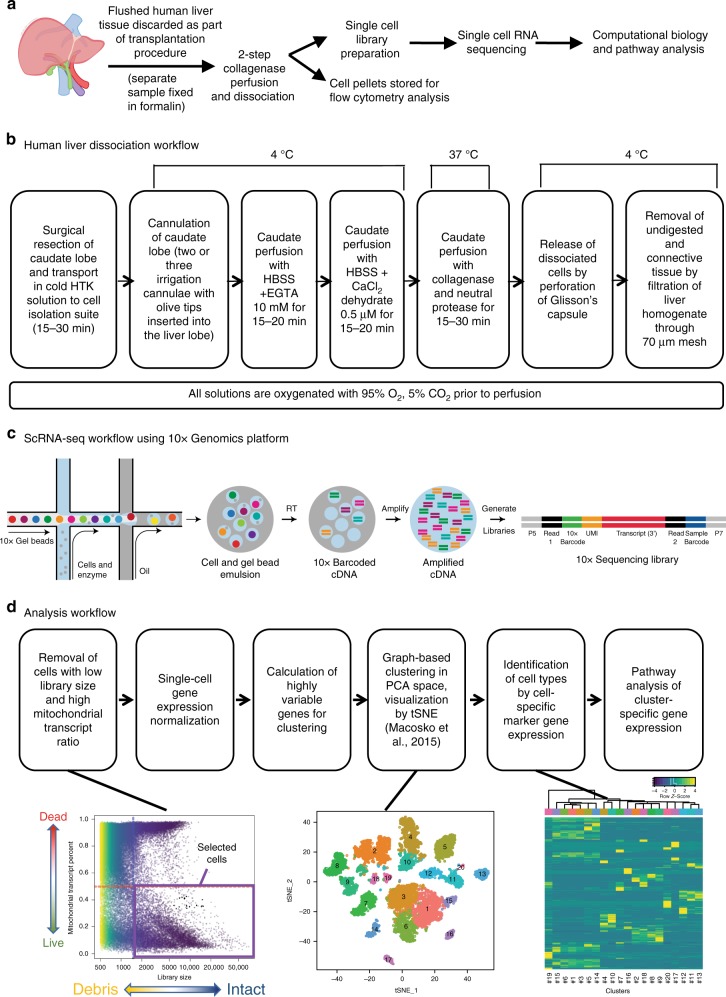
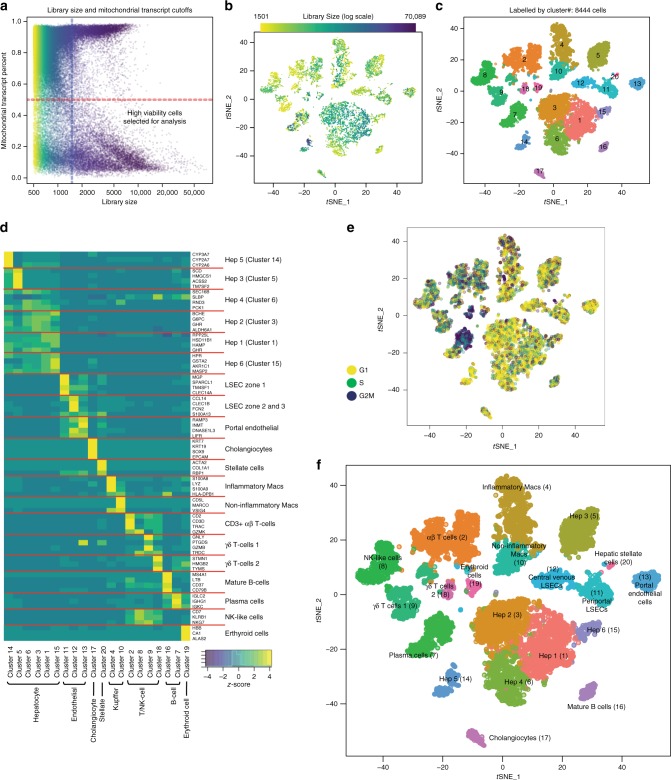
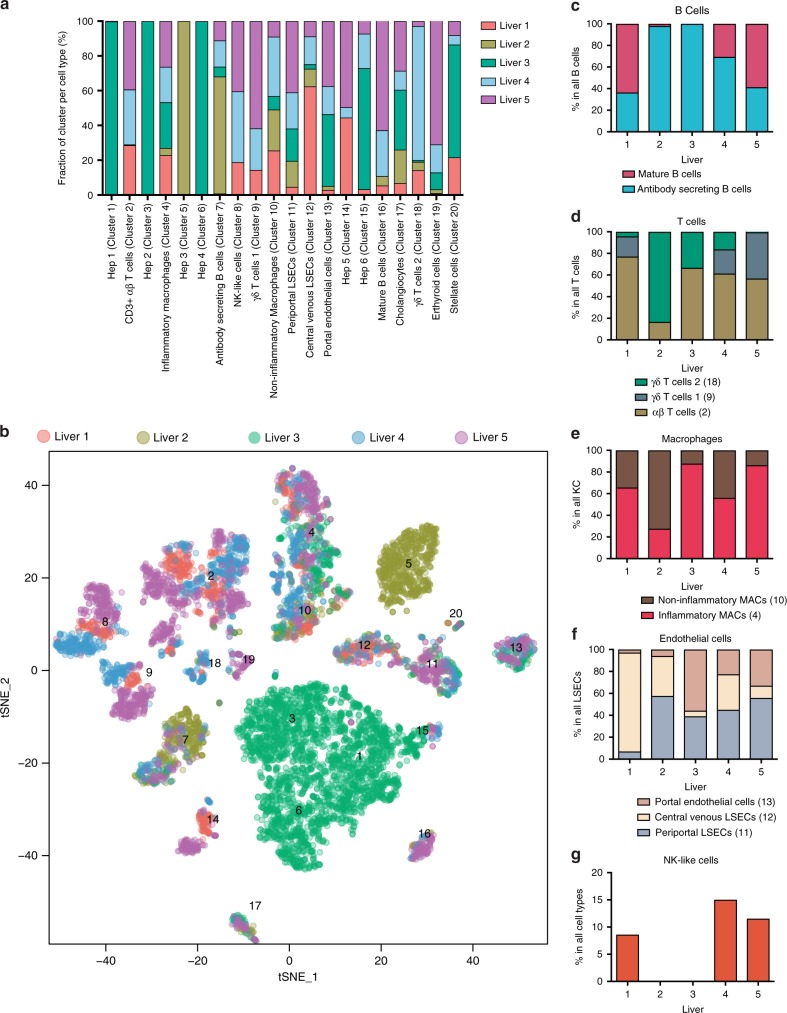
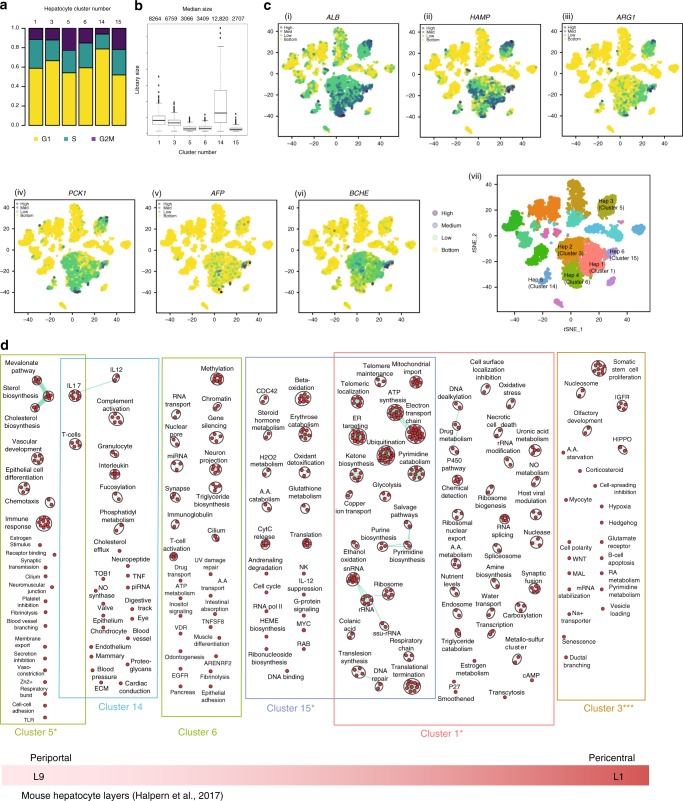
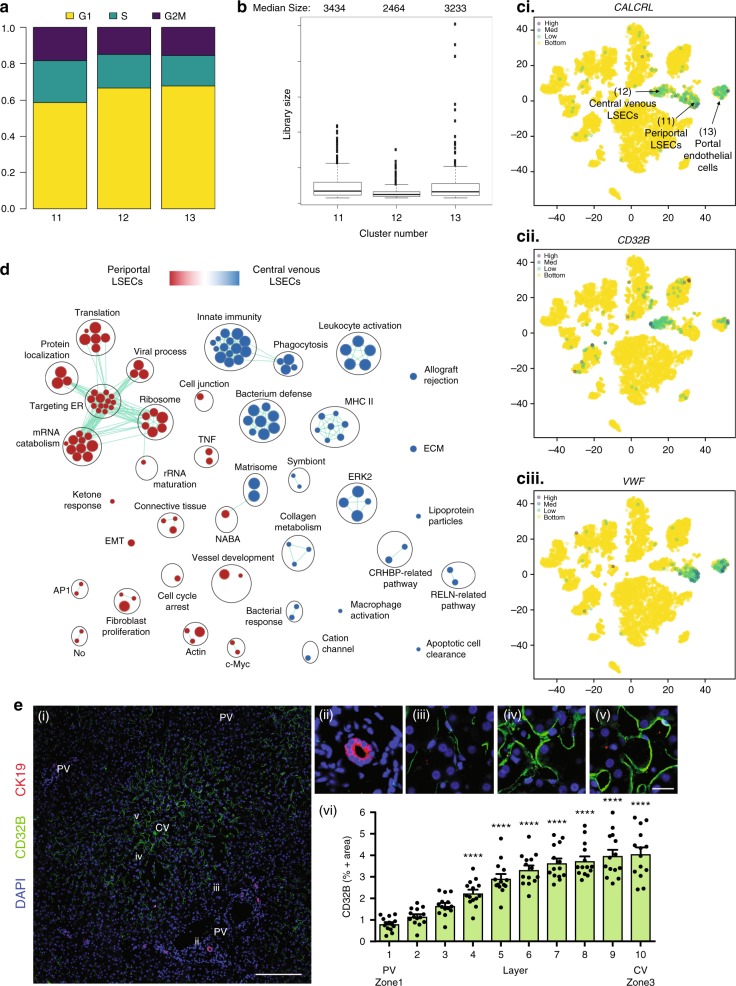
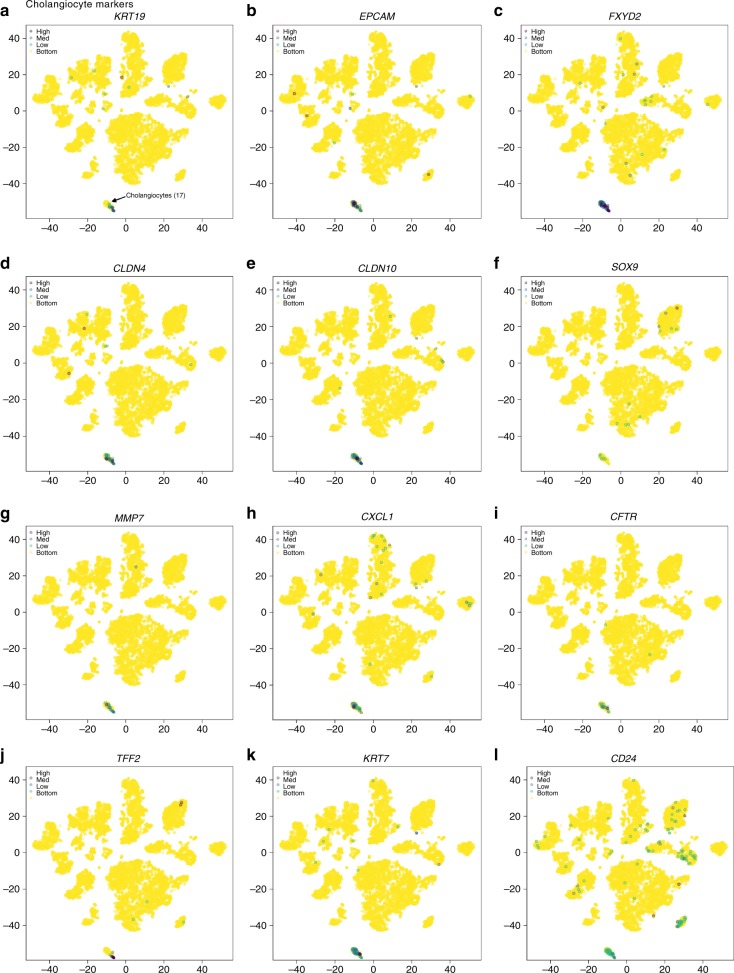
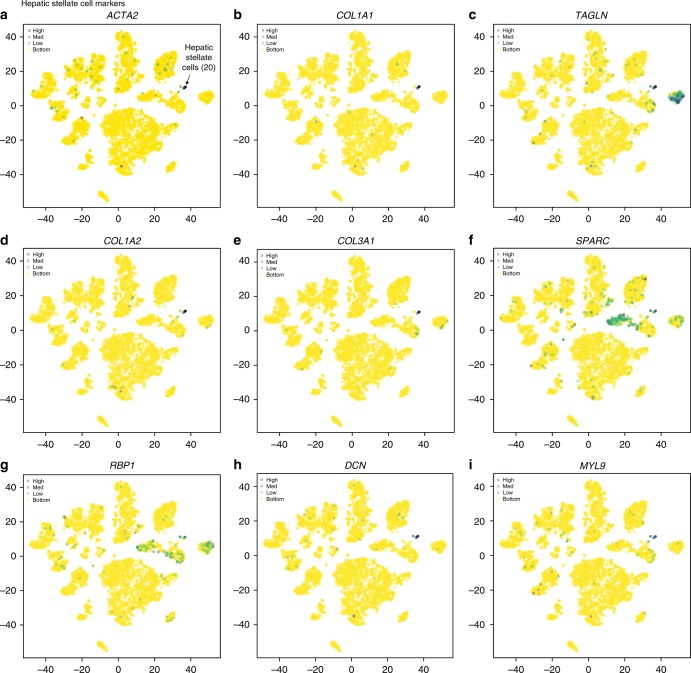
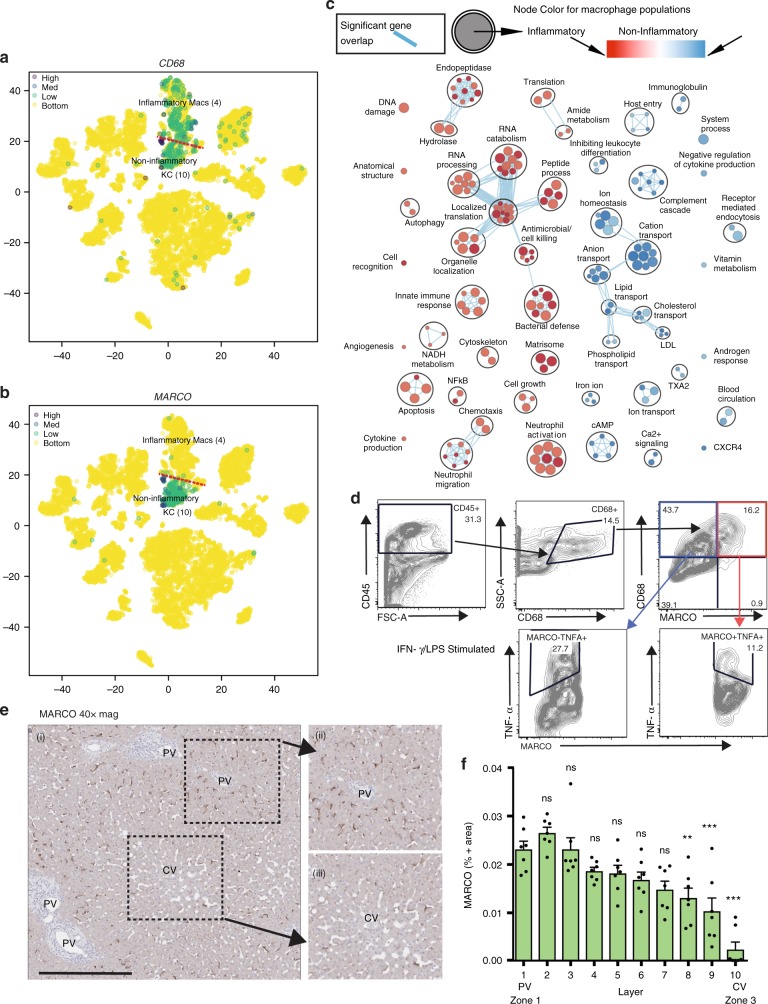
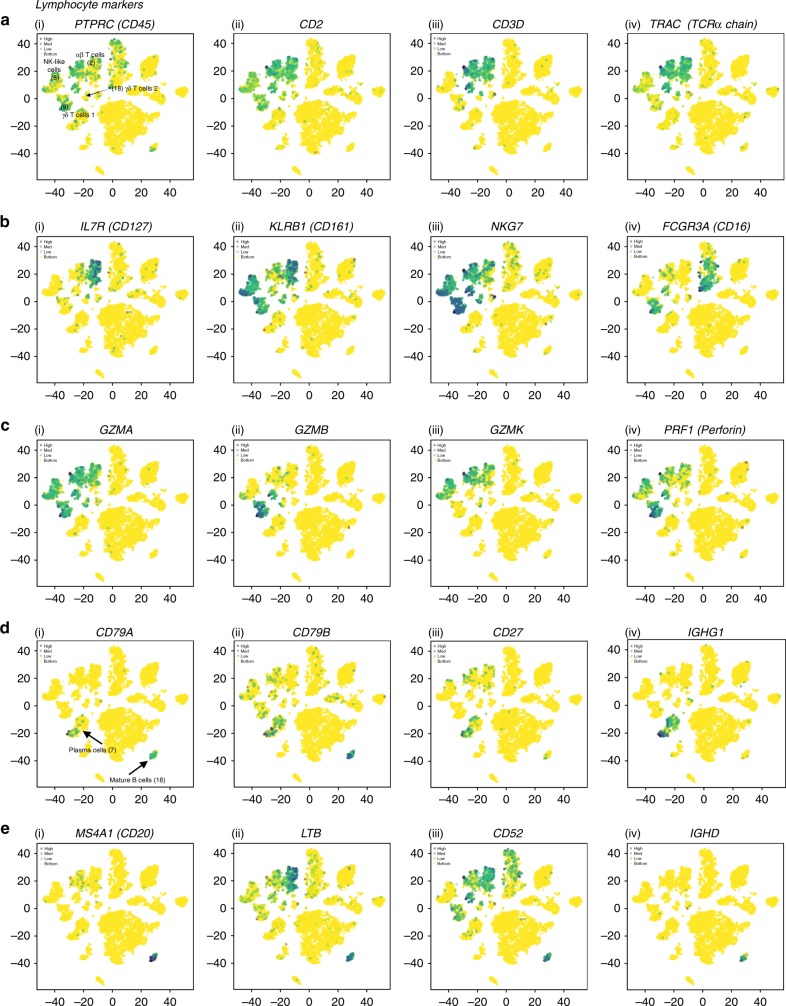
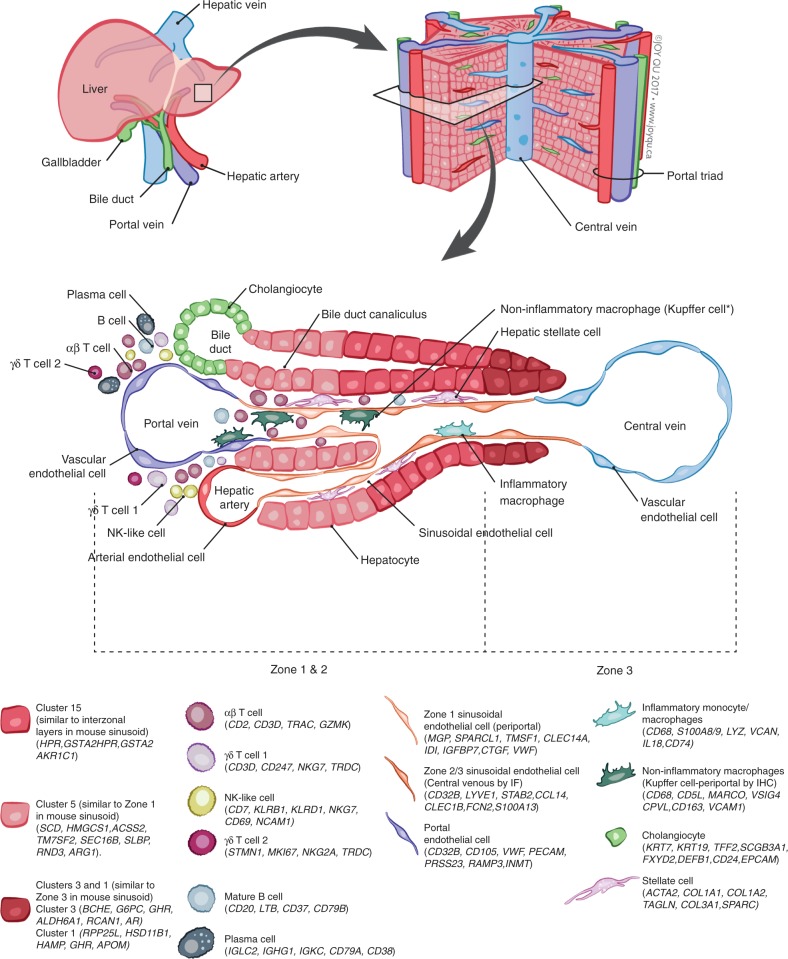
The liver is the largest solid organ in the body and is critical for metabolic and immune functions. However, little is known about the cells that make up the human liver and its immune microenvironment. Here we report a map of the cellular landscape of the human liver using single-cell RNA sequencing. We provide the transcriptional profiles of 8444 parenchymal and non-parenchymal cells obtained from the fractionation of fresh hepatic tissue from five human livers. Using gene expression patterns, flow cytometry, and immunohistochemical examinations, we identify 20 discrete cell populations of hepatocytes, endothelial cells, cholangiocytes, hepatic stellate cells, B cells, conventional and non-conventional T cells, NK-like cells, and distinct intrahepatic monocyte/macrophage populations. Together, our study presents a comprehensive view of the human liver at single-cell resolution that outlines the characteristics of resident cells in the liver, and in particular provides a map of the human hepatic immune microenvironment.
Overview
The claims and statistics of this paper haven’t been checked yet.
Free: it reads the open-access text and checks the first 5 claims that cite a source we can check. Create a free account to check every claim.
Integrity signals
Registry
Cites
Statistics
Figures
Verification
Claims the paper makes
The claims and statistics of this paper haven’t been checked yet.
Free: it reads the open-access text and checks the first 5 claims that cite a source we can check. Create a free account to check every claim.
Claims other papers make about this one
Each is checked against this paper’s own text: does it say what the citing paper says it does?
The source backs part of the claim, not all of it — or backs it for a different population, condition or comparison.
In the citing paper
“In the adult liver, endothelial cells appear to be zonated. scRNA-seq revealed that periportal LSECs express high levels of CD36 and Adam23, which progressively diminish in the midzonal and pericentral zones. On the other hand, pericentral LSECs and central venous ECs abundantly express Wnt2, Wnt9, Lhx6, and Kit, which decrease toward midzonal and periportal zone ECs. Flt4, Lyve1, Cd32b, and Stab”
From Inflammation and immunity in liver homeostasis and disease: a nexus of hepatocytes, nonparenchymal cells and immune cells (2025) · doi:10.1038/s41423-025-01313-7 · cites this paper as [291]
Experimental — accuracy not yet measuredThe source backs part of the claim, not all of it — or backs it for a different population, condition or comparison.
In the citing paper
“Macrophages consist of a heterogeneous population even in a healthy liver, where they harbor a wide spectrum of expression profiles (19–22). They comprise resident Kupffer cells, which derive from erythromyeloid progenitors (23), and infiltrating monocyte-derived macrophages, which originate preferentially from the bone marrow but also from the peritoneal cavity or the spleen (21, 24).”
From Immunoregulation of Liver Fibrosis: New Opportunities for Antifibrotic Therapy (2024) · doi:10.1146/annurev-pharmtox-020524-012013 · cites this paper as [22]
Experimental — accuracy not yet measuredThe source backs part of the claim, not all of it — or backs it for a different population, condition or comparison.
In the citing paper
“MacParland et al. found that quiescent and activated HSCs were transcriptomically distinct, with activated HSCs downregulating vitamin A storage-related genes, such as LRAT (lecithin retinol acyltransferase) and RBP1 (retinol binding protein 1), and upregulating pro-fibrogenic genes, such as collagen type I α1, TIMP, CTGF, TGFB1 and tenascin C. They also identified a subgroup that may represent”
From Understanding the cellular interactome of non-alcoholic fatty liver disease (2022) · cites this paper as [132]
Experimental — accuracy not yet measuredThe source backs part of the claim, not all of it — or backs it for a different population, condition or comparison.
In the citing paper
“ScRNAseq has uncovered functional zonation of murine HSC, allowing high-resolution identification of the critical pathogenic collagen-producing cells following centrilobular liver injury16.”
From Fibrosis: from mechanisms to medicines (2020) · cites this paper as [16]
Experimental — accuracy not yet measuredThe source backs part of the claim, not all of it — or backs it for a different population, condition or comparison.
In the citing paper
“Pseudotemporal trajectory and RNA velocity, another computational approach that predicts the future state of individual cells on a timescale, demonstrated that central vein-associated HSCs are the dominant source of pathogenic collagen-producing cells following centrilobular liver injury16.”
From Fibrosis: from mechanisms to medicines (2020) · cites this paper as [16]
Experimental — accuracy not yet measured
7 more claims about this paper
Create a free account to see every claim other papers make about this one.
Self-check
Percentages, sums and reported differences re-computed from the paper’s own numbers.
The self-check needs the paper’s full text.
Citations
Cites
GSVA: gene set variation analysis for microarray and RNA-Seq data
Hänzelmann, S., Castelo, R., & Guinney, J. (2013) · BMC Bioinformatics · doi:10.1186/1471-2105-14-7 · Cited by 15,440
Highly parallel genome-wide expression profiling of individual cells using nanoliter droplets.
Macosko, E. Z., Basu, A., Satija, R., Nemesh, J., Shekhar, K., Goldman, M., Tirosh, I., Bialas, A. R., Kamitaki, N., Martersteck, E. M., et al. (2015) · Cell · doi:10.1016/j.cell.2015.05.002 · Cited by 7,110
Mapping identifiers for the integration of genomic datasets with the R/Bioconductor package biomaRt
Durinck, S., Spellman, P. T., Birney, E., & Huber, W. (2009) · Nature Protocols · doi:10.1038/nprot.2009.97 · Cited by 4,197
Simultaneous epitope and transcriptome measurement in single cells
Stoeckius, M., Hafemeister, C., Stephenson, W., Houck-Loomis, B., Chattopadhyay, P. K., Swerdlow, H., Satija, R., & Smibert, P. (2017) · Nature Methods · doi:10.1038/nmeth.4380 · Cited by 3,098
A Lineage of Myeloid Cells Independent of Myb and Hematopoietic Stem Cells
Schulz, C., Perdiguero, E. G., Chorro, L., Szabo-Rogers, H., Cagnard, N., Kierdorf, K., Prinz, M., Wu, B., Jacobsen, S. E. W., Pollard, J. W., et al. (2012) · Science · doi:10.1126/science.1219179 · Cited by 2,578
Single-cell RNA-seq reveals new types of human blood dendritic cells, monocytes, and progenitors
Villani, A.-C., Satija, R., Reynolds, G., Sarkizova, S., Shekhar, K., Fletcher, J., Griesbeck, M., Butler, A., Zheng, S., Lazo, S., et al. (2017) · Science · doi:10.1126/science.aah4573 · Cited by 2,413
Enrichment Map: A Network-Based Method for Gene-Set Enrichment Visualization and Interpretation
Merico, D., Isserlin, R., Stueker, O., Emili, A., & Bader, G. D. (2010) · PLoS ONE · doi:10.1371/journal.pone.0013984 · Cited by 2,235
Self-citationTissue-Resident Macrophage Enhancer Landscapes Are Shaped by the Local Microenvironment
Lavin, Y., Winter, D., Blecher-Gonen, R., David, E., Keren-Shaul, H., Merad, M., Jung, S., & Amit, I. (2014) · Cell · doi:10.1016/j.cell.2014.11.018 · Cited by 2,167
Tissue-Resident Macrophage Ontogeny and Homeostasis
Ginhoux, F., & Guilliams, M. (2016) · Immunity · doi:10.1016/j.immuni.2016.02.024 · Cited by 1,884
Single-cell RNA sequencing to explore immune cell heterogeneity
Papalexi, E., & Satija, R. (2018) · Nature Reviews Immunology · doi:10.1038/nri.2017.76 · Cited by 1,806
Cited by
Items 501–600 of 1,003
Mechanisms of tumor-associated macrophages affecting the progression of hepatocellular carcinoma
Yuan, Y., Wu, D., Li, J., Huang, D., Zhao, Y., Gao, T., Zhuang, Z., Cui, Y., Zheng, D., & Ying, T. (2023) · Frontiers in Pharmacology · doi:10.3389/fphar.2023.1217400 · Cited by 29
“The liver, as an immune-exempt organ, contains a significant number of Mφ, including resident KCs and recruited Mφ (MacParland et al., 2018; Mattos  et al., 2022).”
BackgroundGoto, H., & Takamura, T. (2025) · Journal of Obesity & Metabolic Syndrome · doi:10.7570/jomes25017 · Cited by 30
“10,24 To further elucidate the effect of diabetes on MASH pathology, we established a diabetic MASH model in which diabetes was induced by streptozotocin in MASH mice treated with carbon tetrachloride and a high-fat diet.”
Zonation, Zonation, Zonation: The Real Estate of the Liver
Yasaka, T. M., Kim, C., Meadows, V., & Monga, S. P. (2025) · Annual Review of Pathology Mechanisms of Disease · doi:10.1146/annurev-pathmechdis-042624-091820 · Cited by 30
Discovery of novel hepatocyte eQTLs in African Americans
Zhong, Y., De, T., Alarcón, C., Park, C. S., Lec, B., & Perera, M. A. (2020) · PLoS Genetics · doi:10.1371/journal.pgen.1008662 · Cited by 33
Radiation Impacts Early Atherosclerosis by Suppressing Intimal LDL Accumulation
Ikeda, J., Scipione, C. A., Hyduk, S. J., Althagafi, M. G., Atif, J., Dick, S. A., Rajora, M. A., Jang, E., Emoto, T., Murakami, J., et al. (2021) · Circulation Research · doi:10.1161/circresaha.119.316539 · Cited by 28
Self-citationOptimized 3D Culture of Hepatic Cells for Liver Organoid Metabolic Assays
Gamboa, C. M., Wang, Y., Xu, H., Kalemba, K. M., Wondisford, F. E., & Sabaawy, H. E. (2021) · Cells · doi:10.3390/cells10123280 · Cited by 30
“Thus, additional studies are required to examine the specific roles of these receptors in hepatocyte regeneration and function, ideally, by interrogating our single cell-derived organoid models using genome editing and single-cell RNA sequencing assays [80] during the different phases of hepatic organoid development.”
BackgroundTowards precision medicine in lymphoid malignancies
Bühler, M. M., Martín-Subero, J. I., Pan‐Hammarström, Q., Campo, E., & Rosenquist, R. (2022) · Journal of Internal Medicine · doi:10.1111/joim.13423 · Cited by 32
An Overview on Single-Cell Technology for Hepatocellular Carcinoma Diagnosis
Aliya, S., Lee, H., Alhammadi, M., Umapathi, R., & Huh, Y. S. (2022) · International Journal of Molecular Sciences · doi:10.3390/ijms23031402 · Cited by 31
“MacParland et al. revealed a human liver single-cell transcriptomics map with 20 distinct cell populations highlighting the presence of intrahepatic discrete macrophage populations using 10 × chromium technology [34].”
MethodGuo, Y., Liu, Y., Zhang, W., Luo, H., Shu, P., Chen, G., & Li, Y. (2022) · Discover Oncology · doi:10.1007/s12672-022-00466-5 · Cited by 28
Yao, J., Liu, T., Zhao, Q., Ji, Y., Bai, J., Wang, H., Yao, R., Zhou, X., Chen, Y., & Xu, J. (2023) · Hepatology International · doi:10.1007/s12072-022-10472-y · Cited by 28
“1 3 subpopulations included T cells (clusters 0, 1, 2, 3, and 11) [15], natural killer (NK) cells (clusters 4, 8, 12, and 13) [16], monocytes (clusters 5, 7, 10, 14, and 15) [17, 18], plasmacytoid dendritic cells (cluster 16) [19, 20], B cells (clusters 6 and 9) [21], and plasma cells (cluster 18) [22], and other cell…”
BackgroundCell atlas of the regenerating human liver after portal vein embolization
Brazovskaja, A., Gomes, T., Holtackers, R., Wahle, P., Körner, C., He, Z., Schaffer, T., Eckel, J. C., Hänsel, R., Santel, M., et al. (2024) · Nature Communications · doi:10.1038/s41467-024-49236-7 · Cited by 29
“Clustering revealed 5 major cell populations 9,12 in both fresh and frozen tissue datasets representing hepatocyte, cholangiocyte (bile duct epithelial cells), endothelium, mesenchyme, and immune cells (Fig.”
InfluentialNicolson, N. G., Brown, T. C., Korah, R. M., & Carling, T. (2019) · Surgery · doi:10.1016/j.surg.2019.02.024 · Cited by 30
Single-cell RNA Sequencing in Immunology
Cao, Y., Qiu, Y., Tu, G.-W., & Yang, C. (2020) · Current Genomics · doi:10.2174/1389202921999201020203249 · Cited by 30
“[45] performed scRNA-seq on donor livers to generate a human liver cell atlas, thereby deepening understanding of the physiological environment and immune composition in healthy human livers.”
BackgroundMethodInfluentialAguado-Fraile, E., Tassinari, A. M., Ishii, Y., Sigel, C., Lowery, M. A., Goyal, L., Gliser, C., Jiang, L., Pandya, S. S., Wu, B., et al. (2021) · Future Oncology · doi:10.2217/fon-2020-1274 · Cited by 30
Pan, C., Liu, J., Gao, Y., Yang, M., Hu, H., Liu, C., Qian, M., Yuan, H.-Y., Yang, S., Zheng, M.-H., et al. (2023) · Cell Metabolism · doi:10.1016/j.cmet.2023.10.018 · Cited by 27
Self-citationAI‐Assisted Drug Re‐Purposing for Human Liver Fibrosis
Guan, Y., Cui, L., Inchai, J., Fang, Z., Law, J., Brito, A. A. G., Pawlosky, A., Gottweis, J., Daryin, A., Myaskovsky, A., et al. (2025) · Advanced Science · doi:10.1002/advs.202508751 · Cited by 33
Dissecting the mechanisms of MASLD fibrosis in the era of single-cell and spatial omics
Colella, F., Henderson, N. C., & Ramachandran, P. (2025) · Journal of Clinical Investigation · doi:10.1172/jci186421 · Cited by 31
“While many early human liver single-cell studies used scRNA-seq to provide new insights into disease-associated cell types (13–15), several groups have now adopted snRNA-seq protocols instead, which offer potential advantages and disadvantages (Table 1).”
Kupffer cells in liver homeostasis and disease: from immune sentinels to metabolic gatekeepers
David, B. A., Andreata, F., Blériot, C., Ginhoux, F., Kubes, P., & Iannacone, M. (2026) · Nature reviews. Immunology · doi:10.1038/s41577-026-01288-0 · Cited by 31
“In addition, scRNA-seq analyses of human livers revealed the presence of two distinct populations of intrahepatic CD68 + macrophages that could be distinguished based on the expression of the scavenger receptor MARCO 42 .”
InfluentialSaldarriaga, Ó. A., Freiberg, B., Krishnan, S., Rao, A. U. K., Burks, J. K., Booth, A. L., Dye, B., Utay, N. S., Ferguson, M. R., Akil, A., et al. (2020) · Hepatology Communications · doi:10.1002/hep4.1494 · Cited by 28
Millian, D. E., Saldarriaga, Ó. A., Wanninger, T. G., Burks, J. K., Rafati, Y., Gosnell, J., & Stevenson, H. L. (2022) · Cancers · doi:10.3390/cancers14081861 · Cited by 28
“For instance, ScRNA-seq was used to describe how some microenvironmental cues determine macrophage polarization and the fate of tissue fibrosis [61].”
BackgroundMethodLinking nutrient sensing, mitochondrial function, and PRR immune cell signaling in liver disease
Kemper, C., & Sack, M. N. (2022) · Trends in Immunology · doi:10.1016/j.it.2022.09.002 · Cited by 29
Stimulus-response signaling dynamics characterize macrophage polarization states
Singh, A., Sen, S., Iter, M., Adelaja, A., Luecke, S., Guo, X., & Hoffmann, A. (2024) · Cell Systems · doi:10.1016/j.cels.2024.05.002 · Cited by 29
Nanoparticle Uptake in a Spontaneous and Immunocompetent Woodchuck Liver Cancer Model
Liu, L. Y., Ma, X., Ouyang, B., Ings, D. P., Marwah, S., Liu, J., Chen, A. Y., Gupta, R., Manuel, J., Chen, X., et al. (2020) · ACS Nano · doi:10.1021/acsnano.0c00468 · Cited by 28
Self-citationHuman Cell Atlas and cell-type authentication for regenerative medicine
Panina, Y., Karagiannis, P., Kurtz, A., Stacey, G. N., & Fujibuchi, W. (2020) · Experimental & Molecular Medicine · doi:10.1038/s12276-020-0421-1 · Cited by 32
Single-cell multi-omics map of human fetal blood in Down syndrome
Marderstein, A. R., De Zuani, M., Moeller, R., Bezney, J., Padhi, E. M., Wong, S., Coorens, T. H. H., Xie, Y., Xue, H., Montgomery, S. B., et al. (2024) · Nature · doi:10.1038/s41586-024-07946-4 · Cited by 26
Feng, C., Tao, Y., Yu, C., Wang, L., Liu, X., & Cao, Y. (2023) · Cancer Gene Therapy · doi:10.1038/s41417-023-00663-6 · Cited by 27
“The pivotal role of macrophages in tumor biology has been extensively investigated using scRNA-seq in various cancer types, including liver, breast, and lung cancers [53 – 55].”
Liu, H., Chen, M., Hong, B., Xiao, Y., Chen, Q., & Qian, Y. (2025) · Theranostics · doi:10.7150/thno.108925 · Cited by 29
Pek, N. M. Q., Liu, K. J., Nichane, M., & Ang, L. T. (2020) · Cellular and Molecular Gastroenterology and Hepatology · doi:10.1016/j.jcmgh.2020.09.016 · Cited by 26
Zhang, S., Sousa, A., Lin, M., Iwano, A., Jain, R., Ma, B., Lee, C. M., Park, J. W., Kamle, S., Carlson, R. I., et al. (2021) · Cells · doi:10.3390/cells10020201 · Cited by 27
“It will be important to examine the role of stellate cells that also have upregulated Chi3L1 protein expression on hepatocyte injury, insulin resistance and fibrosis as described [41,42].”
BackgroundImmunobiology of the biliary tract system
Björkström, N. K. (2022) · Journal of Hepatology · doi:10.1016/j.jhep.2022.08.018 · Cited by 28
“39,54,111 Different subpopulations within these two main subsets have also been identi fi ed, and the composition changes in disease settings, including the appearance of scar-associated TREM2 + CD9 + macrophages originating from monocytes.”
BackgroundMultinucleation resets human macrophages for specialized functions at the expense of their identity
Ahmadzadeh, K., Pereira, M., Vanoppen, M., Bernaerts, E., Ko, J., Mitera, T., Maksoudian, C., Manshian, B. B., Soenen, S. J., Rosé, C. D., et al. (2023) · EMBO Reports · doi:10.15252/embr.202256310 · Cited by 33
Metabolic homeostasis of tissue macrophages across the lifespan
Wculek, S. K., Forisch, S., Miguel, V., & Sancho, D. (2024) · Trends in Endocrinology and Metabolism · doi:10.1016/j.tem.2024.04.017 · Cited by 28
Michalak, T. I. (2020) · Frontiers in Immunology · doi:10.3389/fimmu.2020.00853 · Cited by 26
Klimm, F., Toledo, E. M., Monfeuga, T., Zhang, F., Deane, C. M., & Reinert, G. (2020) · BMC Genomics · doi:10.1186/s12864-020-07144-2 · Cited by 26
Zhou, L., Niu, Z., Jiang, X., Zhang, Z., Zheng, Y., Wang, Z., Zhu, Y., Gao, L., Wang, X., & Sun, Q. (2020) · SSRN Electronic Journal · doi:10.2139/ssrn.3589839 · Cited by 28
Deeper evaluation of a single-cell foundation model
Boiarsky, R., Singh, N. M., Buendia, A., Amini, A. P., Getz, G., & Sontag, D. (2024) · Nature Machine Intelligence · doi:10.1038/s42256-024-00949-w · Cited by 25
The Power of Single‐Cell Analysis for the Study of Liver Pathobiology
Chu, A., Schilling, J. D., King, K. R., & Feldstein, A. E. (2021) · Hepatology · doi:10.1002/hep.31485 · Cited by 26
Methods for isolation and transcriptional profiling of individual cells from the human heart
Pimpalwar, N., Czuba, T., Smith, M. L., Nilsson, J., Gidlöf, O., & Smith, J. G. (2020) · Heliyon · doi:10.1016/j.heliyon.2020.e05810 · Cited by 26
A survey on computational methods in discovering protein inhibitors of SARS-CoV-2
Liu, Q., Wan, J., & Wang, G. (2021) · Briefings in Bioinformatics · doi:10.1093/bib/bbab416 · Cited by 26
“ML technologies have been widely used in many fields, such as computer vision [49–51], natural language processing [52–55] and bioinformatics [56–60].”
MethodTranscriptomics reveals immune-metabolism disorder in acute-on-chronic liver failure in rats
Hassan, H. M., Cai, Q., Liang, X., Xin, J., Ren, K., Jiang, J., Shi, D., Lu, Y., Tan, L., Shang, Y., et al. (2021) · Life Science Alliance · doi:10.26508/lsa.202101189 · Cited by 28
“AsthekeyproblemhinderingthestudyofACLFlivertranscriptomicsisthe dif fi culty of accessing human liver samples (MacParland et al, 2018), our previous study based on PBMCs transcriptomics indicated immune-metabolism disorder is a core axis of disease development and progression in patients with…”
Crouchet, É., Li, S., Sojoodi, M., Bandiera, S., Fujiwara, N., Saghire, H. E., Zhu, S., Qian, T., Rasha, F. A., Zompo, F. D., et al. (2022) · JCI Insight · doi:10.1172/jci.insight.159254 · Cited by 26
“159254 development (Supplemental Figure 3), supporting an involvement of ACE pathways in carcinogenesis (26, 29).”
BackgroundMesenchymal stem cells-based therapy in liver diseases
Han, H., Jin, W., & Li, X. (2022) · Molecular Biomedicine · doi:10.1186/s43556-022-00088-x · Cited by 25
“anti-inflammatory or “M2” [37], and the single-cell RNA sequencing analysis revealed the presence of two distinct populations of CD68 + macrophages in the liver, which appeared to separate into pro-inflammatory and immunomodulatory phenotypes [38].”
BackgroundSimulation-based inference of differentiation trajectories from RNA velocity fields
Gupta, R., Cerletti, D., Gut, G., Oxenius, A., & Claassen, M. (2022) · Cell Reports Methods · doi:10.1016/j.crmeth.2022.100359 · Cited by 27
Self-citationResponses of hepatic sinusoidal cells to liver ischemia–reperfusion injury
Ito, Y., Hosono, K., & Amano, H. (2023) · Frontiers in Cell and Developmental Biology · doi:10.3389/fcell.2023.1171317 · Cited by 29
“CD68MARCO KCs were enriched in genes related to immunoregulation (VSIG4, CD163, and HMOX1 (hemoxygenase) and CD68MARCO KCs were enriched in genes related to pro-inflammation (S100A8/9, IL-18, and C1QC), suggesting functional zonation of macrophage subsets (MacParland et al., 2018).”
BackgroundBonadio, J. D., Bashiri, G., Halligan, P., Kegel, M., Ahmed, F., & Wang, K. (2024) · Advanced Drug Delivery Reviews · doi:10.1016/j.addr.2024.115303 · Cited by 25
The multifaceted roles of B lymphocytes in metabolic dysfunction–associated steatotic liver disease
Li, H., & Xia, N. (2024) · Frontiers in Immunology · doi:10.3389/fimmu.2024.1447391 · Cited by 28
“B cells are among the most frequent immune cell types in the liver and comprise as much as 20% - 30% of all CD45 + immune cells in the mouse liver under normal chow conditions (40), although much fewer B cells are found in human liver (12, 43).”
BackgroundActive role of the immune system in metabolic dysfunction-associated steatotic liver disease.
Mori, T., Yoshio, S., Kakazu, E., & Kanto, T. (2024) · PubMed Central · doi:10.1093/gastro/goae089 · Cited by 30
Lymphatic Programing and Specialization in Hybrid Vessels
Pawlak, J. B., & Caron, K. M. (2020) · Frontiers in Physiology · doi:10.3389/fphys.2020.00114 · Cited by 26
“…that a subset of LECs are derived from non-venous sources in the heart (Klotz et al., 2015), dermis (Martinez-Corral et al., 2015), and mesentery (Mahadevan et al., 2014; Stanczuk et al., 2015), as well as LECs derived from the mesenchyme (Buttler et al., 2006; Wilting et al., 2006; Ulvmar and…”
BackgroundGage, B. K., Merlin, S., Olgasi, C., Follenzi, A., & Keller, G. M. (2022) · Cell Reports · doi:10.1016/j.celrep.2022.110621 · Cited by 26
Self-citationRecent insight into the role of macrophage in alcohol-associated liver disease: a mini-review
Sun, J., Zhao, P., Shi, Y., & Li, Y. (2023) · Frontiers in Cell and Developmental Biology · doi:10.3389/fcell.2023.1292016 · Cited by 24
Jin, H., Kim, W., Yuan, M., Li, X., Yang, H., Li, M., Shi, M., Türkez, H., Uhlén, M., Zhang, C., et al. (2024) · Frontiers in Immunology · doi:10.3389/fimmu.2024.1446453 · Cited by 25
To Kill But Not Be Killed: Controlling the Activity of Mammalian Pore-Forming Proteins
Krawczyk, P. A., Laub, M., & Kozik, P. (2020) · Frontiers in Immunology · doi:10.3389/fimmu.2020.601405 · Cited by 30
“derived C7 is actually not produced by hepatocytes, but by endothelial and stellate cells (63, 64), raising the question whether co-expression of C7 with the remaining MAC components might be toxic for the cells.”
BackgroundTherapeutic advances in alcohol-associated hepatitis
Szabó, G., Thursz, M. R., & Shah, V. H. (2022) · Journal of Hepatology · doi:10.1016/j.jhep.2022.03.025 · Cited by 25
Li, J., Diamante, G., Ahn, I. S., Wijaya, D., Wang, X., Chang, C. H., Ha, S. M., Immadisetty, K., Meng, H., Nel, A. E., et al. (2022) · Nano Today · doi:10.1016/j.nantod.2022.101652 · Cited by 25
Kaserman, J. E., Werder, R. B., Wang, F., Matte, T. M., Higgins, M. I., Dodge, M., Lindstrom-Vautrin, J., Bawa, P., Hinds, A., Bullitt, E., et al. (2022) · Cell Reports · doi:10.1016/j.celrep.2022.111775 · Cited by 25
“(C) Average expression and frequencies of select hepatic, biliary epithelial, and ste human liver scRNA-seq dataset.(2) (D) Top 50 DEGs per cluster as ranked by fold change (FC) (FDR < 0.”
BackgroundZiegler, A. E., Fittje, P., Müller, L. M., Ahrenstorf, A. E., Hagemann, K., Hagen, S. H., Hess, L. U., Niehrs, A., Poch, T., Ravichandran, G., et al. (2023) · Frontiers in Immunology · doi:10.3389/fimmu.2023.1117320 · Cited by 24
“Median age in years (Range) 57 (43-68) 57 (43-68) 56 (45-65) – 57 (50-75) 57 (43-75)”
Chen, G., Hu, X., Huang, Y., Xiang, X., Pan, S., Chen, R., & Xu, X. (2023) · MedComm · doi:10.1002/mco2.444 · Cited by 25
“39, 40 Thanks to advancements in detection techniques, researchers have delved deeper into the diversity of liver macrophages.”
BackgroundCieri, N., Hookeri, N., Stromhaug, K., Li, L., Keating, J. H., Díaz-Fernández, P., de Soria, V. G.-G., Stevens, J. D., Kfuri‐Rubens, R., Shao, Y., et al. (2024) · Nature Biotechnology · doi:10.1038/s41587-024-02348-3 · Cited by 30
“For all publicly available datasets of skin 29 , liver 30,31 , GI 34,35 , lung 32,33 , lacrimal gland 37 and oral mucosa 36 , files were downloaded from the appropriate repository (GEO or EGAS).”
Defining NASH from a Multi-Omics Systems Biology Perspective
Niu, L., Sulek, K., Vasilopoulou, C. G., Santos, A., Albrechtsen, N. J. W., Rasmussen, S., Meier, F., & Mann, M. (2021) · Journal of Clinical Medicine · doi:10.3390/jcm10204673 · Cited by 24
“Single-cell RNA sequencing has identified 20 discrete resident cell populations in human liver providing an in-depth map of the human hepatic immune microenvironment [14].”
BackgroundWang, Y., Guan, Y., Feng, D., Maccioni, L., Parra, M. A., Peiffer, B., Mackowiak, B., Kuwabara, T., Mori, K., Mukoyama, M., et al. (2025) · Cellular & Molecular Immunology · doi:10.1038/s41423-025-01343-1 · Cited by 23
Islam, M., Chen, B., Spraggins, J. M., Kelly, R., & Lau, K. S. (2020) · Gastroenterology · doi:10.1053/j.gastro.2020.04.073 · Cited by 23
Gehrke, N., Hofmann, L. J., Straub, B. K., Rühle, F., Waisman, A., Galle, P. R., & Schattenberg, J. M. (2022) · Clinical and Translational Medicine · doi:10.1002/ctm2.1048 · Cited by 23
Liver transplantation for hepatocellular carcinoma: Historical evolution of transplantation criteria
İnce, V., Şahin, T. T., Akbulut, S., & Yılmaz, S. (2022) · World Journal of Clinical Cases · doi:10.12998/wjcc.v10.i29.10413 · Cited by 23
The Tumor Microenvironment of Hepatocellular Carcinoma: Untying an Intricate Immunological Network
Volponi, C., Gazzillo, A., & Bonavita, E. (2022) · Cancers · doi:10.3390/cancers14246151 · Cited by 24
“Single-cell RNA sequencing studies recently shed a light on the different subsets of macrophages that are found in mouse and human liver in both healthy and pathological conditions [84,95,96].”
BackgroundResveratrol attenuated fatty acid synthesis through MAPK-PPAR pathway in red tilapia
Li, Q., Zheng, Y., Sun, Y., & Xu, G. (2023) · Comparative Biochemistry and Physiology Part C Toxicology & Pharmacology · doi:10.1016/j.cbpc.2023.109598 · Cited by 25
Sako, S., Takeshita, Y., Takayama, H., Goto, H., Nakano, Y., Ando, H., Tsujiguchi, H., Yamashita, T., Arai, K., Kaneko, S., et al. (2023) · Diabetes · doi:10.2337/db22-0933 · Cited by 23
Cell Type– and Age-Specific Expression of lncRNAs across Kidney Cell Types
Kim, G. D., Shin, S.-I., Jung, S. W., An, H., Choi, S. Y., Eun, M., Jun, C., Lee, S. H., & Park, J. (2024) · Journal of the American Society of Nephrology · doi:10.1681/asn.0000000000000354 · Cited by 23
Magdy, A., Kim, H., Go, H., Lee, J. M., Sohn, H. A., Haam, K., Jung, H.-J., Park, J., Yoo, T., Kwon, E., et al. (2024) · Clinical and Molecular Hepatology · doi:10.3350/cmh.2024.0229 · Cited by 24
Advancements in MAFLD Modeling with Human Cell and Organoid Models
Wang, S.-X., Yan, J.-S., & Chan, Y.-S. (2022) · International Journal of Molecular Sciences · doi:10.3390/ijms231911850 · Cited by 22
“Single-cell profiles of healthy and diseased liver tissues have further highlighted the existence of up to seven macrophage populations, including the previously described pro-inflammatory or pro-restorative proliferative (antiinflammatory) cell states [183,184].”
BackgroundLanman, N. A., Meco, E., Fitchev, P., Kolliegbo, A. K., Broman, M. M., Filipovich, Y., Kothandaraman, H., Cresswell, G. M., Talaty, P., Antoniak, M., et al. (2025) · Frontiers in Immunology · doi:10.3389/fimmu.2024.1494476 · Cited by 23
Tsomidis, I., Tsakou, A., Voumvouraki, A., & Kouroumalis, E. (2026) · Biomedicines · doi:10.3390/biomedicines14010151 · Cited by 25
Hepatocyte size fractionation allows dissection of human liver zonation
Ölander, M., Wegler, C., Flörkemeier, I., Treyer, A., Handin, N., Pedersen, J. M., Vildhede, A. M., Mateus, A., LeCluyse, E. L., Urdzik, J., et al. (2021) · Journal of Cellular Physiology · doi:10.1002/jcp.30273 · Cited by 23
Live Imaging of Innate and Adaptive Immune Responses in the Liver
Li, L., & Zeng, Z. (2020) · Frontiers in Immunology · doi:10.3389/fimmu.2020.564768 · Cited by 28
“Recent advances in single-cell sequencing have further uncovered the heterogeneity of liver immune cells via unbiased transcriptomic analysis (11, 12).”
BackgroundChen, Y., Li, Y., Zheng, G., & Zhou, P. (2020) · PeerJ · doi:10.7717/peerj.10198 · Cited by 22
Wang, H., Feng, C., Lu, M., Zhang, B., Xu, Y., Zeng, Q., Xi, J., Zhou, J., Ying, X., Zhang, J., et al. (2020) · Translational Oncology · doi:10.1016/j.tranon.2020.100981 · Cited by 23
Decoding liver fibrogenesis with single-cell technologies
Zhou, T., Musunuru, K., Lui, K. O., & Ding, Q. (2022) · Life Medicine · doi:10.1093/lifemedi/lnac040 · Cited by 22
“One study identified the CD68 + MARCO + macrophages in healthy human livers as similar to Kupffer cells in mice [40].”
Mechanism of immune attack in the progression of obesity-related type 2 diabetes
Wang, H., Tang, J., Sun, L., Li, Z., Deng, M., & Dai, Z. (2023) · World Journal of Diabetes · doi:10.4239/wjd.v14.i5.494 · Cited by 22
Sankar, K. N., Pearson, A. N., Worlikar, T., Perricone, M. D., Holcomb, E. A., Mendiratta‐Lala, M., Xu, Z., Bhowmick, N. A., & Green, M. D. (2023) · Translational Gastroenterology and Hepatology · doi:10.21037/tgh-23-11 · Cited by 23
Ontogeny, functions and reprogramming of Kupffer cells upon infectious disease
Musrati, M. A., BAETSELIER, P. D., Movahedi, K., & Ginderachter, J. A. V. (2023) · Frontiers in Immunology · doi:10.3389/fimmu.2023.1238452 · Cited by 25
“Another study also reported a VSIG4+MARCO+ population based on scRNA-seq of human livers and has histologically shown that these cells are concentrated in periportal areas (42).”
BackgroundSaldarriaga, Ó. A., Wanninger, T. G., Arroyave, E., Gosnell, J., Krishnan, S., Oneka, M. D., Bao, D., Millian, D. E., Kueht, M., Moghe, A., et al. (2023) · JHEP Reports · doi:10.1016/j.jhepr.2023.100958 · Cited by 28
“10 CD68 primarily identi fi es resident Kupffer cells, while Mac387 identi fi es recruited macrophages that in fi l-trate after injury in a CCL2-dependent manner.”
Kim, H., Lim, Y., Jang, J. S., Ko, Y. K., Choi, Y., Kim, H., & Choi, B. (2024) · Journal of Extracellular Vesicles · doi:10.1002/jev2.12407 · Cited by 24
Webster, N. J. G., Kumar, D., & Wu, P. (2024) · Scientific Reports · doi:10.1038/s41598-024-52237-7 · Cited by 22
“Immune and liver cell composition was analyzed using CIBERSORTx 44 using the Human Liver Cell Atlas 45 or the Bader Human Liver Atlas 43 .”
MethodMacrophages Orchestrate the Liver Tumor Microenvironment
Quaranta, V., Ballarò, C., & Giannelli, G. (2024) · Cancers · doi:10.3390/cancers16091772 · Cited by 25
“The second population of CD68 + macrophages present differently expressed genes such as CD5L, MARCO, VSIG4, CD163, and LIPA, which suggests a macrophage tolerogenic function [25].”
BackgroundDoyle, E., Rahman, A. H., Aloman, C., Klepper, A. L., El‐Shamy, A., Eng, F. J., Rocha, C., Kim, S., Haydel, B., Florman, S. S., et al. (2019) · PLoS Pathogens · doi:10.1371/journal.ppat.1007935 · Cited by 24
Lifting the veil on macrophage diversity in tissue regeneration and fibrosis
Perciani, C. T., & MacParland, S. A. (2019) · Science Immunology · doi:10.1126/sciimmunol.aaz0749 · Cited by 22
“In terms of the physiological relevance, the regenerative-associated R2 profile was shown to transcriptionally overlap with macrophages found in healthy human liver (5), an organ known for its regenerative capacity and for holding the largest portion of resident macrophages in the body.”
BackgroundSelf-citationKou, K., Sun, X., Tian, G., Yao, Z., Fan, Z., & Lv, G. (2022) · Journal of Immunology Research · doi:10.1155/2022/5091275 · Cited by 23
“Its application in the liver can provide a framework for understanding the cellular basis of human liver functions and diseases [180].”
Ghouse, J., Gellert‐Kristensen, H., O’Rourke, C. J., Seidelin, A.-S., Þorleifsson, G., Sveinbjörnsson, G., Tragante, V., Konkwo, C., Brancale, J., Vilarinho, S., et al. (2025) · JHEP Reports · doi:10.1016/j.jhepr.2025.101485 · Cited by 23
Myeloid cells in chronic liver inflammation
Patseas, D., El-Masry, A., Liu, Z., Ramachandran, P., & Triantafyllou, E. (2025) · Cellular and Molecular Immunology · doi:10.1038/s41423-025-01324-4 · Cited by 22
Ariño, S., Ferrer‐Lorente, R., Serrano, G., Zanatto, L., de la Torre, R. A. M. G., Gratacós‐Ginès, J., Rubio, A. B., Pérez-Guasch, M., Mateos-Sánchez, C., Aguilar‐Bravo, B., et al. (2025) · Journal of Hepatology · doi:10.1016/j.jhep.2025.07.014 · Cited by 25
Liu, R., Tearle, R. G., Low, W. Y., Chen, T., Thomsen, D. A., Smith, T. P. L., Hiendleder, S., & Williams, J. L. (2021) · BMC Genomics · doi:10.1186/s12864-021-07667-2 · Cited by 23
“The liver plays an important role in metabolic processes and in immune system function which affects the response to many diseases [42, 43].”
BackgroundCreation of a Single Cell RNASeq Meta-Atlas to Define Human Liver Immune Homeostasis
Rocque, B., Barbetta, A., Singh, P., Goldbeck, C. S., Helou, D. G., Loh, Y. E., Ung, N. M., Lee, J. S. H., Akbari, O., & Emamaullee, J. A. (2021) · Frontiers in Immunology · doi:10.3389/fimmu.2021.679521 · Cited by 22
Multiple Facets of Cellular Homeostasis and Regeneration of the Mammalian Liver
Huppert, S. S., & Schwartz, R. E. (2022) · Annual Review of Physiology · doi:10.1146/annurev-physiol-032822-094134 · Cited by 24
Ding, X., An, Q., Zhao, W., Song, Y., Tang, X., Wang, J., Chang, C., Zhao, G., Hsiai, T. K., Fan, G., et al. (2022) · JCI Insight · doi:10.1172/jci.insight.153769 · Cited by 21
“These CD68 + macrophages had enriched expression of CD74 (32), Lyz2 (33), Ms4a6c, and Gngt2 (19), suggesting that this cluster represented inflammatory macrophages (Supplemental Figure 12A).”
New discoveries in the field of metabolism by applying single-cell and spatial omics
Xie, B., Gao, D., Zhou, B., Chen, S., & Wang, L. (2023) · Journal of Pharmaceutical Analysis · doi:10.1016/j.jpha.2023.06.002 · Cited by 26
Data-driven transcriptomics analysis identifies PCSK9 as a novel key regulator in liver aging
Arif, M., Mátyás, C., Mukhopadhyay, P., Yokus, B., Trojnár, E., Pálóczi, J., Paes‐Leme, B., Zhao, S., Lohoff, F. W., Haskó, G., et al. (2023) · GeroScience · doi:10.1007/s11357-023-00928-w · Cited by 21
Banerjee, A., Das, D., Mukherjee, S., & Maji, B. K. (2024) · International Immunopharmacology · doi:10.1016/j.intimp.2024.112091 · Cited by 22
Role of Nonalcoholic Fatty Liver Disease in Periodontitis: A Bidirectional Relationship
Vegda, H. S., Patel, B. N., Girdhar, G. A., Pathan, M. S. H., Ahmad, R., Haque, M., Sinha, S., & Kumar, S. (2024) · Cureus · doi:10.7759/cureus.63775 · Cited by 27
Ueno, K., Aiba, Y., Hitomi, Y., Shimoda, S., Nakamura, H., Gervais, O., Kawai, Y., Kawashima, M., Nishida, N., Kohn, S.-S., et al. (2020) · Hepatology Communications · doi:10.1002/hep4.1497 · Cited by 22
“The 62 cell type–specific genes were extracted from our microarray data of PBC liver biopsy samples with reference to a previously reported 361 cell type–specific genes in the liver.(24) The GWAS P-value column indicates the lowest P value of SNPs located within a gene.”
BackgroundMethodInfluentialLatitudinal and longitudinal regulation of tissue macrophages in inflammatory diseases
He, X.-Y., Tan, S., Shao, Z., & Wang, X. (2021) · Genes & Diseases · doi:10.1016/j.gendis.2021.06.007 · Cited by 22
“, C1QC, IL-18, S100A8/9) as recruited proinflammatory macrophages.(101,102) However, both CD68þMARCO macrophages and hepatic CD14þ monocytes show significantly weaker proinflammatory responses than circulating CD14þ monocytes.”
BackgroundSelf-citationGene Signatures Detect Damaged Liver Sinusoidal Endothelial Cells in Chronic Liver Diseases
Verhulst, S., van Os, E. A., Smet, V. D., Eysackers, N., Mannaerts, I., & van Grunsven, L. A. (2021) · Frontiers in Medicine · doi:10.3389/fmed.2021.750044 · Cited by 22
“As samples can differ quite a lot between studies due to a different definition of healthy subjects, different isolation methods, different scRNAseq approaches, different etiologies and species we validated our newly generated LSECs signatures in 4 independent scRNAseq data sets of healthy human livers (21, 24) and he…”
BackgroundMethodInfluential
Metadata
- Authors
- MacParland, S. A., Liu, J. C., Ma, X.-Z., Innes, B. T., Bartczak, A. M., Gage, B. K., Manuel, J., Khuu, N., Echeverri, J., Linares, I., Gupta, R., Cheng, M. L., Liu, L. Y., Camat, D., Chung, S. W., Seliga, R. K., Shao, Z., Lee, E., Ogawa, S., Ogawa, M., Wilson, M. D., Fish, J. E., Selzner, M., Ghanekar, A., Grant, D., Greig, P., Sapisochin, G., Selzner, N., Winegarden, N., Adeyi, O., Keller, G., Bader, G. D., & McGilvray, I. D.
- Affiliations
- University of Toronto (CA)
- Toronto General Hospital Research Institute (CA)
- University Health Network (CA)
- Toronto General Hospital (CA)
- Corresponding author
- MacParland, Sonya A.
- Bader, Gary D.
- McGilvray, Ian D.
- ORCID
- MacParland, Sonya A.
- Liu, Jeff C.
- Ma, Xue-Zhong
- Innes, Brendan T.
- Gage, Blair K.
- Manuel, Justin
- Khuu, Nicholas
- Echeverri, Juan
- Linares, Ivan
- Gupta, Rahul
- Cheng, Michael L.
- Liu, Lewis Y.
- Camat, Damra
- Chung, Sai W.
- Seliga, Rebecca K.
- Lee, Elizabeth
- Ogawa, Shinichiro
- Ogawa, Mina
- Wilson, Michael D.
- Fish, Jason E.
- Selzner, Markus
- Ghanekar, Anand
- Grant, David
- Selzner, Nazia
- Winegarden, Neil
- Adeyi, Oyedele
- Keller, Gordon
- Bader, Gary D.
- McGilvray, Ian D.
- Venue
- Nature Communications
- Published
- 2018-10-22
- Volume
- 9
- Issue
- 1
- Pages
- 4383-4383
- ISSN
- 2041-1723 (ISSN-L)
- PMC
- PMC6197289
- OpenAlex
- W2896518632
- Semantic Scholar
- 7e4f67c856114989d32761e592c8b95e47ce2376
- Cited by
- 1,552
- References
- 89
- Citations by year
- 2026: 177 · 2025: 221 · 2024: 232 · 2023: 230 · 2022: 239 · 2021: 199 · 2020: 174 · 2019: 78 · 2018: 1
- FWCI
- 41.18
- Type
- journal article
- Language
- en
- Open access
- gold
- doi.org
- Licence
- cc-by
- creativecommons.org/licenses/by/4.0 (tdm)
- creativecommons.org/licenses/by/4.0 (vor)
- Locations
- Nature Communications (publishedVersion, cc-by)
- Europe PMC (PubMed Central) (publishedVersion, other-oa)
- PubMed Central (publishedVersion, cc-by)
- PubMed (publishedVersion)
- RePEc: Research Papers in Economics (submittedVersion)
- DOAJ (DOAJ: Directory of Open Access Journals) (submittedVersion, cc-by-sa)
- DOAJ (DOAJ: Directory of Open Access Journals) (submittedVersion)
- Funders
- University of Washington
- University of Toronto
- Universiteit Gent
- Canada First Research Excellence Fund
- National Institutes of Health (GM 103504)
- Japan Society for the Promotion of Science (18K08589)
- National Institute of General Medical Sciences (P41GM103504)
- Topics
- Life Sciences › Biochemistry, Genetics and Molecular Biology › Molecular Biology › Single-cell and spatial transcriptomics
- Health Sciences › Medicine › Hepatology › Liver physiology and pathology
- Life Sciences › Immunology and Microbiology › Immunology › Immune cells in cancer
- Keywords
- human liver, liver immune microenvironment, hepatocytes, hepatic stellate cells, cholangiocytes, endothelial cells, B cells, T cells, NK-like cells, liver transcriptome
- MeSH terms
- B-Lymphocytes, Humans, Liver, Macrophages, Monocytes, Sequence Analysis, RNA, Hepatocytes, Endothelial Cells, Hepatic Stellate Cells
About these checks
Registry, retraction, Cites and statistics results are computed, not judged, with one exception: a printed reference that no index lists is read once by a model before it counts as a citation error. Claims are extracted by a model and kept only when their quote appears verbatim in the text; each cited source is then checked, with a model’s help, for whether it says what the claim relies on. Those verdicts can be wrong — read the claim’s quote and the cited source before relying on one.
Statistics and arithmetic are recomputed, not judged.
Confidence bands are shown only for fields calibrated on our annotated test set. None is calibrated yet, so no band is shown.
What counts as a claim ›How we measure confidence ›How we check this ›
Are you an author, or do you see a problem with this page? Request a review
Data sources
Bibliographic data: Semantic Scholar, OpenAlex, Crossref.
Contains information from the Semantic Scholar Academic Graph Datasets, made available under the ODC Attribution License (ODC-BY 1.0).
Semantic Scholar’s data is described in: Kinney, R., et al. (2023). The Semantic Scholar Open Data Platform. arXiv:2301.10140.
