

Gut microbiota dependent anti-tumor immunity restricts melanoma growth in Rnf5−/− mice
Open accessThe DOI matches its Crossref record; 50 of the 50 references it cites were found in a registry or an index.
Abstract
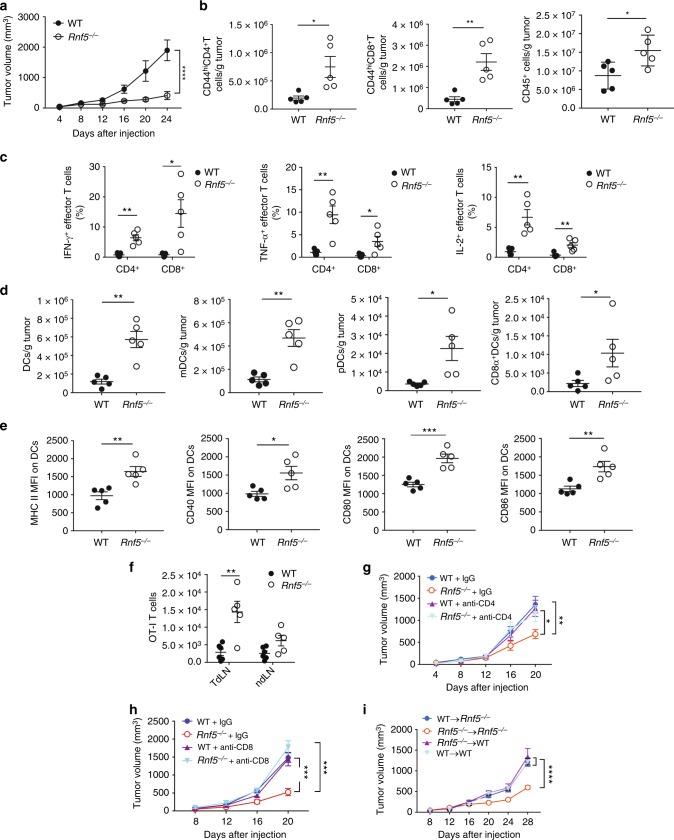
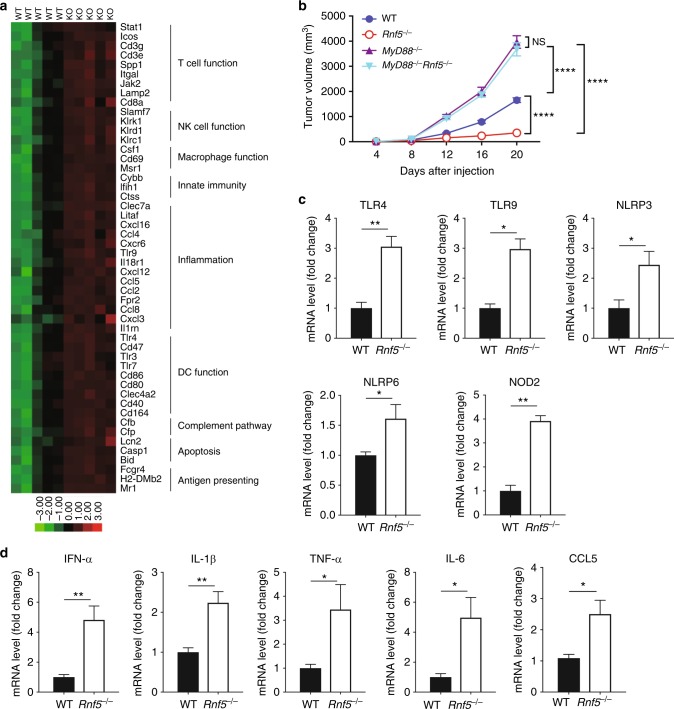
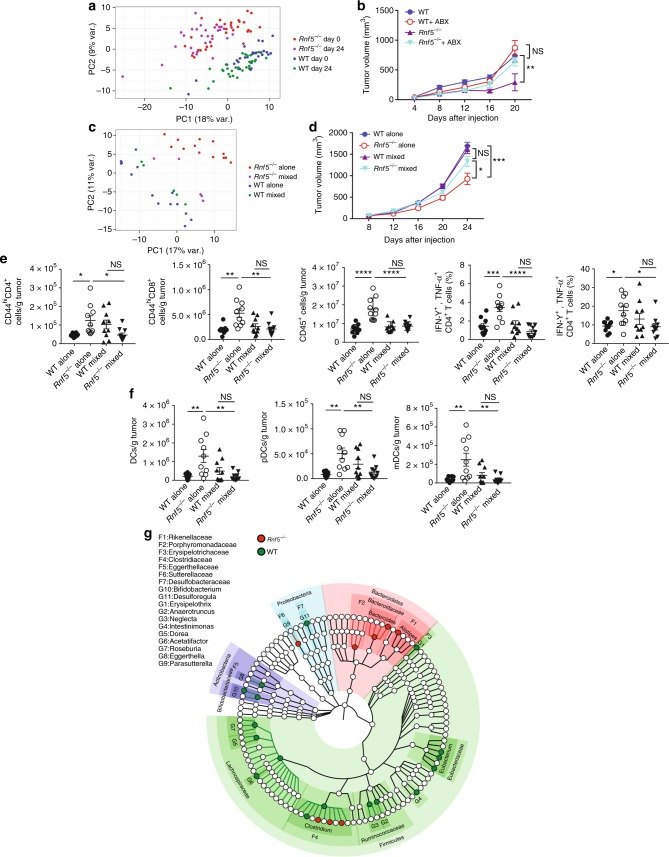
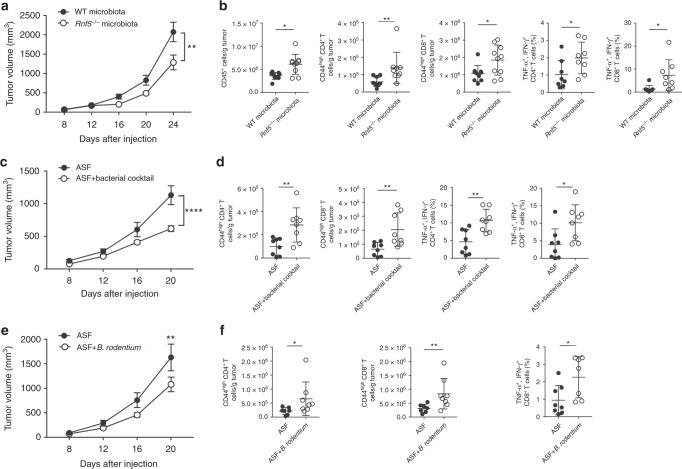
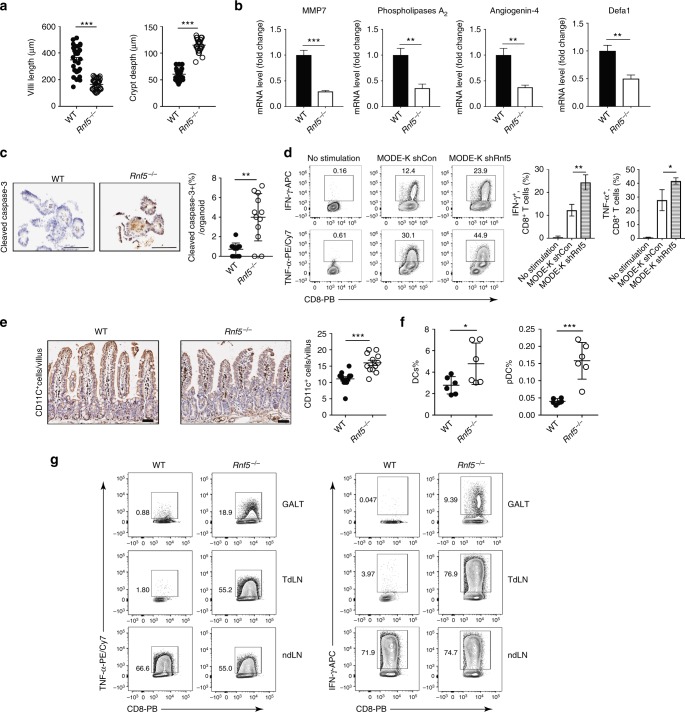
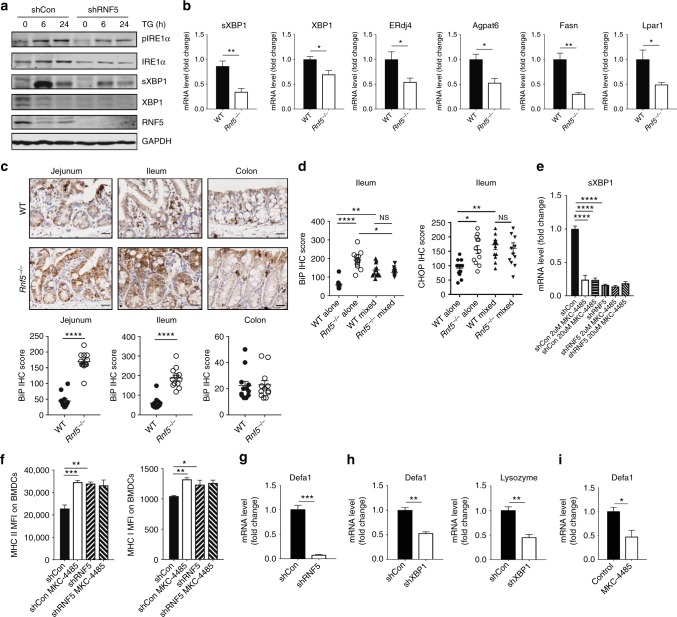
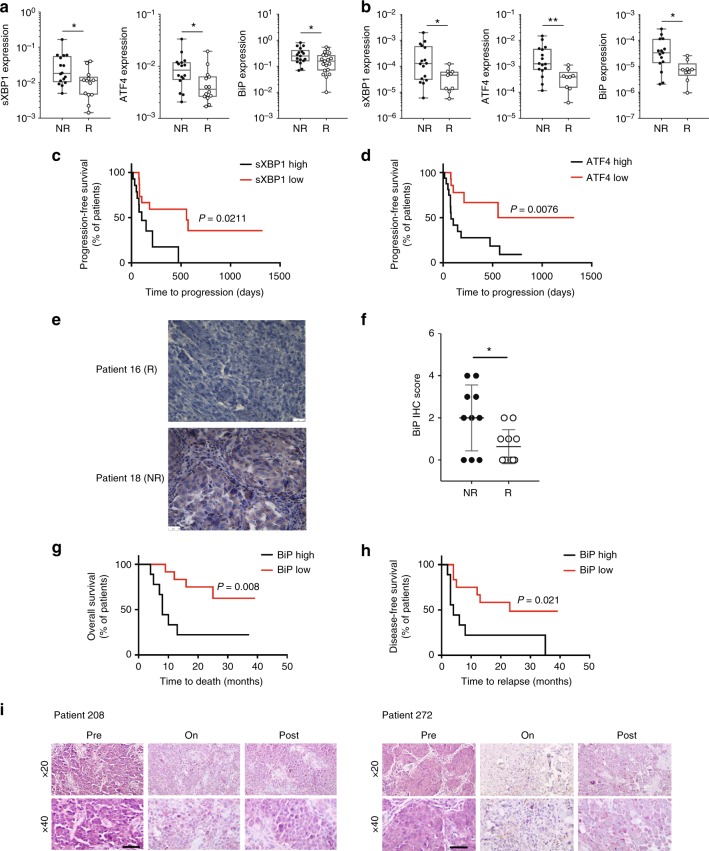
Accumulating evidence points to an important role for the gut microbiome in anti-tumor immunity. Here, we show that altered intestinal microbiota contributes to anti-tumor immunity, limiting tumor expansion. Mice lacking the ubiquitin ligase RNF5 exhibit attenuated activation of the unfolded protein response (UPR) components, which coincides with increased expression of inflammasome components, recruitment and activation of dendritic cells and reduced expression of antimicrobial peptides in intestinal epithelial cells. Reduced UPR expression is also seen in murine and human melanoma tumor specimens that responded to immune checkpoint therapy. Co-housing of Rnf5 −/− and WT mice abolishes the anti-tumor immunity and tumor inhibition phenotype, whereas transfer of 11 bacterial strains, including B. rodentium , enriched in Rnf5 −/− mice, establishes anti-tumor immunity and restricts melanoma growth in germ-free WT mice. Altered UPR signaling, exemplified in Rnf5 −/− mice, coincides with altered gut microbiota composition and anti-tumor immunity to control melanoma growth.
Overview
The claims and statistics of this paper haven’t been checked yet.
Free: it reads the open-access text and checks the first 5 claims that cite a source we can check. Create a free account to check every claim.
Integrity signals
Registry
Cites
Statistics
Figures
Verification
Claims the paper makes
The claims and statistics of this paper haven’t been checked yet.
Free: it reads the open-access text and checks the first 5 claims that cite a source we can check. Create a free account to check every claim.
Claims other papers make about this one
Each is checked against this paper’s own text: does it say what the citing paper says it does?
The source backs part of the claim, not all of it — or backs it for a different population, condition or comparison.
In the citing paper
“Homeostasis of gut microbiota also affects the efficacy and side effects of common cancer treatments, such as chemotherapy, radiotherapy, and immunotherapy8,9.”
From Combining gut microbiota modulation and chemotherapy by capecitabine-loaded prebiotic nanoparticle improves colorectal cancer therapy (2023) · cites this paper as [8]
Experimental — accuracy not yet measuredThe cited source says what the claim attributes to it.
In the citing paper
“Non-hematopoietic components of the intestinal mucosa are also linked to the TME (77).”
From The microbiome and human cancer (2021) · cites this paper as [77]
The cited source says what the claim attributes to it.
In the citing paper
“Confirming a Rnf5−/−-specific microbial effect, co-housing Rnf5−/− mice with wild type mice, or administering antibiotics, restored tumor aggressiveness”
From The microbiome and human cancer (2021) · cites this paper as [77]
In the citing paper
“This bowel injury amplified mobilization of CCR7-expressing DCs to Peyer’s patches, mLNs and melanoma-draining LNs, increasing IFNγ-producing T lymphocyte tumor infiltration.”
From The microbiome and human cancer (2021) · cites this paper as [77]
In the citing paper
“Gene deficient mice and BM chimeras identified a role for RNF5, an E3 ubiquitin ligase, in immunosurveillance of severe melanoma.”
From The microbiome and human cancer (2021) · cites this paper as [77]
2 more claims about this paper
Create a free account to see every claim other papers make about this one.
Self-check
Percentages, sums and reported differences re-computed from the paper’s own numbers.
The self-check needs the paper’s full text.
Citations
Cites
Genome engineering using the CRISPR-Cas9 system
Ran, F. A., Hsu, P. D., Wright, J., Agarwala, V., Scott, D. A., & Zhang, F. (2013) · Nature Protocols · doi:10.1038/nprot.2013.143 · Cited by 11,133
Commensal Bifidobacterium promotes antitumor immunity and facilitates anti–PD-L1 efficacy
Sivan, A., Corrales, L., Hubert, N., Williams, J. B., Aquino-Michaels, K., Earley, Z. M., Benyamin, F. W., Man Lei, Y., Jabri, B., Alegre, M.-L., et al. (2015) · Science · doi:10.1126/science.aac4255 · Cited by 3,888
Anticancer immunotherapy by CTLA-4 blockade relies on the gut microbiota
Vétizou, M., Pitt, J. M., Daillère, R., Lepage, P., Waldschmitt, N., Flament, C., Rusakiewicz, S., Routy, B., Roberti, M. P., Duong, C. P. M., et al. (2015) · Science · doi:10.1126/science.aad1329 · Cited by 3,488
An Integrated Stress Response Regulates Amino Acid Metabolism and Resistance to Oxidative Stress
Harding, H. P., Zhang, Y., Zeng, H., Novoa, I., Lu, P. D., Calfon, M., Sadri, N., Yun, C., Popko, B., Paules, R., et al. (2003) · Molecular Cell · doi:10.1016/s1097-2765(03)00105-9 · Cited by 3,323
Immune checkpoint targeting in cancer therapy: toward combination strategies with curative potential
Sharma, P., & Allison, J. P. (2015) · Cell · doi:10.1016/j.cell.2015.03.030 · Cited by 2,345
Role of the gut microbiota in immunity and inflammatory disease
Kamada, N., Seo, S.-U., Chen, G. Y., & Núñez, G. (2013) · Nature reviews. Immunology · doi:10.1038/nri3430 · Cited by 2,256
Targeted Disruption of the MyD88 Gene Results in Loss of IL-1- and IL-18-Mediated Function
Adachi, O., Kawai, T., Takeda, K., Matsumoto, M., Tsutsui, H., Sakagami, M., Nakanishi, K., & Akira, S. (1998) · Immunity · doi:10.1016/s1074-7613(00)80596-8 · Cited by 2,041
Lee, A.-H., Iwakoshi, N. N., & Glimcher, L. H. (2003) · Molecular and Cellular Biology · doi:10.1128/mcb.23.21.7448-7459.2003 · Cited by 2,037
NLRP6 Inflammasome Regulates Colonic Microbial Ecology and Risk for Colitis
Elinav, E., Strowig, T., Kau, A. L., Henao-Mejia, J., Thaiss, C. A., Booth, C. J., Peaper, D. R., Bertin, J., Eisenbarth, S. C., Gordon, J. I., et al. (2011) · Cell · doi:10.1016/j.cell.2011.04.022 · Cited by 2,024
TURNER, S., PRYER, K. M., MIAO, V. P. W., & PALMER, J. D. (1999) · Journal of Eukaryotic Microbiology · doi:10.1111/j.1550-7408.1999.tb04612.x · Cited by 1,575
Cited by
Items 101–200 of 230
Kushnareva, Y., Moraes, V., Suess, J., Peters, B., Newmeyer, D. D., & Kuwana, T. (2022) · Journal of Biological Chemistry · doi:10.1016/j.jbc.2022.101835 · Cited by 10
Shen, J., Ni, Y., Guan, Q., Li, R., Cao, H., Geng, Y., & You, Q. (2023) · Frontiers in Microbiology · doi:10.3389/fmicb.2023.1121863 · Cited by 10
Bendová, B., Mikula, O., Bímová, B. V., Čížková, D., Daniszová, K., Ďureje, Ľ., Hiadlovská, Z., Macholán, M., Martin, J., Piálek, J., et al. (2022) · FEMS Microbiology Ecology · doi:10.1093/femsec/fiac078 · Cited by 10
Verhoef, J. I., Klont, E., van Overveld, F. J., & Rijkers, G. T. (2023) · Expert Review of Anticancer Therapy · doi:10.1080/14737140.2023.2262765 · Cited by 9
Epigenetic mechanisms in melanoma development and progression
Joo, H., Olea, X. D., Zhuang, A., Zheng, B., Kim, H., & Ronai, Z. A. (2025) · Trends in cancer · doi:10.1016/j.trecan.2025.04.007 · Cited by 9
Self-citationPeterson, C. T., Iablokov, S. N., Uchitel, S., Chopra, D., Pérez‐Santiago, J., Rodionov, D. A., & Peterson, S. N. (2021) · Frontiers in Genetics · doi:10.3389/fgene.2021.584197 · Cited by 12
“Butyrate is the most well studied metabolite produced by gut microbiota and serves as an important energy source for intestinal epithelial cells and the maintenance of an anaerobic environment in the lumen (Li et al., 2019) and importantly increases gut barrier integrity (Bach Knudsen et al., 2018).”
Self-citationWong, M., Barbulescu, P., Coburn, B. A., & Reguera-Nuñez, E. (2021) · Microbes and Infection · doi:10.1016/j.micinf.2021.104804 · Cited by 9
RNF185 Control of COL3A1 Expression Limits Prostate Cancer Migration and Metastatic Potential
Espen, B. V., Oo, H. Z., Collins, C. C., Fazli, L., Molinolo, A., Yip, K. Y.-L., Murad, R., Gleave, M. E., & Ronai, Z. A. (2023) · Molecular Cancer Research · doi:10.1158/1541-7786.mcr-23-0512 · Cited by 10
Self-citationSnyder, A. M., Abbott, J., Jensen, M. K., & Secrest, A. M. (2021) · World Journal of Dermatology · doi:10.5314/wjd.v9.i1.1 · Cited by 8
Interaction of microbiota, mucosal malignancies, and immunotherapy—Mechanistic insights
Mager, L. F., Krause, T., & McCoy, K. D. (2024) · Mucosal Immunology · doi:10.1016/j.mucimm.2024.03.007 · Cited by 8
Chen, C., Bi, Y., Chen, B., & He, S. (2025) · Gastroenterology report · doi:10.1093/gastro/goaf022 · Cited by 9
Impact of Gut Microbiota on Lymphoma: New Frontiers in Cancer Research
Sanabani, S. S. (2024) · Clinical Lymphoma Myeloma & Leukemia · doi:10.1016/j.clml.2024.08.008 · Cited by 8
Nakatsu, G. (2021) · Journal of Gastroenterology and Hepatology · doi:10.1111/jgh.15715 · Cited by 10
The Influence of Dietary Factors on Melanoma Development and Progression: A Comprehensive Review
Watson, A. E., & Yusuf, N. (2025) · Nutrients · doi:10.3390/nu17111891 · Cited by 7
Wong, M. K., Armstrong, E., Heirali, A., Schneeberger, P. H. H., Chen, H., Cochrane, K., Sherriff, K., Allen‐Vercoe, E., Siu, L. L., Spreafico, A., et al. (2025) · mBio · doi:10.1128/mbio.01904-25 · Cited by 8
“Therapeutic mechanisms of disease modification by consortia have been assessed in mouse models of a diversity of conditions in which the microbiome has been causally implicated, such as Clostridioides difficile infection (25) and non-infectious conditions such as cancer (26, 27).”
RING finger protein 5 protects against acute myocardial infarction by inhibiting ASK1
Wan, H., Zhang, J., Liu, Z., Dong, B., Tao, Z., Wang, G., & Wang, C. (2024) · BMC Cardiovascular Disorders · doi:10.1186/s12872-024-04070-z · Cited by 7
Tertiary Lymphoid Structures in Microorganism-Related Cancer
Deng, S., Yang, X., He, L., Hou, Y., & Meng, H. (2024) · Cancers · doi:10.3390/cancers16203464 · Cited by 8
Wang, W. “., Pang, W., Yan, S., Zheng, X., Han, Q., Yao, Y., Jin, L., & Zhang, C. (2023) · Frontiers in Pharmacology · doi:10.3389/fphar.2023.1165584 · Cited by 9
“Studies have shown that alterations in gut microbes can significantly impact the growth of melanoma in vitro and in vivo (Li et al., 2019; Hu et al., 2020; Chen et al., 2021).”
Zhang, J., Zhang, X., Liu, Y., Shi, Y., Chen, F., & Leng, Y. (2024) · Biochemical and Biophysical Research Communications · doi:10.1016/j.bbrc.2024.149612 · Cited by 8
Role of the Microbiome in Immunotherapy of Melanoma
Jiminez, V. S., & Yusuf, N. (2023) · The Cancer Journal · doi:10.1097/ppo.0000000000000648 · Cited by 8
“Therapeutically, the use of probiotics has also been investigated for their antitumor properties in animal models.(18,19) Luo et al.”
Leachman, S. A., Hornyak, T. J., Barsh, G. S., Bastian, B. C., Brash, D. E., Cleaver, J. E., Cooper, C. D., D'Orazio, J. A., Fujita, M., Holmen, S. L., et al. (2019) · Journal of Investigative Dermatology · doi:10.1016/j.jid.2019.03.1164 · Cited by 7
“Bacterial strains were mapped and shown to be capable of eliciting antitumor immunity and inhibiting tumor growth, involving altered unfolded protein response in intestinal epithelial cells and affecting antigen presentation and antimicrobial peptide expression (Li et al., 2019).”
Holistic Fitness: Microbiomes are Part of the Holobiont’s Fitness
ROSENBERG, E. B. (2021) · The microbiomes of humans, animals, plants, and the environment · doi:10.1007/978-3-030-65317-0_4 · Cited by 7
Endomembrane Systems are Reorganized by ORF3a and Membrane (M) of SARS-CoV-2Preprint
Lee, Y., Jung, M., Kim, J., Kang, M., Kwak, C. S., Kim, J., Mun, J.-Y., & Rhee, H. (2020) · SSRN Electronic Journal · doi:10.2139/ssrn.3742314 · Cited by 8
Gut microbiota and immune modulation: role in neurodegenerative disorders and cancer
Dogra, K. A., Sharma, M., Ghosh, N., Kaur, G., Singh, J., & Sinha, P. (2026) · Molecular Biology Reports · doi:10.1007/s11033-026-12155-5 · Cited by 6
Reducing infection-related morbidity and mortality in patients with myeloma
Ramasamy, K. (2019) · The Lancet Oncology · doi:10.1016/s1470-2045(19)30649-7 · Cited by 5
Huang, Y., Su, M., Zhang, Y., pan, J., Wang, Y., Chen, D., Chen, X., Tian, C., Zhang, H., Sun, Q., et al. (2026) · Nature Communications · doi:10.1038/s41467-026-69000-3 · Cited by 4
“Microbiota derived molecules could modulate macrophage fate and functions through TLR signaling 27,47,48 .”
Zhao, Y., Shang, Y., Luan, T., Yu, Z., Yang, Y., Niu, X., Li, H., Wang, S., Wang, C., & Liu, L. (2026) · Molecular Cancer · doi:10.1186/s12943-026-02674-x · Cited by 6
“In melanoma patients receiving ICIs, the expression levels of XBP1s, ATF4, and GRP78 are lower in responders to ICIs compared with non-responders [217].”
Xu, J., Tian, Y., Hu, D., Xi, Y., & Yang, L. (2024) · MedComm – Oncology · doi:10.1002/mog2.85 · Cited by 5
Lipid metabolism: new twists to the Yin and Yang of PKM2 in cancer
Khateb, A., & Ronai, Z. A. (2021) · The EMBO Journal · doi:10.15252/embj.2021109683 · Cited by 4
“In this regard, it is noteworthy that RNF5 regulates microbiota-controlled anti-tumor immunity (Li et al , 2019), which may implicate RNF5 in some of the PKM2-dependent tumor-autonomous phenotypes.”
Self-citationValsecchi, A. A., Ferrari, G., Paratore, C., Dionisio, R., Vignani, F., Sperone, P., Vellani, G., Novello, S., & Maïo, M. D. (2024) · Critical Reviews in Oncology/Hematology · doi:10.1016/j.critrevonc.2024.104328 · Cited by 4
Teng, N. M. Y., Malfettone, A., Dalby, M. J., Kiu, R., Seki, D., Robinson, T., Gión, M., Bermejo, B., Pérez-García, J. M., Prat, A., et al. (2024) · Microbiome Research Reports · doi:10.20517/mrr.2024.49 · Cited by 7
Yue, S., Zhang, Z., Bian, F., Zhang, Y., Gao, C., Zhu, Y., Li, J., & Picimbon, J. (2023) · Microbiology Research · doi:10.3390/microbiolres14030059 · Cited by 2
Colorectal cancer prognosis: insights from the tumor immune microenvironment and gut microbiota
Chen, Q., Zhou, Y., Lin, Z., Yang, C., Chen, H., & Ke, C. (2025) · Journal of Gastrointestinal Oncology · doi:10.21037/jgo-2025-517 · Cited by 4
“Notably, gut microbiota influences the immune system and modulates immunotherapy efficacy (56,57).”
Pitts, E., Grainger, B. T., McKenzie, D., & Fiorenza, S. (2025) · Microorganisms · doi:10.3390/microorganisms13102302 · Cited by 3
“Analysing the composition and function of the gut microbiome (GM) is crucial for understanding its influence on host physiological processes, including digestion, metabolism, prevention of infection and promoting maturation of the immune system [35,36].”
Role of Gut Microbiota in Immune Checkpoint Inhibitor Therapy
Fu, Y.-C., Pang, B., & Liang, S. (2026) · Cell Biology International · doi:10.1002/cbin.70148 · Cited by 2
“They found that this induced antitumor immune responses and limited tumor growth (Li et al. 2019).”
Research Progress on the Relationship between Gastric Cancer and Intestinal Flora
刘, 瞳. (2021) · Advances in Clinical Medicine · doi:10.12677/acm.2021.118513 · Cited by 2
Hunter, P. (2023) · EMBO Reports · doi:10.15252/embr.202357040 · Cited by 2
““First, to mini-mise the number of bacterial strains, in order to find out which of the 11 we reported on are the most important to achieve antitumour immunity and inhibit melanoma growth (Li et al , 2019).”
Recent Advances in Bacterium‐Based Therapeutic Modalities for Melanoma Treatment
Khan, M., Dong, Y., Ullah, R., Li, M., Huang, Q., Hu, Y., Li, Y., & Luo, Z. Y. (2024) · Advanced Healthcare Materials · doi:10.1002/adhm.202401076 · Cited by 2
Self-citationExploring the Gut Microbiota as a Promising Target for Breast Cancer Treatment
Dari, M. A. G., Ghaedrahmati, F., Moalemnia, A., Dezfouli, M. A., Savari, F., Zamani, A. M., Ahmadi, B., Nazarbeigi, M., Farzaneh, M., & Zehtabi, M. (2025) · Current Molecular Medicine · doi:10.2174/0115665240351595250213103451 · Cited by 2
Metabolic reprogramming and immunity in cancer
Chen, Y., & Li, Y. (2021) · Elsevier eBooks · doi:10.1016/b978-0-12-823397-9.00006-5 · Cited by 2
Self-citationAcharya, M., Kim, T., & Li, C. (2021) · Cancers · doi:10.3390/cancers13174367 · Cited by 3
Lactobacillus on Recovering of Immune-Damage by Chemotherapy (Cancer Treatment)Preprint
Yue, S., Zhang, Z., Bian, F., Zhang, Y., Chen, G., Li, J., & Picimbon, J. (2022) · Preprints.org · doi:10.20944/preprints202202.0218.v1 · Cited by 2
“Using different cancer model studies, it has been shown that a rich gut flora strongly influences the effectiveness of anticancer drugs such as cyclophosphamides (CTX) and immune checkpoint inhibitors (ICIs) [37-40].”
Microflora impacts immune system and its antitumor function
Rawat, P., Dhingra, M., Kosta, K., & Das, A. (2022) · Elsevier eBooks · doi:10.1016/b978-0-323-96128-8.00007-9 · Cited by 1
Pacheco-Barcía, V., Méndez, A. M., Hernández-Jiménez, E., Jiménez‐Fonseca, P., Martín, A. J. M., Custodio‐Cabello, S., Palka-Kotlowska, M., Gonzalez-Diaz, I., & Cabezón‐Gutiérrez, L. (2025) · World Journal of Clinical Oncology · doi:10.5306/wjco.v16.i10.107877 · Cited by 1
Role of microbiota in the outcome of immune checkpoint inhibition therapy of cancer
Rijkers, G. T., Langcauon, Y., van Leersum, P., Popović, L., & van Overveld, F. J. (2025) · Exploration of Targeted Anti-tumor Therapy · doi:10.37349/etat.2025.1002348 · Cited by 1
Gao, J., Bi, Y., Chen, B., He, S., & Chen, C. (2026) · Indian Journal of Microbiology · doi:10.1007/s12088-026-01552-w · Cited by 1
Olea, X. D., Beede, K. A., Pereira, G. V., Scott, D. A., Petucci, C. J., Martens, E. C., Rodionov, D., Shah, A. S., Martinez, M. P., Kim, H., et al. (2026) · Cell Reports Medicine · doi:10.1016/j.xcrm.2026.102921 · Cited by 1
“3–7 In mouse models, strategies to enrich for specific gut bacteria, such as Bacteroides in melanoma 4 or Faecalibaculum and Bacteroides in colorectal cancer (CRC), 8 reportedly attenuate tumor growth, although the underlying mechanisms remain unknown.”
Self-citationSun, Y.-Z., Li, X.-Y., Wang, J., Zeng, M., Qu, W.-Y., Cheng, X., Luo, L., Wang, W., Yang, J., Zhang, J., et al. (2026) · Cell Death and Differentiation · doi:10.1038/s41418-026-01843-1 · Cited by 1
Huang, J., Chu, Y., Liang, Z., Zhang, H., Xiao, B., Zhao, Q., Zhang, Y., Tian, F., & Ni, Y. (2026) · BMC Microbiology · doi:10.1186/s12866-026-05656-7 · Cited by 1
Microbiota in Cancer Immunotherapy: The Next Milestone of Immuno-oncology?
Ting, N. L.-N., & Yu, J. (2023) · Springer eBooks · doi:10.1007/978-981-19-4492-5_17 · Cited by 1
Cheng, W., Huang, Z., Hao, Y., Hua, H., Zhang, B., Li, X., Fu, F., Yang, J., Zheng, K., Zhang, X., et al. (2024) · Immunology Letters · doi:10.1016/j.imlet.2024.106882 · Cited by 1
Impact of Gut Microbiome Dynamics on Epidermal Health
Nerurkar, R., Khan, S. A., & Mehrotra, N. (2024) · Biosciences Biotechnology Research Asia · doi:10.13005/bbra/3237 · Cited by 2
Traditional therapies and their moderation
Anisman, H., & Kusnecov, A. W. (2022) · Elsevier eBooks · doi:10.1016/b978-0-323-91904-3.00015-x
Yue, S., Zhang, Z., Bian, F., Zhang, Y., Gao, C., Zhu, Y., Li, J., & Picimbon, J. (2022) · Research Square · doi:10.21203/rs.3.rs-2113752/v1
Yue, S., Zhang, Z., Bian, F., Zhang, Y., Gao, C., Zhu, Y., Li, J., & Picimbon, J. (2023) · Research Square · doi:10.21203/rs.3.rs-2423168/v1
Yue, S., Zhang, Z., Bian, F., Zhang, Y., Gao, C., Zhu, Y., Li, J., & Picimbon, J. (2023) · Research Square · doi:10.21203/rs.3.rs-2451339/v1
Supplementary Data from Microbiota-Centered Interventions: The Next Breakthrough in Immuno-Oncology?
Derosa, L., Routy, B., Desîlets, A., Daillère, R., Terrisse, S. A., Kroemer, G., & Zitvogel, L. (2023) · doi:10.1158/2159-8290.22540051
Zhu, H., Sun, N., Chen, X., Xiao, R., Hui, G., Ji, B., Yao, C., Zhao, J., Liu, Z., Gong, S., et al. (2023) · Research Square · doi:10.21203/rs.3.rs-3723122/v1
Targeting transcriptional addiction in cutaneous melanoma
Cigrang, M. (2023) · theses.fr (ABES) · doi:10.70675/32a61798z3cd7z4cd8za2acza750367acaf5
Mousa, W. K., Ali, A., Abdelmoteleb, R. W. A., Shami, R. A., Alramadan, N., Moutraji, S. A., & Ghemrawi, R. (2025) · Targeted Cancer Therapy Connect · doi:10.69709/ciconnect.2025.154988
Postbiotics, Gut Microbiota, and Colorectal Cancer: Implications for Immunotherapy
Abdelwahab, M. M., Shahin, M. H., Supranoto, Y. T. N., Gamil, A. H., & Ghattas, A. S. (2025) · Cancer drug discovery and develogment/Cancer drug discovery and development · doi:10.1007/978-3-031-86065-2_16
Jin, Y., Shan, Z., Yang, F., Fan, X., Lin, J., Huang, Z., & Zhu, X. (2025) · Oncology Research Featuring Preclinical and Clinical Cancer Therapeutics · doi:10.32604/or.2025.062250
“Knockdown of XBP1 enhances immunotherapeutic efficacy of antibodies blocking programmed death protein 1 (PD1) and cytotoxic T lymphocyte-associated antigen 4 (CTLA4) in melanoma [20].”
Usyk, M., Pandey, A., Hayes, R. B., Moran, U., Pavlick, A., Osman, I., Weber, J. S., & Ahn, J. (2021) · Figshare · doi:10.6084/m9.figshare.16800470
Additional file 6 of Dysbiosis of skin microbiome and gut microbiome in melanoma progression
Mekadim, C., Skalníková, H. K., Cizkova, J., Cizkova, V., Palanová, A., Horák, V., & Mrazek, J. (2022) · Figshare · doi:10.6084/m9.figshare.19242139
Wang, H., Li, Z., Tao, Y., Ou, S., Ye, J., Ran, S., Luo, K., Guan, Z., Xiang, J., Yan, G., et al. (2024) · Figshare · doi:10.6084/m9.figshare.26625637
Wang, H., Li, Z., Tao, Y., Ou, S., Ye, J., Ran, S., Luo, K., Guan, Z., Xiang, J., Yan, G., et al. (2024) · Figshare · doi:10.6084/m9.figshare.26625619
Wang, H., Li, Z., Tao, Y., Ou, S., Ye, J., Ran, S., Luo, K., Guan, Z., Xiang, J., Yan, G., et al. (2024) · Figshare · doi:10.6084/m9.figshare.26625640
Additional file 21 of Dysbiosis of skin microbiome and gut microbiome in melanoma progression
Mekadim, C., Skalníková, H. K., Cizkova, J., Cizkova, V., Palanová, A., Horák, V., & Mrazek, J. (2022) · Figshare · doi:10.6084/m9.figshare.19242076
Additional file 19 of Dysbiosis of skin microbiome and gut microbiome in melanoma progression
Mekadim, C., Skalníková, H. K., Cizkova, J., Cizkova, V., Palanová, A., Horák, V., & Mrazek, J. (2022) · Figshare · doi:10.6084/m9.figshare.19242058
Wang, H., Li, Z., Tao, Y., Ou, S., Ye, J., Ran, S., Luo, K., Guan, Z., Xiang, J., Yan, G., et al. (2024) · Figshare · doi:10.6084/m9.figshare.26625625
Wan, H., Zhang, J., Liu, Z., Dong, B., Tao, Z., Wang, G., & Wang, C. (2024) · Figshare · doi:10.6084/m9.figshare.26757553
Additional file 16 of Dysbiosis of skin microbiome and gut microbiome in melanoma progression
Mekadim, C., Skalníková, H. K., Cizkova, J., Cizkova, V., Palanová, A., Horák, V., & Mrazek, J. (2022) · Figshare · doi:10.6084/m9.figshare.19242040
Wang, H., Li, Z., Tao, Y., Ou, S., Ye, J., Ran, S., Luo, K., Guan, Z., Xiang, J., Yan, G., et al. (2024) · Figshare · doi:10.6084/m9.figshare.26625649
Wang, H., Li, Z., Tao, Y., Ou, S., Ye, J., Ran, S., Luo, K., Guan, Z., Xiang, J., Yan, G., et al. (2024) · Figshare · doi:10.6084/m9.figshare.26625700
Additional file 12 of Dysbiosis of skin microbiome and gut microbiome in melanoma progression
Mekadim, C., Skalníková, H. K., Cizkova, J., Cizkova, V., Palanová, A., Horák, V., & Mrazek, J. (2022) · Figshare · doi:10.6084/m9.figshare.19242022
Wang, H., Li, Z., Tao, Y., Ou, S., Ye, J., Ran, S., Luo, K., Guan, Z., Xiang, J., Yan, G., et al. (2024) · Figshare · doi:10.6084/m9.figshare.26625643
Wang, H., Li, Z., Tao, Y., Ou, S., Ye, J., Ran, S., Luo, K., Guan, Z., Xiang, J., Yan, G., et al. (2024) · Figshare · doi:10.6084/m9.figshare.24295757
Wang, H., Li, Z., Tao, Y., Ou, S., Ye, J., Ran, S., Luo, K., Guan, Z., Xiang, J., Yan, G., et al. (2024) · Figshare · doi:10.6084/m9.figshare.26625694
Wang, H., Li, Z., Tao, Y., Ou, S., Ye, J., Ran, S., Luo, K., Guan, Z., Xiang, J., Yan, G., et al. (2024) · Figshare · doi:10.6084/m9.figshare.26625655
Additional file 3 of Dysbiosis of skin microbiome and gut microbiome in melanoma progression
Mekadim, C., Skalníková, H. K., Cizkova, J., Cizkova, V., Palanová, A., Horák, V., & Mrazek, J. (2022) · Figshare · doi:10.6084/m9.figshare.19242118
Wan, H., Zhang, J., Liu, Z., Dong, B., Tao, Z., Wang, G., & Wang, C. (2024) · Figshare · doi:10.6084/m9.figshare.26757547
Additional file 17 of Dysbiosis of skin microbiome and gut microbiome in melanoma progression
Mekadim, C., Skalníková, H. K., Cizkova, J., Cizkova, V., Palanová, A., Horák, V., & Mrazek, J. (2022) · Figshare · doi:10.6084/m9.figshare.19242046
Wang, H., Li, Z., Tao, Y., Ou, S., Ye, J., Ran, S., Luo, K., Guan, Z., Xiang, J., Yan, G., et al. (2024) · Figshare · doi:10.6084/m9.figshare.26625682
Wang, H., Li, Z., Tao, Y., Ou, S., Ye, J., Ran, S., Luo, K., Guan, Z., Xiang, J., Yan, G., et al. (2024) · Figshare · doi:10.6084/m9.figshare.26625679
Additional file 18 of Dysbiosis of skin microbiome and gut microbiome in melanoma progression
Mekadim, C., Skalníková, H. K., Cizkova, J., Cizkova, V., Palanová, A., Horák, V., & Mrazek, J. (2022) · Figshare · doi:10.6084/m9.figshare.19242052
Additional file 15 of Dysbiosis of skin microbiome and gut microbiome in melanoma progression
Mekadim, C., Skalníková, H. K., Cizkova, J., Cizkova, V., Palanová, A., Horák, V., & Mrazek, J. (2022) · Figshare · doi:10.6084/m9.figshare.19242037
Additional file 14 of Dysbiosis of skin microbiome and gut microbiome in melanoma progression
Mekadim, C., Skalníková, H. K., Cizkova, J., Cizkova, V., Palanová, A., Horák, V., & Mrázek, J. (2022) · Figshare · doi:10.6084/m9.figshare.19242031
Additional file 4 of Dysbiosis of skin microbiome and gut microbiome in melanoma progression
Mekadim, C., Skalníková, H. K., Cizkova, J., Cizkova, V., Palanová, A., Horák, V., & Mrazek, J. (2022) · Figshare · doi:10.6084/m9.figshare.19242124
Wang, H., Li, Z., Tao, Y., Ou, S., Ye, J., Ran, S., Luo, K., Guan, Z., Xiang, J., Yan, G., et al. (2023) · Figshare · doi:10.6084/m9.figshare.24295610
Additional file 13 of Dysbiosis of skin microbiome and gut microbiome in melanoma progression
Mekadim, C., Skalníková, H. K., Cizkova, J., Cizkova, V., Palanová, A., Horák, V., & Mrazek, J. (2022) · Figshare · doi:10.6084/m9.figshare.19242028
Additional file 1 of Dysbiosis of skin microbiome and gut microbiome in melanoma progression
Mekadim, C., Skalníková, H. K., Cizkova, J., Cizkova, V., Palanová, A., Horák, V., & Mrazek, J. (2022) · Figshare · doi:10.6084/m9.figshare.19242064
Wang, H., Li, Z., Tao, Y., Ou, S., Ye, J., Ran, S., Luo, K., Guan, Z., Xiang, J., Yan, G., et al. (2024) · Figshare · doi:10.6084/m9.figshare.26625628
Additional file 7 of Dysbiosis of skin microbiome and gut microbiome in melanoma progression
Mekadim, C., Skalníková, H. K., Cizkova, J., Cizkova, V., Palanová, A., Horák, V., & Mrazek, J. (2022) · Figshare · doi:10.6084/m9.figshare.19242142
Additional file 8 of Dysbiosis of skin microbiome and gut microbiome in melanoma progression
Mekadim, C., Skalníková, H. K., Cizkova, J., Cizkova, V., Palanová, A., Horák, V., & Mrazek, J. (2022) · Figshare · doi:10.6084/m9.figshare.19242145
Wang, H., Li, Z., Tao, Y., Ou, S., Ye, J., Ran, S., Luo, K., Guan, Z., Xiang, J., Yan, G., et al. (2024) · Figshare · doi:10.6084/m9.figshare.26625688
Wang, H., Li, Z., Tao, Y., Ou, S., Ye, J., Ran, S., Luo, K., Guan, Z., Xiang, J., Yan, G., et al. (2024) · Figshare · doi:10.6084/m9.figshare.26625634
Wang, H., Li, Z., Tao, Y., Ou, S., Ye, J., Ran, S., Luo, K., Guan, Z., Xiang, J., Yan, G., et al. (2024) · Figshare · doi:10.6084/m9.figshare.26625622
Additional file 2 of Dysbiosis of skin microbiome and gut microbiome in melanoma progression
Mekadim, C., Skalníková, H. K., Cizkova, J., Cizkova, V., Palanová, A., Horák, V., & Mrazek, J. (2022) · Figshare · doi:10.6084/m9.figshare.19242112
Wang, H., Li, Z., Tao, Y., Ou, S., Ye, J., Ran, S., Luo, K., Guan, Z., Xiang, J., Yan, G., et al. (2024) · Figshare · doi:10.6084/m9.figshare.26625697
Metadata
- Authors
- Li, Y., Tinoco, R., Elmén, L., Segota, I., Xian, Y., Fujita, Y., Sahu, A., Zarecki, R., Marie, K., Feng, Y., Khateb, A., Frederick, D. T., Ashkenazi, S. K., Kim, H., Perez, E. G., Day, C.-P., Segura Muñoz, R. S., Schmaltz, R., Yooseph, S., Tam, M. A., Zhang, T., Avitan-Hersh, E., Tzur, L., Roizman, S., Boyango, I., Bar-Sela, G., Orian, A., Kaufman, R. J., Bosenberg, M., Goding, C. R., Baaten, B., Levesque, M. P., Dummer, R., Brown, K., Merlino, G., Ruppin, E., Flaherty, K., Ramer-Tait, A., Long, T., Peterson, S. N., Bradley, L. M., & Ronai, Z. A.
- Affiliations
- Sanford Burnham Prebys Medical Discovery Institute (US)
- University of Nebraska–Lincoln (US)
- University of Maryland, College Park (US)
- Tel Aviv University (IL)
- National Institutes of Health (US)
- Technion – Israel Institute of Technology (IL)
- Harvard University (US)
- University of Central Florida (US)
- BioLegend (United States) (US)
- National Cancer Institute (US)
- Yale University (US)
- University of Oxford (GB)
- University of Zurich (CH)
- Corresponding author
- Ronai, Ze’ev A.
- ORCID
- Tinoco, Roberto
- Xian, Yibo
- Fujita, Yu
- Sahu, Avinash
- Zarecki, Raphy
- Marie, Kerrie
- Frederick, Dennie T.
- Kim, Hyungsoo
- Day, Chi-Ping
- Yooseph, Shibu
- Tam, Miguel A.
- Zhang, Tongwu
- Orian, Amir
- Kaufman, Randal J.
- Bosenberg, Marcus
- Goding, Colin R.
- Levesque, Mitchell P.
- Dummer, Reinhard
- Brown, Kevin
- Merlino, Glenn
- Ruppin, Eytan
- Flaherty, Keith
- Ramer-Tait, Amanda
- Long, Tao
- Bradley, Linda M.
- Ronai, Ze’ev A.
- Venue
- Nature Communications
- Published
- 2019-04-02
- Volume
- 10
- Issue
- 1
- Pages
- 1492-1492
- ISSN
- 2041-1723 (ISSN-L)
- PMC
- PMC6445090
- OpenAlex
- W2930205604
- Semantic Scholar
- a8881180310d8212a6a8bd869ff2801c1e13e481
- Cited by
- 212
- References
- 50
- Citations by year
- 2026: 13 · 2025: 23 · 2024: 37 · 2023: 35 · 2022: 41 · 2021: 36 · 2020: 21 · 2019: 6
- FWCI
- 8.60
- Type
- journal article
- Language
- en
- Open access
- gold
- doi.org
- Licence
- cc-by
- creativecommons.org/licenses/by/4.0 (tdm)
- creativecommons.org/licenses/by/4.0 (vor)
- Locations
- Nature Communications (publishedVersion, cc-by)
- Europe PMC (PubMed Central) (publishedVersion, cc-by)
- PubMed Central (publishedVersion, cc-by)
- PubMed (publishedVersion)
- Zurich Open Repository and Archive (University of Zurich) (acceptedVersion, cc-by)
- Lincoln (University of Nebraska) (submittedVersion)
- RePEc: Research Papers in Economics (submittedVersion)
- DOAJ (DOAJ: Directory of Open Access Journals) (submittedVersion)
- DOAJ (DOAJ: Directory of Open Access Journals) (submittedVersion, cc-by-sa)
- eScholarship (California Digital Library) (submittedVersion)
- eScholarship (California Digital Library) (submittedVersion, cc-by)
- Research Explorer (The University of Manchester) (submittedVersion, other-oa)
- Zurich Open Repository and Archive (University of Zurich) (submittedVersion, cc-by)
- Zurich Open Repository and Archive (University of Zurich)
- Funders
- Melanoma Research Alliance (509524)
- National Institutes of Health (CA030199)
- Engineering and Physical Sciences Research Council (EP/K040375/1)
- National Cancer Institute (R35CA197465, DK103185, CA198103, CA 030199, R01CA198103, P01CA128814, R01CA216187, P30CA030199)
- National Institute of Allergy and Infectious Diseases (R01AI106895)
- National Institute of Diabetes and Digestive and Kidney Diseases (R01DK113171, R01DK103185)
- Congressionally Directed Medical Research Programs (CA150892)
- Topics
- Life Sciences › Biochemistry, Genetics and Molecular Biology › Molecular Biology › Gut microbiota and health
- Health Sciences › Medicine › Oncology › Cancer Immunotherapy and Biomarkers
- Life Sciences › Immunology and Microbiology › Immunology › T-cell and B-cell Immunology
- Keywords
- gut microbiota, antitumor immunity, melanoma, RNF5, ubiquitin ligase, unfolded protein response, inflammasome, dendritic cells, antimicrobial peptides, immune checkpoint therapy, germ-free mice, cohousing
- MeSH terms
- Gastrointestinal Microbiome, Animals, Bacteria, Humans, Intestines, Melanoma, Membrane Proteins, Mice, Inbred C57BL, Mice, Knockout, Antimicrobial Cationic Peptides, Ubiquitin-Protein Ligases, Cell Proliferation, Mice, Unfolded Protein Response
About these checks
Registry, retraction, Cites and statistics results are computed, not judged, with one exception: a printed reference that no index lists is read once by a model before it counts as a citation error. Claims are extracted by a model and kept only when their quote appears verbatim in the text; each cited source is then checked, with a model’s help, for whether it says what the claim relies on. Those verdicts can be wrong — read the claim’s quote and the cited source before relying on one.
Statistics and arithmetic are recomputed, not judged.
Confidence bands are shown only for fields calibrated on our annotated test set. None is calibrated yet, so no band is shown.
What counts as a claim ›How we measure confidence ›How we check this ›
Are you an author, or do you see a problem with this page? Request a review
Data sources
Bibliographic data: Semantic Scholar, OpenAlex, Crossref.
Contains information from the Semantic Scholar Academic Graph Datasets, made available under the ODC Attribution License (ODC-BY 1.0).
Semantic Scholar’s data is described in: Kinney, R., et al. (2023). The Semantic Scholar Open Data Platform. arXiv:2301.10140.
