

Systemic short chain fatty acids limit antitumor effect of CTLA-4 blockade in hosts with cancer
Open accessThe DOI matches its Crossref record; 54 of the 54 references it cites were found in a registry or an index.
Abstract
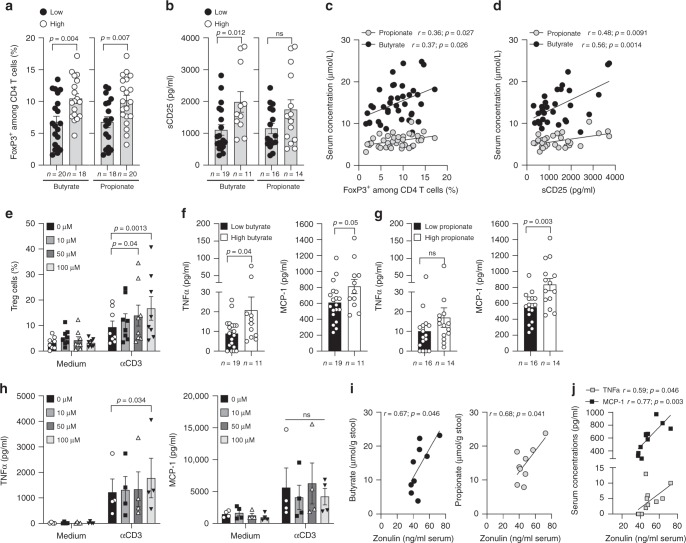
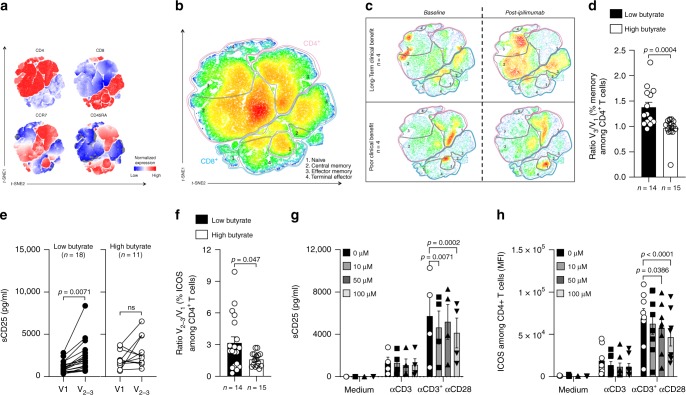
Gut microbiota composition influences the clinical benefit of immune checkpoints in patients with advanced cancer but mechanisms underlying this relationship remain unclear. Molecular mechanism whereby gut microbiota influences immune responses is mainly assigned to gut microbial metabolites. Short-chain fatty acids (SCFA) are produced in large amounts in the colon through bacterial fermentation of dietary fiber. We evaluate in mice and in patients treated with anti-CTLA-4 blocking mAbs whether SCFA levels is related to clinical outcome. High blood butyrate and propionate levels are associated with resistance to CTLA-4 blockade and higher proportion of Treg cells. In mice, butyrate restrains anti-CTLA-4-induced up-regulation of CD80/CD86 on dendritic cells and ICOS on T cells, accumulation of tumor-specific T cells and memory T cells. In patients, high blood butyrate levels moderate ipilimumab-induced accumulation of memory and ICOS + CD4 + T cells and IL-2 impregnation. Altogether, these results suggest that SCFA limits anti-CTLA-4 activity.
Overview
The claims and statistics of this paper haven’t been checked yet.
Free: it reads the open-access text and checks the first 5 claims that cite a source we can check. Create a free account to check every claim.
Integrity signals
Registry
Cites
Statistics
Figures
Verification
Claims the paper makes
The claims and statistics of this paper haven’t been checked yet.
Free: it reads the open-access text and checks the first 5 claims that cite a source we can check. Create a free account to check every claim.
Claims other papers make about this one
Each is checked against this paper’s own text: does it say what the citing paper says it does?
The source backs part of the claim, not all of it — or backs it for a different population, condition or comparison.
In the citing paper
“In contrast, another study demonstrated that high plasma SCFA levels were associated with shorter PFS in cancer patients treated with CTLA-4 inhibitors [60].”
From A Clinical Outcome of the Anti-PD-1 Therapy of Melanoma in Polish Patients Is Mediated by Population-Specific Gut Microbiome Composition (2022) · cites this paper as [60]
Experimental — accuracy not yet measuredThe source backs part of the claim, not all of it — or backs it for a different population, condition or comparison.
In the citing paper
“High serum levels of butyrate and propionate have been associated with resistance to anti-CTLA-4 antibodies and radiotherapy and increased Treg cell numbers in patients with melanoma.”
From Melanoma and microbiota: Current understanding and future directions (2024) · cites this paper as [54]
Experimental — accuracy not yet measuredIn the citing paper
“By contrast, supplementing mice with butyrate in their drinking water appears to be detrimental for CTLA‑4 blockade,151”
From Gut dysbiosis in oncology: a risk factor for immunoresistance (2026) · doi:10.1038/s41422-025-01212-6 · cites this paper as [151]
In the citing paper
“the gut microbiome is able to regulate the sensitivity of malignant solid tumors to immune checkpoint inhibitors (ICIs), such as programmed cell death receptor-1 (PD-1)/ligand 1 (L1) and cytotoxic T-lymphocyte-associated protein 4 (CTLA-4) (10,13,14).”
From The Role of Gut Microbiota in Lung Cancer: From Carcinogenesis to Immunotherapy (2021) · doi:10.3389/fonc.2021.720842 · cites this paper as [13]
In the citing paper
“Furthermore, the addition of anti-CTLA-4 has a profound effect on gut barrier permeability 50,51 , potentially changing the influence of the gut microbiome on ICB response.”
From A gut microbial signature for combination immune checkpoint blockade across cancer types (2024) · cites this paper as [50]
5 more claims about this paper
Create a free account to see every claim other papers make about this one.
Self-check
Percentages, sums and reported differences re-computed from the paper’s own numbers.
The self-check needs the paper’s full text.
Citations
Cites
Improved Survival with Ipilimumab in Patients with Metastatic Melanoma
Hodi, F. S., O'Day, S. J., McDermott, D. F., Weber, R. W., Sosman, J. A., Haanen, J. B., Gonzalez, R., Robert, C., Schadendorf, D., Hassel, J. C., et al. (2010) · New England Journal of Medicine · doi:10.1056/nejmoa1003466 · Cited by 15,155
Self-citationCombined Nivolumab and Ipilimumab or Monotherapy in Untreated Melanoma
Larkin, J., Chiarion-Sileni, V., Gonzalez, R., Grob, J. J., Cowey, C. L., Lao, C. D., Schadendorf, D., Dummer, R., Smylie, M., Rutkowski, P., et al. (2015) · New England Journal of Medicine · doi:10.1056/nejmoa1504030 · Cited by 8,157
Self-citationPembrolizumab versus Ipilimumab in Advanced Melanoma
Robert, C., Schachter, J., Long, G. V., Arance, A., Grob, J. J., Mortier, L., Daud, A., Carlino, M. S., McNeil, C., Lotem, M., et al. (2015) · New England Journal of Medicine · doi:10.1056/nejmoa1503093 · Cited by 5,887
Self-citationCommensal microbe-derived butyrate induces the differentiation of colonic regulatory T cells
Furusawa, Y., Obata, Y., Fukuda, S., Endo, T. A., Nakato, G., Takahashi, D., Nakanishi, Y., Uetake, C., Kato, K., Kato, T., et al. (2013) · Nature · doi:10.1038/nature12721 · Cited by 5,549
The Microbial Metabolites, Short-Chain Fatty Acids, Regulate Colonic T reg Cell Homeostasis
Smith, P. M., Howitt, M. R., Panikov, N., Michaud, M., Gallini, C. A., Bohlooly-Y, M., Glickman, J. N., & Garrett, W. S. (2013) · Science · doi:10.1126/science.1241165 · Cited by 5,413
Metabolites produced by commensal bacteria promote peripheral regulatory T-cell generation
Arpaia, N., Campbell, C., Fan, X., Dikiy, S., van der Veeken, J., deRoos, P., Liu, H., Cross, J. R., Pfeffer, K., Coffer, P. J., et al. (2013) · Nature · doi:10.1038/nature12726 · Cited by 4,838
Gut microbiome modulates response to anti-PD-1 immunotherapy in melanoma patients
Gopalakrishnan, V., Spencer, C. N., Nezi, L., Reuben, A., Andrews, M. C., Karpinets, T. V., Prieto, P. A., Vicente, D., Hoffman, K., Wei, S. C., et al. (2018) · Science · doi:10.1126/science.aan4236 · Cited by 4,812
Ipilimumab plus Dacarbazine for Previously Untreated Metastatic Melanoma
Robert, C., Thomas, L., Bondarenko, I., O'Day, S., Weber, J., Garbe, C., Lebbe, C., Baurain, J.-F., Testori, A., Grob, J.-J., et al. (2011) · New England Journal of Medicine · doi:10.1056/nejmoa1104621 · Cited by 4,496
Self-citationCommensal Bifidobacterium promotes antitumor immunity and facilitates anti–PD-L1 efficacy
Sivan, A., Corrales, L., Hubert, N., Williams, J. B., Aquino-Michaels, K., Earley, Z. M., Benyamin, F. W., Man Lei, Y., Jabri, B., Alegre, M.-L., et al. (2015) · Science · doi:10.1126/science.aac4255 · Cited by 3,888
Anticancer immunotherapy by CTLA-4 blockade relies on the gut microbiota
Vétizou, M., Pitt, J. M., Daillère, R., Lepage, P., Waldschmitt, N., Flament, C., Rusakiewicz, S., Routy, B., Roberti, M. P., Duong, C. P. M., et al. (2015) · Science · doi:10.1126/science.aad1329 · Cited by 3,488
Self-citation
Cited by
Items 301–400 of 530
Microbial metabolites for cancer immunotherapy: Current evidence and future directions
Wang, X., Liang, J.-J., Duan, X., & Chen, G. (2025) · Seminars in Cancer Biology · doi:10.1016/j.semcancer.2025.10.005 · Cited by 12
Vilbert, M., Koch, E. C., Rose, A. A. N., Laister, R. C., Gray, D., Sotov, V., Penny, S. L., Spreafico, A., Hogg, D., Pinto, D. M., et al. (2023) · Cancers · doi:10.3390/cancers15143708 · Cited by 10
Multi-omics joint analysis revealed the metabolic profile of retroperitoneal liposarcoma
Xie, F., Niu, Y., Lian, L., Wang, Y., Zhuang, A., Yan, G., Ren, Y., Chen, X., Xiao, M., Li, X., et al. (2023) · Frontiers of Medicine · doi:10.1007/s11684-023-1020-z · Cited by 10
Targeting the gut and tumor microbiome in cancer treatment resistance
Čierniková, S., Ševčíková, A., & Mego, M. (2024) · American Journal of Physiology-Cell Physiology · doi:10.1152/ajpcell.00201.2024 · Cited by 12
Bacterial metabolites: Effects on the development of breast cancer and therapeutic efficacy (Review)
Guo, Y. H., Dong, W., Sun, D., Zhao, X., Huang, Z., Liu, C., & Sheng, Y. (2025) · Oncology Letters · doi:10.3892/ol.2025.14956 · Cited by 11
Similarities and divergences in the metabolism of immune cells in cancer and helminthic infections
Esperante, D., Martínez-Gutiérrez, M. I., Issa, M. E., Schcolnik‐Cabrera, A., & Mendlovic, F. (2023) · Frontiers in Oncology · doi:10.3389/fonc.2023.1251355 · Cited by 9
New Metabolomic Insights Into Cancer
Zhu, J. (2024) · The Cancer Journal · doi:10.1097/ppo.0000000000000740 · Cited by 10
Diet and the microbiome as mediators of prostate cancer risk, progression, and therapy response
Cruz-Lebrón, A., Faiez, T. S., Hess, M. M., & Sfanos, K. S. (2025) · Urologic Oncology Seminars and Original Investigations · doi:10.1016/j.urolonc.2024.12.001 · Cited by 10
From Gut to Brain: The Impact of Short-Chain Fatty Acids on Brain Cancer
Saadh, M. J., Allela, O. Q. B., Kareem, R. A., Sanghvi, G. V., Menon, S. V., Sharma, P., Tomar, B. S., Sharma, A., Sameer, H. N., Hamad, A. K., et al. (2025) · NeuroMolecular Medicine · doi:10.1007/s12017-025-08830-8 · Cited by 11
“…both immunomodulatory effects, capable of enhancing anti-tumor immunity, and direct effects on tumor cells, indicating their potential dual role in both promoting homeostasis and contributing to malignancy, with a particular focus on brain tumors (Coutzac et al., 2020; Zhou et al., 2024).”
Lai, Y. R., Lan, X., Chen, Z., Lou, G., Li, Y., Liu, C., Feng, J., Li, X., & Wang, Y. (2025) · Molecules · doi:10.3390/molecules30061193 · Cited by 9
Unraveling the Role of the Microbiota in Cancer Immunotherapy: A New Frontier
Wang, S., Li, S., Zhang, M., Liu, R., Ye, X., Mao, S., Yu, J., Xie, X., & Tan, W. (2025) · Research · doi:10.34133/research.0744 · Cited by 13
Roznovan, C. N., Marutescu, L. G., & Pîrcălăbioru, G. G. (2025) · International Journal of Molecular Sciences · doi:10.3390/ijms26136177 · Cited by 14
“On the other hand, short-chain fatty acids (SCFAs) like butyrate and propionate, derived from gut microbiota, have been linked to an enhanced T-cell function and improved response to ICIs [179].”
Narikawa, Y., Kuramasu, A., Hosonuma, M., Murayama, M., Funayama, E., Sasaki, A., Baba, Y., Toyoda, H., Isobe, J., Tajima, K., et al. (2025) · Cancer Immunology Immunotherapy · doi:10.1007/s00262-025-04111-2 · Cited by 11
“Nota-bly, microbial metabolites exert diverse effects on the immune system—short-chain fatty acids, for example, potentiate the efficacy of anti-PD-1 therapy while limiting that of anti-CTLA-4 [19, 20], in contrast to the actions of inosine observed in our study.”
Microbial metabolites in tumor metabolic reprogramming and immunotherapy: new insights
Wang, Y., Huang, D., Wang, R., Yin, J.-J., Pei, J., & Zhang, C. (2025) · Frontiers in Cellular and Infection Microbiology · doi:10.3389/fcimb.2025.1706040 · Cited by 10
González-Hermosillo, L.-M., Avila-Soto, K. I., Méndez-García, L. A., Cérbulo‐Vázquez, A., Esquivel‐Velázquez, M., Bueno-Hernández, N., Fonseca-Sánchez, M. A., & Escobedo, G. (2025) · Frontiers in Immunology · doi:10.3389/fimmu.2025.1694061 · Cited by 9
“Besides energy metabolism, SCFAs exert Md-DAMP actions via G-protein-coupled receptors (GPRs) and modulation of TLR4-mediated signaling pathways, promoting either proin fl ammatory or anti-in fl ammatory responses depending on their concentration and target receptor (116).”
Harnessing the Microbiome in Cancer Immunotherapy: Regulation, Prediction, and Therapeutic Targeting
Zarour, H. M., & Trinchieri, G. (2025) · Annual Review of Immunology · doi:10.1146/annurev-immunol-082323-114522 · Cited by 15
The complex immunological role of Helicobacter in modulating cancer
Hand, T. W., & Overacre-Delgoffe, A. E. (2022) · Trends in Immunology · doi:10.1016/j.it.2022.08.002 · Cited by 10
Role of Gut Microbiome in Immune Regulation and Immune Checkpoint Therapy of Colorectal Cancer
Shi, L., Xu, Y., & Feng, M. (2022) · Digestive Diseases and Sciences · doi:10.1007/s10620-022-07689-0 · Cited by 9
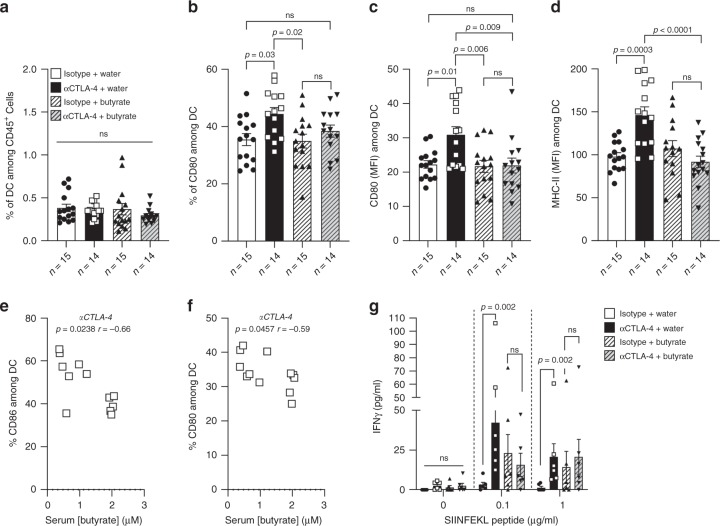
“Conversely, SCFA synthesized by the gut microbiota can restrain anti-CTLA-4-induced upregulation of CD80/ CD86 on dendritic cells, ICOS on T cells, and accumulation of tumor-specific T cells and memory T cells [97].”
BackgroundRegulation of SARS-CoV-2 infection by diet-modulated gut microbiota
Tieu, V., Tibi, S., & Ling, J. (2023) · Frontiers in Cellular and Infection Microbiology · doi:10.3389/fcimb.2023.1167827 · Cited by 9
“Further studies found consistent associations between SCFAs and Treg cell homeostasis (Coutzac et al., 2020; Su et al., 2020).”
BackgroundLimeta, A., Gatto, F., Herrgård, M. J., Ji, B., & Nielsen, J. (2023) · Computational and Structural Biotechnology Journal · doi:10.1016/j.csbj.2023.07.032 · Cited by 9
“short-chain fatty acids [65,66], TMAO [67] and bile acids [68]), direct induction of”
BackgroundLi, M., Zhang, Y., Sun, F. Z., Huai, M., Zhang, F., Pan, J., Qu, C.-Y., Shen, F., Li, Z.-H., & Xu, L. (2024) · International Journal of Nanomedicine · doi:10.2147/ijn.s479123 · Cited by 9
Cutting‐Edge Advancements in the Antibiotics‐Gut Microbiota‐Urinary Tumour Axis
Wang, J., Li, D., Wu, R., & Feng, D. (2025) · Cell Proliferation · doi:10.1111/cpr.70023 · Cited by 9
“Recent studies suggest that high serum butyrate levels may correlate with resistance to immune checkpoint inhibitors, such as anti- CTLA-4 therapy, by promoting Treg activity [20].”
Wong, M., Barbulescu, P., Coburn, B. A., & Reguera-Nuñez, E. (2021) · Microbes and Infection · doi:10.1016/j.micinf.2021.104804 · Cited by 9
Lu, M., Qiu, S., Jiang, X., Wen, D., Zhang, R., & Liu, Z. (2021) · Frontiers in Oncology · doi:10.3389/fonc.2021.649093 · Cited by 11
“Reducing the accumulation of fatty acids in cells can reduce the migration and invasion of tumor cells (45).”
BackgroundPotential role of gut microbes in the efficacy and toxicity of immune checkpoints inhibitors
Ma, J., Wei, Q., Cheng, X. M., Zhang, J., Zhang, Z., & Su, J. (2023) · Frontiers in Pharmacology · doi:10.3389/fphar.2023.1170591 · Cited by 9
“, 2022), which has brought unprecedented efficiency to advanced melanoma (Gopalakrishnan et al., 2018; Coutzac et al., 2020), renal cell carcinoma (Motzer et al.”
BackgroundMining the Gut Microbiota for Microbial-Based Therapeutic Strategies in Cancer Immunotherapy
Li, B., Gong, T., Hao, Y., Zhou, X., & Cheng, L. (2021) · Frontiers in Oncology · doi:10.3389/fonc.2021.721249 · Cited by 9
“revealed that responders had increased Faecalibacterium (63).”
BackgroundInfluentialThe huge clinical potential of microbiota in the treatment of pancreatic cancer: The next frontier
Zhang, Z., & Tang, D. (2022) · Biochimica et Biophysica Acta (BBA) - Reviews on Cancer · doi:10.1016/j.bbcan.2022.188733 · Cited by 11
Gao, Y., Zhao, K., Huang, Y., Zhang, D., Luo, N., Peng, X., Yang, F., Xiao, W., Wang, M., Shi, R., et al. (2024) · MedComm · doi:10.1002/mco2.528 · Cited by 8
“16 Yang et al. have demonstrated that PDL1 can facilitate tumor progression by preserving its own stability via palmitoylation, indicating a potential involvement of lipid metabolism in PDL1 expression.”
BackgroundRaudenská, M., Bugajová, M., Kalfeřt, D., Plzák, J., Šubrt, A., Tesařová, P., & Masařík, M. (2024) · Biochimica et Biophysica Acta (BBA) - Reviews on Cancer · doi:10.1016/j.bbcan.2024.189216 · Cited by 9
Maqsoodi, R., Saberpour, M., Bakhshi, B., & Fallah, F. (2025) · BMC Gastroenterology · doi:10.1186/s12876-025-03923-x · Cited by 8
“A multitude of studies have reported the anticancer properties of CFS, thereby promoting homeostasis and mitigating intestinal inflammation [7–10].”
Jia, R. F., Xiao, C., Zhang, Y., Hu, L.-Y., Jun-jun, Y., Zuo, R., Hu, Y., Xie, Y.-H., Ma, X., Li, Q., et al. (2025) · Drug Resistance Updates · doi:10.1016/j.drup.2025.101311 · Cited by 11
Microbiota and cancer immunotherapy: Mechanisms, clinical implications, and precision therapeutics
Wei, D., Sun, Y., Han, J., & Liu, J. (2025) · Seminars in Cancer Biology · doi:10.1016/j.semcancer.2025.12.002 · Cited by 9
Gut microbiota drives cancer evolution and therapy resistance
Min, S., Zhang, Y., Zhang, H., & Liu, Q. (2026) · Molecular Cancer · doi:10.1186/s12943-025-02564-8 · Cited by 10
“Specifically, it suppresses the therapy-induced upregulation of CD80/ CD86 in dendritic cells [147].”
InfluentialMicrobiota-derived metabolites as modulators of cancer immunotherapy response
Toner-Bartelds, C., Mimpen, I. L., Parra-Martinez, M., Burgering, B. M. T., & Voest, E. E. (2026) · Nature Communications · doi:10.1038/s41467-026-72178-1 · Cited by 10
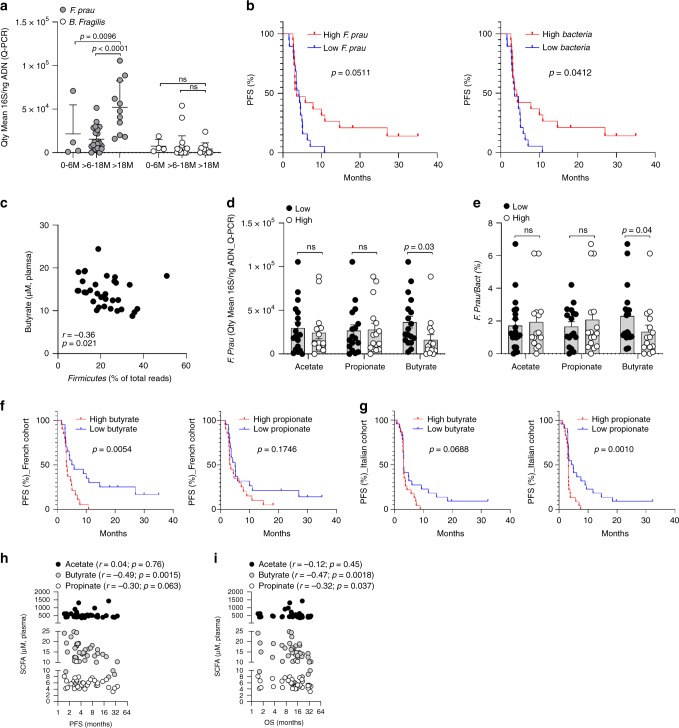
“Later, this was con fi rmed by Coutzac et al., who demonstrated that higher serum levels of butyrate and propionate were associated with poor response to anti-CTLA-4 therapy in patients with metastatic melanoma 24 .”
Safety and efficacy of intratumoural anti-CTLA4 with intravenous anti-PD1
Tselikas, L., Susini, S., Texier, M., Yurchenko, A., Routier, É., Amini‐Adlé, M., Tihic, E., Mouraud, S., Danlos, F., Ammari, S., et al. (2026) · Nature · doi:10.1038/s41586-026-10341-w · Cited by 9
“Intratumoural anti-CTLA4 induced robust upregulation of ICOS on circulating CD4 + and CD8 + T cells 35 , including T reg cells, together with increased circulating soluble CD25 36 .”
Self-citationThe effect of diet and nutrition on T cell function in cancer
Zhou, X., Wang, Z., & Yuan, K. (2023) · International Journal of Cancer · doi:10.1002/ijc.34668 · Cited by 10
“Butyrate is associated with immune modulation mainly through induction of Treg cells, which are related to immunosuppression of tumors 117 (Figure 3).”
Huang, F., Wang, Z., Zhang, Z., Liu, X., Liang, Y., Qian, J., Tu, J., Tang, X., Zhang, C., & Fang, B. (2024) · Journal of Pharmaceutical and Biomedical Analysis · doi:10.1016/j.jpba.2024.116195 · Cited by 9
Plaza‐Díaz, J., Brandimonte‐Hernández, M., Plaza, B. L., Ruiz‐Ojeda, F. J., Álvarez‐Mercado, A. I., Arcos-Castellanos, L., Feliú, J., Hummel, T. R., Milla, S. P., & Gil, Á. (2025) · Nutrients · doi:10.3390/nu17020246 · Cited by 9
Molecular hydrogen as a potential mediator of the antitumor effect of inulin consumption
Pascal‐Moussellard, V., Alcaraz, J., Tanguy, S., Salomez‐Ihl, C., Cinquin, P., Boucher, F. R., & Boucher, E. (2025) · Scientific Reports · doi:10.1038/s41598-025-96346-3 · Cited by 12
“Some studies report that elevated blood levels of butyrate and propionate correlate with resistance to anti-CTLA-4 immunotherapy and an increased proportion of circulating Tregs 64 .”
Nakatsu, G. (2021) · Journal of Gastroenterology and Hepatology · doi:10.1111/jgh.15715 · Cited by 10
The gut wall’s potential as a partner for precision oncology in immune checkpoint treatment
Lopez, S. H., Jalving, M., Fehrmann, R. S. N., Nagengast, W. B., de Vries, E. G. E., & de Haan, J. J. (2022) · Cancer Treatment Reviews · doi:10.1016/j.ctrv.2022.102406 · Cited by 9
Emerging Immune-Monitoring System for Immune Checkpoint Inhibitors
Hamada, K., Tsunoda, T., & Yoshimura, K. (2022) · Life · doi:10.3390/life12081229 · Cited by 8
Hazra, R., Chattopadhyay, S., Mallick, A., Gayen, S., & Roy, S. (2024) · Medical Oncology · doi:10.1007/s12032-024-02416-3 · Cited by 8
“However, patients suffering from melanoma having elevated levels of propionate and butyrate in the bloodstream when treated with a different type of immunotherapy such as anti-CTLA-4 antibody, did not produce a favorable clinical outcome [134].”
Yuan, S., Bremmer, A., Yang, X., & Hu, Q. (2025) · Seminars in Cancer Biology · doi:10.1016/j.semcancer.2025.11.023 · Cited by 8
Cogrossi, L. L., Policastro, A., Zordan, P., Grioni, M., Tosi, A., RIZZO, N., Mattorre, B., Lorenzoni, M., Meregalli, G., Sisti, S., et al. (2025) · Nature Communications · doi:10.1038/s41467-025-65312-y · Cited by 8
“These data appear at odd with those reporting that low baseline butyrate was associated with longer PFS in patients affected by metastatic melanoma 51 .”
Bello, A. D., Scala, A., Gili, R., Falcicchia, R., Bassolino, A., Polidori, S., D’Auria, F., Tortora, G., Bossi, P., & Cassano, A. (2026) · Critical Reviews in Oncology/Hematology · doi:10.1016/j.critrevonc.2025.105108 · Cited by 7
Microbial-Derived Metabolites and Their Impact on Cancer Immunotherapy
Jeong, J., Baines, K. J., & Vareki, S. M. (2026) · Cancer Immunology Research · doi:10.1158/2326-6066.cir-25-1018 · Cited by 9
Molecular Ensembles of Microbiotic Metabolites in Carcinogenesis
Shatova, O. P., Zabolotneva, A. A., & Shestopalov, A. V. (2023) · Biochemistry (Moscow) · doi:10.1134/s0006297923070027 · Cited by 9
Microbiota mechanisms in cancer progression and therapy
Zhang, X., Fam, K. T., Dai, T., & Hang, H. C. (2025) · Cell chemical biology · doi:10.1016/j.chembiol.2025.04.005 · Cited by 9
Microbiota interaction with Tregs: a target for colitis
Mortezaee, K. (2025) · Clinical & Translational Oncology · doi:10.1007/s12094-025-03974-2 · Cited by 8
“Thus, serum butyrate can act as an indirect marker for the representation of microbiota composition in anti-CTLA-4 therapy [14].”
Malczewski, A. B., Coward, J. I. G., Ketheesan, N., & Navarro, S. (2025) · Clinical and Translational Medicine · doi:10.1002/ctm2.70472 · Cited by 9
“20,41,42 Botticelli et al. (2020) profiled faecal metabolites in 11 patients with non-small cell lung cancer (NSCLC) undergoing CIT (2nd-line nivolumab) and found that elevated levels of propionate, butyrate, lysine and nicotinic acid were associated with a progression-free survival (PFS) exceeding…”
Hilakivi-Clarke, L. A., Verma, V., McDermott, M., Koak, P., & Andrade, F. D. O. (2022) · Frontiers in Microbiomes · doi:10.3389/frmbi.2022.1049688 · Cited by 7
“, 2020), but in some studies circulating butyrate levels have been found to negatively correlate with the abundance of SCFA-producing Firmicutes and Faecalibacterium prasnizii in the gut microbiota (Coutzac et al., 2020).”
BackgroundResultInfluentialMicrobiome-Derived Lipid Nanoparticles for Improved Immunogenicity of mRNA Vaccines
Yong, S., Park, O. H., & Cho, S. (2024) · ACS Materials Letters · doi:10.1021/acsmaterialslett.3c01642 · Cited by 7
Impact of gut microbiota and its metabolites on immunometabolism in colorectal cancer
Flory, M., Bravo, P., & Alam, A. M. (2024) · Immunometabolism · doi:10.1097/in9.0000000000000050 · Cited by 11
Metabolic traits ruling the specificity of the immune response in different cancer types
Flerin, N. C., Cappellesso, F., Pretto, S., & Mazzone, M. (2020) · Current Opinion in Biotechnology · doi:10.1016/j.copbio.2020.10.011 · Cited by 8
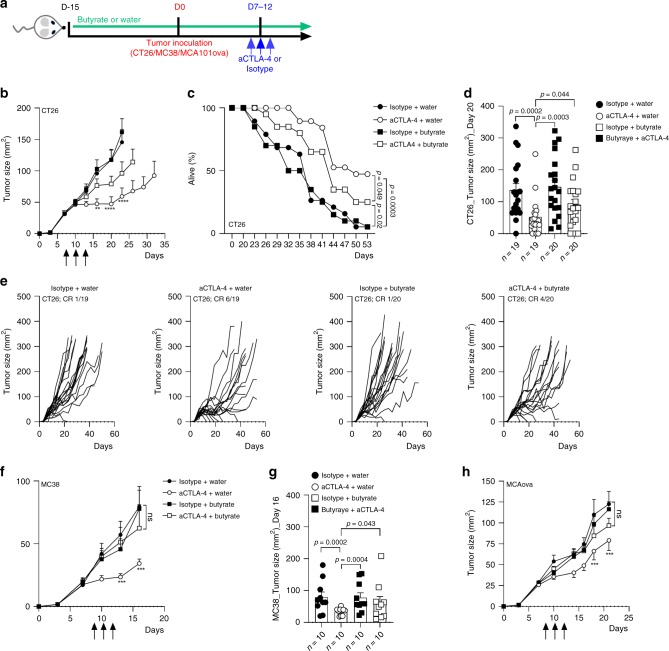
“In mice, treatment with butyrate reduces the efficacy of a-CTLA-4 treatment leading to a decrease in CD80 and CD86 expression on the surface of dendritic cells and a decrease in memory T cells number [24].”
BackgroundResearch progress on gut microbiota in colorectal cancer immunotherapy
Li, J., Yue, Y., Pan, J., & Liang, F. (2025) · Biochimica et Biophysica Acta (BBA) - Reviews on Cancer · doi:10.1016/j.bbcan.2025.189476 · Cited by 7
Yu, J., Li, W., Xu, Y. M., & Tang, J. (2026) · Clinical Microbiology Reviews · doi:10.1128/cmr.00368-25 · Cited by 10
“In addition, SCFAs exhibit dual effects in certain diseases (185), which suggests that clinical interventions must follow the principle of individualization.”
Adugna, A., Muche, Y., Jemal, M., Habtegiorgis, S. D., Belew, H., & Amare, G. A. (2024) · Aging Medicine · doi:10.1002/agm2.12292 · Cited by 6
Advances in engineered bacteria for cancer therapy
Pan, W., Liu, H., & Wu, D. (2025) · Precision medicine and engineering. · doi:10.1016/j.preme.2025.100017 · Cited by 6
Johnson, S. D., Pino, M., Acharya, A., Clain, J. A., Bose, D., Nguyen, K., Harper, J. L., Villinger, F. J., Paiardini, M., & Byrareddy, S. N. (2025) · JCI Insight · doi:10.1172/jci.insight.184491 · Cited by 6
“As noted in the SIV-infection model, sodium butyrate supplementation did not provide immunological benefit in other murine cancer models, and its administration reduced the efficacy of anti-CTLA-4 therapy in these studies (56).”
Leveraging gut microbiota for enhanced immune checkpoint blockade in solid tumor therapy
Hu, J., Feng, T., Zhang, L., Zhou, Q., & Zhu, L. (2025) · Chinese Medical Journal · doi:10.1097/cm9.0000000000003687 · Cited by 8
“[34] In the French cohort, the concentrations of butyrate were correlated with shorter PFS, while propionate concentrations were linked to shorter PFS in the Italian cohort.”
Bacteria-assisted metal antitumor immunotherapy
Guo, J., Liang, J., Chen, Z., Pan, Y., He, Y., & Chao, H. (2025) · Coordination Chemistry Reviews · doi:10.1016/j.ccr.2025.216938 · Cited by 6
Huang, A., Lin, B., Hu, T., & Lan, J. X. (2025) · Pathology - Research and Practice · doi:10.1016/j.prp.2025.156118 · Cited by 8
Microbiome unlocks cancer immunotherapeutic potential: State of the art and future
Luo, H.-Y., Cao, L., Zhou, K., Xiao, Y., Li, Z., Liu, B., & Bu, L. (2025) · Seminars in Cancer Biology · doi:10.1016/j.semcancer.2025.08.001 · Cited by 6
Association of the gut microbiome with cancer immunotherapy
Nomura, M. (2022) · International Journal of Clinical Oncology · doi:10.1007/s10147-022-02180-2 · Cited by 6
Dong, Y., Zhao, Z., Simayi, M., Chen, C., Xu, Z., Lv, D., & Tang, B. (2022) · Frontiers in Genetics · doi:10.3389/fgene.2022.860067 · Cited by 6
“The accumulated FAs can limit antiCTLA-4 activity and inhibit tumor-specific and memory T cell infiltration into the tumors (Coutzac et al., 2020).”
BackgroundGanesan, R., & Suk, K. T. (2022) · Process Biochemistry · doi:10.1016/j.procbio.2022.10.031 · Cited by 6
Research Progress in Intestinal Microecology in Pancreatic Cancer Diagnosis and Treatment
Han, Z., Zhang, H., Lu, L., Li, X., Zhang, C., Zhu, J., Li, C., Wang, Q., & Chen, K. (2022) · Journal of Oncology · doi:10.1155/2022/6069403 · Cited by 6
“Additionally, butyrate might inhibit the efciency of anticytotoxic T lymphocyte associated antigen-4 (CTLA-4) immune checkpoint inhibitors (ICIs) by inhibiting the stimulation of tumor-specifc memory T cells and T cells by dendritic cells [36].”
BackgroundWu, B., Quan, C., He, Y., Matsika, J., Huang, J., Liu, B., & Chen, J. (2024) · Expert Opinion on Biological Therapy · doi:10.1080/14712598.2024.2371543 · Cited by 7
“Also, it diminishes the anti-tumor ability of anti-CTLA-4 [22].”
Unlocking the Microbial Symphony: The Interplay of Human Microbiota in Cancer Immunotherapy Response
Chacon, J. A., Faizuddin, F., McKee, J. C., Sheikh, A., Vasquez, V. M., Gadad, S. S., Mayer, G., Siby, S., McCabe, M. M., & Dhandayuthapani, S. (2025) · Cancers · doi:10.3390/cancers17050813 · Cited by 8
The Multifaceted Roles of Diet, Microbes, and Metabolites in Cancer
Armstrong, H., Bording‐Jorgensen, M., & Wine, E. (2021) · Cancers · doi:10.3390/cancers13040767 · Cited by 7
“Increased systemic butyrate and pro‐ pionate, thought to be due to increased intestinal permeability, have typically been asso‐ ciated with immune modulation via induction of Treg cells, and recently have been shown to limit antitumour activity of anticytotoxic t‐lymphocyte‐associated protein 4 in multiple tumour mous…”
BackgroundSannicolo, S., Levra, M. G., Gouëllec, A. L., Aspord, C., Boccard, J., Chaperot, L., Toussaint, B., Moro‐Sibilot, D., Hannani, D., & Toffart, A. (2021) · Respiratory Medicine and Research · doi:10.1016/j.resmer.2021.100845 · Cited by 8
The interplay between the microbiome and colonic immune system in checkpoint inhibitor therapy
Dehinsilu, J., Sergaki, C., Amos, G. C. A., Fontana, V., & Pirmohamed, M. (2023) · Frontiers in Microbiomes · doi:10.3389/frmbi.2023.1061193 · Cited by 6
“Literature on this topic is limited; however, there is evidence to suggest that the presence of butyrate has a negative impact on the efficacy of anti-CTLA-4 treatment whereas greater concentrations of SCFAs are associated with improved progression free-survival in patients treated with anti PD-1 therapy (Coutzac et a…”
BackgroundTan, Z., Yang, C., Zhao, Y., Yang, X., & Li, T. (2025) · Journal of Agricultural and Food Chemistry · doi:10.1021/acs.jafc.5c04034 · Cited by 6
Li, M., Wu, X. Q., & Lee, T. K. (2025) · Clinical and Molecular Hepatology · doi:10.3350/cmh.2025.0476 · Cited by 7
Mechanisms Underlying Immunotherapy Resistance in Microsatellite-stable Colorectal Cancer
Di, J., Liu, J., & Zhang, X. (2025) · Oncology Advances · doi:10.14218/ona.2025.00021 · Cited by 5
Yang, X., Zhang, K., Xia, L., & Li, J. (2026) · iMetaMed · doi:10.1002/imm3.70030 · Cited by 5
Role of gut microbiota in regulating host cell metabolism in digestive system diseases
Zhan, X., Cao, Z., Wang, S., Xia, H., Wu, H., He, Z., & Fang, X. (2026) · TransMed · doi:10.1016/j.tmed.2026.100019 · Cited by 6
Wen, X., Ye, X., Yang, X., RuJin, J., Qian, C., & Wang, X. (2022) · Clinical & Translational Oncology · doi:10.1007/s12094-022-02995-5 · Cited by 5
“, IL-6 and tumor necrosis factor-alpha (TNF-α), are released by the macrophages of dysbacteriosis-affected mice, stimulating tumor growth in vivo while enhancing the proliferation of colon cancer cells and EMT in vitro [88].”
BackgroundGut Bacteria Provide Genetic and Molecular Reporter Systems to Identify Specific Diseases
Dicks, L. M. T. (2024) · International Journal of Molecular Sciences · doi:10.3390/ijms25084431 · Cited by 5
“Studies conducted on mice have shown that SCFAs limit the activity of anti-CTLA-4 by restricting the up-regulation of CD80/CD86 on dendritic cells (DCs) and inducible costimulatory (ICOS) on T cells and cause the accumulation of tumor-specific and memory T cells [98].”
BackgroundMicrobiome-modulated immunotherapy in oncology: Current applications and future prospects
Liu, Y., Miao, K., & Yang, X. (2026) · Seminars in Cancer Biology · doi:10.1016/j.semcancer.2026.01.001 · Cited by 4
Xie, J., Zhang, J., Zhang, L., & Chen, X. (2026) · Frontiers in Microbiology · doi:10.3389/fmicb.2026.1740680 · Cited by 5
“Promotes epithelial/mucosal homeostasis; regulates gut barrier function and tolerance (Zhu et al., 2023; Coutzac et al., 2020).”
Decoding the gut microbiota-immune dialogue: from bidirectional axis to therapeutic applications
Liu, Y., Chen, C., Liu, H., Wang, W., Zhou, X., Guo, M., Zhao, J., Zeng, Z., & Xu, L. (2026) · Journal of Nanobiotechnology · doi:10.1186/s12951-026-04376-4 · Cited by 4
“Notably, elevated butyrate levels can inhibit the maturation of CTLA-4 blockers (e.g., ipilimumab) and supress the CD28 signaling pathway, thereby diminishing their antitumor effects [298].”
Ji, S., Liu, Y., Xu, Y., Gao, J., Jin, J., Jiang, P., Li, Y. K., Su, D., Zhao, Y., Yang, S., et al. (2026) · Nature Microbiology · doi:10.1038/s41564-026-02326-2 · Cited by 6
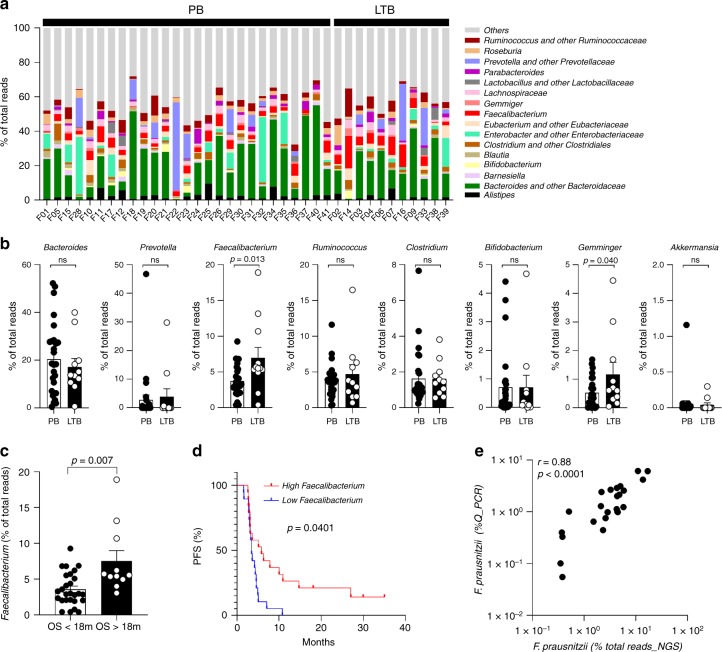
“Additionally, in a cohort of 38 patients with melanoma, F. prausnitzii levels were correlated with improved progression-free survival 30 (Fig.”
Intratumoral microbiota in cancer: molecular mechanism and therapeutic strategies
Yu, Y., Guo, Z., Luo, Z., Dian, Y., Yang, X., Chen, X., Zeng, F., & Deng, G. (2026) · Molecular Biomedicine · doi:10.1186/s43556-026-00473-w · Cited by 5
“Systemically, via the gut-systemic or respiratory axis, gut-derived SCFAs, including butyrate and propionate, increase Treg ratios and reduce CTLA4 blockade efficacy [111].”
Predictive biomarkers for immunotherapy in gastric cancer
Li, S., Liang, H., & Li, G. (2025) · Journal of Cancer Metastasis and Treatment · doi:10.20517/2394-4722.2024.107 · Cited by 6
Mikrobiyota Kaynaklı Kısa Zincirli Yağ Asitleri ve Hastalıklar Üzerine Etkileri
Döğüş, Y., DEAMİ, A., & Yönden, Z. (2023) · Arşiv Kaynak Tarama Dergisi · doi:10.17827/aktd.1330297 · Cited by 3
Microbiome dynamics in immune checkpoint blockade
Kim, C. W., Kim, H.-J., & Lee, H. K. (2024) · Trends in Endocrinology and Metabolism · doi:10.1016/j.tem.2024.04.013 · Cited by 5
Simunic, M., McGraw, K. L., Pavletic, S. Z., & Rashidi, A. (2024) · Seminars in Hematology · doi:10.1053/j.seminhematol.2024.10.006 · Cited by 4
Vitamins and dietary supplements in cancer treatment: is there a need for increased usage?
Esposito, T., Pentimalli, F., Giordano, A., & Cortellino, S. (2025) · Expert Review of Anticancer Therapy · doi:10.1080/14737140.2025.2501077 · Cited by 5
“Furthermore, while SCFA prevent and improve the antitumor response against intestinal tumors, they reduce the efficacy of immunotherapy against melanoma when administered at high concentrations at a systemic level in pre-clinical models [326–328].”
Ye, G., Zhang, H., Feng, Q., Xiao, J., Wang, J., & Liu, J. (2025) · Current Oncology · doi:10.3390/curroncol32120673 · Cited by 4
“Thus, personalized therapeutic dosage adjustment tailored to patients’ gut microbial profiles is crucial for both BA-based and SCFA-based therapies [15,101].”
Su, P., Tao, Y., Wang, A., & Xiao, Y. (2025) · International Journal of Surgery · doi:10.1097/js9.0000000000004476 · Cited by 4
Mechanisms and therapeutic strategies for immunotherapy resistance in gastric cancer
Zhang, Z., Wu, C., Hu, X., Zhang, L., & Dong, X. (2025) · Cancer Cell International · doi:10.1186/s12935-025-04110-4 · Cited by 4
“Notably, the generation of short-chain fatty acids (SCFAs), particularly butyrate, by these bacteria is linked to the prolonged effectiveness of ICIs [129, 130].”
Han, W., Li, Q., & Yuan, G. (2026) · Frontiers in Immunology · doi:10.3389/fimmu.2026.1802676 · Cited by 4
The evolving role of OMICS in gastrointestinal tumor biology and clinical practice
Li, Q., Zhang, J., Chen, J., Zhang, Q., Liu, R., Zhu, J., Qing, Y., Wei, X., & Sheng, J. (2026) · Molecular Cancer · doi:10.1186/s12943-026-02658-x · Cited by 3
Sun, Q., Li, X., Wu, J., Zhang, J., Zhu, Y., & Dong, Y. (2026) · Critical Reviews in Oncology/Hematology · doi:10.1016/j.critrevonc.2026.105382 · Cited by 5
Gut microbiota and metabolic control of immune checkpoint blockade in cancer
Gladstone, J. L., & Sonnenberg, G. F. (2026) · Cell Metabolism · doi:10.1016/j.cmet.2026.04.018 · Cited by 4
Integration of donor microbiota following FMT correlates with anti-PD-1 response in melanoma
Fessler, J. L., Olm, M. R., Engleman, E. G., & Sonnenburg, J. L. (2026) · Nature Communications · doi:10.1038/s41467-026-73465-7 · Cited by 7
“The transfer of speci fi c microbes could mediate response, which may exert anti-cancer or immunomodulatory effects through the production of microbial metabolites (e.g., short-chain fatty acids 31 – 33 and inosine 34 ) or via direct interactions with host immune cells.”
Foglia, B., Nurcis, J., Signorini, M., & Cannito, S. (2026) · Frontiers in Cell and Developmental Biology · doi:10.3389/fcell.2026.1823145 · Cited by 5
Development and treatment of colorectal cancer: Insights from multi‐kingdom microbiota
Hong, Y.-M., Song, D., Liu, N., & Wang, H. (2023) · Aging and Cancer · doi:10.1002/aac2.12063 · Cited by 3
Metadata
- Authors
- Coutzac, C., Jouniaux, J.-M., Paci, A., Schmidt, J., Mallardo, D., Seck, A., Asvatourian, V., Cassard, L., Saulnier, P., Lacroix, L., Woerther, P.-L., Vozy, A., Naigeon, M., Nebot-Bral, L., Desbois, M., Simeone, E., Mateus, C., Boselli, L., Grivel, J., Soularue, E., Lepage, P., Carbonnel, F., Ascierto, P. A., Robert, C., & Chaput, N.
- Affiliations
- Centre National de la Recherche Scientifique (FR)
- Istituto Nazionale Tumori IRCCS "Fondazione G. Pascale" (IT)
- Institut Gustave Roussy (FR)
- AgroParisTech (FR)
- Université Paris-Saclay (FR)
- Corresponding author
- Chaput, Nathalie
- ORCID
- Coutzac, Clélia
- Paci, Angelo
- Schmidt, Julien
- Mallardo, Domenico
- Seck, Atmane
- Cassard, Lydie
- Saulnier, Patrick
- Lacroix, Ludovic
- Woerther, Paul-Louis
- Vozy, Aurore
- Naigeon, Marie
- Desbois, Mélanie
- Simeone, Ester
- Mateus, Christine
- Boselli, Lisa
- Lepage, Patricia
- Carbonnel, Franck
- Ascierto, Paolo Antonio
- Robert, Caroline
- Chaput, Nathalie
- Venue
- Nature Communications
- Published
- 2020-05-01
- Volume
- 11
- Issue
- 1
- Pages
- 2168-2168
- ISSN
- 2041-1723 (ISSN-L)
- PMC
- PMC7195489
- OpenAlex
- W3022450273
- Semantic Scholar
- 814b2fcb75bf9ea248984c70830cc85812a61f27
- Cited by
- 513
- References
- 54
- Citations by year
- 2026: 89 · 2025: 105 · 2024: 84 · 2023: 86 · 2022: 74 · 2021: 58 · 2020: 17
- FWCI
- 21.22
- Type
- journal article
- Language
- en
- Open access
- gold
- doi.org
- Licence
- cc-by
- creativecommons.org/licenses/by/4.0 (tdm)
- creativecommons.org/licenses/by/4.0 (vor)
- Locations
- Nature Communications (publishedVersion, cc-by)
- PubMed Central (publishedVersion, cc-by)
- PubMed (publishedVersion)
- HAL (submittedVersion, cc-by)
- HAL (submittedVersion)
- RePEc: Research Papers in Economics (submittedVersion)
- DOAJ (DOAJ: Directory of Open Access Journals) (submittedVersion, cc-by-sa)
- Funders
- Agence Nationale de la Recherche (ANR-10-IBHU-0001)
- Institut National de la Santé et de la Recherche Médicale (INCa-DGOS-INSERM_12551)
- Centre National de la Recherche Scientifique (INCa-DGOS-INSERM_12551)
- Institut National Du Cancer (INCa-DGOS-INSERM-6043, INCa-DGOS-INSERM-12551, ANR-10IBHU-0001, 2012-1-RT-14-IGR-01)
- Institut Gustave-Roussy
- Direction Générale de l’offre de Soins
- Fondation Gustave Roussy
- Topics
- Health Sciences › Medicine › Oncology › Cancer Immunotherapy and Biomarkers
- Life Sciences › Biochemistry, Genetics and Molecular Biology › Molecular Biology › Gut microbiota and health
- Life Sciences › Immunology and Microbiology › Immunology › T-cell and B-cell Immunology
- Keywords
- short-chain fatty acids, butyrate, propionate, CTLA-4 blockade, immune checkpoint inhibitors, gut microbiota, cancer immunotherapy resistance, regulatory T cells, dendritic cells, ICOS, memory T cells, ipilimumab, interleukin-2, cancer immunotherapy
- MeSH terms
- Gastrointestinal Microbiome, Ipilimumab, Animals, Butyrates, Dendritic Cells, Fatty Acids, Volatile, Humans, Mice, Inbred BALB C, Neoplasms, Propionates, RNA, Ribosomal, 16S, T-Lymphocytes, Biomarkers, Tumor, B7-1 Antigen, T-Lymphocytes, Regulatory, Mice, B7-2 Antigen, CTLA-4 Antigen
About these checks
Registry, retraction, Cites and statistics results are computed, not judged, with one exception: a printed reference that no index lists is read once by a model before it counts as a citation error. Claims are extracted by a model and kept only when their quote appears verbatim in the text; each cited source is then checked, with a model’s help, for whether it says what the claim relies on. Those verdicts can be wrong — read the claim’s quote and the cited source before relying on one.
Statistics and arithmetic are recomputed, not judged.
Confidence bands are shown only for fields calibrated on our annotated test set. None is calibrated yet, so no band is shown.
What counts as a claim ›How we measure confidence ›How we check this ›
Are you an author, or do you see a problem with this page? Request a review
Data sources
Bibliographic data: Semantic Scholar, OpenAlex, Crossref.
Contains information from the Semantic Scholar Academic Graph Datasets, made available under the ODC Attribution License (ODC-BY 1.0).
Semantic Scholar’s data is described in: Kinney, R., et al. (2023). The Semantic Scholar Open Data Platform. arXiv:2301.10140.
