

Systemic short chain fatty acids limit antitumor effect of CTLA-4 blockade in hosts with cancer
Open accessThe DOI matches its Crossref record; 54 of the 54 references it cites were found in a registry or an index.
Abstract
Gut microbiota composition influences the clinical benefit of immune checkpoints in patients with advanced cancer but mechanisms underlying this relationship remain unclear. Molecular mechanism whereby gut microbiota influences immune responses is mainly assigned to gut microbial metabolites. Short-chain fatty acids (SCFA) are produced in large amounts in the colon through bacterial fermentation of dietary fiber. We evaluate in mice and in patients treated with anti-CTLA-4 blocking mAbs whether SCFA levels is related to clinical outcome. High blood butyrate and propionate levels are associated with resistance to CTLA-4 blockade and higher proportion of Treg cells. In mice, butyrate restrains anti-CTLA-4-induced up-regulation of CD80/CD86 on dendritic cells and ICOS on T cells, accumulation of tumor-specific T cells and memory T cells. In patients, high blood butyrate levels moderate ipilimumab-induced accumulation of memory and ICOS + CD4 + T cells and IL-2 impregnation. Altogether, these results suggest that SCFA limits anti-CTLA-4 activity.
Overview
The claims and statistics of this paper haven’t been checked yet.
Free: it reads the open-access text and checks the first 5 claims that cite a source we can check. Create a free account to check every claim.
Integrity signals
Registry
Cites
Statistics
Figures
Verification
Claims the paper makes
The claims and statistics of this paper haven’t been checked yet.
Free: it reads the open-access text and checks the first 5 claims that cite a source we can check. Create a free account to check every claim.
Claims other papers make about this one
Each is checked against this paper’s own text: does it say what the citing paper says it does?
The source backs part of the claim, not all of it — or backs it for a different population, condition or comparison.
In the citing paper
“In contrast, another study demonstrated that high plasma SCFA levels were associated with shorter PFS in cancer patients treated with CTLA-4 inhibitors [60].”
From A Clinical Outcome of the Anti-PD-1 Therapy of Melanoma in Polish Patients Is Mediated by Population-Specific Gut Microbiome Composition (2022) · cites this paper as [60]
Experimental — accuracy not yet measuredThe source backs part of the claim, not all of it — or backs it for a different population, condition or comparison.
In the citing paper
“High serum levels of butyrate and propionate have been associated with resistance to anti-CTLA-4 antibodies and radiotherapy and increased Treg cell numbers in patients with melanoma.”
From Melanoma and microbiota: Current understanding and future directions (2024) · cites this paper as [54]
Experimental — accuracy not yet measuredIn the citing paper
“By contrast, supplementing mice with butyrate in their drinking water appears to be detrimental for CTLA‑4 blockade,151”
From Gut dysbiosis in oncology: a risk factor for immunoresistance (2026) · doi:10.1038/s41422-025-01212-6 · cites this paper as [151]
In the citing paper
“the gut microbiome is able to regulate the sensitivity of malignant solid tumors to immune checkpoint inhibitors (ICIs), such as programmed cell death receptor-1 (PD-1)/ligand 1 (L1) and cytotoxic T-lymphocyte-associated protein 4 (CTLA-4) (10,13,14).”
From The Role of Gut Microbiota in Lung Cancer: From Carcinogenesis to Immunotherapy (2021) · doi:10.3389/fonc.2021.720842 · cites this paper as [13]
In the citing paper
“Furthermore, the addition of anti-CTLA-4 has a profound effect on gut barrier permeability 50,51 , potentially changing the influence of the gut microbiome on ICB response.”
From A gut microbial signature for combination immune checkpoint blockade across cancer types (2024) · cites this paper as [50]
5 more claims about this paper
Create a free account to see every claim other papers make about this one.
Self-check
Percentages, sums and reported differences re-computed from the paper’s own numbers.
The self-check needs the paper’s full text.
Citations
Cites
Improved Survival with Ipilimumab in Patients with Metastatic Melanoma
Hodi, F. S., O'Day, S. J., McDermott, D. F., Weber, R. W., Sosman, J. A., Haanen, J. B., Gonzalez, R., Robert, C., Schadendorf, D., Hassel, J. C., et al. (2010) · New England Journal of Medicine · doi:10.1056/nejmoa1003466 · Cited by 15,155
Self-citationCombined Nivolumab and Ipilimumab or Monotherapy in Untreated Melanoma
Larkin, J., Chiarion-Sileni, V., Gonzalez, R., Grob, J. J., Cowey, C. L., Lao, C. D., Schadendorf, D., Dummer, R., Smylie, M., Rutkowski, P., et al. (2015) · New England Journal of Medicine · doi:10.1056/nejmoa1504030 · Cited by 8,157
Self-citationPembrolizumab versus Ipilimumab in Advanced Melanoma
Robert, C., Schachter, J., Long, G. V., Arance, A., Grob, J. J., Mortier, L., Daud, A., Carlino, M. S., McNeil, C., Lotem, M., et al. (2015) · New England Journal of Medicine · doi:10.1056/nejmoa1503093 · Cited by 5,887
Self-citationCommensal microbe-derived butyrate induces the differentiation of colonic regulatory T cells
Furusawa, Y., Obata, Y., Fukuda, S., Endo, T. A., Nakato, G., Takahashi, D., Nakanishi, Y., Uetake, C., Kato, K., Kato, T., et al. (2013) · Nature · doi:10.1038/nature12721 · Cited by 5,549
The Microbial Metabolites, Short-Chain Fatty Acids, Regulate Colonic T reg Cell Homeostasis
Smith, P. M., Howitt, M. R., Panikov, N., Michaud, M., Gallini, C. A., Bohlooly-Y, M., Glickman, J. N., & Garrett, W. S. (2013) · Science · doi:10.1126/science.1241165 · Cited by 5,413
Metabolites produced by commensal bacteria promote peripheral regulatory T-cell generation
Arpaia, N., Campbell, C., Fan, X., Dikiy, S., van der Veeken, J., deRoos, P., Liu, H., Cross, J. R., Pfeffer, K., Coffer, P. J., et al. (2013) · Nature · doi:10.1038/nature12726 · Cited by 4,838
Gut microbiome modulates response to anti-PD-1 immunotherapy in melanoma patients
Gopalakrishnan, V., Spencer, C. N., Nezi, L., Reuben, A., Andrews, M. C., Karpinets, T. V., Prieto, P. A., Vicente, D., Hoffman, K., Wei, S. C., et al. (2018) · Science · doi:10.1126/science.aan4236 · Cited by 4,812
Ipilimumab plus Dacarbazine for Previously Untreated Metastatic Melanoma
Robert, C., Thomas, L., Bondarenko, I., O'Day, S., Weber, J., Garbe, C., Lebbe, C., Baurain, J.-F., Testori, A., Grob, J.-J., et al. (2011) · New England Journal of Medicine · doi:10.1056/nejmoa1104621 · Cited by 4,496
Self-citationCommensal Bifidobacterium promotes antitumor immunity and facilitates anti–PD-L1 efficacy
Sivan, A., Corrales, L., Hubert, N., Williams, J. B., Aquino-Michaels, K., Earley, Z. M., Benyamin, F. W., Man Lei, Y., Jabri, B., Alegre, M.-L., et al. (2015) · Science · doi:10.1126/science.aac4255 · Cited by 3,888
Anticancer immunotherapy by CTLA-4 blockade relies on the gut microbiota
Vétizou, M., Pitt, J. M., Daillère, R., Lepage, P., Waldschmitt, N., Flament, C., Rusakiewicz, S., Routy, B., Roberti, M. P., Duong, C. P. M., et al. (2015) · Science · doi:10.1126/science.aad1329 · Cited by 3,488
Self-citation
Cited by
The microbiome and human cancer
Sepich-Poore, G. D., Zitvogel, L., Straussman, R., Hasty, J., Wargo, J. A., & Knight, R. (2021) · Science · doi:10.1126/science.abc4552 · Cited by 1,332
“Moreover, increased ex vivo outgrowth of A.muciniphila by prebiotic mucin decreased growth kinetics of aggressive melanoma inagutmicrobiota– andT cell–dependent manner, reducing serum levels of proinflammatory and immunosuppressive IL-6, IL-1a, IL-10, IL-17A, and IL-23 cytokines (87); notably, prebiotic inulin operate…”
BackgroundLi, C., Jiang, P., Wei, S., Xu, X., & Wang, J. (2020) · Molecular Cancer · doi:10.1186/s12943-020-01234-1 · Cited by 921
“Interestingly, systemic short chain fatty acids from gut microbial metabolites could limit antitumor effect of CTLA-4 blockade in hosts with cancer [180].”
BackgroundLuu, M., Riester, Z., Baldrich, A., Reichardt, N., Yuille, S., Busetti, A., Klein, M., Wempe, A., Leister, H., Raifer, H., et al. (2021) · Nature Communications · doi:10.1038/s41467-021-24331-1 · Cited by 771
Faecalibacterium: a bacterial genus with promising human health applications
Martín, R., Rios-Covian, D., Huillet, E., Auger, S., Khazaal, S., Bermúdez-Humarán, L. G., Sokol, H., Chatel, J.-M., & Langella, P. (2023) · FEMS Microbiology Reviews · doi:10.1093/femsre/fuad039 · Cited by 566
“…el y corr elates with r esponses to r elated tr eatents for various cancers, such as melanoma (Chaput et al. 2017 , opalakrishnan et al. 2018 , Coutzac et al. 2020 , Limeta et al. 2020 , pencer et al. 2021 ), hepatocellular carcinoma (Li and Ye 2020 ), nd nonsmall cell lung cancer (Newsome et…”
BackgroundThe role of lipids in cancer progression and metastasis
Martin-Perez, M., Urdiroz-Urricelqui, U., Bigas, C., & Benitah, S. A. (2022) · Cell Metabolism · doi:10.1016/j.cmet.2022.09.023 · Cited by 563
Cullin, N., Azevedo Antunes, C., Straussman, R., Stein-Thoeringer, C. K., & Elinav, E. (2021) · Cancer Cell · doi:10.1016/j.ccell.2021.08.006 · Cited by 578
“Bymodulating T cell co-stimulation, they impact TME T cell activation and exhaustion, directly impacting ICI efficacy.”
BackgroundInfluentialSignal pathways of melanoma and targeted therapy
Guo, W., Wang, H., & Li, C. (2021) · Signal Transduction and Targeted Therapy · doi:10.1038/s41392-021-00827-6 · Cited by 379
“High level of microbiome-derived metabolites, especially short-chain fatty acids, is reported to mediate the resistance to CTLA-4 antibody via restraining the function of DCs and T cells.(589) However, mechanisms of acquired resistance are far from fully understood.”
BackgroundRole of microbiota-derived short-chain fatty acids in cancer development and prevention
Mirzaei, R., Afaghi, A., Babakhani, S., Sohrabi, M. R., Hosseini-Fard, S. R., Babolhavaeji, K., Khani Ali Akbari, S., Yousefimashouf, R., & Karampoor, S. (2021) · Biomedicine & Pharmacotherapy · doi:10.1016/j.biopha.2021.111619 · Cited by 394
Role of the gut microbiota in anticancer therapy: from molecular mechanisms to clinical applications
Zhao, L.-Y., Mei, J.-X., Yu, G., Lei, L., Zhang, W.-H., Liu, K., Chen, X.-L., Kołat, D., Yang, K., & Hu, J.-K. (2023) · Signal Transduction and Targeted Therapy · doi:10.1038/s41392-023-01406-7 · Cited by 359
“For example, SCFAs limit the antitumor effects of CTLA-4 blockade,(318) and high concentration of butyrate in cancer patients could decrease the anticancer activity of ipilimumab by inhibiting the accumulation of related T cells and IL-2 impregnation.(318) It is well known that a large amount of the SCFAs in the human…”
BackgroundOvercoming resistance to tumor-targeted and immune-targeted therapies
Aldea, M., Andre, F., Marabelle, A., Dogan, S., Barlesi, F., & Soria, J.-C. (2021) · Cancer Discovery · doi:10.1158/2159-8290.cd-20-1638 · Cited by 311
Linoleic acid potentiates CD8+ T cell metabolic fitness and antitumor immunity
Nava Lauson, C. B., Tiberti, S., Corsetto, P. A., Conte, F., Tyagi, P., Machwirth, M., Ebert, S., Loffreda, A., Scheller, L., Sheta, D., et al. (2023) · Cell Metabolism · doi:10.1016/j.cmet.2023.02.013 · Cited by 291
Gut Microbiota Modulation of Efficacy and Toxicity of Cancer Chemotherapy and Immunotherapy
Chrysostomou, D., Roberts, L. A., Marchesi, J. R., & Kinross, J. M. (2023) · Gastroenterology · doi:10.1053/j.gastro.2022.10.018 · Cited by 283
Targeting the gut microbiota for cancer therapy
Fernandes, M. R., Aggarwal, P., Costa, R. G. F., Cole, A. M., & Trinchieri, G. (2022) · Nature Reviews Cancer · doi:10.1038/s41568-022-00513-x · Cited by 290
Hou, H., Chen, D., Zhang, K., Zhang, W., Liu, T., Wang, S., Dai, X., Wang, B., Zhong, W., & Cao, H. (2022) · Cancer Letters · doi:10.1016/j.canlet.2021.11.027 · Cited by 263
Crosstalk between Gut Microbiota and Host Immunity: Impact on Inflammation and Immunotherapy
Campbell, C., Kandalgaonkar, M. R., Golonka, R. M., Yeoh, B. S., Vijay-Kumar, M., & Saha, P. (2023) · Biomedicines · doi:10.3390/biomedicines11020294 · Cited by 243
“showed that butyrate and propionate limited the efficacy of CTLA-4 inhibitors, which was associated with a higher Treg population and lower survival [399].”
BackgroundA Review of Gut Microbiota‐Derived Metabolites in Tumor Progression and Cancer Therapy
Yang, Q., Wang, B., Zheng, Q., Li, H., Meng, X., Zhou, F., & Zhang, L. (2023) · Advanced Science · doi:10.1002/advs.202207366 · Cited by 240
Simpson, R. C., Shanahan, E. R., Batten, M., Reijers, I. L. M., Read, M., Silva, I. P., Versluis, J. M., Ribeiro, R., Angelatos, A. S., Tan, J., et al. (2022) · Nature Medicine · doi:10.1038/s41591-022-01965-2 · Cited by 256
Hou, Y., Li, J., & Ying, S. (2023) · Metabolites · doi:10.3390/metabo13111166 · Cited by 213
“In addition, the role of SCFAs in protecting against gut inflammation and regulating colonic Treg homeostasis has been well demonstrated [156,157].”
BackgroundIntestinal Microbiota-Derived Short Chain Fatty Acids in Host Health and Disease
Cong, J., Zhou, P., & Zhang, R. (2022) · Nutrients · doi:10.3390/nu14091977 · Cited by 231
“However, another research reported that high blood butyrate and propionate levels restrained the higher proportion of Treg (CD80/CD86/CD4) induced by anti-CTLA-4 in melanoma mice and patients with ipilimumab therapy [64].”
Ironing out the role of ferroptosis in immunity
Bell, H. N., Stockwell, B. R., & Zou, W. (2024) · Immunity · doi:10.1016/j.immuni.2024.03.019 · Cited by 219
“150,151 Thus, it is possible that obese patients with cancer may manifest lipid metabolism favorable for immune-induced tumor ferroptosis, although this has not been directly demonstrated.”
Exploiting bacteria for cancer immunotherapy
Kwon, S.-Y., Thi-Thu Ngo, H., Son, J., Hong, Y., & Min, J.-J. (2024) · Nature Reviews Clinical Oncology · doi:10.1038/s41571-024-00908-9 · Cited by 201
“such as butyrate and propionate, are associated with increased proportions of regulatory T (T reg ) cells among circulating CD4 + T cells and resistance to anti-CTLA4 antibodies in patients with cancer 66 .”
Commensal Clostridiales strains mediate effective anti-cancer immune response against solid tumors
Montalban-Arques, A., Katkeviciute, E., Busenhart, P., Bircher, A., Wirbel, J., Zeller, G., Morsy, Y., Borsig, L., Glaus Garzon, J. F., Müller, A., et al. (2021) · Cell Host & Microbe · doi:10.1016/j.chom.2021.08.001 · Cited by 197
Critical role of the gut microbiota in immune responses and cancer immunotherapy
Li, Z., Xiong, W., Liang, Z., Wang, J., Zeng, Z., Kołat, D., Li, X., Zhou, D., Xu, X., & Zhao, L. (2024) · Journal of Hematology & Oncology · doi:10.1186/s13045-024-01541-w · Cited by 176
“…study suggested that the antitumor efficacy of CTLA-4 blockade is negatively correlated with the proportion of the microbial metabolite butyrate since systemic butyrate is capable of inhibiting ipilimumab-mediated DC maturation and the CD28 signaling pathway (Additional file 1: Table S1) [239].”
BackgroundInfluentialDietary regulation in health and disease
Wu, Q., Gao, Z.-J., Yu, X., & Wang, P. (2022) · Signal Transduction and Targeted Therapy · doi:10.1038/s41392-022-01104-w · Cited by 176
“Mouse ↓ efficacy of CTLA-4 blockade Coutzac et al.(360)”
BackgroundMetabolic programming in dendritic cells tailors immune responses and homeostasis
Møller, S. H., Wang, L., & Ho, P.-C. (2022) · Cellular & Molecular Immunology · doi:10.1038/s41423-021-00753-1 · Cited by 169
New Insights Into the Cancer–Microbiome–Immune Axis: Decrypting a Decade of Discoveries
Jain, T., Sharma, P., Are, A. C., Vickers, S. M., & Dudeja, V. (2021) · Frontiers in Immunology · doi:10.3389/fimmu.2021.622064 · Cited by 183
Microbiota-Centered Interventions: The Next Breakthrough in Immuno-Oncology?
Derosa, L., Routy, B., Desilets, A., Daillère, R., Terrisse, S., Kroemer, G., & Zitvogel, L. (2021) · Cancer Discovery · doi:10.1158/2159-8290.cd-21-0236 · Cited by 170
Visekruna, A., & Luu, M. (2021) · Frontiers in Cell and Developmental Biology · doi:10.3389/fcell.2021.703218 · Cited by 174
Modulating gut microbiome in cancer immunotherapy: Harnessing microbes to enhance treatment efficacy
Kang, X., Lau, H. C.-H., & Yu, J. Q. (2024) · Cell Reports Medicine · doi:10.1016/j.xcrm.2024.101478 · Cited by 197
“93 Tryptophan metabolites .”
Gut microbiota shapes cancer immunotherapy responses
Lei, W., Zhou, K., Lei, Y., Li, Q., & Zhu, H. (2025) · npj Biofilms and Microbiomes · doi:10.1038/s41522-025-00786-8 · Cited by 196
“However, con fl icting evidence suggests that elevated SCFA levels in peripheral blood may limit anti-CTLA-4 ef fi cacy, indicating that the role of metabolites in antitumor immunity may vary across tissues 341 .”
A gut microbial signature for combination immune checkpoint blockade across cancer types
Gunjur, A., Shao, Y., Rozday, T., Klein, O., Mu, A., Haak, B. W., Markman, B., Kee, D., Carlino, M. S., Underhill, C., et al. (2024) · Nature Medicine · doi:10.1038/s41591-024-02823-z · Cited by 165
“Furthermore, the addition of anti-CTLA-4 has a profound effect on gut barrier permeability 50,51 , potentially changing the influence of the gut microbiome on ICB response.”
Gut Microbiota-Derived Short-Chain Fatty Acids: Impact on Cancer Treatment Response and Toxicities
Al-Qadami, G. H., Secombe, K. R., Subramaniam, C. B., Wardill, H. R., & Bowen, J. M. (2022) · Microorganisms · doi:10.3390/microorganisms10102048 · Cited by 162
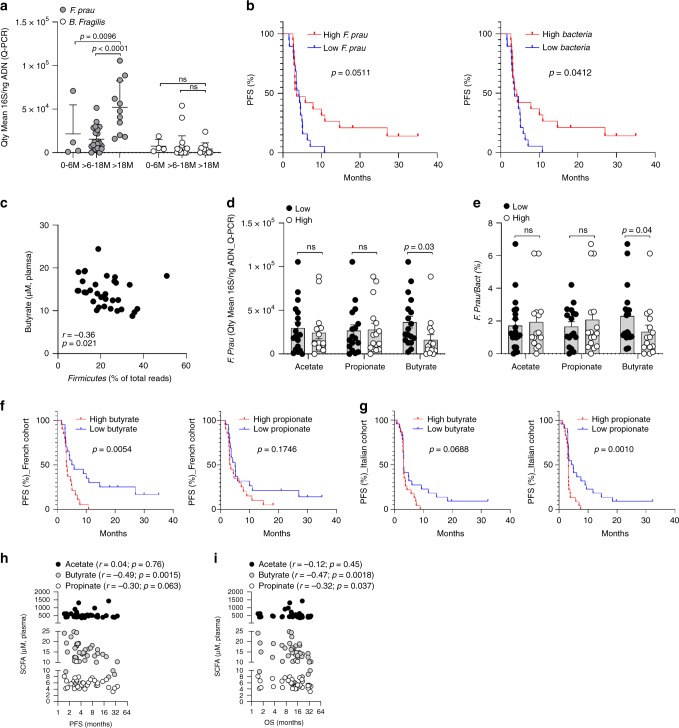
“[12] Patients with metastatic melanoma (n = 85) CT26 and MC38 Colon/ MCA101OVA fibrosarcoma mouse model Ipilimumab +/− systemic butyrate Higher serum levels of propionate and butyrate were associated with poor clinical outcome and high serum SCFAs was positively correlated to the proportion of Tregs.”
BackgroundInfluentialDietary Lactobacillus -Derived Exopolysaccharide Enhances Immune-Checkpoint Blockade Therapy
Kawanabe-Matsuda, H., Takeda, K., Nakamura, M., Makino, S., Karasaki, T., Kakimi, K., Nishimukai, M., Ohno, T., Omi, J., Kano, K., et al. (2022) · Cancer Discovery · doi:10.1158/2159-8290.cd-21-0929 · Cited by 150
Zheng, D., Deng, W., Song, W., Wu, C., Liu, J., Hong, S., Zhuang, Z., Cheng, H. L., Sun, Z., & Zhang, X. (2021) · Nature Biomedical Engineering · doi:10.1038/s41551-021-00807-9 · Cited by 166
Towards modulating the gut microbiota to enhance the efficacy of immune-checkpoint inhibitors
Simpson, R. C., Shanahan, E. R., Scolyer, R. A., & Long, G. V. (2023) · Nature Reviews Clinical Oncology · doi:10.1038/s41571-023-00803-9 · Cited by 153
Role of gut microbiome in cancer immunotherapy: from predictive biomarker to therapeutic target
Zhang, M., Liu, J., & Xia, Q. (2023) · Experimental Hematology and Oncology · doi:10.1186/s40164-023-00442-x · Cited by 167
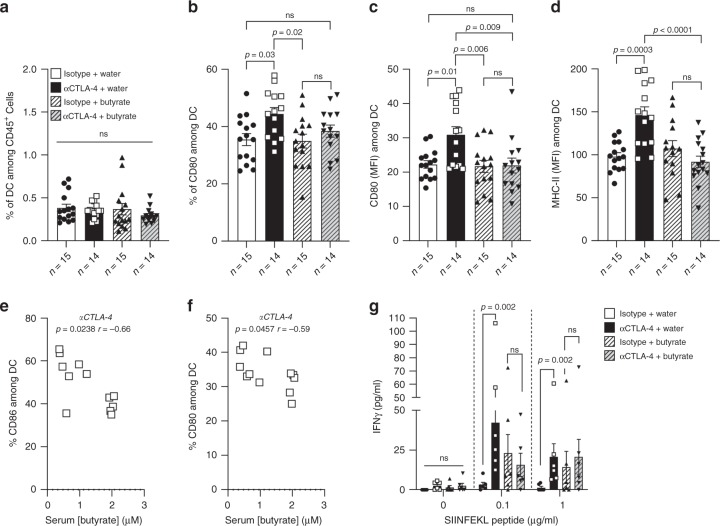
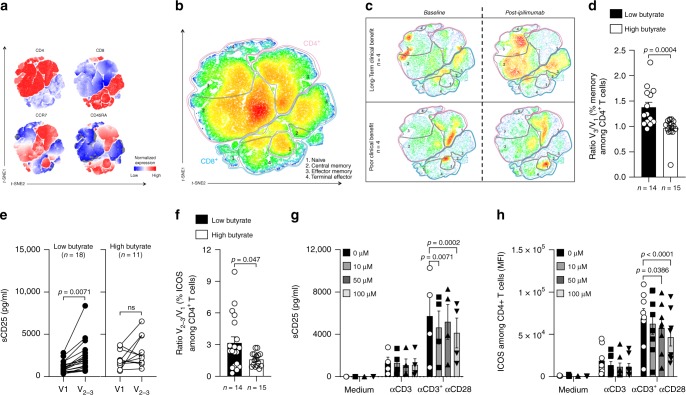
“In a mouse model, it was found that SCFAs can limit the activity of anti-CTLA-4 by restricting the up-regulation of CD80/CD86 on DCs and ICOS on T cells, as well as the accumulation of tumor-specific and memory T cell [35].”
BackgroundMetabolic programs tailor T cell immunity in viral infection, cancer, and aging
Møller, S. H., Hsueh, P., Yu, Y.-R., Zhang, L., & Ho, P. (2022) · Cell Metabolism · doi:10.1016/j.cmet.2022.02.003 · Cited by 164
Butyrate as a promising therapeutic target in cancer: From pathogenesis to clinic (Review)
Sun, J., Chen, S., Zang, D., Sun, H., Sun, Y., & Chen, J. (2024) · International Journal of Oncology · doi:10.3892/ijo.2024.5632 · Cited by 165
“This may be attributed to butyric acid counteracting the accumulation of tumor‑specific and memory T cells, as well as CD80/CD86 expression upregulation in DCs induced by anti‑CTLA‑4 antibodies (79).”
BackgroundMetabolic modulation of immune checkpoints and novel therapeutic strategies in cancer
Wang, Y., Wang, Y., Ren, Y., Zhang, Q., Yi, P., & Cheng, C. (2022) · Seminars in Cancer Biology · doi:10.1016/j.semcancer.2022.02.010 · Cited by 153
Optimizing therapeutic outcomes of immune checkpoint blockade by a microbial tryptophan metabolite
Renga, G., Nunzi, E., Pariano, M., Puccetti, M., Bellet, M. M., Pieraccini, G., D’Onofrio, F., Santarelli, I., Stincardini, C., Aversa, F., et al. (2022) · Journal for ImmunoTherapy of Cancer · doi:10.1136/jitc-2021-003725 · Cited by 156
Short‐chain fatty acids: bridges between diet, gut microbiota, and health
Wang, L., He, L., Xu, L., & Li, S. (2024) · Journal of Gastroenterology and Hepatology · doi:10.1111/jgh.16619 · Cited by 157
“83 Those data suggested that excessive SCFAs, especially butyric acid, might reduce the therapeutic effect of anti-CTLA-4 by interfering with the function of anti-CTLA-4 and regulating abnormal immune cell phenotypes (Table 2).”
Hayase, E., & Jenq, R. R. (2021) · Genome Medicine · doi:10.1186/s13073-021-00923-w · Cited by 145
“tions were associated with shorter progression-free survival in the Italian cohort (n = 45) [50].”
BackgroundBile Acids and Microbiota: Multifaceted and Versatile Regulators of the Liver–Gut Axis
Grüner, N., & Mattner, J. (2021) · International Journal of Molecular Sciences · doi:10.3390/ijms22031397 · Cited by 152
“Similarly, systemic butyrate also limited the antitumor effects of checkpoint i hibition [130].”
BackgroundGut OncoMicrobiome Signatures (GOMS) as next-generation biomarkers for cancer immunotherapy
Thomas, A. M., Fidelle, M., Routy, B., Kroemer, G., Wargo, J. A., Segata, N., & Zitvogel, L. (2023) · Nature Reviews Clinical Oncology · doi:10.1038/s41571-023-00785-8 · Cited by 141
Cancer metabolism and tumor microenvironment: fostering each other?
Yuan, Y., Li, H., Wang, P., Chen, L., Guo, D. S., Jiang, H., He, B., Qin, S., Wang, K., Li, N., et al. (2021) · Science China Life Sciences · doi:10.1007/s11427-021-1999-2 · Cited by 144
“High levels of butyrate and propionate are associated with poor prognosis in patients with metastatic melanoma treated with ipilimumab, a monoclonal antibody targeting CTLA-4 (Coutzac et al., 2020).”
BackgroundInfluentialHossain, M. A., Liu, G., Dai, B., Si, Y., Yang, Q., Wazir, J., Birnbaumer, L., & Yang, Y. (2020) · Medicinal Research Reviews · doi:10.1002/med.21727 · Cited by 154
Ma, J., Huang, L., Hu, D., Zeng, S., Han, Y., & Shen, H. (2021) · Journal of Experimental & Clinical Cancer Research · doi:10.1186/s13046-021-02128-w · Cited by 153
“This process was associated with increased Treg cells and decreased antitumor T cells [98].”
BackgroundThe Role of Gut Microbiota in Lung Cancer: From Carcinogenesis to Immunotherapy
(2021) · doi:10.3389/fonc.2021.720842 · Cited by 136
“Many studies have investigated the intestinal flora as a novel biomarker that is closely related to the antitumor effects of ICIs, including CTLA-4 and PD-1/PD-L1 (10, 93–95).”
BackgroundThe gut microbiota in cancer immunity and immunotherapy
Xie, M., Li, X., Lau, H. C.-H., & Yu, J. (2025) · Cellular and Molecular Immunology · doi:10.1038/s41423-025-01326-2 · Cited by 139
Beggars banquet: Metabolism in the tumor immune microenvironment and cancer therapy
Zou, W., & Green, D. R. (2023) · Cell Metabolism · doi:10.1016/j.cmet.2023.06.003 · Cited by 129
Liu, Y., Lu, Y., Ning, B., Su, X., Yang, B., Dong, H., Yin, B., Pang, Z., & Shen, S. (2022) · ACS Nano · doi:10.1021/acsnano.1c09818 · Cited by 121
Xue, H., Liang, B., Wang, Y., Gao, H., Fang, S., Xie, K., & Tan, J. (2024) · International Journal of Biological Macromolecules · doi:10.1016/j.ijbiomac.2024.132170 · Cited by 135
Regulation of CD8+ T cells by lipid metabolism in cancer progression
Tang, Y., Chen, Z., Zuo, Q., & Kang, Y. (2024) · Cellular and Molecular Immunology · doi:10.1038/s41423-024-01224-z · Cited by 137
Short-chain fatty acids and cancer
Li, S., Duan, Y., Luo, S., Zhou, F., Wu, Q., & Lu, Z. (2024) · Trends in cancer · doi:10.1016/j.trecan.2024.11.003 · Cited by 135
Gut microbiota-mediated immunomodulation in tumor
Liu, X., Chen, Y., Zhang, S., & Dong, L. (2021) · Journal of Experimental & Clinical Cancer Research · doi:10.1186/s13046-021-01983-x · Cited by 112
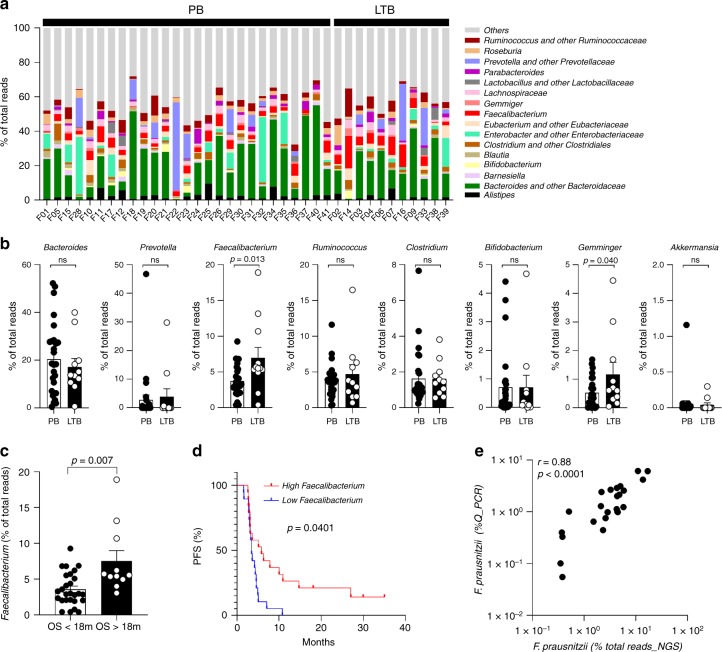
“2020 [101] Metastatic melanoma (n = 38) Ipilimumab Genera linked to long-term clinical benefit (PFS > 6months) were Faecalibacterium and Gemminger.”
BackgroundMicrobial short-chain fatty acids: a strategy to tune adoptive T cell therapy
Rangan, P., & Mondino, A. (2022) · Journal for ImmunoTherapy of Cancer · doi:10.1136/jitc-2021-004147 · Cited by 104
The gut microbiome and dietary fibres: implications in obesity, cardiometabolic diseases and cancer
Delzenne, N. M., Bindels, L. B., Neyrinck, A. M., & Walter, J. (2024) · Nature Reviews Microbiology · doi:10.1038/s41579-024-01108-z · Cited by 126
“Conversely, SCFAs appear to limit the efficacy of anti-CTLA4 immune checkpoint inhibitors 134 .”
Sami, A., Elimairi, I., Stanton, C., Ross, R. P., & Ryan, C. A. (2020) · International Journal of Molecular Sciences · doi:10.3390/ijms21218061 · Cited by 120
“High levels of the short chain fatty acids butyrate and propionate have also been associated with resistance to the CTLA-4 blockade [225].”
BackgroundMelaku, M., Zhong, R., Han, H. L., Wan, F., Yi, B., & Zhang, H. (2021) · International Journal of Molecular Sciences · doi:10.3390/ijms221910392 · Cited by 121
Ševčíková, A., Izoldova, N., Števurková, V., Kasperova, B., Chovanec, M., Čierniková, S., & Mego, M. (2022) · International Journal of Molecular Sciences · doi:10.3390/ijms23010488 · Cited by 112
Dong, Y., Zhang, K., Wei, J., Ding, Y., Wang, X., Hou, H., Wu, J., Liu, T., Wang, B., & Cao, H. (2023) · Frontiers in Immunology · doi:10.3389/fimmu.2023.1158200 · Cited by 107
“By restraining dendritic cell maturation and T cell accumulation in TIME, SCFAs limited the therapeutic effect of anti-CTLA-4 mAb (Figure 2) (134).”
BackgroundHe, Y., Ling, Y., Zhang, Z., Mertens, R. T., Cao, Q., Xu, X., Guo, K., Shi, Q., Zhang, X., Huo, L., et al. (2023) · Redox Biology · doi:10.1016/j.redox.2023.102822 · Cited by 113
Elkrief, A., Pidgeon, R., Vareki, S. M., Messaoudene, M., Castagner, B., & Routy, B. (2025) · Nature Reviews Drug Discovery · doi:10.1038/s41573-025-01211-7 · Cited by 109
“Local release in the gut may be required to minimize undesired absorption in the upper gastrointestinal tract, especially if systemic butyrate is potentially detrimental 149 .”
The human microbiome and cancer: a diagnostic and therapeutic perspective
Kandalai, S., Li, H., Zhang, N., Peng, H., & Zheng, Q. (2023) · Cancer Biology & Therapy · doi:10.1080/15384047.2023.2240084 · Cited by 101
“prausnitzii was associated with lower butyrate abundance in fecal matter and high concentrations of butyrate were found to reduce anti-CTLA-4 immunotherapy efficacy in mouse models.(124)”
BackgroundLin, A., Xiong, M., Jiang, A., Huang, L., Wong, H. Z. H., Feng, S., Zhang, C., Yu, H., Chen, L., Chi, H., et al. (2025) · iMeta · doi:10.1002/imt2.70070 · Cited by 108
Anticancer Effects of Gut Microbiota-Derived Short-Chain Fatty Acids in Cancers
Son, M., & Cho, H. (2023) · Journal of Microbiology and Biotechnology · doi:10.4014/jmb.2301.01031 · Cited by 97
“However, Coutzac et al suggested that the systemic concentration of butyrate or propionate in blood prohibited the antitumor activity of anti-CTLA-4 therapy, such as ipilimumab therapy [31].”
Melanoma and microbiota: Current understanding and future directions
Routy, B., Jackson, T., Mählmann, L., Baumgartner, C. K., Blaser, M., Byrd, A., Corvaia, N., Couts, K., Davar, D., Derosa, L., et al. (2024) · Cancer Cell · doi:10.1016/j.ccell.2023.12.003 · Cited by 89
Bladder cancer, inflammageing and microbiomes
Martin, A., Woolbright, B. L., Umar, S., Ingersoll, M. A., & Taylor, J. A. (2022) · Nature Reviews Urology · doi:10.1038/s41585-022-00611-3 · Cited by 95
Moving immune therapy forward targeting tme
Goliwas, K. F., Deshane, J. S., Elmets, C. A., & Athar, M. (2020) · Physiological Reviews · doi:10.1152/physrev.00008.2020 · Cited by 96
Tumor microbiome – an integral part of the tumor microenvironment
Čierniková, S., Ševčíková, A., Števurková, V., & Mego, M. (2022) · Frontiers in Oncology · doi:10.3389/fonc.2022.1063100 · Cited by 93
Schiweck, C., Thanarajah, S. E., Aichholzer, M., Matura, S., Reif, A., Vrieze, E., Weigert, A., & Visekruna, A. (2022) · International Journal of Molecular Sciences · doi:10.3390/ijms23158272 · Cited by 86
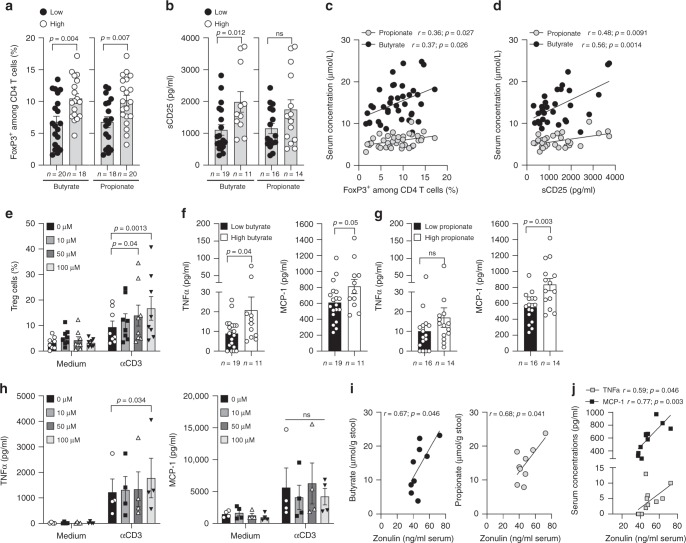
“Coutzac et al. (2020) reported that the increase of Tregs after CD3 stimulation in vitro was found with butyrate concentrations of 50 µM or 100 µM, but not at concentrations of 10 µM [47].”
BackgroundInfluentialThe heightened importance of the microbiome in cancer immunotherapy
Villemin, C., Six, A., Neville, B. A., Lawley, T. D., Robinson, M. J., & Bakdash, G. (2023) · Trends in Immunology · doi:10.1016/j.it.2022.11.002 · Cited by 73
A double‐edged sword: Role of butyrate in the oral cavity and the gut
Guan, X., Li, W., & Meng, H. (2020) · Molecular Oral Microbiology · doi:10.1111/omi.12322 · Cited by 84
Gomes, S., Rodrigues, A., Pazienza, V., & Preto, A. (2023) · International Journal of Molecular Sciences · doi:10.3390/ijms24065069 · Cited by 83
“Regulatory T cells (Tregs) are ubiquitous and promote tumor development and progression by dampening antitumor immune responses [23].”
BackgroundInfluentialThe Role of the Microbiome in the Etiopathogenesis of Colon Cancer
Tekle, G. E., Andreeva, N., & Garrett, W. S. (2024) · Annual Review of Physiology · doi:10.1146/annurev-physiol-042022-025619 · Cited by 88
Faecalibacterium prausnitzii strain EXL01 boosts efficacy of immune checkpoint inhibitors
Bredon, M., Danne, C., Pham, H. P., Ruffié, P., Bessede, A., Rolhion, N., Creusot, L., Brot, L., Alonso, I., Langella, P., et al. (2024) · OncoImmunology · doi:10.1080/2162402x.2024.2374954 · Cited by 74
“These new results in two independent cohorts, together with previous studies, 4,6,9,11,12,14,15 confirm that a high abundance of F. prausnitzii in stools at baseline is predictive of a positive response to ICI in multiple cancer types.”
Gut microbiota as a new target for anticancer therapy: from mechanism to means of regulation
Sun, J., Song, S., Liu, J., Chen, F., Li, X., & Wu, G. (2025) · npj Biofilms and Microbiomes · doi:10.1038/s41522-025-00678-x · Cited by 89
“However,butyricacidhasalsobeenshownto reduce the ef fi cacy of CTLA-4 in the treatment of metastatic melanoma, limiting anti-CTLA-4-induced maturation of DCs and anti-CTLA-4-induced ovalbumin (OVA)-speci fi c T cells 64 (Fig.”
Joachim, L., Göttert, S., Sax, A., Steiger, K., Neuhaus, K., Heinrich, P., Fan, K., Orberg, E. T., Kleigrewe, K., Ruland, J., et al. (2023) · eBioMedicine · doi:10.1016/j.ebiom.2023.104834 · Cited by 67
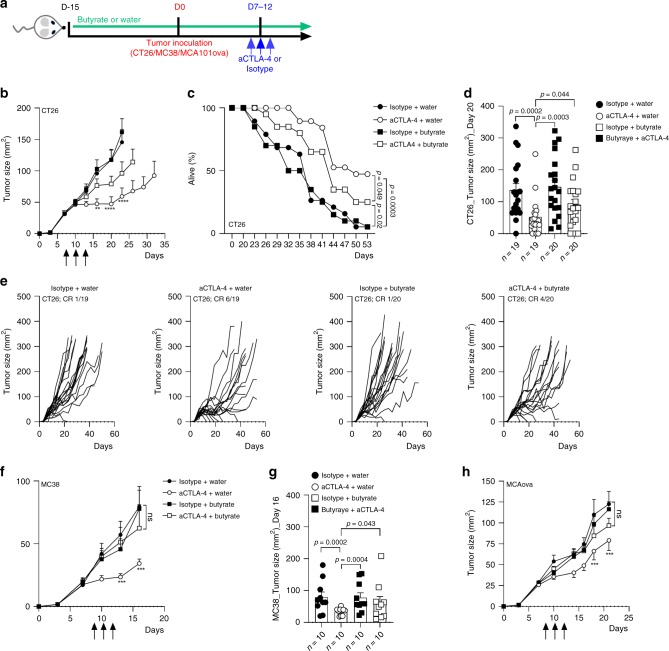
“31 In mouse models, butyrate prevented anti-CTLA-4-induced maturation of DCs and accumulation of tumour-speci fi c T cells and memory CD4 + T cells in the TME.”
BackgroundInfluentialZhang, H., Xie, Y., Cao, F., & Song, X. (2024) · Gut Microbes · doi:10.1080/19490976.2024.2382336 · Cited by 78
“114 The discrepancy in the conflicting results may be due to differences in experimental settings, such as anti-tumor therapy approaches, mouse tumor models, or SCFA doses/types used in each study.”
ResultBautista, J., Maceiras, M. L., Hidalgo‐Tinoco, C., Guerra-Guerrero, A., Betancourt-Velarde, A., & López‐Cortés, A. (2026) · npj Biofilms and Microbiomes · doi:10.1038/s41522-025-00883-8 · Cited by 78
Plant-Based and Ketogenic Diets As Diverging Paths to Address Cancer: A Review
Shah, U. A., & Iyengar, N. M. (2022) · JAMA Oncology · doi:10.1001/jamaoncol.2022.1769 · Cited by 74
Zheng, M., Zhang, W., Chen, X., Guo, H., Wu, H., Xu, Y., He, Q., Ding, L., & Yang, B. (2022) · Acta Pharmaceutica Sinica B · doi:10.1016/j.apsb.2022.10.027 · Cited by 73
The Impact of Gut Microbiota-Derived Metabolites on the Tumor Immune Microenvironment
Luu, M., Schütz, B., Lauth, M., & Visekruna, A. (2023) · Cancers · doi:10.3390/cancers15051588 · Cited by 70
Short-Chain Fatty Acid Production by Gut Microbiota Predicts Treatment Response in Multiple Myeloma
Rodríguez-García, A., Arroyo, A., García-Vicente, R., Morales, M. L., Gómez-Gordo, R., Justo, P., Cuéllar, C., Sánchez‐Pina, J. M., López‐Muñoz, N., Alonso, R., et al. (2023) · Clinical Cancer Research · doi:10.1158/1078-0432.ccr-23-0195 · Cited by 74
“In line with emerging data in other tumor types (32), we demonstrate that the proliferation of tumoral cells can be modulated by micro-biota-related metabolites.”
Zhu, C., Zhang, C., Wang, S., Xun, Z., Zhang, D., Lan, Z., Zhang, L., Chao, J., Liang, Y., Pu, Z., et al. (2024) · Journal for ImmunoTherapy of Cancer · doi:10.1136/jitc-2023-008686 · Cited by 71
“43 Additionally, gut microbes play a role in nutrient metabolism and produce metabolites that can influence the body’s immune response, ultimately impacting the effectiveness of ICIs.”
BackgroundGut Microbial Metabolites on Host Immune Responses in Health and Disease
Yoon, J.-H., Do, J.-S., Velankanni, P., Lee, C., & Kwon, H. (2023) · Immune Network · doi:10.4110/in.2023.23.e6 · Cited by 71
“Together with isoalloLCA, isoDCA after microbial epimerization diminishes immunostimulatory properties of DCs via FXR.”
BackgroundInfluentialTargeting the Gut Microbiome to Mitigate Immunotherapy-Induced Colitis in Cancer
Chang, A. E., Golob, J. L., Schmidt, T. M., Peltier, D. C., Lao, C. D., & Tewari, M. (2021) · Trends in Cancer · doi:10.1016/j.trecan.2021.02.005 · Cited by 62
Baldi, S., Menicatti, M., Nannini, G., Niccolai, E., Russo, E., Ricci, F., Pallecchi, M., Romano, F., Pedone, M., Poli, G., et al. (2021) · Nutrients · doi:10.3390/nu13030742 · Cited by 65
“Although systemic butyrate appears to limit the antitumor effect of the anti-CTLA-4 blockade [58], the importance of butyric acid, in particular for human colon health, has been documented in many studies conducted on patients with inflammatory gut diseases.”
FOXP3+ regulatory T cells and the immune escape in solid tumours
Qiu, Y., Ke, S., Chen, J., Qin, Z., Zhang, W., Yuan, Y., Meng, D., Zhao, G., Wu, K., Li, B., et al. (2022) · Frontiers in Immunology · doi:10.3389/fimmu.2022.982986 · Cited by 70
Abdelhalim, K. A. (2023) · Chemico-Biological Interactions · doi:10.1016/j.cbi.2023.110851 · Cited by 66
Cao, C., Yue, S., Lü, A., & Liang, C. (2024) · Pharmacological Research · doi:10.1016/j.phrs.2024.107321 · Cited by 67
The intratumoral microbiome: Characterization methods and functional impact
Heymann, C. J. F., Bard, J.-M., Heymann, M.-F., Heymann, D., & Bobin-Dubigeon, C. (2021) · Cancer Letters · doi:10.1016/j.canlet.2021.09.009 · Cited by 57
Microbiome bacterial influencers of host immunity and response to immunotherapy
Yousefi, Y., Baines, K. J., & Vareki, S. M. (2024) · Cell Reports Medicine · doi:10.1016/j.xcrm.2024.101487 · Cited by 71
“67,68 According to recent research, increased fecal SCFA concentration levels are linked to improved long-term response to anti-PD-1 treatment 69 and more prolonged progression-free survival (PFS) upon receiving the same treatment.”
BackgroundMicrobial interactions and the homeostasis of the gut microbiome: the role of Bifidobacterium
Martín, A. J. M., Serebrinsky-Duek, K., Riquelme, E. M., Saa, P. A., & Garrido, D. A. (2023) · Microbiome Research Reports · doi:10.20517/mrr.2023.10 · Cited by 67
Cao, F., Jin, L., Zhang, C., Gao, Y., Qian, Z., Wen, H., Yang, S., Ye, Z., Hong, L., Huang, Y., et al. (2023) · Advanced Materials · doi:10.1002/adma.202304257 · Cited by 66
Interactions between diet and gut microbiota in cancer
Nakatsu, G., Andreeva, N., MacDonald, M. H., & Garrett, W. S. (2024) · Nature Microbiology · doi:10.1038/s41564-024-01736-4 · Cited by 67
“…in tumour-draining lymph nodes, limiting the expansion of peripheral memory T cells and activated inducible T cell costimulator-positive (ICOS + )CD4 + T cells, and that relative levels of butyrate, propionate and acetate might influence anti-tumour immunity in response to ICB treatment 98 .”
Microbiota-derived metabolites: Key modulators of cancer immunotherapies
Perl, M., Fante, M. A., Herfeld, K., Scherer, J. N., Poeck, H., & Orberg, E. T. (2025) · Med · doi:10.1016/j.medj.2025.100773 · Cited by 66
“85 The combination of ICIs and oral gavage of the BCFA isobuty-ric acid in mice challenged with CT26 colon cancer enhanced the efficacy of immunotherapy.”
Hamada, K., Isobe, J., Hattori, K., Hosonuma, M., Baba, Y., Murayama, M., Narikawa, Y., Toyoda, H., Funayama, E., Tajima, K., et al. (2023) · Frontiers in Immunology · doi:10.3389/fimmu.2023.1164724 · Cited by 60
“For instance, a mouse study showed that sodium butyrate inhibited anti-CTLA-4-induced dendritic cell maturation and T-cell priming (31).”
BackgroundButyrate Properties in Immune-Related Diseases: Friend or Foe?
Anshory, M., Effendi, R. M. R. A., Kalim, H., Dwiyana, R. F., Suwarsa, O., Nijsten, T. E. C., Nouwen, J. L., & Thio, H. B. (2023) · Fermentation · doi:10.3390/fermentation9030205 · Cited by 62
Li, Y., Huang, Y., Liang, H., Wang, W., Li, B., Liu, T., Huang, Y., Zhang, Z., Qin, Y., Zhou, X., et al. (2023) · Frontiers in Nutrition · doi:10.3389/fnut.2023.1243390 · Cited by 67
“Notably, a study by Luu et al. (48) demonstrated that SCFAs enhanced the secretion of cytokines (including IL-2, TNF-α, and IFN-γ) by modulating CD8+ T cells, thereby improving cancer immunotherapy.”
BackgroundInfluential
Metadata
- Authors
- Coutzac, C., Jouniaux, J.-M., Paci, A., Schmidt, J., Mallardo, D., Seck, A., Asvatourian, V., Cassard, L., Saulnier, P., Lacroix, L., Woerther, P.-L., Vozy, A., Naigeon, M., Nebot-Bral, L., Desbois, M., Simeone, E., Mateus, C., Boselli, L., Grivel, J., Soularue, E., Lepage, P., Carbonnel, F., Ascierto, P. A., Robert, C., & Chaput, N.
- Affiliations
- Centre National de la Recherche Scientifique (FR)
- Istituto Nazionale Tumori IRCCS "Fondazione G. Pascale" (IT)
- Institut Gustave Roussy (FR)
- AgroParisTech (FR)
- Université Paris-Saclay (FR)
- Corresponding author
- Chaput, Nathalie
- ORCID
- Coutzac, Clélia
- Paci, Angelo
- Schmidt, Julien
- Mallardo, Domenico
- Seck, Atmane
- Cassard, Lydie
- Saulnier, Patrick
- Lacroix, Ludovic
- Woerther, Paul-Louis
- Vozy, Aurore
- Naigeon, Marie
- Desbois, Mélanie
- Simeone, Ester
- Mateus, Christine
- Boselli, Lisa
- Lepage, Patricia
- Carbonnel, Franck
- Ascierto, Paolo Antonio
- Robert, Caroline
- Chaput, Nathalie
- Venue
- Nature Communications
- Published
- 2020-05-01
- Volume
- 11
- Issue
- 1
- Pages
- 2168-2168
- ISSN
- 2041-1723 (ISSN-L)
- PMC
- PMC7195489
- OpenAlex
- W3022450273
- Semantic Scholar
- 814b2fcb75bf9ea248984c70830cc85812a61f27
- Cited by
- 513
- References
- 54
- Citations by year
- 2026: 89 · 2025: 105 · 2024: 84 · 2023: 86 · 2022: 74 · 2021: 58 · 2020: 17
- FWCI
- 21.22
- Type
- journal article
- Language
- en
- Open access
- gold
- doi.org
- Licence
- cc-by
- creativecommons.org/licenses/by/4.0 (tdm)
- creativecommons.org/licenses/by/4.0 (vor)
- Locations
- Nature Communications (publishedVersion, cc-by)
- PubMed Central (publishedVersion, cc-by)
- PubMed (publishedVersion)
- HAL (submittedVersion, cc-by)
- HAL (submittedVersion)
- RePEc: Research Papers in Economics (submittedVersion)
- DOAJ (DOAJ: Directory of Open Access Journals) (submittedVersion, cc-by-sa)
- Funders
- Agence Nationale de la Recherche (ANR-10-IBHU-0001)
- Institut National de la Santé et de la Recherche Médicale (INCa-DGOS-INSERM_12551)
- Centre National de la Recherche Scientifique (INCa-DGOS-INSERM_12551)
- Institut National Du Cancer (INCa-DGOS-INSERM-6043, INCa-DGOS-INSERM-12551, ANR-10IBHU-0001, 2012-1-RT-14-IGR-01)
- Institut Gustave-Roussy
- Direction Générale de l’offre de Soins
- Fondation Gustave Roussy
- Topics
- Health Sciences › Medicine › Oncology › Cancer Immunotherapy and Biomarkers
- Life Sciences › Biochemistry, Genetics and Molecular Biology › Molecular Biology › Gut microbiota and health
- Life Sciences › Immunology and Microbiology › Immunology › T-cell and B-cell Immunology
- Keywords
- short-chain fatty acids, butyrate, propionate, CTLA-4 blockade, immune checkpoint inhibitors, gut microbiota, cancer immunotherapy resistance, regulatory T cells, dendritic cells, ICOS, memory T cells, ipilimumab, interleukin-2, cancer immunotherapy
- MeSH terms
- Gastrointestinal Microbiome, Ipilimumab, Animals, Butyrates, Dendritic Cells, Fatty Acids, Volatile, Humans, Mice, Inbred BALB C, Neoplasms, Propionates, RNA, Ribosomal, 16S, T-Lymphocytes, Biomarkers, Tumor, B7-1 Antigen, T-Lymphocytes, Regulatory, Mice, B7-2 Antigen, CTLA-4 Antigen
About these checks
Registry, retraction, Cites and statistics results are computed, not judged, with one exception: a printed reference that no index lists is read once by a model before it counts as a citation error. Claims are extracted by a model and kept only when their quote appears verbatim in the text; each cited source is then checked, with a model’s help, for whether it says what the claim relies on. Those verdicts can be wrong — read the claim’s quote and the cited source before relying on one.
Statistics and arithmetic are recomputed, not judged.
Confidence bands are shown only for fields calibrated on our annotated test set. None is calibrated yet, so no band is shown.
What counts as a claim ›How we measure confidence ›How we check this ›
Are you an author, or do you see a problem with this page? Request a review
Data sources
Bibliographic data: Semantic Scholar, OpenAlex, Crossref.
Contains information from the Semantic Scholar Academic Graph Datasets, made available under the ODC Attribution License (ODC-BY 1.0).
Semantic Scholar’s data is described in: Kinney, R., et al. (2023). The Semantic Scholar Open Data Platform. arXiv:2301.10140.
