

Systemic short chain fatty acids limit antitumor effect of CTLA-4 blockade in hosts with cancer
Open accessThe DOI matches its Crossref record; 54 of the 54 references it cites were found in a registry or an index.
Abstract
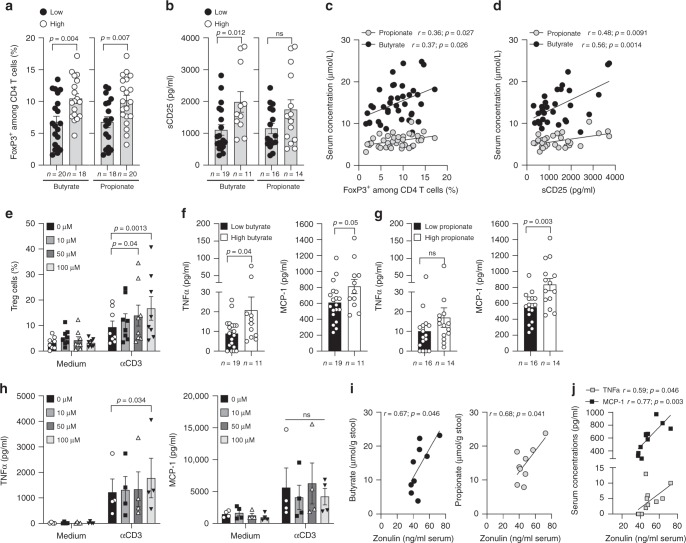
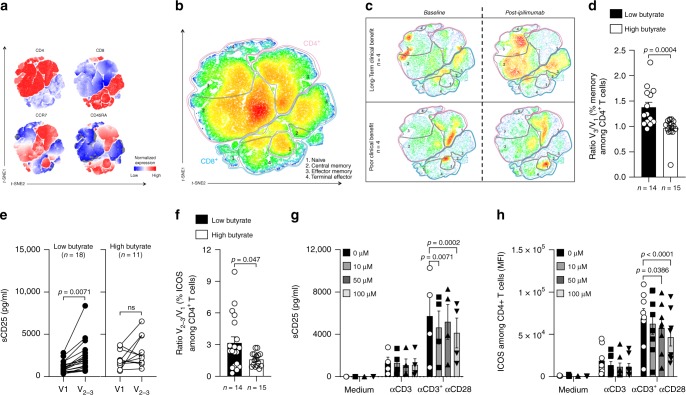
Gut microbiota composition influences the clinical benefit of immune checkpoints in patients with advanced cancer but mechanisms underlying this relationship remain unclear. Molecular mechanism whereby gut microbiota influences immune responses is mainly assigned to gut microbial metabolites. Short-chain fatty acids (SCFA) are produced in large amounts in the colon through bacterial fermentation of dietary fiber. We evaluate in mice and in patients treated with anti-CTLA-4 blocking mAbs whether SCFA levels is related to clinical outcome. High blood butyrate and propionate levels are associated with resistance to CTLA-4 blockade and higher proportion of Treg cells. In mice, butyrate restrains anti-CTLA-4-induced up-regulation of CD80/CD86 on dendritic cells and ICOS on T cells, accumulation of tumor-specific T cells and memory T cells. In patients, high blood butyrate levels moderate ipilimumab-induced accumulation of memory and ICOS + CD4 + T cells and IL-2 impregnation. Altogether, these results suggest that SCFA limits anti-CTLA-4 activity.
Overview
The claims and statistics of this paper haven’t been checked yet.
Free: it reads the open-access text and checks the first 5 claims that cite a source we can check. Create a free account to check every claim.
Integrity signals
Registry
Cites
Statistics
Figures
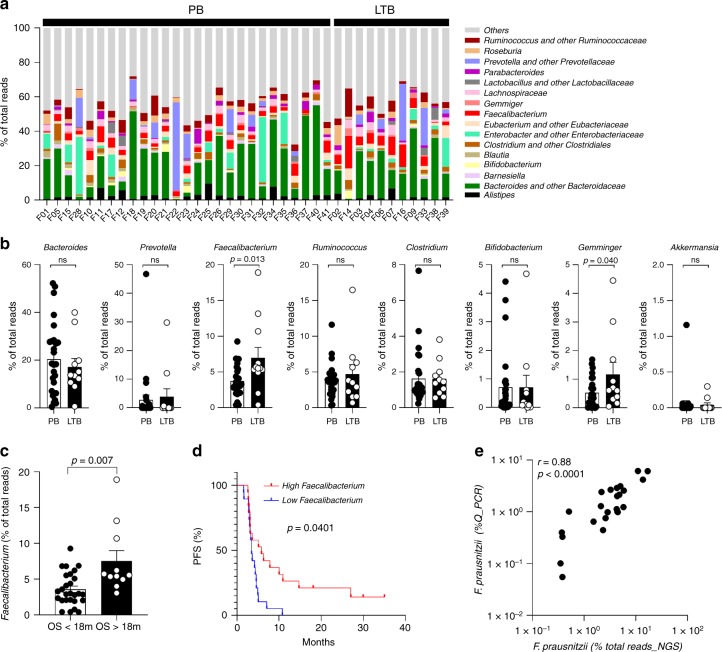
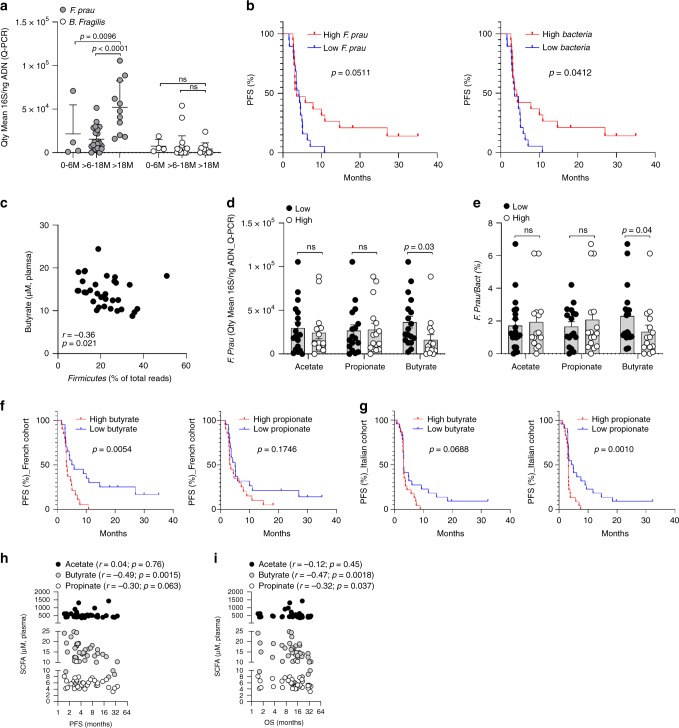
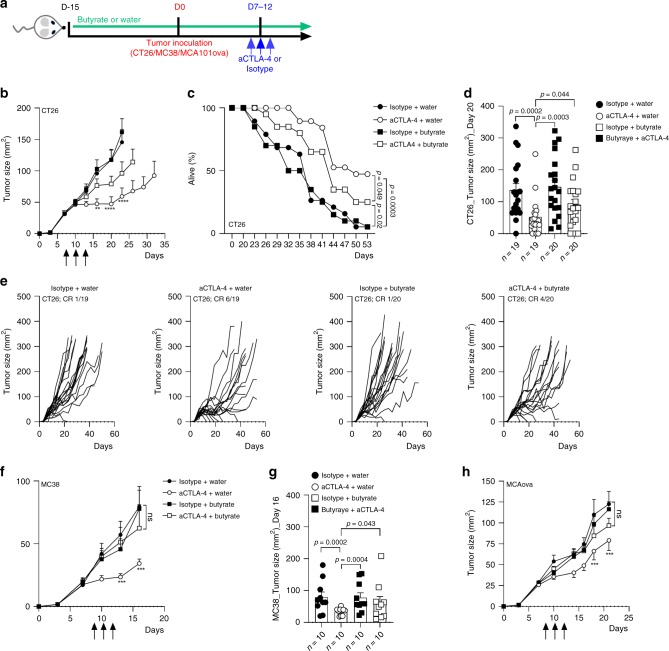
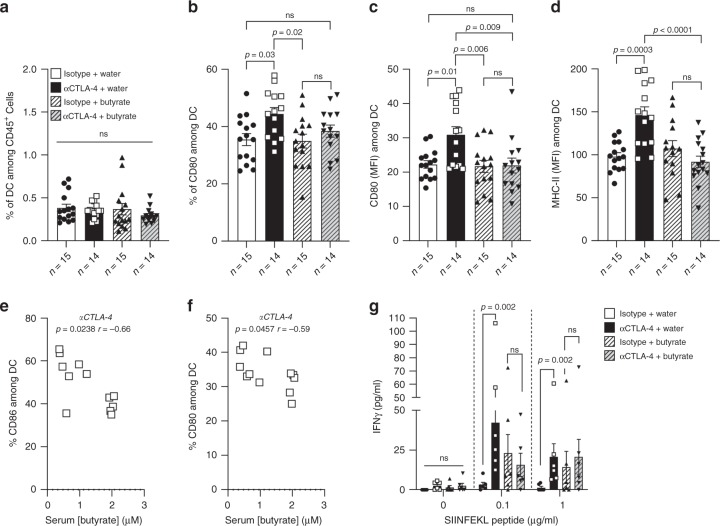
Verification
Claims the paper makes
The claims and statistics of this paper haven’t been checked yet.
Free: it reads the open-access text and checks the first 5 claims that cite a source we can check. Create a free account to check every claim.
Claims other papers make about this one
Each is checked against this paper’s own text: does it say what the citing paper says it does?
The source backs part of the claim, not all of it — or backs it for a different population, condition or comparison.
In the citing paper
“In contrast, another study demonstrated that high plasma SCFA levels were associated with shorter PFS in cancer patients treated with CTLA-4 inhibitors [60].”
From A Clinical Outcome of the Anti-PD-1 Therapy of Melanoma in Polish Patients Is Mediated by Population-Specific Gut Microbiome Composition (2022) · cites this paper as [60]
Experimental — accuracy not yet measuredThe source backs part of the claim, not all of it — or backs it for a different population, condition or comparison.
In the citing paper
“High serum levels of butyrate and propionate have been associated with resistance to anti-CTLA-4 antibodies and radiotherapy and increased Treg cell numbers in patients with melanoma.”
From Melanoma and microbiota: Current understanding and future directions (2024) · cites this paper as [54]
Experimental — accuracy not yet measuredIn the citing paper
“By contrast, supplementing mice with butyrate in their drinking water appears to be detrimental for CTLA‑4 blockade,151”
From Gut dysbiosis in oncology: a risk factor for immunoresistance (2026) · doi:10.1038/s41422-025-01212-6 · cites this paper as [151]
In the citing paper
“the gut microbiome is able to regulate the sensitivity of malignant solid tumors to immune checkpoint inhibitors (ICIs), such as programmed cell death receptor-1 (PD-1)/ligand 1 (L1) and cytotoxic T-lymphocyte-associated protein 4 (CTLA-4) (10,13,14).”
From The Role of Gut Microbiota in Lung Cancer: From Carcinogenesis to Immunotherapy (2021) · doi:10.3389/fonc.2021.720842 · cites this paper as [13]
In the citing paper
“Furthermore, the addition of anti-CTLA-4 has a profound effect on gut barrier permeability 50,51 , potentially changing the influence of the gut microbiome on ICB response.”
From A gut microbial signature for combination immune checkpoint blockade across cancer types (2024) · cites this paper as [50]
5 more claims about this paper
Create a free account to see every claim other papers make about this one.
Self-check
Percentages, sums and reported differences re-computed from the paper’s own numbers.
The self-check needs the paper’s full text.
Citations
Cites
Improved Survival with Ipilimumab in Patients with Metastatic Melanoma
Hodi, F. S., O'Day, S. J., McDermott, D. F., Weber, R. W., Sosman, J. A., Haanen, J. B., Gonzalez, R., Robert, C., Schadendorf, D., Hassel, J. C., et al. (2010) · New England Journal of Medicine · doi:10.1056/nejmoa1003466 · Cited by 15,155
Self-citationCombined Nivolumab and Ipilimumab or Monotherapy in Untreated Melanoma
Larkin, J., Chiarion-Sileni, V., Gonzalez, R., Grob, J. J., Cowey, C. L., Lao, C. D., Schadendorf, D., Dummer, R., Smylie, M., Rutkowski, P., et al. (2015) · New England Journal of Medicine · doi:10.1056/nejmoa1504030 · Cited by 8,157
Self-citationPembrolizumab versus Ipilimumab in Advanced Melanoma
Robert, C., Schachter, J., Long, G. V., Arance, A., Grob, J. J., Mortier, L., Daud, A., Carlino, M. S., McNeil, C., Lotem, M., et al. (2015) · New England Journal of Medicine · doi:10.1056/nejmoa1503093 · Cited by 5,887
Self-citationCommensal microbe-derived butyrate induces the differentiation of colonic regulatory T cells
Furusawa, Y., Obata, Y., Fukuda, S., Endo, T. A., Nakato, G., Takahashi, D., Nakanishi, Y., Uetake, C., Kato, K., Kato, T., et al. (2013) · Nature · doi:10.1038/nature12721 · Cited by 5,549
The Microbial Metabolites, Short-Chain Fatty Acids, Regulate Colonic T reg Cell Homeostasis
Smith, P. M., Howitt, M. R., Panikov, N., Michaud, M., Gallini, C. A., Bohlooly-Y, M., Glickman, J. N., & Garrett, W. S. (2013) · Science · doi:10.1126/science.1241165 · Cited by 5,413
Metabolites produced by commensal bacteria promote peripheral regulatory T-cell generation
Arpaia, N., Campbell, C., Fan, X., Dikiy, S., van der Veeken, J., deRoos, P., Liu, H., Cross, J. R., Pfeffer, K., Coffer, P. J., et al. (2013) · Nature · doi:10.1038/nature12726 · Cited by 4,838
Gut microbiome modulates response to anti-PD-1 immunotherapy in melanoma patients
Gopalakrishnan, V., Spencer, C. N., Nezi, L., Reuben, A., Andrews, M. C., Karpinets, T. V., Prieto, P. A., Vicente, D., Hoffman, K., Wei, S. C., et al. (2018) · Science · doi:10.1126/science.aan4236 · Cited by 4,812
Ipilimumab plus Dacarbazine for Previously Untreated Metastatic Melanoma
Robert, C., Thomas, L., Bondarenko, I., O'Day, S., Weber, J., Garbe, C., Lebbe, C., Baurain, J.-F., Testori, A., Grob, J.-J., et al. (2011) · New England Journal of Medicine · doi:10.1056/nejmoa1104621 · Cited by 4,496
Self-citationCommensal Bifidobacterium promotes antitumor immunity and facilitates anti–PD-L1 efficacy
Sivan, A., Corrales, L., Hubert, N., Williams, J. B., Aquino-Michaels, K., Earley, Z. M., Benyamin, F. W., Man Lei, Y., Jabri, B., Alegre, M.-L., et al. (2015) · Science · doi:10.1126/science.aac4255 · Cited by 3,888
Anticancer immunotherapy by CTLA-4 blockade relies on the gut microbiota
Vétizou, M., Pitt, J. M., Daillère, R., Lepage, P., Waldschmitt, N., Flament, C., Rusakiewicz, S., Routy, B., Roberti, M. P., Duong, C. P. M., et al. (2015) · Science · doi:10.1126/science.aad1329 · Cited by 3,488
Self-citation
Cited by
Items 401–500 of 530
Zabolotneva, A. A., Shatova, O. P., Shegai, P. V., & Shestopalov, A. V. (2023) · Oncology Advances · doi:10.14218/ona.2023.00014 · Cited by 3
Alzahrani, Q. E., Gillis, R. B., Harding, S. E., Pinto, L. H., Gulati, M., Kapoor, B., Rani, P., Singh, S. K., & Adams, G. G. (2022) · Journal of Reports in Pharmaceutical Sciences · doi:10.4103/jrptps.jrptps_144_21 · Cited by 4
Isobutyric Acid Promotes Immune Evasion in Colorectal Cancer via Increased PD ‐ L1 Expression
Lin, Q., Wang, H., Chen, W., Wei, X., Chen, J., Deng, Y., Wei, C., Lai, H., Mo, X., Tang, W., et al. (2024) · Cancer Medicine · doi:10.1002/cam4.70397 · Cited by 3
“Appropriate levels of SCFAs can reduce intestinal inflammatory responses and provide energy for intestinal epithelial cells [24], yet aberrant expression levels of SCFAs may affect the therapeutic efficacy of CTLA-4 antibodies in cancer patients [25].”
BackgroundDrymel, B., Tomela, K., Galus, Ł., Olejnik‐Schmidt, A., Mackiewicz, J., Kaczmarek, M., Mackiewicz, A. A., & SCHMIDT, M. T. (2024) · International Journal of Molecular Sciences · doi:10.3390/ijms252312982 · Cited by 3
Messengers from the microbiota
Shaikh, F. Y., & Sears, C. L. (2020) · Science · doi:10.1126/science.abe0709 · Cited by 3
Wen, D., Qiu, S., & Liu, Z. (2021) · doi:10.21203/rs.3.rs-137969/v1 · Cited by 3
Drymel, B., Tomela, K., Galus, Ł., Olejnik‐Schmidt, A., Mackiewicz, J., Kaczmarek, M., Mackiewicz, A. A., & SCHMIDT, M. T. (2025) · International Journal of Molecular Sciences · doi:10.3390/ijms26168063 · Cited by 3
“In line with our findings, Coutzac et al. (2020) found that serum zonulin correlated with serum inflammatory proteins, such as tumor necrosis factor-α (TNF α ) and monocyte chemoattractant protein 1 (MCP-1) in metastatic melanoma patients undergoing anti-CTLA-4 therapy [25].”
Focus on gut microbes: new direction in cancer treatment
Liao, L., Zeng, M., Liu, D., He, Y., Du, W., & Cao, Y. (2025) · Frontiers in Oncology · doi:10.3389/fonc.2025.1505656 · Cited by 3
Wang, C., Kang, L., Lan, T., Zhou, C., Pang, B., Jiang, X., & Zhao, Z. (2025) · Journal of Inflammation Research · doi:10.2147/jir.s552936 · Cited by 2
“48,49 Faecalibacterium exerts systemic anti-inflammatory effects by secreting butyrate, which interrupts the IL-6-driven STAT3 signaling axis and down-regulates the transcription of the pro-inflammatory cytokine IL-17, thereby attenuating chronic intestinal inflammation typified by inflammatory…”
Invisible influencers: the tumor microbiome’s impact on immunotherapy in colorectal cancer (CRC)
Omar, T. M., Al-Hussainy, A. F., Jyothi, S. R., Nayak, P. P., Janney, J. B., Singh, G., Polatova, D., Sameer, H. N., Salih, R. M., Adil, M., et al. (2025) · Expert Review of Anticancer Therapy · doi:10.1080/14737140.2025.2579656 · Cited by 3
“Microbial metabolites, such as short-chain fatty acids (SCFAs) and polyamines (PAs), further contribute to immune evasion by disrupting antigen presentation and altering macrophage polarization [20,21].”
The role of microbiome in immunotherapy: Insights and perspectives
Ye, M., Ju, H., Ren, G., & Hu, J. (2025) · Seminars in Cancer Biology · doi:10.1016/j.semcancer.2025.11.001 · Cited by 4
Kumar, S., Srivastava, S., Tan, C. S., Abohashrh, M., & Malviya, R. (2026) · Colloids and Surfaces B Biointerfaces · doi:10.1016/j.colsurfb.2026.115480 · Cited by 2
Itacitinib in advanced hepatocellular cancer following first line therapy
Troiani, A., Hung, L., Pinato, D. J., Martinez, M., Sarker, D., Ward, C. E., Izadi, H., Goldin, R. D., Vithayathil, M. K., Alharbi, S. N., et al. (2026) · npj Precision Oncology · doi:10.1038/s41698-026-01273-9 · Cited by 2
“…Ruminococcaceae spp. has been found to have a favourable impact on immunotherapyresponse, whilstdysbiosisisassociated withashifttowards aerobes and decreased levels of SCFAs, which in turn reduces the immune response, suggesting that acetic acid may act as a predictive biomarker of response 41,42 .”
Zhao, S., Zhang, J., Mi, Y., Quan, B., 胡紫娟, Zhong, X., Xu, Y., Cai, S., Li, X., Wei, P., et al. (2026) · Nature Communications · doi:10.1038/s41467-026-71403-1 · Cited by 5
“7 – 10 Therefore, the identi fi cation of key metabolites in regulating resistance to PD-L1 therapy is necessary to combat an immunosuppressive TME in CRC.”
The interaction between microbes and cytokines in cancer: unraveling the underlying effects
Li, Y., Zhu, Y., Zhang, F., Huang, C. L., & Wang, Z. (2026) · Journal of Translational Medicine · doi:10.1186/s12967-026-08174-2 · Cited by 3
“Micro-bial metabolites, such as hyperbutyrate and propionate, have also been associated with melanoma; they increase the Treg proportion, decrease DC and effector T cell activation, and reduce IL-2 response, potentially weakening the anti-tumor immune response [73].”
Wang, S., Liu, Z., Jiang, C., Wei, Y., Liu, G., & Pan, Y. (2026) · Biochimica et Biophysica Acta (BBA) - Molecular Basis of Disease · doi:10.1016/j.bbadis.2026.168316 · Cited by 2
Mechanisms of key gut microbial metabolites: SCFAs, BAs, and TDMs
Mu, L., Choi, G. Y. S., Hitch, T. C. A., Ho, K. M., Chan, M. T. V., Wu, W. K. K., & Chen, H. (2026) · Trends in Microbiology · doi:10.1016/j.tim.2026.07.005 · Cited by 4
Individualizing Pharmacogenomic Test Results in the Context of the Microbiome
Haga, S. B. (2020) · Personalized Medicine · doi:10.2217/pme-2020-0077 · Cited by 2
Gut Microbiota Potentiates the Effect of Immune Checkpoint Therapy against Cancers
Sawamura, H., Taniguchi, K., Ikeda, Y., Tsuji, A., Kitagishi, Y., & Matsuda, S. (2022) · Recent Progress in Nutrition · doi:10.21926/rpn.2201007 · Cited by 2
Association of microbiota with cancer treatment
Yoshimura, K. (2023) · International Journal of Clinical Oncology · doi:10.1007/s10147-023-02302-4 · Cited by 2
“A representative example is a mouse study in which sodium butyrate inhibited anti-CTLA-4-induced DC maturation and T-cell priming [23], suggesting that further studies are needed to elucidate the mechanisms underlying the effects of individual SCFAs on cancer immunity.”
BackgroundMicrobiome therapeutics for the cancer management
Punetha, A., & Punetha, A. K. (2023) · Elsevier eBooks · doi:10.1016/b978-0-323-99336-4.00012-4 · Cited by 2
Metabolic reprogramming drives homeostasis and specialization of regulatory T cells in cancer
Li, L., Xiong, Z., Hu, Z., Zeng, X., & Wang, Z. (2022) · Oncology and Translational Medicine · doi:10.1007/s10330-022-0558-8 · Cited by 3
Understanding the microbiome as a mediator of bladder cancer progression and therapeutic response
Golshani, M., Taylor, J. A., & Woolbright, B. L. (2024) · Urologic Oncology Seminars and Original Investigations · doi:10.1016/j.urolonc.2024.07.004 · Cited by 4
Microbial Allies: How Gut Microbiota Influence the Effectiveness of Immune Checkpoint Inhibitors
Tehrani, H. A., Yousefi, A., Salari, S., & Bashash, D. (2024) · Iranian Journal of Blood and Cancer · doi:10.61186/ijbc.16.3.70 · Cited by 2
Goggin, K. E., Seo, S. J., Wu, B. G., Ivelja, S., Kugler, M. C., Chang, M., Darawshy, F., Li, Y., Chung, C. J., Kyeremateng, Y., et al. (2025) · Cancer Prevention Research · doi:10.1158/1940-6207.capr-24-0159 · Cited by 2
Combinatorial Strategies for T Lymphocyte-Based Cancer Immunotherapy
Hargadon, K. M., & Wall, J. B. (2022) · Springer eBooks · doi:10.1007/978-3-030-80962-1_211-1 · Cited by 2
The role of APOE gene polymorphisms in lung adenocarcinoma susceptibility and lipid profile
Bi, H., Ren, D., Wang, Y., Wang, H., & Zhang, C. (2024) · Frontiers in Immunology · doi:10.3389/fimmu.2024.1522761 · Cited by 3
Diet, Nutrition, and Cancer: An Overview
Puranik, N., & Song, M. (2024) · Springer eBooks · doi:10.1007/978-981-97-8005-1_1 · Cited by 1
Role of microbiota in the outcome of immune checkpoint inhibition therapy of cancer
Rijkers, G. T., Langcauon, Y., van Leersum, P., Popović, L., & van Overveld, F. J. (2025) · Exploration of Targeted Anti-tumor Therapy · doi:10.37349/etat.2025.1002348 · Cited by 1
Combinatorial Strategies for T Lymphocyte-Based Cancer Immunotherapy
Hargadon, K. M., & Wall, J. B. (2025) · Springer eBooks · doi:10.1007/978-3-032-00767-4_211 · Cited by 1
Chen, Z.-K., Zhao, J.-W., Wang, Y.-G., Wang, C., & Shi, M. (2026) · World Journal of Gastrointestinal Oncology · doi:10.4251/wjgo.v18.i1.115309 · Cited by 1
Westheim, A. J. F., Dubois, L. J., Prades-Sagarra, È., Chan, J., van der Wiel, A. M.-M. A., Lieuwes, N. G., Biemans, R., Cong, Y., Houben, T., Meesters, D. M., et al. (2026) · Molecular Nutrition & Food Research · doi:10.1002/mnfr.70370 · Cited by 1
“Most literature points toward beneficial effects of SCFAs on ICI efficacy [ 22, 23, 45 ], although there is also a study reporting that butyrate reduced the efficacy of anti-CTLA-4 treatment [ 46 ].”
Gut microbiome‐derived metabolites show promise in cancer research and therapy
Yang, K., Wang, Y., Tang, D., Li, P., & Du, L. (2026) · Interdisciplinary medicine · doi:10.1002/inmd.70096 · Cited by 1
Microbiome‐urothelium crosstalk in bladder cancer: From dysbiosis to clinical translation
Xu, H., Li, Z., Yang, L., Zheng, J., Li, W., Liao, R., Huang, W., Sun, B., Li, Z., Ma, C., et al. (2026) · iMetaOmics. · doi:10.1002/imo2.70081 · Cited by 1
“Conversely, the immunomodulatory impact of SCFAs is highlighted by findings in melanoma, where high systemic levels of butyrate and propionate are associated with resistance to CTLA ‐ 4 blockade by promoting Treg activity [138].”
Interferon regulatory factors: the next prospective targets for tissue ischemia–reperfusion injury?
Xie, J., An, X., Gao, Y., Du, K., Chen, H., Zhang, J. J., Chen, T., & Hou, J. (2026) · Frontiers in Immunology · doi:10.3389/fimmu.2026.1782849 · Cited by 1
Microbiota as a modulator of drug response: targeting microbial–drug crosstalk in cancer therapy
Zhao, T., Liu, M., Qiu, L. X., Zhang, H., Zhang, N., Liu, Z., Xia, Z., Luo, P., Huang, J., & Cheng, Q. (2026) · Gut Microbes · doi:10.1080/19490976.2026.2651930 · Cited by 1
Mejía-Muñoz, A., Monter, J. C., Saldívar-Cerón, H. I., Escobedo, G., & León‐Cabrera, S. (2026) · Biomedicines · doi:10.3390/biomedicines14040917 · Cited by 1
Alanazi, Y. N. (2026) · Frontiers in Immunology · doi:10.3389/fimmu.2026.1883259 · Cited by 1
“…immunity, tumor type, geographic variation, dietary patterns, antibiotic exposure, proton pump inhibitor use, corticosteroid treatment, prior anticancer therapies, and disease burden, may independently in fl uence both microbiome composition and clinical outcomes (13, 27, 28, 31, 32, 34, 36 – 38).”
Benlaïfaoui, M., Richard, C., Hunter, S., Méndez-Salazar, E. O., Kourtian, S., Malo, J., Prifti, D. K., Ponce, M., Khalfi, S., Belkaïd, W., et al. (2026) · Gut Microbes · doi:10.1080/19490976.2026.2699457 · Cited by 4
“24 Despite this growing body of literature linking the role of diet on bacteria-derived metabolites and oncology, the impact of diet on microbiome composition and clinical outcomes in patients with NSCLC treated with ICI remains poorly understood.”
The Gut Microbiome Drives Endogenous T-cell Activation Following CAR T-cell Therapy
Hu, K., Jin, L., Feng, Z., Yu, Q., Si, X., Ding, L., Han, Y., Zhu, M., Shi, C., Zeng, X., et al. (2026) · Cancer Immunology Research · doi:10.1158/2326-6066.cir-25-1230 · Cited by 1
Microbiome as a prediction of immunotherapy response in lung cancer
Rojas, L., Zuluaga, J., & Cardona, A. F. (2026) · Frontiers in Immunology · doi:10.3389/fimmu.2026.1849553 · Cited by 1
Meng, Y., Liu, L.-Y., Fan, Z.-Y., & Zhan, H. (2026) · Pancreatology · doi:10.1016/j.pan.2026.08.004 · Cited by 1
Commensal Microbes and Their Metabolites: Influence on Host Pathways in Health and Cancer
Méndez, R., Banerjee, S., & Banerjee, S. (2021) · Physiology in health and disease · doi:10.1007/978-3-030-67951-4_10 · Cited by 1
Ramaboli, M. C., Nesengani, L., Katsidzira, L., Haller, D., Kinross, J. K., Ocvirk, S., & O’Keefe, S. J. D. (2022) · Current Opinion in Gastroenterology · doi:10.1097/mog.0000000000000817 · Cited by 2
“The importance of the microbiome, including its virome in responsiveness to disease and its treatment has been recently been highlighted in patients with hematological malignancies and melanoma [51,52].”
BackgroundMicrobiota in Cancer Immunotherapy: The Next Milestone of Immuno-oncology?
Ting, N. L.-N., & Yu, J. (2023) · Springer eBooks · doi:10.1007/978-981-19-4492-5_17 · Cited by 1
Computational modeling of metabolism in oncology
Fong, L. E., Jin, M., Kharbanda, S., Creixell, M., Wu, X., Zhang, D., Dubrot, J., Yates, K. B., Manguso, R. T., Kaufmann-Malaga, B., et al. (2025) · Elsevier eBooks · doi:10.1016/b978-0-443-15447-8.00005-2 · Cited by 1
Prospects for colorectal cancer prevention targeting intestinal microbiome
Ohara, T. (2021) · Integrative Cancer Science and Therapeutics · doi:10.15761/icst.1000351 · Cited by 1
“It has been reported that the apoptosis or tumorigenicitypromoting effect of Treg is determined by the amount of butyric acid produced [29,30], but the detail has not been clarified.”
BackgroundHuang, T. H., Ma, Y., Montal, E. D., Suresh, S., Tagore, M. M., Corbin, A. F., Lumaquin, D., Campbell, N. R., Baggiolini, A., Koche, R. P., et al. (2022) · bioRxiv (Cold Spring Harbor Laboratory) · doi:10.1101/2022.06.16.496450 · Cited by 1
“Most of these studies have focused on either long chain fatty acids like palmitate (Pascual et al., 2017, 2021), or short-chain fatty acids typically produced by the microbiome (Coutzac et al., 2020; Louis et al., 2014; Matsushita et al., 2021).”
BackgroundWilck, N. (2020) · Dialyse aktuell · doi:10.1055/a-1190-8056
“[46] Coutzac C, Jouniaux JM, Paci A et al.”
BackgroundImmunoengineering Approaches for the Treatment of Cancer and Prevention of Infectious Diseases
Park, C. (2021) · Deep Blue (University of Michigan) · doi:10.7302/1513
Barrett, M. (2021) · Cork Open Research Archive (University College Cork, Ireland)
Das Mikrobiom im Dialog mit therapeutischen T-Zellen
Visekruna, A., & Luu, M. (2021) · Trillium Immunologie · doi:10.47184/ti.2021.03.01
Current Status of Immune Checkpoint Inhibitors in the Broncho-Esophagological Field
Murayama, M., Hosonuma, M., Kuramasu, A., & Yoshimura, K. (2022) · Nihon Kikan Shokudoka Gakkai Kaiho · doi:10.2468/jbes.73.308
Kawanabe-Matsuda, H., Takeda, K., Nakamura, M., Makino, S., Karasaki, T., Kakimi, K., Nishimukai, M., Ohno, T., Omi, J., Kano, K., et al. (2023) · doi:10.1158/2159-8290.c.6549610
Supplementary Data from Microbiota-Centered Interventions: The Next Breakthrough in Immuno-Oncology?
Derosa, L., Routy, B., Desîlets, A., Daillère, R., Terrisse, S. A., Kroemer, G., & Zitvogel, L. (2023) · doi:10.1158/2159-8290.22540051
Rodríguez-García, A., Arroyo, A., García-Vicente, R., Morales, M. L., Gómez-Gordo, R., Justo, P., Cuéllar, C., Sánchez‐Pina, J. M., López‐Muñoz, N., Alonso, R., et al. (2024) · doi:10.1158/1078-0432.c.7077687
Molecular orchestra of microbiotic metabolites in the scenario of carcinogenesis
Shatova, O. P., Zabolotneva, A. A., & Shestopalov, A. V. (2023) · Biochemistry (Moscow) · doi:10.31857/s0320972523070023
Effet du microbiote intestinal sur la pharmaco-onco-immunologie des statines
Pukar, K. C. (2020) · theses.fr (ABES) · doi:10.70675/ff8b34e6z83e6z4a77z8a50z14b3a52080e9
New advances in dietary fibers and their role in metabolic, digestive, and immune health
Cheng, J., Sahin, A., Hu, C., & Korczak, R. (2024) · Frontiers research topics · doi:10.3389/978-2-8325-4790-8
Disputes and Challenges of Immune Checkpoint Inhibitors in Gastrointestinal Cancers
(2024) · Frontiers research topics · doi:10.3389/978-2-8325-4910-0
Scafetta, R., Carnevale, A., Castellano, G., Giugliano, F., Santoro, C., Scalia, R., Trapani, D., & Curigliano, G. (2024) · Elsevier eBooks · doi:10.1016/b978-0-443-13376-3.00008-3
Özışık, D., & Akın, N. (2025) · Food and Health · doi:10.3153/fh25007
Features of the microbiome of the gastrointestinal tract in patients with COVID-19
Лазарева, Е. Н., Vv, M., Ponezheva, Z. B., Швачкина, Н. С., & Tsvetkova, N. (2025) · Лечащий врач · doi:10.51793/os.2025.28.3.008
Dendritic Cells in Cancer Immunotherapy: Current State and Future Prospects
Dougaheh, S. N. H., Farshbafnadi, M., Yazdanpanah, N., & Rezaei, N. (2025) · Interdisciplinary cancer research · doi:10.1007/16833_2025_503
Haroun, Y. A., Alzyoud, A., Alizadeh, M. T., Mohamed, N. A., Bendardaf, R., & Soliman, S. S. M. (2025) · Nutrition Research · doi:10.1016/j.nutres.2025.07.007 · Cited by 2
Role of Microbiota in Pathogenesis of Gastrointestinal Cancers
Belkhiri, A., & Pidkovka, N. A. (2025) · Open Medicine Journal · doi:10.2174/0118742203388914250710052206
Farahani, A. F. (2025) · Preprints.org · doi:10.20944/preprints202509.1271.v1
Barry, D., Lindblad, A., Hoevel, C. J., & Cooke, M. B. (2025) · CAND Journal · doi:10.54434/candj.209
Bacterial-Derived Metabolites in the Context of Immune Checkpoint Inhibitor Cancer Therapy
Joachim, L., Poeck, H., & München, T. U. (2023)
Avaliação in vitro e in vivo dos efeitos de ácidos graxos de cadeia curta no câncer de mama
Muradás, T. C. (2022) · LA Referencia (Red Federada de Repositorios Institucionales de Publicaciones Científicas)
Microbiome and response to immunotherapy in malignant melanoma
Woltsche, J. N., Mutz-Rabl, C. G., Schratter, H., Hofmann‐Wellenhof, R., Stadlbauer, V., & Wolf, P. (2025) · SKINdeep · doi:10.1553/skindeep.2025.173725
Mechanisms Underlying Immunotherapy Resistance in Microsatellite-Stable Colorectal Cancer
Di, J., Liu, J., & Zhang, X. (2026) · Bratislavské lekárske listy/Bratislava medical journal · doi:10.1007/s44411-026-00524-2
“…acids (SCFAs) such as butyrate and propionate modulate T-cell and myeloid cell functions; depending on concentration, systemic exposure, and tumor context, SCFAs can promote regulatory T-cell differentiation, affect dendritic-cell maturation, or support antitumor CD8 ⁺ memory responses [60, 61].”
Man, J., Wenfei, Z., Wang, Z., Kuai, Y., Jianping, W., & Junfeng, Z. (2026) · Digital Chinese Medicine · doi:10.1016/j.dcmed.2026.02.010
Narikawa, Y. (2025) · Institutional Repositories DataBase (IRDB)
Local Anti-CTLA4 Cancer Immunotherapy From Bench to Bedside
Tselikas, L. (2021) · theses.fr (ABES) · doi:10.70675/7e1fa4d8z5408z419bz9394z19ae17697026
From diversity to function: microbiome precision in RCC
Ocejo, A., Kotecha, R. R., & Voss, M. H. (2026) · Nature Reviews Urology · doi:10.1038/s41585-026-01140-z
“Short-chain fatty acids (SCFAs), particularly butyrate, have been associated with enhanced anti-PD1 responses, yet in certain contexts could attenuate anti-CTLA4 efficacy 6 .”
Marcos-Kovandzic, L. (2024) · theses.fr (ABES) · doi:10.70675/3bde4b45z23ecz4b69zb90dzabccd7cd7fca
Zhang, Z., Gao, Y., Yuan, F., Wang, Q., Zhang, W., & Liu, R. (2026) · Health and Metabolism · doi:10.53941/hm.2026.100010 · Cited by 1
“…of SCFAs (particularly butyrate), may impair the antitumor efficacy of CTLA-4 blockade by inducing regulatory T cells (Tregs) differentiation and suppressing the expression of DCs co-stimulatory molecules (CD80/CD86), suggesting a dual or context-dependent role in immune modulation [31].”
Gattazzo, F. (2025) · PubliCatt (Università Cattolica del Sacro Cuore) · doi:10.83049/unicatt/publicatt/10807_309857 · Cited by 2
Integration of microbiome data with traditional diagnostics
Siddiqui, B. (2026) · Elsevier eBooks · doi:10.1016/b978-0-443-40551-8.00016-0
Harnessing the immune system in lung cancer: emerging role of the microbiome
Roostaei, G., Riahi, T., Nikfar, S., & Abdollahi, M. R. (2026) · Expert Review of Clinical Immunology · doi:10.1080/1744666x.2026.2661805
“Higher fecal propionate levels have been associated with improved PD-1 blockade efficacy [114,154].”
Cai, J., Wu, Q., Bekhit, A. E. A., Wang, J., Li, Y., Huang, R., Zhang, F., Xiao, H., Zhu, Z., & Ding, Y. (2026) · Engineering · doi:10.1016/j.eng.2026.05.004
Akram, F., Zainab, S., Shabbir, I., & Haq, I. U. (2026) · Folia Microbiologica · doi:10.1007/s12223-026-01515-0
Adrados, A., Pérez‐Fernández, J., García-Vicente, R., Garrote-de-Barros, A., Martínez‐López, J., Linares, M., & Hernández‐Sánchez, M. (2026) · Frontiers in Immunology · doi:10.3389/fimmu.2026.1805129
Cancer and the gut microbiome: the oncogenic impact of dysbiosis
Aden, D., Darji, K., & Zaheer, S. (2026) · Surgical and Experimental Pathology · doi:10.1186/s42047-026-00244-5 · Cited by 1
Song, Q., Li, M., Jin, Z., Zhang, H., Yin, H., Tan, S., & Yu, B. (2026) · European Cytokine Network · doi:10.32604/ecn.2026.084574
“In melanoma patients receiving anti-CTLA-4 therapy, higher serum butyrate levels were associated with increased circulating CCL2 and an increased frequency of Tregs, suggesting that systemic SCFA exposure may exert unfavorable immunomodulatory effects in some immunotherapy contexts [82].”
InfluentialSu, X., Xiang, Y., Zhao, H., Li, O., Zhang, L., & Guo, B. (2026) · Frontiers in Microbiology · doi:10.3389/fmicb.2026.1839030 · Cited by 1
“Human and preclinical studies suggest that SCFAs are differentially associated with the efficacy of anti-PD-1 (Chaput et al., 2017; Frankel et al., 2017) and anti-CTLA-4 therapies (Coutzac et al., 2020).”
Rani, R., Adhikari, A., & Kumar, S. (2026) · Advanced Gut & Microbiome Research · doi:10.1155/agm3/9526059
Davar, D., Zarour, H. M., & Trinchieri, G. (2026) · Cellular and Molecular Bioengineering · doi:10.1007/s12195-026-00916-y
Gouveia, L., Serpa, J., & Mendes, C. (2026) · Advances in experimental medicine and biology · doi:10.1007/978-3-032-12166-0_3
Jinhu, G., Li, Y., Yang, Y., & Wang, B. (2026) · Frontiers in Immunology · doi:10.3389/fimmu.2026.1878878
Microbiome—pancreatic cancer crosstalk: From tumor biology to therapeutic intervention
薛玉芹, Ye, J., Wang, S., Liu, M., Dai, F., Bai, M., Wang, Y., Savoji, A., Wang, Y., Hylemon, P. B., et al. (2026) · iMetaOmics. · doi:10.1002/imo2.70126
“Resolving this paradox — through spatially resolved me-tabolomics and cell ‐ type ‐ specific knockout models — is essential before butyrate ‐ based interventions can be rationally deployed in PC patients [146 – 148].”
Xiong, L., Huang, J., Liu, Q., Xia, H., Zhu, N., Xiang, W., Xu, W., Dong, Y., Zhu, R., Han, Y., et al. (2026) · Cellular and Molecular Gastroenterology and Hepatology · doi:10.1016/j.jcmgh.2026.101857
“However, although prior work has predominantly focused on the loss of protective commen-sals and short-chain fatty acids, 20,21 our metabolomic profiling implicates a distinct pathogenic pathway: a dysregulated lipidomic signature characterized by the accumulation of bioactive LPA and its precursor…”
Zhao, L., Wu, C., Jiang, M., Yang, F., & Zhang, P. (2026) · Current Eye Research · doi:10.1080/02713683.2026.2694111
“38 Previous studies have also shown that butyrate can influence CD80 expression in plasmacytoid DCs. 39 Taken together, these observations raise the hypothesis that Saccharofermentanaceae might influence CSCR risk via modulation of CD80 on plasmacytoid DCs, potentially affecting choroidal vascular permeability.”
Alotaibi, B. S. (2026) · Saudi Pharmaceutical Journal · doi:10.1007/s44446-026-00107-w
“In contrast, increased serum levels of butyrate in individuals with anti-CTLA-4 are linked with poor cancer treatment outcomes (Coutzac et al. 2020a, b).”
Short-chain fatty acids act as metabolic and epigenetic regulators in CAR T cell therapy
Ma, M., Zhou, C.-X., Shi, X., Zhu, J.-M., & Duan, C. (2026) · Molecular Therapy Oncology · doi:10.1016/j.omton.2026.201322
“PI3K-AKT-mTOR modulation can restrain terminal differentiation during culture, 99,105 whereas PGC-1 α engineering directly augments mitochondrial capacity.”
Habibzadeh, P., Hurd, D. E., & Davar, D. (2026) · Immunotherapy · doi:10.1080/1750743x.2026.2717073
Kim, H., & Diederich, M. F. (2026) · Biochemical Pharmacology · doi:10.1016/j.bcp.2026.118369
Metadata
- Authors
- Coutzac, C., Jouniaux, J.-M., Paci, A., Schmidt, J., Mallardo, D., Seck, A., Asvatourian, V., Cassard, L., Saulnier, P., Lacroix, L., Woerther, P.-L., Vozy, A., Naigeon, M., Nebot-Bral, L., Desbois, M., Simeone, E., Mateus, C., Boselli, L., Grivel, J., Soularue, E., Lepage, P., Carbonnel, F., Ascierto, P. A., Robert, C., & Chaput, N.
- Affiliations
- Centre National de la Recherche Scientifique (FR)
- Istituto Nazionale Tumori IRCCS "Fondazione G. Pascale" (IT)
- Institut Gustave Roussy (FR)
- AgroParisTech (FR)
- Université Paris-Saclay (FR)
- Corresponding author
- Chaput, Nathalie
- ORCID
- Coutzac, Clélia
- Paci, Angelo
- Schmidt, Julien
- Mallardo, Domenico
- Seck, Atmane
- Cassard, Lydie
- Saulnier, Patrick
- Lacroix, Ludovic
- Woerther, Paul-Louis
- Vozy, Aurore
- Naigeon, Marie
- Desbois, Mélanie
- Simeone, Ester
- Mateus, Christine
- Boselli, Lisa
- Lepage, Patricia
- Carbonnel, Franck
- Ascierto, Paolo Antonio
- Robert, Caroline
- Chaput, Nathalie
- Venue
- Nature Communications
- Published
- 2020-05-01
- Volume
- 11
- Issue
- 1
- Pages
- 2168-2168
- ISSN
- 2041-1723 (ISSN-L)
- PMC
- PMC7195489
- OpenAlex
- W3022450273
- Semantic Scholar
- 814b2fcb75bf9ea248984c70830cc85812a61f27
- Cited by
- 513
- References
- 54
- Citations by year
- 2026: 89 · 2025: 105 · 2024: 84 · 2023: 86 · 2022: 74 · 2021: 58 · 2020: 17
- FWCI
- 21.22
- Type
- journal article
- Language
- en
- Open access
- gold
- doi.org
- Licence
- cc-by
- creativecommons.org/licenses/by/4.0 (tdm)
- creativecommons.org/licenses/by/4.0 (vor)
- Locations
- Nature Communications (publishedVersion, cc-by)
- PubMed Central (publishedVersion, cc-by)
- PubMed (publishedVersion)
- HAL (submittedVersion, cc-by)
- HAL (submittedVersion)
- RePEc: Research Papers in Economics (submittedVersion)
- DOAJ (DOAJ: Directory of Open Access Journals) (submittedVersion, cc-by-sa)
- Funders
- Agence Nationale de la Recherche (ANR-10-IBHU-0001)
- Institut National de la Santé et de la Recherche Médicale (INCa-DGOS-INSERM_12551)
- Centre National de la Recherche Scientifique (INCa-DGOS-INSERM_12551)
- Institut National Du Cancer (INCa-DGOS-INSERM-6043, INCa-DGOS-INSERM-12551, ANR-10IBHU-0001, 2012-1-RT-14-IGR-01)
- Institut Gustave-Roussy
- Direction Générale de l’offre de Soins
- Fondation Gustave Roussy
- Topics
- Health Sciences › Medicine › Oncology › Cancer Immunotherapy and Biomarkers
- Life Sciences › Biochemistry, Genetics and Molecular Biology › Molecular Biology › Gut microbiota and health
- Life Sciences › Immunology and Microbiology › Immunology › T-cell and B-cell Immunology
- Keywords
- short-chain fatty acids, butyrate, propionate, CTLA-4 blockade, immune checkpoint inhibitors, gut microbiota, cancer immunotherapy resistance, regulatory T cells, dendritic cells, ICOS, memory T cells, ipilimumab, interleukin-2, cancer immunotherapy
- MeSH terms
- Gastrointestinal Microbiome, Ipilimumab, Animals, Butyrates, Dendritic Cells, Fatty Acids, Volatile, Humans, Mice, Inbred BALB C, Neoplasms, Propionates, RNA, Ribosomal, 16S, T-Lymphocytes, Biomarkers, Tumor, B7-1 Antigen, T-Lymphocytes, Regulatory, Mice, B7-2 Antigen, CTLA-4 Antigen
About these checks
Registry, retraction, Cites and statistics results are computed, not judged, with one exception: a printed reference that no index lists is read once by a model before it counts as a citation error. Claims are extracted by a model and kept only when their quote appears verbatim in the text; each cited source is then checked, with a model’s help, for whether it says what the claim relies on. Those verdicts can be wrong — read the claim’s quote and the cited source before relying on one.
Statistics and arithmetic are recomputed, not judged.
Confidence bands are shown only for fields calibrated on our annotated test set. None is calibrated yet, so no band is shown.
What counts as a claim ›How we measure confidence ›How we check this ›
Are you an author, or do you see a problem with this page? Request a review
Data sources
Bibliographic data: Semantic Scholar, OpenAlex, Crossref.
Contains information from the Semantic Scholar Academic Graph Datasets, made available under the ODC Attribution License (ODC-BY 1.0).
Semantic Scholar’s data is described in: Kinney, R., et al. (2023). The Semantic Scholar Open Data Platform. arXiv:2301.10140.
