

Immunoprophylactic and immunotherapeutic control of hormone receptor-positive breast cancer
Open accessThe DOI matches its Crossref record; 72 of the 72 references it cites were found in a registry or an index.
Abstract
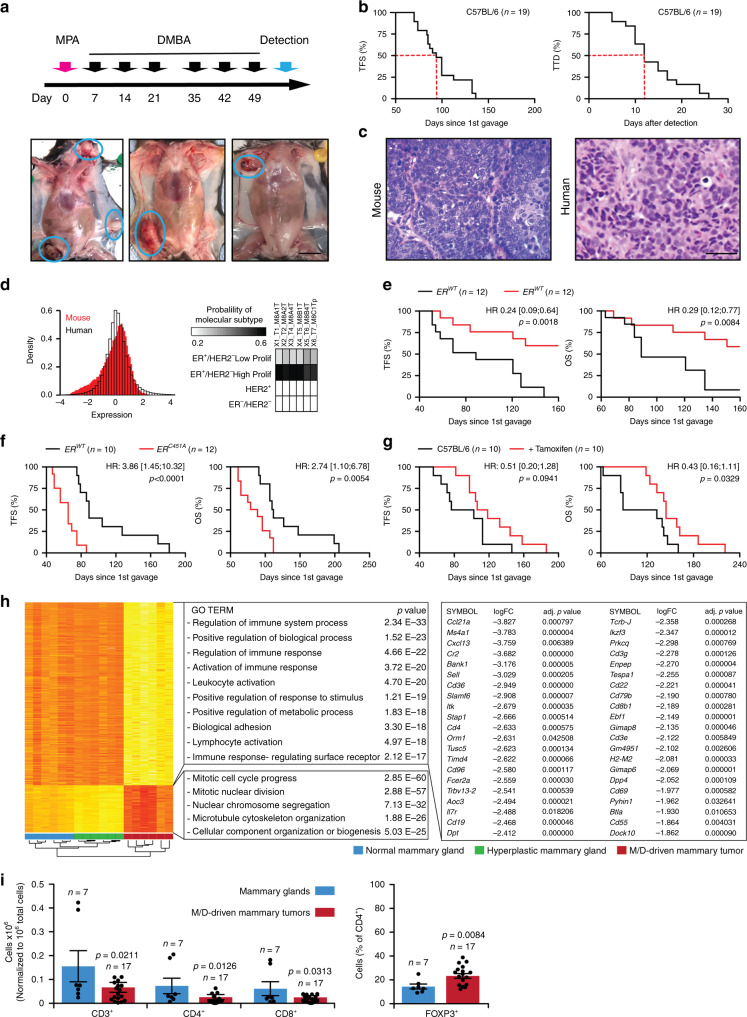
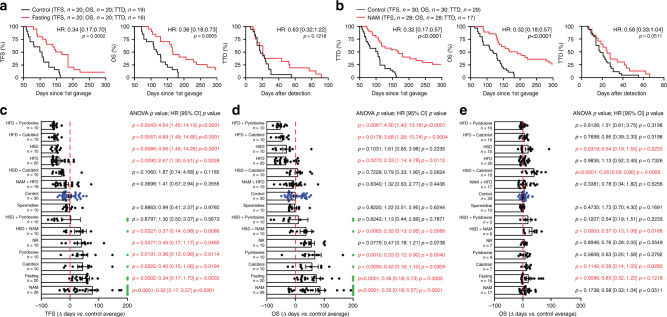
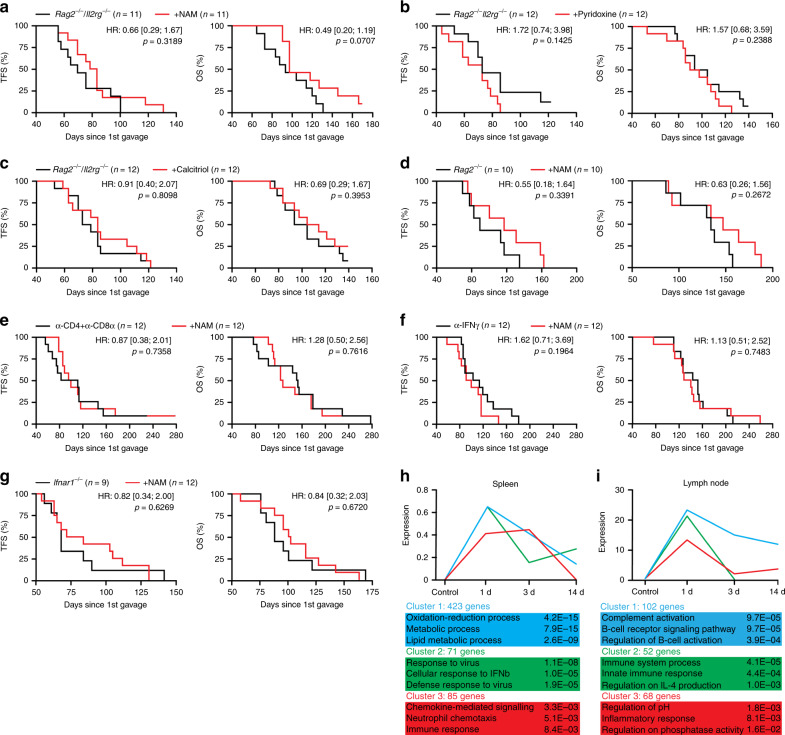
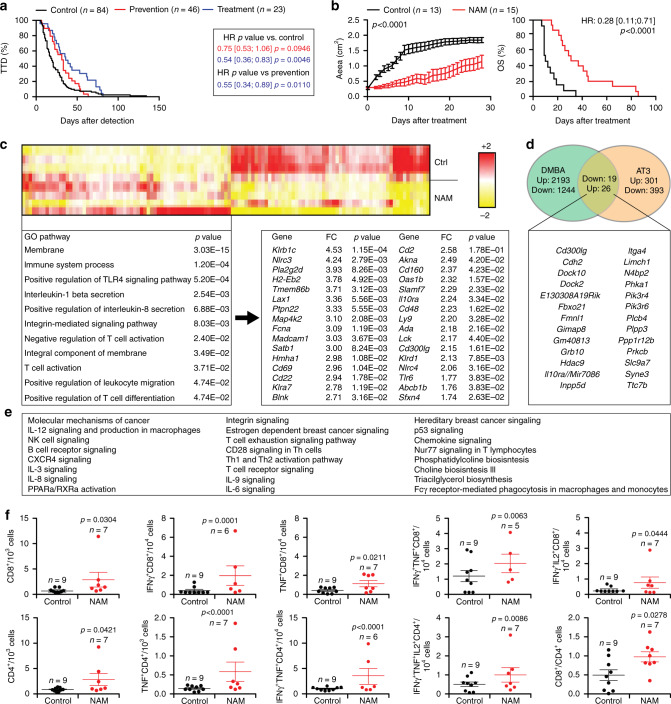
Hormone receptor (HR) + breast cancer (BC) causes most BC-related deaths, calling for improved therapeutic approaches. Despite expectations, immune checkpoint blockers (ICBs) are poorly active in patients with HR + BC, in part reflecting the lack of preclinical models that recapitulate disease progression in immunocompetent hosts. We demonstrate that mammary tumors driven by medroxyprogesterone acetate (M) and 7,12-dimethylbenz[a]anthracene (D) recapitulate several key features of human luminal B HR + HER2 − BC, including limited immune infiltration and poor sensitivity to ICBs. M/D-driven oncogenesis is accelerated by immune defects, demonstrating that M/D-driven tumors are under immunosurveillance. Safe nutritional measures including nicotinamide (NAM) supplementation efficiently delay M/D-driven oncogenesis by reactivating immunosurveillance. NAM also mediates immunotherapeutic effects against established M/D-driven and transplantable BC, largely reflecting increased type I interferon secretion by malignant cells and direct stimulation of immune effector cells. Our findings identify NAM as a potential strategy for the prevention and treatment of HR + BC.
Overview
The claims and statistics of this paper haven’t been checked yet.
Free: it reads the open-access text and checks the first 5 claims that cite a source we can check. Create a free account to check every claim.
Integrity signals
Registry
Cites
Statistics
Figures
Verification
Claims the paper makes
The claims and statistics of this paper haven’t been checked yet.
Free: it reads the open-access text and checks the first 5 claims that cite a source we can check. Create a free account to check every claim.
Claims other papers make about this one
Each is checked against this paper’s own text: does it say what the citing paper says it does?
In the citing paper
“The microbiota synthesizes vitamins from the B series [76][77][78][79] that favor tissue homeostasis and immunosurveillance.”
From Impact of the ONCOBIOME network in cancer microbiome research (2025) · cites this paper as [76]
Self-check
Percentages, sums and reported differences re-computed from the paper’s own numbers.
The self-check needs the paper’s full text.
Citations
Cites
Moderated estimation of fold change and dispersion for RNA-seq data with DESeq2
Love, M. I., Huber, W., & Anders, S. (2014) · Genome Biology · doi:10.1186/s13059-014-0550-8 · Cited by 95,106
STAR: ultrafast universal RNA-seq aligner
Dobin, A., Davis, C. A., Schlesinger, F., Drenkow, J., Zaleski, C., Jha, S., Batut, P., Chaisson, M., & Gingeras, T. R. (2013) · Bioinformatics · doi:10.1093/bioinformatics/bts635 · Cited by 51,709
limma powers differential expression analyses for RNA-sequencing and microarray studies
Ritchie, M. E., Phipson, B., Wu, D., Hu, Y., Law, C. W., Shi, W., & Smyth, G. K. (2015) · Nucleic Acids Research · doi:10.1093/nar/gkv007 · Cited by 40,458
Self-citationSystematic and integrative analysis of large gene lists using DAVID bioinformatics resources
Huang, D. W., Sherman, B. T., & Lempicki, R. A. (2009) · Nature Protocols · doi:10.1038/nprot.2008.211 · Cited by 35,890
Integrating single-cell transcriptomic data across different conditions, technologies, and species
Butler, A., Hoffman, P., Smibert, P., Papalexi, E., & Satija, R. (2018) · Nature Biotechnology · doi:10.1038/nbt.4096 · Cited by 13,174
Fast, sensitive and accurate integration of single-cell data with Harmony
Korsunsky, I., Millard, N., Fan, J., Slowikowski, K., Zhang, F., Wei, K., Baglaenko, Y., Brenner, M., Loh, P.-R., & Raychaudhuri, S. (2019) · Nature Methods · doi:10.1038/s41592-019-0619-0 · Cited by 10,488
Aran, D., Looney, A. P., Liu, L., Wu, E., Fong, V., Hsu, A., Chak, S., Naikawadi, R. P., Wolters, P. J., Abate, A. R., et al. (2019) · Nature Immunology · doi:10.1038/s41590-018-0276-y · Cited by 4,984
The future of immune checkpoint therapy
Sharma, P., & Allison, J. P. (2015) · Science · doi:10.1126/science.aaa8172 · Cited by 4,878 · cited 1×
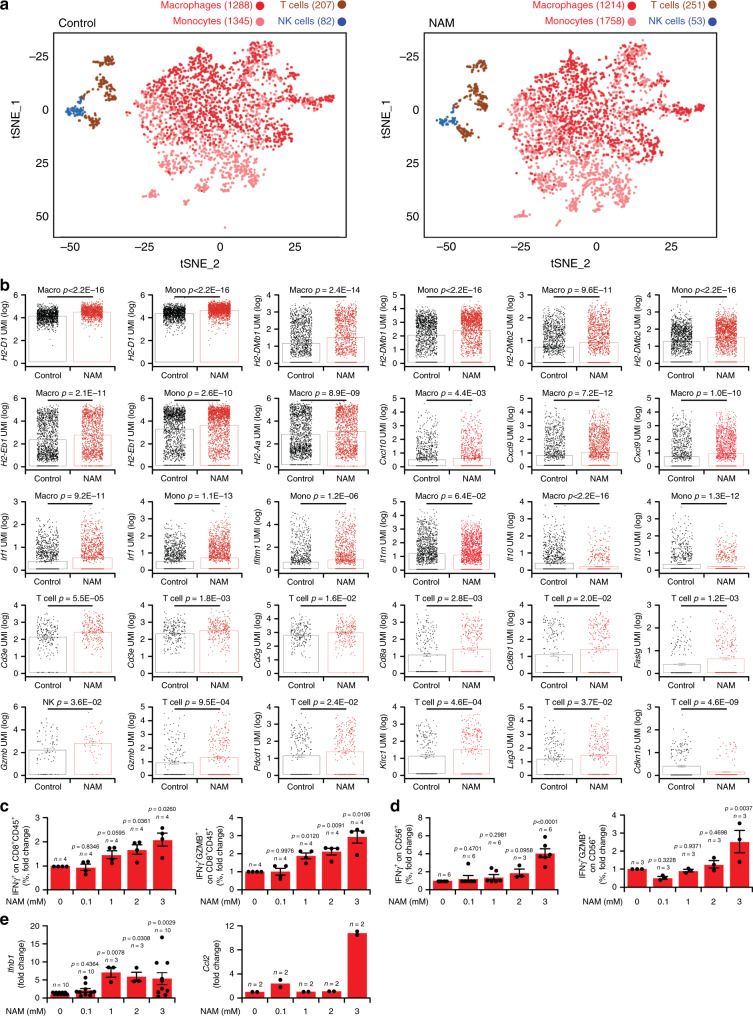
“Amongst other changes, T cells infiltrating NAM-treated tumors exhibited (1) increased expression of genes involved in antigen recognition, including Cd3d, Cd3e, Cd3g, Cd8a and Cd8b1; (2) upregulation of effector molecules including granzyme B (GZMB) and Fas ligand (FASLG); (3) increased levels of surface activation m…”
BackgroundFinak, G., McDavid, A., Yajima, M., Deng, J., Gersuk, V., Shalek, A. K., Slichter, C. K., Miller, H. W., McElrath, M. J., Prlic, M., et al. (2015) · Genome Biology · doi:10.1186/s13059-015-0844-5 · Cited by 3,159
Immunogenic cell death in cancer and infectious disease
Galluzzi, L., Buqué, A., Kepp, O., Zitvogel, L., & Kroemer, G. (2017) · Nature Reviews Immunology · doi:10.1038/nri.2016.107 · Cited by 3,119
Self-citation
Research works printed but not linked: 1
- Korotkevich, G., Sukhov, V. & Sergushichev, A. Fast gene set enrichment analysis. Preprint at https://www.biorxiv.org/content/10.1101/060012v2 (2019). · doi:10.1101/060012v2
Cited by
Immunogenic cell stress and death
Kroemer, G., Galassi, C., Zitvogel, L., & Galluzzi, L. (2022) · Nature Immunology · doi:10.1038/s41590-022-01132-2 · Cited by 1,353
Self-citationMitochondrial control of inflammation
Marchi, S., Guilbaud, E., Tait, S. W. G., Yamazaki, T., & Galluzzi, L. (2023) · Nature Reviews Immunology · doi:10.1038/s41577-022-00760-x · Cited by 1,027
Self-citationIntratumoral heterogeneity in cancer progression and response to immunotherapy
Vitale, I., Shema, E., Loi, S., & Galluzzi, L. (2021) · Nature Medicine · doi:10.1038/s41591-021-01233-9 · Cited by 826
Self-citationMittelbrunn, M., & Kroemer, G. (2021) · Nature Immunology · doi:10.1038/s41590-021-00927-z · Cited by 702
Self-citationThe hallmarks of cancer immune evasion
Galassi, C., Chan, T. A., Vitale, I., & Galluzzi, L. (2024) · Cancer Cell · doi:10.1016/j.ccell.2024.09.010 · Cited by 565
Self-citationLópez-Otín, C., & Kroemer, G. (2021) · Cell · doi:10.1016/j.cell.2020.11.034 · Cited by 499
Self-citationTargeting the gut and tumor microbiota in cancer
Park, E. M., Chelvanambi, M., Bhutiani, N., Kroemer, G., Zitvogel, L., & Wargo, J. A. (2022) · Nature Medicine · doi:10.1038/s41591-022-01779-2 · Cited by 496
Self-citationEmerging evidence for adapting radiotherapy to immunotherapy
Galluzzi, L., Aryankalayil, M. J., Coleman, C. N., & Formenti, S. C. (2023) · Nature Reviews Clinical Oncology · doi:10.1038/s41571-023-00782-x · Cited by 368
Self-citationNAD + Metabolism in Cardiac Health, Aging, and Disease
Abdellatif, M., Sedej, S., & Kroemer, G. (2021) · Circulation · doi:10.1161/circulationaha.121.056589 · Cited by 255
Self-citationATP and cancer immunosurveillance
Kepp, O., Bezu, L., Yamazaki, T., Di Virgilio, F., Smyth, M. J., Kroemer, G., & Galluzzi, L. (2021) · The EMBO Journal · doi:10.15252/embj.2021108130 · Cited by 229
“…in preclinical models are currently available as over-the-counter medications (e.g., aspirin) (Castoldi et al , 2020) or vitamin supplementations (e.g., nicotinamide) (Buqu (cid:1) e et al , 2020), clinical development remains at bay, at least in some cases reflecting potential dosing issues.”
Self-citationImmunomodulation by targeted anticancer agents
Petroni, G., Buqué, A., Zitvogel, L., Kroemer, G., & Galluzzi, L. (2021) · Cancer Cell · doi:10.1016/j.ccell.2020.11.009 · Cited by 212
Self-citationNK cells and solid tumors: therapeutic potential and persisting obstacles
Tong, L., Jiménez-Cortegana, C., Tay, A. H. M., Wickström, S., Galluzzi, L., & Lundqvist, A. (2022) · Molecular Cancer · doi:10.1186/s12943-022-01672-z · Cited by 189
Self-citationIntestinal microbiota influences clinical outcome and side effects of early breast cancer treatment
Terrisse, S., Derosa, L., Iebba, V., Ghiringhelli, F., Vaz-Luis, I., Kroemer, G., Fidelle, M., Christodoulidis, S., Segata, N., Thomas, A. M., et al. (2021) · Cell Death & Differentiation · doi:10.1038/s41418-021-00784-1 · Cited by 172
“Nicotinamide that can be produced by microbial components of the gut could reduce breast tumorigenesis in a T and NK cell-dependent manner [23].”
BackgroundSelf-citationMicrobiota-Centered Interventions: The Next Breakthrough in Immuno-Oncology?
Derosa, L., Routy, B., Desilets, A., Daillère, R., Terrisse, S., Kroemer, G., & Zitvogel, L. (2021) · Cancer Discovery · doi:10.1158/2159-8290.cd-21-0236 · Cited by 170
Self-citationSenescent CAFs Mediate Immunosuppression and Drive Breast Cancer Progression
Ye, J., Baer, J. M., Faget, D. V., Morikis, V. A., Ren, Q., Melam, A., Delgado, A. P., Luo, X., Bagchi, S. M., Belle, J. I., et al. (2024) · Cancer Discovery · doi:10.1158/2159-8290.cd-23-0426 · Cited by 164
Gut microbiota shapes cancer immunotherapy responses
Lei, W., Zhou, K., Lei, Y., Li, Q., & Zhu, H. (2025) · npj Biofilms and Microbiomes · doi:10.1038/s41522-025-00786-8 · Cited by 196
“Preclinical studies suggest that dietary strategies such as caloric restriction, intermittent fasting, high-fi ber diets, ketogenic diets, and targeted micronutrient supplementation can enhance immunotherapy by reshaping gut microbiota composition 330 – 335 .”
Immunogenicity of cell death and cancer immunotherapy with immune checkpoint inhibitors
Catanzaro, E., Beltrán‐Visiedo, M., Galluzzi, L., & Krysko, D. V. (2024) · Cellular and Molecular Immunology · doi:10.1038/s41423-024-01245-8 · Cited by 150
Self-citationBeneficial autoimmunity improves cancer prognosis
Zitvogel, L., Perreault, C., Finn, O. J., & Kroemer, G. (2021) · Nature Reviews Clinical Oncology · doi:10.1038/s41571-021-00508-x · Cited by 113
Self-citationThe DNA Damage Response and Inflammation in Cancer
Klapp, V., Álvarez-Abril, B., Leuzzi, G., Kroemer, G., Ciccia, A., & Galluzzi, L. (2023) · Cancer Discovery · doi:10.1158/2159-8290.cd-22-1220 · Cited by 123
Self-citationTerrisse, S., Goubet, A.-G., Ueda, K., Thomas, A. M., Quiniou, V., Thelemaque, C., Dunsmore, G., Clave, E., Gamat-Huber, M., Yonekura, S., et al. (2022) · Journal for ImmunoTherapy of Cancer · doi:10.1136/jitc-2021-004191 · Cited by 80
Self-citationAutophagy in the cancer-immunity dialogue
Yamazaki, T., Pedro, J. M. B., Galluzzi, L., Kroemer, G., & Pietrocola, F. (2020) · Advanced Drug Delivery Reviews · doi:10.1016/j.addr.2020.12.003 · Cited by 87
Self-citationZhao, L., Liu, P., Mao, M., Zhang, S., Bigenwald, C., Dutertre, C., Lehmann, C. H. K., Pan, H., Paulhan, N., Amon, L., et al. (2023) · Cancer Discovery · doi:10.1158/2159-8290.cd-22-1338 · Cited by 78
Self-citationPetroni, G., Buqué, A., Yamazaki, T., Bloy, N., Liberto, M. D., Chen‐Kiang, S., Formenti, S. C., & Galluzzi, L. (2021) · Clinical Cancer Research · doi:10.1158/1078-0432.ccr-20-3871 · Cited by 73
“Here, we report in vitro findings based on fully cytostatic palbociclib concentrations and human ERþ and ER-negative (ER ) breast cancer lines, as well as in vivo data based on clinically relevant palbociclib doses and three immunocompetent models of breast cancer including a unique immunocompetent mouse model of mamm…”
BackgroundMethodResultInfluentialSelf-citationChen, J., Levy, A., Tian, A.-L., Huang, X., Cai, G., Fidelle, M., Rauber, C., Ly, P., Pizzato, E., Sitterle, L., et al. (2025) · Cancer Cell · doi:10.1016/j.ccell.2025.02.010 · Cited by 67
Self-citationProgestogen-driven B7-H4 contributes to onco-fetal immune tolerance
Yu, J., Yan, Y., Li, S., Xu, Y., Parolia, A., Rizvi, S. M., Wang, W., Zhai, Y., Xiao, R., Xiong, L., et al. (2024) · Cell · doi:10.1016/j.cell.2024.06.012 · Cited by 78
Trial watch: intratumoral immunotherapy
Humeau, J., Naour, J. L., Galluzzi, L., Kroemer, G., & Pol, J. G. (2021) · OncoImmunology · doi:10.1080/2162402x.2021.1984677 · Cited by 67
Self-citationRaková, J., Truxová, I., Holíček, P., Šálek, C., Hensler, M., Kašíková, L., Pasulka, J., Holubová, M., Kovář, M., Lysák, D., et al. (2021) · OncoImmunology · doi:10.1080/2162402x.2021.1889822 · Cited by 67
Self-citationA TLR3 Ligand Reestablishes Chemotherapeutic Responses in the Context of FPR1 Deficiency
Naour, J. L., Liu, P., Zhao, L., Adjemian, S., Sztupinszki, Z. M., Taïeb, J., Mulot, C., Silvin, A., Dutertre, C., Ginhoux, F., et al. (2020) · Cancer Discovery · doi:10.1158/2159-8290.cd-20-0465 · Cited by 56
Self-citationLong-distance microbial mechanisms impacting cancer immunosurveillance
Zitvogel, L., Fidelle, M., & Kroemer, G. (2024) · Immunity · doi:10.1016/j.immuni.2024.07.020 · Cited by 58
Self-citationBodywide ecological interventions on cancer
Kroemer, G., McQuade, J. L., Mérad, M., André, F., & Zitvogel, L. (2023) · Nature Medicine · doi:10.1038/s41591-022-02193-4 · Cited by 57
Self-citationLTX-315-enabled, radiotherapy-boosted immunotherapeutic control of breast cancer by NK cells
Yamazaki, T., Wennerberg, E., Hensler, M., Buqué, A., Kraynak, J., Fucikova, J. P., Zhou, X. K., Sveinbjørnsson, B., Rekdal, Ø., Demaria, S., et al. (2021) · OncoImmunology · doi:10.1080/2162402x.2021.1962592 · Cited by 44
“, 7,12-dimethylbenz[a] anthracene (DMBA, D).(21) When established in immunocompetent C57BL/6 mice, M/D-driven mammary carcinomas recapitulate key genetic, transcriptional, immunological and treatment sensitivity features of human luminal B breast cancer,(21,37) in thus far representing a highly translational platform…”
BackgroundMethodInfluentialSelf-citationMetabolites as agents and targets for cancer immunotherapy
Trefny, M. P., Kroemer, G., Zitvogel, L., & Kobold, S. (2025) · Nature Reviews Drug Discovery · doi:10.1038/s41573-025-01227-z · Cited by 67
“Furthermore, vitamin B 3 sensitizes PDAC to gemcitabine-based chemotherapy in a CD4 + T cell-dependent manner 243,244 .”
Self-citationImmunostimulatory effects of vitamin B5 improve anticancer immunotherapy
Bourgin, M., Kepp, O., & Kroemer, G. (2022) · OncoImmunology · doi:10.1080/2162402x.2022.2031500 · Cited by 49
“A recent study dissected the mechanisms through which NAM can delay the manifestation and the progression of luminal B breast cancer in mice, showing that NAM stimulates the activity of NK and T cells involved in immunosurveillance.(14,15) Of note, NAM could be advantageously combined with anthracycline-based immunoge…”
BackgroundSelf-citationInfluence of the gut microbiota on immune cell interactions and cancer treatment
Liu, C., Fu, L., Wang, Y., & Yang, W. (2024) · Journal of Translational Medicine · doi:10.1186/s12967-024-05709-3 · Cited by 50
“Researchers have tested various dietary strategies, such as high-fibre diets [85, 86], ketogenic diets [87], caloric restriction [88, 89], intermittent fasting, fasting-mim-icking diets [90], and fermented foods [84], in both mice and patients to improve cancer treatment [91].”
BackgroundScience-Driven Nutritional Interventions for the Prevention and Treatment of Cancer
Montégut, L., de Cabo, R., Zitvogel, L., & Kroemer, G. (2022) · Cancer Discovery · doi:10.1158/2159-8290.cd-22-0504 · Cited by 38
Self-citationTrial Watch: combination of tyrosine kinase inhibitors (TKIs) and immunotherapy
Petrazzuolo, A., Maiuri, M. C., Zitvogel, L., Kroemer, G., & Kepp, O. (2022) · OncoImmunology · doi:10.1080/2162402x.2022.2077898 · Cited by 41
Self-citationImmunogenic cell death (ICD) enhancers—Drugs that enhance the perception of ICD by dendritic cells
Liu, P., Zhao, L., Zitvogel, L., Kepp, O., & Kroemer, G. (2023) · Immunological Reviews · doi:10.1111/imr.13269 · Cited by 45
“38,96 Moreover, cancers established in Fpr1 −/− mice failed to respond to chemotherapy with ICD inducers (such as cyclophosphamide, doxorubicin, mitoxantrone, and oxaliplatin) that were efficient in WT mice 33,38 echoing the observation that women with breast cancer bearing rs867228 showed a…”
BackgroundSelf-citationPetroni, G., Galassi, C., Gouin, K. H., Chen, H., Buqué, A., Bloy, N., Yamazaki, T., Sato, A., Beltrán‐Visiedo, M., Campia, G., et al. (2025) · Nature Cancer · doi:10.1038/s43018-025-01007-z · Cited by 39
“Besides resembling human HR + HER2 − BC from transcriptional and immunological perspectives 21 and modeling carcinogenesis in the context of evaded immunosur-veillance (at odds with transplantable mouse tumors) 26 , M/D-driven neoplasms are poorly sensitive to ICIs 21 but highly responsive to…”
InfluentialSelf-citationSelvanesan, B. C., Meena, K., Beck, A. P., Meheus, L., Lara, O., Rooman, I., & Gravekamp, C. (2020) · Journal for ImmunoTherapy of Cancer · doi:10.1136/jitc-2020-001250 · Cited by 34
Immunological control of ovarian carcinoma by chemotherapy and targeted anticancer agents
Fucikova, J. P., Palová-Jelínková, L., Klapp, V., Holíček, P., Láníčková, T., Kašíková, L., Drozenová, J., Cibula, D., Álvarez-Abril, B., García-Martínez, E., et al. (2022) · Trends in cancer · doi:10.1016/j.trecan.2022.01.010 · Cited by 32
Self-citationRadiopharmaceuticals as combinatorial partners for immune checkpoint inhibitors
Pouget, J., Chan, T. A.-T., Galluzzi, L., & Constanzo, J. (2023) · Trends in cancer · doi:10.1016/j.trecan.2023.07.014 · Cited by 34
Self-citationImpact of treatment schedule on the efficacy of cytostatic and immunostimulatory agents
Petroni, G., & Galluzzi, L. (2021) · OncoImmunology · doi:10.1080/2162402x.2021.1889101 · Cited by 28
Self-citationPalmitoylation prevents B7-H4 lysosomal degradation sustaining tumor immune evasion
Yan, Y., Yu, J., Wang, W., Xu, Y., Tison, K., Xiao, R., Grove, S., Wei, S., Vatan, L., Wicha, M. S., et al. (2025) · Nature Communications · doi:10.1038/s41467-025-58552-5 · Cited by 44
“To address the question, we established an orthotopic breast cancer cell line, 4H11, originating from tumors induced by medroxyprogesterone acetate (MPA) plus 7,12-dimethylbenz[a] anthracene (DMBA) 19,20 (Supplementary Fig.”
NAD+ and Vascular Dysfunction: From Mechanisms to Therapeutic Opportunities
Abdellatif, M., Bugger, H., Kroemer, G., & Sedej, S. (2022) · Journal of Lipid and Atherosclerosis · doi:10.12997/jla.2022.11.2.111 · Cited by 35
Self-citationMontégut, L., Liu, P., Zhao, L., Pérez-Lanzón, M., Chen, H., Mao, M., Zhang, S., Derosa, L., Naour, J. L., Lambertucci, F., et al. (2024) · Molecular Cancer · doi:10.1186/s12943-024-02098-5 · Cited by 32
“After a two-week washout period, breast cancer was induced as previously described [28].”
BackgroundMethodSelf-citationCai, Z., LIM, D. J., Liu, G., Chen, C., Jin, L., Duan, W., Ding, C., Sun, Q., Peng, J., Dong, C., et al. (2021) · Frontiers in Immunology · doi:10.3389/fimmu.2021.646384 · Cited by 33
“VPA/HPTA Enhanced Radiotherapy Effect to Inhibit Tumor Growth in Rats With Breast Cancer To study whether VPA/HPTA can enhance the effect of radiotherapy in vivo, we used the primary breast cancer model in rats induced by the environmental carcinogen DMBA, which was previously described and employed in related studies…”
BackgroundMethodExperimental models of endocrine responsive breast cancer: strengths, limitations, and use
Clarke, R. C., Jones, B. C., Sevigny, C. M., Hilakivi-Clarke, L. A., & Sengupta, S. (2021) · Cancer Drug Resistance · doi:10.20517/cdr.2021.33 · Cited by 29
Impact of the ONCOBIOME network in cancer microbiome research
Zitvogel, L., Derosa, L., Routy, B., Loibl, S., Heinzerling, L., de Vries, I. J. M., Engstrand, L., ONCOBIOME Network, Silva, C. A. C., Barbieri, D., et al. (2025) · Nature Medicine · doi:10.1038/s41591-025-03608-8 · Cited by 23
“…relying on chemotherapy, radiotherapy and hormonotherapy has not been affected by the surging awareness of the impact of the gut microbiota on immunotherapy outcome, likely because retrospective multivariate analyses indicate that antimicrobial agents do not affect chemotherapeutic outcome 74–76 .”
Self-citationCellular senescence in the response of HR+ breast cancer to radiotherapy and CDK4/6 inhibitors
Klapp, V., Buqué, A., Bloy, N., Sato, A., Yamazaki, T., Zhou, X. K., Formenti, S. C., Galluzzi, L., & Petroni, G. (2023) · Journal of Translational Medicine · doi:10.1186/s12967-023-03964-4 · Cited by 23
“In immunocompetent female C57BL/6 mice, M/D-driven tumors recapitulate multiple immunobiological features of HR+HER2− breast cancer in women, including a scarce immune infiltrate [43], pronounced resistance to immune checkpoint inhibition with programmed cell death 1 (PDCD1, best known as PD-1) blockers [43], and exqu…”
BackgroundMethodInfluentialSelf-citationMolecular targets of spermidine: implications for cancer suppression
Zimmermann, A., Hofer, S. J., & Madeo, F. (2023) · Cell Stress · doi:10.15698/cst2023.07.281 · Cited by 23
“injections of spermidine in mice with chemically provoked breast cancer did not show any difference in tumor mortality [59].”
BackgroundMicrodissection tools to generate organoids for modeling the tumor immune microenvironment
Cordts, S. C., Yuki, K., Echeverri, M. F. H., Narasimhan, B., Kuo, C. J., & Tang, S. K. Y. (2024) · Microsystems & Nanoengineering · doi:10.1038/s41378-024-00756-8 · Cited by 22
“However, these methods are typically intended to generate single cells rather than sub-millimeter tissue fragments 34,35 .”
Impact of microbiota on breast cancer hormone therapy
Terrisse, S. A., Zitvogel, L., & Kroemer, G. (2023) · Cell Stress · doi:10.15698/cst2023.03.277 · Cited by 22
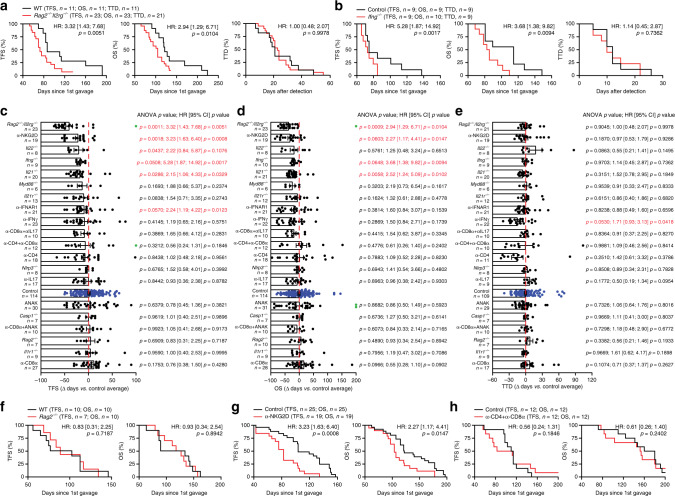
“Nonetheless, MPA/DMBA-induced oncogenesis and tumor progression is accelerated in the context of natural killer (NK) and T cell defects, demonstrating that MPA/DMBA-induced tumors are under immunosurveillance [20].”
BackgroundInfluentialSelf-citationPérez-Lanzón, M., Carbonnier, V., Cordier, P., Palma, F. D. E. D., Petrazzuolo, A., Klein, C., Arbaretaz, F., Mangane, K., Stoll, G., Martins, I., et al. (2023) · Journal for ImmunoTherapy of Cancer · doi:10.1136/jitc-2023-007117 · Cited by 21
Self-citationHahn, A. W., Venkatesh, N., Msaouel, P., & McQuade, J. L. (2023) · Cells · doi:10.3390/cells12212551 · Cited by 24
“In pre-clinical models of hormone receptor-positive breast cancer, chemoprevention with tamoxifen, an anti-estrogen, is dependent upon functional T cells [67].”
BackgroundBorcoman, É., Cabarrou, B., Francisco, M., Bigot, F., Ghiringhelli, F., Vansteene, D., Legrand, F., Halladjian, M., Dupain, C., Saux, O. L., et al. (2025) · Nature Cancer · doi:10.1038/s43018-025-01004-2 · Cited by 24
“%) and skin cutaneous primary SCCs (8%), who might exhibit higher response rates to ICIs than individuals with HNSCC.”
InfluentialSelf-citationNicotinamide breaks effector CD8 T cell responses by targeting mTOR signaling
Agliano, F., Karginov, T. A., Ménoret, A., Provatas, A. A., & Vella, A. T. (2022) · iScience · doi:10.1016/j.isci.2022.103932 · Cited by 19
Ceballos-Sanchez, O., Navarro-López, D. E., Mejía-Méndez, J. L., Sanchez‐Ante, G., Rodríguez‐González, V., Sánchez-López, A. L., Sanchez-Martinez, A., Durón-Torres, S. M., Juárez‐Moreno, K., Tiwari, N., et al. (2024) · Biomaterials Science · doi:10.1039/d3bm02107f · Cited by 19
Metabolic features of cancer cells impact immunosurveillance
Joseph, A., Juncheng, P., Mondini, M., Labaied, N., Loi, M., Adam, J., Lafarge, A., Astesana, V., Obrist, F., Klein, C., et al. (2021) · Journal for ImmunoTherapy of Cancer · doi:10.1136/jitc-2021-002362 · Cited by 17
Self-citationImmunology of Cell Death in Cancer Immunotherapy
Galluzzi, L., & Garg, A. D. (2021) · Cells · doi:10.3390/cells10051208 · Cited by 17
“We believe that the issues associated with current mouse models of cancer, specifically their limited ability to recapitulate the heterogeneity of human malignancies and natural immune variations [73], as well as the lack of reliable prognostic and predictive biomarkers, constitute a significant bottleneck for the cli…”
BackgroundSelf-citationNK cells beat T cells at early breast cancer control
Buqué, A., Bloy, N., Petroni, G., Kroemer, G., & Galluzzi, L. (2020) · OncoImmunology · doi:10.1080/2162402x.2020.1806010 · Cited by 16
Self-citationThe intracellular metabolome of starving cells
Durand, S., Grajeda‐Iglesias, C., Aprahamian, F., Nirmalathasan, N., Kepp, O., & Kroemer, G. (2021) · Methods in cell biology · doi:10.1016/bs.mcb.2021.04.001 · Cited by 17
Self-citationStromal senescence contributes to age-related increases in cancer
Ye, J., Melam, A., & Stewart, S. A. (2025) · Nature reviews. Cancer · doi:10.1038/s41568-025-00840-9 · Cited by 18
“Given that natural killer cells impact breast tumour immunosurveillance at early stages 100 and that the presence of senCAFs in samples from human ductal carcinoma in situ (DCIS) strongly correlates with disease recurrence 22,101 , it was postulated that senCAFs play a critical part in mediating…”
Pol, J. G., Paillet, J., Plantureux, C., & Kroemer, G. (2022) · OncoImmunology · doi:10.1080/2162402x.2022.2029299 · Cited by 13
“responses against colon and breast cancer, respectively, underscoring the possibility that immune responses against (by definition) non-mutated self-antigens can participate to cancer immunosurveillance.(14,15) The development of human breast cancer becomes also more improbable when histologically normal mammary gland…”
BackgroundSelf-citationOllivier, L., Moreau-Bachelard, C., Renaud, E., Dhamelincourt, E., & Lucia, F. (2023) · Frontiers in Immunology · doi:10.3389/fimmu.2023.1201675 · Cited by 14
“RT alone allows a kind of reprogramming of the tumor microenvironment with the increase in pro immunogenic actors, in particular pro immunogenic myeloid populations, effector CD8 Ts, but on the other hand it also increases regulatory Ts (65, 66).”
BackgroundBuqué, A., Bloy, N., Petroni, G., Jiménez‐Cortegana, C., Sato, A., Iribarren, C., Yamazaki, T., Galassi, C., Hensler, M., Bhinder, B., et al. (2024) · JNCI Journal of the National Cancer Institute · doi:10.1093/jnci/djae329 · Cited by 12
Self-citationThe untapped potential of radiation and immunotherapy for hormone receptor-positive breast cancer
Fenton, M., Yoneyama, M., Wennerberg, E., Lund, T., Tutt, A. N. J., Melcher, A. A., Demaria, S., & Somaiah, N. (2025) · npj Breast Cancer · doi:10.1038/s41523-025-00796-x · Cited by 14
“Breast tumours in immunocompetent mice induced by carcinogens (e.g. progesterone receptor agonists) can possess luminal B features and ICI resistance, but grow slower than implanted HR + cell lines which limits their feasibility 126,132 .”
Rs867228 in FPR1 accelerates the manifestation of luminal B breast cancer
Carbonnier, V., Naour, J. L., Bachelot, T., Vacchelli, E., André, F., Delaloge, S., & Kroemer, G. (2023) · OncoImmunology · doi:10.1080/2162402x.2023.2189823 · Cited by 11
“These results suggest a pivotal function for FPR1 in breast cancer immunosurveillance, which has a major impact on the age at which the disease manifests, as well as on prognosis.(12,13) Indeed, individuals heterozygous or homozygous for rs867228 developed breast cancer earlier than patients lacking rs867228, as deter…”
BackgroundSelf-citationA major genetic accelerator of cancer diagnosis: rs867228 in FPR1
Sztupinszki, Z. M., Naour, J. L., Vacchelli, E., Laurent‐Puig, P., Delaloge, S., Szállási, Z., & Kroemer, G. (2021) · OncoImmunology · doi:10.1080/2162402x.2020.1859064 · Cited by 11
Self-citationSpermidine inactivates proteasome activity and enhances ferroptosis in prostate cancer
Feng, D., Zhang, J., Niu, H., Zheng, X., Jia, M., Lu, Q., Wang, J., Guo, W.-X., Sun, Q., Yuan, H., et al. (2025) · Acta Pharmaceutica Sinica B · doi:10.1016/j.apsb.2025.02.023 · Cited by 11
“…( n Z 6 for each group): 1) Placebo group (5% DMSO, 40% PEG 400, 5% Tween 80 and sterile water); 2) Spd group (10 mg/kg Spd dissolved in saline) 20,21 ; 3) Put group (10 mg/kg Put dissolved in saline); 4) High-dose erastin group (15 mg/kg erastin dissolved in 5% DMSO, 40% PEG 400, 5% Tween 80…”
EGF Protects Epithelial Cells from Barrier Damage in Chronic Rhinosinusitis with Nasal Polyps
Chen, L., Liu, Q., Liu, Z. H., Li, H., Liu, X., & Yu, H. (2022) · Journal of Inflammation Research · doi:10.2147/jir.s345664 · Cited by 11
Inhibition of WHSC1 Allows for Reprogramming of the Immune Compartment in Prostate Cancer
Want, M. Y., Karasik, E., Gillard, B. M., McGray, A. R., & Battaglia, S. (2021) · International Journal of Molecular Sciences · doi:10.3390/ijms22168742 · Cited by 10
MPA/DMBA-driven mammary carcinomas
Buqué, A., Pérez-Lanzón, M., Petroni, G., Humeau, J., Bloy, N., Yamazaki, T., Sato, A., Kroemer, G., & Galluzzi, L. (2020) · Methods in cell biology · doi:10.1016/bs.mcb.2020.08.003 · Cited by 14
Self-citationAutophagy modulation in cancer
Guilbaud, E., Ryan, K. M., Green, D. R., & Galluzzi, L. (2026) · Nature Reviews Drug Discovery · doi:10.1038/s41573-026-01449-9 · Cited by 15
Self-citationImmunological barriers to immunotherapy in primary and metastatic breast cancer
Martino, M. D., Vanpouille‐Box, C., & Galluzzi, L. (2021) · EMBO Molecular Medicine · doi:10.15252/emmm.202114393 · Cited by 8
Self-citationAutophagy-inducing nutritional interventions in experimental and clinical oncology
Hofer, S. J., Kroemer, G., & Kepp, O. (2022) · International review of cytology · doi:10.1016/bs.ircmb.2022.08.003 · Cited by 10
Self-citationMedina, T. L. M., Martínez-Pascual, R., Peña-Rico, M. Á., Viñas‐Bravo, O., Montiel‐Smith, S., Pérez‐Picaso, L., & Moreno‐Díaz, H. (2022) · Steroids · doi:10.1016/j.steroids.2022.109012 · Cited by 7
Updates on radiotherapy-immunotherapy combinations: Proceedings of 8th Annual ImmunoRad Conference
Talebi, F., Gregucci, F., Ahmed, J. U., Ben‐Chetrit, N., Brown, B. D., Chan, T. A.-T., Chand, D. S., Constanzo, J., Demaria, S., Gabrilovich, D. I., et al. (2025) · OncoImmunology · doi:10.1080/2162402x.2025.2507856 · Cited by 9
“…demonstrating that hypofractionated RT in 3 doses of 10 Gy each prevents CDK4/6 inhibitors from eliciting the secretion of C-C motif chemokine ligand 2 (CCL2) in a uniquely translational model of HR + breast cancer, 42–45 thus impeding the recruitment of immunosuppressive γδ T cells to the TME.”
Self-citationProtein Kinase Inhibitor-Mediated Immunoprophylactic and Immunotherapeutic Control of Colon Cancer
Ghione, S., Racoeur, C., Mabrouk, N., Shan, J., Groetz, E., Ballot, E., Truntzer, C., Chouchane, L., Végran, F., Paul, C., et al. (2022) · Frontiers in Immunology · doi:10.3389/fimmu.2022.875764 · Cited by 7
“Recently, it has been shown that nicotinamide, a variant of vitamin B3, currently used as a nutritional supplement delays the development of mammary carcinogenesis through NK activation (32).”
BackgroundPyridoxal kinase and poly(ADP-ribose) affect the immune microenvironment of locally advanced cancers
Joseph, A., Juncheng, P., Michels, J., Kroemer, G., & Castedo, M. (2021) · OncoImmunology · doi:10.1080/2162402x.2021.1950954 · Cited by 5
“Additionally, exogenous supply of nicotinamide adenine dinucleotide (NAD), which is consumed by overactivated PARP1, potently stimulates immunosurveillance in the context of hormone-induced breast cancer.(9) PARP inhibitors are currently being tested in association with immune checkpoint inhibitors (e.”
BackgroundSelf-citationMammary carcinoma: toward a realistic mouse model of incurable cancers
Pérez-Lanzón, M., Maiuri, M. C., López-Otín, C., & Kroemer, G. (2023) · OncoImmunology · doi:10.1080/2162402x.2023.2240613 · Cited by 5
Self-citationNext-Generation Therapies for Breast Cancer
De, A., Patel, S., & Gowthamarajan, K. (2024) · Smart nanomaterials technology · doi:10.1007/978-981-99-6597-7_5 · Cited by 4
Ascierto, P. A., Bifulco, C. B., Ciardiello, F., Demaria, S., Emens, L. A., Ferris, R. L., Formenti, S. C., Galon, J., Khleif, S. N., Kirchhoff, T., et al. (2021) · Journal of Translational Medicine · doi:10.1186/s12967-021-02895-2 · Cited by 4
“In a novel syngeneic preclinical model of ER + mammary carcinoma [59] efficacy of radiotherapy combined with CDK4/6 inhibitor palbociclib and tamoxifen were investigated in various doses and therapeutic schedules [60].”
BackgroundSelf-citationFactors affecting heterogeneity in breast cancer microenvironment: A narrative mini review
Ganguly, A., Mukherjee, S., Chatterjee, K., & Spada, S. (2024) · International review of cytology · doi:10.1016/bs.ircmb.2024.01.002 · Cited by 4
Zhao, B., Zhou, B., Li, Q., Su, C., Ma, J., & Yang, L. (2024) · MedComm – Future Medicine · doi:10.1002/mef2.70006 · Cited by 3
Li, S., Lambertucci, F., Montégut, L., Martins, I., Pol, J. G., Piacentini, M., Maiuri, M. C., & Kroemer, G. (2025) · Cell Death and Disease · doi:10.1038/s41419-025-08148-0 · Cited by 3
Self-citationImmunogenic cell death as a cornerstone for combination therapies with immune checkpoint blockade
Niu, Y., Zhu, S., Fu, K., Lai, Y. Y., Pan, C., Yang, Y., Li, S., Wang, X., To, K. F., Wang, F., et al. (2026) · Molecular Cancer · doi:10.1186/s12943-026-02663-0 · Cited by 7
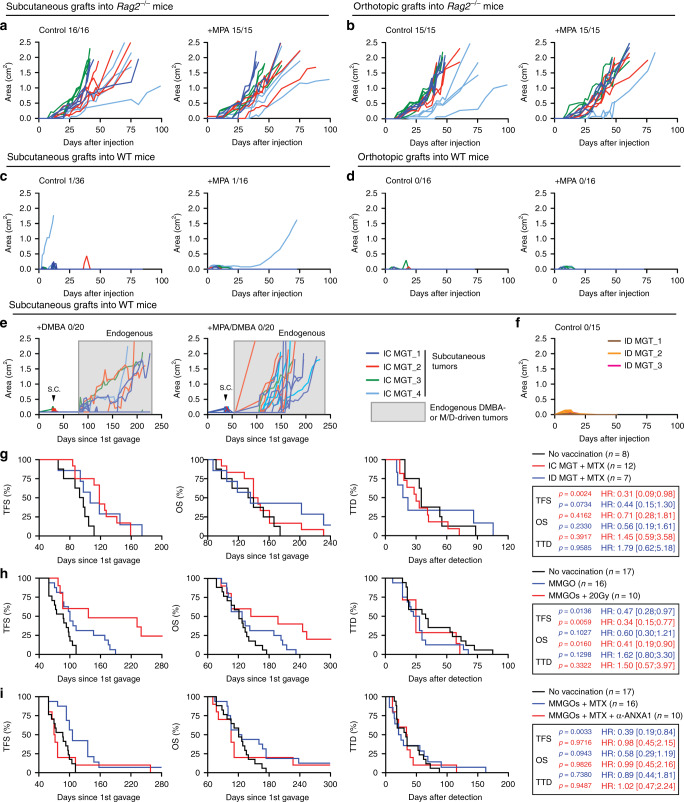
“Moreover, vaccination with cancer cells killed by particular drugs can protect mice against subsequent tumor challenge [19, 20].”
Nicotinamide drives T cell activation in the mammary tumor microenvironment
Hu, Y., Bloy, N., Elemento, O., & Buqué, A. (2022) · Journal of Translational Medicine · doi:10.1186/s12967-022-03454-z · Cited by 3
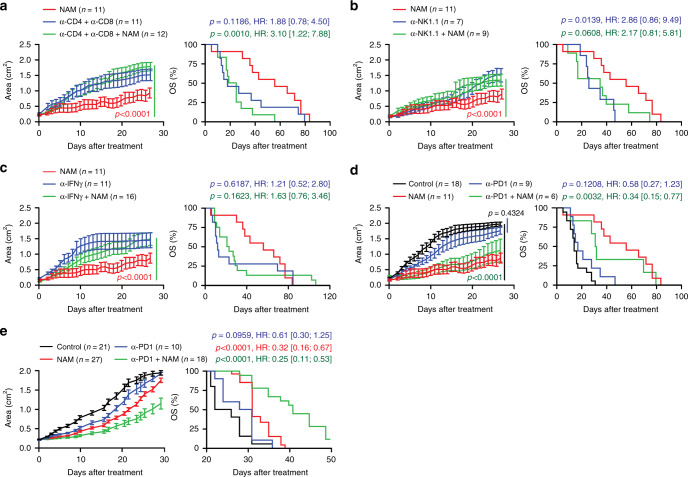
“Importantly, both the prophylactic and the therapeutic activity of NAM could be limited by a variety of interventions that decrease the immunological competence of the host, including the co-depletion of CD4+ and CD8+ T cells as well as the neutralization of IFNG [1].”
BackgroundInfluentialSelf-citationPrognostic value of atypical B cells in breast cancer
Torralba, E. G., Galluzzi, L., & Buqué, A. (2024) · Trends in cancer · doi:10.1016/j.trecan.2024.09.009 · Cited by 3
Self-citationCarleton, N. M., Chang, A. C.-C., Lee, S., Li, R., Zou, J., Brown, D. D., Hooda, J., Chen, J., Kumar, R., Klei, L. R., et al. (2026) · Nature Aging · doi:10.1038/s43587-026-01173-4 · Cited by 5
A mitochondrial checkpoint to adaptive anticancer immunity
Kepp, O., Liu, P., Kroemer, G., & Galluzzi, L. (2023) · OncoImmunology · doi:10.1080/2162402x.2023.2271693 · Cited by 4
Self-citationCytofluorometric assessment of acute cell death responses driven by radiation therapy
Álvarez-Abril, B., Bloy, N., Galassi, C., Sato, A., Jiménez‐Cortegana, C., Klapp, V., Aretz, A., Guilbaud, E., Buqué, A., Galluzzi, L., et al. (2022) · Methods in cell biology · doi:10.1016/bs.mcb.2022.05.002 · Cited by 2
Self-citationSato, A., Bloy, N., Galassi, C., Jiménez‐Cortegana, C., Klapp, V., Aretz, A., Guilbaud, E., Yamazaki, T., Petroni, G., Galluzzi, L., et al. (2022) · Methods in cell biology · doi:10.1016/bs.mcb.2022.05.004 · Cited by 3
Self-citationImmunogenic Cell Death in Cancer
Humeau, J., Naour, J. L., Kroemer, G., & Pol, J. G. (2023) · Interdisciplinary cancer research · doi:10.1007/16833_2022_121 · Cited by 2
Self-citationNovel metabolic routes to cancer immune evasion
Jaa, A., & Buqué, A. (2025) · Trends in cancer · doi:10.1016/j.trecan.2025.05.002 · Cited by 2
Self-citationBeneficial autoimmunity links primary biliary cholangitis to the avoidance of cholangiocarcinoma
Pol, J. G., Paillet, J., Plantureux, C., & Kroemer, G. (2021) · OncoImmunology · doi:10.1080/2162402x.2021.1968595 · Cited by 2
“Moreover, in preclinical experiments, the development of mammary carcinoma and colorectal cancer can be delayed by prior vaccination with anthracycline-treated or irradiated normal breast epithelial cells and oxaliplatin-treated normal ileal epithelial cells, respectively.(6,7) In the context of this epidemiological a…”
BackgroundSelf-citationTIM-3 and γδ T cells: new players in breast cancer dissemination
Galluzzi, L., Galassi, C., & Wiest, D. L. (2025) · The EMBO Journal · doi:10.1038/s44318-025-00550-w · Cited by 1
“…IL-17 + γδ T cells have been shown to promote resistance to CDK4/6 inhibitors in hormone receptor (HR) + breast cancer, at least in part by favoring the repolarization of tumor-associated macrophages (TAMs) toward an immunosuppressive CX3CR1 + phenotype (Buque et al, 2020; Petroni et al, 2025).”
Self-citationMeng, Y., Ba, Q., Yao, J., Wang, J., Tian, H., Kong, Y., Fang, M., Guo, W., Gong, W., Wang, Y., et al. (2025) · Advanced Healthcare Materials · doi:10.1002/adhm.202502881 · Cited by 1
Gut microbiome‐derived metabolites show promise in cancer research and therapy
Yang, K., Wang, Y., Tang, D., Li, P., & Du, L. (2026) · Interdisciplinary medicine · doi:10.1002/inmd.70096 · Cited by 1
Pan, S., Wang, J., Wang, B., Wang, F., Chen, Q., Liu, T., Zhang, A., Wu, S., Li, B., Hu, H. G., et al. (2026) · Nature Communications · doi:10.1038/s41467-026-73574-3 · Cited by 1
“To trigger the spontaneous development of mammary tumors, both Arid1a fl ox/ fl ox ; Mmtv -Cre - control mice and Arid1a fl ox/ fl ox ; Mmtv -Cre + mice were subcutaneously injected with medrox-yprogesterone acetate (MPA) and orally administered 7,12-dimethyl-benz[a]anthracene (DMBA) via gavage 39 .”
Duan, Y., Alexandrou, A. T., Huang, J., Zhang, H. S., Zhang, H., Zhang, X., Hao, D., Berg, J. I., Fan, M., Wang, Y., et al. (2026) · Oncogene · doi:10.1038/s41388-026-03941-3 · Cited by 1
Metadata
- Authors
- Buqué, A., Bloy, N., Perez-Lanzón, M., Iribarren, K., Humeau, J., Pol, J. G., Levesque, S., Mondragon, L., Yamazaki, T., Sato, A., Aranda, F., Durand, S., Boissonnas, A., Fucikova, J., Senovilla, L., Enot, D., Hensler, M., Kremer, M., Stoll, G., Hu, Y., Massa, C., Formenti, S. C., Seliger, B., Elemento, O., Spisek, R., André, F., Zitvogel, L., Delaloge, S., Kroemer, G., & Galluzzi, L.
- Affiliations
- Inserm (FR)
- Université Paris-Sud (FR)
- Weill Cornell Medicine (US)
- Centre National de la Recherche Scientifique (FR)
- Charles University (CZ)
- Sotio (Czechia) (CZ)
- Martin Luther University Halle-Wittenberg (DE)
- Institut Gustave Roussy (FR)
- Karolinska University Hospital (SE)
- Université Paris Cité (FR)
- Corresponding author
- Kroemer, Guido
- Galluzzi, Lorenzo
- ORCID
- Buqué, Aitziber
- Bloy, Norma
- Iribarren, Kristina
- Humeau, Juliette
- Pol, Jonathan G.
- Yamazaki, Takahiro
- Sato, Ai
- Aranda, Fernando
- Durand, Sylvère
- Boissonnas, Alexandre
- Fucikova, Jitka
- Senovilla, Laura
- Hensler, Michal
- Stoll, Gautier
- Hu, Yang
- Massa, Chiara
- Formenti, Silvia C.
- Seliger, Barbara
- Elemento, Olivier
- André, Fabrice
- Zitvogel, Laurence
- Delaloge, Suzette
- Kroemer, Guido
- Galluzzi, Lorenzo
- Venue
- Nature Communications
- Published
- 2020-07-30
- Volume
- 11
- Issue
- 1
- Pages
- 3819-3819
- ISSN
- 2041-1723 (ISSN-L)
- PMC
- PMC7393498
- OpenAlex
- W3045997924
- Semantic Scholar
- f68a40b53923689c82740f803a364878b12d3812
- Cited by
- 138
- References
- 71
- Citations by year
- 2026: 12 · 2025: 23 · 2024: 19 · 2023: 24 · 2022: 25 · 2021: 28 · 2020: 7
- FWCI
- 7.59
- Type
- journal article
- Language
- en
- Update notices
- correction (2020-09-17)
- Open access
- gold
- doi.org
- Licence
- cc-by
- creativecommons.org/licenses/by/4.0 (tdm)
- creativecommons.org/licenses/by/4.0 (vor)
- Locations
- Nature Communications (publishedVersion, cc-by)
- PubMed Central (publishedVersion, cc-by)
- PubMed (publishedVersion)
- HAL (submittedVersion, other-oa)
- RePEc: Research Papers in Economics (submittedVersion)
- DOAJ (DOAJ: Directory of Open Access Journals) (submittedVersion, cc-by-sa)
- Funders
- U.S. Department of Defense (BC180476P1)
- Topics
- Health Sciences › Medicine › Oncology › Cancer Immunotherapy and Biomarkers
- Life Sciences › Biochemistry, Genetics and Molecular Biology › Cancer Research › Breast Cancer Treatment Studies
- Life Sciences › Immunology and Microbiology › Immunology › Immunotherapy and Immune Responses
- Keywords
- hormone receptor-positive breast cancer, luminal B, immune surveillance, medroxyprogesterone acetate, 7,12-dimethylbenz(a)anthracene, mammary tumor model, nicotinamide, type I interferon, immunotherapy, cancer prevention, immune cell infiltration, immunocompetent model
- MeSH terms
- Animals, Breast Neoplasms, Female, Humans, Immunotherapy, Interferon Type I, Mammary Neoplasms, Experimental, Mice, Inbred BALB C, Mice, Inbred C57BL, Niacinamide, 9,10-Dimethyl-1,2-benzanthracene, Survival Analysis, Medroxyprogesterone Acetate, Mice, Knockout, Disease Progression, Receptor, ErbB-2, Erb-b2 Receptor Tyrosine Kinases, Carcinogenesis
About these checks
Registry, retraction, Cites and statistics results are computed, not judged, with one exception: a printed reference that no index lists is read once by a model before it counts as a citation error. Claims are extracted by a model and kept only when their quote appears verbatim in the text; each cited source is then checked, with a model’s help, for whether it says what the claim relies on. Those verdicts can be wrong — read the claim’s quote and the cited source before relying on one.
Statistics and arithmetic are recomputed, not judged.
Confidence bands are shown only for fields calibrated on our annotated test set. None is calibrated yet, so no band is shown.
What counts as a claim ›How we measure confidence ›How we check this ›
Are you an author, or do you see a problem with this page? Request a review
Data sources
Bibliographic data: Semantic Scholar, OpenAlex, Crossref.
Contains information from the Semantic Scholar Academic Graph Datasets, made available under the ODC Attribution License (ODC-BY 1.0).
Semantic Scholar’s data is described in: Kinney, R., et al. (2023). The Semantic Scholar Open Data Platform. arXiv:2301.10140.
