

HIF-1α and HIF-2α differently regulate tumour development and inflammation of clear cell renal cell carcinoma in mice
Open accessThe DOI matches its Crossref record; 107 of the 110 references it cites were found in a registry or an index.
Abstract
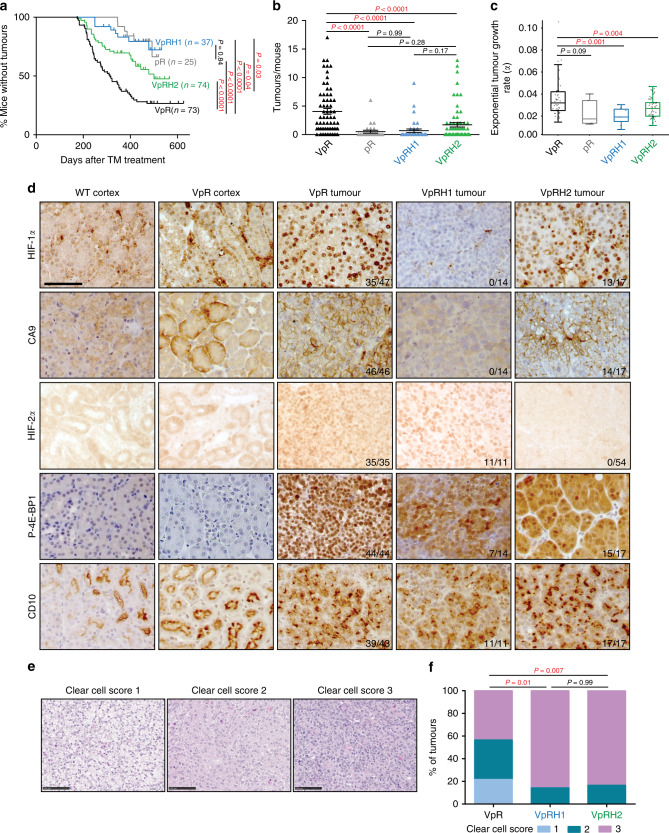
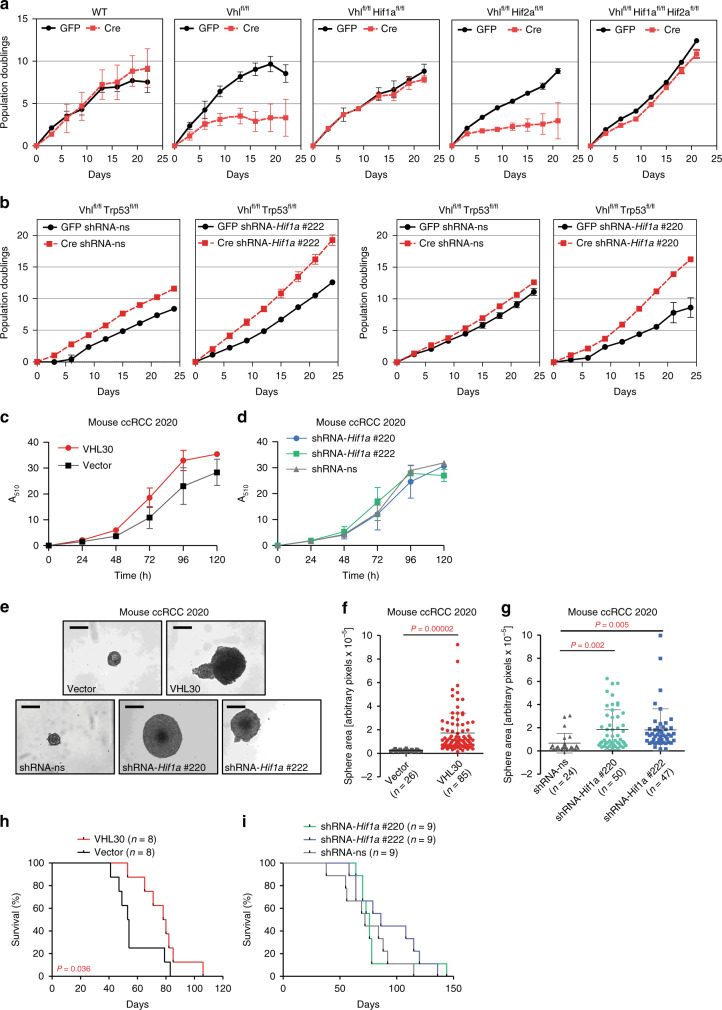
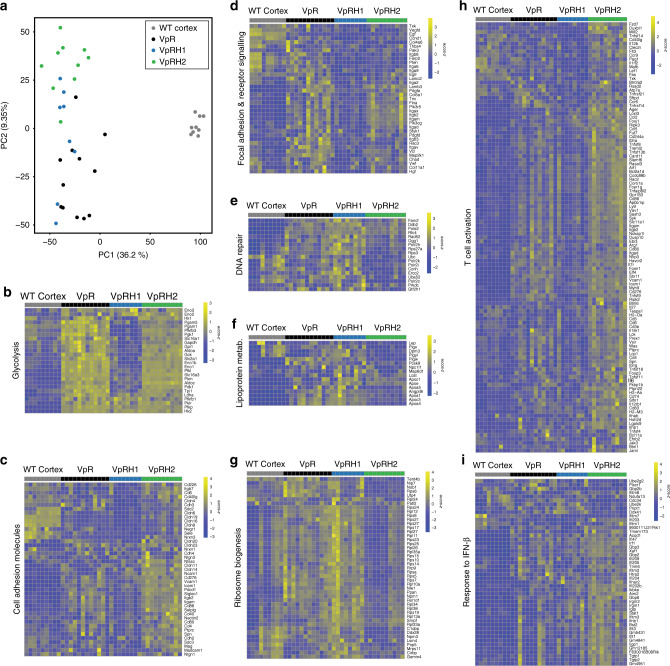
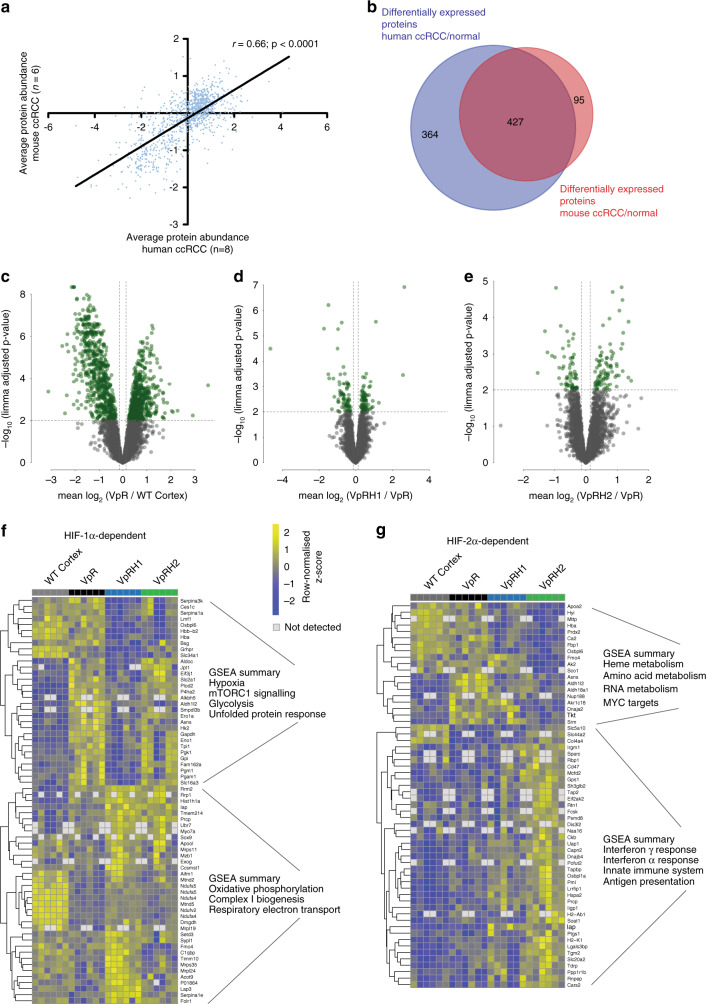
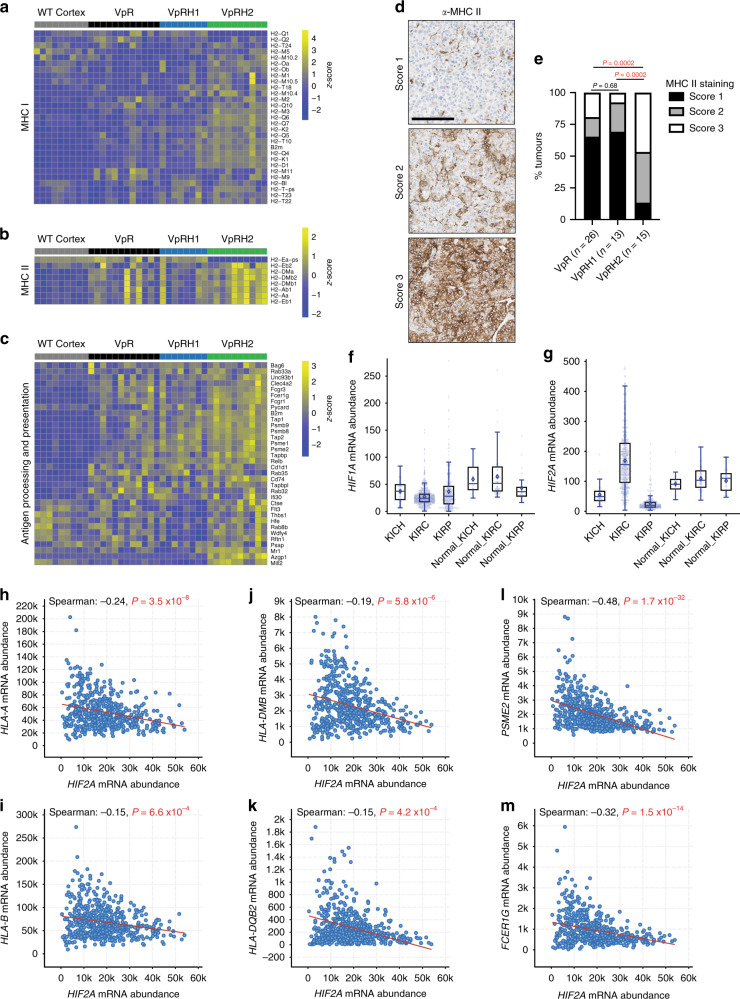
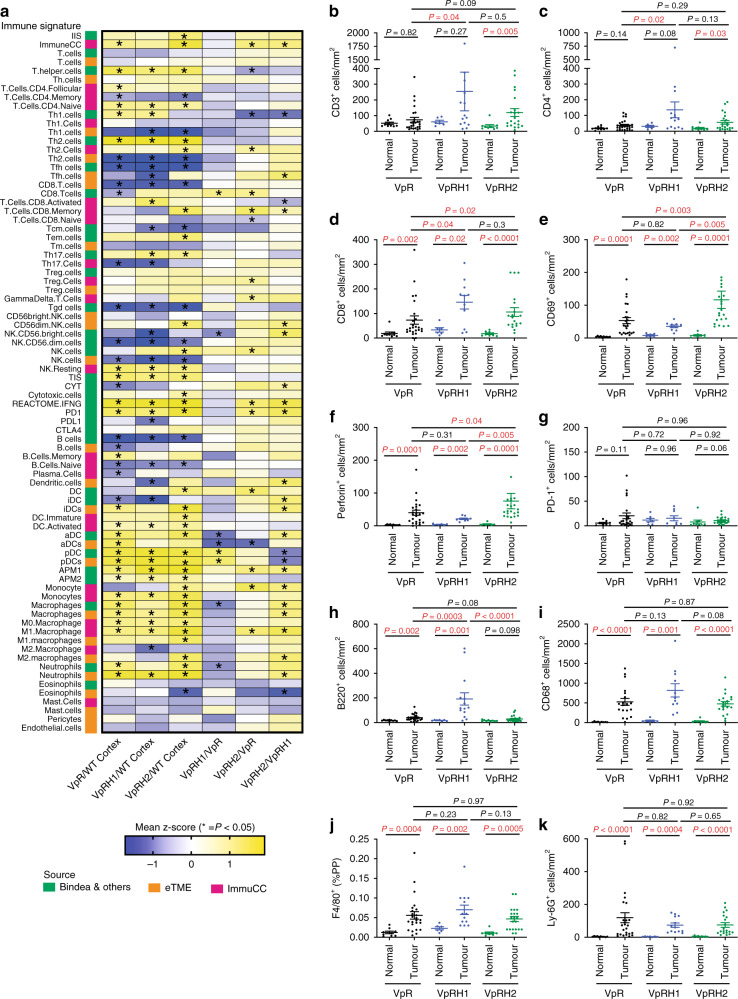
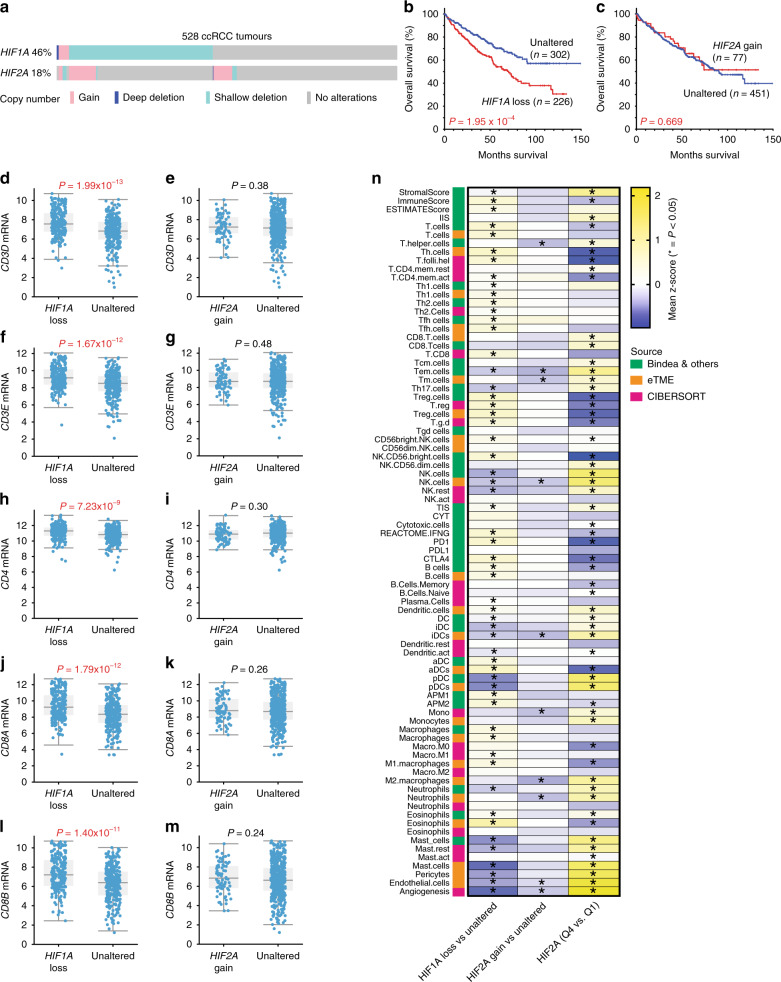
Mutational inactivation of VHL is the earliest genetic event in the majority of clear cell renal cell carcinomas (ccRCC), leading to accumulation of the HIF-1α and HIF-2α transcription factors. While correlative studies of human ccRCC and functional studies using human ccRCC cell lines have implicated HIF-1α as an inhibitor and HIF-2α as a promoter of aggressive tumour behaviours, their roles in tumour onset have not been functionally addressed. Herein we show using an autochthonous ccRCC model that Hif1a is essential for tumour formation whereas Hif2a deletion has only minor effects on tumour initiation and growth. Both HIF-1α and HIF-2α are required for the clear cell phenotype. Transcriptomic and proteomic analyses reveal that HIF-1α regulates glycolysis while HIF-2α regulates genes associated with lipoprotein metabolism, ribosome biogenesis and E2F and MYC transcriptional activities. HIF-2α-deficient tumours are characterised by increased antigen presentation, interferon signalling and CD8 + T cell infiltration and activation. Single copy loss of HIF1A or high levels of HIF2A mRNA expression correlate with altered immune microenvironments in human ccRCC. These studies reveal an oncogenic role of HIF-1α in ccRCC initiation and suggest that alterations in the balance of HIF-1α and HIF-2α activities can affect different aspects of ccRCC biology and disease aggressiveness.
Overview
The claims and statistics of this paper haven’t been checked yet.
Free: it reads the open-access text and checks the first 5 claims that cite a source we can check. Create a free account to check every claim.
Integrity signals
Registry
Cites
Statistics
Figures
Verification
Claims the paper makes
The claims and statistics of this paper haven’t been checked yet.
Free: it reads the open-access text and checks the first 5 claims that cite a source we can check. Create a free account to check every claim.
Claims other papers make about this one
Each is checked against this paper’s own text: does it say what the citing paper says it does?
The source backs part of the claim, not all of it — or backs it for a different population, condition or comparison.
In the citing paper
“Furthermore, although loss of chromosome 14q spanning the HIF1A locus occurs frequently in RCC, recent studies suggest that HIF1A may not be the target of 14q deletion, challenging the notion of HIF-1α as a tumor suppressor in ccRCC [30,31].”
From Revisiting the HIF switch in the tumor and its immune microenvironment. (2022) · cites this paper as [31]
Experimental — accuracy not yet measured
Self-check
Percentages, sums and reported differences re-computed from the paper’s own numbers.
The self-check needs the paper’s full text.
Citations
Cites
1 retracted
RETRACTED: Acriflavine inhibits HIF-1 dimerization, tumor growth, and vascularization
Lee, K., Zhang, H., Qian, D. Z., Rey, S., Liu, J. O., & Semenza, G. L. (2009) · Proceedings of the National Academy of Sciences · doi:10.1073/pnas.0909353106 · Cited by 451
RetractedModerated estimation of fold change and dispersion for RNA-seq data with DESeq2
Love, M. I., Huber, W., & Anders, S. (2014) · Genome Biology · doi:10.1186/s13059-014-0550-8 · Cited by 95,106
Bray, F., Ferlay, J., Soerjomataram, I., Siegel, R. L., Torre, L. A., & Jemal, A. (2018) · CA: A Cancer Journal for Clinicians · doi:10.3322/caac.21492 · Cited by 84,109
Trimmomatic: a flexible trimmer for Illumina sequence data
Bolger, A. M., Lohse, M., & Usadel, B. (2014) · Bioinformatics · doi:10.1093/bioinformatics/btu170 · Cited by 65,548
Subramanian, A., Tamayo, P., Mootha, V. K., Mukherjee, S., Ebert, B. L., Gillette, M. A., Paulovich, A., Pomeroy, S. L., Golub, T. R., Lander, E. S., et al. (2005) · Proceedings of the National Academy of Sciences · doi:10.1073/pnas.0506580102 · Cited by 53,625
STAR: ultrafast universal RNA-seq aligner
Dobin, A., Davis, C. A., Schlesinger, F., Drenkow, J., Zaleski, C., Jha, S., Batut, P., Chaisson, M., & Gingeras, T. R. (2013) · Bioinformatics · doi:10.1093/bioinformatics/bts635 · Cited by 51,709
Gene Ontology: tool for the unification of biology
Ashburner, M., Ball, C. A., Blake, J. A., Botstein, D., Butler, H., Cherry, J. M., Davis, A. P., Dolinski, K., Dwight, S. S., Eppig, J. T., et al. (2000) · Nature Genetics · doi:10.1038/75556 · Cited by 43,206
Cerami, E., Gao, J., Dogrusoz, U., Gross, B. E., Sumer, S. O., Aksoy, B. A., Jacobsen, A., Byrne, C. J., Heuer, M. L., Larsson, E., et al. (2012) · Cancer Discovery · doi:10.1158/2159-8290.cd-12-0095 · Cited by 17,455
Integrative Analysis of Complex Cancer Genomics and Clinical Profiles Using the cBioPortal
Gao, J., Aksoy, B. A., Dogrusoz, U., Dresdner, G., Gross, B., Sumer, S. O., Sun, Y., Jacobsen, A., Sinha, R., Larsson, E., et al. (2013) · Science Signaling · doi:10.1126/scisignal.2004088 · Cited by 15,160
Robust enumeration of cell subsets from tissue expression profiles
Newman, A. M., Liu, C. L., Green, M. R., Gentles, A. J., Feng, W., Xu, Y., Hoang, C. D., Diehn, M., & Alizadeh, A. A. (2015) · Nature Methods · doi:10.1038/nmeth.3337 · Cited by 13,224
Cited by
Hypoxic microenvironment in cancer: molecular mechanisms and therapeutic interventions
Chen, Z., Han, F., Du, Y., Shi, H., & Zhou, W. (2023) · Signal Transduction and Targeted Therapy · doi:10.1038/s41392-023-01332-8 · Cited by 1,612
“HIF-1α is the main transcription factor that promotes Warburg-like metabolism.131,133,150 HIF1α stimulates various enzymes such as glycolysis regulator phosphoglycerate mutase 1 (PGAM1), pyruvate kinase M (PKM), recombinant phosphoglycerate kinase 1 (PGK1), lactate dehydrogenase A (LDHA), lactate dehydrogenase C (LDHC…”
BackgroundInfluentialMetabolomics in cancer research and emerging applications in clinical oncology
Schmidt, D. R., Patel, R., Kirsch, D. G., Lewis, C. A., Vander Heiden, M. G., & Locasale, J. W. (2021) · CA: A Cancer Journal for Clinicians · doi:10.3322/caac.21670 · Cited by 648
Therapeutic targeting of the hypoxic tumour microenvironment
Singleton, D. C., Macann, A., & Wilson, W. R. (2021) · Nature Reviews Clinical Oncology · doi:10.1038/s41571-021-00539-4 · Cited by 484
Redox regulation: mechanisms, biology and therapeutic targets in diseases
Li, B., Ming, H., Qin, S., Nice, E. C., Dong, J., Du, Z., & Huang, C. (2025) · Signal Transduction and Targeted Therapy · doi:10.1038/s41392-024-02095-6 · Cited by 317
Revisiting the HIF switch in the tumor and its immune microenvironment.
Cowman, S. J., & Koh, M. Y. (2022) · Trends in Cancer · doi:10.1016/j.trecan.2021.10.004 · Cited by 256
Hypoxia inducible factor-1α drives cancer resistance to cuproptosis
Yang, Z., Su, W., Wei, X., Pan, Y., Xing, M., Niu, L., Feng, B., Kong, W., Ren, X., Huang, F., et al. (2025) · Cancer Cell · doi:10.1016/j.ccell.2025.02.015 · Cited by 181
di Meo, N. A., Lasorsa, F., Rutigliano, M., Loizzo, D., Ferro, M., Stella, A., Bizzoca, C., Vincenti, L., Pandolfo, S. D., Autorino, R., et al. (2022) · International Journal of Molecular Sciences · doi:10.3390/ijms232214360 · Cited by 178
Metabolic Regulation of Macrophage Activation
Kolliniati, O., Ieronymaki, E., Vergadi, E., & Tsatsanis, C. (2022) · Journal of Innate Immunity · doi:10.1159/000516780 · Cited by 178
CircBCAR3 accelerates esophageal cancer tumorigenesis and metastasis via sponging miR-27a-3p
Xi, Y., Shen, Y., Wu, D., Zhang, J., Lin, C., Wang, L., Yu, C., Yu, B., & Shen, W. (2022) · Molecular Cancer · doi:10.1186/s12943-022-01615-8 · Cited by 163
“HIF-2α is involved in the transcriptional activity of E2F [55].”
BackgroundTargeting oncogene and non-oncogene addiction to inflame the tumour microenvironment
Petroni, G., Buqué, A., Coussens, L. M., & Galluzzi, L. (2022) · Nature Reviews Drug Discovery · doi:10.1038/s41573-022-00415-5 · Cited by 160
Li, F., Aljahdali, I. A. M., Zhang, R., Nastiuk, K. L., Krolewski, J. J., & Ling, X. (2021) · Journal of Experimental & Clinical Cancer Research · doi:10.1186/s13046-021-02026-1 · Cited by 123
The impact of hypoxia on immune state in cancer
Mortezaee, K., & Majidpoor, J. (2021) · Life Sciences · doi:10.1016/j.lfs.2021.120057 · Cited by 107
Zheng, Q., Li, P., Zhou, X., Qiang, Y., Fan, J., Lin, Y., Chen, Y., Guo, J., Wang, F., Xue, H., et al. (2021) · Theranostics · doi:10.7150/thno.60233 · Cited by 105
“Recent study showed that HIF1α was essential for tumor formation and HIF-1α regulates glycolysis [31], our data further supported the notion that KDM5C partially inhibited the elevated expression of HIF1α- and metabolismrelated genes, which may be caused by loss of VHL.”
ResultMolecular Crosstalk Between MYC and HIF in Cancer
Li, Y., Sun, X.-X., Qian, D. Z., & Dai, M.-S. (2020) · Frontiers in Cell and Developmental Biology · doi:10.3389/fcell.2020.590576 · Cited by 89
“…HIF-2α deletion leads to both CD4+ and CD8+ T-cell infiltration and activation as well as increased antigen presentation and interferon signaling in mouse ccRCC models, suggesting a role for HIF-2α in suppressing T-cell inflammation and intratumoral immune activation (Hoefflin et al., 2020).”
BackgroundThe renal lineage factor PAX8 controls oncogenic signalling in kidney cancer
Patel, S. A., Hirosue, S., Rodrigues, P., Vojtasova, E., Richardson, E. K., Ge, J., Syafruddin, S. E., Speed, A., Papachristou, E. K., Baker, D., et al. (2022) · Nature · doi:10.1038/s41586-022-04809-8 · Cited by 98
Von Hippel–Lindau protein signalling in clear cell renal cell carcinoma
Liao, C., Hu, L., & Zhang, Q. H. (2024) · Nature Reviews Urology · doi:10.1038/s41585-024-00876-w · Cited by 101
“However, data from a study in an autoch-thonous ccRCC mouse model did not confirm this evidence, and suggest that HIF1α might be essential for ccRCC initiation 30 .”
Qi, X., Li, Q., Che, X., Wang, Q., & Wu, G. (2021) · Frontiers in Oncology · doi:10.3389/fonc.2021.727778 · Cited by 97
Davis, L., Recktenwald, M., Hutt, E., Fuller, S., Briggs, M., Goel, A., & Daringer, N. (2022) · Cancers · doi:10.3390/cancers14051259 · Cited by 83
The Role of Hypoxia-Inducible Factor-1 Alpha in Renal Disease
Liu, H., Li, Y., & Xiong, J. (2022) · Molecules · doi:10.3390/molecules27217318 · Cited by 83
“Researches have determined HIF-1α to be an inhibitor and HIF-2α a promoter of aggressive tumor behaviors [25].”
BackgroundMissiaen, R., Lesner, N. P., & Simon, M. C. (2023) · The EMBO Journal · doi:10.15252/embj.2022112067 · Cited by 83
“Moreover, biallelic VHL inactivation is present in a vast majority of cases of clear cell renal cell carcinoma (ccRCC; Qiu et al , 2016; Hoefflin et al , 2020).”
Hypoxia in Aging and Aging-Related Diseases: Mechanism and Therapeutic Strategies
Wei, Y., Giunta, S., & Xia, S. (2022) · International Journal of Molecular Sciences · doi:10.3390/ijms23158165 · Cited by 81
“At the same time, chronic low-grade inflammation (inflamm-aging) conditions the abnormal activation of transcription factors, which leads to changes in the balance of growth factors, chemokines, cytokines, and ROS, resulting in inflammation and cancer [38].”
BackgroundPotential Role of Selenium in the Treatment of Cancer and Viral Infections
Rataan, A. O., Geary, S. M., Zakharia, Y., Rustum, Y. M., & Salem, A. K. (2022) · International Journal of Molecular Sciences · doi:10.3390/ijms23042215 · Cited by 82
“Functionally, HIF-1α is reported to regulate glycolysis, whilst HIF-2α regulates genes associated with lipoprotein metabolism and is predominately involved in late stages of cancer [36].”
BackgroundZhou, L., Luo, Y., Liu, Y., Zeng, Y., Tong, J., Li, M., Hou, Y., Du, K., Qi, Y., Pan, W., et al. (2023) · Cancer Research · doi:10.1158/0008-5472.can-23-0969 · Cited by 73
“Consistent with previous reports (26 – 28), VHL absence existed in most of ccRCC, but the HIF1 a expression was slightly lower in the RCC tissues than the normal kidney tissues; the HIF2 a expression was signi fi cantly higher in the RCC tissues than the normal tissues (Supplementary Fig.”
Glycolysis‐Related Genes Serve as Potential Prognostic Biomarkers in Clear Cell Renal Cell Carcinoma
Zhang, Y., Chen, M., Liu, M., Xu, Y., & Wu, G. (2021) · Oxidative Medicine and Cellular Longevity · doi:10.1155/2021/6699808 · Cited by 72
Hypoxia as a Modulator of Inflammation and Immune Response in Cancer
Castillo‐Rodríguez, R. A., Trejo‐Solís, C., Cabrera‐Cano, A., Gómez‐Manzo, S., & Dávila‐Borja, V. M. (2022) · Cancers · doi:10.3390/cancers14092291 · Cited by 82
“This would suggest that HIF-2α is also a repressor of the anti-tumoral immune response, even independently of hypoxia or HIF-1α [42] (Figure 2a).”
BackgroundISCA2 inhibition decreases HIF and induces ferroptosis in clear cell renal carcinoma
Green, Y. S., Ferreira dos Santos, M. C., Fuja, D. G., Reichert, E. C., Campos, A. R., Cowman, S. J., Acuña Pilarte, K., Kohan, J., Tripp, S. R., Leibold, E. A., et al. (2022) · Oncogene · doi:10.1038/s41388-022-02460-1 · Cited by 69
Hypoxia and Extracellular Acidification as Drivers of Melanoma Progression and Drug Resistance
Dratkiewicz, E., Simiczyjew, A., Mazurkiewicz, J., Ziętek, M., Matkowski, R., & Nowak, D. (2021) · Cells · doi:10.3390/cells10040862 · Cited by 76
“Interestingly, it was also shown that HIF-2α-deficient tumors exhibit increased interferon-based signaling, antigen presentation, as well as CD8+ T cell infiltration and activation [33].”
BackgroundLiu, R., Feng, Y., Deng, Y., Zou, Z., Ye, J., Cai, Z., Zhu, X., Liang, Y., Lü, J., Zhang, H., et al. (2021) · Journal of Experimental & Clinical Cancer Research · doi:10.1186/s13046-021-01996-6 · Cited by 64
“This has promoted the development of HIF2α-specific inhibitors, which exhibit exceptional targeting effects in ccRCC xenograft models and show efficacy in a subset of patient-derived xenograft models and clinical responses in some phase I clinical trials [5].”
BackgroundInflammatory Networks in Renal Cell Carcinoma
Kruk, L., Mamtimin, M., Braun, A., Anders, H., Andrassy, J., Gudermann, T. W., & Mammadova‐Bach, E. (2023) · Cancers · doi:10.3390/cancers15082212 · Cited by 64
“A recent study based on the introduction of floxed alleles of HIF1α and HIF2α into an autochthonous mouse model of ccRCC challenged this concept [51].”
BackgroundInfluentialHuang, B., Ren, J., Ma, Q., Yang, F., Pan, X., Zhang, Y., Liu, Y., Wang, C., Zhang, D., Wei, L., et al. (2024) · Molecular Cancer · doi:10.1186/s12943-024-01940-0 · Cited by 61
“Moreover, previous studies have reported that HIF-1A functions as a tumor suppressor in ccRCC, whereas HIF-2A has been implicated as an oncoprotein in ccRCC [20].”
BackgroundBurgers, F. H., van der Mijn, J. C., Seijkens, T. T. P., Jedema, I., Bex, A., & Haanen, J. B. A. G. (2025) · Nature Reviews Nephrology · doi:10.1038/s41581-025-00983-w · Cited by 60
Roles of ferroptosis in urologic malignancies
Zhao, S., Li, P., Wu, W., Wang, Q., Qian, B., Li, X., & Shen, M. (2021) · Cancer Cell International · doi:10.1186/s12935-021-02264-5 · Cited by 54
“According to a number of studies, HIF-2α could regulate lipid metabolism and play a pro-tumorigenic role in the development of ccRCC [72].”
BackgroundZhang, S., Fang, T., He, Y., Feng, W., Yu, Z., Zheng, Y., Zhang, C., Hu, S., Liu, Z., Liu, J., et al. (2024) · EBioMedicine · doi:10.1016/j.ebiom.2024.105070 · Cited by 49
“As the most common mutation of ccRCC, tumor suppressor VHL mutation induces constitutive stabilization of HIFα (11,12),”
The impact of hypoxia on tumor-mediated bypassing anti-PD-(L)1 therapy
Mortezaee, K., Majidpoor, J., & Kharazinejad, E. (2023) · Biomedicine & Pharmacotherapy · doi:10.1016/j.biopha.2023.114646 · Cited by 48
Gluba-Brzózka, A., Rysz, J., Ławiński, J., & Franczyk, B. (2022) · International Journal of Molecular Sciences · doi:10.3390/ijms23063404 · Cited by 56
“HIF-1α was suggested to inhibit the aggressive behaviour of the tumour, while HIF-2α appeared to be the main pro-tumourigenic factor in ccRCCs. Hypoxia-inducible factor-1α (HIF-1α), which controls glycolysis and pyruvate metabolism, triggers the expression of diverse genes regulating metabolic pathways, angiogenesis,…”
BackgroundInfluentialHypoxia-inducible factor underlies von Hippel-Lindau disease stigmata
Ohh, M., Taber, C. C., Ferens, F. G., & Tarade, D. (2022) · eLife · doi:10.7554/elife.80774 · Cited by 45
Faes, S., Demartines, N., & Dormond, O. (2021) · Frontiers in Cell and Developmental Biology · doi:10.3389/fcell.2021.636037 · Cited by 41
NADPH Oxidase 4: A Potential Therapeutic Target of Malignancy
Gong, S., Wang, S., & Shao, M. (2022) · Frontiers in Cell and Developmental Biology · doi:10.3389/fcell.2022.884412 · Cited by 43
“Precious study has revealed that NOX4 expression in RCC tissues mediates the expression and activity of hypoxia-inducible factor 2α (HIF2α), a crucial transcriptional factor of tumor glycolysis and various malignant behavior, to support renal tumorigenesis (Maranchie and Zhan, 2005; Hoefflin et al., 2020; Singhal et a…”
BackgroundAdjuvant therapy options in renal cell carcinoma — targeting the metastatic cascade
Fitzgerald, K. N., Motzer, R. J., & Lee, C. (2022) · Nature Reviews Urology · doi:10.1038/s41585-022-00666-2 · Cited by 42
Understanding the Tumor Immune Microenvironment in Renal Cell Carcinoma
Shapiro, D. D., Dolan, B. K., Laklouk, I. A., Rassi, S., Ložar, T., Emamekhoo, H., Wentland, A. L., Lubner, M. G., & Abel, E. J. (2023) · Cancers · doi:10.3390/cancers15092500 · Cited by 41
“HIF proteins also impact the tumor immune microenvironment [77].”
BackgroundWu, C., Xu, T., Zhang, H., Hu, Y., Jiao, J., Qiu, K. L., Gu, J. L., Li, W., & Sun, L. (2025) · Cancer Letters · doi:10.1016/j.canlet.2025.217913 · Cited by 41
Rappold, P. M., Vuong, L. H., Leibold, J., Chakiryan, N. H., Curry, M., Kuo, F., Sabio, E. Y., Jiang, H., Nixon, B. G., Liu, M., et al. (2022) · Cancer Discovery · doi:10.1158/2159-8290.cd-21-0925 · Cited by 38
“Encouragingly the genomically-matched KVpR autochthonous mouse model has a similar transcriptomic and immune profile(65) supporting that key aspects of the tumorigenesis process in our implantation model may be conserved.”
BackgroundSelf-citationThe role of HIF in angiogenesis, lymphangiogenesis, and tumor microenvironment in urological cancers
Shen, L., Chai, Y., Zheng, X., & Xu, X. (2023) · Molecular Biology Reports · doi:10.1007/s11033-023-08931-2 · Cited by 37
“Hoefflin et al. demonstrated that HIF-1α exerted an indispensable effect on the formation of VHL mutant ccRCC mouse model, and deletion of HIF-2α exerted little impact on tumor onset [ 31].”
BackgroundYu, S., Su, S., Wang, P., Li, J., Chen, C., Xin, H., Gong, Y., Wang, H., Ye, X., Mao, L., et al. (2024) · Cancer Letters · doi:10.1016/j.canlet.2024.216872 · Cited by 39
Self-citationTumor-infiltrating B cells: Their dual mechanistic roles in the tumor microenvironment
Xue, D., Hu, S., Zheng, R., Luo, H., & Ren, X. (2024) · Biomedicine & Pharmacotherapy · doi:10.1016/j.biopha.2024.117436 · Cited by 39
Metabolic signatures of immune cells in chronic kidney disease
Li, J., Yang, Y., Wang, Y., Li, Q., & He, F. (2022) · Expert Reviews in Molecular Medicine · doi:10.1017/erm.2022.35 · Cited by 36
Xu, N., Xiao, W., Meng, X., Li, W., Wang, X., Zhang, X., & Yang, H. (2022) · Cell Death Discovery · doi:10.1038/s41420-022-01145-8 · Cited by 35
“The antibodies used for western blots were: SLC27A2(1:2000; Abclonal, A1077), CDK3 (1:4000; Proteintech, 55103-1-AP), N-Cadherin (1:2000; Abclonal, A0433), E-Cadherin Rabbit (1:1000; Abclonal, A11509), Vimentin (1:2000; Abclonal, A11952), Snail (1:2000; Abclonal, A5243), and β-Actin (1:200000; Abclonal, AC026) [25].”
Copper Drives Remodeling of Metabolic State and Progression of Clear Cell Renal Cell Carcinoma
Bischoff, M. E., Shamsaei, B., Yang, J., Secic, D., Vemuri, B., Reisz, J. A., D’Alessandro, A., Bartolacci, C., Adamczak, R., Schmidt, L. P. H., et al. (2024) · Cancer Discovery · doi:10.1158/2159-8290.cd-24-0187 · Cited by 35
“In contrast, RCC4 cells express both HIF α s. Loss of HIF1 α is an event associated with the advancement of ccRCC (26, 27).”
Qi, X. (2022) · American Journal of Cancer Research · doi:10.62347/etjh6697 · Cited by 34
VHL suppresses autophagy and tumor growth through PHD1-dependent Beclin1 hydroxylation
Wang, Z., Yan, M., Ye, L., Zhou, Q., Duan, Y., Jiang, H., Wang, L., Ouyang, Y., Zhang, H., Shen, Y., et al. (2024) · The EMBO Journal · doi:10.1038/s44318-024-00051-2 · Cited by 37
Ki, M., Kim, D. H., Abdelhamid, M. A. A., & Pack, S. P. (2025) · Biosensors · doi:10.3390/bios15110737 · Cited by 35
Anti-Cancer Activity of Phytochemicals Targeting Hypoxia-Inducible Factor-1 Alpha
Yun, B. D., Son, S. W., Choi, S. Y., Kuh, H. J., Oh, T., & Park, J. K. (2021) · International Journal of Molecular Sciences · doi:10.3390/ijms22189819 · Cited by 35
Xu, X., Li, H., Tong, B., Zhang, W., Wang, X., Wang, Y., Tian, G., Xu, Z., & Zhang, G. (2024) · Advanced Healthcare Materials · doi:10.1002/adhm.202400204 · Cited by 32
Chen, Y., Jin, Y., Hu, X., & Chen, M. (2022) · Journal of Cancer Research and Clinical Oncology · doi:10.1007/s00432-021-03895-x · Cited by 33
Precision Medicine: An Optimal Approach to Patient Care in Renal Cell Carcinoma
Sharma, R., Kannourakis, G., Prithviraj, P., & Ahmed, N. (2022) · Frontiers in Medicine · doi:10.3389/fmed.2022.766869 · Cited by 36
Arora, L., Patra, D., Roy, S., Nanda, S., Singh, N., Verma, A. K., Chakraborti, A., Dasgupta, S., & Pal, D. (2024) · Molecular Oncology · doi:10.1002/1878-0261.13260 · Cited by 30
HIF-2α-induced upregulation of CD36 promotes the development of ccRCC
Liao, M., Li, Y., Xiao, A., Lu, Q., Zeng, H., Qin, H., Zheng, E., Luo, X., Chen, L., Ruan, X. Z., et al. (2022) · Experimental Cell Research · doi:10.1016/j.yexcr.2022.113389 · Cited by 29
Liu, X., Wang, X., Zhang, J., Tian, T., Ning, Y., Chen, Y., Li, G., & Cui, Z. (2024) · International Immunopharmacology · doi:10.1016/j.intimp.2024.112876 · Cited by 28
Kimura, K., Jackson, T. L. B., & Huang, R. C. C. (2023) · Current Issues in Molecular Biology · doi:10.3390/cimb45110580 · Cited by 30
van der Mijn, J. C., Chen, Q., Laursen, K. B., Khani, F., Wang, X., Dorsaint, P., Sboner, A., Gross, S. S., Nanus, D. M., & Gudas, L. J. (2022) · Molecular Carcinogenesis · doi:10.1002/mc.23437 · Cited by 28
“Accordingly, loss or mutation of VHL leads to increases in HIF1α and HIF2α proteins, and the formation of ccRCC precursor lesions results primarily from HIF1α activation.(5,6) HIF1α protein levels”
BackgroundNeurological applications of belzutifan in von Hippel-Lindau disease
Zhang, Y., Nguyen, C. C., Zhang, N., Fink, N. S., John, J. D., Venkatesh, O., Roe, J., Hoffman, S. C., Lesniak, M. S., Wolinsky, J., et al. (2022) · Neuro-Oncology · doi:10.1093/neuonc/noac234 · Cited by 26
Suzuki, H., Iwamoto, H., Seki, T., Nakamura, T., Masuda, A., Sakaue, T., Tanaka, T., Imamura, Y., Niizeki, T., Nakano, M., et al. (2023) · 癌症:英文版 · doi:10.1002/cac2.12411 · Cited by 26
“Concerning these contrasting findings, we thought that tumor cells acquired resistance to antiangiogenic TKIs through severe hypoxia in theTMEand escaped this condition by elevation in the expression of IGFBP-1 as the downstream protein of HIF-1α and -2α signaling [24, 37, 38].”
BackgroundBrugarolas, J., Obara, G., Beckermann, K. E., Rini, B., Lam, E. T., Hamilton, J., Schluep, T., Yi, M., Wong, S., Mao, Z. L., et al. (2024) · Clinical Cancer Research · doi:10.1158/1078-0432.ccr-23-3029 · Cited by 25
Yao, W., Lin, Y., Weng, Y., Wu, Y., Zheng, L., Zheng, D., Xi, Q., & Zhao, J. (2025) · Advanced Science · doi:10.1002/advs.202507666 · Cited by 31
Metabolic reprogramming by miRNAs in the tumor microenvironment: Focused on immunometabolism
Alshahrani, S. H., Ibrahim, Y. S., Jalil, A. T., Altoum, A. A., Achmad, H., Zabibah, R. S., Gabr, G. A., Ramírez‐Coronel, A. A., Alameri, A. A., Qasim, Q. A., et al. (2022) · Frontiers in Oncology · doi:10.3389/fonc.2022.1042196 · Cited by 25
E-box binding transcription factors in cancer
Pan, Y., van der Watt, P. J., & Kay, S. A. (2023) · Frontiers in Oncology · doi:10.3389/fonc.2023.1223208 · Cited by 25
Xiong, L., Zhang, Y., Wang, J., Yu, M., Huang, L., Hou, Y., Li, G., Wang, L., & Li, Y. (2024) · European Journal of Medicinal Chemistry · doi:10.1016/j.ejmech.2024.116158 · Cited by 25
Grigoraş, A., & Amălinei, C. (2025) · Cancers · doi:10.3390/cancers17071077 · Cited by 25
Molecular and Metabolic Subtypes in Sporadic and Inherited Clear Cell Renal Cell Carcinoma
Czyzyk-Krzeska, M., Figueroa, J. A. L., Gulati, S., Cunningham, J. T., Meller, J., Shamsaei, B., Vemuri, B., & Plas, D. R. (2021) · Genes · doi:10.3390/genes12030388 · Cited by 23
“Moreover, both HIFs are important for the immune reprogramming of the tumors [5].”
BackgroundKim, I.-H., & Lee, H. J. (2022) · Biomedicines · doi:10.3390/biomedicines10020251 · Cited by 23
“These studies suggested that HIF-2α plays a major pro-tumorigenic role in human ccRCCs, whereas HIF-1α appears to function rather to inhibit aggressive tumor behavior [100].”
BackgroundAnti-hypoxia nanosized drug delivery systems improving cancer therapy
Yan, W., Lang, T., Zhu, R., Zhu, X. G., Yu, H., Wu, T., Yin, Q., & Li, Y. (2022) · Nano Today · doi:10.1016/j.nantod.2022.101376 · Cited by 23
Zhou, Y., Wei, X., Ji, C., Ren, X., Su, W. C., Wang, Y., Zhou, J., Zhao, Z., Zhou, P., Zhao, K., et al. (2023) · iScience · doi:10.1016/j.isci.2023.108148 · Cited by 23
HIF2α Promotes Cancer Metastasis through TCF7L2-Dependent Fatty Acid Synthesis in ccRCC
Shi, J., Lv, Q., Miao, D., Xiong, Z., Wei, Z., Wu, S., Tan, D., Wang, K., & Zhang, X. (2024) · Research · doi:10.34133/research.0322 · Cited by 29
“However, while HIF1 α inhibits the progression of ccRCC [5], HIF2 α serves as an oncogene primarily by supporting the ccRCC occurrence and development through the transcriptional activation of down-stream genes [6,7].”
BackgroundShi, J., Xiong, Z., Wang, K., Yuan, C., Huang, Y., Xiao, W., Meng, X., Chen, Z., Lv, Q., Miao, D., et al. (2021) · Clinical and Translational Medicine · doi:10.1002/ctm2.592 · Cited by 22
Liu, F., Wang, P., Sun, W., Jiang, Y., & Gong, Q. (2022) · Frontiers in Immunology · doi:10.3389/fimmu.2022.874056 · Cited by 21
HIF2 Inactivation and Tumor Suppression with a Tumor-Directed RNA-Silencing Drug in Mice and Humans
Ma, Y., Joyce, A., Brandenburg, O., Saatchi, F., Stevens, C., Tcheuyap, V. T., Christie, A. L., Do, Q. N., Fatunde, O., Macchiaroli, A., et al. (2022) · Clinical Cancer Research · doi:10.1158/1078-0432.ccr-22-0963 · Cited by 21
Zhang, Y., Song, Y., Ren, S., Zhang, M., Zhang, Z., Fan, S., Liu, X., Peng, X., Qi, Q., Shen, X., et al. (2022) · Oncogene · doi:10.1038/s41388-022-02506-4 · Cited by 21
Roxadustat: Do we know all the answers?
Li, Q., Xiong, Q.-W., Yao, X., Liu, F., Tang, X., Fu, H., Tong, T., Mao, J., & Peng, W. (2023) · Biomolecules and Biomedicine · doi:10.17305/bb.2022.8437 · Cited by 23
“to tumor onset, while HIF-2α canmediate tumor formation and growth [86].”
BackgroundYue, Y., Tang, Y., Huang, H., Zheng, D., Liu, C., Zhang, H., Liu, Y., Li, Y., Sun, X., & Lu, L. (2023) · Journal of Biological Chemistry · doi:10.1016/j.jbc.2023.104829 · Cited by 21
Genomic and epigenomic integrative subtypes of renal cell carcinoma in a Japanese cohort
Fukagawa, A., Hama, N., Totoki, Y., Nakamura, H. K., Arai, Y., Saito-Adachi, M., Maeshima, A. M., Matsui, Y., Yachida, S., Ushiku, T., et al. (2023) · Nature Communications · doi:10.1038/s41467-023-44159-1 · Cited by 22
Chernyakov, D., Groß, A., Fischer, A., Bornkessel, N., Schultheiß, C., Gerloff, D., & Edemir, B. (2021) · Journal of Experimental & Clinical Cancer Research · doi:10.1186/s13046-021-01982-y · Cited by 21
McDermott, A., & Tavassoli, A. (2024) · Transcription · doi:10.1080/21541264.2024.2417475 · Cited by 21
“Data from The Cancer Genomics Atlas shows that HIF-1α and HIF-2α regulate distinct networks in RCC, both of which are associated with worse overall survival [143,144].”
Sun, Z., Wang, Y., Zheng, C., Xiao, L., Zang, Y., Fang, L., Cui, X., Chang, M., Sun, Q., Li, W., et al. (2025) · Cell Death and Disease · doi:10.1038/s41419-025-07528-w · Cited by 21
“The genetic factor leading to ccRCC is primarily mutation of the VHL gene, resulting in the accumulation of the HIF-1 α and HIF-2 α transcription factors [17, 18].”
The role of lincRNA-p21 in regulating the biology of cancer cells
Huang, Y., Yi, Q., Feng, J., Xie, W., Sun, W., & Sun, W. (2022) · Human Cell · doi:10.1007/s13577-022-00768-4 · Cited by 21
Hypoxia A Typical Target in Human Lung Cancer Therapy
Ullah, A., Shehzadi, S., Ullah, N., Nawaz, T., Iqbal, H., & Aziz, T. (2023) · Current Protein and Peptide Science · doi:10.2174/0113892037252820231114045234 · Cited by 20
Chen, L., Deng, Z., Xiong, Y., Liu, J., Huang, D., Wang, J., Chen, Y., Inuzuka, H., Xie, L., Chen, X., et al. (2025) · Journal of the American Chemical Society · doi:10.1021/jacs.5c06306 · Cited by 18
HIF-1α mediates osteoclast-induced disuse osteoporosis via cytoophidia in the femur of mice
Bie, M., Tang, Y., Xia, Y., Zhang, Q., Tian, Y., Cheng, C., Li, X., Qi, X., & Kang, F. (2022) · Bone · doi:10.1016/j.bone.2022.116648 · Cited by 18
Protze, J., Naas, S., Krüger, R., Stöhr, C., Kraus, A., Grampp, S., Wiesener, M. S., Schiffer, M., Hartmann, A., Wullich, B., et al. (2022) · Journal of Biological Chemistry · doi:10.1016/j.jbc.2022.101699 · Cited by 19
“Correlation with HIF-2 α staining was also signi fi cant but somewhat weaker (Pearson χ 2 -test; p = 0.003, Fig.”
MethodResultInfluentialZhao, D. H., Zheng, S., Wang, X., Liu, H., Zhao, K., Li, L., & Hu, Y. (2022) · Oncogene · doi:10.1038/s41388-022-02234-9 · Cited by 19
“It is also notable that there is 48% primary amino acid sequence identity between HIF-1α and HIF-2α [54].”
BackgroundInfluentialHerrera-Campos, A. B., Zamudio-Martinez, E., Delgado-Bellido, D., Fernández-Cortés, M., Montuenga, L. M., Oliver, F. J., & Garcia-Diaz, A. (2022) · Cancers · doi:10.3390/cancers14112740 · Cited by 17
“Specifically, the role of HIF-1 in the regulation of genes that control angiogenesis has been described, mainly through the overexpression of the vascular endothelial growth factor (VEGF) [6–8], glycolytic metabolism [9–13], tumor proliferation, or the immune microenvironment [11,14].”
BackgroundTargeting CXCR4 impaired T regulatory function through PTEN in renal cancer patients
Santagata, S., Rea, G., Bello, A. M., Capiluongo, A., Napolitano, M., Desicato, S., Fragale, A., D’Alterio, C., Trotta, A. M., Ieranò, C., et al. (2024) · British Journal of Cancer · doi:10.1038/s41416-024-02702-x · Cited by 17
Kidney Cancer and Chronic Kidney Disease: Too Close for Comfort
Caetano-Pinto, P., Rönnau, C., Burchardt, M., & Wolff, I. (2021) · Biomedicines · doi:10.3390/biomedicines9121761 · Cited by 20
“HIF-2α is crucial for tumorigenic activity, and it upregulates proliferation, angiogenesis, and mediates inflammatory responses [14].”
BackgroundInflammatory factors collaboratively link Helicobacter pylori-induced gastritis to gastric cancer
Zhang, M., Su, A., Song, H., Zhang, S., Deng, Y., Jing, W., Guo, J., Zhan, W., Ma, Y., & Hu, M. (2025) · Frontiers in Immunology · doi:10.3389/fimmu.2025.1628543 · Cited by 20
Zhong, L., & Zhong, X. (2021) · Bioengineered · doi:10.1080/21655979.2021.1975019 · Cited by 16
Özçelik, A., Abas, B. İ., Erdoğan, Ö., Cevik, E., & Çevik, Ö. D. (2022) · Biosensors · doi:10.3390/bios12121177 · Cited by 16
“The essential feature of clear cell renal cells carcinoma is the high expression of HIF-1α, which includes both epithelial and mesenchymal characteristics [9].”
BackgroundKong, W., He, J., Zhou, Q., Zhou, X., Wei, X., Yang, Y., Mei, Y., Wang, S., Zhang, X., Yao, B., et al. (2024) · Heliyon · doi:10.1016/j.heliyon.2024.e33554 · Cited by 17
“HIF-1 α is also the dominant glycolysis regulator [49].”
BackgroundHoefflin, R., Harlander, S., Abhari, B. A., Peighambari, A., Adlesic, M., Seidel, P., Zodel, K., Haug, S., Göçmen, B., Li, Y., et al. (2021) · Cancers · doi:10.3390/cancers13194801 · Cited by 16
“5, Visiopharm, Hoersholm, Denmark) as previously described [2,30].”
BackgroundMethodInfluentialSelf-citationATR represents a therapeutic vulnerability in clear cell renal cell carcinoma
Seidel, P., Rubarth, A., Zodel, K., Peighambari, A., Neumann, F., Federkiel, Y., Huang, H., Hoefflin, R., Adlesic, M., Witt, C. C., et al. (2022) · JCI Insight · doi:10.1172/jci.insight.156087 · Cited by 16
“Since the Vhl/Trp53/Rb1 mutant autochthonous mouse ccRCC model is characterized by high infiltration of myeloid lineage cells and relatively low numbers of T cells (51) and given recent reports that ATRi and other DNA-damaging therapies can favorably modulate the tumor immune microenvironment toward an antitumor immun…”
BackgroundMethodInfluentialSelf-citationMulti-level interaction between HIF and AHR transcriptional pathways in kidney carcinoma
Lafleur, V. N., Halim, S., Choudhry, H., Ratcliffe, P. J., & Mole, D. R. (2023) · Life Science Alliance · doi:10.26508/lsa.202201756 · Cited by 17
Histone deacetylases and their inhibitors in kidney diseases
Zheng, Y., Zhang, T., Hao, P.-H., Yang, N., & Du, Y. (2025) · Molecular Therapy · doi:10.1016/j.ymthe.2025.04.026 · Cited by 16
Metadata
- Authors
- Hoefflin, R., Harlander, S., Schäfer, S., Metzger, P., Kuo, F., Schönenberger, D., Adlesic, M., Peighambari, A., Seidel, P., Chen, C.-Y., Consenza-Contreras, M., Jud, A., Lahrmann, B., Grabe, N., Heide, D., Uhl, F. M., Chan, T. A., Duyster, J., Zeiser, R., Schell, C., Heikenwalder, M., Schilling, O., Hakimi, A. A., Boerries, M., & Frew, I. J.
- Affiliations
- University of Freiburg (DE)
- University of Zurich (CH)
- Memorial Sloan Kettering Cancer Center (US)
- Heidelberg University (DE)
- German Cancer Research Center (DE)
- Corresponding author
- Frew, Ian J.
- ORCID
- Venue
- Nature Communications
- Published
- 2020-08-17
- Volume
- 11
- Issue
- 1
- Pages
- 4111-4111
- ISSN
- 2041-1723 (ISSN-L)
- PMC
- PMC7431415
- OpenAlex
- W3049040124
- Cited by
- 292
- References
- 110
- Citations by year
- 2026: 49 · 2025: 56 · 2024: 38 · 2023: 41 · 2022: 61 · 2021: 45 · 2020: 2
- FWCI
- 12.76
- Type
- journal article
- Language
- en
- Open access
- gold
- doi.org
- Licence
- cc-by
- creativecommons.org/licenses/by/4.0 (tdm)
- creativecommons.org/licenses/by/4.0 (vor)
- Locations
- Nature Communications (publishedVersion, cc-by)
- PubMed Central (publishedVersion, cc-by)
- PubMed (publishedVersion)
- RePEc: Research Papers in Economics (submittedVersion)
- DOAJ (DOAJ: Directory of Open Access Journals) (submittedVersion, cc-by-sa)
- Funders
- Else-Kröner-Fresenius Stiftung and Berta-Ottenstein Programme for Clinician Scientists
- Deutsche Forschungsgemeinschaft (CRC 850, SCHI 871/11-1)
- Topics
- Life Sciences › Biochemistry, Genetics and Molecular Biology › Cancer Research › Cancer, Hypoxia, and Metabolism
- Health Sciences › Medicine › Oncology › Renal cell carcinoma treatment
- Life Sciences › Biochemistry, Genetics and Molecular Biology › Cancer Research › Ferroptosis and cancer prognosis
- Keywords
- clear cell renal cell carcinoma, HIF-1α, HIF-2α, VHL inactivation, tumor initiation, tumor growth, tumor inflammation, glycolysis, lipoprotein metabolism, ribosome biogenesis, c-Myc, E2F transcription factors, antigen presentation, interferon signaling, CD8+ T cell infiltration, tumor immune microenvironment, tumor aggressiveness
- MeSH terms
- Endothelial PAS Domain-Containing Protein 1, Animals, Carcinoma, Renal Cell, Humans, Immunohistochemistry, Inflammation, Kidney Neoplasms, Mass Spectrometry, Blotting, Western, Gene Expression Regulation, Neoplastic, 3T3 Cells, Sequence Analysis, RNA, CD8-Positive T-Lymphocytes, Proteomics, Cell Line, Tumor, Cell Proliferation, Mice, Basic Helix-Loop-Helix Transcription Factors, Basic Helix-Loop-Helix Proteins, Hypoxia-Inducible Factor 1, alpha Subunit, Tumor Microenvironment, Real-Time Polymerase Chain Reaction
About these checks
Registry, retraction, Cites and statistics results are computed, not judged, with one exception: a printed reference that no index lists is read once by a model before it counts as a citation error. Claims are extracted by a model and kept only when their quote appears verbatim in the text; each cited source is then checked, with a model’s help, for whether it says what the claim relies on. Those verdicts can be wrong — read the claim’s quote and the cited source before relying on one.
Statistics and arithmetic are recomputed, not judged.
Confidence bands are shown only for fields calibrated on our annotated test set. None is calibrated yet, so no band is shown.
What counts as a claim ›How we measure confidence ›How we check this ›
Are you an author, or do you see a problem with this page? Request a review
Data sources
Bibliographic data: Semantic Scholar, OpenAlex, Crossref.
Contains information from the Semantic Scholar Academic Graph Datasets, made available under the ODC Attribution License (ODC-BY 1.0).
Semantic Scholar’s data is described in: Kinney, R., et al. (2023). The Semantic Scholar Open Data Platform. arXiv:2301.10140.
