

The DOI matches its Crossref record; 91 of the 91 references it cites were found in a registry or an index.
Microfluidic device with brain extracellular matrix promotes structural and functional maturation of human brain organoids
Open accessAbstract
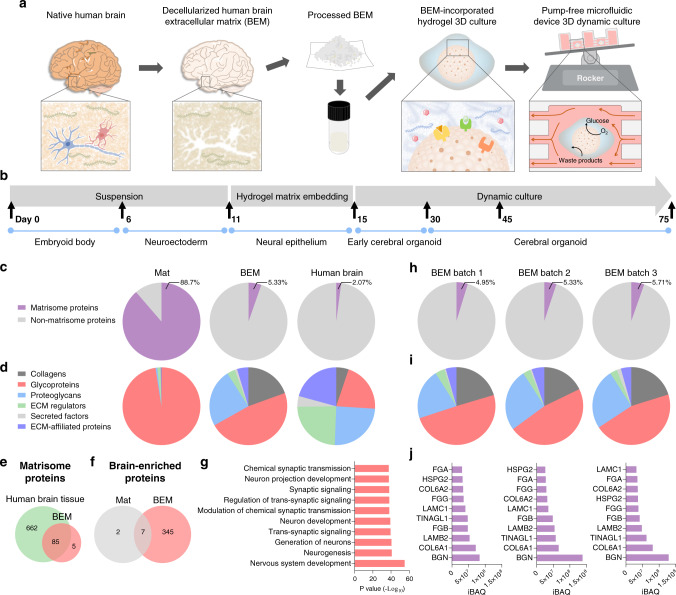
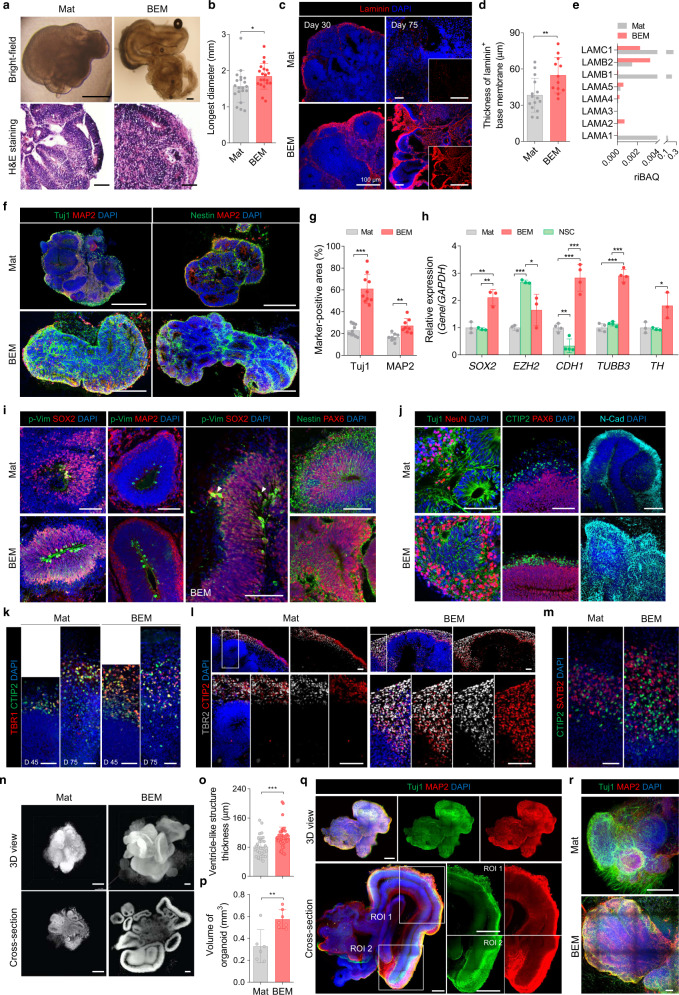
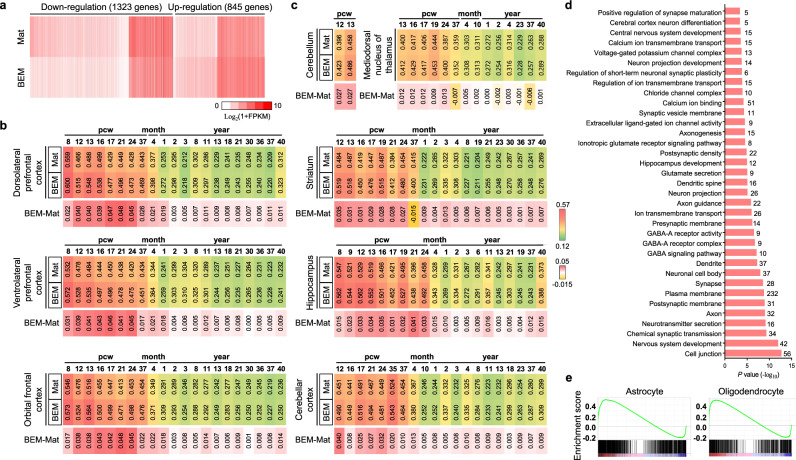
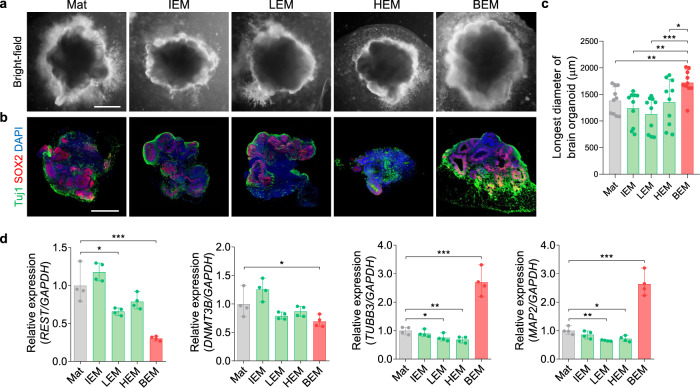
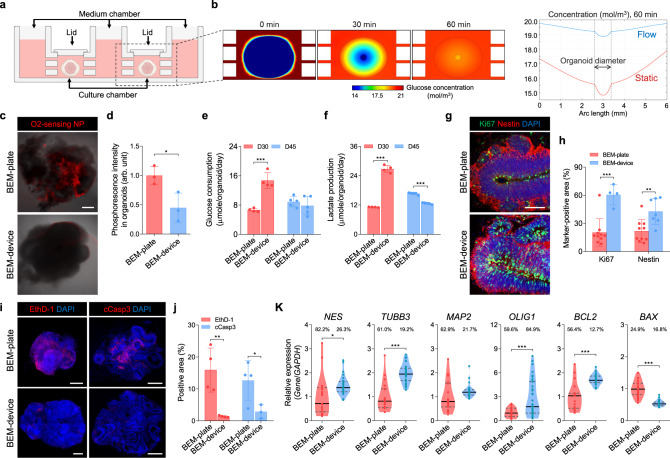
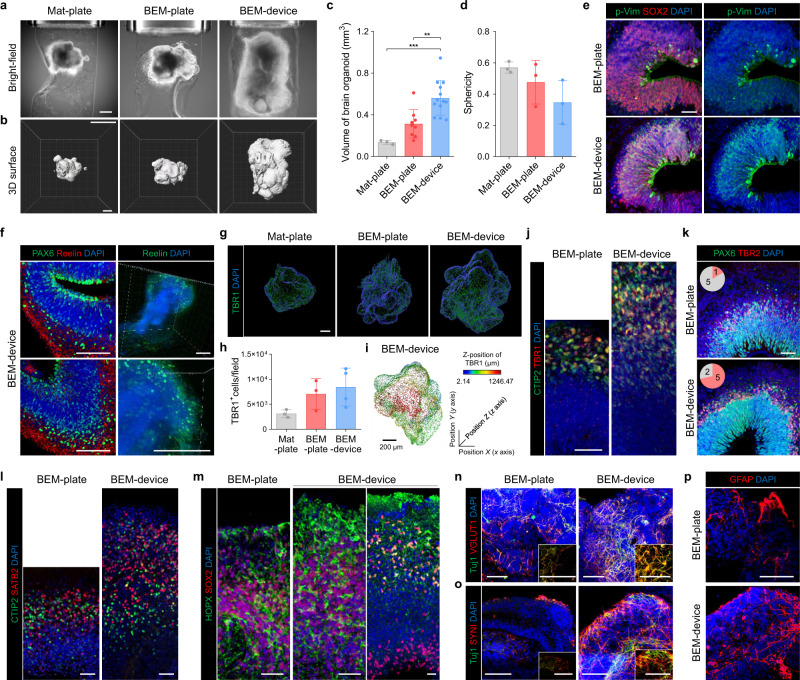
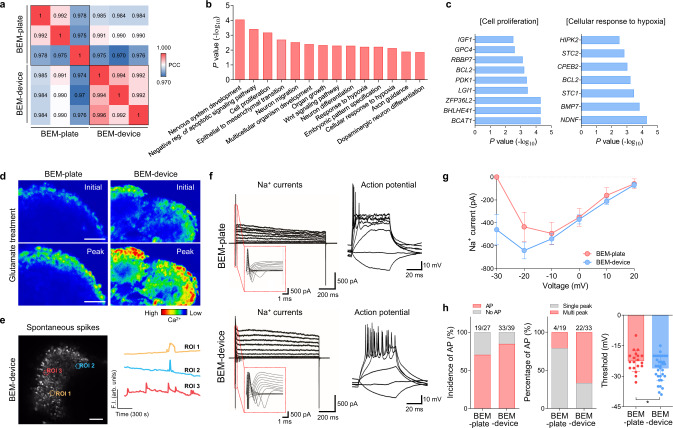
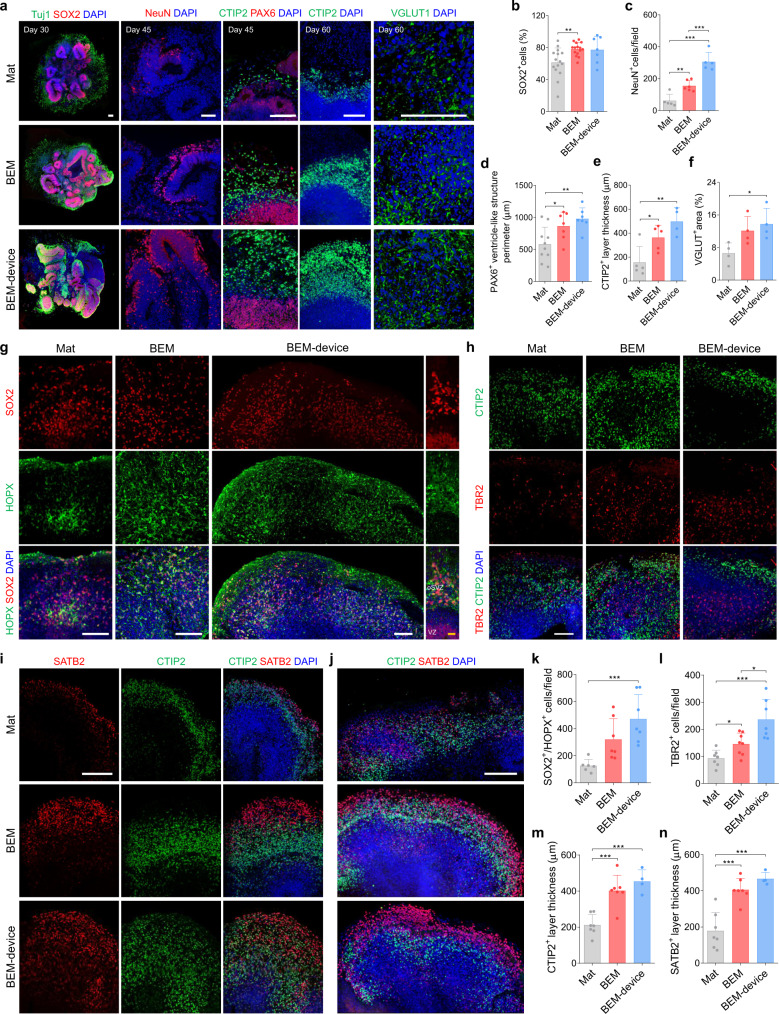
Brain organoids derived from human pluripotent stem cells provide a highly valuable in vitro model to recapitulate human brain development and neurological diseases. However, the current systems for brain organoid culture require further improvement for the reliable production of high-quality organoids. Here, we demonstrate two engineering elements to improve human brain organoid culture, (1) a human brain extracellular matrix to provide brain-specific cues and (2) a microfluidic device with periodic flow to improve the survival and reduce the variability of organoids. A three-dimensional culture modified with brain extracellular matrix significantly enhanced neurogenesis in developing brain organoids from human induced pluripotent stem cells. Cortical layer development, volumetric augmentation, and electrophysiological function of human brain organoids were further improved in a reproducible manner by dynamic culture in microfluidic chamber devices. Our engineering concept of reconstituting brain-mimetic microenvironments facilitates the development of a reliable culture platform for brain organoids, enabling effective modeling and drug development for human brain diseases.
Overview
The claims and statistics of this paper haven’t been checked yet.
Run the check — free, no account needed. It reads the open-access text and checks the sources it cites.
Integrity signals
Registry
Cites
Statistics
Figures
Verification
Claims the paper makes
The claims and statistics of this paper haven’t been checked yet.
Run the check — free, no account needed. It reads the open-access text and checks the sources it cites.
Claims other papers make about this one
Each is checked against this paper’s own text: does it say what the citing paper says it does?
The source backs part of the claim, not all of it — or backs it for a different population, condition or comparison.
In the citing paper
“While many other organoid models, including brain[13], intestinal [14], mammary gland [15], and retinal organoids [16], employ 3D ECM-based hydrogels to induce complex tissue architecture that cannot be achieved in ECM-free floating culture, the same has not been explored for skin yet.”
From Efficient Generation of Skin Organoids from Pluripotent Cells via Defined Extracellular Matrix Cues and Morphogen Gradients in a Spindle‐Shaped Microfluidic Device (2024) · cites this paper as [13]
Experimental — accuracy not yet measured
Self-check
Percentages, sums and reported differences re-computed from the paper’s own numbers.
The self-check needs the paper’s full text.
Citations
Cites
Gene Ontology: tool for the unification of biology
Ashburner, M., Ball, C. A., Blake, J. A., Botstein, D., Butler, H., Cherry, J. M., Davis, A. P., Dolinski, K., Dwight, S. S., Eppig, J. T., et al. (2000) · Nature Genetics · doi:10.1038/75556 · Cited by 43,206
Tissue-based map of the human proteome
Uhlén, M., Fagerberg, L., Hallström, B. M., Lindskog, C., Oksvold, P., Mardinoglu, A., Sivertsson, Å., Kampf, C., Sjöstedt, E., Asplund, A., et al. (2015) · Science · doi:10.1126/science.1260419 · Cited by 15,286
The Molecular Signatures Database Hallmark Gene Set Collection
Liberzon, A., Birger, C., Thorvaldsdóttir, H., Ghandi, M., Mesirov, J. P., & Tamayo, P. (2015) · Cell Systems · doi:10.1016/j.cels.2015.12.004 · Cited by 13,807
Shrestha, S., & Offer, S. M. (2016) · Medical Epigenetics · doi:10.1159/000444713 · Cited by 8,951
Pérez-Riverol, Y., Csordas, A., Bai, J.-W., Bernal-Llinares, M., Hewapathirana, S., Kundu, D. J., Inuganti, A., Griss, J., Mayer, G., Eisenacher, M., et al. (2018) · Nucleic Acids Res. · doi:10.1093/nar/gky1106 · Cited by 6,216
Cerebral organoids model human brain development and microcephaly
Lancaster, M. A., Renner, M., Martin, C.-A., Wenzel, D., Bicknell, L. S., Hurles, M. E., Homfray, T., Penninger, J. M., Jackson, A. P., & Knoblich, J. A. (2013) · Nature · doi:10.1038/nature12517 · Cited by 5,372
The Gene Ontology resource: enriching a GOld mine
The Gene Ontology Consortium, Carbon, S., Douglass, E., Good, B. M., Unni, D. R., Harris, N. L., Mungall, C. J., Basu, S., Chisholm, R. L., Dodson, R. J., et al. (2021) · Nucleic Acids Research · doi:10.1093/nar/gkaa1113 · Cited by 3,555
Organoid Models and Applications in Biomedical Research
Xinaris, C., Brizi, V., & Remuzzi, G. (2015) · The Nephron journals/Nephron journals · doi:10.1159/000433566 · Cited by 3,519
Mi, H., Muruganujan, A., Ebert, D., Huang, X., & Thomas, P. D. (2018) · Nucleic Acids Research · doi:10.1093/nar/gky1038 · Cited by 3,030
A draft map of the human proteome
Kim, M.-S., Pinto, S. M., Getnet, D., Nirujogi, R. S., Manda, S. S., Chaerkady, R., Madugundu, A. K., Kelkar, D. S., Isserlin, R., Jain, S., et al. (2014) · Nature · doi:10.1038/nature13302 · Cited by 2,198
Cited by
Sorted by citations
Items 301–397 of 397
Preclinical testing of immunotoxicity for animal-derived dermal materials
Lian, H., Liu, Y., Wang, H., Xu, J., & Han, Q. (2024) · Medicine in Novel Technology and Devices · doi:10.1016/j.medntd.2024.100323 · Cited by 2
Limjanthong, N., Sugiura, S., Oda, T., Takusari, F., Fujiwara, Y., Miyazaki, T., Naganuma, K., & Ohnuma, K. (2025) · Journal of Bioscience and Bioengineering · doi:10.1016/j.jbiosc.2024.12.014 · Cited by 2
Ausilio, C., Scalzone, A., & Netti, P. A. (2025) · Lab on a Chip · doi:10.1039/d5lc00125k · Cited by 2
Intestinal and optic-cup organoids as tools for unveiling mechanics of self-organizing morphogenesis
Nath, S., Toda, S., & Okuda, S. (2022) · Biophysics and Physicobiology · doi:10.2142/biophysico.bppb-v19.0048 · Cited by 2
Vascular network-inspired diffusible scaffolds for engineering functional neural organoidsPreprint
Cai, H., Tian, C., Chen, L., McCracken, K. W., Tchieu, J. H., Gu, M., Mackie, K., & Guo, F. (2024) · bioRxiv (Cold Spring Harbor Laboratory) · doi:10.1101/2024.08.31.610649 · Cited by 2
Construction and control of bio-syncretic robots actuated by living materials
Li, Y., Zhang, C., Zhang, Q., Guo, J., Yang, L., Liang, W., & Liu, L. (2025) · Biomimetic Intelligence and Robotics · doi:10.1016/j.birob.2025.100263 · Cited by 1
Brain organoids – Challenges while constructing organoids
Parthasarathy, S., Bupesh, G., & Konyak, L. M. (2025) · Elsevier eBooks · doi:10.1016/b978-0-443-29898-1.00006-x · Cited by 1
The Application of Microfluidics in Traditional Chinese Medicine Research
Zhu, S., Ke, X., Li, Y., Shu, Z., Zheng, J., Xue, Z., Qi, W., & Xu, B. (2025) · Biosensors · doi:10.3390/bios15120770 · Cited by 1
Gao, T., Hao, J., Mak, H. K., Peng, Z., Wu, J., Li, Q., & Chan, Y. K. (2025) · Micromachines · doi:10.3390/mi16121368 · Cited by 1
Konopka, J., Roszczyk, J., Jastrzębska, E., & Żuchowska, A. (2025) · Nanomedicine Nanotechnology Biology and Medicine · doi:10.1016/j.nano.2025.102890 · Cited by 1
All-in-one generation and multiomic profiling of human whole brain organoid on a millifluidic plate
Zhao, W., Wang, Y., Chen, T., Shen, M., Wang, J., Huang, X., Zhu, L., Yu, T., Zhang, Z., Yang, Y., et al. (2025) · Materials Today Bio · doi:10.1016/j.mtbio.2025.102653 · Cited by 2
Zhao, J., Wang, J., & Guo, X. (2025) · Neural Regeneration Research · doi:10.4103/nrr.nrr-d-25-00924 · Cited by 1
Kangarshahi, B. M., Vosoughi, P., Naghib, S. M., Sharifianjazi, F., Tavamaishvilid, K., & Zhang, W. (2026) · International Journal of Biological Macromolecules · doi:10.1016/j.ijbiomac.2026.150268 · Cited by 1
Advances of organoids in the study of nervous system diseases: A narrative review
Zhou, Z., Qi, Z., Lei, C., Dong, Y., Zhang, J., Liu, Y., Zhao, Y., & He, S. (2025) · Advanced technology in neuroscience . · doi:10.4103/atn.atn-d-25-00006 · Cited by 1
Harej, A., Pelčić, A., Mežnarić, S., Mršić‐Pelčić, J., & Pilipović, K. (2026) · Cells · doi:10.3390/cells15050462 · Cited by 1
Recent advances in nanomaterial-based brain organoid on-a-chip for drug evaluation
Shin, M., Lee, M.-J., Lee, S., Lee, K., & Choi, J.-W. (2026) · Biosensors and Bioelectronics · doi:10.1016/j.bios.2026.118612 · Cited by 1
Engineering the Developmental Continuum: From Embryo-Like Structures to Functional Tissue Interfaces
Topal, T. (2026) · Methods in molecular biology · doi:10.1007/7651_2026_700 · Cited by 1
WONOEP XVII appraisal: The role of the extracellular matrix in epilepsy
Lugarà, E., van Vliet, E. A., Romagnolo, A., Staley, K. J., Lillis, K. P., Dulla, C. G., Henshall, D. C., & Kobow, K. (2026) · Epilepsia · doi:10.1002/epi.70278 · Cited by 1
Zheng, F., Chen, Y., Xue, G., Xu, J., Wang, Z., Yang, G., Liu, G., Lei, M., Cheng, P., Hao, Y., et al. (2026) · Bioactive Materials · doi:10.1016/j.bioactmat.2026.05.021 · Cited by 1
Lipsa, A., Triballier, G., & Golebiewska, A. (2026) · Seminars in Cancer Biology · doi:10.1016/j.semcancer.2026.06.003 · Cited by 1
Brain organoids and brain disease organoids modeling in the age of artificial intelligence
Long, J., & Han, X. (2026) · Cell organoid (Print) · doi:10.26599/co.2026.9410024 · Cited by 1
Microbioreactor design for eukaryotic cell-based biomedical applications
Rosero, G., Pérez-Sosa, C., Peñaherrera, J. P., & Peñaherrera, A. (2026) · Frontiers in Bioengineering and Biotechnology · doi:10.3389/fbioe.2026.1854988 · Cited by 1
Engineering extracellular matrix-based liver hydrogels as advanced bio-mimetic platforms
Wieland, J., Weinhart, M., Papke, B., Käs, J. A., Roth, K., Sack, I., Pratschke, J., Igor, S., Hillebrandt, K. H., & Daneshgar, A. (2026) · npj gut and liver. · doi:10.1038/s44355-026-00073-z · Cited by 1
Microengineered organoids: reconstituting organ-level functions in vitro
Park, S., Sharma, H., Kim, W., Gwon, Y., Kim, H., Choung, Y., & Kim, J. (2023) · Organoid · doi:10.51335/organoid.2023.3.e5 · Cited by 2
Self-citationThe development of cerebral vasculature and related diseases
Ma, J., Min, X., Wu, M., & Zhang, J. (2023) · Scientia Sinica Vitae · doi:10.1360/ssv-2023-0092 · Cited by 1
Telencephalic organoids as model systems to study cortical development and diseases
Yang, W. S., Kiral, F. R., & Park, I. (2024) · Organoid · doi:10.51335/organoid.2024.4.e1 · Cited by 1
Vascularization of organoids in microfluidic chips
Chowdary, P., Yadav, D. N., Pogu, S. V., & Rengan, A. K. (2024) · Elsevier eBooks · doi:10.1016/b978-0-443-13782-2.00016-4 · Cited by 1
Functional Exploration of Epilepsy Genes in Patient-Derived Cells
Varela, M. C., Samarasinghe, R. A., & Parent, J. M. (2024) · Oxford University Press eBooks · doi:10.1093/med/9780197549469.003.0042 · Cited by 1
Tissue-Derived Decellularized Materials for Biomedical Applications
Magno, V., & Werner, C. (2023) · Springer eBooks · doi:10.1007/978-3-030-92090-6_42-1 · Cited by 1
Kim, D. S., Kim, D., Lim, H., Youn, J., & Park, T. (2023) · Research Square · doi:10.21203/rs.3.rs-3425714/v1 · Cited by 1
Self-citationDecellularized Tissue-Derived Materials for Organoid Culture
Willemse, J., & Verstegen, M. M. A. (2023) · Springer eBooks · doi:10.1007/978-3-030-92090-6_50-1
Understanding Human Forebrain Morphogenesis and Early Expansion Using Organoids
Sutcliffe, M. A., & Lancaster, M. A. (2023) · Wiley eBooks · doi:10.1002/9781119860914.ch19
Organoids: A New Approach for Clinical Trial in a Dish
Kolnada, L. S., & Veerashbabu, P. (2023) · International Journal of Science and Research (IJSR) · doi:10.21275/sr231123212014
Engineering Nanocellulose-based Matrices for 3D Cell Cultures
Curvello, R., Raghuwanshi, V. S., & Garnier, G. (2022) · Pulp and Paper Fundamental Research Symposium · doi:10.15376/frc.2022.1.291
Human Cerebral Organoids in Pillar/Perfusion Plates for Modeling Neurodevelopmental Disorders
Acharya, P. (2024) · University of North Texas Digital Library (University of North Texas) · doi:10.12794/metadc2332637
Modern cell culture technologies: Revolutionizing neuroregeneration in neuropsychiatry
Amalakanti, S., Avula, V. C. R., & Jillella, J. P. (2024) · Archives of Biological Psychiatry · doi:10.25259/abp_42_2023
Decellularized Tissue-Derived Materials for Organoid Culture
Willemse, J., & Verstegen, M. M. A. (2024) · Springer eBooks · doi:10.1007/978-3-031-56363-8_50
Tissue-Derived Decellularized Materials for Biomedical Applications
Magno, V., & Werner, C. (2024) · Springer eBooks · doi:10.1007/978-3-031-56363-8_42
Organoid Computing: Leveraging Organoid Neural Networks for Artificial Intelligence
Li, K., Gu, L., Cai, H., & Guo, F. (2024) · Collaborative bioethics · doi:10.1007/978-3-031-72371-1_12 · Cited by 1
Hyun, I., Lunshof, J. E., Aach, J., Baum, M. L., Khoshakhlagh, P., Kohman, R. E., Lowenthal, C., Lu, A., Ng, A. H. M., Pașca, S. P., et al. (2024) · Collaborative bioethics · doi:10.1007/978-3-031-72371-1_5
Tissue-on-chip, organ-on-chip, and organism-on-chip
Filiz, Y., & Yeşil-Çeliktaş, Ö. (2024) · Elsevier eBooks · doi:10.1016/b978-0-323-95533-1.00004-7
Advances in microfluidics for biomedical engineering applications
Razavi, M. S., & Nematollahzadeh, A. (2025) · Elsevier eBooks · doi:10.1016/b978-0-323-95292-7.00028-1
Shrestha, S. (2024) · University of North Texas Digital Library (University of North Texas) · doi:10.12794/metadc2415948
Application of Inorganic Bioactive Materials in Organoid Research
Ma, W., Yahui, H. A. N., Wu, C., & Lu, H. (2025) · Journal of Inorganic Materials · doi:10.15541/jim20250007
Brain-on-chip microplatforms for precision medicine, disease modeling, and developmental biology
Vyas, C., Huang, B., & Bártolo, P. (2025) · Elsevier eBooks · doi:10.1016/b978-0-443-13403-6.00011-8
Utilizing cues from developmental neurogenesis and gliogenesis for better in vitro brain models
Gallagher, M. L., Parri, H. R., Ross, E. A., & Hill, E. J. (2025) · Artificial Cells Nanomedicine and Biotechnology · doi:10.1080/21691401.2025.2562828
Hu, R., Shin, Y. J., Joof, F., Howard, C. C., Smith, J. D., & Zheng, Y. Y. (2025) · STAR Protocols · doi:10.1016/j.xpro.2025.104160
Exploring hippocampal dysfunction in schizophrenia with pluripotent stem cell models
Kaji, D. A. (2025) · Schizophrenia Research · doi:10.1016/j.schres.2025.10.022
Lam, C. B., Phan, T. V., Kesdangsakonwut, S., Tummaruk, P., Chaisuparat, R., Yodmuang, S., Lim, J., & Ferreira, J. N. (2025) · Engineered Regeneration · doi:10.1016/j.engreg.2025.11.002
Three-dimensional organoid screening using a Leica Thunder microscope
Manoliu, T., & Maury, B. (2025) · Methods in cell biology · doi:10.1016/bs.mcb.2025.09.007
Kim, H. J., Kim, G., Chi, K. Y., Kim, H., Jang, Y. J., Jo, S., Lee, J., Lee, Y., Woo, D.-H., Han, C., et al. (2023) · Figshare · doi:10.6084/m9.figshare.22610084
Self-citationBrain organoids as versatile models for neurotropic virus research
Mai, N. T. Q., & Moon, B.-S. (2025) · Organoid · doi:10.51335/organoid.2025.5.e10
Revolutionizing stroke therapy: microfluidic brain chips as a translational bridge
Talha, M. A., Khalid, M., & Waafira, A. (2025) · Annals of Medicine and Surgery · doi:10.1097/ms9.0000000000004337
Yin, T., Li, J., & Li, B. (2026) · Molecular Neurobiology · doi:10.1007/s12035-025-05660-4
Zhang, X., Jiang, Y., Wang, H., & Hu, R. (2026) · Elsevier eBooks · doi:10.1016/b978-0-443-40423-8.00008-7
Pattern Formation in Cell Cultures
Roy, K., & Warmflash, A. (2026) · Annual Review of Biophysics · doi:10.1146/annurev-biophys-030822-031838
Lin, H., Song, H., Zou, Y., Huang, Y., Lv, F., Wang, S., & Bai, H. (2026) · ACS Applied Materials & Interfaces · doi:10.1021/acsami.5c24558
Overcoming diffusion limits to advance brain organoids
Qian, X. (2026) · Neural Regeneration Research · doi:10.4103/nrr.nrr-d-25-01296
Tang, X., Cui, H., & Cui, H. (2026) · Biofabrication · doi:10.1088/1758-5090/ae4895
Angelopoulos, I. (2026) · Exploration of neuroscience · doi:10.37349/en.2026.1006126
Bi, W., Cai, S., Xing, C., Wang, L., & Du, H. (2026) · Stem Cell Reviews and Reports · doi:10.1007/s12015-026-11101-z · Cited by 2
Yang, Y., Zhao, L., Tao, H., Zhang, Y., Wang, H., Xu, H., Ma, N., Shao, N., & Zhang, J. Z. (2026) · bioRxiv (Cold Spring Harbor Laboratory) · doi:10.64898/2026.04.14.718448 · Cited by 1
Spatially defined axonal guidance in neural organoids with micropatterned microfluidic channelsPreprint
Cisneros, A. C., Moarefian, M., Duru, J., Karinicolas, K., Goodman, T., Gonzalez, Z., Zatserklyaniy, A., McKenna, S., Anderson, A., Williams, N., et al. (2026) · bioRxiv (Cold Spring Harbor Laboratory) · doi:10.64898/2026.04.30.721979 · Cited by 2
Murphy, J. F., Mazzaglia, C., Chernaik, A., McCaughan, F., & Huang, Y. Y. S. (2026) · Bio-Design and Manufacturing · doi:10.1631/bdm.2500615
Advanced Technologies in ECM Mimicry
Suhag, D. (2026) · Biomedical materials for multi-functional applications · doi:10.1007/978-981-95-7900-6_8
Zhang, Z., Wang, Y., Chen, L., & Ming, D. (2026) · Experimental Neurology · doi:10.1016/j.expneurol.2026.115877
Engineering organoids toward implantable living therapeutics
Shi, Z., Yang, Q., You, X., Wang, H., Wang, H., & Zhao, G. (2026) · hLife · doi:10.1016/j.hlife.2026.06.002
Yeadon, S., Salazar‐Villacorta, A., Kurian, M. A., & Barral, S. (2026) · Frontiers in Neurology · doi:10.3389/fneur.2026.1810863
Engineering brain organoids: from neurodevelopmental modeling to translational barriers
Nishimura, Y. (2026) · Journal of Artificial Organs · doi:10.1007/s10047-026-01567-6
Sun, C., Wu, G., Wu, D., Du, Q., Lu, Q. W., Hu, W., Wang, J., xie, A., Yao, Z., Xia, M., et al. (2026) · Bioactive Materials · doi:10.1016/j.bioactmat.2026.06.041
Time-dependent cytokine landscapes in an ex vivo microfluidic glioblastoma platform
Moursi, A., Barry, A., Feugere, L., Iles, A., Scott, I., Achawal, S., Rajaraman, C., Beltrán-Álvarez, P., & Greenman, J. (2026) · Cancer Immunology Immunotherapy · doi:10.1007/s00262-026-04486-w
Modeling Alzheimer’s disease with brain organoids: mechanisms, applications, and future directions
Zhao, Q., Li, S., Ju, Y., Kong, X., & Liu, X. (2026) · Frontiers in Cell and Developmental Biology · doi:10.3389/fcell.2026.1791272
Modeling Epilepsies with Human Brain Organoids: Recent Advances and Ongoing Challenges
Walker, M., & Parent, J. M. (2026) · Epiliepsy currents/Epilepsy currents · doi:10.1177/15357597261469411
A Compact, Standalone & Battery-Powered 3D Organoid-on-Chip System with Programmable Flow ControlPreprint
Thakur, R., Murthy, V., Olsen, S., Wolcott, E. A., Budkina, D. S., Anderson, F., Zheng, T., Wright, A. P., Copperman, J., Bertassoni, L. E., et al. (2026) · bioRxiv (Cold Spring Harbor Laboratory) · doi:10.64898/2026.08.02.742326
Koo, J. S., & Zhang, H. (2026) · Stem Cells International · doi:10.1155/sci/1717710
Maduna, T., Pancho, A., Ilgaz, Y., Hakani, M., Guedan-Duran, A., Morin, A., Sepulveda-Diaz, J. E., Virtuoso, A., Luca, C. D., Cirillo, G., et al. (2026) · Lab on a Chip · doi:10.1039/d6lc00266h
Biomaterials in organoid research: current state and future directions
Klasen, L., Nasehi, R., Selzener, L., & Laporte, L. D. (2026) · Frontiers in Bioengineering and Biotechnology · doi:10.3389/fbioe.2026.1895558
Wu, X., Du, B., Chen, Q., Hang, R., Cui, C., & Li, M. (2026) · Frontiers in Immunology · doi:10.3389/fimmu.2026.1931370
Yoon, H., Kim, D., Jeong, H.-J., Han, H., Kim, S. J., Jang, J., Jung, D., Myung, S., Yu, C. S., Song, I. H., et al. (2026) · Bioactive Materials · doi:10.1016/j.bioactmat.2026.08.031
Self-citationVascular cognitive impairment and dementia: current understanding and future directions
Garg, S., & McCullough, L. D. (2026) · npj Dementia · doi:10.1038/s44400-026-00135-2
Liu, Y., Wang, Y., Huang, X., Li, Y., zhu, A., Wang, M., Yao, H., & Liang, L. (2026) · Pharmacological Research · doi:10.1016/j.phrs.2026.108438
Zhao, Z., Du, J., Zhang, S., Shi, H., Chen, H., Cheng, H., Zhou, L., Yi, C., & Wang, J. (2026) · Stem Cells Translational Medicine · doi:10.1093/stcltm/szag070
Approaches for recapitulating the extracellular matrix in organs-on-chip
Singletary, M. W., Stack, R. N., Garcia, M., Schmoyer, S., Elayaperumal, S., & Polacheck, W. J. (2026) · Cell Biomaterials · doi:10.1016/j.celbio.2026.100577
Li, X., Wang, M., & Du, P. (2026) · Frontiers in Bioengineering and Biotechnology · doi:10.3389/fbioe.2026.1917527
Kim, Y. S., Han, S. Y., An, S., Lee, M. J., Oh, T.-G., Kim, H. J., Son, M.-Y., & Cho, S. (2026) · Bioactive Materials · doi:10.1016/j.bioactmat.2026.09.006
Self-citationChica, E., Kwon, Y., Jang, H., Kim, Y., Lee, Y., Kim, K., Gogos, J. A., Lee, M., & Lee, H. J. (2026) · Lab on a Chip · doi:10.1039/d6lc00391e
Self-citationYuzbasic, A. D., Yesil, B. Y., Arslantunali, D., & Ayan, B. (2026) · NAM journal. · doi:10.1016/j.namjnl.2026.100138
Katsouleas, K., Hammel, J. H., & Gerecht, S. (2026) · Frontiers in Bioengineering and Biotechnology · doi:10.3389/fbioe.2026.1927687
Molecular and Proteomic Profiling of Human Cerebral Organoid‑Derived Small Extracellular Vesicles
Polatlı, E., Kahveci, B., Kiser, C., Özlü, N., Karakülah, G., Genç, Ş., & Güven, S. (2026) · Developmental Neurobiology · doi:10.1002/dneu.70062
Zhu, H., Xie, Y., Li, J., Li, L., Wang, Z., Li, J., Hua, X., Hao, Y., Zhu, Z., Song, Z., et al. (2026) · ACS Nano · doi:10.1021/acsnano.6c12492
Neural Organoids and Organoid Extracellular Vesicles for Spinal Cord Injury Repair
Wang, H., Zhou, Q.-R., Zhang, H., Jiang, C., Su, J.-C., & Liu, H. (2026) · Research · doi:10.34133/research.1463
Roman, N. M., Johansen, Å., Al‐Sharabi, N., Fristad, I., Egusa, H., Volponi, A. A., & Yamada, S. (2026) · Journal of Tissue Engineering · doi:10.1177/20417314261494165
Matta, C., Cheon, Y.-H., Vágó, J., Mészár, Z., Kim, E. H., Jiang, S., Balogh, A., Zana, M., Dinnyés, A., & Jin, E. (2026) · Materials Today Bio · doi:10.1016/j.mtbio.2026.103752
Radwan, Y., Rebolledo, L. P., Skelly, E., Grabarnik, E., Jain, S., Halman, M., Chammas, R. J., Zakharov, A. V., Dobrovolskaia, M. A., & Afonin, K. A. (2026) · Chemical Society Reviews · doi:10.1039/d6cs01323f
Vascularized Organoids for Modeling Cardiovascular Diseases: Advances and Challenges
Xiang, H., Yang, Y., & Li, P. (2026) · Organoids · doi:10.3390/organoids5040037
Mancinelli, E., Slay, E., & Pensabene, V. (2026) · Elsevier eBooks · doi:10.1016/b978-0-443-16110-0.00013-3
Metadata
- Authors
- Cho, A.-N., Jin, Y., An, Y., Kim, J., Choi, Y. S., Lee, J. S., Kim, J., Choi, W.-Y., Koo, D.-J., Yu, W., Chang, G.-E., Kim, D.-Y., Jo, S.-H., Kim, J., Kim, S.-Y., Kim, Y.-G., Kim, J. Y., Choi, N., Cheong, E., Kim, Y.-J., Je, H. S., Kang, H.-C., & Cho, S.-W.
- Affiliations
- Yonsei University (KR)
- Kangwon National University (KR)
- Seoul National University (KR)
- Duke-NUS Medical School (SG)
- Soongsil University (KR)
- Korea Institute of Science and Technology (KR)
- Corresponding author
- Cho, Seung-Woo
- ORCID
- Venue
- Nature Communications
- Published
- 2021-08-05
- Volume
- 12
- Issue
- 1
- Pages
- 4730-4730
- ISSN
- 2041-1723 (ISSN-L)
- PMC
- PMC8342542
- OpenAlex
- W3188744629
- Cited by
- 397
- References
- 91
- Citations by year
- 2026: 77 · 2025: 83 · 2024: 96 · 2023: 66 · 2022: 69 · 2021: 6
- FWCI
- 18.60
- Type
- journal article
- Language
- en
- Open access
- gold
- doi.org
- Locations
- Nature Communications (publishedVersion, cc-by)
- PubMed Central (publishedVersion, cc-by)
- PubMed (publishedVersion)
- RePEc: Research Papers in Economics (submittedVersion)
- DOAJ (DOAJ: Directory of Open Access Journals) (submittedVersion, cc-by-sa)
- YUHSpace (Yonsei University Medical Library) (submittedVersion, cc-by-nc-nd)
- Funders
- National Research Foundation of Korea (2016M3C9A4921712, 2017M3C7A1047659, 2018M3A9H1021382)
- Institute for Basic Science (IBS-R026-D1)
- Samsung (SRFC-TC2003-03)
- Topics
- Life Sciences › Biochemistry, Genetics and Molecular Biology › Molecular Biology › Pluripotent Stem Cells Research
- Physical Sciences › Engineering › Biomedical Engineering › 3D Printing in Biomedical Research
- Life Sciences › Neuroscience › Developmental Neuroscience › Neurogenesis and neuroplasticity mechanisms
- Keywords
- brain organoids, microfluidics, brain extracellular matrix, induced pluripotent stem cells, neurogenesis, organoid maturation, dynamic culture, periodic flow, electrophysiological function, 3D cell culture
- MeSH terms
- Animals, Brain, Culture Media, Extracellular Matrix, Feasibility Studies, Humans, Models, Anatomic, Models, Neurological, Neuroglia, Organ Culture Techniques, Organoids, Swine, Hydrogels, Gene Expression Profiling, Neurogenesis, Electrophysiological Phenomena, Lab-On-A-Chip Devices, Induced Pluripotent Stem Cells
About these checks
Registry, retraction, Cites and statistics results are computed, not judged, with one exception: a printed reference that no index lists is read once by a model before it counts as a citation error. Claims are extracted by a model and kept only when their quote appears verbatim in the text; each cited source is then checked, with a model’s help, for whether it says what the claim relies on. Those verdicts can be wrong — read the claim’s quote and the cited source before relying on one.
Statistics and arithmetic are recomputed, not judged.
Confidence bands are shown only for fields calibrated on our annotated test set. None is calibrated yet, so no band is shown.
What counts as a claim ›How we measure confidence ›How we check this ›
Are you an author, or do you see a problem with this page? Request a review
