

Long-term treatment with senolytic drugs Dasatinib and Quercetin ameliorates age-dependent intervertebral disc degeneration in mice
Open accessPublished version of a preprint
The DOI matches its Crossref record; 79 of the 79 references it cites were found in a registry or an index.
Abstract
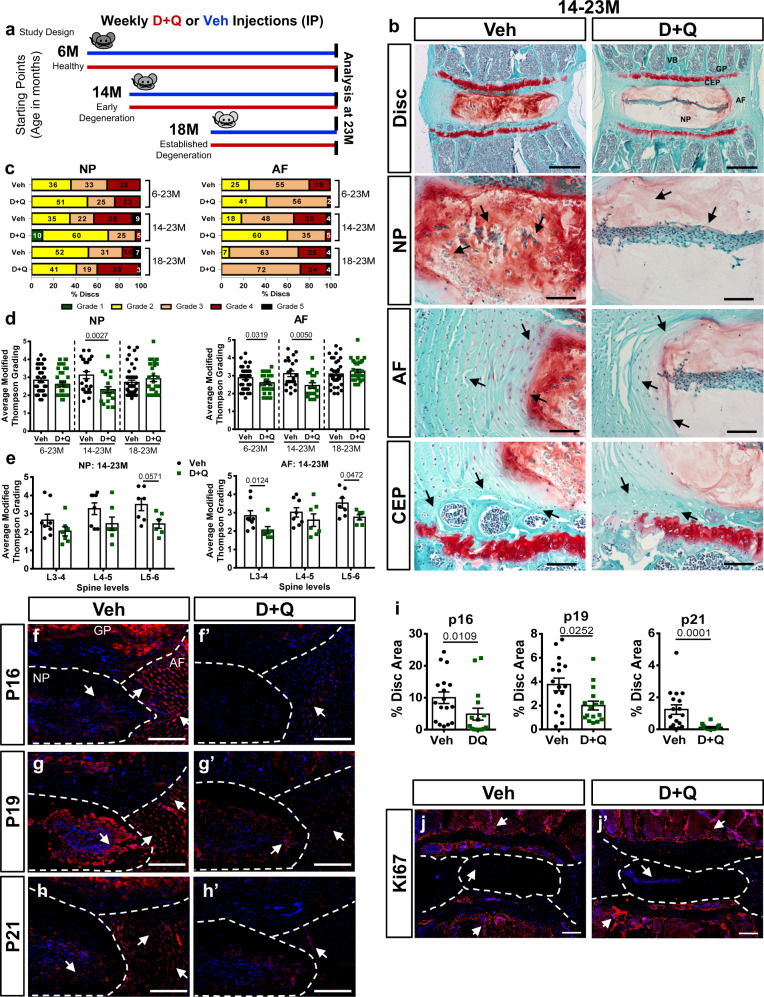
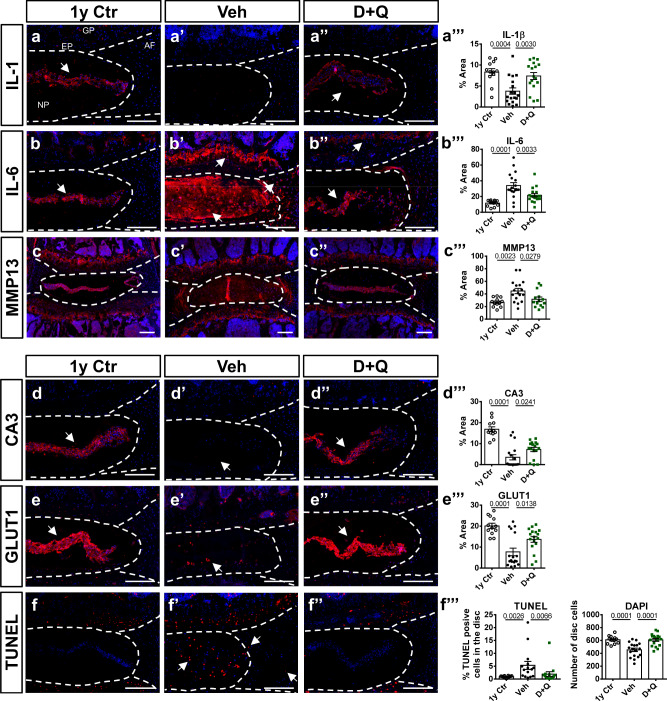
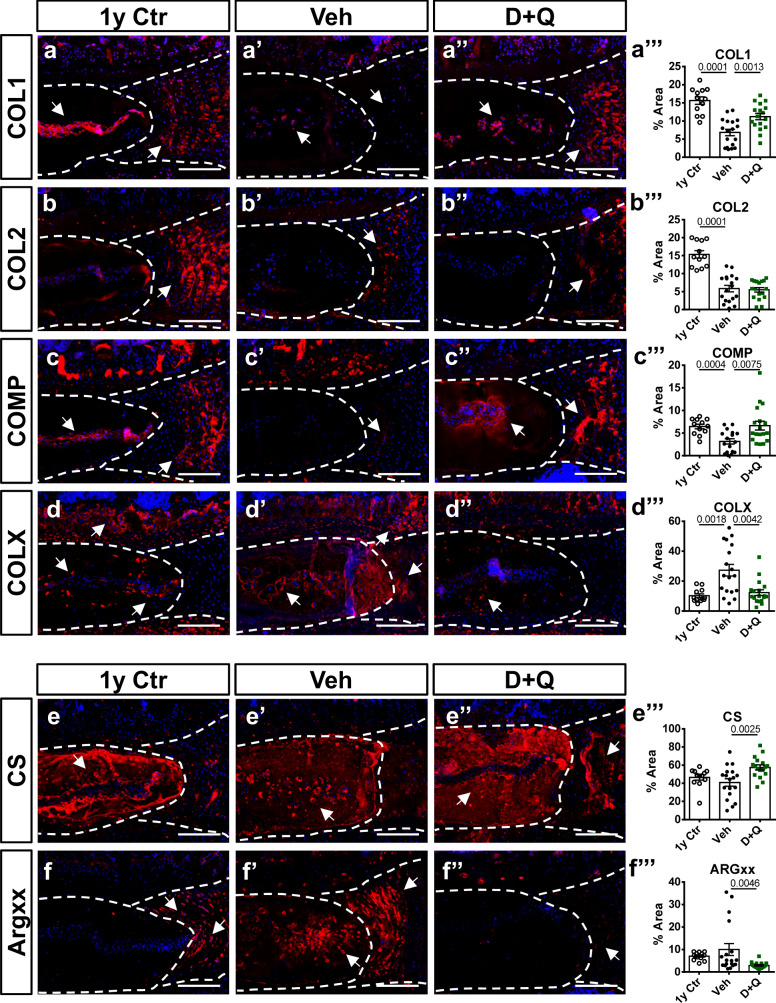
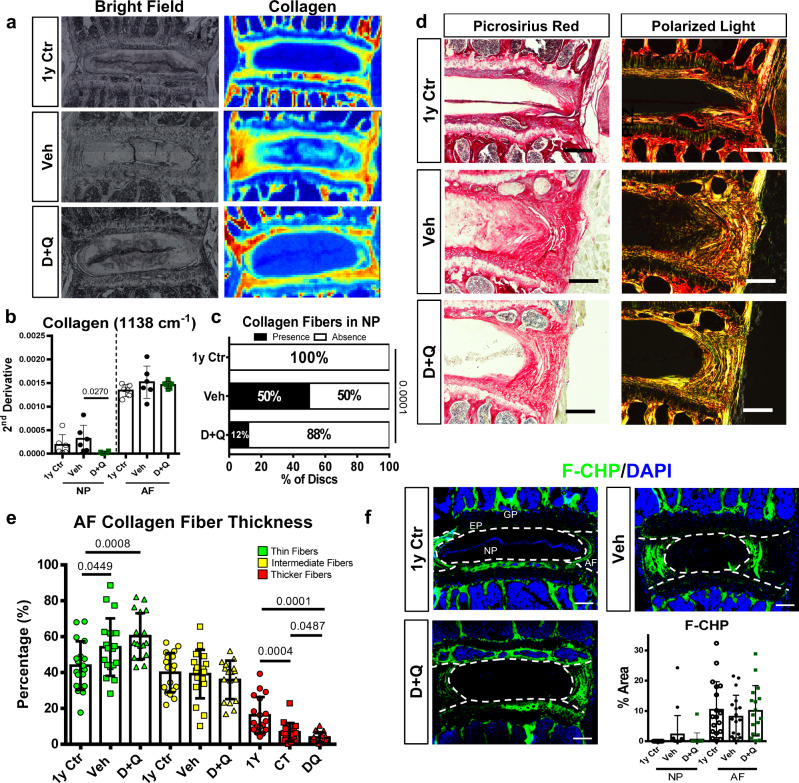
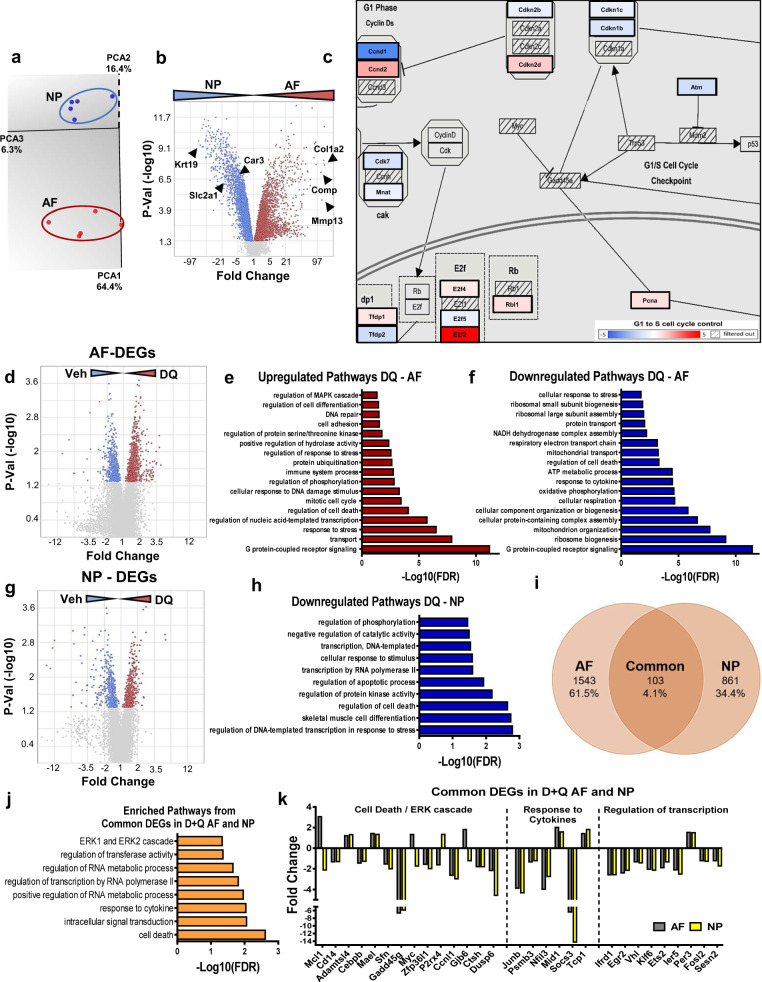
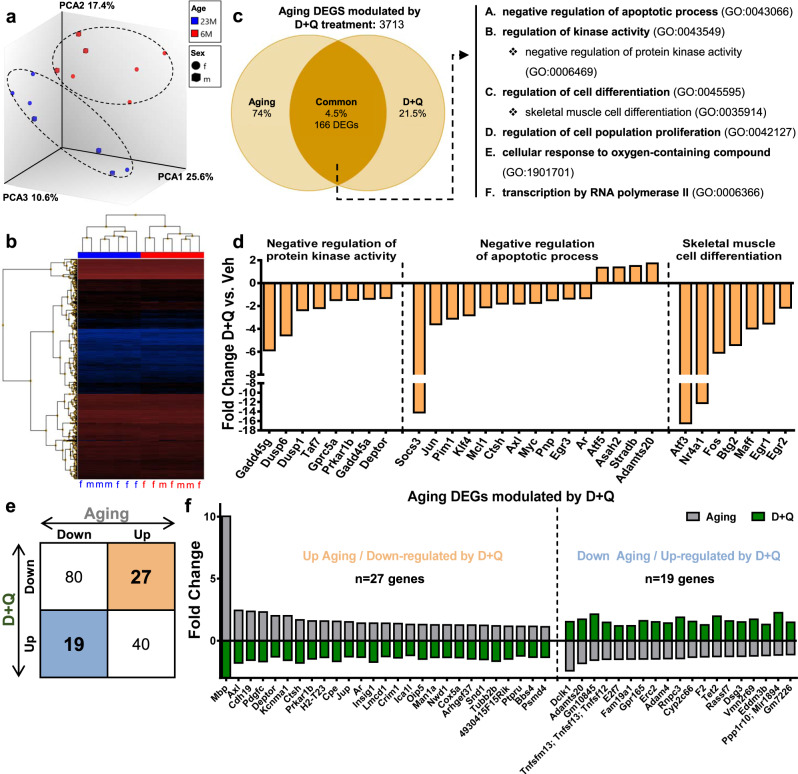
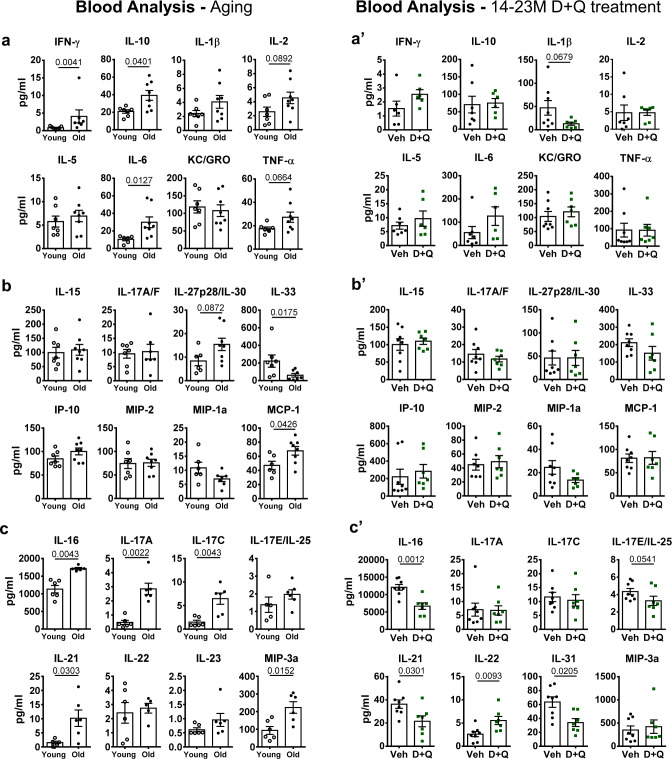
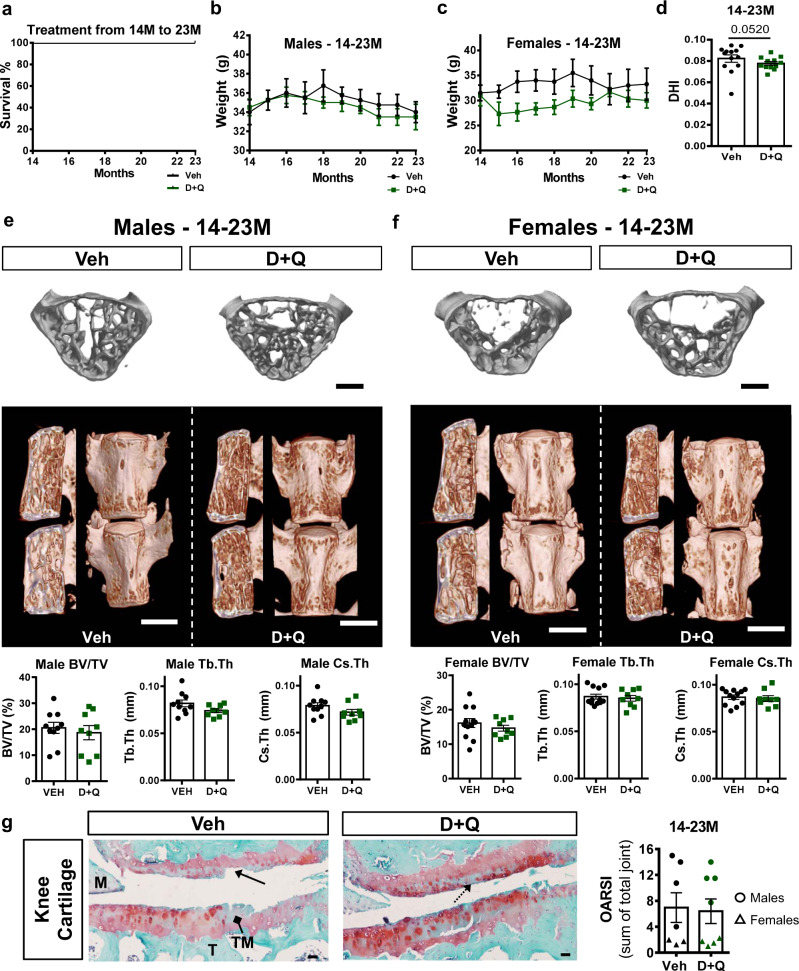
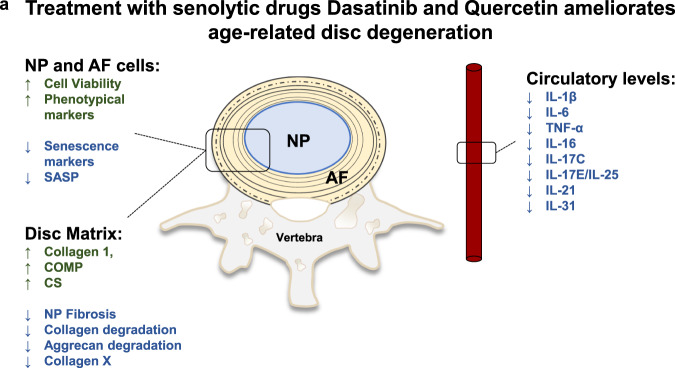
Intervertebral disc degeneration is highly prevalent within the elderly population and is a leading cause of chronic back pain and disability. Due to the link between disc degeneration and senescence, we explored the ability of the Dasatinib and Quercetin drug combination (D + Q) to prevent an age-dependent progression of disc degeneration in mice. We treated C57BL/6 mice beginning at 6, 14, and 18 months of age, and analyzed them at 23 months of age. Interestingly, 6- and 14-month D + Q cohorts show lower incidences of degeneration, and the treatment results in a significant decrease in senescence markers p16 INK4a , p19 ARF , and SASP molecules IL-6 and MMP13. Treatment also preserves cell viability, phenotype, and matrix content. Although transcriptomic analysis shows disc compartment-specific effects of the treatment, cell death and cytokine response pathways are commonly modulated across tissue types. Results suggest that senolytics may provide an attractive strategy to mitigating age-dependent disc degeneration.
Overview
The claims and statistics of this paper haven’t been checked yet.
Free: it reads the open-access text and checks the first 5 claims that cite a source we can check. Create a free account to check every claim.
Integrity signals
Registry
Cites
Statistics
Figures
Verification
Claims the paper makes
The claims and statistics of this paper haven’t been checked yet.
Free: it reads the open-access text and checks the first 5 claims that cite a source we can check. Create a free account to check every claim.
Claims other papers make about this one
Each is checked against this paper’s own text: does it say what the citing paper says it does?
The source backs part of the claim, not all of it — or backs it for a different population, condition or comparison.
In the citing paper
“Consistent with this notion, the administration of dasatinib and quercetin (D+Q), a well-studied senolytic cocktail, in subjects with diabetic kidney disease reduced senescent cell numbers and circulating levels of SASP factors, such as IL-1α and IL-6 (20, 40–45).”
From Connecting aging biology and inflammation in the omics era (2022) · cites this paper as [44]
Experimental — accuracy not yet measuredThe source backs part of the claim, not all of it — or backs it for a different population, condition or comparison.
In the citing paper
“In several mouse experiments, the treatment alleviated inflammation342 and age-related diseases of the intestines343 and bone.344”
From Inflammation and aging: signaling pathways and intervention therapies (2023) · cites this paper as [344]
Experimental — accuracy not yet measuredThe cited source says what the claim attributes to it.
In the citing paper
“treatment with a senolytic therapy mitigated age-dependent disc degeneration122”
From Telomere dysfunction in ageing and age-related diseases (2022) · cites this paper as [122]
Self-check
Percentages, sums and reported differences re-computed from the paper’s own numbers.
The self-check needs the paper’s full text.
Citations
Cites
James, S. L., Abate, D., Abate, K. H., Abay, S. M., Abbafati, C., Abbasi, N., Abbastabar, H., Abd-Allah, F., Abdela, J., Abdelalim, A., et al. (2018) · The Lancet · doi:10.1016/s0140-6736(18)32279-7 · Cited by 13,867
Vos, T., Abajobir, A. A., Abate, K. H., Abbafati, C., Abbas, K. M., Abd-Allah, F., Abdulkader, R. S., Abdulle, A. M., Abebo, T. A., Abera, S. F., et al. (2017) · The Lancet · doi:10.1016/s0140-6736(17)32154-2 · Cited by 13,220
The senescence-associated secretory phenotype: the dark side of tumor suppression
Coppé, J.-P., Desprez, P.-Y., Krtolica, A., & Campisi, J. (2010) · Annual Review of Pathology: Mechanisms of Disease · doi:10.1146/annurev-pathol-121808-102144 · Cited by 5,206
Cellular senescence: from physiology to pathology
Muñoz-Espín, D., & Serrano, M. (2014) · Nature Reviews Molecular Cell Biology · doi:10.1038/nrm3823 · Cited by 2,818
The Achilles' heel of senescent cells: from transcriptome to senolytic drugs
Zhu, Y., Tchkonia, T., Pirtskhalava, T., Gower, A. C., Ding, H., Giorgadze, N., Palmer, A. K., Ikeno, Y., Hubbard, G. B., Lenburg, M., et al. (2015) · Aging Cell · doi:10.1111/acel.12344 · Cited by 2,584
Senolytics improve physical function and increase lifespan in old age
Xu, M., Pirtskhalava, T., Farr, J. N., Weigand, B. M., Palmer, A. K., Weivoda, M. M., Inman, C. L., Ogrodnik, M. B., Hachfeld, C. M., Fraser, D. G., et al. (2018) · Nature Medicine · doi:10.1038/s41591-018-0092-9 · Cited by 2,287
Clearance of senescent cells by ABT263 rejuvenates aged hematopoietic stem cells in mice
Chang, J., Wang, Y., Shao, L., Laberge, R.-M., Demaria, M., Campisi, J., Janakiraman, K., Sharpless, N. E., Ding, S., Feng, W., et al. (2016) · Nature Medicine · doi:10.1038/nm.4010 · Cited by 1,819
Kraus, V. B., Huebner, J. L., DeGroot, J., & Bendele, A. (2010) · Osteoarthritis and Cartilage · doi:10.1016/j.joca.2010.04.015 · Cited by 1,771
Senescence in Health and Disease
He, S., & Sharpless, N. E. (2017) · Cell · doi:10.1016/j.cell.2017.05.015 · Cited by 1,766
Molecular targets of dietary agents for prevention and therapy of cancer
Aggarwal, B. B., & Shishodia, S. (2006) · Biochemical Pharmacology · doi:10.1016/j.bcp.2006.02.009 · Cited by 1,754
Cited by
Aging and aging-related diseases: from molecular mechanisms to interventions and treatments
Guo, J., Huang, X., Dou, L., Yan, M., Shen, T., Tang, W., & Li, J. (2022) · Signal Transduction and Targeted Therapy · doi:10.1038/s41392-022-01251-0 · Cited by 1,718
“Dasatinib and quercetin have been found to eliminate both p16 and p21 senescent cells in the pancreas and adipose tissues in a T2DM animal model.(571,572) Unexpectedly, it has been reported that treatment with dasatinib and quercetin worsens liver disease progression in a diethylnitrosamine (DEN)/HFD mouse model, slig…”
BackgroundInflammation and aging: signaling pathways and intervention therapies
Li, X., Li, C., Zhang, W., Wang, Y., Qian, P., & Huang, H. (2023) · Signal Transduction and Targeted Therapy · doi:10.1038/s41392-023-01502-8 · Cited by 1,443
“In several mouse experiments, the treatment alleviated inflammation(342) and age-related diseases of the intestines(343) and bone.(344) In the first human trial, ‘Dasatinib + Quercetin’ treatment increased patients’ 6-minute walking distance by an average of 21.”
BackgroundCellular senescence and senolytics: the path to the clinic
Chaib, S., Tchkonia, T., & Kirkland, J. L. (2022) · Nature Medicine · doi:10.1038/s41591-022-01923-y · Cited by 1,134
Telomere dysfunction in ageing and age-related diseases
Rossiello, F., Jurk, D., Passos, J. F., & d’Adda di Fagagna, F. (2022) · Nature Cell Biology · doi:10.1038/s41556-022-00842-x · Cited by 754
Epigenetic regulation of aging: implications for interventions of aging and diseases
Wang, K., Liu, H., Hu, Q., Wang, L., Liu, J., Zheng, Z., Zhang, W., Ren, J., Zhu, F., & Liu, G.-H. (2022) · Signal Transduction and Targeted Therapy · doi:10.1038/s41392-022-01211-8 · Cited by 663
Zhu, Y., Ouyang, Z., Du, H., Wang, M., Wang, J., Sun, H., Kong, L., Xu, Q., Ma, H., & Sun, Y. (2022) · Acta Pharmaceutica Sinica B · doi:10.1016/j.apsb.2022.08.022 · Cited by 414
Monteiro, A. R., Barbosa, D. J., Remião, F., & Silva, R. (2023) · Biochemical Pharmacology · doi:10.1016/j.bcp.2023.115522 · Cited by 329
Failure of cartilage regeneration: emerging hypotheses and related therapeutic strategies
Muthu, S., Korpershoek, J. V., Novais, E. J., Tawy, G. F., Hollander, A. P., & Martin, I. (2023) · Nature Reviews Rheumatology · doi:10.1038/s41584-023-00979-5 · Cited by 242
Self-citationSilwal, P., Nguyen-Thai, A. M., Mohammad, H. A., Wang, Y., Robbins, P. D., Lee, J. Y., & Vo, N. V. (2023) · Biomolecules · doi:10.3390/biom13040686 · Cited by 210
Connecting aging biology and inflammation in the omics era
Walker, K. A., Basisty, N., Wilson, D. M., & Ferrucci, L. (2022) · Journal of Clinical Investigation · doi:10.1172/jci158448 · Cited by 189
Immunosenescence: signaling pathways, diseases and therapeutic targets
Fu, Y., Wang, B., Alu, A., Hong, W., Hong, L., He, X., Shi, H., Cheng, P., & Yang, X. (2025) · Signal Transduction and Targeted Therapy · doi:10.1038/s41392-025-02371-z · Cited by 187
“337,338 It has been shown to prevent the progression of age-dependent intervertebral disc degeneration, 339 reduce intestinal SnCs and excessive in fl ammation in aged mice, 340 and effectively induce apoptosis, thereby eliminating SnCs and the SASP burden in adipose tissue.”
Targeting strategies for bone diseases: signaling pathways and clinical studies
Xu, H., Wang, W., Liu, X., Huang, W., Zhu, C., Xu, Y., Yang, H., Bai, J., & Geng, D. (2023) · Signal Transduction and Targeted Therapy · doi:10.1038/s41392-023-01467-8 · Cited by 162
Lee, J., & Lee, J. (2022) · International Journal of Molecular Sciences · doi:10.3390/ijms23094843 · Cited by 172
Hou, J., Chen, K.-X., He, C., Li, X., Huang, M., Jiang, Y., Jiao, Y., Xiao, Q.-N., He, W., Liu, L., et al. (2024) · Nature Aging · doi:10.1038/s43587-024-00694-0 · Cited by 164
“For D+Q treatment, 16-month-old WT mice were randomly divided into two groups and were given vehicle (PEG 400) or Dasatinib (5 mg kg −1 , LC Labs, D-3307) plus Quercetin (50 mg kg −1 , Sigma-Aldrich, Q4951) by gav-age twice a week for 5 months 48,86 .”
Stress, epigenetics, and aging: Unraveling the intricate crosstalk
Wu, Z., Qu, J., Zhang, W., & Liu, G.-H. (2024) · Molecular Cell · doi:10.1016/j.molcel.2023.10.006 · Cited by 134
New Dawn for Atherosclerosis: Vascular Endothelial Cell Senescence and Death
Bu, L.-L., Yuan, H., Xie, L., Guo, M.-H., Liao, D., & Zheng, X. (2023) · International Journal of Molecular Sciences · doi:10.3390/ijms242015160 · Cited by 145
The role of nerve fibers and their neurotransmitters in regulating intervertebral disc degeneration
Sun, K., Jiang, J., Wang, Y., Sun, X., Zhu, J., Xu, X., Sun, J., & Shi, J. (2022) · Ageing Research Reviews · doi:10.1016/j.arr.2022.101733 · Cited by 127
Iakovou, E., & Kourti, M. (2022) · Frontiers in Aging Neuroscience · doi:10.3389/fnagi.2022.827900 · Cited by 129
Wu, Z., Qu, J., & Liu, G.-H. (2024) · Nature Reviews Molecular Cell Biology · doi:10.1038/s41580-024-00775-3 · Cited by 118
“…the combination of dasatinib and quercetin, the first senolytics identified to induce apoptosis of senescent cells, seems to be effective in improving DNA repair capacity and alleviating age-dependent intervertebral disc degeneration in mice and ageing of human brain organoids 258,259 .”
Wang, Y., Che, L., Chen, X., He, Z., Song, D., Yuan, Y., & Liu, C. (2023) · Bioactive Materials · doi:10.1016/j.bioactmat.2023.01.009 · Cited by 110
Alqahtani, S., Alqahtani, T., Venkatesan, K., Sivadasan, D., Ahmed, R., Sirag, N., Elfadil, H., Mohamed, H. A., A, H., Ahmed, R. E., et al. (2025) · Cells · doi:10.3390/cells14080608 · Cited by 108
“In aged mice, the D + Q treatment enhanced muscle strength, endurance, and mitigated age-related intervertebral disc degeneration, preserving tissue integrity [36,86,117].”
Sun, K., Shi, Y., Chen, Y., Wang, S., Han, L., Li, F., Xu, X., Wang, Y., Sun, J., Kang, Z., et al. (2025) · Advanced Science · doi:10.1002/advs.202416149 · Cited by 116
Liu, L., Wang, W., Huang, L., Xian, Y., Ma, W., Fan, J., Li, Y., Li, Y., Zheng, Z., & Wu, D. (2024) · Biomaterials · doi:10.1016/j.biomaterials.2024.122509 · Cited by 102
Photoactivatable senolysis with single-cell resolution delays aging
Shi, D., Liu, W., Gao, Y. J., Li, X., Huang, Y., Li, X., James, T. D., Guo, Y., & Li, J. (2023) · Nature Aging · doi:10.1038/s43587-023-00360-x · Cited by 104
Liu, C., Fan, L., Guan, M., Zheng, Q., Jin, J., Kang, X., Gao, Z., Deng, X., Shen, Y., Chu, G., et al. (2023) · ACS Nano · doi:10.1021/acsnano.3c01713 · Cited by 97
Emerging insights in senescence: pathways from preclinical models to therapeutic innovations
Mansfield, L., Ramponi, V., Gupta, K., Stevenson, T., Mathew, A. B., Barinda, A. J., Herbstein, F., & Morsli, S. (2024) · npj Aging · doi:10.1038/s41514-024-00181-1 · Cited by 88
The controversial role of senescence-associated secretory phenotype (SASP) in cancer therapy
Cao, L., Li, K., Li, Q., Tong, Q., Wang, Y., & Huang, L. (2025) · Molecular Cancer · doi:10.1186/s12943-025-02475-8 · Cited by 90
Discovering small-molecule senolytics with deep neural networks
Wong, F., Omori, S., Donghia, N. M., Zheng, E. J., & Collins, J. J. (2023) · Nature Aging · doi:10.1038/s43587-023-00415-z · Cited by 82
“Hemolysis is often a severe toxic liability of systemically-administered compounds that kill cells, and hemolytic activity may preclude the use of compounds for injection, a route of administration commonly used for senolytics in addition to oral 69–71 .”
BackgroundAging, cell senescence, the pathogenesis and targeted therapies of intervertebral disc degeneration
Xu, J., Shao, T., Lou, J., Zhang, J., & Xia, C. (2023) · Frontiers in Pharmacology · doi:10.3389/fphar.2023.1172920 · Cited by 89
“Histological analysis of lumbar discs from the 6- and 14-month D + Q cohorts showed significant reductions in aging markers such as p16INK4a and p19ARF and better preservation of tissue and cellular morphology, suggesting that D + Q treatment can effectively inhibit IVDD (Novais et al., 2021).”
BackgroundRedox changes and cellular senescence in Alzheimer's disease
Yu, N., Pasha, M., & Chua, J. J. E. (2024) · Redox Biology · doi:10.1016/j.redox.2024.103048 · Cited by 80
“Studies have indicated that compared to no senolytic treatment, a combination of dasatinib and quercetin (D + Q) senolytic treatment can help to remove senescent cells and mitigate age-dependent degeneration [154].”
BackgroundTherapeutic targeting of senescent cells in the CNS
Riessland, M., Ximerakis, M., Jarjour, A. A., Zhang, B., & Orr, M. E. (2024) · Nature Reviews Drug Discovery · doi:10.1038/s41573-024-01033-z · Cited by 77
“…9 , AD-associated amyloid-β accumulation 45 , frailty 65 , osteoporosis 65 , vasomotor dysregulation 65,73 , hepatic steatosis 74 , insulin resistance 75 , pulmonary fibrosis 76 , adipose tissue inflammation 77 , intervertebral disc degeneration 78 and skeletal muscle debility 79 .”
Targeting cellular senescence in metabolic disease
Palmer, A. K., Tchkonia, T., & Kirkland, J. L. (2022) · Molecular Metabolism · doi:10.1016/j.molmet.2022.101601 · Cited by 79
Extracellular matrix in intervertebral disc: basic and translational implications
Zhang, S., Liu, W., Chen, S., Wang, B., Wang, P., Hu, B., Lv, X., & Shao, Z. (2022) · Cell and Tissue Research · doi:10.1007/s00441-022-03662-5 · Cited by 79
“In ageing animal models, pharmacologic or genetic reduction of senescent cell burden could ameliorate multiple age‐associated changes within the IVD tissue (Novais et al. 2021; Patil et al. 2019).”
BackgroundLiu, Y., Lomeli, I., & Kron, S. J. (2024) · Cells · doi:10.3390/cells13151281 · Cited by 77
“D + Q has shown potential in preclinical models for controlling diverse age-associated conditions including pulmonary fibrosis and neurodegeneration [344,345] along with promising activity in clinical trials.”
BackgroundHallmarks and Biomarkers of Skin Senescence: An Updated Review of Skin Senotherapeutics
Bulbiankova, D., Díaz‐Puertas, R., Álvarez‐Martínez, F. J., Herranz‐López, M., Barrajón‐Catalán, E., & Micol, V. (2023) · Antioxidants · doi:10.3390/antiox12020444 · Cited by 75
Pan, C., Wu, Y., Hu, S., Li, K., Liu, X., Shi, Y., Lin, W., Wang, X., Shi, Y., Xu, Z., et al. (2023) · Environmental Pollution · doi:10.1016/j.envpol.2023.121217 · Cited by 73
Effect of peripheral cellular senescence on brain aging and cognitive decline
Budamagunta, V., Kumar, A., Rani, A., Bean, L. A., Manohar‐Sindhu, S., Yang, Y., Zhou, D., & Foster, T. C. (2023) · Aging Cell · doi:10.1111/acel.13817 · Cited by 76
“…(BBB; Guntner et al., 2020; Ishisaka et al., 2011; Porkka et al., 2008), decreasing oxidative stress, and clearing senescent cells in the brain (Ogrodnik et al., 2021; Zhang et al., 2019), and ABT- 263, which does not normally cross the BBB and has senolytic activity limited to peripheral…”
BackgroundThe Chemistry and Biology of Collagen Hybridization
Li, X., Zhang, Q., Yu, S. M., & Li, Y. (2023) · Journal of the American Chemical Society · doi:10.1021/jacs.3c00713 · Cited by 72
Meng, Q., Xie, E., Sun, H., Wang, H., Li, J., Liu, Z., Li, K., Hu, J., Chen, Q., Liu, C., et al. (2023) · Advanced Materials · doi:10.1002/adma.202305468 · Cited by 68
Liu, Y., Dou, Y., Sun, X., & Yang, Q. (2024) · Journal of Orthopaedic Translation · doi:10.1016/j.jot.2024.02.003 · Cited by 76
“Moreover, the combination of dasatinib and quercetin significantly reduces aging markers (p16 INK4a and p19 ARF ) and SASP molecules (IL-6 and MMP-13) [80].”
BackgroundSenescent T cells: Beneficial and detrimental roles
Laphanuwat, P., Gomes, D. C. O., & Akbar, A. N. (2023) · Immunological Reviews · doi:10.1111/imr.13206 · Cited by 67
Magkouta, S., Veroutis, D., Papaspyropoulos, A., Georgiou, M., Lougiakis, N., Pippa, Ν., Havaki, S., Palaiologou, A., Thanos, D.-F., Kambas, K., et al. (2024) · Nature Aging · doi:10.1038/s43587-024-00747-4 · Cited by 67
Chen, Y., Hamidu, S., Yang, X., Yan, Y., Wang, Q., Li, L., Oduro, P. K., & Li, Y. (2022) · Frontiers in Genetics · doi:10.3389/fgene.2022.880421 · Cited by 72
Wu, S., Shi, Y., Jiang, L., Bu, W., Zhang, K., Lin, W., Pan, C., Xu, Z., Du, J. W., Chen, H., et al. (2022) · Advanced Healthcare Materials · doi:10.1002/adhm.202300533 · Cited by 66
Dietary Polyphenols as Anti-Aging Agents: Targeting the Hallmarks of Aging
Liu, Y., Fang, M., Tu, X., Mo, X., Zhang, L., Yang, B., Wang, F., Kim, Y., Huang, C., Chen, L., et al. (2024) · Nutrients · doi:10.3390/nu16193305 · Cited by 71
Zhu, X., Zhang, C., Liu, L., Xu, L. N., & Yao, L. (2024) · International Journal of Molecular Medicine · doi:10.3892/ijmm.2024.5350 · Cited by 64
“Recently, an increasing body of evidence suggests that senolytic drugs, such as the combination of dasatinib and quer‑ cetin (DQ) present beneficial effects on various age‑related disorders, such as Alzheimer's disease (Ad) (13) and inter‑ vertebral disc degeneration (14).”
Maurer, S., Kirsch, V., Ruths, L., Brenner, R. E., & Riegger, J. (2024) · Aging Cell · doi:10.1111/acel.14361 · Cited by 66
Nintedanib induces senolytic effect via STAT3 inhibition
Cho, H.-J., Hwang, J.-A., Yang, E. J., Kim, E.-C., Kim, J., Kim, S. Y., Kim, Y. Z., Park, S. C., & Lee, Y. (2022) · Cell Death and Disease · doi:10.1038/s41419-022-05207-8 · Cited by 65
“Senescent cells have the distinct feature of elevated antiapoptotic signaling, so the strategy for developing senolytics, including ABT263 and the combination of dasatinib and quercetin, has mainly focused on attenuating the activity or expression of antiapoptotic factors [9, 50, 51].”
BackgroundZamboni, F., Ren, G., Culebras, M., O'Driscoll, J., O’Dwyer, J. J., Ryan, E. J., & Collins, M. N. (2022) · International Journal of Biological Macromolecules · doi:10.1016/j.ijbiomac.2022.09.014 · Cited by 59
Intervertebral disc cell fate during aging and degeneration: apoptosis, senescence, and autophagy
Yurube, T., Takeoka, Y., Kanda, Y., Kuroda, R., & Kakutani, K. (2023) · North American Spine Society Journal (NASSJ) · doi:10.1016/j.xnsj.2023.100210 · Cited by 66
Tamagawa, S., Sakai, D., Nojiri, H., Nakamura, Y., Warita, T., Matsushita, E., Schol, J., Soma, H., Ogasawara, S., Munesada, D., et al. (2024) · Redox Biology · doi:10.1016/j.redox.2024.103091 · Cited by 59
Senolytic combination of dasatinib and quercetin attenuates renal damage in diabetic kidney disease
Guo, X., Si, W., Wang, J., Zeng, X., Yu, H., Chen, Y., Zhu, X., & Li, X. (2024) · Phytomedicine · doi:10.1016/j.phymed.2024.155705 · Cited by 63
Anti-Aging Activity and Modes of Action of Compounds from Natural Food Sources
Song, L., & Zhang, S. (2023) · Biomolecules · doi:10.3390/biom13111600 · Cited by 58
Senolytics: Eliminating Senescent Cells and Alleviating Intervertebral Disc Degeneration
Wu, Y., Shen, S., Shi, Y., Tian, N., Zhou, Y., & Zhang, X. (2022) · Frontiers in Bioengineering and Biotechnology · doi:10.3389/fbioe.2022.823945 · Cited by 62
Chen, L., Yin, X., Zhao, Y., Chen, H., Tan, T., Yao, P., & Tang, Y. (2022) · Journal of Epidemiology & Community Health · doi:10.1136/jech-2022-219142 · Cited by 58
Increased cellular senescence in doxorubicin-induced murine ovarian injury: effect of senolytics
Gao, Y., Wu, T., Tang, X., Wen, J., Zhang, Y., Zhang, J., & Wang, S. (2023) · GeroScience · doi:10.1007/s11357-023-00728-2 · Cited by 56
Immunosenescence of T cells: a key player in rheumatoid arthritis
Gao, Y. Q., Cai, W., Zhou, Y., Li, Y., Cheng, J., & Wei, F. (2022) · Inflammation Research · doi:10.1007/s00011-022-01649-0 · Cited by 60
“Dasatinib and Quercetin, the initially reported senolytic drugs, have been shown to have potent anti-aging activity and enhance cardiovascular function, faltering, bone loss, osteoarthritis and other age-related diseases when used in combination [65, 66].”
BackgroundLee, E., Carreras-Gallo, N., Lopez, L., Turner, L., Lin, A., Mendez, T. L., Went, H., Tomusiak, A., Verdin, E. M., Corley, M. J., et al. (2024) · Aging · doi:10.18632/aging.205581 · Cited by 59
“Combined treatment 56 with Dasatinib and Quercetin (DQ) has been demonstrated to decrease senescent cell burden 57 in humans in multiple tissues [12], [17]–[20]; improve pulmonary and physical function along 58 with survival in mice while lessening their age-dependent intervertebral disc degeneration [7], 59 [21], [22…”
BackgroundZheng, L., He, S., Wang, H., Li, J., Liu, Y., & Liu, S. (2024) · Aging and Disease · doi:10.14336/ad.2024.0206 · Cited by 81
“…the death of SnCs. Novais et al. combined use of the D&Q drug via systemic administration was able to prevent the progression of age-dependent intervertebral disc degeneration, attenuate disc degeneration, reduce systemic inflammation, and improve the physical condition of mice during aging [139].”
Fan, Y., Zhang, W., Huang, X., Fan, M., Shi, C., Zhao, L., Pi, G., Zhang, H., & Ni, S. (2024) · Nature Communications · doi:10.1038/s41467-024-47317-1 · Cited by 56
Richardson, M., & Richardson, D. R. (2023) · Molecular Pharmacology · doi:10.1124/molpharm.123.000803 · Cited by 51
Astrocyte senescence-like response related to peripheral nerve injury-induced neuropathic pain
Du, J., Cheng, N., Deng, Y., Xiang, P., Liang, J., Zhang, Z., Hei, Z., & Li, X. (2023) · Cellular & Molecular Biology Letters · doi:10.1186/s11658-023-00474-5 · Cited by 51
“Dasatinib is a suppressor of small-molecule tyrosine kinase, which is capable of attenuating the viability of senescent cells, while quercetin could potently ameliorate oxidative stress injury and exert anticarcinogenic effects [18].”
BackgroundA new perspective on intervertebral disc calcification—from bench to bedside
Novais, E. J., Narayanan, R., Canseco, J. A., van de Wetering, K., Kepler, C. K., Hilibrand, A. S., Vaccaro, A. R., & Risbud, M. V. (2024) · Bone Research · doi:10.1038/s41413-023-00307-3 · Cited by 51
“27,106 107 – 109”
Self-citationBu, W., Shi, Y., Huang, X., Wu, S., Jiang, L., Pan, C., Li, D., Xu, Z., Wang, H., Chen, H., et al. (2024) · Journal of Nanobiotechnology · doi:10.1186/s12951-024-02683-2 · Cited by 48
“In addition, the pathological process of redox imbalance is also accompanied by enhanced catabolism, inflammation, and weakened metabolism, which will continually aggravate the senescence of NPCs [9–11].”
BackgroundCurrent Knowledge and Future Therapeutic Prospects in Symptomatic Intervertebral Disc Degeneration
Kim, J. H., Ham, C. H., & Kwon, W. (2022) · Yonsei Medical Journal · doi:10.3349/ymj.2022.63.3.199 · Cited by 51
“Novais, et al.(106) reported preserved viability, phenotypic characteristics, and ECM composition in IVD cells, along with a significant prevention against senescence progression, in mice DDD models after using a combination of senolytics, Dasatinib, and Quercetin.”
BackgroundGil, T., Zheng, H., Lee, H. G., Shin, J.-W., Hwang, S. W., Jang, K.-M., & Jeon, O. H. (2022) · Aging · doi:10.18632/aging.204204 · Cited by 49
“Consistent with this result, long-term treatment with a combination of Dasatinib (D), a Src/tyrosine kinase inhibitor, and Quercetin (Q), a natural flavonoid that binds to BCL-2, which has been used extensively as a senolytic, did not inhibit the degradation of articular cartilage in a spontaneous animal model of OA […”
BackgroundResultLi, Y., Dai, J., Ma, Y., Yao, Y., Yu, D., Shen, J., & Wu, L. (2024) · Water Research · doi:10.1016/j.watres.2024.121462 · Cited by 45
Liu, C., Gao, X., Lou, J., Li, C., Chen, Y., Chen, M., Zhang, Y., Hu, Z., Chang, X., Luo, M., et al. (2023) · Arthritis Research & Therapy · doi:10.1186/s13075-023-03093-9 · Cited by 47
Zou, Y., Jiang, J., Li, Y., Ding, X., Fang, F., & Chen, L. (2024) · Inflammation · doi:10.1007/s10753-024-01997-5 · Cited by 44
“1a), a flavonoid found in various plants and a component of the human diet [12], is recognized for its anti-inflammatory, immune-modulating, and anti-infectious properties [13].”
Enhancing immunity during ageing by targeting interactions within the tissue environment
Bracken, O. V., Maeyer, R. P. H. D., & Akbar, A. N. (2025) · Nature Reviews Drug Discovery · doi:10.1038/s41573-024-01126-9 · Cited by 45
Wang, H., Wang, D., Luo, B., Wang, D., Jia, H., Peng, P., Shang, Q., Mao, J., Gao, C., Ye, P., et al. (2022) · Bioactive Materials · doi:10.1016/j.bioactmat.2022.01.040 · Cited by 43
“The main cause of low back pain is intervertebral disc degeneration (IVDD), which also leads to skin paresthesia, muscle paralysis, and even paraplegia in patients, seriously affecting their quality of life [2,3].”
BackgroundHu, S., Zhu, M., Xing, H., Xue, Y., Li, J., Wang, Z., Zhu, Z., Fang, M., Li, Z., Xu, J., et al. (2024) · Bioactive Materials · doi:10.1016/j.bioactmat.2024.03.006 · Cited by 50
“This rupture ultimately results in IVDD, including displacement, protrusion, or even prolapse of the NP without the protective shell, thereby reducing the water content, volume, and height of the IVD, and is the primary cause of IVDD [6].”
BackgroundImmunotherapy and senolytics in head and neck squamous cell carcinoma: phase 2 trial results
Liu, N., Wu, J., Deng, E., Zhong, J., Wei, B., Cai, T., Xie, Z., Duan, X., Fu, S., Osei-Hwedieh, D. O., et al. (2025) · Nature Medicine · doi:10.1038/s41591-025-03873-7 · Cited by 47
“Recent research on systemic administration of DQ for treating intervertebral disc degenera tion has provided new insights, highlighting the tissuespecific effects of DQ and the importance of treatment timing 55 .”
Ząbek, Z., Wyczałkowska-Tomasik, A., Poboży, K., Adamus, J. P., Turek, G., Ząbek, M., & Pączek, L. (2025) · International Journal of Molecular Sciences · doi:10.3390/ijms26209938 · Cited by 44
Zhou, C., Yao, S., Fu, F., Bian, Y., Zhang, Z., Zhang, H., Luo, H., Ge, Y., Chen, Y., Ji, W., et al. (2022) · Frontiers in Pharmacology · doi:10.3389/fphar.2022.942435 · Cited by 46
“In addition, the elimination of these senescent cells has the potential to improve IVDD progression (Cherif et al., 2020; Novais et al., 2021; Shao et al., 2021).”
BackgroundRepair Strategies and Bioactive Functional Materials for Intervertebral Disc
Wu, D., Li, G., Zhou, X., Zhang, W., Liang, H., Luo, R., Wang, K., Feng, X., Song, Y., & Cao, Y. (2022) · Advanced Functional Materials · doi:10.1002/adfm.202209471 · Cited by 41
Targeting senescent cells for the treatment of age-associated diseases
Suda, M., Tchkonia, T., Kirkland, J. L., & Minamino, T. (2024) · The Journal of Biochemistry · doi:10.1093/jb/mvae091 · Cited by 39
Senescent cells as a target for anti-aging interventions: From senolytics to immune therapies
Fu, T., & Zhou, Z. (2025) · Journal of Translational Internal Medicine · doi:10.1515/jtim-2025-0005 · Cited by 43
“[74] A study using poly (lactic-co-glycolic acid) nanoparticles for localized delivery of navitoclax effectively inhibited intervertebral disc degeneration and promoted structural restoration.”
Riviere-Cazaux, C., Carlstrom, L. P., Neth, B. J., Olson, I., Rajani, K. R., Rahman, M., Ikram, S., Mansour, M. A., Mukherjee, B., Warrington, A. E., et al. (2023) · npj Precision Oncology · doi:10.1038/s41698-023-00476-8 · Cited by 39
“Quercetin, when combined with dasatinib, has been shown to reduce senescent cells across multiple cell types and disease states, including degenerative disc 109 , diabetic kidney 53 , and neurodegenerative diseases 15 .”
BackgroundZhao, X., Lin, J., Liu, M., Jiang, D., Zhang, Y., Li, X., Shi, B., Jiang, J., Ma, C., Shao, H., et al. (2024) · Journal of Nanobiotechnology · doi:10.1186/s12951-024-02946-y · Cited by 38
Senescence in cancer: Advances in detection and treatment modalities
Billimoria, R., & Bhatt, P. (2023) · Biochemical Pharmacology · doi:10.1016/j.bcp.2023.115739 · Cited by 38
Xue, Q., Li, J., Qin, R., Li, M., Li, Y., Zhang, J., Wang, R., Goltzman, D., Miao, D., & Yang, R. (2024) · Aging Cell · doi:10.1111/acel.14202 · Cited by 38
“Indeed, previous studies identified the increase of senescent NPCs in IVD with aging; meanwhile, depleting P16 + cells or eliminating senescent cells using senolytics have been reported to effectively alleviate unloading-or aging-related IVDD (Novais et al., 2021; Patil et al., 2019).”
Exploration of the mechanism and therapy of ovarian aging by targeting cellular senescence
Tang, W., Wang, K., Feng, Y., Tsui, K., Singh, K. K., Stout, M. B., Wang, S., & Wu, M. (2025) · Life Medicine · doi:10.1093/lifemedi/lnaf004 · Cited by 37
“…been reported to have anti-aging effects (at concentrations of dasatinib: 5 mg/kg and quercetin: 10–50 mg/kg), increasing the average lifespan of mice and alleviating many age-related diseases, such as neurodegeneration, chronic kidney disease, and intervertebral disc degeneration, etc [189, 190].”
Insights into chondrocyte populations in cartilaginous tissues at the single-cell level
Matta, C., Takács, R., Dvir‐Ginzberg, M., Richardson, S. M., Pelttari, K., Pattappa, G., Risbud, M. V., & Mobasheri, A. (2025) · Nature Reviews Rheumatology · doi:10.1038/s41584-025-01275-0 · Cited by 37
“Consequently, senescence has an important role in the pathophysiology of IVDD 110 .”
Self-citationDiwan, B., & Sharma, R. (2022) · Food Science and Biotechnology · doi:10.1007/s10068-022-01114-y · Cited by 39
“, 2015) and since then the combination of dasatinib and quercetin has shown promising results in alleviating SC burden in both preclinical and clinical studies resulting in improved organ functions and lifespan (Hickson et al., 2019; Novais et al., 2021).”
BackgroundSenolytic treatment for low back pain
Mannarino, M., Cherif, H., Darband, S. G., Martinez, O. W., Sheng, K., Cousineau, E., Lee, S., Millecamps, M., Gao, C., Gilbert, A., et al. (2025) · Science Advances · doi:10.1126/sciadv.adr1719 · Cited by 37
“Weekly injection of D + Q also decreases the senescence burden in age-dependent IVD degeneration ( 25 ).”
Zhao, J., Zheng, L., Dai, G., Sun, Y. E., He, R., Liu, Z., Jin, Y., Wu, T., Hu, J., Cao, Y. B., et al. (2024) · The Spine Journal · doi:10.1016/j.spinee.2024.09.017 · Cited by 36
Ya, J., Kadir, R. R. A., & Bayraktutan, U. (2022) · Tissue Barriers · doi:10.1080/21688370.2022.2103353 · Cited by 38
Context‐dependent roles of cellular senescence in normal, aged, and disease states
Moiseeva, V., Cisneros, A., Cobos, A. C., Tarrega, A. B., Oñate, C. S., Perdiguero, E., Serrano, A. L., & Muñoz‐Cánoves, P. (2023) · The FEBS Journal · doi:10.1111/febs.16573 · Cited by 34
Liang, H., Luo, R., Li, G., Zhang, W., Zhu, D., Wu, D., Zhou, X., Tong, B., Wang, B., Feng, X., et al. (2023) · Cell Death and Differentiation · doi:10.1038/s41418-023-01210-4 · Cited by 34
Hypoxia and aging: molecular mechanisms, diseases, and therapeutic targets
Nisar, A., Khan, S., Li, W., Hu, L., Samarawickrama, P. N., Gold, N. M., Zi, M., Mehmood, S. A., Miao, J., & He, Y. (2024) · MedComm · doi:10.1002/mco2.786 · Cited by 37
Cellular Senescence: The Driving Force of Musculoskeletal Diseases
Falvino, A., Gasperini, B., Cariati, I., Bonanni, R., Chiavoghilefu, A., Gasbarra, E., Botta, A., Tancredi, V., & Tarantino, U. (2024) · Biomedicines · doi:10.3390/biomedicines12091948 · Cited by 35
Heng, C., Tang, T., Xue, C., Liu, X., Xi, Z., Xie, L., & Kang, R. (2024) · Journal of Orthopaedic Surgery and Research · doi:10.1186/s13018-024-05280-z · Cited by 35
“In a mouse model, SIRT1 activators were found to directly inhibit disc cell senescence, and long-term use of anti-aging drugs, such as dasatinib and quercetin, has been shown to improve age-dependent IVDD in mice [71, 72].”
Contribution of immune cells to intervertebral disc degeneration and the potential of immunotherapy
Xu, H., Li, J., Fei, Q., & Jiang, L. (2023) · Connective Tissue Research · doi:10.1080/03008207.2023.2212051 · Cited by 34
Guo, B., Chou, F., Huang, L., Yin, F., Fang, J., Wang, J., & Jia, Z. (2022) · Critical Reviews in Food Science and Nutrition · doi:10.1080/10408398.2022.2115456 · Cited by 32
“…“undesired” reactivity can also be beneficial, e.g., the more readily oxidizable flavonols like Que and fisetin that exhibit the potent prooxidant effect due to their low redox potential, which may be a possible selective mechanism for screening senolytics (Wang et al. 2021; Novais et al. 2021).”
BackgroundAnti-senescence therapies: a new concept to address cardiovascular disease
Stojanović, S. D., Thum, T., & Bauersachs, J. K. (2025) · Cardiovascular Research · doi:10.1093/cvr/cvaf030 · Cited by 34
“121 Likely due to its cumulative effects in multiple organs, D + Q extends the physiological lifespan of mice.”
Yang, H., Yang, X., Rong, K., Liang, J., Wang, Z., Zhao, J., Zhang, P., Li, Y., Wang, L., Ma, H., et al. (2022) · Frontiers in Pharmacology · doi:10.3389/fphar.2022.940475 · Cited by 35
“and are positively correlated with the progress of IDD (Li et al., 2021; Novais et al., 2021).”
BackgroundActive Magnesium Boride/Alginate Hydrogels Rejuvenate Senescent Cells
Han, Y., Zheng, D., Ji, Y., Feng, Y., Chen, Z., Chen, L., Li, H., Jiang, X., Shen, H., Tao, B., et al. (2024) · ACS Nano · doi:10.1021/acsnano.4c07833 · Cited by 30
Zhang, W., Li, Z., Wang, Z., Liu, K., Huang, S., Liang, J., Dai, Z., Guo, W., Mao, C., Chen, S., et al. (2025) · Ecotoxicology and Environmental Safety · doi:10.1016/j.ecoenv.2025.117950 · Cited by 30
Van houcke, J., Mariën, V., Zandecki, C., Ayana, R., Pepermans, E., Boonen, K., Seuntjens, E., Baggerman, G., & Arckens, L. (2023) · npj Regenerative Medicine · doi:10.1038/s41536-023-00304-4 · Cited by 29
“In rodents, 5 mg/kg D and 50 mg/kg Q is often administered via oral gavage 77 – 79 .”
Metadata
- Authors
- Novais, E. J., Tran, V. A., Johnston, S. N., Darris, K. R., Roupas, A. J., Sessions, G. A., Shapiro, I. M., Diekman, B. O., & Risbud, M. V.
- Affiliations
- Thomas Jefferson University (US)
- University of North Carolina at Chapel Hill (US)
- Corresponding author
- Risbud, Makarand V.
- ORCID
- Venue
- Nature Communications
- Published
- 2021-09-03
- Volume
- 12
- Issue
- 1
- Pages
- 5213-5213
- ISSN
- 2041-1723 (ISSN-L)
- PMC
- PMC8417260
- OpenAlex
- W3125259346
- Cited by
- 440
- References
- 78
- Citations by year
- 2026: 87 · 2025: 122 · 2024: 105 · 2023: 73 · 2022: 50 · 2021: 2
- FWCI
- 39.00
- Type
- journal article
- Language
- en
- Open access
- gold
- doi.org
- Licence
- cc-by
- creativecommons.org/licenses/by/4.0 (tdm)
- creativecommons.org/licenses/by/4.0 (vor)
- Locations
- Nature Communications (publishedVersion, cc-by)
- Research Square (acceptedVersion, cc-by)
- Europe PMC (PubMed Central) (publishedVersion, other-oa)
- PubMed Central (publishedVersion, cc-by)
- PubMed (publishedVersion)
- The Medicine Forum (submittedVersion, cc-by)
- RePEc: Research Papers in Economics (submittedVersion)
- DOAJ (DOAJ: Directory of Open Access Journals) (submittedVersion, cc-by-sa)
- Funders
- Research Center for Biomedical Engineering
- Universidade do Minho
- National Institutes of Health (5r01ar055655-14)
- University of North Carolina at Chapel Hill
- Fundação para a Ciência e a Tecnologia (PD/BD/128077/2016)
- National Institute on Aging (T35AG038047)
- National Institute of Arthritis and Musculoskeletal and Skin Diseases (R01AR074813, R01AR064733, PD/BD/128077/2016, R01‐AR055655)
- Topics
- Health Sciences › Medicine › Orthopedics and Sports Medicine › Spine and Intervertebral Disc Pathology
- Life Sciences › Biochemistry, Genetics and Molecular Biology › Cell Biology › Telomeres, Telomerase, and Senescence
- Health Sciences › Medicine › Rheumatology › Osteoarthritis Treatment and Mechanisms
- Keywords
- senolytics, dasatinib, quercetin, intervertebral disc degeneration, cellular senescence, aging, back pain, p16INK4a, p19ARF, senescence-associated secretory phenotype, interleukin-6, MMP-13, extracellular matrix, drug combination therapy
- MeSH terms
- Dasatinib, Nucleus Pulposus, Annulus Fibrosus, Aging, Animals, Cell Survival, Extracellular Matrix, Fibrosis, Inflammation, Mice, Inbred C57BL, Phenotype, Quercetin, Cellular Senescence, Mice, Aggrecans, Intervertebral Disc Degeneration, Transcriptome
About these checks
Registry, retraction, Cites and statistics results are computed, not judged, with one exception: a printed reference that no index lists is read once by a model before it counts as a citation error. Claims are extracted by a model and kept only when their quote appears verbatim in the text; each cited source is then checked, with a model’s help, for whether it says what the claim relies on. Those verdicts can be wrong — read the claim’s quote and the cited source before relying on one.
Statistics and arithmetic are recomputed, not judged.
Confidence bands are shown only for fields calibrated on our annotated test set. None is calibrated yet, so no band is shown.
What counts as a claim ›How we measure confidence ›How we check this ›
Are you an author, or do you see a problem with this page? Request a review
Data sources
Bibliographic data: Semantic Scholar, OpenAlex, Crossref.
Contains information from the Semantic Scholar Academic Graph Datasets, made available under the ODC Attribution License (ODC-BY 1.0).
Semantic Scholar’s data is described in: Kinney, R., et al. (2023). The Semantic Scholar Open Data Platform. arXiv:2301.10140.
