

Waist circumference as a vital sign in clinical practice: a Consensus Statement from the IAS and ICCR Working Group on Visceral Obesity
Open accessThe DOI matches its Crossref record; 134 of the 137 references it cites were found in a registry or an index.
Abstract
Despite decades of unequivocal evidence that waist circumference provides both independent and additive information to BMI for predicting morbidity and risk of death, this measurement is not routinely obtained in clinical practice. This Consensus Statement proposes that measurements of waist circumference afford practitioners with an important opportunity to improve the management and health of patients. We argue that BMI alone is not sufficient to properly assess or manage the cardiometabolic risk associated with increased adiposity in adults and provide a thorough review of the evidence that will empower health practitioners and professional societies to routinely include waist circumference in the evaluation and management of patients with overweight or obesity. We recommend that decreases in waist circumference are a critically important treatment target for reducing adverse health risks for both men and women. Moreover, we describe evidence that clinically relevant reductions in waist circumference can be achieved by routine, moderate-intensity exercise and/or dietary interventions. We identify gaps in the knowledge, including the refinement of waist circumference threshold values for a given BMI category, to optimize obesity risk stratification across age, sex and ethnicity. We recommend that health professionals are trained to properly perform this simple measurement and consider it as an important ‘vital sign’ in clinical practice.
Overview
The claims and statistics of this paper haven’t been checked yet.
Free: it reads the open-access text and checks the first 5 claims that cite a source we can check. Create a free account to check every claim.
Integrity signals
Registry
Cites
Statistics
Figures
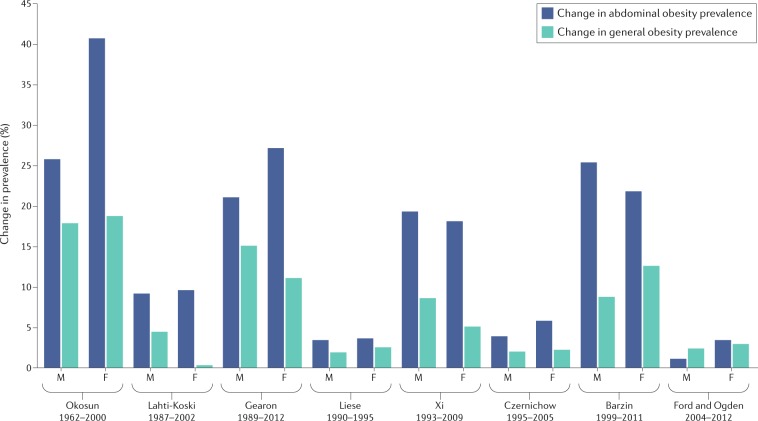
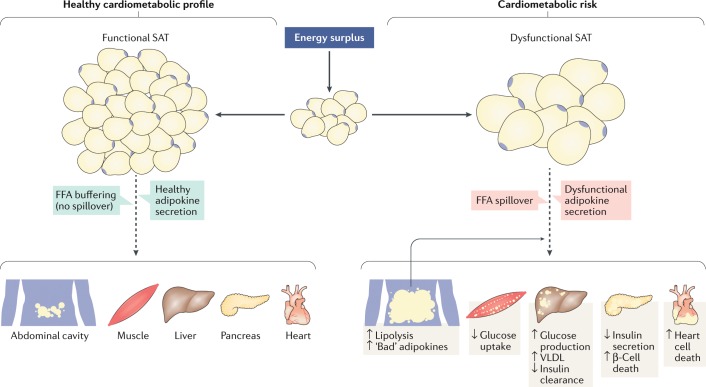
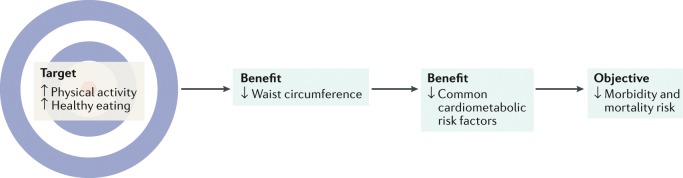
Verification
Claims the paper makes
The claims and statistics of this paper haven’t been checked yet.
Free: it reads the open-access text and checks the first 5 claims that cite a source we can check. Create a free account to check every claim.
Claims other papers make about this one
Each is checked against this paper’s own text: does it say what the citing paper says it does?
The source backs part of the claim, not all of it — or backs it for a different population, condition or comparison.
In the citing paper
“However, several studies have shown that BMI does not reflect body fat distribution or metabolic health, and alternative measures such as waist circumference or body fat percentage could be more appropriate.36”
From Definition and diagnostic criteria of clinical obesity (2025) · cites this paper as [36]
Experimental — accuracy not yet measuredThe source backs part of the claim, not all of it — or backs it for a different population, condition or comparison.
In the citing paper
“CT can provide a free additional information regarding WC, a well-established anthropometric parameter of central obesity and a diagnostic criterion for metabolic syndrome [5, 19].”
From Fully automated waist circumference measurement on abdominal CT: Comparison with manual measurements and potential value for identifying overweight and obesity as an adjunct output of CT scan (2021) · cites this paper as [5]
Experimental — accuracy not yet measuredThe cited source says what the claim attributes to it.
In the citing paper
“Waist circumference is a recommended clinical measure for cardiometabolic risk, predicting morbidity and mortality while complementing BMI for patient management (Ross et al., 2020).”
From Long-term cardiometabolic effects of early institutionalization and foster care: Evidence from the Bucharest Early Intervention Project (2026) · cites this paper as Ross et al., 2020
The cited source says what the claim attributes to it.
In the citing paper
“Considering the specific role of visceral adiposity in increased cardiometabolic risk, especially when ≥100 cm2, such reduction is likely to provide important health benefits in patients with overweight or obesity.”
The cited source says what the claim attributes to it.
In the citing paper
“For example, many population studies have shown that within every BMI category considered, the larger the waist circumference, the greater the morbidity or mortality risk.36”
From Definition and diagnostic criteria of clinical obesity (2025) · cites this paper as [36]
4 more claims about this paper
Create a free account to see every claim other papers make about this one.
Self-check
Percentages, sums and reported differences re-computed from the paper’s own numbers.
The self-check needs the paper’s full text.
Citations
Cites
2013 ACCF/AHA Guideline for the Management of Heart Failure
Yancy, C. W., Jessup, M., Bozkurt, B., Butler, J., Casey, D. E., Drazner, M. H., Fonarow, G. C., Geraci, S. A., Horwich, T., Januzzi, J. L., et al. (2013) · Journal of the American College of Cardiology · doi:10.1016/j.jacc.2013.05.019 · Cited by 12,536
Ng, M., Fleming, T., Robinson, M., Thomson, B., Graetz, N., Margono, C., Mullany, E. C., Biryukov, S., Abbafati, C., Abera, S. F., et al. (2014) · The Lancet · doi:10.1016/s0140-6736(14)60460-8 · Cited by 11,952
Prediction of coronary heart disease using risk factor categories
Wilson, P. W. F., D’Agostino, R. B., Levy, D., Belanger, A. M., Silbershatz, H., & Kannel, W. B. (1998) · Circulation · doi:10.1161/01.cir.97.18.1837 · Cited by 9,581
(1998) · PsycEXTRA Dataset · doi:10.1037/e565682010-001 · Cited by 9,472
The metabolic syndrome—a new worldwide definition
Alberti, K. G. M., Zimmet, P., & Shaw, J. (2005) · The Lancet · doi:10.1016/s0140-6736(05)67402-8 · Cited by 9,352
Prevalence of Childhood and Adult Obesity in the United States, 2011-2012
Ogden, C. L., Carroll, M. D., Kit, B. K., & Flegal, K. M. (2014) · JAMA · doi:10.1001/jama.2014.732 · Cited by 8,072
Health effects of overweight and obesity in 195 countries over 25 years
Collaborators, T. G. 2. O. (2017) · New England Journal of Medicine · doi:10.1056/nejmoa1614362 · Cited by 7,918
Pencina, M. J., D' Agostino, R. B., D' Agostino, R. B., & Vasan, R. S. (2008) · Statistics in Medicine · doi:10.1002/sim.2929 · Cited by 6,493
2013 ACC/AHA Guideline on the Assessment of Cardiovascular Risk
Goff, D. C., Lloyd-Jones, D. M., Bennett, G., Coady, S., D’Agostino, R. B., Gibbons, R., Greenland, P., Lackland, D. T., Levy, D., O’Donnell, C. J., et al. (2014) · Journal of the American College of Cardiology · doi:10.1016/j.jacc.2013.11.005 · Cited by 4,945
Abdominal obesity and metabolic syndrome
Després, J.-P., & Lemieux, I. (2006) · Nature · doi:10.1038/nature05488 · Cited by 4,354
Self-citation
Research works printed but not linked: 1
- 79. Hammond, B. P., Brennan, A. M. & Ross, R. in Body Composition: Health and Performance in Exercise and Sport (ed. Lukaski, H. C.) 109-128 (CRC Press, Taylor and Francis Group, 2017).
Cited by
Items 901–1,000 of 1,004
Effects of Weight Loss on Endothelium and Vascular Homeostasis: Impact on Cardiovascular Risk
Tiezzi, M., Sega, F. V. D., Gentileschi, P., Campanelli, M., Benavoli, D., & Tremoli, E. (2025) · Biomedicines · doi:10.3390/biomedicines13020381 · Cited by 5
“Additional indicators, like waist circumference, waist–hip ratio, and the percentage of body fat, are used to better define visceral adiposity and improve CV risk prediction [1–3].”
Torpey, K., Ganu, V. J., Kenu, E., Addo, S. A., Agyabeng, K., Odikro, M. A., Adu-Gyamfi, R., Mohammed, A. G., & Lartey, M. Y. (2025) · BMJ Open · doi:10.1136/bmjopen-2024-097340 · Cited by 5
Delgado, E., Morales, C., Abreu, C., Verdugo, A. A., Carbonell, A. M. P., González, A. C., Valero, J. A. G., López, V. G., Rasmussen, C. L., Scheuer, S. H., et al. (2025) · Diabetes Obesity and Metabolism · doi:10.1111/dom.16523 · Cited by 6
Clinical Safety and Efficacy of Ayurveda Multi-Herbal Formulation in the Management of Obesity
Giri, S. K., Vedi, S. K., Doddamani, S. H., Naik, R., Sharma, S., Gavali, K. A., Sharma, B. S., Khanduri, S., Mahajon, B., Tripathi, A., et al. (2025) · Global Advances in Integrative Medicine and Health · doi:10.1177/27536130251356447 · Cited by 9
“41 The improvements noted in systemic and physical examinations underscore the holistic bene fi ts of the interventions.”
Weight and mortality: why body composition matters
Odegaard, A., & Manson, J. E. (2020) · American Journal of Clinical Nutrition · doi:10.1093/ajcn/nqaa409 · Cited by 5
Naessén, T., Bergsten, P., Lundmark, T., & Forslund, A. H. (2022) · Upsala Journal of Medical Sciences · doi:10.48101/ujms.v127.8676 · Cited by 6
“In fact, among the anthropometric measures we studied, the SAD/ height and waist circumference/height correlated most strongly with vascular aging, even stronger than the waist circumference otherwise suggested as a routine vital sign in clinical practice (25).”
BackgroundKariuki, J. K., Rockette‐Wagner, B., Cheng, J. S.-C., Erickson, K. I., Gibbs, B. B., Sereika, S. M., Kline, C. E., Méndez, D. D., Pulantara, I. W., Bizhanova, Z., et al. (2022) · International Journal of Behavioral Medicine · doi:10.1007/s12529-022-10112-7 · Cited by 5
“Central obesity was indicated by waist circumference ≥ 90 cm for women and ≥ 100 cm for men, which are associated with a high risk of future coronary events [33].”
BackgroundKwon, M. J., Kim, J., & Cha, E. (2023) · Healthcare · doi:10.3390/healthcare11142015 · Cited by 6
“WC is a common measure of abdominal fat accumulation and is strongly associated with cardiovascular mortality [43].”
BackgroundCampero, M. N., Scavuzzo, C. M., Andreo, V., Mileo, M. S., Franzois, M. B., Oberto, M. G., Rodriguez, C. G., & Defagó, M. D. (2023) · Geospatial health · doi:10.4081/gh.2023.1212 · Cited by 5
Timing of first abdominal operation in Crohn’s disease based on a diagnostic model
Yang, L., Zhang, Y., Yao, B., Wu, Q., Peng, L., & Yuan, L. (2024) · Scientific Reports · doi:10.1038/s41598-024-55221-3 · Cited by 5
“However, since MFI values only reflect local fat metabolism and do not effectively reflect systemic fat metabolism, this study also includes BMI, WC, WHtR, and LAP as four clinical variables that can assess overall body fat metabolism 18,20 .”
BackgroundHawwash, N. K., Sperrin, M., Martin, G. P., Joshu, C. E., Florido, R., Platz, E. A., & Renehan, A. G. (2024) · British Journal of Cancer · doi:10.1038/s41416-024-02860-y · Cited by 6
Basit, A., Mustafa, N., Waris, N., Askari, S., Fawwad, A., Abro, M. U. R., Ahmed, K. I., Ahmed, K., Ali, S. S., Ahmed, B., et al. (2021) · Diabetes & Metabolic Syndrome Clinical Research & Reviews · doi:10.1016/j.dsx.2021.02.030 · Cited by 5
Bioimpedance phase angle as a marker of sarcopenia in elderly women with multiple comorbidities
Kurmaev, D. P., Bulgakova, S. V., & Захарова, Н. О. (2021) · Almanac of Clinical Medicine · doi:10.18786/2072-0505-2021-49-026 · Cited by 5
Moltó, A., Tang, S., Combe, B. G., Dougados, M., & Richette, P. (2021) · Annals of the Rheumatic Diseases · doi:10.1136/annrheumdis-2021-221001 · Cited by 5
Benavent, M. M., & Pérez‐Fernández, V. (2021) · BMC Pediatrics · doi:10.1186/s12887-021-02918-3 · Cited by 7
“Body mass index, whether expressed as a Z-score or percentage (BMI Zs, BMI %), is a widely accepted measure to identify malnutrition in pediatric groups, but BMI cannot indicate present or future cardiometabolic risks in overweight or obese children; in contrast, in adults, waist circumference readings are favored [6].”
Effects of fitness and fatness on age‐related arterial stiffening in people with type 2 diabetes
Cox, E. R., Brown, W. J., Gajanand, T., Bailey, T. G., Gomersall, S. R., Chachay, V., Burton, N. W., Fassett, R. G., Cox, S. V., Coombes, J. S., et al. (2022) · Clinical Obesity · doi:10.1111/cob.12519 · Cited by 5
“, BMI), it relies on the accurate application of methods and does not differentiate between subcutaneous adipose tissue and visceral adipose tissue.(53)”
MethodSochodolak, R. C., Schamne, J. C., Ressetti, J. C., Costa, B. M., Antunes, E. L., & Okuno, N. M. (2022) · Journal of Exercise Rehabilitation · doi:10.12965/jer.2244070.035 · Cited by 7
“The waist circumference was measured using a nonstretching tape as the perimeter of the abdomen at the midpoint between the lowest rib and the iliac crest (Ross et al., 2020).”
MethodRanjan, P., Vikram, N. K., Kumari, A., Chopra, S., Choranur, A., Pradeep, Y., Puri, M., Malhotra, A., Ahuja, M., Meeta, et al. (2022) · Journal of Family Medicine and Primary Care · doi:10.4103/jfmpc.jfmpc_51_22 · Cited by 6
“Evidence suggests that waist circumference alone is a vital responsive clinical sign of cardiometabolic health in comparison to WHR.[72] Experts suggested that measurement of anthropometric parameters BMI and waist circumference should be made a part of routine clinical practice as a vital clinical sign for health ass…”
BackgroundMethodResultInfluentialSun, X., Chen, X., Shi, Z., Yan, Q., Li, Z., Chen, S., Zhao, B., Peng, W. H., Li, X., Zhang, M., et al. (2023) · Global Health Journal · doi:10.1016/j.glohj.2023.02.001 · Cited by 6
Sugiyama, T., Cole, R. L., Hadgraft, N. T., Owen, N. G., Thompson, R. G., & Chandrabose, M. (2023) · Scientific Reports · doi:10.1038/s41598-023-35335-w · Cited by 5
Malek, E., Kort, J., Metheny, L. L., Fu, P., Li, G., Hari, P., Efebera, Y. A., Callander, N. S., Qazilbash, M. H., Giralt, S., et al. (2024) · Transplantation and Cellular Therapy · doi:10.1016/j.jtct.2024.01.053 · Cited by 5
Attari, V. E., Nourmohammadi, M., Jafarabadi, M. A., Mahluji, S., Mahdavi, A. M., & Esmaeili, P. (2024) · Scientific Reports · doi:10.1038/s41598-024-65586-0 · Cited by 6
“It is indicated that WC is a valuable measurement, which has more relation with abdominal or visceral fat mass (VF) and can better predict obesity-related health risks (e.g., insulin resistance, hyperlipidemia, HTN, type 2 DM, and cardiovascular disease) 7,8 .”
BackgroundAshwell, M., & Gibson, S. A. (2020) · Obesity Reviews · doi:10.1111/obr.13074 · Cited by 7
A new Article Series for adipose tissue
(2023) · Nature Reviews Endocrinology · doi:10.1038/s41574-023-00832-5 · Cited by 5
Obesity is always a clinically relevant chronic disease
Donini, L. M., Ballesteros-Pomar, M. D., Batsis, J. A., Boirie, Y., Cappellari, G. G., Poggiogalle, E., & Barazzoni, R. (2026) · Eating and Weight Disorders - Studies on Anorexia Bulimia and Obesity · doi:10.1007/s40519-026-01820-0 · Cited by 5
“Abdominal visceral fat accumulation can be detected using simple anthropometric surrogate measures based on waist circumference (WC) [9], and all recent statements have strongly recommended the inclusion of WC, waist-to-hip, or waist-to-height in the diagnostic algorithm for obesity (LC).”
Beyond Body Mass Index: Accurate Metabolic Disease‐Risk Phenotyping With 3D Smartphone Application
McCarthy, C., Tinsley, G. M., Ramirez, S., & Heymsfield, S. B. (2024) · Obesity Science & Practice · doi:10.1002/osp4.70025 · Cited by 5
Paskaleva, I. N., Kaleva, N., Dimcheva, T., Markova, P. P., & Ivanov, I. S. (2025) · Diseases · doi:10.3390/diseases13040094 · Cited by 5
“After completing the four-month dietary intervention, our approach to patients was individualized and determined by the initial degree of obesity, the presence of accompanying health problems such as MS, AH, polycystic ovary syndrome, NAFLD, and our assessment of their improvement during the…”
Gutiérrez, M., Cabello, V., SanMartín, C. D., Mauro, J., Musa, G., Torres, M., Martín, C. S., Márquez, C., Beltrán, R., Rogers, N., et al. (2025) · JMIR Aging · doi:10.2196/71936 · Cited by 5
“Although we did not find significant changes in BMI, participants experienced a significant reduction in waist circumference, which is more closely associated with cardiovascular risk than BMI [73].”
Xiong, A., Huang, Y., Ke, J., Luo, S., Tong, Y., Zhao, L., Luo, B., & Liao, S. (2025) · BMC Pregnancy and Childbirth · doi:10.1186/s12884-025-07643-8 · Cited by 5
“Given the limited evidence on second-trimester WC, our findings reinforce the importance of monitoring central adiposity during pregnancy, and support reinforce recommendations from the IAS and ICCR Working Group on Visceral Obesity regarding the routine inclusion of WC in obesity assessments [38].”
Wang, C., Yang, N., Zhang, Q., Li, Y., Zhang, L., Liu, Z., Zhao, R., Qi, J., Xiang, A., Fu, Y., et al. (2025) · Frontiers in Endocrinology · doi:10.3389/fendo.2025.1489152 · Cited by 4
Association between relative fat mass and osteoarthritis in American adults
Li, Z., Yin, T., Chen, Y., Huang, J., Jiang, Y., & Deng, W. (2025) · Frontiers in Nutrition · doi:10.3389/fnut.2025.1610950 · Cited by 4
González, S., Schiavone, M., Piñero, F., Melchiori, R. E., Brenzoni, N., García, G., Alarcón, P., Ferroni, F., Baratta, S., & Castellaro, C. (2025) · Frontiers in Cardiovascular Medicine · doi:10.3389/fcvm.2025.1607399 · Cited by 4
Ospanova, A., Kerimkulova, A., Chattu, V. K., Samigatova, A., Маркабаева, А. М., Nurpeissova, R., & Zhakupbekova, M. O. (2025) · Obesity Medicine · doi:10.1016/j.obmed.2025.100650 · Cited by 4
Overweight and obesity in metabolic syndrome
Nedogoda, S. V., & Васильевна, Ц. О. (2025) · Russian Journal of Cardiology · doi:10.15829/1560-4071-2025-6535 · Cited by 5
Chen, X., Zhang, Y., Fu, C., Huang, M., Wei, D., Zhou, W. Z., Liu, Y., Huang, B., Rao, Y., Zhang, Y., et al. (2025) · Diabetes Metabolic Syndrome and Obesity · doi:10.2147/dmso.s551806 · Cited by 6
“8 Therefore, implementing effective strategies to reduce abdominal obesity is essential for improving overall health outcomes.”
DePrenger, M., Morales‐Perez, M., & Lynch, A. (2025) · Nutrition in Clinical Practice · doi:10.1002/ncp.70065 · Cited by 5
“60 As clinicians consider incorporating self ‐ measured WC into virtual care protocols, it is essential to evaluate each patient's ability to follow instructions, comfort with technology, and capacity for consistent, accurate measurement.”
Parco Ming-fai, S. I. U., Leung, C. K., Bernal, J. D. K., Yu, A. P., Recchia, F., Tam, B. T., Fong, D. Y. T., Chan, D. K. C., Ngai, H. H. Y., Lee, C. H., et al. (2026) · Nature Communications · doi:10.1038/s41467-025-68149-7 · Cited by 6
“Indeed, excess adipose tissue deposited subcutaneously or centrally at the abdominal region is highly associated with health complications 27,28 , and is a more clini-callymeaningfulmarkerofobesity 29 .”
Pan, Y., Bi, J., Feng, L., Qu, J., Wang, Z., & Du, B. (2026) · Diabetology & Metabolic Syndrome · doi:10.1186/s13098-026-02090-7 · Cited by 5
“Waist-to-height ratio is a marker of central obesity, a key driver of insulin resistance, chronic inflammation, and endothelial dysfunction [20].”
Metabolic polygenic risk scores for prediction of obesity, type 2 diabetes, and related morbidities
Kim, M. S., Chen, Q., Sui, Y., Yang, X., Wang, S., Weng, L.-C. C., Cho, S. M. J., Koyama, S., Zhu, X., Yu, K., et al. (2026) · Cell Metabolism · doi:10.1016/j.cmet.2026.02.009 · Cited by 7
Ribamar, A., da Cruz, S. P., Bento, C., & Ramalho, A. (2022) · The Journal of Nutritional Biochemistry · doi:10.1016/j.jnutbio.2022.109120 · Cited by 4
Gami, A., Everitt, I., Blumenthal, R. S., Newby, L. K., Virani, S. S., & Kohli, P. (2023) · The American Journal of Medicine · doi:10.1016/j.amjmed.2023.10.013 · Cited by 4
Elizalde-Barrera, C. I., Estrada‐García, T., López-Saucedo, C., Rubio-Guerra, A. F., & Elena, R.-V. D. (2024) · Endocrine Metabolic & Immune Disorders - Drug Targets · doi:10.2174/0118715303284893240215070923 · Cited by 4
Qiu, L., Ren, Y., Li, J., Li, M., Li, W., Qin, L., Zhang, J., & Gao, F. (2024) · PLoS ONE · doi:10.1371/journal.pone.0301327 · Cited by 4
“In clinical practice, waist circumference can provide additional evidence to predict higher risk phenotypes for obesity [38].”
BackgroundEvaluating eight indicators for identifying metabolic syndrome in Chinese and American adolescents
Xuan, H., Yang, Z., Ge, W., Ding, Y., Zhong, Y., Long, J., Zhu, X., Hu, J., & Yin, J. (2024) · Pediatric Research · doi:10.1038/s41390-024-03247-8 · Cited by 5
Should Body Mass Index Be Considered a Hard Stop for Total Joint Replacement?
Bonanni, S., Chang, K. C., & Scuderi, G. R. (2024) · Orthopedic Clinics of North America · doi:10.1016/j.ocl.2024.05.004 · Cited by 4
Santamaria, A., Amighi, A., Thomas, M., Goradia, R., Choy, J. T., & Hehemann, M. C. (2024) · Therapeutic Advances in Urology · doi:10.1177/17562872241279648 · Cited by 5
Keskın, M., Arsoy, H. A., Kara, Ö., Sarandöl, E., Koca, N., & Yilmaz, Y. N. (2024) · Journal of Clinical Medicine · doi:10.3390/jcm13195885 · Cited by 4
“The inability of BMI alone to fully capture the presence of comorbid PCOS in female adolescents with MASLD suggests that BMI in isolation is an insufficient biomarker for abdominal adiposity [28] in this population.”
BackgroundCox, E. R., Young, M. D., Keating, S. E., Drew, R. J., Kolasinski, M., & Plotnikoff, R. C. (2024) · Journal of Telemedicine and Telecare · doi:10.1177/1357633x241287966 · Cited by 6
Are area-level socioeconomic inequalities in obesity moderated by neighbourhood greenery?
Selvakumaran, S., Hadgraft, N. T., Chandrabose, M., Mavoa, S., Owen, N. G., & Sugiyama, T. (2024) · BMC Public Health · doi:10.1186/s12889-024-20711-6 · Cited by 4
“On the other hand, waist circumference is an indicator of abdominal obesity, which plays an important role in the adverse metabolic effects of obesity and has been strongly associated with all-cause and cardiovascular mortality [31].”
Huang, Q., Zhong, Q., Zeng, Y., Li, Y., Wiley, J. A., Wang, M. P., Chen, J., & Guo, J. (2025) · JMIR mhealth and uhealth · doi:10.2196/47837 · Cited by 5
Albajri, E. A., Almasaudi, A. S., Mosli, H. H., Hakim, O. A., Basaqr, R., & Naseeb, M. (2025) · Diabetology & Metabolic Syndrome · doi:10.1186/s13098-024-01566-8 · Cited by 4
Adotey, S. A. A. I., Zhang, Q., Chen, M., Jiao, Y., Zhang, Y., Butoyi, C., Wang, D., Yang, L., Yuan, G., & Jia, J. (2025) · Frontiers in Endocrinology · doi:10.3389/fendo.2025.1479662 · Cited by 4
Ezekwueme, F., Tolu-Akinnawo, O. Z., Smith, Z., & Ogunniyi, K. E. (2025) · Cureus · doi:10.7759/cureus.78994 · Cited by 10
“Studies have shown that individuals with obesity have a higher CAD risk, but even those with a normal BMI and elevated waist circumference are similarly at increased risk [7,8].”
van Lieshout, R., Tick, L. W., Beckers, E. A. M., Biesbroek, W., Custers, S., Dieleman, J. P., Dijkstra, M., Groenesteijn, W., Heldens, A. F. J. M., Hengeveld, M. M., et al. (2025) · Clinical Nutrition ESPEN · doi:10.1016/j.clnesp.2025.02.028 · Cited by 5
Lubogo, D., Wamani, H., Mayega, R. W., & Orach, C. G. (2025) · PLOS Global Public Health · doi:10.1371/journal.pgph.0003059 · Cited by 5
Flores, A. C., Wennberg, A. M. V., Leung, C. W., & Na, M. (2025) · Obesity · doi:10.1002/oby.24309 · Cited by 4
“Our study demonstrates that greater variability in BMI, BW, and WC, despite different indices measured (i.e., SD, CV, and RMSE), was associated with faster cognitive decline, highlighting the importance of tracking BW, height, and body composition and monitoring variability in central obesity [24].”
Li, H., Lin, X., Wu, X., & Huang, R. (2025) · BMC Cardiovascular Disorders · doi:10.1186/s12872-025-05084-x · Cited by 4
“Each 10 cm increase in WC raises the coronary heart disease incidence by 11% [7], and is associated with elevated blood pressure, atherosclerosis, and left ventricular hypertrophy.”
Salazar‐Londoño, S., Pereira, M. L., Martin-Marco, A., Baldera, J. P., Sanchis, P. L., Aarsland, D., Pérez‐Zepeda, M. U., Borda, M. G., & Tarazona‐Santabalbina, F. J. (2025) · Journal of Nutrition in Gerontology and Geriatrics · doi:10.1080/21551197.2025.2550286 · Cited by 4
“Additionally, as it was not designed for this purpose, BMI fails to account for the distribution of body fat, which is a crucial cardiometabolic risk factor, especially when fat accumulates centrally (visceral pattern) 15,16 .”
Aukan, M. I., Larsen, M. A., Melan, T. I., & Salvesen, Ø. O. (2025) · Frontiers in Digital Health · doi:10.3389/fdgth.2025.1671649 · Cited by 4
Finite verbs in Ngarla (Pama-Nyungan, Ngayarta)
Westerlund, T. (2013) · Cited by 6
Wu, Y., Palmer, J. R., Rosenberg, L. A., & Ruiz-Narváez, E. (2022) · Journal of Human Genetics · doi:10.1038/s10038-022-01010-7 · Cited by 4
“Adult WC and WHR are considered better estimates of an individual’s abdominal fat deposits [26], and they provide independent information about cardiometabolic risk that is not fully captured by measures of BMI [27, 28].”
BackgroundPhysical activity of patients with schizophrenia in Nigeria: Distribution and correlates
Esan, O., & Ephraim‐Oluwanuga, O. T. (2022) · Mental health and physical activity · doi:10.1016/j.mhpa.2022.100445 · Cited by 4
Relación de los índices de adiposidad visceral (VAI) y disfuncional (DAI) con parámetros de obesidad
Vicente-Herrero, M. T., Egea Sancho, M., Ramírez Íñiguez de la Torre, M. V., & López González, Á. A. (2023) · Medicina de Familia. SEMERGEN · doi:10.1016/j.semerg.2023.101965 · Cited by 2
Estrada-Saldaña, E., Marques, A., da Silva, D. R. P., Farías‐Valenzuela, C., Hernández, P. A. F., Guzman-Habinger, J. M., Rezende, L. F. M., & Ferrari, G. (2023) · Scientific Reports · doi:10.1038/s41598-023-36422-8 · Cited by 5
Suárez, R., Díaz, P., Sarmiento-Andrade, Y., Cadena, M. L. F., Álvarez-Córdova, L., & Frías-Toral, E. (2023) · Bionatura · doi:10.21931/rb/2023.08.02.6 · Cited by 4
Korpimäki, S., Rovio, S., Juonala, M., Hutri‐Kähönen, N., Lehtimäki, T. J., Laitinen, T. P., Tossavainen, P. H., Jokinen, E. V., Loo, B.-M., Männistö, S., et al. (2023) · The Journal of Clinical Endocrinology & Metabolism · doi:10.1210/clinem/dgad418 · Cited by 34
Ayala-García, J. C., Díaz-Benítez, C. E., Lagunas-Martínez, A., Orihuela, Y. C. O., Castañeda-Márquez, A. C., Ortiz‐Panozo, E., Bermúdez-Morales, V. H., Cruz, M., & Burguete-García, A. I. (2023) · Children · doi:10.3390/children10081382 · Cited by 4
“During the last few years, waist circumference has been encouraged in clinical practice to detect subjects at increased risk of metabolic diseases [48].”
BackgroundRauzier, C., Chartrand, D. J., Alméras, N., Lemieux, I., Larose, É., Mathieu, P., Pîbarot, P., Lamarche, B., Rhéaume, C., Poirier, P., et al. (2023) · Frontiers in Endocrinology · doi:10.3389/fendo.2023.1222101 · Cited by 5
Self-citationBaseline urinary osteopontin levels are associated with the improvement of metabolic syndrome
Moriero, M., Verzola, D., Bertolotto, M. B., Minetti, S., Contini, P., Ramoni, D., Liberale, L., Pontremoli, R., Viazzi, F. C., Pende, A., et al. (2024) · Nutrition Metabolism and Cardiovascular Diseases · doi:10.1016/j.numecd.2024.03.028 · Cited by 4
Lawton, R. I., Frankenberg, E., Seeman, T. E., Karlamangla, A. S., Sumantri, C. S., & Thomas, D. (2024) · Economics & Human Biology · doi:10.1016/j.ehb.2024.101403 · Cited by 5
“Waist circumference is a measure of abdominal adiposity which, in combination with BMI, is linked to elevated cardio-metabolic health risks (Pischon et al., 2008; Ross et al., 2020).”
BackgroundCui, W., Wang, S., Gao, L., Mu, D., Li, N., Pan, F., Zhou, W., & Hu, Y. (2024) · Diabetes Metabolic Syndrome and Obesity · doi:10.2147/dmso.s493327 · Cited by 4
Klinaku, F. T., Comi, L., Giglione, C., & Magni, P. (2024) · Journal of Endocrinological Investigation · doi:10.1007/s40618-024-02516-x · Cited by 5
“Peripheral adiposity (at hips and thighs) is less associated with risk of CVD, T2DM and metabolic syndrome (MetS) compared to visceral fat [ 14 ].”
Self-citationRethinking Low Testosterone in Older Men: Association With Obesity Rather Than Aging
Tiraboschi, T. L. N., Miranda, E., Novaes, M. T., Silva, C. S., Contreras, J. C. Z., Filho, J. D. S. R., Reggio, E., Suartz, C. V., Gomes, C. M., & de Bessa, J. (2025) · Urology · doi:10.1016/j.urology.2024.12.036 · Cited by 5
Després, J. (2025) · European Heart Journal · doi:10.1093/eurheartj/ehae810 · Cited by 4
Self-citationThe relationship between amino acid intake patterns and both general and central obesity
Alijani, F., Ahmadi, A., Mohammadpour, N., Jazayeri, S., Abolghasemi, J., Shahinfar, H., Khorasanian, A. S., & Rimaz, S. (2025) · BMC Nutrition · doi:10.1186/s40795-025-01073-7 · Cited by 4
“General obesity was defined as a BMI ≥ 30 kg / m 2 [27], and central obesity was identified by waist circumference of ≥ 88 cm and ≥ 102 cm in women and men, respectively [28].”
Bui, P. T. M., Tiến, N. V., Nguyen, T. Q., Nguyen, D. C., Nguyen, B. V., Hoang, A. M., Vu, T. M. C., Đạt, L. M., Nguyet, V. N. H., & Tran, D. V. (2025) · American Journal of Human Biology · doi:10.1002/ajhb.70056 · Cited by 4
“This change can result in obesity even at a lower BMI, suggesting that BMI may not fully reflect that status in older adults; whereas alternative measures such as body fat percentage or waist circumference could provide a more accurate assessment (Macek et al. 2020; Ross et al. 2020).”
Associations Between Body Mass Index and Key Health Indicators in Elderly Populations: A Case Study
Prastyawan, R. R., Budiarti, R., Muslikhin, Wahyuti, S. A., & Miftachurochmah, Y. (2025) · International journal of body, mind and culture · doi:10.61838/ijbmc.v12i2.830 · Cited by 4
Lagoa, J., Leite, A. R., Ferreira, P., Meira, I., Menino, J., Lopes, A. M., Lourenço, M., Viveiros, B., Barbosa, M. J., Monteiro, S. S., et al. (2025) · Journal of Diabetes & Metabolic Disorders · doi:10.1007/s40200-025-01718-1 · Cited by 4
“In contrast, waist circumference (WC) serves as a practical surrogate for visceral adiposity, a key determinant of cardiometabolic risk, offering complementary insight to BMI in the assessment of obesity-related complications [14].”
InfluentialPartearroyo, T., Campayo, E. S., Puga, A. M., Angulo, S., Torres, J. M. Á., & Varela‐Moreiras, G. (2020) · Nutrición Hospitalaria · doi:10.20960/nh.03197 · Cited by 9
“000) 100 (3-100) 94 (85-99) Girls 3 345 55.”
BackgroundConte, C. (2021) · Springer eBooks · doi:10.1007/978-3-030-80267-7_7 · Cited by 5
Ibi, D., Rietman, M. L., Picavet, H. S. J., van Klinken, J. B., van Dijk, K. W., Dollé, M. E. T., & Verschuren, W. M. M. (2021) · Obesity · doi:10.1002/oby.23260 · Cited by 4
“Recent studies emphasize the importance of using waist circumference in addition to BMI as an important measure of visceral obesity to better assess and predict obesity and cardiometabolic risk (17).”
BackgroundWeight and Body Image Perceptions in Nutrition and Dietetics University Students
Herzig, L., Levitt, J. A., Watson, K., & George, G. L. (2021) · Californian Journal of Health Promotion · doi:10.32398/cjhp.v19i1.2651 · Cited by 4
Yiga, P., Lippevelde, W. V., Seghers, J., Ogwok, P., Tafiire, H., Muluuta, S. N., & Matthys, C. (2022) · BMC Public Health · doi:10.1186/s12889-022-12740-w · Cited by 6
“Clinically relevant improvements in metabolic health can be achieved by routine, moderate- intensity PA and/ or dietary interventions consistent with WHO health recommendations [13, 15].”
BackgroundMazariegos, M., Varghese, J. S., Kroker-Lobos, M. F., DiGirolamo, A. M., Ramírez‐Zea, M., Ramakrishnan, U., & Stein, A. D. (2022) · BMC Pregnancy and Childbirth · doi:10.1186/s12884-022-04485-6 · Cited by 4
“A high BMI has been associated with morbidity and all-cause of mortality [9], while waist circumference provides both independent and additive information to BMI for predicting morbidity and risk of death [10].”
BackgroundMethodOlivieri, C., Ruzza, M., Klinaku, F. T., Dalt, L. D., & Magni, P. (2022) · International Electronic Conference on Nutrients (IECN) · doi:10.3390/iecn2022-12370 · Cited by 4
Self-citationJabardo-Camprubí, G., Bort‐Roig, J., Roca, R. D., Milà, R., Sitjà‐Rabert, M., McKenna, J., & Puig-Ribera, A. M. (2022) · Trials · doi:10.1186/s13063-022-06742-7 · Cited by 5
BMI as a Biomarker in Patients’ Nutritional Assessment
Budzyński, J., & Szukay, B. (2022) · Biomarkers in disease · doi:10.1007/978-3-031-07389-2_36 · Cited by 4
Castellanos, Á. M. (2022) · Medical Research Archives · doi:10.18103/mra.v10i12.3463 · Cited by 4
Body fat patterning in lean Asian Indians with diabetes: Case-control study
Goel, R., Malhotra, B., Rastogi, A., Singh, T., Bhansali, A. K., & Bhadada, S. K. (2023) · Diabetes & Metabolic Syndrome Clinical Research & Reviews · doi:10.1016/j.dsx.2023.102728 · Cited by 6
Japar, K. V., Hariyanto, T. I., & Mardjopranoto, M. S. (2023) · Journal of Obesity & Metabolic Syndrome · doi:10.7570/jomes23037 · Cited by 4
Wang, Y., Hua, Y., Zhang, H., Liang, S., Cao, Z., Chen, L., Su, Z., & Zhang, W. (2023) · Journal of Clinical Hypertension · doi:10.1111/jch.14739 · Cited by 4
“10,61 WtBR, an integration of BMI and waist circumference, describes the proportion of abdominal adiposity relative to the overall weight, which might fully capture the overall fat distribution and abdominal adiposity.”
BackgroundPérez, L. M. L., Fernández-Bueso, M., Ambrojo, A., Guijarro, M., Ferreira, A. C., Pereira‐da‐Silva, L., Moreira-Rosário, A., Faria, A., Calhau, C., Daly, A., et al. (2023) · Nutrients · doi:10.3390/nu15245133 · Cited by 6
“Currently, when assessing cardiometabolic risk with anthropometric measures, the use of WC together with BMI is proposed [25], though it does not accurately estimate cardiometabolic risk.”
BackgroundRole of exercise in the prevention and treatment of metabolic syndrome
Bhat, S., & Balakrishnan, G. (2024) · Elsevier eBooks · doi:10.1016/b978-0-323-85732-1.00012-8 · Cited by 5
Body surface scan anthropometrics are associated with grip strength in the general population
Filges, B., Bahls, M., Radke, D., Groß, S., Ewert, R., Stubbe, B., Markus, M. R. P., Felix, S. B., Völzke, H., Dörr, M., et al. (2024) · Nutrition Metabolism and Cardiovascular Diseases · doi:10.1016/j.numecd.2024.03.020 · Cited by 4
Benton, M. J., & Hutchins, A. M. (2024) · BMC Women s Health · doi:10.1186/s12905-024-03085-0 · Cited by 5
“Median waist circumference was 88 cm and median BMI was 26.1 kg/m 2 , indicating borderline health risk [46].”
BackgroundInfluentialLiu, X., Tian, S., & Zhao, T. (2024) · BMC Public Health · doi:10.1186/s12889-024-18656-x · Cited by 5
“OR: Odds ratio; CI: Confidence interval In recent years, many large-scale population cohort studies have put forth the existence of the “obesity paradox,” finding BMI has a J-shaped or U-shaped curve relationship with the risk of illness or death from various diseases [52, 53].”
BackgroundHu, M., Li, X., Wu, J., Li, B., Xia, J., Yang, Y., & Yin, C. (2024) · Reproductive Sciences · doi:10.1007/s43032-024-01577-w · Cited by 4
“It is suggested that WC outperforms BMI alone in identifying individuals with a high-risk obesity phenotype, and this is explained in part by the capacity of WC to recognize adults with greater visceral fat mass [21].”
Ye, T., Shao, Y., Cai, C., Li, Y., Yu, B., Qiao, X., Feng, C., Jia, P., & Yang, S. (2024) · Environmental Sciences Europe · doi:10.1186/s12302-024-00935-4 · Cited by 4
“We used BMI, waist circumference (WC), and visceral adiposity index (VAI) to describe general, abdominal, and visceral obesity, respectively, which had been widely used in the literature [5, 19, 20].”
MethodObesity prediction: Novel machine learning insights into waist circumference accuracy
Harris, C., Olshvang, D., Chellappa, R., & Santhanam, P. (2024) · Diabetes & Metabolic Syndrome Clinical Research & Reviews · doi:10.1016/j.dsx.2024.103113 · Cited by 4
Adiposity measures and mortality in an Asian population
Yamashita, S., & Matsuzawa, Y. (2020) · Nature Reviews Endocrinology · doi:10.1038/s41574-020-00446-1 · Cited by 4
Self-citation
Metadata
- Authors
- Ross, R., Neeland, I. J., Yamashita, S., Shai, I., Seidell, J., Magni, P., Santos, R. D., Arsenault, B., Cuevas, A., Hu, F. B., Griffin, B. A., Zambon, A., Barter, P., Fruchart, J.-C., Eckel, R. H., Matsuzawa, Y., & Després, J.-P.
- Affiliations
- Queen's University (CA)
- The University of Texas Southwestern Medical Center (US)
- The University of Osaka (JP)
- Ben-Gurion University of the Negev (IL)
- University of Milan (IT)
- Universidade de São Paulo (BR)
- Clínica Las Condes (CL)
- Harvard University (US)
- University of Surrey (GB)
- University of Padua (IT)
- UNSW Sydney (AU)
- Fondation Coeur et Artères (FR)
- University of Colorado Anschutz (US)
- Université Laval (CA)
- Corresponding author
- Ross, Robert
- ORCID
- Venue
- Nature Reviews Endocrinology
- Published
- 2020-02-04
- Volume
- 16
- Issue
- 3
- Pages
- 177-189
- ISSN
- 1759-5029 (ISSN-L)
- 1759-5037
- PMC
- PMC7027970
- OpenAlex
- W3004876731
- Semantic Scholar
- 2fafc439d38de09911620a951969b57fa87b58dc
- Cited by
- 1,966
- References
- 137
- Citations by year
- 2026: 334 · 2025: 432 · 2024: 360 · 2023: 312 · 2022: 264 · 2021: 199 · 2020: 61
- FWCI
- 31.97
- Type
- journal article
- Language
- en
- Open access
- hybrid
- doi.org
- Licence
- cc-by
- creativecommons.org/licenses/by/4.0 (tdm)
- creativecommons.org/licenses/by/4.0 (vor)
- Locations
- Nature Reviews Endocrinology (publishedVersion, cc-by)
- Europe PMC (PubMed Central) (publishedVersion, cc-by)
- PubMed Central (publishedVersion, cc-by)
- PubMed (publishedVersion)
- VU Research Portal (publishedVersion, other-oa)
- Archivio Istituzionale della Ricerca (Universita Degli Studi Di Milano) (submittedVersion, other-oa)
- Open Research (University of Surrey) (submittedVersion, cc-by)
- Padua Research Archive (University of Padova) (submittedVersion, cc-by)
- Data Archiving and Networked Services (DANS) (submittedVersion, other-oa)
- Funders
- Université Laval
- Indian Council for Cultural Relations
- Canadian Institutes of Health Research (FDN- 167278)
- Topics
- Health Sciences › Medicine › Endocrinology, Diabetes and Metabolism › Diabetes, Cardiovascular Risks, and Lipoproteins
- Health Sciences › Medicine › Physiology (medical) › Body Composition Measurement Techniques
- Health Sciences › Medicine › Public Health, Environmental and Occupational Health › Obesity, Physical Activity, Diet
- Keywords
- waist circumference, visceral obesity, cardiometabolic risk, body mass index, vital signs, overweight, obesity treatment, exercise intervention, dietary intervention, adiposity
- MeSH terms
- Female, Humans, Male, Body Mass Index, Waist Circumference, Obesity, Abdominal
About these checks
Registry, retraction, Cites and statistics results are computed, not judged, with one exception: a printed reference that no index lists is read once by a model before it counts as a citation error. Claims are extracted by a model and kept only when their quote appears verbatim in the text; each cited source is then checked, with a model’s help, for whether it says what the claim relies on. Those verdicts can be wrong — read the claim’s quote and the cited source before relying on one.
Statistics and arithmetic are recomputed, not judged.
Confidence bands are shown only for fields calibrated on our annotated test set. None is calibrated yet, so no band is shown.
What counts as a claim ›How we measure confidence ›How we check this ›
Are you an author, or do you see a problem with this page? Request a review
Data sources
Bibliographic data: Semantic Scholar, OpenAlex, Crossref.
Contains information from the Semantic Scholar Academic Graph Datasets, made available under the ODC Attribution License (ODC-BY 1.0).
Semantic Scholar’s data is described in: Kinney, R., et al. (2023). The Semantic Scholar Open Data Platform. arXiv:2301.10140.
