

Waist circumference as a vital sign in clinical practice: a Consensus Statement from the IAS and ICCR Working Group on Visceral Obesity
Open accessThe DOI matches its Crossref record; 134 of the 137 references it cites were found in a registry or an index.
Abstract
Despite decades of unequivocal evidence that waist circumference provides both independent and additive information to BMI for predicting morbidity and risk of death, this measurement is not routinely obtained in clinical practice. This Consensus Statement proposes that measurements of waist circumference afford practitioners with an important opportunity to improve the management and health of patients. We argue that BMI alone is not sufficient to properly assess or manage the cardiometabolic risk associated with increased adiposity in adults and provide a thorough review of the evidence that will empower health practitioners and professional societies to routinely include waist circumference in the evaluation and management of patients with overweight or obesity. We recommend that decreases in waist circumference are a critically important treatment target for reducing adverse health risks for both men and women. Moreover, we describe evidence that clinically relevant reductions in waist circumference can be achieved by routine, moderate-intensity exercise and/or dietary interventions. We identify gaps in the knowledge, including the refinement of waist circumference threshold values for a given BMI category, to optimize obesity risk stratification across age, sex and ethnicity. We recommend that health professionals are trained to properly perform this simple measurement and consider it as an important ‘vital sign’ in clinical practice.
Overview
The claims and statistics of this paper haven’t been checked yet.
Free: it reads the open-access text and checks the first 5 claims that cite a source we can check. Create a free account to check every claim.
Integrity signals
Registry
Cites
Statistics
Figures
Verification
Claims the paper makes
The claims and statistics of this paper haven’t been checked yet.
Free: it reads the open-access text and checks the first 5 claims that cite a source we can check. Create a free account to check every claim.
Claims other papers make about this one
Each is checked against this paper’s own text: does it say what the citing paper says it does?
The source backs part of the claim, not all of it — or backs it for a different population, condition or comparison.
In the citing paper
“However, several studies have shown that BMI does not reflect body fat distribution or metabolic health, and alternative measures such as waist circumference or body fat percentage could be more appropriate.36”
From Definition and diagnostic criteria of clinical obesity (2025) · cites this paper as [36]
Experimental — accuracy not yet measuredThe source backs part of the claim, not all of it — or backs it for a different population, condition or comparison.
In the citing paper
“CT can provide a free additional information regarding WC, a well-established anthropometric parameter of central obesity and a diagnostic criterion for metabolic syndrome [5, 19].”
From Fully automated waist circumference measurement on abdominal CT: Comparison with manual measurements and potential value for identifying overweight and obesity as an adjunct output of CT scan (2021) · cites this paper as [5]
Experimental — accuracy not yet measuredThe cited source says what the claim attributes to it.
In the citing paper
“Waist circumference is a recommended clinical measure for cardiometabolic risk, predicting morbidity and mortality while complementing BMI for patient management (Ross et al., 2020).”
From Long-term cardiometabolic effects of early institutionalization and foster care: Evidence from the Bucharest Early Intervention Project (2026) · cites this paper as Ross et al., 2020
The cited source says what the claim attributes to it.
In the citing paper
“Considering the specific role of visceral adiposity in increased cardiometabolic risk, especially when ≥100 cm2, such reduction is likely to provide important health benefits in patients with overweight or obesity.”
The cited source says what the claim attributes to it.
In the citing paper
“For example, many population studies have shown that within every BMI category considered, the larger the waist circumference, the greater the morbidity or mortality risk.36”
From Definition and diagnostic criteria of clinical obesity (2025) · cites this paper as [36]
4 more claims about this paper
Create a free account to see every claim other papers make about this one.
Self-check
Percentages, sums and reported differences re-computed from the paper’s own numbers.
The self-check needs the paper’s full text.
Citations
Cites
2013 ACCF/AHA Guideline for the Management of Heart Failure
Yancy, C. W., Jessup, M., Bozkurt, B., Butler, J., Casey, D. E., Drazner, M. H., Fonarow, G. C., Geraci, S. A., Horwich, T., Januzzi, J. L., et al. (2013) · Journal of the American College of Cardiology · doi:10.1016/j.jacc.2013.05.019 · Cited by 12,536
Ng, M., Fleming, T., Robinson, M., Thomson, B., Graetz, N., Margono, C., Mullany, E. C., Biryukov, S., Abbafati, C., Abera, S. F., et al. (2014) · The Lancet · doi:10.1016/s0140-6736(14)60460-8 · Cited by 11,952
Prediction of coronary heart disease using risk factor categories
Wilson, P. W. F., D’Agostino, R. B., Levy, D., Belanger, A. M., Silbershatz, H., & Kannel, W. B. (1998) · Circulation · doi:10.1161/01.cir.97.18.1837 · Cited by 9,581
(1998) · PsycEXTRA Dataset · doi:10.1037/e565682010-001 · Cited by 9,472
The metabolic syndrome—a new worldwide definition
Alberti, K. G. M., Zimmet, P., & Shaw, J. (2005) · The Lancet · doi:10.1016/s0140-6736(05)67402-8 · Cited by 9,352
Prevalence of Childhood and Adult Obesity in the United States, 2011-2012
Ogden, C. L., Carroll, M. D., Kit, B. K., & Flegal, K. M. (2014) · JAMA · doi:10.1001/jama.2014.732 · Cited by 8,072
Health effects of overweight and obesity in 195 countries over 25 years
Collaborators, T. G. 2. O. (2017) · New England Journal of Medicine · doi:10.1056/nejmoa1614362 · Cited by 7,918
Pencina, M. J., D' Agostino, R. B., D' Agostino, R. B., & Vasan, R. S. (2008) · Statistics in Medicine · doi:10.1002/sim.2929 · Cited by 6,493
2013 ACC/AHA Guideline on the Assessment of Cardiovascular Risk
Goff, D. C., Lloyd-Jones, D. M., Bennett, G., Coady, S., D’Agostino, R. B., Gibbons, R., Greenland, P., Lackland, D. T., Levy, D., O’Donnell, C. J., et al. (2014) · Journal of the American College of Cardiology · doi:10.1016/j.jacc.2013.11.005 · Cited by 4,945
Abdominal obesity and metabolic syndrome
Després, J.-P., & Lemieux, I. (2006) · Nature · doi:10.1038/nature05488 · Cited by 4,354
Self-citation
Research works printed but not linked: 1
- 79. Hammond, B. P., Brennan, A. M. & Ross, R. in Body Composition: Health and Performance in Exercise and Sport (ed. Lukaski, H. C.) 109-128 (CRC Press, Taylor and Francis Group, 2017).
Cited by
Items 701–800 of 1,004
Phytonanotherapy for the Treatment of Metabolic Dysfunction-Associated Steatotic Liver Disease
Nendouvhada, L. P., Sibuyi, N. R. S., Fadaka, A. O., Meyer, S., Madiehe, A. M., Meyer, M., & Gabuza, K. (2024) · International Journal of Molecular Sciences · doi:10.3390/ijms25115571 · Cited by 8
“Abdominal obesity is the fundamental pathophysiological factor for metabolic diseases [15], although visceral fat was also associated with the development of MASLD in a 2017 cohort study that lasted 4.4 years with an adjusted hazard ratio of 2.23 (95% CI: 1.28–3.89) [16].”
BackgroundInfluentialClinical Anthropometrics and Body Composition from 3-Dimensional Optical Imaging
Minetto, M. A., Busso, C., Ferraris, A., Pietrobelli, A., Shepherd, J., McCarthy, C., & Heymsfield, S. B. (2024) · Journal of Visualized Experiments · doi:10.3791/66698 · Cited by 8
Díaz, D. A., Lydia Lera, M., Márquez, C., Valenzuela, A., Saguez, R., Gerardo Weisstaub, N., & Albala, C. (2024) · Journal of Personalized Medicine · doi:10.3390/jpm14070710 · Cited by 9
The relationship between depression and lipid accumulation product: a population-based study
Zhu, X., Wang, P., Yue, Y., Wu, T., Cui, J., Shu, Y., & Ma, L. (2024) · Frontiers in Psychiatry · doi:10.3389/fpsyt.2024.1395766 · Cited by 9
Cacciatore, S., Martone, A. M., Ciciarello, F., Galluzzo, V., Gava, G., Massaro, C., Calvani, R., Tosato, M., Marzetti, E., Landi, F., et al. (2024) · Scientific Reports · doi:10.1038/s41598-024-79329-8 · Cited by 8
Predictive role of insulin resistance surrogates in gallstone disease
Liu, J., Hu, Z., Bo, D., Zhang, X., Zhang, Z., & Liu, X. (2025) · Medicine · doi:10.1097/md.0000000000041478 · Cited by 12
“[42–44] Age is a crucial factor in the prevalence of GSD. [45] When IR surrogates are combined with age, the area under the ROC curve can reach 0.734 in females and 0.684 in males, enhancing the early diagnosis rate of gallstones.”
InfluentialGarcía‐González, J., Verdejo-Herrero, A., Rey, R. R.-D., García‐López, H., Obrero‐Gaitán, E., Cortés‐Pérez, I., & Alarcón, R. (2025) · Healthcare · doi:10.3390/healthcare13080858 · Cited by 8
“Before starting the first session, a nurse researcher (J.G.-G.) obtained the sociodemographic data, IPAQ responses, abdominal circumference and body weight measurements [37], as well as informed consent from the participants.”
Hu, J., Tang, S., Zhu, Q., & Liao, H. (2025) · Scientific Reports · doi:10.1038/s41598-025-99490-y · Cited by 12
“It has been advocated for inclusion as a routine clinical measurement 10 .”
Oyeka, C. P., He, J. H., Ma, J., Michos, E. D., Kalyani, R. R., Woodward, M., Vaidya, D. M., & Bennett, W. L. (2025) · The Journal of Clinical Endocrinology & Metabolism · doi:10.1210/clinem/dgaf287 · Cited by 8
Fuentes-Barría, H., Aguilera-Eguía, R. A., Maureira-Sánchez, J., Alarcón-Rivera, M., Garrido-Osorio, V., López-Soto, O. P., Aristizábal-Hoyos, J. A., Angarita, L., Rojas-Gómez, D. M., Bermúdez, V., et al. (2025) · Journal of Functional Morphology and Kinesiology · doi:10.3390/jfmk10020195 · Cited by 8
Xu, Y., Wang, F., Yang, L., Qiao, W., Zulnaidi, H., Basar, A., & Ali, S. K. S. (2025) · Scientific Reports · doi:10.1038/s41598-025-06285-2 · Cited by 8
Targeting Diet Quality at the Workplace: Influence on Cardiometabolic Risk
Amil, S., Lemieux, I., Poirier, P., Lamarche, B., Després, J., & Alméras, N. (2021) · Nutrients · doi:10.3390/nu13072283 · Cited by 8
“Finally, findings of the present study support the proposal from a recent consensus group that waist circumference is a simple and useful marker of the influence of healthy/unhealthy behaviors [50].”
BackgroundResultSelf-citationShi, H., Ossip, D. J., Mayo, N. L., Lopez, D. A., Block, R., Post, W. S., Bertoni, A. G., Ding, J., Chen, S., Chen, Y., et al. (2021) · BMC Genomics · doi:10.1186/s12864-021-08108-w · Cited by 9
Malafaia, A. B., Nassif, P. A. N., Lucas, R. W. D. C., Garcia, R. F., RIBEIRO, J. G. A., PROENÇA, L. B. D., MATTOS, M. E., & Ariede, B. L. (2021) · ABCD Arquivos Brasileiros de Cirurgia Digestiva (São Paulo) · doi:10.1590/0102-672020210003e1610 · Cited by 9
Milluzzo, A., Manuella, L., Cannata, E., Russo, G. M., Vignera, S. L., Purrello, F., Cataldo, A. D., & Sciacca, L. (2022) · Journal of Clinical Medicine · doi:10.3390/jcm11030878 · Cited by 8
Ulutaş, F., Cander, S., & Gül, Ö. Ö. (2022) · The European Research Journal · doi:10.18621/eurj.1064555 · Cited by 9
“diameter over the buttocks was measured with a measuring tape according to the WHO Guidelines [12, 13].”
MethodStudy design exploring Qigong and Tai Chi Easy (QTC) on cardiometabolic risk factors
Rameshkumar, R., Larkey, L., Alperin, K., Martin, D. A., Primus, A., & James, D. L. (2022) · Contemporary Clinical Trials · doi:10.1016/j.cct.2022.106793 · Cited by 8
Irisin and Triglyceride Glucose Index as Markers of Dyslipidemia in Young Adults
Sagana, M. K. N., Senghor, K. A. A., Vinodhini, V. M., & Renuka, P. (2022) · Indian Journal of Clinical Biochemistry · doi:10.1007/s12291-022-01083-3 · Cited by 9
“A noteworthy finding is waist circumference high in young individuals which are still considered a standalone anthropometric indicator of metabolic dyslipidemia [18].”
Li, Y., Babazono, A., Jamal, A., Liu, N., Fujita, T., Zhao, R., Maeno, Y., Su, Y., Liang, L., & Yao, L. (2022) · Social Science & Medicine · doi:10.1016/j.socscimed.2022.115468 · Cited by 9
Association between urinary nickel with obesity status in adults: A cross-sectional study
Wang, G., Huang, B.-L., Li, J., Fang, Z., Feng, L.-Y., Zhao, H., Chu, S.-F., Liu, D., & Li, H. (2023) · Frontiers in Public Health · doi:10.3389/fpubh.2023.1094062 · Cited by 9
“Waist circumference (WC) has become increasingly crucial in predicting death and morbidity in recent years, and the combination of WC and BMI has been emphasized in diagnosing obesity (25, 26).”
BackgroundObesity-Related Atrial Fibrillation: Cardiac Manifestation of a Systemic Disease
Limpitikul, W. B., & Das, S. (2023) · Journal of Cardiovascular Development and Disease · doi:10.3390/jcdd10080323 · Cited by 14
Simmons, S. S. (2023) · Heliyon · doi:10.1016/j.heliyon.2023.e19494 · Cited by 8
“Within HICs, numerous studies [5,38,39] have contributed to our understanding of diabetes prediction using various anthropometric indices and biomarkers, such as waist circumference (WC), waist-to-height ratio (WHtR), and FPG or FBG.”
BackgroundResultde Lucas, M. D. G., Caballero, I., Fernández‐García, J. C., Domínguez-Rodríguez, M., Moreno-Moreno, P., Jiménez-Millán, A., Botana-López, M. A., Avilés, B., Merino-Torres, J. F., Soto, A., et al. (2023) · Frontiers in Endocrinology · doi:10.3389/fendo.2023.1240279 · Cited by 10
Guo, J., Lin, B., Niu, R., Lü, W., He, C., Zhang, M., Huang, Y., Chen, X., & Liu, C. (2023) · Endocrine · doi:10.1007/s12020-023-03591-5 · Cited by 9
“WC was determined at the midpoint between the base of the ribcage and the superior iliac crest [16].”
Consensus on pharmacological treatment of obesity in Latin America
Cappelletti, A. M., Montero, A. V., Cercato, C., Ossman, J. J. D., Vasquez, P. E. F., García, J. E. G., Mancillas‐Adame, L. G., Manrique, H. A., Monterroso, F. D. M. R., Segarra, P., et al. (2023) · Obesity Reviews · doi:10.1111/obr.13683 · Cited by 10
Wu, X., Li, G., Liu, L., Zhao, Y., Golden, A. R., & Cai, L. (2024) · BMC Cardiovascular Disorders · doi:10.1186/s12872-024-03741-1 · Cited by 8
“It has became a pressing global public health concern [2], and is also a main contributing factor to chronic non-communicable diseases (NCDs), such as cardiovascular diseases (CVD), hypertension, and certain types of cancer, among others [3].”
BackgroundZhao, Y., Han, M., Qie, R., Zhang, Y., Wu, Y., Fu, X., Zhang, D., Kuang, L., Qin, P., Hu, F., et al. (2024) · Diabetes Obesity and Metabolism · doi:10.1111/dom.15508 · Cited by 9
“17 In this study, we found that age was a possible influential factor in modifying the association between the BMI /WC trajectory and T2DM risk; a stronger effect was observed in younger adults than among the elderly, suggesting the significance of weight and WC management from an early age to…”
BackgroundSelf-citationGherbon, A., Frandeș, M., Dîrpeş, D., Timar, R. Z., & Timar, B. (2024) · Diabetology & Metabolic Syndrome · doi:10.1186/s13098-024-01326-8 · Cited by 9
“Waist-stature ratio (WSR) represents waist circumference divided by height, > 0.5 for adults under 40 and > 0.6 for adults over 50 [14].”
BackgroundInfluentialLv, G., Li, X., Zhou, X., Wang, Y., Gu, Y., & Yang, X. (2024) · World Journal of Urology · doi:10.1007/s00345-024-05035-9 · Cited by 8
“BMI is not able to differentiate between fat mass and fat-free mass, while WC is biased against individuals of different sizes, making it unreliable [18–20].”
Liu, Y., Yin, X., Zhang, F., Li, Y., Bi, C., Sun, Y., Li, M., & Zhang, T. (2021) · Journal of Exercise Science & Fitness · doi:10.1016/j.jesf.2021.10.004 · Cited by 8
Role of Obesity in Human Health and Disease
Rao, V., & Rao, L. (2021) · IntechOpen eBooks · doi:10.5772/intechopen.90990 · Cited by 9
Marin‐Couture, É., Filion, M.-J., Boukari, R., Jeejeebhoy, K. N., Dhaliwal, R., Brauer, P. M., Royall, D., Mutch, D. M., Klein, D., Tremblay, A., et al. (2022) · Metabolites · doi:10.3390/metabo12090861 · Cited by 8
Jancsó, Z., Csenteri, O. K., Szöllösi, G. J., Vajer, P., & Andreka, P. G. (2022) · BMC Family Practice · doi:10.1186/s12875-022-01922-5 · Cited by 9
“, dyslipidaemia, type 2 diabetes mellitus, hypertension) [10, 11], appropriate management and improvement of the success rate of achieving the target abdominal circumference is essential for reducing cardiovascular risk at the population level.”
BackgroundImaging based body composition profiling and outcomes after oncologic liver surgery
Bernardi, L., Roesel, R., Vagelli, F., Majno-Hurst, P. E., & Cristaudi, A. (2022) · Frontiers in Oncology · doi:10.3389/fonc.2022.1007771 · Cited by 9
“MYS/ NMYS: 70 (8)/ 64 (14); S/NS: 68 (11)/66 (11); (ns) 26 (22-30).”
MethodInfluentialGriffith, D. M., Pennings, J. S., & Jaeger, E. C. (2023) · American Journal of Men s Health · doi:10.1177/15579883231193235 · Cited by 9
Lunding, S. H., Simonsen, C., Aas, M., Rødevand, L. N., Werner, M. C. F., Laskemoen, J. F., Hjell, G., Ringen, P. A., Lagerberg, T. V., Melle, I. S., et al. (2021) · European Psychiatry · doi:10.1192/j.eurpsy.2021.14 · Cited by 8
Opportunities for General Internal Medicine to Promote Equity in Obesity Care
Kane, R. M., Nicklas, J. M., Schwartz, J. L., Bramante, C. T., Yancy, W. S., Gudzune, K. A., & Jay, M. R. (2024) · Journal of General Internal Medicine · doi:10.1007/s11606-024-09084-z · Cited by 10
“42 44 Waist circumference measurement may provide additional information on high or low adiposity (for patients with BMIs of 25–34.9 47 Additionally, the Edmonton Obesity Staging System includes risk factors, symptoms, and functional limitations that can help contextualize these anthropometric…”
InfluentialEnhancing non-communicable disease detection and education among elderly
Fitriahadi, E., Rohmah, F. N., & Arifin, A. N. (2024) · Community Empowerment · doi:10.31603/ce.11227 · Cited by 7
Monnaatsie, M., Biddle, S., & Kolbe-Alexander, T. L. (2024) · Journal of Activity Sedentary and Sleep Behaviors · doi:10.1186/s44167-024-00063-7 · Cited by 7
“Waist circumference measurements (to the nearest 0.5 cm) were taken by placing a tape measure mid-point between the lower border of the rib cage and the iliac crest [36].”
MethodInfluentialYu, Y., Wu, J., Wu, T., Chen, G., Chen, X., Liu, S., Chen, Y., Yang, L., & Guo, X. (2025) · Frontiers in Endocrinology · doi:10.3389/fendo.2025.1529705 · Cited by 8
“Waist circumference is a sensitive indicator of amassed visceral and ectopic fat accumulation, providing a more speci fi c assessment and prediction of central obesity and its associated health risks of cardiovascular and metabolic morbidity and mortality (24 – 26).”
Hua, Y., Li, M., Lou, Y.-X., Zhang, K.-R., Yang, J., Sheng, Y., Zhang, Y., Cheng, C.-L., Zou, C., Wu, T., et al. (2025) · Frontiers in Endocrinology · doi:10.3389/fendo.2025.1557701 · Cited by 8
Association Between Body Composition and Cardiometabolic Outcomes: A Prospective Cohort Study
Jung, M., Reisert, M., Rieder, H., Rospleszcz, S., Lu, M. T., Bamberg, F., Raghu, V. K., & Weiss, J. (2025) · Annals of Internal Medicine · doi:10.7326/annals-24-01863 · Cited by 9
McMath, A. L., & Gallagher, D. (2025) · Obesity Reviews · doi:10.1111/obr.70041 · Cited by 8
“These individuals are at greater risk for many of the cardiovascular and metabolic comorbidities of obesity and are thus a population that would benefit from greater weight losses that can be achieved with AOMs, compared to lifestyle intervention [98].”
Pachter, D., Klein, H., Kamer, O., Toren, D. T. G., Alufer, L., Karamani, N. E., Atlas, T., Yaary, A., Hagbi, I., Chassidim, Y., et al. (2026) · Nature Communications · doi:10.1038/s41467-026-71141-4 · Cited by 7
Self-citationYaikwawong, M., Kamdee, K., & Chuengsamarn, S. (2026) · International Journal of Molecular Sciences · doi:10.3390/ijms27093854 · Cited by 7
“Waist circumference, an indicator of central adiposity, was measured horizontally at the midpoint between the iliac crest and the lower costal margin [54].”
Scafoglieri, A., den Broeck, J. V., Cattrysse, E., Bautmans, I., & Heymsfield, S. B. (2022) · Frontiers in Nutrition · doi:10.3389/fnut.2022.825630 · Cited by 8
Neck Circumference and Blood Pressure Measurements among Walter Sisulu University Students
Ramoshaba, N. E., Fihla, M. Q., Mthethwa, W. S., Tshangela, L., & Mampofu, Z. M. (2022) · International Journal of Environmental Research and Public Health · doi:10.3390/ijerph192215235 · Cited by 8
Asghari, G., Nikparast, A., Mahdavi, M., Dehghan, P., Valizadeh, M., Hosseinpanah, F., Azizi, F., & Hadaegh, F. (2023) · Frontiers in Nutrition · doi:10.3389/fnut.2023.1098010 · Cited by 7
“Studies that have evaluated childhood obesity and the risk of high cIMT in adulthood have mainly measured BMI as an obesity indicator (as shown in Table 3), which may fail to reflect central obesity (29).”
BackgroundZhao, W., Ma, X., Ju, J., Zhao, Y., Wang, X., Li, S., Sui, Y., & Sun, Q. (2023) · Lipids in Health and Disease · doi:10.1186/s12944-023-01831-1 · Cited by 8
Adipose tissue-derived metabolite risk scores and risk for type 2 diabetes in South Asians
Gadgil, M. D., Cheng, J. Q., Herrington, D. M., Kandula, N. R., & Kanaya, A. M. (2024) · International Journal of Obesity · doi:10.1038/s41366-023-01457-4 · Cited by 7
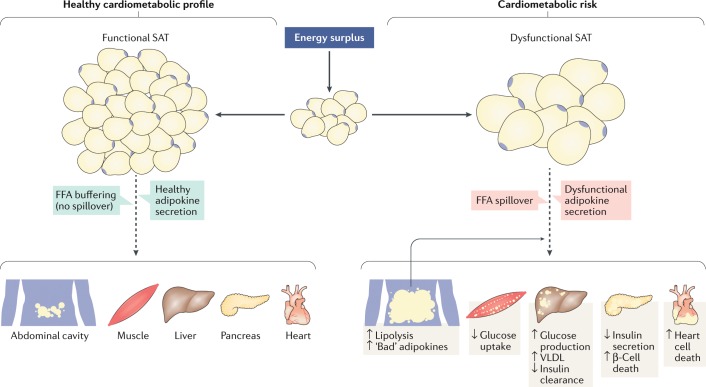
“In this disrupted metabolic state, there is decreased glucose uptake by skeletal muscles, increased lipolysis, gluconeogenesis and decreased insulin secretion over time [26].”
Lin, W., Chen, J., Yuan, L., Wang, J.-Y., Sun, S., Sun, M., Fang, Y.-Y., Luo, L., Wang, C., & Liu, H. (2024) · BMC Geriatrics · doi:10.1186/s12877-024-05319-0 · Cited by 8
Kula, A., Brender, R., Bernartz, K. M., & Walter, U. (2024) · BMC Public Health · doi:10.1186/s12889-024-20354-7 · Cited by 13
“Especially regarding children WC is recommended for global obesity surveillance and clinical practice [19, 20].”
Deng, X., Ma, L., Li, P., He, M., Jin, R., Tao, Y., Cao, H., Gao, H., Zhou, W., Lu, K., et al. (2024) · Lipids in Health and Disease · doi:10.1186/s12944-024-02384-7 · Cited by 9
Xu, L., Qiu, J., Shen, P., Wang, Y., Wu, Y., Hu, J., Yang, Z., Zhu, Z., Lin, H., Shui, L., et al. (2025) · Nutrition Metabolism and Cardiovascular Diseases · doi:10.1016/j.numecd.2025.103851 · Cited by 8
Aoshima, M., Deguchi, K., Yamamoto-Wada, R., Ushiroda, C., Hiraiwa, E., Yokoi, M., Ono, C., Yoshida, M., & Iizuka, K. (2025) · Nutrients · doi:10.3390/nu17060962 · Cited by 7
“Obesity is a medical condition involving the accumulation of excess body fat and is associated with diseases such as fatty liver, diabetes mellitus, dyslipidemia, and cardiovascular diseases [1,2].”
Kim, H. J., Kim, J.-Y., & Kim, S. H. (2025) · Clinical Interventions in Aging · doi:10.2147/cia.s503349 · Cited by 7
Bellman, J., Westerterp, K. R., Wouters, L., Johannesson, M., Lundqvist, N., Kullberg, J., Larsson, C. L., Gustafsson, M., Pettersson, S., Fridolfsson, J., et al. (2025) · BMC Medicine · doi:10.1186/s12916-025-04143-6 · Cited by 7
“There is compelling evidence that reductions of the truncal fat mass and waist circumference are associated with lower morbidity and mortality rates [16, 41], strongly suggesting that the high-load treatment in the present trial improved metabolic health.”
Kuutti, M. A., Hietavala, E., Juppi, H., Sipilä, S., Aukee, P., & Laakkonen, E. K. (2025) · Menopause The Journal of The North American Menopause Society · doi:10.1097/gme.0000000000002572 · Cited by 7
Aragaki, A. K., Manson, J. E., LeBlanc, E. S., Chlebowski, R. T., Tinker, L. F., Allison, M., Haring, B., Odegaard, A., Wassertheil-Smoller, S. W., Saquib, N., et al. (2025) · Annals of Internal Medicine · doi:10.7326/annals-24-00713 · Cited by 8
Han, Y., Park, I. S., Kim, S. I., Wang, W., Yoo, J., Jo, H., Lee, J., Seol, A., Han, K., & Song, Y. S. (2021) · Gynecologic Oncology · doi:10.1016/j.ygyno.2021.03.024 · Cited by 8
Cortaza, J. D. R. G., Ibarra, F. V. F., Calero, F. E. E., Quezada, J. C. R., Columbus, R. Q., Plaza, J. P., Garcia, C. F., Solórzano, D. Y. M., & Mattos, M. Á. C. (2021) · Revista de la Facultad de Medicina Humana · doi:10.25176/rfmh.v21i3.3758 · Cited by 8
do Vale, M. R. L., Buckner, L., Mitrofan, C. G., Tramontt, C. R., Kargbo, S. K., Khalid, A., Ashraf, S., Mouti, S., Dai, X., Unwin, D., et al. (2021) · Nutrition Research Reviews · doi:10.1017/s0954422421000378 · Cited by 7
“Although not completely elucidated, different mechanisms have been cited to explain the important role that central obesity plays in CVD, such as promoting insulin resistance, inflammation and oxidative stress, which contribute to an atherogenic state (139 – 141) .”
Killeen, S. L., Yelverton, C. A., Geraghty, A. A., Kennelly, M. A., Eakins, S., Farrell, L., Fagan, J. F., Mehegan, J., & McAuliffe, F. M. (2022) · Clinical Obesity · doi:10.1111/cob.12510 · Cited by 7
“While useful on a population basis, BMI does not provide insight into body composition, an important predictor of health outcomes, or the impact of excess adiposity on markers of health.(8,9) The American Association of Clinical Endocrinologists recommends the use of complication-based schema to inform obesity managem…”
BackgroundEvaluation of Preconception Dietary Patterns in Women Enrolled in a Multisite Study
Lim, S. X., Cox, V., Rodrigues, N. B., Colega, M., Barton, S. J., Childs, C. E., Conlon, C. A., Wall, C. R., Cutfield, W. S., Chan, S., et al. (2022) · Current Developments in Nutrition · doi:10.1093/cdn/nzac106 · Cited by 7
“This was performed because for any given BMI there could be differences in abdominal adiposity, which can be accounted for by adjusting for waist-to-hip ratio in the model (25).”
BackgroundSaito, K., Shimamoto, T., Takahashi, Y., Okushin, K., Takahashi, M., Masuda, Y., Nishikawa, T., Kakushima, N., Wada, R., & Yamamichi, N. (2022) · Scientific Reports · doi:10.1038/s41598-022-24863-6 · Cited by 7
Is Metabolic Syndrome Useful for Identifying Youths with Obesity at Risk for NAFLD?
Bonito, P. D., Sessa, A. D., Licenziati, M. R., Corica, D., Wasniewska, M. G., Umano, G. R., Morandi, A., Maffeis, C., Faienza, M. F., Mozzillo, E., et al. (2023) · Children · doi:10.3390/children10020233 · Cited by 9
Cucoranu, D. C., Pop, M., Niculescu, R., Vunvulea, V., Kosovski, I.-B., Togănel, R. O., Russu, E., Mureșan, A. V., Licu, R.-A., & Bacârea, A. (2023) · Medicina · doi:10.3390/medicina59030500 · Cited by 37
“In clinical practice, measuring waist circumference is a generally accepted and inexpensive procedure that provides a reliable indicator of the amount of visceral fat present in the body [59].”
BackgroundShortland, T., McGranahan, M., Stewart, D. E., Oyebode, O. O., Shantikumar, S., Proto, W., Malik, B., Yau, R., Cobbin, M., Sabouni, A., et al. (2023) · PLoS ONE · doi:10.1371/journal.pone.0282823 · Cited by 7
Theodoridis, X., Chourdakis, M., Haidich, A., Stamouli, E.-M., Pagkalidou, E., Fotiadou, I., Talimtzi, P., Gkaliagkousi, E., & Triantafyllou, Α. (2023) · Obesity Research & Clinical Practice · doi:10.1016/j.orcp.2023.05.009 · Cited by 8
Kottler, J., Gingell, M. J., Khosla, S., Kordzikowski, M., Raszewski, R., Chestek, D. W., & Maki, K. A. (2023) · BMJ Open · doi:10.1136/bmjopen-2023-074887 · Cited by 9
“Waist circumference is another screening tool that can estimate weight status and may complement BMI information by indicating the presence or absence of central adiposity (30, 31).”
BackgroundKim, H., Joh, H. S., Lim, W., Seo, J., Kim, S., Zo, J., & Kim, M. (2023) · Metabolites · doi:10.3390/metabo13101082 · Cited by 8
“This recognition is fostering a shift towards waist circumference (WC) as a primary measure, offering direct insight into abdominal obesity and, consequently, visceral fat [5–7].”
BackgroundAlsaidan, A. A., Thirunavukkarasu, A., Alhassan, H. H., Ahmed, I. A. B., Alnasiri, A. S. A., Alhirsan, W., Alazmi, N. N. M., Alkhlaf, A. K., Alderbas, J. M., & Alkhaldi, M. A. (2023) · Journal of Clinical Medicine · doi:10.3390/jcm13010118 · Cited by 7
“Similarly, we followed the standard protocols to measure the waist circumference of the patients [26,27].”
MethodRegional variation in weight change after the transition to dolutegravir in Uganda and South Africa
Migisha, R., Chen, G., Muyindike, W. R., Aung, T. N., Nanfuka, V., Komukama, N., Chandiwana, N. C., Shazi, G., Tien, D., Moosa, M. S., et al. (2024) · AIDS · doi:10.1097/qad.0000000000003888 · Cited by 8
“Waist circumference is typically used to assess obesity, and has been closely associated with greater visceral fat and increased cardiometabolic health risks [25].”
BackgroundDavis, K. M., Petersen, K. S., Matthan, N. R., Legro, R. S., & Kris‐Etherton, P. M. (2024) · Journal of the American Heart Association · doi:10.1161/jaha.123.030497 · Cited by 7
Niu, T., Cao, S., Cheng, J., Zhang, Y., Zhang, Z., Xue, R., Ma, J., Ran, Q., & Xian, X. (2024) · Frontiers in Psychiatry · doi:10.3389/fpsyt.2024.1451703 · Cited by 9
Tao, J., Wang, Y., Li, L., Zheng, J., & Liang, S. (2020) · Frontiers in Physiology · doi:10.3389/fphys.2020.00542 · Cited by 7
Robson, E., Norris, T., Costa, S., Kivimäki, M., Hamer, M., & Johnson, W. (2021) · Nutrition Metabolism and Cardiovascular Diseases · doi:10.1016/j.numecd.2021.06.005 · Cited by 9
Chang, S.-L., Tchernof, A., Durocher, F., & Diorio, C. (2021) · Journal of Obesity · doi:10.1155/2021/3620147 · Cited by 8
“What is more, WC seems to be increasing beyond changes expected in BMI [8].”
BackgroundInfluentialLe, S., Zhang, Y., Voutilainen, A., Tan, X. W., Laukkanen, J. A., Wang, C., & Cheng, S. (2022) · Journal of Endocrinological Investigation · doi:10.1007/s40618-022-01777-8 · Cited by 7
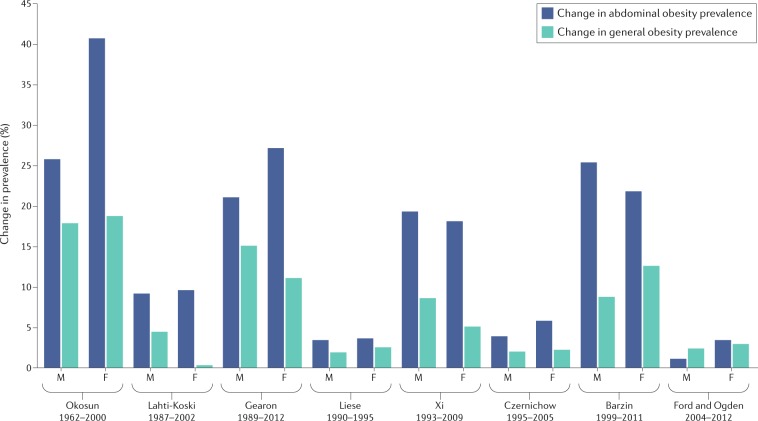
“A consensus statement pointed out that [37] “the lack of inclusion of waist circumference in global obesity surveillance might inadequately characterize the health risk associated with the global obesity prevalence, as it seems that the prevalence of abdominal obesity is increasing”; therefore, it was recommended that…”
BackgroundNing, L., & Sun, J. (2023) · BMC Public Health · doi:10.1186/s12889-023-15467-4 · Cited by 9
“Body circumference, especially waist circumference and waist-to-hip ratio, are practical indicators of body BMI and obesity[5].”
BackgroundMallet, L., Basile, D., Gallois, C., Roblot, V., Cazelles, A., Labiad, C., Taïeb, J., Karoui, M., & Manceau, G. (2023) · Surgery Open Digestive Advance · doi:10.1016/j.soda.2023.100083 · Cited by 9
Obesidad e hipertensión arterial y su relación con la pérdida de peso
Ramirez, J. L. D., & Peláez, C. E. A. (2023) · Revista Virtual de la Sociedad Paraguaya de Medicina Interna · doi:10.18004/rvspmi/2312-3893/2023.10.01.87 · Cited by 10
Different Curve Shapes of Fasting Glucose and Various Obesity-Related Indices by Diabetes and Sex
Wen, W., Wu, P.-Y., Huang, J., Tu, H., & Chen, S. (2021) · International Journal of Environmental Research and Public Health · doi:10.3390/ijerph18063096 · Cited by 8
“Moreover, the number is expected to increase by 25% in the next 10 years and 50% in the next 25 years [1].”
BackgroundBarré, T., Pol, S., Ramier, C., Beo, V. D., Carrat, F., Bureau, M., Bourlière, M., Dorival, C., Serfaty, L., Asselah, T., et al. (2021) · Cannabis and Cannabinoid Research · doi:10.1089/can.2021.0094 · Cited by 8
Thanaj, M., Basty, N., Cule, M., Sorokin, E. P., Whitcher, B. J., Srinivasan, R., Bell, J. D., & Thomas, E. L. (2025) · International Journal of Obesity · doi:10.1038/s41366-025-01829-y · Cited by 6
Regular extra-virgin olive oil intake independently associates with lower abdominal obesity
Matteis, C. D., Crudele, L., Buduo, E. D., Cantatore, S., Novielli, F., Cultrera, S., Tricase, A. F., Arconzo, M., Florio, M., Gadaleta, R. M., et al. (2025) · Frontiers in Nutrition · doi:10.3389/fnut.2025.1645230 · Cited by 7
Sun, Y., Liu, Y., Ye, W., Lebaka, V. R., Venkatrayulu, C., Li, W., & Korivi, M. (2025) · International Journal of Behavioral Nutrition and Physical Activity · doi:10.1186/s12966-025-01812-w · Cited by 6
Predictive performance of traditional and novel anthropometric indices for diabetes and hypertension
Pezeshki, M., Esmaeili, S., Mahdavi‐Gorabi, A., Sadegi, T., Kiaee, Z. F., Assar, O., Semnani, K., & Qorbani, M. (2025) · Journal of Diabetes Investigation · doi:10.1111/jdi.70172 · Cited by 6
He, X., Lu, Z., Guo, Y.-F., Zhao, R., & Liu, Z. (2025) · Frontiers in Endocrinology · doi:10.3389/fendo.2025.1632400 · Cited by 7
Pampanelli, S., Terzoni, S., Pantanetti, P., Loreto, C. D., Mazzieri, A., Cangelosi, G., Alberti, S., Badiali, C., Grandone, I., Migliarelli, S., et al. (2026) · Diabetes Obesity and Metabolism · doi:10.1111/dom.70538 · Cited by 8
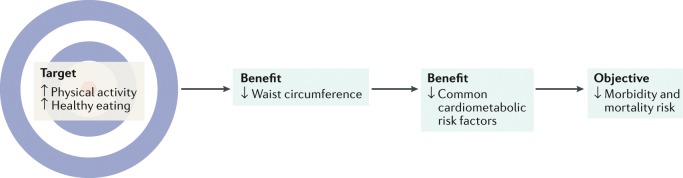
“…improvements in cardiovascular health following lifestyle changes and independently predicts metabolic syndrome, type 2 diabetes, and cardiovascular risk 44,45 : in this study, we observed a median decrease of 10 cm between baseline and 6 months, with significant changes across all time points.”
Mulya, I. C., Hasan, M., & Iqhrammullah, M. (2024) · Journal of Gynecology Obstetrics and Human Reproduction · doi:10.1016/j.jogoh.2024.102807 · Cited by 8
Zhang, L., Zeng, H., Sun, Y. L., Xue, H., Gao, L., & Zhu, W. (2024) · Healthcare · doi:10.3390/healthcare12161653 · Cited by 9
van de Geest, J. D. S., Meijer, P., Remmelzwaal, S., & Lakerveld, J. (2024) · Health & Place · doi:10.1016/j.healthplace.2024.103364 · Cited by 8
Hernández, P. A. F., Farías‐Valenzuela, C., Rezende, L. F. M., Nascimento, M. D. M., Marques, A., de Victo, E. R., & Ferrari, G. (2024) · Scientific Reports · doi:10.1038/s41598-024-82396-6 · Cited by 6
Krishnan, I., Ling, M. T. M., Ng, M. H., Law, J. X., Yusof, M. R. M., Thangarajah, T., Mahmood, Z., Izzati, U. Z., Rajamanickam, S., Subramani, B., et al. (2025) · Biomolecules · doi:10.3390/biom15010044 · Cited by 6
Giannakopoulou, S., Barkas, F., Chrysohoou, C. A., Liberopoulos, E. N., Sfikakis, P. P., Pitsavos, C., Tsioufis, C., & Panagiotakos, D. B. (2025) · European Journal of Internal Medicine · doi:10.1016/j.ejim.2025.02.007 · Cited by 6
Pantazis, D., Stampoulis, T., Balampanos, D., Avloniti, A. A., Kokkotis, C., Aggelakis, P., Protopapa, M., Draganidis, D., Emmanouilidou, M., Retzepis, N.-O., et al. (2025) · Applied Sciences · doi:10.3390/app15084547 · Cited by 7
Differential cardiovascular risk profiles by sex among adults with CKD: a NHANES-based analysis
Belikoff, H. T., Walsan, R., Hildreth, C. M., & Phillips, J. K. (2025) · Frontiers in Cardiovascular Medicine · doi:10.3389/fcvm.2025.1544590 · Cited by 6
“…crucial insights beyond BMI for predicting health outcomes, it is underutilized in clinical settings, representing a missed opportunity for enhanced cardiovascular risk assessment, speci fi cally for females who may face a heightened cardiovascular risk compared to their male counterparts (41).”
Jia, F., Lu, Y., Wen, H., Tu, J., Ning, X., Wang, J., & Li, P. (2025) · Diabetes Metabolic Syndrome and Obesity · doi:10.2147/dmso.s505024 · Cited by 6
“Studies have found that WC is more strongly correlated with the absolute amount of visceral fat or abdominal fat, 45 and increased visceral fat is significantly associated with the prevalence of OP.”
Huang, C., Lopes, A., & Britton, A. R. (2025) · Diabetes Research and Clinical Practice · doi:10.1016/j.diabres.2025.112268 · Cited by 9
Metadata
- Authors
- Ross, R., Neeland, I. J., Yamashita, S., Shai, I., Seidell, J., Magni, P., Santos, R. D., Arsenault, B., Cuevas, A., Hu, F. B., Griffin, B. A., Zambon, A., Barter, P., Fruchart, J.-C., Eckel, R. H., Matsuzawa, Y., & Després, J.-P.
- Affiliations
- Queen's University (CA)
- The University of Texas Southwestern Medical Center (US)
- The University of Osaka (JP)
- Ben-Gurion University of the Negev (IL)
- University of Milan (IT)
- Universidade de São Paulo (BR)
- Clínica Las Condes (CL)
- Harvard University (US)
- University of Surrey (GB)
- University of Padua (IT)
- UNSW Sydney (AU)
- Fondation Coeur et Artères (FR)
- University of Colorado Anschutz (US)
- Université Laval (CA)
- Corresponding author
- Ross, Robert
- ORCID
- Venue
- Nature Reviews Endocrinology
- Published
- 2020-02-04
- Volume
- 16
- Issue
- 3
- Pages
- 177-189
- ISSN
- 1759-5029 (ISSN-L)
- 1759-5037
- PMC
- PMC7027970
- OpenAlex
- W3004876731
- Semantic Scholar
- 2fafc439d38de09911620a951969b57fa87b58dc
- Cited by
- 1,966
- References
- 137
- Citations by year
- 2026: 334 · 2025: 432 · 2024: 360 · 2023: 312 · 2022: 264 · 2021: 199 · 2020: 61
- FWCI
- 31.97
- Type
- journal article
- Language
- en
- Open access
- hybrid
- doi.org
- Licence
- cc-by
- creativecommons.org/licenses/by/4.0 (tdm)
- creativecommons.org/licenses/by/4.0 (vor)
- Locations
- Nature Reviews Endocrinology (publishedVersion, cc-by)
- Europe PMC (PubMed Central) (publishedVersion, cc-by)
- PubMed Central (publishedVersion, cc-by)
- PubMed (publishedVersion)
- VU Research Portal (publishedVersion, other-oa)
- Archivio Istituzionale della Ricerca (Universita Degli Studi Di Milano) (submittedVersion, other-oa)
- Open Research (University of Surrey) (submittedVersion, cc-by)
- Padua Research Archive (University of Padova) (submittedVersion, cc-by)
- Data Archiving and Networked Services (DANS) (submittedVersion, other-oa)
- Funders
- Université Laval
- Indian Council for Cultural Relations
- Canadian Institutes of Health Research (FDN- 167278)
- Topics
- Health Sciences › Medicine › Endocrinology, Diabetes and Metabolism › Diabetes, Cardiovascular Risks, and Lipoproteins
- Health Sciences › Medicine › Physiology (medical) › Body Composition Measurement Techniques
- Health Sciences › Medicine › Public Health, Environmental and Occupational Health › Obesity, Physical Activity, Diet
- Keywords
- waist circumference, visceral obesity, cardiometabolic risk, body mass index, vital signs, overweight, obesity treatment, exercise intervention, dietary intervention, adiposity
- MeSH terms
- Female, Humans, Male, Body Mass Index, Waist Circumference, Obesity, Abdominal
About these checks
Registry, retraction, Cites and statistics results are computed, not judged, with one exception: a printed reference that no index lists is read once by a model before it counts as a citation error. Claims are extracted by a model and kept only when their quote appears verbatim in the text; each cited source is then checked, with a model’s help, for whether it says what the claim relies on. Those verdicts can be wrong — read the claim’s quote and the cited source before relying on one.
Statistics and arithmetic are recomputed, not judged.
Confidence bands are shown only for fields calibrated on our annotated test set. None is calibrated yet, so no band is shown.
What counts as a claim ›How we measure confidence ›How we check this ›
Are you an author, or do you see a problem with this page? Request a review
Data sources
Bibliographic data: Semantic Scholar, OpenAlex, Crossref.
Contains information from the Semantic Scholar Academic Graph Datasets, made available under the ODC Attribution License (ODC-BY 1.0).
Semantic Scholar’s data is described in: Kinney, R., et al. (2023). The Semantic Scholar Open Data Platform. arXiv:2301.10140.
