

Waist circumference as a vital sign in clinical practice: a Consensus Statement from the IAS and ICCR Working Group on Visceral Obesity
Open accessThe DOI matches its Crossref record; 134 of the 137 references it cites were found in a registry or an index.
Abstract
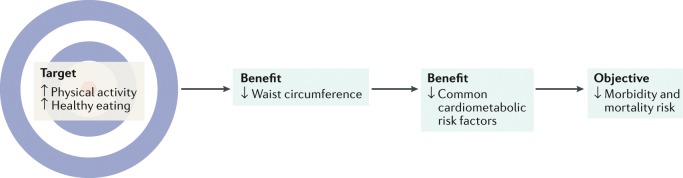
Despite decades of unequivocal evidence that waist circumference provides both independent and additive information to BMI for predicting morbidity and risk of death, this measurement is not routinely obtained in clinical practice. This Consensus Statement proposes that measurements of waist circumference afford practitioners with an important opportunity to improve the management and health of patients. We argue that BMI alone is not sufficient to properly assess or manage the cardiometabolic risk associated with increased adiposity in adults and provide a thorough review of the evidence that will empower health practitioners and professional societies to routinely include waist circumference in the evaluation and management of patients with overweight or obesity. We recommend that decreases in waist circumference are a critically important treatment target for reducing adverse health risks for both men and women. Moreover, we describe evidence that clinically relevant reductions in waist circumference can be achieved by routine, moderate-intensity exercise and/or dietary interventions. We identify gaps in the knowledge, including the refinement of waist circumference threshold values for a given BMI category, to optimize obesity risk stratification across age, sex and ethnicity. We recommend that health professionals are trained to properly perform this simple measurement and consider it as an important ‘vital sign’ in clinical practice.
Overview
The claims and statistics of this paper haven’t been checked yet.
Free: it reads the open-access text and checks the first 5 claims that cite a source we can check. Create a free account to check every claim.
Integrity signals
Registry
Cites
Statistics
Figures
Verification
Claims the paper makes
The claims and statistics of this paper haven’t been checked yet.
Free: it reads the open-access text and checks the first 5 claims that cite a source we can check. Create a free account to check every claim.
Claims other papers make about this one
Each is checked against this paper’s own text: does it say what the citing paper says it does?
The source backs part of the claim, not all of it — or backs it for a different population, condition or comparison.
In the citing paper
“However, several studies have shown that BMI does not reflect body fat distribution or metabolic health, and alternative measures such as waist circumference or body fat percentage could be more appropriate.36”
From Definition and diagnostic criteria of clinical obesity (2025) · cites this paper as [36]
Experimental — accuracy not yet measuredThe source backs part of the claim, not all of it — or backs it for a different population, condition or comparison.
In the citing paper
“CT can provide a free additional information regarding WC, a well-established anthropometric parameter of central obesity and a diagnostic criterion for metabolic syndrome [5, 19].”
From Fully automated waist circumference measurement on abdominal CT: Comparison with manual measurements and potential value for identifying overweight and obesity as an adjunct output of CT scan (2021) · cites this paper as [5]
Experimental — accuracy not yet measuredThe cited source says what the claim attributes to it.
In the citing paper
“Waist circumference is a recommended clinical measure for cardiometabolic risk, predicting morbidity and mortality while complementing BMI for patient management (Ross et al., 2020).”
From Long-term cardiometabolic effects of early institutionalization and foster care: Evidence from the Bucharest Early Intervention Project (2026) · cites this paper as Ross et al., 2020
The cited source says what the claim attributes to it.
In the citing paper
“Considering the specific role of visceral adiposity in increased cardiometabolic risk, especially when ≥100 cm2, such reduction is likely to provide important health benefits in patients with overweight or obesity.”
The cited source says what the claim attributes to it.
In the citing paper
“For example, many population studies have shown that within every BMI category considered, the larger the waist circumference, the greater the morbidity or mortality risk.36”
From Definition and diagnostic criteria of clinical obesity (2025) · cites this paper as [36]
4 more claims about this paper
Create a free account to see every claim other papers make about this one.
Self-check
Percentages, sums and reported differences re-computed from the paper’s own numbers.
The self-check needs the paper’s full text.
Citations
Cites
2013 ACCF/AHA Guideline for the Management of Heart Failure
Yancy, C. W., Jessup, M., Bozkurt, B., Butler, J., Casey, D. E., Drazner, M. H., Fonarow, G. C., Geraci, S. A., Horwich, T., Januzzi, J. L., et al. (2013) · Journal of the American College of Cardiology · doi:10.1016/j.jacc.2013.05.019 · Cited by 12,536
Ng, M., Fleming, T., Robinson, M., Thomson, B., Graetz, N., Margono, C., Mullany, E. C., Biryukov, S., Abbafati, C., Abera, S. F., et al. (2014) · The Lancet · doi:10.1016/s0140-6736(14)60460-8 · Cited by 11,952
Prediction of coronary heart disease using risk factor categories
Wilson, P. W. F., D’Agostino, R. B., Levy, D., Belanger, A. M., Silbershatz, H., & Kannel, W. B. (1998) · Circulation · doi:10.1161/01.cir.97.18.1837 · Cited by 9,581
(1998) · PsycEXTRA Dataset · doi:10.1037/e565682010-001 · Cited by 9,472
The metabolic syndrome—a new worldwide definition
Alberti, K. G. M., Zimmet, P., & Shaw, J. (2005) · The Lancet · doi:10.1016/s0140-6736(05)67402-8 · Cited by 9,352
Prevalence of Childhood and Adult Obesity in the United States, 2011-2012
Ogden, C. L., Carroll, M. D., Kit, B. K., & Flegal, K. M. (2014) · JAMA · doi:10.1001/jama.2014.732 · Cited by 8,072
Health effects of overweight and obesity in 195 countries over 25 years
Collaborators, T. G. 2. O. (2017) · New England Journal of Medicine · doi:10.1056/nejmoa1614362 · Cited by 7,918
Pencina, M. J., D' Agostino, R. B., D' Agostino, R. B., & Vasan, R. S. (2008) · Statistics in Medicine · doi:10.1002/sim.2929 · Cited by 6,493
2013 ACC/AHA Guideline on the Assessment of Cardiovascular Risk
Goff, D. C., Lloyd-Jones, D. M., Bennett, G., Coady, S., D’Agostino, R. B., Gibbons, R., Greenland, P., Lackland, D. T., Levy, D., O’Donnell, C. J., et al. (2014) · Journal of the American College of Cardiology · doi:10.1016/j.jacc.2013.11.005 · Cited by 4,945
Abdominal obesity and metabolic syndrome
Després, J.-P., & Lemieux, I. (2006) · Nature · doi:10.1038/nature05488 · Cited by 4,354
Self-citation
Research works printed but not linked: 1
- 79. Hammond, B. P., Brennan, A. M. & Ross, R. in Body Composition: Health and Performance in Exercise and Sport (ed. Lukaski, H. C.) 109-128 (CRC Press, Taylor and Francis Group, 2017).
Cited by
Items 401–500 of 1,004
Fakhrolmobasheri, M., Abhari, A. P., Heidarpour, M., Paymannejad, S., Pourmahdi‐Boroujeni, M., Saffari, A. S., Okhovat, P., Roohafza, H., Sadeghi, M., Rabanipour, N., et al. (2023) · Obesity Science & Practice · doi:10.1002/osp4.713 · Cited by 22
“4 Radiological assessment of body fat distribution using magnetic resonance imaging or computed tomography scan could precisely indicate central and visceral obesity; however, these methods are of high cost and require great resources.”
BackgroundRiveros, N., García-Corredor, L., Martinez-Solarte, M., & Clavijo, A. ́. G. (2024) · Journal of the American Nutrition Association · doi:10.1080/27697061.2024.2320192 · Cited by 29
Zhang, X., Wang, Y., Li, Y., Gui, J., Mei, Y., Yang, X., Liu, H., Guo, L., Li, J., Lei, Y., et al. (2024) · Scientific Reports · doi:10.1038/s41598-024-60172-w · Cited by 22
Kırsoy, F., Yalnız, M., Bahçecioğlu, İ. H., Artaş, H., Türkoğlu, S., Solmaz, O., & Tawheed, A. (2024) · Internal and Emergency Medicine · doi:10.1007/s11739-024-03685-6 · Cited by 18
“Individuals with a circumference between 100 cm and less than 110 cm were overweight and equal to or greater than 110 cm were classified as obese [16].”
Zein, M. A., Akomolafe, A. F., Mahmood, F. R., Khrayzat, A., Sahebkar, A., Pintus, G., Kobeissy, F. H., & Eid, A. H. (2024) · Obesity Reviews · doi:10.1111/obr.13807 · Cited by 22
“42 However, its superiority to BMI remains controversial.”
Effect of Time-Varying Exposure to School-Based Health Promotion on Adiposity in Childhood
Santos-Beneit, G., Bodega, P., de Cos-Gandoy, A., de Miguel, M., Rodríguez, C., Orrit, X., Carral, V., Haro, D., Carvajal, I., Peyra, C., et al. (2024) · Journal of the American College of Cardiology · doi:10.1016/j.jacc.2024.04.065 · Cited by 20
Sun, J.-Y., Su, Z., Shen, H., Yang, H., Sun, W., & Kong, X. (2024) · Nutrition Journal · doi:10.1186/s12937-024-01058-5 · Cited by 19
“In contrast with BMI, waist circumference strongly correlates with the total amount of abdominal fat and provides a more accurate assessment of metabolic risk [8, 45].”
Tian, J., Cao, Y.-T., Zhang, W., Wang, A., Yang, X., Dong, Y., & Zhou, X. (2024) · BMC Endocrine Disorders · doi:10.1186/s12902-024-01794-z · Cited by 20
“However, WC data may vary owing to differences in measurement locations and between self-measurement and technician measurements [23].”
Next Steps in Efforts to Address the Obesity Epidemic
Chusan, Y. A. C., Eneli, I., Hennessy, E., Pronk, N. P., & Economos, C. D. (2025) · Annual Review of Public Health · doi:10.1146/annurev-publhealth-060922-044108 · Cited by 21
Vasquez-Mamani, L. N., Cueva-Calizaya, L. A., Díaz, N. D. C. G., Saintila, J., & Calizaya-Milla, Y. E. (2025) · Journal of Multidisciplinary Healthcare · doi:10.2147/jmdh.s507564 · Cited by 21
“37 This parameter is of particular relevance, as higher abdominal fat accumulation is associated with an increased risk of chronic diseases, including type 2 diabetes, hypertension, and cardiovascular disease.”
Cicolari, S., Pavanello, C., Olmastroni, E., Puppo, M. D., Bertolotti, M., Mombelli, G. G., Catapano, A. L., Calabresi, L., & Magni, P. (2021) · Nutrients · doi:10.3390/nu13020427 · Cited by 19
“Moderate hypercholesterolemia is frequently observed in subjects with medium/low 10 years CV risk, represents a significant population burden, particularly when combined with unhealthy lifestyle habits [8] and is often underdiagnosed and undertreated, therefore highly contributing significantly to ASCVD prevalence [9].”
BackgroundInfluentialSelf-citationZhang, Y., Tong, Y., Xu, C., Yang, H., Zhang, T., & Liu, Y. (2021) · Evidence-based Complementary and Alternative Medicine · doi:10.1155/2021/5542626 · Cited by 23
“WC, not BMI, is a crucial measure of the severity of obesity and is more closely associated with obesity-related metabolic diseases [31, 32].”
BackgroundBima, A. I. H., Eldakhakhny, B. M., Nuwaylati, D. A., Alnami, A., Ajabnoor, M. A., & Elsamanoudy, A. Z. (2021) · Nutrients · doi:10.3390/nu13114127 · Cited by 18
Messier, S. P., Newman, J. J., Scarlett, M. J., Mihalko, S. L., Miller, G. D., Nicklas, B. J., DeVita, P., Hunter, D. J., Lyles, M. F., Eckstein, F., et al. (2022) · Arthritis Care & Research · doi:10.1002/acr.24765 · Cited by 20
“29 Knee replacements 4 (15) 8 (23) 5 (16) 0.”
BackgroundNguyen, G. T., Hayes, L., Ngongalah, L., Bigirumurame, T., Gaudet, L., Odeniyi, A., Flynn, A. C., Crowe, L., Skidmore, B., Simon, A., et al. (2022) · Obesity Reviews · doi:10.1111/obr.13491 · Cited by 20
“The evidence base from risk prediction models (in non-pregnant populations) suggests that the use of WC as a continuous variable, adjusted for BMI, works better than BMI alone to identify individuals with a high-risk obesity phenotype.(26) Other measures, such as early pregnancy waist-to-hip ratio (WHR) and subcutaneo…”
BackgroundHodge, A. M., Karim, M. N., Hébert, J. R., Shivappa, N., Milne, R. L., & de Courten, B. (2021) · Public Health Nutrition · doi:10.1017/s1368980021001713 · Cited by 19
“Central (abdominal) obesity is also strongly associated with morbidity and mortality(4).”
BackgroundTracking Pathways Linking Obesity with Heart Failure
Manta, E., Iliakis, P., Fragoulis, C., Leontsinis, I., Stamoulopoulos, I., Chrysohoou, C. A., & Tsioufis, K. P. (2025) · Nutrients · doi:10.3390/nu17071250 · Cited by 20
“A straightforward technique for determining abdominal obesity is waist circumference, which has been highly correlated with cardiovascular and all-cause mortality [3].”
InfluentialLee, T., Lin, F., Yeh, C., Hsiao, Y.-C., Yang, K.-C., Hsuan, C., & Wu, C. (2025) · BMC Public Health · doi:10.1186/s12889-025-22944-5 · Cited by 22
“Thus, a simple model that uses readily available anthropometric measures and has a high predictive ability would be very useful clinically [22, 23].”
Ostrominski, J. W., Harrington, J., Claggett, B. L., Filippatos, G. S., Desai, A. S., Jhund, P. S., Henderson, A. D., Lam, C. S. P., Senni, M., Shah, S. J., et al. (2025) · Journal of the American College of Cardiology · doi:10.1016/j.jacc.2025.08.039 · Cited by 18
Soraneh, S., Ebrahimi, N., Masrouri, S., Tohidi, M., Azizi, F., & Hadaegh, F. (2025) · Cardiovascular Diabetology · doi:10.1186/s12933-025-02944-w · Cited by 23
“WHtR and WC, as useful parameters for evaluating central obesity, have shown superior discriminatory power in identifying cardiometabolic risk compared to BMI [62, 63].”
The State of Cardiovascular Health in the European Union
OECD (2025) · OECD eBooks · doi:10.1787/ea7a15f4-en · Cited by 41
Zhang, H., Wang, Y., Ge, Y., Wang, S., Sun, J.-Y., Chen, L., Su, S., & Sun, Y. (2023) · Frontiers in Cardiovascular Medicine · doi:10.3389/fcvm.2023.1043491 · Cited by 22
Russell, J. B., Koroma, T. R., Sesay, S., Samura, S. K., Lakoh, S., Bockarie, A. S., Abiri, O. T., Kanu, J. S., Coker, J. M., Jalloh, A., et al. (2023) · BMJ Open · doi:10.1136/bmjopen-2022-067643 · Cited by 20
“The result of this study could serve as the basis for advocacy with an urgent call for action in establishing programmes that would improve the control and management of CMRFs and CVD, along with other NCDs.”
BackgroundKuntari, T., Riesty, F., Deriawan, A. A., Fatima, F. A., Ilham, M. Y., Putri, R. A., Sekaringtyas, F. M., & Khodijah, P. N. (2023) · Jurnal ABDIMAS-KU Jurnal Pengabdian Masyarakat Kedokteran · doi:10.30659/abdimasku.2.2.62-68 · Cited by 17
“Pengukuran lingkar perut merupakan pengukuran vital yang harus dilakukan dalam pemeriksaan klinis (Hjorth et al., 2023; Klein et al., 2007; Ross et al., 2020; Wan et al., 2020).”
Causal factors in primary open angle glaucoma: a phenome-wide Mendelian randomisation study
Julian, T. H., Girach, Z., Sanderson, E. C. M., Guo, H., Yu, J., Cooper‐Knock, J., Black, G. C. M., & Sergouniotis, P. I. (2023) · Scientific Reports · doi:10.1038/s41598-023-37144-7 · Cited by 19
Wang, H., Dai, Y., Huang, S., Rong, S., Qi, Y., & Li, B. (2023) · Frontiers in Public Health · doi:10.3389/fpubh.2023.1133614 · Cited by 18
Pankova, O., & Korzh, O. (2023) · Heart and Vessels · doi:10.1007/s00380-023-02318-w · Cited by 17
Ellinger, S., Amini, A. M., Haardt, J., Lehmann, A. C., Schmidt, A., Bischoff-Ferrari, H. A., Buyken, A. E., Kroke, A., Kuhn, T. E., Louis, S., et al. (2023) · European Journal of Nutrition · doi:10.1007/s00394-023-03220-x · Cited by 18
Pan, W. D., Wang, M., Hu, Y., Lian, Z., Cheng, H., Qin, J., & Wan, J. (2023) · Frontiers in Endocrinology · doi:10.3389/fendo.2023.1221325 · Cited by 19
“In addition, studies have suggested that in the absence of clinical imaging evidence, WC is currently recommended as an alternative marker for measuring ectopic fat and central obesity (34, 35).”
BackgroundHuang, L., Liu, H., Li, L., Wang, S., & Sun, G. (2023) · Frontiers in Endocrinology · doi:10.3389/fendo.2023.1283545 · Cited by 20
Su, Y., Sun, J.-Y., Su, Z., & Sun, W. (2024) · Current Cardiology Reviews · doi:10.2174/011573403x290574240322041356 · Cited by 20
“The application of both BMI and waist circumference may allow for a more comprehensive assessment and management of obesity-related adverse health events [71-77].”
BackgroundMalagón-Soriano, V. A., Ledezma, A. J., Espinel-Pachón, C. F., Burgos-Cárdenas, Á. J., Garcés, M. F., Ramirez, G. E. O., Vega, R. F., Franco, J. J. P., Maldonado‐Acosta, L. M., Rubio-Romero, J. A., et al. (2024) · Frontiers in Endocrinology · doi:10.3389/fendo.2024.1343641 · Cited by 18
“…fat (AF %), waist circumference (WC), and waist-to-height ratio (WHtR). limited because it may lead to the underestimation or overestimation of IR prediction; therefore, this index should be adjusted to height for a robust and universal use as a surrogate index for predicting IR (20, 40, 62).”
Xu, Z., Zhuang, L., Li, L., Jiang, L., Huang, J., Liu, D., & Wu, Q. (2024) · Journal of Health Population and Nutrition · doi:10.1186/s41043-024-00592-6 · Cited by 19
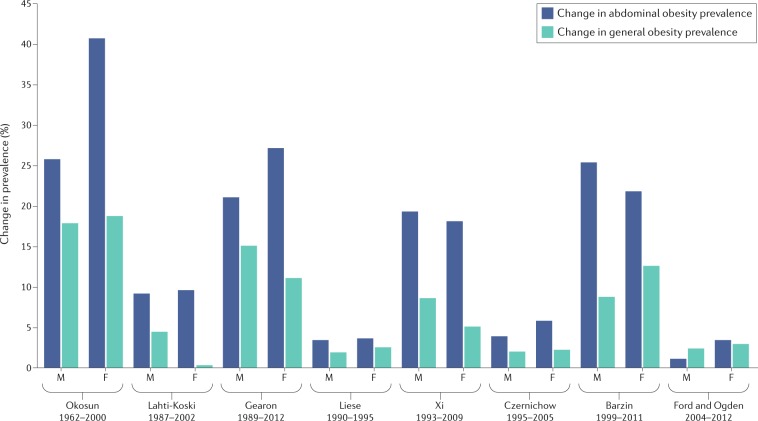
“Obesity is commonly categorized into two types: abdominal obesity, assessed by waist circumference, and general obesity, determined by body mass index (BMI) [9].”
BackgroundSoler, M. G., López‐González, Á. A., Vallejos, D., Rifá, E. M.-A., Herrero, M. T. V., & Ramírez‐Manent, J. I. (2024) · Nutrients · doi:10.3390/nu16132160 · Cited by 23
“WC is a valid parameter for indirect measurement of visceral adipose tissue [22]; however, we consider that there are valid economic methods to assess both total body fat and visceral fat.”
MethodSun, X., Song, J., Yan, R., Diao, J., Liu, Y., Zhu, Z., & Lu, W. (2025) · Lipids in Health and Disease · doi:10.1186/s12944-025-02432-w · Cited by 18
“Anthropometric data is frequently employed as surro-gates for overall or abdominal adiposity to assess disease risk, since it is a clearly comprehensible, conveniently available, and low-cost tool for epidemiological surveys [31, 32].”
Primary Barriers of Adherence to a Structured Nutritional Intervention in Patients with Dyslipidemia
Razo-Olvera, F. M. D., Martin-Vences, A. J., Brito-Córdova, G. X., Elías-López, D., Landa-Anell, M. V., Melgarejo-Hernández, M. A., Cruz‐Bautista, I., Manjarrez-Martínez, I., Gómez‐Velasco, D., & Aguilar-Salinas, C. A. (2021) · Nutrients · doi:10.3390/nu13061744 · Cited by 17
“, we observed a significant reduction in waist circumference, which is essential to decrease cardiovascular risk [9,24,25].”
BackgroundLiberale, L., Kraler, S. C., Puspitasari, Y. M., Bonetti, N. R., Akhmedov, A. T., Ministrini, S., Montecucco, F., Marx, N., Lehrke, M., Hartmann, N. K., et al. (2022) · Cardiovascular Research · doi:10.1093/cvr/cvac126 · Cited by 17
Fjellström, S., Hansen, E., Hölttä, J., Zingmark, M., Nordström, A., & Ohlsson, M. L. (2022) · Journal of Intellectual Disability Research · doi:10.1111/jir.12984 · Cited by 19
“The WC was measured in centimetres, midway between the lowest rib and the iliac crest with a measuring tape (Ross et al. 2020).”
BackgroundMethodQuality of sleep in people living with HIV in the era of highly active antiretroviral treatment
Petrakis, V., Steiropoulos, P., Παπάνας, Ν., Trypsianis, G. A., Papazoglou, D., & Panagopoulos, P. (2022) · International Journal of STD & AIDS · doi:10.1177/09564624221146608 · Cited by 17
“Abdominal obesity was defined as waist circumference ≥88 cm and ≥102 cm for women and men, respectively.(29) HIVspecific data such as the number of years diagnosed with HIV infection and on antiretroviral treatment (ART), the current antiretroviral treatment, the CD4 cell count and viral load (at diagnosis and the las…”
BackgroundHolwerda, S. W., Gangwish, M. E., Luehrs, R. E., Nuckols, V. R., Thyfault, J. P., Miles, J. M., & Pierce, G. L. (2022) · Journal of Hypertension · doi:10.1097/hjh.0000000000003335 · Cited by 17
“Visceral adiposity was estimated by waist circumference [34,35] and defined as waist circumference more than 102 cm for men and more than 88 cm for women [36].”
MethodTooth loss, diet quality, and cognitive decline: A 15-year longitudinal study
Winning, L., Logan, D., McEvoy, C. T., Farsi, D. N., McKay, G. J., Patterson, C., Passmore, P., Holmes, C., Linden, G. J., & McGuinness, B. (2025) · The journal of nutrition health & aging · doi:10.1016/j.jnha.2025.100620 · Cited by 17
“94 cm [27].”
Beyond BMI: central obesity measures and cardiovascular risk in late life
Erdoğan, O., Erdoğan, T., Önür, N. H., Özkök, S., Karan, M. A., & Bahat, G. (2025) · Aging Clinical and Experimental Research · doi:10.1007/s40520-025-03197-z · Cited by 16
Lefchak, F. J., Wendt, G. W., Vicentini, G. E., & Pascotto, C. R. (2021) · Revista de Ciências Médicas e Biológicas · doi:10.9771/cmbio.v20i1.38143 · Cited by 18
Effects of Short-term Mobile Application Use on Weight Reduction for Patients with Type 2 Diabetes
Lee, S. E., Park, S.-K., Park, Y.-S., Kim, K., Choi, H. S., & Oh, S. W. (2021) · Journal of Obesity & Metabolic Syndrome · doi:10.7570/jomes21047 · Cited by 20
“29 Thus, the WC reduction observed in our study is clinically relevant despite the lack of body weight reduction.”
Huang, H., Sun, Z., Xu, J., Wang, L., Zhao, J., Li, J., Zhang, S., Yuan, F., Liu, M., & Fang, Z. (2023) · Journal of Ethnopharmacology · doi:10.1016/j.jep.2023.116868 · Cited by 19
Sex differential impact of comorbidities in spondyloarthritis: data from COMOSPA study
Llop-Vilaltella, M., Jordi Gratacós, A., Moreno, M., Arévalo, M., Calvet, J., Berenguer, A., Dougados, M., Moltó, A., & Medina, C. L. (2024) · RMD Open · doi:10.1136/rmdopen-2023-003776 · Cited by 16
Dicken, S. J., Makaronidis, J., van Tulleken, C., Jassil, F. C., Hall, K. D., Brown, A. C., Wheeler‐Kingshott, C. A. M. G., Fisher, A., & Batterham, R. L. (2024) · BMJ Open · doi:10.1136/bmjopen-2023-079027 · Cited by 18
Svigkou, A., Katsi, V. K., Kordalis, V., & Tsioufis, K. P. (2024) · International Journal of Molecular Sciences · doi:10.3390/ijms25105455 · Cited by 19
“Therefore, waist circumference should be adopted as a routine measurement in examination alongside BMI to classify the CVD risk [27].”
BackgroundMethodNan, J., Chen, M., Yuan, H., Cai, S., Piao, W., Li, F., Yang, Y., Zhao, L., & Yu, D. (2024) · Nutrients · doi:10.3390/nu16162623 · Cited by 17
“…cases of central obesity in groups with normal BMI or even low BMI, which suggested that central obesity determined by waist circumference was more sensitive than obesity determined by BMI, and the growth rate of adult central obesity rate may exceed the obesity rate determined by BMI [23,24].”
BackgroundA Longitudinal Assessment of Metabolic Syndrome
Aidarbekova, D., Sadykova, K. Z., Saruarov, Y. G., Nurdinov, N. S., Zhunissova, M., Babayeva, K., Nemetova, D., Turmanbayeva, A., Bekenova, A., Nuskabayeva, G. O., et al. (2025) · Journal of Clinical Medicine · doi:10.3390/jcm14030747 · Cited by 16
“Regularly measuring WC is an effective way to identify individuals at risk for MetS [29].”
Metz, C. N., Xue, X., Chatterjee, P. K., Adelson, R. P., Roth, J., Brines, M. L., Tracey, K. J., Gregersen, P. K., & Pavlov, V. A. (2025) · BMC Women s Health · doi:10.1186/s12905-025-03588-4 · Cited by 17
Christensen, S. M., & Nelson, C. (2025) · Obesity Pillars · doi:10.1016/j.obpill.2025.100175 · Cited by 21
“Waist circumference, a measure of central adiposity, is strongly associated with visceral fat (intra-abdominal adipose tissue), morbidity, and mortality; however, this relationship depends on sex and race [43, 44].”
InfluentialLobeek, M., Timmann, L. P. A., van Veldhuisen, D. J., Dronkers, J., Slart, R. H. J. A., Rienstra, M., Viddeleer, A. R., & Gorter, T. M. (2025) · ESC Heart Failure · doi:10.1002/ehf2.15396 · Cited by 18
Smith, M. K., Christianto, E., & Staynor, J. M. D. (2020) · Obesity Research & Clinical Practice · doi:10.1016/j.orcp.2020.11.003 · Cited by 19
Neck Circumference Is Associated With Hyperuricemia in Women With Polycystic Ovary Syndrome
Yang, H., Liu, C., Jin, C., Yu, R., Ding, L., & Mu, L. (2021) · Frontiers in Endocrinology · doi:10.3389/fendo.2021.712855 · Cited by 17
Silva, K. D., Demmer, R. T., Jönsson, D., Mousa, A., Teede, H. J., Forbes, A. B., & Enticott, J. (2022) · PLoS ONE · doi:10.1371/journal.pone.0269191 · Cited by 18
“For example, a recent consensus statement highlighted the unequivocal evidence that waist circumference (WC) provides additive and independent information to BMI and recommended that WC be used as a vital sign in clinical practice [29].”
BackgroundRisk Factors for Cardiometabolic Disease in Professional Firefighters
McAllister, M. J., Gonzalez, D. E., Leonard, M., Martaindale, M. H., Bloomer, R. J., Pence, J., & Martin, S. E. (2022) · Journal of Occupational and Environmental Medicine · doi:10.1097/jom.0000000000002743 · Cited by 22
Liu, Q., Luan, H., Duan, Z., Ai, J., Wang, Y., & Chen, P. (2025) · Frontiers in Nutrition · doi:10.3389/fnut.2025.1660065 · Cited by 18
Liu, H., Guo, F., Fu, H., Xu, X., Wang, Z., Kang, J., Feng, J., Shen, Y., & Liu, W. (2026) · Cardiovascular Diabetology · doi:10.1186/s12933-026-03148-6 · Cited by 17
“As commonly used indicators for assessing central obesity, WC and WHtR are generally superior to BMI, which only reflects overall obesity, in identifying cardiometabolic risk [113, 114].”
Muniyappa, R., Chukir, T., Desai, D., Weintraub, M. A., Corrigan, M. D., Gianchandani, R. Y., & Rothberg, A. E. (2026) · The Journal of Clinical Endocrinology & Metabolism · doi:10.1210/clinem/dgag097 · Cited by 17
Ketabi, M., Andishgar, A., Fereidouni, Z., Sani, M. M., Abdollahi, A., Vali, M., Alkamel, A., & Tabrizi, R. (2024) · Clinical Cardiology · doi:10.1002/clc.24239 · Cited by 15
Moreno, Ó., Reyes‐García, R., Pardo, I. M., López-Martínez, M., & Soler, M. J. (2024) · Clinical Kidney Journal · doi:10.1093/ckj/sfae039 · Cited by 15
“Waist circumference is a better indicator of visceral adiposity than BMI or waist-to-hip ratio and would be relevant in people with a BMI of 30 kg/m 2 to avoid underdiagnosis of excess abdominal fat excess and high cardiometabolic risk [19 ].”
BackgroundObesity and Depression: Common Link and Possible Targets
Jitte, S., Keluth, S., Bisht, P., Wal, P., Singh, S., Murti, K., & Kumar, N. (2024) · CNS & Neurological Disorders - Drug Targets · doi:10.2174/0118715273291985240430074053 · Cited by 15
Vázquez-Agra, N., Cruces‐Sande, A., Gouveia, S., Lopez-Paz, J.-E., Camafort, M., Casariego-Vales, E., Pose‐Reino, A., & Ameijeiras, Á. H. (2024) · Scientific Reports · doi:10.1038/s41598-024-65231-w · Cited by 17
Titar, R. R., & Ramanathan, M. K. (2024) · Clinical and Translational Science · doi:10.1111/cts.13872 · Cited by 15
Dietary assessments in individuals living with coeliac disease: key considerations
Lee, A. R., Dennis, M. D., Lebovits, J., Welstead, L. A., Verma, R., Therrien, A., & Lebwohl, B. (2024) · Journal of Human Nutrition and Dietetics · doi:10.1111/jhn.13380 · Cited by 21
American Society for Metabolic and Bariatric Surgery review of the body mass index
Carter, J., Husain, F., Papasavas, P., Docimo, S., Albaugh, V., Aylward, L., Blalock, C., & Benson-Davies, S. (2025) · Surgery for Obesity and Related Diseases · doi:10.1016/j.soard.2024.10.038 · Cited by 13
Arellano-García, L., Portillo, M. P., Martínez, J. A., Courtois, A., & Milton‐Laskibar, I. (2024) · Critical Reviews in Food Science and Nutrition · doi:10.1080/10408398.2024.2437143 · Cited by 21
“In this regard, white adipose tissue (WAT) stored in visceral adipose depots is considered particularly harmful, and thus, compared to BMI, waist circumference is usually considered as a more accurate indicator of morbidity (Ross et al. 2020).”
Zhou, Z., & Liu, J. (2025) · Scientific Reports · doi:10.1038/s41598-025-92652-y · Cited by 18
“The inability of BMI to detect increases in abdominal obesity underscores its limitations in identifying the obesity phenotype that poses the greatest health risk 17 .”
Lambert, G. W., Patel, M., & Lambert, É. (2025) · Metabolites · doi:10.3390/metabo15050286 · Cited by 15
“Obesity and the expansion in fat mass that typically occurs with weight gain are associated with sympathetic nervous activation [53] and increased cardiometabolic disease risk [176].”
Zheng, W., Yin, M., Guo, Y., Liu, H., Sun, J., Zhu, A., Zhong, Y., Xu, K., Li, H., & Piao, S.-Z. (2025) · Frontiers in Physiology · doi:10.3389/fphys.2025.1625516 · Cited by 16
Improving cardiovascular risk stratification: the role of abdominal obesity in predicting MACEs
Matteis, C. D., Petruzzelli, S., Graziano, G., Novielli, F., Buduo, E. D., Cantatore, S., Berardi, E., Antonica, G., Arconzo, M., Cariello, M., et al. (2025) · Cardiovascular Diabetology · doi:10.1186/s12933-025-02885-4 · Cited by 18
“Conversely, WC provides a more accurate estimation of this metabolically active fat mass and its associated inflammatory and atherogenic burden [51–53].”
Ichikawa, T., Okada, H., Nakajima, H., Yoneda, M., Ushigome, E., Hamaguchi, M., Kurogi, K., Murata, H., Tsuda, E., Yoshida, N., et al. (2025) · American Journal of Clinical Nutrition · doi:10.1016/j.ajcnut.2025.08.010 · Cited by 17
Associations of residential greenness with peripheral and central obesity in China
Zhang, L., Chen, C., Liu, C., Zhang, Y., Fang, J., Han, J., Zhao, F., Du, P., Wang, Q., Wang, J., et al. (2021) · The Science of The Total Environment · doi:10.1016/j.scitotenv.2021.148084 · Cited by 15
Xu, C., Zhou, G., Zhao, M., Zhang, X., Li, F., Guan, Q., Zhang, H., Gao, L., Zhang, T., & Zhao, J. (2021) · BMJ Open Diabetes Research & Care · doi:10.1136/bmjdrc-2020-002059 · Cited by 20
Prevalence of Underweight, Overweight and Obesity among Adults in Urban Bissau, Western Africa
Turé, R., Damasceno, A., Djicó, M., & Lunet, N. (2021) · Nutrients · doi:10.3390/nu13124199 · Cited by 19
“Waist circumference can easily be applied in clinical practice [38], but the validated cut-off points more commonly utilized in screening for abdominal obesity in the world are based on a population of predominantly European origin [39].”
BackgroundLi, M., Wang, S.-X., Su, Y.-K., Sun, J., Zhang, A., Cheng, B., Cai, S., & Zhu, P. (2022) · Frontiers in Cardiovascular Medicine · doi:10.3389/fcvm.2022.856517 · Cited by 17
“Higher cardiometabolic risk is also related to the location of excess fat in VAT and ectopic reservoirs (such as muscle and liver), when the ratio of fat to lean body mass increases (for example, normal body weight for metabolic obesity) (6).”
BackgroundInfluentialThe effects of dietary and physical activity interventions on tinnitus symptoms: An RCT
Yücel, Ü. Ö., Uçar, A., Aydoğan, Z., Tokgöz-Yılmaz, S., & Beton, S. (2022) · Auris Nasus Larynx · doi:10.1016/j.anl.2022.04.013 · Cited by 17
Prader–Willi Syndrome in Adults: An Update On Nutritional Treatment and Pharmacological Approach
Barrea, L., Vetrani, C., Fintini, D., de Alteriis, G., Panfili, F. M., Bocchini, S., Verde, L., Colao, A., Savastano, S., & Muscogiuri, G. (2022) · Current Obesity Reports · doi:10.1007/s13679-022-00478-w · Cited by 17
“However, some aspects related to the pathogenesis of altered glucose metabolism and T2D and are still matter of debate.”
BackgroundInfluentialThe Significance of COVID-19 Diseases in Lipid Metabolism Pregnancy Women and Newborns
Jovandarić, M. Z., Đokić, M., Babović, I. R., Milićević, S., Dotlić, J., Milošević, B., Culjic, M., Andric, L., Dimić, N., Mitrović, O., et al. (2022) · International Journal of Molecular Sciences · doi:10.3390/ijms232315098 · Cited by 16
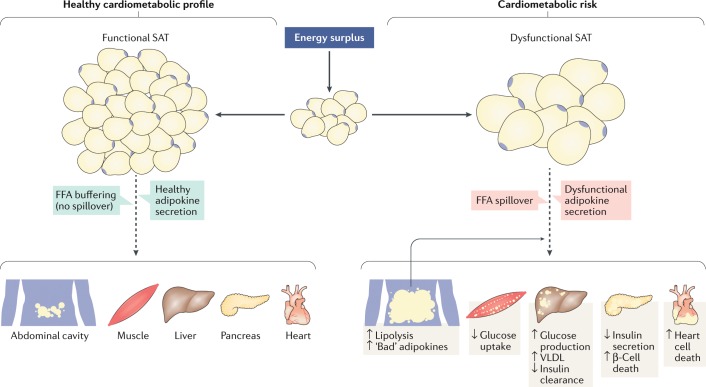
“Visceral adipose tissue (VAT) appears to be more pathogenic than the subcutaneous depots do due to adipocyte hypertrophy, leading to local compression and hypoxia, which results in oxidative stress, cell apoptosis and necrosis [26].”
BackgroundAbdominal Obesity Genetic Variants Predict Waist Circumference Regain After Weight Loss
Christiansen, M. R., Kilpeläinen, T. O., & McCaffery, J. M. (2023) · Diabetes · doi:10.2337/db23-0131 · Cited by 16
Polycystic ovary syndrome: Pathways and mechanisms for possible increased susceptibility to COVID-19
Ilias, Ι., Goulas, S., & Zabulienė, L. (2021) · World Journal of Clinical Cases · doi:10.12998/wjcc.v9.i12.2711 · Cited by 16
Vitamin D deficiency and tumor aggressiveness in gastroenteropancreatic neuroendocrine tumors
Altieri, B., Barrea, L., Modica, R., Bottiglieri, F., de Cicco, F., Muscogiuri, G., Circelli, L., Savarese, G., Somma, C. D., Savastano, S., et al. (2021) · Endocrine · doi:10.1007/s12020-021-02869-w · Cited by 17
Azab, S. M., Shanmuganathan, M., de Souza, R. J., Kroezen, Z., Desai, D., Williams, N. C., Morrison, K. M., Atkinson, S. A., Teo, K. K., Azad, M. B., et al. (2023) · BMC Medicine · doi:10.1186/s12916-023-02886-8 · Cited by 15
“In accordance with research showing the independent and additive value of waist circumference metric in predicting morbidity [38], the approach we adopted by combining both z-BMI and waist circumference may serve as a useful approach for other researchers and future investigations.”
MethodObesity and cardiovascular disease: beyond body weight and energy balance
Lechner, K., & Krauss, R. M. (2022) · European Journal of Preventive Cardiology · doi:10.1093/eurjpc/zwac220 · Cited by 15
Navas‐Carretero, S., San-Cristóbal, R., Vestentoft, P. S., Brand-Miller, J. C., Jalo, E., Westerterp‐Plantenga, M. S., Simpson, E. J., Handjieva‐Darlenska, T., Stratton, G., Huttunen‐Lenz, M., et al. (2021) · Frontiers in Nutrition · doi:10.3389/fnut.2021.733697 · Cited by 17
“Waist circumference (WC) has also emerged as a useful clinical marker to distinguish patients according to cardiometabolic risks (18).”
BackgroundCadena-López, R. O., Hernández-Rodríguez, L. V., Aguilar-Galarza, A., García‐Muñoz, W., Haddad-Talancón, L., Anzures-Cortés, M. D. L., Velázquez-Sánchez, C., Flores-Viveros, K. L., Anaya‐Loyola, M. A., García-Gasca, T., et al. (2022) · Genes · doi:10.3390/genes13060945 · Cited by 14
A shape classification scheme for female torso
Li, P., & Mitchell, K. B. (2022) · Applied Ergonomics · doi:10.1016/j.apergo.2022.103904 · Cited by 14
Weight loss and metabolic benefits of bariatric surgery in China : A multicenter study
Feng, W., Zhu, Z., Li, X., Zhou, Z., Qu, S., Sun, X., & Zhu, D. (2023) · Journal of Diabetes · doi:10.1111/1753-0407.13430 · Cited by 15
“13,35 Although greater TWL and reductions in BMI and waist circumference were observed after SG than after RYGB, similar percentages of patients achieved successful weight loss based on an EWL >50% and alleviation of metabolic markers at 12 months Though studies reported greater and more sustained…”
BackgroundChoudhary, S., Iyer, G., Smith, B. M., Li, J., Sippel, M., Criminisi, A., & Heymsfield, S. B. (2023) · npj Digital Medicine · doi:10.1038/s41746-023-00909-5 · Cited by 15
“7 – 9.”
Association between waist circumference trajectories and incident non-alcoholic fatty liver disease
Lee, J., Jeon, S., Lee, H. S., & Kwon, Y. (2023) · Obesity Research & Clinical Practice · doi:10.1016/j.orcp.2023.09.005 · Cited by 48
Park, J. E., Jo, J., Youk, J., Kim, M., Yoon, S. H., Keam, B., Kim, T. M., & Kim, D. (2023) · Insights into Imaging · doi:10.1186/s13244-023-01532-4 · Cited by 16
“…3 ), subcutaneous fat volume (cm 3 ), skeletal muscle volume (cm 3 ), visceral fat attenuation (Hounsfield units [HUs]), and subcutaneous fat attenuation (HU) at the waist, which was defined according to the World Health Organization definition as “between the 12th rib and the iliac crest” [32].”
BackgroundFiorotti, A. M., Gomes, A. C. A., de Bortoli, A. M., de Brito, B. B., Nunes, K. Z., Haraguchi, F. K., & Lopes, A. B. (2024) · Pharmaceuticals · doi:10.3390/ph17020215 · Cited by 16
“The International Atherosclerosis Society and International Chair on Cardiometabolic Risk Working Group on Visceral Obesity consensus (2020) [28] recommend that waist circumference measurement, which has been neglected, be reintegrated into clinical practice, as it is a critical factor that can be…”
BackgroundSun, J.-Y., Su, Z., Yang, J., Sun, W. Y., & Kong, X. (2024) · Life Sciences · doi:10.1016/j.lfs.2024.122511 · Cited by 16
Yang, C., Qin, X., Qiu, J., Avesani, C. M., Cai, Q., Ai, X., Lu, Y., Shen, L., Duan, R., Zhong, J., et al. (2024) · Clinical Kidney Journal · doi:10.1093/ckj/sfae142 · Cited by 15
“Abdominal obesity was classified as an absolute WC of ≥ 102 cm in men and ≥ 88 cm in women [34 ].”
De, A., Bhagat, N., Mehta, M., Singh, P., Rathi, S., Verma, N., Taneja, S., Premkumar, M., & Duseja, A. K. (2024) · Journal of Clinical and Experimental Hepatology · doi:10.1016/j.jceh.2024.102400 · Cited by 16
Bennett, W. L., He, J. H., Michos, E. D., Kalyani, R. R., Clark, J. M., Woodward, M., Syed, N., Ma, J., Everett, A. D., Yang, J. J., et al. (2024) · The Journal of Clinical Endocrinology & Metabolism · doi:10.1210/clinem/dgae584 · Cited by 15
Schröder, H., Juton, C., Goran, M. I., Wärnberǵ, J., Osés, M., González‐Gross, M., Gusi, N., Aznar, S., Marín‐Cascales, E., Valeiro, M. G., et al. (2024) · BMC Medicine · doi:10.1186/s12916-024-03719-y · Cited by 15
“Therefore, measuring abdominal obesity can be considered a first step in identifying children and adolescents at cardiometabolic risk [4] and a recent, Consensus Statement from the International Atherosclerosis Society and International Chair on Cardiometabolic Risk recommended that health…”
BackgroundInfluentialPescari, D., Mihuţa, M. S., Bena, A., & Stoian, D. L. (2024) · Frontiers in Nutrition · doi:10.3389/fnut.2024.1493954 · Cited by 14
Bachar, A., & Birk, R. Z. (2025) · Current Nutrition Reports · doi:10.1007/s13668-025-00634-3 · Cited by 14
Metadata
- Authors
- Ross, R., Neeland, I. J., Yamashita, S., Shai, I., Seidell, J., Magni, P., Santos, R. D., Arsenault, B., Cuevas, A., Hu, F. B., Griffin, B. A., Zambon, A., Barter, P., Fruchart, J.-C., Eckel, R. H., Matsuzawa, Y., & Després, J.-P.
- Affiliations
- Queen's University (CA)
- The University of Texas Southwestern Medical Center (US)
- The University of Osaka (JP)
- Ben-Gurion University of the Negev (IL)
- University of Milan (IT)
- Universidade de São Paulo (BR)
- Clínica Las Condes (CL)
- Harvard University (US)
- University of Surrey (GB)
- University of Padua (IT)
- UNSW Sydney (AU)
- Fondation Coeur et Artères (FR)
- University of Colorado Anschutz (US)
- Université Laval (CA)
- Corresponding author
- Ross, Robert
- ORCID
- Venue
- Nature Reviews Endocrinology
- Published
- 2020-02-04
- Volume
- 16
- Issue
- 3
- Pages
- 177-189
- ISSN
- 1759-5029 (ISSN-L)
- 1759-5037
- PMC
- PMC7027970
- OpenAlex
- W3004876731
- Semantic Scholar
- 2fafc439d38de09911620a951969b57fa87b58dc
- Cited by
- 1,966
- References
- 137
- Citations by year
- 2026: 334 · 2025: 432 · 2024: 360 · 2023: 312 · 2022: 264 · 2021: 199 · 2020: 61
- FWCI
- 31.97
- Type
- journal article
- Language
- en
- Open access
- hybrid
- doi.org
- Licence
- cc-by
- creativecommons.org/licenses/by/4.0 (tdm)
- creativecommons.org/licenses/by/4.0 (vor)
- Locations
- Nature Reviews Endocrinology (publishedVersion, cc-by)
- Europe PMC (PubMed Central) (publishedVersion, cc-by)
- PubMed Central (publishedVersion, cc-by)
- PubMed (publishedVersion)
- VU Research Portal (publishedVersion, other-oa)
- Archivio Istituzionale della Ricerca (Universita Degli Studi Di Milano) (submittedVersion, other-oa)
- Open Research (University of Surrey) (submittedVersion, cc-by)
- Padua Research Archive (University of Padova) (submittedVersion, cc-by)
- Data Archiving and Networked Services (DANS) (submittedVersion, other-oa)
- Funders
- Université Laval
- Indian Council for Cultural Relations
- Canadian Institutes of Health Research (FDN- 167278)
- Topics
- Health Sciences › Medicine › Endocrinology, Diabetes and Metabolism › Diabetes, Cardiovascular Risks, and Lipoproteins
- Health Sciences › Medicine › Physiology (medical) › Body Composition Measurement Techniques
- Health Sciences › Medicine › Public Health, Environmental and Occupational Health › Obesity, Physical Activity, Diet
- Keywords
- waist circumference, visceral obesity, cardiometabolic risk, body mass index, vital signs, overweight, obesity treatment, exercise intervention, dietary intervention, adiposity
- MeSH terms
- Female, Humans, Male, Body Mass Index, Waist Circumference, Obesity, Abdominal
About these checks
Registry, retraction, Cites and statistics results are computed, not judged, with one exception: a printed reference that no index lists is read once by a model before it counts as a citation error. Claims are extracted by a model and kept only when their quote appears verbatim in the text; each cited source is then checked, with a model’s help, for whether it says what the claim relies on. Those verdicts can be wrong — read the claim’s quote and the cited source before relying on one.
Statistics and arithmetic are recomputed, not judged.
Confidence bands are shown only for fields calibrated on our annotated test set. None is calibrated yet, so no band is shown.
What counts as a claim ›How we measure confidence ›How we check this ›
Are you an author, or do you see a problem with this page? Request a review
Data sources
Bibliographic data: Semantic Scholar, OpenAlex, Crossref.
Contains information from the Semantic Scholar Academic Graph Datasets, made available under the ODC Attribution License (ODC-BY 1.0).
Semantic Scholar’s data is described in: Kinney, R., et al. (2023). The Semantic Scholar Open Data Platform. arXiv:2301.10140.
