

Waist circumference as a vital sign in clinical practice: a Consensus Statement from the IAS and ICCR Working Group on Visceral Obesity
Open accessThe DOI matches its Crossref record; 134 of the 137 references it cites were found in a registry or an index.
Abstract
Despite decades of unequivocal evidence that waist circumference provides both independent and additive information to BMI for predicting morbidity and risk of death, this measurement is not routinely obtained in clinical practice. This Consensus Statement proposes that measurements of waist circumference afford practitioners with an important opportunity to improve the management and health of patients. We argue that BMI alone is not sufficient to properly assess or manage the cardiometabolic risk associated with increased adiposity in adults and provide a thorough review of the evidence that will empower health practitioners and professional societies to routinely include waist circumference in the evaluation and management of patients with overweight or obesity. We recommend that decreases in waist circumference are a critically important treatment target for reducing adverse health risks for both men and women. Moreover, we describe evidence that clinically relevant reductions in waist circumference can be achieved by routine, moderate-intensity exercise and/or dietary interventions. We identify gaps in the knowledge, including the refinement of waist circumference threshold values for a given BMI category, to optimize obesity risk stratification across age, sex and ethnicity. We recommend that health professionals are trained to properly perform this simple measurement and consider it as an important ‘vital sign’ in clinical practice.
Overview
The claims and statistics of this paper haven’t been checked yet.
Free: it reads the open-access text and checks the first 5 claims that cite a source we can check. Create a free account to check every claim.
Integrity signals
Registry
Cites
Statistics
Figures
Verification
Claims the paper makes
The claims and statistics of this paper haven’t been checked yet.
Free: it reads the open-access text and checks the first 5 claims that cite a source we can check. Create a free account to check every claim.
Claims other papers make about this one
Each is checked against this paper’s own text: does it say what the citing paper says it does?
The source backs part of the claim, not all of it — or backs it for a different population, condition or comparison.
In the citing paper
“However, several studies have shown that BMI does not reflect body fat distribution or metabolic health, and alternative measures such as waist circumference or body fat percentage could be more appropriate.36”
From Definition and diagnostic criteria of clinical obesity (2025) · cites this paper as [36]
Experimental — accuracy not yet measuredThe source backs part of the claim, not all of it — or backs it for a different population, condition or comparison.
In the citing paper
“CT can provide a free additional information regarding WC, a well-established anthropometric parameter of central obesity and a diagnostic criterion for metabolic syndrome [5, 19].”
From Fully automated waist circumference measurement on abdominal CT: Comparison with manual measurements and potential value for identifying overweight and obesity as an adjunct output of CT scan (2021) · cites this paper as [5]
Experimental — accuracy not yet measuredThe cited source says what the claim attributes to it.
In the citing paper
“Waist circumference is a recommended clinical measure for cardiometabolic risk, predicting morbidity and mortality while complementing BMI for patient management (Ross et al., 2020).”
From Long-term cardiometabolic effects of early institutionalization and foster care: Evidence from the Bucharest Early Intervention Project (2026) · cites this paper as Ross et al., 2020
The cited source says what the claim attributes to it.
In the citing paper
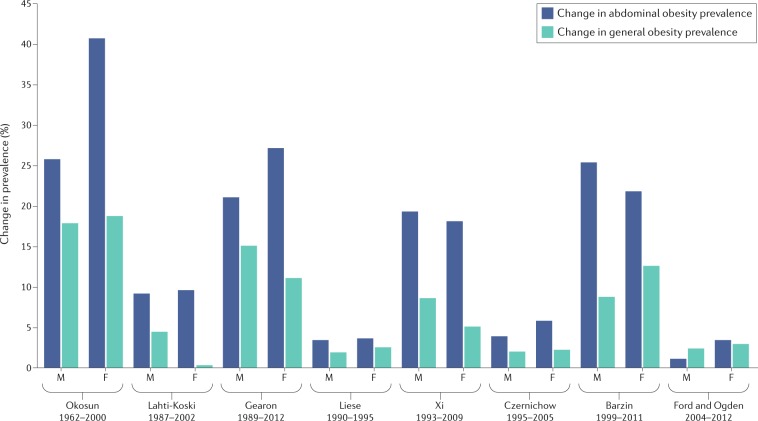
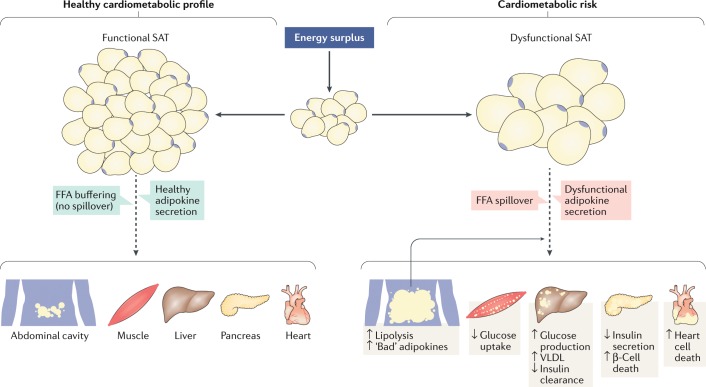
“Considering the specific role of visceral adiposity in increased cardiometabolic risk, especially when ≥100 cm2, such reduction is likely to provide important health benefits in patients with overweight or obesity.”
The cited source says what the claim attributes to it.
In the citing paper
“For example, many population studies have shown that within every BMI category considered, the larger the waist circumference, the greater the morbidity or mortality risk.36”
From Definition and diagnostic criteria of clinical obesity (2025) · cites this paper as [36]
4 more claims about this paper
Create a free account to see every claim other papers make about this one.
Self-check
Percentages, sums and reported differences re-computed from the paper’s own numbers.
The self-check needs the paper’s full text.
Citations
Cites
2013 ACCF/AHA Guideline for the Management of Heart Failure
Yancy, C. W., Jessup, M., Bozkurt, B., Butler, J., Casey, D. E., Drazner, M. H., Fonarow, G. C., Geraci, S. A., Horwich, T., Januzzi, J. L., et al. (2013) · Journal of the American College of Cardiology · doi:10.1016/j.jacc.2013.05.019 · Cited by 12,536
Ng, M., Fleming, T., Robinson, M., Thomson, B., Graetz, N., Margono, C., Mullany, E. C., Biryukov, S., Abbafati, C., Abera, S. F., et al. (2014) · The Lancet · doi:10.1016/s0140-6736(14)60460-8 · Cited by 11,952
Prediction of coronary heart disease using risk factor categories
Wilson, P. W. F., D’Agostino, R. B., Levy, D., Belanger, A. M., Silbershatz, H., & Kannel, W. B. (1998) · Circulation · doi:10.1161/01.cir.97.18.1837 · Cited by 9,581
(1998) · PsycEXTRA Dataset · doi:10.1037/e565682010-001 · Cited by 9,472
The metabolic syndrome—a new worldwide definition
Alberti, K. G. M., Zimmet, P., & Shaw, J. (2005) · The Lancet · doi:10.1016/s0140-6736(05)67402-8 · Cited by 9,352
Prevalence of Childhood and Adult Obesity in the United States, 2011-2012
Ogden, C. L., Carroll, M. D., Kit, B. K., & Flegal, K. M. (2014) · JAMA · doi:10.1001/jama.2014.732 · Cited by 8,072
Health effects of overweight and obesity in 195 countries over 25 years
Collaborators, T. G. 2. O. (2017) · New England Journal of Medicine · doi:10.1056/nejmoa1614362 · Cited by 7,918
Pencina, M. J., D' Agostino, R. B., D' Agostino, R. B., & Vasan, R. S. (2008) · Statistics in Medicine · doi:10.1002/sim.2929 · Cited by 6,493
2013 ACC/AHA Guideline on the Assessment of Cardiovascular Risk
Goff, D. C., Lloyd-Jones, D. M., Bennett, G., Coady, S., D’Agostino, R. B., Gibbons, R., Greenland, P., Lackland, D. T., Levy, D., O’Donnell, C. J., et al. (2014) · Journal of the American College of Cardiology · doi:10.1016/j.jacc.2013.11.005 · Cited by 4,945
Abdominal obesity and metabolic syndrome
Després, J.-P., & Lemieux, I. (2006) · Nature · doi:10.1038/nature05488 · Cited by 4,354
Self-citation
Research works printed but not linked: 1
- 79. Hammond, B. P., Brennan, A. M. & Ross, R. in Body Composition: Health and Performance in Exercise and Sport (ed. Lukaski, H. C.) 109-128 (CRC Press, Taylor and Francis Group, 2017).
Cited by
Items 601–700 of 1,004
Ishigaki, Y., Hirase, T., Pathadka, S., Cai, Z., Sato, M., Takemura, R., & Ishida, N. (2023) · Diabetes Therapy · doi:10.1007/s13300-023-01484-4 · Cited by 11
“…via improvement in lifestyle factors has been suggested as a key treatment target to improve metabolic health and reduce adverse outcomes [28, 29]; however, additional study is required to establish optimal waist circumference cutoffs for risk management by age, sex, and ethnicity [29].”
BackgroundLehnhard, A. R., Sehn, A. P., Silveira, J. F. D. C., Burns, R. D., Reuter, C. P., & Franke, S. I. R. (2023) · BMC Pediatrics · doi:10.1186/s12887-023-04378-3 · Cited by 13
“Additionally, WC has demonstrated to be associated with cardiometabolic diseases, including insulin resistance, dyslipidemia, and liver disease [2, 3].”
BackgroundSingab, A. N. B., Elhawary, E. A., Elkhawas, Y. A., Fawzy, I. M., Moussa, A. Y., & Mostafa, N. M. (2024) · Journal of Medicinal Food · doi:10.1089/jmf.2023.0104 · Cited by 11
“12,13 Obesity is a complicated condition characterized by a rise in many inflammatory markers, resulting in chronic low-grade in-flammation.”
Jin, T., Huang, W., Pang, Q., Cao, Z., Xing, D., Guo, S., & Zhang, T. (2024) · Journal of Psychiatric Research · doi:10.1016/j.jpsychires.2024.04.027 · Cited by 11
Yan, L., Ge, H., Xu, Q.-G., Jiang, D., Shen, A., Yang, M., Zheng, Y., & Cao, Y. (2024) · BMC Public Health · doi:10.1186/s12889-024-20616-4 · Cited by 11
Hui, S. S., Chin, E. C., Chan, J. K. W., Chan, P. S., James Ho-pong, W. A. N., & Wong, S. W. S. (2024) · Diabetes Obesity and Metabolism · doi:10.1111/dom.16017 · Cited by 12
Higher body roundness index (BRI) increases infertility among U.S. women aged 18–45 years
Gong, H., Duan, S., Choi, S., & Huang, S. (2024) · BMC Endocrine Disorders · doi:10.1186/s12902-024-01799-8 · Cited by 12
“Obesity can be measured using various indices, but BMI alone is insufficient as a marker for abdominal obesity [15].”
Moura, B. A. B., Santos, I. S., Goulart, A. C., Schmidt, M. I., Lotufo, P. A., Benseñor, I. M., & Baena, C. P. (2020) · Brazilian Journal of Medical and Biological Research · doi:10.1590/1414-431x20209815 · Cited by 13
“Recently, the Consensus Statement of the International Atherosclerosis Society (7) argued for the inclusion of waist circumference (WC) as a vital sign given that the prevalence of abdominal obesity is increasing and dysfunctional adipose tissue could be estimated more accurately by WC than BMI as shown in recent stud…”
BackgroundBody composition in nonobese individuals according to vitamin D level
Jonasson, T. H., Costa, T. M. D. R. L., Petterle, R. R., Moreira, C. A., & Borba, V. Z. C. (2020) · PLoS ONE · doi:10.1371/journal.pone.0241858 · Cited by 14
“According to the Consensus Statement of the IAS and ICCR Working Group on Visceral Obesity [29], WC was measured after expiration using an inelastic tape at the midpoint between the iliac crest and the last rib with the subject standing.”
MethodExcess Body Weight and Pancreatic Disease
Wiese, M. L., Aghdassi, A. A., Lerch, M. M., & Steveling, A. (2021) · Visceral Medicine · doi:10.1159/000517147 · Cited by 11
Liu, L., Changfa, W., Jian-gang, W., Zhiheng, C., Yuan, T., Zhu, X., Yuling, D., & Yaqin, W. (2022) · Scientific Reports · doi:10.1038/s41598-022-18988-x · Cited by 13
Carvalho, V. C. H. D. S., Moreira, L. B., Luft, V. C., & Fuchs, S. C. (2023) · Healthcare · doi:10.3390/healthcare11172406 · Cited by 10
Trouwborst, I., Jardon, K. M. C., Gijbels, A., Hul, G. B. J., Feskens, E. J. M., Afman, L. A., Linge, J., Goossens, G. H., & Blaak, E. E. (2024) · Nutrition & Metabolism · doi:10.1186/s12986-024-00795-y · Cited by 13
“Waist circumference is often used as an indicator of abdominal adipose tissue mass [29].”
BackgroundAssefa, M., Tsegaye, A., Addissie, A., & Worku, A. (2024) · Journal of Health Population and Nutrition · doi:10.1186/s41043-024-00678-1 · Cited by 12
“Since waist circumference is associated with health outcomes within all BMI categories independent of sex and age [15].”
Zeng, P., Jiang, C. S., Yin, H., Zhou, M., He, H., Yin, D., & Lin, F. (2025) · Nutrition Journal · doi:10.1186/s12937-025-01153-1 · Cited by 13
“Some studies suggest that the Waist circumference association with adverse health outcomes and mortality is fully realized only after adjusting for BMI [17, 18].”
Visceral adipose tissue and hepatic fat as determinants of carotid atherosclerosis
de Souza, R. J., Pigeyre, M., Schulze, K. M., Lamri, A., Al‐Khazraji, B. K., Awadalla, P., Beyene, J., Desai, D., Després, J., Dummer, T., et al. (2025) · Communications Medicine · doi:10.1038/s43856-025-01123-y · Cited by 11
Self-citationLui, D. T. W., Fong, C. H. Y., Zou, X., Xu, A., Tse, H., Woo, J., Lam, T. H., WOO, Y. C., Cheung, B. M. Y., Janus, E. D., et al. (2026) · PLoS Medicine · doi:10.1371/journal.pmed.1004749 · Cited by 10
Relevance of Anthropometric Measurements in a Multiethnic Obesity Cohort: Observational Study
Bhatti, R., Warshow, U. M., Joumaa, M., ElSaban, M., Nawaz, F. A., & Khamis, A. H. (2021) · Interactive Journal of Medical Research · doi:10.2196/27784 · Cited by 11
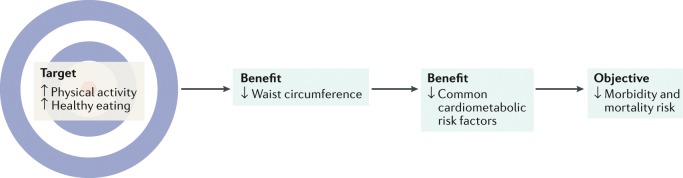
“It is recommended to use the WC value as a critical target for reducing adverse health risks for both men and women [17].”
BackgroundChen, Y., Zhong, Q., Luo, J., Tang, Y., Li, M., Lin, Q., Willey, J. A., Chen, J., Whittemore, R., & Guo, J. (2022) · Prevention Science · doi:10.1007/s11121-022-01392-2 · Cited by 10
High-Risk Obesity Phenotypes: Target for Multimorbidity Prevention at the ROFEMI Study
Carretero‐Gómez, J., Pérez-Martínez, P., Seguí‐Ripoll, J. M., Carrasco-Sánchez, F. J., Martínez, N. L., Pérez, E. F., Hernández, O. P., Ordoñez, M. G., Martín‐González, C., Vigueras-Pérez, J., et al. (2022) · Journal of Clinical Medicine · doi:10.3390/jcm11164644 · Cited by 11
“Neither BMI nor WC should be used on their own to define individuals with obesity [22].”
BackgroundHernández, P. A. F., Farías‐Valenzuela, C., Jofré‐Saldía, E., Marques, A., Kovalskys, I., Gómez, G., Rigotti, A., Cortés, L. Y., García, M. C. Y., Pareja, R. G., et al. (2022) · Scientific Reports · doi:10.1038/s41598-022-23586-y · Cited by 11
Hasandokht, T., Joukar, F., Maroufizadeh, S., Sibeveih, Z., Naghipour, M., Hedayatzadeh, Z., & Mansour‐Ghanaei, F. (2023) · BMC Endocrine Disorders · doi:10.1186/s12902-022-01248-4 · Cited by 11
“Recent review indicated waist circumference is associated with health outcomes within all BMI categories in every sex and age [35].”
BackgroundMohan, S., Lim, Z. Y., Chan, K. S., & Shelat, V. G. (2023) · Life · doi:10.3390/life13020330 · Cited by 10
Merchant, R. A., Chan, Y. H., Ling, N. M. W., Anbarasan, D., Lim, Z., & Waters, D. L. (2023) · Archives of Gerontology and Geriatrics · doi:10.1016/j.archger.2023.104957 · Cited by 13
Prevalence and Predictors of Combined Body Mass Index and Waist Circumference Among Indian Adults
Shri, N., Singh, S. K., & Singh, A. (2023) · International Journal of Public Health · doi:10.3389/ijph.2023.1605595 · Cited by 10
“BMI and waist circumference can identify the highest risk phenotype of obesity than BMI and WC alone (26).”
BackgroundTan, R., Ng, Z. Q., Misur, P., & Wijesuriya, R. E. (2023) · Japanese Journal of Radiology · doi:10.1007/s11604-023-01430-1 · Cited by 11
Valencia, J. G., Saavedra‐Garcia, L., Vera-Ponce, V. J., Espinoza-Rojas, R., & Barengo, N. C. (2023) · Journal of Clinical Medicine · doi:10.3390/jcm12103482 · Cited by 14
Testosterone and type 2 diabetes prevention: translational lessons from the T4DM study
Wittert, G., Grossmann, M., Yeap, B. B., & Handelsman, D. J. (2023) · Journal of Endocrinology · doi:10.1530/joe-22-0223 · Cited by 11
Resistance training decreased abdominal adiposity in postmenopausal women
Nilsson, S., Hammar, M. L., West, J., Borga, M., Thorell, S., & Holm, A. S. (2023) · Maturitas · doi:10.1016/j.maturitas.2023.107794 · Cited by 10
Cheng, C., Yu, X., Shi, K., Dai, G., Pan, Q., Yuan, G., & Jia, J. (2023) · Journal of Endocrinological Investigation · doi:10.1007/s40618-023-02165-6 · Cited by 12
“Compared to BMI, WC can reflect visceral obesity to some extent, but WC has limitations in distinguishing subcutaneous and visceral fat levels [23].”
Guglielmi, V., Capoccia, D., Russo, B., Lubrano, C., Mariani, S., Poggiogalle, E., Furia, G., Alizadeh, A. H., Patrizi, C., Sapienza, M., et al. (2023) · Frontiers in Endocrinology · doi:10.3389/fendo.2023.1249233 · Cited by 11
Reljic, D., Herrmann, H. J., Neurath, M. F., & Zopf, Y. (2025) · Nutrients · doi:10.3390/nu17030561 · Cited by 11
Pérez-Sousa, M. Á., del Pozo-Cruz, J., Cano, C. A., Ferrebuz, A., Sandoval-Cuéllar, C., Izquierdo, M., Hernández-Quiñónez, P. A., & Ramírez‐Vélez, R. (2020) · Journal of Clinical Medicine · doi:10.3390/jcm9082323 · Cited by 11
“Park et al. [27,28] found a decline in muscle strength in the lower body in older adults with T2DM.”
MethodResultInfluentialA hybrid intelligent classifier to estimate obesity levels based on ERG signals
Yapıcı, İ. Ş., Erkaymaz, O., & Arslan, R. U. (2021) · Physics Letters A · doi:10.1016/j.physleta.2021.127281 · Cited by 10
Constraints of Weight Loss as a Marker of Bariatric Surgery Success: An Exploratory Study
Gil, S. D. S., Goessler, K. F., Dantas, W. S., Murai, I. H., Merege-Filho, C. A. A., Pereira, R. M. R., de Cleva, R., Santo, M. A., Kirwan, J. P., Roschel, H., et al. (2021) · Frontiers in Physiology · doi:10.3389/fphys.2021.640191 · Cited by 13
Blair, R. A., Neves, J. S., Nicklas, J. M., Horn, C. E., Skurnik, G., & Seely, E. W. (2021) · American Journal of Perinatology · doi:10.1055/a-1674-5724 · Cited by 11
Normal-Weight Abdominal Obesity: A Risk Factor for Hypertension and Cardiometabolic Dysregulation
Sun, J.-Y., Qu, Q., Yuan, Y., Sun, G., Kong, X., & Sun, W. (2021) · Cardiology Discovery · doi:10.1097/cd9.0000000000000034 · Cited by 14
McCaffery, J. M., Jablonski, K. A., Pan, Q., Astrup, A. V., Christiansen, M. R., Corella, D., Corso, L. M. L., Florez, J. C., Franks, P. W., Gardner, C. D., et al. (2022) · Diabetes · doi:10.2337/db21-0741 · Cited by 10
Verma, A., Jha, A. K., Alagorie, A. R., & Sharma, R. (2022) · Eye · doi:10.1038/s41433-022-01934-6 · Cited by 10
“The authors advocate caution at this juncture that although it is the distribution of body fat in various organs resulting in multiple parameters being significant in different studies, WC has been proposed as the single most crucial factor predicting obesity and its relation to metabolic diseases, including DM, and a…”
BackgroundOno, H., Akahoshi, K., & Kai, M. (2022) · Archives of Public Health · doi:10.1186/s13690-022-00836-z · Cited by 10
“It is getting more notice that waist circumference (WC) is a valuable measurement [10, 11].”
BackgroundAbebe, E. C., Ayele, T. M., Muche, Z. T., Mariam, A. B. T., Baye, N. D., Agidew, M. M., & Dejenie, T. A. (2022) · Human Vaccines & Immunotherapeutics · doi:10.1080/21645515.2022.2104059 · Cited by 10
“Additionally, it might be because BMI is less accurate in measuring actual body fat deposition and, consequently, inflammation in that individual.(55) This calls for researchers to carry out further explanatory research.”
BackgroundVázquez-Agra, N., Cruces‐Sande, A., Méndez‐Álvarez, E., Soto‐Otero, R., Cinza‐Sanjurjo, S., Lopez-Paz, J.-E., Pose‐Reino, A., & Ameijeiras, Á. H. (2022) · Antioxidants · doi:10.3390/antiox11122430 · Cited by 12
“Waist circumference (WC) was assessed above both iliac crests using a qualified tape and measured in centimeters (cm) [24].”
MethodDécada del Envejecimiento Saludable: Informe de referencia
de la Salud, O. P. (2022) · Pan American Health Organization eBooks · doi:10.37774/9789275326589 · Cited by 15
Epicardial fat and insulin resistance in healthy older adults: a cross-sectional analysis
Kalmpourtzidou, Α., Napoli, I. D., Vincenti, A., Giuseppe, R. D., Casali, P. M., Tomasinelli, C. E., Ferrara, F., Tursi, F., & Cena, H. (2023) · GeroScience · doi:10.1007/s11357-023-00972-6 · Cited by 11
“%) had a WC that indicated a risk for CVDs (≥ 80 cm for women and ≥ 94 cm for men) [46], while 26.5% of them had obesity (BMI ≥ 30 kg/ m 2 ).”
BackgroundInfluentialJohnson, N. A., Sultana, R. N., Brown, W. J., Bauman, A. E., & Gill, T. (2023) · Pensar en Movimiento Revista de Ciencias del Ejercicio y la Salud · doi:10.15517/pensarmov.v21i2.57055 · Cited by 12
Koelman, L., Reichmann, R., Börnhorst, C., Schulze, M. B., Weikert, C., Biemann, R., Isermann, B., Fritsche, A., & Aleksandrova, K. (2021) · Endocrine Connections · doi:10.1530/ec-21-0273 · Cited by 11
“In contrast, BMI is a measure of body composition and does not distinguish body fat and lean muscle mass (36).”
Pandey, R. K., Jan, M., Mohammad, A., Jawaid, K. A., Naveed, M., Abid, M. A., Amir, A. B., Ahmed, S., Safiullah, M., Bhatti, M. I., et al. (2025) · Endocrinology, Diabetes & Metabolism · doi:10.1002/edm2.70134 · Cited by 9
Kowalski, E., Catelli, D. S., Dervin, G. F., & Lamontagne, M. (2024) · Scientific Reports · doi:10.1038/s41598-024-52965-w · Cited by 9
Leung, C. K., Bernal, J. D. K., Yu, A. P., Recchia, F., Tam, B. T., Fong, D., Chan, D. K. C., Ngai, H. H. Y., Lee, C., Yung, P. S., et al. (2024) · Journal of Exercise Science & Fitness · doi:10.1016/j.jesf.2024.05.001 · Cited by 9
Association between Gut Microbiota and Metabolic Health and Obesity Status in Cats
Yeon, K.-D., Kim, S.-M., & Kim, J.-H. (2024) · Animals · doi:10.3390/ani14172524 · Cited by 10
“In humans, waist circumference correlates with visceral fat quantity [11].”
BackgroundQin, C., Fan, C., Wang, J., Li, Q., Liu, J., Wang, H., & Feng, Q. (2025) · The Lancet Regional Health - Western Pacific · doi:10.1016/j.lanwpc.2025.101542 · Cited by 15
“10,11 .”
Chen, Y., Li, Y., Zhang, B., Xia, W., & Feng, X. (2025) · Scientific Reports · doi:10.1038/s41598-025-97243-5 · Cited by 11
“More recent studies have attempted to use WC and waist-to-hip ratio (WHR) as alternative obesity indices, demonstrating that central adiposity may exert stronger effects on reproductive health than general obesity 36–38 .”
Zhang, R., Peng, J., Wu, Q., Zhu, H., Zhang, Z., Feng, Y., Xiao, Q., Jin, Y., Liu, T., Liu, D., et al. (2025) · Lipids in Health and Disease · doi:10.1186/s12944-025-02547-0 · Cited by 10
“Given that our study focused on children and adolescents, the waist-to-height ratio (WHtR) may be a more precise measure of abdominal obesity than WC alone [28].”
Nie, Y., Wang, Y., Hui, J., Shao, D., Chen, R., Deng, Q., Chen, Y., Wang, X., & Zhu, D. (2025) · Nutrients · doi:10.3390/nu17111791 · Cited by 10
“Yang et al. [13] reported that flaxseed oil consumption showed a significant reduction in waist circumstance, which is used to clinically assess the amount of visceral fat correlated with CVD risk [57].”
The new definition of obesity: an analysis of a population-based survey in an Andean country
Valencia, J. G., Hernández‐Vásquez, A., Mayta‐Tristán, P., Saavedra‐Garcia, L., & Vargas‐Fernández, R. (2025) · The Lancet Regional Health - Americas · doi:10.1016/j.lana.2025.101217 · Cited by 17
“Given the simplicity and feasibility of WC measurement in clinical and public health settings, 27 it is crucial to establish official cutoffs that align with Peru’s ethnic reality.”
Sun, M., Huang, Y., Luo, N., Qiu, J., Lin, Y., Huang, Y., Zheng, X., Qiu, W., Du, S., Ye, W., et al. (2025) · Nutrients · doi:10.3390/nu17172859 · Cited by 11
“…studies have shown that anthropometric measures reflecting central obesity, such as waist-to-height ratio (WHtR) and waist circumference (WC), are more strongly associated with significant cardiometabolic risk than traditional measures reflecting overall obesity with body mass index (BMI) [21,22].”
Reyes-Pérez, S. D., Cambrón-Mora, D., Torres-Vanegas, J., Mojica-Zamudio, K. L., Olaez-Ramos, C. E., Lauriano-Rivera, R. G., Rivera-Valdes, J. J., Torres‐Castillo, N., Valencia-Sosa, E., Rodriguez‐Echevarría, R., et al. (2025) · Nutrients · doi:10.3390/nu17233630 · Cited by 10
Role of prostate stem cells and treatment strategies in benign prostate hyperplasia.
Gangavarapu, K. J., Jowdy, P., Foster, B. A., & Huss, W. J. (2022) · PubMed Central · Cited by 12
Jung, S., & Park, S. (2022) · Epidemiology and Health · doi:10.4178/epih.e2022063 · Cited by 9
“However, WC has been considered a validated and simple marker of abdominal obesity [8,9], and we observed a strong correlation between WC and body fat percentage using bioelectrical impedance analysis in our cohort (correlation coefficient: 0.”
BackgroundMethodTraczyk, I., Kucharska, A., Sińska, B. I., Pańczyk, M., Wronka, L., Raciborski, F., Szostak-Węgierek, D. E., & Samolinski, B. K. (2023) · Annals of Agricultural and Environmental Medicine · doi:10.26444/aaem/165913 · Cited by 11
Li, X., Shi, Y., Wei, D., Ni, W., Zhu, N., & Yan, X. (2023) · Frontiers in Endocrinology · doi:10.3389/fendo.2023.1283626 · Cited by 12
“WC persists as an autonomous risk determinant impinging upon cardiovascular af fl ictions and all-cause mortality (33).”
BackgroundRahaman, S. N., Das, S., Samanta, S., Ahmed, R., Banerjee, J., Alam, S. S., Pal, A., Ali, K. M., & Dash, S. K. (2024) · Clinical Epidemiology and Global Health · doi:10.1016/j.cegh.2024.101573 · Cited by 9
Li, K., Li, T., Yang, T., Lin, Y., Liao, Y., & Gan, Z. (2024) · BMC Psychiatry · doi:10.1186/s12888-024-05838-5 · Cited by 10
“Possible explanation for this is that waist circumference is the best marker of metabolic risk of visceral fat [37], while visceral abdominal fat is the best predictor of IR [38].”
BackgroundAziz, G., Ebrahim, Z., Esau, N., & Bazezew, M. M. (2024) · Journal of Renal Nutrition · doi:10.1053/j.jrn.2024.08.003 · Cited by 9
Qi, K., Xu, C., Yuan, D., Zhang, Y., Zhang, M., Zhang, W., Zhang, J., You, B., Gao, J., & Liu, J. (2024) · Academic Radiology · doi:10.1016/j.acra.2024.10.042 · Cited by 12
Indicators of Obesity and Cardiorespiratory Fitness in Croatian Children
Badrić, M., Roca, L., Pelemiš, V. M., Branković, D., & Živanović, V. R. (2024) · Journal of Functional Morphology and Kinesiology · doi:10.3390/jfmk9040250 · Cited by 10
Yu, L., Liu, W. Y., Liao, C., Shen, N., Liu, A., Cheng, L., & Wang, X. (2025) · The Journal of Prevention of Alzheimer s Disease · doi:10.1016/j.tjpad.2025.100089 · Cited by 11
Body mass index (BMI) and obesity in Nigerians with schizophrenia
Esan, O., & Esan, A. (2021) · Nordic Journal of Psychiatry · doi:10.1080/08039488.2021.1926538 · Cited by 9
“The use of more sensitive measures such as waist circumference has been advocated [5,43].”
BackgroundLuan, H., Song, Y., Cao, L., Wang, P., Zhu, D., & Tian, G. (2021) · Diabetes Metabolic Syndrome and Obesity · doi:10.2147/dmso.s330194 · Cited by 11
Physical Examination for Endocrine Diseases: Does It Still Play a Role?
Crafa, A., Condorelli, R. A., Cannarella, R., Aversa, A., Calogero, A. E., & Vignera, S. L. (2022) · Journal of Clinical Medicine · doi:10.3390/jcm11092598 · Cited by 11
“Indeed, differently from the body mass index (BMI), waist circumference allows the identification of patients with an increased risk of developing obesity-related chronic complications, such as cardiovascular diseases and diabetes mellitus [39].”
BackgroundFillol, F., Paris, L., Pascal, S., Mulliez, A., Roques, C.-F., Rousset, S., & Duclos, M. (2022) · Journal of Medical Internet Research · doi:10.2196/29640 · Cited by 11
Huang, M., Yang, Y., Chen, C., Luo, R.-X., Wen, C.-Q., Li, Y., Zeng, L.-P., Li, X.-Y., & Yin, Z. (2022) · Asian Journal of Andrology · doi:10.4103/aja202249 · Cited by 12
Prieto-González, P. (2022) · International Journal of Environmental Research and Public Health · doi:10.3390/ijerph192114498 · Cited by 12
Lin, G., Tsai, K., Lin, Y., Lai, S., Liu, C., & Chang, Y. (2023) · Endocrine Metabolic & Immune Disorders - Drug Targets · doi:10.2174/1871530323666230117112936 · Cited by 9
Khalil, M., Abdallah, H., Jaber, N., Garruti, G., Ciaula, A. D., & Portincasa, P. (2024) · European Journal of Internal Medicine · doi:10.1016/j.ejim.2024.08.014 · Cited by 9
Azulai, S., Grinbaum, R., Beglaibter, N., Eldar, S. M., Rubin, M., Carmi, S., Schyr, R. B., Romano‐Zelekha, O., & Ben‐Zvi, D. (2021) · Journal of Clinical Medicine · doi:10.3390/jcm10122724 · Cited by 11
Ward, L. C., Wells, J. C. K., Lyons‐Reid, J., & Tint, M. T. (2022) · Physiological Measurement · doi:10.1088/1361-6579/ac5e83 · Cited by 13
Determining the stability of genome-wide factors in BMI between ages 40 to 69 years
Gillespie, N. A., Gentry, A. E., Kirkpatrick, R. M., MAES, H. H. M., Reynolds, C. A., Mathur, R., Kendler, K. S., Peterson, R. E., & Webb, B. T. (2022) · PLoS Genetics · doi:10.1371/journal.pgen.1010303 · Cited by 10
Waist circumference prediction for epidemiological research using gradient boosted trees
Zhou, W., Eckler, S., Barszczyk, A., Waese-Perlman, A., Wang, Y., Gu, X., Feng, Z., Peng, Y., & Lee, K. (2021) · BMC Medical Research Methodology · doi:10.1186/s12874-021-01242-9 · Cited by 9
“However, since the value of waist circumference has become apparent only recently, it has not been routinely collected in clinical practice [6] and it is less likely to appear in clinical databases.”
BackgroundWalden, N., Zimmerman, R., Crenshaw, D., & Iannotti, L. L. (2024) · Elsevier eBooks · doi:10.1016/b978-0-323-96023-6.00136-6 · Cited by 9
Obesity, cardiovascular and cerebrovascular disease: the role of GLP-1 receptor agonists
Tirandi, A., Montecucco, F., Carbone, F., & Liberale, L. (2024) · Polish Archives of Internal Medicine · doi:10.20452/pamw.16658 · Cited by 8
Rückert‐Eheberg, I., Steger, A., Müller, A., Linkohr, B., Barthel, P., Maier, M., Allescher, J., Sinner, M. F., Rizas, K. D., Rathmann, W., et al. (2025) · PLoS ONE · doi:10.1371/journal.pone.0318502 · Cited by 8
“Thus, using waist circumference instead of BMI as an indicator of abdominal obesity is a reasonable and recommended alternative [33].”
Guetterman, H. M., Crider, K. S., Fothergill, A., Bose, B., Johnson, C. B., Jabbar, S. F., Zhang, M., Pfeiffer, C. M., Rose, C. E., Qi, Y., et al. (2025) · Clinical Nutrition ESPEN · doi:10.1016/j.clnesp.2025.05.011 · Cited by 8
Wang, N., Wang, T., Jia, X., Fan, Z., Yang, C., Wang, Y., Fan, J., Zhao, C., Niu, Y., Yang, Y., et al. (2025) · International Journal of Obesity · doi:10.1038/s41366-025-01831-4 · Cited by 8
“Waist circumference (WC), as an indicator of abdominal obesity, demonstrates robust association with cardiometabolic risk [14].”
Arslan, S., & Selçuk, K. T. (2025) · Nutrire · doi:10.1186/s41110-025-00382-y · Cited by 8
“…that central adiposity mark-ers—particularly waist and neck circumference—often outperform BMI in predicting cardiometabolic risk in older adults; therefore, it is plausible that awareness-to-behavior changes would first manifest in central measures before being detectable on BMI [2, 3, 22].”
Vademecum for the Physician Evaluating a Master Athlete
Palermi, A., Vecchiato, M., Gioia, G. D., Perone, F., Tse, G., Gallina, S., Luca, M. D., Graziano, F., Zorzi, A., Tsampasian, V., et al. (2025) · Current Atherosclerosis Reports · doi:10.1007/s11883-025-01370-3 · Cited by 9
“Contemporary guidance frames obesity as a chronic disease requiring long-term, multimodal care [43, 44].”
Franco, J. V. A., Guo, Y., Bongaerts, B. W. C., Metzendorf, M., Hindemit, J., Aqra, Z., Alhalahla, M., Tapinova, K., Villegas-Arbeláez, E., Alade, O. T., et al. (2025) · Cochrane Database of Systematic Reviews · doi:10.1002/14651858.cd016063 · Cited by 11
Candelaria, D., Redfern, J., Zecchin, R. P., Brown, R., Freene, N., Fukumori, S., Gallagher, R. D., Gauci, S., Goodman, A., Hicks, D., et al. (2026) · Heart Lung and Circulation · doi:10.1016/j.hlc.2026.05.008 · Cited by 10
Dardari, Z., Yao, Z., Zhang, J., Bakoyannis, G., Nan, H., Staten, L. K., Jha, K. K., Tasdighi, E., Jelwan, Y. A., Burka, S., et al. (2026) · Journal of the American College of Cardiology · doi:10.1016/j.jacc.2026.05.050 · Cited by 14
Rhynehart, A., Dunlevy, C., Hayes, K., O’Connell, J., O'Shea, D. B., & O’Malley, E. (2021) · Frontiers in Rehabilitation Sciences · doi:10.3389/fresc.2021.716392 · Cited by 8
“This BMI cut-off was used as it incurs increased cardio-metabolic risk comparable to waist circumference in line with the ICCR consensus statement (28).”
MethodHsu, P.-S., Hung, C.-L., Tu, S.-K., Chen, H.-H., Yang, D., & Liao, C. (2021) · Journal of Diabetes Research · doi:10.1155/2021/1347588 · Cited by 9
“The improved ability of waist circumference to predict health outcomes over BMI might be at least partially explained by the ability of waist circumference to identify adults with increased visceral adipose tissue mass [23].”
BackgroundHegab, A. M. (2022) · Frontiers in Pediatrics · doi:10.3389/fped.2022.854972 · Cited by 10
Schumacher, O., Galvao, D. A., Taaffe, D. R., Spry, N. A., Hayne, D., Tang, C., Chee, R., & Newton, R. U. (2022) · JCO Oncology Practice · doi:10.1200/op.21.00745 · Cited by 8
Xi, L., Yang, X., Wang, R., Ku, C., Wu, B., Dai, M., Liu, L., & Ping, Z. (2022) · Nutrients · doi:10.3390/nu14214654 · Cited by 9
Lee, H., Kim, H., Jeon, J. S., Noh, H., Lee, E. J., & Kwon, S. H. (2023) · Clinical Nutrition · doi:10.1016/j.clnu.2023.04.003 · Cited by 8
Lee, J., Jeon, S., Lee, H. S., & Kwon, Y. (2023) · Nutrients · doi:10.3390/nu15132880 · Cited by 38
“The increase in WC could reflect VAT accumulation [24].”
BackgroundVerde, L., Pagano, A. M., Leo, M. D., Vetrani, C., Ambretti, A., Lucania, L., Babudieri, S., Chiara, A. D., Colao, A., Corsi, M., et al. (2023) · Current Nutrition Reports · doi:10.1007/s13668-023-00502-y · Cited by 10
“It effectively predicts the risk of cardiometabolic health issues and mortality [70].”
BackgroundKnihs, V. M., & Filippin-Monteiro, F. B. (2024) · Diabetes & Metabolic Syndrome Clinical Research & Reviews · doi:10.1016/j.dsx.2024.102956 · Cited by 9
Sex-Specific Cardiometabolic Determinants of Postoperative Atrial Fibrillation After Cardiac Surgery
Paquin, A., Voisine, P., Poirier, P., Clavel, M.-A. A., O'Connor, S. E., Roberge, J., & Piché, M. (2024) · Canadian Journal of Cardiology · doi:10.1016/j.cjca.2024.02.002 · Cited by 10
Low lung function in Bipolar Disorder and Schizophrenia: a hidden risk
Ruiz-Rull, C., Jaén‐Moreno, M. J., del Pozo, G. I., Gómez, C., Montiel, F. J., Alcántara, M., Carrión, L., Chauca, G. M. C., Feu, N., Guler, I., et al. (2024) · Frontiers in Physiology · doi:10.3389/fphys.2024.1335798 · Cited by 9
Metadata
- Authors
- Ross, R., Neeland, I. J., Yamashita, S., Shai, I., Seidell, J., Magni, P., Santos, R. D., Arsenault, B., Cuevas, A., Hu, F. B., Griffin, B. A., Zambon, A., Barter, P., Fruchart, J.-C., Eckel, R. H., Matsuzawa, Y., & Després, J.-P.
- Affiliations
- Queen's University (CA)
- The University of Texas Southwestern Medical Center (US)
- The University of Osaka (JP)
- Ben-Gurion University of the Negev (IL)
- University of Milan (IT)
- Universidade de São Paulo (BR)
- Clínica Las Condes (CL)
- Harvard University (US)
- University of Surrey (GB)
- University of Padua (IT)
- UNSW Sydney (AU)
- Fondation Coeur et Artères (FR)
- University of Colorado Anschutz (US)
- Université Laval (CA)
- Corresponding author
- Ross, Robert
- ORCID
- Venue
- Nature Reviews Endocrinology
- Published
- 2020-02-04
- Volume
- 16
- Issue
- 3
- Pages
- 177-189
- ISSN
- 1759-5029 (ISSN-L)
- 1759-5037
- PMC
- PMC7027970
- OpenAlex
- W3004876731
- Semantic Scholar
- 2fafc439d38de09911620a951969b57fa87b58dc
- Cited by
- 1,966
- References
- 137
- Citations by year
- 2026: 334 · 2025: 432 · 2024: 360 · 2023: 312 · 2022: 264 · 2021: 199 · 2020: 61
- FWCI
- 31.97
- Type
- journal article
- Language
- en
- Open access
- hybrid
- doi.org
- Licence
- cc-by
- creativecommons.org/licenses/by/4.0 (tdm)
- creativecommons.org/licenses/by/4.0 (vor)
- Locations
- Nature Reviews Endocrinology (publishedVersion, cc-by)
- Europe PMC (PubMed Central) (publishedVersion, cc-by)
- PubMed Central (publishedVersion, cc-by)
- PubMed (publishedVersion)
- VU Research Portal (publishedVersion, other-oa)
- Archivio Istituzionale della Ricerca (Universita Degli Studi Di Milano) (submittedVersion, other-oa)
- Open Research (University of Surrey) (submittedVersion, cc-by)
- Padua Research Archive (University of Padova) (submittedVersion, cc-by)
- Data Archiving and Networked Services (DANS) (submittedVersion, other-oa)
- Funders
- Université Laval
- Indian Council for Cultural Relations
- Canadian Institutes of Health Research (FDN- 167278)
- Topics
- Health Sciences › Medicine › Endocrinology, Diabetes and Metabolism › Diabetes, Cardiovascular Risks, and Lipoproteins
- Health Sciences › Medicine › Physiology (medical) › Body Composition Measurement Techniques
- Health Sciences › Medicine › Public Health, Environmental and Occupational Health › Obesity, Physical Activity, Diet
- Keywords
- waist circumference, visceral obesity, cardiometabolic risk, body mass index, vital signs, overweight, obesity treatment, exercise intervention, dietary intervention, adiposity
- MeSH terms
- Female, Humans, Male, Body Mass Index, Waist Circumference, Obesity, Abdominal
About these checks
Registry, retraction, Cites and statistics results are computed, not judged, with one exception: a printed reference that no index lists is read once by a model before it counts as a citation error. Claims are extracted by a model and kept only when their quote appears verbatim in the text; each cited source is then checked, with a model’s help, for whether it says what the claim relies on. Those verdicts can be wrong — read the claim’s quote and the cited source before relying on one.
Statistics and arithmetic are recomputed, not judged.
Confidence bands are shown only for fields calibrated on our annotated test set. None is calibrated yet, so no band is shown.
What counts as a claim ›How we measure confidence ›How we check this ›
Are you an author, or do you see a problem with this page? Request a review
Data sources
Bibliographic data: Semantic Scholar, OpenAlex, Crossref.
Contains information from the Semantic Scholar Academic Graph Datasets, made available under the ODC Attribution License (ODC-BY 1.0).
Semantic Scholar’s data is described in: Kinney, R., et al. (2023). The Semantic Scholar Open Data Platform. arXiv:2301.10140.
