

Waist circumference as a vital sign in clinical practice: a Consensus Statement from the IAS and ICCR Working Group on Visceral Obesity
Open accessThe DOI matches its Crossref record; 134 of the 137 references it cites were found in a registry or an index.
Abstract
Despite decades of unequivocal evidence that waist circumference provides both independent and additive information to BMI for predicting morbidity and risk of death, this measurement is not routinely obtained in clinical practice. This Consensus Statement proposes that measurements of waist circumference afford practitioners with an important opportunity to improve the management and health of patients. We argue that BMI alone is not sufficient to properly assess or manage the cardiometabolic risk associated with increased adiposity in adults and provide a thorough review of the evidence that will empower health practitioners and professional societies to routinely include waist circumference in the evaluation and management of patients with overweight or obesity. We recommend that decreases in waist circumference are a critically important treatment target for reducing adverse health risks for both men and women. Moreover, we describe evidence that clinically relevant reductions in waist circumference can be achieved by routine, moderate-intensity exercise and/or dietary interventions. We identify gaps in the knowledge, including the refinement of waist circumference threshold values for a given BMI category, to optimize obesity risk stratification across age, sex and ethnicity. We recommend that health professionals are trained to properly perform this simple measurement and consider it as an important ‘vital sign’ in clinical practice.
Overview
The claims and statistics of this paper haven’t been checked yet.
Free: it reads the open-access text and checks the first 5 claims that cite a source we can check. Create a free account to check every claim.
Integrity signals
Registry
Cites
Statistics
Figures
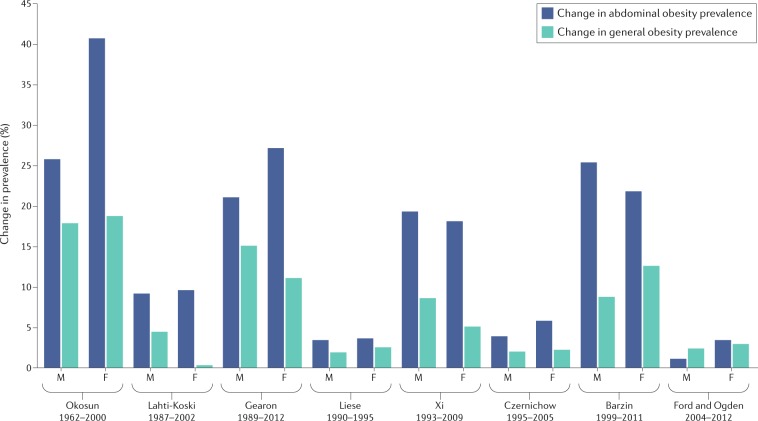
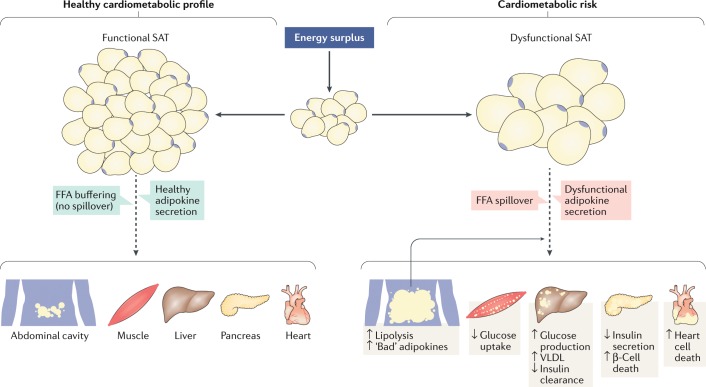
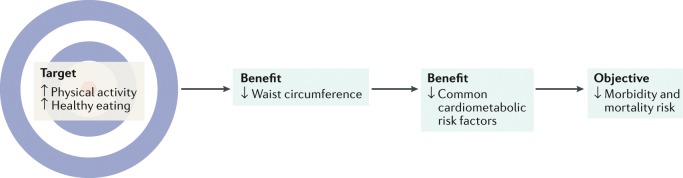
Verification
Claims the paper makes
The claims and statistics of this paper haven’t been checked yet.
Free: it reads the open-access text and checks the first 5 claims that cite a source we can check. Create a free account to check every claim.
Claims other papers make about this one
Each is checked against this paper’s own text: does it say what the citing paper says it does?
The source backs part of the claim, not all of it — or backs it for a different population, condition or comparison.
In the citing paper
“However, several studies have shown that BMI does not reflect body fat distribution or metabolic health, and alternative measures such as waist circumference or body fat percentage could be more appropriate.36”
From Definition and diagnostic criteria of clinical obesity (2025) · cites this paper as [36]
Experimental — accuracy not yet measuredThe source backs part of the claim, not all of it — or backs it for a different population, condition or comparison.
In the citing paper
“CT can provide a free additional information regarding WC, a well-established anthropometric parameter of central obesity and a diagnostic criterion for metabolic syndrome [5, 19].”
From Fully automated waist circumference measurement on abdominal CT: Comparison with manual measurements and potential value for identifying overweight and obesity as an adjunct output of CT scan (2021) · cites this paper as [5]
Experimental — accuracy not yet measuredThe cited source says what the claim attributes to it.
In the citing paper
“Waist circumference is a recommended clinical measure for cardiometabolic risk, predicting morbidity and mortality while complementing BMI for patient management (Ross et al., 2020).”
From Long-term cardiometabolic effects of early institutionalization and foster care: Evidence from the Bucharest Early Intervention Project (2026) · cites this paper as Ross et al., 2020
The cited source says what the claim attributes to it.
In the citing paper
“Considering the specific role of visceral adiposity in increased cardiometabolic risk, especially when ≥100 cm2, such reduction is likely to provide important health benefits in patients with overweight or obesity.”
The cited source says what the claim attributes to it.
In the citing paper
“For example, many population studies have shown that within every BMI category considered, the larger the waist circumference, the greater the morbidity or mortality risk.36”
From Definition and diagnostic criteria of clinical obesity (2025) · cites this paper as [36]
4 more claims about this paper
Create a free account to see every claim other papers make about this one.
Self-check
Percentages, sums and reported differences re-computed from the paper’s own numbers.
The self-check needs the paper’s full text.
Citations
Cites
2013 ACCF/AHA Guideline for the Management of Heart Failure
Yancy, C. W., Jessup, M., Bozkurt, B., Butler, J., Casey, D. E., Drazner, M. H., Fonarow, G. C., Geraci, S. A., Horwich, T., Januzzi, J. L., et al. (2013) · Journal of the American College of Cardiology · doi:10.1016/j.jacc.2013.05.019 · Cited by 12,536
Ng, M., Fleming, T., Robinson, M., Thomson, B., Graetz, N., Margono, C., Mullany, E. C., Biryukov, S., Abbafati, C., Abera, S. F., et al. (2014) · The Lancet · doi:10.1016/s0140-6736(14)60460-8 · Cited by 11,952
Prediction of coronary heart disease using risk factor categories
Wilson, P. W. F., D’Agostino, R. B., Levy, D., Belanger, A. M., Silbershatz, H., & Kannel, W. B. (1998) · Circulation · doi:10.1161/01.cir.97.18.1837 · Cited by 9,581
(1998) · PsycEXTRA Dataset · doi:10.1037/e565682010-001 · Cited by 9,472
The metabolic syndrome—a new worldwide definition
Alberti, K. G. M., Zimmet, P., & Shaw, J. (2005) · The Lancet · doi:10.1016/s0140-6736(05)67402-8 · Cited by 9,352
Prevalence of Childhood and Adult Obesity in the United States, 2011-2012
Ogden, C. L., Carroll, M. D., Kit, B. K., & Flegal, K. M. (2014) · JAMA · doi:10.1001/jama.2014.732 · Cited by 8,072
Health effects of overweight and obesity in 195 countries over 25 years
Collaborators, T. G. 2. O. (2017) · New England Journal of Medicine · doi:10.1056/nejmoa1614362 · Cited by 7,918
Pencina, M. J., D' Agostino, R. B., D' Agostino, R. B., & Vasan, R. S. (2008) · Statistics in Medicine · doi:10.1002/sim.2929 · Cited by 6,493
2013 ACC/AHA Guideline on the Assessment of Cardiovascular Risk
Goff, D. C., Lloyd-Jones, D. M., Bennett, G., Coady, S., D’Agostino, R. B., Gibbons, R., Greenland, P., Lackland, D. T., Levy, D., O’Donnell, C. J., et al. (2014) · Journal of the American College of Cardiology · doi:10.1016/j.jacc.2013.11.005 · Cited by 4,945
Abdominal obesity and metabolic syndrome
Després, J.-P., & Lemieux, I. (2006) · Nature · doi:10.1038/nature05488 · Cited by 4,354
Self-citation
Research works printed but not linked: 1
- 79. Hammond, B. P., Brennan, A. M. & Ross, R. in Body Composition: Health and Performance in Exercise and Sport (ed. Lukaski, H. C.) 109-128 (CRC Press, Taylor and Francis Group, 2017).
Cited by
Items 501–600 of 1,004
Collares, S. F., Júnior, A. M. D. Á., Martins, T. C., Rezende, V. H. M., Romano‐Silva, M. A., Santos, R. M. S., & de Miranda, D. M. (2025) · Pharmacology Biochemistry and Behavior · doi:10.1016/j.pbb.2025.174012 · Cited by 15
Self-citationvan Kleef, L. A., Michel, M. S., Savas, M., Pustjens, J., van de Laar, R. J. J. M., Koehler, E. M., van Rossum, E. F. C., Janssen, H. L. A., Schattenberg, J. M., & Brouwer, W. P. (2025) · The American Journal of Gastroenterology · doi:10.14309/ajg.0000000000003657 · Cited by 16
“They conclude that WC needs to be fully incorporated in healthcare systems; even self-measured WC with instructions (e.g., https://myhealthywaist.org/my-waistline/) is a reliable option in settings where measuring WC is not feasible (11,34).”
Teferi, M., Staniford, L. J., Connell, S., Das‐Gupta, Z., DeSilva, U., Saoud, Y., Miller, I., Mohan, M., Nienhuijs, S. W., Poddar, M., et al. (2025) · EClinicalMedicine · doi:10.1016/j.eclinm.2025.103422 · Cited by 16
“24,25 Previous literature and OWG input recommend using the general EQ-5D-5L and BODY-Q Obesity Modules to measure dimensions of QoL.”
Ranjan, P., Vikram, N. K., Choranur, A., Pradeep, Y., Ahuja, M., Meeta, Puri, M., Malhotra, A., Kumari, A., Chopra, S., et al. (2022) · Diabetes & Metabolic Syndrome Clinical Research & Reviews · doi:10.1016/j.dsx.2022.102426 · Cited by 15
Carbone, F., Meessen, J. M. T. A., Magnoni, M., Andreini, D., Maggioni, A. P., Latini, R., & Montecucco, F. (2022) · Cells · doi:10.3390/cells11040669 · Cited by 15
Chua, K. Y., Lin, X., Lim, W. S., & Koh, W. (2022) · Aging Clinical and Experimental Research · doi:10.1007/s40520-022-02167-z · Cited by 14
“This has important clinical implications as certain types of fat, such as visceral adipose tissue [49, 52] and intermuscular adipose tissue [53], have been shown to be associated with the greatest risks to health.”
BackgroundAdditive effects of obesity and vitamin D insufficiency on all-cause and cause-specific mortality
Song, S., Yuan, Y., Wu, X., Zhang, D., Qi, Q., Wang, H., & Li, F. (2022) · Frontiers in Nutrition · doi:10.3389/fnut.2022.999489 · Cited by 16
“Abdominal obesity was defined as WC ≥ 102 cm for men and WC ≥ 88 cm for women (23).”
BackgroundGraybeal, A. J., Brandner, C. F., Tinsley, G. M., Haynes, H. K., & Stavres, J. (2022) · British Journal Of Nutrition · doi:10.1017/s0007114522003488 · Cited by 14
“WC was collected by a flexible non-elastic aluminium tape measure at the level of the iliac crest(15) and hip circumference at the largest lateral portion of the hips(16).”
MethodPheiffer, C., Dias, S. C., Mendham, A. E., Jack, B. U., Willmer, T., Eshibona, N., Bendou, H., Pretorius, A., & Goedecke, J. H. (2022) · Scientific Reports · doi:10.1038/s41598-022-23290-x · Cited by 14
Long‐term effects on weight loss and maintenance by intensive start with diet and exercise
Kaikkonen, K., Korpelainen, R., Vanhala, M., Keinänen-Kiukaanniemi, S., & Korpelainen, J. T. (2022) · Scandinavian Journal of Medicine and Science in Sports · doi:10.1111/sms.14269 · Cited by 15
Mojkowska, A., Sobczak, K., Leoniuk, K., Henzler, M., & Jackowski, M. (2023) · Obesity Facts · doi:10.1159/000529266 · Cited by 18
Magni, P. (2023) · Mechanisms of Ageing and Development · doi:10.1016/j.mad.2023.111805 · Cited by 15
Self-citationLee, H., & Park, S. (2023) · Epidemiology and Health · doi:10.4178/epih.e2023059 · Cited by 14
“Since middle-aged and elderly adults were the subjects of our analysis, obesity was determined based on abdominal circumference, which better reflects body fat distribution in both groups and predicts morbidity and mortality more effectively [34,35].”
BackgroundLengvenytė, A., Aouizerate, B., Aubin, V., Loftus, J., Marlinge, E., Belzeaux-R, R., Dubertret, C., Gard, S., Haffen, É., Schwan, R., et al. (2021) · Journal of Affective Disorders · doi:10.1016/j.jad.2021.09.097 · Cited by 15
Metabolic syndrome among children aged 6 to 11 years, Al Ain, United Arab Emirates: Role of obesity
Shah, S. M. A., Aziz, F., Meskari, F. A., Alkaabi, J., Khan, U. I., & Jaacks, L. M. (2020) · Pediatric Diabetes · doi:10.1111/pedi.13027 · Cited by 15
“There is a consensus statement that practicing clinician should measure waist as a vital sign in their clinical practice.(42) The findings suggest a dire need of immediate interventions targeted at tackling obesity and dyslipidaemia in order reduce the premature risk of chronic diseases in UAE.”
BackgroundHe, D., Huang, Y., Ni, X., & Bao, Z. (2026) · Cardiovascular Diabetology · doi:10.1186/s12933-025-03070-3 · Cited by 14
“Previous studies have shown that the TyG-WHtR and TyG-WC indices were superior to the TyG-BMI in identifying the risk of cardiovascular disease risk and diabetes mellitus [13, 61, 66].”
Qaseem, A., Cross, J. T., Harrod, C. S., Owens, D. K., Balk, E. M., Crandall, C. J., Crandall, C. J., Cross, J. T., Balk, E. M., Fitterman, N., et al. (2026) · Annals of Internal Medicine · doi:10.7326/annals-25-02714 · Cited by 17
Kang, S. Y., Kim, W., Kim, J. S., Jeong, K. H., Jeong, M. H., Hwang, J., & Hwang, H. S. (2021) · Frontiers in Cardiovascular Medicine · doi:10.3389/fcvm.2021.765153 · Cited by 13
“Other parameters, such as waist circumference or abdominal diameter, can be added to increase the diagnostic accuracy for obesity (48, 49).”
BackgroundBir, A., Ghosh, A., & Chowdhury, S. (2023) · Journal of Education and Health Promotion · doi:10.4103/jehp.jehp_1605_22 · Cited by 14
Marchiori, G. N., Defagó, M. D., Baraquet, M. L., Rosso, S. D., Perovic, N. R., & Soria, E. A. (2024) · Diagnosis · doi:10.1515/dx-2023-0159 · Cited by 14
Erectile Dysfunction as an Obesity-Related Condition in Elderly Men with Coronary Artery Disease
Biernikiewicz, M., Sobieszczańska, M. I., Szuster, E., Pawlikowska‐Gorzelańczyk, A., Janocha, A., Roźek-Piechura, K., Rusiecka, A., Gebala, J., Okrzymowska, P., & Kałka, D. (2024) · Journal of Clinical Medicine · doi:10.3390/jcm13072087 · Cited by 15
“Thus, experts advocate for incorporating waist circumference as a routine measurement in clinical practice alongside BMI to more effectively classify obesity [28].”
Health literacy and associated factors in China: findings from the Wa ethnic group
Yang, W., Liu, Y., Zhang, G., Yao, Y., Wang, Y., Leng, D., Li, C., Liu, K., Liu, J., Pu, Y., et al. (2024) · Frontiers in Public Health · doi:10.3389/fpubh.2024.1407593 · Cited by 19
Bålsrud, P., Ulven, S. M., Ottestad, I. O., Retterstøl, K., Schwab, U., & Holven, K. B. (2024) · GeroScience · doi:10.1007/s11357-024-01279-w · Cited by 17
Kokkorakis, M., Folkertsma, P., Forte, J. C., Wolffenbuttel, B. H. R., van Dam, S., & Mantzoros, C. S. (2024) · Metabolism · doi:10.1016/j.metabol.2024.156047 · Cited by 14
Obesity: assessment and treatment across the care continuum
Kushner, R. F., & Marla Shapiro, C. M. (2025) · Annals of Medicine · doi:10.1080/07853890.2025.2521433 · Cited by 14
“Waist circumference is strongly associated with visceral fat and increased morbidity and mortality and identifies patients with a high-risk phenotype [18].”
Stanley, A., Schuna, J. M., Yang, S., Kennedy, S., Heo, M., Wong, M. C., Shepherd, J., & Heymsfield, S. B. (2020) · American Journal of Clinical Nutrition · doi:10.1093/ajcn/nqaa194 · Cited by 13
In Search of an Ideal Obesity Assessment Tool : Is Body Mass Index Reliable Enough?
Hulkoti, V. S., Acharya, S., Shukla, S., Partapa, S. K., & Gupte, Y. (2020) · Journal of Evolution of Medical and Dental Sciences · doi:10.14260/jemds/2020/555 · Cited by 15
“[13] Ross R, Neeland IJ, Yamashita S, et al.”
Ultrasound assessed peri-renal fat: an index of sub-clinical atherosclerosis.
Okeahialam, B. N., Sirisena, A. I., Ike, E., & Chagok, N. M. D. (2020) · Europe PMC (PubMed Central) · Cited by 13
Hamzah, T. N. N. T., Peh, W. Y., Shoaib, L. A., Baharuddin, N. A., Vaithilingam, R. D., & Saub, R. (2021) · Children · doi:10.3390/children8060435 · Cited by 13
“It is evident that BMI provides an excellent indicator for obesity, but studies proved that waist circumference is the best index for predictor of obesity related health risks [14].”
BackgroundDeploying Deep Learning Models for Various Real-Time Applications Using Keras
Sumathi, D., & Alluri, K. (2021) · EAI/Springer Innovations in Communication and Computing · doi:10.1007/978-3-030-66519-7_5 · Cited by 13
Lim, S. S., Lee, W. K., Tan, A., Chen, M., Tay, C. T., Sood, S., Pirotta, S., Moran, L., Daivadanam, M., Busija, L., et al. (2021) · Obesity Reviews · doi:10.1111/obr.13328 · Cited by 13
Park, S. (2022) · Nutrition Bulletin · doi:10.1111/nbu.12569 · Cited by 13
Yin, Z., Yan, H., Yin, Y., & Liu, Y. (2022) · BMC Musculoskeletal Disorders · doi:10.1186/s12891-022-05736-5 · Cited by 16
“Waist circumference (WC) is suitable to assess abdominal adiposity and easy to standardize and clinically apply [10].”
BackgroundOjeda, M. L., Nogales, F., Carreras, O., Pajuelo, E., Gallego‐López, M. D. C., Herrera, I. R., Begines, B., Moreno‐Fernández, J., Díaz‐Castro, J., & Alcudia, A. (2022) · Nutrients · doi:10.3390/nu14173571 · Cited by 15
“However, the form of Se administration, dissolved sodium selenite or SeNPs in water, has important different impacts on abdominal circumference, a parameter associated with visceral WAT deposition [52], and increases after selenite consumption.”
BackgroundRutherford, M., Downer, B. G., Li, C., Chou, L., & Snih, S. A. (2022) · PLoS ONE · doi:10.1371/journal.pone.0274290 · Cited by 12
“In older adults, WC has been suggested to be a better predictor than weight alone of whole-body fat percent and visceral adipose tissue [49, 50].”
BackgroundXu, F., Earp, J. E., Adami, A., Lofgren, I. E., Delmonico, M. J., Greene, G. W., & Riebe, D. A. (2022) · International Journal of Environmental Research and Public Health · doi:10.3390/ijerph192315521 · Cited by 14
Wang, Z., Li, B.-C., Xing, J.-J., Liu, S., Zhang, T.-T., Xu, A., & Wang, Z. (2022) · Asian Journal of Andrology · doi:10.4103/aja202284 · Cited by 14
Metabolic Syndrome Screening and Nutritional Status of Patients with Psoriasis: A Scoping Review
Haris, N. H. M., Krishnasamy, S., Chin, K., Mariappan, V., & Arumugam, M. (2023) · Nutrients · doi:10.3390/nu15122707 · Cited by 14
Kim, M., Lee, S. M., Son, I. T., Park, T., & Oh, B. Y. (2023) · Korean Journal of Radiology · doi:10.3348/kjr.2023.0109 · Cited by 17
Kalinjuma, A. V., Hussey, H. S., Mollel, G. J., Letang, E., Battegay, M., Glass, T. R., Paris, D. H., Vanobberghen, F. M., Weisser, M., & on behalf of the KIULARCO study group (2023) · PLoS ONE · doi:10.1371/journal.pone.0290445 · Cited by 14
“better describe cardiometabolic risk [43].”
Choi, S., Yoon, S. H., Sung, J., & Lee, J. H. (2023) · Annals of Neurology · doi:10.1002/ana.26775 · Cited by 17
Joaquim, A. V., Amarelo, A. L., Antunes, P., Garcia, C., Leão, I. A. T., Vilela, E., Teixeira, M., Duarte, B., Vieira, M., Afreixo, V. M. A., et al. (2023) · Psychology Health & Medicine · doi:10.1080/13548506.2023.2240074 · Cited by 15
“…straight with their arms resting along the torso, and waist circumference was measured at the midpoint between the lower rib and the upper border of the iliac crest with a Gulick anthropometric tape, measured to the nearest 0.5 cm, after expiration (Ross et al., 2020; WHO Expert Committee, 1995).”
MethodInfluentialZare, H., Aazami, A., Shalby, N., Gilmore, D. R., & Thorpe, R. J. (2023) · American Journal of Men s Health · doi:10.1177/15579883231205845 · Cited by 14
“BMI is commonly used as a metric to define obesity; however, it fails to account for abdominal adiposity (Ross et al., 2020).”
BackgroundHiramoto, B. A., Flanagan, R. F., Muftah, M., Shah, E. D., & Chan, W. W. (2024) · Clinical Gastroenterology and Hepatology · doi:10.1016/j.cgh.2024.04.002 · Cited by 14
L’obésité chez l’adulte : ligne directrice de pratique clinique
Wharton, S., Lau, D. C. W., Vallis, M., Sharma, A. M., Biertho, L. D., Campbell-Scherer, D. L., Adamo, K. B., Alberga, A. S., Bell, R. C., Boulé, N. G., et al. (2020) · Canadian Medical Association Journal · doi:10.1503/cmaj.191707-f · Cited by 31
Wang, H., Sun, J., Zhang, Z., Liu, Y., Zhao, M., Bovet, P., & Xi, B. (2021) · Journal of Hypertension · doi:10.1097/hjh.0000000000002881 · Cited by 15
“In contrast, participants with weight loss had no increased risk of high cIMT, suggesting that the risk of long-term increased cIMT could be attenuated among individuals with overweight in childhood who have managed to have a normal weight in adulthood [21]; however, it should be noted that the above-mentioned studies…”
ResultCardioMetabolic medicine, one more last step forward
Carbone, F. (2021) · European Heart Journal · doi:10.1093/eurheartj/ehab713 · Cited by 13
Myosteatosis Significantly Predicts Persistent Dyspnea and Mobility Problems in COVID-19 Survivors
LORENZO, R. D., Palmisano, A., Esposito, A., Gnasso, C., Nicoletti, V., Leone, R., Vignale, D., Falbo, E., Ferrante, M., Cilla, M., et al. (2022) · Frontiers in Nutrition · doi:10.3389/fnut.2022.846901 · Cited by 14
“Abdominal obesity was defined as a waist circumference ≥ 88 cm in women and ≥ 102 cm in men (32).”
BackgroundLuc, A., Antoine, F., Bekkering, G. E., Detrembleur, C., & Pitance, L. (2022) · Journal of Orthopaedic and Sports Physical Therapy · doi:10.2519/jospt.2022.11137 · Cited by 14
Chen, K. K., Wee, S. L., Pang, B. W. J., Lau, L. K., Jabbar, K. B. A., Seah, W. T., & Ng, T. P. (2020) · Research Square · doi:10.21203/rs.3.rs-53522/v1 · Cited by 13
Ma, J., Liu, M., Wang, R., Du, L., & Ji, L. (2024) · Diabetes Obesity and Metabolism · doi:10.1111/dom.15446 · Cited by 12
“Waist circumference provides complementary value to BMI for predicting morbidity and risk of death as a central obesity indicator, 21 and is recommended as a diagnostic criterion for visceral adiposity in countries such as China.”
BackgroundMathunjwa, M. L., Shaw, I., Moran, J., SANDERCOCK, G. R. H., Brown, G. A., & Shaw, B. S. (2023) · International Journal of Environmental Research and Public Health · doi:10.3390/ijerph20156463 · Cited by 14
Han, H., Ni, P., Zhang, S., Ji, X., Zhu, M., Ma, W., Ge, H., & Chu, H. (2023) · European journal of medical research · doi:10.1186/s40001-023-01343-9 · Cited by 18
“Furthermore, some studies have shown that although body mass index has an important role in measuring an individual’s health, it has significant drawbacks, particularly its inability to differentiate the distribution of visceral fat [19].”
BackgroundSu, Y., Sun, J., Zhou, Y., & Sun, W. (2024) · Reviews in Cardiovascular Medicine · doi:10.31083/j.rcm2506212 · Cited by 15
“…expert consensus from the International Atherosclerosis Society and the International Society for Cardiometabolic Risk strongly recommends routine measurement of waist circumference as a critical ‘vital sign’ for a comprehensive assessment of metabolic risks associated with fat distribution [32].”
BackgroundObesity and diabetes in heart disease in women
Fatade, Y. A., Dave, E. K., Vatsa, N., Crumbs, T., Calhoun, A. E., Sharma, A., SHUFELT, C. L., & Mehta, P. K. (2024) · Metabolism and Target Organ Damage · doi:10.20517/mtod.2023.30 · Cited by 16
Wang, Y., Wang, X., & Zeng, L. (2024) · Journal of Diabetes Research · doi:10.1155/2024/2874122 · Cited by 13
Steinbrink, G. M., Martinez, J., Swartz, A. M., Cho, C. C., & Strath, S. J. (2024) · BMC Public Health · doi:10.1186/s12889-024-20821-1 · Cited by 14
Unravelling molecular mechanisms in atherosclerosis using cellular models and omics technologies
Kardassis, D., Vindis, C., Stancu, C. S., Toma, L., Gafencu, A. V., Georgescu, A., Alexandru, N., Molica, F., Kwak, B. R., Burlacu, A., et al. (2024) · Vascular Pharmacology · doi:10.1016/j.vph.2024.107452 · Cited by 12
Self-citationHuang, Y., Wei, Z., Wang, L., Zhang, G., Yang, G., Yu, J., Wu, Q., & Liu, J. (2025) · Journal of the American Nutrition Association · doi:10.1080/27697061.2025.2475876 · Cited by 18
Jeziorek, M., Wuczyński, M., Sowicz, M., Adaszyńska, A., Szuba, A., & Chachaj, A. (2025) · Biomedicines · doi:10.3390/biomedicines13040867 · Cited by 12
“Furthermore, visceral fat not only acts as a marker for these risks but also plays a direct role in their development, making waist circumference an essential clinical measure for identifying individuals at risk [21,22].”
Haidar, A., Kronmal, R. A., Allison, M., Watson, K. E., Srikanthan, P., & Horwich, T. B. (2025) · European Journal of Preventive Cardiology · doi:10.1093/eurjpc/zwaf212 · Cited by 20
“19,53 In the current study, waist-to-height ratio and waist circumference were shown to be significantly associated with increased risk of hard CHD events.”
Polcwiartek, C., Jensen, S. E., Frøkjær, J. B., & Nielsen, R. E. (2025) · Schizophrenia · doi:10.1038/s41537-025-00642-w · Cited by 14
“Obesity was de fi ned as both increased BMI ( > 25 kg/m2) and enlarged waist circumference (women: ≥ 88 cm and men: ≥ 102 cm) 29 .”
Maffetone, P. B., & Laursen, P. B. (2025) · Frontiers in Public Health · doi:10.3389/fpubh.2025.1585680 · Cited by 14
Reljic, D., Hermann, H. J., Dieterich, W., Neurath, M. F., & Zopf, Y. (2025) · Gut Microbes · doi:10.1080/19490976.2025.2579354 · Cited by 16
“However, the lack of SCFA changes in MOD-EX suggests that other exercise-driven mechanisms, such as improved endothelial function 60 or reductions in adipose tissue, 61 likely contributed to the improvements in BP and inflammation.”
Després, J. (2021) · CardioMetabolic Syndrome Journal · doi:10.51789/cmsj.2021.1.e11 · Cited by 14
Self-citationHuang, Y.-J., Chu, Y., Huang, H., Hwang, J.-S., & Chan, T. (2021) · Journal of Asthma and Allergy · doi:10.2147/jaa.s299186 · Cited by 14
“A limitation of BMI is that it is difficult to distinguish the distribution of fat and lean mass, and abdominal fat accumulation is an important risk factor for most diseases.(13,14) Waist-to-height ratio (WHtR) is considered a better predictor of central obesity, and more strongly predicts the relationship with cardi…”
BackgroundGhanemi, A., Yoshioka, M., & St‐Amand, J. (2021) · Medicines · doi:10.3390/medicines8100057 · Cited by 12
Cai, S., Dong, J., Cheng, B., Zhang, A., Sun, J., Li, M., Su, Y., Bao, Q., Zhu, P., & Wang, S. (2022) · BMC Cardiovascular Disorders · doi:10.1186/s12872-022-02463-6 · Cited by 12
“In addition, BMI failed to detect an increase in abdominal obesity, confirming the limitations of using BMI alone to identify obesity phenotypes, which represent the greatest health risk [8].”
BackgroundBuccheri, E., Dell’Aquila, D., & Russo, M. (2022) · Obesity Medicine · doi:10.1016/j.obmed.2022.100398 · Cited by 15
30 Year Trends of Reduced Physical Fitness in Undergraduate Students Studying Human Movement
O'Brien, M. W., Shivgulam, M. E., Wojcik, W. R., Barron, B. A., Seaman, R. E., & Fowles, J. R. (2022) · International Journal of Environmental Research and Public Health · doi:10.3390/ijerph192114099 · Cited by 12
“on muscular fitness tests, supports the presence of a greater abdominal adiposity and an unhealthier physical phenotype [30].”
BackgroundTukhovskaya, E. A., Shaykhutdinova, E. R., Pakhomova, I. A., Слащева, Г. А., Goryacheva, N. A., Sadovnikova, E. S., Rasskazova, E. A., Kazakov, V. A., Dyachenko, I. A., Frolova, A. A., et al. (2022) · International Journal of Molecular Sciences · doi:10.3390/ijms232415719 · Cited by 14
Escutia-Gutiérrez, R., Sandoval-Rodriguez, A. S., Galicia‐Moreno, M., Rosas-Campos, R., Almeida-López, M., Santos, A., & Armendáriz‐Borunda, J. (2023) · Foods · doi:10.3390/foods12061177 · Cited by 13
“Consequently, it has been suggested, in accordance with a 2008 expert consultation report of the WHO, that WC in combination with BMI are the best tools to assess metabolic risk [47].”
ResultCabrera, D., Moncayo-Rizzo, J., Cevallos, K., & Alvarado-Villa, G. (2023) · Geriatrics · doi:10.3390/geriatrics8020042 · Cited by 14
Bialkowska, A. B., Górnicka, M., Zielinska-Pukos, M. A., & Hamułka, J. (2023) · Nutrients · doi:10.3390/nu15102237 · Cited by 12
“In addition, central obesity measured by waist circumference is strongly correlated with insulin resistance (IR) [4].”
BackgroundFormagini, T. D. B., Camargo, J. T., Perales‐Puchalt, J., Drees, B. M., Fracachán-Cabrera, M., & Ramírez, M. (2023) · Translational Behavioral Medicine · doi:10.1093/tbm/ibad053 · Cited by 12
From Beats to Metabolism: the Heart at the Core of Interorgan Metabolic Cross Talk
Romero-Becerra, R., Santamans, A. M., Arcones, A. C., & Sabio, G. (2023) · Physiology · doi:10.1152/physiol.00018.2023 · Cited by 15
Menopause and accelerated aortic stiffness
O’Neill, S., Travers, C., Otáhal, P., Khoo, S., & Sharman, J. E. (2023) · Maturitas · doi:10.1016/j.maturitas.2023.107900 · Cited by 14
Sadohara, R., Jacobs, D. R., Pereira, M. A., & Johnson, A. J. (2024) · American Journal of Clinical Nutrition · doi:10.1016/j.ajcnut.2024.02.014 · Cited by 12
Zhu, Y., Zheng, R., Hu, C., Qin, G., Wang, B., Wang, T., Yu, X., Tang, X., Hu, R., Su, Q., et al. (2021) · International Journal of Cardiology · doi:10.1016/j.ijcard.2021.02.086 · Cited by 15
Kawaji, L. D. R., & Fontanilla, J. A. (2021) · Journal of the ASEAN Federation of Endocrine Societies · doi:10.15605/jafes.036.02.13 · Cited by 16
Normalized sensitivity of multi-dimensional body composition biomarkers for risk change prediction
Criminisi, A., Sorek, N., & Heymsfield, S. B. (2022) · Scientific Reports · doi:10.1038/s41598-022-16142-1 · Cited by 12
Zadarko-Domaradzka, M., Sobolewski, M., Nizioł-Babiarz, E., Barabasz, Z., Warchoł, K., Niewczas-Czarna, K., & Zadarko, E. (2023) · International Journal of Environmental Research and Public Health · doi:10.3390/ijerph20010851 · Cited by 12
“In the recommendations of the International Atherosclerosis Society (IAS) and International Chair on Cardiometabolic Risk (ICCR) Working Group on Visceral Obesity it can be read “that measurements of waist circumference and BMI should become a standard part of clinical encounters (that is, an accepted ‘vital sign’)” […”
BackgroundKlonizakis, M., & Mitropoulos, A. (2023) · Frontiers in Physiology · doi:10.3389/fphys.2023.1223558 · Cited by 11
“More specifically, our exercise group experienced a decrease in WC, which constitutes a vital independent CV-risk factor (Ross et al., 2020).”
BackgroundZhou, R., Zhang, B., Zhang, W., Kong, T., Fu, J., Li, J., & Shi, J. (2024) · BMJ Open · doi:10.1136/bmjopen-2023-078333 · Cited by 13
The effects of interaction between smoking and abdominal obesity on pre-diabetes mellitus
Xiong, H., Zhao, P., Ma, F., Tang, D., & Liu, D.-Q. (2025) · Scientific Reports · doi:10.1038/s41598-025-85367-7 · Cited by 12
The weight-adjusted-waist index predicts all-cause and cardiovascular mortality in hypertension
Zheng, Y., Nie, Z., Zhang, Y., & Sun, T. (2025) · Frontiers in Cardiovascular Medicine · doi:10.3389/fcvm.2025.1501551 · Cited by 13
Reese, J. A., Davis, E., Fretts, A. M., Ali, T., Lee, E. T., Umans, J. G., Yarden, R. I., Zhang, Y., & Peck, J. D. (2025) · Preventing Chronic Disease · doi:10.5888/pcd22.240354 · Cited by 11
Salle, L., Julla, J., Fagherazzi, G., Gourdy, P., Parente, E. B., Hanaire, H. P., Tatulashvili, S., Disse, E., Franc, S., Hadjadj, S., et al. (2025) · Cardiovascular Diabetology · doi:10.1186/s12933-025-02789-3 · Cited by 13
“Still, it does not reflect the amount of body fat or its distribution [27–29], which better defines obesity and the associated CV risk [12].”
Dai, Z.-H., Miyashita, M., Poon, E. T., Tian, X. Y., Yu, A. P., Sit, C. H. P., & Wong, S. H. (2025) · Nature Communications · doi:10.1038/s41467-025-65678-z · Cited by 14
“Furthermore, a reduction in waist circumference is a critically important treatment target for reducing adverse health risks 42 , particularly for women undergoing the menopausal transition, where increased visceral fat poses a signi fi cant health concern.”
Muharram, F. R., Swannjo, J. B., Tahapary, D. L., Nasution, S. A., & Oceandy, D. (2025) · The Lancet Regional Health - Western Pacific · doi:10.1016/j.lanwpc.2025.101759 · Cited by 16
Associations of Central Adiposity With Subclinical Coronary Calcification and Disease Progression
Khanna, S., Mann, G. V., Virk, S. A., Bhat, A., Vasanthakumar, S. A., Paleri, S., Lin, A., Houston, L., Dey, D., Bhatt, D. L., et al. (2026) · JACC Advances · doi:10.1016/j.jacadv.2026.102844 · Cited by 16
Total Testosterone to Estradiol Ratio as a Predictor Marker of Metabolic Syndrome in Males.
Hamza, M. A., AAbdulhameed, A., & Mansour, A. A. (2022) · PubMed Central · doi:10.22092/ari.2021.356607.1878 · Cited by 15
Waist Circumference and Its Association With Premenstrual Food Craving: The PHASE Longitudinal Study
Dang, N., Khalil, D., Sun, J., Naveed, A., Soumare, F., & Hamidovic, A. (2022) · Frontiers in Psychiatry · doi:10.3389/fpsyt.2022.784316 · Cited by 13
“In the third menstrual cycle, in addition to DRSP collection and LH testing, study participants complete: (1) blood and salivary sample collection at eight different times of the menstrual cycle (early follicular, mid-follicular, periovulatory 1, periovulatory 2, periovulatory 3, early luteal, mid-luteal, and late lut…”
BackgroundMethodBMI as a Biomarker in Patients’ Nutritional Assessment
Budzyński, J., & Szukay, B. (2022) · Biomarkers in disease · doi:10.1007/978-3-030-81304-8_36-1 · Cited by 20
Liu, C., Ding, L., Yang, H., & Chen, Z. (2022) · Endocrine Journal · doi:10.1507/endocrj.ej21-0761 · Cited by 12
Samadoulougou, S., Diallo, M., Cissé, K., Ngwasiri, C. A., Aminde, L. N., & Kirakoya‐Samadoulougou, F. (2022) · International Journal of Environmental Research and Public Health · doi:10.3390/ijerph191911863 · Cited by 14
“Waist circumference (used for defining abdominal obesity) has been consistently shown to be superior to BMI in predicting CVD risk and alone is a critical factor that can be used to measure the reduction of obesity-related CVD risk [2,8].”
BackgroundFerrannini, G., Pollock, C. A., Natali, A., Yavin, Y., Mahaffey, K. W., & Ferrannini, E. (2023) · Cardiovascular Diabetology · doi:10.1186/s12933-023-01832-5 · Cited by 12
“Measures of adiposity were not available, therefore whether weight changes reflected a change in body composition could not be assessed [29] Another limitation is the (inevitable) fact that the pattern of associations here described may be different if different cutoffs for weight change are adopted, and that, due to…”
BackgroundKao, T. A., Ling, J., Alanazi, M. O., Atwa, A., & Suriyawong, W. (2023) · Obesity Research & Clinical Practice · doi:10.1016/j.orcp.2023.05.006 · Cited by 15
Challenges and Opportunities in Diagnosis and Management of Cardiometabolic Risk in Adolescents
Konuthula, D., Tan, M. M., & Burnet, D. L. (2023) · Current Diabetes Reports · doi:10.1007/s11892-023-01513-3 · Cited by 15
Liu, G., Hao, R., Li, X., Gao, Y., Li, W., & Zhang, M. (2023) · Children · doi:10.3390/children10071204 · Cited by 11
Metadata
- Authors
- Ross, R., Neeland, I. J., Yamashita, S., Shai, I., Seidell, J., Magni, P., Santos, R. D., Arsenault, B., Cuevas, A., Hu, F. B., Griffin, B. A., Zambon, A., Barter, P., Fruchart, J.-C., Eckel, R. H., Matsuzawa, Y., & Després, J.-P.
- Affiliations
- Queen's University (CA)
- The University of Texas Southwestern Medical Center (US)
- The University of Osaka (JP)
- Ben-Gurion University of the Negev (IL)
- University of Milan (IT)
- Universidade de São Paulo (BR)
- Clínica Las Condes (CL)
- Harvard University (US)
- University of Surrey (GB)
- University of Padua (IT)
- UNSW Sydney (AU)
- Fondation Coeur et Artères (FR)
- University of Colorado Anschutz (US)
- Université Laval (CA)
- Corresponding author
- Ross, Robert
- ORCID
- Venue
- Nature Reviews Endocrinology
- Published
- 2020-02-04
- Volume
- 16
- Issue
- 3
- Pages
- 177-189
- ISSN
- 1759-5029 (ISSN-L)
- 1759-5037
- PMC
- PMC7027970
- OpenAlex
- W3004876731
- Semantic Scholar
- 2fafc439d38de09911620a951969b57fa87b58dc
- Cited by
- 1,966
- References
- 137
- Citations by year
- 2026: 334 · 2025: 432 · 2024: 360 · 2023: 312 · 2022: 264 · 2021: 199 · 2020: 61
- FWCI
- 31.97
- Type
- journal article
- Language
- en
- Open access
- hybrid
- doi.org
- Licence
- cc-by
- creativecommons.org/licenses/by/4.0 (tdm)
- creativecommons.org/licenses/by/4.0 (vor)
- Locations
- Nature Reviews Endocrinology (publishedVersion, cc-by)
- Europe PMC (PubMed Central) (publishedVersion, cc-by)
- PubMed Central (publishedVersion, cc-by)
- PubMed (publishedVersion)
- VU Research Portal (publishedVersion, other-oa)
- Archivio Istituzionale della Ricerca (Universita Degli Studi Di Milano) (submittedVersion, other-oa)
- Open Research (University of Surrey) (submittedVersion, cc-by)
- Padua Research Archive (University of Padova) (submittedVersion, cc-by)
- Data Archiving and Networked Services (DANS) (submittedVersion, other-oa)
- Funders
- Université Laval
- Indian Council for Cultural Relations
- Canadian Institutes of Health Research (FDN- 167278)
- Topics
- Health Sciences › Medicine › Endocrinology, Diabetes and Metabolism › Diabetes, Cardiovascular Risks, and Lipoproteins
- Health Sciences › Medicine › Physiology (medical) › Body Composition Measurement Techniques
- Health Sciences › Medicine › Public Health, Environmental and Occupational Health › Obesity, Physical Activity, Diet
- Keywords
- waist circumference, visceral obesity, cardiometabolic risk, body mass index, vital signs, overweight, obesity treatment, exercise intervention, dietary intervention, adiposity
- MeSH terms
- Female, Humans, Male, Body Mass Index, Waist Circumference, Obesity, Abdominal
About these checks
Registry, retraction, Cites and statistics results are computed, not judged, with one exception: a printed reference that no index lists is read once by a model before it counts as a citation error. Claims are extracted by a model and kept only when their quote appears verbatim in the text; each cited source is then checked, with a model’s help, for whether it says what the claim relies on. Those verdicts can be wrong — read the claim’s quote and the cited source before relying on one.
Statistics and arithmetic are recomputed, not judged.
Confidence bands are shown only for fields calibrated on our annotated test set. None is calibrated yet, so no band is shown.
What counts as a claim ›How we measure confidence ›How we check this ›
Are you an author, or do you see a problem with this page? Request a review
Data sources
Bibliographic data: Semantic Scholar, OpenAlex, Crossref.
Contains information from the Semantic Scholar Academic Graph Datasets, made available under the ODC Attribution License (ODC-BY 1.0).
Semantic Scholar’s data is described in: Kinney, R., et al. (2023). The Semantic Scholar Open Data Platform. arXiv:2301.10140.
