

Maturation and circuit integration of transplanted human cortical organoids
Open accessThe DOI matches its Crossref record; 44 of the 44 references it cites were found in a registry or an index.
Abstract
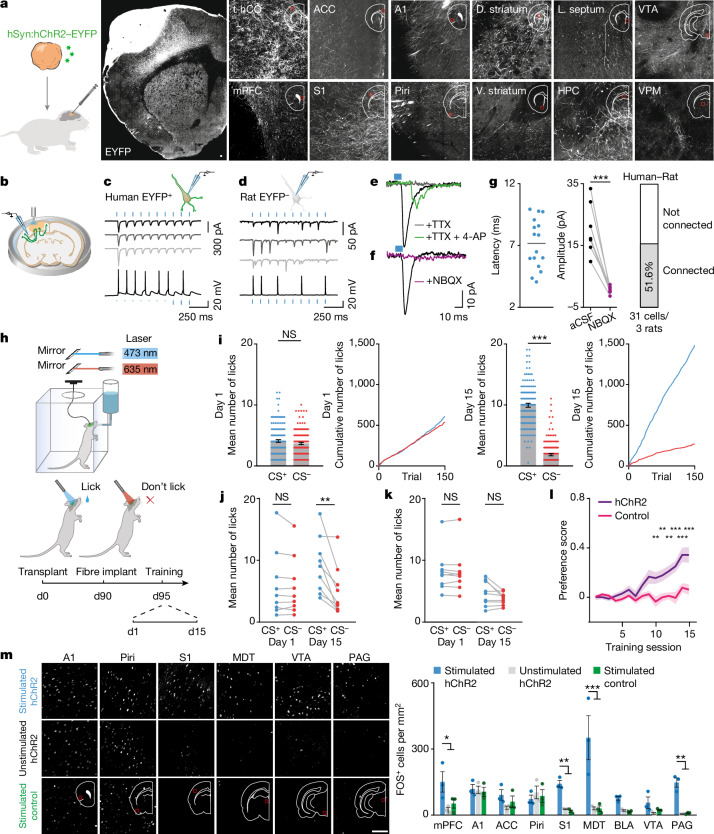
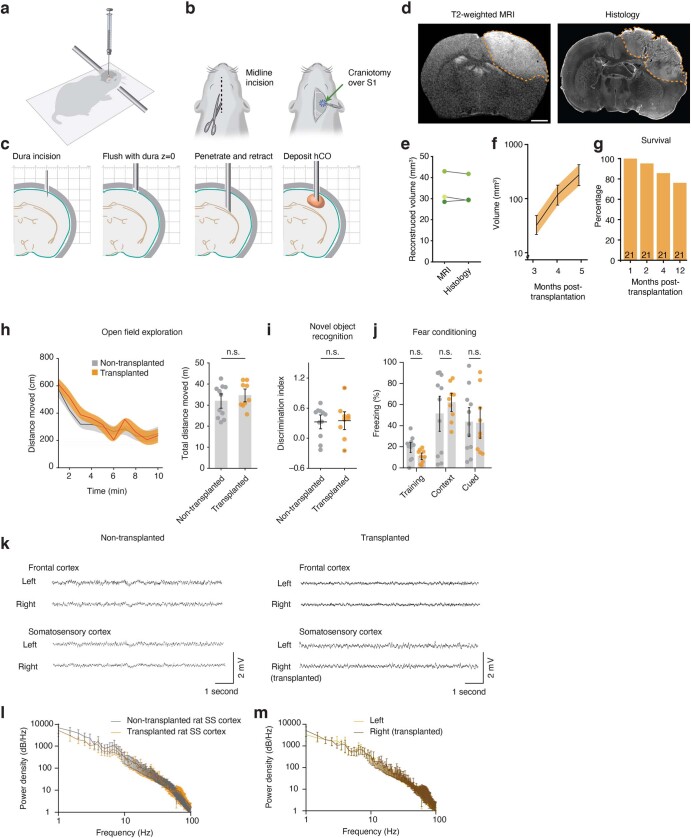
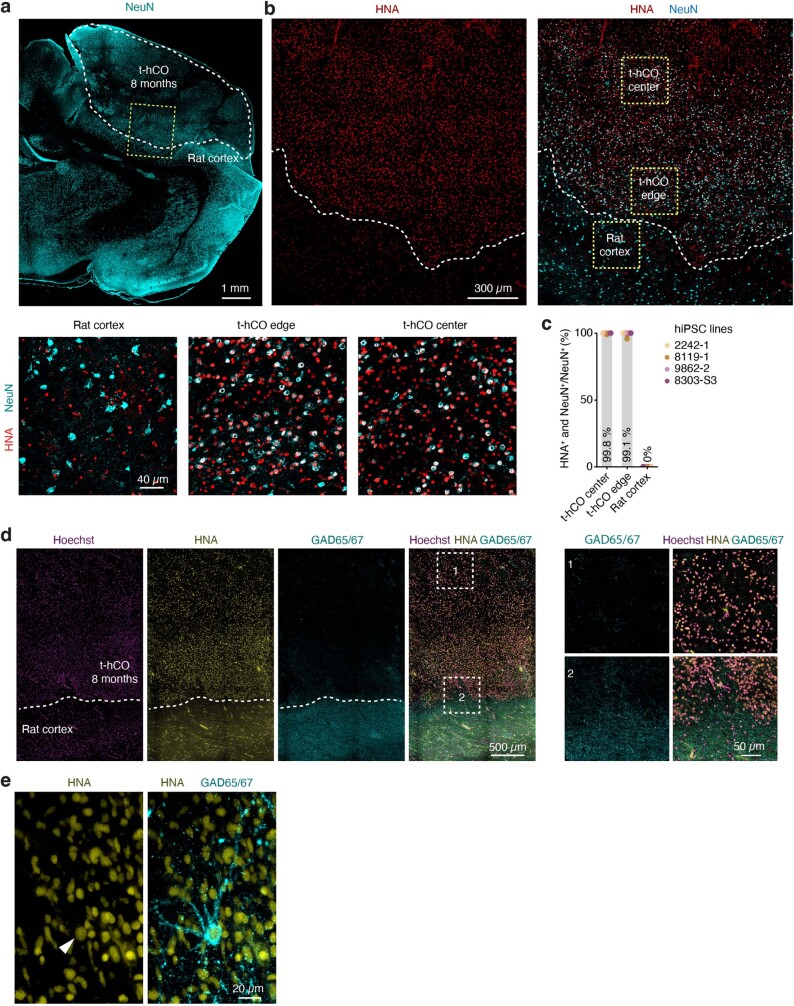
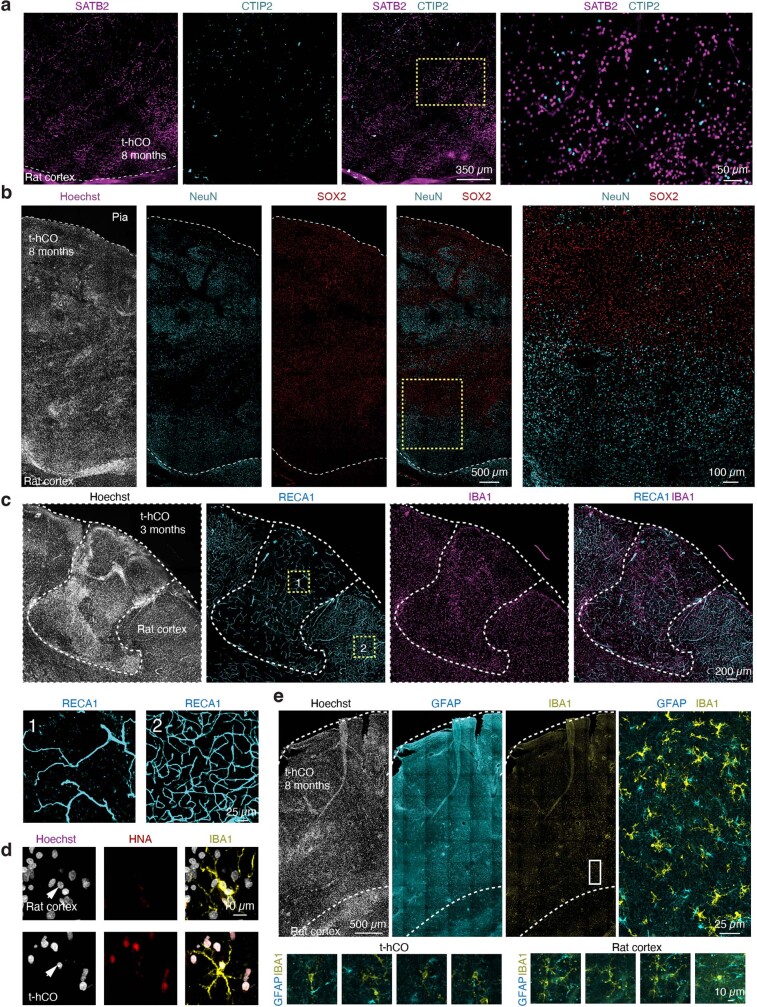
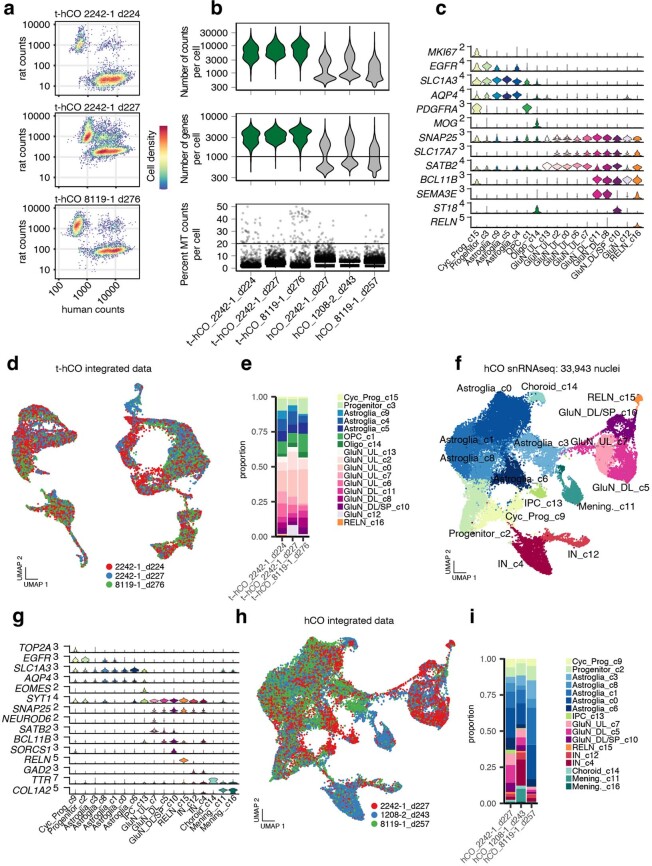
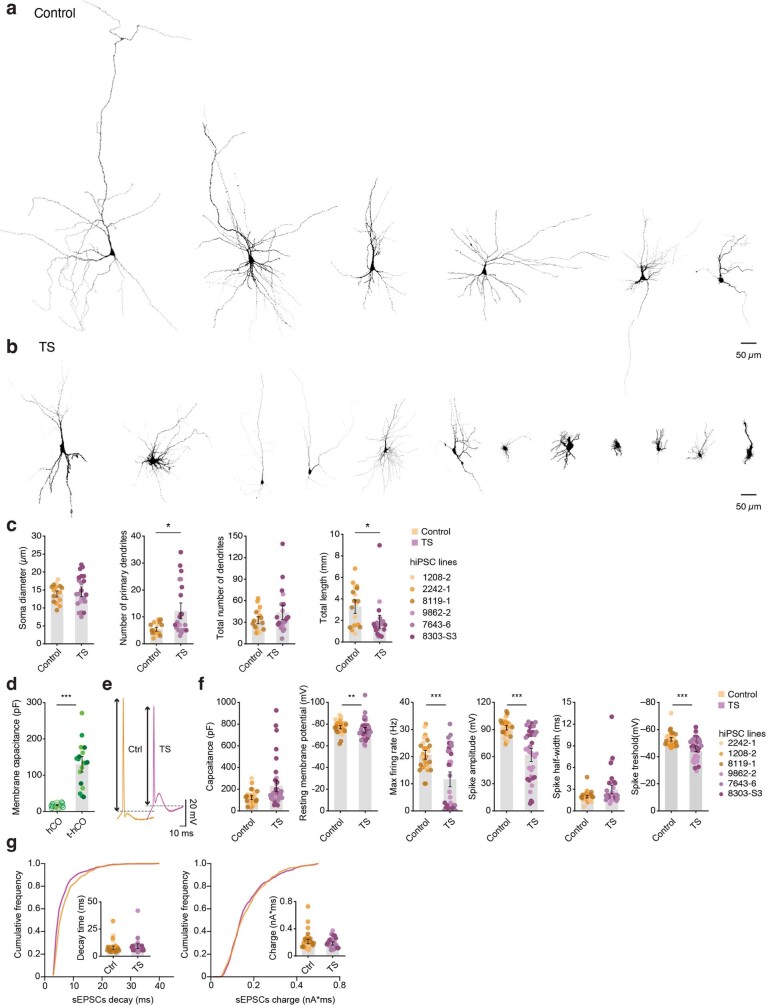
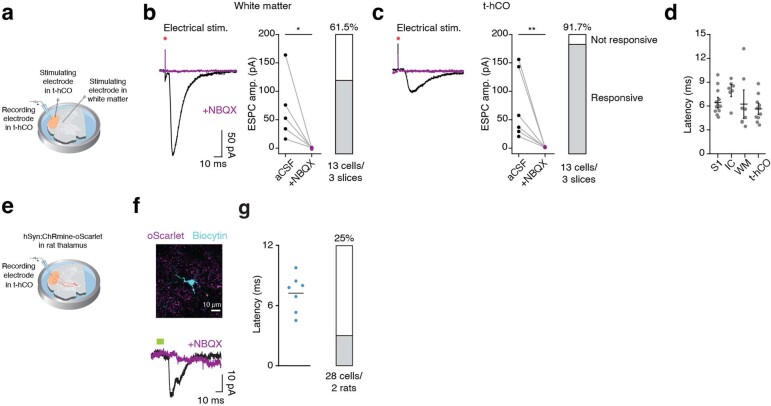
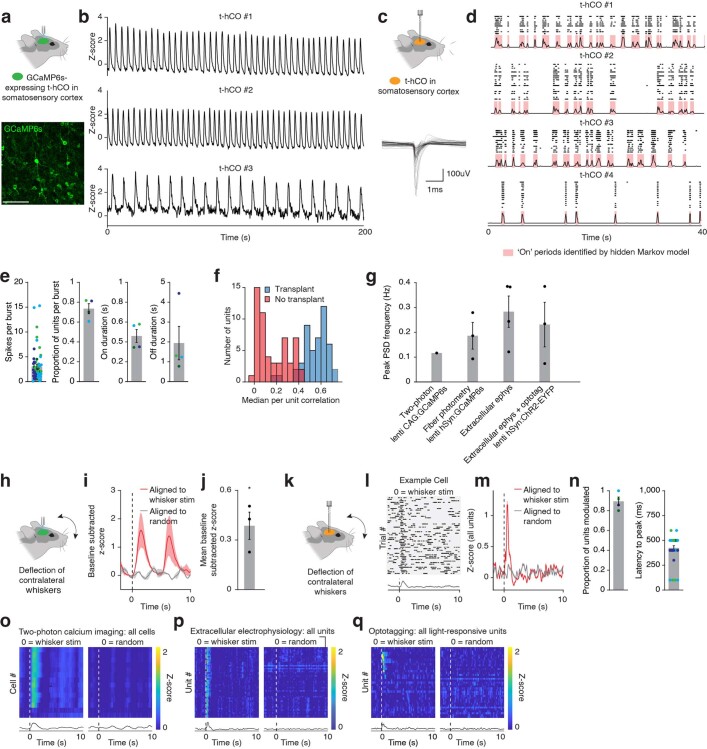
Self-organizing neural organoids represent a promising in vitro platform with which to model human development and disease 1–5 . However, organoids lack the connectivity that exists in vivo, which limits maturation and makes integration with other circuits that control behaviour impossible. Here we show that human stem cell-derived cortical organoids transplanted into the somatosensory cortex of newborn athymic rats develop mature cell types that integrate into sensory and motivation-related circuits. MRI reveals post-transplantation organoid growth across multiple stem cell lines and animals, whereas single-nucleus profiling shows progression of corticogenesis and the emergence of activity-dependent transcriptional programs. Indeed, transplanted cortical neurons display more complex morphological, synaptic and intrinsic membrane properties than their in vitro counterparts, which enables the discovery of defects in neurons derived from individuals with Timothy syndrome. Anatomical and functional tracings show that transplanted organoids receive thalamocortical and corticocortical inputs, and in vivo recordings of neural activity demonstrate that these inputs can produce sensory responses in human cells. Finally, cortical organoids extend axons throughout the rat brain and their optogenetic activation can drive reward-seeking behaviour. Thus, transplanted human cortical neurons mature and engage host circuits that control behaviour. We anticipate that this approach will be useful for detecting circuit-level phenotypes in patient-derived cells that cannot otherwise be uncovered.
Overview
The claims and statistics of this paper haven’t been checked yet.
Free: it reads the open-access text and checks the first 5 claims that cite a source we can check. Create a free account to check every claim.
Integrity signals
Registry
Cites
Statistics
Figures
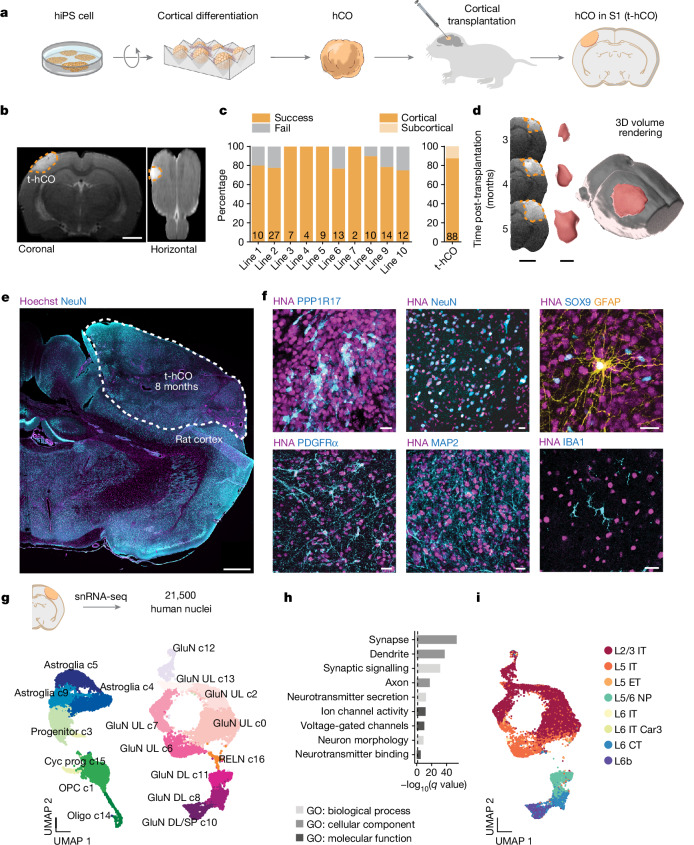
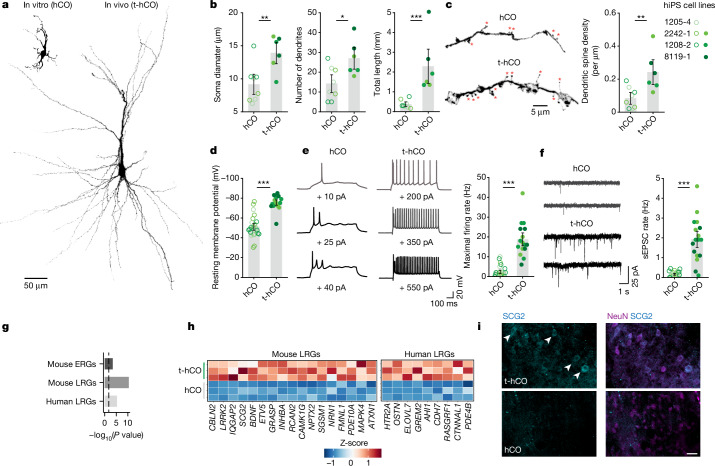
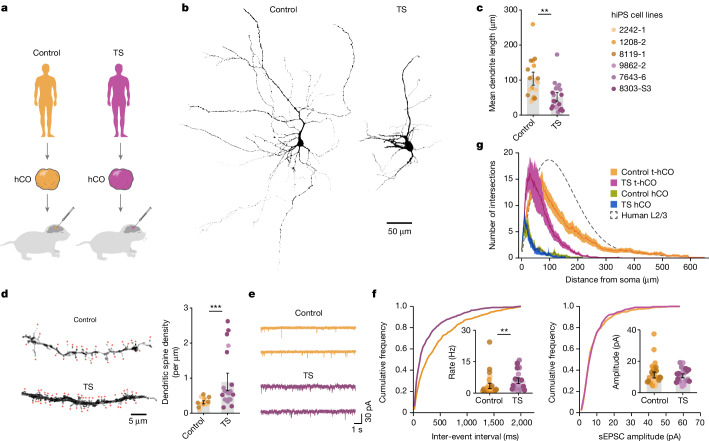
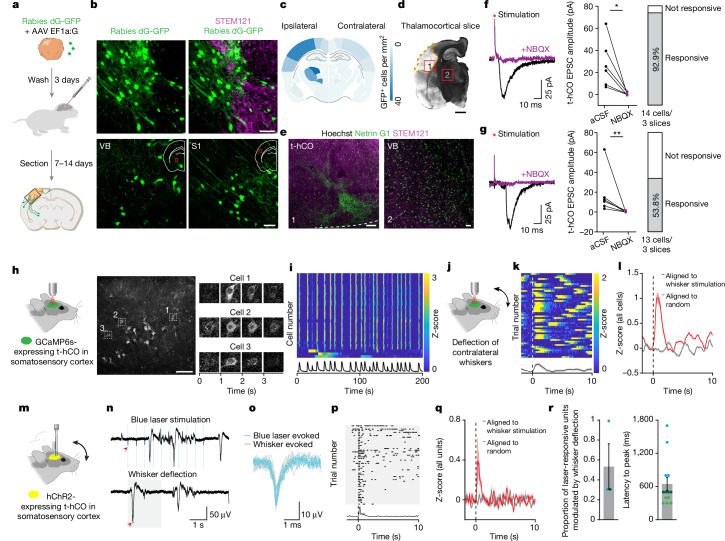
Verification
Claims the paper makes
The claims and statistics of this paper haven’t been checked yet.
Free: it reads the open-access text and checks the first 5 claims that cite a source we can check. Create a free account to check every claim.
Claims other papers make about this one
Each is checked against this paper’s own text: does it say what the citing paper says it does?
The source backs part of the claim, not all of it — or backs it for a different population, condition or comparison.
In the citing paper
“iPS cell-derived organoids fail to mature beyond the fetal phenotype unless they are grafted into living organisms36,37.”
From Human disease models in drug development (2023) · cites this paper as [37]
Experimental — accuracy not yet measured
Self-check
Percentages, sums and reported differences re-computed from the paper’s own numbers.
The self-check needs the paper’s full text.
Citations
Cites
Comprehensive Integration of Single-Cell Data
Stuart, T., Butler, A., Hoffman, P., Hafemeister, C., Papalexi, E., Mauck, W. M., Hao, Y., Stoeckius, M., Smibert, P., & Satija, R. (2019) · Cell · doi:10.1016/j.cell.2019.05.031 · Cited by 15,453
Dimensionality reduction for visualizing single-cell data using UMAP
Becht, E., McInnes, L., Healy, J., Dutertre, C.-A., Kwok, I. W. H., Ng, L. G., Ginhoux, F., & Newell, E. W. (2019) · Nature Biotechnology · doi:10.1038/nbt.4314 · Cited by 5,358 · cited 3×
“Following low-quality nuclei removal, integrated datasets were clustered (resolution = 0.5) and embedded for visualization purposes with UMAP 34 .”
InfluentialMcGinnis, C. S., Murrow, L. M., & Gartner, Z. J. (2019) · Cell Systems · doi:10.1016/j.cels.2019.03.003 · Cited by 4,521
ToppGene Suite for gene list enrichment analysis and candidate gene prioritization
Chen, J., Bardes, E. E., Aronow, B. J., & Jegga, A. G. (2009) · Nucleic Acids Research · doi:10.1093/nar/gkp427 · Cited by 2,952 · cited 1×
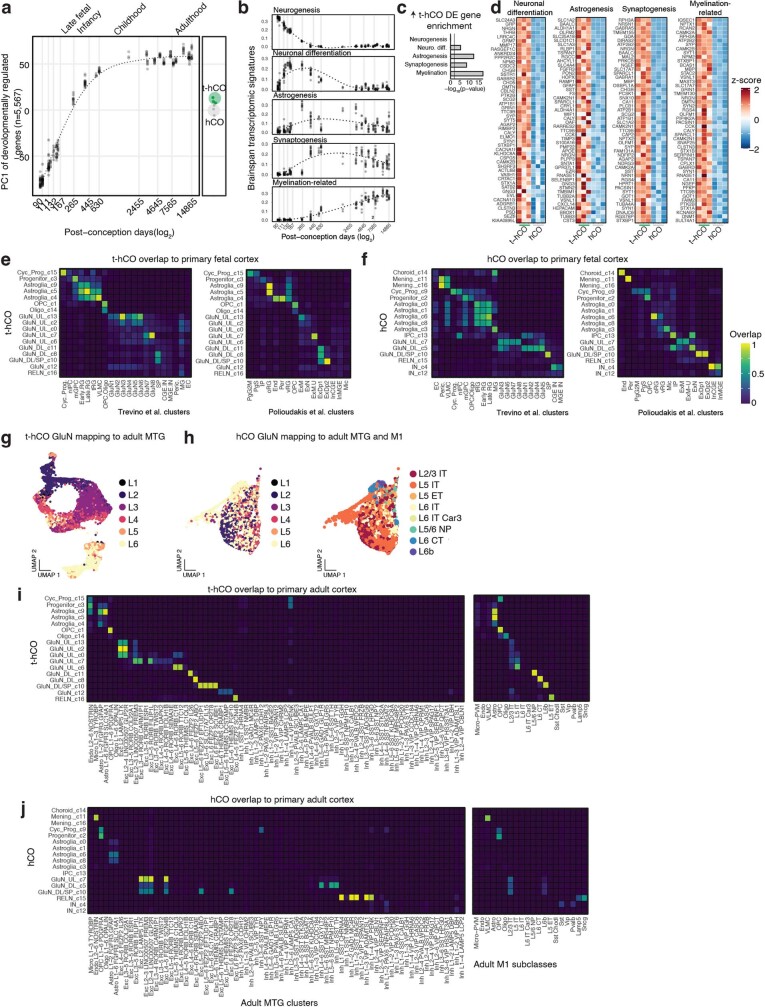
“…Ontology (GO) enrichment analyses among significantly upregulated t-hCO GluN genes (Benjamini–Hochberg-adjusted P values less than 0.05, expressed in at least 10% of t-hCO GluN cells, and fold change increase of at least 2) were performed using the ToppGene Suite (https://top-pgene.cchmc.org/) 37 .”
InfluentialBrain-Region-Specific Organoids Using Mini-bioreactors for Modeling ZIKV Exposure
Qian, X., Nguyen, H. N., Song, M. M., Hadiono, C., Ogden, S. C., Hammack, C., Yao, B., Hamersky, G. R., Jacob, F., Zhong, C., et al. (2016) · Cell · doi:10.1016/j.cell.2016.04.032 · Cited by 2,127
Conserved cell types with divergent features in human versus mouse cortex
Hodge, R. D., Bakken, T. E., Miller, J. A., Smith, K. A., Barkan, E. R., Graybuck, L. T., Close, J. L., Long, B., Johansen, N., Penn, O., et al. (2019) · Nature · doi:10.1038/s41586-019-1506-7 · Cited by 1,775 · cited 2×
“We identified and categorized major cell classes through a combination of marker 19–21 , 35 gene expression expression and annotation via integration with reference Differential gene expression analysis between t-hCO and hCO subclasses was performed using a recently developed pseudobulk approach 36…”
Functional cortical neurons and astrocytes from human pluripotent stem cells in 3D culture
Paşca, A. M., Sloan, S. A., Clarke, L. E., Tian, Y., Makinson, C. D., Huber, N., Kim, C. H., Park, J.-Y., O'Rourke, N. A., Nguyen, K. D., et al. (2015) · Nature Methods · doi:10.1038/nmeth.3415 · Cited by 1,609 · cited 1×
“…applying instructive signals to human induced pluripotent stem (hiPS) cells grown in three-dimensional (3D) cultures, self-organizing organoids resembling specific regions of the nervous system, including human cortical organoids (hCO; also known as human cortical spheroids) can be generated 2–6 .”
Self-citationAssembly of functionally integrated human forebrain spheroids
Birey, F., Andersen, J., Makinson, C. D., Islam, S., Wei, W., Huber, N., Fan, H. C., Metzler, K. R. C., Panagiotakos, G., Thom, N., et al. (2017) · Nature · doi:10.1038/nature22330 · Cited by 1,365 · cited 2×
“…applying instructive signals to human induced pluripotent stem (hiPS) cells grown in three-dimensional (3D) cultures, self-organizing organoids resembling specific regions of the nervous system, including human cortical organoids (hCO; also known as human cortical spheroids) can be generated 2–6 .”
Self-citationAn in vivo model of functional and vascularized human brain organoids
Mansour, A. A., Gonçalves, J. T., Bloyd, C. W., Li, H., Fernandes, S., Quang, D., Johnston, S., Parylak, S. L., Jin, X., & Gage, F. H. (2018) · Nature Biotechnology · doi:10.1038/nbt.4127 · Cited by 1,211
Individual brain organoids reproducibly form cell diversity of the human cerebral cortex
Velasco, S., Kedaigle, A. J., Simmons, S. K., Nash, A., Rocha, M., Quadrato, G., Paulsen, B., Nguyen, L., Adiconis, X., Regev, A., et al. (2019) · Nature · doi:10.1038/s41586-019-1289-x · Cited by 1,094
Confronting false discoveries in single-cell differential expression
Squair, J. W., Gautier, M., Kathe, C., Anderson, M. A., James, N. D., Hutson, T. H., Hudelle, R., Qaiser, T., Matson, K. J. E., Barraud, Q., et al. (2021) · doi:10.1101/2021.03.12.435024 · Cited by 1,086
The subcellular organization of neocortical excitatory connections
Petreanu, L., Mao, T., Sternson, S. M., & Svoboda, K. (2009) · Nature · doi:10.1038/nature07709 · Cited by 1,047 · cited 1×
“Moreover, these responses could be blocked by application of tetrodotoxin (TTX) and recovered by 4-amino-pyridine (4-AP), indicating that they were evoked by monosynaptic connections 27 (Fig.”
Trujillo, C. A., Gao, R., Negraes, P. D., Gu, J., Buchanan, J., Preissl, S., Wang, A., Wu, W., Haddad, G. G., Chaim, I. A., et al. (2019) · Cell Stem Cell · doi:10.1016/j.stem.2019.08.002 · Cited by 974
Spatiotemporal gene expression trajectories reveal developmental hierarchies of the human cortex
Nowakowski, T. J., Bhaduri, A., Pollen, A. A., Alvarado, B., Mostajo-Radji, M. A., Di Lullo, E., Haeussler, M., Sandoval-Espinosa, C., Liu, S. J., Velmeshev, D., et al. (2017) · Science · doi:10.1126/science.aap8809 · Cited by 964 · cited 1×
“We identified and categorized major cell classes through a combination of marker 19–21 , 35 gene expression expression and annotation via integration with reference Differential gene expression analysis between t-hCO and hCO subclasses was performed using a recently developed pseudobulk approach 36…”
Comparative cellular analysis of motor cortex in human, marmoset and mouse
Bakken, T. E., Jorstad, N. L., Hu, Q., Lake, B. B., Tian, W., Kalmbach, B. E., Crow, M., Hodge, R. D., Krienen, F. M., Sorensen, S. A., et al. (2021) · Nature · doi:10.1038/s41586-021-03465-8 · Cited by 812 · cited 3×
“To map our snRNA-seq clusters to annotated cell clusters from reference primary adult single-cell RNA-seq or snRNA-seq studies 19–22 , we performed a pairwise dataset integration approach.”
Integrative functional genomic analysis of human brain development and neuropsychiatric risks
Li, M., Santpere, G., Imamura Kawasawa, Y., Evgrafov, O. V., Gulden, F. O., Pochareddy, S., Sunkin, S. M., Li, Z., Shin, Y., Zhu, Y., et al. (2018) · Science · doi:10.1126/science.aat7615 · Cited by 810 · cited 2×
“To assess the global transcriptomic maturation state of t-hCO and hCO samples, we compared our pseudobulk samples with BrainSpan/ psychENCODE 23 , which consists of bulk RNA-seq spanning human brain development.”
Self-citationEfficient and accurate extraction of in vivo calcium signals from microendoscopic video data
Zhou, P., Resendez, S. L., Rodriguez-Romaguera, J., Jimenez, J. C., Neufeld, S. Q., Giovannucci, A., Friedrich, J., Pnevmatikakis, E. A., Stuber, G. D., Hen, R., et al. (2018) · eLife · doi:10.7554/elife.28728 · Cited by 728
Thalamocortical responses of mouse somatosensory (barrel) cortexin vitro
Agmon, A., & Connors, B. W. (1991) · Neuroscience · doi:10.1016/0306-4522(91)90333-j · Cited by 672 · cited 1×
“To assess whether these afferent projections were capable of evoking synaptic responses in t-hCO cells, we performed whole-cell recordings from human cells in acute thalamocortical slices 26 .”
Activity-dependent neuronal signalling and autism spectrum disorder
Ebert, D. H., & Greenberg, M. E. (2013) · Nature · doi:10.1038/nature11860 · Cited by 666 · cited 2×
“We focused on TS, a severe neurodevelopmental disease, caused by a gain-of-function mutation in the gene encoding Ca V 1.2, which initiates activity-dependent gene transcription in neurons 14 .”
InfluentialHigh-dimensional geometry of population responses in visual cortex
Stringer, C., Pachitariu, M., Steinmetz, N., Carandini, M., & Harris, K. D. (2019) · Nature · doi:10.1038/s41586-019-1346-5 · Cited by 594
Espuny-Camacho, I., Michelsen, K. A., Gall, D., Linaro, D., Hasche, A., Bonnefont, J., Bali, C., Orduz, D., Bilheu, A., Herpoel, A., et al. (2013) · Neuron · doi:10.1016/j.neuron.2012.12.011 · Cited by 568 · cited 3×
“The platform that we have described has several advantages in comparison to previous studies that have transplanted human cells into the rodent brain 7–12 .”
A Single-Cell Transcriptomic Atlas of Human Neocortical Development during Mid-gestation
Polioudakis, D., de la Torre-Ubieta, L., Langerman, J., Elkins, A. G., Shi, X., Stein, J. L., Vuong, C. K., Nichterwitz, S., Gevorgian, M., Opland, C. K., et al. (2019) · Neuron · doi:10.1016/j.neuron.2019.06.011 · Cited by 513 · cited 3×
“We identified and categorized major cell classes through a combination of marker 19–21 , 35 gene expression expression and annotation via integration with reference Differential gene expression analysis between t-hCO and hCO subclasses was performed using a recently developed pseudobulk approach 36…”
Reliability of human cortical organoid generation
Yoon, S.-J., Elahi, L. S., Pașca, A. M., Marton, R. M., Gordon, A., Revah, O., Miura, Y., Walczak, E. M., Holdgate, G. M., Fan, H. C., et al. (2019) · Nature Methods · doi:10.1038/s41592-018-0255-0 · Cited by 507
Self-citationSingle-cell analysis of experience-dependent transcriptomic states in the mouse visual cortex
Hrvatin, S., Hochbaum, D. R., Nagy, M. A., Cicconet, M., Robertson, K., Cheadle, L., Zilionis, R., Ratner, A., Borges-Monroy, R., Klein, A. M., et al. (2018) · Nature Neuroscience · doi:10.1038/s41593-017-0029-5 · Cited by 497 · cited 3×
“…neurons compared with hCO glutamatergic neurons with gene sets of both early-response (ERG) and late-response (LRG) activity-dependent genes identified from an in vivo mouse study 16 and human-specific LRGs from in vitro neurons 17 We observed synchronous bursts of activity (Extended Data Fig.”
Trevino, A. E., Müller, F., Andersen, J., Sundaram, L., Kathiria, A., Shcherbina, A., Farh, K., Chang, H. Y., Pașca, A. M., Kundaje, A., et al. (2021) · Cell · doi:10.1016/j.cell.2021.07.039 · Cited by 478
Self-citationSNT: a unifying toolbox for quantification of neuronal anatomy
Arshadi, C., Günther, U., Eddison, M., Harrington, K. I. S., & Ferreira, T. A. (2021) · Nature Methods · doi:10.1038/s41592-021-01105-7 · Cited by 470 · cited 1×
“The files were next loaded into Fiji (ImageJ, version 2.1.0; NIH) plugin SimpleNeuriteTracer 41 .”
InfluentialSpatiotemporal transcriptomic divergence across human and macaque brain development
Zhu, Y., Sousa, A. M. M., Gao, T., Skarica, M., Li, M., Santpere, G., Esteller-Cucala, P., Juan, D., Ferrández-Peral, L., Gulden, F. O., et al. (2018) · Science · doi:10.1126/science.aat8077 · Cited by 414 · cited 3×
“…matrix from cortical samples of 10 postconception weeks and older, subsetted to 5,567 genes (shared with our data) that were previously identified to be developmentally regulated across BrainSpan cortical samples (defined as greater than 50% variance explained by age using a cubic model) 38 .”
InfluentialSelf-citationHong, E. J., McCord, A. E., & Greenberg, M. E. (2008) · Neuron · doi:10.1016/j.neuron.2008.09.024 · Cited by 366 · cited 2×
“From day 25 to day 42, the medium was supplemented with brain-derived neurotrophic factor (BDNF; 20 ng ml −1 , Peprotech) and neurotrophin 3 (NT3; 20 ng ml −1 ; Peprotech) with medium changes every other day.”
Long-term maturation of human cortical organoids matches key early postnatal transitions
Gordon, A., Yoon, S.-J., Tran, S. S., Makinson, C. D., Park, J. Y., Andersen, J., Valencia, A. M., Horvath, S., Xiao, X., Huguenard, J. R., et al. (2021) · Nature Neuroscience · doi:10.1038/s41593-021-00802-y · Cited by 357 · cited 1×
“Consistent with previous work 24 , the global transcriptomic maturation state of both hCO and t-hCO at 7–8 months of differentiation broadly matched in vivo developmental timing and was most equivalent to the late fetal period (Extended Data Fig.”
Self-citationHuguenard, Jr., & Prince, D. (1994) · The Journal of Neuroscience · doi:10.1523/jneurosci.14-09-05485.1994 · Cited by 347
Self-citationneuTube 1.0: A New Design for Efficient Neuron Reconstruction Software Based on the SWC Format
Feng, L., Zhao, T., & Kim, J. (2015) · eneuro · doi:10.1523/eneuro.0049-14.2014 · Cited by 286 · cited 1×
“The neurons were subsequently semi-manually traced using the neuTube interface 40 and SWC files were generated.”
Transient cortical circuits match spontaneous and sensory-driven activity during development
Molnár, Z., Luhmann, H. J., & Kanold, P. O. (2020) · Science · doi:10.1126/science.abb2153 · Cited by 280 · cited 1×
“For example, it is currently unclear whether the spontaneous activity observed in t-hCO represents a developmental phenotype, similar to rhythmic activity observed during cortical development 29 , or is related to the lack of inhibitory cell types present in t-hCO.”
Krey, J. F., Paşca, S. P., Shcheglovitov, A., Yazawa, M., Schwemberger, R., Rasmusson, R., & Dolmetsch, R. E. (2013) · Nature Neuroscience · doi:10.1038/nn.3307 · Cited by 255 · cited 1×
“This is consistent with an activity-dependent dendritic retraction in TS that we previously reported 25 and highlights the ability of this transplantation platform to reveal disease phenotypes in an in vivo context.”
Self-citationHuman brain organogenesis: Toward a cellular understanding of development and disease
Kelley, K. W., & Pașca, S. P. (2022) · Cell · doi:10.1016/j.cell.2021.10.003 · Cited by 239
Self-citationLinaro, D., Vermaercke, B., Iwata, R., Ramaswamy, A., Davis, B. A., Boubakar, L., Libé-Philippot, B., Bilheu, A., Bruyne, L. D., Gall, D., et al. (2019) · doi:10.1101/626218 · Cited by 219 · cited 1×
“In accordance with previous studies 8,10 , a subset of t-hCO cells displayed increases in activity in response to whisker deflection that were not observed when data were aligned to randomized timestamps (Fig.”
Kalmbach, B. E., Buchin, A., Long, B., Close, J., Nandi, A., Miller, J. A., Bakken, T. E., Hodge, R. D., Chong, P., de Frates, R., et al. (2018) · Neuron · doi:10.1016/j.neuron.2018.10.012 · Cited by 203 · cited 1×
“We have demonstrated that t-hCO develop mature cell types 28 that are not seen in vitro, and that t-hCO integrate both anatomically and functionally into the rodent brain.”
Human Stem Cell-Derived Neurons Repair Circuits and Restore Neural Function
Xiong, M., Tao, Y., Gao, Q., Feng, B., Yan, W., Zhou, Y., Kotsonis, T. A., Yuan, T., You, Z., Wu, Z., et al. (2021) · Cell Stem Cell · doi:10.1016/j.stem.2020.08.014 · Cited by 174 · cited 2×
“The platform that we have described has several advantages in comparison to previous studies that have transplanted human cells into the rodent brain 7–12 .”
Evolution of Osteocrin as an activity-regulated factor in the primate brain
Ataman, B., Boulting, G. L., Harmin, D. A., Yang, M. G., Baker-Salisbury, M., Yap, E.-L., Malik, A. N., Mei, K., Rubin, A. A., Spiegel, I., et al. (2016) · Nature · doi:10.1038/nature20111 · Cited by 149 · cited 4×
“…neurons compared with hCO glutamatergic neurons with gene sets of both early-response (ERG) and late-response (LRG) activity-dependent genes identified from an in vivo mouse study 16 and human-specific LRGs from in vitro neurons 17 We observed synchronous bursts of activity (Extended Data Fig.”
InfluentialFate and freedom in developing neocortical circuits
Jabaudon, D. (2017) · Nature Communications · doi:10.1038/ncomms16042 · Cited by 124
In vivo modeling of human neuron dynamics and Down syndrome
Real, R., Peter, M., Trabalza, A., Khan, S., Smith, M. A., Dopp, J., Barnes, S. J., Momoh, A., Strano, A., Volpi, E., et al. (2018) · Science · doi:10.1126/science.aau1810 · Cited by 120 · cited 1×
“In accordance with previous studies 8,10 , a subset of t-hCO cells displayed increases in activity in response to whisker deflection that were not observed when data were aligned to randomized timestamps (Fig.”
Amygdala-Midbrain Connections Modulate Appetitive and Aversive Learning
Steinberg, E. E., Gore, F., Heifets, B. D., Taylor, M. D., Norville, Z. C., Beier, K. T., Földy, C., Lerner, T. N., Luo, L., Deisseroth, K., et al. (2020) · Neuron · doi:10.1016/j.neuron.2020.03.016 · Cited by 111 · cited 1×
“Fibre photometry recordings were performed as previously described 42 .”
Self-citationAxonal Extensions along Corticospinal Tracts from Transplanted Human Cerebral Organoids
Kitahara, T., Sakaguchi, H., Morizane, A., Kikuchi, T., Miyamoto, S., & Takahashi, J. (2020) · Stem Cell Reports · doi:10.1016/j.stemcr.2020.06.016 · Cited by 105
Isolation of Adult Spinal Cord Nuclei for Massively Parallel Single-nucleus RNA Sequencing
Matson, K. J. E., Sathyamurthy, A., Johnson, K. R., Kelly, M. C., Kelley, M. W., & Levine, A. J. (2018) · Journal of Visualized Experiments · doi:10.3791/58413 · Cited by 60
Kichula, E. A., & Huntley, G. W. (2008) · Journal of Comparative Neurology · doi:10.1002/cne.21690 · Cited by 39 · cited 1×
“Here we introduce a transplantation paradigm in which we transplanted 3D hCO derived from hiPS cells into the primary somatosensory cortex (S1) of immunodeficient rats at an early, plastic developmental stage 13 .”
Cited by
Induced pluripotent stem cells (iPSCs): molecular mechanisms of induction and applications
Cerneckis, J., Cai, H., & Shi, Y. (2024) · Signal Transduction and Targeted Therapy · doi:10.1038/s41392-024-01809-0 · Cited by 452
“220,222 Overall, iPSC-derived cellular models of neurological disorders reveal complex molecular, cellular, and electrophysiological disease-related phenotypes.”
BackgroundMethodInfluentialHuman disease models in drug development
Loewa, A., Feng, J. J., & Hedtrich, S. (2023) · Nature Reviews Bioengineering · doi:10.1038/s44222-023-00063-3 · Cited by 331
Current Protocols in Neuroscience
(2001) · John Wiley & Sons, Inc. eBooks · doi:10.1002/0471142301 · Cited by 323
An in vivo neuroimmune organoid model to study human microglia phenotypes
Schafer, S. T., Mansour, A. A., Schlachetzki, J. C. M., Pena, M., Ghassemzadeh, S., Mitchell, L., Mar, A., Quang, D., Stumpf, S., Ortiz, I. S., et al. (2023) · Cell · doi:10.1016/j.cell.2023.04.022 · Cited by 267
Three-Dimensional Cell Cultures: The Bridge between In Vitro and In Vivo Models
Urzì, O., Gasparro, R., Costanzo, E., De Luca, A., Giavaresi, G., Fontana, S., & Alessandro, R. (2023) · International Journal of Molecular Sciences · doi:10.3390/ijms241512046 · Cited by 224
“recently reported that human stem-cell-derived cortical organoids transplanted into the somatosensory cortex of newborn athymic rats underwent cellular maturation and integration into sensory- and motivation-related circuits [373].”
Background
Metadata
- Authors
- Revah, O., Gore, F., Kelley, K. W., Andersen, J., Sakai, N., Chen, X., Li, M.-Y., Birey, F., Yang, X., Saw, N. L., Baker, S. W., Amin, N. D., Kulkarni, S., Mudipalli, R., Cui, B., Nishino, S., Grant, G. A., Knowles, J. K., Shamloo, M., Huguenard, J. R., Deisseroth, K., & Pașca, S. P.
- Affiliations
- Stanford Medicine (US)
- Stanford University (US)
- Howard Hughes Medical Institute (US)
- Corresponding author
- Pașca, Sergiu P.
- ORCID
- Revah, Omer
- Gore, Felicity
- Kelley, Kevin W.
- Andersen, Jimena
- Sakai, Noriaki
- Chen, Xiaoyu
- Li, Min-Yin
- Birey, Fikri
- Yang, Xiao
- Saw, Nay L.
- Baker, Samuel W.
- Amin, Neal D.
- Mudipalli, Rachana
- Cui, Bianxiao
- Nishino, Seiji
- Grant, Gerald A.
- Knowles, Juliet K.
- Shamloo, Mehrdad
- Huguenard, John R.
- Deisseroth, Karl
- Pașca, Sergiu P.
- Venue
- Nature
- Published
- 2022-10-12
- Volume
- 610
- Issue
- 7931
- Pages
- 319-326
- ISSN
- 0028-0836 (ISSN-L)
- 1476-4687
- PMC
- PMC9556304
- OpenAlex
- W4304698283
- Semantic Scholar
- 57e751de615d9e154922d135c67398d19d35a757
- Cited by
- 504
- References
- 44
- Citations by year
- 2026: 85 · 2025: 128 · 2024: 151 · 2023: 124 · 2022: 16
- FWCI
- 38.90
- Type
- journal article
- Language
- en
- Update notices
- correction (2026-08-03)
- Open access
- hybrid
- doi.org
- Licence
- cc-by
- creativecommons.org/licenses/by/4.0 (tdm)
- creativecommons.org/licenses/by/4.0 (vor)
- Locations
- Nature (publishedVersion, cc-by)
- PubMed Central (publishedVersion, cc-by)
- PubMed (publishedVersion)
- RePEc: Research Papers in Economics (submittedVersion)
- Funders
- New York Stem Cell Foundation
- National Alliance for Research on Schizophrenia and Depression
- Ludwig Family Foundation
- National Institutes of Health (1s10od030452-01, K99-R00)
- National Institute of Mental Health (K99/R00, R01MH115012, T32MH019938)
- National Institute on Drug Abuse (DA050662, K99DA050662)
- National Institute of Neurological Disorders and Stroke (K08NS123544)
- National Center for Research Resources (S10RR026917)
- Stanford Maternal and Child Health Research Institute
- Topics
- Life Sciences › Neuroscience › Developmental Neuroscience › Neurogenesis and neuroplasticity mechanisms
- Life Sciences › Biochemistry, Genetics and Molecular Biology › Molecular Biology › Pluripotent Stem Cells Research
- Life Sciences › Neuroscience › Cellular and Molecular Neuroscience › Neuroscience and Neural Engineering
- Keywords
- cortical organoids, transplantation, somatosensory cortex, athymic rats, cortical development, neuronal maturation, thalamocortical input, corticocortical connections, axon growth, optogenetic stimulation, reward-seeking behavior, Timothy syndrome, single-nucleus RNA sequencing, circuit integration
- MeSH terms
- Animals, Animals, Newborn, Autistic Disorder, Humans, Long QT Syndrome, Motivation, Neural Pathways, Neurons, Organoids, Reward, Somatosensory Cortex, Stem Cells, Syndactyly, Rats, Optogenetics
About these checks
Registry, retraction, Cites and statistics results are computed, not judged, with one exception: a printed reference that no index lists is read once by a model before it counts as a citation error. Claims are extracted by a model and kept only when their quote appears verbatim in the text; each cited source is then checked, with a model’s help, for whether it says what the claim relies on. Those verdicts can be wrong — read the claim’s quote and the cited source before relying on one.
Statistics and arithmetic are recomputed, not judged.
Confidence bands are shown only for fields calibrated on our annotated test set. None is calibrated yet, so no band is shown.
What counts as a claim ›How we measure confidence ›How we check this ›
Are you an author, or do you see a problem with this page? Request a review
Data sources
Bibliographic data: Semantic Scholar, OpenAlex, Crossref.
Contains information from the Semantic Scholar Academic Graph Datasets, made available under the ODC Attribution License (ODC-BY 1.0).
Semantic Scholar’s data is described in: Kinney, R., et al. (2023). The Semantic Scholar Open Data Platform. arXiv:2301.10140.
