

Maturation and circuit integration of transplanted human cortical organoids
Open accessThe DOI matches its Crossref record; 44 of the 44 references it cites were found in a registry or an index.
Abstract
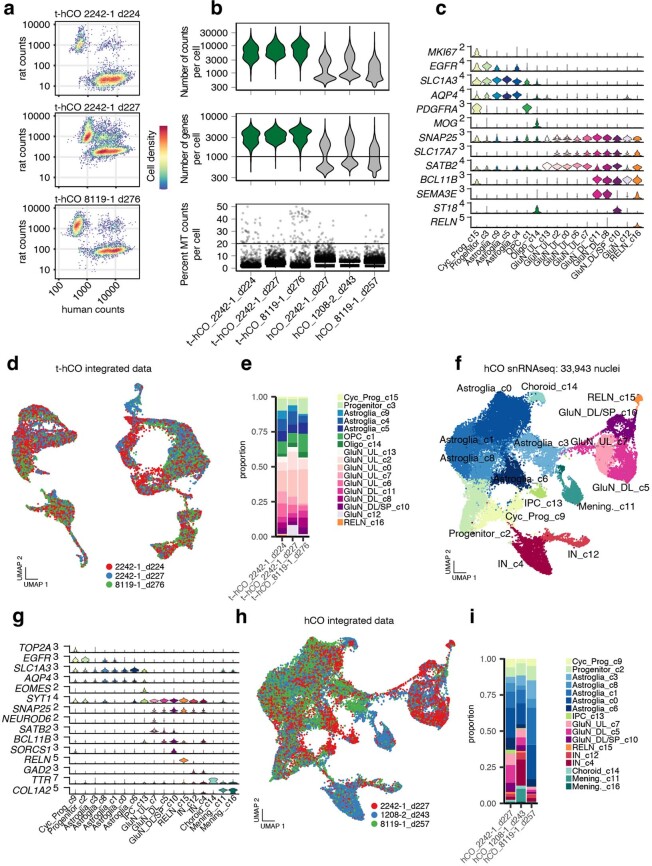
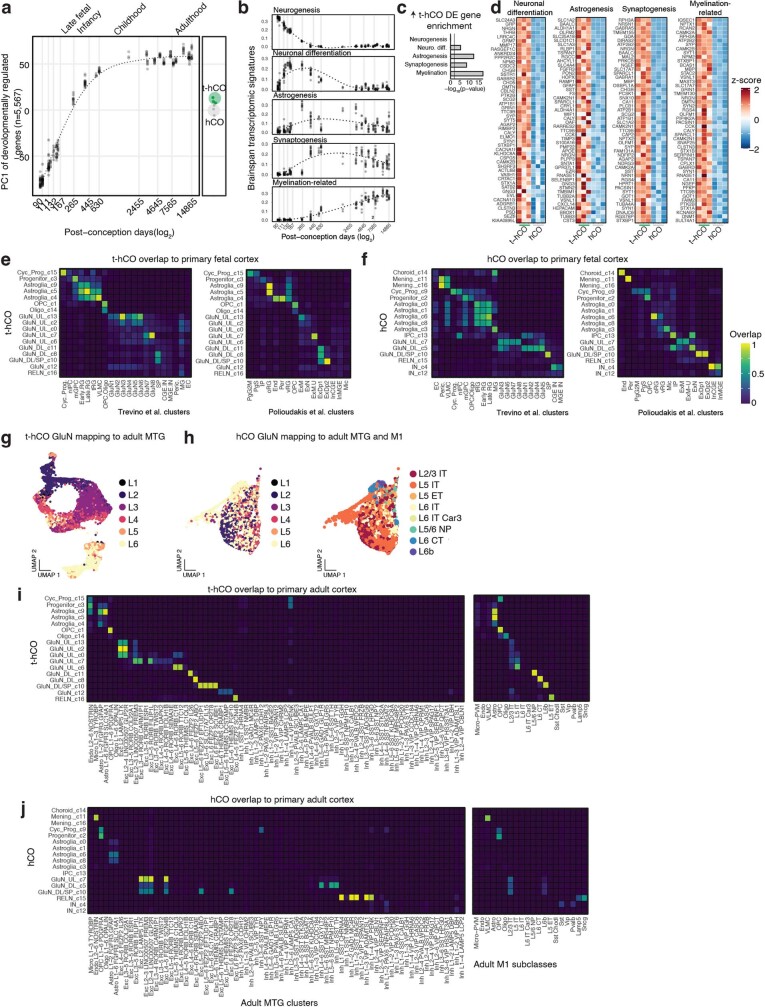
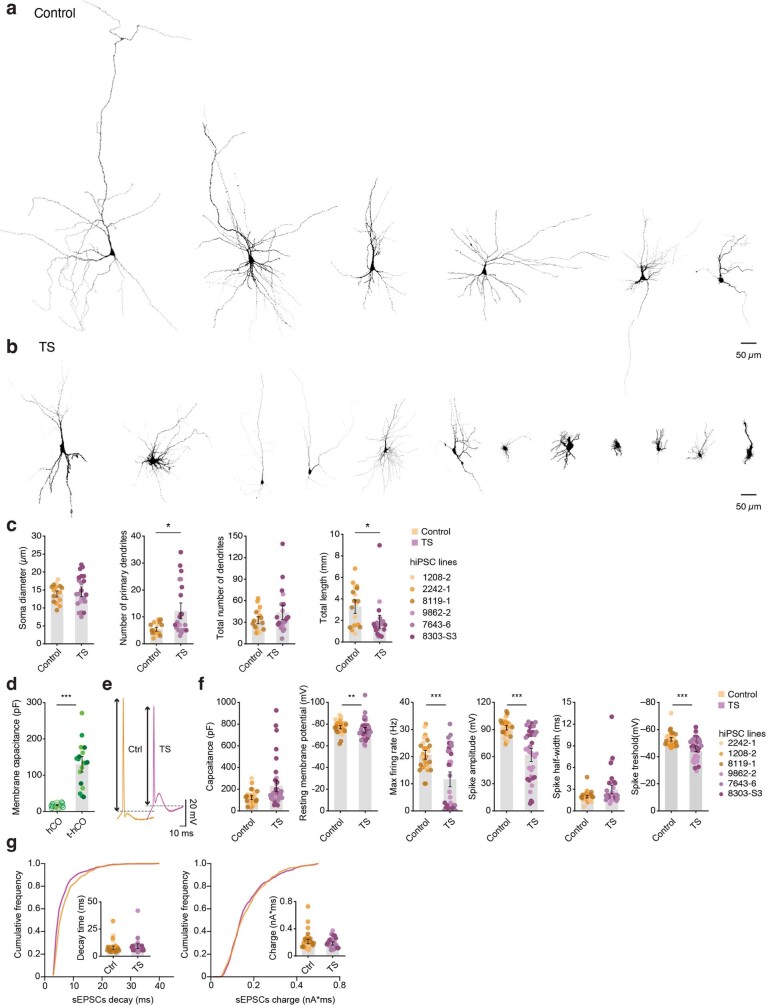
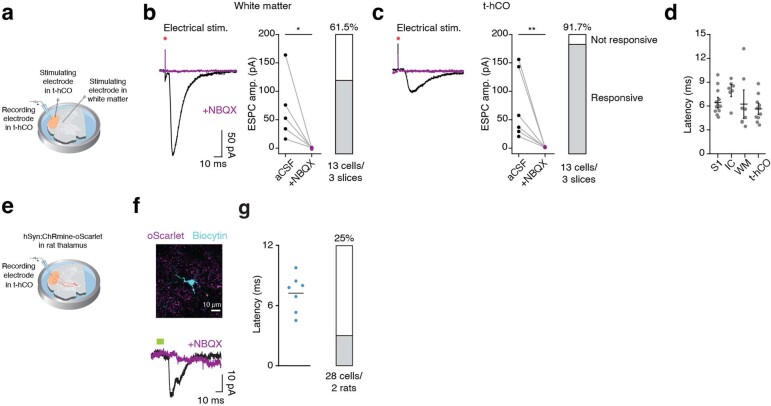
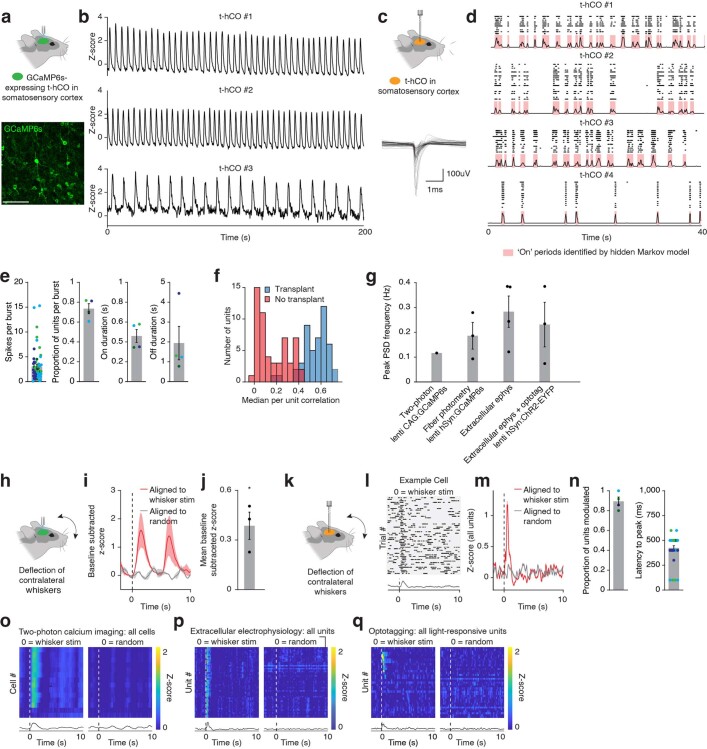
Self-organizing neural organoids represent a promising in vitro platform with which to model human development and disease 1–5 . However, organoids lack the connectivity that exists in vivo, which limits maturation and makes integration with other circuits that control behaviour impossible. Here we show that human stem cell-derived cortical organoids transplanted into the somatosensory cortex of newborn athymic rats develop mature cell types that integrate into sensory and motivation-related circuits. MRI reveals post-transplantation organoid growth across multiple stem cell lines and animals, whereas single-nucleus profiling shows progression of corticogenesis and the emergence of activity-dependent transcriptional programs. Indeed, transplanted cortical neurons display more complex morphological, synaptic and intrinsic membrane properties than their in vitro counterparts, which enables the discovery of defects in neurons derived from individuals with Timothy syndrome. Anatomical and functional tracings show that transplanted organoids receive thalamocortical and corticocortical inputs, and in vivo recordings of neural activity demonstrate that these inputs can produce sensory responses in human cells. Finally, cortical organoids extend axons throughout the rat brain and their optogenetic activation can drive reward-seeking behaviour. Thus, transplanted human cortical neurons mature and engage host circuits that control behaviour. We anticipate that this approach will be useful for detecting circuit-level phenotypes in patient-derived cells that cannot otherwise be uncovered.
Overview
The claims and statistics of this paper haven’t been checked yet.
Free: it reads the open-access text and checks the first 5 claims that cite a source we can check. Create a free account to check every claim.
Integrity signals
Registry
Cites
Statistics
Figures
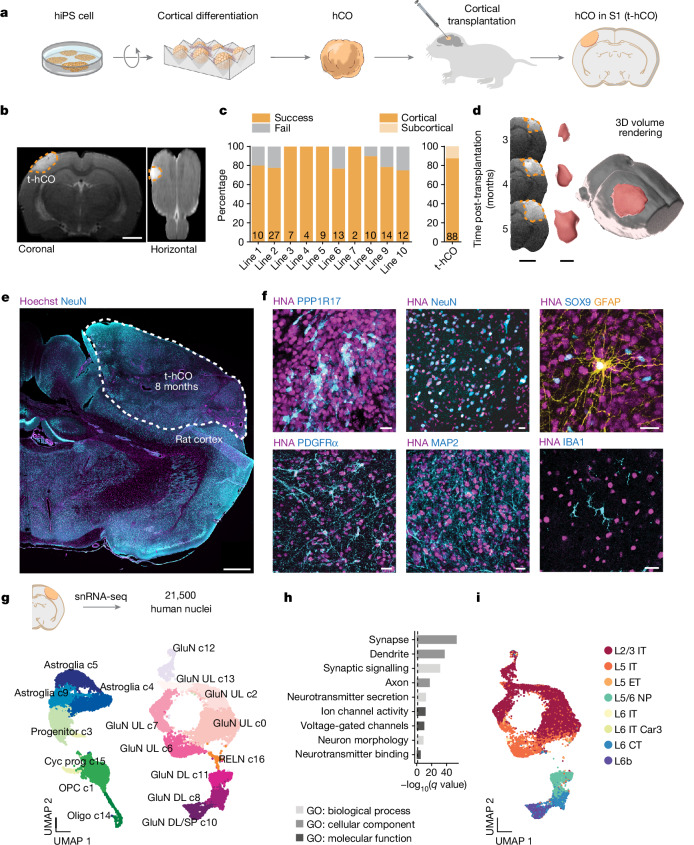
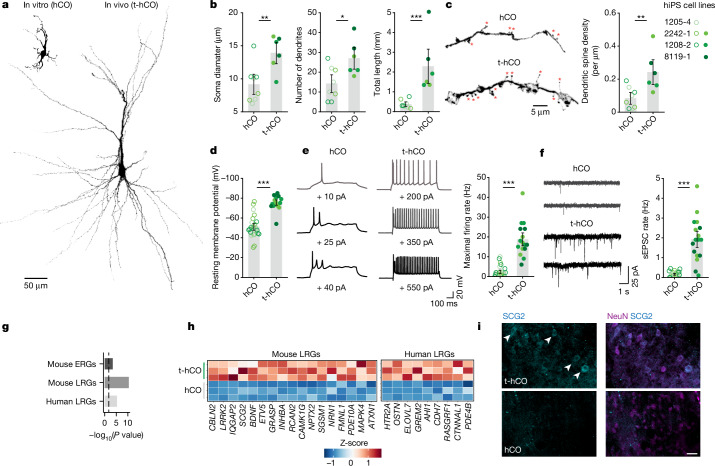
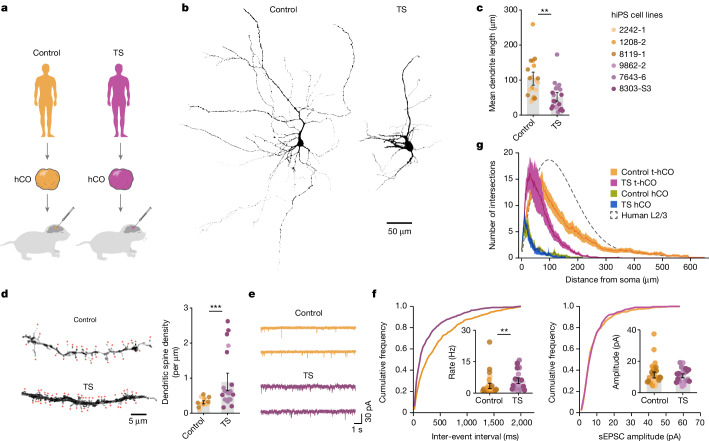
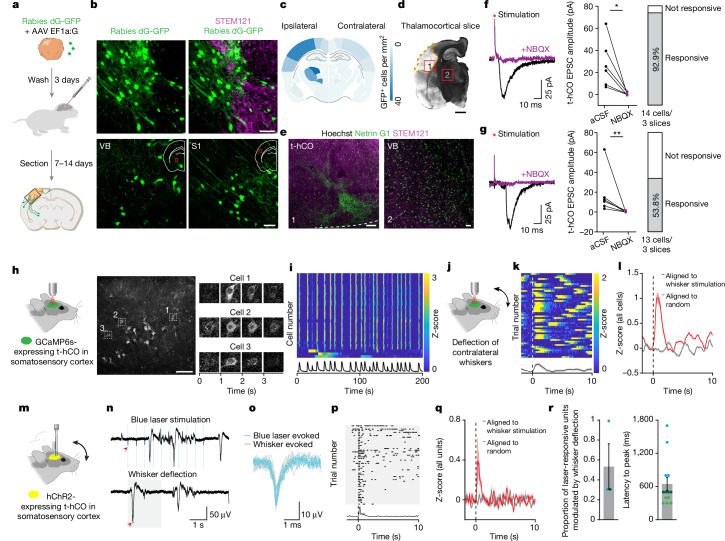
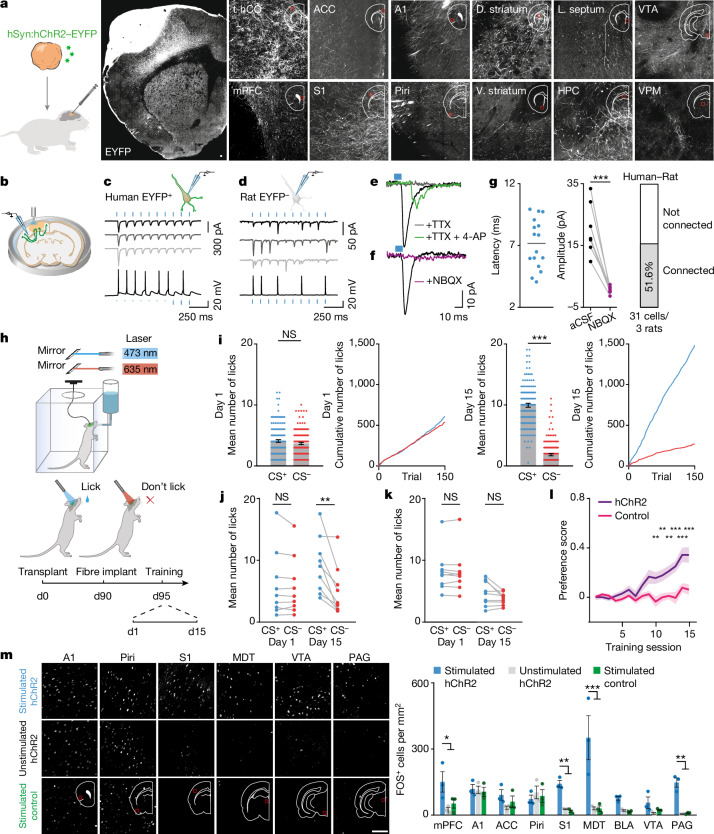
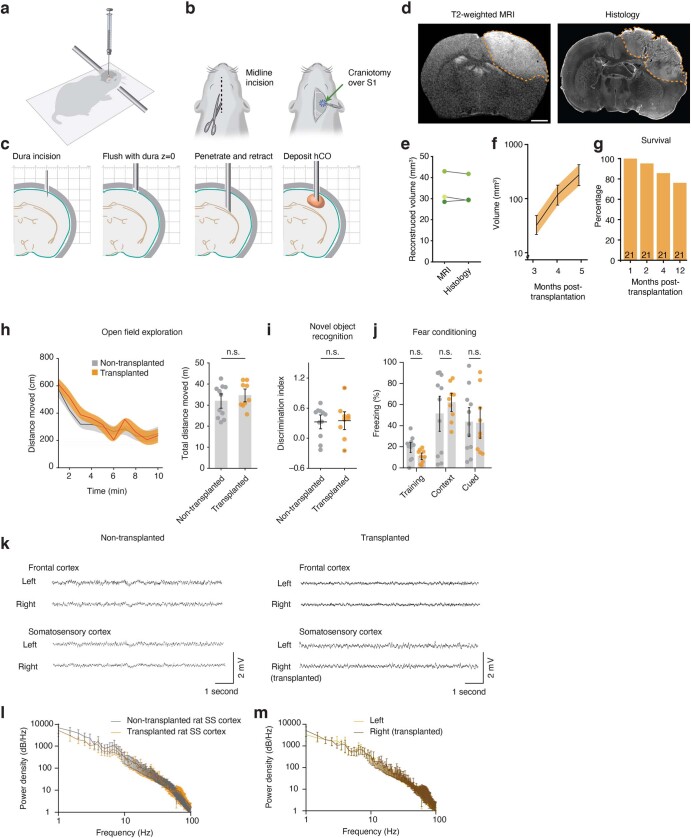
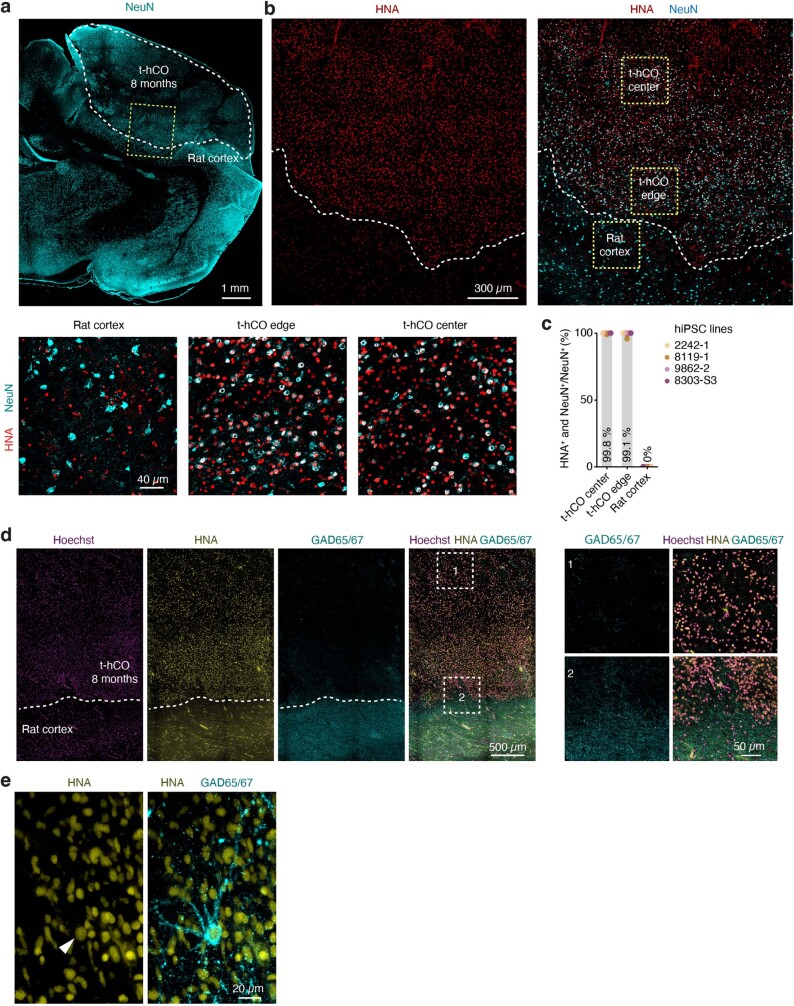
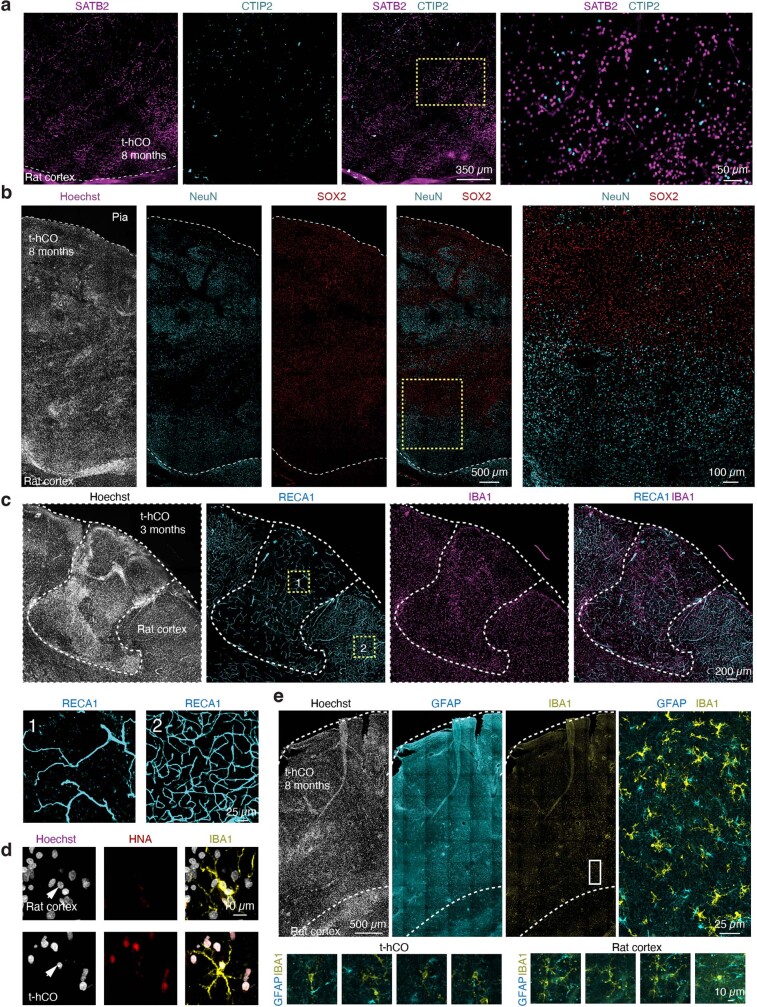
Verification
Claims the paper makes
The claims and statistics of this paper haven’t been checked yet.
Free: it reads the open-access text and checks the first 5 claims that cite a source we can check. Create a free account to check every claim.
Claims other papers make about this one
Each is checked against this paper’s own text: does it say what the citing paper says it does?
The source backs part of the claim, not all of it — or backs it for a different population, condition or comparison.
In the citing paper
“iPS cell-derived organoids fail to mature beyond the fetal phenotype unless they are grafted into living organisms36,37.”
From Human disease models in drug development (2023) · cites this paper as [37]
Experimental — accuracy not yet measured
Self-check
Percentages, sums and reported differences re-computed from the paper’s own numbers.
The self-check needs the paper’s full text.
Citations
Cites
Comprehensive Integration of Single-Cell Data
Stuart, T., Butler, A., Hoffman, P., Hafemeister, C., Papalexi, E., Mauck, W. M., Hao, Y., Stoeckius, M., Smibert, P., & Satija, R. (2019) · Cell · doi:10.1016/j.cell.2019.05.031 · Cited by 15,453
Dimensionality reduction for visualizing single-cell data using UMAP
Becht, E., McInnes, L., Healy, J., Dutertre, C.-A., Kwok, I. W. H., Ng, L. G., Ginhoux, F., & Newell, E. W. (2019) · Nature Biotechnology · doi:10.1038/nbt.4314 · Cited by 5,358 · cited 3×
“Following low-quality nuclei removal, integrated datasets were clustered (resolution = 0.5) and embedded for visualization purposes with UMAP 34 .”
InfluentialMcGinnis, C. S., Murrow, L. M., & Gartner, Z. J. (2019) · Cell Systems · doi:10.1016/j.cels.2019.03.003 · Cited by 4,521
ToppGene Suite for gene list enrichment analysis and candidate gene prioritization
Chen, J., Bardes, E. E., Aronow, B. J., & Jegga, A. G. (2009) · Nucleic Acids Research · doi:10.1093/nar/gkp427 · Cited by 2,952 · cited 1×
“…Ontology (GO) enrichment analyses among significantly upregulated t-hCO GluN genes (Benjamini–Hochberg-adjusted P values less than 0.05, expressed in at least 10% of t-hCO GluN cells, and fold change increase of at least 2) were performed using the ToppGene Suite (https://top-pgene.cchmc.org/) 37 .”
InfluentialBrain-Region-Specific Organoids Using Mini-bioreactors for Modeling ZIKV Exposure
Qian, X., Nguyen, H. N., Song, M. M., Hadiono, C., Ogden, S. C., Hammack, C., Yao, B., Hamersky, G. R., Jacob, F., Zhong, C., et al. (2016) · Cell · doi:10.1016/j.cell.2016.04.032 · Cited by 2,127
Conserved cell types with divergent features in human versus mouse cortex
Hodge, R. D., Bakken, T. E., Miller, J. A., Smith, K. A., Barkan, E. R., Graybuck, L. T., Close, J. L., Long, B., Johansen, N., Penn, O., et al. (2019) · Nature · doi:10.1038/s41586-019-1506-7 · Cited by 1,775 · cited 2×
“We identified and categorized major cell classes through a combination of marker 19–21 , 35 gene expression expression and annotation via integration with reference Differential gene expression analysis between t-hCO and hCO subclasses was performed using a recently developed pseudobulk approach 36…”
Functional cortical neurons and astrocytes from human pluripotent stem cells in 3D culture
Paşca, A. M., Sloan, S. A., Clarke, L. E., Tian, Y., Makinson, C. D., Huber, N., Kim, C. H., Park, J.-Y., O'Rourke, N. A., Nguyen, K. D., et al. (2015) · Nature Methods · doi:10.1038/nmeth.3415 · Cited by 1,609 · cited 1×
“…applying instructive signals to human induced pluripotent stem (hiPS) cells grown in three-dimensional (3D) cultures, self-organizing organoids resembling specific regions of the nervous system, including human cortical organoids (hCO; also known as human cortical spheroids) can be generated 2–6 .”
Self-citationAssembly of functionally integrated human forebrain spheroids
Birey, F., Andersen, J., Makinson, C. D., Islam, S., Wei, W., Huber, N., Fan, H. C., Metzler, K. R. C., Panagiotakos, G., Thom, N., et al. (2017) · Nature · doi:10.1038/nature22330 · Cited by 1,365 · cited 2×
“…applying instructive signals to human induced pluripotent stem (hiPS) cells grown in three-dimensional (3D) cultures, self-organizing organoids resembling specific regions of the nervous system, including human cortical organoids (hCO; also known as human cortical spheroids) can be generated 2–6 .”
Self-citationAn in vivo model of functional and vascularized human brain organoids
Mansour, A. A., Gonçalves, J. T., Bloyd, C. W., Li, H., Fernandes, S., Quang, D., Johnston, S., Parylak, S. L., Jin, X., & Gage, F. H. (2018) · Nature Biotechnology · doi:10.1038/nbt.4127 · Cited by 1,211
Individual brain organoids reproducibly form cell diversity of the human cerebral cortex
Velasco, S., Kedaigle, A. J., Simmons, S. K., Nash, A., Rocha, M., Quadrato, G., Paulsen, B., Nguyen, L., Adiconis, X., Regev, A., et al. (2019) · Nature · doi:10.1038/s41586-019-1289-x · Cited by 1,094
Cited by
Induced pluripotent stem cells (iPSCs): molecular mechanisms of induction and applications
Cerneckis, J., Cai, H., & Shi, Y. (2024) · Signal Transduction and Targeted Therapy · doi:10.1038/s41392-024-01809-0 · Cited by 452
“220,222 Overall, iPSC-derived cellular models of neurological disorders reveal complex molecular, cellular, and electrophysiological disease-related phenotypes.”
BackgroundMethodInfluentialHuman disease models in drug development
Loewa, A., Feng, J. J., & Hedtrich, S. (2023) · Nature Reviews Bioengineering · doi:10.1038/s44222-023-00063-3 · Cited by 331
Current Protocols in Neuroscience
(2001) · John Wiley & Sons, Inc. eBooks · doi:10.1002/0471142301 · Cited by 323
An in vivo neuroimmune organoid model to study human microglia phenotypes
Schafer, S. T., Mansour, A. A., Schlachetzki, J. C. M., Pena, M., Ghassemzadeh, S., Mitchell, L., Mar, A., Quang, D., Stumpf, S., Ortiz, I. S., et al. (2023) · Cell · doi:10.1016/j.cell.2023.04.022 · Cited by 267
Three-Dimensional Cell Cultures: The Bridge between In Vitro and In Vivo Models
Urzì, O., Gasparro, R., Costanzo, E., De Luca, A., Giavaresi, G., Fontana, S., & Alessandro, R. (2023) · International Journal of Molecular Sciences · doi:10.3390/ijms241512046 · Cited by 224
“recently reported that human stem-cell-derived cortical organoids transplanted into the somatosensory cortex of newborn athymic rats underwent cellular maturation and integration into sensory- and motivation-related circuits [373].”
BackgroundAdvancing cell therapy for neurodegenerative diseases
Temple, S. (2023) · Cell Stem Cell · doi:10.1016/j.stem.2023.03.017 · Cited by 198
Integrating organoids and organ-on-a-chip devices
Zhao, Y., Landau, S., Okhovatian, S., Liu, C., Lu, R. X. Z., Lai, B. F. L., Wu, Q., Kieda, J., Cheung, K., Rajasekar, S., et al. (2024) · Nature Reviews Bioengineering · doi:10.1038/s44222-024-00207-z · Cited by 185
“Although organoids have been wrapped in self-assembled perfusable vasculature 49 and vascularized in vivo 171,172 , thus far, there has been no evidence of a successful and addressable vasculature within organoids in vitro 173 .”
Genetics of human brain development
Zhou, Y., Song, H., & Ming, G.-L. (2024) · Nature Reviews Genetics · doi:10.1038/s41576-023-00626-5 · Cited by 166
Modelling human brain development and disease with organoids
Birtele, M., Lancaster, M. A., & Quadrato, G. (2024) · Nature Reviews Molecular Cell Biology · doi:10.1038/s41580-024-00804-1 · Cited by 189
New and emerging approaches to treat psychiatric disorders
Scangos, K. W., State, M. W., Miller, A. H., Baker, J. T., & Williams, L. M. (2023) · Nature Medicine · doi:10.1038/s41591-022-02197-0 · Cited by 180
A microscale soft ionic power source modulates neuronal network activity
Zhang, Y., Riexinger, J., Yang, X., Mikhailova, E., Jin, Y., Zhou, L., & Bayley, H. (2023) · Nature · doi:10.1038/s41586-023-06295-y · Cited by 167
Self-citationJgamadze, D., Lim, J. T., Zhang, Z., Harary, P. M., Germi, J., Mensah-Brown, K. G., Adam, C. D., Mirzakhalili, E., Singh, S., Gu, J. B., et al. (2023) · Cell stem cell · doi:10.1016/j.stem.2023.01.004 · Cited by 148
“26 This model advances the use of brain organoids as models for investigating neurodevelopment and its associated disorders.”
BackgroundAntisense oligonucleotide therapeutic approach for Timothy syndrome
Chen, X., Birey, F., Li, M.-Y., Revah, O., Levy, R. J., Thete, M. V., Reis, N., Kaganovsky, K., Onesto, M. M., Sakai, N., et al. (2024) · Nature · doi:10.1038/s41586-024-07310-6 · Cited by 146
“For next-generation sequencing analysis of transcripts, primers with the Illumina adaptor were used to amplify the region encompassing exons 7–9.”
BackgroundMethodSelf-citationOrganoids are not organs: Sources of variation and misinformation in organoid biology
Jensen, K. B., & Little, M. H. (2023) · Stem Cell Reports · doi:10.1016/j.stemcr.2023.05.009 · Cited by 139
“Improved maturation can be achieved in some cases with transplantation into animal models (Revah et al., 2022; Subramanian et al., 2019; van den Berg et al., 2018; Watson et al., 2014; WesterlingBui et al., 2022) or extended time in culture (Quadrato et al.”
BackgroundKanton, S., & Paşca, S. P. (2022) · Development · doi:10.1242/dev.201120 · Cited by 112
Self-citationHuman fetal brain self-organizes into long-term expanding organoids
Hendriks, D. F. G., Pagliaro, A., Andreatta, F., Ma, Z., van Giessen, J., Massalini, S., López‐Iglesias, C., van Son, G. J. F., DeMartino, J., Damen, M. J. A., et al. (2024) · Cell · doi:10.1016/j.cell.2023.12.012 · Cited by 114
Yao, Q., Cheng, S., Pan, Q., Yu, J., Cao, G., Li, L., & Cao, H. (2024) · MedComm · doi:10.1002/mco2.735 · Cited by 123
Assembloid models of cell-cell interaction to study tissue and disease biology
Onesto, M. M., Kim, J.-I., & Pasca, S. P. (2024) · Cell Stem Cell · doi:10.1016/j.stem.2024.09.017 · Cited by 107
Self-citationCao, S.-Y., Yang, D., Huang, Z., Lin, Y., Wu, H., Chang, L., Luo, C., Xu, Y., Liu, Y., & Zhu, D. (2023) · npj Regenerative Medicine · doi:10.1038/s41536-023-00301-7 · Cited by 101
“…organoid grafts showed neuronal differentiation, axonal projection, and integration into host neuronal circuits in the brain in normal mice and newborn athymic rats, representing important research progress in the fi eld of brain organoids integration into neuronal circuits of the host brain 27,28 .”
Kim, S.-H., & Chang, M.-Y. (2023) · International Journal of Molecular Sciences · doi:10.3390/ijms241512528 · Cited by 82
“Recently, 3D cortical organoids were transplanted into the primary somatosensory cortex (S1) of early developmental stage rats (postnatal days 3–7) to create an in vivo neural circuit research platform [91].”
BackgroundWang, M., Zhang, L., Novak, S. W., Yu, J., Gallina, I. S., Xu, L. L., Lim, C. K., Fernandes, S., Shokhirev, M. N., Williams, A. E., et al. (2024) · Nature Biotechnology · doi:10.1038/s41587-024-02157-8 · Cited by 89
“To compare the cell states of our organoid transplants with previously reported cortical organoid transplants 21 , we integrated snRNA-seq data from the cortical organoid transplants into our dataset and conducted a cell-type prediction analysis.”
InfluentialHuman neuronal maturation comes of age: cellular mechanisms and species differences
Wallace, J. L., & Pollen, A. A. (2024) · Nature Reviews Neuroscience · doi:10.1038/s41583-023-00760-3 · Cited by 82
“The example illustrated in the figure shows single-nucleus RNA sequencing (RNA-seq) of the human prefrontal cortex across the lifespan, demonstrating varied maturation rates across cell types 22 .”
InfluentialA molecular and cellular perspective on human brain evolution and tempo
Lindhout, F. W., Krienen, F. M., Pollard, K. S., & Lancaster, M. A. (2024) · Nature · doi:10.1038/s41586-024-07521-x · Cited by 84
Brain organoids and organoid intelligence from ethical, legal, and social points of view
Härtung, T., Pantoja, I. E. M., & Smirnova, L. (2024) · Frontiers in Artificial Intelligence · doi:10.3389/frai.2023.1307613 · Cited by 85
Generating human neural diversity with a multiplexed morphogen screen in organoids
Amin, N. D., Kelley, K. W., Kaganovsky, K., Onesto, M. M., Hao, J., Miura, Y., McQueen, J. P., Reis, N., Narazaki, G., Li, T., et al. (2024) · Cell stem cell · doi:10.1016/j.stem.2024.10.016 · Cited by 82
Self-citationJi, Y., Chen, X., Wang, Z., Meek, C. J., McLean, J. L., Yang, Y., Yuan, C., Rochet, J., Liu, F., & Xu, R. (2025) · Molecular Psychiatry · doi:10.1038/s41380-025-03041-w · Cited by 83
Self-citationBrain repair mechanisms after cell therapy for stroke
Rust, R., Nih, L. R., Liberale, L., Yin, H. R., Amki, M. E., Ong, L. K., & Zloković, B. V. (2024) · Brain · doi:10.1093/brain/awae204 · Cited by 76
Vascular network-inspired diffusible scaffolds for engineering functional midbrain organoids
Cai, H., Tian, C., Chen, L., Yang, Y., Sun, A. X., McCracken, K. W., Tchieu, J. H., Gu, M., Mackie, K., & Guo, F. (2025) · Cell stem cell · doi:10.1016/j.stem.2025.02.010 · Cited by 74
The role of organoids in cancer research
Fang, Z., Li, P., Du, F., Shang, L., & Li, L. (2023) · Experimental Hematology and Oncology · doi:10.1186/s40164-023-00433-y · Cited by 73
“1) [53].”
Cell culture: in vitro model system and a promising path to in vivo applications
Zhao, C. (2023) · Journal of Histotechnology · doi:10.1080/01478885.2023.2170772 · Cited by 67
The Sentient Cell: The Cellular Foundations of Consciousness
Reber, A. S., Baluška, F., & Miller, W. B. (2023) · doi:10.1093/oso/9780198873211.001.0001 · Cited by 89
Pushing the boundaries of brain organoids to study Alzheimer’s disease
Cerneckis, J., Bu, G., & Shi, Y. (2023) · Trends in Molecular Medicine · doi:10.1016/j.molmed.2023.05.007 · Cited by 62
Velikic, G. S., Maric, D. M., Marić, D., Šupić, G., Puletić, M., Dulić, O., & Vojvodić, D. (2024) · International Journal of Molecular Sciences · doi:10.3390/ijms25020993 · Cited by 77
Dynamic hydrogel mechanics in organoid engineering: From matrix design to translational paradigms
Zhang, C., Shen, Y. C., Huang, M.-Y., Wang, G., Miao, Q., Shi, H., Gao, R., Wang, K., & Luo, M. B. (2025) · Bioactive Materials · doi:10.1016/j.bioactmat.2025.09.021 · Cited by 96
“While hiPSCs can now be directly differentiated into spinal cord organoids, the influence of hydrogel viscoelasticity on spinal cord organoid patterning remains poorly characterized [156].”
Anoikis in cell fate, physiopathology, and therapeutic interventions
Mei, J., Jiang, X., Tian, H., Rong, D., Song, J., Wang, L., Chen, Y., Wong, R. C. B., Guo, C., Wang, L., et al. (2024) · MedComm · doi:10.1002/mco2.718 · Cited by 66
“…suspension culture, 110,111 coculture methodologies, 112 3D cultivation, 113 specialized biomaterial-based cultivation, 88,114 and in vivo culture systems, 115 were developed towards creating more suitable ECM conditions to realize more precise regulation of cell fate during in vitro cell culture.”
MethodVascularized human brain organoid on-chip
Tan, S. Y., Feng, X., Cheng, L. K., & Wu, A. R. (2023) · Lab on a Chip · doi:10.1039/d2lc01109c · Cited by 64
Constructing organoid-brain-computer interfaces for neurofunctional repair after brain injury
Hu, N., Shi, J.-X., Chen, C., Xu, H., Chang, Z., Hu, P.-F., Guo, D., Zhang, X., Shao, W., Xiu, F., et al. (2024) · Nature Communications · doi:10.1038/s41467-024-53858-2 · Cited by 63
“When implanted into the sensory 14 , motor 15 , and visual cortices of a host 16,17 , organoid displayed robust survival, progressive differentiation, and extensive axonal growth towards the host brain 18 – 20 , thereby partly participating in the neural activities of the host.”
Human assembloids reveal the consequences of CACNA1G gene variants in the thalamocortical pathway
Kim, J.-I., Miura, Y., Li, M.-Y., Revah, O., Selvaraj, S., Birey, F., Meng, X., Thete, M. V., Pavlov, S. D., Andersen, J., et al. (2024) · Neuron · doi:10.1016/j.neuron.2024.09.020 · Cited by 59
Self-citationGive them vasculature and immune cells – how to fill the gap of organoids
Yip, S., Wang, N., & Sugimura, R. (2023) · Cells Tissues Organs · doi:10.1159/000529431 · Cited by 68
“The cranial window is another site that has easy access to host vasculatures and became the primary transplantation site for organoid research by Takebe and colleagues [Dye et al., 2016; Daviaud et al., 2018; Revah et al., 2022].”
BackgroundMethodOrganoids from pluripotent stem cells and human tissues: When two cultures meet each other
Artegiani, B., & Hendriks, D. F. G. (2025) · Developmental Cell · doi:10.1016/j.devcel.2025.01.005 · Cited by 58
Hu, Y., Zhu, T., Cui, H., & Cui, H. (2024) · Advanced Healthcare Materials · doi:10.1002/adhm.202403762 · Cited by 58
Global Literature Analysis of Organoid and Organ‐on‐Chip Research
Shoji, J., Davis, R. P., Mummery, C. L., & Krauss, S. J. K. (2023) · Advanced Healthcare Materials · doi:10.1002/adhm.202301067 · Cited by 55
Cellular reprogramming as a tool to model human aging in a dish
Pitrez, P. R., Monteiro, L. M., Borgogno, O., Nissan, X., Mertens, J., & Ferreira, L. (2024) · Nature Communications · doi:10.1038/s41467-024-46004-5 · Cited by 54
Zhang, Z., Wang, X., Park, S. S., Song, H., & Ming, G. (2022) · Biological Psychiatry · doi:10.1016/j.biopsych.2022.12.015 · Cited by 52
“Furthermore, xenotransplantation could promote circuit maturation and incorporate human organoids within host brain circuits (65,67).”
BackgroundHarnessing the power of artificial intelligence for human living organoid research
Wang, H., Li, X., You, X., & Zhao, G. (2024) · Bioactive Materials · doi:10.1016/j.bioactmat.2024.08.027 · Cited by 64
Targeting epigenetic dysregulation in autism spectrum disorders
Herrera, M. L., Paraíso‐Luna, J., Bustos-Martínez, I., & Barco, Á. (2024) · Trends in Molecular Medicine · doi:10.1016/j.molmed.2024.06.004 · Cited by 51
Stem Cell–Based Organoid Models of Neurodevelopmental Disorders
Wang, L., Owusu-Hammond, C., Sievert, D., & Gleeson, J. G. (2023) · Biological Psychiatry · doi:10.1016/j.biopsych.2023.01.012 · Cited by 47
Levy, R. J., & Pașca, S. P. (2022) · Biological Psychiatry · doi:10.1016/j.biopsych.2022.11.017 · Cited by 49
Self-citationBiomaterial-assisted organoid technology for disease modeling and drug screening
Shao, Y., Wang, J., Jin, A., Jiang, S., Lei, L., & Liu, L. (2024) · Materials Today Bio · doi:10.1016/j.mtbio.2024.101438 · Cited by 49
Brain organoids: building higher-order complexity and neural circuitry models
Maisumu, G., Willerth, S. M., Nestor, M. W., Waldau, B., Schülke, S., Nardi, F. V., Ahmed, O., Zhou, Y., Durens, M., Liang, B., et al. (2025) · Trends in biotechnology · doi:10.1016/j.tibtech.2025.02.009 · Cited by 47
Zhang, Y., Duan, W., Chen, L., Chen, J., Xu, W., Fan, Q., Li, S., Liu, Y., Wang, S., He, Q., et al. (2024) · Neuron · doi:10.1016/j.neuron.2024.10.016 · Cited by 44
D’Antoni, C., Mautone, L., Sanchini, C., Tondo, L., Grassmann, G., Cidonio, G., Bezzi, P., Cordella, F., & Angelantonio, S. D. (2023) · International Journal of Molecular Sciences · doi:10.3390/ijms241310762 · Cited by 47
Effective cryopreservation of human brain tissue and neural organoids
Xue, W., Li, H., Jin-hong, X., Yu, X., Liu, L., Liu, H., Zhao, R., & Shao, Z. (2024) · Cell Reports Methods · doi:10.1016/j.crmeth.2024.100777 · Cited by 53
“32 36–38 However, high costs and the need for long-term culture of brain organoids will limit their applications.”
Transplantation Strategies to Enhance Maturity and Cellular Complexity in Brain Organoids
Wang, M., Gage, F. H., & Schafer, S. T. (2023) · Biological Psychiatry · doi:10.1016/j.biopsych.2023.01.004 · Cited by 43
Tumour organoids and assembloids: Patient‐derived cancer avatars for immunotherapy
Mei, J., Liu, X., Tian, H., Chen, Y., Cao, Y., Zeng, J., Liu, Y., Chen, Y., Gao, Y., Yin, J., et al. (2024) · Clinical and Translational Medicine · doi:10.1002/ctm2.1656 · Cited by 44
“54 PDTOs can be expanded in vivo after transplantation, but extensive studies are needed.”
BackgroundEmerging approaches to enhance human brain organoid physiology
Pagliaro, A., Artegiani, B., & Hendriks, D. F. G. (2025) · Trends in Cell Biology · doi:10.1016/j.tcb.2024.12.001 · Cited by 41
Advances and Applications of Brain Organoids
Li, Y., Zeng, P.-M., Wu, J., & Luo, Z. (2023) · Neuroscience Bulletin · doi:10.1007/s12264-023-01065-2 · Cited by 40
Plasticity mechanism and memory formation in the chemical synapse
Yao, Z., Sun, K., & He, S. (2023) · Nonlinear Dynamics · doi:10.1007/s11071-023-08844-6 · Cited by 43
“In addition, the novel techniques, such as magnetic resonance imaging (MRI) [5,6], is applied to investigate the topological connections, notably the small-world connection [7,8] and scale-free connection [9].”
MethodNovel human iPSC models of neuroinflammation in neurodegenerative disease and regenerative medicine
Summers, R. A., Fagiani, F., Rowitch, D. H., Absinta, M., & Reich, D. S. (2024) · Trends in Immunology · doi:10.1016/j.it.2024.08.004 · Cited by 39
Exploring human brain development and disease using assembloids
Wu, S., & Nowakowski, T. J. (2025) · Neuron · doi:10.1016/j.neuron.2025.02.010 · Cited by 41
Advancing organoid design through co-emergence, assembly, and bioengineering
Tenreiro, M. F., Branco, M. A., Cotovio, J. P., Cabral, J. M. S., Fernandes, T. G., & Diogo, M. M. (2023) · Trends in biotechnology · doi:10.1016/j.tibtech.2022.12.021 · Cited by 39
de Luzy, I. R., Lee, M. K., Mobley, W. C., & Studer, L. (2024) · Nature Aging · doi:10.1038/s43587-024-00586-3 · Cited by 41
Approaches to vascularizing human brain organoids
Ye, B. (2023) · PLoS Biology · doi:10.1371/journal.pbio.3002141 · Cited by 38
Chen, X., Liu, C., McDaniel, G., Zeng, O. Z., Ali, J., Zhou, Y., Wang, X. S., Driscoll, T. P., Zeng, C., & Li, Y. (2024) · Advanced Healthcare Materials · doi:10.1002/adhm.202402199 · Cited by 41
Self-citationAstrocyte-secreted cues promote neural maturation and augment activity in human forebrain organoids
Zheng, H., Feng, Y., Tang, J., Yu, F., Wang, Z., Xu, J., Hai, C., Jiang, M., Cheng, Y., Shao, Z., et al. (2025) · Nature Communications · doi:10.1038/s41467-025-58295-3 · Cited by 36
“Moreover, transplanting neural organoids into rodent hosts has shown an unprecedented improved survival of cells and more complex neural connectivity between the organoid and the host brain 20,21 .”
Hong, Y., Yang, Q., Song, H., & Ming, G. (2023) · Molecular Psychiatry · doi:10.1038/s41380-023-01990-8 · Cited by 37
“In a more recent study, hiPSC-derived cortical organoids were transplanted into the primary somatosensory cortex of early postnatal athymic rats [81].”
BackgroundBrain organoid maturation and implantation integration based on electrical signals input
Li, X., Hu, N., Chang, Z., Shi, J.-X., Xiu, F., Chen, M., Bao, S., Chen, C., Zuo, J., Zhang, X., et al. (2024) · Journal of Advanced Research · doi:10.1016/j.jare.2024.08.035 · Cited by 38
“…study, two different objects (blue and red bottles) were used in this test, which had similar heights and volumes but differed in their appearance [8] Mice were placed into a black square plastic area (40 cm (cid:4) 40 cm (cid:4) 40 cm) and explored the arena with two habituation objects for 5…”
Kataoka, M., Niikawa, T., Nagaishi, N., Lee, T.-L., Erler, A., Savulescu, J., & Sawai, T. (2024) · European Journal of Cell Biology · doi:10.1016/j.ejcb.2024.151470 · Cited by 38
Brain organoids-on-chip for neural diseases modeling: History, challenges and trends
Zhang, H., Huang, N., Bian, S., & Sawan, M. (2025) · Journal of Pharmaceutical Analysis · doi:10.1016/j.jpha.2025.101323 · Cited by 37
“Organoids are promising models for studying neural circuits because they can be engineered with speci fi c circuit features to stimulate in vivo activity [47].”
Human pluripotent stem cell (hPSC) and organoid models of autism: opportunities and limitations
Kilpatrick, S., Irwin, C. L., & Singh, K. K. (2023) · Translational Psychiatry · doi:10.1038/s41398-023-02510-6 · Cited by 37
CTNND2 moderates the pace of synaptic maturation and links human evolution to synaptic neoteny
Assendorp, N., Fossati, M., Libé-Philippot, B., Christopoulou, E., Depp, M., Rapone, R., Dingli, F., Loew, D., Vanderhaeghen, P., & Charrier, C. (2024) · Cell Reports · doi:10.1016/j.celrep.2024.114797 · Cited by 32
Advances in gut–brain organ chips
Zhang, Y., Lu, S., Zhuang, J., & Liang, L. (2024) · Cell Proliferation · doi:10.1111/cpr.13724 · Cited by 34
Functional Neural Networks in Human Brain Organoids
Gu, L., Cai, H., Chen, L., Gu, M., Tchieu, J. H., & Guo, F. (2024) · BME Frontiers · doi:10.34133/bmef.0065 · Cited by 33
“To further integrate organoids into sensory and motivation-related circuits, the cortical organoids are transplanted into the somatosensory cortex of newborn athymic rats [41].”
Low-intensity ultrasound ameliorates brain organoid integration and rescues microcephaly deficits
Li, X., Guo, D., Chen, L.-Q., Chang, Z., Shi, J.-X., Hu, N., Chen, C., Zhang, X., Bao, S., Chen, M., et al. (2024) · Brain · doi:10.1093/brain/awae150 · Cited by 33
How neural stem cell therapy promotes brain repair after stroke
Weber, R., Rust, R., & Tackenberg, C. (2025) · Stem Cell Reports · doi:10.1016/j.stemcr.2025.102507 · Cited by 33
Spinal Cord Organoids to Study Motor Neuron Development and Disease
Buchner, F., Dokuzluoglu, Z., Graß, T., & Rodríguez‐Muela, N. (2023) · Life · doi:10.3390/life13061254 · Cited by 32
The Ethics of Human Brain Organoid Transplantation in Animals
Kataoka, M., Gyngell, C., Savulescu, J., & Sawai, T. (2023) · Neuroethics · doi:10.1007/s12152-023-09532-3 · Cited by 32
Transcriptomic and morphological maturation of human astrocytes in cerebral organoids
Verkerke, M., van Berlekom, A. B., Donega, V., Vonk, D., Sluijs, J. A., Butt, N. F., Kistemaker, L., de Witte, L. D., Pasterkamp, R. J., Middeldorp, J., et al. (2023) · Glia · doi:10.1002/glia.24479 · Cited by 33
“In the field of organoid research, the number of iPSC lines used per study is often determined empirically (Revah et al., 2022; Voss et al., 2023).”
BackgroundEffects of acute low-moderate dose ionizing radiation to human brain organoids
Oyefeso, F. A., Goldberg, G., Opoku, N. S., Vazquez, M. E., Bertucci, A., Chen, Z., Wang, C., Muotri, A. R., & Pecaut, M. J. (2023) · PLoS ONE · doi:10.1371/journal.pone.0282958 · Cited by 31
Engineered Human Organoids for Biomedical Applications
Zhu, Y., Sun, L., Wu, X., Gu, Z., & Zhao, Y. (2023) · Advanced Functional Materials · doi:10.1002/adfm.202310961 · Cited by 32
Guo, R., Chen, Y., Zhang, J., Zhou, Z., Feng, B., Du, X., Liu, X., Ma, J., & Cui, H. (2023) · Molecular Neurobiology · doi:10.1007/s12035-023-03836-4 · Cited by 31
“In conclusion, the construction of SCOs provides a versatile, accurate and ethical model for ALS research, which can be used to study disease mechanisms, screen potential treatments, and explore personalized medical approaches [56].”
Human Organoids and Their Application in Tumor Models, Disease Modeling, and Tissue Engineering
Song, S., Liu, Z., Wang, Y., & Gong, B. (2025) · Medicine Bulletin · doi:10.1002/mdb2.70001 · Cited by 33
Shaping the cerebral cortex by cellular crosstalk
Stoufflet, J., Tielens, S., & Nguyen, L. (2023) · Cell · doi:10.1016/j.cell.2023.05.040 · Cited by 29
SYNGAP1 deficiency disrupts synaptic neoteny in xenotransplanted human cortical neurons in vivo
Vermaercke, B., Iwata, R., Wierda, K., Boubakar, L., Rodriguez, P., Ditkowska, M., Bonin, V., & Vanderhaeghen, P. (2024) · Neuron · doi:10.1016/j.neuron.2024.07.007 · Cited by 27
The complex affective and cognitive capacities of rats
Bartal, I. B.-A. (2024) · Science · doi:10.1126/science.adq6217 · Cited by 28
Brain Organoids and Assembloids—From Disease Modeling to Drug Discovery
Ajongbolo, A. O., & Langhans, S. A. (2025) · Cells · doi:10.3390/cells14110842 · Cited by 29
“Over the years, various protocols have been developed to generate cortical organoids from stem cells [3,57–61].”
Lüscher, C., Emiliani, V., Farahany, N. A., Gittis, A. H., Gradinaru, V., High, K. A., Roska, B., Sahel, J., Yizhar, O., Zeng, H., et al. (2025) · Nature Neuroscience · doi:10.1038/s41593-025-02097-9 · Cited by 30
“However, recent methods for transplanting human organoids into the CNS of living rodents are beginning to address this issue 53 .”
Self-citationThe missing hallmark of health: psychosocial adaptation
López-Otín, C., & Kroemer, G. (2024) · Cell Stress · doi:10.15698/cst2024.03.294 · Cited by 32
Applications of multiphoton microscopy in imaging cerebral and retinal organoids
Lacin, M. E., & Yıldırım, M. (2024) · Frontiers in Neuroscience · doi:10.3389/fnins.2024.1360482 · Cited by 29
“Taking a step further, Revah et al. evidenced that transplanted human cortical organoids can respond to somatosensory stimuli (Revah et al., 2022).”
BackgroundModels for evaluating glioblastoma invasion along white matter tracts
Li, Y. O., Wang, J., Song, S.-R., Lv, S., Qin, J., & Yu, S. (2023) · Trends in biotechnology · doi:10.1016/j.tibtech.2023.09.005 · Cited by 25
From Organoids to Assembloids: Experimental Approaches to Study Human Neuropsychiatric Disorders
Levy, R. J., & Pașca, S. P. (2025) · Annual Review of Neuroscience · doi:10.1146/annurev-neuro-112723-023232 · Cited by 26
Self-citationTranslational Neuroscience Approaches to Understanding Autism
Veenstra-VanderWeele, J. M., O’Reilly, K. C., Dennis, M. Y., Uribe‐Salazar, J. M., & Amaral, D. G. (2023) · American Journal of Psychiatry · doi:10.1176/appi.ajp.20230153 · Cited by 26
Human microglial models to study host–virus interactions
McMillan, R. E., Wang, E. Y., Carlin, A. F., & Coufal, N. G. (2023) · Experimental Neurology · doi:10.1016/j.expneurol.2023.114375 · Cited by 26
Lavazza, A., & Reichlin, M. (2023) · Cambridge Quarterly of Healthcare Ethics · doi:10.1017/s096318012300021x · Cited by 26
Bridging the translational gap: what can synaptopathies tell us about autism?
Molloy, C. J., Cooke, J., Gatford, N. J. F., Rivera-Olvera, A., Avazzadeh, S., Homberg, J. R., Grandjean, J., Fernandes, C., Shen, S., Loth, E., et al. (2023) · Frontiers in Molecular Neuroscience · doi:10.3389/fnmol.2023.1191323 · Cited by 26
“Three dimensional (3D) iPSC-models, such as organoids and assembloids, more closely represent in vivo circuitry but they lack the coordination and organisation necessary to mimic accurate circuitry-level communication without cortical implantation (Revah et al., 2022).”
BackgroundiPS cell therapy 2.0: Preparing for next‐generation regenerative medicine
Hui, K. K., & Yamanaka, S. (2024) · BioEssays · doi:10.1002/bies.202400072 · Cited by 24
The Future of Biohybrid Regenerative Bioelectronics
Carnicer‐Lombarte, A., Malliaras, G. G., & Barone, D. G. (2024) · Advanced Materials · doi:10.1002/adma.202408308 · Cited by 25
Cortico-thalamic development and disease: From cells, to circuits, to schizophrenia
Salavarria, M. M. A., Dell’Amico, C., D’Agostino, A., Conti, L., & Onorati, M. (2023) · Frontiers in Neuroanatomy · doi:10.3389/fnana.2023.1130797 · Cited by 23
“They examined human neural differentiation and function in vivo, demonstrating that human cortical neurons mature, receive host thalamic connections, and engage host circuits to control host behavior (Revah et al., 2022).”
BackgroundMicroinstrumentation for Brain Organoids
Patel, D., Shetty, S., Acha, C., Pantoja, I. E. M., Zhao, A., George, D., & Gracias, D. H. (2024) · Advanced Healthcare Materials · doi:10.1002/adhm.202302456 · Cited by 25
Beyond a Transmission Cable—New Technologies to Reveal the Richness in Axonal Electrophysiology
Mateus, J. C., Sousa, M. M., Burrone, J., & Aguiar, P. (2024) · Journal of Neuroscience · doi:10.1523/jneurosci.1446-23.2023 · Cited by 24
Metadata
- Authors
- Revah, O., Gore, F., Kelley, K. W., Andersen, J., Sakai, N., Chen, X., Li, M.-Y., Birey, F., Yang, X., Saw, N. L., Baker, S. W., Amin, N. D., Kulkarni, S., Mudipalli, R., Cui, B., Nishino, S., Grant, G. A., Knowles, J. K., Shamloo, M., Huguenard, J. R., Deisseroth, K., & Pașca, S. P.
- Affiliations
- Stanford Medicine (US)
- Stanford University (US)
- Howard Hughes Medical Institute (US)
- Corresponding author
- Pașca, Sergiu P.
- ORCID
- Revah, Omer
- Gore, Felicity
- Kelley, Kevin W.
- Andersen, Jimena
- Sakai, Noriaki
- Chen, Xiaoyu
- Li, Min-Yin
- Birey, Fikri
- Yang, Xiao
- Saw, Nay L.
- Baker, Samuel W.
- Amin, Neal D.
- Mudipalli, Rachana
- Cui, Bianxiao
- Nishino, Seiji
- Grant, Gerald A.
- Knowles, Juliet K.
- Shamloo, Mehrdad
- Huguenard, John R.
- Deisseroth, Karl
- Pașca, Sergiu P.
- Venue
- Nature
- Published
- 2022-10-12
- Volume
- 610
- Issue
- 7931
- Pages
- 319-326
- ISSN
- 0028-0836 (ISSN-L)
- 1476-4687
- PMC
- PMC9556304
- OpenAlex
- W4304698283
- Semantic Scholar
- 57e751de615d9e154922d135c67398d19d35a757
- Cited by
- 504
- References
- 44
- Citations by year
- 2026: 85 · 2025: 128 · 2024: 151 · 2023: 124 · 2022: 16
- FWCI
- 38.90
- Type
- journal article
- Language
- en
- Update notices
- correction (2026-08-03)
- Open access
- hybrid
- doi.org
- Licence
- cc-by
- creativecommons.org/licenses/by/4.0 (tdm)
- creativecommons.org/licenses/by/4.0 (vor)
- Locations
- Nature (publishedVersion, cc-by)
- PubMed Central (publishedVersion, cc-by)
- PubMed (publishedVersion)
- RePEc: Research Papers in Economics (submittedVersion)
- Funders
- New York Stem Cell Foundation
- National Alliance for Research on Schizophrenia and Depression
- Ludwig Family Foundation
- National Institutes of Health (1s10od030452-01, K99-R00)
- National Institute of Mental Health (K99/R00, R01MH115012, T32MH019938)
- National Institute on Drug Abuse (DA050662, K99DA050662)
- National Institute of Neurological Disorders and Stroke (K08NS123544)
- National Center for Research Resources (S10RR026917)
- Stanford Maternal and Child Health Research Institute
- Topics
- Life Sciences › Neuroscience › Developmental Neuroscience › Neurogenesis and neuroplasticity mechanisms
- Life Sciences › Biochemistry, Genetics and Molecular Biology › Molecular Biology › Pluripotent Stem Cells Research
- Life Sciences › Neuroscience › Cellular and Molecular Neuroscience › Neuroscience and Neural Engineering
- Keywords
- cortical organoids, transplantation, somatosensory cortex, athymic rats, cortical development, neuronal maturation, thalamocortical input, corticocortical connections, axon growth, optogenetic stimulation, reward-seeking behavior, Timothy syndrome, single-nucleus RNA sequencing, circuit integration
- MeSH terms
- Animals, Animals, Newborn, Autistic Disorder, Humans, Long QT Syndrome, Motivation, Neural Pathways, Neurons, Organoids, Reward, Somatosensory Cortex, Stem Cells, Syndactyly, Rats, Optogenetics
About these checks
Registry, retraction, Cites and statistics results are computed, not judged, with one exception: a printed reference that no index lists is read once by a model before it counts as a citation error. Claims are extracted by a model and kept only when their quote appears verbatim in the text; each cited source is then checked, with a model’s help, for whether it says what the claim relies on. Those verdicts can be wrong — read the claim’s quote and the cited source before relying on one.
Statistics and arithmetic are recomputed, not judged.
Confidence bands are shown only for fields calibrated on our annotated test set. None is calibrated yet, so no band is shown.
What counts as a claim ›How we measure confidence ›How we check this ›
Are you an author, or do you see a problem with this page? Request a review
Data sources
Bibliographic data: Semantic Scholar, OpenAlex, Crossref.
Contains information from the Semantic Scholar Academic Graph Datasets, made available under the ODC Attribution License (ODC-BY 1.0).
Semantic Scholar’s data is described in: Kinney, R., et al. (2023). The Semantic Scholar Open Data Platform. arXiv:2301.10140.
