

Converging mechanism of UM171 and KBTBD4 neomorphic cancer mutations
Open accessPublished version of a preprint
The DOI matches its Crossref record; 69 of the 69 references it cites were found in a registry or an index.
Abstract
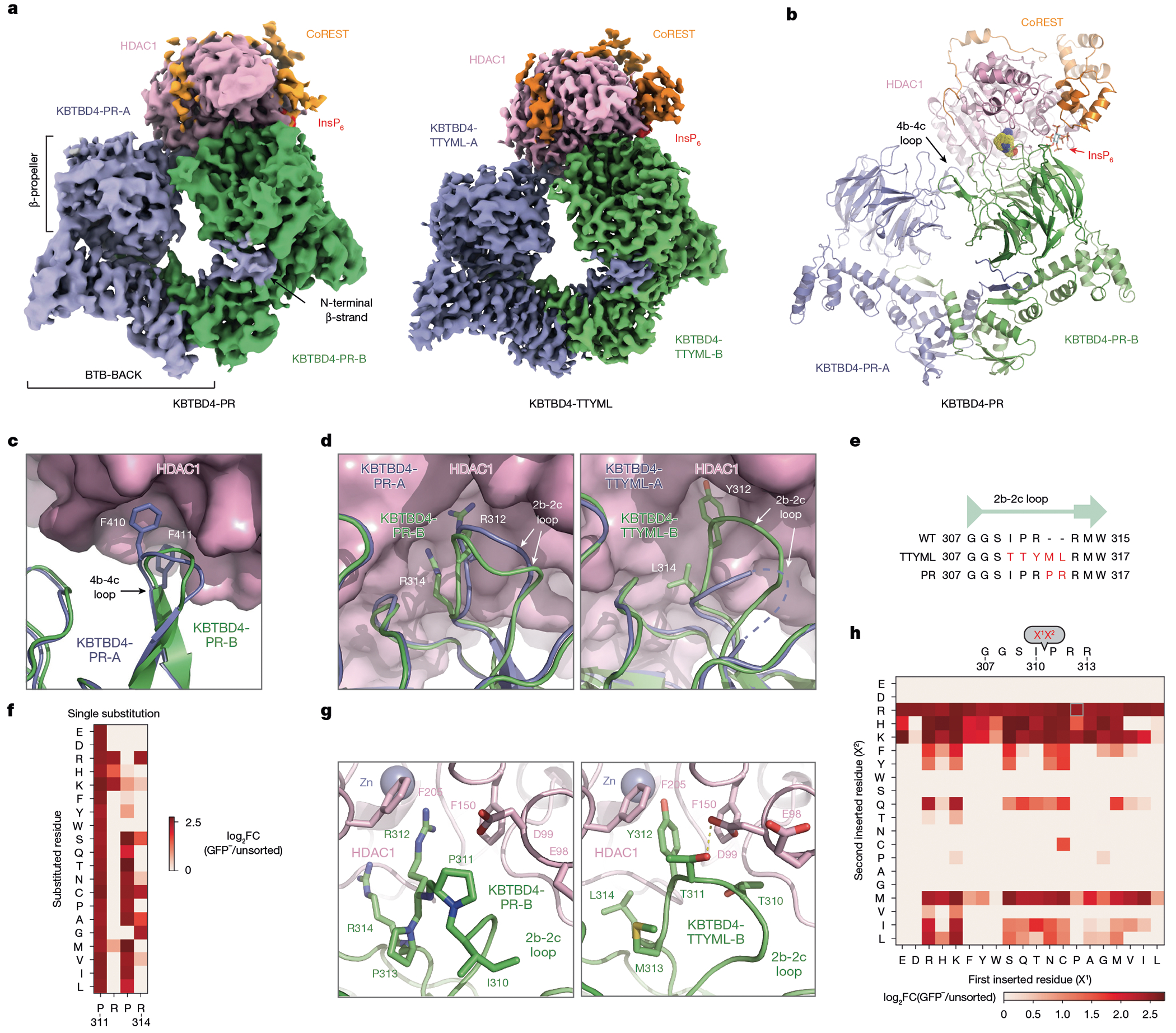
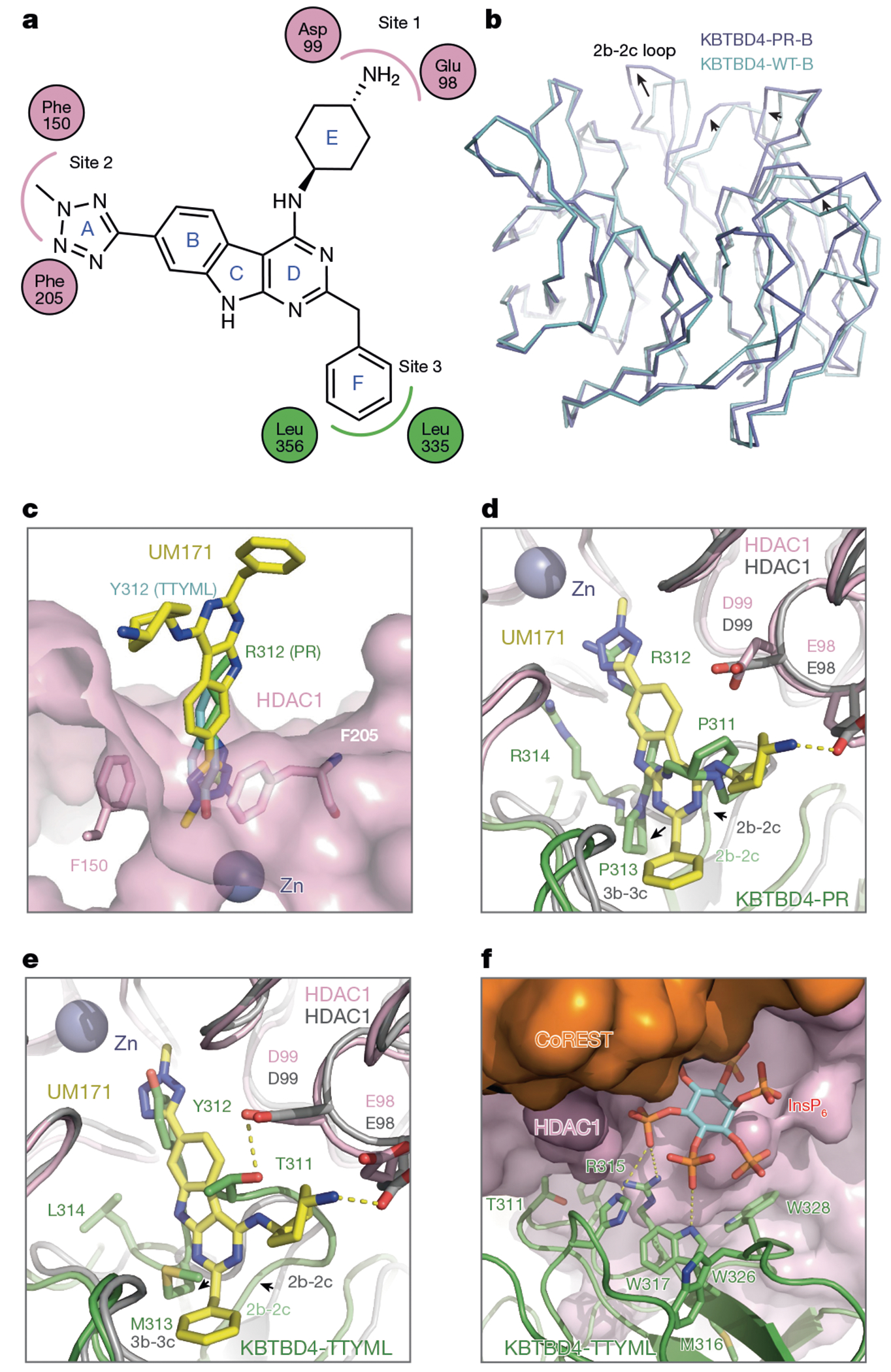
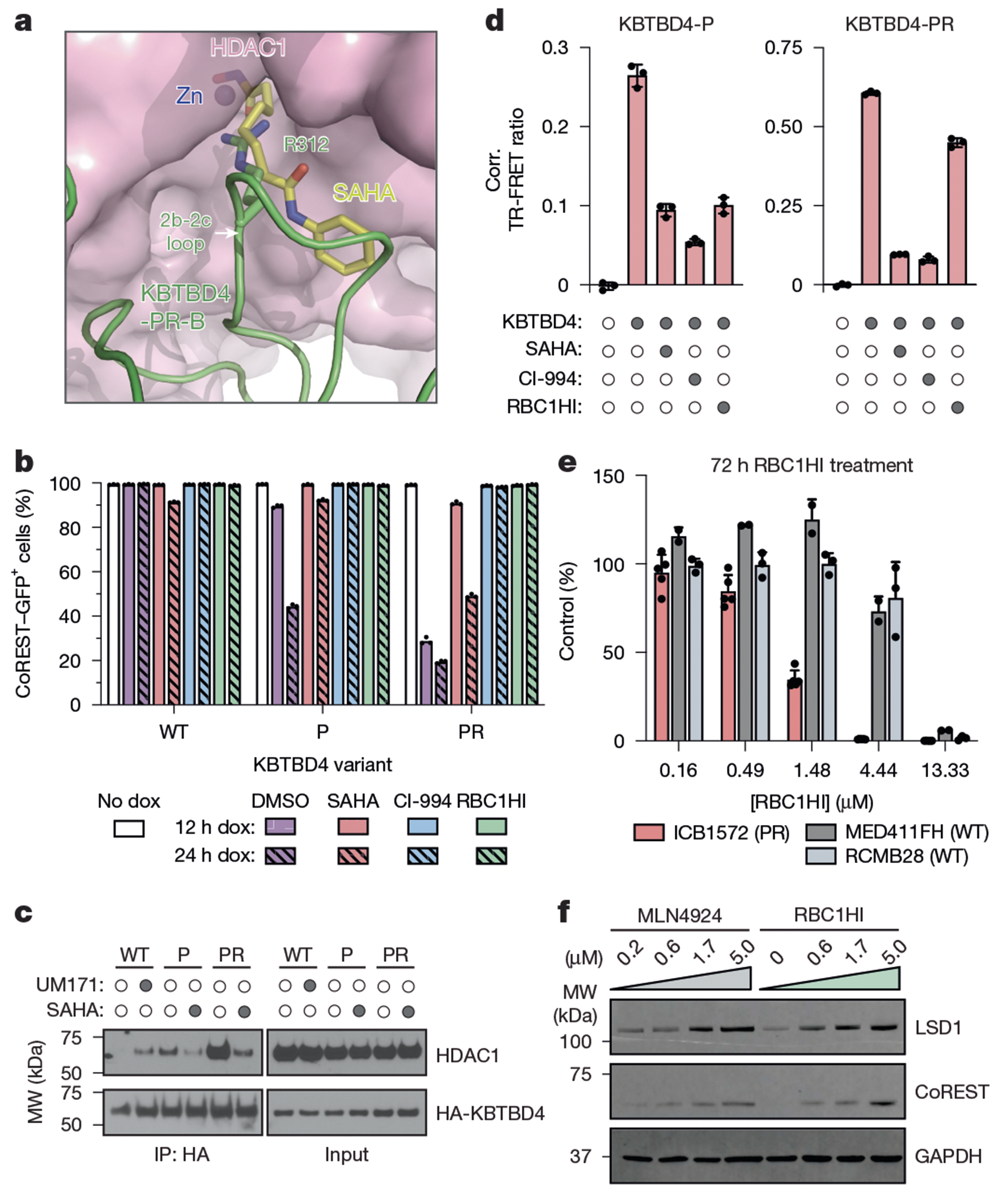
Cancer mutations can create neomorphic protein–protein interactions to drive aberrant function 1,2 . As a substrate receptor of the CULLIN3-RING E3 ubiquitin ligase complex, KBTBD4 is recurrently mutated in medulloblastoma 3 , the most common embryonal brain tumour in children 4 . These mutations impart gain-of-function to KBTBD4 to induce aberrant degradation of the transcriptional corepressor CoREST 5 . However, their mechanism remains unresolved. Here we establish that KBTBD4 mutations promote CoREST degradation through engaging HDAC1/2 as the direct target of the mutant substrate receptor. Using deep mutational scanning, we chart the mutational landscape of the KBTBD4 cancer hotspot, revealing distinct preferences by which insertions and substitutions can promote gain-of-function and the critical residues involved in the hotspot interaction. Cryo-electron microscopy analysis of two distinct KBTBD4 cancer mutants bound to LSD1–HDAC1–CoREST reveals that a KBTBD4 homodimer asymmetrically engages HDAC1 with two KELCH-repeat β-propeller domains. The interface between HDAC1 and one of the KBTBD4 β-propellers is stabilized by the medulloblastoma mutations, which insert a bulky side chain into the HDAC1 active site pocket. Our structural and mutational analyses inform how this hotspot E3–neosubstrate interface can be chemically modulated. First, we unveil a converging shape-complementarity-based mechanism between gain-of-function E3 mutations and a molecular glue degrader, UM171. Second, we demonstrate that HDAC1/2 inhibitors can block the mutant KBTBD4–HDAC1 interface and proliferation of KBTBD4-mutant medulloblastoma cells. Altogether, our work reveals the structural and mechanistic basis of cancer mutation-driven neomorphic protein–protein interactions.
Overview
The claims and statistics of this paper haven’t been checked yet.
Free: it reads the open-access text and checks the first 5 claims that cite a source we can check. Create a free account to check every claim.
Integrity signals
Registry
Cites
Statistics
Figures
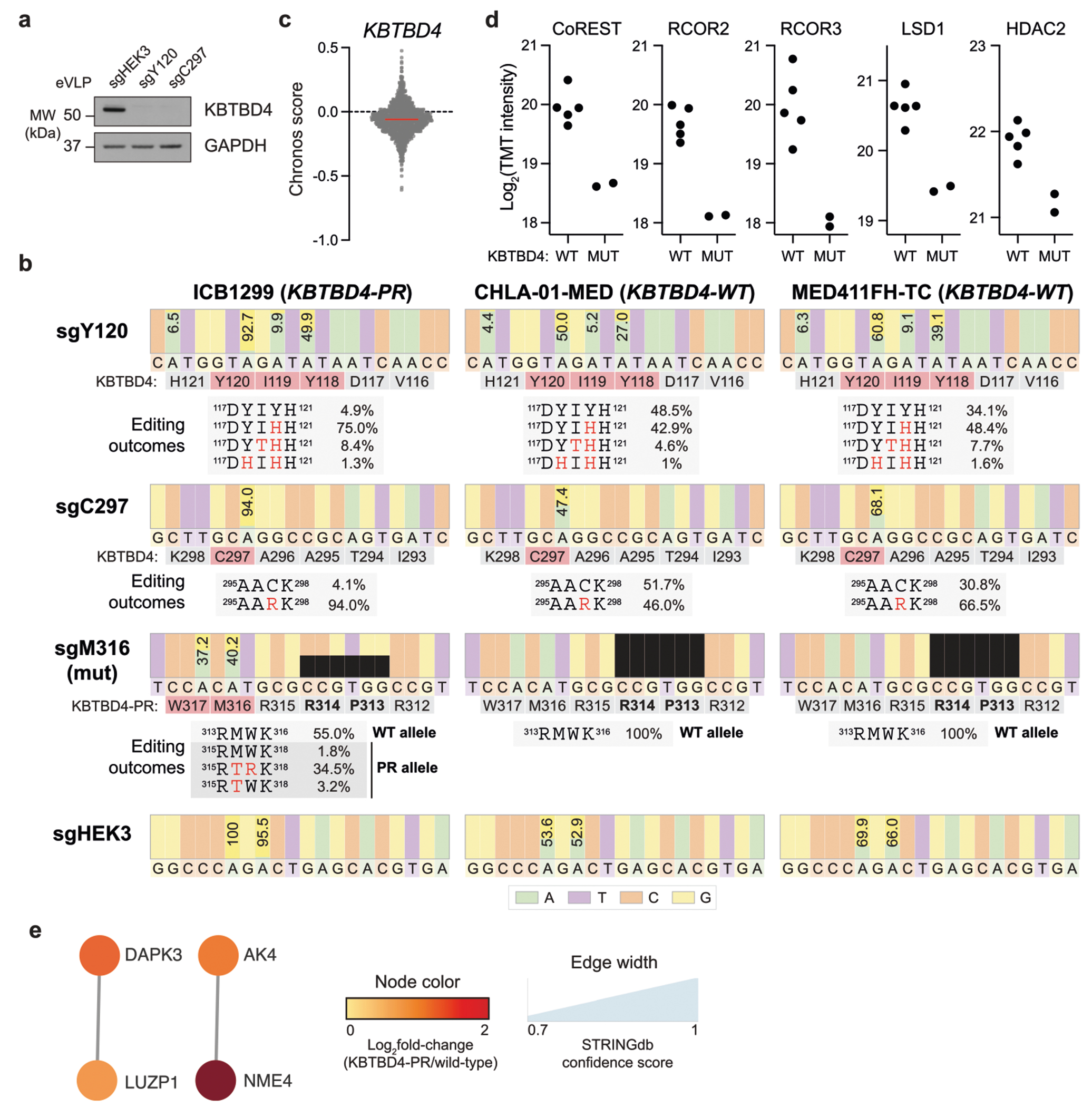
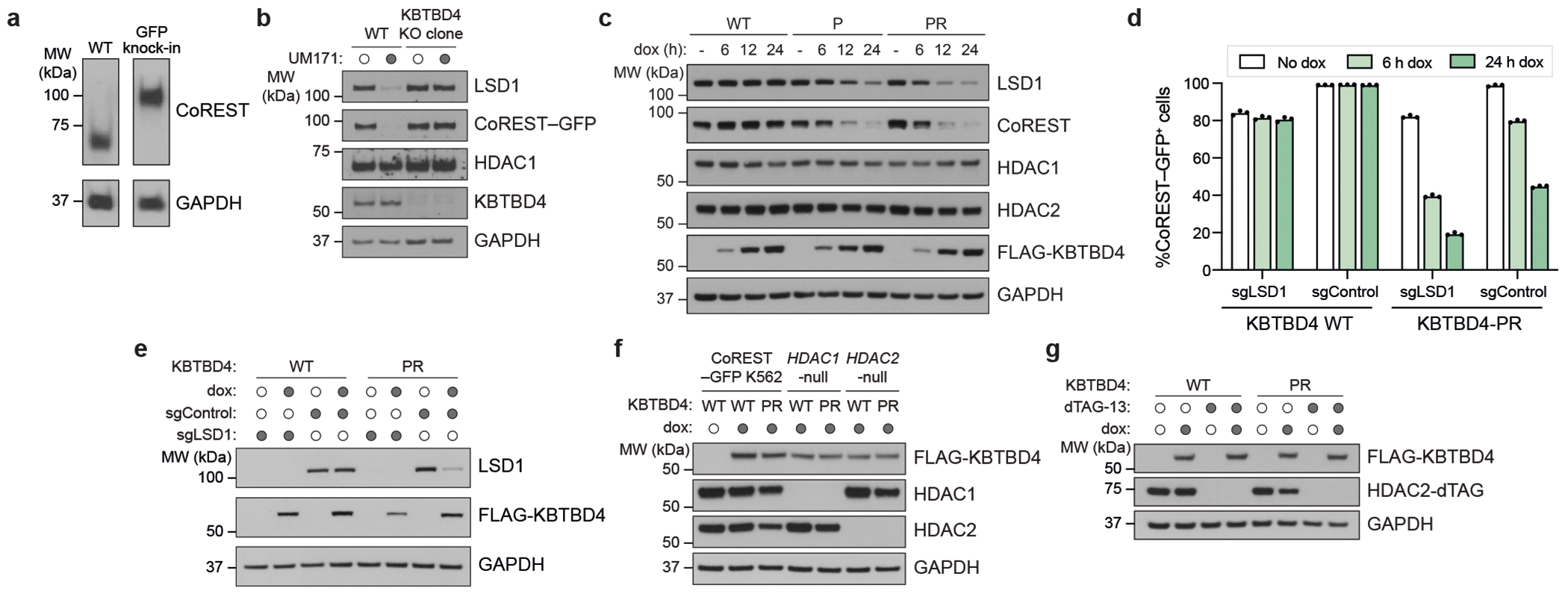
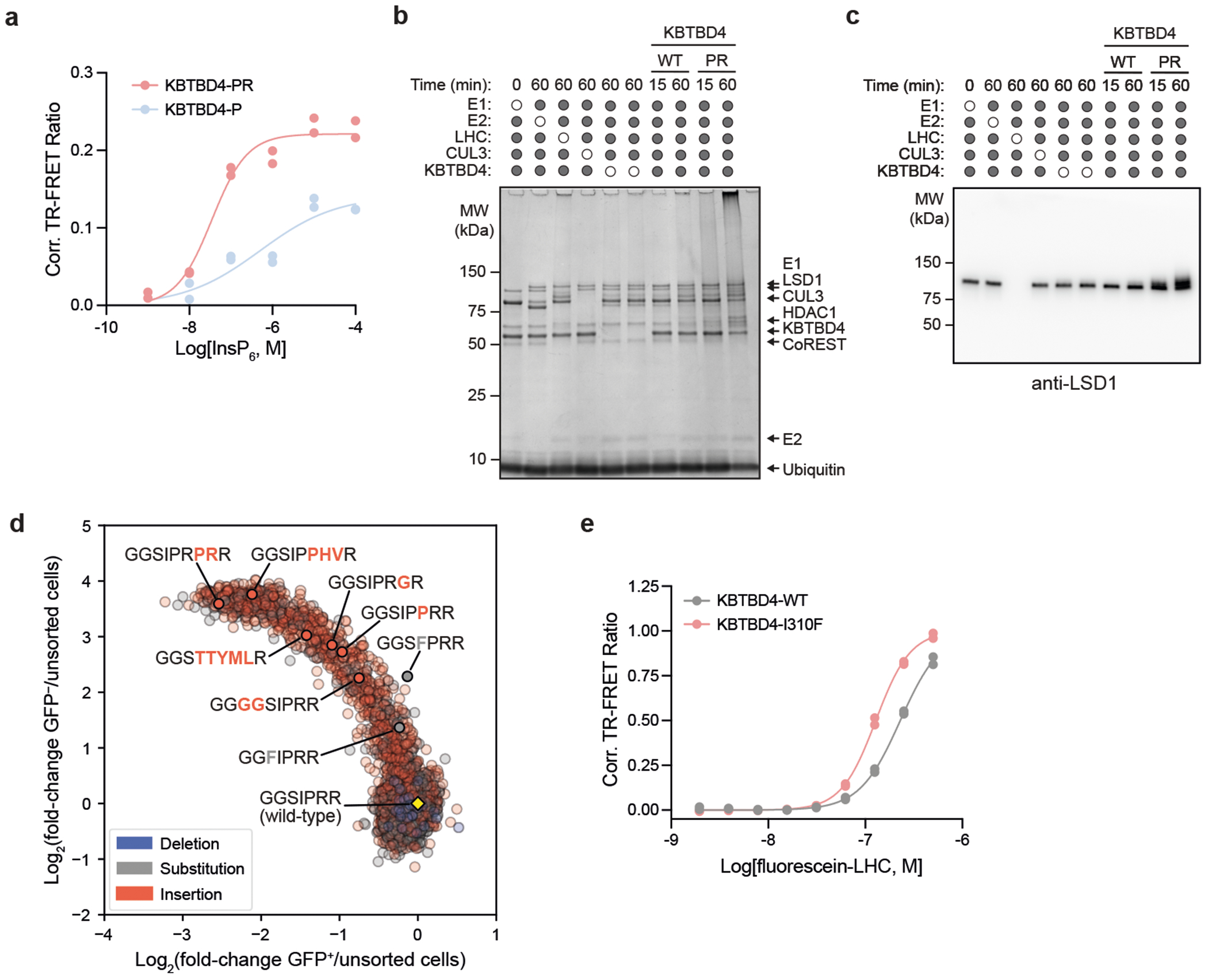
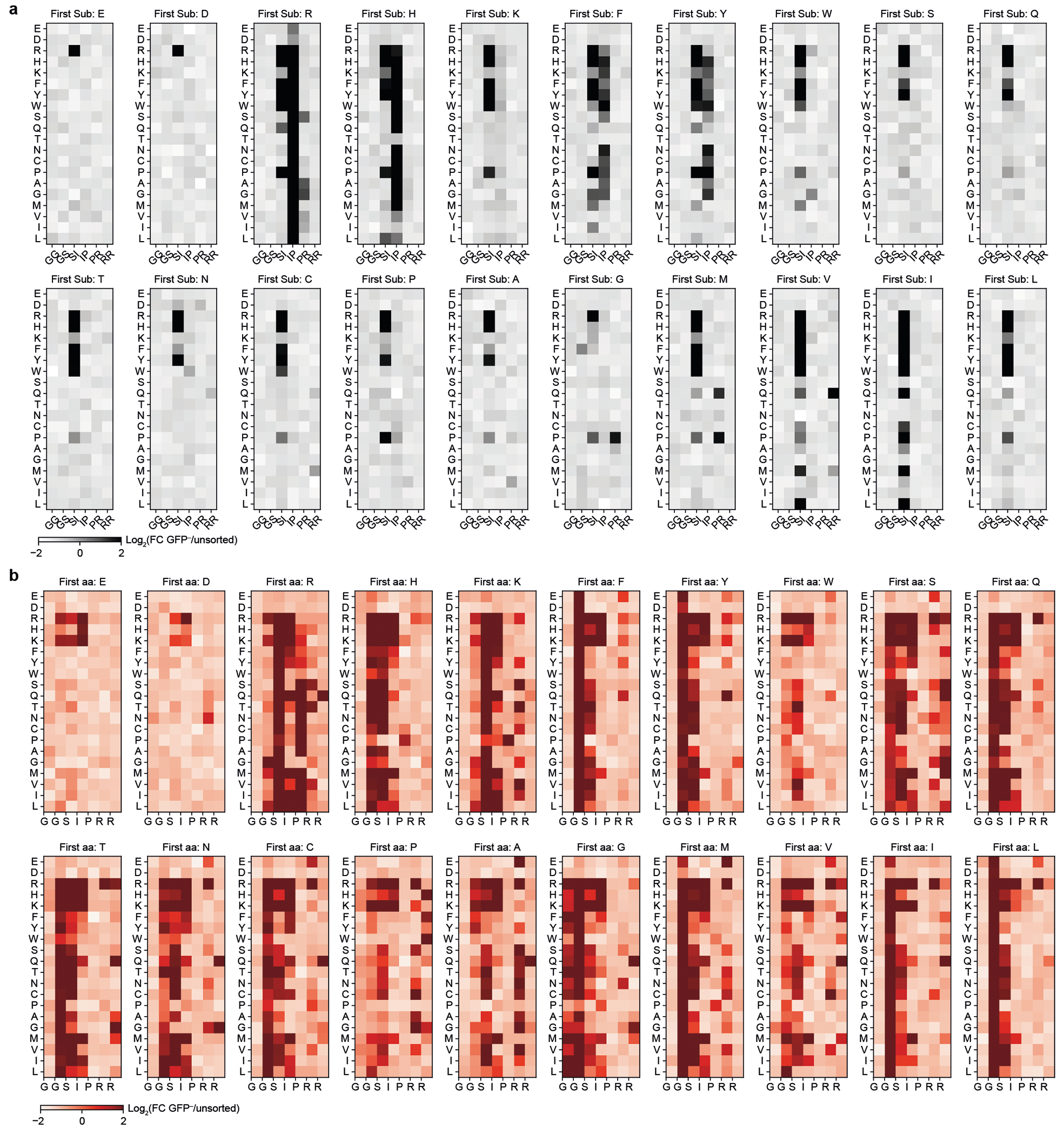
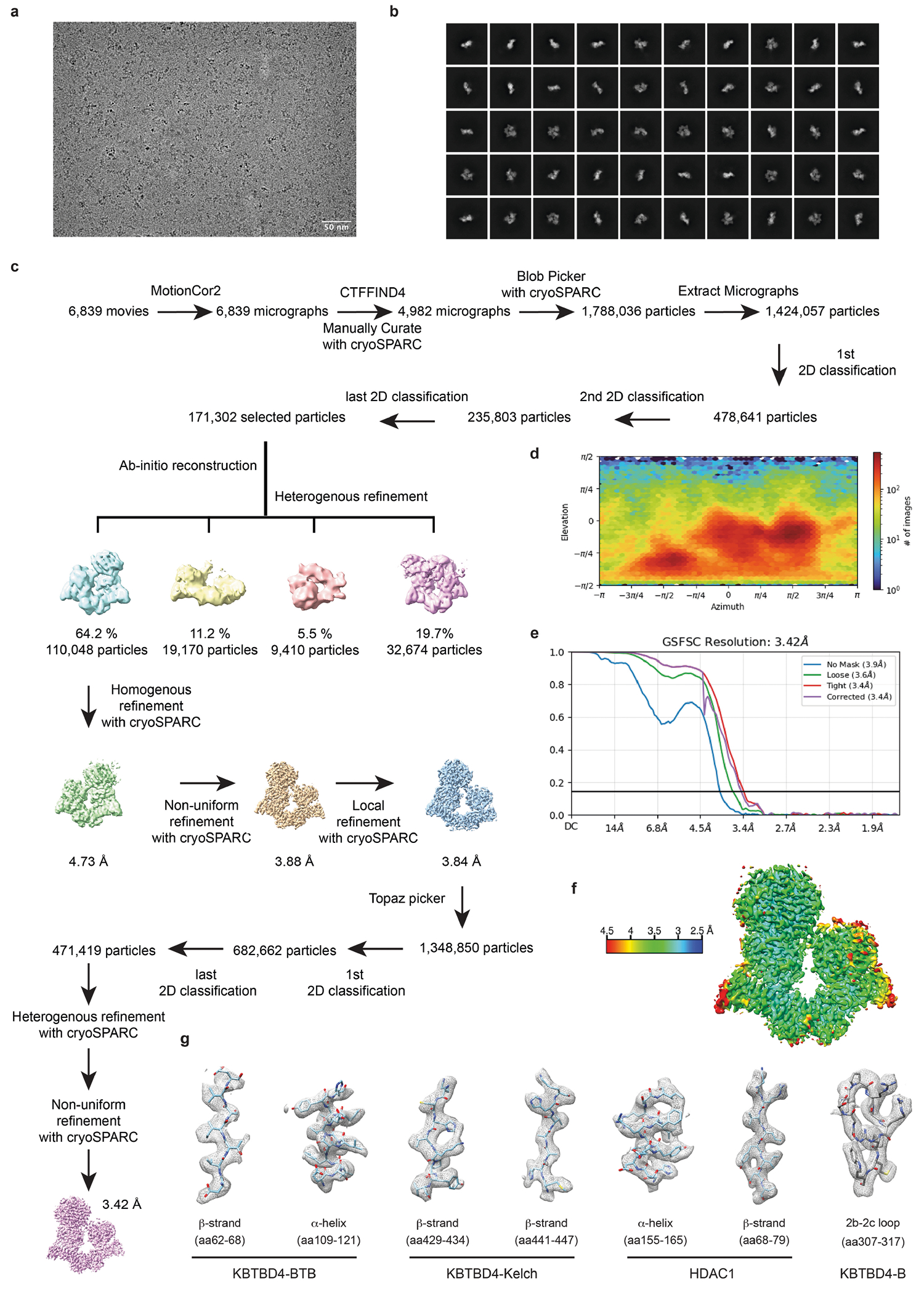
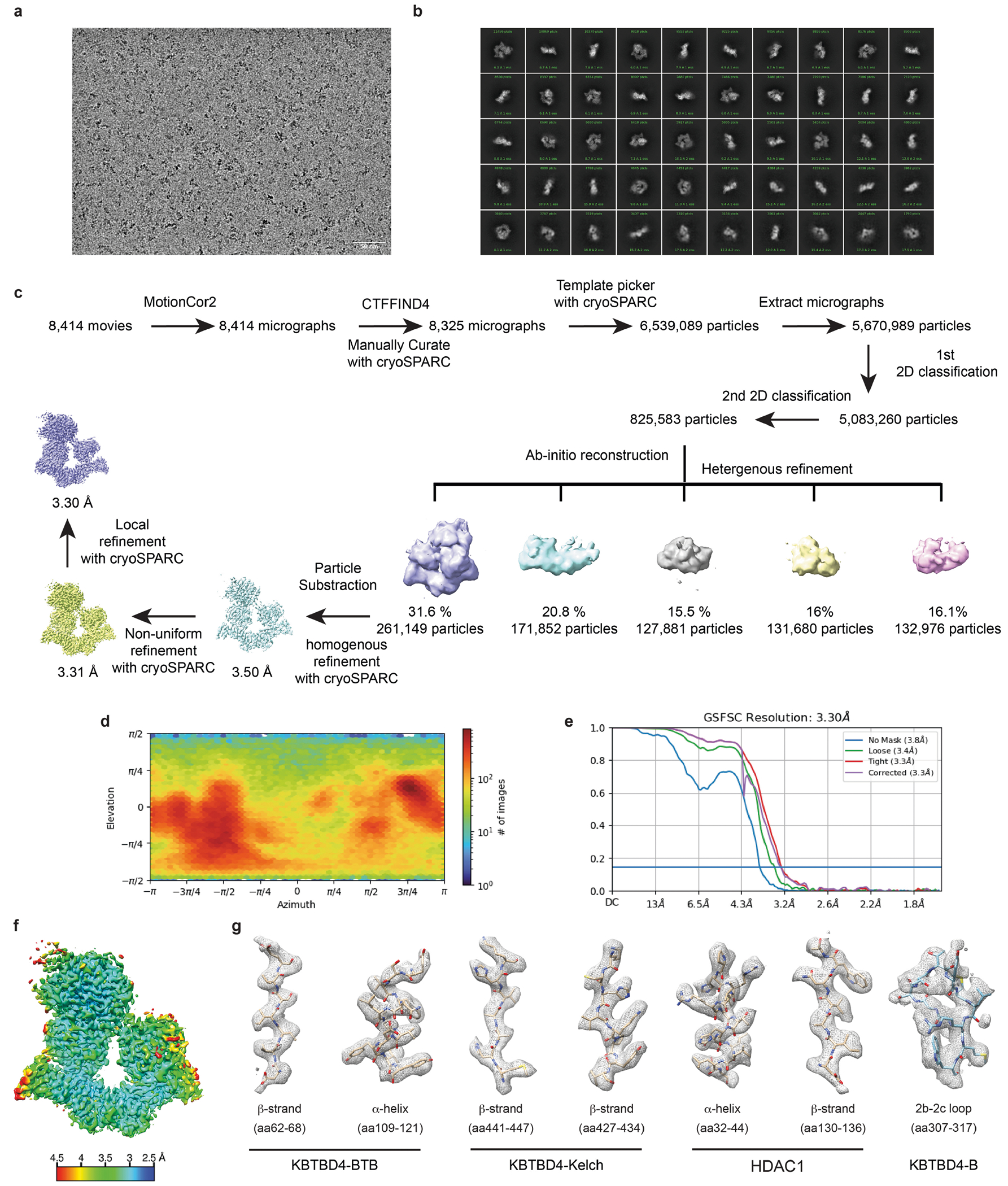
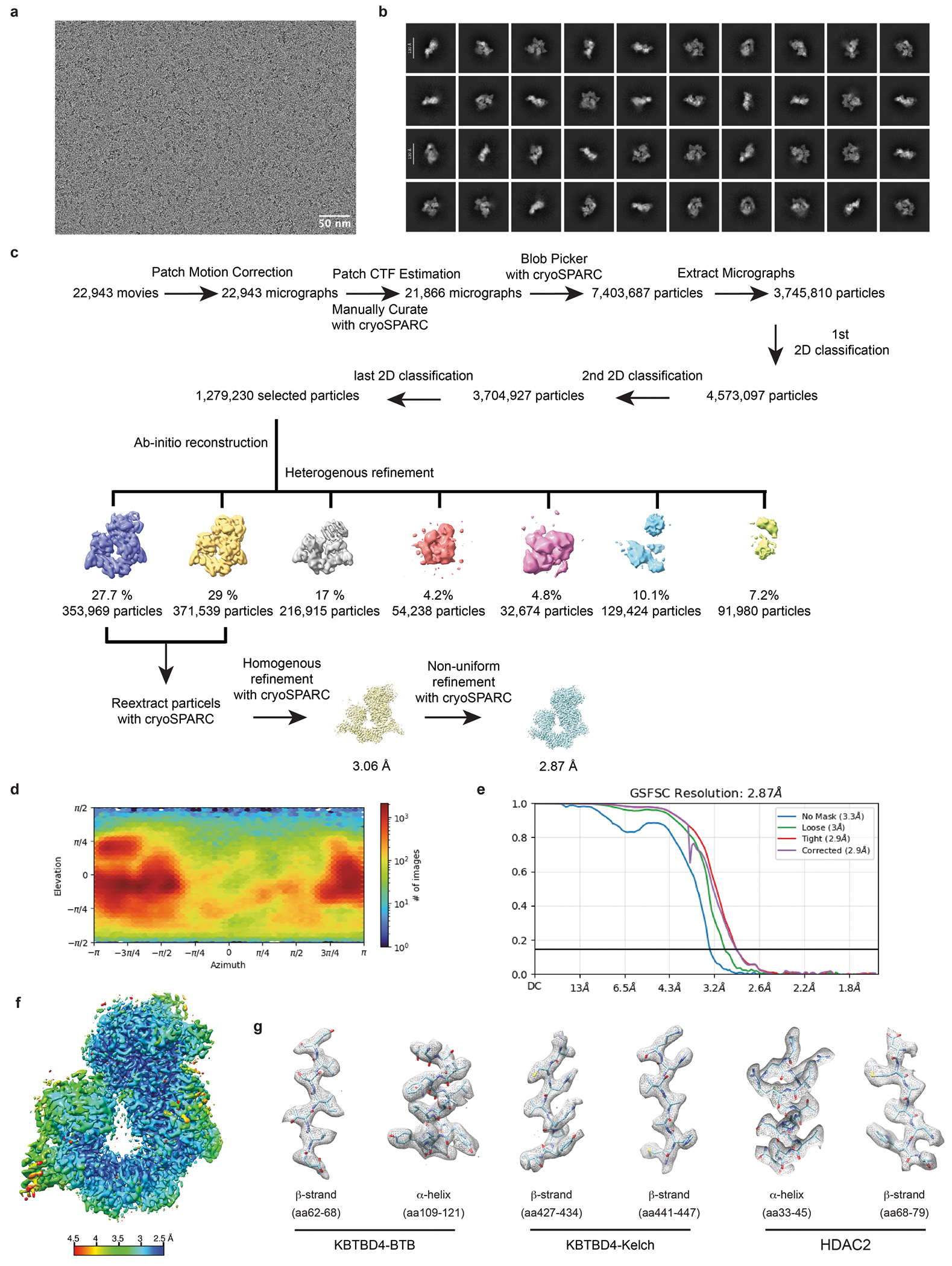
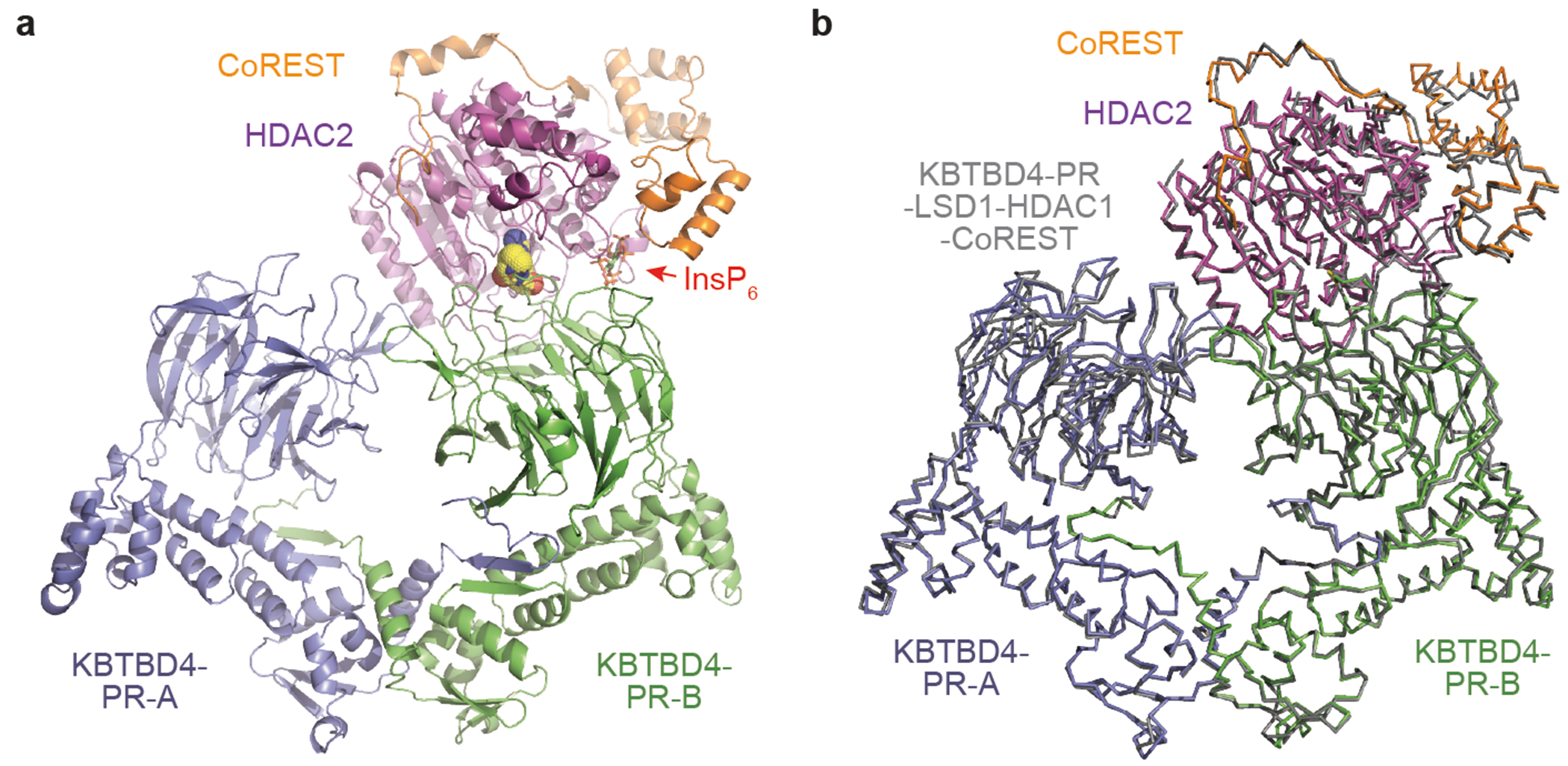
Verification
Claims the paper makes
The claims and statistics of this paper haven’t been checked yet.
Free: it reads the open-access text and checks the first 5 claims that cite a source we can check. Create a free account to check every claim.
Claims other papers make about this one
Each is checked against this paper’s own text: does it say what the citing paper says it does?
The source backs part of the claim, not all of it — or backs it for a different population, condition or comparison.
In the citing paper
“Taken together, our findings provide another example that the underlying principles of molecular glue mechanisms might be rooted in the partial mimicry of naturally occurring PPIs at preexisting sites of high PPI propensity, interactions that are further enhanced by a matching molecular glue1,10,11,50–54.”
From Cereblon induces G3BP2 neosubstrate degradation using molecular surface mimicry (2026) · cites this paper as [53]
Experimental — accuracy not yet measuredThe cited source says what the claim attributes to it.
In the citing paper
“uM171, a well-established compound currently being evaluated in multiple Phase ii clinical trials (Nct04103879, Nct03913026, Nct03441958), has recently had its degrader mechanism-of-action retrospectively elucidated (Xie et al. 2025;yeo et al. 2025).”
From From serendipity to strategy: molecular glue degraders in cancer therapeutics (2025) · cites this paper as Xie et al. 2025
Self-check
Percentages, sums and reported differences re-computed from the paper’s own numbers.
The self-check needs the paper’s full text.
Citations
Cites
UCSF Chimera—A visualization system for exploratory research and analysis
Pettersen, E. F., Goddard, T. D., Huang, C. C., Couch, G. S., Greenblatt, D. M., Meng, E. C., & Ferrin, T. E. (2004) · Journal of Computational Chemistry · doi:10.1002/jcc.20084 · Cited by 45,828
limma powers differential expression analyses for RNA-sequencing and microarray studies
Ritchie, M. E., Phipson, B., Wu, D., Hu, Y., Law, C. W., Shi, W., & Smyth, G. K. (2015) · Nucleic Acids Research · doi:10.1093/nar/gkv007 · Cited by 40,458 · cited 1×
“Differentially expressed proteins were identified using an empirical Bayes-moderated t -test to compare treatment groups with the limma R package (v.3.54.2) 50 .”
InfluentialFeatures and development of Coot
Emsley, P., Lohkamp, B., Scott, W. G., & Cowtan, K. (2010) · Acta Crystallographica Section D Biological Crystallography · doi:10.1107/s0907444910007493 · Cited by 29,915
cryoSPARC: algorithms for rapid unsupervised cryo-EM structure determination
Punjani, A., Rubinstein, J. L., Fleet, D. J., & Brubaker, M. A. (2017) · Nature Methods · doi:10.1038/nmeth.4169 · Cited by 11,626
Genome engineering using the CRISPR-Cas9 system
Ran, F. A., Hsu, P. D., Wright, J., Agarwala, V., Scott, D. A., & Zhang, F. (2013) · Nature Protocols · doi:10.1038/nprot.2013.143 · Cited by 11,133
Szklarczyk, D., Kirsch, R., Koutrouli, M., Nastou, K., Mehryary, F., Hachilif, R., Gable, A. L., Fang, T., Doncheva, N. T., Pyysalo, S., et al. (2023) · Nucleic Acids Research · doi:10.1093/nar/gkac1000 · Cited by 9,726 · cited 1×
“PPI networks were constructed using STRINGdb (v.12) 51 , with a confidence threshold greater than 0.7.”
InfluentialColabFold - Making protein folding accessible to all
Mirdita, M., Schütze, K., Moriwaki, Y., Heo, L., Ovchinnikov, S., & Steinegger, M. (2021) · doi:10.1101/2021.08.15.456425 · Cited by 9,391 · cited 1×
“62).”
Automated electron microscope tomography using robust prediction of specimen movements
Mastronarde, D. N. (2005) · Journal of Structural Biology · doi:10.1016/j.jsb.2005.07.007 · Cited by 5,336
PHENIX : building new software for automated crystallographic structure determination
Adams, P. D., Grosse-Kunstleve, R. W., Hung, L.-W., Ioerger, T. R., McCoy, A. J., Moriarty, N. W., Read, R. J., Sacchettini, J. C., Sauter, N. K., & Terwilliger, T. C. (2002) · Acta Crystallographica Section D Biological Crystallography · doi:10.1107/s0907444902016657 · Cited by 4,361
Real-space refinement in PHENIX for cryo-EM and crystallography
Afonine, P. V., Poon, B. K., Read, R. J., Sobolev, O. V., Terwilliger, T. C., Urzhumtsev, A., & Adams, P. D. (2018) · Acta Crystallographica Section D Structural Biology · doi:10.1107/s2059798318006551 · Cited by 3,281
Research works printed but not linked: 1
- DeLano WL PyMOL: an open-source molecular graphics tool. CCP4 Newsl. Protein Crystallogr 40, 82– 92 (2002).
Cited by
Targeted protein degradation for cancer therapy
Hinterndorfer, M., Spiteri, V. A., Ciulli, A., & Winter, G. E. (2025) · Nature Reviews Cancer · doi:10.1038/s41568-025-00817-8 · Cited by 210
“For example, mutations in the CRL3 substrate-receptor KBTBD4 recurrently found in medulloblastoma enhance its interaction with the histone deacetylase HDAC1 subunit of the CoREST transcriptional repressor complex 19,20 .”
Molecular glues and bifunctional compounds: Therapeutic modalities based on induced proximity
Schreiber, S. L. (2024) · Cell Chemical Biology · doi:10.1016/j.chembiol.2024.05.004 · Cited by 112
Induced proximity-based therapeutic modalities
King, E. A., Meyers, M., & Nomura, D. K. (2025) · Nature Reviews Drug Discovery · doi:10.1038/s41573-025-01316-z · Cited by 74
Kumar, S., Venkatachalapathy, M., Sistla, R. K., & Poongavanam, V. (2024) · Drug Discovery Today · doi:10.1016/j.drudis.2024.104205 · Cited by 51
High-throughput ligand diversification to discover chemical inducers of proximity
Shaum, J. B., Ordoño, M. M. I., Steen, E. A., Wenge, D. V., Cheong, H., Janowski, J., Hunkeler, M., Bilotta, E. M., Rutter, Z. J., Barta, P. A., et al. (2026) · Nature Chemical Biology · doi:10.1038/s41589-025-02137-2 · Cited by 47
Decoding the functional impact of the cancer genome through protein–protein interactions
Fu, H., Mo, X., & Ivanov, A. A. (2025) · Nature reviews. Cancer · doi:10.1038/s41568-024-00784-6 · Cited by 41
Implications of frequent hitter E3 ligases in targeted protein degradation screens
Zhang, X., Simon, G. M., & Cravatt, B. F. (2025) · Nature Chemical Biology · doi:10.1038/s41589-024-01821-z · Cited by 38
Topolska, M., Beltran, A., & Lehner, B. (2025) · Nature Communications · doi:10.1038/s41467-025-57510-5 · Cited by 33
In vitro reconstitution of meiotic DNA double-strand-break formation
Tang, X., Hu, Z., Ding, J. D., Wu, M., Guan, P., Song, Y., Yin, Y., Wu, W., Ma, J., Huang, Y., et al. (2025) · Nature · doi:10.1038/s41586-024-08551-1 · Cited by 30
MolGlueDB: an online database of molecular glues
Wang, X., Zhuang, Z., Zhang, C., Zhang, B., Zhan, W., Wang, Y., Liu, Z., Yuan, S., Niu, W., He, Q., et al. (2025) · Nucleic Acids Research · doi:10.1093/nar/gkaf811 · Cited by 22
Primed for degradation: How weak protein interactions enable molecular glue degraders
Hanzl, A., Inghelram, C., Schmitt, S., & Thomä, N. H. (2025) · Current Opinion in Structural Biology · doi:10.1016/j.sbi.2025.103052 · Cited by 17
Rational discovery of molecular glue degraders based on block chemistry
Wei, J., Feng, W., Chen, Q., Li, Q., & Chen, Z. (2025) · Drug Discovery Today · doi:10.1016/j.drudis.2025.104480 · Cited by 12
Degrons and degradation signals beyond short linear motifs
Wang, B., & Zheng, N. (2025) · Nature Chemical Biology · doi:10.1038/s41589-025-02056-2 · Cited by 12
Self-citationEngineering brain-penetrant PROTACs: Bridging molecular design and CNS delivery
Li, X., Li, J., Sun, Y., Yao, T., Lu, Y., Liu, S., Li, H., Shi, Y., Chen, L., Zhao, Y., et al. (2026) · Advanced Drug Delivery Reviews · doi:10.1016/j.addr.2026.115876 · Cited by 12
Self-citationHistone deacetylases: Function in tumor development and therapeutic prospects (Review)
Lin, R., Zhang, Y., Li, H., & Liang, F. (2026) · Oncology Letters · doi:10.3892/ol.2026.15497 · Cited by 11
Chen, Z., Chi, G., Balo, T., Chen, X., Montes, B. R., Clifford, S. C., D’Angiolella, V., Szabo, T., Kiss, A., Novak, T., et al. (2025) · Nature Communications · doi:10.1038/s41467-025-58350-z · Cited by 10
Self-citationChe, X., & The Statistical Mechanics Inference Team (2024) · bioRxiv (Cold Spring Harbor Laboratory) · doi:10.1101/2024.12.23.630090 · Cited by 10
Jo, J., Moon, C. Y., Lee, J., & Kang, H. (2025) · Food Bioscience · doi:10.1016/j.fbio.2025.107264 · Cited by 10
From serendipity to strategy: molecular glue degraders in cancer therapeutics
Darling, S., Bajrami, I., & West, S. C. (2025) · Critical Reviews in Biochemistry and Molecular Biology · doi:10.1080/10409238.2025.2564068 · Cited by 9
“…Phase ii clinical trials (Nct04103879, Nct03913026, Nct03441958), has recently had its degrader mechanism-of-action retrospectively elucidated (Xie et al. 2025; yeo et al. 2025). like Bi-3802, it was discovered following a high-throughput screen – one designed to identify compounds that…”
Cereblon induces G3BP2 neosubstrate degradation using molecular surface mimicry
Annunziato, S., Quan, C., Donckele, E. J., Lamberto, I., Bunker, R. D., Zlotosch, M., Schwander, L., Murthy, A., Wiedmer, L., Staehly, C., et al. (2026) · Nature Structural & Molecular Biology · doi:10.1038/s41594-025-01738-8 · Cited by 9
The genetic architecture of an allosteric hormone receptor
Stammnitz, M. R., & Lehner, B. (2026) · Nature Communications · doi:10.1038/s41467-026-70341-2 · Cited by 8
Gray, J. L., Xiao, Z., Rogga, V. V., Zhang, X., & Tate, E. W. (2026) · Journal of the American Chemical Society · doi:10.1021/jacs.5c12299 · Cited by 6
Bree, B. A. V., & Eichner, L. J. (2026) · Science Advances · doi:10.1126/sciadv.aee7295 · Cited by 6
Clues for glues: from serendipity to nature’s blueprints in degrader discovery
Kozicka, Z. (2025) · Essays in Biochemistry · doi:10.1042/ebc20253058 · Cited by 6
Molecular Structure and Function of Zinc-Dependent Histone Deacetylases
Christianson, D. W. (2026) · Annual Review of Biochemistry · doi:10.1146/annurev-biochem-051424-053005 · Cited by 5
Chromatin Regulatory Targets for Anticancer Therapeutics
Barta, P. A., Carter, T. R., & Erb, M. A. (2025) · Chemical Reviews · doi:10.1021/acs.chemrev.5c00231 · Cited by 4
Versatile roles of inositol hexakisphosphate in the ubiquitin-proteasome system
Rusnac, D.-V., Zheng, N., & Xie, X. (2025) · Essays in Biochemistry · doi:10.1042/ebc20253032 · Cited by 4
Self-citationGenetic landscape of DNMT3A R882H reveals mechanism of aberrant oligomerizationPreprint
Garcia, E. M., Lavidor, O. R., Raval, S., Lue, N. Z., Liang, J. K., McFadden, M., Hwang, D. D., Zepeda, M. L., Chen, L. W., Carr, S. A., et al. (2025) · bioRxiv (Cold Spring Harbor Laboratory) · doi:10.1101/2025.09.24.678339 · Cited by 3
Self-citationNde, J., Kempf, C. G., Zimmermann, R. C., Cesare, J., Zhang, Y., Workman, J. L., Florens, L. A., & Washburn, M. P. (2025) · bioRxiv (Cold Spring Harbor Laboratory) · doi:10.1101/2025.08.08.669391 · Cited by 3
A Glutathione S-Transferase Pi Molecular Glue Tethers Splicing Factors and Remodels Cell Metabolism
Leace, D. M., Ware, M. L., Murtagh, O. L., Tsai, H.-K., Chang, C., & Hsu, K. (2025) · Journal of the American Chemical Society · doi:10.1021/jacs.5c06951 · Cited by 3
Expansion of human hematopoietic stem cells by inhibiting translationPreprint
Li, C., Shin, H., Bhavanasi, D., Liu, M., Briones, M. I., Liu, X., Liu, X., Herbst, F., Said, H., Alameh, M., et al. (2023) · bioRxiv (Cold Spring Harbor Laboratory) · doi:10.1101/2023.11.28.568925 · Cited by 3
Neo‐Cysteine Molecular Glues for Targeting Mutated SMAD4 Protein
Kumari, P., Oum, Y. H., Miller, E. J., Qui, M., Du, Y., Mou, H., Singh, R. K., Fu, H., & Mo, X. (2026) · Angewandte Chemie International Edition · doi:10.1002/anie.202512791 · Cited by 3
Genetic landscape and molecular targets in pediatric pineal tumors
Pasquinelli, E., Guidi, M., & Sardi, I. (2026) · Neuro-Oncology Advances · doi:10.1093/noajnl/vdag086 · Cited by 3
Molecular glue unexpectedly mimics the effect of cancer mutations
Bushman, J. W., & Potts, P. R. (2025) · Nature · doi:10.1038/d41586-025-00090-7 · Cited by 3
Targeted Protein Degradation: From Basic Science to Therapeutic Applications
Zhu, R., Tang, X., & Zhang, H. (2025) · ACS Chemical Biology · doi:10.1021/acschembio.5c00067 · Cited by 3
Localized heme sensing through a ternary molecular gluePreprint
Heider, M., Hipp, C., Yang, Z., Xiao, H., Beschauner, T., Wehri, E., Walter, W., Sherriff, R., Chandrasekhar, S., Haferlach, T., et al. (2026) · bioRxiv (Cold Spring Harbor Laboratory) · doi:10.64898/2026.05.07.723605 · Cited by 4
Chemical and genetic molecular glues to degrade CoREST corepressors
Song, Y., Li, Q., & Sheng, C. (2025) · Acta Pharmaceutica Sinica B · doi:10.1016/j.apsb.2025.07.006 · Cited by 2
Mutations that stick: Unexpected discovery of molecular glue mimicry
Whelan, R., José‐Duran, F., & Mayor‐Ruiz, C. (2025) · Molecular Cell · doi:10.1016/j.molcel.2025.03.017 · Cited by 2
Molecular Glue Degraders in Early Development for Cancer Therapy
Özdemir, E. S., Jang, H., Keskin, O., Gürsoy, A., & Nussinov, R. (2026) · Medicinal Research Reviews · doi:10.1002/med.70104 · Cited by 1
Histopathology and Molecular Pathology of Pineal Region Tumors
Vasiljevic, A. (2026) · Advances and technical standards in neurosurgery · doi:10.1007/978-3-032-18608-9_7 · Cited by 1
LSD1 Performs Demethylase-Independent and Context-Specific Roles in Ewing Sarcoma
Dreher, R. D., Taslim, C., Miller, I. J., Sherman, J. W., Bayanjargal, A., & Theisen, E. R. (2026) · Cancer Research Communications · doi:10.1158/2767-9764.crc-25-0765 · Cited by 1
Molecular Glue Degraders Redefining Targeted Therapies From Discovery to Therapeutic Applications
Wen, J., Yu, J., Wen, W., & Jiang, B. (2026) · MedComm – Oncology · doi:10.1002/mog2.70058
Nde, J., Kempf, C. G., Zimmermann, R. C., Cesare, J., Zhang, Y., Workman, J. L., Florens, L. A., & Washburn, M. P. (2026) · Journal of Proteome Research · doi:10.1021/acs.jproteome.6c00256
Progress on molecular glue degraders
Chen, J., Deng, Z., Li, H., & Liu, L. (2026) · Scientia Sinica Chimica · doi:10.1360/ssc-2025-0228
A de novo designed enzyme for photo-proximity labeling of E3 ligase neighborhoods in live cellsPreprint
Kim, N. H., Lin, Z., Nam, S., Swaney, D. L., Krogan, N. J., Kim, Y. W., Therien, M. J., DeGrado, W. F., & Wells, J. A. (2026) · bioRxiv (Cold Spring Harbor Laboratory) · doi:10.64898/2026.07.22.739993
Systematic molecular glue drug discovery with a high-throughput effector protein remodeling platformPreprint
Lu, J., Stuart, K., Teague, R., Tarry, C., Yan, R., Morgan, T., Nock, E., Mulhearn, D. S., Jones, M., Knaggs, M. H., et al. (2025) · bioRxiv (Cold Spring Harbor Laboratory) · doi:10.1101/2025.07.17.664724
Single Amino Acid Disease Mutations Act as Genetic Glues to Drive Neo-substrate DegradationPreprint
Wang, B., Yeh, C.-W., Lin, H.-M., Shi, H., Mao, H., Chen, S.-C., Yeh, K., Yu, C.-H., Zheng, N., & Yen, H.-C. S. (2026) · bioRxiv (Cold Spring Harbor Laboratory) · doi:10.64898/2026.09.17.752235
Self-citationMedulloblastoma-Associated KBTBD4 Mutations Disrupt PP2A-A Orphan Quality ControlPreprint
Baur, R., Hehl, L. A., Sathe, G. J., Lunardi, T., Schneider, J., Krebs, A.-S., Silva, J. C., Haakonsen, D. L., Waszak, S. M., Lingner, J., et al. (2026) · bioRxiv (Cold Spring Harbor Laboratory) · doi:10.64898/2026.03.02.709011
PANCS-Inhibitors: A rapid method to directly select for protein-protein interaction inhibitorsPreprint
Styles, M. J., Xie, V. C., Legault, S., Pixley, J. A., & Dickinson, B. C. (2026) · bioRxiv (Cold Spring Harbor Laboratory) · doi:10.64898/2026.08.05.743105
Neo‐Cysteine Molecular Glues for Targeting Mutated SMAD4 Protein
Kumari, P., Oum, Y. H., Miller, E. J., Qui, M., Du, Y., Mou, H., Singh, R. K., Fu, H., & Mo, X. (2026) · Angewandte Chemie · doi:10.1002/ange.202512791
The ternary complex structure as a foundation for structure-guided molecular glue design
Cowan, A. D. (2026) · Essays in Biochemistry · doi:10.1042/ebc20260026
Hidden-driver inference reveals synergistic brain-penetrant therapies for medulloblastomaPreprint
Liu, J., Xu, Y., Zhu, M., Dong, X., Zhou, H., Bianski, B. M., Jonchère, B., Lin, W., Fu, X., Bhatara, S., et al. (2025) · bioRxiv (Cold Spring Harbor Laboratory) · doi:10.1101/2025.11.20.689490
Structure‐Guided Optimization of a Molecular Glue Targeting the KBTBD4‐HDAC1/2 Complex
Baló, T., Chen, Z., Palluaud, L., Kiss, A., Novák, T., Herner, A., Bullock, A. N., Martiny, V. Y., & Kotschy, A. (2026) · ChemMedChem · doi:10.1002/cmdc.70451
Genetics opens new route to degrader discovery
Eccleston, A. (2025) · Nature Reviews Drug Discovery · doi:10.1038/d41573-025-00040-y
Sivaprasad, R., Žemaitis, K., Linfeldt, D., Ghosh, S., de Snaijer, A., Magnusson, M., Ek, F., Hansson, J., & Subramaniam, A. (2026) · Cancer Gene Therapy · doi:10.1038/s41417-026-01068-x
Folayan, A. D., Akintunde, J. K., Akamo, A. J., & Oyelakin, A. S. (2025) · Research Square · doi:10.21203/rs.3.rs-6177103/v1
Hidden-driver inference reveals synergistic brain-penetrant therapies for medulloblastomaPreprint
Yu, J., Liu, J., Yang, X., Zhu, M., Dong, X., Zhou, H., Bianski, B. M., Jonchère, B., Lin, W., Fu, X., et al. (2026) · Research Square · doi:10.21203/rs.3.rs-8278592/v1
Beneath the surface: Hidden degrons and untapped ligases for molecular glue degrader discovery
Brunner, A., Lauriola, A., Guardavaccaro, D., & Sangfelt, O. (2026) · Molecular Cell · doi:10.1016/j.molcel.2026.10.028
Metadata
- Authors
- Xie, X., Zhang, O., Yeo, M. J. R., Lee, C., Tao, R., Harry, S. A., Payne, N. C., Nam, E., Paul, L., Li, Y., Kwok, H. S., Jiang, H., Mao, H., Hadley, J. L., Lin, H., Batts, M., Gosavi, P. M., D’Angiolella, V., Cole, P. A., Mazitschek, R., Northcott, P. A., Zheng, N., & Liau, B. B.
- Affiliations
- Howard Hughes Medical Institute (US)
- Broad Institute (US)
- St. Jude Children's Research Hospital (US)
- Harvard University (US)
- Brigham and Women's Hospital (US)
- Edinburgh Cancer Research (GB)
- Corresponding author
- Zheng, Ning
- Liau, Brian B.
- ORCID
- Xie, Xiaowen
- Zhang, Olivia
- Yeo, Megan J. R.
- Lee, Ceejay
- Tao, Ran
- Harry, Stefan A.
- Payne, N. Connor
- Nam, Eunju
- Paul, Leena
- Li, Yiran
- Kwok, Hui Si
- Jiang, Hanjie
- Mao, Haibin
- Hadley, Jennifer L.
- Lin, Hong
- Batts, Melissa
- Gosavi, Pallavi M.
- D’Angiolella, Vincenzo
- Cole, Philip A.
- Mazitschek, Ralph
- Northcott, Paul A.
- Zheng, Ning
- Liau, Brian B.
- Venue
- Nature
- Published
- 2025-02-12
- Volume
- 639
- Issue
- 8053
- Pages
- 241-249
- ISSN
- 0028-0836 (ISSN-L)
- 1476-4687
- PMC
- PMC11882451
- OpenAlex
- W4407392249
- Semantic Scholar
- 20053a230a957fb70328b55938fb4391af65ce84
- Cited by
- 50
- References
- 69
- Citations by year
- 2026: 20 · 2025: 27
- FWCI
- 14.13
- Type
- journal article
- Language
- en
- Open access
- hybrid
- doi.org
- Licence
- cc-by
- creativecommons.org/licenses/by/4.0 (tdm)
- creativecommons.org/licenses/by/4.0 (vor)
- Locations
- Nature (publishedVersion, cc-by)
- bioRxiv (Cold Spring Harbor Laboratory) (acceptedVersion)
- PubMed Central (publishedVersion, cc-by)
- PubMed (publishedVersion)
- PubMed Central (submittedVersion)
- Digital Access to Scholarship at Harvard (DASH) (Harvard University) (submittedVersion, cc-by)
- RePEc: Research Papers in Economics (submittedVersion)
- Funders
- Cancer Research UK
- Medical Research Council (MR/X006980/1, MC_UU_00001/7)
- National Cancer Institute (P01CA096832, R01CA270785, R01CA274437)
- National Institute of General Medical Sciences (DP2GM137494, R35GM149229, R35GM153476)
- Topics
- Life Sciences › Biochemistry, Genetics and Molecular Biology › Molecular Biology › Protein Degradation and Inhibitors
- Life Sciences › Biochemistry, Genetics and Molecular Biology › Molecular Biology › Ubiquitin and proteasome pathways
- Health Sciences › Medicine › Oncology › Glioma Diagnosis and Treatment
- Keywords
- UM171, medulloblastoma, neomorphic mutations, gain-of-function mutations, HDAC1/2, LSD1, protein-protein interaction, molecular glues, histone deacetylase inhibitors, deep mutational scanning, cryo-electron microscopy, shape complementarity
About these checks
Registry, retraction, Cites and statistics results are computed, not judged, with one exception: a printed reference that no index lists is read once by a model before it counts as a citation error. Claims are extracted by a model and kept only when their quote appears verbatim in the text; each cited source is then checked, with a model’s help, for whether it says what the claim relies on. Those verdicts can be wrong — read the claim’s quote and the cited source before relying on one.
Statistics and arithmetic are recomputed, not judged.
Confidence bands are shown only for fields calibrated on our annotated test set. None is calibrated yet, so no band is shown.
What counts as a claim ›How we measure confidence ›How we check this ›
Are you an author, or do you see a problem with this page? Request a review
Data sources
Bibliographic data: Semantic Scholar, OpenAlex, Crossref.
Contains information from the Semantic Scholar Academic Graph Datasets, made available under the ODC Attribution License (ODC-BY 1.0).
Semantic Scholar’s data is described in: Kinney, R., et al. (2023). The Semantic Scholar Open Data Platform. arXiv:2301.10140.
