

Converging mechanism of UM171 and KBTBD4 neomorphic cancer mutations
Open accessPublished version of a preprint
The DOI matches its Crossref record; 69 of the 69 references it cites were found in a registry or an index.
Abstract
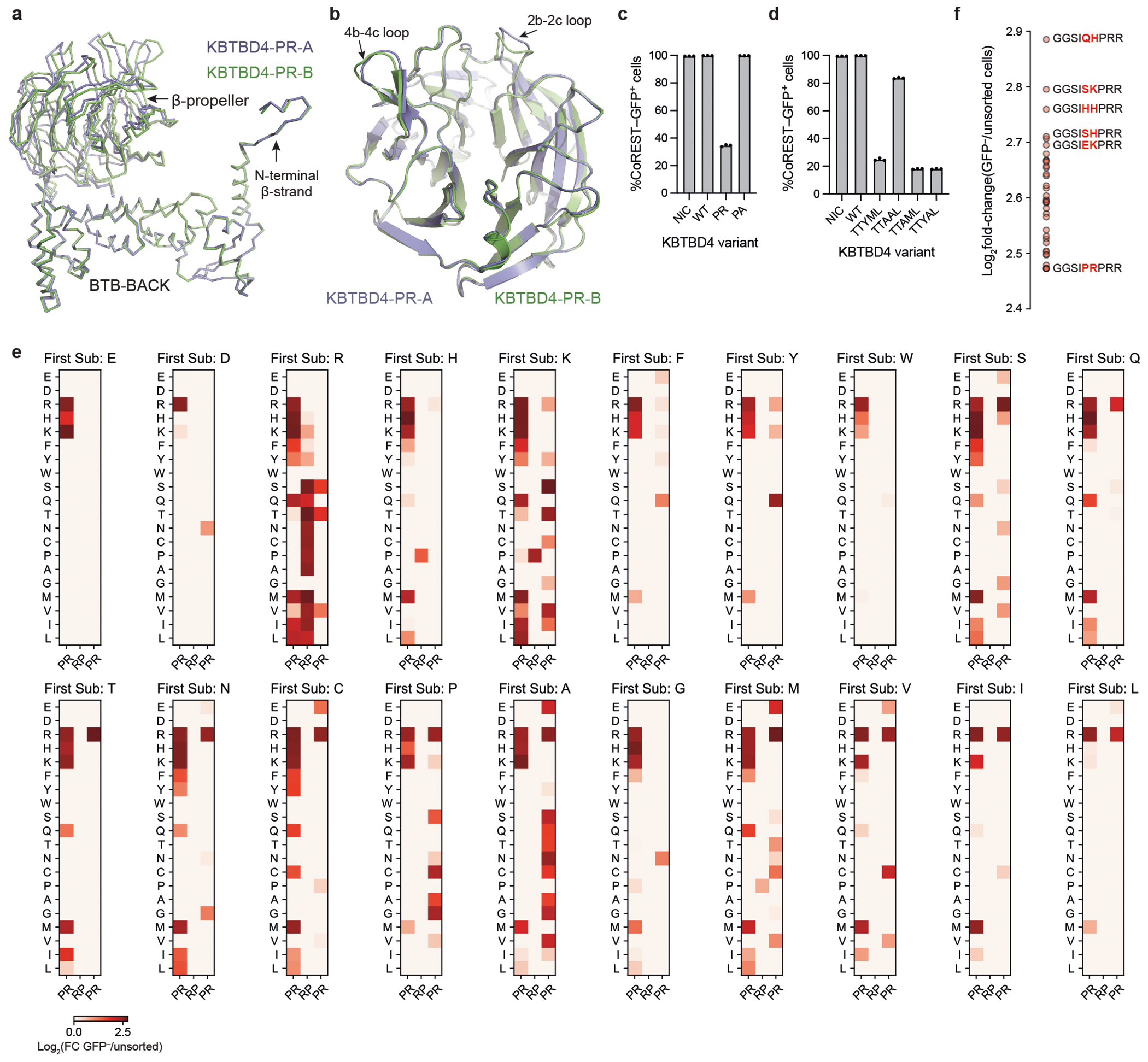
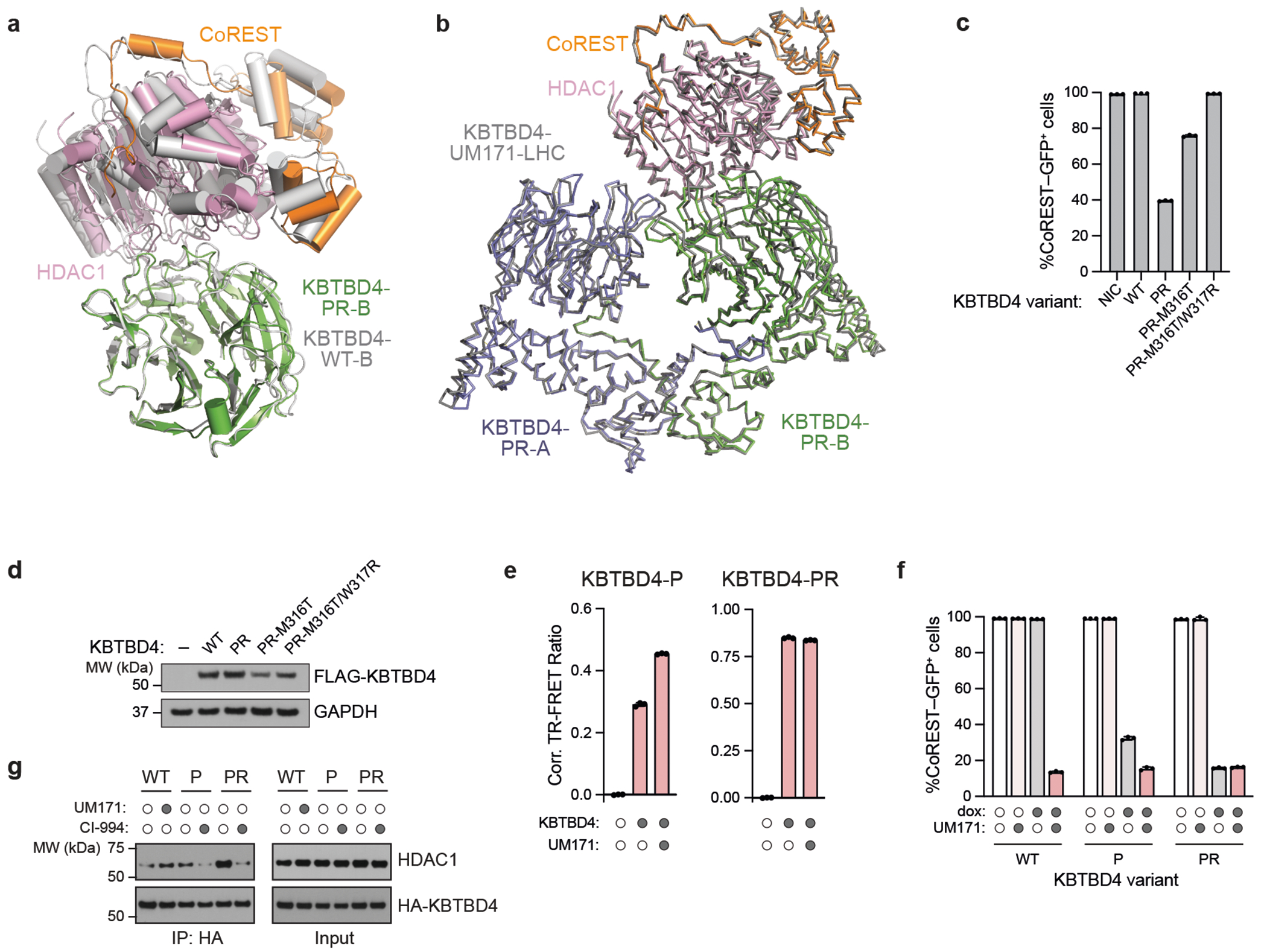
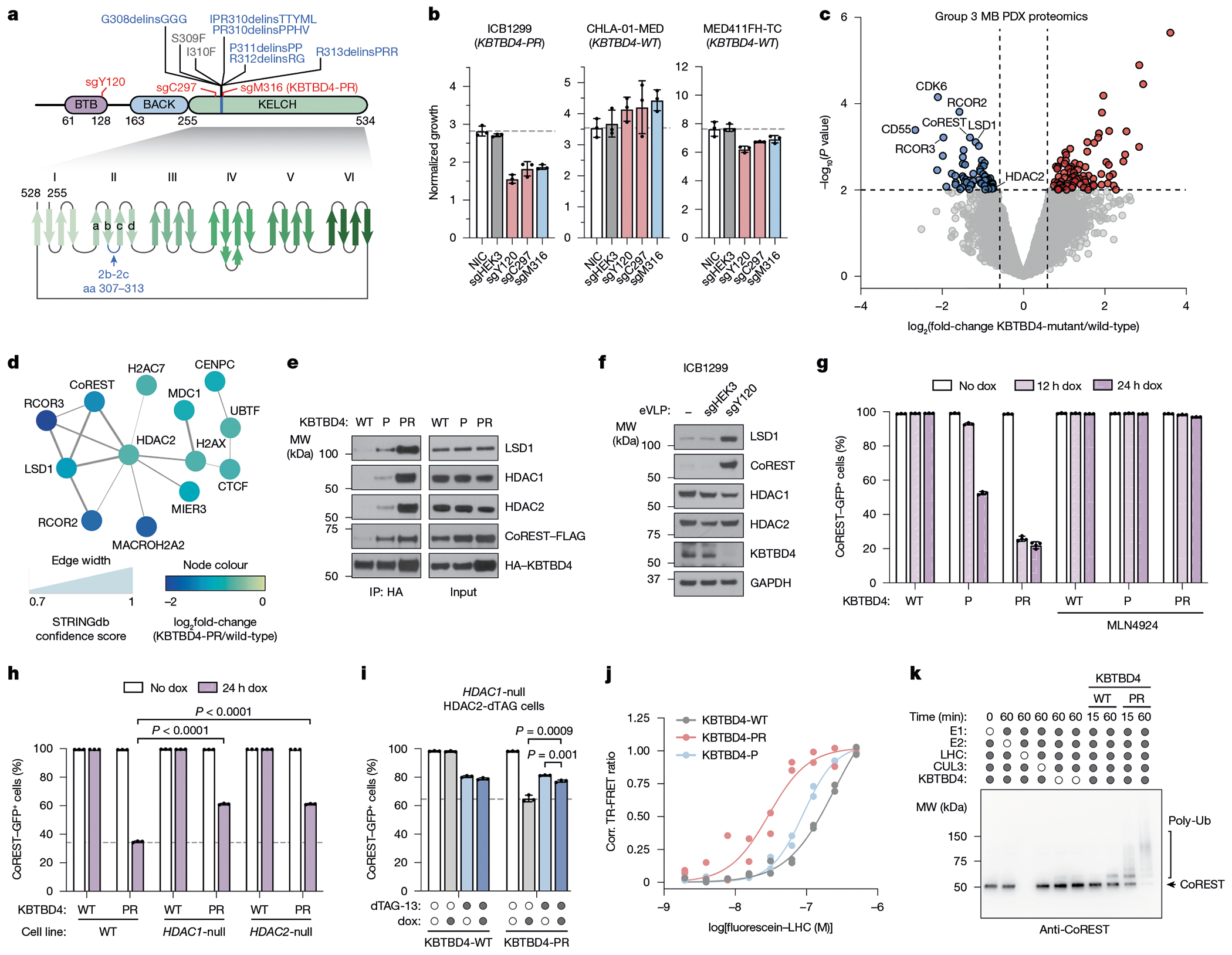
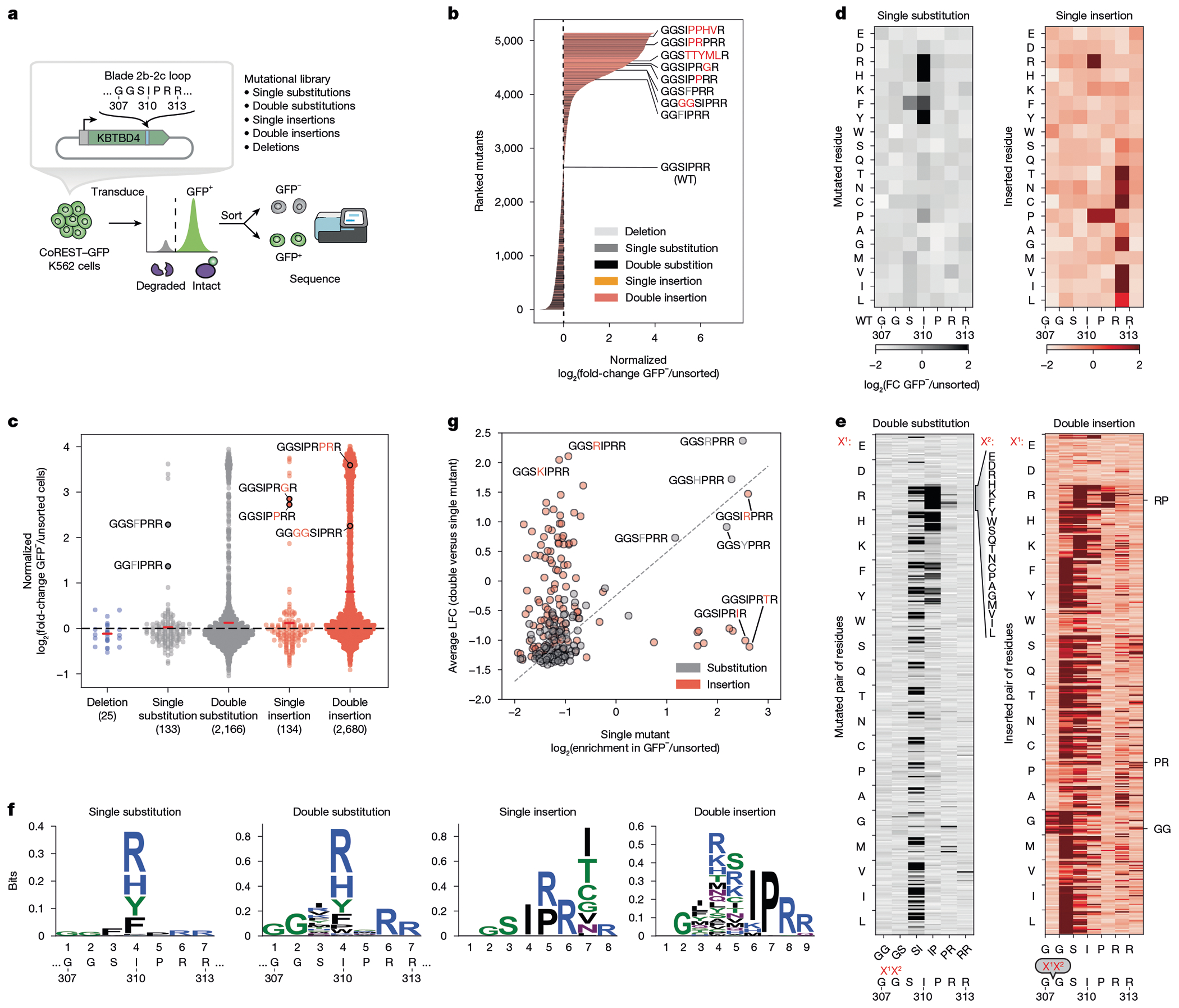
Cancer mutations can create neomorphic protein–protein interactions to drive aberrant function 1,2 . As a substrate receptor of the CULLIN3-RING E3 ubiquitin ligase complex, KBTBD4 is recurrently mutated in medulloblastoma 3 , the most common embryonal brain tumour in children 4 . These mutations impart gain-of-function to KBTBD4 to induce aberrant degradation of the transcriptional corepressor CoREST 5 . However, their mechanism remains unresolved. Here we establish that KBTBD4 mutations promote CoREST degradation through engaging HDAC1/2 as the direct target of the mutant substrate receptor. Using deep mutational scanning, we chart the mutational landscape of the KBTBD4 cancer hotspot, revealing distinct preferences by which insertions and substitutions can promote gain-of-function and the critical residues involved in the hotspot interaction. Cryo-electron microscopy analysis of two distinct KBTBD4 cancer mutants bound to LSD1–HDAC1–CoREST reveals that a KBTBD4 homodimer asymmetrically engages HDAC1 with two KELCH-repeat β-propeller domains. The interface between HDAC1 and one of the KBTBD4 β-propellers is stabilized by the medulloblastoma mutations, which insert a bulky side chain into the HDAC1 active site pocket. Our structural and mutational analyses inform how this hotspot E3–neosubstrate interface can be chemically modulated. First, we unveil a converging shape-complementarity-based mechanism between gain-of-function E3 mutations and a molecular glue degrader, UM171. Second, we demonstrate that HDAC1/2 inhibitors can block the mutant KBTBD4–HDAC1 interface and proliferation of KBTBD4-mutant medulloblastoma cells. Altogether, our work reveals the structural and mechanistic basis of cancer mutation-driven neomorphic protein–protein interactions.
Overview
The claims and statistics of this paper haven’t been checked yet.
Free: it reads the open-access text and checks the first 5 claims that cite a source we can check. Create a free account to check every claim.
Integrity signals
Registry
Cites
Statistics
Figures
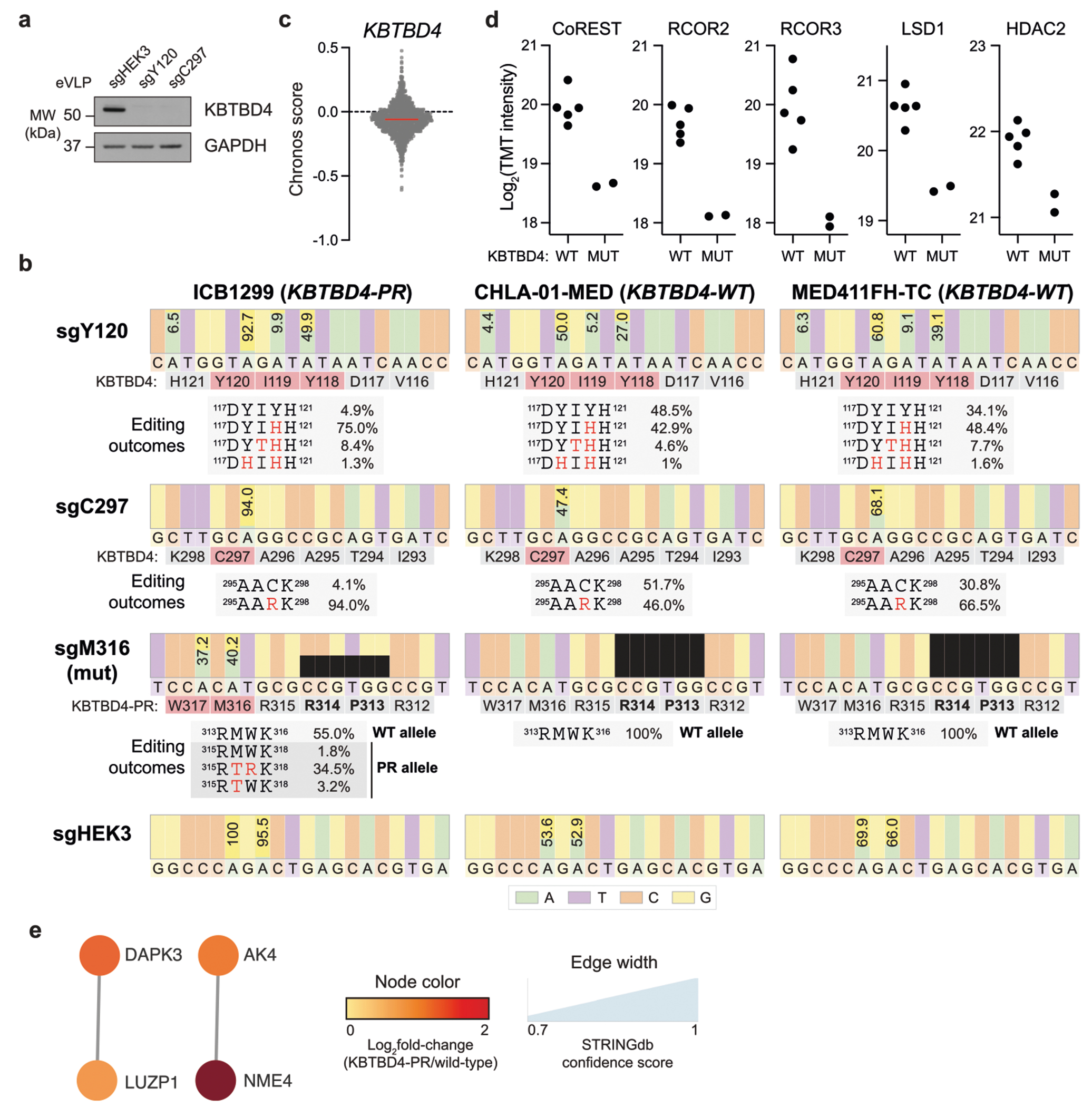
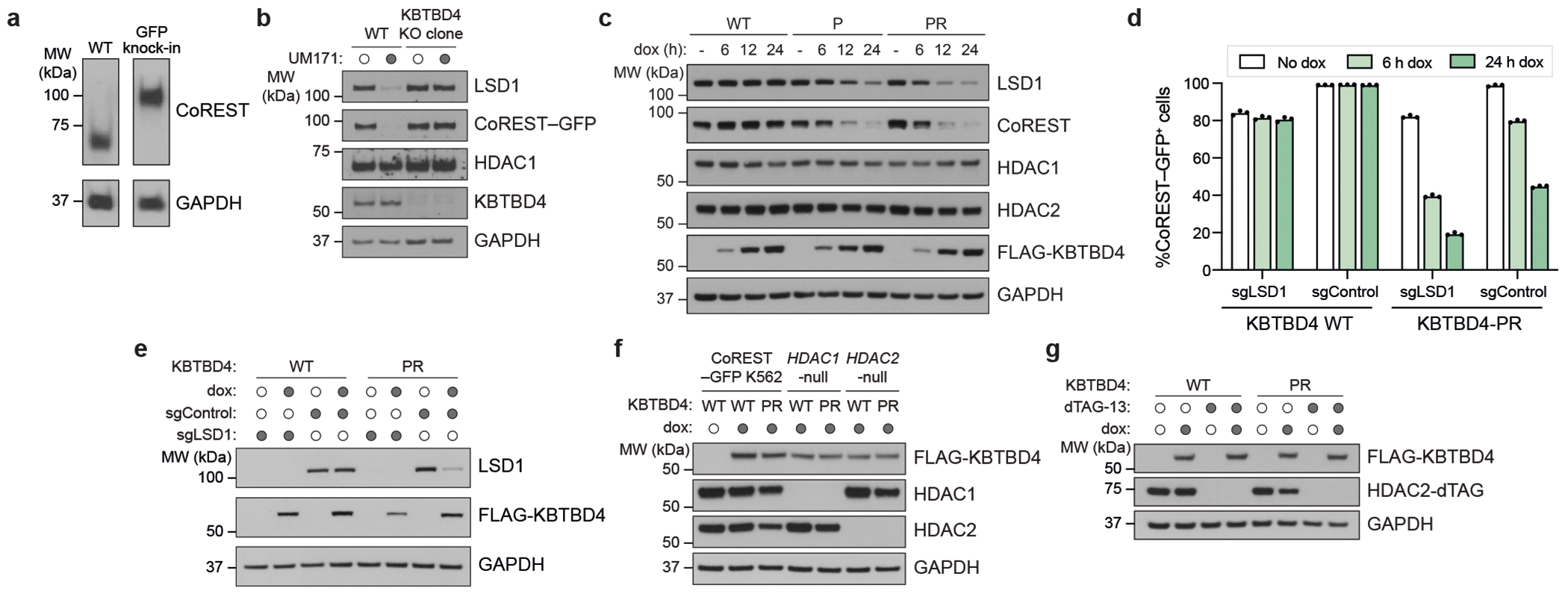
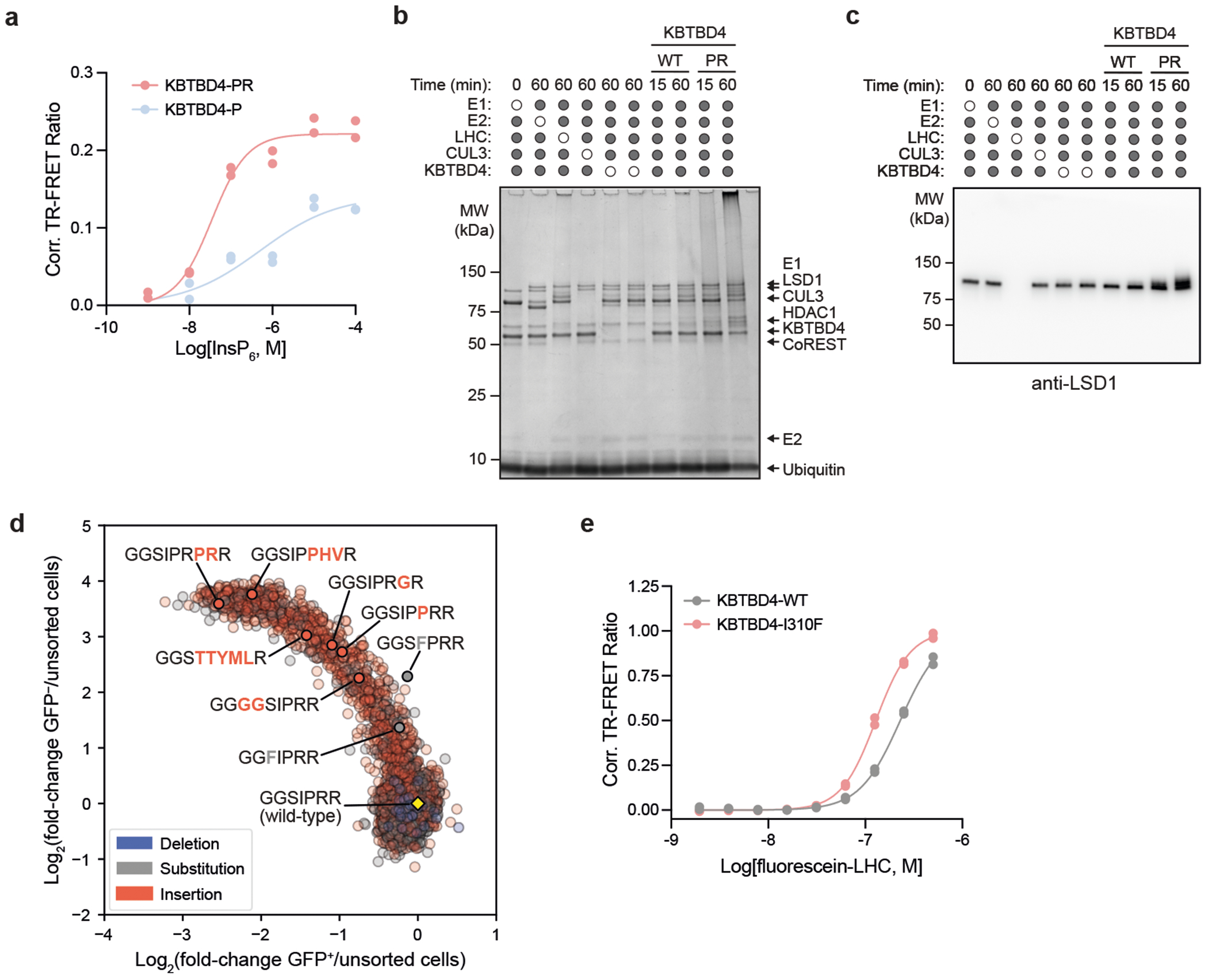
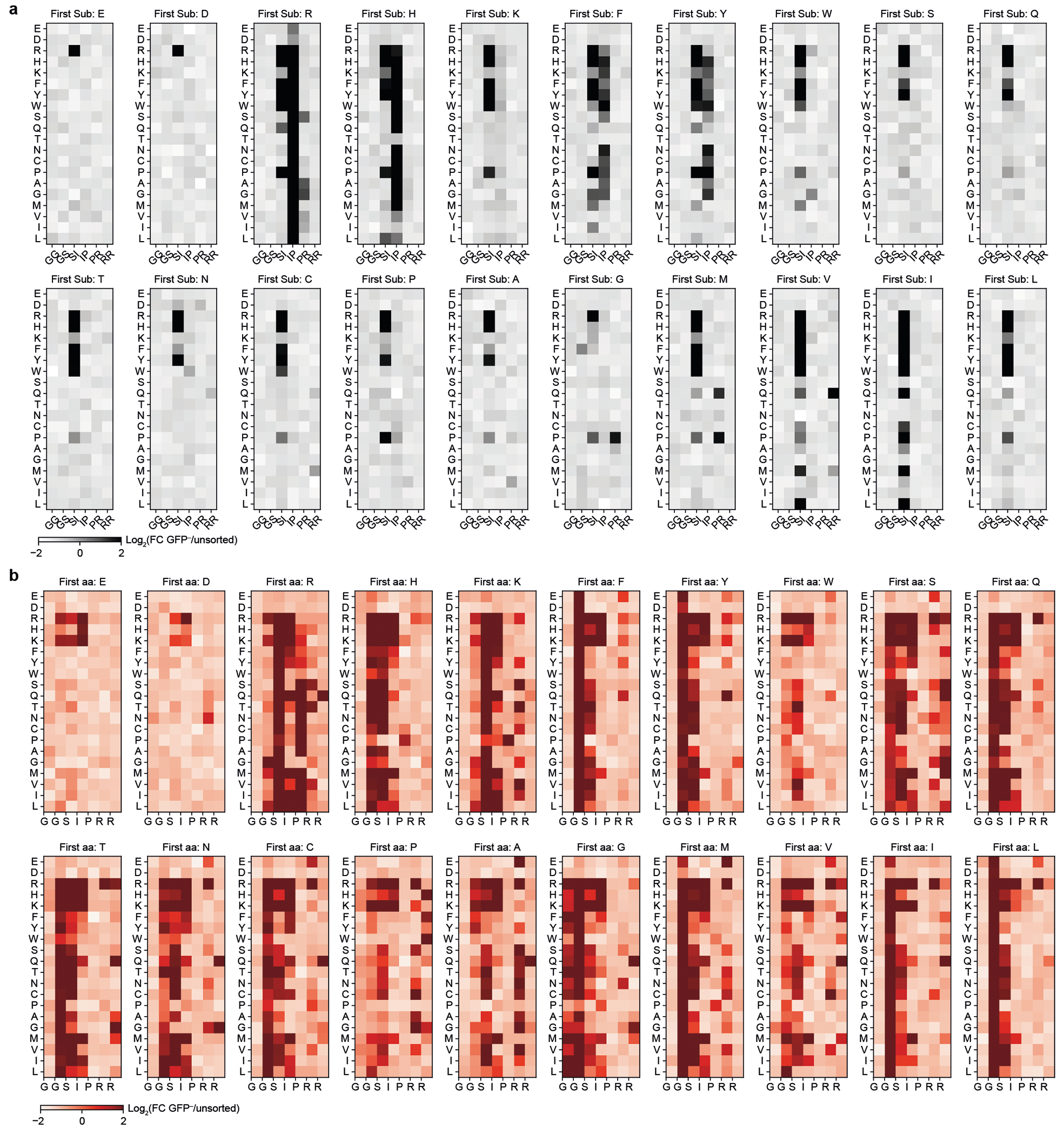
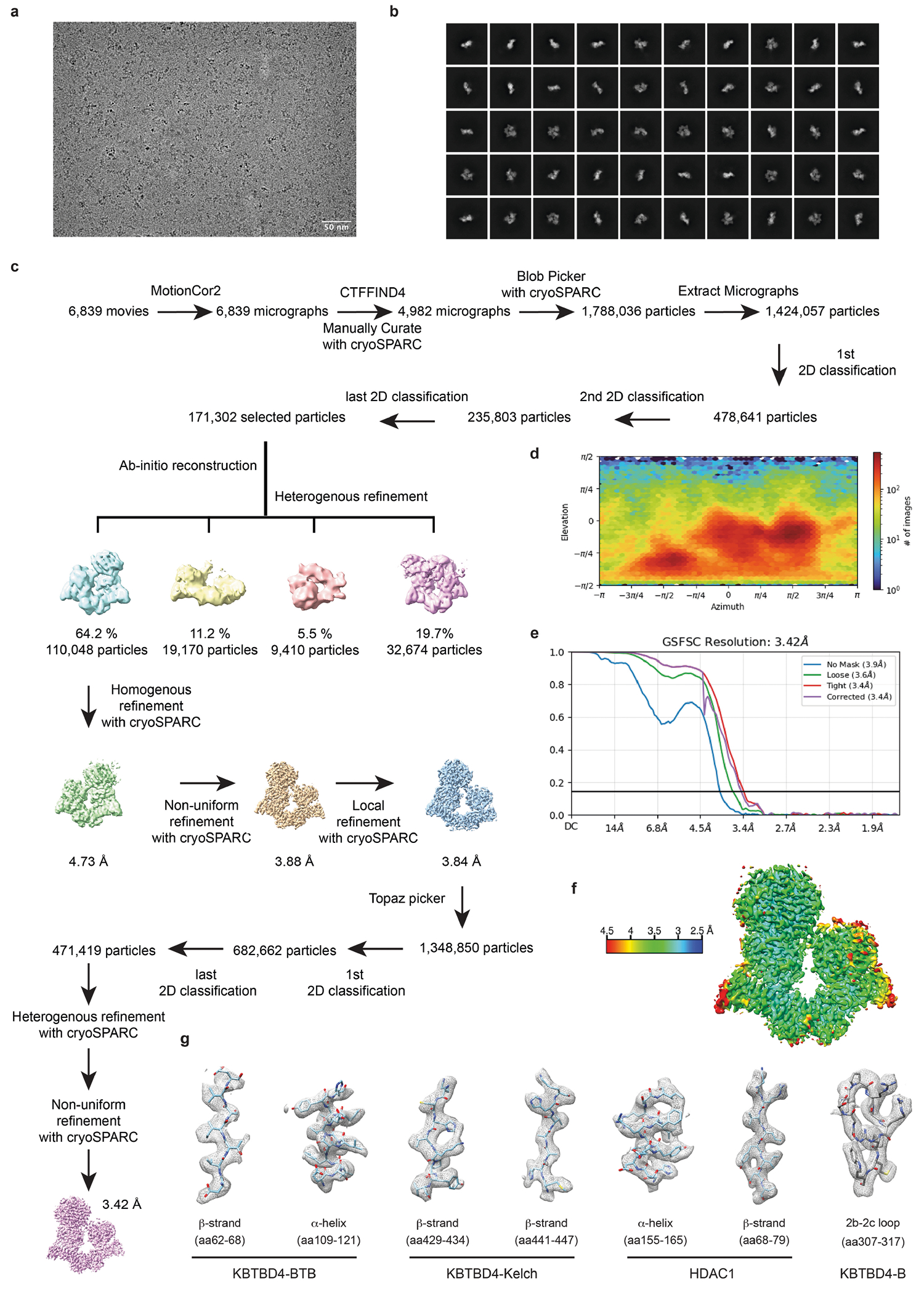
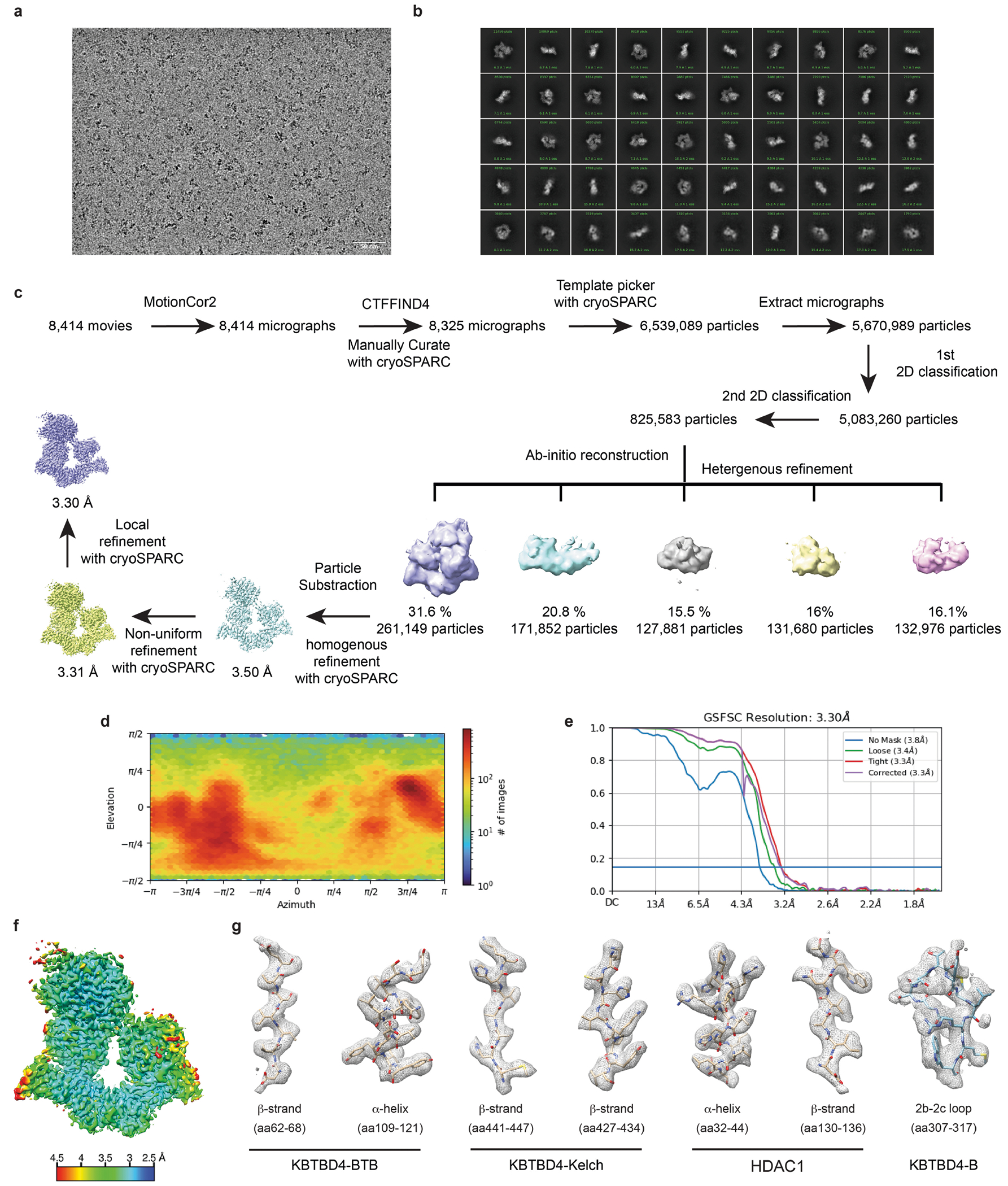
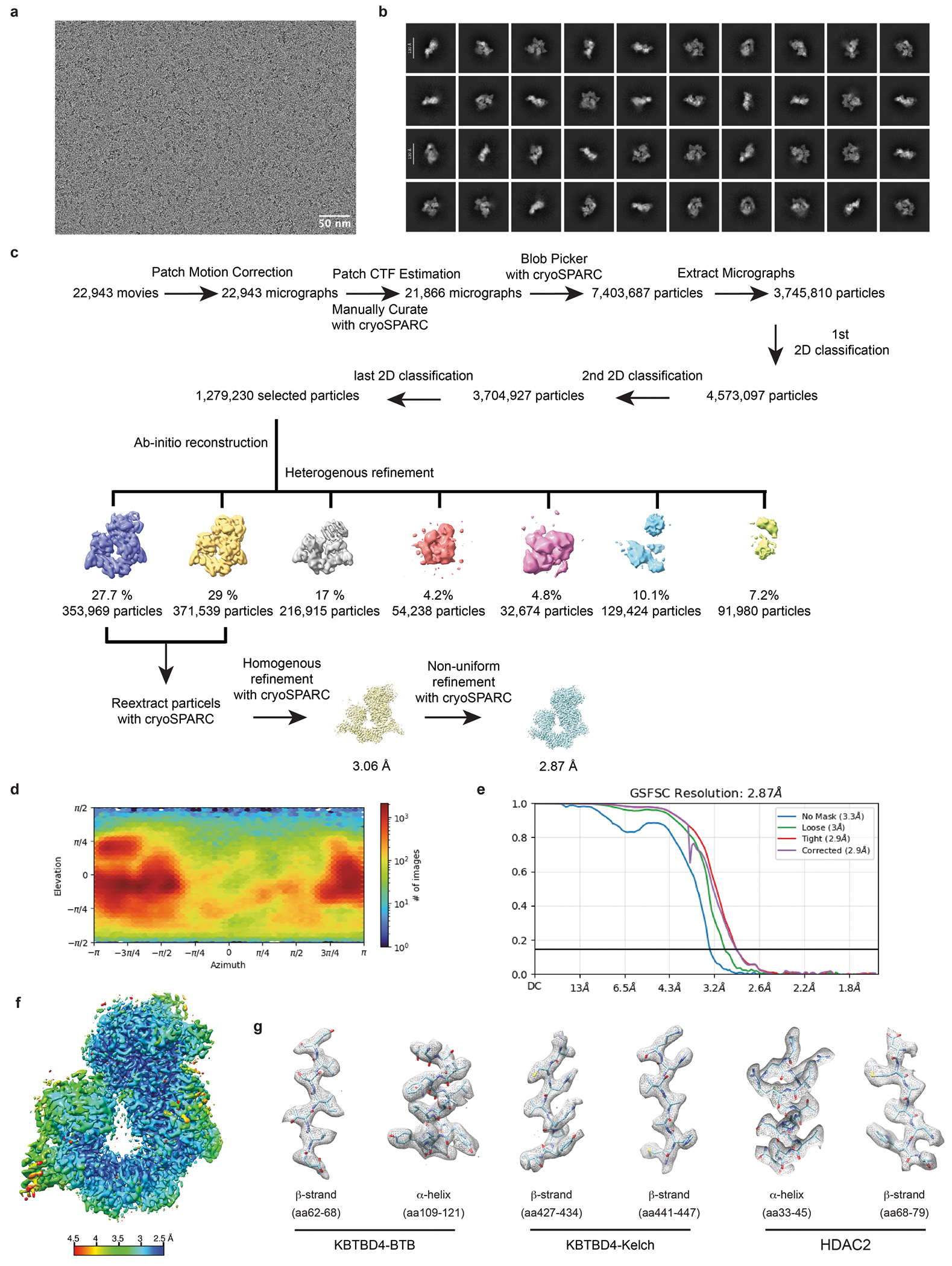
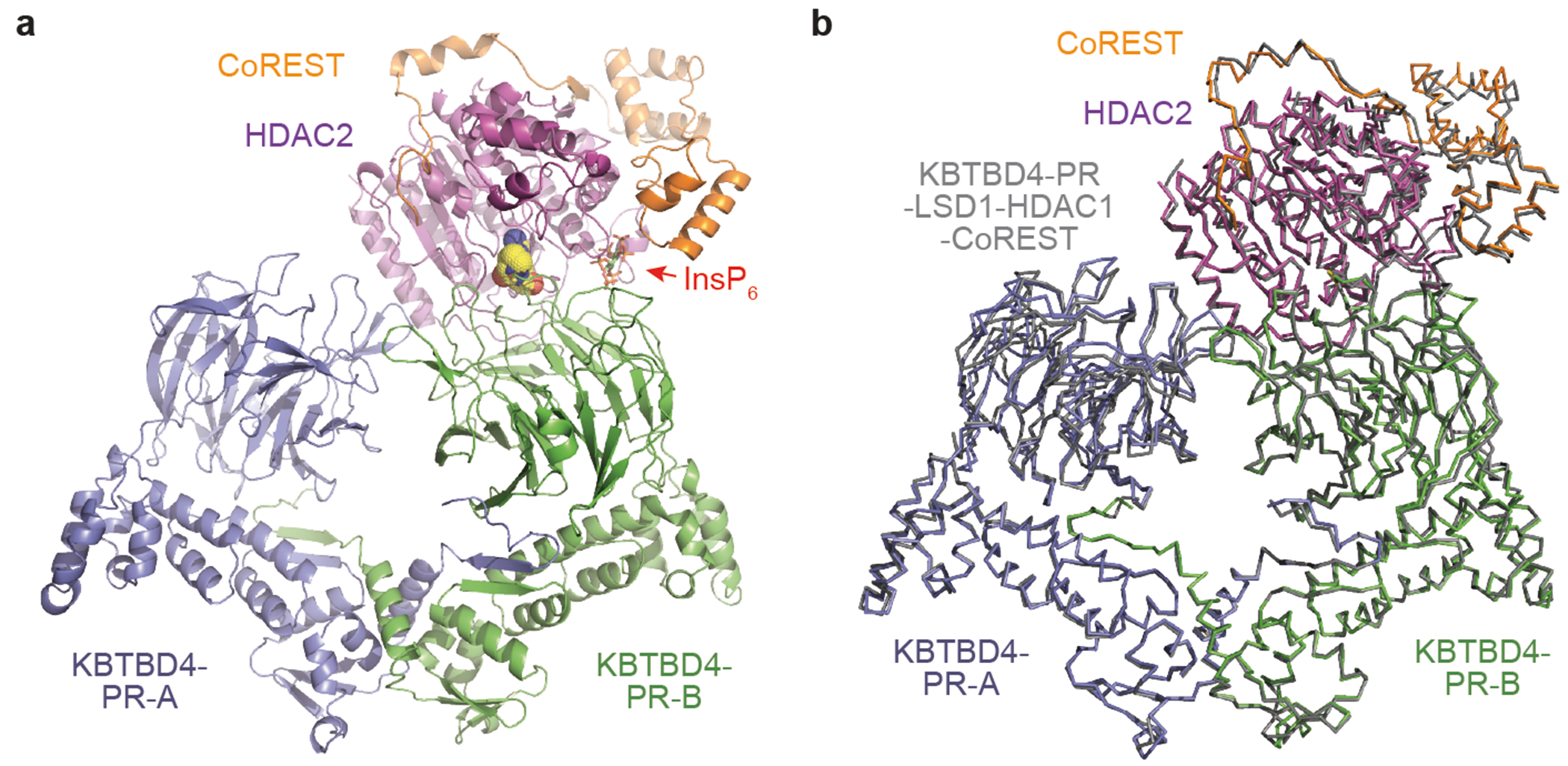
Verification
Claims the paper makes
The claims and statistics of this paper haven’t been checked yet.
Free: it reads the open-access text and checks the first 5 claims that cite a source we can check. Create a free account to check every claim.
Claims other papers make about this one
Each is checked against this paper’s own text: does it say what the citing paper says it does?
The source backs part of the claim, not all of it — or backs it for a different population, condition or comparison.
In the citing paper
“Taken together, our findings provide another example that the underlying principles of molecular glue mechanisms might be rooted in the partial mimicry of naturally occurring PPIs at preexisting sites of high PPI propensity, interactions that are further enhanced by a matching molecular glue1,10,11,50–54.”
From Cereblon induces G3BP2 neosubstrate degradation using molecular surface mimicry (2026) · cites this paper as [53]
Experimental — accuracy not yet measuredThe cited source says what the claim attributes to it.
In the citing paper
“uM171, a well-established compound currently being evaluated in multiple Phase ii clinical trials (Nct04103879, Nct03913026, Nct03441958), has recently had its degrader mechanism-of-action retrospectively elucidated (Xie et al. 2025;yeo et al. 2025).”
From From serendipity to strategy: molecular glue degraders in cancer therapeutics (2025) · cites this paper as Xie et al. 2025
Self-check
Percentages, sums and reported differences re-computed from the paper’s own numbers.
The self-check needs the paper’s full text.
Citations
Cites
UCSF Chimera—A visualization system for exploratory research and analysis
Pettersen, E. F., Goddard, T. D., Huang, C. C., Couch, G. S., Greenblatt, D. M., Meng, E. C., & Ferrin, T. E. (2004) · Journal of Computational Chemistry · doi:10.1002/jcc.20084 · Cited by 45,828
limma powers differential expression analyses for RNA-sequencing and microarray studies
Ritchie, M. E., Phipson, B., Wu, D., Hu, Y., Law, C. W., Shi, W., & Smyth, G. K. (2015) · Nucleic Acids Research · doi:10.1093/nar/gkv007 · Cited by 40,458 · cited 1×
“Differentially expressed proteins were identified using an empirical Bayes-moderated t -test to compare treatment groups with the limma R package (v.3.54.2) 50 .”
InfluentialFeatures and development of Coot
Emsley, P., Lohkamp, B., Scott, W. G., & Cowtan, K. (2010) · Acta Crystallographica Section D Biological Crystallography · doi:10.1107/s0907444910007493 · Cited by 29,915
cryoSPARC: algorithms for rapid unsupervised cryo-EM structure determination
Punjani, A., Rubinstein, J. L., Fleet, D. J., & Brubaker, M. A. (2017) · Nature Methods · doi:10.1038/nmeth.4169 · Cited by 11,626
Genome engineering using the CRISPR-Cas9 system
Ran, F. A., Hsu, P. D., Wright, J., Agarwala, V., Scott, D. A., & Zhang, F. (2013) · Nature Protocols · doi:10.1038/nprot.2013.143 · Cited by 11,133
Szklarczyk, D., Kirsch, R., Koutrouli, M., Nastou, K., Mehryary, F., Hachilif, R., Gable, A. L., Fang, T., Doncheva, N. T., Pyysalo, S., et al. (2023) · Nucleic Acids Research · doi:10.1093/nar/gkac1000 · Cited by 9,726 · cited 1×
“PPI networks were constructed using STRINGdb (v.12) 51 , with a confidence threshold greater than 0.7.”
InfluentialColabFold - Making protein folding accessible to all
Mirdita, M., Schütze, K., Moriwaki, Y., Heo, L., Ovchinnikov, S., & Steinegger, M. (2021) · doi:10.1101/2021.08.15.456425 · Cited by 9,391 · cited 1×
“62).”
Automated electron microscope tomography using robust prediction of specimen movements
Mastronarde, D. N. (2005) · Journal of Structural Biology · doi:10.1016/j.jsb.2005.07.007 · Cited by 5,336
PHENIX : building new software for automated crystallographic structure determination
Adams, P. D., Grosse-Kunstleve, R. W., Hung, L.-W., Ioerger, T. R., McCoy, A. J., Moriarty, N. W., Read, R. J., Sacchettini, J. C., Sauter, N. K., & Terwilliger, T. C. (2002) · Acta Crystallographica Section D Biological Crystallography · doi:10.1107/s0907444902016657 · Cited by 4,361
Real-space refinement in PHENIX for cryo-EM and crystallography
Afonine, P. V., Poon, B. K., Read, R. J., Sobolev, O. V., Terwilliger, T. C., Urzhumtsev, A., & Adams, P. D. (2018) · Acta Crystallographica Section D Structural Biology · doi:10.1107/s2059798318006551 · Cited by 3,281
Defining a Cancer Dependency Map
Tsherniak, A., Vazquez, F., Montgomery, P. G., Weir, B. A., Kryukov, G., Cowley, G. S., Gill, S., Harrington, W. F., Pantel, S., Krill-Burger, J. M., et al. (2017) · Cell · doi:10.1016/j.cell.2017.06.010 · Cited by 3,276 · cited 1×
“1c) 23 .”
Non-uniform refinement: adaptive regularization improves single-particle cryo-EM reconstruction
Punjani, A., Zhang, H., & Fleet, D. J. (2020) · Nature Methods · doi:10.1038/s41592-020-00990-8 · Cited by 1,683
CRISPResso2 provides accurate and rapid genome editing sequence analysis
Clement, K., Rees, H., Canver, M. C., Gehrke, J. M., Farouni, R., Hsu, J. Y., Cole, M. A., Liu, D. R., Joung, J. K., Bauer, D. E., et al. (2019) · Nature Biotechnology · doi:10.1038/s41587-019-0032-3 · Cited by 1,660
Xu, P., Duong, D. M., Seyfried, N. T., Cheng, D., Xie, Y., Robert, J., Rush, J., Hochstrasser, M., Finley, D., & Peng, J. (2009) · Cell · doi:10.1016/j.cell.2009.01.041 · Cited by 1,136
The dTAG system for immediate and target-specific protein degradation
Nabet, B., Roberts, J. M., Buckley, D. L., Paulk, J., Dastjerdi, S., Yang, A., Leggett, A. L., Erb, M. A., Lawlor, M. A., Souza, A., et al. (2018) · Nature Chemical Biology · doi:10.1038/s41589-018-0021-8 · Cited by 1,118 · cited 1×
“To test this notion, we generated an HDAC1 -null cell line containing endogenous HDAC2-dTAG knock-in, which permits conditional HDAC1/2 double knockout upon dTAG-13 treatment 24,25 .”
The whole-genome landscape of medulloblastoma subtypes
Northcott, P. A., Buchhalter, I., Morrissy, A. S., Hovestadt, V., Weischenfeldt, J., Ehrenberger, T., Gröbner, S., Segura-Wang, M., Zichner, T., Rudneva, V. A., et al. (2017) · Nature · doi:10.1038/nature22973 · Cited by 1,112 · cited 1×
“In the case of KBTBD4, both point substitutions and diverse indels can occur in group 3 and 4 MB, with a marked bias towards the latter 3 .”
Self-citationWelcker, M., & Clurman, B. E. (2008) · Nature Reviews Cancer · doi:10.1038/nrc2290 · Cited by 1,084
Small-Molecule Inhibitors of Protein-Protein Interactions: Progressing toward the Reality
Arkin, M. R., Tang, Y., & Wells, J. A. (2014) · Chemistry & Biology · doi:10.1016/j.chembiol.2014.09.001 · Cited by 1,065
Chemical phylogenetics of histone deacetylases
Bradner, J. E., West, N., Grachan, M. L., Greenberg, E. F., Haggarty, S. J., Warnow, T., & Mazitschek, R. (2010) · Nature Chemical Biology · doi:10.1038/nchembio.313 · Cited by 720 · cited 1×
“28,41), which may not occur on the time scale of the in vitro experiments.”
Self-citationEngineered Virus-like Particles for Efficient in Vivo Delivery of Therapeutic Proteins
Banskota, S., Raguram, A., Suh, S., Du, S. W., Davis, J. R., Choi, E. H., Wang, X., Nielsen, S. C., Newby, G. A., Randolph, P. B., et al. (2022) · Cell · doi:10.1016/j.cell.2021.12.021 · Cited by 668 · cited 2×
“eVLPs were produced as previously described 22 .”
Schreiber, S. L. (2021) · Cell · doi:10.1016/j.cell.2020.12.020 · Cited by 598
Pyrimidoindole derivatives are agonists of human hematopoietic stem cell self-renewal
Fares, I., Chagraoui, J., Gareau, Y., Gingras, S., Ruel, R., Mayotte, N., Csaszar, E., Knapp, D. J. H. F., Miller, P., Ngom, M., et al. (2014) · Science · doi:10.1126/science.1256337 · Cited by 565
Logomaker: beautiful sequence logos in Python
Tareen, A., & Kinney, J. B. (2020) · Bioinformatics · doi:10.1093/bioinformatics/btz921 · Cited by 526
Lauffer, B. E. L., Mintzer, R., Fong, R., Mukund, S., Tam, C., Zilberleyb, I., Flicke, B., Ritscher, A., Fedorowicz, G., Vallero, R., et al. (2013) · Journal of Biological Chemistry · doi:10.1074/jbc.m113.490706 · Cited by 429 · cited 1×
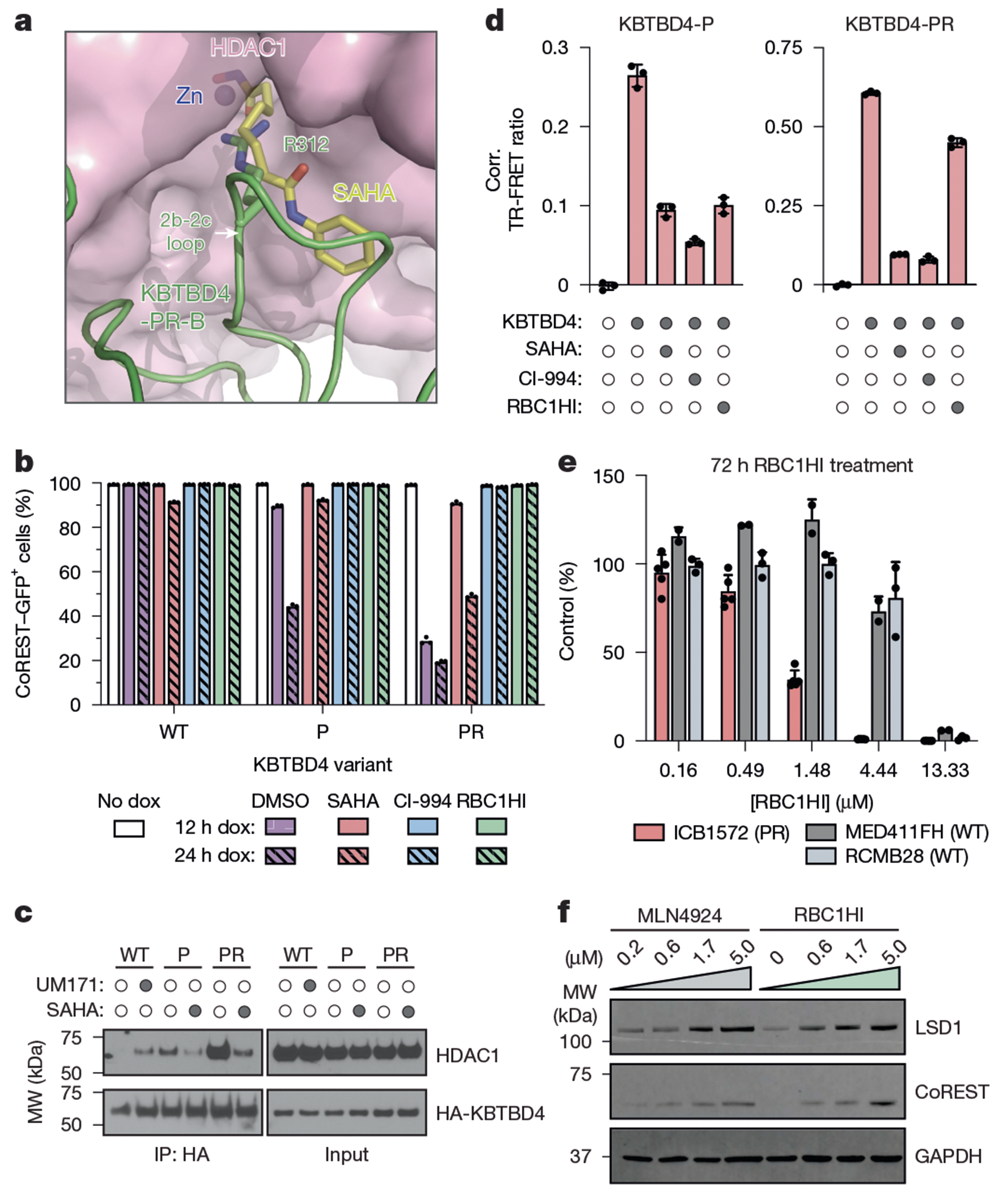
“Superposition analysis of KBTBD4-PR–HDAC1 with HDAC2 bound to suberoylanilide hydroxamic acid (SAHA) supports the notion that an HDAC1/2 inhibitor and the inserted arginine residue might physically clash 38 (Fig.”
ColabFold - Making protein folding accessible to all
Ovchinnikov, S., Steinegger, M., Mirdita, M., konsti, Moriwaki, Y., Kim, R. S., Wang, P., Kosinski, J., Tadej Satler, P., Cha, S., et al. (2021) · bioRxiv (Cold Spring Harbor Laboratory) · doi:10.5281/zenodo.5123296 · Cited by 425
Real-space refinement in PHENIX for cryo-EM and crystallography
Afonine, P. V., Poon, B. K., Read, R. J., Sobolev, O. V., Terwilliger, T. C., Urzhumtsev, A., & Adams, P. D. (2018) · eScholarship (California Digital Library) · Cited by 374
Montgomery, S. B., Goode, D. L., Kvikstad, E., Albers, C. A., Zhang, Z. D., Mu, X. J., Ananda, G., Howie, B., Karczewski, K. J., Smith, K. S., et al. (2013) · Genome Research · doi:10.1101/gr.148718.112 · Cited by 253
Insights into the activation mechanism of class I HDAC complexes by inositol phosphates
Watson, P. J., Millard, C. J., Riley, A. M., Robertson, N. S., Wright, L. C., Godage, H. Y., Cowley, S. M., Jamieson, A. G., Potter, B. V. L., & Schwabe, J. W. R. (2016) · Nature Communications · doi:10.1038/ncomms11262 · Cited by 244
Targeting the CoREST complex with dual histone deacetylase and demethylase inhibitors
Kalin, J. H., Wu, M., Gomez, A. V., Song, Y., Das, J., Hayward, D., Adejola, N., Wu, M., Panova, I., Chung, H. J., et al. (2018) · Nature Communications · doi:10.1038/s41467-017-02242-4 · Cited by 229
Self-citationComprehensive characterization of protein–protein interactions perturbed by disease mutations
Cheng, F., Zhao, J., Wang, Y., Lu, W., Liu, Z., Zhou, Y., Martin, W. R., Wang, R., Huang, J., Hao, T., et al. (2021) · Nature Genetics · doi:10.1038/s41588-020-00774-y · Cited by 227
Pimelic Diphenylamide 106 Is a Slow, Tight-binding Inhibitor of Class I Histone Deacetylases
Chou, C. J., Herman, D., & Gottesfeld, J. M. (2008) · Journal of Biological Chemistry · doi:10.1074/jbc.m807045200 · Cited by 223 · cited 1×
“In agreement, treatment with SAHA and CI-994, a 2-amino-benzamide-derived inhibitor 39 , could rescue CoREST degradation induced by KBTBD4-P and KBTBD4-PR expression (Fig.”
JUMP: a tag-based database search tool for peptide identification with high sensitivity and accuracy
Wang, X., Li, Y., Wu, Z., Wang, H., Tan, H., & Peng, J. (2014) · Molecular & Cellular Proteomics · doi:10.1074/mcp.o114.039586 · Cited by 194 · cited 2×
“The computational processing of identification and quantification was performed with the JUMP search engine 47 .”
Self-citationUnified rhombic lip origins of group 3 and group 4 medulloblastoma
Smith, K. S., Bihannic, L., Gudenas, B. L., Haldipur, P., Tao, R., Gao, Q., Li, Y., Aldinger, K. A., Iskusnykh, I. Y., Chizhikov, V. V., et al. (2022) · Nature · doi:10.1038/s41586-022-05208-9 · Cited by 188
Self-citationAn Autism-Linked Mutation Disables Phosphorylation Control of UBE3A
Yi, J. J., Berrios, J., Newbern, J. M., Snider, W. D., Philpot, B. D., Hahn, K. M., & Zylka, M. J. (2015) · Cell · doi:10.1016/j.cell.2015.06.045 · Cited by 177 · cited 1×
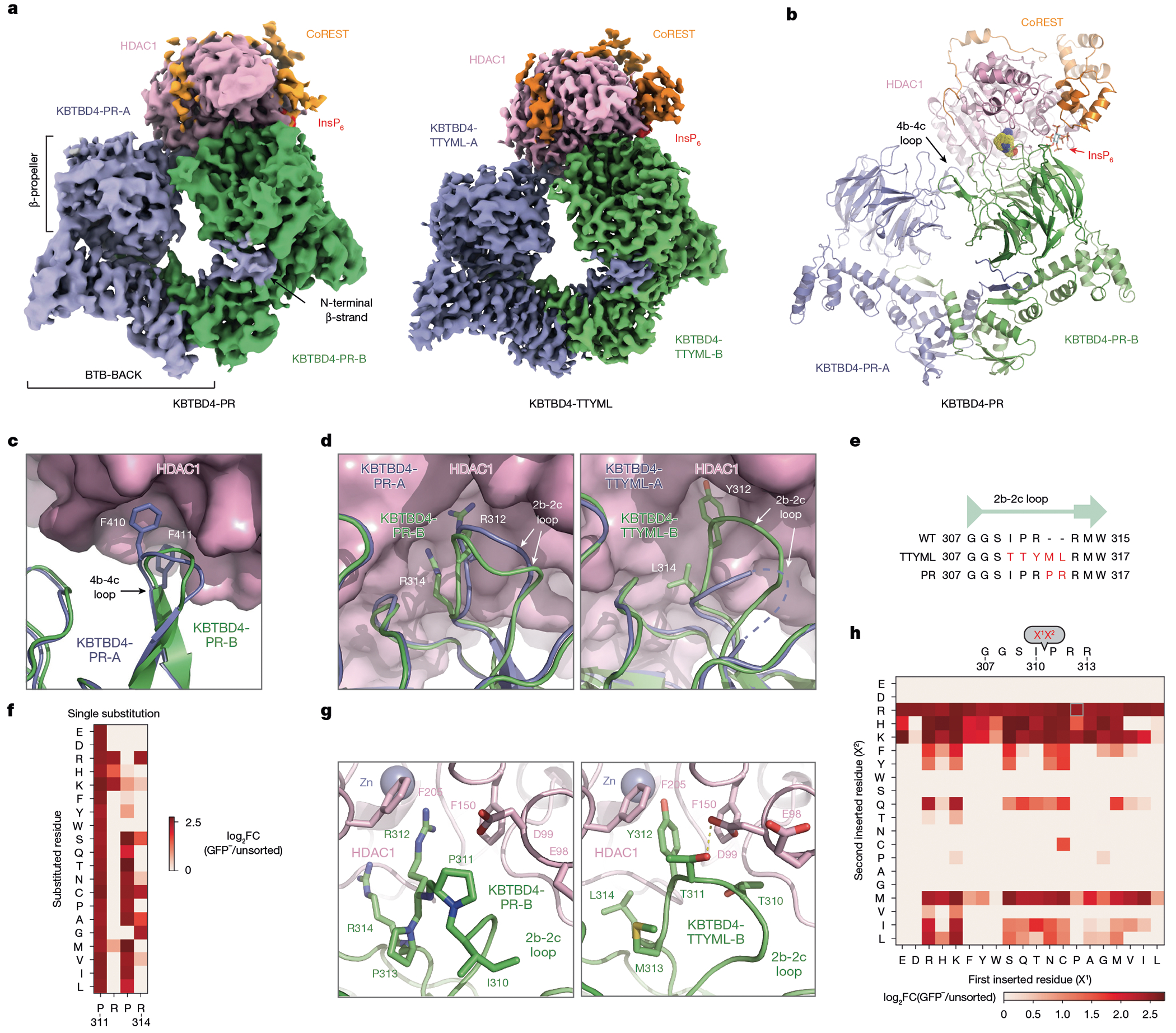
“These mutations occur in a hotspot in the 2b-2c loop of the KELCH-repeat β-propeller and comprise considerable molecular diversity, spanning 1–5-amino-acid insertion–deletions (indels or delins) as well as point substitutions 3 (Fig.”
A Comprehensive Atlas of E3 Ubiquitin Ligase Mutations in Neurological Disorders
George, A. J., Hoffiz, Y. C., Charles, A. J., Zhu, Y., & Mabb, A. M. (2018) · Frontiers in Genetics · doi:10.3389/fgene.2018.00029 · Cited by 172
Mechanism of a genetic glissando*: structural biology of indel mutations
García–Díaz, M., & Kunkel, T. A. (2006) · Trends in Biochemical Sciences · doi:10.1016/j.tibs.2006.02.004 · Cited by 163
Von Hippel–Lindau disease: insights into oxygen sensing, protein degradation, and cancer
Kaelin, W. G. (2022) · Journal of Clinical Investigation · doi:10.1172/jci162480 · Cited by 161
Structural basis and regulation of the reductive stress response
Manford, A. G., Mena, E. L., Shih, K. Y., Gee, C. L., McMinimy, R., Martínez-González, B., Sherriff, R., Lew, B., Zoltek, M., Rodríguez-Pérez, F., et al. (2021) · Cell · doi:10.1016/j.cell.2021.09.002 · Cited by 152
Stabilizing mutations of KLHL24 ubiquitin ligase cause loss of keratin 14 and human skin fragility
Lin, Z., Li, S., Feng, C., Yang, S., Wang, H., Ma, D., Zhang, J., Gou, M., Bu, D., Zhang, T., et al. (2016) · Nature Genetics · doi:10.1038/ng.3701 · Cited by 149
Wu, C., Huang, X., Cheng, J., Zhu, D., & Zhang, X. (2019) · Journal of Structural Biology · doi:10.1016/j.jsb.2019.09.013 · Cited by 147
Impaired cell fate through gain-of-function mutations in a chromatin reader
Wan, L., Chong, S., Xuan, F., Liang, A., Cui, X., Gates, L., Carroll, T. S., Li, Y., Feng, L., Chen, G., et al. (2020) · Nature · doi:10.1038/s41586-019-1842-7 · Cited by 147
Self-citationMechanism of Crosstalk between the LSD1 Demethylase and HDAC1 Deacetylase in the CoREST Complex
Song, Y., Dagil, L., Fairall, L., Robertson, N., Wu, M., Ragan, T. J., Savva, C. G., Saleh, A., Morone, N., Kunze, M. B. A., et al. (2020) · Cell Reports · doi:10.1016/j.celrep.2020.01.091 · Cited by 137
Self-citationDefining molecular glues with a dual-nanobody cannabidiol sensor
Cao, S., Kang, S., Mao, H., Yao, J., Gu, L., & Zheng, N. (2022) · Nature Communications · doi:10.1038/s41467-022-28507-1 · Cited by 125 · cited 1×
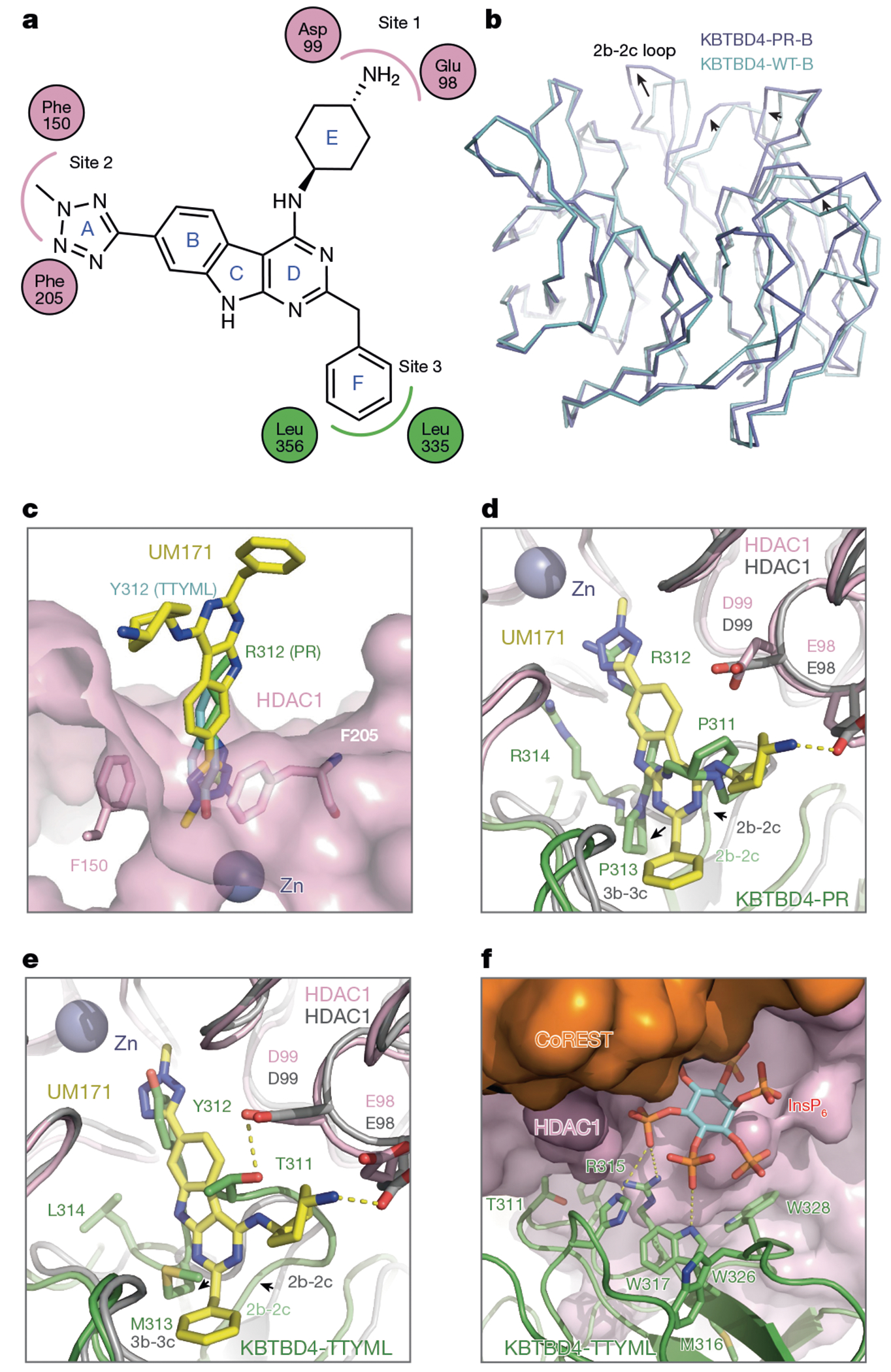
“We have previously shown that most molecular glues operate by potentiating weak, intrinsic interactions between two proteins 42 .”
Self-citationBackwell, L., & Marsh, J. A. (2022) · Annual Review of Genomics and Human Genetics · doi:10.1146/annurev-genom-111221-103208 · Cited by 122
Niu, M., Cho, J.-H., Kodali, K., Pagala, V., High, A. A., Wang, H., Wu, Z., Li, Y., Bi, W., Zhang, H., et al. (2017) · Analytical Chemistry · doi:10.1021/acs.analchem.6b04415 · Cited by 118
Self-citationChagraoui, J., Girard, S., Spinella, J.-F., Simon, L., Bonneil, E., Mayotte, N., MacRae, T., Coulombe-Huntington, J., Bertomeu, T., Moison, C., et al. (2021) · Cell Stem Cell · doi:10.1016/j.stem.2020.12.002 · Cited by 93
CRISPR-suppressor scanning reveals a nonenzymatic role of LSD1 in AML
Vinyard, M. E., Su, C., Siegenfeld, A. P., Waterbury, A. L., Freedy, A. M., Gosavi, P. M., Park, Y., Kwan, E. E., Senzer, B. D., Doench, J. G., et al. (2019) · Nature Chemical Biology · doi:10.1038/s41589-019-0263-0 · Cited by 92
Self-citationSong, L., Yao, X., Li, H., Peng, B., Boka, A. P., Liu, Y., Chen, G., Liu, Z., Mathias, K. M., Xia, L., et al. (2022) · Molecular Cell · doi:10.1016/j.molcel.2022.09.034 · Cited by 90
Self-citationSystematic discovery of mutation-directed neo-protein-protein interactions in cancer
Mo, X., Niu, Q., Ivanov, A. A., Tsang, Y. H., Tang, C., Shu, C., Li, Q., Qian, K., Wahafu, A., Doyle, S. P., et al. (2022) · Cell · doi:10.1016/j.cell.2022.04.014 · Cited by 77
Schumacher, F.-R., Sorrell, F. J., Alessi, D. R., Bullock, A. N., & Kurz, T. (2014) · Biochemical Journal · doi:10.1042/bj20140153 · Cited by 76 · cited 1×
“36), the mutant E3 dimers do not use the top surface of their β -propellers to recognize HDAC1.”
Quantitative Protein Analysis by Mass Spectrometry
Pagala, V., High, A. A., Wang, X., Tan, H., Kodali, K., Mishra, A., Kavdia, K., Xu, Y., Wu, Z., & Peng, J. (2015) · Methods in molecular biology · doi:10.1007/978-1-4939-2425-7_17 · Cited by 74
Bright and stable luminescent probes for target engagement profiling in live cells
Payne, N. C., Kalyakina, A. S., Singh, K., Tye, M. A., & Mazitschek, R. (2021) · Nature Chemical Biology · doi:10.1038/s41589-021-00877-5 · Cited by 73
Self-citationDeregulation of SPOP in Cancer
Zhang, H., Jin, X., & Huang, H. (2022) · Cancer Research · doi:10.1158/0008-5472.can-22-2801 · Cited by 71
Lee, J. C., Mazor, T., Lao, R., Wan, E., Diallo, A. B., Hill, N. S., Thangaraj, N., Wendelsdorf, K., Samuel, D., Kline, C. N., et al. (2019) · Acta Neuropathologica · doi:10.1007/s00401-019-01990-5 · Cited by 71
Fragoza, R., Das, J., Wierbowski, S. D., Liang, J., Tran, T. N., Liang, S., Beltran, J. F., Rivera-Erick, C. A., Ye, K., Wang, T.-Y., et al. (2019) · Nature Communications · doi:10.1038/s41467-019-11959-3 · Cited by 70
Self-citationMacdonald, C. B., Nedrud, D., Grimes, P. R., Trinidad, D., Fraser, J. S., & Coyote-Maestas, W. (2023) · Genome Biology · doi:10.1186/s13059-023-02880-6 · Cited by 66
UM171 glues asymmetric CRL3–HDAC1/2 assembly to degrade CoREST corepressors
Yeo, M. J. R., Zhang, O., Xie, X., Nam, E., Payne, N. C., Gosavi, P. M., Kwok, H. S., Iram, I., Lee, C., Li, J., et al. (2025) · Nature · doi:10.1038/s41586-024-08532-4 · Cited by 58 · cited 1×
“37).”
Self-citationDempsey, D. R., Jiang, H., Kalin, J. H., Chen, Z., & Cole, P. A. (2018) · Journal of the American Chemical Society · doi:10.1021/jacs.8b05098 · Cited by 54
Self-citationEndersby, R., Whitehouse, J. P., Pribnow, A. K., Kuchibhotla, M., Hii, H. L., Carline, B., Gande, S., Stripay, J. L., Ancliffe, M., Howlett, M., et al. (2021) · Science Translational Medicine · doi:10.1126/scitranslmed.aba7401 · Cited by 52
Higher-order SPOP assembly reveals a basis for cancer mutant dysregulation
Cuneo, M. J., O’Flynn, B. G., Lo, Y., Sabri, N., & Mittag, T. (2023) · Molecular Cell · doi:10.1016/j.molcel.2022.12.033 · Cited by 43
Chen, Z., Ioris, R. M., Richardson, S., Van Ess, A. N., Vendrell, I., Kessler, B. M., Buffa, F. M., Busino, L., Clifford, S. C., Bullock, A. N., et al. (2022) · Cell Death & Differentiation · doi:10.1038/s41418-022-00983-4 · Cited by 41 · cited 4×
“The most common mutations include P311delinsPP and R313delinsPRR (abbreviated as P and PR, hereafter), which promote the neomorphic degradation of the CoREST and LSD1 subunits of the LSD1–HDAC1/2–CoREST (LHC) complex 5 .”
InfluentialSelf-citationFitness Effects of Single Amino Acid Insertions and Deletions in TEM-1 β-Lactamase
Gonzalez, C. E., Roberts, P., & Ostermeier, M. (2019) · Journal of Molecular Biology · doi:10.1016/j.jmb.2019.04.030 · Cited by 41
Resolving the deceptive isoform and complex selectivity of HDAC1/2 inhibitors
Payne, N. C., & Mazitschek, R. (2022) · Cell chemical biology · doi:10.1016/j.chembiol.2022.03.002 · Cited by 38
Self-citationCollateral lethality between HDAC1 and HDAC2 exploits cancer-specific NuRD complex vulnerabilities
Zhang, Y., Remillard, D., Onubogu, U., Karakyriakou, B., Asiaban, J. N., Ramos, A. R., Bowland, K., Bishop, T. R., Barta, P. A., Nance, S., et al. (2023) · Nature Structural & Molecular Biology · doi:10.1038/s41594-023-01041-4 · Cited by 36
Topolska, M., Beltran, A., & Lehner, B. (2025) · Nature Communications · doi:10.1038/s41467-025-57510-5 · Cited by 33
Pryce, K. D., Serafini, R. A., Ramakrishnan, A., Nicolais, A., Giosan, I. M., Polizu, C., Torres‐Berrío, A., Vuppala, S., Kronman, H. G., Ruiz, A., et al. (2023) · Nature Neuroscience · doi:10.1038/s41593-023-01350-3 · Cited by 23
Self-citationTopolska, M., Beltran, T., & Lehner, B. (2023) · bioRxiv (Cold Spring Harbor Laboratory) · doi:10.1101/2023.10.06.561180 · Cited by 18
Ubiquitin Ligase Activities of WWP1 Germline Variants K740N and N745S
Jiang, H., Dempsey, D. R., & Cole, P. A. (2021) · Biochemistry · doi:10.1021/acs.biochem.0c00869 · Cited by 12
Self-citationQuantitative Phosphoproteomic Analysis of Brain Tissues
Bai, B., Tan, H., & Peng, J. (2017) · Methods in molecular biology · doi:10.1007/978-1-4939-6952-4_8 · Cited by 11
Research works printed but not linked: 1
- DeLano WL PyMOL: an open-source molecular graphics tool. CCP4 Newsl. Protein Crystallogr 40, 82– 92 (2002).
Cited by
Targeted protein degradation for cancer therapy
Hinterndorfer, M., Spiteri, V. A., Ciulli, A., & Winter, G. E. (2025) · Nature Reviews Cancer · doi:10.1038/s41568-025-00817-8 · Cited by 210
“For example, mutations in the CRL3 substrate-receptor KBTBD4 recurrently found in medulloblastoma enhance its interaction with the histone deacetylase HDAC1 subunit of the CoREST transcriptional repressor complex 19,20 .”
Molecular glues and bifunctional compounds: Therapeutic modalities based on induced proximity
Schreiber, S. L. (2024) · Cell Chemical Biology · doi:10.1016/j.chembiol.2024.05.004 · Cited by 112
Induced proximity-based therapeutic modalities
King, E. A., Meyers, M., & Nomura, D. K. (2025) · Nature Reviews Drug Discovery · doi:10.1038/s41573-025-01316-z · Cited by 74
Kumar, S., Venkatachalapathy, M., Sistla, R. K., & Poongavanam, V. (2024) · Drug Discovery Today · doi:10.1016/j.drudis.2024.104205 · Cited by 51
High-throughput ligand diversification to discover chemical inducers of proximity
Shaum, J. B., Ordoño, M. M. I., Steen, E. A., Wenge, D. V., Cheong, H., Janowski, J., Hunkeler, M., Bilotta, E. M., Rutter, Z. J., Barta, P. A., et al. (2026) · Nature Chemical Biology · doi:10.1038/s41589-025-02137-2 · Cited by 47
Metadata
- Authors
- Xie, X., Zhang, O., Yeo, M. J. R., Lee, C., Tao, R., Harry, S. A., Payne, N. C., Nam, E., Paul, L., Li, Y., Kwok, H. S., Jiang, H., Mao, H., Hadley, J. L., Lin, H., Batts, M., Gosavi, P. M., D’Angiolella, V., Cole, P. A., Mazitschek, R., Northcott, P. A., Zheng, N., & Liau, B. B.
- Affiliations
- Howard Hughes Medical Institute (US)
- Broad Institute (US)
- St. Jude Children's Research Hospital (US)
- Harvard University (US)
- Brigham and Women's Hospital (US)
- Edinburgh Cancer Research (GB)
- Corresponding author
- Zheng, Ning
- Liau, Brian B.
- ORCID
- Xie, Xiaowen
- Zhang, Olivia
- Yeo, Megan J. R.
- Lee, Ceejay
- Tao, Ran
- Harry, Stefan A.
- Payne, N. Connor
- Nam, Eunju
- Paul, Leena
- Li, Yiran
- Kwok, Hui Si
- Jiang, Hanjie
- Mao, Haibin
- Hadley, Jennifer L.
- Lin, Hong
- Batts, Melissa
- Gosavi, Pallavi M.
- D’Angiolella, Vincenzo
- Cole, Philip A.
- Mazitschek, Ralph
- Northcott, Paul A.
- Zheng, Ning
- Liau, Brian B.
- Venue
- Nature
- Published
- 2025-02-12
- Volume
- 639
- Issue
- 8053
- Pages
- 241-249
- ISSN
- 0028-0836 (ISSN-L)
- 1476-4687
- PMC
- PMC11882451
- OpenAlex
- W4407392249
- Semantic Scholar
- 20053a230a957fb70328b55938fb4391af65ce84
- Cited by
- 50
- References
- 69
- Citations by year
- 2026: 20 · 2025: 27
- FWCI
- 14.13
- Type
- journal article
- Language
- en
- Open access
- hybrid
- doi.org
- Licence
- cc-by
- creativecommons.org/licenses/by/4.0 (tdm)
- creativecommons.org/licenses/by/4.0 (vor)
- Locations
- Nature (publishedVersion, cc-by)
- bioRxiv (Cold Spring Harbor Laboratory) (acceptedVersion)
- PubMed Central (publishedVersion, cc-by)
- PubMed (publishedVersion)
- PubMed Central (submittedVersion)
- Digital Access to Scholarship at Harvard (DASH) (Harvard University) (submittedVersion, cc-by)
- RePEc: Research Papers in Economics (submittedVersion)
- Funders
- Cancer Research UK
- Medical Research Council (MR/X006980/1, MC_UU_00001/7)
- National Cancer Institute (P01CA096832, R01CA270785, R01CA274437)
- National Institute of General Medical Sciences (DP2GM137494, R35GM149229, R35GM153476)
- Topics
- Life Sciences › Biochemistry, Genetics and Molecular Biology › Molecular Biology › Protein Degradation and Inhibitors
- Life Sciences › Biochemistry, Genetics and Molecular Biology › Molecular Biology › Ubiquitin and proteasome pathways
- Health Sciences › Medicine › Oncology › Glioma Diagnosis and Treatment
- Keywords
- UM171, medulloblastoma, neomorphic mutations, gain-of-function mutations, HDAC1/2, LSD1, protein-protein interaction, molecular glues, histone deacetylase inhibitors, deep mutational scanning, cryo-electron microscopy, shape complementarity
About these checks
Registry, retraction, Cites and statistics results are computed, not judged, with one exception: a printed reference that no index lists is read once by a model before it counts as a citation error. Claims are extracted by a model and kept only when their quote appears verbatim in the text; each cited source is then checked, with a model’s help, for whether it says what the claim relies on. Those verdicts can be wrong — read the claim’s quote and the cited source before relying on one.
Statistics and arithmetic are recomputed, not judged.
Confidence bands are shown only for fields calibrated on our annotated test set. None is calibrated yet, so no band is shown.
What counts as a claim ›How we measure confidence ›How we check this ›
Are you an author, or do you see a problem with this page? Request a review
Data sources
Bibliographic data: Semantic Scholar, OpenAlex, Crossref.
Contains information from the Semantic Scholar Academic Graph Datasets, made available under the ODC Attribution License (ODC-BY 1.0).
Semantic Scholar’s data is described in: Kinney, R., et al. (2023). The Semantic Scholar Open Data Platform. arXiv:2301.10140.
