

Resilience to autosomal dominant Alzheimer’s disease in a Reelin-COLBOS heterozygous man
Open accessThe DOI matches its Crossref record; 34 of the 38 references it cites were found in a registry or an index; 28 of the 32 sources its claims cite were checked for support.
Abstract
We characterized the world’s second case with ascertained extreme resilience to autosomal dominant Alzheimer’s disease (ADAD). Side-by-side comparisons of this male case and the previously reported female case with ADAD homozygote for the APOE3 Christchurch ( APOECh ) variant allowed us to discern common features. The male remained cognitively intact until 67 years of age despite carrying a PSEN1 -E280A mutation. Like the APOECh carrier, he had extremely elevated amyloid plaque burden and limited entorhinal Tau tangle burden. He did not carry the APOECh variant but was heterozygous for a rare variant in RELN (H3447R, termed COLBOS after the Colombia–Boston biomarker research study), a ligand that like apolipoprotein E binds to the VLDLr and APOEr2 receptors. RELN-COLBOS is a gain-of-function variant showing stronger ability to activate its canonical protein target Dab1 and reduce human Tau phosphorylation in a knockin mouse. A genetic variant in a case protected from ADAD suggests a role for RELN signaling in resilience to dementia.
Overview
CoChat Summary
TL;DR
A male carrier of the PSEN1-E280A mutation remained cognitively intact until age 67 and was found to be heterozygous for a rare RELN variant, H3447R (RELN-COLBOS), rather than the APOE3 Christchurch variant. RELN-COLBOS behaved as a gain-of-function variant in vitro and in knockin mice, suggesting a role for RELN signaling in resilience to autosomal dominant Alzheimer’s disease.
Key findings
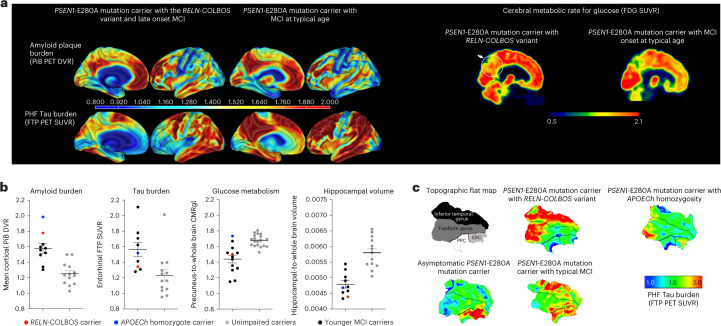
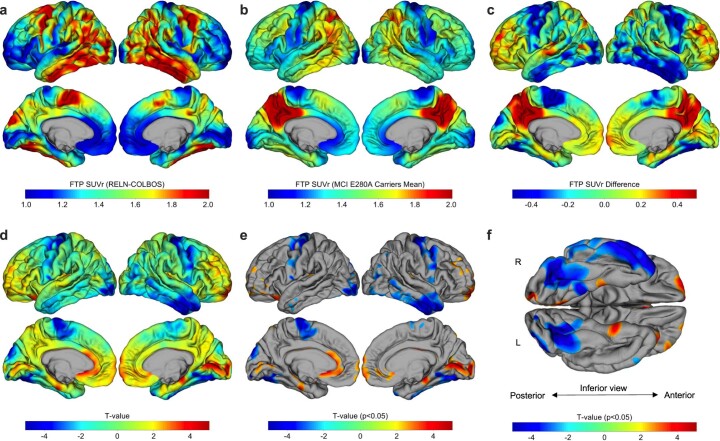
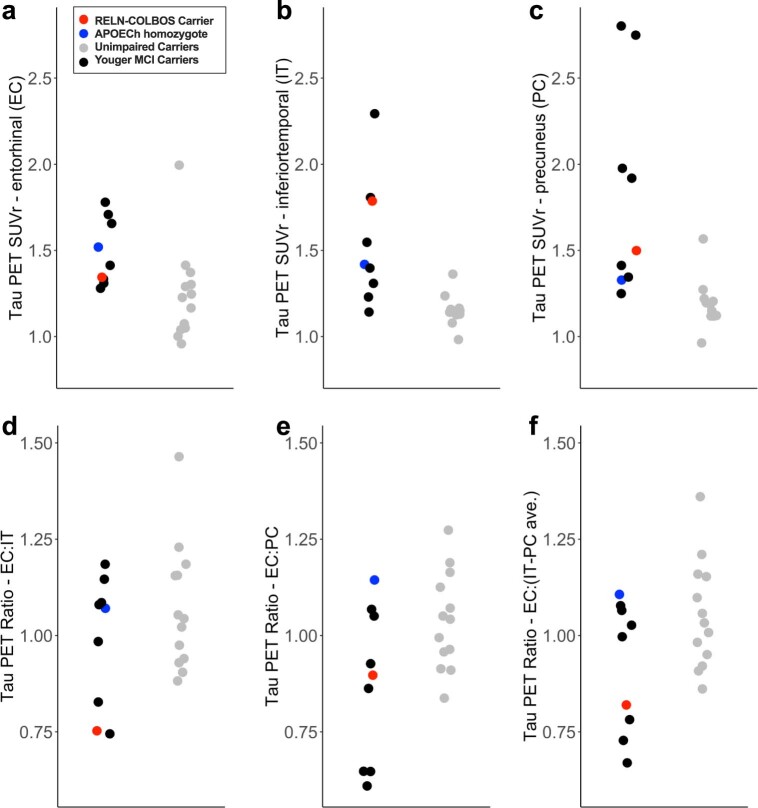
- The male PSEN1-E280A carrier had very high amyloid burden (PiB DVR = 1.77) compared with younger impaired carriers from the kindred (mean DVR = 1.51 ± 0.13), but relatively limited entorhinal cortex Tau pathology (FTP SUVR = 1.34), with inferior temporal SUVR = 1.78, posterior cingulate SUVR = 1.51 and precuneus SUVR = 1.49.
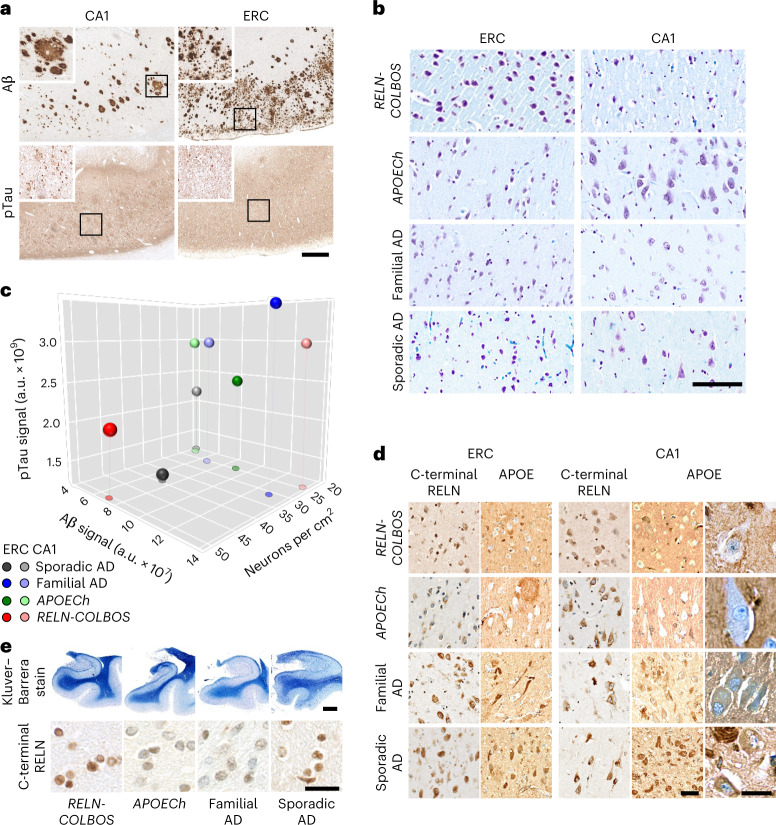
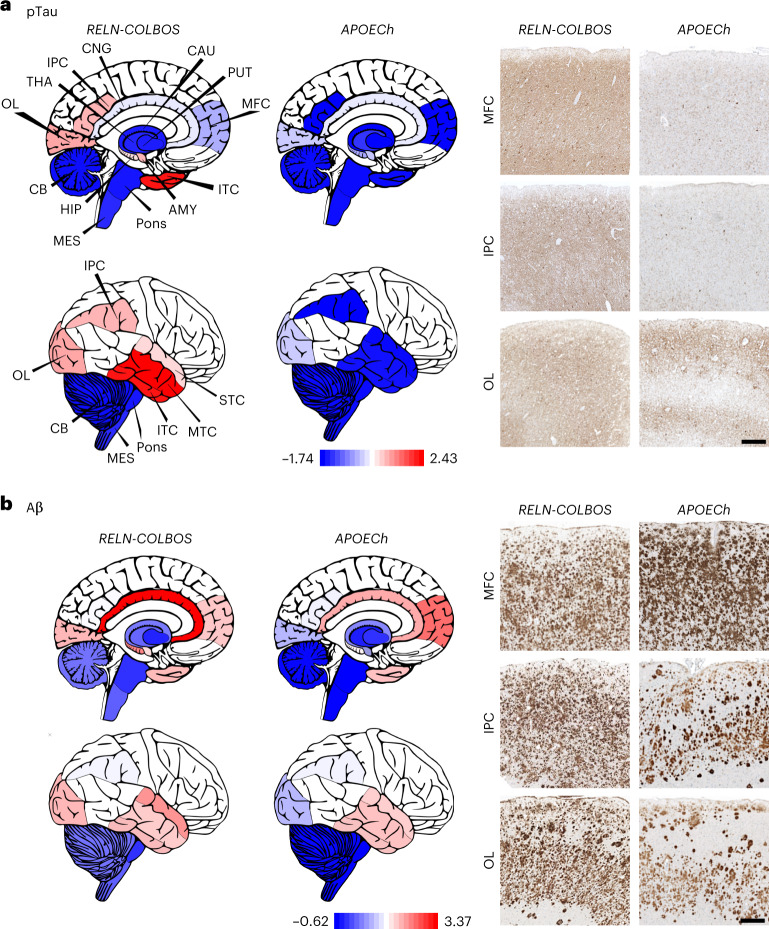
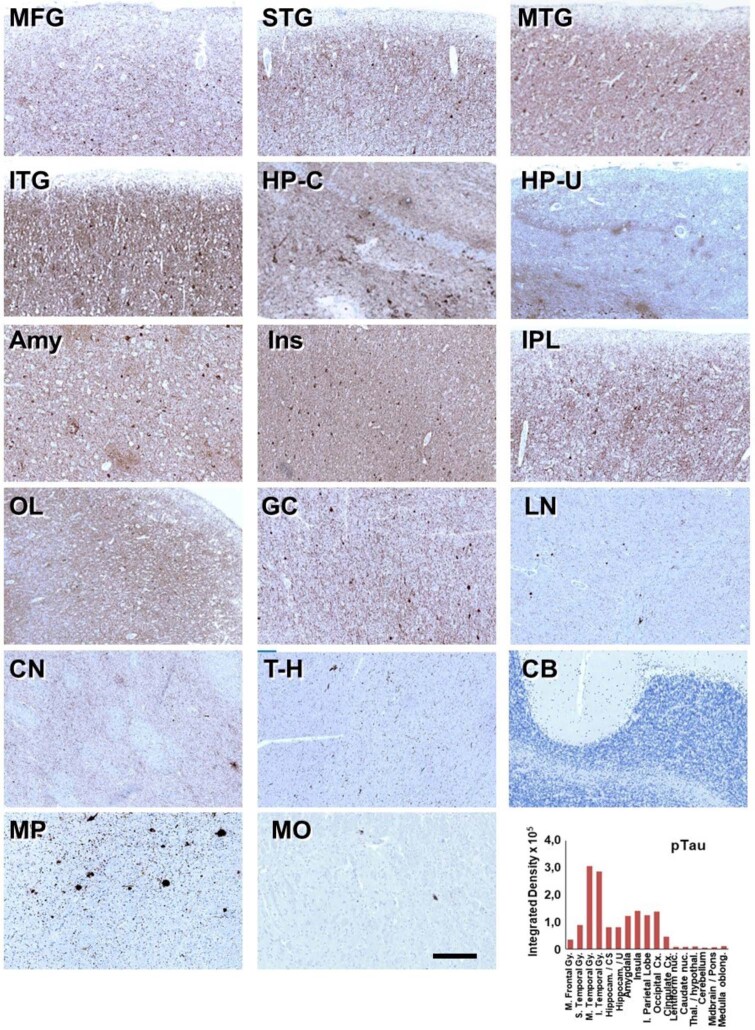
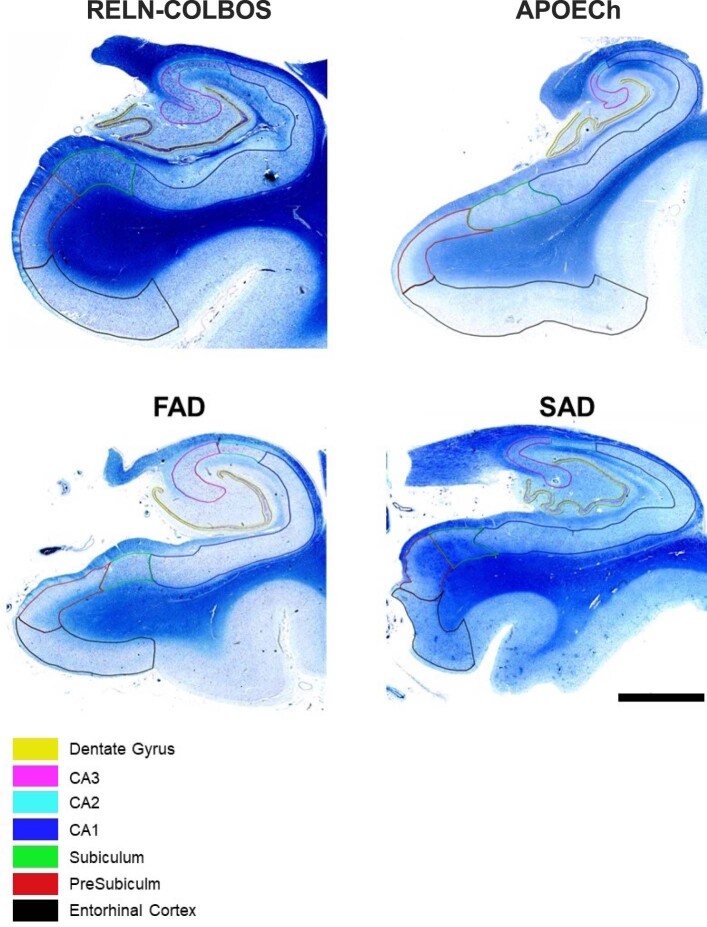
- Postmortem neuropathology showed severe AD changes (brain weight = 745.4 g, CERAD C, Braak VI, Thal phase 5) with extensive amyloid and Tau pathology, yet the entorhinal cortex showed the highest neuronal density with low Aβ and pTau among compared cases; RELN-COLBOS had more pTau pathology than the APOECh case except in specific regions.
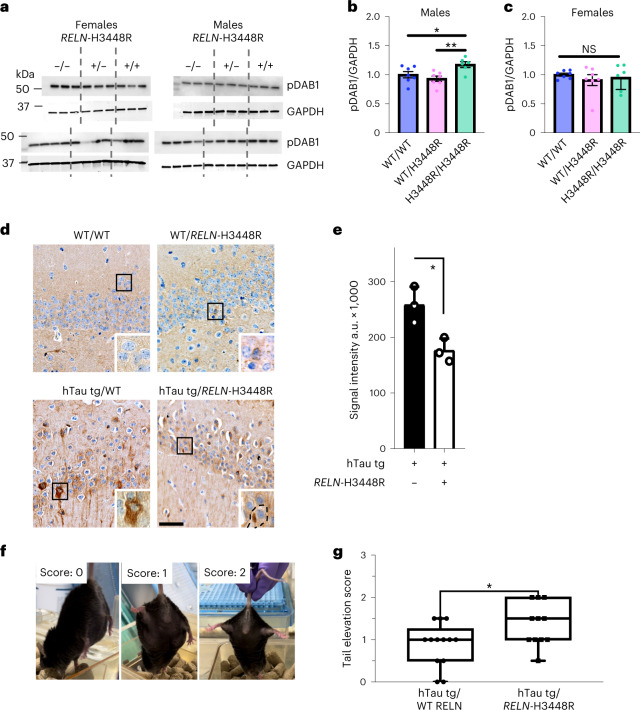
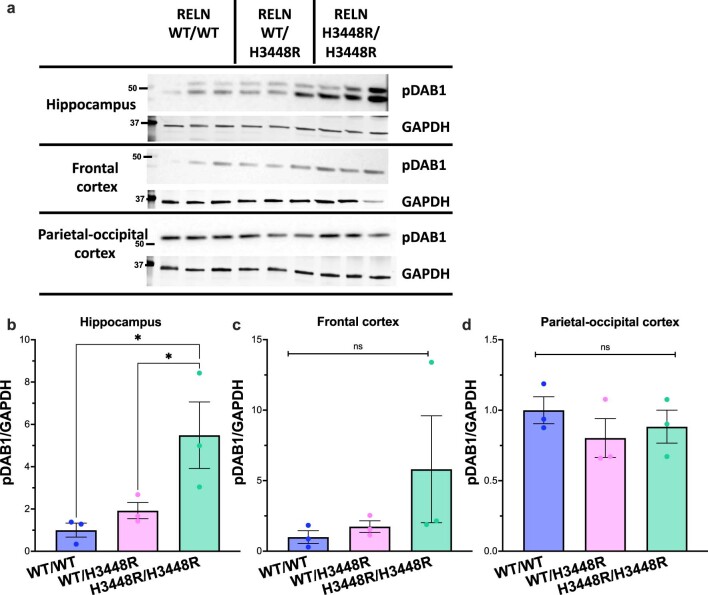
- RELN-COLBOS increased Dab1 phosphorylation versus wild-type RELN in primary mouse cortical neurons (P = 0.0246); in male knockin mice it enhanced pDab1 (P = 0.0284 for WT/WT vs H3448R/H3448R; P = 0.0037 for WT/H3448R vs H3448R/H3448R), reduced human Tau pT205 in hippocampus (P = 0.022) and improved tail elevation score in Tau-P301L mice (P = 0.0305).
- The proband’s sister, also heterozygous for RELN-COLBOS and PSEN1-E280A, had MCI onset 14 years and dementia onset 12 years later than expected for this population, although she was less protected than her brother.
Methods
- Case report within the Colombia–Boston biomarker research study (COLBOS), with clinical assessments and in vivo neuroimaging using PiB and FTP PET for amyloid and Tau, FDG PET for glucose metabolism, and MRI for hippocampal and whole-brain volume; PET data were expressed as DVR or SUVR with cerebellar gray matter reference.
- Genetic and molecular studies included WES, WGS and Genomizer analysis; primary mouse cortical neuron culture; heparin chromatography, HPLC, SPR, ITC, BLI and NMR; and a RELN-H3448R knockin mouse model crossed with the Tau P301L model for biochemical, behavioral and immunohistochemical analyses.
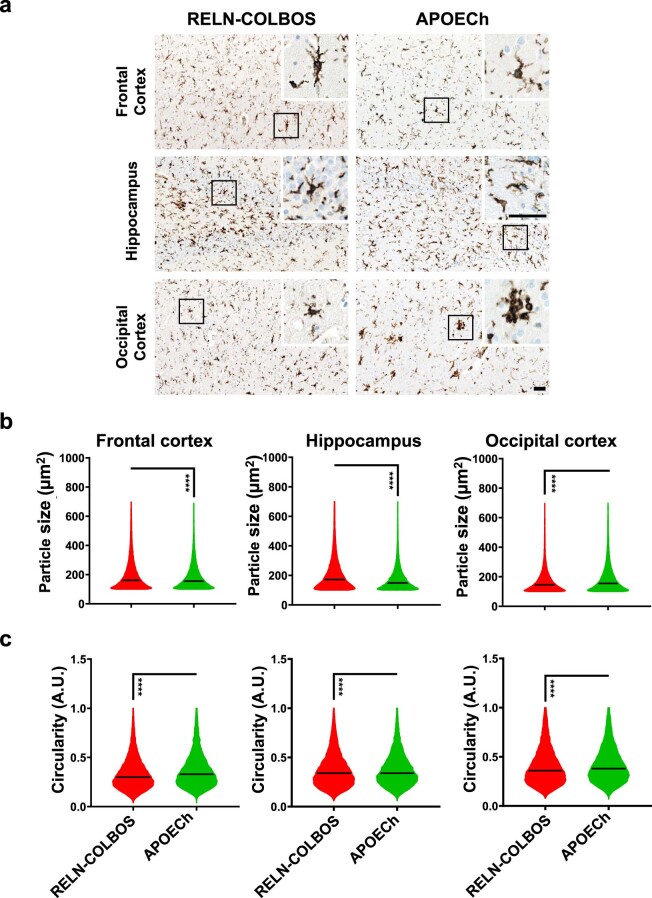
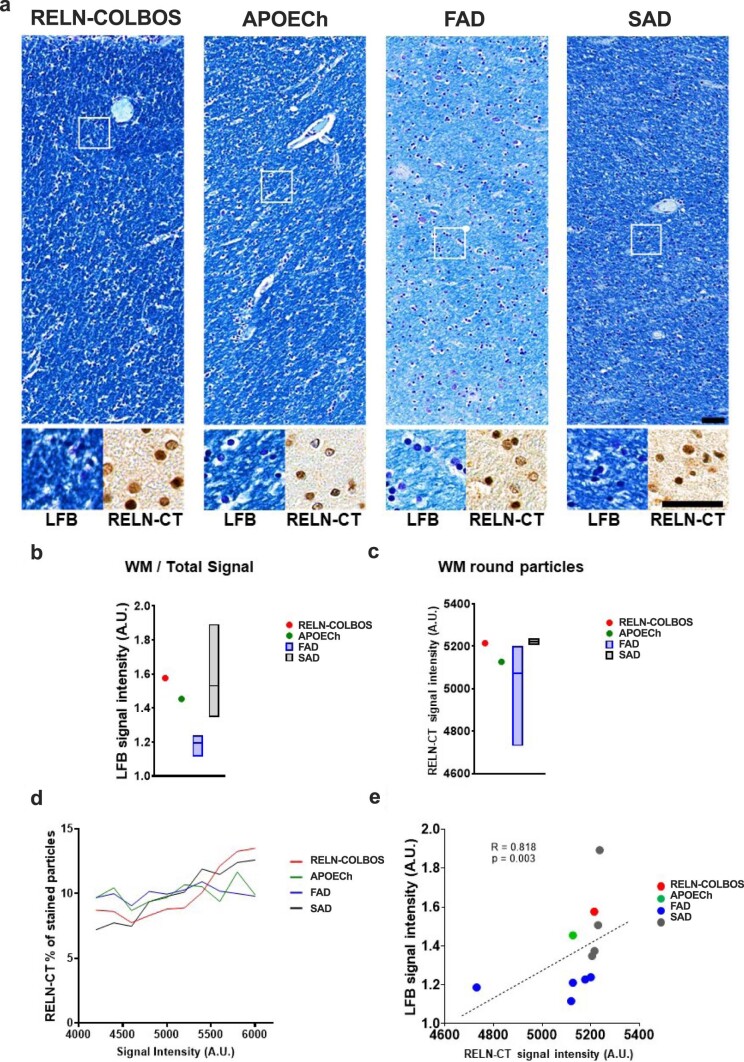
- Neuropathology included postmortem brain examination after a 210-min postmortem interval, with immunohistochemistry for Aβ, pTau, Iba1, GFAP, C-terminal Reelin and APOE, neuronal counting, and statistical analyses using Kruskal–Wallis, ANOVA, t-tests and Spearman correlation as appropriate.
Limitations
- The paper states that comparative neuropathology was conducted in a relatively low number of cases, so results should not be considered definitive and are only helpful to generate hypotheses; it also states that other factors, including additional variants, cannot be ruled out as contributors to the resilience phenotype.
- The paper notes that the female sibling had a severe head injury, depression and hypothyroidism, which may have affected her clinical profile, and that RELN-specific sexual dimorphism may have contributed to her distinct features; it also notes that the hypermorphic effect of RELN is mild.
- Evident from the text: human evidence rests on one male case plus one sibling, so causality is not established; in mice, homozygosity was required to detect changes in Dab1 and GSK3β activity, and increased Dab1 phosphorylation and enhanced RELN oligomerization were observed only in male mice, limiting direct inference for heterozygous humans.
Model-written summary. Check it against the paper before relying on it.
Integrity signals
Registry
Cites
Statistics
Figures
Verification
Claims the paper makes
21 Valid · 3 Not valid · 4 Not checked · 69 Own results and interpretations
Every source the paper cites for this claim was checked and supports it.
In the paper
“These imaging findings suggest that in this patient and in the APOECh homozygote case2, protection against ADAD dementia occurred even in the face of high amyloid burden (Fig. 1a,b).”
§ Resilience to autosomal dominant Alzheimer’s disease in a Reelin-COLBOS heterozygous man > Results > Case report
What the sources say
- Supportedcites [2] Arboleda-Velasquez JF Resistance to autosomal dominant Alzheimer’s disease in an APOE3 Christchurch homozygote: a case report Nat. Med. 2019 25 1680 1683 10.1038/s41591-019-0611-3 31686034 PMC6898984 source
The paper reports that the APOE3-Christchurch homozygote remained resistant to the clinical onset of ADAD dementia into her seventies. In the passage labeled Abstract, it also reports unusually high amyloid-β plaque burden on PET (DVR 1.96), supporting the claim about this cited case; the citation does not need to establish the findings for the citing paper’s other patient. (LLM, conf=0.94)
hedged- Asserted: passes — The authors put it forward as true.
- Checkable: passes — It can be checked against evidence.
- Load-bearing: passes — The paper’s conclusions depend on it.
- Based: passes — The paper gives a reason why it holds.
- Supported
The cited sources support only part of this claim — read each source’s verdict below.
In the paper
“The C-terminal region of RELN (CTR-RELN), where the H3447R variant is located, modulates signaling indirectly via interactions with previously unidentified coreceptors on cell membranes10.”
§ Resilience to autosomal dominant Alzheimer’s disease in a Reelin-COLBOS heterozygous man > Results > Case report
What the sources say
- Partly supportedcites [10] Nakano Y The extremely conserved C-terminal region of Reelin is not necessary for secretion but is required for efficient activation of downstream signaling J. Biol. Chem. 2007 282 20544 20552 10.1074/jbc.M702300200 17504759 sourceExperimental — accuracy not yet measured
The Discussion (page not supplied) proposes that the CTR binds an unidentified molecule on the cell membrane, stabilizing Reelin’s receptor interaction and strengthening signaling. It presents the coreceptor interaction as a plausible model, not an established mechanism, whereas the citing sentence states it as fact. (LLM, conf=0.86)
plainstates a cause- Asserted: passes — The authors put it forward as true.
- Checkable: passes — It can be checked against evidence.
- Load-bearing: passes — The paper’s conclusions depend on it.
- Based: passes — The paper gives a reason why it holds.
- Partly supported
The cited sources that could be checked couldn’t confirm or dispute this claim.
In the paper
“However, he had relatively limited Tau pathology in the entorhinal cortex (ERC) (SUVR = 1.34; Fig. 1a,c) and in other neocortical regions, such as the posterior cingulate cortex (PCC) and precuneus (SUVR PCC = 1.51; SUVR precuneus = 1.49; Fig. 1a)”
§ Resilience to autosomal dominant Alzheimer’s disease in a Reelin-COLBOS heterozygous man > Results > Case report
What the sources say
- Could not verifycites [3] Quiroz YT Association between amyloid and tau accumulation in young adults with autosomal dominant Alzheimer disease JAMA Neurol. 2018 75 548 556 10.1001/jamaneurol.2017.4907 29435558 PMC5885174 sourceExperimental — accuracy not yet measured
The Regional 18F FTP Binding section reports group-level SUVRs and describes binding in the posterior cingulate/precuneus, but does not report the stated values for a male case. Searches for the three SUVR values and for a male case found no matching passage in our copy. (LLM, conf=0.73)
plainSingle case- Asserted: passes — The authors put it forward as true.
- Checkable: passes — It can be checked against evidence.
- Load-bearing: passes — The paper’s conclusions depend on it.
- Based: passes — The paper gives a reason why it holds.
- Could not verify
Every source the paper cites for this claim was checked and supports it.
In the paper
“because the encoded protein RELN modulates Tau phosphorylation4 and is functionally closely related to APOE, the gene mutated in the other case with extreme protection against ADAD2.”
§ Resilience to autosomal dominant Alzheimer’s disease in a Reelin-COLBOS heterozygous man > Results > Case report
What the sources say
- Supportedcites [2] Arboleda-Velasquez JF Resistance to autosomal dominant Alzheimer’s disease in an APOE3 Christchurch homozygote: a case report Nat. Med. 2019 25 1680 1683 10.1038/s41591-019-0611-3 31686034 PMC6898984 source
Citation 2 is attached to the identification of APOE as the gene mutated in the other case with extreme protection against ADAD. The paper’s Abstract describes a homozygous APOE3 Christchurch subject remarkably resistant to clinical ADAD dementia and identifies APOE3ch as the likely genetic modifier. It does not establish the sentence’s separate RELN–APOE functional comparison. (LLM, conf=0.90)
plainstates an association- Asserted: passes — The authors put it forward as true.
- Checkable: passes — It can be checked against evidence.
- Load-bearing: passes — The paper’s conclusions depend on it.
- Based: passes — The paper gives a reason why it holds.
- Supported
Every source the paper cites for this claim was checked and supports it.
In the paper
“because the encoded protein RELN modulates Tau phosphorylation4 and is functionally closely related to APOE, the gene mutated in the other case with extreme protection against ADAD2.”
§ Resilience to autosomal dominant Alzheimer’s disease in a Reelin-COLBOS heterozygous man > Results > Case report
What the sources say
- Supportedcites [4] Hiesberger T Direct binding of Reelin to VLDL receptor and ApoE receptor 2 induces tyrosine phosphorylation of disabled-1 and modulates tau phosphorylation Neuron 1999 24 481 489 10.1016/S0896-6273(00)80861-2 10571241 source
The Discussion reports tau hyperphosphorylation in reeler mice and says this suggests that tau phosphorylation is regulated, directly or indirectly, by the Reelin signaling pathway. That supports the attributed claim that RELN modulates tau phosphorylation; it does not establish a direct effect. (LLM, conf=0.92)
plainstates a cause- Asserted: passes — The authors put it forward as true.
- Checkable: passes — It can be checked against evidence.
- Load-bearing: passes — The paper’s conclusions depend on it.
- Based: passes — The paper gives a reason why it holds.
- Supported
56 more claims · 9 with their cited sources checked
Create a free account to see all 97 claims and every source verdict.
- It may state two separate claims as one. 21
- Probably not a substantial claim. 18
- The quote only partly states this claim. 1
Claims other papers make about this one
Each is checked against this paper’s own text: does it say what the citing paper says it does?
The source backs part of the claim, not all of it — or backs it for a different population, condition or comparison.
In the citing paper
“The individual developed mild cognitive impairment approximately two decades later than the typical onset for carriers of this autosomal dominant AD mutation and exhibited relatively low tau pathology.”
From Deletion of neuronal Idol ameliorates Alzheimer's disease–related pathologies via APOE receptors (2025) · cites this paper as [84]
Experimental — accuracy not yet measuredThe cited source says what the claim attributes to it.
In the citing paper
“However, rare cases of individuals who have one of these mutations and do not develop dementia symptoms until late life have recently been reported.”
From 2024 Alzheimer's disease facts and figures (2024) · cites this paper as [104]
The cited source says what the claim attributes to it.
In the citing paper
“Biochemical and functional studies revealed that the RELN variant enhances Reelin signaling and limits tau pathology, which may underlie the observed cognitive resilience.”
From Deletion of neuronal Idol ameliorates Alzheimer's disease–related pathologies via APOE receptors (2025) · cites this paper as [84]
The cited source says what the claim attributes to it.
In the citing paper
“Recently, a rare gain‐of‐function variant in RELN was identified in a patient with an autosomal dominant AD‐causing mutation, and it was associated with resilience against cognitive impairment.”
From Deletion of neuronal Idol ameliorates Alzheimer's disease–related pathologies via APOE receptors (2025) · cites this paper as [84]
The cited source says what the claim attributes to it.
In the citing paper
“Notably, the RELN variant enhanced its binding to glycosaminoglycans (GAGs) and NRP1, and the APOE variant decreased binding to GAGs, potentially affecting their ability to compete for receptor binding69,70.”
From Single-cell multiregion dissection of Alzheimer’s disease (2024) · cites this paper as [70]
1 more claim about this paper
Create a free account to see every claim other papers make about this one.
Self-check
Percentages, sums and reported differences re-computed from the paper’s own numbers.
Each contradiction between two passages listed here was confirmed by an independent check.
Rated minor: it would not touch a result — a value no result rests on, a p-value that stays on the same side of the significance level, or a conflict that is clerical, resolved elsewhere in the paper, or outside its own findings.
In the paper
§ Resilience to autosomal dominant Alzheimer’s disease in a Reelin-COLBOS heterozygous man > Methods > Statistical analysis
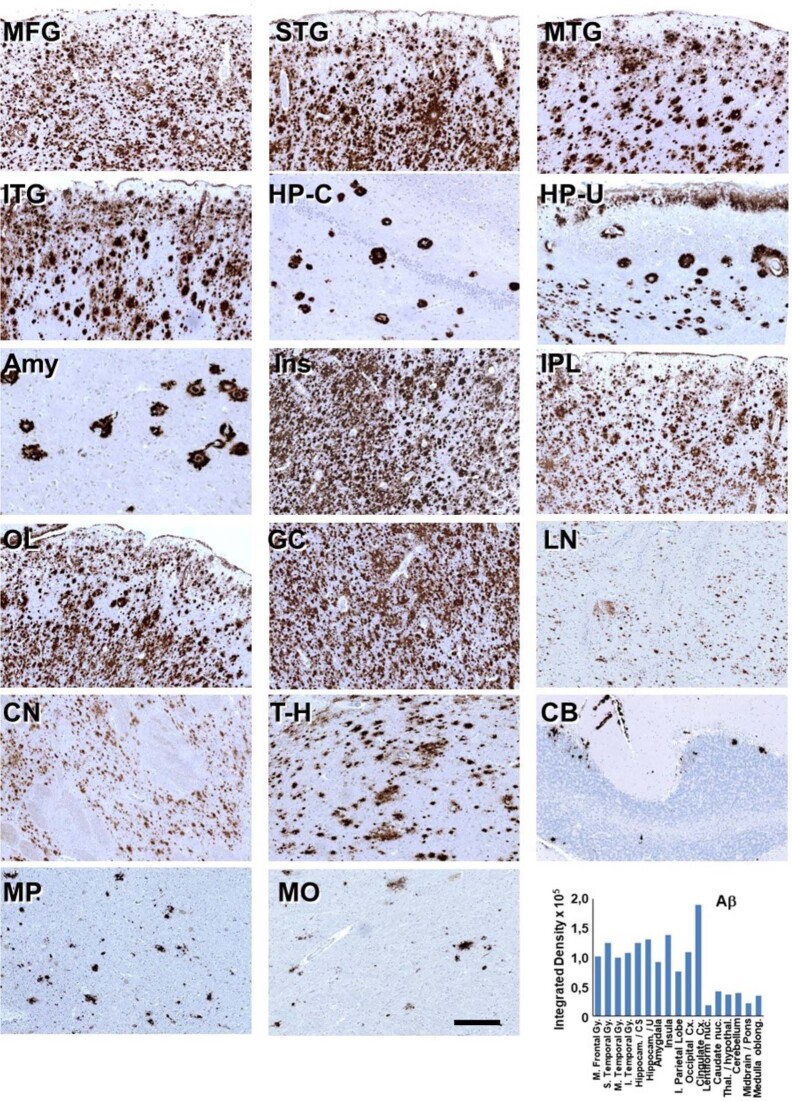
“The neuropathological data (Fig. 2) were analyzed and graphs were generated with Prism 8 (v.8.1.1) and the R (v.3.6.3) statistical software (R Foundation for Statistical Computing).”
§ Resilience to autosomal dominant Alzheimer’s disease in a Reelin-COLBOS heterozygous man > Results > Case report
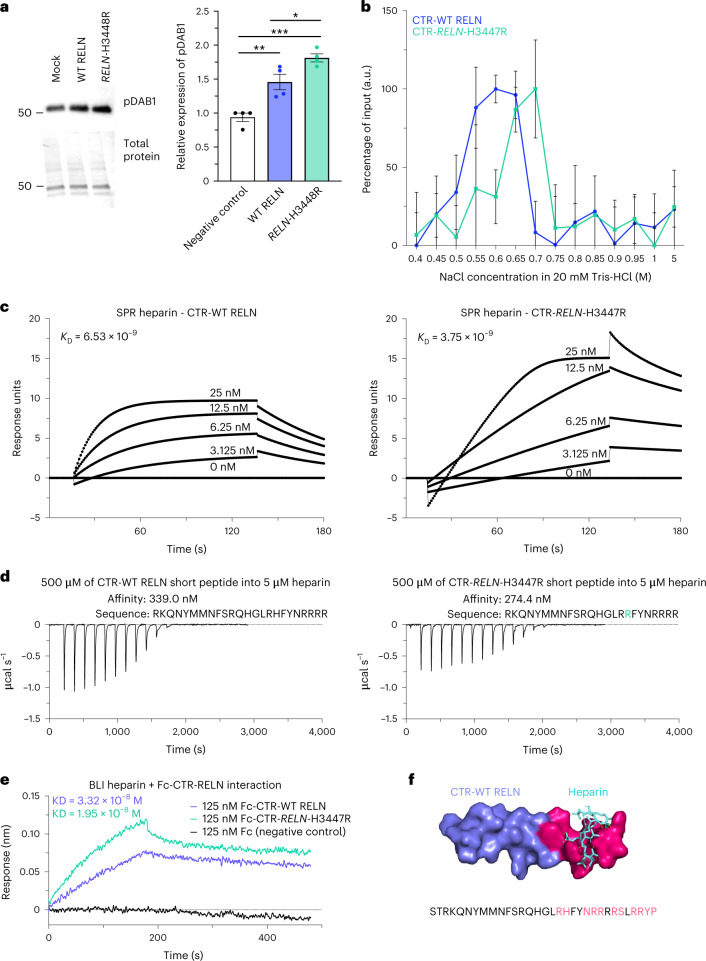
“Figure: Fig. 2 The RELN-H3448R variant enhances Dab1 signaling and the affinity of CTR-RELN to heparin.”
Rated minor: it would not touch a result — a value no result rests on, a p-value that stays on the same side of the significance level, or a conflict that is clerical, resolved elsewhere in the paper, or outside its own findings.
In the paper
§ Resilience to autosomal dominant Alzheimer’s disease in a Reelin-COLBOS heterozygous man > Methods > Western blotting
“The blots are presented in Figs. 3a and 4a.”
§ Resilience to autosomal dominant Alzheimer’s disease in a Reelin-COLBOS heterozygous man > Results > Case report
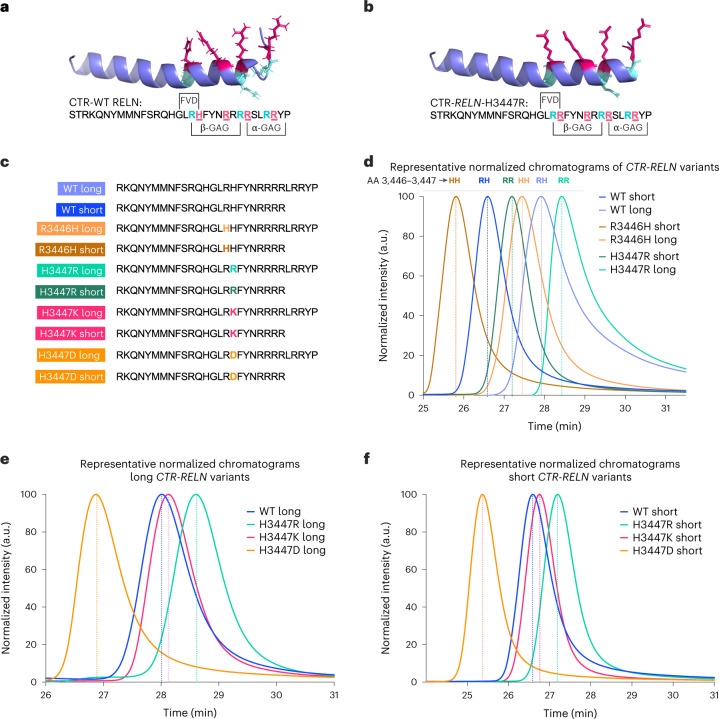
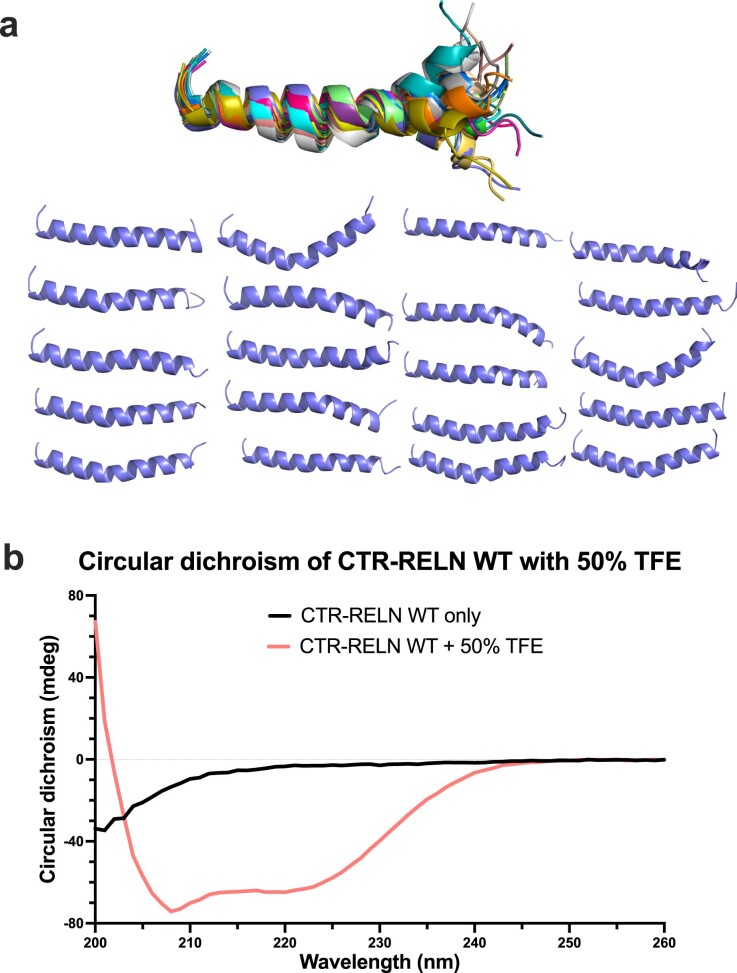
“a,b, Representative in silico models depicting the orientation of basic amino acids in the heparin-binding motif (highlighted with colors) using the WT CTR-RELN NMR structure (a).”
Rated minor: it would not touch a result — a value no result rests on, a p-value that stays on the same side of the significance level, or a conflict that is clerical, resolved elsewhere in the paper, or outside its own findings.
In the paper
§ Resilience to autosomal dominant Alzheimer’s disease in a Reelin-COLBOS heterozygous man > Methods > Statistical analysis
“For the SPR data (Fig. 3c and Supplementary Fig. 4), we verified the accuracy of the results with a chi-squared test”
§ Resilience to autosomal dominant Alzheimer’s disease in a Reelin-COLBOS heterozygous man > Results > Case report
“c, RELN peptide variant sequences used for the HPLC analysis.”
Citations
Cites
NIH Image to ImageJ: 25 years of image analysis
Schneider, C. A., Rasband, W. S., & Eliceiri, K. W. (2012) · Nature Methods · doi:10.1038/nmeth.2089 · Cited by 64,638
An integrated encyclopedia of DNA elements in the human genome
The ENCODE Project Consortium (2012) · Nature · doi:10.1038/nature11247 · Cited by 18,072
Profound Loss of Layer II Entorhinal Cortex Neurons Occurs in Very Mild Alzheimer’s Disease
Gómez-Isla, T., Price, J. L., McKeel Jr., D. W., Morris, J. C., Growdon, J. H., & Hyman, B. T. (1996) · The Journal of Neuroscience · doi:10.1523/jneurosci.16-14-04491.1996 · Cited by 1,796
A protein related to extracellular matrix proteins deleted in the mouse mutant reeler
D'Arcangelo, G., G. Miao, G., Chen, S.-C., Scares, H. D., Morgan, J. I., & Curran, T. (1995) · Nature · doi:10.1038/374719a0 · Cited by 1,748
Lewis, J., McGowan, E., Rockwood, J., Melrose, H., Nacharaju, P., Van Slegtenhorst, M., Gwinn-Hardy, K., Murphy, M. P., Baker, M., Yu, X., et al. (2000) · Nature Genetics · doi:10.1038/78078 · Cited by 1,371
Tau positron emission tomographic imaging in aging and early Alzheimer disease
Johnson, K. A., Schultz, A., Betensky, R. A., Becker, J. A., Sepulcre, J., Rentz, D., Mormino, E., Chhatwal, J., Amariglio, R., Papp, K., et al. (2016) · Annals of Neurology · doi:10.1002/ana.24546 · Cited by 986
Self-citationHiesberger, T., Trommsdorff, M., Howell, B. W., Goffinet, A., Mumby, M. C., Cooper, J. A., & Herz, J. (1999) · Neuron · doi:10.1016/s0896-6273(00)80861-2 · Cited by 916
Reelin Is a Ligand for Lipoprotein Receptors
D'Arcangelo, G., Homayouni, R., Keshvara, L., Rice, D. S., Sheldon, M., & Curran, T. (1999) · Neuron · doi:10.1016/s0896-6273(00)80860-0 · Cited by 808
Sex-specific genetic architecture of human disease
Ober, C., Loisel, D. A., & Gilad, Y. (2008) · Nature Reviews Genetics · doi:10.1038/nrg2415 · Cited by 787
Evolution of the neuropathology of Alzheimer's disease
Braak, H., & Braak, E. (1996) · Acta Neurologica Scandinavica · doi:10.1111/j.1600-0404.1996.tb05866.x · Cited by 710
Cited by
2024 Alzheimer's disease facts and figures
(2024) · Alzheimer's & Dementia · doi:10.1002/alz.13809 · Cited by 2,536
2025 Alzheimer's disease facts and figures
(2025) · Alzheimer's & Dementia · doi:10.1002/alz.70235 · Cited by 474
Alzheimer’s disease: insights into pathology, molecular mechanisms, and therapy
Zheng, Q., & Wang, X. (2025) · Protein & Cell · doi:10.1093/procel/pwae026 · Cited by 410
Single-cell multiregion dissection of Alzheimer’s disease
Mathys, H., Boix, C. A., Akay, L. A., Xia, Z., Davila-Velderrain, J., Ng, A. P., Jiang, X., Abdelhady, G., Galani, K., Mantero, J., et al. (2024) · Nature · doi:10.1038/s41586-024-07606-7 · Cited by 343
“Notably, the RELN variant enhanced its binding to glycosaminoglycans (GAGs) and NRP1 , and the APOE variant decreased binding to GAGs, potentially affecting their ability to compete for receptor binding 69,70 .”
Accelerating Alzheimer’s therapeutic development: The past and future of clinical trials
Boxer, A. L., & Sperling, R. (2023) · Cell · doi:10.1016/j.cell.2023.09.023 · Cited by 197
Self-citationIs Alzheimer disease a disease?
Korczyn, A. D., & Grinberg, L. T. (2024) · Nature Reviews Neurology · doi:10.1038/s41582-024-00940-4 · Cited by 189
“Another challenge to the hypothesis is the reports of resilience in autosomal dominant AD cases linked to APOE3 or reelin mutations 25,26 .”
Molecular and cellular mechanisms of selective vulnerability in neurodegenerative diseases
Kampmann, M. (2024) · Nature reviews. Neuroscience · doi:10.1038/s41583-024-00806-0 · Cited by 175
Kalaria, R. N., Maestre, G. E., Mahinrad, S., Acosta, D. M., Akinyemi, R., Alladi, S., Allegri, R., Arshad, F., Babalola, D. O., Baiyewu, O., et al. (2024) · Alzheimer s & Dementia · doi:10.1002/alz.13836 · Cited by 123
“160 Finally, Colombian individuals with AD or related dementias carrying additional PSEN1 pathogenic variants that cause early-onset FAD, as well as multiple rare variants, develop other forms of autosomal-dominant early-onset dementia.”
TEC Monitoring by Using Satellite Positioning Systems
Jakowski, N. (1996) · elib (German Aerospace Center) · Cited by 117
Apolipoprotein E in Alzheimer’s disease: molecular insights and therapeutic opportunities
Belaidi, A. A., Bush, A. I., & Ayton, S. (2025) · Molecular Neurodegeneration · doi:10.1186/s13024-025-00843-y · Cited by 91
“…of either receptor increases amyloid deposition but apoE binding to other receptors such as VLDLR and apoER2 could serve to activate protective signaling, as shown with ligands such as reelin-COLBOS that protects against AD pathology by over-activating the Dab1 signaling pathway [197, 226, 227].”
Influentialde Vries, L. E., Huitinga, I., Kessels, H. W., Swaab, D. F., & Verhaagen, J. (2024) · Molecular Neurodegeneration · doi:10.1186/s13024-024-00719-7 · Cited by 72
“Furthermore, a gain of function SNP in RELN was recently identified in a resilient individual to fAD, which maintained cognition up to three decades after the expected onset of symptoms [110].”
BackgroundShanks, H. R. C., Chen, K., Reiman, E. M., Blennow, K., Cummings, J. L., Massa, S. M., Longo, F. M., Börjesson‐Hanson, A., Windisch, M., & Schmitz, T. W. (2024) · Nature Medicine · doi:10.1038/s41591-024-02977-w · Cited by 74
Self-citationLessons Learned from Approval of Aducanumab for Alzheimer's Disease
Heidebrink, J. L., & Paulson, H. L. (2024) · Annual Review of Medicine · doi:10.1146/annurev-med-051022-043645 · Cited by 70
Entorhinal‐based path integration selectively predicts midlife risk of Alzheimer's disease
Newton, C., Pope, M., Rua, C., Henson, R. N., Ji, Z., Burgess, N., Rodgers, C. T., Stangl, M., Dounavi, M., Castegnaro, A., et al. (2024) · Alzheimer s & Dementia · doi:10.1002/alz.13733 · Cited by 66
Alzheimer’s genes in microglia: a risk worth investigating
Sudwarts, A., & Thinakaran, G. (2023) · Molecular Neurodegeneration · doi:10.1186/s13024-023-00679-4 · Cited by 44
“Similarly, a rare variant in RELN (H3447R) has recently been associated with delayed onset of EOAD symptoms in an individual with reduced tau pathology and high levels of Aβ [30].”
BackgroundSynapse vulnerability and resilience underlying Alzheimer’s disease
Taddei, R. N., & Duff, K. (2025) · EBioMedicine · doi:10.1016/j.ebiom.2025.105557 · Cited by 52
“87 Genetic resilience variants have been recently discovered in an ApoE3 Christchurch 25 and Reelin 26 mutation.”
Resilience and brain health in global populations
Udeh-Momoh, C. T., Migeot, J., Blackmon, K., Mielke, M. M., Melloni, M., Cox, L., Yaffe, K., Santamaria-Garcia, H., Stern, Y., & Ibanez, A. (2025) · Nature Medicine · doi:10.1038/s41591-025-03846-w · Cited by 42
Reelin Signaling in Neurodevelopmental Disorders and Neurodegenerative Diseases
Joly‐Amado, A., Kulkarni, N., & Nash, K. R. (2023) · Brain Sciences · doi:10.3390/brainsci13101479 · Cited by 51
“More interestingly, there has been a recent association of a RELN variant with reduced penetrance of the presenilin-1 (PS1) mutation in the Columbian kin-dred [111].”
BackgroundReelin links Apolipoprotein E4, Tau, and Amyloid‐β in Alzheimer’s disease
Yi, L. X., Zeng, L., Wang, Q., Tan, E. K., & Zhou, Z. D. (2024) · Ageing Research Reviews · doi:10.1016/j.arr.2024.102339 · Cited by 41
The impact of rare genetic variants on Alzheimer disease
De Deyn, L., & Sleegers, K. (2025) · Nature Reviews Neurology · doi:10.1038/s41582-025-01062-1 · Cited by 47
“In APOE a rare missense variant, p.Arg136Ser known as APOE ε3 Christchurch, was found in homozygous state in a carrier of a pathogenic mutation in PSEN1 , p.Glu280Ala 69 .”
Faulkner, M. E., Gong, Z., Guo, A., Laporte, J. P., Bae, J., & Bouhrara, M. (2024) · Journal of Neurochemistry · doi:10.1111/jnc.16170 · Cited by 44
“…causes of familial AD, such as mutations in the APP gene, which gives rise to amyloid precursor protein, and the PSEN gene, which gives rise to the protein presenilin, lead to proteinopathies and subsequent neurodegeneration, including myelin degeneration (Bartzokis, 2011; Lopera et al., 2023).”
A task force for diagnosis and treatment of people with Alzheimer’s disease in Latin America
Lopera, F. J., Custodio, N., Rico-Restrepo, M., Allegri, R., Barrientos, J. D., Batres, E. G., Calandri, I. L., Moscoso, C., Caramelli, P., Quiroz, J. C. D., et al. (2023) · Frontiers in Neurology · doi:10.3389/fneur.2023.1198869 · Cited by 47
“This genetic variant in a case protected from ADAD suggests a role for RELN signaling in resilience to dementia (135).”
BackgroundSelf-citationTobeh, N. S., & Bruce, K. D. (2023) · Frontiers in Aging Neuroscience · doi:10.3389/fnagi.2023.1259012 · Cited by 35
Arnsten, A. F. T., Del Tredici, K., Barthélemy, N. R., Gabitto, M., van Dyck, C. H., Lein, E., Braak, H., & Datta, D. (2025) · Alzheimer's & Dementia · doi:10.1002/alz.70404 · Cited by 38
Overestimation in angular path integration precedes Alzheimer’s dementia
Castegnaro, A., Ji, Z., Rudzka, K., Chan, D., & Burgess, N. (2023) · Current Biology · doi:10.1016/j.cub.2023.09.047 · Cited by 33
Alzheimer’s Disease Treatment: The Search for a Breakthrough
Reiss, A. B., Muhieddine, D., Jacob, B., Mesbah, M., Pinkhasov, A., Gomolin, I. H., Stecker, M. M., Wısnıewskı, T., & Leon, J. D. (2023) · Medicina · doi:10.3390/medicina59061084 · Cited by 37
2026 Alzheimer's disease facts and figures
Alzheimer's, T. S. O. A. D. A. A. W. S. C. I. T. B. I., neurons, T. B. N. A. E. A. A. H. A. B. H. B. O., long, E. W., connections, B. E. T. E. E. I. N. T. F. C. W. O. N. A. S., synapses, C., memories, I. F. I. T. B. O. C. T. A. R. B. O. N. A. T. U. B. A. N. T. B. C. T. O. S. T. A. S. T. T. R. T. T. B. T. S. F. T. C. B. O., thoughts, sensations, emotions, & skills., M. A. (2026) · Alzheimer s & Dementia · doi:10.1002/alz.71345 · Cited by 126
Llibre-Guerra, J. J., Fernandez, M. V., Joseph-Mathurin, N., Bian, S., Carter, K., Li, Y., Aschenbrenner, A. J., Pottier, C., Sigurdson, W., McDade, E., et al. (2025) · Nature Medicine · doi:10.1038/s41591-025-03494-0 · Cited by 28
“Whole-exome sequencing studies in these two cases suggest that a rare homozygous APOE variant ( APOE3 -Christchurch (p.Arg136Ser)) and a rare RELN variant (p.His3447Arg) conferred strong protection against the development of DIAD in these two PSEN1 p.Glu280Ala carriers 8,10,11 .”
InfluentialSelf-citationPerez-Corredor, P., Vanderleest, T. E., Vacano, G. N., Sanchez, J. S., Villalba-Moreno, N. D., Marino, C., Krasemann, S., Mendivil-Perez, M. A., Aguillón, D., Jiménez-Del-Río, M., et al. (2024) · Frontiers in Molecular Neuroscience · doi:10.3389/fnmol.2024.1373568 · Cited by 28
Self-citationHeparin-enriched plasma proteome is significantly altered in Alzheimer’s disease
Guo, Q., Ping, L., Dammer, E. B., Duong, D. M., Yin, L., Xu, K., Shantaraman, A., Fox, E. J., Golde, T. E., Johnson, E. C. B., et al. (2024) · Molecular Neurodegeneration · doi:10.1186/s13024-024-00757-1 · Cited by 40
“However, more recently, a rare RELN variant has been proposed to delay the age of onset of siblings with ADAD, who do not carry the Christch-urch APOE variant [68].”
BackgroundResultSosa, A. L., Brucki, S. M. D., Crivelli, L., Lopera, F. J., Acosta, D. M., Acosta‐Uribe, J., Aguilar, D., Aguilar-Navarro, S. G., Allegri, R., Bertolucci, P. H. F., et al. (2024) · Alzheimer s & Dementia · doi:10.1002/alz.13850 · Cited by 30
“139,140 While the API ADAD Colombia trial results were negative, it led to the discovery of protective genetic variants 35,36,94 and additional pathogenic PSEN1 mutationsinColombia, 41 asdescribedinmoredetailin Section4 ofthis manuscript.”
Self-citationProtein aggregation in neurodegenerative diseases
Wang, J., Dai, L., & Zhang, Z. (2025) · Chinese Medical Journal · doi:10.1097/cm9.0000000000003802 · Cited by 31
“[46] A recent case of AD resistance suggests that long-term exposure to a high-temperature environment that activates heat shock proteins may be beneficial for protecting the nervous system from the aggregation of tau.”
Blazhenets, G., Soleimani‐Meigooni, D. N., Thomas, W. P., Mundada, N. S., Brendel, M., Vento, S. A., VandeVrede, L. A., Heuer, H. W., Ljubenkov, P. A., Rojas, J. C., et al. (2023) · Journal of Nuclear Medicine · doi:10.2967/jnumed.123.265856 · Cited by 25
Blood-brain barrier biomarkers
Zapata-Acevedo, J. F., Mantilla-Galindo, A., Vargas-Sánchez, K., & González-Reyes, R. E. (2024) · Advances in clinical chemistry · doi:10.1016/bs.acc.2024.04.004 · Cited by 29
Integrating amyloid and tau imaging with proteomics and genomics in Alzheimer’s disease
Vilkaite, G., Vogel, J. W., & Mattsson, N. (2024) · Cell Reports Medicine · doi:10.1016/j.xcrm.2024.101735 · Cited by 28
Computational whole-body-exposome models for global precision brain health
Ibáñez, A. M., Duran-Aniotz, C. A., Migeot, J., Báez, S., Fittipaldi, S., Coronel‐Oliveros, C., Eyre, H. A., Udeh‐Momoh, C. T., Zetterberg, H., Alladi, S., et al. (2025) · Nature Communications · doi:10.1038/s41467-025-67448-3 · Cited by 33
“Protective variants such as APOE ε 3 Christchurch 124 and RELN 125 , identi fi ed inLAC, renew genetics-informed trial prospects 51 .”
Synapse vulnerability and resilience across the clinical spectrum of dementias
Taddei, R. N., & Duff, K. (2025) · Nature Reviews Neurology · doi:10.1038/s41582-025-01094-7 · Cited by 28
A manifesto for Alzheimer’s disease drug discovery in the era of disease-modifying therapies
Hering, H., Bussière, T., Liu, C., Glajch, K. E., Weihofen, A., Grogan, J. L., & Walsh, D. M. (2025) · Molecular Neurodegeneration · doi:10.1186/s13024-025-00872-7 · Cited by 32
“Moreover, in rare cases of resilience to autosomal-dominant AD, individuals had profound amyloid accumulation, but minimal and late-evolving tau pathology [79, 80].”
Protective genetic variants against Alzheimer's disease
Mariño, C., Malotaux, V., Giudicessi, A., Aguillon, D. F., Falla, D. S., Lopera, F. J., & Quiroz, Y. T. (2025) · The Lancet Neurology · doi:10.1016/s1474-4422(25)00116-4 · Cited by 23
Self-citationTolar, M., Hey, J. A., Power, A., & Abushakra, S. R. (2024) · International Journal of Molecular Sciences · doi:10.3390/ijms25052727 · Cited by 23
“A recent report described a protective Reelin variant in a male with autosomal-dominant AD [86].”
BackgroundRamsden, C. E., Zamora, D., Horowitz, M. S., Jahanipour, J., Calzada, E., Li, X., Keyes, G. S., Murray, H. C., Curtis, M. A., Faull, R. L. M., et al. (2023) · Acta Neuropathologica Communications · doi:10.1186/s40478-023-01693-9 · Cited by 22
Brain-wide alterations revealed by spatial transcriptomics and proteomics in COVID-19 infection
Zhang, T., Li, Y., Pan, L., Sha, J., Bailey, M., Faure-Kumar, E., Williams, C. K., Wohlschlegel, J., Magaki, S., Niu, C., et al. (2024) · Nature Aging · doi:10.1038/s43587-024-00730-z · Cited by 20
Self-citationKeenan, R. J., Daykin, H., Metha, J., Cornthwaite‐Duncan, L., Wright, D. K., Clarke, K., Oberrauch, S., Brian, M., Stephenson, S., Nowell, C. J., et al. (2024) · British Journal of Pharmacology · doi:10.1111/bph.16212 · Cited by 18
“Clinical studies suggest the same principle likely applies in humans (Laws et al., 2018; Lopera et al., 2023; Podcasy & Epperson, 2016; Seshadri et al., 1997).”
BackgroundThe several ways to authentically cure Alzheimer’s dementia
Fessel, J. (2023) · Ageing Research Reviews · doi:10.1016/j.arr.2023.102093 · Cited by 18
“Possession of that mutation seems to have caused a 25 years ’ delay in the expected onset of dementia so that had he died a few years earlier, then no treatment would have been required despite the massive intracerebral amyloid (Lopera et al., 2023).”
BackgroundLin, R.-R., Huang, H.-F., & Tao, Q. (2023) · The Innovation Medicine · doi:10.59717/j.xinn-med.2023.100020 · Cited by 15
Detecting the effect of genetic diversity on brain composition in an Alzheimer’s disease mouse model
Gurdon, B., Yates, S. C., Csucs, G., Groeneboom, N. E., Hadad, N., Telpoukhovskaia, M., Ouellette, A., Ouellette, T., O’Connell, K. M. S., Singh, S., et al. (2024) · Communications Biology · doi:10.1038/s42003-024-06242-1 · Cited by 15
Shanks, H. R. C., Onuska, K. M., Massa, S. M., Schmitz, T. W., & Longo, F. M. (2023) · The Journal of Prevention of Alzheimer s Disease · doi:10.14283/jpad.2023.110 · Cited by 18
“Notably, these effects were produced without affecting overall Aβ load, indicating that the RELN-COLBOS mutation was able to partially uncouple the relationship between Aβ pathology and downstream tau accumulation (18).”
BackgroundInfluentialHeuer, S. E., Keezer, K. J., Hewes, A. A., Onos, K. D., Graham, K., Howell, G. R., & Bloss, E. B. (2023) · Alzheimer s & Dementia · doi:10.1002/alz.13440 · Cited by 12
The AD odyssey 2023: Tales of single cell
Luo, W., Qu, W., & Gan, L. (2023) · Cell · doi:10.1016/j.cell.2023.09.001 · Cited by 13
Bumber, J. R., Rački, V., Mežnarić, S., Pelčić, G., & Mršić‐Pelčić, J. (2025) · Journal of Clinical Medicine · doi:10.3390/jcm14176047 · Cited by 26
“…induced pluripotent stem cells-derived organoid induced with a protective APOE3 variant in the setting of a confirmed PSEN1 pathogenic variant, based on a case report, which ultimately led to a decrease in p-tau while uncovering novel mechanisms that could be a basis for future therapies [150,151].”
Cruchaga, C., Ali, M., Shen, Y., Do, A. N., Wang, L., Western, D., Liu, M., Beric, A., Budde, J., Gentsch, J., et al. (2024) · Research Square · doi:10.21203/rs.3.rs-3631708/v1 · Cited by 16
Caracci, M. O., Pizarro, H., Alarcón-Godoy, C., Fuentealba, L. M., Farfán, P., Pace, R. D., Santibáñez, N., Cavieres, V. A., Pástor, T. P., Bonifacino, J. S., et al. (2024) · Progress in Neurobiology · doi:10.1016/j.pneurobio.2024.102575 · Cited by 14
Guo, Q. J., Ping, L., Dammer, E. B., Duong, D. M., Yin, L., Xu, K., Shantaraman, A., Fox, E. J., Johnson, E. C. B., Roberts, B. R., et al. (2023) · bioRxiv (Cold Spring Harbor Laboratory) · doi:10.1101/2023.11.06.565824 · Cited by 11
Molecular hallmarks of excitatory and inhibitory neuronal resilience to Alzheimer’s disease
Castanho, I., Yeganeh, P. N., Boix, C. A., Morgan, S. L., Mathys, H., Prokopenko, D., White, B., Soto, L. M., Pegoraro, G., Shah, S. A., et al. (2025) · Molecular Neurodegeneration · doi:10.1186/s13024-025-00892-3 · Cited by 28
“Notably, ATP8B1 , MEF2C , and RELN have been previously associated with cognitive resilience, either through genetic or gene expression studies [6, 18, 19, 74, 75].”
Valderrama-Mantilla, A. I., Martín-Cuevas, C., Gómez-Garrido, A., Morente-Montilla, C., Crespo‐Facorro, B., & García-Cerro, S. (2025) · Neuroscience & Biobehavioral Reviews · doi:10.1016/j.neubiorev.2025.106032 · Cited by 13
The Inflammation-Induced Dysregulation of Reelin Homeostasis Hypothesis of Alzheimer’s Disease
Reive, B. S., Lau, V. Z., Sánchez-Lafuente, C. L., Henri‐Bhargava, A., Kalynchuk, L. E., Tremblay, M., & Caruncho, H. J. (2024) · Journal of Alzheimer s Disease · doi:10.3233/jad-240088 · Cited by 15
Understanding the molecular basis of resilience to Alzheimer’s disease
Montine, K. S., Berson, E., Phongpreecha, T., Huang, Z., Aghaeepour, N., Zou, J., MacCoss, M. J., & Montine, T. J. (2023) · Frontiers in Neuroscience · doi:10.3389/fnins.2023.1311157 · Cited by 14
The Role of RIN3 Gene in Alzheimer’s Disease Pathogenesis: a Comprehensive Review
Meshref, M. M., Ghaith, H. S., Hammad, M. A., Shalaby, M. M. M., Ayasra, F., Monib, F. A., Attia, M. S., Ebada, M. A., Elsayed, H., Shalash, A., et al. (2023) · Molecular Neurobiology · doi:10.1007/s12035-023-03802-0 · Cited by 14
Zegarra-Valdivia, J. A., Pignatelli, J., Núñez, Á., & Torres‐Alemán, I. (2023) · International Journal of Molecular Sciences · doi:10.3390/ijms242216440 · Cited by 12
“This genetic component may help uncover novel targets of resilience, such as the recently reported reelin, a protein functionally related to ApoE [42], a major genetic risk factor for sAD.”
BackgroundFalla, D. S. (2023) · Molecular Neurodegeneration · doi:10.1186/s13024-023-00626-3 · Cited by 13
“The RELN-COLBOS PSEN1 E280A case suggests that protecting key neuronal populations might suffice as a therapeutic strategy against AD, provided that it could be administered before these neuronal populations are affected.”
BackgroundInfluentialFernández, S. G., Oria, C. G., Petit, D., Annaert, W. G., Ringman, J. M., Fox, N. C., Ryan, N. S., & Chávez‐Gutiérrez, L. (2025) · Molecular Neurodegeneration · doi:10.1186/s13024-025-00832-1 · Cited by 18
Genetic modifiers of cognitive decline in PSEN1 E280A Alzheimer's disease
Falla, D. S., Velez, J. I., Acosta‐Baena, N., Baena, A. Y., Moreno, S., Krasemann, S., Lopera, F. J., Mastronardi, C. A., & Arcos‐Burgos, M. (2024) · Alzheimer s & Dementia · doi:10.1002/alz.13754 · Cited by 12
“25,26 In this study, we take advantage of whole-exome sequencing (WES) data and of cognitive follow-up data collected from a subset of PSEN1 E280AFADand”
BackgroundMethodSelf-citationRegulation of the hippocampal translatome by Apoer2-ICD release
Wasser, C. R., Werthmann, G. C., Hall, E. M., Kuhbandner, K., Wong, C. H. Y., Durakoglugil, M. S., & Herz, J. (2023) · Molecular Neurodegeneration · doi:10.1186/s13024-023-00652-1 · Cited by 12
“Most importantly, a gain-of-function mutation in Reelin has recently been reported to be protective against an aggressive, heritable form of early-onset AD [56].”
BackgroundResultInfluentialBershteyn, M., Zhou, H., Fuentealba, L. C., Chen, C., Subramanyam, G., Cherkowsky, D., Sevilla, E. S., Hampel, P., Salvatierra, J., Sezan, M., et al. (2025) · Neuron · doi:10.1016/j.neuron.2025.06.010 · Cited by 15
Zhou, Z., Wang, Q., Liu, L., Wang, Q., Zhang, X., Li, C., Liu, J., Wei, Y., Gao, J., Fu, L., et al. (2025) · Alzheimer's Research & Therapy · doi:10.1186/s13195-025-01690-1 · Cited by 13
“…analysis of this outlier, a 38-year-old APP mutation carrier with substantial Aβ and tau burdens but intact cognitive function (MMSE score of 25, CDR of 0), suggested potential cognitive resilience due to factors such as education level and protective genetic variants, such as RELN H3447R [23].”
Regulatory mechanism of Reelin activity: a platform for exploiting Reelin as a therapeutic agent
Hattori, M. (2025) · Frontiers in Molecular Neuroscience · doi:10.3389/fnmol.2025.1546083 · Cited by 12
McMillan, I. O., Liang, L., Su, G., Song, X., Drago, K., Yang, H., Alvarez, C., Sood, A., Gibson, J. M., Woods, R. J., et al. (2024) · Journal of Biological Chemistry · doi:10.1016/j.jbc.2024.107691 · Cited by 11
“These protective effects associated with the APOE3 Christchurch variant and the RELN (H3447R) variant are believed to arise from alterations in HS binding (36 – 40).”
BackgroundSignorini-Souza, I. D. L., Tureck, L. V., Batistela, M. S., de Almeida, R. C., de Almeida, S. M., Alle, L. F., & de Souza, R. L. R. (2024) · Brain Research · doi:10.1016/j.brainres.2024.149090 · Cited by 12
Alzheimer’s therapeutic development: shifting neurodegeneration to neuroregeneration
Sun, M., & Alkon, D. L. (2024) · Trends in Pharmacological Sciences · doi:10.1016/j.tips.2024.01.012 · Cited by 15
Yao, J., He, Z., You, G., Liu, Q., & Li, N. (2023) · Current Issues in Molecular Biology · doi:10.3390/cimb45080402 · Cited by 11
“One of them included a APOE3-R136S homozygote [14], and the other one a RELN-H3447R mutation carrier [15].”
BackgroundLi, P., He, Y., & He, M. (2025) · BMC Geriatrics · doi:10.1186/s12877-025-06454-y · Cited by 15
“Alzheimer’s Disease (AD) is a progressive neurodegenerative disorder that currently affects over 50 million people worldwide, and this number is expected to triple by 2050 as the global population continues to age [1–7].”
Falla, D. S., Villegas‐Lanau, C. A., White, C. L., Serrano, G. E., Acosta‐Uribe, J., Mejía‐Cupajita, B., Villalba‐Moreno, N. D., Lu, P., Glatzel, M., Kofler, J., et al. (2024) · Journal of Neuropathology & Experimental Neurology · doi:10.1093/jnen/nlae122 · Cited by 19
Self-citationREELIN ameliorates Alzheimer's disease, but how?
Katsuyama, Y., & Hattori, M. (2024) · Neuroscience Research · doi:10.1016/j.neures.2024.07.004 · Cited by 9
Evaluating pathogenicity of variants of unknown significance in APP, PSEN1, and PSEN2
Marsh, J. A., Huang, G., Bowling, K., Renton, A. E., Ziegemeier, E., Ball, T., Pottier, C., Cruchaga, C., Day, G. S., Bateman, R. J., et al. (2025) · Neurotherapeutics · doi:10.1016/j.neurot.2025.e00527 · Cited by 9
Systems biology of Alzheimer’s Disease: a scoping review of key pathways and mechanisms
Bice, P. J., Nho, K. T., Ertekin‐Taner, N., & Saykin, A. J. (2026) · Molecular Neurodegeneration · doi:10.1186/s13024-026-00934-4 · Cited by 18
“The Colombia–Boston biomarker research study (COLBOS) identified another rare variant, RELN-COLBOS , in a male participant heterozygous for the PSEN1-E280A mutation [295].”
InfluentialLessons from genetic studies in Alzheimer disease
Nicolas, G. (2024) · Revue Neurologique · doi:10.1016/j.neurol.2023.12.006 · Cited by 10
A myeloid trisomy 21-associated gene variant is protective from Alzheimer’s disease
Jin, M., Ma, Z., Dang, R., Zhang, H., Kim, R., Xue, H., Pascual, J., Yu, H., Papetti, A. V., Liu, Y., et al. (2026) · Nature Neuroscience · doi:10.1038/s41593-025-02117-8 · Cited by 8
Giudicessi, A., Pluim, C. F., Martinez, J. E., Baena, A. Y., Vila‐Castelar, C., Norton, D. J., Aguirre–Acevedo, D. C., Tirado, V., Bocanegra, Y., Guzmán‐Vélez, E., et al. (2024) · Journal of Alzheimer s Disease · doi:10.3233/jad-240360 · Cited by 9
Self-citationFalla, D. S., Villegas‐Lanau, C. A., White, C. L., Serrano, G. E., Acosta‐Uribe, J., Mejía‐Cupajita, B., Villalba‐Moreno, N. D., Lu, P., Glatzel, M., Kofler, J., et al. (2023) · medRxiv · doi:10.1101/2023.08.14.23294081 · Cited by 7
“Confirmatory of earlier NACC-based reports [10,21] we find that the mean severity scores for amyloid plaques, tau-tangles, and especially CAA, are uniformly greater in PSEN1 ADD cases as compared with those for sporadic ADD, but in this study we have also found that sporadic ADD cases dying before age 60 have amyloid…”
BackgroundInfluentialSelf-citationIslam, R., Jackson, B., Naomi, M. T., Schatz, B., Tan, N., Murdock, M. H., Park, D. S., Rodrígues-Amorím, D., Jiang, X., Pineda, S. S., et al. (2025) · PLoS ONE · doi:10.1371/journal.pone.0317428 · Cited by 9
HMGA1 deficiency: a pathogenic link between tau pathology and insulin resistance
Mirabelli, M., CHIEFARI, E. D., Arcidiacono, B., Salatino, A., Pascarella, A., Morelli, M., Credendino, S. C., Brunetti, F. S., Vito, A. D., Greco, A., et al. (2025) · EBioMedicine · doi:10.1016/j.ebiom.2025.105700 · Cited by 8
“90 Currently, the treatment of tauopathies is still a major problem and a great challenge for public health, as demonstrated by the limited success of clinical trials exploring therapeutic interventions to reduce tau protein expression and aggregation.”
Yuasa‐Kawada, J., Kinoshita-Kawada, M., Hiramoto, M., Yamagishi, S., Mishima, T., Yasunaga, S., Tsuboi, Y., Hattori, N., & Wu, J. Y. (2025) · Neural Regeneration Research · doi:10.4103/nrr.nrr-d-24-01330 · Cited by 11
“A recent clinical study identified a rare variant in RELN , encoding another non-canonical neuroguidance cue that confers resilience to familial AD (Lopera et al., 2023).”
Protective Genes Against Alzheimer’s Disease: Case Review and Therapeutic Implications
Hossain, N., & Jeong, Y. (2025) · Dementia and Neurocognitive Disorders · doi:10.12779/dnd.2025.24.2.75 · Cited by 7
“Variants, such as APOE3 Christchurch , 2 and RELN-COLBOS , 8 demonstrate potential mechanisms for delaying cognitive decline, while pathways that involve PICALM , 15 CXCR6 , 27 and VEGF-A 25 emphasize the role of vascular and immune system health in AD progression.”
Logue, M. W., Labadorf, A. T., O’Neill, N. K., Dickson, D. W., Dugger, B. N., Flanagan, M. E., Frosch, M. P., Gearing, M., Jin, L., Kofler, J., et al. (2024) · medRxiv · doi:10.1101/2024.10.29.24316311 · Cited by 6
OCRL1 Deficiency Affects the Intracellular Traffic of ApoER2 and Impairs Reelin-Induced Responses
Fuentealba, L. M., Pizarro, H., & Marzolo, M. (2024) · Biomolecules · doi:10.3390/biom14070799 · Cited by 5
“At the same time, recently, a RELN-COLBOS variant, a gain of function of Reelin, was expressed in a male carrying a PSEN1 mutation responsible for autosomal dominant AD, delaying the appearance of AD symptoms in 30 years [120].”
BackgroundAdvances in Alzheimer’s disease: mechanistic insights and therapeutic targets
Jia, Y.-J., Ge, Y., Li, B., Yang, Y., Chen, H., Liu, J., Guo, J., Yu, J., Ye, K., Wang, J., et al. (2026) · Science China Life Sciences · doi:10.1007/s11427-025-2991-7 · Cited by 7
“Strikingly, case reports identified two individuals, one homozygous for APOE3 Christchurch ( APOECh ) and the other heterozygous for RELN-COLBOS , showing extreme resilience to autosomal dominant AD (Arboleda-Velasquez et al., 2019; Lopera et al., 2023).”
Chen, L., Cai, M., Lin, S., Li, M., Zhu, Z., Zhang, H., Zhao, H., Xu, C., & Yang, R. (2025) · Nature Communications · doi:10.1038/s41467-025-67898-9 · Cited by 13
“Reelin binds its receptors, recruiting DAB1 to the NPXY internalization motif of VLDLR and inducing tyrosine phosphorylation 31 .”
Cook, N., Yang, C., Zeng, Y., Sivasankaran, S. K., Song, S., Talozzi, L., Western, D., Yang, C., Liu, Y., Guen, Y. L., et al. (2025) · medRxiv · doi:10.1101/2025.10.31.25339089 · Cited by 13
“Notably, RELN binds APOE receptors and has been linked to synaptic protection and tau phosphorylation in AD 49,50 .”
Reln-Dab1 pathway mitigates retinal ganglion cell apoptosis in retinal ischemia-reperfusion injury
Xu, N., Li, Z., Zeng, X., Jiang, Y., Sun, T., Liu, S.-Y., Li, N., Zhao, L., Huang, Y., & Wang, L. (2025) · Cell Death and Disease · doi:10.1038/s41419-025-07742-6 · Cited by 6
“Reelin-de fi cient mice show impaired neurogenesis and increased stroke size [15], whereas those with Reln gene knock-in display activation of the downstream protein target Dab1 [16].”
Jin, M., Ma, Z., Dang, R., Zhang, H., Kim, R., Xue, H., Pascual, J. R., Finkbeiner, S., Head, E., Liu, Y., et al. (2024) · bioRxiv · doi:10.1101/2024.03.12.584646 · Cited by 5
Resilience conferred by APOE-R136S: a defense bestowed by nature to combat Alzheimer’s disease
Xiao, B., Kuruvilla, J., & Tan, E. (2024) · Signal Transduction and Targeted Therapy · doi:10.1038/s41392-024-01775-7 · Cited by 5
Heparin-enriched plasma proteome is significantly altered in Alzheimer’s DiseasePreprint
Guo, Q. J., Ping, L., Dammer, E. B., et al. (2024) · Research Square · doi:10.21203/rs.3.rs-3933136/v1 · Cited by 5
Axonal tau reduction ameliorates tau and amyloid pathology in a mouse model of Alzheimer’s disease
Zare, A., Salehi, S., Bader, J. M., Wiessler, A.-L., Prokesch, M., Albrecht, V., Villmann, C., Mann, M., Briese, M., & Sendtner, M. (2025) · Translational Neurodegeneration · doi:10.1186/s40035-025-00499-0 · Cited by 6
“Furthermore, carriers with the presenilin-1 ( PSEN1 ) E280A mutation, normally causing autosomal-dominant AD, have been identified that are spared from early-onset AD due to rare protective mutations in APOE3 or RELN [78, 79].”
An appraisal at a glance of metallome and disease biomarkers
López, R., Pereira, F. J., & Aller, A. J. (2025) · European Journal of Medicinal Chemistry · doi:10.1016/j.ejmech.2025.117931 · Cited by 4
Brida, K. L., Jorgensen, E. T., Phillips, R. A., Newman, C. E., Tuscher, J. J., Morring, E. K., Zipperly, M. E., Ianov, L., Montgomery, K. D., Tippani, M., et al. (2025) · Science Advances · doi:10.1126/sciadv.ads4441 · Cited by 9
“Additionally, Reelin has links to diverse neuropsychiatric disorders, such as schizophrenia ( 54 , 79 – 81 ), substance use disorders ( 82 , 83 ), and Alzheimer’s disease ( 84 , 85 ).”
Castanho, I., Yeganeh, P. N., Boix, C. A., Morgan, S. L., Mathys, H., Prokopenko, D., White, B., Soto, L. M., Pegoraro, G., Shah, S. A., et al. (2025) · bioRxiv (Cold Spring Harbor Laboratory) · doi:10.1101/2025.01.13.632801 · Cited by 4
Patel, R., Cheng, R., Cardona, C. L., Angeles, E., Singh, G., Miller, S., Ashok, A., Teich, A. F., Piriz, A., Maldonado, A., et al. (2024) · doi:10.1101/2024.06.23.600281 · Cited by 4
Analysis of dementia research trends in nursing using text mining approach
Atay, E., Yılmaz, E. B., & Atay, M. (2024) · Psychogeriatrics · doi:10.1111/psyg.13097 · Cited by 4
“37 – 39 It is thought that this remarkable fi nding may also be re fl ected in studies in the fi eld of nursing.”
BackgroundSaul, M. C., LITKOWSKI, E. M., Hadad, N., Dunn, A. R., Boas, S. M., Willcox, J. A. L., Robbins, J. E., Wu, Y., Philip, V. M., Merrihew, G. E., et al. (2024) · bioRxiv (Cold Spring Harbor Laboratory) · doi:10.1101/2024.01.09.574219 · Cited by 5
Fessel, J. (2023) · Journal of Clinical Medicine · doi:10.3390/jcm12144873 · Cited by 7
“An example of patient-specific events that produced irreversibility after conversion from mild cognitive impairment (MCI) to AD was seen in a brother-sister pair within a large Columbian kindred that carries the PSEN1 gene with the E280A mutation, which overproduces amyloid-β 42 (A β 42 ) [49,50].”
Background
Metadata
- Authors
- Lopera, F., Marino, C., Chandrahas, A. S., O’Hare, M., Villalba-Moreno, N. D., Aguillon, D., Baena, A., Sanchez, J. S., Vila-Castelar, C., Ramirez Gomez, L., Chmielewska, N., Oliveira, G. M., Littau, J. L., Hartmann, K., Park, K., Krasemann, S., Glatzel, M., Schoemaker, D., Gonzalez-Buendia, L., Delgado-Tirado, S., Arevalo-Alquichire, S., Saez-Torres, K. L., Amarnani, D., Kim, L. A., Mazzarino, R. C., Gordon, H., Bocanegra, Y., Villegas, A., Gai, X., Bootwalla, M., Ji, J., Shen, L., Kosik, K. S., Su, Y., Chen, Y., Schultz, A., Sperling, R. A., Johnson, K., Reiman, E. M., Sepulveda-Falla, D., Arboleda-Velasquez, J. F., & Quiroz, Y. T.
- Affiliations
- Universidad de Antioquia (CO)
- Massachusetts Eye and Ear Infirmary (US)
- Harvard University (US)
- University Medical Center Hamburg-Eppendorf (DE)
- University of Southern California (US)
- Children's Hospital Los Angeles (US)
- University of California, Santa Barbara (US)
- Banner Alzheimer’s Institute (US)
- Brigham and Women's Hospital (US)
- Translational Genomics Research Institute (US)
- Corresponding author
- Quiroz, Yakeel T.
- ORCID
- Lopera, Francisco
- Marino, Claudia
- Chandrahas, Anita S.
- O’Hare, Michael
- Aguillon, David
- Baena, Ana
- Sanchez, Justin S.
- Vila-Castelar, Clara
- Chmielewska, Natalia
- Oliveira, Gabriel M.
- Littau, Jessica Lisa
- Krasemann, Susanne
- Glatzel, Markus
- Arevalo-Alquichire, Said
- Amarnani, Dhanesh
- Kim, Leo A.
- Mazzarino, Randall C.
- Gordon, Harper
- Bocanegra, Yamile
- Gai, Xiaowu
- Bootwalla, Moiz
- Ji, Jianling
- Kosik, Kenneth S.
- Su, Yi
- Chen, Yinghua
- Schultz, Aaron
- Sperling, Reisa A.
- Johnson, Keith
- Reiman, Eric M.
- Sepulveda-Falla, Diego
- Arboleda-Velasquez, Joseph F.
- Quiroz, Yakeel T.
- Venue
- Nature Medicine
- Published
- 2023-05
- Volume
- 29
- Issue
- 5
- Pages
- 1243-1252
- ISSN
- 1078-8956 (ISSN-L)
- 1546-170X
- PMC
- PMC10202812
- OpenAlex
- W4376608964
- Semantic Scholar
- 114afac82cf65e63c8418b46306010d3d5bf7719
- Cited by
- 192
- References
- 38
- Citations by year
- 2026: 37 · 2025: 66 · 2024: 55 · 2023: 33
- FWCI
- 33.90
- Type
- journal article
- Language
- en
- Open access
- hybrid
- doi.org
- Licence
- cc-by
- creativecommons.org/licenses/by/4.0 (tdm)
- creativecommons.org/licenses/by/4.0 (vor, 14 d)
- Locations
- Nature Medicine (publishedVersion, cc-by)
- PubMed Central (publishedVersion, cc-by)
- PubMed (publishedVersion)
- UA Campus Repository (The University of Arizona) (submittedVersion, cc-by)
- eScholarship (California Digital Library) (submittedVersion, cc-by)
- Greater South Information System
- Funders
- National Science Foundation (1745303)
- W. M. Keck Foundation
- Alzheimer's Association (2019A005859)
- American Heart Association (20POST35110047)
- Broad Institute
- Open Philanthropy Project
- Good Ventures Foundation
- Deutsche Forschungsgemeinschaft (SFB 877)
- Bundesministerium für Bildung und Forschung
- NOMIS Stiftung
- Werner Otto Stiftung
- National Institutes of Health (DGE1745303, DP5OD019833, AG072980)
- National Institute on Aging (RF1AG041705, NS100121, R01AG054671, K99AG073452, RF1AG077627, NS110048, P30AG072980, R01AG058468)
- National Eye Institute (R01EY027739)
- National Institute of Neurological Disorders and Stroke (RF1NS110048, RM1NS132996, UH3NS100121)
- Topics
- Life Sciences › Neuroscience › Cellular and Molecular Neuroscience › Alzheimer's disease research and treatments
- Health Sciences › Medicine › Psychiatry and Mental health › Dementia and Cognitive Impairment Research
- Health Sciences › Medicine › Clinical Neurology › Amyotrophic Lateral Sclerosis Research
- Keywords
- autosomal dominant Alzheimer's disease, disease resilience, reelin, PSEN1 E280A mutation, amyloid plaques, tau tangles, entorhinal cortex, tau phosphorylation, gain-of-function mutations, cognitive aging
- MeSH terms
- Reelin Protein, Alzheimer Disease, Animals, Female, Heterozygote, Humans, Male, Nerve Tissue Proteins, Signal Transduction, Mice
About these checks
Registry, retraction, Cites and statistics results are computed, not judged, with one exception: a printed reference that no index lists is read once by a model before it counts as a citation error. Claims are extracted by a model and kept only when their quote appears verbatim in the text; each cited source is then checked, with a model’s help, for whether it says what the claim relies on. Those verdicts can be wrong — read the claim’s quote and the cited source before relying on one.
The claim verdicts this report counts are experimental: their accuracy is not yet measured.
A language model drew the claims from the paper on 2026-10-01, under version 3 of the claim definition (model deepseek-v4.1-flash, prompt extract-v3).
A second model labelled each claim on 2026-10-01 (model jev-1.13-20260917, definition revision gold-guideline-v0.2).
Cited sources are checked with a language model’s help (gpt-6-sol).
Statistics and arithmetic are recomputed, not judged.
Confidence bands are shown only for fields calibrated on our annotated test set. None is calibrated yet, so no band is shown.
What counts as a claim ›How we measure confidence ›How we check this ›
Are you an author, or do you see a problem with this page? Request a review
Data sources
Bibliographic data: Semantic Scholar, OpenAlex, Crossref.
Contains information from the Semantic Scholar Academic Graph Datasets, made available under the ODC Attribution License (ODC-BY 1.0).
Semantic Scholar’s data is described in: Kinney, R., et al. (2023). The Semantic Scholar Open Data Platform. arXiv:2301.10140.
