

Optimized glycemic control of type 2 diabetes with reinforcement learning: a proof-of-concept trial
Open accessThe DOI matches its Crossref record; 44 of the 44 references it cites were found in a registry or an index.
Abstract
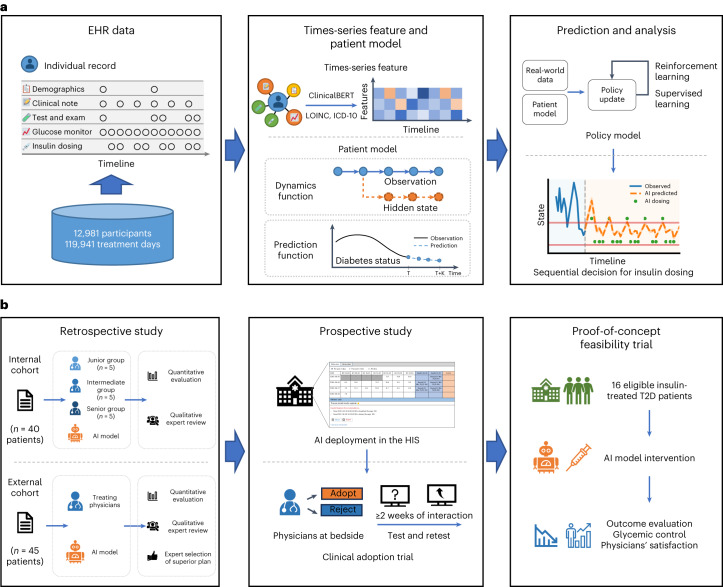
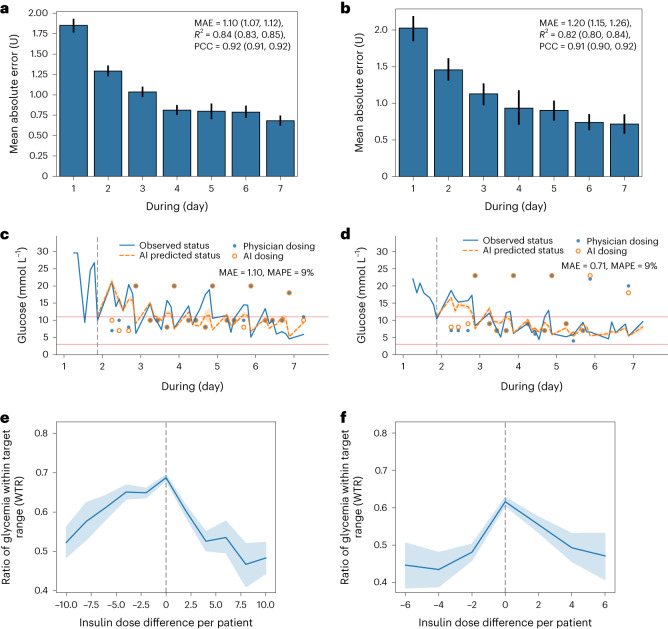
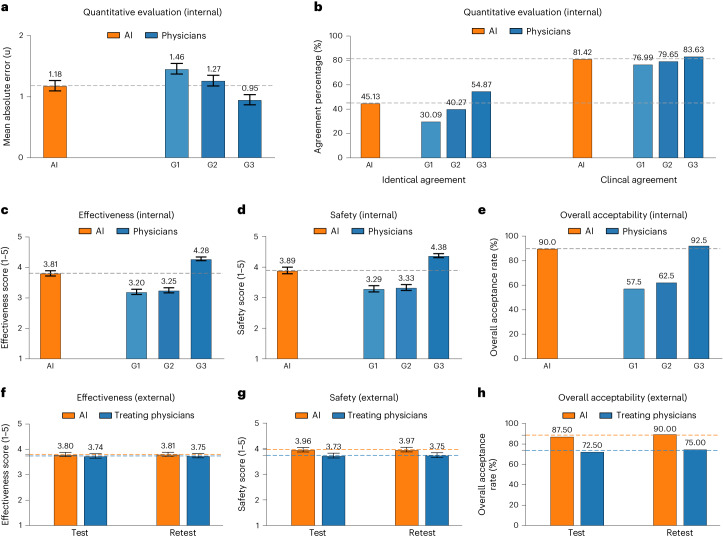
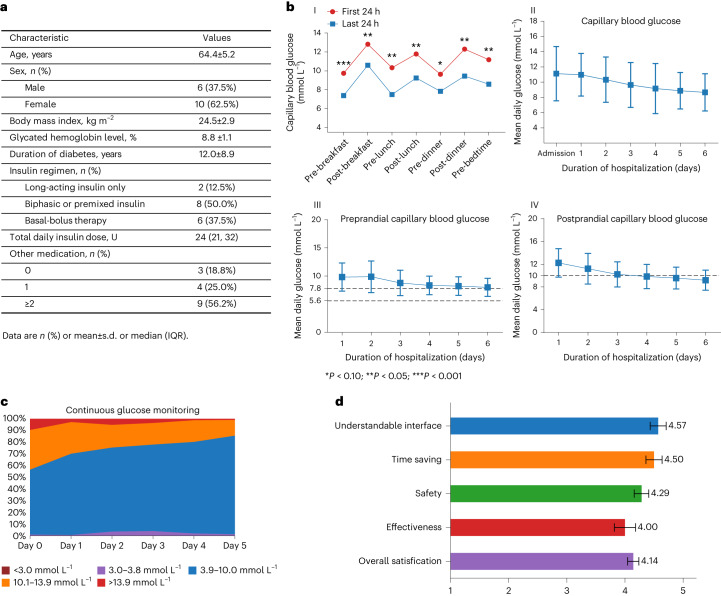
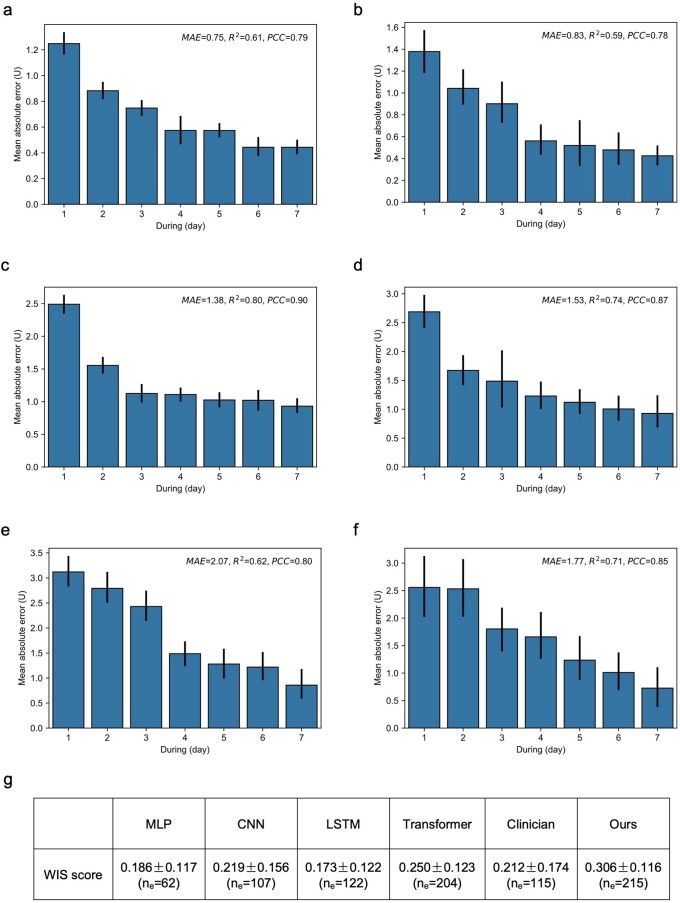
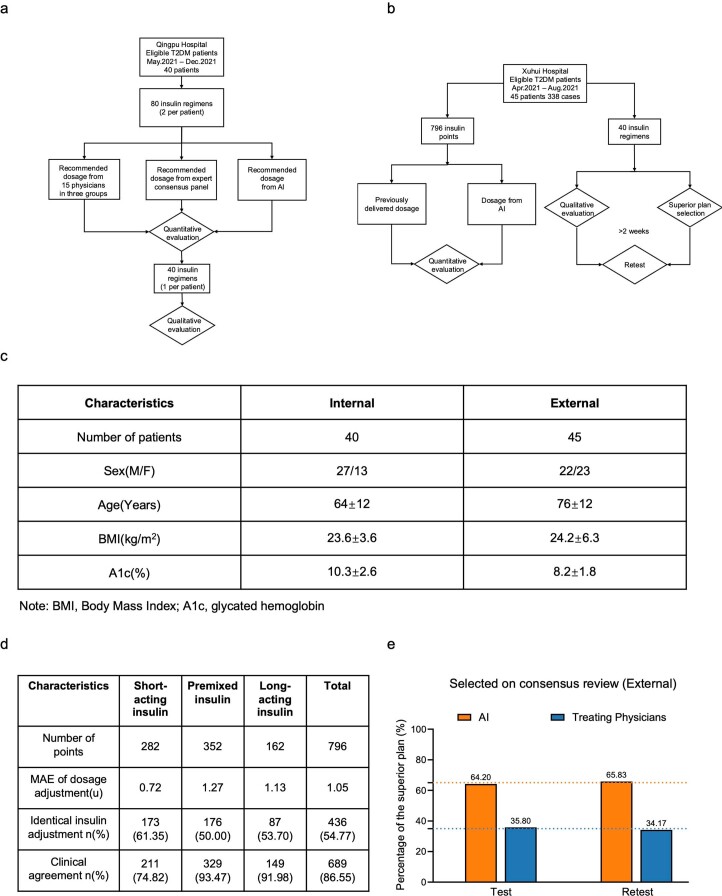
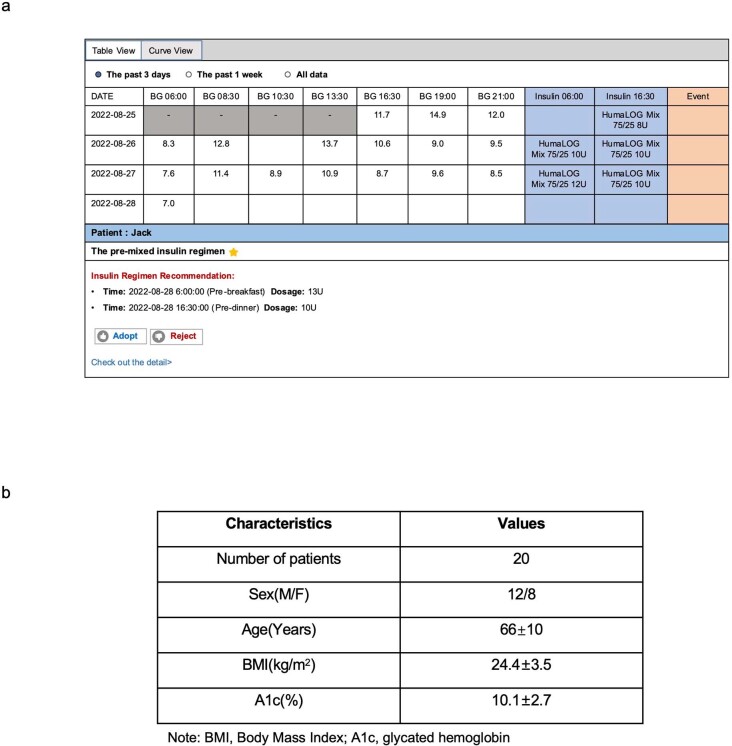
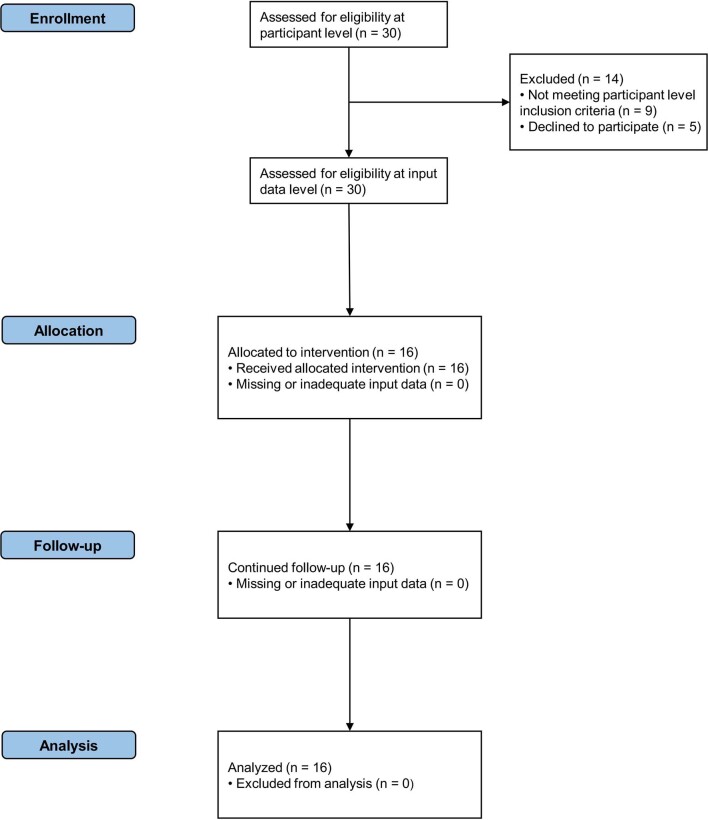
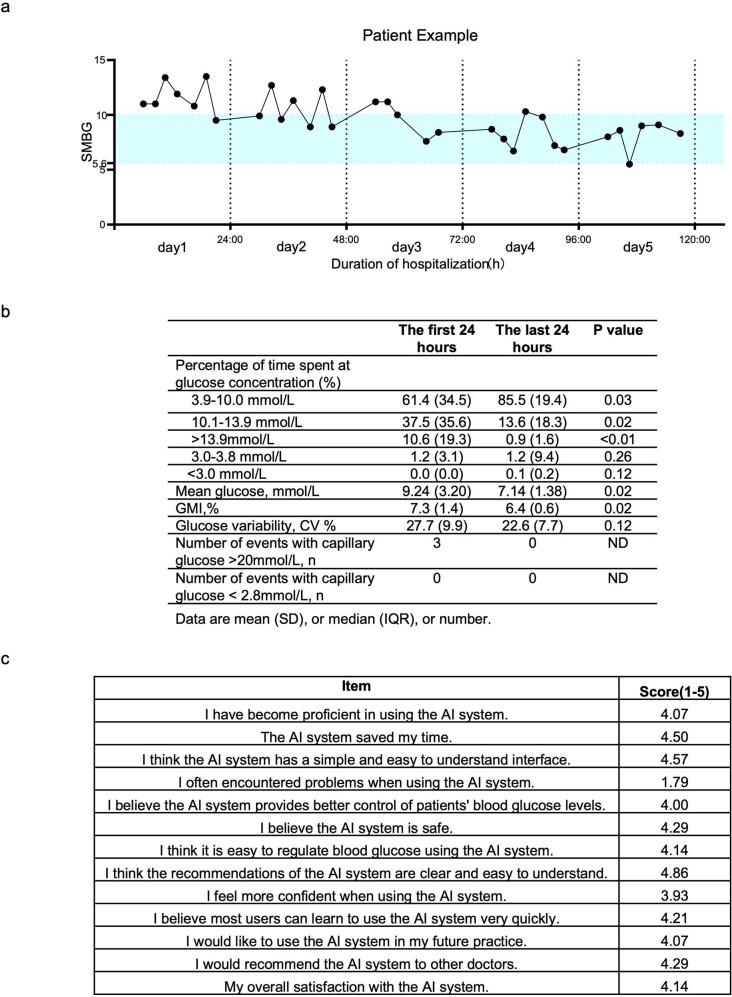
The personalized titration and optimization of insulin regimens for treatment of type 2 diabetes (T2D) are resource-demanding healthcare tasks. Here we propose a model-based reinforcement learning (RL) framework (called RL-DITR), which learns the optimal insulin regimen by analyzing glycemic state rewards through patient model interactions. When evaluated during the development phase for managing hospitalized patients with T2D, RL-DITR achieved superior insulin titration optimization (mean absolute error (MAE) of 1.10 ± 0.03 U) compared to other deep learning models and standard clinical methods. We performed a stepwise clinical validation of the artificial intelligence system from simulation to deployment, demonstrating better performance in glycemic control in inpatients compared to junior and intermediate-level physicians through quantitative (MAE of 1.18 ± 0.09 U) and qualitative metrics from a blinded review. Additionally, we conducted a single-arm, patient-blinded, proof-of-concept feasibility trial in 16 patients with T2D. The primary outcome was difference in mean daily capillary blood glucose during the trial, which decreased from 11.1 (±3.6) to 8.6 (±2.4) mmol L −1 ( P < 0.01), meeting the pre-specified endpoint. No episodes of severe hypoglycemia or hyperglycemia with ketosis occurred. These preliminary results warrant further investigation in larger, more diverse clinical studies. ClinicalTrials.gov registration: NCT05409391 .
Overview
The claims and statistics of this paper haven’t been checked yet.
Free: it reads the open-access text and checks the first 5 claims that cite a source we can check. Create a free account to check every claim.
Integrity signals
Registry
Cites
Statistics
Figures
Verification
Claims the paper makes
The claims and statistics of this paper haven’t been checked yet.
Free: it reads the open-access text and checks the first 5 claims that cite a source we can check. Create a free account to check every claim.
Claims other papers make about this one
Each is checked against this paper’s own text: does it say what the citing paper says it does?
The source backs part of the claim, not all of it — or backs it for a different population, condition or comparison.
In the citing paper
“AI-driven real-time patient monitoring systems are revolutionizing clinical care by enabling continuous, data-driven tracking of patient health.90,104,105”
From A foundational architecture for AI agents in healthcare (2025) · cites this paper as [105]
Experimental — accuracy not yet measured
Self-check
Percentages, sums and reported differences re-computed from the paper’s own numbers.
The self-check needs the paper’s full text.
Citations
Cites
Dermatologist-level classification of skin cancer with deep neural networks
Esteva, A., Kuprel, B., Novoa, R. A., Ko, J., Swetter, S. M., Blau, H. M., & Thrun, S. (2017) · Nature · doi:10.1038/nature21056 · Cited by 14,362
Sun, H., Saeedi, P., Karuranga, S., Pinkepank, M., Ogurtsova, K., Duncan, B. B., Stein, C., Basit, A., Chan, J. C. N., Mbanya, J. C., et al. (2022) · Diabetes Research and Clinical Practice · doi:10.1016/j.diabres.2021.109119 · Cited by 10,123
Stratton, I. M. (2000) · BMJ · doi:10.1136/bmj.321.7258.405 · Cited by 9,059
Reinforcement Learning: A Survey
Kaelbling, L. P., Littman, M. L., & Moore, A. W. (1996) · Journal of Artificial Intelligence Research · doi:10.1613/jair.301 · Cited by 8,972 · cited 1×
“Reinforcement learning (RL) has been proposed as a subfield of machine learning, enabling an agent to learn effective strategies through trial-and-error interactions with a dynamic environment 13 .”
BackgroundReinforcement Learning: An Introduction
Johnson, J. D., Li, J., & Chen, Z. (2000) · Neurocomputing · doi:10.1016/s0925-2312(00)00324-6 · Cited by 8,414
Self-citation10-year follow-up of intensive glucose control in type 2 diabetes
Holman, R. R., Paul, S. K., Bethel, M. A., Matthews, D. R., & Neil, H. A. W. (2008) · New England Journal of Medicine · doi:10.1056/nejmoa0806470 · Cited by 7,751
Identifying Medical Diagnoses and Treatable Diseases by Image-Based Deep Learning
Kermany, D. S., Goldbaum, M., Cai, W., Valentim, C. C. S., Liang, H., Baxter, S. L., McKeown, A., Yang, G., Wu, X., Yan, F., et al. (2018) · Cell · doi:10.1016/j.cell.2018.02.010 · Cited by 4,842
Self-citationArtificial intelligence in cancer imaging: Clinical challenges and applications
Bi, W. L., Hosny, A., Schabath, M. B., Giger, M. L., Birkbak, N. J., Mehrtash, A., Allison, T., Arnaout, O., Abbosh, C., Dunn, I. F., et al. (2019) · CA: A Cancer Journal for Clinicians · doi:10.3322/caac.21552 · Cited by 1,846 · cited 2×
“Artificial intelligence (AI) approaches have emerged as potentially powerful tools to aid in disease diagnosis and management 8–10 .”
BackgroundMoghissi, E. S., Korytkowski, M. T., DiNardo, M., Einhorn, D., Hellman, R., Hirsch, I. B., Inzucchi, S. E., Ismail-Beigi, F., Kirkman, M. S., & Umpierrez, G. E. (2009) · Diabetes Care · doi:10.2337/dc09-9029 · Cited by 1,444 · cited 1×
“The traditional clinical methods of insulin dosage titration were used as the standard clinical methods for comparison, consisting of guidelines 42 and consensus formulas 43,44 for premixed insulin regimen, basal regimen and basal-bolus regimen. https://doi.org/10.1038/s41591-023-02552-9 The…”
MethodInfluentialMastering Atari, Go, chess and shogi by planning with a learned model
Schrittwieser, J., Antonoglou, I., Hubert, T., Simonyan, K., Sifre, L., Schmitt, S., Guez, A., Lockhart, E., Hassabis, D., Graepel, T., et al. (2020) · RePEc: Research Papers in Economics · Cited by 1,310
Komorowski, M., Celi, L. A., Badawi, O., Gordon, A. C., & Faisal, A. A. (2018) · Nature Medicine · doi:10.1038/s41591-018-0213-5 · Cited by 1,290 · cited 1×
“With the increasing availability of medical record data, RL has been used in sequential medical decision-making systems in various clinical scenarios, including sepsis 15 , coronary heart disease 16 and glycemic regulation by artificial pancreas systems 17 .”
MethodMastering Atari, Go, chess and shogi by planning with a learned model
Schrittwieser, J., Antonoglou, I., Hubert, T., Simonyan, K., Sifre, L., Schmitt, S., Guez, A., Lockhart, E., Hassabis, D., Graepel, T., et al. (2020) · Nature · doi:10.1038/s41586-020-03051-4 · Cited by 1,214
Mastering Atari, Go, Chess and Shogi by Planning with a Learned Model
Schrittwieser, J., Antonoglou, I., Hubert, T., Simonyan, K., Sifre, L., Schmitt, S., Guez, A., Lockhart, E., Hassabis, D., Graepel, T., et al. (2019) · arXiv · doi:10.48550/arxiv.1911.08265 · Cited by 1,214
Sequential Imputations and Bayesian Missing Data Problems
Kong, A., Liu, J. S., & Wong, W. H. (1994) · Journal of the American Statistical Association · doi:10.1080/01621459.1994.10476469 · Cited by 1,060 · cited 1×
“…= π 1 ( a t | s t )/ π 0 ( a t | s t ) ; the weight of the trajectory is w = ∏ T t = 1 ρ t ; and the estimated value is To enhance the numerical stability of the calculations, we employed WIS along with effective sample size 40,41 , which normalizes the trajectories, thereby reducing variance 27 .”
MethodVasey, B., Nagendran, M., Campbell, B., Clifton, D. A., Collins, G. S., Denaxas, S., Denniston, A. K., Faes, L., Geerts, B., Ibrahim, M., et al. (2022) · Nature Medicine · doi:10.1038/s41591-022-01772-9 · Cited by 1,039 · cited 2×
“Therefore, the incorporation of RL-based methods from development to adoption into the real-world clinical workflow requires comprehensive evaluation 25 .”
MethodSelf-citation9. Pharmacologic Approaches to Glycemic Treatment: Standards of Care in Diabetes—2023
ElSayed, N. A., Aleppo, G., Aroda, V. R., Bannuru, R. R., Brown, F. M., Bruemmer, D., Collins, B. S., Hilliard, M. E., Isaacs, D., Johnson, E. L., et al. (2023) · Diabetes Care · doi:10.2337/dc23-s009 · Cited by 851 · cited 1×
“Although a series of clinical guidelines on rational insulin use for patients with T2D have been proposed by experts 4 , insulin dosage titration is typically based on the clinical guidance combined with physicians’ experience to achieve targeted glycemic goals 5 and cannot fully take into…”
Background6. Glycemic Targets: Standards of Medical Care in Diabetes—2021
American Diabetes Association (2021) · Diabetes Care · doi:10.2337/dc21-s006 · Cited by 847 · cited 2×
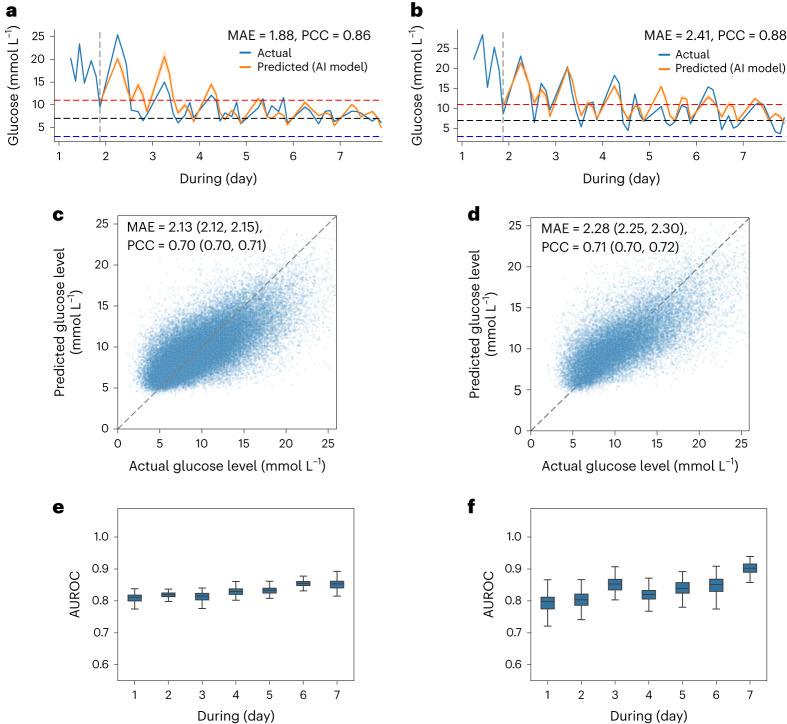
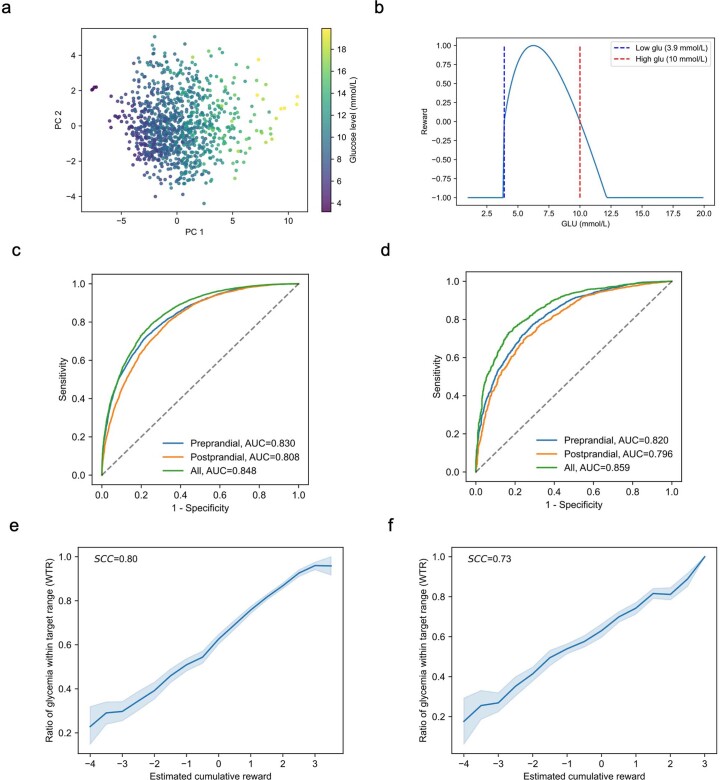
“WTR indicates the blood glucose value within the target range 3.9–10.0 mmol L −1 for each timepoint 5,26 .”
BackgroundInfluentialUmpierrez, G. E., Smiley, D., Zisman, A., Prieto, L. M., Palacio, A., Ceron, M., Puig, A., & Mejia, R. (2007) · Diabetes Care · doi:10.2337/dc07-0295 · Cited by 671
Vasey, B., Nagendran, M., Campbell, B., Clifton, D. A., Collins, G. S., Denaxas, S., Denniston, A. K., Faes, L., Geerts, B., Ibrahim, M., et al. (2022) · BMJ · doi:10.1136/bmj-2022-070904 · Cited by 665
Self-citationAttend and Diagnose: Clinical Time Series Analysis Using Attention Models
Song, H., Rajan, D., Thiagarajan, J., & Spanias, A. (2018) · Proceedings of the AAAI Conference on Artificial Intelligence · doi:10.1609/aaai.v32i1.11635 · Cited by 468
Guidelines for reinforcement learning in healthcare
Gottesman, O., Johansson, F., Komorowski, M., Faisal, A., Sontag, D., Doshi-Velez, F., & Celi, L. A. (2019) · Nature Medicine · doi:10.1038/s41591-018-0310-5 · Cited by 395 · cited 1×
“RL could potentially offer an attractive solution for constructing adaptable policies in various healthcare domains, especially in the dynamic treatment regimens (DTRs) for long-term patient care 14 .”
BackgroundZhang, K., Liu, X., Xu, J., Yuan, J., Cai, W., Chen, T., Wang, K., Gao, Y., Nie, S., Xu, X., et al. (2021) · Nature Biomedical Engineering · doi:10.1038/s41551-021-00745-6 · Cited by 324 · cited 1×
“Existing approaches have used supervised learning (SL), in which a list of correct labels must be provided, for disease detection or incidence prediction 11,12 .”
MethodSelf-citationReinforcement learning for intelligent healthcare applications: A survey
Coronato, A., Naeem, M., De Pietro, G., & Paragliola, G. (2020) · Artificial Intelligence in Medicine · doi:10.1016/j.artmed.2020.101964 · Cited by 320 · cited 1×
“Despite RL methods’ potential in optimizing treatment regimen based on the reward set by patient outcomes, their real-world application in therapy remains limited due to potential risks in clinical practice 23,24 .”
MethodSupervised Reinforcement Learning with Recurrent Neural Network for Dynamic Treatment Recommendation
Wang, L., Zhang, W., He, X., & Zha, H. (2018) · Proceedings of the 24th ACM SIGKDD International Conference on Knowledge Discovery & Data Mining · doi:10.1145/3219819.3219961 · Cited by 223 · cited 1×
“For stably training, following previous work 36 , a learnable value function V ( s ) , an expected return starting from s , was used instead of R .”
MethodUmpierrez, G. E., Smiley, D., Hermayer, K., Khan, A., Olson, D. E., Newton, C., Jacobs, S., Rizzo, M., Peng, L., Reyes, D., et al. (2013) · Diabetes Care · doi:10.2337/dc12-1988 · Cited by 222
Effective sample size for importance sampling based on discrepancy measures
Martino, L., Elvira, V., & Louzada, F. (2017) · Signal Processing · doi:10.1016/j.sigpro.2016.08.025 · Cited by 198 · cited 1×
“…= π 1 ( a t | s t )/ π 0 ( a t | s t ) ; the weight of the trajectory is w = ∏ T t = 1 ρ t ; and the estimated value is To enhance the numerical stability of the calculations, we employed WIS along with effective sample size 40,41 , which normalizes the trajectories, thereby reducing variance 27 .”
MethodOptimal medication dosing from suboptimal clinical examples: a deep reinforcement learning approach
Nemati, S., Ghassemi, M. M., & Clifford, G. D. (2016) · 2016 38th Annual International Conference of the IEEE Engineering in Medicine and Biology Society (EMBC) · doi:10.1109/embc.2016.7591355 · Cited by 195 · cited 1×
“Despite RL methods’ potential in optimizing treatment regimen based on the reward set by patient outcomes, their real-world application in therapy remains limited due to potential risks in clinical practice 23,24 .”
MethodWang, G., Liu, X., Shen, J., Wang, C., Li, Z., Ye, L., Wu, X., Chen, T., Wang, K., Zhang, X., et al. (2021) · Nature Biomedical Engineering · doi:10.1038/s41551-021-00704-1 · Cited by 190 · cited 1×
“Existing approaches have used supervised learning (SL), in which a list of correct labels must be provided, for disease detection or incidence prediction 11,12 .”
MethodSelf-citationMcIntosh, C., Conroy, L., Tjong, M. C., Craig, T., Bayley, A., Catton, C., Gospodarowicz, M., Helou, J., Isfahanian, N., Kong, V., et al. (2021) · Nature Medicine · doi:10.1038/s41591-021-01359-w · Cited by 183 · cited 1×
“These validations, regarded as a standard of care and quality assurance review 30 , evaluate the AI system’s clinical performance and provide a basis for its effective integration from development to adoption into clinical practice.”
BackgroundUmpierrez, G. E., Hor, T., Smiley, D., Temponi, A., Umpierrez, D., Ceron, M., Munoz, C., Newton, C., Peng, L., & Baldwin, D. (2009) · The Journal of Clinical Endocrinology & Metabolism · doi:10.1210/jc.2008-1441 · Cited by 179
A Real-World Approach to Insulin Therapy in Primary Care Practice
Hirsch, I. B., Bergenstal, R. M., Parkin, C. G., Wright, E., & Buse, J. B. (2005) · Clinical Diabetes · doi:10.2337/diaclin.23.2.78 · Cited by 170 · cited 1×
“…methods of insulin dosage titration were used as the standard clinical methods for comparison, consisting of guidelines 42 and consensus formulas 43,44 for premixed insulin regimen, basal regimen and basal-bolus regimen. https://doi.org/10.1038/s41591-023-02552-9 The insulin dosage titration…”
MethodInfluentialGlycemic variability and cardiovascular disease in patients with type 2 diabetes
Martinez, M., Santamarina, J., Pavesi, A., Musso, C., & Umpierrez, G. E. (2021) · BMJ Open Diabetes Research & Care · doi:10.1136/bmjdrc-2020-002032 · Cited by 155
The use of reinforcement learning algorithms to meet the challenges of an artificial pancreas
Bothe, M. K., Dickens, L., Reichel, K., Tellmann, A., Ellger, B., Westphal, M., & Faisal, A. A. (2013) · Expert Review of Medical Devices · doi:10.1586/17434440.2013.827515 · Cited by 124 · cited 1×
“With the increasing availability of medical record data, RL has been used in sequential medical decision-making systems in various clinical scenarios, including sepsis 15 , coronary heart disease 16 and glycemic regulation by artificial pancreas systems 17 .”
MethodGlycemic Variability: Measurement and Utility in Clinical Medicine and Research—One Viewpoint
Rodbard, D. (2011) · Diabetes Technology & Therapeutics · doi:10.1089/dia.2011.0104 · Cited by 62 · cited 1×
“…for patients with T2D have been proposed by experts 4 , insulin dosage titration is typically based on the clinical guidance combined with physicians’ experience to achieve targeted glycemic goals 5 and cannot fully take into consideration the variability for each patient in the real world 6,7 .”
BackgroundModel-Based or Model-Free, a Review of Approaches in Reinforcement Learning
Huang, Q. (2020) · 2020 International Conference on Computing and Data Science (CDS) · doi:10.1109/cds49703.2020.00051 · Cited by 52 · cited 2×
“As safety is a primary concern in complex or long-term treatment scenarios, model-based RL might offer potential in simulating diverse scenarios, thereby providing reliable forward planning at decision time 22 .”
BackgroundGarg, S. K., Bookout, T. R., McFann, K. K., Kelly, W. C., Beatson, C., Ellis, S. L., Gutin, R. S., & Gottlieb, P. A. (2008) · Diabetes Technology & Therapeutics · doi:10.1089/dia.2007.0303 · Cited by 43 · cited 1×
“WTR indicates the blood glucose value within the target range 3.9–10.0 mmol L −1 for each timepoint 5,26 .”
BackgroundInfluentialOh, S. H., Park, J., Lee, S. J., Kang, S. S., & Mo, J. (2022) · Expert Systems with Applications · doi:10.1016/j.eswa.2022.117932 · Cited by 42
Beyond Greedy Search: Tracking by Multi-Agent Reinforcement Learning-Based Beam Search
Wang, X., Chen, Z., Jiang, B., Tang, J., Luo, B., & Tao, D. (2022) · IEEE Transactions on Image Processing · doi:10.1109/tip.2022.3208437 · Cited by 34 · cited 1×
“We applied a beam search for policy search 38 .”
MethodSelf-citationA Deep Reinforcement Learning Approach for Type 2 Diabetes Mellitus Treatment
Liu, Z., Ji, L., Jiang, X., Zhao, W., Liao, X., Zhao, T., Liu, S., Sun, X., Hu, G., Feng, M., et al. (2020) · IEEE International Conference on Healthcare Informatics (ICHI) · doi:10.1109/ichi48887.2020.9374313 · Cited by 33 · cited 1×
“Although several studies have used model-free RL models for treatment recommendation 18–20 , these approaches generally face challenges, such as sample efficiency and potential for unsafe policies when accurate simulation of the environment is lacking 21,22 .”
BackgroundSelf-citationGuo, H., Li, J., Liu, H., & He, J. (2022) · BMC Medical Informatics and Decision Making · doi:10.1186/s12911-022-01774-0 · Cited by 33 · cited 1×
“With the increasing availability of medical record data, RL has been used in sequential medical decision-making systems in various clinical scenarios, including sepsis 15 , coronary heart disease 16 and glycemic regulation by artificial pancreas systems 17 .”
MethodSun, C., Hong, S., Song, M., Shang, J., & Li, H. (2021) · Biomedical Signal Processing and Control · doi:10.1016/j.bspc.2021.102847 · Cited by 25 · cited 1×
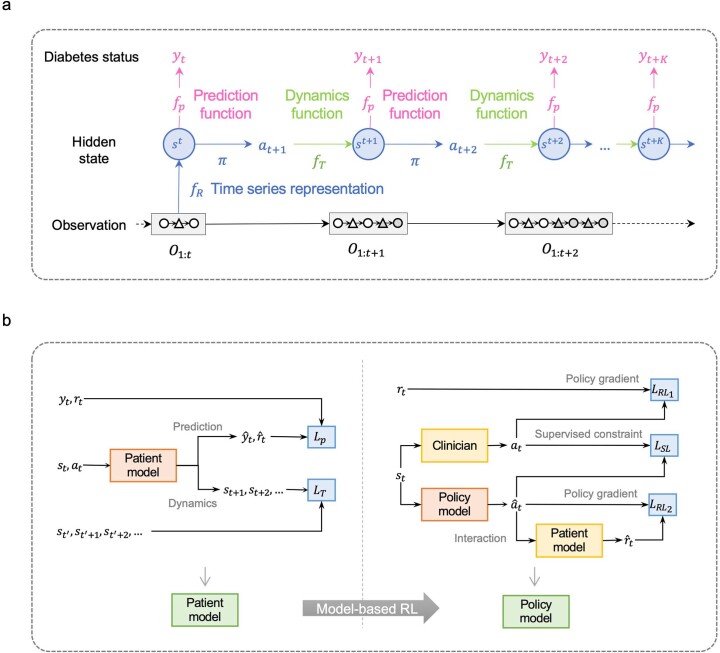
“Additionally, our RL-based system delivers continuous and real-time insulin dosage recommendation for patients with T2D who are receiving subcutaneous insulin injection, combining optimal policies for clinical decision-making and the mimicking of experienced physicians 29 .”
MethodRaheb, M. A., Niazmand, V. R., Eqra, N., & Vatankhah, R. (2022) · Computers in Biology and Medicine · doi:10.1016/j.compbiomed.2022.105860 · Cited by 19 · cited 1×
“Although several studies have used model-free RL models for treatment recommendation 18–20 , these approaches generally face challenges, such as sample efficiency and potential for unsafe policies when accurate simulation of the environment is lacking 21,22 .”
BackgroundPiotie, P. N., Wood, P. S., Webb, E. M., Hugo, J. F. M., & Rheeder, P. (2021) · Therapeutic Advances in Endocrinology and Metabolism · doi:10.1177/20420188211054688 · Cited by 17 · cited 1×
“https://doi.org/10.1038/s41591-023-02552-9 Although some algorithms have been developed to assist physicians in insulin titration, only a few have been validated in clinical trials 31,32 .”
MethodInfluentialThomsen, C. H. N., Hangaard, S., Kronborg, T., Vestergaard, P., Hejlesen, O. K., & Jensen, M. H. (2022) · Journal of Diabetes Science and Technology · doi:10.1177/19322968221145964 · Cited by 11 · cited 1×
“https://doi.org/10.1038/s41591-023-02552-9 Although some algorithms have been developed to assist physicians in insulin titration, only a few have been validated in clinical trials 31,32 .”
MethodInfluential
Research works printed but not linked: 5
- Thomas MM Joost B Aske P Catholijn MJ Model-based reinforcement learning: a survey Found. Trends Mach. Learn 2020 16 1 118
- Farajtabar, M., Chow, Y. & Ghavamzadeh, M. More robust doubly robust off-policy evaluation. In Proc. of the 35th International Conference on Machine Learning, Vol. 80, 1447–1456 (PMLR, 2018).
- Srivastava N Hinton G Krizhevsky A Sutskever I Salakhutdinov R Dropout: a simple way to prevent neural networks from overfitting J. Mach. Learn. Res. 2014 15 1929 1958
- Fox, I. & Wiens, J. Reinforcement learning for blood glucose control: challenges and opportunities. https://openreview.net/forum?id=ByexVzSAs4 (2019).
- Zhang, H., Xu, W. & Yu, H. Generative planning for temporally coordinated exploration in reinforcement learning. In 10th International Conference on Learning Representations (ICLR 2022) (IEEE, 2022).
Cited by
A Primer on Reinforcement Learning in Medicine for Clinicians
Jayaraman, P., Desman, J. M., Sabounchi, M., Nadkarni, G. N., & Sakhuja, A. (2024) · npj Digital Medicine · doi:10.1038/s41746-024-01316-0 · Cited by 199
“Despite their complexity, studies have demonstrated the suitability of relatively simple methods like FQE for policy 77,78 79 andaproof-of-concepttrialofinsulincontrolfortype2diabetes 80 .”
Artificial intelligence for diabetes care: current and future prospects
Sheng, B., Pushpanathan, K., Guan, Z., Lim, Q. H., Lim, Z. W., Yew, S. M. E., Goh, J. H. L., Bee, Y. M., Sabanayagam, C., Sevdalis, N., et al. (2024) · The Lancet Diabetes & Endocrinology · doi:10.1016/s2213-8587(24)00154-2 · Cited by 106
Large language models for diabetes care: Potentials and prospects
Sheng, B., Guan, Z., Lim, L., Jiang, Z., Mathioudakis, N. N., Li, J., Liu, R., Bao, Y., Bee, Y. M., Wang, Y. X., et al. (2024) · Science Bulletin · doi:10.1016/j.scib.2024.01.004 · Cited by 85
Nagayach, A., Bhaskar, R., Ghosh, S., Singh, K. K., Han, S. S., & Sinha, J. K. (2024) · Ageing Research Reviews · doi:10.1016/j.arr.2024.102450 · Cited by 59
A foundational architecture for AI agents in healthcare
Liu, F., Niu, Y., Zhang, Q., Wang, K., Dong, Z., Wong, I. N., Cheng, L., Li, T., Duan, L., Li, K., et al. (2025) · Cell Reports Medicine · doi:10.1016/j.xcrm.2025.102374 · Cited by 41
“90,104,105 Through integration of wearable devices, biosensors, and remote monitoring tools, AI agents can collect and analyze a range of physiological data, including heart rate, blood pressure, and blood glucose levels.”
Metadata
- Authors
- Wang, G., Liu, X., Ying, Z., Yang, G., Chen, Z., Liu, Z., Zhang, M., Yan, H., Lu, Y., Gao, Y., Xue, K., Li, X., & Chen, Y.
- Affiliations
- Shanghai Medical College of Fudan University (CN)
- Beijing University of Posts and Telecommunications (CN)
- Fudan University (CN)
- Shanghai Xuhui Central Hospital (CN)
- Peking University (CN)
- University of Oxford (GB)
- Corresponding author
- Wang, Guangyu
- Li, Xiaoying
- Chen, Ying
- ORCID
- Venue
- Nature Medicine
- Published
- 2023-09-14
- Volume
- 29
- Issue
- 10
- Pages
- 2633-2642
- ISSN
- 1078-8956 (ISSN-L)
- 1546-170X
- PMC
- PMC10579102
- OpenAlex
- W4386741020
- Cited by
- 156
- References
- 43
- Citations by year
- 2026: 49 · 2025: 75 · 2024: 26 · 2023: 6
- FWCI
- 31.77
- Type
- journal article
- Language
- en
- Open access
- hybrid
- doi.org
- Licence
- cc-by
- creativecommons.org/licenses/by/4.0 (tdm)
- creativecommons.org/licenses/by/4.0 (vor)
- Locations
- Nature Medicine (publishedVersion, cc-by)
- PubMed Central (publishedVersion, cc-by)
- PubMed (publishedVersion)
- Funders
- National Natural Science Foundation of China (62272055, 81820108008, 31830041, 82000822)
- the Tencent Foundation through the XPLORER PRIZE, and Young Elite Scientists Sponsorship Program by cs
- Topics
- Health Sciences › Medicine › Endocrinology, Diabetes and Metabolism › Diabetes Management and Research
- Health Sciences › Medicine › Endocrinology, Diabetes and Metabolism › Hyperglycemia and glycemic control in critically ill and hospitalized patients
- Health Sciences › Medicine › Endocrinology, Diabetes and Metabolism › Diabetes Treatment and Management
- Keywords
- type 2 diabetes, insulin dose adjustment, glycemic control, reinforcement learning, hospitalized patients, hypoglycemia, hyperglycemia, capillary blood glucose
- MeSH terms
- Glycemic Control, Artificial Intelligence, Blood Glucose, Diabetes Mellitus, Type 2, Humans, Hypoglycemic Agents, Insulin
About these checks
Registry, retraction, Cites and statistics results are computed, not judged, with one exception: a printed reference that no index lists is read once by a model before it counts as a citation error. Claims are extracted by a model and kept only when their quote appears verbatim in the text; each cited source is then checked, with a model’s help, for whether it says what the claim relies on. Those verdicts can be wrong — read the claim’s quote and the cited source before relying on one.
Statistics and arithmetic are recomputed, not judged.
Confidence bands are shown only for fields calibrated on our annotated test set. None is calibrated yet, so no band is shown.
What counts as a claim ›How we measure confidence ›How we check this ›
Are you an author, or do you see a problem with this page? Request a review
Data sources
Bibliographic data: Semantic Scholar, OpenAlex, Crossref.
Contains information from the Semantic Scholar Academic Graph Datasets, made available under the ODC Attribution License (ODC-BY 1.0).
Semantic Scholar’s data is described in: Kinney, R., et al. (2023). The Semantic Scholar Open Data Platform. arXiv:2301.10140.
