

Bifidobacterium adolescentis as a key member of the human gut microbiota in the production of GABA
Open accessThe DOI matches its Crossref record; 40 of the 40 references it cites were found in a registry or an index.
Abstract
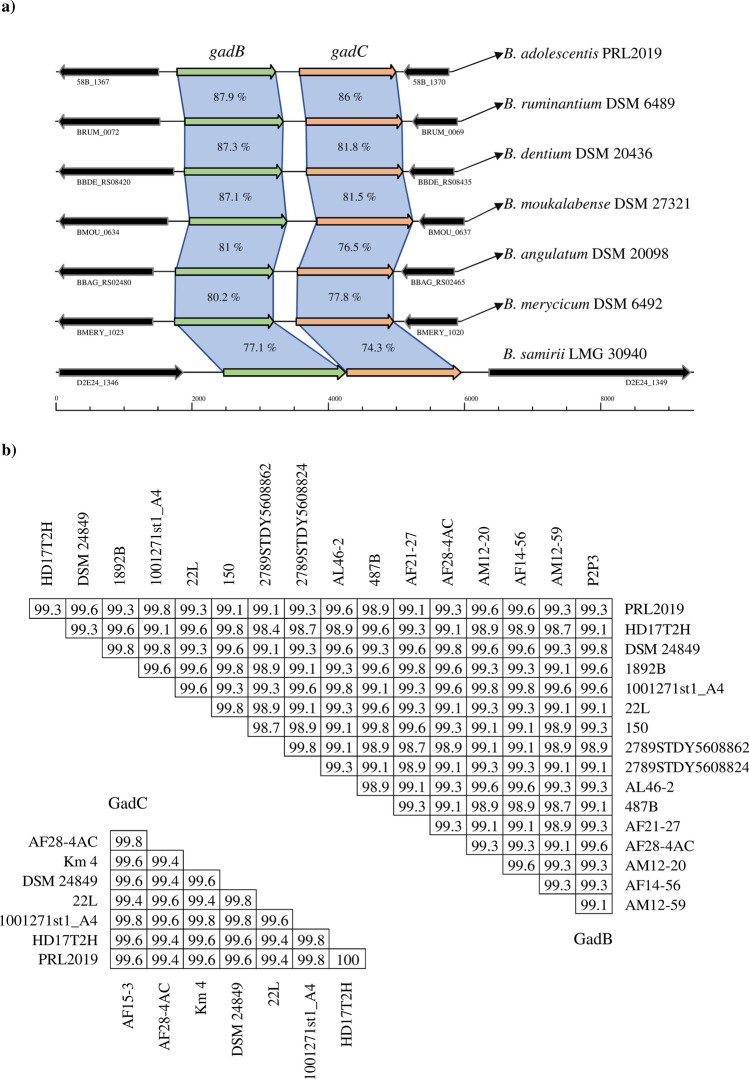
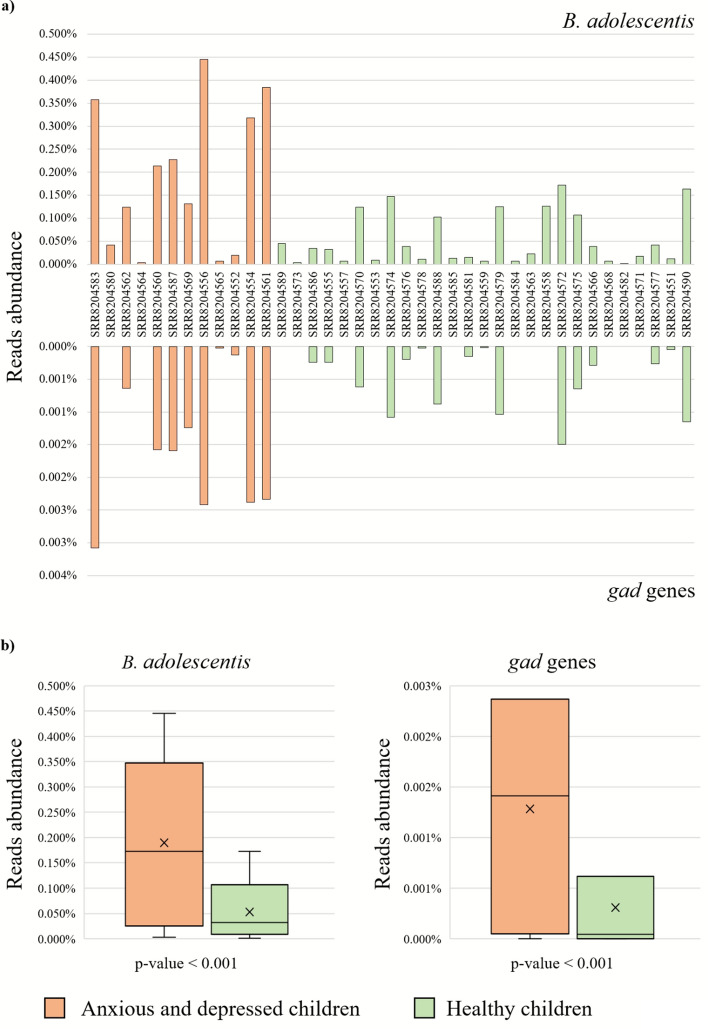
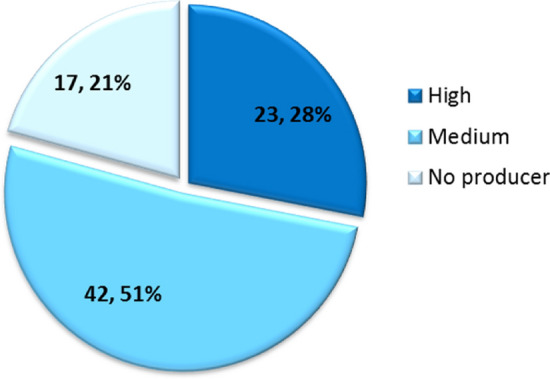
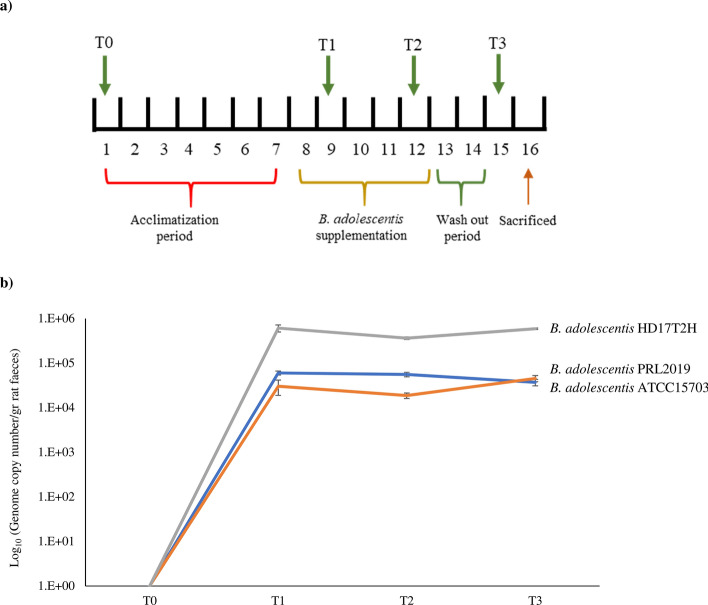
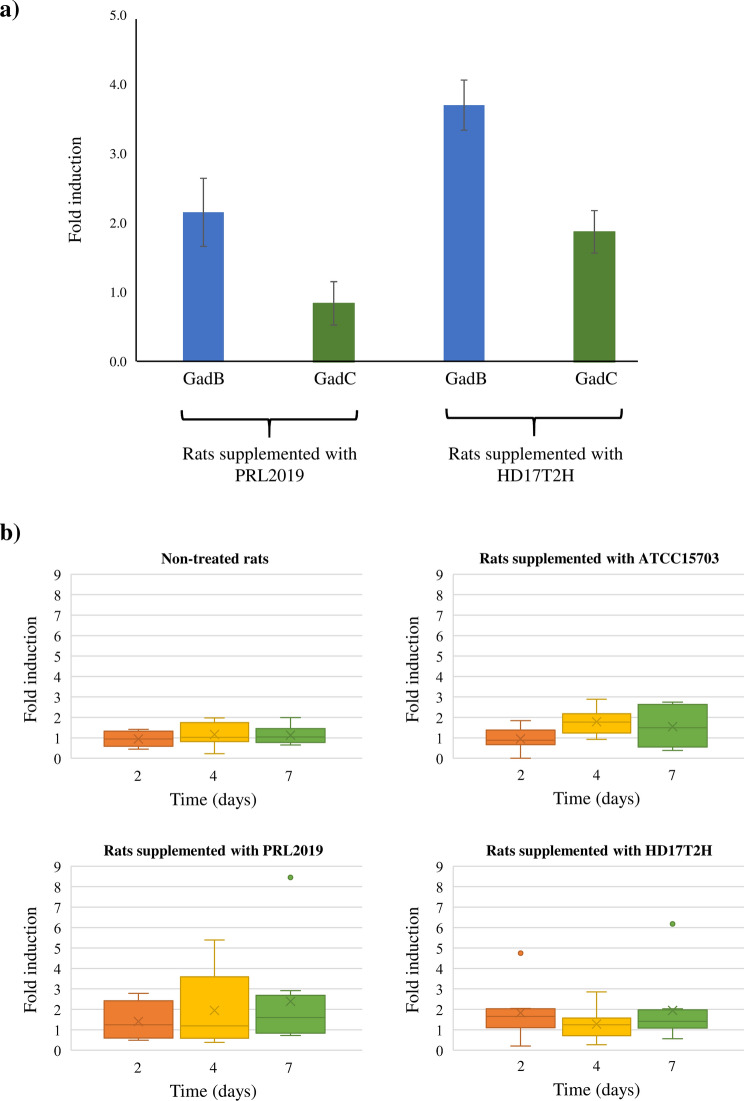
Gamma aminobutyric acid (GABA) is the principal inhibitory neurotransmitter playing a key role in anxiety and depression disorders in mammals. Recent studies revealed that members of the gut microbiota are able to produce GABA modulating the gut-brain axis response. Among members of the human gut microbiota, bifidobacteria are well known to establish many metabolic and physiologic interactions with the host. In this study, we performed genome analyses of more than 1,000 bifidobacterial strains publicly available revealing that Bifidobacterium adolescentis taxon might represent a model GABA producer in human gastrointestinal tract. Moreover, the in silico screening of human/animal metagenomic datasets showed an intriguing association/correlation between B. adolescentis load and mental disorders such as depression and anxiety. Interestingly, in vitro screening of 82 B. adolescentis strains allowed identifying two high GABA producers, i.e. B. adolescentis PRL2019 and B. adolescentis HD17T2H, which were employed in an in vivo trial in rats. Feeding Groningen rats with a supplementation of B. adolescentis strains, confirmed the ability of these microorganisms to stimulate the in vivo production of GABA highlighting their potential implication in gut-brain axis interactions.
Overview
The claims and statistics of this paper haven’t been checked yet.
Free: it reads the open-access text and checks the first 5 claims that cite a source we can check. Create a free account to check every claim.
Integrity signals
Registry
Cites
Statistics
Figures
Verification
Claims the paper makes
The claims and statistics of this paper haven’t been checked yet.
Free: it reads the open-access text and checks the first 5 claims that cite a source we can check. Create a free account to check every claim.
Claims other papers make about this one
Each is checked against this paper’s own text: does it say what the citing paper says it does?
The source backs part of the claim, not all of it — or backs it for a different population, condition or comparison.
In the citing paper
“in vitro trials of 82 Bifidobacterium adolescentis strains allowed to recognize two, which are superior GABA producers (i.e., PRL2019 and HD17T2H) and thus confirmed the ability of these bacteria to influence the CNS function via the gut-brain axis signaling [140].”
From The Role of Microbiota-Gut-Brain Axis in Neuropsychiatric and Neurological Disorders (2021) · cites this paper as [140]
Experimental — accuracy not yet measuredIn the citing paper
“In silico screening of animal and human metagenomic datasets prepared by Duranti et al. [140] indicated a puzzling dependence between Bifidobacterium adolescentis amount in the gut microbiota and mental disorders such as depression and anxiety.”
From The Role of Microbiota-Gut-Brain Axis in Neuropsychiatric and Neurological Disorders (2021) · cites this paper as [140]
Self-check
Percentages, sums and reported differences re-computed from the paper’s own numbers.
The self-check needs the paper’s full text.
Citations
Cites
The Sequence Alignment/Map format and SAMtools
Li, H., Handsaker, B., Wysoker, A., Fennell, T., Ruan, J., Homer, N., Marth, G., Abecasis, G., Durbin, R., & 1000 Genome Project Data Processing Subgroup (2009) · Bioinformatics · doi:10.1093/bioinformatics/btp352 · Cited by 62,041
Fast and accurate short read alignment with Burrows-Wheeler transform
Li, H., & Durbin, R. (2009) · Bioinformatics · doi:10.1093/bioinformatics/btp324 · Cited by 58,607
Fast gapped-read alignment with Bowtie 2
Langmead, B., & Salzberg, S. L. (2012) · Nature Methods · doi:10.1038/nmeth.1923 · Cited by 56,400
SPAdes: A New Genome Assembly Algorithm and Its Applications to Single-Cell Sequencing
Bankevich, A., Nurk, S., Antipov, D., Gurevich, A. A., Dvorkin, M., Kulikov, A. S., Lesin, V. M., Nikolenko, S. I., Pham, S., Prjibelski, A. D., et al. (2012) · Journal of Computational Biology · doi:10.1089/cmb.2012.0021 · Cited by 25,987
HTSeq—a Python framework to work with high-throughput sequencing data
Anders, S., Pyl, P. T., & Huber, W. (2015) · Bioinformatics · doi:10.1093/bioinformatics/btu638 · Cited by 21,464
Prodigal: prokaryotic gene recognition and translation initiation site identification
Hyatt, D., Chen, G.-L., LoCascio, P. F., Land, M. L., Larimer, F. W., & Hauser, L. J. (2010) · BMC Bioinformatics · doi:10.1186/1471-2105-11-119 · Cited by 12,587
Milani, C., Duranti, S., Bottacini, F., Casey, E., Turroni, F., Mahony, J., Belzer, C., Delgado Palacio, S., Arboleya Montes, S., Mancabelli, L., et al. (2017) · Microbiology and Molecular Biology Reviews · doi:10.1128/mmbr.00036-17 · Cited by 1,950
Self-citationAssembling Single-Cell Genomes and Mini-Metagenomes From Chimeric MDA Products
Nurk, S., Bankevich, A., Antipov, D., Gurevich, A. A., Korobeynikov, A., Lapidus, A., Prjibelski, A. D., Pyshkin, A., Sirotkin, A., Sirotkin, Y., et al. (2013) · Journal of Computational Biology · doi:10.1089/cmb.2013.0084 · Cited by 1,327
γ-Aminobutyric acid production by culturable bacteria from the human intestine
Barrett, E., Ross, R. P., O'Toole, P. W., Fitzgerald, G. F., & Stanton, C. (2012) · Journal of Applied Microbiology · doi:10.1111/j.1365-2672.2012.05344.x · Cited by 1,156
Bridging the cleft at GABA synapses in the brain
Mody, I., De Koninck, Y., Otis, T. S., & Soltesz, I. (1994) · Trends in Neurosciences · doi:10.1016/0166-2236(94)90155-4 · Cited by 620
Cited by
Items 201–300 of 342
Gut feelings–the gut microbiome as a regulator of mental health in polycystic ovary syndrome
Arffman, R. K., Folch, B. A., Leonés-Baños, I., & Altmäe, S. (2025) · Fertility and Sterility · doi:10.1016/j.fertnstert.2025.09.014 · Cited by 7
Liu, H., Liu, G., Zhang, Y., Suo, W., Hao, Y., Wang, Y., & Ding, H. (2025) · Neuropsychiatric Disease and Treatment · doi:10.2147/ndt.s547997 · Cited by 7
“26 28 For example, B. adolescentis NK98 could alleviate Escherichia coli-induced depression and gut dysbiosis in mice.”
Ayuso, P., Quizhpe, J., Yepes, F., Miranzo, D., Avellaneda, A., Nieto, G., & Ros, G. (2024) · Foods · doi:10.3390/foods13121792 · Cited by 8
“Bifidobacterium adolescentis is a common probiotic species in the adult human gut [65,66], and its reduction may be attributed to the variable effects of additives on different intestinal bacteria.”
BackgroundHoenicka, H., Bein, S., Starczak, M., Graf, W., Hanelt, D., & Gackowski, D. (2024) · BMC Plant Biology · doi:10.1186/s12870-024-05425-6 · Cited by 6
“More research is still required to define the specific roles of both aminobutyric acid isomers on stress resistance and stress memory, and the role of the micro-biome as potential GABA and BABA provider in plants, as is the case for GABA in animals [156].”
BackgroundKozakai, T., Nakajima, A., Miyazawa, K., Sasaki, Y., Odamaki, T., Katoh, T., Fukuma, T., Xiao, J., Suzuki, T., Katayama, T., et al. (2024) · iScience · doi:10.1016/j.isci.2024.111080 · Cited by 7
Microbiota–Host Interactions: Exploring Their Dynamics and Contributions to Human Diseases
Chin, S. W., Low, Z. Y., Tan, W. Q., & Azman, A. S. (2025) · MicrobiologyOpen · doi:10.1002/mbo3.70043 · Cited by 7
“For instance, Lactobacillus and Bifidobacterium can produce GABA and modulate different neurological parameters, including sleep, appetite, mood, cognition and psychiatric (Duranti et al. 2020).”
Liu, Z., Mu, C., & Zhu, W. (2023) · Amino Acids · doi:10.1007/s00726-023-03311-3 · Cited by 11
“The microbial potential to produce GABA warrants further attention (Barrett et al. 2012; Duranti et al. 2020; Strandwitz et al. 2019).”
BackgroundKang, A., Kwak, M., Choi, H., Son, S.-H., Lim, S.-H., Eor, J. Y., Song, M., Kim, M. K., Kim, J. N., Yang, J., et al. (2024) · Food Science of Animal Resources · doi:10.5851/kosfa.2024.e41 · Cited by 8
“Moreover, select strains of Bifidobacterium have the capacity to synthesize gamma-aminobutyric acid, a neurotransmitter with potential anxiolytic and calming effects on the central nervous system (Duranti et al., 2020).”
BackgroundChen, Y., Wang, D., Liao, Y., Zuo, G., & Lu, X. (2024) · Discover Medicine · doi:10.1007/s44337-024-00135-2 · Cited by 6
Athalye‐Jape, G., Rath, C. P., Panchal, H., Mishra, A., Graham, D., & Patole, S. (2025) · Microorganisms · doi:10.3390/microorganisms13010112 · Cited by 5
Gut Microbiome in Adult and Pediatric Patients With Hidradenitis Suppurativa
Collard, M., Grbic, N., Mumber, H. E., Wyant, W. A., Shen, L. Y., & Alani, R. M. (2025) · JAMA Dermatology · doi:10.1001/jamadermatol.2025.1318 · Cited by 5
Nie, L.-H., Xiang, Q., Lin, Y., Xu, Y., Wen, W., Deng, Y., Chen, J., Zhu, X., Xie, L., & Wu, Z. (2024) · Biochemistry and Biophysics Reports · doi:10.1016/j.bbrep.2023.101629 · Cited by 13
“Duranti S et al. found that Bifidobacterium adolescentis taxon may be a major producer of GABA in the GM [39].”
BackgroundDocosahexaenoic acid supplementation and infant brain development: role of gut microbiome
Fang, X., Lee, S., Rayalam, S., & Park, H. J. (2024) · Nutrition Research · doi:10.1016/j.nutres.2024.08.005 · Cited by 6
Rout, S., Dash, R. J., Satish, V., Venugopal, G., Rao, B. N., Bandhyopadhyay, D., Bhoi, S. K., & Ramadass, B. (2025) · Aging · doi:10.18632/aging.206200 · Cited by 7
Gut-brain communication in menopause: insights into neuroendocrine and microbiome interactions
Cuozzo, M., O’Connor, C., Power, E. M., Gleeson, E. M., & O’Mahony, S. M. (2026) · Proceedings of The Nutrition Society · doi:10.1017/s0029665126102201 · Cited by 5
“It is a well-known gamma-aminobutyric acid (GABA) producer which acted as an anxiolytic in both pre-clinical (111) and clinical studies (112) .”
Beyond breastfeeding: a One Health Decalogue for nurturing the infant microbiota
Biagioli, V., Matera, M., Cavecchia, I., Illiceto, M. T., Pennazzi, L., Luongo, G., Lugli, S., & Striano, P. (2026) · Frontiers in Nutrition · doi:10.3389/fnut.2026.1784544 · Cited by 6
Silva, S. P., González, A., Roupar, D., Dias, M. S., Salvador, A. F., Teixeira, J. A., Almeida, R. D., Nobre, C., Coimbra, M. A., & Coelho, E. (2026) · Carbohydrate Polymers · doi:10.1016/j.carbpol.2026.125497 · Cited by 6
Navarro, A., Rodea, G. E., Castelán-Sánchez, H. G., Saucedo-Pastrana, H. A., Licona-Moreno, D., Eslava-Campos, C. A., Tirado-Gómez, L. L., Vilchis-Reyes, A., de la Torre, G. G., & Cruz-Licea, V. (2022) · Microorganisms · doi:10.3390/microorganisms10101995 · Cited by 4
“adolescentes has a beneficial role as a probiotic for its host, and studies attribute the production of gamma aminobutyric acid (GABA) to this bacterium GABA, suggesting that the bacterium plays a role in the modulation of the gut–brain response [30].”
BackgroundWang, J., Zhang, L., Wang, X., Dong, J., & Li, J. (2025) · Diabetology & Metabolic Syndrome · doi:10.1186/s13098-025-01752-2 · Cited by 5
“GABA supplementation has been reported to influence disease progression by modulating intestinal immunity and changes in intestinal flora [21, 22].”
The Gut Microbiota-anxiety Connection: Evidence, Mechanisms, and Therapeutic Strategies
Bjørklund, G., Butnariu, M., Dadar, M., & Semenova, Y. M. (2025) · Current Medicinal Chemistry · doi:10.2174/0109298673356125250409182218 · Cited by 4
Granja-Iglesias, A., Vázquez, X., Sabater, C., Hevia, A., Garrido‐Romero, M., Muñoz-Labrador, A. M., Galindo‐Iranzo, P., Lebrón‐Aguilar, R., Quintanilla-López, J. E., Moreno, F. J., et al. (2025) · Journal of Food Science · doi:10.1111/1750-3841.70504 · Cited by 4
“…for microbial production of γ -aminobutyric acid (GABA), a neurotransmitter whose deficiency has been associated to various brain alterations (Duranti et al. 2020), and that could further support an alternative via for modulation of the microbial populations in the gut ecosystem…”
Self-citationTargeting the intestinal TLR4-GABAA axis to promote stroke recovery
Huang, X., Chen, S., Zhang, W., Li, J., Yang, S., Zhou, L., Zhou, H., & Xu, K. (2026) · Journal of Neuroinflammation · doi:10.1186/s12974-025-03689-9 · Cited by 5
“Supplementation with Bifidobacterium adolescentis increases luminal GABA levels in rats, whereas administration of engineered Escherichia coli strains elevates circulating GABA in mice and induces anxiolytic behavioral effects [53, 54].”
Uma, A., Sudarsanan, G. B., Karuppannan, A. K., & Palaniappan, S. (2023) · Probiotics and Antimicrobial Proteins · doi:10.1007/s12602-023-10165-4 · Cited by 5
Role of Gut Microbiota in Neuroinflammation and Neurological Disorders
Raj, K., Arora, N., Rohit, B. S. P., Awasthi, A., Patel, M., Chaudhary, A., Singh, S., & Gupta, G. D. (2024) · Frontiers in clinical drug research. CNS and neurological disorders · doi:10.2174/9789815179842124120005 · Cited by 5
New insights into the role of nanotechnology in Bifidobacterium biomedical applications
Ghaznavi, G., Hashemi, S., Abolhosseini, M. M., Vosough, P., Lohrasbi, P., Taghizadeh, S., & Savardashtaki, A. (2024) · Advances in Natural Sciences Nanoscience and Nanotechnology · doi:10.1088/2043-6262/ad3b7c · Cited by 4
Exploring the pathogenesis and treatment of PSD from the perspective of gut microbiota
Shi, M., Li, Z., Tang, Z., Zhou, H., Huang, X., Wei, Y., Li, X., Li, X., Shi, H., & Qin, D. (2024) · Brain Research Bulletin · doi:10.1016/j.brainresbull.2024.111022 · Cited by 5
“Furthermore, Duranti et al. (2020) found that Bifidobacterium adolescentis PRL2019 and Bifidobacterium adolescentis HD17T2H cecal transplants in rats resulted in the enhanced ability to produce GABA in vivo.”
Pansai, N., Wungsintaweekul, J., & Wichienchot, S. (2024) · Journal of the Science of Food and Agriculture · doi:10.1002/jsfa.13677 · Cited by 5
Sultan, N., Tuck, C. J., Cheng, E., Kellow, N. J., & Biesiekierski, J. R. (2025) · Nutrients · doi:10.3390/nu17132059 · Cited by 5
“Bifidobacterium spp. also converts monosodium glutamate to the neurotransmitter γ -aminobutyric acid (GABA) [69], which maintains cytoplasmic pH homeostasis to reduce neuronal excitability.”
Lee, Y. J., Lim, H. J., & Kim, D. (2022) · ACS Synthetic Biology · doi:10.1021/acssynbio.1c00501 · Cited by 6
Anxiety and Metabolic Disorders: The Role of Botanicals
Trebesova, H., Orlandi, V., Boggia, R., & Grilli, M. (2023) · Current Issues in Molecular Biology · doi:10.3390/cimb45020068 · Cited by 4
“This finding underlines a potential therapeutic implication since GABA is a principal inhibitory neurotransmitter in the CNS and plays a key role in anxiety and depression disorders [100].”
BackgroundBifidobacteria in disease: from head to toe
Zhang, W., Jia, Q., Han, M., Zhang, X., Guo, L., Sun, S., Yin, W., Bo, C., Han, R., & Sai, L. (2023) · Folia Microbiologica · doi:10.1007/s12223-023-01087-3 · Cited by 5
“Taking Bifidobacterium adolescentis IM38 orally relieved anxiety by upregulating benzodiazepine sites on neurotransmitter gamma aminobu-tyric acid (GABA), with effect comparable to the antidepressant buspirone (Jang et al. 2018).”
The progress on the relationship between gut microbiota and immune checkpoint blockade in tumors
Jiang, H., Ye, Y., Wang, M., Sun, X., Sun, T., Chen, Y., Li, P., Zhang, M., & Wang, T. (2023) · Biotechnology and Genetic Engineering Reviews · doi:10.1080/02648725.2023.2212526 · Cited by 5
“…B12, folic acid, and vitamin B7; gut microbiota can produce secondary bile acids that help digest fat; gut microbiota can also generate pharmacologically active signals related to host metabolism molecular (Blumberg & Powrie, 2012; Conlon & Bird, 2014; Duranti et al., 2020; Henke et al., 2019).”
Shin, A., Xing, Y., Waseem, M. R., Siwiec, R. M., James-Stevenson, T. N., Rogers, N. A., Bohm, M. E., Wo, J. M., Lockett, C. J., Gupta, A., et al. (2024) · medRxiv · doi:10.1101/2024.01.31.24302084 · Cited by 4
An Overview of GABA Production by Microorganisms
Altaib, H., El‐Nouby, M. A. M., & Badr, Y. (2025) · Wiley eBooks · doi:10.1002/9781394241538.ch17 · Cited by 4
Zheng, Y., Qu, Y., Yao, M., Li, K., Dong, Y., Xing, X., Yang, T., Guo, H., & Huang, P. (2025) · Frontiers in Microbiology · doi:10.3389/fmicb.2025.1721497 · Cited by 4
Gut microbiota and traumatic brain injury: insights from an antibiotic-free cohort
Wu, H., Huo, Y., Fang, W., Guo, J., Wang, X., Su, L., & Cheng, G. (2026) · Frontiers in Microbiology · doi:10.3389/fmicb.2025.1697206 · Cited by 6
Mageswary, M. U., Li, P., Richmond, R. V., Azianey, Y., Hamid, I. J. A., Taib, F., Liong, M.-T., Ali, A., Tan, J. S., & Zhang, Y. (2026) · Frontiers in Nutrition · doi:10.3389/fnut.2025.1713135 · Cited by 3
Bai, X., Jing, Y., Zhang, M., Zhao, L., Hao, Y., & Zhai, Z. (2026) · Annual Review of Food Science and Technology · doi:10.1146/annurev-food-053124-111149 · Cited by 5
Wang, X., Xie, Q., Li, J., & Jiang, S. (2026) · Food & Function · doi:10.1039/d6fo00335d · Cited by 3
Squillante, J., Esposito, F., & Cirillo, T. (2025) · Food Bioscience · doi:10.1016/j.fbio.2025.106979 · Cited by 5
Neurosteroids, Microbiota, and Neuroinflammation: Mechanistic Insights and Therapeutic Perspectives
Tahri, A., Niccolai, E., & Amedei, A. (2025) · International Journal of Molecular Sciences · doi:10.3390/ijms26147023 · Cited by 3
“Duranti et al. demonstrated that human milk oligosaccharides improved GABA production, which is probably mediated by an increase in special microbial species such as Bifidobacterium adolescentis [188].”
Haute, M. J. S. V., Chacón-Vargas, K., Christensen, C. M., Yumul, S. R. P., Abdulaali, F. F., Benson, A. K., Hutkins, R. W., & Auchtung, T. A. (2025) · mSphere · doi:10.1128/msphere.00673-25 · Cited by 4
“Despite numerous reports suggesting that strains of B. adolescentis possess several beneficial traits (10, 13, 15, 30, 57), it was unclear how widespread these traits were S13 and S14. across the species.”
InfluentialEndophytic bacteria to control plant viruses: an overview
Sorokan, A. V., Burkhanova, G. F., Veselova, S. V., Singh, B. P., Upadhyaya, K., Хайруллин, Р. М., & Maksimov, I. V. (2022) · Elsevier eBooks · doi:10.1016/b978-0-323-90620-3.00018-0 · Cited by 4
He, D., Wang, X., Ye, J., Yao, Y., Wen, Y. F., Jia, Y., Meng, P., Yang, X., Wu, C., Ning, Y., et al. (2022) · Psychiatric Genetics · doi:10.1097/ypg.0000000000000334 · Cited by 4
“In addition, it is suggested that Bifidobacterium adolescentis could produce GABA to modulate the gut-brain axis response to potentially treat anxiety and depression (Duranti et al., 2020).”
BackgroundRashnaei, N., Sepahi, A. A., Siadat, S. D., Ananloo, E. S., & Bahramali, G. (2023) · Frontiers in Cellular and Infection Microbiology · doi:10.3389/fcimb.2023.1233687 · Cited by 3
Mesnage, R., Calatayud, M., Duysburgh, C., Marzorati, M., & Antoniou, M. N. (2021) · bioRxiv (Cold Spring Harbor Laboratory) · doi:10.1101/2021.12.16.472928 · Cited by 3
Probiotic ameliorating effects of altered GABA/glutamate signaling in a rodent model of autismPreprint
Bin-Khattaf, R. M., Alonazi, M. A., Al-Dbass, A. M., Almnaizel, A. T., Aloudah, H. S., Soliman, D. A., & El-Ansary, A. K. (2022) · Research Square · doi:10.21203/rs.3.rs-1518166/v1 · Cited by 3
Human Milk Oligosaccharides and Gut Microbes in Host Brain Development and Health
Biagioli, V., & Striano, P. (2025) · Oxford University Press eBooks · doi:10.1093/oxfordhb/9780190931544.013.0018 · Cited by 3
Hernández-Tenorio, F., Mejía-Rúa, M., Marín-Palacio, L. D., Klotz-Ceberio, B., Orrego, D., & Giraldo-Estrada, C. (2025) · International Journal of Molecular Sciences · doi:10.3390/ijms27010306 · Cited by 2
“) [145], ( c ) [16], ( d ) [80], ( e ) [37], ( f ) [146].”
Gut Microbiota and Dopamine: Producers, Consumers, Enzymatic Mechanisms, and In Vivo Insights
Albani, G., Chellamuthu, V. R., Morlacchi, L., Zirone, F., Youssefi, M., Giardini, M., Chao, Y., Tan, E., & Albani, S. (2025) · Bioengineering · doi:10.3390/bioengineering13010055 · Cited by 7
“Moreover, certain Bifidobacterium contributes indirectly to neuro-transmitter homeostasis by producing γ -aminobutyric acid (GABA) and influencing host tryptophan-indole metabolism [71].”
Peng, L., Zhang, Z., Hu, Y., Chen, H., Tian, Y., & Ling, H. (2026) · Frontiers in Immunology · doi:10.3389/fimmu.2026.1706811 · Cited by 2
Zhou, E., Zhao, H., Yu, Y., Liu, J., Wei, H. Y., He, L., Zhang, K., & Luo, B. (2026) · Journal of Hypertension · doi:10.1097/hjh.0000000000004281 · Cited by 3
GABA-Producing Bacteria as Potential Psychobiotics in Gut–Brain Axis Regulation
Zielińska, E., Kycia, K., Mikołajczuk-Szczyrba, A., Piłka, N., & Juszczuk‐Kubiak, E. (2026) · International Journal of Molecular Sciences · doi:10.3390/ijms27114969 · Cited by 4
“An in silico study of 1022 Bifidobacterium genomes isolated from the human gastrointestinal tract revealed a high prevalence of gad genes, particularly in B. adolescentis , suggesting that this species may be a key contributor to GABA production in the human gut microbiota [100].”
InfluentialThe Gut–Ear Axis: From Dysbiosis to Auditory and Vestibular Disorders
Li, Y., Shi, X., Liu, X., & Sun, Y. (2026) · International Journal of Molecular Sciences · doi:10.3390/ijms27177523 · Cited by 3
“…formula cut acute OM by 50% [42]; xylitol reduces OM by 20–40% [43] TNF-α knockout or inhibition reduces tinnitus-like behavior in animals [38]; probiotics raise cortical GABA [32] taVNS speeds (clinical trial) [39]; gastrodin effective without damaging gut [40] Abbreviations: ICAM1,…”
Chong, S. Y., Raja‐Razali, R. B., Ismail, N. H., Ushidee-Radzi, M. A., Zahia-Azizan, N. A., Manickam, M., Norhisham, D. ‘., Ilham, Z., Reale, A., Nazzaro, S., et al. (2026) · Foods · doi:10.3390/foods15122079 · Cited by 2
“Table 1 provides an overview of the postbiotics produced by LAB and Bifidobacteria, as reported in the recent literature. icus , L. fermentum , L. brevis , B. adolescentis and Bifidobacterium dentium possess glutamate decarboxylase systems that catalyze the conversion of glutamate into GABA [92–94].”
Wichienchot, S., & Keawyok, K. (2021) · Functional Foods in Health and Disease · doi:10.31989/ffhd.v11i12.841 · Cited by 2
“It was found that Bifidobacterium adolescentis produced GABA and displays anti-inflammatory effects by means of in vitro studies [27-28].”
BackgroundPSİKOBİYOTİKLER: DEPRESYON VE ANKSİYETE İLE İLİŞKİSİ
Onaran, B., & TÜRKMEN, N. (2022) · Sağlık Bilimleri Dergisi · doi:10.34108/eujhs.827227 · Cited by 4
Sinelnikov, M. Y., Sankova, M. V., Nikolenko, V. N., Oganesyan, M. V., Bakhmet, А. А., Gavryushova, L. V., & Sankov, S. V. (2022) · Current Drug Targets · doi:10.2174/1389450123666220418094853 · Cited by 2
Abad, D. P. C., Jara-Vergara, V. C., & Álvarez-Vásquez, J. L. (2024) · The Open Dentistry Journal · doi:10.2174/0118742106281444240219050149 · Cited by 5
Dysbiosis–epigenetics–immune system interaction and ageing health problems
Eshkoor, S. A., & Fanijavadi, S. (2024) · Journal of Medical Microbiology · doi:10.1099/jmm.0.001921 · Cited by 2
Role of microbiota-gut-brain axis in Alzheimer's disease and possible interventions
Pujari, R., Sharma, S., & Bhatt, S. (2025) · Elsevier eBooks · doi:10.1016/b978-0-443-21680-0.00002-x · Cited by 3
Flynn, C. M., Blackburn, L. M., & Yuan, Q. (2025) · Frontiers in Microbiomes · doi:10.3389/frmbi.2025.1454909 · Cited by 3
Personalized Nutrition for Healthy Aging, A Review
Pointner, A., & Haslberger, A. G. (2022) · Springer eBooks · doi:10.1007/978-3-031-10153-3_5 · Cited by 5
A INTRÍNSECA RELAÇÃO DA MICROBIOTA INTESTINAL COM A SAÚDE MENTAL
Moura, M. M. D. A., Mendonça, M. A., Novaes, M. R. L., de Sousa, M. R., & dos Santos, M. S. (2023) · Revista Ibero-Americana de Humanidades, Ciências e Educação · doi:10.51891/rease.v9i3.8704 · Cited by 9
Sandoval, M., & Shah, D. D. (2024) · bioRxiv (Cold Spring Harbor Laboratory) · doi:10.1101/2024.12.06.627230 · Cited by 2
Host Transcriptional Responses To Gut Microbiome Variation Arising From UrbanismPreprint
Arif, S. J., Nirmalan, S., Alazizi, A., Mair-Meijers, H. E., Agyei, A., Afihene, M. Y., Asibey, S. O., Awuku, Y. A., Duah, A., Plymoth, A., et al. (2025) · bioRxiv (Cold Spring Harbor Laboratory) · doi:10.1101/2025.10.26.683539 · Cited by 4
Xu, P., Mageswary, M. U., Nisaa, A. A., Samsudin, S. B., Rusdi, N. I. B. M., Jerip, A. R., Oon, C. E., Sany, S. B., Tan, C. S., Zhu, Z., et al. (2025) · Molecular Nutrition & Food Research · doi:10.1002/mnfr.70247 · Cited by 1
D’Antongiovanni, V., Pierucci, C., Benvenuti, L., Visciglia, A., Segnani, C., Ippolito, C., Antonioli, L., Fornai, M., Deusebio, G., Pane, M., et al. (2025) · Journal of Functional Foods · doi:10.1016/j.jff.2025.107016 · Cited by 1
Chen, J., Luo, Y., Hao, Y., Wang, Q., & Wang, Q. (2025) · Frontiers in Nutrition · doi:10.3389/fnut.2025.1676238 · Cited by 3
Vesnupriya, P., Karukuvelraja, R., Rehanaz, N., Shamna, M. E., & Saranya, N. (2026) · Journal of Food Science and Technology · doi:10.1007/s13197-026-06587-x · Cited by 2
Shaik, S. M., Schiro, G., Laubitz, D., Madan, J. C., Kelley, C. P., Daines, M., Rice, S. A., Ghishan, F. K., & Kiela, P. R. (2026) · Microorganisms · doi:10.3390/microorganisms14051036 · Cited by 1
“Conversely, several beneficial commensals were depleted in PANDAS subjects, notably, Ruminococcus bromii , a keystone primary starch degrader [69], associated with production of SCFAs [70], and Bifidobacterium adolescentis , a known GABA producer [71], were significantly reduced.”
Alhaj, O. A., Elsahoryi, N. A., & Jahrami, H. A. (2026) · Foods · doi:10.3390/foods15112024 · Cited by 1
“Bifidobacterium-mediated fermentation of the HMOs also produces the neurotransmitters, GABA and indole-3-lactic acid, which activate the aryl hydrocarbon receptor, to regulate early gut–brain axis homeostasis [193,238,239].”
Sankova, M. V., Nikolenko, V. N., Sankov, S. V., & Sinelnikov, M. Y. (2023) · Elsevier eBooks · doi:10.1016/b978-0-443-18566-3.00023-2 · Cited by 1
Adverse Impact of Azithromycin on the Rectal Microbiome
Manoharan-Basil, S. S., Vanbaelen, T., & Kenyon, C. R. (2024) · Clinical Infectious Diseases · doi:10.1093/cid/ciae452 · Cited by 1
Can we predict the natural evolution of probiotics?
Pierro, F. D. (2024) · Minerva Medica · doi:10.23736/s0026-4806.24.09568-5 · Cited by 1
Li, Z., Sun, J., Yang, J., Han, P., Min, L., Cheng, Y., Zou, Y., & Liu, Z. (2026) · Microbiology Spectrum · doi:10.1128/spectrum.03153-24 · Cited by 2
“Studies have shown that oral administration of Blautia wexlerae can effectively slow down the progression of diabetes induced by a high-fat diet (38), while Bifidobacterium adolescentis is recognized as a producer of γ-aminobutyric acid (39), a neurotransmitter (40) that plays a role in the gut.”
Zhang, Z., Hou, Q., Wang, Y., Xiang, F., & Guo, Z. (2022) · Microbiology Spectrum · doi:10.1128/spectrum.01442-21 · Cited by 2
Cross-talks Between Gut Microbiota and Tobacco Smoking: A Two-Sample Mendelian Randomization StudyPreprint
Zhou, D., Fan, J., Zhou, Y., Meng, R., Tang, J., Zhu, J., Aldrich, M. C., Cox, N. J., Zhu, Y., & Li, Y. (2022) · Research Square · doi:10.21203/rs.3.rs-2029695/v1 · Cited by 1
Midya, V., Lane, J., Gennings, C., Torres-Olascoaga, L., Wright, R., Arora, M., Téllez‐Rojo, M., & Eggers, S. I. (2023) · medRxiv · doi:10.1101/2023.05.18.23290127 · Cited by 1
“B. adolescentis is a crucial human gut microbe that acts as a starch degrader, Gammaaminobutyric acid (GABA) producer and helps enhance the intestinal barrier (Altaib et al. 2022; Duranti et al. 2020; Li et al. 2019b; Qian et al. 2022; Wang et al. 2021).”
BackgroundMiranda, J. M., López-Santamarina, A., Cardelle‐Cobas, A., Mondragón, A. D. C., & Cepeda, A. (2024) · SSRN Electronic Journal · doi:10.2139/ssrn.5054470 · Cited by 1
Probiotic ameliorating effects of altered GABA/glutamate signaling in a rodent model of autismPreprint
Bin-Khattaf, R. M., Alonazi, M. A., Al-Dbass, A. M., Almnaizel, A. T., Aloudah, H. S., Soliman, D. A., & El-Ansary, A. K. (2022) · Research Square · doi:10.21203/rs.3.rs-1518166/v2
Zeamer, A. L., Salive, M.-C., An, X., House, S. L., Beaudoin, F. L., Stevens, J. S., Zeng, D., Neylan, T. C., Clifford, G. D., Linnstaedt, S. D., et al. (2023) · medRxiv · doi:10.1101/2023.03.01.23286577
Alteration of gut microbiota in post-stroke depression patients with Helicobacter pylori infectionPreprint
Cheng, H., Dong, S., Chen, H., Sun, M., Zhang, G., & Zhou, X. (2023) · Research Square · doi:10.21203/rs.3.rs-2740604/v1
Neurological Interactions with Microbiomes
Saar, R., & Dodd, S. A. S. (2023) · Wiley eBooks · doi:10.1002/9781119862611.ch16
Gut-to-brain axis provides novel therapeutic targets for depression
Xu, Y. (2024) · Theoretical and Natural Science · doi:10.54254/2753-8818/29/20240754
Application of starter culture bacteria in dairy product
Adetuyi, B. O., Adetunji, C. O., Adetunji, J. B., Inobeme, A., Popoola, O. A., Ajenifujah‐Solebo, S. O., Godwin, Y. D., Kolawole, O. M., Akinbo, O., & Yerima, M. B. (2024) · Elsevier eBooks · doi:10.1016/b978-0-323-98340-2.00019-5 · Cited by 2
Fan, J., Zhou, Y., Meng, R., Tang, J., Zhu, J., Aldrich, M. C., Cox, N. J., Zhu, Y., Li, Y., & Zhou, D. (2023) · Figshare · doi:10.6084/m9.figshare.22721555
Research Progress: Relationship Between Gut Microbiome and Mental Health
Yao, J. (2024) · Highlights in Science Engineering and Technology · doi:10.54097/47c32q91
“[7] Other studies also suggest that some lactobacillus strains like Lactobacillus rhamnosus can impact the emotion and central GABA receptor in mammals too [8].”
BackgroundResultGut microbiome, epigenetics, and neuro-inflammatory disease
Warren, A., Nyavor, Y., Zarabian, N., Mahoney, A., & Frame, L. A. (2024) · Elsevier eBooks · doi:10.1016/b978-0-443-18979-1.00012-5
The microbiome mechanism behind depression and treatment prospects of targeting intestinal microbes
Jiang, K., Wang, H., Zeng, Z., Shi, X., Liu, L., Wu, G., & Tan, Y. (2025) · Reviews in Medical Microbiology · doi:10.1097/mrm.0000000000000421
Meta-analysis of postbiotics on evaluating health benefits and mechanisms
Barathikannan, K., Chelliah, R., David, H. A., Kulandairaj, E. P., Vijayalakshmi, S., Rubab, M., & Oh, D.-H. (2025) · Elsevier eBooks · doi:10.1016/b978-0-443-22188-0.00019-x · Cited by 2
Role of microbiota-gut-brain axis in brain infections and possible interventions
Sharma, P., Sharma, B., Vishwakarma, K., Setty, A. R. R., Sandeep, P., Dhiman, N., & Arora, S. (2025) · Elsevier eBooks · doi:10.1016/b978-0-443-21680-0.00012-2
BIFIDOBACTERIA: MECHANISM OF ACTION, CLASSIFICATION, BIOMEDICAL SIGNIFICANCE AND RESEARCH PROSPECTS
Sorokin, O., Zaporozhchenko, A. A., & Subotyalov, М. А. (2025) · Scientific Notes of V I Vernadsky Crimean Federal University Biology Chemistry · doi:10.29039/2413-1725-2025-11-2-204-223
Polyunsaturated fatty acids promote appetite via the microbiome-gut-brain axisPreprint
Liow, Y. J., Eshima, S., Talay, M., Yeliseyev, V., Bry, L., & Carmody, R. N. (2025) · bioRxiv (Cold Spring Harbor Laboratory) · doi:10.1101/2025.07.29.667447
Liang, Q., & Zhang, J. (2025) · Research Square · doi:10.21203/rs.3.rs-6974882/v1
Effects of swimming training on cecum microorganisms and metabolites in rats with high fat diet
Dong, C., Chen, L., Li, D., Zhang, X., & Chen, Y. (2025) · Frontiers in Molecular Biosciences · doi:10.3389/fmolb.2025.1569239
“Moderate swimming exercise can increase the content of bifidobacteria in the intestinal tract of rats, while decreasing the content of intestinal bifidobacteria in diabetic rats (Duranti et al., 2020).”
Mendes, M. V., Lima, T. C., Amormino, M. S., de Oliveira, J. S., Barroso, F. A. L., Boudry, G., Júnior, R. E. M., & Godard, A. L. B. (2025) · Alcoholism Clinical and Experimental Research · doi:10.1111/acer.70165 · Cited by 2
“Metabolites such as neurotransmitters (e.g., GABA, dopamine, and serotonin) are significantly altered in heavy alcohol consumption due to dysbiosis (Chen & Xu, 2021).”
InfluentialBrossaud, R., Moullé, V. S., Giblaine, M., Even, S., Maillard, M.-B., Chevalier, S., Oullier, T., Guédon, É., Loir, Y. L., Cissé, M., et al. (2025) · Journal of Functional Foods · doi:10.1016/j.jff.2025.107095 · Cited by 1
A review on gut microbiota and migraine severity: a complex relationship
Gamil, N. M., Ghorab, R. M., Elsadawy, R. Z., Khadrawy, N. M., Abdelhamid, M., Ismael, K. A., Mohamed, O. A., Ata, M. M., Jalal, H. T., Zeidan, J. E., et al. (2025) · Inflammopharmacology · doi:10.1007/s10787-025-02023-2 · Cited by 2
Fan, J., Zhou, Y., Meng, R., Tang, J., Zhu, J., Aldrich, M. C., Cox, N. J., Zhu, Y., Li, Y., & Zhou, D. (2023) · Figshare · doi:10.6084/m9.figshare.22721552
Metadata
- Authors
- Duranti, S., Ruiz, L., Lugli, G. A., Tames, H., Milani, C., Mancabelli, L., Mancino, W., Longhi, G., Carnevali, L., Sgoifo, A., Margolles, A., Ventura, M., Ruas-Madiedo, P., & Turroni, F.
- Affiliations
- University of Parma (IT)
- Corresponding author
- Turroni, Francesca
- ORCID
- Venue
- Scientific Reports
- Published
- 2020-08-24
- Volume
- 10
- Issue
- 1
- Pages
- 14112-14112
- ISSN
- 2045-2322 (ISSN-L)
- PMC
- PMC7445748
- OpenAlex
- W3080129625
- Semantic Scholar
- 4adb9ac05baee0621b6ab100b624a531095e0e9d
- Cited by
- 341
- References
- 40
- Citations by year
- 2026: 61 · 2025: 67 · 2024: 76 · 2023: 50 · 2022: 62 · 2021: 22 · 2020: 1
- FWCI
- 11.03
- Type
- journal article
- Language
- en
- Open access
- gold
- doi.org
- Licence
- cc-by
- creativecommons.org/licenses/by/4.0 (tdm)
- creativecommons.org/licenses/by/4.0 (vor)
- Locations
- Scientific Reports (publishedVersion, cc-by)
- PubMed Central (publishedVersion, cc-by)
- PubMed (publishedVersion)
- DIGITAL.CSIC (Spanish National Research Council (CSIC)) (submittedVersion, cc-by)
- Funders
- “Severo Ochoa” Research grant
- MCIU/AEI/FEDER, UE (RTI2018-096339-B-I00)
- PCTI Govierno Principado de Asturias / FEDER (IDI_2018_000236)
- EU Joint Programming Initiative – A Healthy Diet for a Healthy Life
- MIUR, Italy
- Topics
- Life Sciences › Biochemistry, Genetics and Molecular Biology › Molecular Biology › Gut microbiota and health
- Life Sciences › Agricultural and Biological Sciences › Food Science › Probiotics and Fermented Foods
- Life Sciences › Agricultural and Biological Sciences › Plant Science › GABA and Rice Research
- Keywords
- Bifidobacterium adolescentis, GABA, GABA production, gut microbiota, gut-brain axis, depression, anxiety, metagenomics, probiotic supplementation, neurotransmitter synthesis
- MeSH terms
- Gastrointestinal Microbiome, Bifidobacterium adolescentis, Animals, Anxiety, Depression, gamma-Aminobutyric Acid, Humans, Male, Probiotics, Models, Animal, Gastrointestinal Tract, Rats, Bacterial Load
About these checks
Registry, retraction, Cites and statistics results are computed, not judged, with one exception: a printed reference that no index lists is read once by a model before it counts as a citation error. Claims are extracted by a model and kept only when their quote appears verbatim in the text; each cited source is then checked, with a model’s help, for whether it says what the claim relies on. Those verdicts can be wrong — read the claim’s quote and the cited source before relying on one.
Statistics and arithmetic are recomputed, not judged.
Confidence bands are shown only for fields calibrated on our annotated test set. None is calibrated yet, so no band is shown.
What counts as a claim ›How we measure confidence ›How we check this ›
Are you an author, or do you see a problem with this page? Request a review
Data sources
Bibliographic data: Semantic Scholar, OpenAlex, Crossref.
Contains information from the Semantic Scholar Academic Graph Datasets, made available under the ODC Attribution License (ODC-BY 1.0).
Semantic Scholar’s data is described in: Kinney, R., et al. (2023). The Semantic Scholar Open Data Platform. arXiv:2301.10140.
