

Bifidobacterium adolescentis as a key member of the human gut microbiota in the production of GABA
Open accessThe DOI matches its Crossref record; 40 of the 40 references it cites were found in a registry or an index.
Abstract
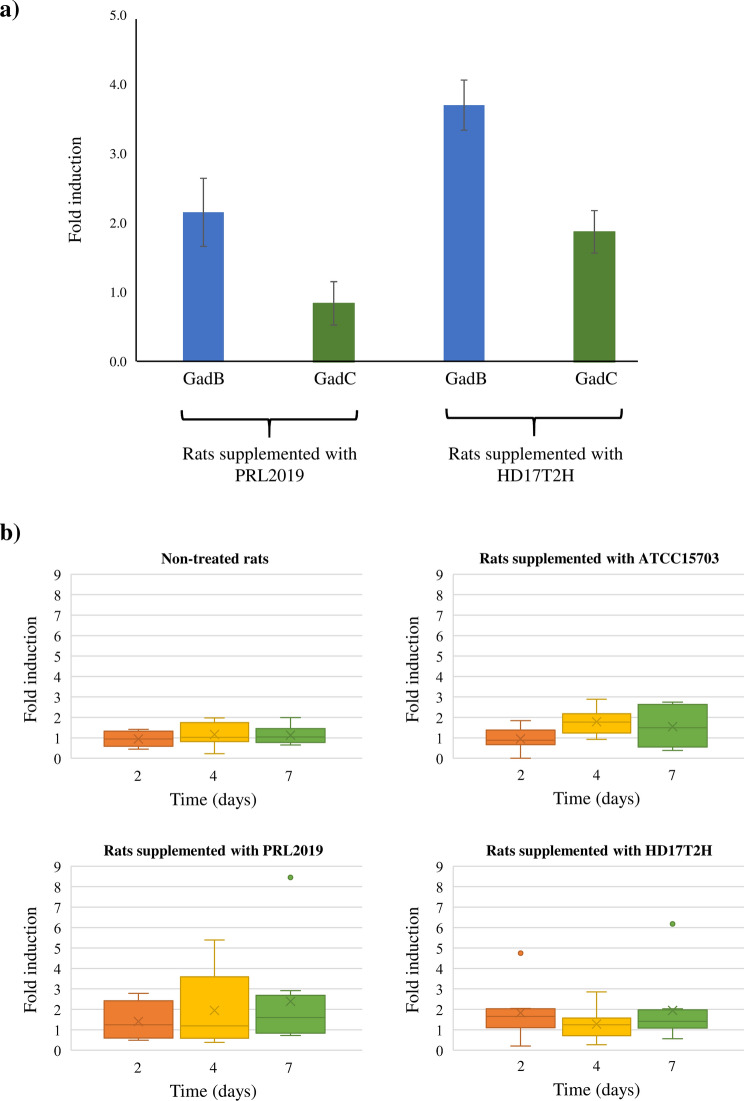
Gamma aminobutyric acid (GABA) is the principal inhibitory neurotransmitter playing a key role in anxiety and depression disorders in mammals. Recent studies revealed that members of the gut microbiota are able to produce GABA modulating the gut-brain axis response. Among members of the human gut microbiota, bifidobacteria are well known to establish many metabolic and physiologic interactions with the host. In this study, we performed genome analyses of more than 1,000 bifidobacterial strains publicly available revealing that Bifidobacterium adolescentis taxon might represent a model GABA producer in human gastrointestinal tract. Moreover, the in silico screening of human/animal metagenomic datasets showed an intriguing association/correlation between B. adolescentis load and mental disorders such as depression and anxiety. Interestingly, in vitro screening of 82 B. adolescentis strains allowed identifying two high GABA producers, i.e. B. adolescentis PRL2019 and B. adolescentis HD17T2H, which were employed in an in vivo trial in rats. Feeding Groningen rats with a supplementation of B. adolescentis strains, confirmed the ability of these microorganisms to stimulate the in vivo production of GABA highlighting their potential implication in gut-brain axis interactions.
Overview
The claims and statistics of this paper haven’t been checked yet.
Free: it reads the open-access text and checks the first 5 claims that cite a source we can check. Create a free account to check every claim.
Integrity signals
Registry
Cites
Statistics
Figures
Verification
Claims the paper makes
The claims and statistics of this paper haven’t been checked yet.
Free: it reads the open-access text and checks the first 5 claims that cite a source we can check. Create a free account to check every claim.
Claims other papers make about this one
Each is checked against this paper’s own text: does it say what the citing paper says it does?
The source backs part of the claim, not all of it — or backs it for a different population, condition or comparison.
In the citing paper
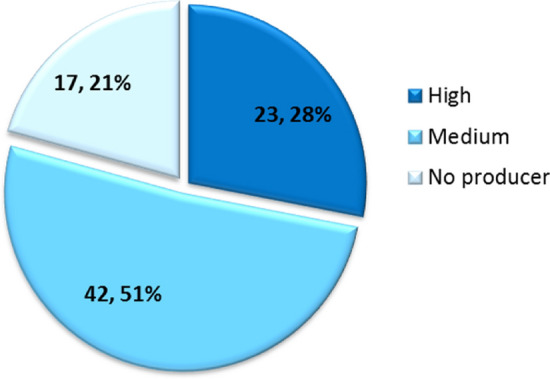
“in vitro trials of 82 Bifidobacterium adolescentis strains allowed to recognize two, which are superior GABA producers (i.e., PRL2019 and HD17T2H) and thus confirmed the ability of these bacteria to influence the CNS function via the gut-brain axis signaling [140].”
From The Role of Microbiota-Gut-Brain Axis in Neuropsychiatric and Neurological Disorders (2021) · cites this paper as [140]
Experimental — accuracy not yet measuredIn the citing paper
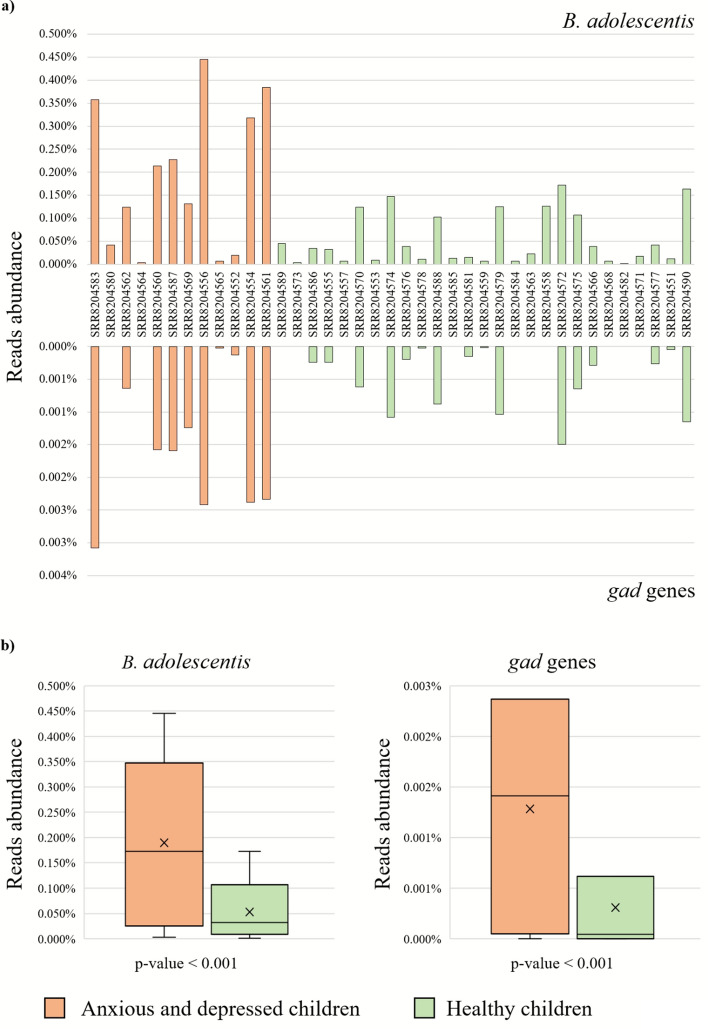
“In silico screening of animal and human metagenomic datasets prepared by Duranti et al. [140] indicated a puzzling dependence between Bifidobacterium adolescentis amount in the gut microbiota and mental disorders such as depression and anxiety.”
From The Role of Microbiota-Gut-Brain Axis in Neuropsychiatric and Neurological Disorders (2021) · cites this paper as [140]
Self-check
Percentages, sums and reported differences re-computed from the paper’s own numbers.
The self-check needs the paper’s full text.
Citations
Cites
The Sequence Alignment/Map format and SAMtools
Li, H., Handsaker, B., Wysoker, A., Fennell, T., Ruan, J., Homer, N., Marth, G., Abecasis, G., Durbin, R., & 1000 Genome Project Data Processing Subgroup (2009) · Bioinformatics · doi:10.1093/bioinformatics/btp352 · Cited by 62,041
Fast and accurate short read alignment with Burrows-Wheeler transform
Li, H., & Durbin, R. (2009) · Bioinformatics · doi:10.1093/bioinformatics/btp324 · Cited by 58,607
Fast gapped-read alignment with Bowtie 2
Langmead, B., & Salzberg, S. L. (2012) · Nature Methods · doi:10.1038/nmeth.1923 · Cited by 56,400
SPAdes: A New Genome Assembly Algorithm and Its Applications to Single-Cell Sequencing
Bankevich, A., Nurk, S., Antipov, D., Gurevich, A. A., Dvorkin, M., Kulikov, A. S., Lesin, V. M., Nikolenko, S. I., Pham, S., Prjibelski, A. D., et al. (2012) · Journal of Computational Biology · doi:10.1089/cmb.2012.0021 · Cited by 25,987
HTSeq—a Python framework to work with high-throughput sequencing data
Anders, S., Pyl, P. T., & Huber, W. (2015) · Bioinformatics · doi:10.1093/bioinformatics/btu638 · Cited by 21,464
Prodigal: prokaryotic gene recognition and translation initiation site identification
Hyatt, D., Chen, G.-L., LoCascio, P. F., Land, M. L., Larimer, F. W., & Hauser, L. J. (2010) · BMC Bioinformatics · doi:10.1186/1471-2105-11-119 · Cited by 12,587
Milani, C., Duranti, S., Bottacini, F., Casey, E., Turroni, F., Mahony, J., Belzer, C., Delgado Palacio, S., Arboleya Montes, S., Mancabelli, L., et al. (2017) · Microbiology and Molecular Biology Reviews · doi:10.1128/mmbr.00036-17 · Cited by 1,950
Self-citationAssembling Single-Cell Genomes and Mini-Metagenomes From Chimeric MDA Products
Nurk, S., Bankevich, A., Antipov, D., Gurevich, A. A., Korobeynikov, A., Lapidus, A., Prjibelski, A. D., Pyshkin, A., Sirotkin, A., Sirotkin, Y., et al. (2013) · Journal of Computational Biology · doi:10.1089/cmb.2013.0084 · Cited by 1,327
γ-Aminobutyric acid production by culturable bacteria from the human intestine
Barrett, E., Ross, R. P., O'Toole, P. W., Fitzgerald, G. F., & Stanton, C. (2012) · Journal of Applied Microbiology · doi:10.1111/j.1365-2672.2012.05344.x · Cited by 1,156
Bridging the cleft at GABA synapses in the brain
Mody, I., De Koninck, Y., Otis, T. S., & Soltesz, I. (1994) · Trends in Neurosciences · doi:10.1016/0166-2236(94)90155-4 · Cited by 620
Cited by
Items 101–200 of 342
Alteration of gut microbiota in post-stroke depression patients with Helicobacter pylori infection
Sun, M., Chen, H., Dong, S., Zhang, G., Zhou, X., & Cheng, H. (2024) · Neurobiology of Disease · doi:10.1016/j.nbd.2024.106458 · Cited by 20
“In line with this, metagenomic analyses from other studies have revealed interesting associations between the Bifidobacterium adolescentis burden and psychiatric disorders, such as anxiety and depression (Duranti et al., 2020).”
BackgroundResultWang, Y., Xu, H., Jing, M., Hu, X., Wang, J., & Hua, Y. (2022) · Frontiers in Pediatrics · doi:10.3389/fped.2022.831944 · Cited by 20
“Lactobacillus and Bifidobacterium have been shown to produce γ-aminobutyric acid (GABA), the primary inhibitory neurotransmitter (27).”
BackgroundRehman, A., Benedetto, G. D., Bird, J. K., Dabene, V., Vadakumchery, L., May, A., Schyns, G., Sybesma, W., & Mak, T. N. (2023) · Scientific Reports · doi:10.1038/s41598-023-40808-z · Cited by 22
“The NLRs were incubated for 2 days at 37 °C in M9 medium supplemented with (1) 0, (2) 2, (3) 4, (4) 8, (5) 16 and (6) 32 mM GABA.”
Li, M., Yang, H., Shao, C., Liu, Y., Shu, W., & Tang, L. (2023) · Microorganisms · doi:10.3390/microorganisms11122854 · Cited by 20
Gut Microbiota Profiles in Myopes and Nonmyopes
Omar, W. E. W., Singh, G., McBain, A. J., Cruickshank, F. E., & Radhakrishnan, H. (2024) · Investigative Ophthalmology & Visual Science · doi:10.1167/iovs.65.5.2 · Cited by 20
Precision probiotics supplement strategy in aging population based on gut microbiome composition
Chuang, Y., Fan, K.-C., Su, Y.-Y., Wu, M.-F., Chiu, Y., Liu, Y., & Lin, C.-C. (2024) · Briefings in Bioinformatics · doi:10.1093/bib/bbae351 · Cited by 27
“Bifidobacterium adolescentis , identified predominantly in cluster N1, is noted for its production of gamma-aminobutyric acid (GABA), a neurotransmitter implicated in modulating the gut microbiome and mental health disorders such as depression and anxiety [22,23].”
BackgroundEffect of Tempeh on Gut Microbiota and Anti-Stress Activity in Zebrafish
Chen, Y.-C., Tao, N.-L., Hu, S., Tsai, H., Liao, S.-C., Tsai, W.-L., & Hu, C. (2021) · International Journal of Molecular Sciences · doi:10.3390/ijms222312660 · Cited by 26
“conducted a genetic analysis of more than 1000 publicly recorded Bifidobacterium strains and found that Bifidobacterium adolescentis is a typical GABA producer in the human gastrointestinal tract [36].”
BackgroundBedi, S., Richardson, T. M., Jia, B., Saab, H., Brinkman, F. S. L., & Westley, M. (2022) · PLoS ONE · doi:10.1371/journal.pone.0261103 · Cited by 23
“Bifidobacterium adolescentis, in particular, is an 55 important gut bacterial GABA producer and has the highest prevalence of gad genes in their 56 genomes [4].”
BackgroundLadeira, R., Tap, J., & Derrien, M. (2023) · Microbiome Research Reports · doi:10.20517/mrr.2023.01 · Cited by 19
Genomic and functional diversity of cultivated Bifidobacterium from human gut microbiota
Li, W., Liang, H., He, W., Gao, X., Wu, Z., Hu, T., Lin, X., Wang, M., Zhong, Y., Zhang, H., et al. (2024) · Heliyon · doi:10.1016/j.heliyon.2024.e27270 · Cited by 19
“Bifidobacterium adolescentis has been confirmed to synthesize GABA and has the potential to modulate the gut-brain axis response [21].”
BackgroundKadiyska, T., Vassilev, D. I., Tourtourikov, I., Ciurinskiene, S., Madzharova, D., Savcheva, M., Stoynev, N., Mileva-Popova, R., Tafradjiiska-Hadjiolova, R. K., & Mitev, V. (2025) · Nutrients · doi:10.3390/nu17111775 · Cited by 25
“Many gut taxa (e.g., Bifidobacterium , Lactobacillus , and Bacteroides ) carry GAD genes, enabling GABA synthesis [18,19].”
Jowik, K., Tyszkiewicz‐Nwafor, M., & Słopień, A. (2021) · Nutrients · doi:10.3390/nu13113819 · Cited by 22
Bao, W., Sun, Y., Lin, Y., Yang, X., & Chen, Z. (2022) · Brain Research · doi:10.1016/j.brainres.2022.148149 · Cited by 19
Orally Administered Bifidobacterium adolescentis Diminishes Serum Glutamate Concentration in Mice
Royo, F., Tamés-Caunedo, H., Bordanaba-Florit, G., Cabrera, D., Azparren‐Angulo, M., Garcia‐Vallicrosa, C., Margollés, A., Ruíz, L., Ruas‐Madiedo, P., & Falcón‐Pérez, J. M. (2023) · Microbiology Spectrum · doi:10.1128/spectrum.05063-22 · Cited by 20
“adolescentis genomes showed the highest prevalence of gad genes, suggesting this bifidobacterial taxon as a model GABA producer within this genus (16).”
BackgroundInfluentialSelf-citationThe microbiome-gut-brain axis in nutritional neuroscience
Schellekens, H., Ribeiro, G., Cuesta‐Marti, C., & Cryan, J. F. (2022) · Nutritional Neuroscience · doi:10.1080/1028415x.2022.2128007 · Cited by 21
“tryptophan metabolites [30, 32], serotonin [30,126], γaminobutyric acid (GABA) [127], branched-chain amino acids (BCAAs), other neurotransmitters [26],”
Gónzalez-Vázquez, R., Zúñiga-León, E., Torres-Maravilla, E., Leyte‐Lugo, M., Mendoza‐Pérez, F., Hernández-Delgado, N. C., Pérez-Pastén-Borja, R., Azaola‐Espinosa, A., & Mayorga-Reyes, L. (2022) · Microorganisms · doi:10.3390/microorganisms10112100 · Cited by 18
“Bifidobacteria are part of the first bacteria that colonize the gut shortly after birth and establish a mutualistic microbe–host interaction, influencing early and late life [1,2].”
BackgroundMetabolite profiling of fermented milks as affected by adjunct cultures during long-term storage
IŞIK, S., Daǧdemir, E., Tekin, A., & Hayaloğlu, A. A. (2023) · Food Bioscience · doi:10.1016/j.fbio.2023.103344 · Cited by 21
HMOs Impact the Gut Microbiome of Children and Adults Starting from Low Predicted Daily Doses
Bajic, D., Wiens, F., Wintergerst, E., Deyaert, S., Baudot, A., & den Abbeele, P. V. (2024) · Metabolites · doi:10.3390/metabo14040239 · Cited by 19
“…acid bacteria, with antimicrobial [70,71] and anti-inflammatory activity [72]), and gut–brain-axis-related metabolites ( γ -aminobutyric acid (GABA, [73]: formed via the decarboxylation of glutamate [74] by Bifidobacterium spp. [75]), 3-hydroxybutyric acid (3-HBA, [76]), and acetylcholine [77]).”
BackgroundMurakami, H., Ko, T., Ouchi, H., Namba, T., Ebihara, S., & Kobayashi, S. (2024) · Nutrients · doi:10.3390/nu16111702 · Cited by 19
“B . adolescentis has been identified as a key member of the human gut microbiota in the production of GABA [41].”
BackgroundLow-Molecular-Weight Compounds Produced by the Intestinal Microbiota and Cardiovascular Disease
Cuervo, L., McAlpine, P. L., Olano, C., Fernández, J., & Lombó, F. (2024) · International Journal of Molecular Sciences · doi:10.3390/ijms251910397 · Cited by 18
Neuroinflammation and pathways that contribute to tourette syndrome
Wu, X., Hao, J., Jiang, K., Wu, M., Zhao, X., & ZHANG, X. Y. (2025) · The Italian Journal of Pediatrics/Italian journal of pediatrics · doi:10.1186/s13052-025-01874-3 · Cited by 19
“Increased levels of Odoribacter may result in a greater release of dopamine, leading to tics [81]. γ-aminobutyric acid (GABA), an inhibitory neurotransmitter, is reported to be produced by Bifidobacterium [86].”
Johnstone, N., & Kadosh, K. C. (2025) · Brain Behavior and Immunity · doi:10.1016/j.bbi.2025.06.020 · Cited by 19
Genome-Wide Assessment of Stress-Associated Genes in Bifidobacteria
Schöpping, M., Vesth, T., Jensen, K. L., Franzén, C. J., & Zeidan, A. A. (2022) · Applied and Environmental Microbiology · doi:10.1128/aem.02251-21 · Cited by 18
“ruminantium, which are not included in this study (87).”
BackgroundZheng, T., Wu, Y., Peng, M., Xiao, N., Tan, Z., & Yang, T. (2022) · Frontiers in Nutrition · doi:10.3389/fnut.2022.964273 · Cited by 16
“Bacteroides plays a very important role in the regulation of the GABAergic system in the human gut, and the gut microbiota could produce GABA, thereby modulating the gut– brain axis (49, 50).”
BackgroundEvaluation of the gut microbiome associated with COVID-19
Maddah, R., Goodarzi, V., Asadi-Yousefabad, S.-L., Abbasluo, M., Shariati, P., & Kafraj, A. S. (2023) · Informatics in Medicine Unlocked · doi:10.1016/j.imu.2023.101239 · Cited by 19
Gupta, S., Dinesh, S., & Sharma, S. (2024) · Central Nervous System Agents in Medicinal Chemistry · doi:10.2174/0118715249271548231115071021 · Cited by 20
Li, J.-S., Fan, R.-Y., Zhang, Z., Zhao, L., Han, Y., Zhu, K. Y., Duan, J., & Su, S. (2024) · Microbiological Research · doi:10.1016/j.micres.2024.127973 · Cited by 21
Wu, C.-H., Dong, C., Patel, A. K., Singhania, R. R., Yang, M.-J., Guo, H., & Kuo, J. (2021) · Bioresource Technology · doi:10.1016/j.biortech.2021.125423 · Cited by 17
The Influence of the Gut Microbiota on Alzheimer's Disease: A Narrative Review
Yin, J.-T., Xu, X., Jin, C.-Y., Yuan, X., & Wang, X. (2023) · Journal of Integrative Neuroscience · doi:10.31083/j.jin2202038 · Cited by 15
“GABA is a non-protein amino acid synthesized by dependent glutamic acid decarboxylase (GAD) through irreversible α-decarboxylation of lglutamate [128].”
BackgroundTyagi, I., Tyagi, K., Gupta, V., Dutta, R., Singhvi, N., Kumar, V., Bhutiani, R., & Prakash, O. (2023) · Environmental Research · doi:10.1016/j.envres.2023.117140 · Cited by 17
Regulation of Pain Perception by Microbiota in Parkinson Disease
Manjarres, Z., Calvo, M., & Pacheco, R. (2023) · Pharmacological Reviews · doi:10.1124/pharmrev.122.000674 · Cited by 15
Jiang, J., Xie, H., Cao, S., Xu, X., Zhou, J., Liu, Q., Ding, C., & Liu, M. (2025) · Frontiers in Immunology · doi:10.3389/fimmu.2025.1547365 · Cited by 21
Alaeddin, S., Chatterjee, A., Roberts, T. L., Steiner-Lim, G. Z., Jensen, S. O., Gyengési, E., Muench, G. W., & Ho, V. (2025) · Brain Behavior & Immunity - Health · doi:10.1016/j.bbih.2025.101049 · Cited by 18
“…four weeks after FMT, with an increase in the relative abundance of Bifidobacterium , which was initially higher in donors than in recipients before FMT. Bifidobacterium may modulate the gut-brain-axis through the production of the neurotransmitter Gamma-Aminobutyric Acid (Duranti et al., 2020).”
Li, Y., Li, T., Zhang, Y., Wang, Y., Wu, G., & Tan, Y. (2025) · Neuroscience · doi:10.1016/j.neuroscience.2025.12.002 · Cited by 21
Sun, Y., Mehmood, A., Giampieri, F., Battino, M. A., & Chen, X. (2023) · Critical Reviews in Food Science and Nutrition · doi:10.1080/10408398.2023.2255666 · Cited by 17
“Moreover, studies also reported that Bifidobacterium adolescentis (Duranti et al. 2020) and Bacteroides spp. (Otaru et al. 2021) are two crucial gut microbiota groups contributing to intestinal GABA production.”
Valenzuela, J. A., Vázquez, L., Rodríguez, J., Flórez, A. B., Vasek, O. M., & Mayo, B. (2024) · International Journal of Molecular Sciences · doi:10.3390/ijms25042328 · Cited by 16
“This trait has been found in some lactobacilli and Bifidobacterium spp. strains of gut origin [31,32].”
BackgroundYang, M., Cai, C., Yang, Z., Wang, X., Li, G., Li, J., Liu, J., & Zhang, Z. (2024) · Food & Function · doi:10.1039/d4fo02221a · Cited by 18
Du, S., Sun, R., Wang, M., Fang, Y., Wu, Y., Yuan, B., & Jin, Y. (2024) · International Journal of Biological Macromolecules · doi:10.1016/j.ijbiomac.2024.138497 · Cited by 17
Liu, S.-L., Chen, C., & Chen, Y.-S. (2022) · Journal of Bioscience and Bioengineering · doi:10.1016/j.jbiosc.2021.12.002 · Cited by 17
Lozada-Martínez, I. D., Lozada‐Martinez, L. M., & Anaya, J. (2024) · Aging Medicine · doi:10.1002/agm2.12336 · Cited by 16
Wang, H., Chen, Y., Zhao, A., Shen, Z., & Zhang, Y. (2026) · Frontiers in Pharmacology · doi:10.3389/fphar.2025.1709060 · Cited by 21
Lewin‐Epstein, O., Jaques, Y., Feldman, M. W., Kaufer, D., & Hadany, L. (2023) · Communications Biology · doi:10.1038/s42003-023-05099-0 · Cited by 13
Tamés-Caunedo, H., Sabater, C., Royo, F., Margollés, A., Falcón‐Pérez, J. M., Ruas‐Madiedo, P., & Ruíz, L. (2023) · Microbiology Spectrum · doi:10.1128/spectrum.02580-23 · Cited by 17
“…in feces and colonic contents were determined by high performance liquid chromatography (HPLC) coupled with a photodiode-array (PDA) detector (HPLC-PDA) on fecal waters following diethyl ethoxymethylenemalonate (DEEMM, Sigma-Aldrich) derivatization according to previously described procedures (19).”
BackgroundMethodResultInfluentialSelf-citationMesnage, R., Calatayud, M., Duysburgh, C., Marzorati, M., & Antoniou, M. N. (2022) · Gut Microbiome · doi:10.1017/gmb.2022.5 · Cited by 15
Gut–brain axis in health and brain disease
Olasunkanmi, O. I., Zheng, L., & Zheng, P. (2026) · Chinese Medical Journal · doi:10.1097/cm9.0000000000003920 · Cited by 14
“[255] Furthermore, recent research suggests that bacterial extracellular vesicles, tiny membrane-bound vesicles released by bacteria, may mediate many of the effects that psychobiotic bacteria have on the brain.”
Jiang, D. Q. Y., & Guo, T. L. (2024) · Toxics · doi:10.3390/toxics12010039 · Cited by 14
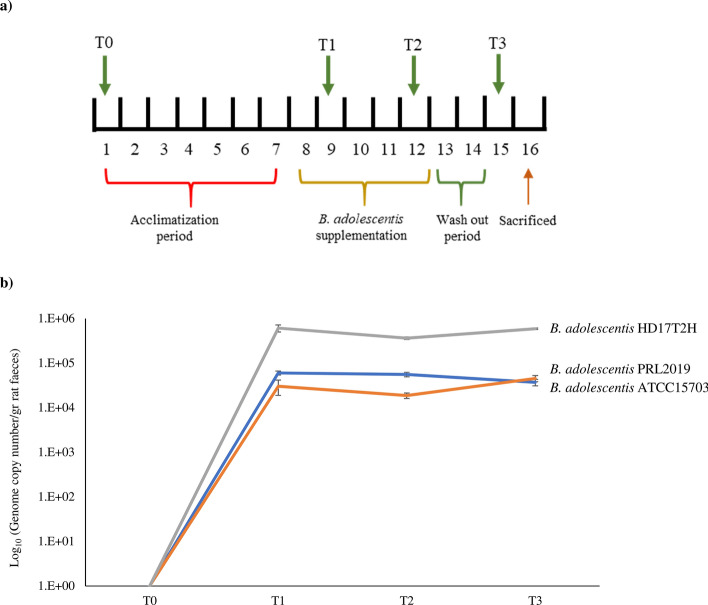
“In vivo studies in rats using Bifidobacterium strains from humans [32] and cell culture studies [35] have shown an upregulated expression of GABA.”
BackgroundThe role of the gut microbiome in neuroinflammation and chemotherapy-induced peripheral neuropathy
Shatunova, S., Aktar, R., Peiris, M., Lee, J. Y. P., Vetter, I., & Starobova, H. (2024) · European Journal of Pharmacology · doi:10.1016/j.ejphar.2024.176818 · Cited by 18
Sagbasan, B. H., Williams, C. M., Bell, L., Barfoot, K. L., Poveda, C. G., & Walton, G. (2024) · Microorganisms · doi:10.3390/microorganisms12071501 · Cited by 17
“For example, in a study screening for genes associated with GABA production, Bifidobacterium adolescentis was identified as a high GABA producer [57].”
BackgroundMaternal gut Bifidobacterium breve modifies fetal brain metabolism in germ-free mice
López‐Tello, J., Kiu, R., Schofield, Z., Zhang, C. X. W., van Sinderen, D., Gall, G. L., Hall, L. J., & Sferruzzi-Perri, A. N. (2024) · Molecular Metabolism · doi:10.1016/j.molmet.2024.102004 · Cited by 18
“Lyophilised B. breve was reconstituted with 500 m l PBS. Concentration of B. breve was 10 10 CFU/ml and all batches were tested for contamination upon reconstitution on Luria-Bertani (LB) and Brain-Heart Infusion (BHI) plates under anaerobic and aerobic conditions at 37 C.”
Senina, A. M., Markelova, M., Khusnutdinova, D. R., Siniagina, M., Kupriyanova, O. V., Synbulatova, G. E., Kayumov, A. R., Boulygina, E. A., & Grigoryeva, T. V. (2024) · Microorganisms · doi:10.3390/microorganisms12081712 · Cited by 15
Tlais, A. Z. A., Polo, A., Granehäll, L., Filannino, P., Vincentini, O., Battistis, F. D., Cagno, R. D., & Gobbetti, M. (2024) · Current Research in Food Science · doi:10.1016/j.crfs.2024.100833 · Cited by 13
“The higher abundance of B. adolescentis and B. longum in DC after longer-term intake of juice fermented with yeast (FJY) represents also a promising ecological evolution, since both species are producer of the neuro-transmitter gamma aminobutyric acid (Duranti et al., 2020).”
BackgroundWang, J., Xiang, J.-H., Peng, X.-Y., Liu, M., Sun, L., Zhang, M., Zhang, L.-Y., Chen, Z., Tang, Z., & Cheng, L. (2024) · Microbiology Spectrum · doi:10.1128/spectrum.01878-24 · Cited by 17
Altered cognitive function in obese patients: relationship to gut flora
Deng, M., Tang, F., & Zhu, Z. (2025) · Molecular and Cellular Biochemistry · doi:10.1007/s11010-024-05201-y · Cited by 16
López-Santamarina, A., Cardelle‐Cobas, A., Mondragón, A. D. C., Sáez, A. C., & Miranda, J. M. (2025) · Food Chemistry · doi:10.1016/j.foodchem.2025.143437 · Cited by 13
Wang, Q., Deng, Z., Lan, J., Li, D., Fan, K., Chang, J., & Ma, Y. (2022) · International Journal of Molecular Sciences · doi:10.3390/ijms231911210 · Cited by 14
“In addition, recent studies have shown that members of the gut microbiome, such as lactic acid bacteria, are able to produce GABA to regulate mental disorders such as depression and anxiety [47,48].”
BackgroundGlycosidic linkage of rare and new-to-nature disaccharides reshapes gut microbiota in vitro
Onyango, S. O., Beerens, K., Li, Q., Camp, J. V., Desmet, T., & de Wiele, T. V. (2023) · Food Chemistry · doi:10.1016/j.foodchem.2023.135440 · Cited by 11
The Role of Intestinal Microbiota and Probiotics Supplementation in Multiple Sclerosis Management
Hasaniani, N., Rahimi, S. M., Akbari, M., Sadati, F., Pournajaf, A., & Rostami-Mansoor, S. (2024) · Neuroscience · doi:10.1016/j.neuroscience.2024.05.013 · Cited by 13
Neutrophils in the Focus: Impact on Neuroimmune Dynamics and the Gut–Brain Axis
Kršek, A., & Batičić, L. (2024) · Gastrointestinal Disorders · doi:10.3390/gidisord6030039 · Cited by 14
Du, L., Yang, D., Wu, L., Li, M., Wu, S., Ba, Y., Bao, Y., Su, R., & Lin, S. (2024) · Drug Design Development and Therapy · doi:10.2147/dddt.s455600 · Cited by 12
“48 Glu and GABA neurons fully regulate arousal and sleep behaviour, most of which are used to treat insomnia.”
BackgroundPyroptosis the Emerging Link Between Gut Microbiota and Multiple Sclerosis
Fan, H., Shen, R., Yan, J., Bai, Y., Fu, Q., Shi, X., Du, G., & Wang, D. (2024) · Drug Design Development and Therapy · doi:10.2147/dddt.s489454 · Cited by 12
Renesteen, E., Boyajian, J. L., Islam, P., Kassab, A., Abosalha, A. K., Makhlouf, S., Santos, M., Chen, H., Shum-Tim, C., & Prakash, S. (2025) · International Journal of Molecular Sciences · doi:10.3390/ijms26115351 · Cited by 16
“The application of NMN synbiotics led to a notable decrease in the accumulation of A β in both the cerebral cortex and hippocampus, demonstrating reductions of 67% and 60%, respectively [66,67].”
Mousavi, R., Mottawea, W., Hassan, H., Gomaa, A., Audet, M., & Hammami, R. (2022) · Journal of Applied Microbiology · doi:10.1111/jam.15550 · Cited by 13
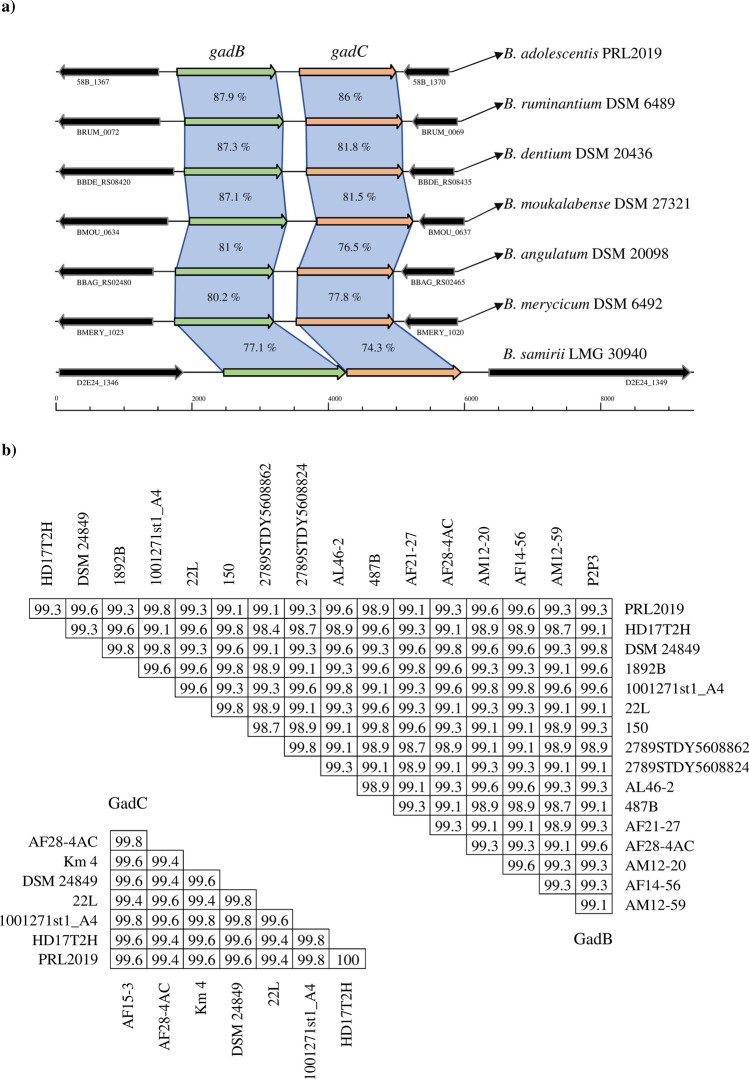
“The sequence alignments were compared to gadB belonging to Streptococcus and Lactobacillus genera possessing the GAD locus identified by BLAST software, as described previously (Duranti et al., 2020).”
ResultAlessandri, G., Lugli, G. A., Tarracchini, C., Rizzo, S. M., Argentini, C., Viappiani, A., Mancabelli, L., Fontana, F., Milani, C., Turroni, F., et al. (2022) · Applied and Environmental Microbiology · doi:10.1128/aem.02038-21 · Cited by 12
Self-citationFrom bugs to behavior: targeting the gut-brain interface for addiction therapeutics
Ru, Y., Jia, J., Yang, X., Ba, X., Yan, J., Zhang, H., & Zhang, Y. (2025) · Gut Microbes · doi:10.1080/19490976.2025.2569740 · Cited by 11
“120,121 Furthermore, Bifidobacterium metabolites and components exhibit close associations with the CNS: SCFAs influence microglial morphology and function, 122 acetate demonstrates therapeutic potential for preventing cognitive impairment, 123 and PGN can penetrate the blood-brain barrier to…”
Tallei, T. E., Fatimawali, F., Yelnetty, A., Kusumawaty, D., Effendi, Y., Park, M. N., Alhumaydhi, F. A., Emran, T. B., & Kim, B. (2022) · Fermentation · doi:10.3390/fermentation8050194 · Cited by 15
The Role of Gut Dysbiosis in the Pathophysiology of Tinnitus: A Literature Review
Megantara, I., Wikargana, G. L., Dewi, Y. A., Permana, A. D., & Sylviana, N. (2022) · The International Tinnitus Journal · doi:10.5935/0946-5448.20220005 · Cited by 11
Gao, W., Xiao, M., Gu, Z., Fu, X., Ren, X., Yu, Y., Liu, Z., Zhu, C., Kong, Q., & Mou, H. (2022) · Molecular Genetics and Genomics · doi:10.1007/s00438-022-01937-8 · Cited by 10
Xenoestrogen effects on the gut microbiome
Rosenfeld, C. S. (2021) · Current Opinion in Endocrine and Metabolic Research · doi:10.1016/j.coemr.2021.05.006 · Cited by 11
SIGNALLING THROUGH THE MICROBIOTA-GUT-BRAIN TRIADE
AMZĂR, A. I. (2022) · FARMACIA · doi:10.31925/farmacia.2022.3.4 · Cited by 14
Modulation of Gut Microbiome as a Therapeutic Modality for Auditory Disorders
Godur, D. A., Denton, A. J., Eshraghi, N., Mittal, J., Cooper, J. N., Moosa, M., & Mittal, R. (2023) · Audiology Research · doi:10.3390/audiolres13050066 · Cited by 15
“A similar study by Duranti and colleagues indicated that Bifidobacterium adolescentis can produce GABA from its precursor monosodium glutamate [38].”
ResultHybrid substrate-based pH autobuffering GABA fermentation by Levilactobacillus brevis CD0817
Wang, L., Jia, M., Gao, D., & Li, H. (2024) · Bioprocess and Biosystems Engineering · doi:10.1007/s00449-024-03088-z · Cited by 11
An, Y., Cao, Z., Du, Y., Xu, G., Wang, J., Zheng, J., & Lu, Y. (2024) · Nutrients · doi:10.3390/nu16223929 · Cited by 12
“In conclusion, this study revealed the potential role of the gut microbiota in mediating the link between vitamin B supplementation and a reduced risk of AD, thereby providing new directions for future research and clinical practice.”
Florêncio, G. P., Xavier, A. R., NATAL, A. C. D. C., Sadoyama, L. P., Pena, G. D. G., Menezes, R. D. P., Sadoyama, G., Patrizzi, L. J., & Röder, D. (2025) · Metabolites · doi:10.3390/metabo15020070 · Cited by 13
Giorgio, V., Quatrale, G., Mennini, M., Piccirillo, M., Furio, S., Stella, G., Ferretti, A., Parisi, P., Evangelisti, M., Felici, E., et al. (2025) · Microorganisms · doi:10.3390/microorganisms13030627 · Cited by 10
“…Bifidobacterium species, mainly Bifidobacterium adolescentis , have a documented immunomodulatory effect [18,19] and can modulate visceral hypersensitivity or improve the integrity of the intestinal epithelium barrier through its well-known ability to produce γ -aminobutyric acid ( GABA ) [20–23].”
Ghosh, S., Nath, S., Chakraborty, A., Bhowmick, S., Majumdar, K. K., Mukherjee, S., & Pramanik, S. (2025) · Journal of Hazardous Materials · doi:10.1016/j.jhazmat.2025.138836 · Cited by 9
Dolo, O., Coulibaly, F., Somboro, A. M., Sun, S., Diarra, M., Maïga, A., Boré, S., Fofana, D., Marcelin, A., Diakité, B., et al. (2025) · Microbiology Spectrum · doi:10.1128/spectrum.02205-24 · Cited by 10
“This could promote the degradation of immune defenses, knowing that HIV selectively attacks TCD4+ lymphocytes to be able to infect its host (48).”
Wang, K., Gao, C., Zhu, L., Chen, M., Tong, Y. X., & Zhang, S. (2025) · Frontiers in Microbiology · doi:10.3389/fmicb.2025.1604571 · Cited by 15
“…(Lanza et al., 2021; Tixier et al., 2006); (2) acetate and GABA modulation by Bifidobacterium and Acidaminococcus dampens visceral pain signaling (Duranti et al., 2020; Pokusaeva et al., 2017); (3) mucosal barrier repair mediated by Prevotella -derived mucin degradation reduces endotoxin…”
Wang, Q., Luo, Y., Mao, C., Xiang, X., & Chen, J. (2025) · Frontiers in Immunology · doi:10.3389/fimmu.2025.1645137 · Cited by 11
Ahmed, T., Lemberg, D. A., Day, A. S., & Leach, S. T. (2025) · Digestive Diseases and Sciences · doi:10.1007/s10620-025-09360-w · Cited by 11
“Furthermore, the bidirectional gut–brain axis (BGA) connects the microbiome to neural, endocrine, and immune responses, potentially influencing gut motility, pain, and mood [76, 108].”
Giri, R., & Sharma, R. K. (2022) · Nutrition Reviews · doi:10.1093/nutrit/nuac019 · Cited by 12
Rocha, S. D. S., da Silva, S. R. F., da Silva, J. Y. P., de Medeiros, V. P. B., Aburjaile, F. F., Carvalho, R. D. D. O., da Silva, M. S., Tavares, J. F., do Nascimento, Y. M., Lima, M. D. S., et al. (2024) · Journal of Functional Foods · doi:10.1016/j.jff.2024.106259 · Cited by 10
Balmori, V., Marnpae, M., Kamonsuwan, K., Chusak, C., Nungarlee, U., Sivapornnukul, P., Chanchaem, P., Payungporn, S., Charoensiddhi, S., Suantawee, T., et al. (2024) · Food Chemistry X · doi:10.1016/j.fochx.2024.102041 · Cited by 9
López-Santamarina, A., Roade-Pérez, P., Mondragón, A. D. C., Cardelle‐Cobas, A., Cepeda, A., & Miranda, J. M. (2024) · Food Bioscience · doi:10.1016/j.fbio.2024.105596 · Cited by 14
Unlocking the neuroprotective secrets of natural products: a focus on the gut-brain axis
Yang, X., Hu, D., Cheng, R., Bao, Q., Jiang, H., Zhao, B., & Zhang, Y. (2025) · Phytochemistry Reviews · doi:10.1007/s11101-025-10081-1 · Cited by 16
“The gut micro-biome is involved in GABA production, and several gut microbes have been identified as GABA producers, including the members of the Bacteroides , Bi fi dobacterium and Lactobacillus genera (Bravo et al. 2011; Duranti et al. 2020; Horvath et al. 2022).”
Bifidobacterium as Keystone Species Driving Microbial Interactions in the Infant Digestive Tract
Vásquez-Dean, J., Canales, A., Orellana, C. A., & Garrido, D. (2026) · Annual Review of Food Science and Technology · doi:10.1146/annurev-food-052924-065321 · Cited by 7
GABA, epigallocatechin gallate, tea, and the gut-brain axis
Hinton, T., & Johnston, G. A. R. (2024) · Neurochemistry International · doi:10.1016/j.neuint.2024.105860 · Cited by 9
“Seventy bifidobacteria were also screened by Duranti et al. (2020) for GABA-producing effects, and Bifidobacterium adolescentis was shown to be the most effective of 70 species screened (Duranti et al., 2020).”
BackgroundMultiomic analysis reveals microbiome-related relationships between cocaine use and metabolites
Martínez, S. S., Stebliankin, V., Hernández, J., Martin, H. R., Tamargo, J. A., Rodriguez, J. A. B., Teeman, C. S., Johnson, A., Seminario, L., Campa, A. L., et al. (2022) · AIDS · doi:10.1097/qad.0000000000003363 · Cited by 8
Haddad, E. N., Nel, N. H., Petrick, L. M., Kerver, J. M., & Comstock, S. S. (2022) · Current Developments in Nutrition · doi:10.1016/j.cdnut.2022.100025 · Cited by 9
Collins, S. M., Gibson, G. R., Stainton, G. N., Bertocco, A., Kennedy, O. B., Walton, G., & Commane, D. M. (2023) · European Journal of Nutrition · doi:10.1007/s00394-023-03136-6 · Cited by 9
Han, J., Zhao, X., Ye, Q., Wang, Y., Wu, Y., Hu, S., Li, P., & Gu, Q. (2025) · Food Bioscience · doi:10.1016/j.fbio.2025.106304 · Cited by 9
Sasaki, H., Masutomi, H., Nakamura, S., Tanigawa, C., Cui, Y., Ishihara, K., Yanagisawa, M., & Kokubo, T. (2025) · Frontiers in Nutrition · doi:10.3389/fnut.2025.1551313 · Cited by 8
“Additionally, Bifidobacterium adolescentis possesses a particularly high gamma-aminobutyric acid (GABA) producing capacity among the Bifidobacterium genus (107).”
Zou, X., Zhou, X., Wang, C., Zheng, Y., Li, Y., & Suo, H. (2025) · Food & Function · doi:10.1039/d5fo02271a · Cited by 9
Sandoval, M., & Shah, D. D. (2025) · Frontiers in Microbiology · doi:10.3389/fmicb.2025.1616635 · Cited by 11
“…histamine, tyramine, tryptamine, dopamine, serotonin, and γ -aminobutyric acid (GABA) is dependent on the actions of AADCs (Sugiyama et al., 2022; Duranti et al., 2020; Strandwitz et al., 2019; Wang and Lee, 2007; Wuthrich et al., 2017; Akhova et al., 2021; Burrell et al., 2010; Williams et al.,…”
Matera, M., Biagioli, V., Illiceto, M. T., Palazzi, C. M., Cavecchia, I., Manzi, A., Lugli, S., Pennazzi, L., Meocci, M., Pedaci, F. A., et al. (2025) · Frontiers in Immunology · doi:10.3389/fimmu.2025.1726630 · Cited by 7
“Bi fi dobacterium adolescentis PRL2019, a major GABA producer, could be another promising probiotic and may play a role in the control of tics, anxiety, depression, sleep disorders, pain modulation, and PANS/PANDAS (161, 162).”
Shen, H., Wang, S. Y., Zhao, Y., Zhou, J. L., Zhao, J., & Zhu, W. K. (2026) · Frontiers in Microbiology · doi:10.3389/fmicb.2026.1768891 · Cited by 13
“Beyond 5-HT, specific bacterial strains produce other neurotransmitters: Bifidobacterium and Lactobacillus generate GABA, the brain’s primary inhibitory neurotransmitter (Duranti et al., 2020; Strandwitz et al., 2019); certain Clostridium species produce dopamine precursors.”
The gut microbiome in end-stage lung disease and lung transplantation
Zhang, S., Swarte, J. C., Gaćeša, R., Knobbe, T. J., Kremer, D., Jansen, B. H., de Borst, M. H., TransplantLines Investigators, Harmsen, H. J. M., Erasmus, M. E., et al. (2024) · mSystems · doi:10.1128/msystems.01312-23 · Cited by 9
“…com pared with both ESLD patients and LTR. Interestingly, B. adolescentis is a key gamma-aminobutyric acid (GABA) producer in the human gut microbiome (22), and dysfunctional GABA metabolism has been associated with depression and anxiety (22), conditions that are highly prevalent among LTR (23).”
BackgroundCrosstalk between the aging intestinal microflora and the brain in ischemic stroke
Pluta, R. M., Jabłoński, M., Januszewski, S., & Czuczwar, S. J. (2022) · Frontiers in Aging Neuroscience · doi:10.3389/fnagi.2022.998049 · Cited by 7
Bertuccioli, A., Cardinali, M., Zonzini, G. B., Neri, M., Palazzi, C. M., Gregoretti, A., Cazzaniga, M., & Pierro, F. D. (2023) · Microbiology Research · doi:10.3390/microbiolres14020036 · Cited by 10
Relationships between Gut Microbiota and Autism Spectrum Disorders: Development and Treatment
Poupard, L., Page, G., Thoreau, V., & Kaouah, Z. (2024) · Clinical Psychopharmacology and Neuroscience · doi:10.9758/cpn.24.1179 · Cited by 6
“In addition, certain bacterial strains as Lactobacillus or Bifidobacterium could modulate the production of other neurotransmitters such as GABA [7,56], which is the main excitatory neurotransmitter in fetuses, whereas it becomes inhibitory in adults [57].”
BackgroundGut–brain axis and depression: focus on the amino acid and short-chain fatty acid metabolism
Chen, M., Lyu, Q., Huang, L., Lou, Y., & Wang, L. (2025) · Behavioural Pharmacology · doi:10.1097/fbp.0000000000000851 · Cited by 6
Metadata
- Authors
- Duranti, S., Ruiz, L., Lugli, G. A., Tames, H., Milani, C., Mancabelli, L., Mancino, W., Longhi, G., Carnevali, L., Sgoifo, A., Margolles, A., Ventura, M., Ruas-Madiedo, P., & Turroni, F.
- Affiliations
- University of Parma (IT)
- Corresponding author
- Turroni, Francesca
- ORCID
- Venue
- Scientific Reports
- Published
- 2020-08-24
- Volume
- 10
- Issue
- 1
- Pages
- 14112-14112
- ISSN
- 2045-2322 (ISSN-L)
- PMC
- PMC7445748
- OpenAlex
- W3080129625
- Cited by
- 341
- References
- 40
- Citations by year
- 2026: 61 · 2025: 67 · 2024: 76 · 2023: 50 · 2022: 62 · 2021: 22 · 2020: 1
- FWCI
- 11.03
- Type
- journal article
- Language
- en
- Open access
- gold
- doi.org
- Licence
- cc-by
- creativecommons.org/licenses/by/4.0 (tdm)
- creativecommons.org/licenses/by/4.0 (vor)
- Locations
- Scientific Reports (publishedVersion, cc-by)
- PubMed Central (publishedVersion, cc-by)
- PubMed (publishedVersion)
- DIGITAL.CSIC (Spanish National Research Council (CSIC)) (submittedVersion, cc-by)
- Funders
- “Severo Ochoa” Research grant
- MCIU/AEI/FEDER, UE (RTI2018-096339-B-I00)
- PCTI Govierno Principado de Asturias / FEDER (IDI_2018_000236)
- EU Joint Programming Initiative – A Healthy Diet for a Healthy Life
- MIUR, Italy
- Topics
- Life Sciences › Biochemistry, Genetics and Molecular Biology › Molecular Biology › Gut microbiota and health
- Life Sciences › Agricultural and Biological Sciences › Food Science › Probiotics and Fermented Foods
- Life Sciences › Agricultural and Biological Sciences › Plant Science › GABA and Rice Research
- Keywords
- Bifidobacterium adolescentis, GABA, GABA production, gut microbiota, gut-brain axis, depression, anxiety, metagenomics, probiotic supplementation, neurotransmitter synthesis
- MeSH terms
- Gastrointestinal Microbiome, Bifidobacterium adolescentis, Animals, Anxiety, Depression, gamma-Aminobutyric Acid, Humans, Male, Probiotics, Models, Animal, Gastrointestinal Tract, Rats, Bacterial Load
About these checks
Registry, retraction, Cites and statistics results are computed, not judged, with one exception: a printed reference that no index lists is read once by a model before it counts as a citation error. Claims are extracted by a model and kept only when their quote appears verbatim in the text; each cited source is then checked, with a model’s help, for whether it says what the claim relies on. Those verdicts can be wrong — read the claim’s quote and the cited source before relying on one.
Statistics and arithmetic are recomputed, not judged.
Confidence bands are shown only for fields calibrated on our annotated test set. None is calibrated yet, so no band is shown.
What counts as a claim ›How we measure confidence ›How we check this ›
Are you an author, or do you see a problem with this page? Request a review
Data sources
Bibliographic data: Semantic Scholar, OpenAlex, Crossref.
Contains information from the Semantic Scholar Academic Graph Datasets, made available under the ODC Attribution License (ODC-BY 1.0).
Semantic Scholar’s data is described in: Kinney, R., et al. (2023). The Semantic Scholar Open Data Platform. arXiv:2301.10140.
