

The removal of anionic and cationic dyes from an aqueous solution using biomass-based activated carbon
Open accessThe DOI matches its Crossref record; 101 of the 101 references it cites were found in a registry or an index; 4 of the 38 sources its claims cite were checked for support.
Abstract
In this study, two biomass-based adsorbents were used as new precursors for optimizing synthesis conditions of a cost-effective powdered activated carbon (PAC). The PAC removed dyes from an aqueous solution using carbonization and activation by KOH, NaOH, and H2SO4. The results showed that the experimental data were well-fitted with a pseudo-second-order model.
Overview
CoChat Summary
## TL;DR
This study synthesized powdered activated carbon (PAC) from rubber seed (RS) and rubber seed shell (RSS) using carbonization plus KOH, NaOH, or H2SO4 activation, then tested it for removing methylene blue (MB) and congo red (CR) from water. The best-performing PACs were RSS activated by NaOH for CR and RS activated by H2SO4 for MB, with maximum adsorption capacities of 458.43 mg g−1 (CR by RSS), 659.35 mg g−1 (MB by RSS), 227.27 mg g−1 (CR by RS), and 769.23 mg g−1 (MB by RS).
## Key findings
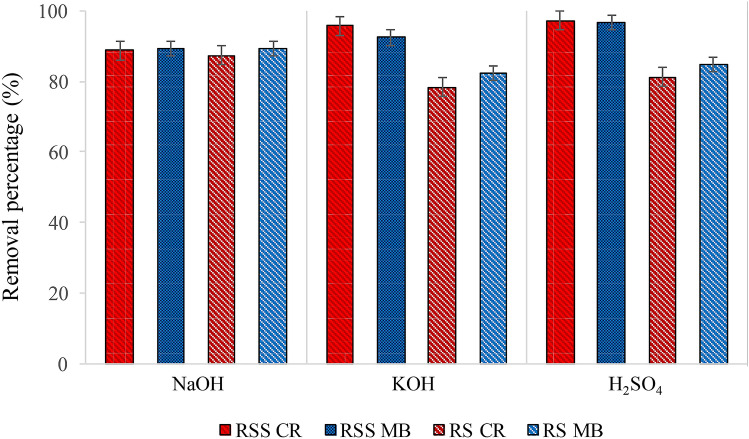
- In the preliminary adsorption screening, PACs impregnated with NaOH (RSS) and H2SO4 (RS) showed the highest removal percentages and were selected for later experiments.
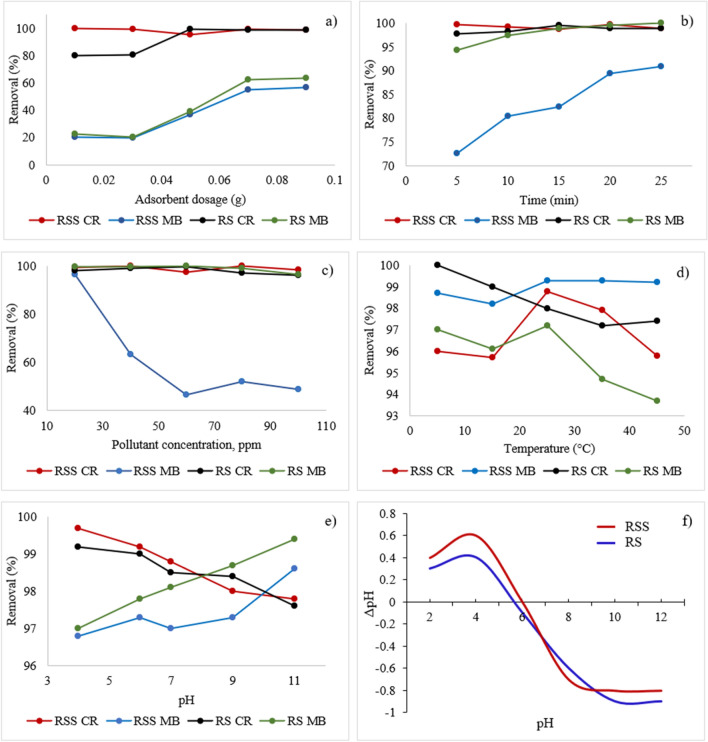
- Under the best conditions, the PAC reached near-complete CR removal: 98%–99% in the contact-time test, and the highest CR removal occurred at pH 4 with an uptake of almost 100%.
- Dye removal decreased as dye concentration increased, and increasing temperature reduced removal for both dyes, indicating an exothermic process.
- The maximum adsorption capacities reported were 458.43 mg g−1 for CR by RSS, 659.35 mg g−1 for MB by RSS, 227.27 mg g−1 for CR by RS, and 769.23 mg g−1 for MB by RS; the pseudo-second-order model fit best with R2 = 0.999.
- Regeneration was tested for ten cycles; the paper reports only a 3% decline for CR and 2% for MB after the seventh cycle, and says no decline was observed in MB removal through six reuse cycles.
## Methods
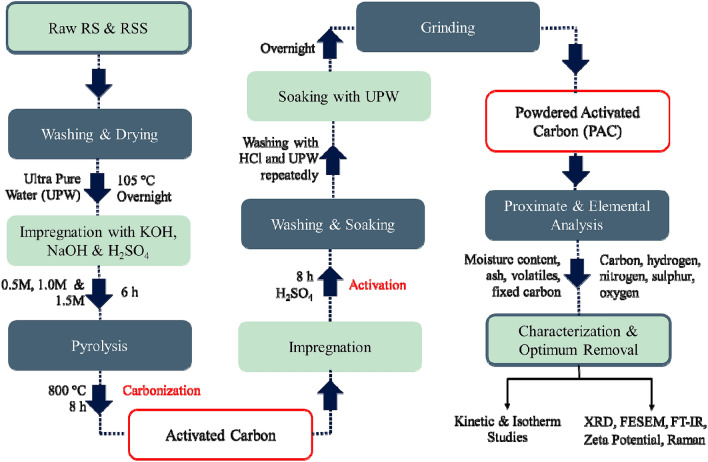
- RS and RSS were washed, dried at 105°C, impregnated for 6 h with KOH, NaOH, or H2SO4, pyrolyzed/carbonized at 800°C for 8 h, then acid-washed and rinsed to produce PAC.
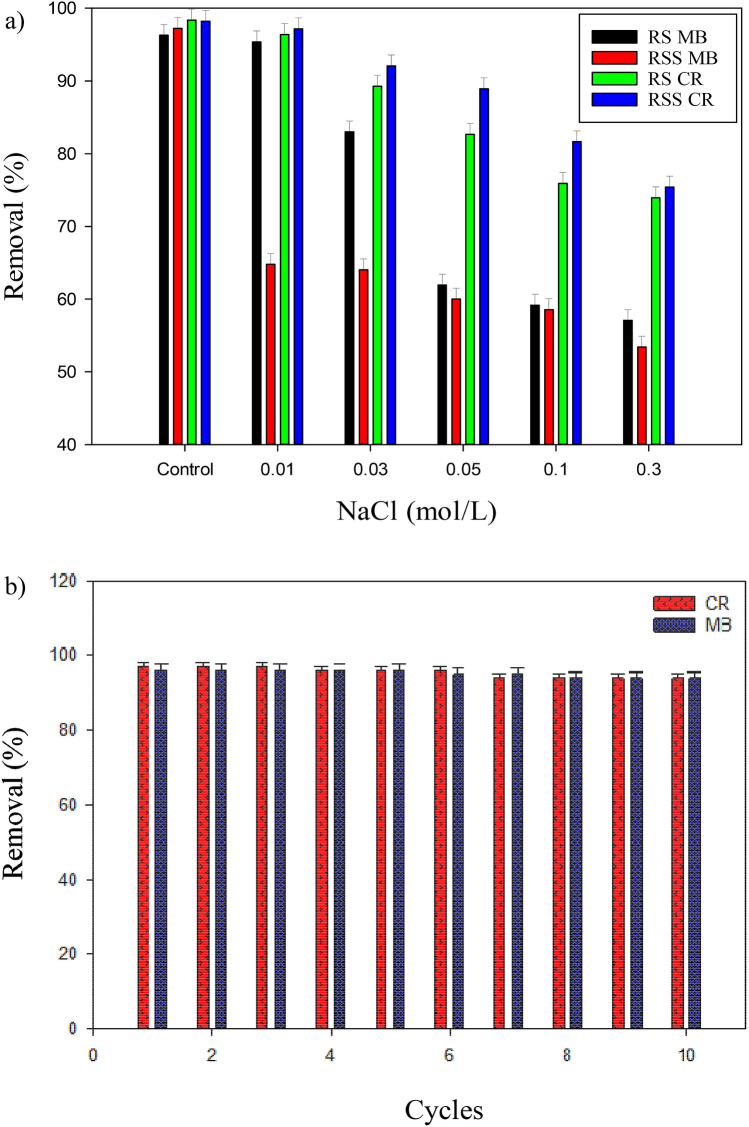
- Adsorption experiments used synthetic CR and MB solutions; initial screening used 10 mL solution, 0.01 g adsorbent, and 2 min contact time at room temperature, followed by tests of adsorbent dosage, contact time, dye concentration, pH, temperature, ionic strength, and regeneration under optimized conditions.
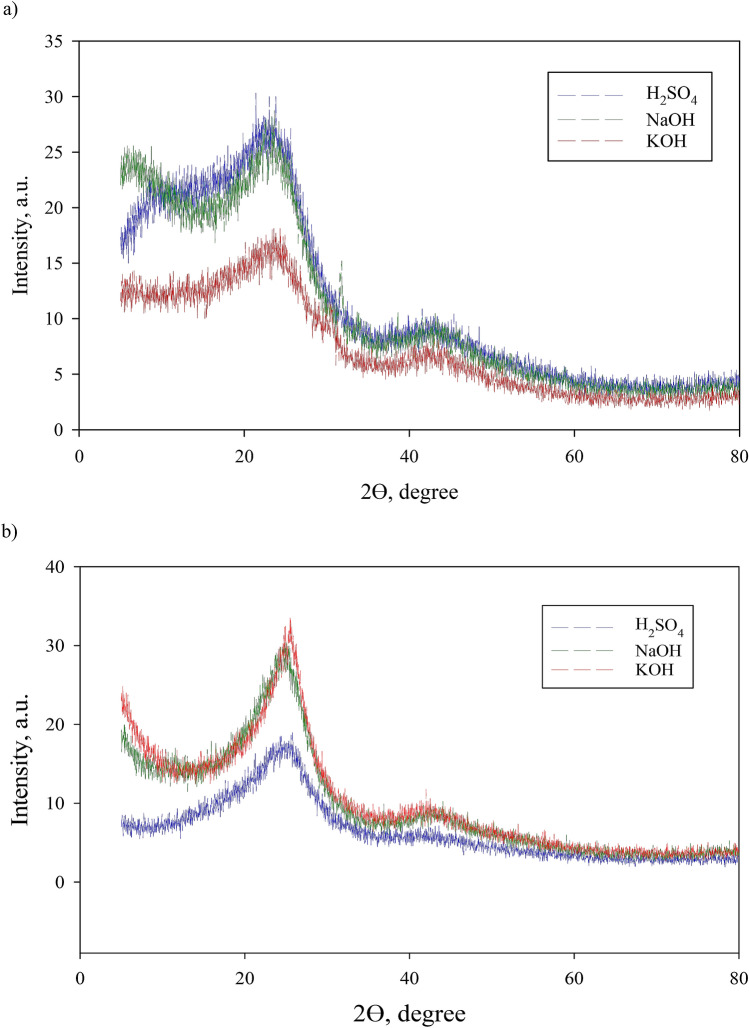
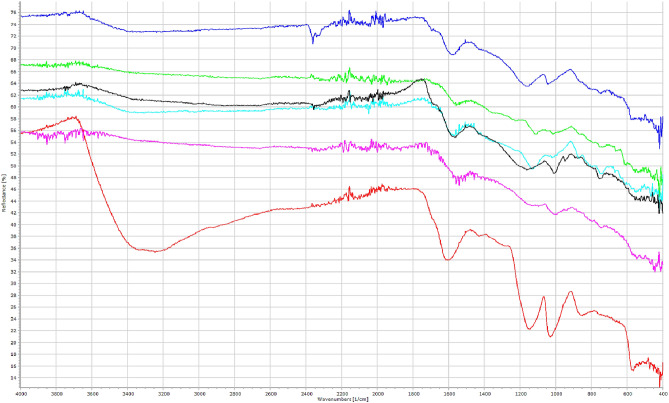
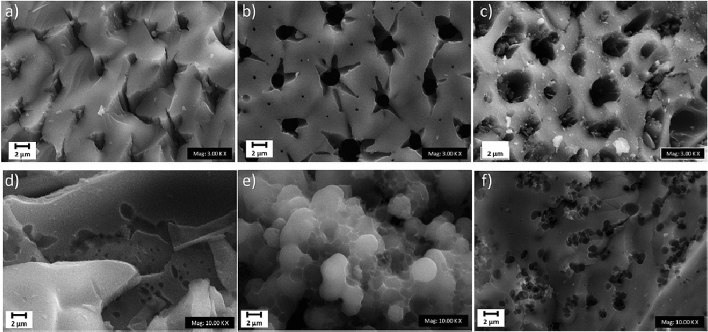
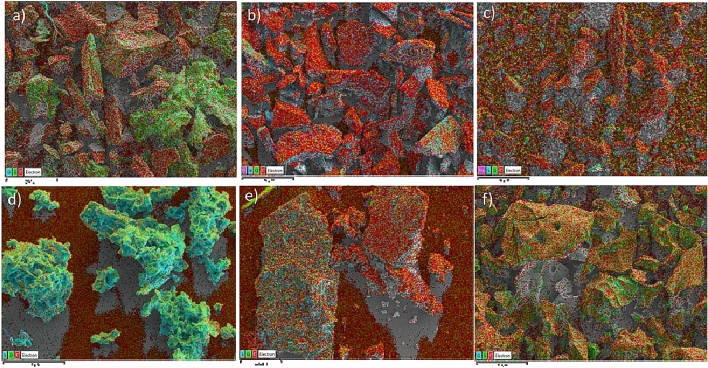
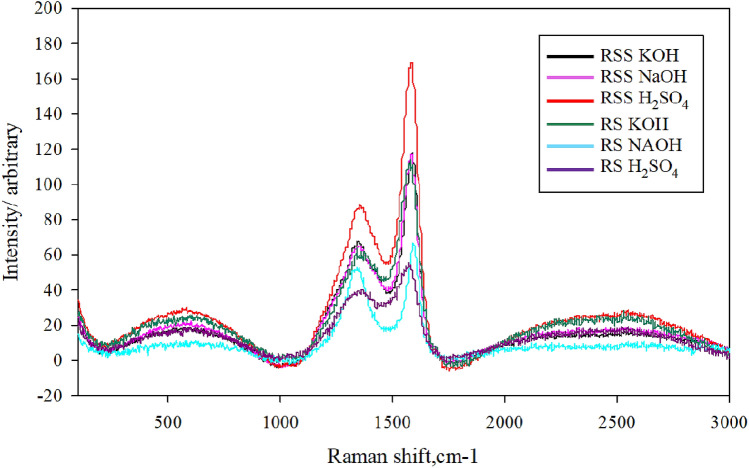
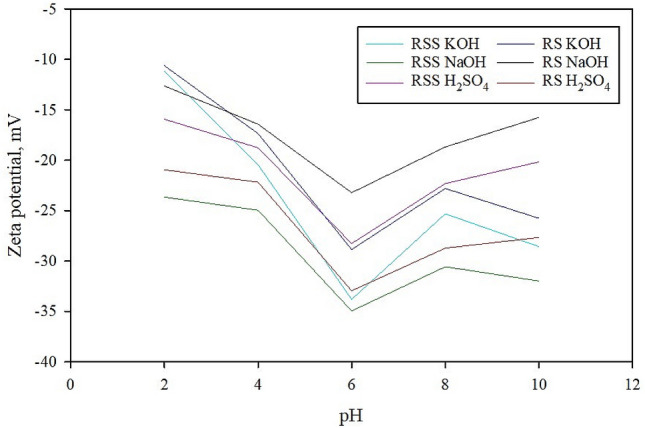
- Characterization and modeling included FTIR, XRD, FESEM/EDX, zeta potential, Raman spectroscopy, pHpzc, kinetic models (pseudo-first-order, pseudo-second-order, Elovich, intraparticle diffusion), isotherms (Langmuir, Freundlich, Dubinin-Radushkevich), and thermodynamic analysis.
## Limitations
- The paper states that the total energy required to scale up from laboratory tests to a full-scale commercial production plant should be further investigated.
- It also states that analysis and experiments on other local biomass wastes and the potential for upscaling the synthesized PACs should be explored.
- Evident from the text: several sections are mentioned only as headings or are incomplete in the provided text (for example, kinetics/isotherms details and the end of the pH discussion), so some results and parameter values are not fully visible here.
Model-written summary. Check it against the paper before relying on it.
Integrity signals
Registry
Cites
Statistics
Figures
Verification
Claims the paper makes
1 Valid · 1 Not valid · 10 Not checked · 38 Own results and interpretations
At least one cited source doesn’t support this claim or points to a different paper, and none confirmed it — see the verdicts below.
In the paper
“The negative value in both MB and CR for ΔS was ascribed to the fact that the adsorbates lose randomness in the solid-solute interface during the adsorption process47,58,79–81.”
§ The removal of anionic and cationic dyes from an aqueous solution using biomass-based activated carbon > Adsorption study > Thermodynamics study
What the sources say
- Not checked — no full text of the sourcecites [47] Binitha NN Sugunan S Preparation, characterization and catalytic activity of titania pillared montmorillonite clays Micropor. Mesopor. Mat. 2006 93 82 89 10.1016/j.micromeso.2006.02.005 source
- Not checked — no full text of the sourcecites [58] Olusegun SJ Mohallem ND Comparative adsorption mechanism of doxycycline and congo red using synthesized kaolinite supported CoFe2O4 nanoparticles Environ. Pollut. 2020 260 114019 10.1016/j.envpol.2020.114019 32000027 source
- Disputedcites [79] Pathania D Sharma S Singh P Removal of methylene blue by adsorption onto activated carbon developed from Ficus carica bast Arab. J. Chem. 2017 10 1445 1451 10.1016/j.arabjc.2013.04.021 sourceExperimental — accuracy not yet measured
Section 3.5, “Adsorption thermodynamics,” reports a positive ΔS° of 76.24 J/mol K for MB adsorption, contrary to the claimed negative value. The paper studies MB adsorption and provides no result for CR or an explanation involving loss of randomness at the interface. (LLM, conf=0.90)
Checked by a reasoning model — may be wrong.
- Not checked — no full text of the sourcecites [80] Bedin KC Martins AC Cazetta AL Pezoti O Almeida VC KOH-activated carbon prepared from sucrose spherical carbon: Adsorption equilibrium, kinetic and thermodynamic studies for methylene blue removal Chem. Eng. J. 2016 286 476 484 10.1016/j.cej.2015.10.099 source
- Could not verifycites [81] Ashour SS Kinetic and equilibrium adsorption of methylene blue and remazol dyes onto steam-activated carbons developed from date pits J. Saudi Chem. Soc. 2010 14 47 53 10.1016/j.jscs.2009.12.008 sourceExperimental — accuracy not yet measured
The Materials section identifies the dyes studied as methylene blue (MB) and remazol yellow (RY), not Congo red (CR). Searches for negative ΔS, entropy, and loss of randomness found no passage in our copy addressing that explanation; the Adsorption isotherms section instead discusses electrostatic and dispersive interactions. Page numbers were not available in the indexed passages. (LLM, conf=0.75)
plainstates a cause- Asserted: passes — The authors put it forward as true.
- Checkable: passes — It can be checked against evidence.
- Load-bearing: unclear — It is unclear whether the paper’s conclusions depend on it.
- Based: passes — The paper gives a reason why it holds.
The cited sources support only part of this claim — read each source’s verdict below.
In the paper
“This verifies that the adsorption occurred in a monolayer manner68–72 because the PACs’ large surface area influenced the adsorption of large CR molecules onto the PACs48.”
§ The removal of anionic and cationic dyes from an aqueous solution using biomass-based activated carbon > Adsorption study > Adsorption isotherms Isotherm models of Langmuir, Freundlich, and Dubinin-Radushkevich were fitted to the experimental data; the parameters obtained for these equations are tabulated in Table 2. According to the values of R2 and other parameters in Table 2, the fittings of Langmuir, Freundlich, and Dubinin- Radushkevich models showed the degree of surface saturation by using isotherm models. The values of E for the PACs adsorption process were 1.65 kJ/mol (RSS) and 2.34 kJ/mol (RS) for CR dye and 1.84 kJ/mol (RSS) and 2.67 kJ/mol (RS) for MB, demonstrating that the adsorption process of both dyes was desirable and physical31. Adsorption of CR by PAC was well-fitted with the Langmuir isotherm. This verifies that the adsorption occurred in a monolayer manner68–72 because the PACs’ large surface area influenced the adsorption of large CR molecules onto the PACs48. The value of R2 determines the models’ suitability, and the Qmax value was calculated to be considerably high, as shown in Table 2. On the other hand, the Freundlich model was determined to be suitable to explain the adsorption of MB, considered the amount of CR adsorbed per unit mass of PACs used. According to these results, the PAC’s adsorption of the dyes occurred mainly in monolayer and multilayer manners. The monolayer adsorption was determined by the Langmuir model, while the Freundlich model showed the adsorption of the dyes on the surface of the adsorbent in multilayers. The presence of functional groups of PACs which contributed to π-π interaction and electrostatic interaction between the adsorbents and adsorbates explained the adsorption mechanism31,48,74–78.
What the sources say
- Not checked — no full text of the sourcecites [68] Muntean SG Nistor MA Ianoș R Păcurariu C Căpraru A Surdu VA Combustion synthesis of Fe3O4/Ag/C nanocomposite and application for dyes removal from multicomponent systems Appl. Surf. Sci. 2019 481 825 837 10.1016/j.apsusc.2019.03.161 source
- Partly supportedcites [69] Muntean, S.G., Nistor, M.A., Muntean, E., Todea, A., Ianoş, R. and Păcurariu, C. Removal of colored organic pollutants from wastewaters by magnetite/carbon nanocomposites: single and binary systems. J. Chem.2018 (2018). sourceExperimental — accuracy not yet measured
Our copy reports monolayer-type uptake only for its own system: the Sips fit of the isotherms for Nylosan Blue, Chromazurol S and Basic Red 2 onto the magnetite/carbon nanocomposite PM-4 is described as 'diffused adsorption on low dye concentration and a monomolecular adsorption with a saturation value, at high adsorbate concentrations' (Section 3.4, Adsorption Isotherms), and the Conclusions state the data were best correlated by the Sips model, not by a pure Langmuir monolayer. The paper does not study Congo Red at all (its dyes are ChS, NB, BR2; CR appears only in the title of a cited reference, Yang et al.) and its isotherm work was done on PM-4, not on plain powdered activated carbon (the activated-carbon-only sample P-6 was used only in the magnetite/carbon-ratio screening, Section 3.2.2). Thus the monolayer mechanism is in the source, but the assignment of that mechanism to CR adsorption by PAC is not supported by it. (LLM, conf=0.65)
- Not checked — no full text of the sourcecites [70] Paşka OM Păcurariu C Muntean SG Kinetic and thermodynamic studies on methylene blue biosorption using corn-husk RSC Adv. 2014 4 107 62621 62630 10.1039/C4RA10504D source
- Partly supportedcites [71] Muntean SG Todea A Bakardjieva S Bologa C Removal of non-benzidine direct red dye from aqueous solution by using natural sorbents: Beech and Silver Fir Desalin. Water Treat. 2017 66 235 250 10.5004/dwt.2017.0154 sourceExperimental — accuracy not yet measured
Section 3.8 (page not available) describes monomolecular adsorption at high dye concentrations, but its experiments concern direct red dye on beech and silver fir. It does not establish monolayer adsorption of CR on PAC. (LLM, conf=0.88)
- Not checked — no full text of the sourcecites [72] Nicola R Muntean SG Nistor MA Putz AM Almásy L Săcărescu L Highly efficient and fast removal of colored pollutants from single and binary systems, using magnetic mesoporous silica Chemosphere 2020 261 127737 10.1016/j.chemosphere.2020.127737 32738712 source
- Not checked — no full text of the sourcecites [48] Mahmoudi E Azizkhani S Mohammad AW Ng LY Benamor A Ang WL Ba-Abbad M Simultaneous removal of congo red and cadmium (II) from aqueous solutions using graphene oxide–silica composite as a multifunctional adsorbent J. Environ. Sci. 2020 98 151 160 10.1016/j.jes.2020.05.013 33097147 source
boostedstates a cause- Asserted: passes — The authors put it forward as true.
- Checkable: passes — It can be checked against evidence.
- Load-bearing: passes — The paper’s conclusions depend on it.
- Based: passes — The paper gives a reason why it holds.
A result the paper reports from its own data — it cites no other source for it, so there is none to check. The quote shows it is in the paper.
In the paper
“Moreover, the calculated values of the equilibrium adsorption capacity (qe) from the pseudo-second-order showed an absolute agreement with the experimental values (qe,exp).”
§ The removal of anionic and cationic dyes from an aqueous solution using biomass-based activated carbon > Adsorption study > Adsorption kinetics As shown in Table 1, the correlation coefficient of determination (R2) of the pseudo-second-order kinetic model exceeded 0.99 (RSS and RS), significantly higher than those of the pseudo-first-order kinetic model. This finding indicated that a chemical effect was involved in the adsorption of dyes on PAC. Moreover, the calculated values of the equilibrium adsorption capacity (qe) from the pseudo-second-order showed an absolute agreement with the experimental values (qe,exp). These results further indicated that the pseudo-second-order model was more suitable for the adsorption of dye onto the PAC, showing that the adsorption was chemically controlled. In addition, the lower correlation coefficient values in the pseudo-first-order and the Elovich model showed that these models did not agree on how to explain the adsorption mechanism, suggesting that the process was indeed efficient and controlled by chemical adsorption, as mentioned earlier67–72. This process involved the exchange of electrons between the adsorbates and adsorbent31,47,73–76. The α parameter values using Elovich kinetic model for RSS for both dyes were higher than RS, indicating that RSS had a greater tendency and ability to adsorb dyes. The experimental results also supported these findings. The values for the intraparticle diffusion rate constant (KID) for RSS in the adsorption process of both dyes was higher than RS, also indicating that RSS had better adsorption and more improved bonding between the adsorbent and adsorbate particles31–34,68,70–72.
boostedstates an association- Asserted: passes — The authors put it forward as true.
- Checkable: passes — It can be checked against evidence.
- Load-bearing: passes — The paper’s conclusions depend on it.
- Based: passes — The paper gives a reason why it holds.
A result the paper reports from its own data — it cites no other source for it, so there is none to check. The quote shows it is in the paper.
In the paper
“The α parameter values using Elovich kinetic model for RSS for both dyes were higher than RS, indicating that RSS had a greater tendency and ability to adsorb dyes.”
§ The removal of anionic and cationic dyes from an aqueous solution using biomass-based activated carbon > Adsorption study > Adsorption kinetics As shown in Table 1, the correlation coefficient of determination (R2) of the pseudo-second-order kinetic model exceeded 0.99 (RSS and RS), significantly higher than those of the pseudo-first-order kinetic model. This finding indicated that a chemical effect was involved in the adsorption of dyes on PAC. Moreover, the calculated values of the equilibrium adsorption capacity (qe) from the pseudo-second-order showed an absolute agreement with the experimental values (qe,exp). These results further indicated that the pseudo-second-order model was more suitable for the adsorption of dye onto the PAC, showing that the adsorption was chemically controlled. In addition, the lower correlation coefficient values in the pseudo-first-order and the Elovich model showed that these models did not agree on how to explain the adsorption mechanism, suggesting that the process was indeed efficient and controlled by chemical adsorption, as mentioned earlier67–72. This process involved the exchange of electrons between the adsorbates and adsorbent31,47,73–76. The α parameter values using Elovich kinetic model for RSS for both dyes were higher than RS, indicating that RSS had a greater tendency and ability to adsorb dyes. The experimental results also supported these findings. The values for the intraparticle diffusion rate constant (KID) for RSS in the adsorption process of both dyes was higher than RS, also indicating that RSS had better adsorption and more improved bonding between the adsorbent and adsorbate particles31–34,68,70–72.
hedgedstates an association- Asserted: passes — The authors put it forward as true.
- Checkable: passes — It can be checked against evidence.
- Load-bearing: unclear — It is unclear whether the paper’s conclusions depend on it.
- Based: passes — The paper gives a reason why it holds.
A result the paper reports from its own data — it cites no other source for it, so there is none to check. The quote shows it is in the paper.
In the paper
“The values of E for the PACs adsorption process were 1.65 kJ/mol (RSS) and 2.34 kJ/mol (RS) for CR dye and 1.84 kJ/mol (RSS) and 2.67 kJ/mol (RS) for MB, demonstrating that the adsorption process of both dyes was desirable and physical31.”
§ The removal of anionic and cationic dyes from an aqueous solution using biomass-based activated carbon > Adsorption study > Adsorption isotherms Isotherm models of Langmuir, Freundlich, and Dubinin-Radushkevich were fitted to the experimental data; the parameters obtained for these equations are tabulated in Table 2. According to the values of R2 and other parameters in Table 2, the fittings of Langmuir, Freundlich, and Dubinin- Radushkevich models showed the degree of surface saturation by using isotherm models. The values of E for the PACs adsorption process were 1.65 kJ/mol (RSS) and 2.34 kJ/mol (RS) for CR dye and 1.84 kJ/mol (RSS) and 2.67 kJ/mol (RS) for MB, demonstrating that the adsorption process of both dyes was desirable and physical31. Adsorption of CR by PAC was well-fitted with the Langmuir isotherm. This verifies that the adsorption occurred in a monolayer manner68–72 because the PACs’ large surface area influenced the adsorption of large CR molecules onto the PACs48. The value of R2 determines the models’ suitability, and the Qmax value was calculated to be considerably high, as shown in Table 2. On the other hand, the Freundlich model was determined to be suitable to explain the adsorption of MB, considered the amount of CR adsorbed per unit mass of PACs used. According to these results, the PAC’s adsorption of the dyes occurred mainly in monolayer and multilayer manners. The monolayer adsorption was determined by the Langmuir model, while the Freundlich model showed the adsorption of the dyes on the surface of the adsorbent in multilayers. The presence of functional groups of PACs which contributed to π-π interaction and electrostatic interaction between the adsorbents and adsorbates explained the adsorption mechanism31,48,74–78.
boosted- Asserted: passes — The authors put it forward as true.
- Checkable: passes — It can be checked against evidence.
- Load-bearing: passes — The paper’s conclusions depend on it.
- Based: passes — The paper gives a reason why it holds.
22 more claims
Create a free account to see all 50 claims and every source verdict.
- It may state two separate claims as one. 21
- Probably not a substantial claim. 2
Citations
Cites
Removal of heavy metal ions from wastewaters: A review
Fu, F., & Wang, Q. (2011) · Journal of Environmental Management · doi:10.1016/j.jenvman.2010.11.011 · Cited by 8,703
Burakov, A. E., Galunin, E. V., Burakova, I. V., Kucherova, A. E., Agarwal, S., Tkachev, A. G., & Gupta, V. K. (2018) · Ecotoxicology and Environmental Safety · doi:10.1016/j.ecoenv.2017.11.034 · Cited by 1,612
Removal of methylene blue by adsorption onto activated carbon developed from Ficus carica bast
Pathania, D., Sharma, S., & Singh, P. (2017) · Arabian Journal of Chemistry · doi:10.1016/j.arabjc.2013.04.021 · Cited by 1,028
Gupta, V. K., & Nayak, A. (2012) · Chemical Engineering Journal · doi:10.1016/j.cej.2011.11.006 · Cited by 975
Hu, X.-J., Wang, J.-S., Liu, Y.-G., Li, X., Zeng, G.-M., Bao, Z.-L., Zeng, X.-X., Chen, A.-W., & Long, F. (2011) · Journal of Hazardous Materials · doi:10.1016/j.jhazmat.2010.09.034 · Cited by 852
Bedin, K. C., Martins, A. C., Cazetta, A. L., Pezoti, O., & Almeida, V. C. (2016) · Chemical Engineering Journal · doi:10.1016/j.cej.2015.10.099 · Cited by 598
Maneerung, T., Liew, J., Dai, Y., Kawi, S., Chong, C., & Wang, C.-H. (2016) · Bioresource Technology · doi:10.1016/j.biortech.2015.10.047 · Cited by 595
Column with CNT/magnesium oxide composite for lead(II) removal from water
Saleh, T. A., & Gupta, V. K. (2012) · Environmental Science and Pollution Research · doi:10.1007/s11356-011-0670-6 · Cited by 551
Methylene blue adsorption on graphene oxide/calcium alginate composites
Li, Y., Du, Q., Liu, T., Sun, J., Wang, Y., Wu, S., Wang, Z., Xia, Y., & Xia, L. (2013) · Carbohydrate Polymers · doi:10.1016/j.carbpol.2013.01.094 · Cited by 491
Dye adsorption by resins: Effect of ionic strength on hydrophobic and electrostatic interactions
Hu, Y., Guo, T., Ye, X., Li, Q., Guo, M., Liu, H., & Wu, Z. (2013) · Chemical Engineering Journal · doi:10.1016/j.cej.2013.04.116 · Cited by 396
Chen, Y., Zhu, Y., Wang, Z., Li, Y., Wang, L., Ding, L., Gao, X., Ma, Y., & Guo, Y. (2011) · Advances in Colloid and Interface Science · doi:10.1016/j.cis.2011.01.006 · Cited by 394
Lafi, R., Montasser, I., & Hafiane, A. (2019) · Adsorption Science & Technology · doi:10.1177/0263617418819227 · Cited by 357
Adsorptive removal of congo red dye from aqueous solution using bael shell carbon
Ahmad, R., & Kumar, R. (2010) · Applied Surface Science · doi:10.1016/j.apsusc.2010.08.111 · Cited by 337
Foo, K. Y., & Hameed, B. H. (2012) · Chemical Engineering Journal · doi:10.1016/j.cej.2011.12.084 · Cited by 336
Ammonium biosorption onto sawdust: FTIR analysis, kinetics and adsorption isotherms modeling
Wahab, M. A., Jellali, S., & Jedidi, N. (2010) · Bioresource Technology · doi:10.1016/j.biortech.2010.01.121 · Cited by 332
Yu, K. L., Lee, X. J., Ong, H. C., Chen, W.-H., Chang, J.-S., Lin, C.-S., Show, P. L., & Ling, T. C. (2021) · Environmental Pollution · doi:10.1016/j.envpol.2020.115986 · Cited by 310
Mopoung, S., Moonsri, P., Palas, W., & Khumpai, S. (2015) · The Scientific World Journal · doi:10.1155/2015/415961 · Cited by 306
An overview of dye removal via activated carbon adsorption process
Foo, K. Y., & Hameed, B. H. (2010) · Desalination and Water Treatment · doi:10.5004/dwt.2010.1214 · Cited by 263
Yağmur, H. K., & Kaya, İ. (2021) · Journal of Molecular Structure · doi:10.1016/j.molstruc.2021.130071 · Cited by 263
Pashaei-Fakhri, S., Peighambardoust, S. J., Foroutan, R., Arsalani, N., & Ramavandi, B. (2021) · Chemosphere · doi:10.1016/j.chemosphere.2020.129419 · Cited by 253
Thermodynamic and kinetic studies of cadmium adsorption from aqueous solution onto rice husk
Kumar, P. S., Ramakrishnan, K., Kirupha, S. D., & Sivanesan, S. (2010) · Brazilian Journal of Chemical Engineering · doi:10.1590/s0104-66322010000200013 · Cited by 237
Coconut-based biosorbents for water treatment — A review of the recent literature
Bhatnagar, A., Vilar, V. J. P., Botelho, C. M. S., & Boaventura, R. A. R. (2010) · Advances in Colloid and Interface Science · doi:10.1016/j.cis.2010.06.011 · Cited by 231
A green technology for the preparation of high capacitance rice husk-based activated carbon
Liu, D., Zhang, W., Lin, H., Li, Y., Lu, H., & Wang, Y. (2016) · Journal of Cleaner Production · doi:10.1016/j.jclepro.2015.07.005 · Cited by 216
Islam, M. A., Tan, I. A. W., Benhouria, A., Asif, M., & Hameed, B. H. (2015) · Chemical Engineering Journal · doi:10.1016/j.cej.2015.01.058 · Cited by 210
Adsorption Isotherms in Liquid Phase: Experimental, Modeling, and Interpretations
Piccin, J. S., Cadaval, T. R. S., de Pinto, L. A. A., & Dotto, G. L. (2017) · Adsorption Processes for Water Treatment and Purification · doi:10.1007/978-3-319-58136-1_2 · Cited by 204
Foroutan, R., Mohammadi, R., Razeghi, J., & Ramavandi, B. (2019) · Algal Research · doi:10.1016/j.algal.2019.101509 · Cited by 200
Olusegun, S. J., & Mohallem, N. D. S. (2020) · Environmental Pollution · doi:10.1016/j.envpol.2020.114019 · Cited by 186
Foo, K. Y., & Hameed, B. H. (2012) · Chemical Engineering Journal · doi:10.1016/j.cej.2012.01.079 · Cited by 179
Esvandi, Z., Foroutan, R., Peighambardoust, S. J., Akbari, A., & Ramavandi, B. (2020) · Surfaces and Interfaces · doi:10.1016/j.surfin.2020.100754 · Cited by 165
Foo, K. Y., & Hameed, B. H. (2011) · Chemical Engineering Journal · doi:10.1016/j.cej.2011.02.068 · Cited by 164
Foroutan, R., Peighambardoust, S. J., Esvandi, Z., Khatooni, H., & Ramavandi, B. (2020) · Journal of environmental chemical engineering · doi:10.1016/j.jece.2020.104752 · Cited by 161
Mahmoudi, K., Hosni, K., Hamdi, N., & Srasra, E. (2014) · Korean Journal of Chemical Engineering · doi:10.1007/s11814-014-0216-y · Cited by 156
Yun, J., Wang, Y., Liu, Z., Li, Y., Yang, H., & Xu, Z. (2020) · Chemosphere · doi:10.1016/j.chemosphere.2020.127390 · Cited by 150
Ahmed, M. J., & Theydan, S. K. (2012) · Powder Technology · doi:10.1016/j.powtec.2012.06.043 · Cited by 148
Foroutan, R., Mohammadi, R., MousaKhanloo, F., Sahebi, S., Ramavandi, B., Kumar, P. S., & Vardhan, K. H. (2020) · Advanced Powder Technology · doi:10.1016/j.apt.2020.08.001 · Cited by 131
Efficiency of Five Selected Aquatic Plants in Phytoremediation of Aquaculture Wastewater
Mohd Nizam, N. U., Mohd Hanafiah, M., Mohd Noor, I., & Abd Karim, H. I. (2020) · Applied Sciences · doi:10.3390/app10082712 · Cited by 126
Self-citationPreparation, characterization and catalytic activity of titania pillared montmorillonite clays
Binitha, N. N., & Sugunan, S. (2006) · Microporous and Mesoporous Materials · doi:10.1016/j.micromeso.2006.02.005 · Cited by 117
Yousefi, R., Azimi, H. R., Mahmoudian, M. R., & Basirun, W. J. (2017) · Applied Surface Science · doi:10.1016/j.apsusc.2017.11.183 · Cited by 117
Yao, F., Jia, M., Yang, Q., Luo, K., Chen, F., Zhong, Y., He, L., Pi, Z., Hou, K., Wang, D., et al. (2020) · Chemosphere · doi:10.1016/j.chemosphere.2020.127537 · Cited by 117
The role of K2CO3 during the chemical activation of petroleum coke with KOH
Lu, C., Xu, S., & Liu, C. (2010) · Journal of Analytical and Applied Pyrolysis · doi:10.1016/j.jaap.2010.02.001 · Cited by 116
Masoudian, N., Rajabi, M., & Ghaedi, M. (2019) · Polyhedron · doi:10.1016/j.poly.2019.114105 · Cited by 116
Kinetic and thermodynamic studies on methylene blue biosorption using corn-husk
Paşka, O. M., Păcurariu, C., & Muntean, S. G. (2014) · RSC Adv. · doi:10.1039/c4ra10504d · Cited by 115
Reddy, K. S. K., Shoaibi, A. A., & Srinivasakannan, C. (2012) · New Carbon Materials · doi:10.1016/s1872-5805(12)60020-1 · Cited by 113
Foroutan, R., Mohammadi, R., & Ramavandi, B. (2019) · Environmental Science and Pollution Research · doi:10.1007/s11356-019-05282-z · Cited by 113
Foo, K. Y., & Hameed, B. H. (2012) · Fuel Processing Technology · doi:10.1016/j.fuproc.2012.01.031 · Cited by 110
Mahmoudi, E., Azizkhani, S., Mohammad, A. W., Ng, L. Y., Benamor, A., Ang, W. L., & Ba-Abbad, M. (2020) · Journal of Environmental Sciences · doi:10.1016/j.jes.2020.05.013 · Cited by 106
Self-citationSynthesis of r-GO/TiO 2 composites via the UV-assisted photocatalytic reduction of graphene oxide
Yang, W., Li, Y., & Lee, Y.-C. (2016) · Applied Surface Science · doi:10.1016/j.apsusc.2016.01.118 · Cited by 104
Impact of process parameters on removal of Congo red by graphene oxide from aqueous solution
Debnath, S., Maity, A., & Pillay, K. (2014) · Journal of environmental chemical engineering · doi:10.1016/j.jece.2013.12.018 · Cited by 102
Foroutan, R., Peighambardoust, S. J., Aghdasinia, H., Mohammadi, R., & Ramavandi, B. (2020) · Environmental Science and Pollution Research · doi:10.1007/s11356-020-10330-0 · Cited by 102
Wang, G., Li, G., Huan, Y., Hao, C., & Chen, W. (2020) · Chemosphere · doi:10.1016/j.chemosphere.2020.127736 · Cited by 101
Characterization and photocatalytic performance of ternary Cu-doped ZnO/Graphene materials
Hsieh, S.-H., & Ting, J. (2017) · Applied Surface Science · doi:10.1016/j.apsusc.2017.06.176 · Cited by 100
Yu, F., Sun, Y., Yang, M., & Ma, J. (2019) · Journal of Hazardous Materials · doi:10.1016/j.jhazmat.2019.04.021 · Cited by 98
Gao, L., Li, C., Zhang, J., Du, X., Li, S., Zeng, J., Yi, Y., & Zeng, G. (2018) · Chemical Engineering Journal · doi:10.1016/j.cej.2018.02.100 · Cited by 97
Ranjan, B., Pillai, S., Permaul, K., & Singh, S. (2019) · Journal of Hazardous Materials · doi:10.1016/j.jhazmat.2018.07.116 · Cited by 94
From Waste to Biosorbent: Removal of Congo Red from Water by Waste Wood Biomass
Stjepanović, M., Velić, N., Galić, A., Kosović, I., Jakovljević, T., & Habuda-Stanić, M. (2021) · Water · doi:10.3390/w13030279 · Cited by 91
Daoud, M., Benturki, O., Kecira, Z., Girods, P., & Donnot, A. (2017) · Journal of Molecular Liquids · doi:10.1016/j.molliq.2017.08.093 · Cited by 90
Narayanan, D. P., Gopalakrishnan, A., Yaakob, Z., Sugunan, S., & Narayanan, B. N. (2017) · Arabian Journal of Chemistry · doi:10.1016/j.arabjc.2017.04.011 · Cited by 89
Foroutan, R., Mohammadi, R., Sohrabi, N., Sahebi, S., Farjadfard, S., Esvandi, Z., & Ramavandi, B. (2019) · Environmental Technology & Innovation · doi:10.1016/j.eti.2019.100530 · Cited by 88
Belhachemi, M., & Addoun, F. (2011) · Desalination and Water Treatment · doi:10.1080/19443994.2012.661263 · Cited by 85
Batool, A., & Valiyaveettil, S. (2021) · Journal of Environmental Chemical Engineering · doi:10.1016/j.jece.2020.104902 · Cited by 85
Charola, S., Patel, H., Chandna, S., & Maiti, S. (2019) · Journal of Cleaner Production · doi:10.1016/j.jclepro.2019.03.169 · Cited by 84
Bonyadi, Z., Kumar, P. S., Foroutan, R., Kafaei, R., Arfaeinia, H., Farjadfard, S., & Ramavandi, B. (2019) · Korean Journal of Chemical Engineering · doi:10.1007/s11814-019-0373-0 · Cited by 82
Treatment of Saline Water Using Electrocoagulation with Combined Electrical Connection of Electrodes
Al-Raad, A. A., Hanafiah, M. M., Naje, A. S., Ajeel, M. A., Basheer, A. O., Aljayashi, T. A., & Toriman, M. E. (2019) · Processes · doi:10.3390/pr7050242 · Cited by 81
Self-citationBanch, T. J. H., Hanafiah, M. M., Alkarkhi, A. F. M., & Amr, S. S. A. (2019) · Polymers · doi:10.3390/polym11081349 · Cited by 81
Self-citationSaad, M. J., Chia, C. H., Zakaria, S., Sajab, M. S., Misran, S., Abdul Rahman, M. H., & Chin, S. X. (2019) · Sains Malaysiana · doi:10.17576/jsm-2019-4802-16 · Cited by 78
Bello, M. O., Abdus-Salam, N., Adekola, F. A., & Pal, U. (2020) · Chemical Data Collections · doi:10.1016/j.cdc.2020.100607 · Cited by 76
Roccaro, P., Sgroi, M., & Vagliasindi, F. G. A. (2013) · Chemical engineering transactions · doi:10.3303/cet1332085 · Cited by 73
Sayğılı, H., & Güzel, F. (2015) · Process Safety and Environmental Protection · doi:10.1016/j.cherd.2015.05.014 · Cited by 72
Muntean, S. G., Nistor, M. A., Muntean, E., Todea, A., Ianoş, R., & Păcurariu, C. (2018) · Journal of Chemistry · doi:10.1155/2018/6249821 · Cited by 70
Omorogie, M. O., Babalola, J. O., Ismaeel, M. O., McGettrick, J., Watson, T., Dawson, D. M., Carta, M., & Kuehnel, M. F. (2021) · Advanced Powder Technology · doi:10.1016/j.apt.2021.01.031 · Cited by 68
Al-Raad, A. A., Hanafiah, M. M., Naje, A. S., & Ajeel, M. A. (2020) · Environmental Pollution · doi:10.1016/j.envpol.2020.115049 · Cited by 65
Self-citationAdsorption Kinetics in Liquid Phase: Modeling for Discontinuous and Continuous Systems
Dotto, G. L., Salau, N. P. G., Piccin, J. S., Cadaval, T. R. S., & Pinto, L. A. D. A. (2017) · Springer eBooks · doi:10.1007/978-3-319-58136-1_3 · Cited by 64
Nicola, R., Muntean, S.-G., Nistor, M.-A., Putz, A.-M., Almásy, L., & Săcărescu, L. (2020) · Chemosphere · doi:10.1016/j.chemosphere.2020.127737 · Cited by 60
Ashour, S. S. (2010) · Journal of Saudi Chemical Society · doi:10.1016/j.jscs.2009.12.008 · Cited by 56
Lawal, I. A., Chetty, D., Akpotu, S. O., & Moodley, B. (2017) · Environmental Nanotechnology Monitoring & Management · doi:10.1016/j.enmm.2017.05.003 · Cited by 55
Preparation and Characterization of Activated Carbon from Iraqi Khestawy Date Palm
Hussein, F. H., Halbus, A. F., Lafta, A. J. A., & Athab, Z. H. (2015) · Journal of Chemistry · doi:10.1155/2015/295748 · Cited by 53
Ramos-Corona, A., Rangel, R., Alvarado-Gil, J. J., Bartolo-Pérez, P., Quintana, P., & Rodríguez‐Gattorno, G. (2019) · Chemosphere · doi:10.1016/j.chemosphere.2019.124368 · Cited by 53
Paluri, P., Ahmad, K. A., & Durbha, K. S. (2020) · Biomass Conversion and Biorefinery · doi:10.1007/s13399-020-00867-y · Cited by 53
Hanafiah, M. M., Zainuddin, M. F., Nizam, N. U. M., Halim, A. A., & Rasool, A. (2020) · Applied Sciences · doi:10.3390/app10093064 · Cited by 52
Self-citationManikam, M. K., Halim, A. A., Hanafiah, M. M., & Krishnamoorthy, R. R. (2019) · Desalination and Water Treatment · doi:10.5004/dwt.2019.23842 · Cited by 51
Self-citationAndelescu, A., Nistor, M. A., Muntean, S. G., & Rădulescu-Grad, M. E. (2018) · Separation Science and Technology · doi:10.1080/01496395.2018.1457696 · Cited by 50
Muntean, S. G., Nistor, M. A., Ianoș, R., Păcurariu, C., Căpraru, A., & Surdu, V.-A. (2019) · Applied Surface Science · doi:10.1016/j.apsusc.2019.03.161 · Cited by 49
Interaction between graphite oxide and Congo red in aqueous media
Barkauskas, J., Stankevičienė, I., Dakševič, J., & Padarauskas, A. (2011) · Carbon · doi:10.1016/j.carbon.2011.08.004 · Cited by 48
Zhou, D., Dai-yuan, L., Li, A., Qi, M., Cui, D., Wang, H., & Wei, H. (2020) · Journal of environmental chemical engineering · doi:10.1016/j.jece.2020.104671 · Cited by 47
Sustaining life on earth system through clean air, pure water, and fertile soil
Ashraf, M. A., & Hanafiah, M. M. (2018) · Environmental Science and Pollution Research · doi:10.1007/s11356-018-3528-3 · Cited by 46
Self-citationIm, D., Nakada, N., Fukuma, Y., & Tanaka, H. (2018) · Chemosphere · doi:10.1016/j.chemosphere.2018.12.071 · Cited by 44
Wang, J., Zhang, W., Kang, X., & Zhang, C. (2019) · Environmental Pollution · doi:10.1016/j.envpol.2019.113043 · Cited by 43
Layer-by-layer assembly of bio-inspired borate/graphene oxide membranes for dye removal
Yan, X., Wen, T., Cheng, S., Ma, C., Zhang, Y., Sun, Y. M., & Kong, X. (2020) · Chemosphere · doi:10.1016/j.chemosphere.2020.127118 · Cited by 43
Hsieh, S. H., Chen, W. J., & Yeh, T. (2015) · Applied Surface Science · doi:10.1016/j.apsusc.2015.08.220 · Cited by 42
イチジク(Ficus carica)靭皮から開発した活性炭への吸着によるメチレンブルーの除去【Powered by NICT】
Pathania, D., Shikha, S., & Singh, P. (2017) · Arabian Journal of Chemistry · Cited by 41
Bello, O. S., & Banjo, S. (2012) · Toxicological & Environmental Chemistry · doi:10.1080/02772248.2012.691504 · Cited by 36
Removal of chromium from aqueous solutions using a palm kernel shell adsorbent
Hanafiah, M. M., Hashim, N. A., Ahmed, S. T., & Ashraf, M. A. (2018) · Desalination and Water Treatment · doi:10.5004/dwt.2018.22639 · Cited by 34
Self-citationLife Cycle Assessment of Nile Tilapia (Oreochromis niloticus) Farming in Kenyir Lake, Terengganu
Dullah, H., Malek, M. A., & Hanafiah, M. M. (2020) · Sustainability · doi:10.3390/su12062268 · Cited by 29
Self-citationDate Palm Based Activated Carbon for the Efficient Removal of Organic Dyes from Aqueous Environment
Chowdhury, S., Pan, S., Balasubramanian, R., & Das, P. (2019) · Sustainable Agriculture Reviews · doi:10.1007/978-3-030-11345-2_12 · Cited by 27 · cited 1×
“The adsorption mechanism was chemically explained as the probability of adsorption (1) qe = (C0 − Ce)V”
BackgroundBanch, T. J. H., Hanafiah, M. M., Alkarkhi, A. F. M., et al. (2020) · Processes · doi:10.3390/pr8010111 · Cited by 27 · cited 1×
“(5) shows the calculation of the pseudo-first-order model:”
BackgroundSelf-citationMuntean, S. G., Todea, A., Bakardjieva, S., & Bologa, C. (2017) · DESALINATION AND WATER TREATMENT · doi:10.5004/dwt.2017.0154 · Cited by 24
Said, M., Mohammad, A. W., Nor, M. T. M., et al. (2015) · Sains Malaysiana · doi:10.17576/jsm-2015-4403-14 · Cited by 24
Self-citationTreatment of Taman Beringin landfill leachate using the column technique
Ashraf, M. A., Balkhair, K. S., Chowdhury, A. J. K., & Hanafiah, M. M. (2019) · Desalination and Water Treatment · doi:10.5004/dwt.2019.23839 · Cited by 19
Self-citationRybak, M., Drzewiecka, K., Woźniak, M., Ratajczak, I., & Joniak, T. (2020) · Chemosphere · doi:10.1016/j.chemosphere.2020.126844 · Cited by 12
Shaikh, M. M., AlSuhaimi, A. O., Hanafiah, M. M., & Alshahateet, S. F. (2019) · Desalination and Water Treatment · doi:10.5004/dwt.2019.23840 · Cited by 10
Self-citationRemoval of Cadmium (II) by Graphene Oxide-Chitosan Adsorbent from Aqueous Solution
Azizkhani, S., Mahmoudi, E., Abdullah, N., Ismail, M. H., Mohammad, A. W., & Hussain, S. A. (2018) · International Journal of Engineering & Technology · doi:10.14419/ijet.v7i3.26.17450 · Cited by 8
Self-citation
Cited by
Rápó, E., & Tonk, S. (2021) · Molecules · doi:10.3390/molecules26175419 · Cited by 490
Khan, M. D., Singh, A., Khan, M. Z., Tabraiz, S., & Sheikh, J. (2023) · Journal of Water Process Engineering · doi:10.1016/j.jwpe.2023.103579 · Cited by 384
Teo, S. H., Ng, C. H., Islam, A., Abdulkareem-Alsultan, G., Joseph, C. G., Janaun, J., Taufiq-Yap, Y. H., Khandaker, S., Islam, G. J., Znad, H., et al. (2022) · Journal of Cleaner Production · doi:10.1016/j.jclepro.2021.130039 · Cited by 352
Tee, G. T., Gok, X. Y., & Yong, W. F. (2022) · Environmental Research · doi:10.1016/j.envres.2022.113248 · Cited by 346
A review on activated carbon modifications for the treatment of wastewater containing anionic dyes
Azam, K., Shezad, N., Shafiq, I., Akhter, P., Akhtar, F., Jamil, F., Shafique, S., Park, Y.-K., & Hussain, M. (2022) · Chemosphere · doi:10.1016/j.chemosphere.2022.135566 · Cited by 236
Metadata
- Authors
- Nizam, N. U. M., Hanafiah, M. M., Mahmoudi, E., Halim, A. A., & Mohammad, A. W.
- Affiliations
- National University of Malaysia (MY)
- Corresponding author
- Hanafiah, Marlia M.
- Venue
- Scientific Reports
- Published
- 2021-04-21
- Volume
- 11
- Issue
- 1
- Pages
- 8623-8623
- ISSN
- 2045-2322 (ISSN-L)
- PMC
- PMC8060261
- OpenAlex
- W3156356092
- Semantic Scholar
- 28d6476a0fa38194b4778afe10c86aeb1e24bb88
- Cited by
- 399
- References
- 101
- Citations by year
- 2026: 42 · 2025: 97 · 2024: 91 · 2023: 78 · 2022: 62 · 2021: 28
- FWCI
- 19.26
- Type
- journal article
- Language
- en
- Open access
- gold
- doi.org
- Licence
- cc-by
- creativecommons.org/licenses/by/4.0 (tdm)
- creativecommons.org/licenses/by/4.0 (vor)
- Locations
- Scientific Reports (publishedVersion, cc-by)
- PubMed Central (publishedVersion, cc-by)
- PubMed (publishedVersion)
- DOAJ (DOAJ: Directory of Open Access Journals) (submittedVersion, cc-by-sa)
- Greater South Information System
- Funders
- Universiti Kebangsaan Malaysia (DIP-2019-001, GUP-2020-034)
- Topics
- Physical Sciences › Environmental Science › Water Science and Technology › Adsorption and biosorption for pollutant removal
- Physical Sciences › Environmental Science › Water Science and Technology › Coagulation and Flocculation Studies
- Physical Sciences › Chemistry › Physical and Theoretical Chemistry › Adsorption, diffusion, and thermodynamic properties of materials
- Keywords
- dye removal, powdered activated carbon, biomass-derived adsorbents, rubber seed shell, methylene blue, Congo red, cationic and anionic dyes, KOH activation, sodium hydroxide activation, adsorption isotherms, pseudo-second-order kinetics, adsorption thermodynamics, adsorbent regeneration, industrial wastewater treatment, low-cost adsorbent
About these checks
Registry, retraction, Cites and statistics results are computed, not judged, with one exception: a printed reference that no index lists is read once by a model before it counts as a citation error. Claims are extracted by a model and kept only when their quote appears verbatim in the text; each cited source is then checked, with a model’s help, for whether it says what the claim relies on. Those verdicts can be wrong — read the claim’s quote and the cited source before relying on one.
The claim verdicts this report counts are experimental: their accuracy is not yet measured.
A language model drew the claims from the paper on 2026-10-10, under version 3 of the claim definition (model deepseek-v4.1-flash, prompt extract-v3).
A second model labelled each claim on 2026-10-10 (model jev-1.13-20260917, definition revision gold-guideline-v0.2).
Cited sources are checked with a language model’s help (gpt-6-sol and qwen3.8-omni-flash).
Statistics and arithmetic are recomputed, not judged.
Confidence bands are shown only for fields calibrated on our annotated test set. None is calibrated yet, so no band is shown.
What counts as a claim ›How we measure confidence ›How we check this ›
Are you an author, or do you see a problem with this page? Request a review
Data sources
Bibliographic data: Semantic Scholar, OpenAlex, Crossref.
Contains information from the Semantic Scholar Academic Graph Datasets, made available under the ODC Attribution License (ODC-BY 1.0).
Semantic Scholar’s data is described in: Kinney, R., et al. (2023). The Semantic Scholar Open Data Platform. arXiv:2301.10140.
