

Genetic insights into causal effects of lipids and lipid-modifying targets on calcific aortic valve stenosis: a Mendelian randomized study
Open accessThe DOI matches its Crossref record; 57 of the 57 references it cites were found in a registry or an index; 16 of the 20 sources its claims cite were checked for support.
Abstract
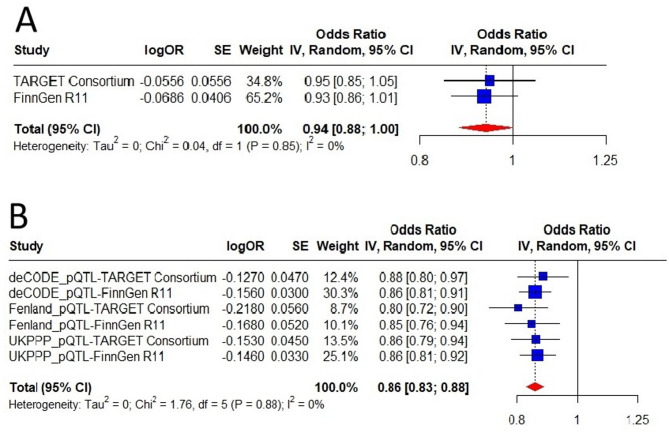
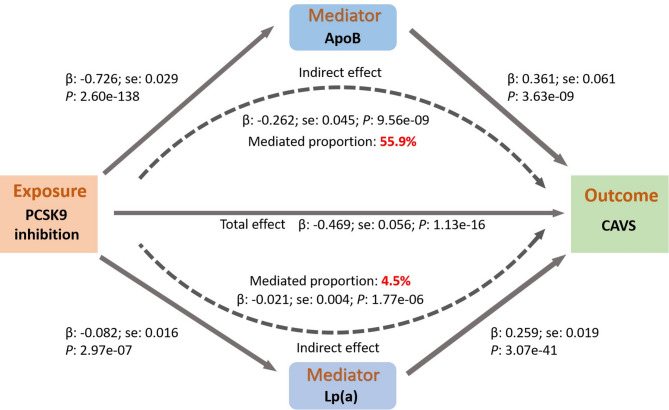
Calcific aortic valve stenosis (CAVS) is steadily rising worldwide with no effective pharmacological agents available. Observational studies implicated dyslipidaemia as a risk factor for CAVS. Whether dyslipidaemia is causative for CAVS and the therapeutic potential of different lipid-modifying drug targets for CAVS treatment remains unclear. We appraised the relationship of genetically-proxied lipid traits and 12 lipid-modifying drug targets with CAVS risk using Mendelian randomization (MR). Genetic variants associated with lipid traits and variants in genes encoding lipid-modifying drug targets were retrieved from GLGC. Summary-level data for CAVS were obtained from the TARGET consortium and FinnGen. Validation analyses were performed using genetic instruments retrieved from liver-derived gene expression and circulation plasma levels of targets. Colocalisation and mediation analyses were performed to evaluate the robustness of our findings and explore potential mediators (i.e., lipoprotein a (Lp(a)), body mass index, apolipoprotein B (ApoB)). The MR analyses supported that total cholesterol and LDL-cholesterol level were independent causal risk factors. The drug-target MR analysis suggested that genetic mimicry of PCSK9 inhibition should reduce CAVS risk (OR = 0.63, 95% CI = 0.56-0.70), which was corroborated by colocalisation analysis. Secondary analyses supported a genetically proxied effect of liver-specific PCSK9 expression (OR = 0.94 per SD reduction in PCSK9 expression, 95% CI = 0.88-1.00) and circulating plasma levels of PCSK9 (OR = 0.86 per SD reduction in PCSK9 protein, 95% CI = 0.83-0.88) on CAVS risk. ApoB and Lp(a) mediated 55.9% and 4.5%, respectively, of the total effect of PCSK9 on CAVS risk. Multiple sensitivity analyses supported this observation. Our study supports total cholesterol, LDL-cholesterol as a causal factor for CAVS, and genetically proxied inhibition of PCSK9 may reduced its risk.
Overview
CoChat Summary
TL;DR
This Mendelian randomization study found that genetically higher total cholesterol and LDL-cholesterol are causal risk factors for calcific aortic valve stenosis (CAVS), while genetically proxied PCSK9 inhibition is associated with lower CAVS risk. Mediation analyses suggested the PCSK9 effect may act largely through ApoB rather than Lp(a).
Key findings
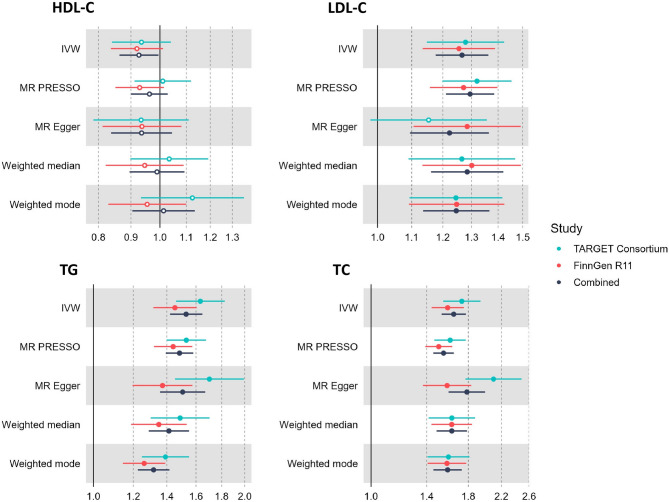
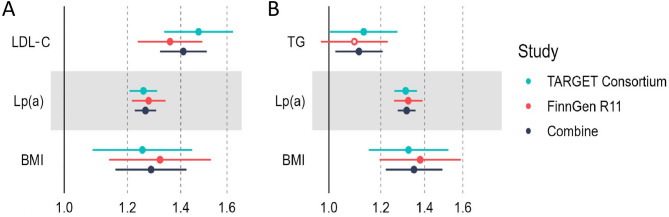
- Genetically proxied 1-SD increases in total cholesterol and LDL-C were associated with higher CAVS risk: pooled OR = 1.65 (95% CI = 1.53–1.77) for TC and OR = 1.53 (95% CI = 1.42–1.65) for LDL-C. LDL-C remained an independent risk factor after adjusting for Lp(a) and BMI (OR = 1.41, 95% CI = 1.31–1.51), whereas the triglyceride association attenuated (OR = 1.09, 95% CI = 1.02–1.21).
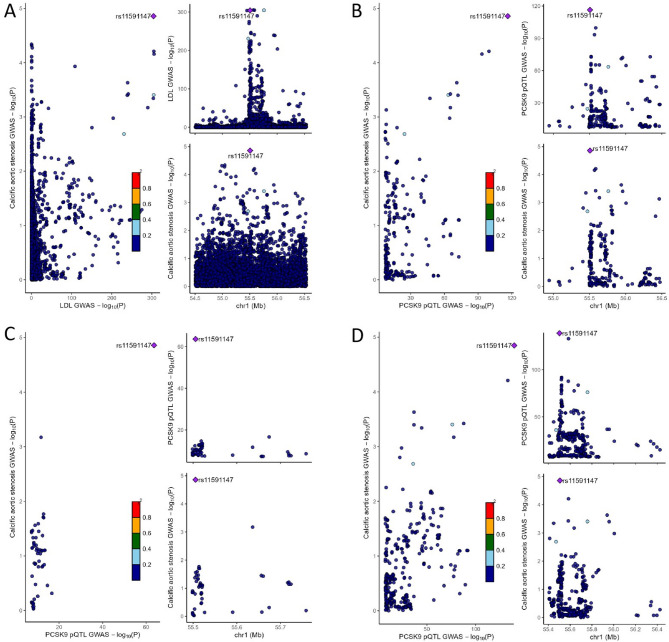
- Genetically proxied PCSK9 inhibition was associated with lower CAVS risk: pooled OR = 0.63 (95% CI = 0.56–0.70, P = 1.13 × 10⁻¹⁶) per SD reduction in LDL-C, with colocalization support (PP.H4 = 99.3%).
- Secondary analyses supported PCSK9 effects using liver-specific expression (OR = 0.94 per SD reduction in PCSK9 expression, 95% CI = 0.88–1.00) and circulating plasma PCSK9 protein (OR = 0.86 per SD reduction, 95% CI = 0.83–0.88).
- Mediation analysis estimated that ApoB mediated 55.9% and Lp(a) mediated 4.5% of the total effect of PCSK9 on CAVS risk.
Methods
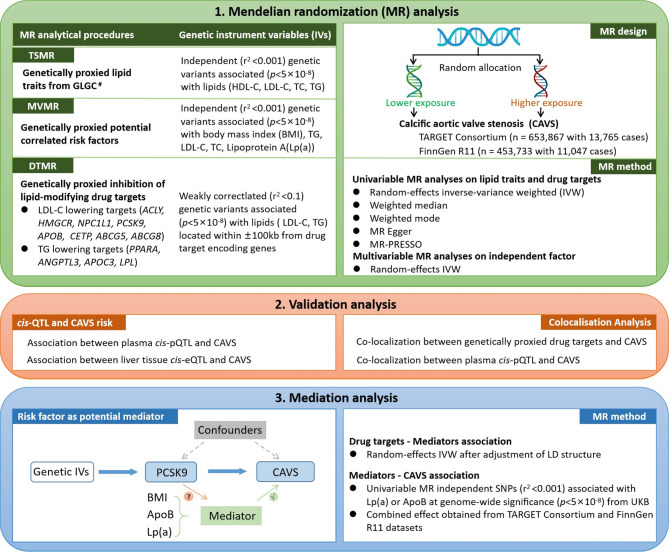
- Two-sample and multivariable Mendelian randomization using genetic instruments for lipid traits from GLGC, with CAVS outcome data from the TARGET consortium (13,765 cases) and FinnGen R11 (11,047 cases); the discussion reports 24,811 CAVS cases and 1,082,788 controls.
- Drug-target MR examined 12 lipid-modifying targets, including PCSK9, using cis variants within ±100 kb of target genes; secondary analyses used cis-pQTLs from deCODE, Fenland, and UKB-PPP, and liver-derived cis-eQTLs from GTEx.
- Analyses included colocalization, mediation via BMI, Lp(a), and ApoB, reverse MR, leave-one-out, and sensitivity analyses (weighted median, MR-Egger, weighted mode, MR-PRESSO), with Bonferroni-corrected significance thresholds.
Limitations
- The paper states that horizontal pleiotropy cannot be definitively ruled out, although sensitivity and colocalization analyses were performed.
- The authors note that genetic proxies represent lifelong per-SD changes and may not be equivalent to randomized controlled trial drug effects; no genome-wide significant cis-eQTL for PCSK9 was available, limiting power for expression analyses.
- The paper states that gene-environment/gene-gene interactions, off-target effects, and nonlinearity could not be assessed from summary-level data, and all GWAS datasets were European ancestry, limiting generalizability.
Model-written summary. Check it against the paper before relying on it.
Integrity signals
Registry
Cites
Statistics
Figures
Verification
Claims the paper makes
9 Valid · 0 Not valid · 1 Not checked · 66 Own results and interpretations
The cited sources support only part of this claim — read each source’s verdict below.
In the paper
“observational and genetic studies have reported that elevated lipoprotein(a) [Lp(a)] concentration is associated with higher risk of CAVS9,10”
§ Genetic insights into causal effects of lipids and lipid-modifying targets on calcific aortic valve stenosis: a Mendelian randomized study > Introduction
What the sources say
- Supportedcites [9] Moore, M. K., Jones, G. T., McCormick, S., Williams, M. J. A. & Coffey, S. Association between lipoprotein(a), LPA genetic risk score, aortic valve disease, and subsequent major adverse cardiovascular events. Eur. J. Prev. Cardiol. 31 (10), 1303–1311 (2024). 38593219 source
The Introduction reports that large cohort studies found associations between high Lp(a) and both prevalent and incident calcific aortic valve disease. The paper’s References identify studies specifically concerning calcified aortic valve stenosis, supporting the citing sentence’s narrower CAVS wording. (LLM, conf=0.88)
- Partly supportedcites [10] Satterfield, B. A. et al. Associations of genetically predicted Lp(a) (Lipoprotein [a]) levels with cardiovascular traits in individuals of European and African ancestry. Circ. Genom Precis Med. 14 (4), e003354 (2021). 34282949 PMC8634549 sourceExperimental — accuracy not yet measured
The Abstract Results report that higher genetically predicted Lp(a) was associated with aortic valve disorders in individuals of European ancestry, but not significantly in those of African ancestry. The Discussion says those disorders included stenosis and regurgitation; it does not establish a separate association specifically with calcific aortic valve stenosis (CAVS). (LLM, conf=0.86)
plainstates an association- Asserted: passes — The authors put it forward as true.
- Checkable: passes — It can be checked against evidence.
- Load-bearing: passes — The paper’s conclusions depend on it.
- Based: passes — The paper gives a reason why it holds.
- Supported
The cited sources support only part of this claim — read each source’s verdict below.
In the paper
“Genetically proxied levels of lipids were significantly associated with CAD33,34”
§ Genetic insights into causal effects of lipids and lipid-modifying targets on calcific aortic valve stenosis: a Mendelian randomized study > Results > Genetic variant selection
What the sources say
- Partly supportedcites [33] Richardson, T. G. et al. Characterising metabolomic signatures of lipid-modifying therapies through drug target Mendelian randomisation. PLoS Biol. 20 (2), e3001547 (2022). 35213538 PMC8906647 sourceExperimental — accuracy not yet measured
The section on genetic instrumentation of lipid-modifying drug targets reports significant genetically predicted effects on CAD risk for the studied targets except ANGPTL3. Its estimates represent lipid changes via specific drug targets, not a general association between genetically proxied lipid levels and CAD; the Discussion cautions that conclusions about individual lipid traits require separate analyses. No page number is available in our copy. (LLM, conf=0.85)
- Supportedcites [34] Wang, Q. et al. Metabolic profiling of angiopoietin-like protein 3 and 4 inhibition: a drug-target Mendelian randomization analysis. Eur. Heart J. 42 (12), 1160–1169 (2021). 33351885 PMC7982288 source
The ‘Associations with lipoprotein-related measures’ section reports that the LPL and ANGPTL4 variants are associated with lipid measures. The ‘Associations with risk factors and disease endpoints’ section reports that these variants are associated with lower CAD risk, supporting the claim for genetically proxied lipid differences. The ANGPTL3 estimate was in the same direction, but its 95% confidence interval included the null. (LLM, conf=0.86)
plainstates an association- Asserted: passes — The authors put it forward as true.
- Checkable: passes — It can be checked against evidence.
- Load-bearing: unclear — It is unclear whether the paper’s conclusions depend on it.
- Based: passes — The paper gives a reason why it holds.
- Partly supported
The sources with a verdict support this claim; the rest weren’t checked yet, have no full text we could read, or their verdicts aren’t rated yet.
In the paper
“randomized controlled trials (RCTs) failed to demonstrate any benefit of statin therapy on retard disease progression6–8.”
§ Genetic insights into causal effects of lipids and lipid-modifying targets on calcific aortic valve stenosis: a Mendelian randomized study > Introduction
What the sources say
- Supportedcites [6] Cowell, S. J. et al. A randomized trial of intensive lipid-lowering therapy in calcific aortic stenosis. N Engl. J. Med. 352, 2389–2397 (2005). 15944423 source
In the discussion (passages 4–5), this randomized, placebo-controlled trial reports that 80 mg of atorvastatin daily did not halt or demonstrably slow progression of calcific aortic stenosis. The authors note that a small reduction in progression could not be excluded, which is consistent with the claim that the trial failed to demonstrate a benefit. (LLM, conf=0.93)
- Supportedcites [7] Rossebø, A. B. et al. Intensive lipid Lowering with Simvastatin and Ezetimibe in aortic stenosis. N Engl. J. Med. 359, 1343–1356 (2008). 18765433 source
The Discussion (page not specified) reports no effect of randomized simvastatin–ezetimibe treatment on aortic-stenosis progression and says this agrees with the smaller SALTIRE trial of atorvastatin. This supports the claim that these trials failed to demonstrate a benefit in retarding progression. (LLM, conf=0.90)
- Not checked — no full text of the sourcecites [8] Chan, K. L., Teo, K., Dumesnil, J. G., Ni, A. & Tam, J. ASTRONOMER investigators. Effect of lipid Lowering with Rosuvastatin on progression of aortic stenosis: results of the aortic stenosis progression observation: measuring effects of Rosuvastatin (ASTRONOMER) trial. Circulation 121, 306–314 (2010). 20048204 source
plain- Asserted: passes — The authors put it forward as true.
- Checkable: passes — It can be checked against evidence.
- Load-bearing: passes — The paper’s conclusions depend on it.
- Based: passes — The paper gives a reason why it holds.
- Supported
Every source the paper cites for this claim was checked and supports it.
In the paper
“Recent studies together with ours using different IVs construction strategy have all identified the protective role of PCSK inhibitor on CAVS46–48, which further confirmed the validity of our finding.”
§ Genetic insights into causal effects of lipids and lipid-modifying targets on calcific aortic valve stenosis: a Mendelian randomized study > Discussion
What the sources say
- Supportedcites [46] Hou, Y. et al. Genetic proxy of lipid-lowering drugs and calcific aortic valve stenosis: A Mendelian randomization study. Heliyon 10 (13), e34089 (2024). 39055828 PMC11269895 source
The Discussion reports two MR analyses using distinct genetic proxies and says both suggest a potential protective role for PCSK9 inhibitors against CAVS. The Conclusions likewise report an association with reduced CAVS risk using both methods. These passages support the claim about findings from different IV strategies, rather than establishing a clinical treatment effect. (LLM, conf=0.89)
- Supportedcites [47] Yang, L. et al. Causal relationships between Lipid-Lowering drug target and aortic disease and calcific aortic valve stenosis: A Two-Sample Mendelian randomization. Rev. Cardiovasc. Med. 25 (8), 292 (2024). 39228495 PMC11367000 source
Section 2.2 describes how the study constructed genetic instruments to proxy PCSK9 inhibition. Section 3.2 reports that genetically proxied PCSK9 inhibition was associated with a significantly lower risk of CAVS (OR 0.717, 95% CI 0.635–0.810). The paper supports the attributed protective finding, though it does not compare its instrument-construction strategy with the citing study’s. (LLM, conf=0.90)
- Supportedcites [48] Xu, D. et al. Identifying novel drug targets for calcific aortic valve disease through Mendelian randomization. Atherosclerosis 402, 119110 (2025). 39922081 source
Section 3.1 reports that higher PCSK9 levels were associated with increased CAVD risk in the paper’s Mendelian-randomization analysis, supporting the inference that inhibiting PCSK9 could be protective. The Discussion also reports exploratory evidence that PCSK9 inhibition may reduce aortic valve stenosis events. The source supports a potential protective role, not established treatment efficacy. (LLM, conf=0.88)
boostedstates a cause- Asserted: passes — The authors put it forward as true.
- Checkable: passes — It can be checked against evidence.
- Load-bearing: passes — The paper’s conclusions depend on it.
- Based: passes — The paper gives a reason why it holds.
- Supported
The sources with a verdict support this claim; the rest weren’t checked yet, have no full text we could read, or their verdicts aren’t rated yet.
In the paper
“This is consistent with the notion that CAVS shares similar pathobiology with atherosclerotic vascular disease, involving intimal accumulation of apoB-containing particles, inflammation, and calcification17,44,45.”
§ Genetic insights into causal effects of lipids and lipid-modifying targets on calcific aortic valve stenosis: a Mendelian randomized study > Discussion
What the sources say
- Supportedcites [17] Small, A. M. et al. Multiancestry Genome-Wide association study of aortic stenosis identifies multiple novel loci in the million veteran program. Circulation 147 (12), 942–955 (2023). 36802703 PMC10806851 source
The Discussion explicitly describes a proposed similarity between calcific aortic stenosis and atherosclerotic vascular disease, naming intimal accumulation of apoB-containing particles, inflammation, and calcification. The citing sentence’s phrasing, “consistent with the notion,” preserves that qualification. (LLM, conf=0.95)
- Not checked — no full text of the sourcecites [44] O'Brien, KD et al. Apolipoproteins B, (a), and E accumulate in the morphologically early lesion of ‘degenerative’ valvular aortic stenosis. Arterioscler. Thromb. Vasc Biol. 16 (4), 523–532 (1996). 8624774 source
- Not checked — no full text of the sourcecites [45] Siudut, J. et al. Apolipoproteins and lipoprotein(a) as factors modulating fibrin clot properties in patients with severe aortic stenosis. Atherosclerosis 344, 49–56 (2022). 35134656 source
plainstates an association- Asserted: passes — The authors put it forward as true.
- Checkable: passes — It can be checked against evidence.
- Load-bearing: unclear — It is unclear whether the paper’s conclusions depend on it.
- Based: passes — The paper gives a reason why it holds.
- Supported
51 more claims
Create a free account to see all 76 claims and every source verdict.
- Probably not a substantial claim. 12
- It may state two separate claims as one. 11
Self-check
Percentages, sums and reported differences re-computed from the paper’s own numbers.
Each contradiction between two passages listed here was confirmed by an independent check.
Rated minor: it would not touch a result — a value no result rests on, a p-value that stays on the same side of the significance level, or a conflict that is clerical, resolved elsewhere in the paper, or outside its own findings.
In the paper
§ Genetic insights into causal effects of lipids and lipid-modifying targets on calcific aortic valve stenosis: a Mendelian randomized study > Introduction
“we conducted MR analyses to assess the causal effects of lipids on CAVS and to explore the potential effects of 16 lipid-modifying targets on CAVS.”
§ Genetic insights into causal effects of lipids and lipid-modifying targets on calcific aortic valve stenosis: a Mendelian randomized study > Results > Genetic variant selection
“In drug-target MR, we evaluate 12 lipid-modifying targets’ effects on CAVS”
Rated minor: it would not touch a result — a value no result rests on, a p-value that stays on the same side of the significance level, or a conflict that is clerical, resolved elsewhere in the paper, or outside its own findings.
In the paper
§ Genetic insights into causal effects of lipids and lipid-modifying targets on calcific aortic valve stenosis: a Mendelian randomized study > Discussion
“As for other lipid-modifying targets analyzed in our study, not significant associations were identified in either MR or colocalisation analyses.”
§ Genetic insights into causal effects of lipids and lipid-modifying targets on calcific aortic valve stenosis: a Mendelian randomized study > Results > Mendelian randomisation analysis of lipid-modifying targets and CAVS
“| TG | APOC3 | TARGET | 24 | IVW | 0.79 (0.69–0.90) | 6.39 × 10⁻⁴ | 60.9 |”
Citations
Cites
Mach, F., Baigent, C., Catapano, A. L., Koskinas, K. C., Casula, M., Badimon, L., Chapman, M. J., De Backer, G. G., Delgado, V., Ference, B. A., et al. (2020) · European Heart Journal · doi:10.1093/eurheartj/ehz455 · Cited by 8,961
Instrumental Variables Regression with Weak Instruments
Staiger, D., & Stock, J. H. (1997) · Econometrica · doi:10.2307/2171753 · Cited by 7,081
2017 ESC/EACTS Guidelines for the management of valvular heart disease
Baumgartner, H., Falk, V., Bax, J. J., De Bonis, M., Hamm, C., Holm, P. J., Iung, B., Lancellotti, P., Lansac, E., Rodriguez Muñoz, D., et al. (2017) · European Heart Journal · doi:10.1093/eurheartj/ehx391 · Cited by 6,243
Grundy, S. M., Stone, N. J., Bailey, A. L., Beam, C., Birtcher, K. K., Blumenthal, R. S., Braun, L. T., de Ferranti, S., Faiella-Tommasino, J., Forman, D. E., et al. (2019) · Circulation · doi:10.1161/cir.0000000000000625 · Cited by 6,185
The GTEx Consortium atlas of genetic regulatory effects across human tissues
The GTEx Consortium, Aguet, F., Anand, S., Ardlie, K. G., Gabriel, S., Getz, G. A., Graubert, A., Hadley, K., Handsaker, R. E., Huang, K. H., et al. (2020) · Science · doi:10.1126/science.aaz1776 · Cited by 5,547 · cited 1×
“Finally, the cis-eQTL MR analysis was repeated using genetic instruments for relevant tissues derived from the Genotype-Tissue Expression project (GTEx-V8) 28 .”
Self-citationInstrumental Variables Regression with Weak Instruments
Staiger, D., & Stock, J. (1994) · doi:10.3386/t0151 · Cited by 5,302
Mach, F., Baigent, C., Catapano, A. L., Koskinas, K. C., Casula, M., Badimon, L., Chapman, M. J., De Backer, G. G., Delgado, V., Ference, B. A., et al. (2019) · Atherosclerosis · doi:10.1016/j.atherosclerosis.2019.08.014 · Cited by 4,854
Giambartolomei, C., Vukcevic, D., Schadt, E. E., Franke, L., Hingorani, A. D., Wallace, C., & Plagnol, V. (2014) · PLoS Genetics · doi:10.1371/journal.pgen.1004383 · Cited by 4,261 · cited 5×
“Coloc provides the posterior probability for five hypotheses: no causal variant for neither trait (PP.H0), a causal variant only for the first trait (PP.H1), a causal variant only for the second trait (PP.H2), different causal variants underlying each trait (PP.H3), and a shared causal variant associated with both tra…”
InfluentialFinnGen provides genetic insights from a well-phenotyped isolated population
Kurki, M. I., Karjalainen, J., Palta, P., Sipilä, T. P., Kristiansson, K., Donner, K. M., Reeve, M. P., Laivuori, H., Aavikko, M., Kaunisto, M. A., et al. (2023) · Nature · doi:10.1038/s41586-022-05473-8 · Cited by 4,233
Skrivankova, V. W., Richmond, R. C., Woolf, B. A. R., Yarmolinsky, J., Davies, N. M., Swanson, S. A., VanderWeele, T. J., Higgins, J. P. T., Timpson, N. J., Dimou, N., et al. (2021) · JAMA · doi:10.1001/jama.2021.18236 · Cited by 3,994 · cited 1×
“This study followed the Strengthening the Reporting of Observational Studies in Epidemiology-Mendelian Randomisation reporting guidelines (Supplementary table S1) 18 .”
Efficacy and Safety of Alirocumab in Reducing Lipids and Cardiovascular Events
Robinson, J. G., Farnier, M., Krempf, M., Bergeron, J., Luc, G., Averna, M., Stroes, E. S., Langslet, G., Raal, F. J., El Shahawy, M., et al. (2015) · New England Journal of Medicine · doi:10.1056/nejmoa1501031 · Cited by 2,296
Sanderson, E., Glymour, M. M., Holmes, M. V., Kang, H., Morrison, J., Munafò, M. R., Palmer, T., Schooling, C. M., Wallace, C., Zhao, Q., et al. (2022) · Nature Reviews Methods Primers · doi:10.1038/s43586-021-00092-5 · Cited by 2,229
Plasma proteomic associations with genetics and health in the UK Biobank
Sun, B. B., Chiou, J., Traylor, M., Benner, C., Hsu, Y.-H., Richardson, T. G., Surendran, P., Mahajan, A., Robins, C., Vasquez-Grinnell, S. G., et al. (2023) · Nature · doi:10.1038/s41586-023-06592-6 · Cited by 1,880 · cited 1×
“…lipids using genetic instruments obtained from three plasma proteomics studies (deCODE database with 4719 proteins measured in 35,559 individuals 25 , Fenland database with 4979 proteins measured in 10,708 individuals 26 and UKB-PPP database with 2923 proteins measured in 54,219 individuals 27 .”
Genetic regulation of the human plasma proteome in 54,306 UK Biobank participants
Sun, B. B., Chiou, J., Traylor, M., Benner, C., Hsu, Y.-H., Richardson, T. G., Surendran, P., Mahajan, A., Robins, C., Vasquez-Grinnell, S. G., et al. (2022) · doi:10.1101/2022.06.17.496443 · Cited by 1,833
Large-scale integration of the plasma proteome with genetics and disease
Ferkingstad, E., Sulem, P., Atlason, B. A., Sveinbjornsson, G., Magnusson, M. I., Styrmisdottir, E. L., Gunnarsdottir, K., Helgason, A., Oddsson, A., Halldorsson, B. V., et al. (2021) · Nature Genetics · doi:10.1038/s41588-021-00978-w · Cited by 1,697 · cited 1×
“…lipids using genetic instruments obtained from three plasma proteomics studies (deCODE database with 4719 proteins measured in 35,559 individuals 25 , Fenland database with 4979 proteins measured in 10,708 individuals 26 and UKB-PPP database with 2923 proteins measured in 54,219 individuals 27 .”
Intensive Lipid Lowering with Simvastatin and Ezetimibe in Aortic Stenosis
Rossebø, A. B., Pedersen, T. R., Boman, K., Brudi, P., Chambers, J. B., Egstrup, K., Gerdts, E., Gohlke-Bärwolf, C., Holme, I., Kesäniemi, Y. A., et al. (2008) · New England Journal of Medicine · doi:10.1056/nejmoa0804602 · Cited by 1,644
A Randomized Trial of Intensive Lipid-Lowering Therapy in Calcific Aortic Stenosis
Cowell, S. J., Newby, D. E., Prescott, R. J., Bloomfield, P., Reid, J., Northridge, D. B., & Boon, N. A. (2005) · New England Journal of Medicine · doi:10.1056/nejmoa043876 · Cited by 1,146 · cited 1×
“Whilst observational studies supported that elevated low-density lipoprotein cholesterol (LDL-C) as a risk factor for CAVS, randomized controlled trials (RCTs) failed to demonstrate any benefit of statin therapy on retard disease progression 6–8 .”
Lipoprotein(a), PCSK9 Inhibition, and Cardiovascular Risk: Insights From the FOURIER Trial
O’Donoghue, M. L., Fazio, S., Giugliano, R. P., Stroes, E. S. G., Kanevsky, E., Gouni-Berthold, I., Im, K., Lira Pineda, A., Wasserman, S. M., Češka, R., et al. (2019) · Circulation · doi:10.1161/circulationaha.118.037184 · Cited by 984 · cited 1×
“%) reduction in Lp(a) levels in patients with high Lp(a) levels 43 .”
The power of genetic diversity in genome-wide association studies of lipids
Graham, S. E., Clarke, S. L., Wu, K.-H. H., Kanoni, S., Zajac, G. J. M., Ramdas, S., Surakka, I., Ntalla, I., Vedantam, S., Winkler, T. W., et al. (2021) · Nature · doi:10.1038/s41586-021-04064-3 · Cited by 972 · cited 1×
“…lipoprotein cholesterol (HDL-C) and total cholesterol (TC)) were obtained from the largest Genome-Wide Association Study (GWAS) performed by the Global Lipids Genetics Consortium (GLGC) with over 1 million Europeans, adjusting for sex, age, age squared, and population stratification 19 .”
Self-citationMultivariable Mendelian Randomization and Mediation
Sanderson, E. (2021) · Cold Spring Harbor Perspectives in Medicine · doi:10.1101/cshperspect.a038984 · Cited by 827 · cited 1×
“Standard errors for the effects of genetically proxied lipid-modifying targets on CAVS risk via each potential mediator were derived with the delta method 32 .”
Chan, K. L., Teo, K., Dumesnil, J. G., Ni, A., & Tam, J. (2010) · Circulation · doi:10.1161/circulationaha.109.900027 · Cited by 815 · cited 1×
“Whilst observational studies supported that elevated low-density lipoprotein cholesterol (LDL-C) as a risk factor for CAVS, randomized controlled trials (RCTs) failed to demonstrate any benefit of statin therapy on retard disease progression 6–8 .”
Variation in PCSK9 and HMGCR and Risk of Cardiovascular Disease and Diabetes
Ference, B. A., Robinson, J. G., Brook, R. D., Catapano, A. L., Chapman, M. J., Neff, D. R., Voros, S., Giugliano, R. P., Davey Smith, G., Fazio, S., et al. (2016) · New England Journal of Medicine · doi:10.1056/nejmoa1604304 · Cited by 743 · cited 1×
“This approach has also been widely applied to predict likely beneficial effects of drug targets on cardiovascular diseases 13 , neurological diseases 14 and cancers 15 .”
Inhibition of Intestinal Cholesterol Absorption by Ezetimibe in Humans
Sudhop, T., Lütjohann, D., Kodal, A., Igel, M., Tribble, D. L., Shah, S., Perevozskaya, I., & von Bergmann, K. (2002) · Circulation · doi:10.1161/01.cir.0000034044.95911.dc · Cited by 682 · cited 1×
“It’s probability that the impact of these targets on cholesterol levels in serum, cholesterol in bile, and the absorption of cholesterol from the intestine would eventually yield null effects on cholesterol oversaturation 49,50 .”
Mapping the proteo-genomic convergence of human diseases
Pietzner, M., Wheeler, E., Carrasco-Zanini, J., Cortes, A., Koprulu, M., Wörheide, M. A., Oerton, E., Cook, J., Stewart, I. D., Kerrison, N. D., et al. (2021) · Science · doi:10.1126/science.abj1541 · Cited by 657 · cited 1×
“…lipids using genetic instruments obtained from three plasma proteomics studies (deCODE database with 4719 proteins measured in 35,559 individuals 25 , Fenland database with 4979 proteins measured in 10,708 individuals 26 and UKB-PPP database with 2923 proteins measured in 54,219 individuals 27 .”
Morrison, J., Knoblauch, N., Marcus, J. H., Stephens, M., & He, X. (2020) · Nature Genetics · doi:10.1038/s41588-020-0631-4 · Cited by 591 · cited 1×
“To examine the robustness of the results and identify potential horizontal pleiotropy, we conducted sensitivity analyses which each make different assumptions using the weighted median, MR-Egger, weighted mode and MR pleiotropy Residual Sum and Outlier (MR-PRESSO) 30 .”
O’Brien, K. D., Reichenbach, D. D., Marcovina, S. M., Kuusisto, J., Alpers, C. E., & Otto, C. M. (1996) · Arteriosclerosis, Thrombosis, and Vascular Biology · doi:10.1161/01.atv.16.4.523 · Cited by 560 · cited 1×
“This is consistent with the notion that CAVS shares similar pathobiology with atherosclerotic vascular disease, involving intimal accumulation of apoB-containing particles, inflammation, and calcification 17,44,45 .”
Yadgir, S., Johnson, C. O., Aboyans, V., Adebayo, O. M., Adedoyin, R. A., Afarideh, M., Alahdab, F., Alashi, A., Alipour, V., Arabloo, J., et al. (2020) · Circulation · doi:10.1161/circulationaha.119.043391 · Cited by 490
Temel, R. E., Tang, W., Ma, Y., Rudel, L. L., Willingham, M. C., Ioannou, Y. A., Davies, J. P., Nilsson, L.-M., & Yu, L. (2007) · Journal of Clinical Investigation · doi:10.1172/jci30060 · Cited by 369
Self-citationArsenault, B. J., Boekholdt, S. M., Dubé, M.-P., Rhéaume, É., Wareham, N. J., Khaw, K.-T., Sandhu, M. S., & Tardif, J.-C. (2014) · Circulation: Cardiovascular Genetics · doi:10.1161/circgenetics.113.000400 · Cited by 315 · cited 1×
“The inhibition of mevalonate synthesis by PCSK9 inhibitor in the cholesterol biosynthesis pathway may lower levels apolipoprotein B-100-containing lipoproteins, including Lp(a), which has been found to be strongly correlated with the risk of CAVS in both observational and MR studies 51,52 .”
Metabolism of triglyceride-rich lipoproteins in health and dyslipidaemia
Borén, J., Taskinen, M.-R., Björnson, E., & Packard, C. J. (2022) · Nature Reviews Cardiology · doi:10.1038/s41569-022-00676-y · Cited by 315 · cited 1×
“…ezetimibe, PCSK9 inhibitors, fibrates, angiopoietin-like 3 (ANGPTL3) inhibitors and antisense oligonucleotide targeting apolipoprotein C-III (APOC3) mRNA) 21–23 and subsequently used the DrugBank database (https://go.drugbank.com/) to identify target genes of these drugs (Supplementary table S3).”
Richardson, T. G., Leyden, G. M., Wang, Q., Bell, J. A., Elsworth, B., Davey Smith, G., & Holmes, M. V. (2022) · PLOS Biology · doi:10.1371/journal.pbio.3001547 · Cited by 304 · cited 3×
“The positive control analyses identified associations in the expected direction between genetically proxied drug targets and CAD, ensuring the validity of the genetic instruments (Supplementary table S7).”
Smith, J. G., Luk, K., Schulz, C.-A., Engert, J. C., Do, R., Hindy, G., Rukh, G., Dufresne, L., Almgren, P., Owens, D. S., et al. (2014) · JAMA · doi:10.1001/jama.2014.13959 · Cited by 238 · cited 2×
“Dyslipidaemia, as an important shared risk factor of different types of cardiovascular disease, have been intensively investigated for CAVS 3–5 , but findings were inconsistent.”
(2019) · Circulation · doi:10.1161/cir.0000000000000698 · Cited by 207
Plasma lipids and risk of aortic valve stenosis: a Mendelian randomization study
Nazarzadeh, M., Pinho-Gomes, A.-C., Bidel, Z., Dehghan, A., Canoy, D., Hassaine, A., Ayala Solares, J. R., Salimi-Khorshidi, G., Smith, G. D., Otto, C. M., et al. (2020) · European Heart Journal · doi:10.1093/eurheartj/ehaa070 · Cited by 163 · cited 3×
“However, these findings get challenged where subsequent study indicated the association with triglycerides was attenuated after adjustment of LDL-C 5 .”
Lipid lowering and Alzheimer disease risk: A mendelian randomization study
Williams, D. M., Finan, C., Schmidt, A. F., Burgess, S., & Hingorani, A. D. (2020) · Annals of Neurology · doi:10.1002/ana.25642 · Cited by 157 · cited 1×
“This approach has also been widely applied to predict likely beneficial effects of drug targets on cardiovascular diseases 13 , neurological diseases 14 and cancers 15 .”
Overall and abdominal obesity and incident aortic valve stenosis: two prospective cohort studies
Larsson, S. C., Wolk, A., Håkansson, N., & Bäck, M. (2017) · European Heart Journal · doi:10.1093/eurheartj/ehx140 · Cited by 123 · cited 1×
“Although observational studies 40,41 and MR study 42 identified evidence for an positive association between BMI and CAVS, our results found little evidence supporting effects of genetically proxied inhibition of PCSK9 on BMI.”
Kaltoft, M., Langsted, A., & Nordestgaard, B. G. (2020) · European Heart Journal · doi:10.1093/eurheartj/ehaa172 · Cited by 122 · cited 2×
“Previously, population-based cohort study and Mendelian randomization study found similar evidence regarding the association of triglycerides and aortic stenosis risk 4,5 .”
Dyslipidemia, inflammation, calcification, and adiposity in aortic stenosis: a genome-wide study
Yu Chen, H., Dina, C., Small, A. M., Shaffer, C. M., Levinson, R. T., Helgadóttir, A., Capoulade, R., Munter, H. M., Martinsson, A., Cairns, B. J., et al. (2023) · European Heart Journal · doi:10.1093/eurheartj/ehad142 · Cited by 116 · cited 5×
“Given that associations between genetically elevated levels of body mass index (BMI), lipoprotein-a [Lp(a)] and CAVS have been reported 16 , we performed multivariable MR additionally adjusted for BMI, and Lp(a) to further check the possible effect of LDL-C, and TG on CAVS.”
InfluentialObesity as a Causal Risk Factor for Aortic Valve Stenosis
Kaltoft, M., Langsted, A., & Nordestgaard, B. G. (2020) · Journal of the American College of Cardiology · doi:10.1016/j.jacc.2019.10.050 · Cited by 97
Hemodynamic Deterioration of Surgically Implanted Bioprosthetic Aortic Valves
Salaun, E., Mahjoub, H., Dahou, A., Mathieu, P., Larose, É., Després, J.-P., Rodés-Cabau, J., Arsenault, B. J., Puri, R., Clavel, M.-A., et al. (2018) · Journal of the American College of Cardiology · doi:10.1016/j.jacc.2018.04.064 · Cited by 93 · cited 1×
“Circulating PCSK9 levels have previously been linked with bioprosthetic aortic valve degeneration 35,36 .”
Genetic and In Vitro Inhibition of PCSK9 and Calcific Aortic Valve Stenosis
Perrot, N., Valerio, V., Moschetta, D., Boekholdt, S. M., Dina, C., Chen, H. Y., Abner, E., Martinsson, A., Manikpurage, H. D., Rigade, S., et al. (2020) · JACC: Basic to Translational Science · doi:10.1016/j.jacbts.2020.05.004 · Cited by 91 · cited 1×
“Perrot and colleagues reported that PCSK9 is detectable only in close proximity to cell nuclei in healthy aortic valves, whereas PCSK9 is highly abundant in in stenotic ones 37 .”
Wang, Q., Oliver-Williams, C., Raitakari, O. T., Viikari, J., Lehtimäki, T., Kähönen, M., Järvelin, M.-R., Salomaa, V., Perola, M., Danesh, J., et al. (2021) · European Heart Journal · doi:10.1093/eurheartj/ehaa972 · Cited by 89 · cited 1×
“Genetically proxied levels of lipids were significantly associated with CAD 33,34 (Supplementary table S5).”
Lipoprotein(a) and Calcific Aortic Valve Stenosis Progression: A Systematic Review and Meta-Analysis
Arsenault, B. J., Loganath, K., Girard, A., Botezatu, S., Zheng, K. H., Tzolos, E., Abdoun, K., Tastet, L., Capoulade, R., Côté, N., et al. (2024) · JAMA Cardiology · doi:10.1001/jamacardio.2024.1882 · Cited by 80 · cited 1×
“Additionally, observational and genetic studies have reported that elevated lipoprotein(a) [Lp(a)] concentration is associated with higher risk of CAVS 9,10 , but its association with hemodynamic progression is controversial 11 .”
Small, A. M., Peloso, G. M., Linefsky, J., Aragam, J., Galloway, A., Tanukonda, V., Wang, L.-C., Yu, Z., Sunitha Selvaraj, M., Farber-Eger, E. H., et al. (2023) · Circulation · doi:10.1161/circulationaha.122.061451 · Cited by 76 · cited 3×
“Finally, we evaluated the effect of genetically proxied lipid-lowering therapies on CAVS risk via several traits previously implicated in the disease (body mass index (BMI), lipoprotein A (Lp(a)), and apolipoprotein B (APOB)) 16,17 .”
InfluentialFang, S., Yarmolinsky, J., Gill, D., Bull, C. J., Perks, C. M., the PRACTICAL Consortium, Davey Smith, G., Gaunt, T. R., & Richardson, T. G. (2023) · PLOS Medicine · doi:10.1371/journal.pmed.1003988 · Cited by 55 · cited 1×
“This approach has also been widely applied to predict likely beneficial effects of drug targets on cardiovascular diseases 13 , neurological diseases 14 and cancers 15 .”
PCSK9 Involvement in Aortic Valve Calcification
Poggio, P., Songia, P., Cavallotti, L., Barbieri, S. S., Zanotti, I., Arsenault, B. J., Valerio, V., Ferri, N., Capoulade, R., & Camera, M. (2018) · Journal of the American College of Cardiology · doi:10.1016/j.jacc.2018.09.063 · Cited by 54 · cited 1×
“Additionally, animal experiments indicated that PCSK9 knockout mice are less likely to develop aortic valve calcification compared to wild-type mice 38 .”
Oxidized Phospholipids and Calcific Aortic Valvular Disease
Bhatia, H. S., Dweck, M. R., Craig, N. J., Capoulade, R., Pîbarot, P., Trainor, P. J., Whelton, S. P., Rikhi, R. R., Lidani, K. C. F., Post, W. S., et al. (2024) · Journal of the American College of Cardiology · doi:10.1016/j.jacc.2024.08.070 · Cited by 44 · cited 1×
“The inhibition of mevalonate synthesis by PCSK9 inhibitor in the cholesterol biosynthesis pathway may lower levels apolipoprotein B-100-containing lipoproteins, including Lp(a), which has been found to be strongly correlated with the risk of CAVS in both observational and MR studies 51,52 .”
Woolf, B. A. R., Rajasundaram, S., Cronjé, H. T., Yarmolinsky, J. W., Burgess, S., & Gill, D. (2023) · BMJ · doi:10.1136/bmj-2023-076197 · Cited by 43 · cited 1×
“SNPs used as instruments in DTMR were permitted to be in weak linkage disequilibrium (r 2 0.10) with each other to increase the proportion of variance in each respective drug target explained by the genetic instrument and maximize instrument strength 24 .”
InfluentialSatterfield, B. A., Dikilitas, O., Safarova, M. S., Clarke, S. L., Tcheandjieu, C., Zhu, X., Bastarache, L., Larson, E. B., Justice, A. E., Shang, N., et al. (2021) · Circulation: Genomic and Precision Medicine · doi:10.1161/circgen.120.003354 · Cited by 40 · cited 2×
“Additionally, observational and genetic studies have reported that elevated lipoprotein(a) [Lp(a)] concentration is associated with higher risk of CAVS 9,10 , but its association with hemodynamic progression is controversial 11 .”
Association between plasma lipoprotein levels and bioprosthetic valve structural degeneration
Nsaibia, M. J., Mahmut, A., Mahjoub, H., Dahou, A., Bouchareb, R., Boulanger, M., Després, J., Bossé, Y., Arsenault, B. J., Larose, É., et al. (2016) · Heart · doi:10.1136/heartjnl-2016-309541 · Cited by 39 · cited 1×
“Circulating PCSK9 levels have previously been linked with bioprosthetic aortic valve degeneration 35,36 .”
Rare Genetic Variants in LDLR , APOB , and PCSK9 Are Associated With Aortic Stenosis
Rämö, J. T., Jurgens, S. J., Kany, S., Choi, S. H., Wang, X., Smirnov, A. N., Friedman, S. F., Maddah, M., Khurshid, S., Ellinor, P. T., et al. (2024) · Circulation · doi:10.1161/circulationaha.124.070982 · Cited by 26
Kjeldsen, E. W., Thomassen, J. Q., Rasmussen, K. L., Nordestgaard, B. G., Tybjærg‐Hansen, A., & Frikke‐Schmidt, R. (2024) · European Journal of Preventive Cardiology · doi:10.1093/eurjpc/zwae177 · Cited by 17 · cited 1×
“Although observational studies 40,41 and MR study 42 identified evidence for an positive association between BMI and CAVS, our results found little evidence supporting effects of genetically proxied inhibition of PCSK9 on BMI.”
Siudut, J., Natorska, J., Wypasek, E., Wiewiórka, Ł., Ostrowska-Kaim, E., Wiśniowska-Śmiałek, S., Plens, K., Musialek, P., Legutko, J., & Undas, A. (2022) · Atherosclerosis · doi:10.1016/j.atherosclerosis.2022.01.011 · Cited by 16 · cited 1×
“This is consistent with the notion that CAVS shares similar pathobiology with atherosclerotic vascular disease, involving intimal accumulation of apoB-containing particles, inflammation, and calcification 17,44,45 .”
Moore, M. K., Jones, G. T., McCormick, S., Williams, M. J. A., & Coffey, S. (2024) · European Journal of Preventive Cardiology · doi:10.1093/eurjpc/zwae100 · Cited by 11
Identifying novel drug targets for calcific aortic valve disease through Mendelian randomization
Xu, D., Lu, J., Yang, Y., Hu, W., Chen, J., Xue, J., Yang, S., Cao, N., Hu, H., Qian, N., et al. (2025) · Atherosclerosis · doi:10.1016/j.atherosclerosis.2025.119110 · Cited by 10 · cited 1×
“Recent studies together with ours using different IVs construction strategy have all identified the protective role of PCSK inhibitor on CAVS 46–48 , which further confirmed the validity of our finding.”
Yang, L., Xu, M., Gao, X., Liu, J., Zhang, D., Zhang, Z., Ye, Z., Wen, J., & Liu, P. (2024) · Reviews in Cardiovascular Medicine · doi:10.31083/j.rcm2508292 · Cited by 6
Hou, Y., Zhao, J., Xu, W., Chen, L., Yang, J., Wang, Z., & Si, K. (2024) · Heliyon · doi:10.1016/j.heliyon.2024.e34089 · Cited by 2 · cited 1×
“Recent studies together with ours using different IVs construction strategy have all identified the protective role of PCSK inhibitor on CAVS 46–48 , which further confirmed the validity of our finding.”
Cited by
Metabolic Drivers of Valve Calcification and Atrial Remodeling in Calcific Aortic Stenosis
Moroz, S. M., Negru, A. G., Luca, S. A., Valcovici, M. D., Baba, M., Lupu, A. M., Lascu, A., Lighezan, D.-F., & Mozos, I. M. (2026) · Biomolecules · doi:10.3390/biom16020251 · Cited by 1
“Antisense oligonucleotides targeting Lp(a) have shown >90% reductions in Lp(a) levels, directly addressing a key calcification driver [40,42–45].”
SAIMSARA (2026) · SAIMSARA Journal · doi:10.62487/saimsarac25dcb0d
Hypertriglyceridemia: Causes, Consequences, Diagnosis, and Management
Qi, S., Chen, W., Chen, K., Yang, S., Wang, S., Ni, T., Xu, D., Mao, E., Chen, E., & Chen, Y. (2026) · MedComm · doi:10.1002/mco2.70956
“Therefore, the causal role of HTG in adverse pregnancy outcomes and the benefits of specific TG-lowering interventions still require further validation [ 270, 271 ].”
Metadata
- Authors
- Wu, C., Pu, Q., Zou, Y., Jin, J., Lei, Y., Hu, Y., Chen, Z., & Yu, L.
- Affiliations
- Affiliated Hospital of Guizhou Medical University (CN)
- Guizhou University (CN)
- Corresponding author
- Lei, Yu
- Chen, Zhuo
- Yu, Lei
- Venue
- Scientific Reports
- Published
- 2025-08-12
- Volume
- 15
- Issue
- 1
- Pages
- 29475-29475
- ISSN
- 2045-2322 (ISSN-L)
- PMC
- PMC12343787
- OpenAlex
- W4413112637
- Cited by
- 3
- References
- 55
- Citations by year
- 2026: 3
- FWCI
- 2.08
- Type
- journal article
- Language
- en
- Open access
- gold
- doi.org
- Licence
- cc-by-nc-nd
- creativecommons.org/licenses/by-nc-nd/4.0 (tdm)
- creativecommons.org/licenses/by-nc-nd/4.0 (vor)
- Locations
- Scientific Reports (publishedVersion, cc-by-nc-nd)
- Europe PMC (PubMed Central) (publishedVersion, cc-by-nc-nd)
- PubMed Central (publishedVersion, cc-by-nc-nd)
- PubMed (publishedVersion)
- DOAJ (DOAJ: Directory of Open Access Journals) (submittedVersion, cc-by-sa)
- Topics
- Health Sciences › Medicine › Cardiology and Cardiovascular Medicine › Cardiac Valve Diseases and Treatments
- Health Sciences › Medicine › Cardiology and Cardiovascular Medicine › Lipoproteins and Cardiovascular Health
- Life Sciences › Biochemistry, Genetics and Molecular Biology › Genetics › Genetic Associations and Epidemiology
- Keywords
- calcific aortic stenosis, dyslipidemia, PCSK9 inhibition, total cholesterol, LDL cholesterol, apolipoprotein B, lipoprotein(a), causal risk factors, mediation analysis, colocalization, genetic instruments
- MeSH terms
- Proprotein Convertase 9, Aortic Valve, Aortic Valve Stenosis, Apolipoproteins B, Calcinosis, Humans, Lipids, Cholesterol, LDL, Risk Factors, Lipoprotein(a), Polymorphism, Single Nucleotide, Dyslipidemias, Mendelian Randomization Analysis
About these checks
Registry, retraction, Cites and statistics results are computed, not judged, with one exception: a printed reference that no index lists is read once by a model before it counts as a citation error. Claims are extracted by a model and kept only when their quote appears verbatim in the text; each cited source is then checked, with a model’s help, for whether it says what the claim relies on. Those verdicts can be wrong — read the claim’s quote and the cited source before relying on one.
The claim verdicts this report counts are experimental: their accuracy is not yet measured.
A language model drew the claims from the paper on 2026-10-10, under version 3 of the claim definition (model deepseek-v4.1-flash, prompt extract-v3).
A second model labelled each claim on 2026-10-10 (model jev-1.13-20260917, definition revision gold-guideline-v0.2).
Cited sources are checked with a language model’s help (gpt-6-sol).
Statistics and arithmetic are recomputed, not judged.
Confidence bands are shown only for fields calibrated on our annotated test set. None is calibrated yet, so no band is shown.
What counts as a claim ›How we measure confidence ›How we check this ›
Are you an author, or do you see a problem with this page? Request a review
Data sources
Bibliographic data: Semantic Scholar, OpenAlex, Crossref.
Contains information from the Semantic Scholar Academic Graph Datasets, made available under the ODC Attribution License (ODC-BY 1.0).
Semantic Scholar’s data is described in: Kinney, R., et al. (2023). The Semantic Scholar Open Data Platform. arXiv:2301.10140.
