

Muscarinic acetylcholine receptor 3 localized to primary endothelial cilia regulates blood pressure and cognition
Open accessThe DOI matches its Crossref record; 77 of the 77 references it cites were found in a registry or an index.
Abstract
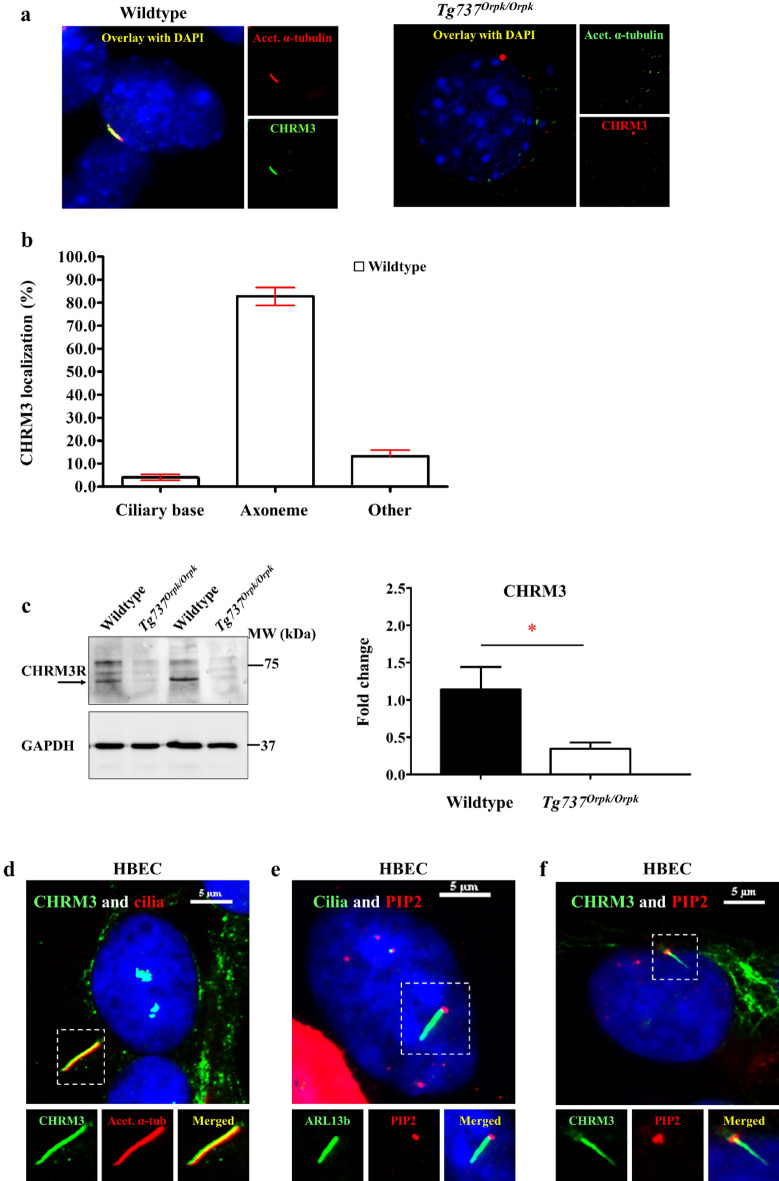
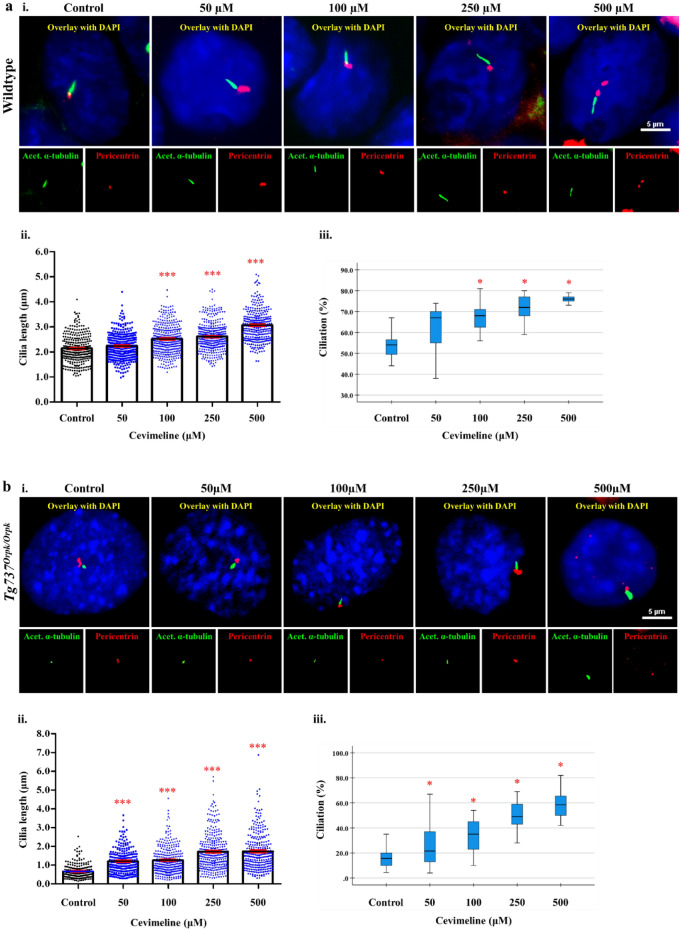
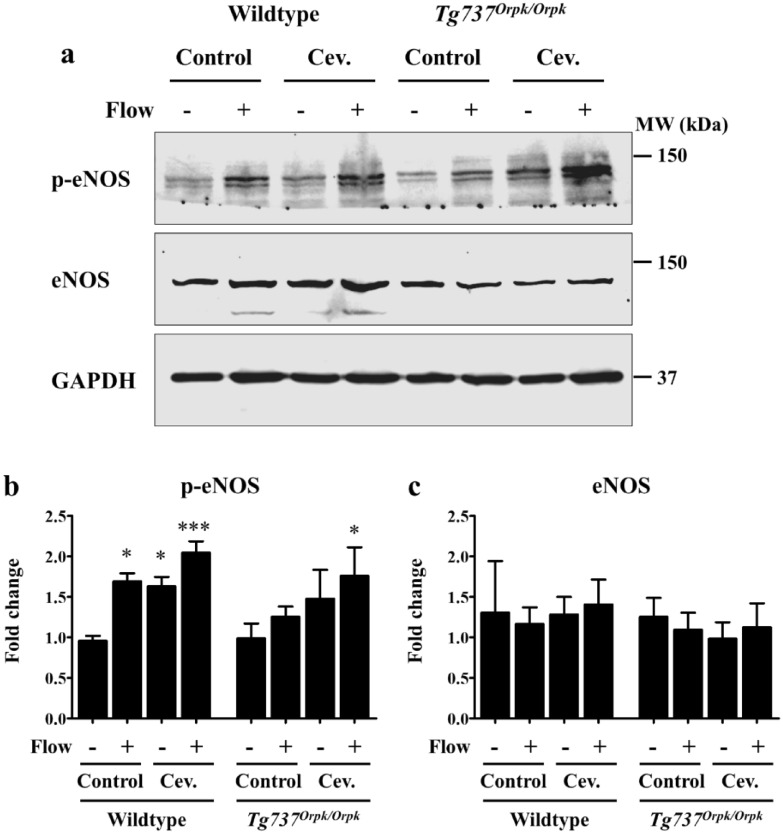
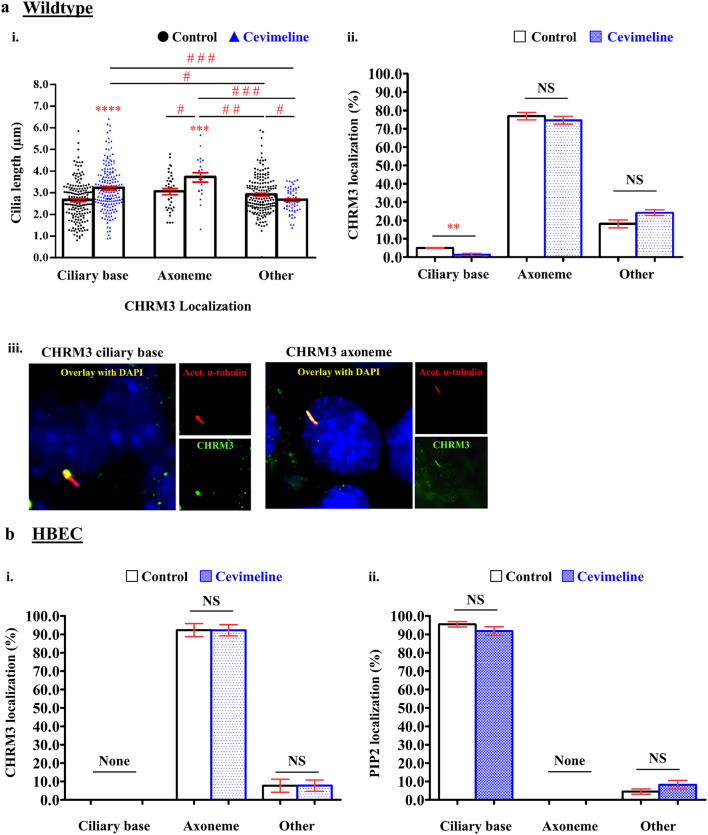
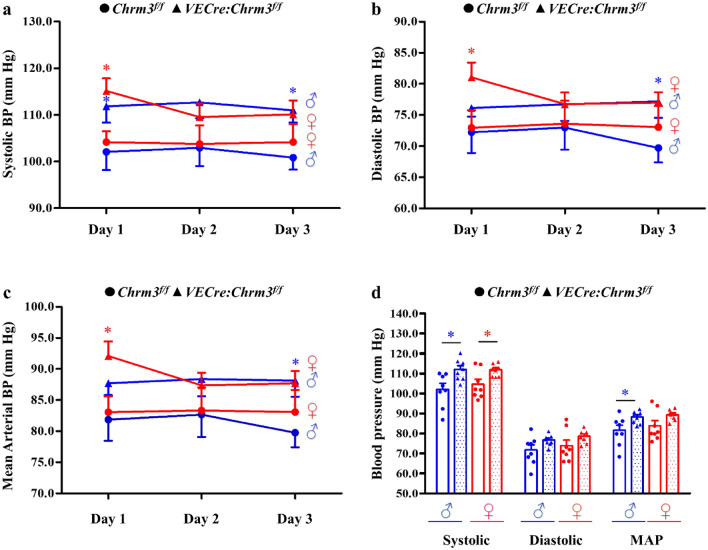
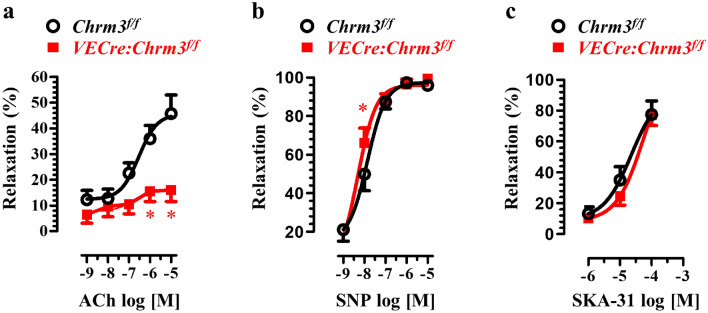
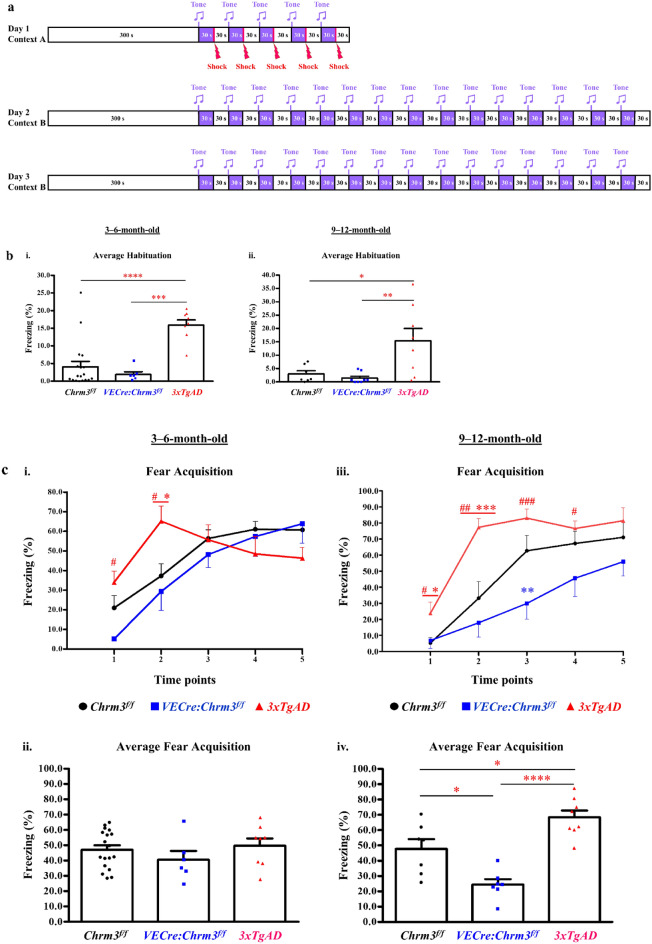
We previously demonstrated that the inability of primary endothelial cilia to sense fluid shear stress can lead to nitric oxide (NO) deficiency and cause hypertension (HTN). Decreased biosynthesis of NO contributes to cerebral amyloid angiopathy in Alzheimer's disease (AD) patients through increased deposition of amyloid beta (Aβ). However, the molecular mechanisms underlying the pathogenesis of HTN and AD are incompletely understood. The objective of this study was to examine the pathophysiological roles of vascular primary cilia and muscarinic acetylcholine receptor 3 (CHRM3) in HTN and AD. We discovered, for the first time, that CHRM3 was localized to primary cilia of endothelial and cerebrovascular cells, and that CHRM3 expression was downregulated in cilialess cells. Moreover, CHRM3 activation enhanced cilia length and sensory function in terms of eNOS activation. To further examine the role of vascular CHRM3 in vivo, we showed that endothelial CHRM3 knockout was associated with increased BP and attenuated acetylcholine-mediated vascular relaxation. In addition, endothelial CHRM3 knockout resulted in altered fear behavior. This demonstrates the physiological significance of endothelial CHRM3 signaling and primary cilia-derived NO production as an important mechanism in the control of BP and cognition.
Overview
The claims and statistics of this paper haven’t been checked yet.
Free: it reads the open-access text and checks the first 5 claims that cite a source we can check. Create a free account to check every claim.
Integrity signals
Registry
Cites
Statistics
Figures
Verification
Claims the paper makes
The claims and statistics of this paper haven’t been checked yet.
Free: it reads the open-access text and checks the first 5 claims that cite a source we can check. Create a free account to check every claim.
Claims other papers make about this one
Each is checked against this paper’s own text: does it say what the citing paper says it does?
The source backs part of the claim, not all of it — or backs it for a different population, condition or comparison.
In the citing paper
“work in AD models and patient-relevant systems associates endothelial cilia dysfunction with early neurovascular decoupling and cerebrovascular instability [52,55,56].”
From Primary Cilia and Cardiovascular Risk Factors in Alzheimer's Disease (2025) · cites this paper as [52]
Experimental — accuracy not yet measuredThe source backs part of the claim, not all of it — or backs it for a different population, condition or comparison.
In the citing paper
“recent reports also implicate endothelial primary cilia as shear-stress mechanosensors that regulate NO bioavailability, barrier integrity, and neurovascular coupling; work in AD models and patient-relevant systems associates endothelial cilia dysfunction with early neurovascular decoupling and cerebrovascular instability [52,55,56].”
From Primary Cilia and Cardiovascular Risk Factors in Alzheimer's Disease (2025) · cites this paper as [52]
Experimental — accuracy not yet measuredThe cited source says what the claim attributes to it.
In the citing paper
“These cilia react to changes in blood pressure and activate pathways that regulate the synthesis and release of NO [52].”
From Primary Cilia and Cardiovascular Risk Factors in Alzheimer's Disease (2025) · cites this paper as [52]
The cited source says what the claim attributes to it.
In the citing paper
“One possible cause of hypertension is the failure of primary endothelial cilia to sense fluid shear stress, leading to NO deficiency [52].”
From Primary Cilia and Cardiovascular Risk Factors in Alzheimer's Disease (2025) · cites this paper as [52]
The cited source says what the claim attributes to it.
In the citing paper
“Treatment with a M3R agonist significantly increased cilia length in wild-type endothelial cells, while treatment with an M3R antagonist significantly decreased cilia length and the percentage of ciliated cells [52].”
From Primary Cilia and Cardiovascular Risk Factors in Alzheimer's Disease (2025) · cites this paper as [52]
5 more claims about this paper
Create a free account to see every claim other papers make about this one.
Self-check
Percentages, sums and reported differences re-computed from the paper’s own numbers.
The self-check needs the paper’s full text.
Citations
Cites
Triple-Transgenic Model of Alzheimer’s Disease with Plaques and Tangles
Oddo, S., Caccamo, A., Shepherd, J. D., Murphy, M. P., Golde, T. E., Kayed, R., Metherate, R., Mattson, M. P., Akbari, Y., & LaFerla, F. M. (2003) · Neuron · doi:10.1016/s0896-6273(03)00434-3 · Cited by 4,126
The Blood-Brain Barrier in Health and Chronic Neurodegenerative Disorders
Zlokovic, B. V. (2008) · Neuron · doi:10.1016/j.neuron.2008.01.003 · Cited by 3,280
Hydrogen peroxide mediates amyloid β protein toxicity
Behl, C. (1994) · Cell · doi:10.1016/0092-8674(94)90131-7 · Cited by 2,074
International Union of Pharmacology. XVII. Classification of Muscarinic Acetylcholine Receptors
Caulfield, M. P., & Birdsall, N. J. M. (1998) · Pharmacological Reviews · doi:10.1016/s0031-6997(24)01362-0 · Cited by 1,474
Identification of a Family of Muscarinic Acetylcholine Receptor Genes
Bonner, T. I., Buckley, N. J., Young, A. C., & Brann, M. R. (1987) · Science · doi:10.1126/science.3037705 · Cited by 1,427
Hulme, E. C., Birdsall, N. J. M., & Buckley, N. J. (1990) · Annual Review of Pharmacology and Toxicology · doi:10.1146/annurev.pa.30.040190.003221 · Cited by 1,338
Muscarinic Receptors—Characterization, coupling and function
Caulfield, M. P. (1993) · Pharmacology & Therapeutics · doi:10.1016/0163-7258(93)90027-b · Cited by 1,277
Myers, K. M., & Davis, M. (2007) · Molecular Psychiatry · doi:10.1038/sj.mp.4001939 · Cited by 1,277
The Primary Cilium as the Cell's Antenna: Signaling at a Sensory Organelle
Singla, V., & Reiter, J. F. (2006) · Science · doi:10.1126/science.1124534 · Cited by 1,189
The age-dependent relation of blood pressure to cognitive function and dementia
Qiu, C., Winblad, B., & Fratiglioni, L. (2005) · The Lancet Neurology · doi:10.1016/s1474-4422(05)70141-1 · Cited by 1,138
Neurovascular and Cognitive Dysfunction in Hypertension: Epidemiology, Pathobiology, and Treatment
Iadecola, C., & Gottesman, R. F. (2019) · Circulation Research · doi:10.1161/circresaha.118.313260 · Cited by 502
Cognitive Impairment in Schizophrenia
Keefe, R. S. E., & Harvey, P. D. (2012) · Handbook of Experimental Pharmacology · doi:10.1007/978-3-642-25758-2_2 · Cited by 472
Nauli, S. M., Kawanabe, Y., Kaminski, J. J., Pearce, W. J., Ingber, D. E., & Zhou, J. (2008) · Circulation · doi:10.1161/circulationaha.107.710111 · Cited by 466
Alva, J. A., Zovein, A. C., Monvoisin, A., Murphy, T., Salazar, A., Harvey, N. L., Carmeliet, P., & Iruela‐Arispe, M. L. (2006) · Developmental Dynamics · doi:10.1002/dvdy.20643 · Cited by 455
Matsui, M., Motomura, D., Karasawa, H., Fujikawa, T., Jiang, J., Komiya, Y., Takahashi, S.-I., & Taketo, M. M. (2000) · Proceedings of the National Academy of Sciences · doi:10.1073/pnas.97.17.9579 · Cited by 450
Shearman, M. S., Beher, D., Clarke, E. E., Lewis, H. D., Harrison, T., Hunt, P., Nadin, A., Smith, A. L., Stevenson, G., & Castro, J. L. (2000) · Biochemistry · doi:10.1021/bi0005456 · Cited by 361
AbouAlaiwi, W. A., Takahashi, M., Mell, B. R., Jones, T. J., Ratnam, S., Kolb, R. J., & Nauli, S. M. (2009) · Circulation Research · doi:10.1161/circresaha.108.192765 · Cited by 327
Self-citationCilia: Tuning in to the Cell's Antenna
Marshall, W. F., & Nonaka, S. (2006) · Current Biology · doi:10.1016/j.cub.2006.07.012 · Cited by 292
Role of Primary Cilia in the Pathogenesis of Polycystic Kidney Disease
Yoder, B. K. (2007) · Journal of the American Society of Nephrology · doi:10.1681/asn.2006111215 · Cited by 290
Barnes Maze Procedure for Spatial Learning and Memory in Mice
Pitts, M. (2018) · BIO-PROTOCOL · doi:10.21769/bioprotoc.2744 · Cited by 259
Neurovascular Unit Dysfunction and Neurodegenerative Disorders
Yu, X., Ji, C., & Shao, A. (2020) · Frontiers in Neuroscience · doi:10.3389/fnins.2020.00334 · Cited by 244
Toth, P., Tucsek, Z., Sosnowska, D., Gautam, T., Mitschelen, M., Tarantini, S., Deak, F., Koller, A., Sonntag, W. E., Csiszar, A., et al. (2013) · Journal of Cerebral Blood Flow & Metabolism · doi:10.1038/jcbfm.2013.143 · Cited by 235
Stages of ciliogenesis and regulation of ciliary length
Avasthi, P., & Marshall, W. F. (2012) · Differentiation · doi:10.1016/j.diff.2011.11.015 · Cited by 234
Ins and outs of GPCR signaling in primary cilia
Schou, K. B., Pedersen, L. B., & Christensen, S. T. (2015) · The EMBO Reports · doi:10.15252/embr.201540530 · Cited by 221
Matsui, M., Motomura, D., Fujikawa, T., Jiang, J., Takahashi, S.-I., Manabe, T., & Taketo, M. M. (2002) · The Journal of Neuroscience · doi:10.1523/jneurosci.22-24-10627.2002 · Cited by 213
Signaling pathways in schizophrenia: emerging targets and therapeutic strategies
Karam, C. S., Ballon, J. S., Bivens, N. M., Freyberg, Z., Girgis, R. R., Lizardi-Ortiz, J. E., Markx, S., Lieberman, J. A., & Javitch, J. A. (2010) · Trends in Pharmacological Sciences · doi:10.1016/j.tips.2010.05.004 · Cited by 178
The molecular machines that traffic signaling receptors into and out of cilia
Nachury, M. V. (2018) · Current Opinion in Cell Biology · doi:10.1016/j.ceb.2018.03.004 · Cited by 176
Culture and characterization of microvascular endothelial cells derived from human brain.
Dorovini‐Zis, K., Prameya, R., & Bowman, P. D. (1991) · PubMed · Cited by 163
Emerging mechanistic understanding of cilia function in cellular signalling
Hilgendorf, K. I., Myers, B. R., & Reiter, J. F. (2024) · Nature Reviews Molecular Cell Biology · doi:10.1038/s41580-023-00698-5 · Cited by 163
Kakinuma, Y., Ando, M., Kuwabara, M., Katare, R. G., Okudela, K., Kobayashi, M., & Sato, T. (2005) · FEBS Letters · doi:10.1016/j.febslet.2005.02.065 · Cited by 152
Stengel, P. W., Yamada, M., Wess, J., & Cohen, M. L. (2002) · American Journal of Physiology-Regulatory, Integrative and Comparative Physiology · doi:10.1152/ajpregu.00486.2001 · Cited by 129
G-Protein-Coupled Receptor Signaling in Cilia
Mykytyn, K., & Askwith, C. (2017) · Cold Spring Harbor Perspectives in Biology · doi:10.1101/cshperspect.a028183 · Cited by 126
Muscarinic Receptor Agonists and Antagonists: Effects on Cardiovascular Function
Harvey, R. D. (2011) · Handbook of experimental pharmacology · doi:10.1007/978-3-642-23274-9_13 · Cited by 116
Primary cilia and ciliary signaling pathways in aging and age-related brain disorders
Ma, R., Kutchy, N. A., Chen, L., Meigs, D. D., & Hu, G. (2022) · Neurobiology of Disease · doi:10.1016/j.nbd.2021.105607 · Cited by 114
Lara, A., Damasceno, D. D., Pires, R. G. W., Gros, R., Gomes, E. R. D. M., Gavioli, M., Lima, R. F., Guimarães, D., Lima, P., Júnior, C. R. B., et al. (2010) · Molecular and Cellular Biology · doi:10.1128/mcb.00996-09 · Cited by 104
Measuring Blood Pressure Using a Noninvasive Tail Cuff Method in Mice
Wang, Y., Thatcher, S. E., & Cassis, L. A. (2017) · Methods in molecular biology · doi:10.1007/978-1-4939-7030-8_6 · Cited by 103
Boulanger, C. M., Morrison, K. J., & Vanhoutte, P. M. (1994) · British Journal of Pharmacology · doi:10.1111/j.1476-5381.1994.tb13104.x · Cited by 102
Mueller, K. B., Bender, S. B., Hong, K., Yang, Y., Aronovitz, M. A., Jaisser, F., Hill, M. A., & Jaffe, I. Z. (2015) · Hypertension · doi:10.1161/hypertensionaha.115.06172 · Cited by 99
Hu, L., Wang, B., & Zhang, Y. (2017) · Alzheimer's Research & Therapy · doi:10.1186/s13195-017-0304-4 · Cited by 98
Detection of basal acetylcholine in rat brain microdialysate
Huang, T., Yang, L. S., Gitzen, J. F., Kissinger, P. T., Vreeke, M. S., & Heller, A. (1995) · Journal of Chromatography B Biomedical Sciences and Applications · doi:10.1016/0378-4347(95)00181-6 · Cited by 96
Vascular Biology in Genetically Altered Mice: Smaller Vessels, Bigger Insight
Faraci, F. M., & Sigmund, C. D. (1999) · Circulation Research · doi:10.1161/01.res.85.12.1214 · Cited by 87
Dauphin, F., & Hamel, É. (1990) · European Journal of Pharmacology · doi:10.1016/0014-2999(90)90476-m · Cited by 81
Kerkhofs, D., van Hagen, B. T., Milanova, I. V., Schell, K. J., van Essen, H., Wijnands, E., Goossens, P., Blankesteijn, W. M., Unger, T., Prickaerts, J., et al. (2020) · Theranostics · doi:10.7150/thno.44394 · Cited by 73
Hippocampal and Cortical Primary Cilia Are Required for Aversive Memory in Mice
Berbari, N. F., Malarkey, E. B., Yazdi, S. M. Z. R., McNair, A. D., Kippe, J. M., Croyle, M. J., Kraft, T. W., & Yoder, B. K. (2014) · PLoS ONE · doi:10.1371/journal.pone.0106576 · Cited by 69
Non-Motile Primary Cilia as Fluid Shear Stress Mechanosensors
Nauli, S. M., Jin, X., AbouAlaiwi, W. A., El-Jouni, W., Su, X., & Zhou, J. (2013) · Methods in Enzymology · doi:10.1016/b978-0-12-397944-5.00001-8 · Cited by 68
Self-citationGericke, A., Sniatecki, J. J., Mayer, V. G. A., Goloborodko, E., Patzak, A. R., Wess, J., & Pfeiffer, N. (2011) · American Journal of Physiology-Heart and Circulatory Physiology · doi:10.1152/ajpheart.00982.2010 · Cited by 68
Ungvari, Z., Sun, D., Huang, A., Kaley, G., & Koller, A. (2001) · American Journal of Physiology-Heart and Circulatory Physiology · doi:10.1152/ajpheart.2001.281.2.h606 · Cited by 62
Bény, J.-L., Nguyen, M. N., Marino, M., & Matsui, M. (2008) · Journal of Cardiovascular Pharmacology · doi:10.1097/fjc.0b013e31816d5f2f · Cited by 60
Expression and Processing of Amyloid Precursor Protein in Vascular Endothelium
d'Uscio, L. V., He, T., & Katusic, Z. S. (2017) · Physiology · doi:10.1152/physiol.00021.2016 · Cited by 57
Vasodilatory effects of cholinergic agonists are greatly diminished in aorta from M3R−/− mice
Khurana, S., Chacon, I. M., Xie, G., Yamada, M., Wess, J., Raufman, J., & Kennedy, R. H. (2004) · European Journal of Pharmacology · doi:10.1016/j.ejphar.2004.04.012 · Cited by 56
He, X., Deng, J., Yu, X., Yang, S., Yang, Y., & Zang, W. (2020) · Arteriosclerosis Thrombosis and Vascular Biology · doi:10.1161/atvbaha.120.315146 · Cited by 56
Hypertension and Alzheimer's disease: is the picture any clearer?
Lennon, M. J., Koncz, R., & Sachdev, P. S. (2020) · Current Opinion in Psychiatry · doi:10.1097/yco.0000000000000684 · Cited by 55
Muscarinic receptors in the stomach.
Hammer, R. (1980) · PubMed · Cited by 51
The Mechanosensory Role of Primary Cilia in Vascular Hypertension
Nauli, S. M., Jin, X., & Hierck, B. P. (2011) · International Journal of Vascular Medicine · doi:10.1155/2011/376281 · Cited by 50
Sabbir, M. G., & Fernyhough, P. (2018) · Neuropharmacology · doi:10.1016/j.neuropharm.2018.09.020 · Cited by 46
Vascular Endothelial Primary Cilia: Mechanosensation and Hypertension
Mohieldin, A. M., Hossain, M. Z., Omran, A. J. A., Saternos, H. C., Zarban, A. A., Nauli, S. M., & AbouAlaiwi, W. A. (2016) · Current Hypertension Reviews · doi:10.2174/1573402111666150630140615 · Cited by 45
Self-citationYanagimoto, A., Matsui, Y., Yamaguchi, T. F., Hibi, M., Kobayashi, S., & Osaki, N. (2022) · Nutrients · doi:10.3390/nu14235063 · Cited by 45
Austin, S. A., d'Uscio, L. V., & Katusic, Z. S. (2012) · Journal of Alzheimer's Disease · doi:10.3233/jad-2012-121351 · Cited by 40
New Roles of the Primary Cilium in Autophagy
Ávalos, Y., Peña‐Oyarzún, D., Budini, M., Morselli, E., & Criollo, A. (2017) · BioMed Research International · doi:10.1155/2017/4367019 · Cited by 34
Pyla, R., Osman, I., Pichavaram, P., Hansen, P., & Segar, L. (2014) · Biochemical Pharmacology · doi:10.1016/j.bcp.2014.08.024 · Cited by 31
Self-citationYao, Q., Jiang, K., Lin, F., Zhu, T., Khan, N. H., & Jiang, E. (2023) · Clinical Interventions in Aging · doi:10.2147/cia.s400527 · Cited by 31
Kovačević, I., Müller, M. J., Kojonazarov, B. K., Ehrke, A., Randriamboavonjy, V., Kohlstedt, K., Hindemith, T., SCHERMULY, R. T., Fleming, I., Hoffmeister, M., et al. (2015) · Circulation Research · doi:10.1161/circresaha.115.306187 · Cited by 29
Song, J., Wang, L., Fan, F., Wei, J., Zhang, J., Lu, Y., Fu, Y., Wang, S., Juncos, L. A., & Liu, R. (2017) · Hypertension · doi:10.1161/hypertensionaha.117.09584 · Cited by 27
BBSome: a New Player in Hypertension and Other Cardiovascular Risks
Zhao, Y., & Rahmouni, K. (2021) · Hypertension · doi:10.1161/hypertensionaha.121.17946 · Cited by 27
Physiological Condition-Dependent Changes in Ciliary GPCR Localization in the Brain
Brewer, K. M., Engle, S. E., Bansal, R., Brewer, K. K., Jasso, K. R., McIntyre, J. C., Vaisse, C., Reiter, J. F., & Berbari, N. F. (2023) · eNeuro · doi:10.1523/eneuro.0360-22.2023 · Cited by 22
Yasuda, H., & Niki, H. (2002) · Clinical Drug Investigation · doi:10.2165/00044011-200222020-00001 · Cited by 21
Spontaneous Formation of Extensive Vessel-Like Structures in Murine Engineered Heart Tissue
Stoehr, A., Hirt, M. N., Hansen, A., Seiffert, M., Conradi, L., Uebeler, J., Limbourg, F. P., & Eschenhagen, T. (2016) · Tissue Engineering Part A · doi:10.1089/ten.tea.2015.0242 · Cited by 20
Smooth Muscle Cell–Specific Disruption of the BBSome Causes Vascular Dysfunction
Reho, J. J., Guo, D., Morgan, D. A., & Rahmouni, K. (2019) · Hypertension · doi:10.1161/hypertensionaha.119.13382 · Cited by 20
Wang, J.-Z., Zhu, W., Xu, Z., Du, W.-T., Zhang, H., Sun, X., & Wang, X.-H. (2013) · Medical Hypotheses · doi:10.1016/j.mehy.2013.11.023 · Cited by 18
Sodium Intake Is Associated With Parasympathetic Tone and Metabolic Parameters in Mild Hypertension
Gonzalez, S. A., Forcada, P. J., de Cavanagh, E. M. V., Inserra, F., Svane, J., Obregon, S., Castellaro, C., Olano, D., Hita, A., & Kotliar, C. (2012) · American Journal of Hypertension · doi:10.1038/ajh.2012.10 · Cited by 16
Angiotensin-Receptor Blockers, Hypertension and Alzheimer Disease: The Entangled Relationship
Katayama, T., & Hasebe, N. (2012) · Circulation Journal · doi:10.1253/circj.cj-12-1550 · Cited by 15
Deng, A. Y., Huot‐Marchand, J., deBlois, D., Thorin, É., Chauvet, C., & Ménard, A. (2018) · Canadian Journal of Cardiology · doi:10.1016/j.cjca.2018.12.029 · Cited by 14
Rhoden, A., Speiser, J., Geertz, B., Uebeler, J., Schmidt, K., de Wit, C., & Eschenhagen, T. (2019) · Acta Physiologica · doi:10.1111/apha.13262 · Cited by 14
Antihypertensive Mechanism of Orally Administered Acetylcholine in Spontaneously Hypertensive Rats
Yamaguchi, S., Hayasaka, Y., Suzuki, M., Wang, W., Koyama, M., Nagasaka, Y., & Nakamura, K. (2022) · Nutrients · doi:10.3390/nu14040905 · Cited by 10
Sex-Dependent Effects of Nephron Ift88 Disruption on BP, Renal Function, and Cystogenesis
Hu, C., Lakshmipathi, J., Binning, E., Hyndman, K. A., Stuart, D., & Kohan, D. E. (2021) · Journal of the American Society of Nephrology · doi:10.1681/asn.2020111571 · Cited by 9
Cilia: conductors' batons of neuronal maturation
Tissir, F., & Goffinet, A. M. (2012) · Nature Neuroscience · doi:10.1038/nn.3050 · Cited by 7
He, Y., Su, H., Li, N., Zhang, Y., Zhang, P., Zhang, Y., Ye, Y., Zhang, Y., Tang, J., & Xu, Z. (2022) · Hypertension Research · doi:10.1038/s41440-022-00935-y · Cited by 4
Cited by
Ciliary G-Protein Coupled Receptor Signaling in Polycystic Kidney Disease
Buqaileh, R., Alshriem, L. A., & AbouAlaiwi, W. A. (2025) · International Journal of Molecular Sciences · doi:10.3390/ijms26114971 · Cited by 9
“…peptide receptor (PRLHR), Vasopressin V2 receptor (V2R), Prostaglandin E2 receptor 4 (EP4), Galanin receptor 2 (GALR2), Free fatty acid receptor 4 (FFAR4), and more recently Muscarinic Acetylcholine Receptor 3 (M3R) distributed over the brain, kidney, adipose tissue, and vasculature [43,44].”
Self-citationA Transcriptional Atlas of Endothelial Cell Zonation Along the Pulmonary Vascular TreePreprint
Sveiven, S., Knutsen, C., Zanini, F., Cornfield, D. N., & Alvira, C. M. (2025) · bioRxiv (Cold Spring Harbor Laboratory) · doi:10.1101/2025.05.17.654540 · Cited by 4
“Among PVEC derived from small vessels, the muscarinic cholinergic receptor 3 ( Chrm3 ,) was increased 37 .”
Aslan, F. Ş., Barut, B., Ozturk, S., Eyigürbüz, T., & Akyüz, E. (2026) · ACS Chemical Neuroscience · doi:10.1021/acschemneuro.5c00809 · Cited by 10
Primary Cilia and Cardiovascular Risk Factors in Alzheimer's Disease
Sunderman, C. L., Forero, K. V., Alorjani, Q., Buqaileh, R., Gallagher, G. M., Ventresca, S. M., Messer, W. S., & AbouAlaiwi, W. A. (2025) · Brain Sciences · doi:10.3390/brainsci15091004 · Cited by 1
“A few studies have identified various compounds and drugs that restore cilia length, including MI-181 in retinal pigment epithelial-1 cells, cevimeline in Tg737 Orpk/Orpk cells, and Clofibrate, Sirolimus, and Dexamethasone in various cancer cell types [52,131,132].”
InfluentialSelf-citationYang, H., Gao, M., Sun, Y., Wen, S., Zhou, X., Duan, D., Wang, L., & Cao, J. (2025) · Journal of Alloys and Compounds · doi:10.1016/j.jallcom.2025.185545 · Cited by 1
Metadata
- Authors
- Saternos, H. C., Forero, K. V., Meqdad, M. A., Buqaileh, R., Sunderman, C. L., Gallagher, G., Messer, W. S., Mohieldin, A. M., Mucci, C. A., Kumariya, S., Osman, I. A., Burkett, J. P., & AbouAlaiwi, W. A.
- Affiliations
- University of Colorado Anschutz (US)
- University of Toledo (US)
- California Northstate University (US)
- Corresponding author
- AbouAlaiwi, Wissam A.
- Venue
- Scientific Reports
- Published
- 2025-01-30
- Volume
- 15
- Issue
- 1
- Pages
- 3745-3745
- ISSN
- 2045-2322 (ISSN-L)
- PMC
- PMC11782538
- OpenAlex
- W4406997932
- Semantic Scholar
- 9d3aff25926becb2072c3f688c3a56a095b875db
- Cited by
- 12
- References
- 77
- Citations by year
- 2026: 8 · 2025: 4
- FWCI
- 6.26
- Type
- journal article
- Language
- en
- Open access
- gold
- doi.org
- Licence
- cc-by-nc-nd
- creativecommons.org/licenses/by-nc-nd/4.0 (tdm)
- creativecommons.org/licenses/by-nc-nd/4.0 (vor)
- Locations
- Scientific Reports (publishedVersion, cc-by-nc-nd)
- PubMed Central (publishedVersion, cc-by-nc-nd)
- PubMed (publishedVersion)
- DOAJ (DOAJ: Directory of Open Access Journals) (submittedVersion, cc-by-sa)
- Funders
- NIH (R15HL140523, 3R15HL140523-01S1, 3R15HL140523-01S2, 3R15HL140523-01S3)
- Alzheimer’s Association (AARGD-NTF-22-972749,)
- NIA (1R03AG080418-01)
- American Heart Association (19PRE34430055)
- American Foundation of Pharmaceutical Education (Gateway to Research Award)
- Topics
- Life Sciences › Biochemistry, Genetics and Molecular Biology › Genetics › Genetic and Kidney Cyst Diseases
- Life Sciences › Biochemistry, Genetics and Molecular Biology › Molecular Biology › Receptor Mechanisms and Signaling
- Health Sciences › Medicine › Physiology (medical) › Nitric Oxide and Endothelin Effects
- Keywords
- M3 muscarinic receptor, primary cilia, hypertension, blood pressure regulation, Alzheimer's disease, cerebral amyloid angiopathy, nitric oxide, endothelial nitric oxide synthase, fluid shear stress, fear behavior, cognition, cilia length
- MeSH terms
- Acetylcholine, Alzheimer Disease, Animals, Blood Pressure, Cilia, Cognition, Endothelium, Vascular, Humans, Hypertension, Male, Nitric Oxide, Mice, Knockout, Endothelial Cells, Receptor, Muscarinic M3, Mice, Nitric Oxide Synthase Type III
About these checks
Registry, retraction, Cites and statistics results are computed, not judged, with one exception: a printed reference that no index lists is read once by a model before it counts as a citation error. Claims are extracted by a model and kept only when their quote appears verbatim in the text; each cited source is then checked, with a model’s help, for whether it says what the claim relies on. Those verdicts can be wrong — read the claim’s quote and the cited source before relying on one.
Statistics and arithmetic are recomputed, not judged.
Confidence bands are shown only for fields calibrated on our annotated test set. None is calibrated yet, so no band is shown.
What counts as a claim ›How we measure confidence ›How we check this ›
Are you an author, or do you see a problem with this page? Request a review
Data sources
Bibliographic data: Semantic Scholar, OpenAlex, Crossref.
Contains information from the Semantic Scholar Academic Graph Datasets, made available under the ODC Attribution License (ODC-BY 1.0).
Semantic Scholar’s data is described in: Kinney, R., et al. (2023). The Semantic Scholar Open Data Platform. arXiv:2301.10140.
