

Fast and accurate view classification of echocardiograms using deep learning
Open accessThe DOI matches its Crossref record; 15 of the 15 references it cites were found in a registry or an index.
Abstract
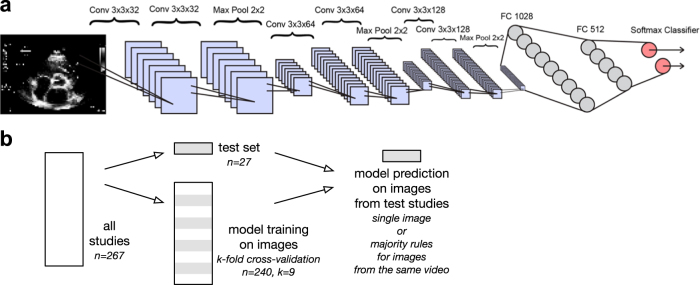
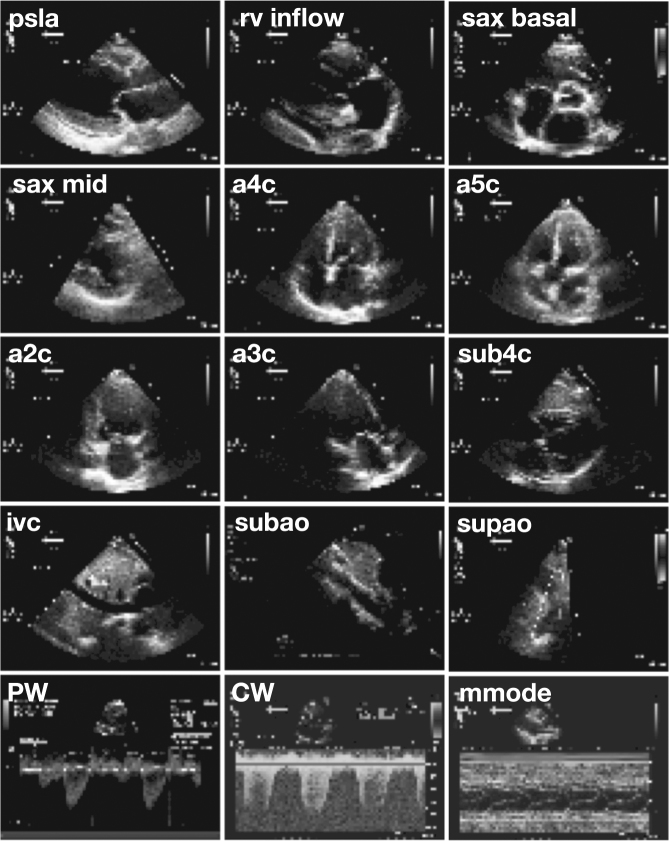
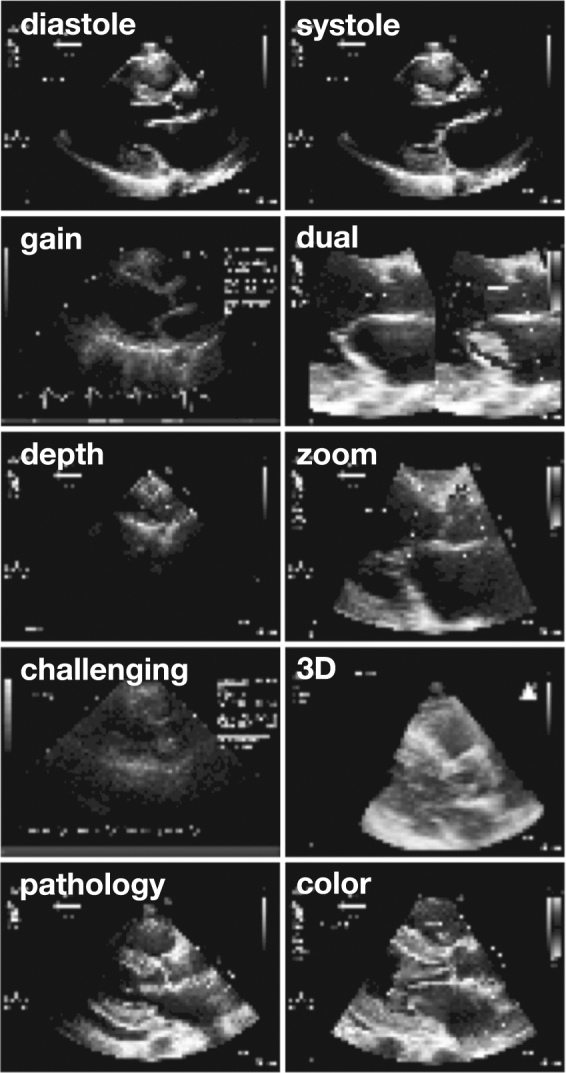
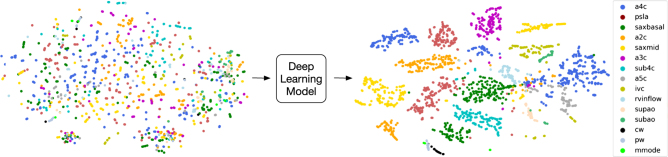
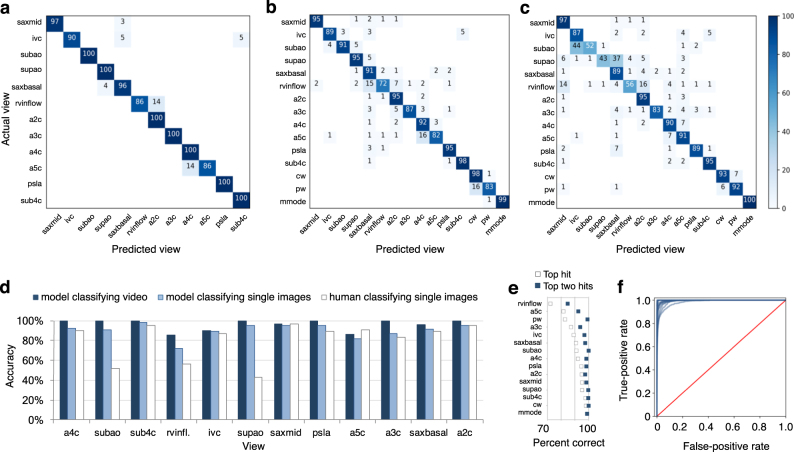
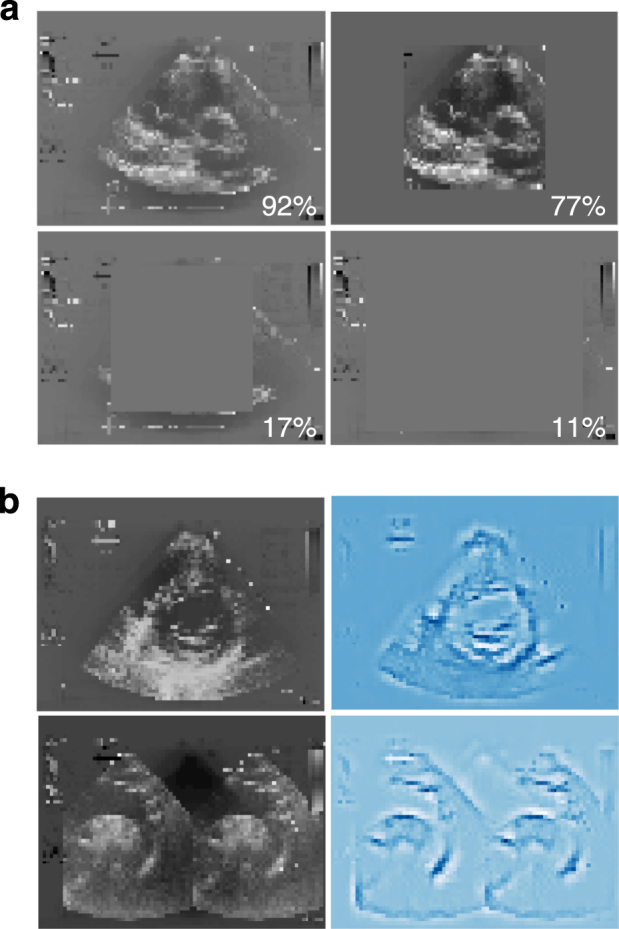
Echocardiography is essential to cardiology. However, the need for human interpretation has limited echocardiography’s full potential for precision medicine. Deep learning is an emerging tool for analyzing images but has not yet been widely applied to echocardiograms, partly due to their complex multi-view format. The essential first step toward comprehensive computer-assisted echocardiographic interpretation is determining whether computers can learn to recognize these views. We trained a convolutional neural network to simultaneously classify 15 standard views (12 video, 3 still), based on labeled still images and videos from 267 transthoracic echocardiograms that captured a range of real-world clinical variation. Our model classified among 12 video views with 97.8% overall test accuracy without overfitting. Even on single low-resolution images, accuracy among 15 views was 91.7% vs. 70.2–84.0% for board-certified echocardiographers. Data visualization experiments showed that the model recognizes similarities among related views and classifies using clinically relevant image features. Our results provide a foundation for artificial intelligence-assisted echocardiographic interpretation.
Overview
The claims and statistics of this paper haven’t been checked yet.
Free: it reads the open-access text and checks the first 5 claims that cite a source we can check. Create a free account to check every claim.
Integrity signals
Registry
Cites
Statistics
Figures
Verification
Claims the paper makes
The claims and statistics of this paper haven’t been checked yet.
Free: it reads the open-access text and checks the first 5 claims that cite a source we can check. Create a free account to check every claim.
Claims other papers make about this one
Each is checked against this paper’s own text: does it say what the citing paper says it does?
In the citing paper
“DL can be trained on a large database of echocardiographic studies and surpass the performance of board-certified echocardiographers in view classification 67 .”
From Deep learning-enabled medical computer vision (2021) · cites this paper as [67]
Self-check
Percentages, sums and reported differences re-computed from the paper’s own numbers.
The self-check needs the paper’s full text.
Citations
Cites
ImageNet Large Scale Visual Recognition Challenge
Russakovsky, O., Deng, J., Su, H., Krause, J., Satheesh, S., Ma, S., Huang, Z., Karpathy, A., Khosla, A., Bernstein, M., et al. (2015) · International Journal of Computer Vision · doi:10.1007/s11263-015-0816-y · Cited by 39,380
(2008) · Journal of Machine Learning Research · Cited by 33,051
A survey on deep learning in medical image analysis
Litjens, G., Kooi, T., Bejnordi, B. E., Setio, A. A. A., Ciompi, F., Ghafoorian, M., van der Laak, J. A. W. M., van Ginneken, B., & Sánchez, C. I. (2017) · Medical Image Analysis · doi:10.1016/j.media.2017.07.005 · Cited by 15,332
Dermatologist-level classification of skin cancer with deep neural networks
Esteva, A., Kuprel, B., Novoa, R. A., Ko, J., Swetter, S. M., Blau, H. M., & Thrun, S. (2017) · Nature · doi:10.1038/nature21056 · Cited by 14,362
Gulshan, V., Peng, L., Coram, M., Stumpe, M. C., Wu, D., Narayanaswamy, A., Venugopalan, S., Widner, K., Madams, T., Cuadros, J., et al. (2016) · JAMA · doi:10.1001/jama.2016.17216 · Cited by 7,697
ACCF/ASE/AHA/ASNC/HFSA/HRS/SCAI/SCCM/SCCT/SCMR 2011 Appropriate Use Criteria for Echocardiography
Douglas, P. S., Garcia, M. J., Haines, D. E., Lai, W. W., Manning, W. J., Patel, A. R., Picard, M. H., Polk, D. M., Ragosta, M., Ward, R. P., et al. (2011) · Journal of the American College of Cardiology · doi:10.1016/j.jacc.2010.11.002 · Cited by 673
Narula, S., Shameer, K., Salem Omar, A. M., Dudley, J. T., & Sengupta, P. P. (2016) · Journal of the American College of Cardiology · doi:10.1016/j.jacc.2016.08.062 · Cited by 410
Knackstedt, C., Bekkers, S. C. A. M., Schummers, G., Schreckenberg, M., Muraru, D., Badano, L. P., Franke, A., Bavishi, C., Omar, A. M. S., & Sengupta, P. P. (2015) · Journal of the American College of Cardiology · doi:10.1016/j.jacc.2015.07.052 · Cited by 262
Sengupta, P. P., Huang, Y.-M., Bansal, M., Ashrafi, A., Fisher, M., Shameer, K., Gall, W., & Dudley, J. T. (2016) · Circulation: Cardiovascular Imaging · doi:10.1161/circimaging.115.004330 · Cited by 203
Wharton, G., Steeds, R., Allen, J., Phillips, H., Jones, R., Kanagala, P., Lloyd, G., Masani, N., Mathew, T., Oxborough, D., et al. (2015) · Echo Research & Practice · doi:10.1530/erp-14-0079 · Cited by 183 · cited 1×
“Determining the view is the essential first step in interpreting an echocardiogram.(6) This step is non-trivial, not least because several views differ only subtly from each other.”
Background
Cited by
High-performance medicine: the convergence of human and artificial intelligence
Topol, E. J. (2019) · Nature Medicine · doi:10.1038/s41591-018-0300-7 · Cited by 10,450
“The overall accuracy for single still images was 92% for the algorithm and 79% for four board-certified echocardiographers, but this does not reflect the real-world reading of studies, which are in-motion video loops 23 .”
BackgroundMachine learning and deep learning
Janiesch, C., Zschech, P., & Heinrich, K. (2021) · Electronic Markets · doi:10.1007/s12525-021-00475-2 · Cited by 2,959
“For specific applications in closed environments, DL already shows superhuman performance by excelling human capabilities (Madani et al. 2018; Silver et al. 2018).”
BackgroundAttention gated networks: learning to leverage salient regions in medical images
Schlemper, J., Oktay, O., Schaap, M., Heinrich, M., Kainz, B., Glocker, B., & Rueckert, D. (2019) · Medical Image Analysis · doi:10.1016/j.media.2019.01.012 · Cited by 2,014
“…classification of Alzheimer’s disease (Sarraf et al., 2017), skin lesions (Esteva et al., 2017; Kawahara and Hamarneh, 2016) and echo-cardiogram views (Madani et al., 2018), lung nodule detection in CT/X-ray (Liao et al., 2017; Zhu et al., 2018) and cardiac MR segmentation (Bai et al., 2017).”
Deep learning-enabled medical computer vision
Esteva, A., Chou, K., Yeung, S., Naik, N., Madani, A., Mottaghi, A., Liu, Y., Topol, E., Dean, J., & Socher, R. (2021) · npj Digital Medicine · doi:10.1038/s41746-020-00376-2 · Cited by 1,406
Self-citationVideo-based AI for beat-to-beat assessment of cardiac function
Ouyang, D., He, B., Ghorbani, A., Yuan, N., Ebinger, J., Langlotz, C. P., Heidenreich, P. A., Harrington, R. A., Liang, D. H., Ashley, E. A., et al. (2020) · Nature · doi:10.1038/s41586-020-2145-8 · Cited by 1,153
Zhang, J., Gajjala, S., Agrawal, P., Tison, G. H., Hallock, L. A., Beussink-Nelson, L., Lassen, M. H., Fan, E., Aras, M. A., Jordan, C., et al. (2018) · Circulation · doi:10.1161/circulationaha.118.034338 · Cited by 1,006
“Two groups focused exclusively on view classification using deep learning, 20,21 although neither built models to discriminate subclasses of views and characterize occlusions, which we found to be essential for accurate quantification and disease detection.”
BackgroundDeep learning interpretation of echocardiograms
Ghorbani, A., Ouyang, D., Abid, A., He, B., Chen, J. H., Harrington, R. A., Liang, D. H., Ashley, E. A., & Zou, J. Y. (2020) · npj Digital Medicine · doi:10.1038/s41746-019-0216-8 · Cited by 518
Narang, A., Bae, R., Hong, H., Thomas, Y., Surette, S., Cadieu, C., Chaudhry, A., Martin, R. P., McCarthy, P. M., Rubenson, D. S., et al. (2021) · JAMA Cardiology · doi:10.1001/jamacardio.2021.0185 · Cited by 442
Deep learning for cardiovascular medicine: a practical primer
Krittanawong, C., Johnson, K. W., Rosenson, R. S., Wang, Z., Aydar, M., Baber, U., Min, J. K., Tang, W. H. W., Halperin, J. L., & Narayan, S. M. (2019) · European Heart Journal · doi:10.1093/eurheartj/ehz056 · Cited by 435
“Deep learning can diagnose structural disease from limited echocardiographic views.(44) DeepVentricle,(71) a DL application for cardiac MRI images, received FDA clearance for clinical use.”
BackgroundRETRACTED ARTICLE: Artificial intelligence and machine learning in precision and genomic medicine
Quazi, S. (2022) · Medical Oncology · doi:10.1007/s12032-022-01711-1 · Cited by 432
“Deep-learning algorithms for visual interpretation for uncommon disease and cancer phenotyping, in particular, have shown considerable promise.”
RetractedPrecision medicine in the era of artificial intelligence: implications in chronic disease management
Subramanian, M., Wojtusciszyn, A., Favre, L., Boughorbel, S., Shan, J., Letaief, K. B., Pitteloud, N., & Chouchane, L. (2020) · Journal of Translational Medicine · doi:10.1186/s12967-020-02658-5 · Cited by 362
“A comparative study of echocardiography interpretation of Ultromics system with cardiologist showed that more than 90 percent of the abnormalities found by board certified cardiologists overlapped with the ones found by the AI system [127].”
ResultMachine Learning and the Future of Cardiovascular Care
Quer, G., Arnaout, R., Henne, M., & Arnaout, R. (2021) · Journal of the American College of Cardiology · doi:10.1016/j.jacc.2020.11.030 · Cited by 337
“Training models to perform these foundational tasks has often required considerable data labeling; therefore, this work will continue to benefit from parallel research on leveraging small datasets (20,67,68) as well as synthesizing larger datasets from smaller ones (69,70).”
BackgroundMethodSelf-citationDeep learning in ultrasound imaging
van Sloun, R. J. G., Cohen, R., & Eldar, Y. C. (2020) · Proceedings of the IEEE · doi:10.1109/jproc.2019.2932116 · Cited by 316
“Similarly, in [104], deep learning was used to accelerate echocardiographic exams by automatically recognizing the relevant standard views for further analysis.”
MethodArnaout, R., Curran, L., Zhao, Y., Levine, J. C., Chinn, E., & Moon-Grady, A. J. (2020) · doi:10.1101/2020.06.22.20137786 · Cited by 315
“For fetal view classification, as demonstrated for adults 27 , the mean probability for correct predictions was significantly higher than that for incorrect predictions (P value, Mann–Whitney U test, 1 × 10 −300 ) (Fig.”
BackgroundMethodInfluentialSelf-citationDeep learning predicts hip fracture using confounding patient and healthcare variables
Badgeley, M. A., Zech, J. R., Oakden-Rayner, L., Glicksberg, B. S., Liu, M., Gale, W., McConnell, M. V., Percha, B., Snyder, T. M., & Dudley, J. T. (2019) · npj Digital Medicine · doi:10.1038/s41746-019-0105-1 · Cited by 290
Machine learning in cardiovascular magnetic resonance: basic concepts and applications
Leiner, T., Rueckert, D., Suinesiaputra, A., Baeßler, B., Nezafat, R., Išgum, I., & Young, A. A. (2019) · Journal of Cardiovascular Magnetic Resonance · doi:10.1186/s12968-019-0575-y · Cited by 282
“Other difficulties include reliance on small, fixed inputs with long-range or heterogenous dependencies such as Conclusions and future outlook ML, and DL in particular, is beginning to be applied to different types of cardiac imaging [90].”
BackgroundArtificial Intelligence in Cardiology: Present and Future
Lopez-Jimenez, F., Attia, Z., Arruda-Olson, A. M., Carter, R., Chareonthaitawee, P., Jouni, H., Kapa, S., Lerman, A., Luong, C., Medina-Inojosa, J. R., et al. (2020) · Mayo Clinic Proceedings · doi:10.1016/j.mayocp.2020.01.038 · Cited by 280
AI-driven healthcare: A review on ensuring fairness and mitigating bias
Chinta, S. V., Wang, Z., Palikhe, A., Zhang, X., Kashif, A., Smith, M. A., Liu, J., & Zhang, W. (2025) · PLOS Digital Health · doi:10.1371/journal.pdig.0000864 · Cited by 171
“For instance, machine learning models have shown high precision in interpreting echocardiograms, at times surpassing human experts in diagnostic speed and accuracy [22].”
An efficient convolutional neural network for coronary heart disease prediction
Dutta, A., Batabyal, T., Basu, M., & Acton, S. T. (2020) · Expert Systems with Applications · doi:10.1016/j.eswa.2020.113408 · Cited by 272
Artificial intelligence and echocardiography
Alsharqi, M., Woodward, W. J., Mumith, J. A., Markham, D. C., Upton, R., & Leeson, P. (2018) · Echo Research & Practice · doi:10.1530/erp-18-0056 · Cited by 262
Madani, A., Ong, J. R., Tibrewal, A., & Mofrad, M. R. K. (2018) · npj Digital Medicine · doi:10.1038/s41746-018-0065-x · Cited by 250
Self-citationSengupta, P. P., Shrestha, S., Berthon, B., Messas, E., Donal, E., Tison, G. H., Min, J. K., D’hooge, J., Voigt, J.-U., Dudley, J., et al. (2020) · JACC: Cardiovascular Imaging · doi:10.1016/j.jcmg.2020.07.015 · Cited by 221
“, maximum pooling, or patch-based methods) can further be applied in reducing the size of the imagedata matrix to highly informative elements, which often results in a tall, thin matrix, either for classification or for a pattern recognition task to identify key regions of interest (7,25).”
Self-citationArtificial intelligence in ultrasound
Shen, Y.-T., Chen, L., Yue, W.-W., & Xu, H.-X. (2021) · European Journal of Radiology · doi:10.1016/j.ejrad.2021.109717 · Cited by 214
Vision–language foundation model for echocardiogram interpretation
Christensen, M., Vukadinovic, M., Yuan, N., & Ouyang, D. (2024) · Nature Medicine · doi:10.1038/s41591-024-02959-y · Cited by 231
“Previous echocardiography AI models were trained with a maximum of 150,000 echocardiogram videos 29 and most frequently trained with only hundreds or thousands of examples 7,10,30–32 .”
MethodTromp, J., Seekings, P. J., Hung, C.-L., Iversen, M. B., Frost, M. J., Ouwerkerk, W., Jiang, Z., Eisenhaber, F., Goh, R. S. M., Zhao, H., et al. (2022) · The Lancet Digital Health · doi:10.1016/s2589-7500(21)00235-1 · Cited by 195
Trident: Efficient 4PC Framework for Privacy Preserving Machine Learning
Chaudhari, H., Rachuri, R., & Suresh, A. (2020) · Proceedings 2020 Network and Distributed System Security Symposium · doi:10.14722/ndss.2020.23005 · Cited by 148
Deep learning-based cardiovascular image diagnosis: A promising challenge
Wong, K. K. L., Fortino, G., & Abbott, D. (2020) · Future Generation Computer Systems · doi:10.1016/j.future.2019.09.047 · Cited by 211
Automated Interpretation of Blood Culture Gram Stains by Use of a Deep Convolutional Neural Network
Smith, K. P., Kang, A. D., & Kirby, J. E. (2018) · Journal of Clinical Microbiology · doi:10.1128/jcm.01521-17 · Cited by 188
Bizopoulos, P., & Koutsouris, D. (2019) · IEEE Reviews in Biomedical Engineering · doi:10.1109/rbme.2018.2885714 · Cited by 163
“[213] trained a six layer CNN to classify between 15 views (12 video and 3 still) of transthoracic echocardiogram images, achieving better results than certified echocardographers.”
MethodDiller, G.-P., Kempny, A., Babu-Narayan, S. V., Henrichs, M., Brida, M., Uebing, A., Lammers, A. E., Baumgartner, H., Li, W., Wort, S. J., et al. (2019) · European Heart Journal · doi:10.1093/eurheartj/ehy915 · Cited by 192
BLAZE: Blazing Fast Privacy-Preserving Machine Learning
Patra, A., & Suresh, A. (2020) · Network and Distributed System Security Symposium · doi:10.14722/ndss.2020.24202 · Cited by 227
“With better machinery and tools such as deep learning and reinforcement learning, ML techniques are starting to beat humans at some difficult tasks such as classifying echocardiograms [1].”
MethodArtificial Intelligence as a Service: Classification and Research Directions
Lins, S., Pandl, K. D., Teigeler, H., Thiebes, S., Bayer, C., & Sunyaev, A. (2021) · Business & Information Systems Engineering · doi:10.1007/s12599-021-00708-w · Cited by 130
“Examples of such complex tasks include analyzing medical data to assist physicians in making medical treatment decisions faster and more accurately (Madani et al. 2018), or analyzing large amounts of video footage in hours or days instead of months to support criminal investigations (Crawford 2019).”
BackgroundSevakula, R. K., Au‐Yeung, W. M., Singh, J. P., Heist, E. K., Isselbacher, E. M., & Armoundas, A. A. (2020) · Journal of the American Heart Association · doi:10.1161/jaha.119.013924 · Cited by 173
Madani, A., Moradi, M., Karargyris, A., & Syeda-Mahmood, T. (2018) · 2018 IEEE 15th International Symposium on Biomedical Imaging (ISBI 2018) · doi:10.1109/isbi.2018.8363749 · Cited by 166
“While efforts to alleviate these issues are ongoing [1, 2], as of now they hamper the speed of innovation of deep learning algorithms as they inherently require large amounts of data for tasks such as image classification [3] or semantic segmentation [4].”
BackgroundSelf-citationReinforcement learning for robot research: A comprehensive review and open issues
Zhang, T., & Mo, H. (2021) · International Journal of Advanced Robotic Systems · doi:10.1177/17298814211007305 · Cited by 212
“10,68,69,71 Compared to traditional multilayer NN algorithms, DL is conducive to alleviating the gradient dispersion and local optimum and eliminating the curse of dimension caused by high dimensional data.”
Data preprocessing for heart disease classification: A systematic literature review
Benhar, H., Idri, A., & Fernández‐Alemán, J. L. (2020) · Computer Methods and Programs in Biomedicine · doi:10.1016/j.cmpb.2020.105635 · Cited by 192
Artificial Intelligence for Automatic Measurement of Left Ventricular Strain in Echocardiography
Salte, I. M., Østvik, A., Smistad, E., Melichova, D., Nguyen, T. M., Karlsen, S., Brunvand, H., Haugaa, K. H., Edvardsen, T., Løvstakken, L., et al. (2021) · JACC. Cardiovascular imaging · doi:10.1016/j.jcmg.2021.04.018 · Cited by 166
Artificial intelligence in echocardiography: detection, functional evaluation, and disease diagnosis
Zhou, J., Du, M., Chang, S., & Chen, Z. (2021) · Cardiovascular Ultrasound · doi:10.1186/s12947-021-00261-2 · Cited by 155
Multi-task deep learning for cardiac rhythm detection in wearable devices
Torres-Soto, J., & Ashley, E. A. (2020) · npj Digital Medicine · doi:10.1038/s41746-020-00320-4 · Cited by 136
Dzobo, K., Adotey, S. K., Thomford, N. E., & Dzobo, W. (2019) · OMICS A Journal of Integrative Biology · doi:10.1089/omi.2019.0038 · Cited by 174
“Using images obtained through echocardiography, deep neural networks outperformed cardiologists with DNN obtaining 92% accuracy compared with 79% accuracy for the specialists (Madani et al., 2018).”
Severe aortic stenosis detection by deep learning applied to echocardiography
Holste, G., Oikonomou, E. K., Mortazavi, B. J., Coppi, A., Faridi, K. F., Miller, E. J., Forrest, J. K., McNamara, R. L., Ohno-Machado, L., Yuan, N., et al. (2023) · European Heart Journal · doi:10.1093/eurheartj/ehad456 · Cited by 147
Artificial intelligence in cardiology: Hope for the future and power for the present
Karatzia, L., Aung, N., & Aksentijević, D. (2022) · Frontiers in Cardiovascular Medicine · doi:10.3389/fcvm.2022.945726 · Cited by 169
Upton, R., Mumith, A., Beqiri, A., Parker, A., Hawkes, W., Gao, S., Porumb, M., Sarwar, R., Marques, P., Markham, D. H., et al. (2021) · JACC. Cardiovascular imaging · doi:10.1016/j.jcmg.2021.10.013 · Cited by 157
Tromp, J., Bauer, D., Claggett, B. L., Frost, M., Iversen, M. B., Prasad, N., Petrie, M. C., Larson, M. G., Ezekowitz, J. A., & Solomon, S. D. (2022) · Nature Communications · doi:10.1038/s41467-022-34245-1 · Cited by 145
Learning for Personalized Medicine: A Comprehensive Review From a Deep Learning Perspective
Zhang, S., Bamakan, S. M. H., Qu, Q., & Li, S. (2019) · IEEE Reviews in Biomedical Engineering · doi:10.1109/rbme.2018.2864254 · Cited by 125
Image analysis and artificial intelligence in infectious disease diagnostics
Smith, K. P., & Kirby, J. E. (2020) · Clinical Microbiology and Infection · doi:10.1016/j.cmi.2020.03.012 · Cited by 111
“For example, these algorithms have been used as aids in diagnostic interpretation of image data to detect markers of cancer in histologcal sections of breast biopsies [3], interpret echocardiograms [4] and identify metastases in brain magnetic resonance imaging datasets (MRI) [5].”
MethodJavaid, A., Zghyer, F., Kim, C., Spaulding, E. M., Isakadze, N., Ding, J., Kargilis, D., Gao, Y., Rahman, F., Brown, D. E., et al. (2022) · American Journal of Preventive Cardiology · doi:10.1016/j.ajpc.2022.100379 · Cited by 134
“Cardiology is a data-driven and evidence-based field that has been an early adopter of ML [9 – 11].”
BackgroundPandl, K. D., Thiebes, S., Schmidt-Kraepelin, M., & Sunyaev, A. (2020) · IEEE Access · doi:10.1109/access.2020.2981447 · Cited by 115
“Research in the health care domain has, for instance, shown that AI can analyze echocardiograms faster and more accurate than medical professionals [4].”
BackgroundRisk assessment of coronary heart disease based on cloud-random forest
Wang, J., Rao, C., Goh, M., & Xiao, X. (2022) · Artificial Intelligence Review · doi:10.1007/s10462-022-10170-z · Cited by 124
“…in the risk management of CHD, besides the traditional medical diagnosis through the experience of medical experts and statistical learning (Madani et al. 2018) methods for data analysis, ML methods such as decision tree (Safdar et al. 2018; Hosni et al. 2020), SVM (Shah et al. 2020; Wen…”
MethodYang, Y., Zhang, J., Zang, G., & Pu, J. (2019) · PubMed · doi:10.11909/j.issn.1671-5411.2019.08.010 · Cited by 95
Sanchez-Martinez, S., Camara, O., Piella, G., Cikes, M., González-Ballester, M. Á., Miron, M., Vellido, A., Gómez, E., Fraser, A. G., & Bijnens, B. (2022) · Frontiers in Cardiovascular Medicine · doi:10.3389/fcvm.2021.765693 · Cited by 85
Artificial Intelligence (AI) and Cardiovascular Diseases: An Unexpected Alliance
Romiti, S., Vinciguerra, M., Saade, W., Cortajarena, I. A., & Greco, E. (2020) · Cardiology Research and Practice · doi:10.1155/2020/4972346 · Cited by 129
Artificial intelligence for the echocardiographic assessment of valvular heart disease
Nedadur, R., Wang, B., & Tsang, W. (2022) · Heart · doi:10.1136/heartjnl-2021-319725 · Cited by 107
“21”
Weakly supervised classification of aortic valve malformations using unlabeled cardiac MRI sequences
Fries, J. A., Varma, P., Chen, V. S., Xiao, K., Tejeda, H., Saha, P., Dunnmon, J., Chubb, H., Maskatia, S., Fiterau, M., et al. (2019) · Nature Communications · doi:10.1038/s41467-019-11012-3 · Cited by 103
Utilization of Artificial Intelligence in Echocardiography
Kusunose, K., Haga, A., Abe, T., & Sata, M. (2019) · Circulation Journal · doi:10.1253/circj.cj-19-0420 · Cited by 109
“24 They trained a convolutional neural network to simultaneously classify 15 standard views (12 video, 3 still), based on labeled still images and videos from 267 transthoracic echocardiograms with over 800,000 images that captured a range of real-world clinical variations.”
BackgroundCurrent applications of big data and machine learning in cardiology.
Cuocolo, R., Perillo, T., Rosa, E. D., Ugga, L., & Petretta, M. (2019) · PubMed Central · doi:10.11909/j.issn.1671-5411.2019.08.002 · Cited by 119
“…of hypertrophic cardiomyopathy from physiological hypertrophy of the athletes Overall sensitivity: 87% Overall specificity: 82% Madani, et al. [25] Neural network View classification of echocardiograms Accuracy: 97.8% Otha, et al. [26] Convolutional neural network To detect and classify…”
BackgroundMethodInfluentialAlgorithms for Ethical Decision-Making in the Clinic: A Proof of Concept
Meier, L. J., Hein, A., Diepold, K., & Buyx, A. (2022) · The American Journal of Bioethics · doi:10.1080/15265161.2022.2040647 · Cited by 85
Siegersma, K. R., Leiner, T., Chew, D. P., Appelman, Y., Hofstra, L., & Verjans, J. W. (2019) · Netherlands Heart Journal · doi:10.1007/s12471-019-01311-1 · Cited by 96
Artificial Intelligence (AI)-Empowered Echocardiography Interpretation: A State-of-the-Art Review
Akkus, Z., Aly, Y. H., Attia, I. Z., Lopez-Jimenez, F., Arruda-Olson, A. M., Pellikka, P. A., Pislaru, S. V., Kane, G. C., Friedman, P. A., & Oh, J. K. (2021) · Journal of Clinical Medicine · doi:10.3390/jcm10071391 · Cited by 89
“[19] presented the classification of 15 standard echo views using DL.”
BackgroundMethodFuture Direction for Using Artificial Intelligence to Predict and Manage Hypertension
Krittanawong, C., Bomback, A. S., Baber, U., Bangalore, S., Messerli, F. H., & Tang, W. H. W. (2018) · Current Hypertension Reports · doi:10.1007/s11906-018-0875-x · Cited by 109
Clinically Feasible and Accurate View Classification of Echocardiographic Images Using Deep Learning
Kusunose, K., Haga, A., Inoue, M., Fukuda, D., Yamada, H., & Sata, M. (2020) · Biomolecules · doi:10.3390/biom10050665 · Cited by 106
“) [18] used samples based on a narrow range of EF (Madani et al.”
Artificial intelligence in food science and nutrition: A narrative review
Miyazawa, T., Hiratsuka, Y., Toda, M., Hatakeyama, N., Ozawa, H., Abe, C., Cheng, T.-Y., Matsushima, Y., Miyawaki, Y., Ashida, K., et al. (2022) · Nutrition Reviews · doi:10.1093/nutrit/nuac033 · Cited by 91
Laumer, F., Vece, D. D., Cammann, V. L., Würdinger, M., Petkova, V., Schönberger, M., Schönberger, A., Mercier, J. C., Niederseer, D., Seifert, B., et al. (2022) · JAMA Cardiology · doi:10.1001/jamacardio.2022.0183 · Cited by 97
Reddy, C. D., Lopez, L., Ouyang, D., Zou, J., & He, B. D. (2023) · Journal of the American Society of Echocardiography · doi:10.1016/j.echo.2023.01.015 · Cited by 88
FairLens: Auditing black-box clinical decision support systems
Panigutti, C., Perotti, A., Panisson, A., Bajardi, P., & Pedreschi, D. (2021) · Information Processing & Management · doi:10.1016/j.ipm.2021.102657 · Cited by 86
Mathison, B. A., Kohan, J. L., Walker, J. F., Smith, R. B., Ardon, O., & Couturier, M. R. (2020) · Journal of Clinical Microbiology · doi:10.1128/jcm.02053-19 · Cited by 87
Liu, X., Fan, Y., Li, S., Chen, M., Li, M., Hau, W. K., Zhang, H., Xu, L., & Lee, A. P. (2021) · American Journal of Physiology-Heart and Circulatory Physiology · doi:10.1152/ajpheart.00416.2020 · Cited by 88
Madani, A., Bakhaty, A. A., Kim, J., Mubarak, Y., & Mofrad, M. R. K. (2019) · Journal of Biomechanical Engineering · doi:10.1115/1.4043290 · Cited by 83
Self-citationRastegar, S., GholamHosseini, H., & Lowe, A. (2019) · Physical and Engineering Sciences in Medicine · doi:10.1007/s13246-019-00813-x · Cited by 89
Lau, E. S., Achille, P. D., Kopparapu, K., Andrews, C. T., Singh, P., Reeder, C., Al‐Alusi, M. A., Khurshid, S. S., Haimovich, J. S., Ellinor, P. T., et al. (2023) · Journal of the American College of Cardiology · doi:10.1016/j.jacc.2023.09.800 · Cited by 82
High-Throughput Deep Learning Detection of Mitral Regurgitation
Vrudhula, A., Duffy, G., Vukadinovic, M., Liang, D. H., Cheng, S. C., & Ouyang, D. (2024) · Circulation · doi:10.1161/circulationaha.124.069047 · Cited by 82
“Several recent works have reported strides in computer vision and echocardiography, including automated view classification, 36,37 phenotyping of left ventricular hypertrophy, 16 assessment of left ventricular systolic function, 14 aortic stenosis risk stratification, and detection of complex…”
Deep learning for pH prediction in water desalination using membrane capacitive deionization
Son, M., Yoon, N., Jeong, K., Abbas, A., Logan, B. E., & Cho, K. H. (2021) · Desalination · doi:10.1016/j.desal.2021.115233 · Cited by 76
“The data were randomly distributed to each dataset without overlapping to prevent overfitting of the model [32,33].”
MethodDeep Learning for Cardiovascular Imaging: A Review
Wehbe, R. M., Katsaggelos, A. K., Hammond, K. J., Hong, H., Ahmad, F. S., Ouyang, D., Shah, S. J., McCarthy, P. M., & Thomas, J. D. (2023) · JAMA Cardiology · doi:10.1001/jamacardio.2023.3142 · Cited by 79
Ulloa, A., Jing, L., Good, C. W., vanMaanen, D. P., Raghunath, S. M., Suever, J. D., Nevius, C. D., Wehner, G. J., Hartzel, D. N., Leader, J. B., et al. (2021) · Nature Biomedical Engineering · doi:10.1038/s41551-020-00667-9 · Cited by 84
“(61, 68) (68, 75) (36, 48) (50, 61) (83, 91) (83, 91)”
Hay, E. A., & Parthasarathy, R. (2018) · PLoS Computational Biology · doi:10.1371/journal.pcbi.1006628 · Cited by 75
Artificial Intelligence in Congenital Heart Disease
Jone, P., Gearhart, A. S., Lei, H., Xing, F., Nahar, J. K., López-Jiménez, F. A., Diller, G., Marelli, A. J., Wilson, L., Saidi, A. S., et al. (2022) · JACC Advances · doi:10.1016/j.jacadv.2022.100153 · Cited by 86
Artificial Intelligence–Guided Lung Ultrasound by Nonexperts
Baloescu, C., Bailitz, J. M., Cheema, B. S., Agarwala, R., Jankowski, M., Eke, O. F., Liu, R., Nomura, J. T., Stolz, L. A., Gargani, L., et al. (2025) · JAMA Cardiology · doi:10.1001/jamacardio.2024.4991 · Cited by 74
Yang, F., Chen, X., Lin, X., Chen, X., Wang, W., Liu, B., Li, Y., Pu, H., Zhang, M., Huang, D., et al. (2021) · JACC. Cardiovascular imaging · doi:10.1016/j.jcmg.2021.08.015 · Cited by 73
Utility of machine learning algorithms in assessing patients with a systemic right ventricle
Diller, G., Babu‐Narayan, S. V., Li, W., Radojevic, J., Kempny, A., Uebing, A. S., Dimopoulos, K., Baumgartner, H., Gatzoulis, M. Α., & Orwat, S. (2018) · European Heart Journal - Cardiovascular Imaging · doi:10.1093/ehjci/jey211 · Cited by 75
Real-time echocardiography image analysis and quantification of cardiac indices
Zamzmi, G., Rajaraman, S., Hsu, L., Sachdev, V., & Antani, S. (2022) · Medical Image Analysis · doi:10.1016/j.media.2022.102438 · Cited by 79
Sakai, A., Komatsu, M., Komatsu, R., Matsuoka, R., Yasutomi, S., Dozen, A., Shozu, K., Arakaki, T., Machino, H., Asada, K., et al. (2022) · Biomedicines · doi:10.3390/biomedicines10030551 · Cited by 68
Steps to use artificial intelligence in echocardiography
Kusunose, K. (2020) · Journal of Echocardiography · doi:10.1007/s12574-020-00496-4 · Cited by 72
Artificial intelligence, fetal echocardiography, and congenital heart disease
Day, T. G., Kainz, B., Hajnal, J. V., Razavi, R., & Simpson, J. M. (2021) · Prenatal Diagnosis · doi:10.1002/pd.5892 · Cited by 74
“36,37 The automatic quantification of cardiac function (in postnatal cardiology) using AI is another area of cardiology that has received much interest, both as a potential to reduce the inter ‐ and intra-observer variability seen in current practice, and to reduce the time taken to perform the…”
MethodFoundation Models in Agriculture: A Comprehensive Review
Yin, S., Xi, Y., Zhang, X., Sun, C., & Mao, Q. (2025) · Agriculture · doi:10.3390/agriculture15080847 · Cited by 76
“This shift, exemplified by breakthroughs in image recognition [17,18], has achieved su-perhuman performance in controlled settings [19,20] but faces deployment challenges in practical applications due to interpretability and data quality concerns.”
Howard, J. P., Tan, J., Shun-Shin, M. J., Mahdi, D., Nowbar, A. N., Arnold, A. D., Ahmad, Y., McCartney, P., Zolgharni, M., Linton, N., et al. (2020) · Journal of Medical Artificial Intelligence · doi:10.21037/jmai.2019.10.03 · Cited by 77
Shi, Y., Zhou, M., Chang, C., Jiang, P., Wei, K., Zhao, J., Shan, Y., Zheng, Y., Zhao, F., Lv, X., et al. (2024) · Frontiers in Immunology · doi:10.3389/fimmu.2024.1409555 · Cited by 71
Artificial intelligence-enhanced echocardiography in cardiovascular disease management
Myhre, P. L., Grenne, B. L., Asch, F. M., Delgado, V., Khera, R., Lafitte, S., Lang, R. M., Pellikka, P. A., Sengupta, P. P., Vemulapalli, S., et al. (2025) · Nature Reviews Cardiology · doi:10.1038/s41569-025-01197-0 · Cited by 79
Artificial Intelligence in Cardiovascular Imaging
Lim, L. J., Tison, G. H., & Delling, F. N. (2020) · Methodist DeBakey Cardiovascular Journal · doi:10.14797/mdcj-16-2-138 · Cited by 73
Li, M., Wang, C., Zhang, H., & Yang, G. (2020) · Computers in Biology and Medicine · doi:10.1016/j.compbiomed.2020.103728 · Cited by 66
Artificial intelligence in personalized cardiovascular medicine and cardiovascular imaging
Haq, I.-U., Haq, I., & Xu, B. (2021) · Cardiovascular Diagnosis and Therapy · doi:10.21037/cdt.2020.03.09 · Cited by 70
“Moreover, the issue of clinical implications such as cost-effectiveness is addressed, with the study showing that cost-savings were made by down-sampling (reducing image size without losing accuracy) (30).”
BackgroundMethodInfluentialOikonomou, E. K., Vaid, A., Holste, G., Coppi, A. C., McNamara, R. L., Baloescu, C., Krumholz, H. M., Wang, Z., Apakama, D. J., Nadkarni, G. N., et al. (2025) · The Lancet Digital Health · doi:10.1016/s2589-7500(24)00249-8 · Cited by 64
de Siqueira, V. S., Borges, M. M., Furtado, R. G., Dourado, C. N., & da Costa, R. M. (2021) · Artificial Intelligence in Medicine · doi:10.1016/j.artmed.2021.102165 · Cited by 68
Deep learning in spatiotemporal cardiac imaging: A review of methodologies and clinical usability
Hernandez, K. A. L., Rienmüller, T. M., Baumgartner, D., & Baumgärtner, C. (2020) · Computers in Biology and Medicine · doi:10.1016/j.compbiomed.2020.104200 · Cited by 71
Advances in the Application of Artificial Intelligence in Fetal Echocardiography
Zhang, J., Xiao, S., Zhu, Y. C., Zhang, Z., Cao, H., Xie, M., & Zhang, L. (2024) · Journal of the American Society of Echocardiography · doi:10.1016/j.echo.2023.12.013 · Cited by 69
Artificial intelligence: improving the efficiency of cardiovascular imaging
Lin, A., Kolossváry, M., Išgum, I., Maurovich‐Horvat, P., Slomka, P. J., & Dey, D. (2020) · Expert Review of Medical Devices · doi:10.1080/17434440.2020.1777855 · Cited by 63
“Madani et al. [88] used a CNN to simultaneously classify 15 standard views with more accuracy than experienced echocardiogra-phers.”
Implementing Machine Learning in Interventional Cardiology: The Benefits Are Worth the Trouble
Ali, W. B., Pesaranghader, A., Avram, R., Overtchouk, P., Perrin, N., Laffite, S., Cartier, R., Ibrahim, R., Modine, T., & Hussin, J. (2021) · Frontiers in Cardiovascular Medicine · doi:10.3389/fcvm.2021.711401 · Cited by 61
“investigated the application of CNNs to echocardiography view classification that classified 15 major transthoracic echocardiograms (TTE) views with expert-level quality (63).”
BackgroundMartins, J. F. B. S., Nascimento, E. R., Nascimento, B. R., Sable, C., Beaton, A., Ribeiro, A. L. P., Meira, W., & Pappa, G. L. (2021) · Journal of the American Medical Informatics Association · doi:10.1093/jamia/ocab061 · Cited by 59
Hwang, I., Choi, D., Choi, Y., Ju, L., Kim, M., Hong, J.-E., Lee, H., Yoon, Y. E., Park, J., Lee, S., et al. (2022) · Scientific Reports · doi:10.1038/s41598-022-25467-w · Cited by 56
Krishna, T. B., & Kokil, P. (2023) · Biomedical Signal Processing and Control · doi:10.1016/j.bspc.2023.105283 · Cited by 57
Advancements in Artificial Intelligence in Noninvasive Cardiac Imaging: A Comprehensive Review
Tolu-Akinnawo, O. Z., Ezekwueme, F., Omolayo, O. S., Batheja, S., & Awoyemi, T. (2025) · Clinical Cardiology · doi:10.1002/clc.70087 · Cited by 58
“By automating these steps, Echo ‐ AI ensures that the analysis is consistent and accurate, regardless of the operator's experience level [19].”
Metadata
- Authors
- Madani, A., Arnaout, R., Mofrad, M., & Arnaout, R.
- Affiliations
- QB3 (US)
- Beth Israel Deaconess Medical Center (US)
- Corresponding author
- Arnaout, Ramy
- Mofrad, Mohammad
- Arnaout, Rima
- Venue
- npj Digital Medicine
- Published
- 2018-03-21
- Volume
- 1
- Issue
- 1
- ISSN
- 2398-6352 (ISSN-L)
- PMC
- PMC6395045
- OpenAlex
- W2963428668
- Cited by
- 585
- References
- 15
- Citations by year
- 2026: 51 · 2025: 82 · 2024: 84 · 2023: 81 · 2022: 78 · 2021: 81 · 2020: 68 · 2019: 40 · 2018: 19
- FWCI
- 14.17
- Type
- journal article
- Language
- en
- Open access
- gold
- doi.org
- Licence
- cc-by
- creativecommons.org/licenses/by/4.0 (tdm)
- creativecommons.org/licenses/by/4.0 (vor)
- Locations
- npj Digital Medicine (publishedVersion, cc-by)
- Europe PMC (PubMed Central) (publishedVersion, other-oa)
- PubMed Central (publishedVersion, cc-by)
- PubMed (publishedVersion)
- OSTI OAI (U.S. Department of Energy Office of Scientific and Technical Information) (submittedVersion)
- DOAJ (DOAJ: Directory of Open Access Journals) (submittedVersion)
- eScholarship (California Digital Library) (submittedVersion)
- eScholarship (California Digital Library) (submittedVersion, cc-by)
- Funders
- American Heart Association (16IRG27630014, 17IGMV33870001, 15GPSPG23830004)
- National Institutes of Health
- National Heart, Lung, and Blood Institute (K08HL125945)
- National Institute of Allergy and Infectious Diseases (K08AI114958)
- Topics
- Health Sciences › Medicine › Health Informatics › Artificial Intelligence in Healthcare and Education
- Health Sciences › Health Professions › Health Information Management › Artificial Intelligence in Healthcare
- Health Sciences › Medicine › Critical Care and Intensive Care Medicine › Ultrasound in Clinical Applications
- Keywords
- transthoracic echocardiography, convolutional neural networks, artificial intelligence in cardiology
About these checks
Registry, retraction, Cites and statistics results are computed, not judged, with one exception: a printed reference that no index lists is read once by a model before it counts as a citation error. Claims are extracted by a model and kept only when their quote appears verbatim in the text; each cited source is then checked, with a model’s help, for whether it says what the claim relies on. Those verdicts can be wrong — read the claim’s quote and the cited source before relying on one.
Statistics and arithmetic are recomputed, not judged.
Confidence bands are shown only for fields calibrated on our annotated test set. None is calibrated yet, so no band is shown.
What counts as a claim ›How we measure confidence ›How we check this ›
Are you an author, or do you see a problem with this page? Request a review
Data sources
Bibliographic data: Semantic Scholar, OpenAlex, Crossref.
Contains information from the Semantic Scholar Academic Graph Datasets, made available under the ODC Attribution License (ODC-BY 1.0).
Semantic Scholar’s data is described in: Kinney, R., et al. (2023). The Semantic Scholar Open Data Platform. arXiv:2301.10140.
