

Indicators of retention in remote digital health studies: a cross-study evaluation of 100,000 participants
Open accessThe DOI matches its Crossref record; 84 of the 84 references it cites were found in a registry or an index.
Abstract
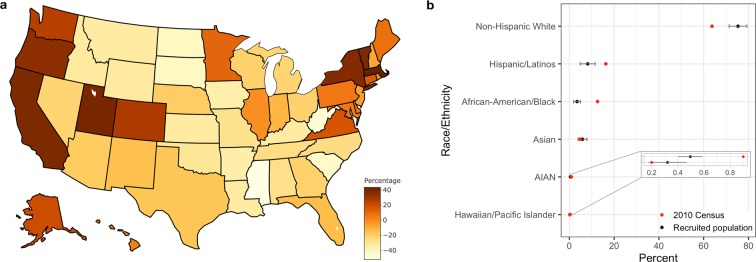
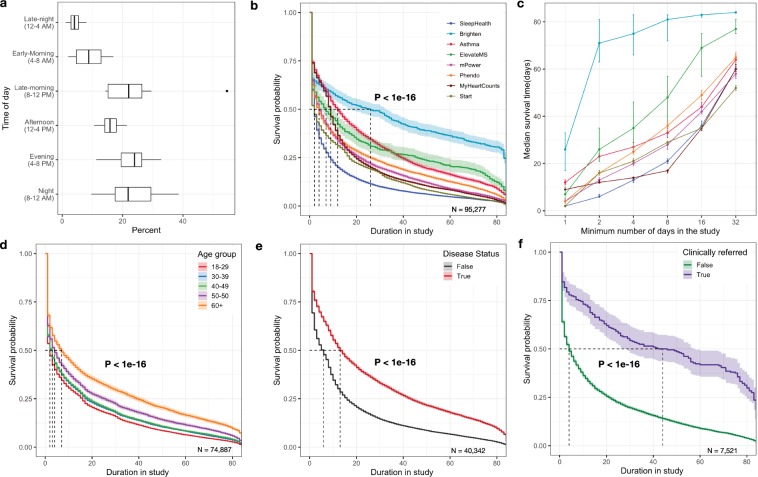
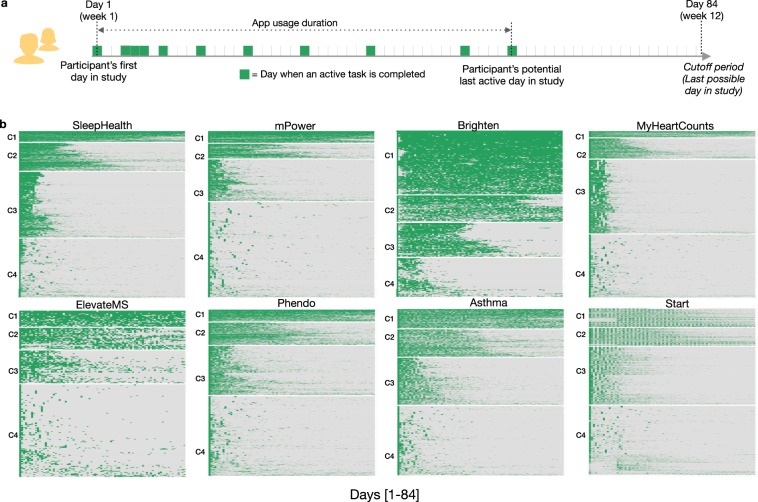
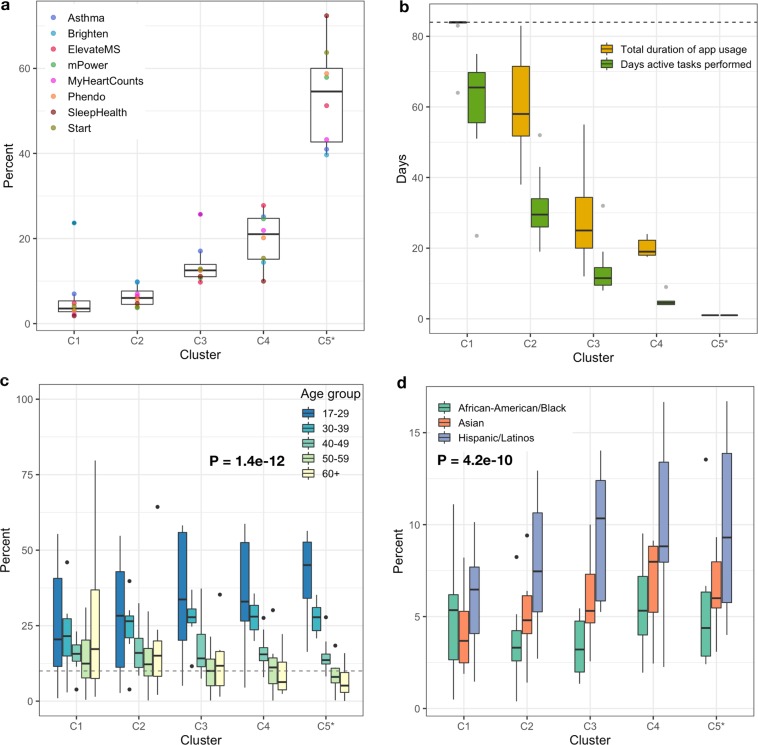
Digital technologies such as smartphones are transforming the way scientists conduct biomedical research. Several remotely conducted studies have recruited thousands of participants over a span of a few months allowing researchers to collect real-world data at scale and at a fraction of the cost of traditional research. Unfortunately, remote studies have been hampered by substantial participant attrition, calling into question the representativeness of the collected data including generalizability of outcomes. We report the findings regarding recruitment and retention from eight remote digital health studies conducted between 2014–2019 that provided individual-level study-app usage data from more than 100,000 participants completing nearly 3.5 million remote health evaluations over cumulative participation of 850,000 days. Median participant retention across eight studies varied widely from 2–26 days (median across all studies = 5.5 days). Survival analysis revealed several factors significantly associated with increase in participant retention time, including (i) referral by a clinician to the study (increase of 40 days in median retention time); (ii) compensation for participation (increase of 22 days, 1 study); (iii) having the clinical condition of interest in the study (increase of 7 days compared with controls); and (iv) older age (increase of 4 days). Additionally, four distinct patterns of daily app usage behavior were identified by unsupervised clustering, which were also associated with participant demographics. Most studies were not able to recruit a sample that was representative of the race/ethnicity or geographical diversity of the US. Together these findings can help inform recruitment and retention strategies to enable equitable participation of populations in future digital health research.
Overview
The claims and statistics of this paper haven’t been checked yet.
Free: it reads the open-access text and checks the first 5 claims that cite a source we can check. Create a free account to check every claim.
Integrity signals
Registry
Cites
Statistics
Figures
Verification
Claims the paper makes
The claims and statistics of this paper haven’t been checked yet.
Free: it reads the open-access text and checks the first 5 claims that cite a source we can check. Create a free account to check every claim.
Claims other papers make about this one
Each is checked against this paper’s own text: does it say what the citing paper says it does?
The source backs part of the claim, not all of it — or backs it for a different population, condition or comparison.
In the citing paper
“This level of attrition is commensurate with other digital mental health solution trial attrition rates [47,57].”
From A Therapeutic Relational Agent for Reducing Problematic Substance Use (Woebot): Development and Usability Study (2021) · cites this paper as [57]
Experimental — accuracy not yet measuredIn the citing paper
“This is especially important given the rapid dropout of user engagement for some forms of mobile phone interventions (e.g., health apps generally and mental health apps specifically [56, 57]).”
From Mobile phone-based interventions for mental health: A systematic meta-review of 14 meta-analyses of randomized controlled trials (2022) · cites this paper as [57]
Self-check
Percentages, sums and reported differences re-computed from the paper’s own numbers.
The self-check needs the paper’s full text.
Citations
Cites
Rogers, E. M., Singhal, A., & Quinlan, M. M. (2019) · An Integrated Approach to Communication Theory and Research · doi:10.4324/9780203710753-35 · Cited by 37,322
Miller, R. G. (1981) · Cited by 3,336
Johnson, C. O., Nguyen, M., Roth, G. A., Nichols, E., Alam, T., Abate, D., Abd-Allah, F., Abdelalim, A., Abraha, H. N., Abu-Rmeileh, N. M., et al. (2019) · The Lancet Neurology · doi:10.1016/s1474-4422(19)30034-1 · Cited by 3,264
Information bias in health research: definition, pitfalls, and adjustment methods
Althubaiti, A. (2016) · Journal of Multidisciplinary Healthcare · doi:10.2147/jmdh.s104807 · Cited by 3,018 · cited 1×
“Rather than retrospectively asking people to recall their health over the past week or month, researchers using mobile technologies can assess participants frequently including outside clinic and at important points in time without having to rely on recall that is known to have bias.(29) While these recent studies sho…”
Eysenbach, G. (2005) · Journal of Medical Internet Research · doi:10.2196/jmir.7.1.e11 · Cited by 2,524
The “All of Us” Research Program
The All of Us Research Program Investigators (2019) · New England Journal of Medicine · doi:10.1056/nejmsr1809937 · Cited by 2,440
Nahum-Shani, I., Smith, S. N., Spring, B. J., Collins, L. M., Witkiewitz, K., Tewari, A., & Murphy, S. A. (2018) · Annals of Behavioral Medicine · doi:10.1007/s12160-016-9830-8 · Cited by 2,171
Yardley, L., Morrison, L., Bradbury, K., & Muller, I. (2015) · Journal of Medical Internet Research · doi:10.2196/jmir.4055 · Cited by 1,442
Fogel, D. B. (2018) · Contemporary Clinical Trials Communications · doi:10.1016/j.conctc.2018.08.001 · Cited by 1,035
An Integrated Approach to Communication Theory and Research
(2014) · Routledge eBooks · doi:10.4324/9780203887011 · Cited by 981
Research works printed but not linked: 2
- Virtual Clinical Trials Challenges and Opportunities: Proceedings of a Workshop: Health and Medicine Division. (2019). http://www.nationalacademies.org/hmd/Reports/2019/virtual-clinical-trials-challenges-and-opportunities-pw.aspx. 31334937
- National Academies of Sciences, Engineering, and Medicine, Health and Medicine Division, Board on Health Sciences Policy & Committee on the Return of Individual-Specific Research Results Generated in Research Laboratories. Returning Individual Research Results to Participants: Guidance for a New Research Paradigm. (National Academies Press, 2018). 30001048
Cited by
Items 201–300 of 413
Kowal, A., Wojczuk, M., Grabowska, M., Szaran, J., Kowal, M., Pawłowicz, E., Pęczek-Bartyzel, K., & Nowicki, M. P. (2023) · Journal of Renal Nutrition · doi:10.1053/j.jrn.2023.01.010 · Cited by 7
Haun, J. N., Venkatachalam, H. H., Fowler, C. A., Alman, A. C., Ballistrea, L. M., Schneider, T., Benzinger, R. C., Melillo, C., Alexander, N. B., Klanchar, S. A., et al. (2023) · Journal of Medical Internet Research · doi:10.2196/49678 · Cited by 7
“Remotely and electronically available interventions and disease monitoring methodologies have significant variability in attrition rates, revealing unique barriers to these interventions compared with traditional in-person treatment options [16,17].”
Viewpoint: Challenges and strategies for engaging participants in videoconferencing appointments
McClelland, B., Ponting, C., Levy, C., Mah, R., Moran, P. J., Sobhani, N. C., & Felder, J. N. (2023) · Contemporary Clinical Trials · doi:10.1016/j.cct.2023.107425 · Cited by 7
Sunderaraman, P., Anda‐Duran, I. D., Karjadi, C., Peterson, J. J., Ding, H., Devine, S., Shih, L. C., Popp, Z., Low, S., Hwang, P. H., et al. (2024) · Journal of the American Heart Association · doi:10.1161/jaha.123.031348 · Cited by 7
Digital Health Interventions to Promote Physical Activity Among Adolescents: Systematic Review
Fan, R. S., Jiang, J. J., Zhou, Q. Y., Zhang, X. Y., Wu, Z. H., & Ji, L. (2026) · Journal of Medical Internet Research · doi:10.2196/82395 · Cited by 7
Roos, C. R., Bricker, J. B., Kiluk, B. D., Trull, T. J., Bowen, S. W., Witkiewitz, K. A., & Kober, H. (2024) · Contemporary Clinical Trials Communications · doi:10.1016/j.conctc.2024.101338 · Cited by 6
“This decision was based on evidence that a minimal degree of remote clinician-based support can substantially increase engagement in app-based interventions [51].”
Digital Therapies for Substance Use Disorders: Recent Advances and Engagement Strategies
Oesterle, T., & Bormann, N. L. (2026) · Substance Abuse and Rehabilitation · doi:10.2147/sar.s560350 · Cited by 8
“40 The onboarding process should include information on privacy and confidentiality from the outset.”
Collombon, E. H. G. M., Bolman, C. A. W., de Bruijn, G., Peels, D. A., van der Velden, J. M. C., & Lechner, L. (2024) · Digital Health · doi:10.1177/20552076241283359 · Cited by 6
Predicting Engagement Patterns With Connected Wearable Devices in a Health System: Survival Analysis
Clark, A., Gresham, G. K., Pevnick, J. M., Duncan, R., Kamrava, M. R., & Sobolev, M. (2025) · Journal of Medical Internet Research · doi:10.2196/78507 · Cited by 8
“This effort corresponds to similar attempts to aggregate engagement data across different mobile health apps and diverse populations [15,22,27].”
Digital Health Technologies for Screening and Identifying Unmet Social Needs: Scoping Review
Sezgın, E., Jackson, D., Boch, S. J., Davenport, M., Skeens, M. A., Dolcé, M., Frankin, B., Militello, L. K., Lyman, E., Kelleher, K. J., et al. (2025) · Journal of Medical Internet Research · doi:10.2196/78793 · Cited by 8
“For instance, Pratap et al [63] repor-ted that the response and retention to DHTs may show differences based on the target population.”
König, L. M., Forbes, C. C., Busse, H., DeSmet, A., Szinay, D., Wan, J., Guo, Z., & Smit, E. S. (2025) · Obesity Reviews · doi:10.1111/obr.70057 · Cited by 7
“…gold standard in evaluating intervention effectiveness and were thus the focus of this review, their samples are inherently biased regarding several indicators of social inequality including ethnicity and race, location, and age and thus typically not representative of the general population [24].”
Digital Intervention Barriers Scale–7 (DIBS-7): Development, Evaluation, and Preliminary Validation
Ramos, G., Montoya, A. K., Hammons, H. R., Smith, D. A., Chavira, D. A., & Rith‐Najarian, L. (2023) · JMIR Formative Research · doi:10.2196/40509 · Cited by 6
Nowojewski, A., Bark, E., Shih, V. H., & Dearden, R. (2024) · Quality of Life Research · doi:10.1007/s11136-024-03644-w · Cited by 10
Katz, A., Roy‐Fleming, A., Housni, A., Talbo, M. K., Haag, S. C., RABASA-LHORET, R. P. R., & Brazeau, A. (2024) · Diabetes Care · doi:10.2337/dc24-0302 · Cited by 6
König, L. M., Betz, C., Masri, M. A., & Bartelmeß, T. (2024) · Health Psychology and Behavioral Medicine · doi:10.1080/21642850.2024.2444244 · Cited by 8
Ashford, M. T., Eichenbaum, J., Jin, C., Neuhaus, J., Aaronson, A., Ulbricht, A., Camacho, M. R., Fockler, J., Flenniken, D., Truran, D., et al. (2023) · The Journal of Prevention of Alzheimer s Disease · doi:10.14283/jpad.2023.40 · Cited by 7
Karampatakis, G. D., Wood, H. E., Griffiths, C., Taylor, S. J., Toffolutti, V., Bird, V., Lea, N., Ashcroft, R. E., Day, B., Coulson, N., et al. (2023) · BMJ Open · doi:10.1136/bmjopen-2023-073503 · Cited by 6
“22 23 27 As part of a larger research programme, 28 our aim is to design, implement and evaluate an intervention, delivered by primary care clinicians, based on a structured consulta-tion for adults with asthma to encourage engagement with the ALUK OHC.”
Oetzmann, C., White, K. M., Ivan, A., Julie, J., Leightley, D., Lavelle, G., Lamers, F., Siddi, S., Annas, P., Garcia, S. A., et al. (2021) · doi:10.31219/osf.io/ns7dc · Cited by 5
Kraft, S. A., Chopra, S., Duran, M. C., Rojina, J., Beretta, A., López, K. I., Javan, R., Wilfond, B. S., Rosenfeld, M., Fogarty, J. A., et al. (2025) · Journal of Medical Internet Research · doi:10.2196/59817 · Cited by 6
“For example, an evaluation of remote digital studies found that minoritized groups, including Hispanic and Latinx individuals, were overrepresented in clusters with lower app use, suggesting a need for improved engagement approaches [18].”
Mapping the Process of Engagement With Digital Health Interventions: A Cross-Case Synthesis
Milne‐Ives, M., Homer, S. R., Andrade, J., & Meinert, E. (2025) · Mayo Clinic Proceedings Innovations Quality & Outcomes · doi:10.1016/j.mayocpiqo.2025.100625 · Cited by 8
Bischof, A. Y., Budig, T., Schläpfer, S., Lukic, Y. X., Schneider, F., Santhanam, P., Barth, J., Witt, C. M., & Kowatsch, T. (2025) · JMIR Serious Games · doi:10.2196/70297 · Cited by 6
“As promising as DHIs are, one major challenge is low adherence [24-26].”
Lemmo, D., Bianco, R., Mezza, F., Luca, V. D., Illario, M., Iaccarino, G., & Freda, M. F. (2025) · Frontiers in Psychology · doi:10.3389/fpsyg.2025.1685934 · Cited by 5
Pilot study of an app-supported psychosocial prevention intervention: a mixed-methods approach
Gehrmann, J., Stephan, J., Dehner, J., Stullich, A., Richter, M., PE³PP study group, Ballaschke, O., Finke, F., Gabel, F., Grossmann, A., et al. (2025) · Pilot and Feasibility Studies · doi:10.1186/s40814-025-01737-y · Cited by 5
“…data from the training phase which will contrast the qualitative data regarding acceptability presented in this study will be analyzed according to the FITT criteria (frequency, intensity, time, and type), allowing us to assess participants’ adherence to the eHealth application [89, 108, 109].”
Mair, J. L., Jabir, A. I., Salamanca-Sanabria, A., Castro, Ó., Zheng, S., Keller, R., Frese, B. F., Lim, C. S., Alattas, A., Negi, S., et al. (2025) · Scientific Reports · doi:10.1038/s41598-025-30960-z · Cited by 5
“To ensure saturation in identifying usability issues, a minimum of 20 participants is typically required based on heuristics in usability engineering 35 , but to account for the retention challenges common in remote digital health studies 36 , we aimed to recruit 200 participants.”
Designing an Evidence-based Mental Health Intervention Alongside University Students
Williams, L., Pinto, M. D., Abrahim, H. L., Bhattacharya, A., Harrison, T., Burton, C. W., McIntyre, J. R. S., Negi, L. T., & Hayes, G. R. (2023) · Lecture notes in computer science · doi:10.1007/978-3-031-35572-1_13 · Cited by 6
Gholamrezaei, A., Magee, M. R., McNeilage, A. G., Dwyer, L., Jafari, H., Sim, A., Ferreira, M. L., Darnall, B. D., Glare, P. A., & Ashton-James, C. E. (2023) · BMJ Open · doi:10.1136/bmjopen-2023-073297 · Cited by 5
Delage, N., Cantagrel, N., Soriot‐Thomas, S., Frost, M., Deleens, R., Giniès, P., Eschalier, A., Corteval, A., Laveyssière, A., Phalip, J., et al. (2024) · JMIR mhealth and uhealth · doi:10.2196/54579 · Cited by 5
“A comprehensive American study [49] involving a large sample revealed that over half of the participants discontinued participation within the first week.”
McDonald, H., Valmaggia, L., Antonova, E., & Chadwick, P. (2024) · Frontiers in Psychology · doi:10.3389/fpsyg.2024.1380077 · Cited by 5
Rong, J., Pathiravasan, C. H., Zhang, Y., Faro, J. M., Wang, X., Schramm, E., Borrelli, B., Benjamin, E. J., Liu, C., & Murabito, J. M. (2024) · JMIR Aging · doi:10.2196/64636 · Cited by 5
“However, older adults have been underrepresented in electronic cohort (eCohort) [10-12] with few digital health studies including larger numbers of older adults [13].”
Henson, S. J. S., Chamberlain, C. E. W., Smith, B. J., Jackson, J. L., Adusei, S. L., & Castro, C. M. (2024) · International Journal of Environmental Research and Public Health · doi:10.3390/ijerph21121660 · Cited by 6
Su, D., Michaud, T. L., Ern, J., Li, J., Chen, L., Li, Y., Shi, L., Zhang, D. “., Andersen, J. A., & Pagán, J. A. (2025) · Healthcare · doi:10.3390/healthcare13070698 · Cited by 5
Pagliaro, J. A., Wash, L. K., Ly, K., Mathew, J., Leibowitz, A. J., Cabrera, R., Wormwood, J. B., & Vimalananda, V. G. (2025) · JMIR Formative Research · doi:10.2196/68676 · Cited by 5
“Other studies have found that lower age [5,26] and male as compared with female sex [26,27] predict dropout from digital health studies, which we did not observe in our study.”
Avram, R., So, D. Y. F., Iturriaga, E., Byrne, J., Lennon, R. J., Murthy, V., Geller, N. L., Goodman, S. G., Rihal, C. S., Rosenberg, Y., et al. (2022) · JMIR Formative Research · doi:10.2196/34080 · Cited by 5
“A previous study demonstrated that in-clinic recruitment, as opposed to low-touch self-enrollment in a digital study, can increase both consent rate and engagement [11].”
InfluentialOperationalizing Engagement With an Interpretation Bias Smartphone App Intervention: Case Series
Ramadurai, R., Beckham, E. E., McHugh, R. K., Björgvinsson, Þ., & Beard, C. (2022) · JMIR Mental Health · doi:10.2196/33545 · Cited by 5
Fuente-Vidal, A., Guerra-Balic, M., Noguera, O. R., Jerez‐Roig, J., & Montané, J. (2022) · International Journal of Environmental Research and Public Health · doi:10.3390/ijerph191610214 · Cited by 6
Demoulin, C., Labory, C., Marcon, C., Rialet-Micoulau, J., Dardenne, N., Vanderthommen, M., & Kaux, J. (2022) · Games for Health Journal · doi:10.1089/g4h.2022.0079 · Cited by 5
Digital Connectedness in the Jackson Heart Study: Cross-sectional Study
Anugu, P., Ansari, M. A. Y., Min, Y., Benjamin, E. J., Murabito, J. M., Winters, K. P., Turner, E., & Correa, A. (2022) · Journal of Medical Internet Research · doi:10.2196/37501 · Cited by 5
Mulchandani, R., Lyngdoh, T., Gandotra, S., Isser, H. S., Dhamija, R. K., & Kakkar, A. K. (2024) · Frontiers in Public Health · doi:10.3389/fpubh.2024.1309089 · Cited by 8
Depression per App behandeln? Möglichkeiten und Grenzen digitaler Gesundheitsanwendungen (DiGAs)
Mayer, G., & Schultz, J. (2021) · PiD - Psychotherapie im Dialog · doi:10.1055/a-1215-1563 · Cited by 5
Arigo, D., & Torous, J. B. (2022) · JMIR Formative Research · doi:10.2196/36541 · Cited by 5
“Modest compliance with mobile assessments is common among individuals with schizophrenia and other severe and persistent mental illnesses [30-33].”
Digitally managing depression: A fully remote randomised attention-placebo controlled trial
Kandola, A. A., Edwards, K., Mueller, M. A. E., Dührkoop, B., Hein, B., Straatman, J., & Hayes, J. (2024) · Digital Health · doi:10.1177/20552076241260409 · Cited by 5
“43 We did not collect information about other reasons for dropout.”
Dear Watch, Should I get a COVID Test? Designing deployable machine learning for wearablesPreprint
Goldenberg, A., Nestor, B., Hunter, J., Kainkaryam, R., Drysdale, E., Inglis, J. B., Shapiro, A. D., Nagaraj, S., Ghassemi, M., & Foschini, L. (2021) · Research Square · doi:10.21203/rs.3.rs-505984/v1 · Cited by 5
“However, long-term engagement in digital health studies is a burden to the model’s beneficiaries [47].”
Bear, H. A., Money, C., Watkins, E. R., & Fazel, M. S. (2025) · BJPsych Open · doi:10.1192/bjo.2025.48 · Cited by 4
Nikolovski, J., Návar, A. M., Steinhubl, S. R., Baca-Motes, K., Curtis, A. B., Peterson, E. D., Lakkireddy, D., Tarino, M., Juan, S., Damaraju, C. V., et al. (2025) · JACC Advances · doi:10.1016/j.jacadv.2025.102072 · Cited by 3
Predicting measurement continuity in home blood pressure monitoring using machine learning
Matsumoto, A., Mineharu, Y., Kohjitani, H., Koshimizu, H., & Okuno, Y. (2025) · Hypertension Research · doi:10.1038/s41440-025-02444-0 · Cited by 5
“These fi ndings indicate that integrating both features related to measurement conditions and traditionally recognized factors such as demographic attributes [14] (e.g., sex and age) are important in predicting measurement dropout.”
InfluentialSensing Health: Bodies, Data, and Digital Health Technologies
Kressbach, M. (2023) · University of Michigan Press eBooks · doi:10.3998/mpub.12744203 · Cited by 5
Avram, R., Byrne, J., So, D. Y. F., Iturriaga, E., Lennon, R. J., Murthy, V., Geller, N. L., Goodman, S. G., Rihal, C. S., Rosenberg, Y., et al. (2023) · Journal of Medical Internet Research · doi:10.2196/47475 · Cited by 4
“This retention rate and continued participation in the study activities greatly exceed the median retention time of 5.6 days reported across digital studies [22].”
InfluentialGalati, A., Kriara, L., Lindemann, M., Lehner, R., & Jones, J. B. (2024) · JMIR Human Factors · doi:10.2196/57033 · Cited by 5
“However, user retention remains a barrier to the successful deployment of such DHTTs [6].”
InfluentialRespiratory-Responsive Vocal Biomarker for Asthma Exacerbation Monitoring: Prospective Cohort Study
Larsen, E., Song, X. D., Joachim, D., Ch’en, P. Y., Green, S., Hunt, E. R., Kaur, S., Nag, R., Pisani, O., Thomas, S., et al. (2025) · Journal of Medical Internet Research · doi:10.2196/68741 · Cited by 6
“For example, Pratap et al [21] found a median retention of just 5.5 days across large-scale studies, and Amagai et al [22] noted that only approximately one-third of reviewed studies maintained majority engagement for their full duration.”
Influentialdu Toit, S. A., Schweizer, S., Moustafa, A. A., & Wong, Q. J. J. (2024) · Journal of Cognitive Psychotherapy · doi:10.1891/jcp-2022-0013 · Cited by 4
Tunis, R., West, E., Clifford, N., Horner, S. D., & Radhakrishnan, K. (2024) · Nursing Outlook · doi:10.1016/j.outlook.2024.102225 · Cited by 4
Post, E., van Laarhoven, T., Raykov, Y. P., Little, M. A., Nonnekes, J. H., Heskes, T., Bloem, B. R., & Evers, L. J. W. (2025) · Journal of NeuroEngineering and Rehabilitation · doi:10.1186/s12984-025-01578-z · Cited by 4
“Although active monitoring can provide valuable insights, it remains episodic, may be affected by a perceived awareness of being monitored, and relies on active participation from individuals, which can lead to declining retention rates in longitudinal studies [7, 35].”
Robertson, M. C., Cox-Martin, E., Shegog, R., Markham, C. M., Fujimoto, K., Durand, C. P., Brewster, A., Lyons, E. J., Liao, Y., Flores, S. A., et al. (2022) · JMIR Cancer · doi:10.2196/31815 · Cited by 5
“Evidence suggests that physician referral is associated with markedly increased adherence to digital health studies and may be a way to improve adherence to empirically supported DBCIs [64].”
Gates, E., Hole, B. D., Hayward, S., Chesnaye, N. C., Meuleman, Y., Dekker, F. W., Evans, M., Heimbürger, O., Torino, C., Porto, G., et al. (2022) · BMC Medical Research Methodology · doi:10.1186/s12874-021-01453-0 · Cited by 4
DARA: Development of a Chatbot Support System for an Anxiety Reduction Digital Intervention
Schwartz, R. X., Ramanan, A., Patel, D., Lynch, A., Baee, S., & Barnes, L. E. (2022) · Systems and Information Engineering Design Symposium · doi:10.1109/sieds55548.2022.9799419 · Cited by 5
Xie, S. J., Kapos, F. P., Mooney, S. J., Mooney, S. D., Stephens, K. A., Chen, C., Hartzler, A. L., & Pratap, A. (2023) · PubMed Central · Cited by 5
Self-citationUser Engagement Metrics and Patterns in Phendo, an Endometriosis Research Mobile AppPreprint
Elhadad, N., Urteaga, I., Gorman, S. L., & McKillop, M. M. (2022) · Research Square · doi:10.21203/rs.3.rs-1862924/v1 · Cited by 6
Self-citationCao, X., Rozwadowski, M., Braun, T., Carlozzi, N. E., Hassett, A. L., Johnson, A. K., Shereck, E. B., Hanauer, D. A., & Choi, S. W. (2025) · BMC Digital Health · doi:10.1186/s44247-025-00165-5 · Cited by 3
“Moreover, adoption rates among seniors for mHealth app use continue to rise, including adults in their mid-70 s and beyond [18, 19].”
Zhang, Y., Rong, J., Wang, X., Schramm, E., Pathiravasan, C. H., Borrelli, B., Faro, J. M., Benjamin, E. J., Trinquart, L., Liu, C., et al. (2025) · Journal of Medical Internet Research · doi:10.2196/73972 · Cited by 5
“While many previous studies broadly classify “older adults” as those older than 60 years, our study population (mean age 74, SD 6.3 y) provides evidence for a substantially older demographic [61,62].”
InfluentialUse of Digital Health Interventions Among Forcibly Displaced People
Virk, S., Poovathoor, R. A., Ravi, S., Ercanli, N., Vetter, I., Milewski, A., & Kaur, G. (2025) · JAMA Network Open · doi:10.1001/jamanetworkopen.2025.42379 · Cited by 3
Meinert, E., Milne‐Ives, M., Taylor, E., Inkster, B., Paik, A., Ananthakrishnan, A., Orr, M., Costelloe, C., & Shankar, R. (2026) · International Journal of Social Psychiatry · doi:10.1177/00207640251415507 · Cited by 3
“…lack of engagement is a common challenge for digital health interventions (Baumel et al., 2019; Birnbaum et al., 2015; Meyerowitz-Katz et al., 2020; Pratap et al., 2020; Torous et al., 2020; Yeager & Benight, 2018) and engagement has been positively associated with improved mental health (Daley et…”
A Substance Use Disorder Virtual Treatment and Research Platform: A Proof of Concept
Oesterle, T., Bormann, N. L., Lifson, M. A., & Michael, K. (2025) · IEEE Pulse · doi:10.1109/mpuls.2025.3640837 · Cited by 4
“There is evidence to suggest that delivering CM virtually through an MPA can enhance engagement levels similar to in-person CM [13].”
InfluentialSelf-control, food choices, and affective well-being in daily life: an experience sampling study
Śleboda, P., Sobolev, M., Muench, F. J., Salvy, S., & Datta, G. D. (2025) · Journal of Behavioral Medicine · doi:10.1007/s10865-025-00549-y · Cited by 4
“Attrition was relatively low compared to other mobile health studies (Pratap et al., 2020), and similar to other health-related ESM studies (Sobolev et al., 2023).”
Kempton, C., Ryan, K., Clohessy, S., Grinbergs, P., & Elliott, M. T. (2025) · JMIR Rehabilitation and Assistive Technologies · doi:10.2196/72511 · Cited by 3
“However, older adults are more likely to engage with remote digital health studies for a longer period than younger counterparts [22].”
Chaturvedi, R. R., Angrisani, M., Troxel, W., Jain, M., Gutsche, T., Ortega, E., Boch, A., Liang, C., Sima, S., Mezlini, A. M., et al. (2025) · PNAS Nexus · doi:10.1093/pnasnexus/pgaf295 · Cited by 3
“This disparity, apparent even after controlling for many other age-related factors (employment, income, cognitive ability, chronic disease, disability, Internet skills, etc.), is consistent with the BYOD literature (22).”
Remote evaluation of augmented reality interaction with personal health information
Shaer, O., Otiono, J., Qian, Z., Seals, A., & Nov, O. (2022) · Frontiers in Computer Science · doi:10.3389/fcomp.2022.934694 · Cited by 3
“Conducting remote AR studies has the potential to reduce bias, increase generalizability, lower barriers to participant recruitment, and facilitate robust studies and analysis methods that require large sample sizes (Pratap et al., 2020; Ullman et al., 2021).”
Yadav, V., Neto, E. C., Doerr, M. J., Pratap, A., & Omberg, L. (2025) · Interactive Journal of Medical Research · doi:10.2196/56803 · Cited by 3
“Overrepresentation of more engaged participants with higher socioeconomic status in optional surveys could skew health outcome estimates [7].”
Self-citationBowers, E. M., Klimczak, K. S., & Levin, M. E. (2025) · Journal of Contextual Behavioral Science · doi:10.1016/j.jcbs.2025.100897 · Cited by 4
Barnwell, J., Robert, C. H., Nguyen, T., Davis, K. P., Gratton, C., Elgbeili, G., Pham, H., Meaney, M. J., Montreuil, T. C., & O’Donnell, K. J. (2024) · JMIR Pediatrics and Parenting · doi:10.2196/53786 · Cited by 3
“In the United States, lower levels of participant engagement in digital health interventions were observed in racialized groups including Black and Latino communities [55].”
Improving digital study designs: better metrics, systematic reporting, and an engineering mindset
von Wyl, V. (2024) · The Lancet Digital Health · doi:10.1016/s2589-7500(24)00244-9 · Cited by 2
Riisager, L. G., Møeller, S. B., Larsen, J. E., Christiansen, T. B., Aagaard, J., & Huniche, L. (2025) · JMIR Formative Research · doi:10.2196/70511 · Cited by 3
Carroll, M. K., Faheem, S., Bouteiller, J., Hernandez, A. F., Mahaffey, K. W., Mega, J. L., Pagidipati, N. J., Schaack, T., Shah, S. H., Shashidhar, S., et al. (2025) · Frontiers in Digital Health · doi:10.3389/fdgth.2025.1520132 · Cited by 2
Zwiers, L. C., Veen, D., Mitratza, M., Brakenhoff, T. B., Goodale, B. M., Klaver, P., Hage, K. Y., van Willigen, M., Downward, G. S., Lugtig, P. J., et al. (2025) · Mayo Clinic Proceedings Digital Health · doi:10.1016/j.mcpdig.2025.100264 · Cited by 2
Nejat, P., Bachman, A. D., Stubbs, V. M., Duffy, J. R., Stricker, J. L., Herasevich, V., Jones, D. T., Utianski, R. L., & Botha, H. (2026) · Journal of Medical Internet Research · doi:10.2196/83432 · Cited by 2
“While younger individuals may be more comfortable with technology, our results and others suggest that younger participants are more likely to disengage or drop out of digital studies over time [27,28].”
Digital health interventions for people who use methamphetamine: a scoping review
Fletcher, K., Freestone, J., Clifford, B., Ezard, N., Kershaw, S., Acheson, L. S., Karavasilis, T., & Siefried, K. J. (2026) · Frontiers in Psychiatry · doi:10.3389/fpsyt.2025.1658021 · Cited by 3
Song, S., Hwang, S., Kim, H.-Y., & Kim, J. (2026) · JMIR Aging · doi:10.2196/85611 · Cited by 2
“Previous digital health interventions for older adults have reported mixed results, with high attrition rates often limiting effectiveness [65,66].”
Mobile health apps for older adults: real-world evidence on engagement and medication adherence
Wiecek, E., Taylor, S., Rourke, H., Hammond, F., & Amador-Fernández, N. (2026) · Frontiers in Digital Health · doi:10.3389/fdgth.2026.1716880 · Cited by 2
“A large meta-analysis of over 100,000 participants across eight remote digital health studies reported median engagement of only 5.5 days (range 2–26 days), with older age ( ≥ 60 years) associated with an increase in engagement of four additional days (23).”
InfluentialMao, W., Schmidt, R., Presseller, E. K., Juarascio, A. S., & Hilbert, A. (2026) · International Journal of Eating Disorders · doi:10.1002/eat.70140 · Cited by 2
Bobe, J. R., Buros, J. L., Golden, E., Johnson, M., Jones, M., Percha, B., Viglizzo, R., & Zimmerman, N. (2019) · JMIR Research Protocols · doi:10.2196/16362 · Cited by 2
“The most extensive study to date on retention in digital health studies showed a relationship between age and retention, with older populations having higher retention than younger participants [14].”
InfluentialSoboleva, M. S. (2021) · Asian Journal of Pharmaceutical Research and Health Care · doi:10.18311/ajprhc/2021/28090 · Cited by 2
12th Korea Healthcare Congress 2021; 김치국부터 마시지 말라; The Time for Digital Health is Almost Here
Krumholz, H. M. (2022) · Yonsei Medical Journal · doi:10.3349/ymj.2022.63.5.493 · Cited by 2
“For example, among eight large remote digital health studies from 2014–2019, which included more than 100000 people, the median participant retention varied from 2 to 26 days; the median across all studies was 5 days.(26) That figure means that the typical person enrolled in the study participated for only 5 days, and…”
Auster‐Gussman, L. A., Rikhy, M., Lockwood, K. G., Branch, O. H., & Graham, S. A. (2023) · JMIR mhealth and uhealth · doi:10.2196/40865 · Cited by 2
Digital Technologies in Cognitive Disorders
Padovani, A., & Pilotto, A. (2023) · Practical issues in geriatrics · doi:10.1007/978-3-031-32246-4_7 · Cited by 2
Sieberts, S. K., Burn, A., Carey, E., Carlson, S., Fernandes, B., Kalha, J., Lindani, S., Marten, C., Neelakantan, L., Ranganathan, S., et al. (2023) · Wellcome Open Research · doi:10.12688/wellcomeopenres.19383.1 · Cited by 2
Self-citationChennappan, R., Nandhakumar, S., & Palarimath, S. (2024) · Advanced technologies and societal change · doi:10.1007/978-981-97-3312-5_11 · Cited by 2
El‐Toukhy, S., Hegeman, P., Zuckerman, G., Das, A. R., Moses, N., Troendle, J. F., & Powell‐Wiley, T. M. (2024) · JMIR Research Protocols · doi:10.2196/57382 · Cited by 2
“Given the decentralized nature of the study, its reliance on mobile technologies, and its follow-up duration, certain limitations are expected (eg, data loss due to technical issues or shipping delays, poor compliance, or high attrition) [124-126].”
Biliavska, I., Lenguerrand, E., Tobias, J. H., & Hamann, P. (2025) · ACR Open Rheumatology · doi:10.1002/acr2.70049 · Cited by 3
“21 As with many digital tools, we found that cumulative enrollment and monthly engagement of patients with IA with the app rose markedly following April 2020, re fl ecting the impact of the COVID-19 pandemic on clinician and patient behavior and their interaction with technology and devices.”
Gerosa, T., Marzorati, D., Rando, M. G., Baldassari, A., Faraci, F. D., & Cellina, F. (2025) · Transportation Research Interdisciplinary Perspectives · doi:10.1016/j.trip.2025.101761 · Cited by 5
Ensari, I., & Elhadad, N. (2020) · Elsevier eBooks · doi:10.1016/b978-0-12-820077-3.00005-5 · Cited by 4
Self-citationUnderstanding the Policy Space for AgeTech: Implications for AI and Digital Health
Paquette, D. R., Orr-Ewing, L., Anderson, B., Marlin, B. M., Choudhry, N. K., & Ganesan, D. (2024) · Public Policy & Aging Report · doi:10.1093/ppar/prae023 · Cited by 2
Schumacher, L. T., Crutzen, R., Kwah, K., Brown, K., Bailey, J., Bremner, S. A., Jackson, L. J., & Newby, K. V. (2025) · PLOS Digital Health · doi:10.1371/journal.pdig.0000875 · Cited by 3
Information Technology in Screening and Identifying Unmet Social Needs: A Scoping ReviewPreprint
Sezgın, E., Jackson, D., Boch, S. J., Davenport, M., Skeens, M. A., Dolcé, M., Franklin, B., Militello, L. K., Lyman, E., & Kelleher, K. J. (2024) · medRxiv · doi:10.1101/2024.10.18.24315603 · Cited by 2
“[35,36] For instance, Pratap et al. study[56] reported that the response and retention to digital tools may show differences depending on the population.”
Roberts, A. M., Buchan, R. J., Theotokis, P. I., Powell, G., Curran, L., Hammersley, D. J., Edwards, M., Jennings, E., Cavanagh, E., Cartwright, R., et al. (2025) · medRxiv · doi:10.64898/2025.12.03.25339687 · Cited by 2
Goethem, V. V., Dierickx, S., Matthys, O., Deliëns, L., Lapeire, L., Surmont, V. F. M., Geboes, K., Renard, V., Grøenvold, M., D’Alton, P., et al. (2025) · Telemedicine Journal and e-Health · doi:10.1089/tmj.2024.0101 · Cited by 1
“43,44 Similar to enrollment and nonenrollment, participant characteristics such as education level, age, and motivation can directly or indirectly, through digital competence, impact retention in a trial with an e-Health component.”
Jung, G., Lim, H., Han, K., Kim, H., & Lee, U. (2025) · JMIR Human Factors · doi:10.2196/64967 · Cited by 3
“As demonstrated in a large-scale cross-study evaluation by Pratap et al [29], user characteristics, such as gender, age, and geographic or racial or ethnic diversity, may influence the sustained use of DHIs.”
Joo, J., Lee, M., Yoon, J., Cho, H., Warrier, G., Thrul, J., & Cho, J. (2025) · JMIR mhealth and uhealth · doi:10.2196/66227 · Cited by 2
“According to a study using combined data from 8 studies with 100,000 participants, older age was a significant factor associated with retention in remote digital health studies [41].”
Zhelyazkova, A., Koletzko, S., Adorjan, K., Schrimf, A., Völk, S., Koletzko, L., Fabry-Said, A., Osterman, A., Badell, I., Eden, M., et al. (2025) · Infectious Disease Reports · doi:10.3390/idr17040088 · Cited by 2
“The fact that IBD patients were recruited for the study via the outpatient clinic through their attending physicians may also have contributed to better adherence [26].”
Wianecki, N., Ofei, L. M., Crespi, C. M., Wane, D., Sangare, R., Rideau, A., Diaw, M., & Massey, P. M. (2025) · Health Promotion International · doi:10.1093/heapro/daaf117 · Cited by 1
Karampatakis, G. D., Wood, H. E., Griffiths, C., Taylor, S. J., Toffolutti, V., Bird, V., Lea, N., Ashcroft, R. E., Coulson, N., Panzarasa, P., et al. (2025) · BMJ Open · doi:10.1136/bmjopen-2025-104367 · Cited by 1
“37 It is also known that, as the primary care setting is usually the first point of contact for healthcare purposes, long-term relationships and trust are often formed between primary care clinicians and patients.”
Lee, A., Burrell, S., Courtnall, S., Wake, S., & Rhodes, R. E. (2025) · JMIR Formative Research · doi:10.2196/70681 · Cited by 1
“Previous research [57,58] has shown that the efficacy of digital interventions often diminishes over time without ongoing engagement strategies, suggesting a need for future iterations of the app to incorporate features such as in-app support from peers or coaches, personalized feedback, and…”
Metadata
- Authors
- Pratap, A., Neto, E. C., Snyder, P., Stepnowsky, C., Elhadad, N., Grant, D., Mohebbi, M. H., Mooney, S., Suver, C., Wilbanks, J., Mangravite, L., Heagerty, P. J., Areán, P., & Omberg, L.
- Affiliations
- Sage Bionetworks (US)
- University of California San Diego (US)
- Columbia University (US)
- University of Washington (US)
- Corresponding author
- Pratap, Abhishek
- ORCID
- Venue
- npj Digital Medicine
- Published
- 2020-02-17
- Volume
- 3
- Issue
- 1
- Pages
- 21-21
- ISSN
- 2398-6352 (ISSN-L)
- PMC
- PMC7026051
- OpenAlex
- W2978342502
- Semantic Scholar
- 8ba6198f7cbbcbfcb483575fe7817f70b8f4dc61
- Cited by
- 410
- References
- 84
- Citations by year
- 2026: 65 · 2025: 71 · 2024: 75 · 2023: 56 · 2022: 81 · 2021: 38 · 2020: 24
- FWCI
- 51.78
- Type
- journal article
- Language
- en
- Open access
- gold
- doi.org
- Licence
- cc-by
- creativecommons.org/licenses/by/4.0 (tdm)
- creativecommons.org/licenses/by/4.0 (vor)
- Locations
- npj Digital Medicine (publishedVersion, cc-by)
- PubMed Central (publishedVersion, cc-by)
- PubMed (publishedVersion)
- arXiv (Cornell University) (submittedVersion)
- DOAJ (DOAJ: Directory of Open Access Journals) (submittedVersion, cc-by-sa)
- arXiv (Cornell University)
- Synapse
- Funders
- U.S. Department of Health & Human Services | NIH | National Institute of Mental Health (MH100466)
- Robert Wood Johnson Foundation (73205)
- American Sleep Apnea Foundation, Washington, DC
- U.S. Department of Health & Human Services | NIH | National Center for Advancing Translational Sciences (1UL1TR002319-01)
- Topics
- Health Sciences › Health Professions › General Health Professions › Mobile Health and mHealth Applications
- Health Sciences › Medicine › Public Health, Environmental and Occupational Health › Ethics in Clinical Research
- Physical Sciences › Computer Science › Computer Science Applications › Mobile Crowdsensing and Crowdsourcing
- Keywords
- participant retention, participant attrition, smartphone app usage, participant recruitment, clinician referral, app usage patterns, demographic representativeness, health equity, real-world data
About these checks
Registry, retraction, Cites and statistics results are computed, not judged, with one exception: a printed reference that no index lists is read once by a model before it counts as a citation error. Claims are extracted by a model and kept only when their quote appears verbatim in the text; each cited source is then checked, with a model’s help, for whether it says what the claim relies on. Those verdicts can be wrong — read the claim’s quote and the cited source before relying on one.
Statistics and arithmetic are recomputed, not judged.
Confidence bands are shown only for fields calibrated on our annotated test set. None is calibrated yet, so no band is shown.
What counts as a claim ›How we measure confidence ›How we check this ›
Are you an author, or do you see a problem with this page? Request a review
Data sources
Bibliographic data: Semantic Scholar, OpenAlex, Crossref.
Contains information from the Semantic Scholar Academic Graph Datasets, made available under the ODC Attribution License (ODC-BY 1.0).
Semantic Scholar’s data is described in: Kinney, R., et al. (2023). The Semantic Scholar Open Data Platform. arXiv:2301.10140.
