

Indicators of retention in remote digital health studies: a cross-study evaluation of 100,000 participants
Open accessThe DOI matches its Crossref record; 84 of the 84 references it cites were found in a registry or an index.
Abstract
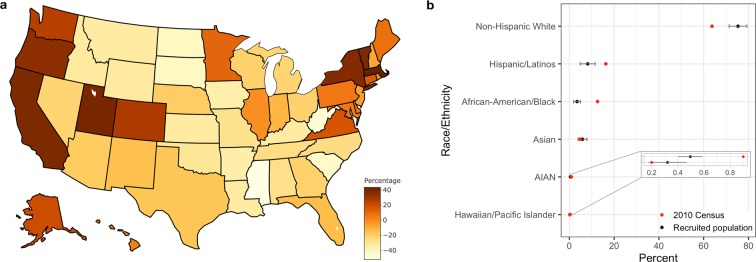
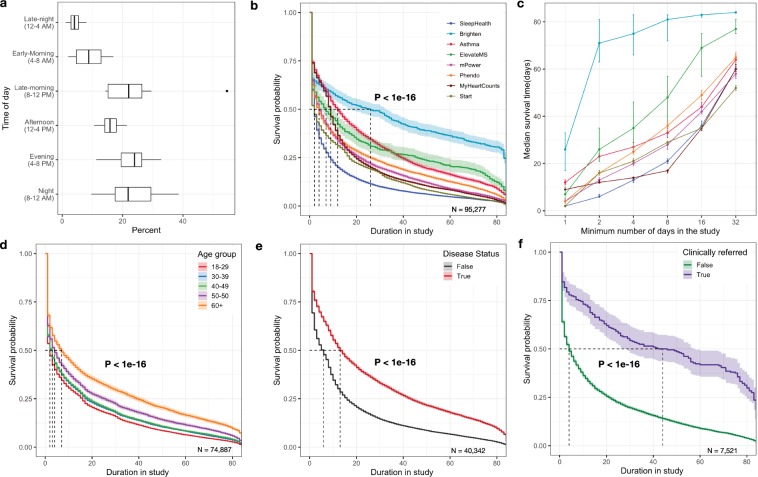
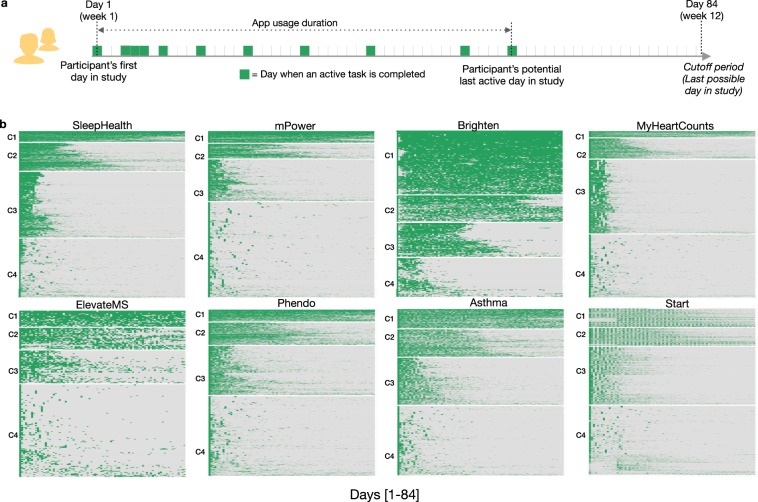
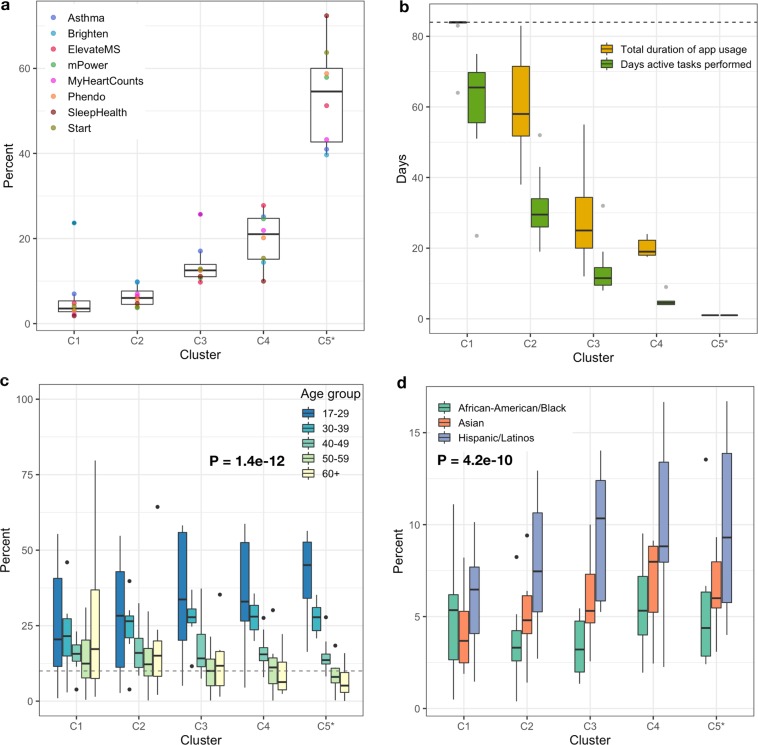
Digital technologies such as smartphones are transforming the way scientists conduct biomedical research. Several remotely conducted studies have recruited thousands of participants over a span of a few months allowing researchers to collect real-world data at scale and at a fraction of the cost of traditional research. Unfortunately, remote studies have been hampered by substantial participant attrition, calling into question the representativeness of the collected data including generalizability of outcomes. We report the findings regarding recruitment and retention from eight remote digital health studies conducted between 2014–2019 that provided individual-level study-app usage data from more than 100,000 participants completing nearly 3.5 million remote health evaluations over cumulative participation of 850,000 days. Median participant retention across eight studies varied widely from 2–26 days (median across all studies = 5.5 days). Survival analysis revealed several factors significantly associated with increase in participant retention time, including (i) referral by a clinician to the study (increase of 40 days in median retention time); (ii) compensation for participation (increase of 22 days, 1 study); (iii) having the clinical condition of interest in the study (increase of 7 days compared with controls); and (iv) older age (increase of 4 days). Additionally, four distinct patterns of daily app usage behavior were identified by unsupervised clustering, which were also associated with participant demographics. Most studies were not able to recruit a sample that was representative of the race/ethnicity or geographical diversity of the US. Together these findings can help inform recruitment and retention strategies to enable equitable participation of populations in future digital health research.
Overview
The claims and statistics of this paper haven’t been checked yet.
Free: it reads the open-access text and checks the first 5 claims that cite a source we can check. Create a free account to check every claim.
Integrity signals
Registry
Cites
Statistics
Figures
Verification
Claims the paper makes
The claims and statistics of this paper haven’t been checked yet.
Free: it reads the open-access text and checks the first 5 claims that cite a source we can check. Create a free account to check every claim.
Claims other papers make about this one
Each is checked against this paper’s own text: does it say what the citing paper says it does?
The source backs part of the claim, not all of it — or backs it for a different population, condition or comparison.
In the citing paper
“This level of attrition is commensurate with other digital mental health solution trial attrition rates [47,57].”
From A Therapeutic Relational Agent for Reducing Problematic Substance Use (Woebot): Development and Usability Study (2021) · cites this paper as [57]
Experimental — accuracy not yet measuredIn the citing paper
“This is especially important given the rapid dropout of user engagement for some forms of mobile phone interventions (e.g., health apps generally and mental health apps specifically [56, 57]).”
From Mobile phone-based interventions for mental health: A systematic meta-review of 14 meta-analyses of randomized controlled trials (2022) · cites this paper as [57]
Self-check
Percentages, sums and reported differences re-computed from the paper’s own numbers.
The self-check needs the paper’s full text.
Citations
Cites
Rogers, E. M., Singhal, A., & Quinlan, M. M. (2019) · An Integrated Approach to Communication Theory and Research · doi:10.4324/9780203710753-35 · Cited by 37,322
Miller, R. G. (1981) · Cited by 3,336
Johnson, C. O., Nguyen, M., Roth, G. A., Nichols, E., Alam, T., Abate, D., Abd-Allah, F., Abdelalim, A., Abraha, H. N., Abu-Rmeileh, N. M., et al. (2019) · The Lancet Neurology · doi:10.1016/s1474-4422(19)30034-1 · Cited by 3,264
Information bias in health research: definition, pitfalls, and adjustment methods
Althubaiti, A. (2016) · Journal of Multidisciplinary Healthcare · doi:10.2147/jmdh.s104807 · Cited by 3,018 · cited 1×
“Rather than retrospectively asking people to recall their health over the past week or month, researchers using mobile technologies can assess participants frequently including outside clinic and at important points in time without having to rely on recall that is known to have bias.(29) While these recent studies sho…”
Eysenbach, G. (2005) · Journal of Medical Internet Research · doi:10.2196/jmir.7.1.e11 · Cited by 2,524
The “All of Us” Research Program
The All of Us Research Program Investigators (2019) · New England Journal of Medicine · doi:10.1056/nejmsr1809937 · Cited by 2,440
Nahum-Shani, I., Smith, S. N., Spring, B. J., Collins, L. M., Witkiewitz, K., Tewari, A., & Murphy, S. A. (2018) · Annals of Behavioral Medicine · doi:10.1007/s12160-016-9830-8 · Cited by 2,171
Yardley, L., Morrison, L., Bradbury, K., & Muller, I. (2015) · Journal of Medical Internet Research · doi:10.2196/jmir.4055 · Cited by 1,442
Fogel, D. B. (2018) · Contemporary Clinical Trials Communications · doi:10.1016/j.conctc.2018.08.001 · Cited by 1,035
An Integrated Approach to Communication Theory and Research
(2014) · Routledge eBooks · doi:10.4324/9780203887011 · Cited by 981
Research works printed but not linked: 2
- Virtual Clinical Trials Challenges and Opportunities: Proceedings of a Workshop: Health and Medicine Division. (2019). http://www.nationalacademies.org/hmd/Reports/2019/virtual-clinical-trials-challenges-and-opportunities-pw.aspx. 31334937
- National Academies of Sciences, Engineering, and Medicine, Health and Medicine Division, Board on Health Sciences Policy & Committee on the Return of Individual-Specific Research Results Generated in Research Laboratories. Returning Individual Research Results to Participants: Guidance for a New Research Paradigm. (National Academies Press, 2018). 30001048
Cited by
Items 101–200 of 413
Factors associated with long-term use of digital devices in the electronic Framingham Heart Study
Pathiravasan, C. H., Zhang, Y., Wang, X., Trinquart, L., Benjamin, E. J., Borrelli, B., McManus, D. D., Kheterpal, V., Lin, H., Spartano, N. L., et al. (2022) · npj Digital Medicine · doi:10.1038/s41746-022-00735-1 · Cited by 22
Food & You: A digital cohort on personalized nutrition
Héritier, H., Allémann, C., Balakiriev, O., Boulanger, V., Carroll, S. F., Froidevaux, N., Hugon, G., Jaquet, Y., Kebaili, D., Riccardi, S., et al. (2023) · PLOS Digital Health · doi:10.1371/journal.pdig.0000389 · Cited by 24
Machine Learning–Based Prediction of Hospitalization During Chemoradiotherapy With Daily Step Counts
Friesner, I. D., Feng, J., Kalnicki, S., Garg, M. K., Ohri, N., & Hong, J. C. (2024) · JAMA Oncology · doi:10.1001/jamaoncol.2024.0014 · Cited by 22
Goodday, S., Karlin, E., Brooks, A., Chapman, C., Karlin, D. R., Foschini, L., Kipping, E., Wildman, M., Francis, M. K., Greenman, H., et al. (2022) · npj Digital Medicine · doi:10.1038/s41746-022-00579-9 · Cited by 21
Real-world longitudinal data collected from the SleepHealth mobile app study
Deering, S., Pratap, A., Suver, C., Borelli, A., Amdur, A., Headapohl, W., & Stepnowsky, C. J. (2020) · Scientific Data · doi:10.1038/s41597-020-00753-2 · Cited by 25
Self-citationKunkle, S., Yip, M., Watson, Ξ., & Hunt, J. B. (2020) · Journal of Medical Internet Research · doi:10.2196/17902 · Cited by 19
“Survey response rates are a challenge in both online studies and behavioral health practice; research has shown that the majority of participants in remote studies discontinue participation within the first week of a study and that online survey rates tend to be much lower than in-person [23,24].”
Delemere, E., Gitonga, I., & Maguire, R. (2022) · Supportive Care in Cancer · doi:10.1007/s00520-022-07077-4 · Cited by 21
American Life in Realtime: a benchmark registry of health data for equitable precision health
Chaturvedi, R. R., Angrisani, M., Troxel, W., Gutsche, T., Ortega, E., Jain, M., Boch, A., & Kapteyn, A. (2023) · Nature Medicine · doi:10.1038/s41591-022-02171-w · Cited by 18
Young, H. M. L., Castle, E. M., Briggs, J., Walklin, C., Billany, R. E., Asgari, E., Bhandari, S., BISHOP, N. C., Bramham, K., Burton, J. O., et al. (2024) · Scientific Reports · doi:10.1038/s41598-023-50507-4 · Cited by 21
“(1234567890) similar challenges, and rates of retention of around 48%, within online trials and DHIs 50,51 .”
Patra, E., Κοκκινοπούλου, Ά., Wilson-Barnes, S., Hart, K. H., Gymnopoulos, L. P., Tsatsou, D., Solachidis, V., Dimitropoulos, K., Rouskas, K., Argiriou, A., et al. (2024) · Life · doi:10.3390/life14101238 · Cited by 23
“Additionally, the PROTEIN app and broader ecosystem established a framework for future research, leveraging AI in personalised nutrition and physical activity digital interventions.”
García-Estela, A., Cantillo, J., Angarita‐Osorio, N., Mur-Milà, E., Anmella, G., Pérez, V., Vieta, E., Hidalgo‐Mazzei, D., & Colom, F. (2022) · Journal of Medical Internet Research · doi:10.2196/31565 · Cited by 26
“The aforementioned results are in line with one of the largest data sets on engagement in remote digital health compiled to date [38] (there is significant attrition in remote research).”
Web-based cognitive assessment in older adults: Where do we stand?
Belleville, S., LaPlume, A. A., & Purkart, R. (2023) · Current Opinion in Neurology · doi:10.1097/wco.0000000000001192 · Cited by 18
Eiselt, A.-K., Kirkendall, S., Xiong, E., Langner, D., & Goldfarb, M. B. (2026) · Frontiers in Digital Health · doi:10.3389/fdgth.2025.1713334 · Cited by 21
Email-Based Recruitment Into the Health eHeart Study: Cohort Analysis of Invited Eligible Patients
Ng, M. Y., Olgin, J. E., Marcus, G. M., Lyles, C. R., & Pletcher, M. J. (2023) · Journal of Medical Internet Research · doi:10.2196/51238 · Cited by 18
“Recruited participants in digital health studies also tend to be those who are non-Hispanic White, have higher income, and educational levels [3,9], which are groups that are already better represented in conventional health research [10,11].”
Larsen, E., Murton, O. M., Song, X., Joachim, D., Watts, D., Kapczinski, F. P., Venesky, L. G., & Hurowitz, G. (2024) · Frontiers in Psychiatry · doi:10.3389/fpsyt.2024.1342835 · Cited by 18
“Aside from study design factors, a potentially important factor was delivering real-time useful information (MFVB scores) back to users through the study app, a characteristic not shared by many other digital health apps (65, 66).”
InfluentialFeasibility and usability of remote monitoring in Alzheimer's disease
Muurling, M., de Boer, C., Hinds, C., Atreya, A., Doherty, A., Alepopoulos, V., Curcic, J., Brem, A., Conde, P., Kuruppu, S., et al. (2024) · Digital Health · doi:10.1177/20552076241238133 · Cited by 19
Digital Self-Management Platform for Adult Asthma: Randomized Attention-Placebo Controlled Trial
Kandola, A. A., Edwards, K., Straatman, J., Dührkoop, B., Hein, B., & Hayes, J. (2024) · Journal of Medical Internet Research · doi:10.2196/50855 · Cited by 18
“To reduce this, future RCTs of digital interventions may benefit from a run-in period, in which participants become familiarized with the app before randomization [41].”
Opportunities and Challenges for Long-Term Tracking
Epstein, D. A., Eslambolchilar, P., Kay, J., Meyer, J., & Munson, S. A. (2021) · Human-computer interaction series · doi:10.1007/978-3-030-67322-2_9 · Cited by 23
Rudroff, T. (2025) · Brain Sciences · doi:10.3390/brainsci15050533 · Cited by 22
“This approach improved retention by 40% among severely fatigued participants [30].”
InfluentialPathipati, M. P., Scott, L. L., Griser, A. C., & Staller, K. D. (2024) · Neurogastroenterology & Motility · doi:10.1111/nmo.14811 · Cited by 19
Adherence of Mobile App-Based Surveys and Comparison With Traditional Surveys: eCohort Study
Pathiravasan, C. H., Zhang, Y., Trinquart, L., Benjamin, E. J., Borrelli, B., McManus, D. D., Kheterpal, V., Lin, H., Sardana, M., Hammond, M. M., et al. (2021) · Journal of Medical Internet Research · doi:10.2196/24773 · Cited by 19
“Although digital and mHealth technologies have great potential to improve health, it is essential to understand engagement challenges with such technologies, as most mHealth studies have observed substantial participant drop offs within a short time period [35].”
Page, A., Yung, N. C. W., Auinger, P., Venuto, C. S., Glidden, A. M., Macklin, E. A., Omberg, L., Schwarzschild, M. A., & Dorsey, E. R. (2022) · Digital Biomarkers · doi:10.1159/000521232 · Cited by 20
Self-citationHernández‐Rodríguez, J., García‐Muñoz, C., Ortiz‐Álvarez, J., Saigí-Rubió, F., Conejo‐Mir, J., & Rodríguez, J. (2022) · Journal of Medical Internet Research · doi:10.2196/42397 · Cited by 18
“Some of the reasons for the higher loss of participants could be the participant’s reluctance to join remote research studies and mistrust in sharing data [18].”
Williamson, C., Rona, R. J., Simms, A., Fear, N. T., Goodwin, L., Murphy, D., & Leightley, D. (2022) · Telemedicine Journal and e-Health · doi:10.1089/tmj.2021.0587 · Cited by 17
Nowell, W. B., Curtis, J. R., Zhao, H., Xie, F., Stradford, L., Curtis, D., Gavigan, K., Boles, J., Clinton, C., Lipkovich, I. A., et al. (2023) · JMIR Human Factors · doi:10.2196/44034 · Cited by 20
“Finally, a review of retention indicators in remote digital studies asserted that the 2 most important factors extending retention were referral by a clinician to the study (increase of 40 days in median retention time) and compensation for participation (increase of 22 days) [29].”
Designing mHealth Apps to Incorporate Evidence-Based Techniques for Prolonging User Engagement
Monachelli, R., Davis, S. W., Barnard, A., Longmire, M. R., Docherty, J. P., & Oakley-Girvan, I. A. (2024) · Interactive Journal of Medical Research · doi:10.2196/51974 · Cited by 16
“However, while participants readily sign up for mHealth education and decentralized clinical trial apps, retention remains a major challenge [12-14].”
Can We Use Commercial Mobile Apps Instead of Research Mobile Apps in Healthcare Research?
Sezgın, E. (2021) · Frontiers in Public Health · doi:10.3389/fpubh.2021.685439 · Cited by 17
“, Apple ResearchKit and Android ResearchStack) created a gateway to develop integrated data collection apps through APIs, leveraging OSprovided default platforms to reach large number of cohorts (11).”
Oddsson, S. J., Gunnarsdottir, T., Jóhannsdóttir, L. G., Ámundadóttir, M. L., Frimannsdottir, A., Molander, P., Ylanne, A. K., Íslind, A. S., Óskarsdóttir, M., & Þorgeirsson, T. (2023) · JMIR Formative Research · doi:10.2196/39331 · Cited by 18
“5 days) but with substantial variability across studies and according to participant characteristics (range 2-26 days) [44].”
Johnson, L., Shapiro, M., Janicki, S., Mankoff, J. C., & Stricker, R. B. (2023) · International Journal of General Medicine · doi:10.2147/ijgm.s406466 · Cited by 16
“57 There was no outside physician diagnostic confirmation of patient reported data in the registry.”
Palmer, M. L., Beckley‐Hoelscher, N., Shearer, J., Kostyrka‐Allchorne, K., Robertson, O. M., Koch, M., Pearson, O., Slovák, P., Day, C., Byford, S., et al. (2023) · Journal of Medical Internet Research · doi:10.2196/44079 · Cited by 17
“…of the very high and rapid rate of recruitment into the trial (646 participants in just over 2 months), high levels of retention, and relatively high numbers accessing the app compared with those in trials of similar mental health apps [36], there seemed to be a strong demand for the intervention.”
Electronic Informed Consent in Mobile Applications Research
Wilbanks, J. T. (2020) · Journal of Law, Medicine & Ethics · doi:10.1177/1073110520917040 · Cited by 14
Self-citationNovel approaches to measuring neurocognitive functions in Alzheimer's disease clinical trials
Carlson, S., Kim, H., Devanand, D. P., & Goldberg, T. E. (2022) · Current Opinion in Neurology · doi:10.1097/wco.0000000000001041 · Cited by 14
“com must be demonstrated, as remote testing protocols can be difficult to monitor compliance and have high attrition [38].”
Barker, M. M., Chauhan, R., Davies, M. J., Brough, C., Northern, A., Stribling, B., Schreder, S., Khunti, K., & Hadjiconstantinou, M. (2023) · JMIR Diabetes · doi:10.2196/44943 · Cited by 17
“Similar findings have also been reported by other digital health studies exploring retention indicators in long-term health conditions in addition to diabetes [26].”
InfluentialTowards a consensus roadmap for a new diagnostic framework for mental disorders
Kas, M. J., Hyman, S. E., Williams, L. M., Hidalgo‐Mazzei, D., Huys, Q. J. M., Hotopf, M. H., Cuthbert, B. N., Lewis, C. M., Picker, L. D., Lalousis, P. A., et al. (2024) · European Neuropsychopharmacology · doi:10.1016/j.euroneuro.2024.08.515 · Cited by 17
“Large-scale decentralised studies on remote sensing across multiple health disorders have found retention of participants to be highly challenging, with many showing a half-life of study retention of only two weeks (Pratap et al., 2020).”
Jácome, C. I. O., Almeida, R., Pereira, A. M., Amaral, R., Vieira‐Marques, P., Mendes, S., Alves‐Correia, M., Ferreira, J. A., Lopes, I., Gomes, J., et al. (2021) · Frontiers in Medical Technology · doi:10.3389/fmedt.2021.649506 · Cited by 14
Assessing engagement features in an observational study of mental health apps in college students
Melcher, J., Patel, S. K., Scheuer, L., Hays, R., & Torous, J. B. (2022) · Psychiatry Research · doi:10.1016/j.psychres.2022.114470 · Cited by 15
Martin, M., Patterson, J., Allison, M., O’Connor, B. B., & Patel, D. K. (2021) · JMIR Diabetes · doi:10.2196/24981 · Cited by 17
Matcham, F., Carr, E., White, K. M., Leightley, D., Lamers, F., Siddi, S., Annas, P., de Girolamo, G., Haro, J. M., Horsfall, M., et al. (2022) · Journal of Affective Disorders · doi:10.1016/j.jad.2022.05.005 · Cited by 15
Gardner, C., Halligan, J., Fontana, G., Crespo, R. F., Prime, M. S., Guo, C., Ekinci, O., Ghafur, S., & Darzi, A. W. (2022) · Health Informatics Journal · doi:10.1177/14604582221087890 · Cited by 14
Therapeutic Content of Mobile Phone Applications for Substance Use Disorders: An Umbrella Review
Oesterle, T., Hall‐Flavin, D. K., Bormann, N. L., Loukianova, L. L., Fipps, D. C., Breitinger, S. A., Gilliam, W. P., Wu, T. E., da Costa, S. C., Arndt, S. V., et al. (2024) · Mayo Clinic Proceedings Digital Health · doi:10.1016/j.mcpdig.2024.03.004 · Cited by 14
Eating disorders early app use mediates treatment effect on clinical improvement
Kim, J. P., Sadeh‐Sharvit, S., Welch, H. A., Neri, E., Tregarthen, J., & Lock, J. (2021) · International Journal of Eating Disorders · doi:10.1002/eat.23652 · Cited by 13
A New Approach to Enhancing Engagement in eHealth Apps
Oakley-Girvan, I. A., & Docherty, J. P. (2022) · Interactive Journal of Medical Research · doi:10.2196/38886 · Cited by 13
“Engagement tends to be highly variable and inconsistent [2-6], leading to problems in retention, data quality, and clinical impact [7,8].”
Teepe, G. W., Kowatsch, T., Hans, F. P., & Benning, L. (2023) · Journal of Medical Internet Research · doi:10.2196/43775 · Cited by 14
“Pratap et al [28] identified (1) required prescription by a physician or psychotherapist, (2) presence of at least one specified condition, and (3) middle to old age as factors that contribute to higher retention rates.”
Pereira, N. L., Avram, R., So, D. Y. F., Iturriaga, E., Byrne, J., Lennon, R. J., Murthy, V., Geller, N. L., Goodman, S. G., Rihal, C. S., et al. (2020) · American Heart Journal · doi:10.1016/j.ahj.2020.10.069 · Cited by 13
Minen, M. T., Gopal, A., Sahyoun, G., Stieglitz, E. J., & Torous, J. B. (2020) · Journal of Neuropsychiatry · doi:10.1176/appi.neuropsych.19120353 · Cited by 17
Roos, C. R., Kiluk, B., Carroll, K. M., Bricker, J. B., Mun, C. J., Sala, M., Kirouac, M., Stein, E., John, M., Palmer, R., et al. (2024) · Annals of Medicine · doi:10.1080/07853890.2024.2315228 · Cited by 12
KIOS : A smartphone app for self‐monitoring for patients with bipolar disorder
Pahwa, M., McElroy, S. L., Priesmeyer, H. R., Siegel, G., Siegel, P., Nuss, S., Bowden, C. L., & El‐Mallakh, R. S. (2023) · Bipolar Disorders · doi:10.1111/bdi.13362 · Cited by 15
Björnsdóttir, S., Ulfsdottir, H., Gudmundsson, E. F., Sveinsdottir, K., Ísberg, A. P., Dobies, B., Magnusdottir, G. E. A., Gunnarsdottir, T., Karlsdottir, T., Björnsdóttir, G., et al. (2024) · JMIR Cardio · doi:10.2196/52576 · Cited by 16
Clinical applications of deep learning in neuroinflammatory diseases: A scoping review
Demuth, S., Paris, J., Faddeenkov, I., Seze, J. D., & Gourraud, P. (2024) · Revue Neurologique · doi:10.1016/j.neurol.2024.04.004 · Cited by 14
“The clinical value of these new biomarkers will depend on the practicality of their integration into current practices against the attrition of periodic patient reports [66].”
Thompson, L. I., Vito, A. N. D., Kunicki, Z. J., Emrani, S., Strenger, J. R., Nester, C. O., Harrington, K., Roque, N. A., Manoochehri, M., Salloway, S., et al. (2024) · Journal of the International Neuropsychological Society · doi:10.1017/s1355617724000328 · Cited by 13
“Attrition can be a common problem seen in remote assessment studies, which may have important implications if smartphone-based testing protocols will be used for longitudinal disease monitoring (Pratap et al., 2020).”
The MindKind Consortium (2021) · Wellcome Open Research · doi:10.12688/wellcomeopenres.17167.1 · Cited by 13
Arriola, E., Jaal, J., Edvardsen, A., Silvoniemi, M., Araújo, A., Vikström, A., Zairi, E., Rodriguez-Mues, M. C., Roccato, M., Schneider, S., et al. (2023) · The Oncologist · doi:10.1093/oncolo/oyad289 · Cited by 14
Online cognitive testing in Parkinson’s disease: advantages and challenges
Binoy, S., Algon, A. L., Adiva, Y. B., Montaser‐Kouhsari, L., & Saban, W. (2024) · Frontiers in Neurology · doi:10.3389/fneur.2024.1363513 · Cited by 14
Rafiei, R., Williams, C., Jiang, J., Aungst, T. D., Durrer, M., Tran, D., & Howald, R. (2021) · JMIR mhealth and uhealth · doi:10.2196/25406 · Cited by 15
“While a focus on adherence is currently the simplest business case to encourage evolution of the autoinjector toward connected therapeutics, biopharma will also need to demonstrate improvements in clinical outcomes via providers, increased economic efficiencies via payors, and patient satisfaction and usability via su…”
Discovering Engagement Personas in a Digital Diabetes Prevention Program
Hori, J. H., Sia, E. X., Lockwood, K. G., Auster‐Gussman, L. A., Rapoport, S., Branch, O. H., & Graham, S. A. (2022) · Behavioral Sciences · doi:10.3390/bs12060159 · Cited by 12
“First, although this period of engagement was longer than other studies adopted (e.g., [16]), it enabled us to focus our results on longitudinal engagement patterns and not simply cluster by variations in member drop-off time.”
Trinquart, L., Liu, C., McManus, D. D., Nowak, C., Lin, H., Spartano, N. L., Borrelli, B., Benjamin, E. J., & Murabito, J. M. (2023) · Journal of Medical Internet Research · doi:10.2196/40784 · Cited by 11
“It is essential to identify interventions that can improve participant engagement in remote digital studies [7] and mitigate any concern of attrition bias to harness the potential health impacts technology can provide.”
InfluentialMoretti, F. A., Bortolini, T., Hartle, L., Moll, J., Mattos, P., Furtado, D. R., Fontenelle, L. F., & Fischer, R. D. (2024) · Frontiers in Digital Health · doi:10.3389/fdgth.2024.1383999 · Cited by 11
“Nevertheless, when clinicians recommend some apps to patients as part of the study the average retention time increases signi fi cantly to around 40 days (8).”
InfluentialAdherence to digital pregnancy care – lessons learned from the SMART start feasibility study
Jaeger, K. M., Nissen, M., Leutheuser, H., Danzberger, N., Titzmann, A., Pontones, C. A., Goossens, C., Ziegler, P., Uhrig, S., Haeberle, L., et al. (2025) · npj Digital Medicine · doi:10.1038/s41746-025-01966-8 · Cited by 15
Sieber, C., Haag, C., Polhemus, A. M., Sylvester, R., Kool, J., Gonzenbach, R. R., & von Wyl, V. (2023) · Frontiers in Digital Health · doi:10.3389/fdgth.2023.1006932 · Cited by 11
Oakley-Girvan, I. A., Yunis, R., Fonda, S. J., Neeman, E., Liu, R., Aghaee, S., Ramsey, M., Kubo, A., & Davis, S. W. (2023) · Digital Health · doi:10.1177/20552076231186515 · Cited by 13
Lenze, E. J., Torous, J. B., & Areán, P. A. (2023) · Neuropsychopharmacology · doi:10.1038/s41386-023-01664-7 · Cited by 12
Self-citationDevelopment of the ehive Digital Health App: Protocol for a Centralized Research Platform
Hirten, R. P., Danieletto, M., Landell, K., Zweig, M., Golden, E., Orlov, G., Rodrigues, J., Alleva, E., Ensari, I., Böttinger, E. P., et al. (2023) · JMIR Research Protocols · doi:10.2196/49204 · Cited by 11
“Over half of the participants in digital studies stop participating after the first week [18].”
Self-Guided Mental Health Apps Targeting Racial and Ethnic Minority Groups: Scoping Review
Saad, F., Eisenstadt, M., Liverpool, S., Carlsson, C., & Vainieri, I. (2023) · JMIR Mental Health · doi:10.2196/48991 · Cited by 13
“For instance, studies have shown that the median duration of app use was only 3 hours over an 8-week treatment period [19] and the median retention rate was 5.5 days (across 8 studies) [20].”
InfluentialMobile app activity engagement by cancer patients and their caregivers informs remote monitoring
Yunis, R., Fonda, S. J., Aghaee, S., Kubo, A., Davis, S. W., Liu, R., Neeman, E., & Oakley-Girvan, I. A. (2024) · Scientific Reports · doi:10.1038/s41598-024-53373-w · Cited by 13
Rothman, B., Slomkowski, M., Speier, A., Rush, A. J., Trivedi, M. H., Lawson, E., Fahmy, M., Carpenter, D., Chen, D., & Forbes, A. (2024) · JMIR Research Protocols · doi:10.2196/56960 · Cited by 13
“Although most clinical trials have some participants discontinue or be unresponsive to follow-up, this is more likely to happen in studies involving DTx [89,90].”
Pratap, A., Steinhubl, S. R., Neto, E. C., Wegerich, S., Peterson, C. T., Weiss, L., Patel, S., Chopra, D., & Mills, P. J. (2020) · Frontiers in Cardiovascular Medicine · doi:10.3389/fcvm.2020.00120 · Cited by 13
“Recent research has shown that participant retention (56) and compliance (57), i.”
Self-citationThe evaluation of health recommender systems: A scoping review
Ananthakrishnan, A., Milne‐Ives, M., Cong, C., Shankar, R., Lakey, B., Alexánder, J., Tapuria, A., Marchal, A., Joy, E., & Meinert, E. (2024) · International Journal of Medical Informatics · doi:10.1016/j.ijmedinf.2024.105697 · Cited by 10
Zhao, S., Toniolo, S., Tang, Q.-Y., Scholcz, A., Ganse‐Dumrath, A., Gendarini, C., Broulidakis, J., Thompson, S., Manohar, S., & Husain, M. (2026) · npj Digital Medicine · doi:10.1038/s41746-026-02346-6 · Cited by 12
“A critical challenge for remote digital assessments, highlighted in large-scale studies with over 100,000 participants, is the dif fi culty in maintaining participant engagement 25 .”
Schäfer, F., Quinquis, L., Klein, M., Escutnaire, J., Chavanel, F., Chevallier, H., & Fagherazzi, G. (2022) · Frontiers in Digital Health · doi:10.3389/fdgth.2022.794908 · Cited by 10
“One study recently evaluated the indicators of retention of a large sample of research participants in remote, digital setting (25).”
Ran, M. O., Zuozhi, F. A. N. G., & Jiandong, F. A. N. G. (2022) · Advances in Psychological Science · doi:10.3724/sp.j.1042.2023.00669 · Cited by 10
“…有效性已得到广泛验证(Izzaty et al., 2021; Johansson et al., 2021; Sun et al., 2021; Taylor et al., 2021; Weisel et al., 2019),或可成为面对面治疗的 有力补充(Berry et al., 2019),但高脱落率、低参与度仍是其众所周知的困境,对 于无指导 ISI,此问题则更为凸显(Linardon et al., 2019; Pratap et al., 2020; Zhang et al., 2021)。随着人工智能(Artificial Intelligence,…”
Sobolev, M., Anand, A., Dziak, J. J., Potter, L. N., Lam, C. Y., Wetter, D. W., & Nahum-Shani, I. B. (2023) · Frontiers in Digital Health · doi:10.3389/fdgth.2023.1144081 · Cited by 10
Promoting participation in remote digital health studies: An expert interview study
Daniore, P., Nittas, V., Gille, F., & von Wyl, V. (2023) · Digital Health · doi:10.1177/20552076231212063 · Cited by 11
Milne‐Ives, M., Rahman, E., Bradwell, H. L., Baines, R., Boey, T., Potter, A., Lawrence, W. T., van Velthoven, M. H., & Meinert, E. (2024) · PLOS Digital Health · doi:10.1371/journal.pdig.0000481 · Cited by 11
Meier, S. E., Cheng, A., Tischbein, M., Shyr, C., Jerome, R. N., Edwards, T. L., Stroud, M., Wilkins, C. H., & Harris, P. A. (2024) · Journal of Clinical and Translational Science · doi:10.1017/cts.2024.515 · Cited by 11
Giese, H., & König, L. M. (2024) · Journal of Trial and Error · doi:10.36850/28b4-4f59 · Cited by 11
The opportunities and challenges of women's digital health: A research agenda
Figueroa, C. A., Sundqvist, J., Mathieu, S., Farrokhnia, N., Nevin, D., & Andersson, S. W. (2023) · Health Policy and Technology · doi:10.1016/j.hlpt.2023.100814 · Cited by 10
Edgley, K., Saunders, P. T. K., Whitaker, L. H. R., Horne, A. W., & Tsanas, A. (2025) · npj Digital Medicine · doi:10.1038/s41746-025-01629-8 · Cited by 12
Lockwood, K. G., Kulkarni, P. R., Paruthi, J., Buch, L. S., Chaffard, M., Schitter, E. C., Branch, O. H., & Graham, S. A. (2024) · JMIR Formative Research · doi:10.2196/50446 · Cited by 9
“Indeed, it is well established that retention is one of the biggest challenges with digital health solutions, and there are often high attrition rates with health programs delivered via mobile apps [41,42].”
Oesterle, T., Bormann, N. L., Paul, M. M., Breitinger, S. A., Lai, B., Smith, J. L., Stoppel, C. J., Arndt, S. V., & Williams, M. D. (2025) · JMIR Research Protocols · doi:10.2196/65693 · Cited by 10
“Digitally delivered CM through an app appears to improve engagement at a similar level to CM delivered in person [31].”
Ushering in safe, effective, secure, and ethical medicine in the digital era
Gordon, W. J., Coravos, A., & Stern, A. D. (2021) · npj Digital Medicine · doi:10.1038/s41746-021-00424-5 · Cited by 10
“In “ Indicators of retention in remote digital health studies: a cross-study evaluation of 100,000 participants, ” Pratap et al. 13 highlight the operational issue of patient retention as particularly salient.”
Torous, J. B., & Brady, R. O. (2020) · Bipolar Disorders · doi:10.1111/bdi.12928 · Cited by 10
Lang, A.-L., Bruhn, R.-L., Fehling, M., Heidenreich, A., Reisdorf, J., Khanyaree, I., Henningsen, M., & Remschmidt, C. (2024) · JMIR mhealth and uhealth · doi:10.2196/50135 · Cited by 12
“Data completeness may be further increased if a clear purpose for data collection is visible to participants, for example, having the clinical condition of interest in the study [52,53].”
InfluentialHolmqvist, S. L., Kaplan, M., Chaturvedi, R., Shou, H., & Giovannetti, T. (2025) · JMIR Human Factors · doi:10.2196/69952 · Cited by 10
“Smartwatch studies that incorporate a “human in the loop” have been found to have higher adherence than fully remote studies [15].”
InfluentialTiminis, C., Opie, J., Watt, S., Rogers, Y., & Drobnjak, I. (2025) · CHI Conference on Human Factors in Computing Systems · doi:10.1145/3706598.3714134 · Cited by 8
“However, their effectiveness is affected by lack of user engagement , defined as the time patients interact with the employed technology, and retention , the percentage of users the technology retains over a given period, being a cause of concern for both designers and HCPs [94].”
Xie, L. F., Housni, A., Roy‐Fleming, A., Bandini, A., Delormier, T., Costa, D. D., & Brazeau, A. (2023) · Digital Health · doi:10.1177/20552076231204435 · Cited by 10
“38 Similar to previous online interventions, 39 our results show a decrease in engagement with time and low usage of downloadable PDF documents, calculators, and newslet-ters in general.”
Jakob, R., Narauskas, J., Fleisch, E., König, L. M., & Kowatsch, T. (2024) · Computers in Human Behavior Reports · doi:10.1016/j.chbr.2024.100445 · Cited by 8
Yan, X., Dunne, D. M., Impey, S. G., Cunniffe, B., Lefevre, C. E., Mazorra, R., Morton, J. P., Tod, D., Close, G. L., Murphy, R., et al. (2022) · Contemporary Clinical Trials Communications · doi:10.1016/j.conctc.2022.100899 · Cited by 9
Schröder, T., Grube, H. C. B., Kühn, G., Sina, C., Thaçi, D., Nitschke, M. F., & König, I. R. (2022) · Trials · doi:10.1186/s13063-022-06933-2 · Cited by 8
Attarha, M., Mahncke, H. W., & Merzenich, M. M. (2024) · JMIR Formative Research · doi:10.2196/53623 · Cited by 9
Baee, S., Eberle, J. W., Baglione, A. N., Spears, T., Lewis, E., Wang, H., Funk, D., Teachman, B. A., & Barnes, L. E. (2024) · JMIR Mental Health · doi:10.2196/51567 · Cited by 9
Schilling, J., Klein, D., Bartholmae, M. M., Shokouhi, S., Toepp, A. J., Roess, A., Sill, J. M., Karpov, M. V., Maney, K., Brown, K., et al. (2023) · JMIR Formative Research · doi:10.2196/37550 · Cited by 8
Dear Watch, Should I Get a COVID-19 Test? Designing deployable machine learning for wearablesPreprint
Nestor, B., Hunter, J., Kainkaryam, R., Drysdale, E., Inglis, J. B., Shapiro, A. D., Nagaraj, S., Ghassemi, M., Foschini, L., & Goldenberg, A. (2021) · medRxiv · doi:10.1101/2021.05.11.21257052 · Cited by 17
Fifield, K., Veerakanjana, K., Hodsoll, J. P., Kuntsi, J., Tye, C., & Simblett, S. K. (2025) · Assessment · doi:10.1177/10731911241306364 · Cited by 10
“Another important reason to report on dropout characteristics is to understand the difference between those individuals willing to participate in research and those who are not, which may lead to improved future recruitment and retention protocols (Pratap et al., 2020).”
Hamitouche, D., Barkat, Y., Parekh, D., Hammer, E., & Benrimoh, D. A. (2025) · JMIR Human Factors · doi:10.2196/69464 · Cited by 8
“…studies, we show that dynamic, measurable parameters regarding symptomatology and symptom change are also important in understanding longitudinal patterns of attrition and adherence, and that they play a crucial role in shaping the remaining cohort as long-term studies progress over time [16,24].”
InfluentialTurvey, C., Fuhrmeister, L., Klein, D. M., McCoy, K. D., Moeckli, J., Steffensmeier, K. R. S., Suiter, N., & Tiem, J. V. V. (2023) · JMIR Formative Research · doi:10.2196/51277 · Cited by 10
“Prior estimates of patient engagement for mobile apps report lower retention on average [24] than what was observed in this study.”
Liu, A. W., Brown, W., Madu, N. E., Maiorano, A., Bigazzi, O., Medina, E., Sorric, C., Hays, S. R., & Odisho, A. Y. (2023) · JMIR mhealth and uhealth · doi:10.2196/51236 · Cited by 8
“Other studies have reported that drops in engagement are not associated with race or ethnicity, disease status, or geography [20].”
Promoting Engagement in Remote Patient Monitoring Using Asynchronous Messaging
Liaqat, S., Liaqat, D., Son, T., Falk, T. H., Wu, R. C., Gershon, A. S., de Lara, E., & Mariakakis, A. T. (2024) · CHI Conference on Human Factors in Computing Systems · doi:10.1145/3613904.3642630 · Cited by 8
“These kinds of are useful for recruiting beyond homogeneous and easily accessible populations like university students [16, 19], yet many of them experience high attrition in the absence of strong fnancial, social, or individual incentives for participants [41, 60].”
Imposter Participants: A Call for Social Science Intervention
Merchant, A., Atherton, S., & García-Iglesias, J. (2025) · Sociological Research Online · doi:10.1177/13607804251340013 · Cited by 8
Emerson, C. R., Webster, C., Daza, E. J., Klamer, B. G., & Tummalacherla, M. (2025) · Medical Cannabis and Cannabinoids · doi:10.1159/000549902 · Cited by 10
“5 days.(53) The present study was entirely decentralized, yet we retained >87% of study participants for the full six-week”
Aldridge, R. W., Burns, R., Kirkby, V., Elsay, N., Murray, E., Perski, O., Navaratnam, A. M. D., Williamson, E., Nieto-Martínez, R. E., Miranda, J. J., et al. (2020) · Wellcome Open Research · doi:10.12688/wellcomeopenres.16348.1 · Cited by 7
Metadata
- Authors
- Pratap, A., Neto, E. C., Snyder, P., Stepnowsky, C., Elhadad, N., Grant, D., Mohebbi, M. H., Mooney, S., Suver, C., Wilbanks, J., Mangravite, L., Heagerty, P. J., Areán, P., & Omberg, L.
- Affiliations
- Sage Bionetworks (US)
- University of California San Diego (US)
- Columbia University (US)
- University of Washington (US)
- Corresponding author
- Pratap, Abhishek
- ORCID
- Venue
- npj Digital Medicine
- Published
- 2020-02-17
- Volume
- 3
- Issue
- 1
- Pages
- 21-21
- ISSN
- 2398-6352 (ISSN-L)
- PMC
- PMC7026051
- OpenAlex
- W2978342502
- Semantic Scholar
- 8ba6198f7cbbcbfcb483575fe7817f70b8f4dc61
- Cited by
- 410
- References
- 84
- Citations by year
- 2026: 65 · 2025: 71 · 2024: 75 · 2023: 56 · 2022: 81 · 2021: 38 · 2020: 24
- FWCI
- 51.78
- Type
- journal article
- Language
- en
- Open access
- gold
- doi.org
- Licence
- cc-by
- creativecommons.org/licenses/by/4.0 (tdm)
- creativecommons.org/licenses/by/4.0 (vor)
- Locations
- npj Digital Medicine (publishedVersion, cc-by)
- PubMed Central (publishedVersion, cc-by)
- PubMed (publishedVersion)
- arXiv (Cornell University) (submittedVersion)
- DOAJ (DOAJ: Directory of Open Access Journals) (submittedVersion, cc-by-sa)
- arXiv (Cornell University)
- Synapse
- Funders
- U.S. Department of Health & Human Services | NIH | National Institute of Mental Health (MH100466)
- Robert Wood Johnson Foundation (73205)
- American Sleep Apnea Foundation, Washington, DC
- U.S. Department of Health & Human Services | NIH | National Center for Advancing Translational Sciences (1UL1TR002319-01)
- Topics
- Health Sciences › Health Professions › General Health Professions › Mobile Health and mHealth Applications
- Health Sciences › Medicine › Public Health, Environmental and Occupational Health › Ethics in Clinical Research
- Physical Sciences › Computer Science › Computer Science Applications › Mobile Crowdsensing and Crowdsourcing
- Keywords
- participant retention, participant attrition, smartphone app usage, participant recruitment, clinician referral, app usage patterns, demographic representativeness, health equity, real-world data
About these checks
Registry, retraction, Cites and statistics results are computed, not judged, with one exception: a printed reference that no index lists is read once by a model before it counts as a citation error. Claims are extracted by a model and kept only when their quote appears verbatim in the text; each cited source is then checked, with a model’s help, for whether it says what the claim relies on. Those verdicts can be wrong — read the claim’s quote and the cited source before relying on one.
Statistics and arithmetic are recomputed, not judged.
Confidence bands are shown only for fields calibrated on our annotated test set. None is calibrated yet, so no band is shown.
What counts as a claim ›How we measure confidence ›How we check this ›
Are you an author, or do you see a problem with this page? Request a review
Data sources
Bibliographic data: Semantic Scholar, OpenAlex, Crossref.
Contains information from the Semantic Scholar Academic Graph Datasets, made available under the ODC Attribution License (ODC-BY 1.0).
Semantic Scholar’s data is described in: Kinney, R., et al. (2023). The Semantic Scholar Open Data Platform. arXiv:2301.10140.
